10 Budget-Friendly Boys Bunk Bed Bedroom Ideas With Built-In Function
Bunk beds are a classic solution for shared bedrooms, but they can do so much more than just stack two mattresses. With a little creativity and some built-in features, you can turn a simple bunk bed into a functional hub for sleep, play, and study.
The best part? You don't need a huge budget to make it happen.
These ideas focus on smart, space-aware designs that feel intentional and stylish, not cluttered or cheap. Whether you're working with a tight room or a tight wallet, these bunk bed setups prove that practical can still look great.
1. Built-In Desk Under the Top Bunk
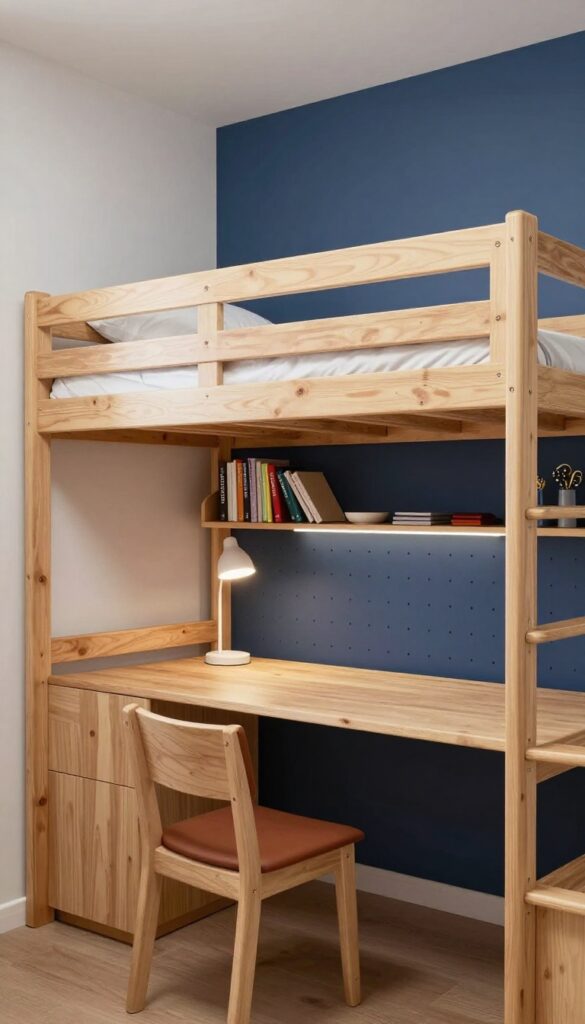
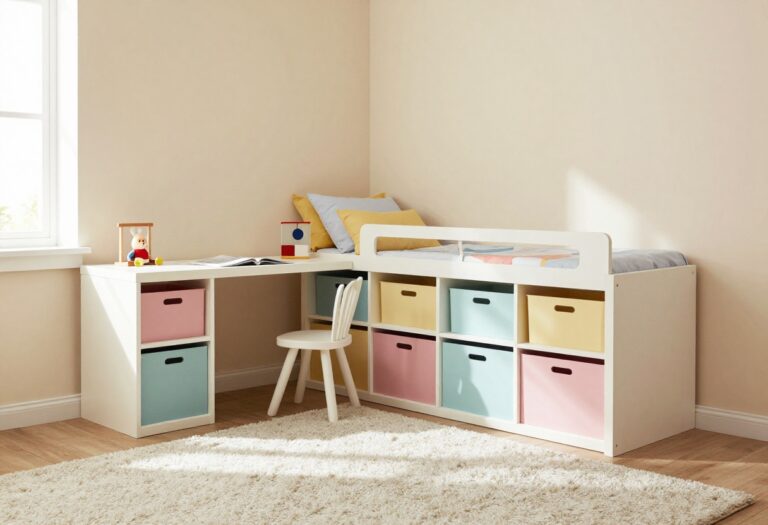
Maximize every inch of a shared bedroom by tucking a compact desk right under the top bunk. This setup turns dead space into a functional study zone without sacrificing floor area. A wall-mounted shelf above keeps books and a lamp within reach, while a slim LED strip provides focused task lighting.
Add a pegboard for supplies and you've got a homework station that stays tidy and out of the way.
Why It Works
It uses vertical space that would otherwise go unused, freeing up the rest of the room for play or storage. The desk is built in, so it feels intentional and doesn't crowd the room. Plus, it keeps school stuff contained in one spot, making cleanup easier.
Best For
Small shared bedrooms where floor space is limited and two kids need both sleeping and study areas. It's also great for a single child who wants a dedicated desk without taking up extra square footage.
Styling Tip
Choose a desk with a slim profile—no deeper than 20 inches—so there's still room to pull out the chair. Paint the pegboard a fun accent color like navy or orange to add personality without cluttering the surface.
2. Storage Stairs Instead of a Ladder
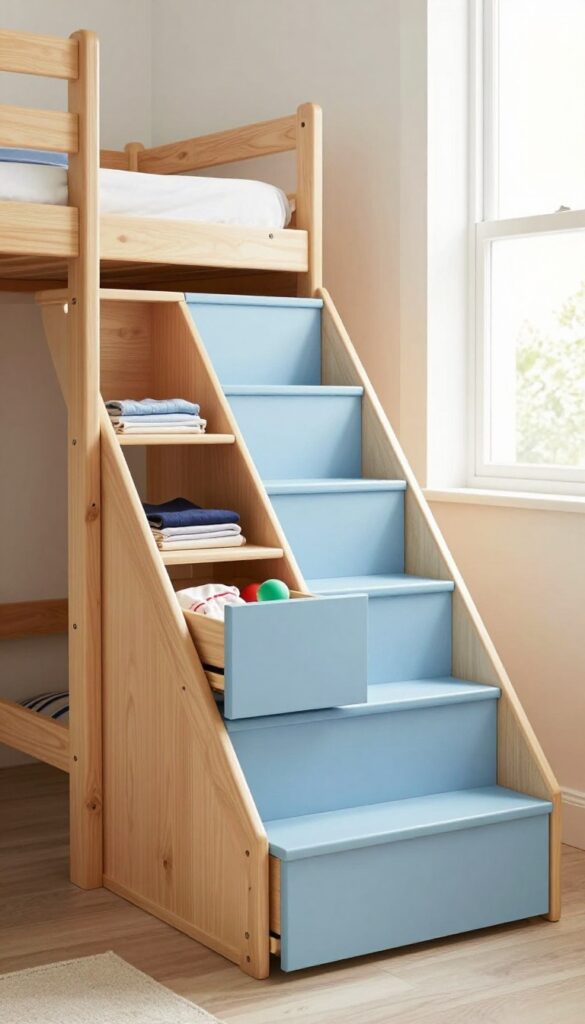
That standard ladder that comes with most bunk beds? It’s a space waster. Swap it out for wide, shallow stairs that pull double duty as storage drawers or open cubbies.
Each step becomes a spot for toys, folded clothes, or extra bedding. The stairs are safer for younger kids too, and they don’t eat up any extra floor space since they’re built right into the bed frame. It’s one of those smart swaps that makes the whole room feel more intentional and less cluttered.
Why It Works
Every step is a drawer, so you’re adding storage without taking up more square footage. The stairs are easier and safer for kids to climb, and they give the bed a custom, built-in look that elevates the whole room.
Best For
Families on a budget who want to maximize storage in a shared or small bedroom. It’s also great for younger kids who aren’t steady on a ladder yet.
Styling Tip
Paint the stair risers a contrasting color or add adhesive treads for grip. Use the bottom step as a shoe cubby and the top step for bedtime books. Keep the drawers shallow so they’re easy for little hands to open.
3. Low Bunk With Trundle and Drawers
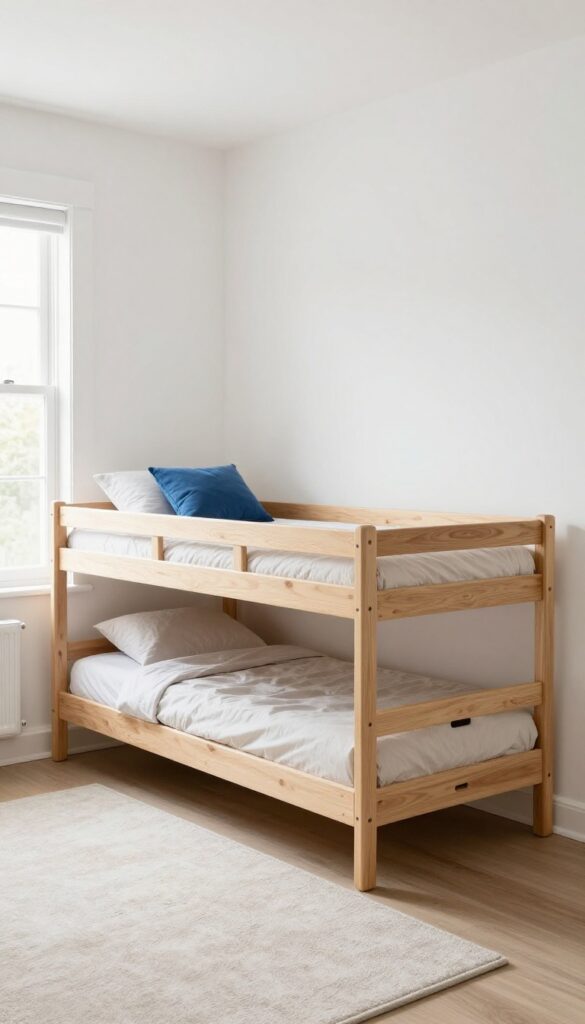
A low-profile bunk bed keeps the room feeling open and airy while still offering two sleeping spots. The pull-out trundle slides out easily for sleepovers or siblings, and deep drawers on the side stash extra bedding, toys, or clothes. This setup is a smart choice for smaller rooms where every inch counts, and it doesn't cost a fortune to pull off.
Why It Works
The low height makes the room feel bigger and safer for younger kids, while the trundle and drawers add function without taking up extra floor space. It's a budget-friendly way to accommodate guests or growing kids without buying separate furniture.
Best For
This works well for siblings sharing a room, frequent sleepovers, or a guest room that doubles as a kid's space. It's especially great in rooms with low ceilings or limited square footage.
Styling Tip
Keep the bedding neutral with a pop of color in pillows or a throw to make the room feel cohesive. Add a small rug underneath to define the sleeping area and soften the look.
4. Loft Bed With a Reading Nook Below
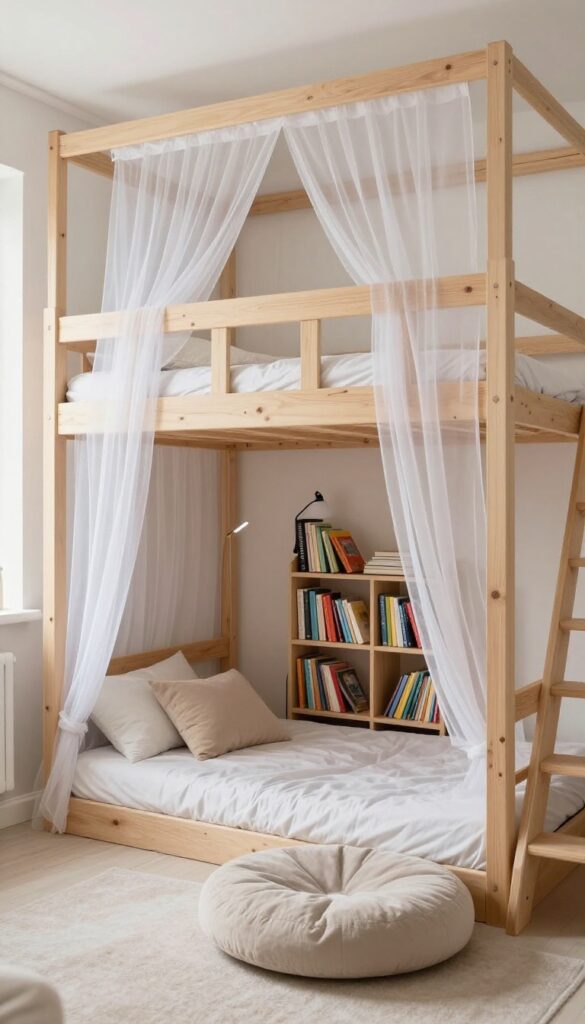
Raising the bed creates an instant bonus zone underneath—a tucked-away reading nook that feels like its own little room. By going vertical, you free up floor space while adding a cozy hideaway for quiet time. This setup works especially well in shared or small bedrooms where every square foot counts.
Why It Works
A loft bed lifts sleeping up and away, leaving the area below open for a dedicated activity zone. Adding floor cushions and a small bookshelf turns that empty space into a functional nook without needing extra furniture. It’s a budget-friendly way to carve out a private corner in a compact room.
Best For
This idea shines in smaller bedrooms where floor space is tight, or in rooms shared by two kids who need their own zones. It’s also great for a single child who loves to read and wants a cozy spot that feels separate from the bed.
Styling Tip
Hang a canopy or some lightweight curtains from the loft bed frame to make the nook feel extra cozy and enclosed. Stick to soft, neutral tones for the cushions and add a clip-on reading light so the space works day or night.
5. Bunk Bed With Built-In Wardrobe
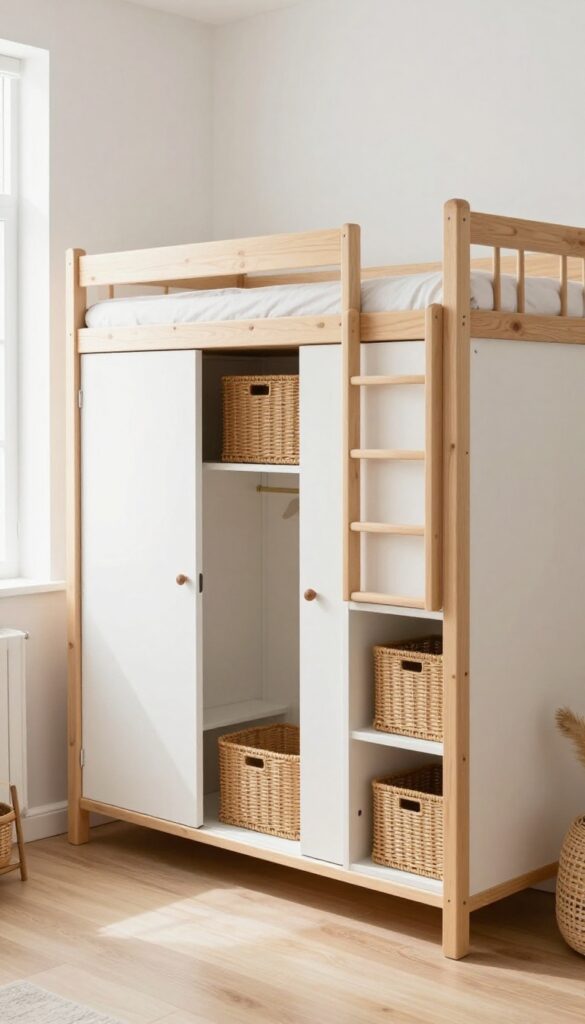
Why buy a separate dresser when you can attach storage right to the bed frame? A low wardrobe or open shelving unit fixed to the end of the bunk bed creates a compact dressing zone that saves floor space and keeps clothes within easy reach. It’s a smart, budget-friendly move that makes the most of every square inch in a shared room.
Why It Works
By combining sleeping and storage into one piece, you eliminate the need for extra furniture. This cuts costs and frees up floor space for play or study. Bins and baskets on open shelves make daily tidying quick, and a low wardrobe means even younger kids can grab their own outfits.
Best For
This setup is ideal for small shared bedrooms where every inch matters. It works especially well for two siblings close in age, as each can have their own dedicated storage section. Great for budget-conscious parents who want a clean, organized look without buying multiple dressers.
Styling Tip
Use matching bins or baskets to keep the look cohesive. Stick to a neutral color for the built-in unit—white or light wood—so it blends with the bed and doesn’t overwhelm the room. Add a small mirror on the side of the wardrobe for a quick outfit check.
6. Corner Bunk Bed With Shared Shelving
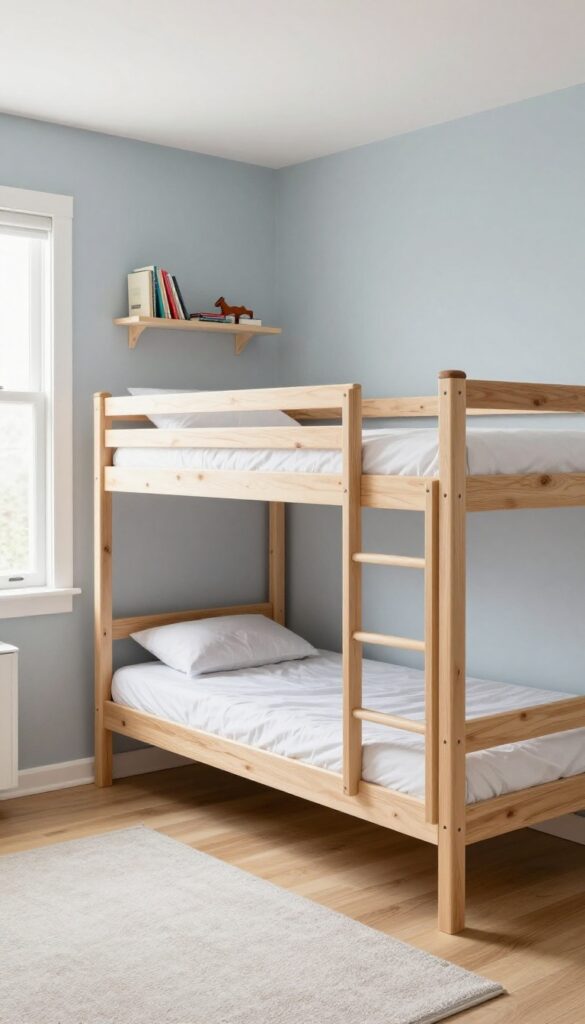
An L-shaped room can feel tricky to furnish, but a corner bunk bed turns that awkward layout into a smart sleep-and-storage zone. By tucking the bed into the angle of the walls, you free up the rest of the floor for play or desks. Adding floating shelves above each mattress gives every child a personal spot for books, trophies, or little treasures—no fighting over territory.
The open center keeps the room airy and easy to move around, which is a win for tight budgets and tight spaces alike.
Why It Works
This setup uses wall space that often goes wasted, so you don't need extra furniture that costs money and eats up floor area. The shelves are easy to install yourself with basic brackets, keeping the project budget-friendly. Each child gets their own defined zone without needing a full divider, which cuts down on squabbles and clutter.
Best For
Shared bedrooms where floor space is limited and the room has an L-shaped or corner layout. It's especially great for siblings close in age who still want a little personal space for their stuff.
Styling Tip
Paint the shelves the same color as the wall for a seamless look that doesn't visually crowd the corner. Add a small LED strip under each shelf for a soft reading light that won't disturb the other child.
7. Bunk Bed With a Slide-Out Play Area
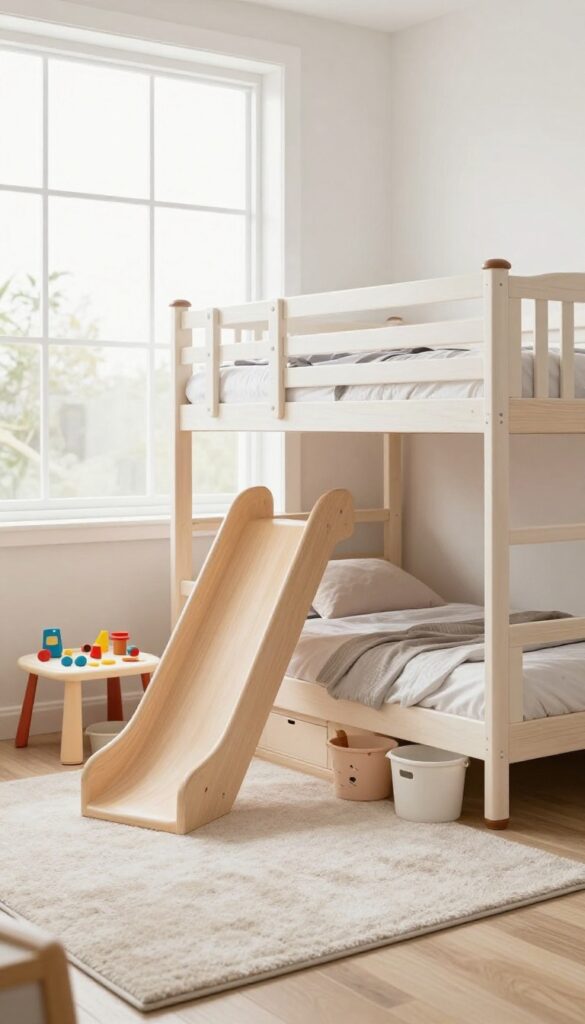
Kids love having their own little hideaway, and a slide-out play area under the bottom bunk delivers exactly that without eating up floor space. Think of it as a shallow rolling platform that glides out like a drawer, holding toy bins or a compact train table. When playtime’s over, it slides back in, keeping the room tidy and the floor clear.
This budget-friendly hack turns the bunk bed into a multitasking zone that grows with your child.
Why It Works
It adds a dedicated play zone without the need for extra furniture. The rolling platform uses dead space under the bed, so you’re not sacrificing square footage. Plus, it’s easy to DIY with a plywood base and casters, keeping costs low while maximizing function.
Best For
Small bedrooms where every inch counts, or families who want to keep toys contained but accessible. It’s also great for parents who prefer a clutter-free look but still want a fun, interactive element in the room.
Styling Tip
Paint the platform the same color as the bunk bed frame so it blends in when closed. Add a low lip around the edges to prevent toys from rolling off, and use a soft rug on top to create a cozy play surface.
8. Twin Over Full With Under-Bed Storage
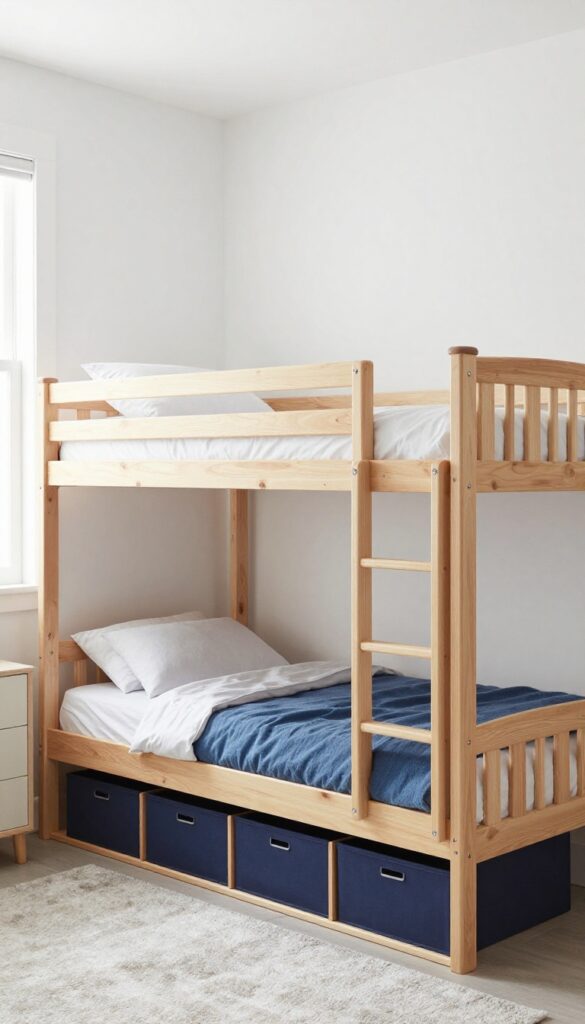
Mixing bed sizes in a single bunk frame solves two problems at once: younger kids get a safe top bunk while older siblings or guests enjoy a full-size bottom. The real win, though, is the space beneath the lower bed. Instead of wasted floor area, you can slide in rolling bins for toys, out-of-season clothes, or extra bedding.
A low dresser or shoe cubby also fits neatly underneath, keeping the room tidy without sacrificing square footage. This setup grows with your child, adapting from toddler years through the teenage phase without needing a full room overhaul.
Why It Works
The twin-over-full layout uses vertical space efficiently while leaving the floor open for storage. Rolling bins or a low dresser under the bottom bed keep clutter hidden and accessible. The larger lower mattress also means the bunk can host sleepovers or serve as a guest bed, making the room more versatile as kids get older.
Best For
Shared bedrooms where siblings are different ages or have different space needs. Also ideal for a single child who wants a bigger bed for guests but needs a compact footprint. Works well in rooms with limited floor space because it combines sleeping and storage in one piece of furniture.
Styling Tip
Choose rolling bins with lids in a neutral color like gray or navy to keep the look clean. If you add a low dresser, match its finish to the bunk bed for a built-in feel. Layer a washable rug in front of the dresser to define the area and add softness underfoot.
9. Bunk Bed With a Built-In Bookcase Headboard
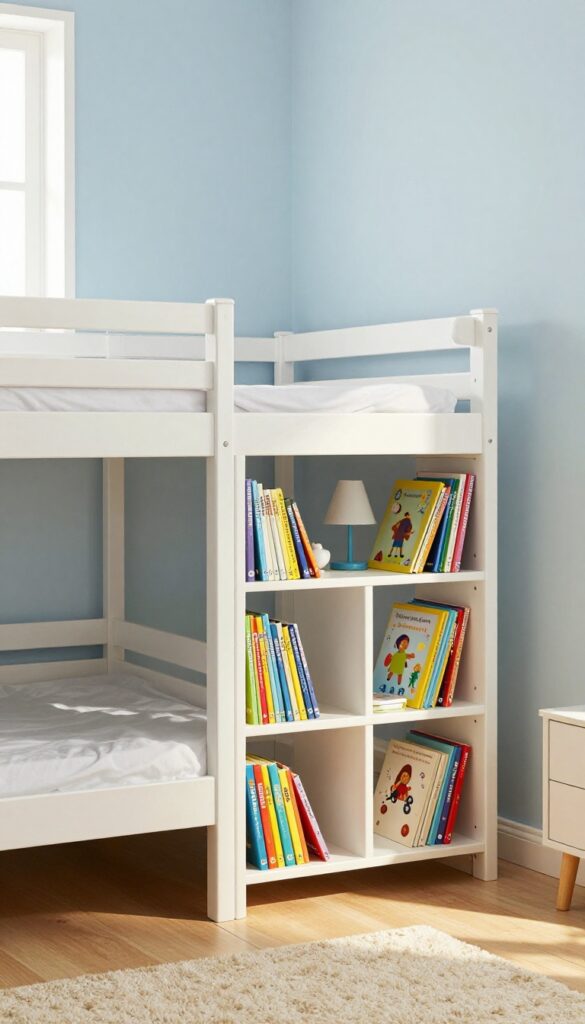
A built-in bookcase headboard turns the bunk bed into a smart storage hub without eating into floor space. By attaching a narrow bookcase to the headboard area of each bunk, you create a dedicated spot for books, a small lamp, and an alarm clock. This simple DIY upgrade eliminates the need for nightstands and gives the room a custom, polished look on a budget.
Why It Works
It keeps bedtime essentials within arm's reach while freeing up floor space for play or other furniture. The bookcase also adds a layer of coziness and personalization, making each bunk feel like its own little nook.
Best For
Twin or full-over-full bunk beds in shared kids' rooms where floor space is tight but storage is needed. It works especially well for avid readers or families wanting to avoid bulky nightstands.
Styling Tip
Paint the bookcase the same color as the wall or bed frame for a seamless look, or use a contrasting shade to make it pop. Add a small LED clip-on light to each shelf so kids can read without overhead glare.
10. DIY Bunk Bed With Rope Lights and Canopy
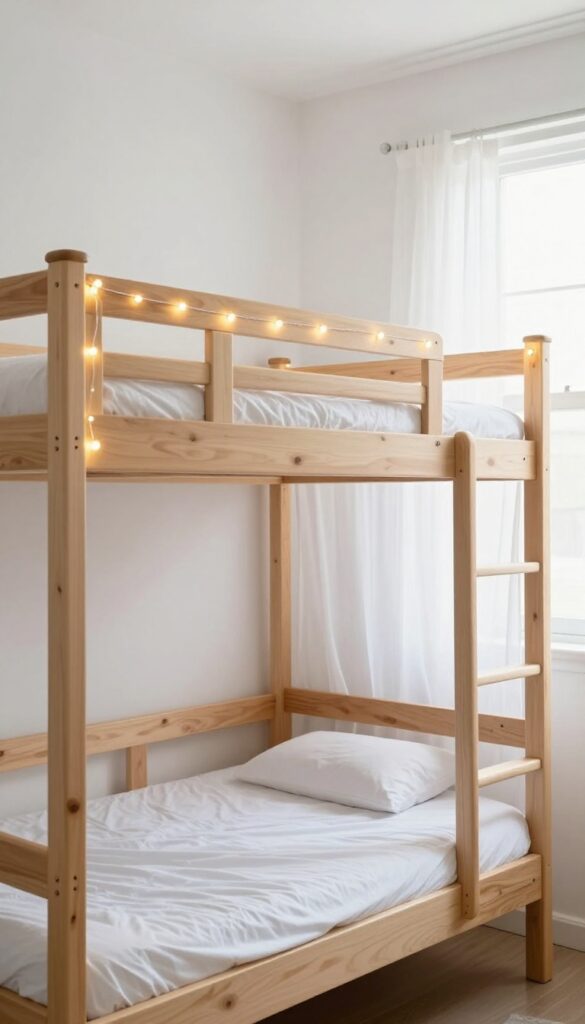
Sometimes the simplest tweaks make the biggest impact. A basic bunk bed frame—metal or wood—can feel completely new with a few affordable additions. Battery-operated rope lights along the rails add a warm, soft glow that’s perfect for reading or winding down.
Drape a lightweight canopy over the top bunk, and suddenly it’s a cozy fort. This setup is low-cost, easy to install, and instantly makes the room feel more playful and inviting.
Why It Works
Rope lights are inexpensive and require no wiring, so you can adjust or remove them anytime. The canopy creates a defined space that feels special without taking up extra floor area. Together, they add visual interest and a sense of adventure while keeping the budget firmly in check.
Best For
Families working with a tight budget who want to refresh a shared bedroom without buying new furniture. It’s also great for kids who love a cozy, den-like sleeping spot and need a gentle nightlight.
Styling Tip
Choose a canopy fabric that’s lightweight and breathable, like cotton muslin or sheer polyester, to avoid trapping heat. For the rope lights, stick with warm white LEDs for a calming ambiance—avoid bright or colored lights that might be too stimulating at bedtime.
FAQ
What is the most budget-friendly way to add storage to a bunk bed?
Using under-bed rolling bins or repurposing a low bookshelf at the end of the bed are the cheapest options. You can also add floating shelves above the bed for zero floor space cost.
How can I make a bunk bed feel more private for each child?
Add curtains or a canopy to each bunk using tension rods and fabric. This gives each child their own space without permanent construction.
Are built-in bunk beds safe for toddlers?
Yes, but only the bottom bunk is recommended for children under 6. Ensure guardrails are at least 5 inches above the mattress and the ladder is secure.
Can I add a desk to a bunk bed without buying a new frame?
Absolutely. Use a wall-mounted drop-leaf desk or a small table that slides under the top bunk. Add a stool that tucks away when not in use.
What colors work best for a small boys' bedroom with bunk beds?
Light neutrals like white, gray, or beige keep the room feeling larger. Add pops of color with bedding and accessories so you can change them easily as he grows.
Conclusion
Bunk beds don't have to be just a place to sleep. With a few built-in or add-on features, they become the centerpiece of a room that works hard for your family. The key is to think vertically and choose pieces that serve more than one purpose.
Whether you go for storage stairs, a desk underneath, or a cozy reading nook, each idea helps you get the most out of your space without overspending. Start with one change and see how much difference it makes.