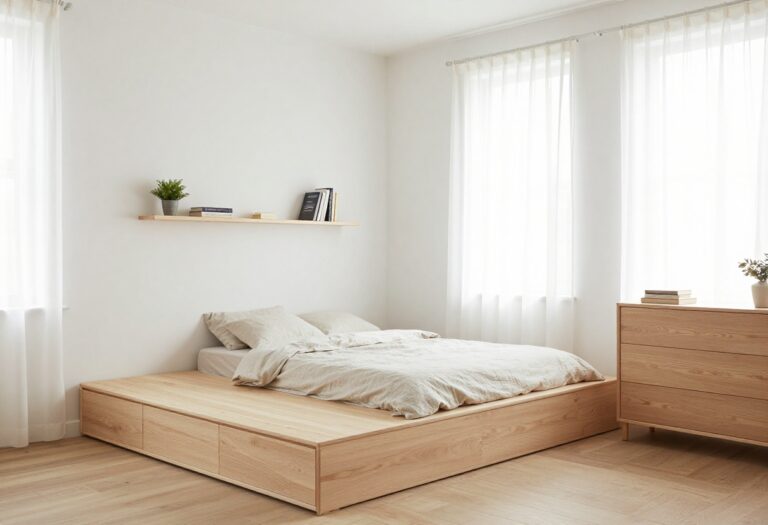
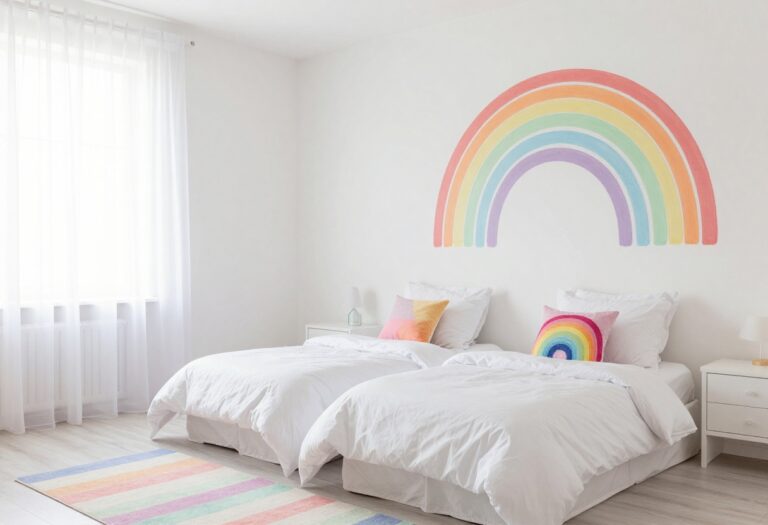
11 Kids Bedroom Ideas for Baby Boys With Clever Zones and Smart Storage
Designing a nursery for your baby boy is one of those projects that feels both exciting and a little overwhelming. You want the room to feel warm and welcoming, but you also need it to work hard for your daily routine.
The good news is that with a few clever zones and smart storage choices, you can create a space that grows with your little one and keeps your sanity intact.
From cozy feeding corners to toy storage that actually gets used, these 11 ideas will help you build a bedroom that feels lived-in and loved from day one.
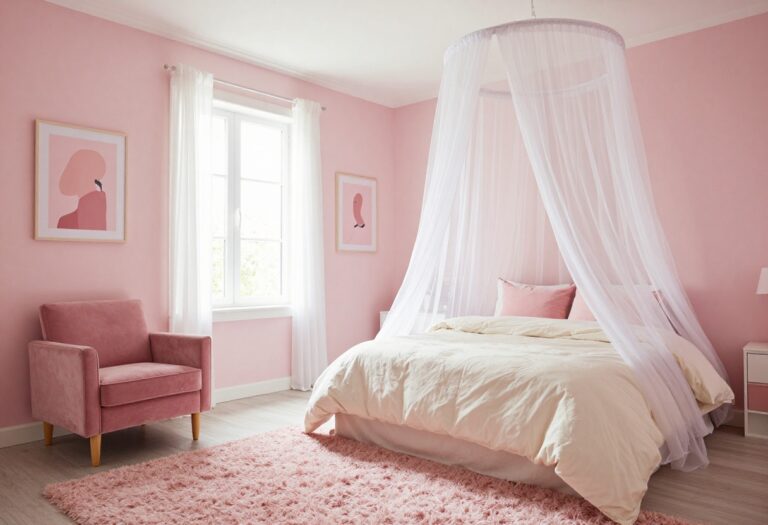
1. A Cozy Feeding Nook With a Comfortable Chair and Side Table
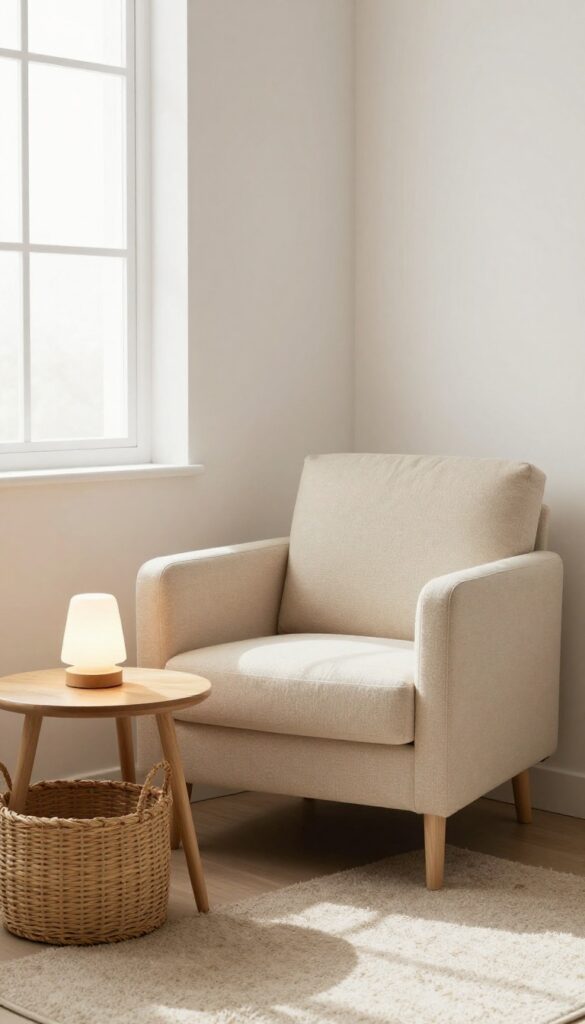
Late-night feedings are a whole lot easier when you have a spot that feels like a little retreat. Picture a plush armchair tucked into the corner of the nursery, with a small side table holding your water bottle and phone, and a soft floor lamp casting a warm glow. This feeding nook isn't just practical—it gives you a calm, comfortable place to bond with your baby during those quiet hours.
A nearby basket keeps burp cloths and blankets within arm's reach, so you don't have to get up once you're settled.
Why It Works
Having a dedicated feeding zone keeps everything you need close by, which means less disruption during middle-of-the-night sessions. The comfortable chair supports your back and arms, while the side table and lamp create a cozy, functional setup that feels intentional rather than makeshift.
Best For
This idea is perfect for newborn nurseries or baby boys' rooms where you'll be spending a lot of time feeding, especially during the first few months. It's also great for small spaces where you need to carve out a multipurpose corner without adding clutter.
Styling Tip
Choose an armchair with a soft, washable fabric like chenille or performance velvet—it'll hold up to spills and spit-up. Add a small round side table in a warm wood tone, and top it with a dimmable table lamp or a floor lamp with a fabric shade for that soft, warm light. Tuck a woven basket beside the chair for easy-access essentials.
2. Built-In Window Seat With Hidden Toy Storage
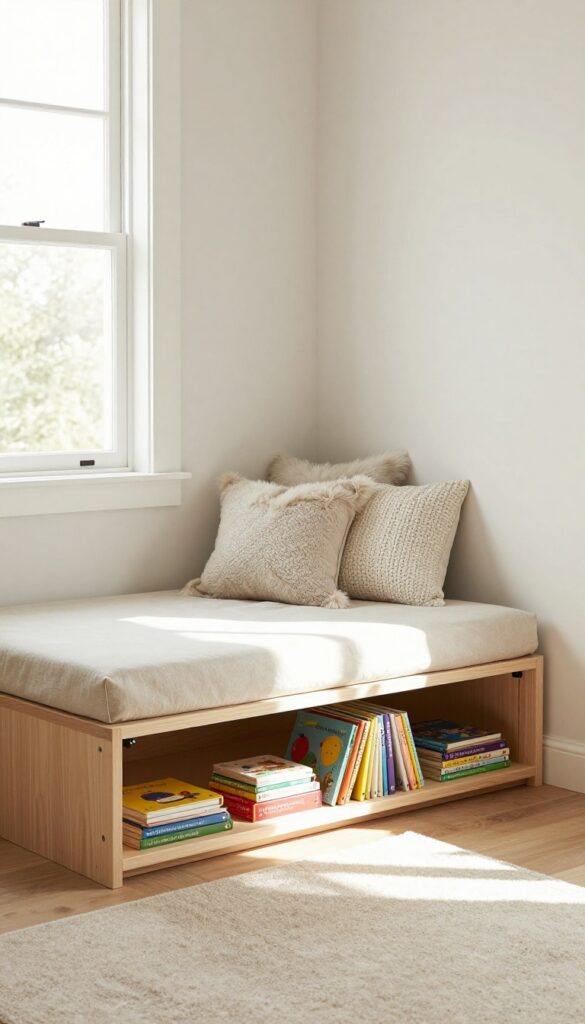
A window alcove can become the coziest corner in your baby boy's room with a built-in window seat that doubles as a storage powerhouse. The cushioned bench lifts up to reveal deep bins where toys, blankets, or out-of-season clothes can disappear in seconds. Toss on a couple of soft pillows and mount a low shelf for board books, and you've created a quiet nook for storytime that feels warm and lived-in from day one.
Why It Works
This idea solves two common nursery challenges at once: it carves out a dedicated reading spot and hides clutter behind a clean, upholstered facade. The lift-up mechanism makes it easy for even little hands to help with cleanup, and the built-in feel adds custom character without a major renovation.
Best For
Rooms with a window alcove or bay window that's currently underused. It's especially great for small spaces where every square inch needs to pull double duty, and it works beautifully in both nurseries and toddler rooms.
Styling Tip
Choose a cushion fabric in a warm neutral or soft pastel that ties into the room's palette, and add a few textured pillows—like a chunky knit or a faux fur—to make the seat extra inviting. Keep the book shelf within arm's reach and swap out titles as your little one grows.
3. Open Shelving for Diapers and Daily Essentials
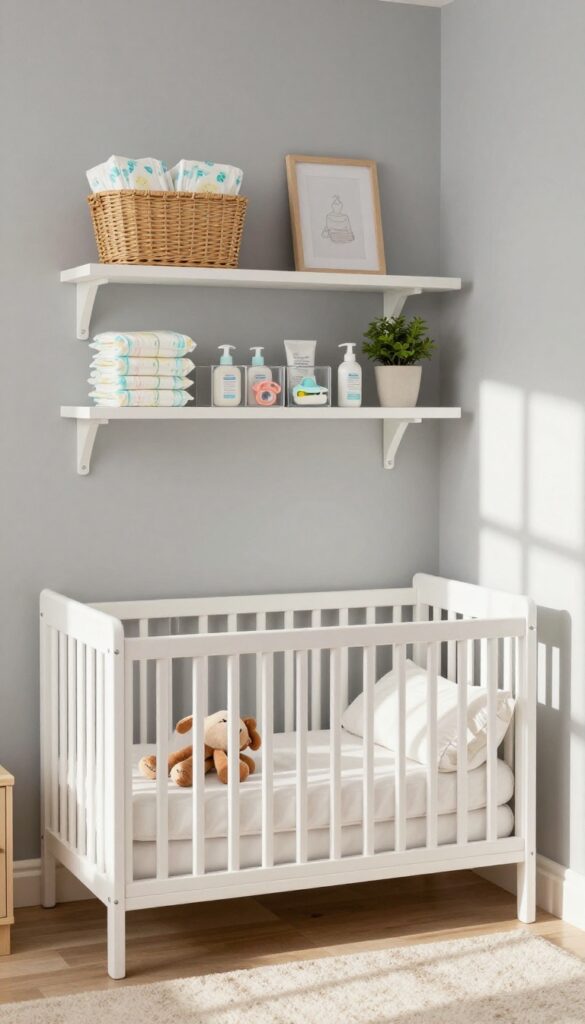
Floating shelves above the changing table turn an often chaotic zone into something calm and collected. In a baby boy’s nursery, they keep diapers, wipes, and lotions right where you need them—no fumbling around in the middle of a diaper change. The key is using woven baskets or clear bins to group items, so everything stays tidy and visually soft.
This setup feels warm and lived-in, not sterile, and it makes the daily routine a little smoother.
Why It Works
Open shelving puts everything at arm’s reach, which is a lifesaver during middle-of-the-night changes. The baskets and bins add texture and warmth, making the nursery feel cozy rather than cluttered. Plus, you can easily swap out items as your baby grows—from diapers to lotions to little toys.
Best For
This idea works best in nurseries where the changing table is against a wall, leaving vertical space above it unused. It’s ideal for parents who want a practical, grab-and-go setup without sacrificing style. The look suits both compact rooms and larger spaces that need a bit of intentional organization.
Styling Tip
Stick to two or three shelves to keep the look airy. Use natural woven baskets for diapers and wipes, and clear acrylic bins for smaller items like pacifiers or nail clippers. Add a small plant or a framed print on the top shelf for a personal touch—just keep it out of baby’s reach.
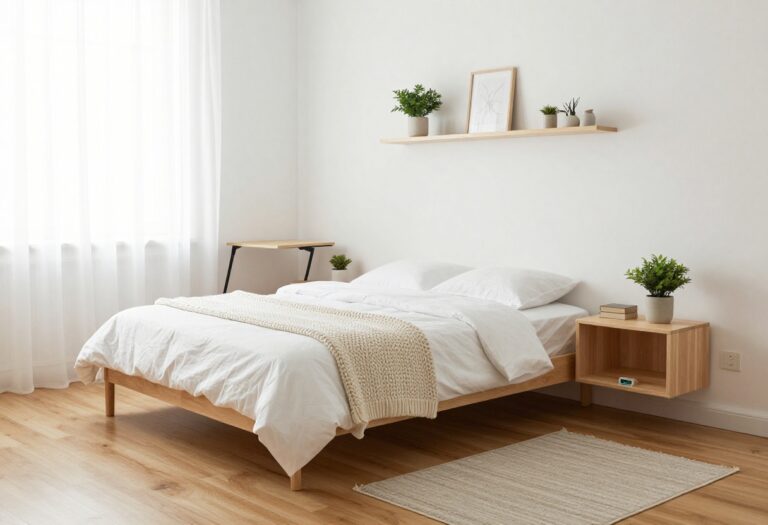
4. A Low-Profile Toddler Bed That Transitions From Crib
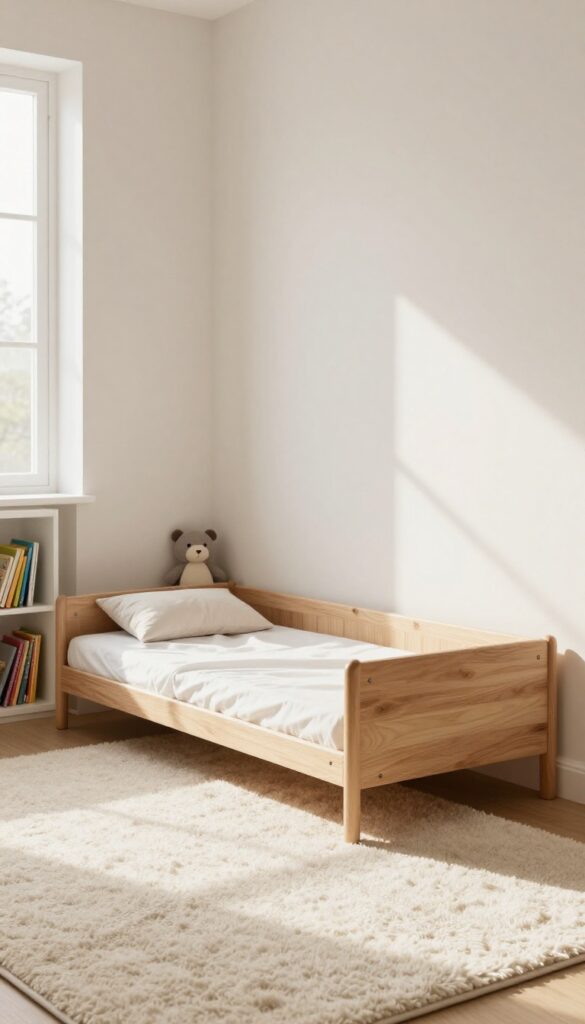
The leap from crib to big-kid bed can feel like a milestone for both of you. A low-profile toddler bed—or even a floor bed—keeps the transition gentle and safe. Your little one can climb in and out without help, and you won't worry about tumbles.
Pair it with a soft rug and a small bookshelf at his level, and you've created a cozy zone where he can explore, read, and play on his own terms.
Why It Works
Low beds eliminate the fear of rolling off a high mattress, making nighttime safer for new sleepers. The open, accessible design also encourages independence—your toddler can grab a book or a toy without calling for help, which builds confidence and keeps the room feeling like his own little world.
Best For
This setup is perfect for the transition phase, roughly ages 15 months to 3 years, when your child is ready to move out of the crib but not quite ready for a standard twin bed. It also works well in shared rooms where floor space is tight, since the low profile leaves more visual breathing room.
Styling Tip
Choose a bed frame in a warm wood tone or a soft neutral to keep the room feeling calm and lived-in. Add a washable wool or cotton rug underneath for a soft landing spot, and mount a low shelf or a cube bookshelf nearby. Stick to a few board books and a favorite stuffed animal to avoid visual clutter.
5. Wall-Mounted Book Ledges for Easy Access
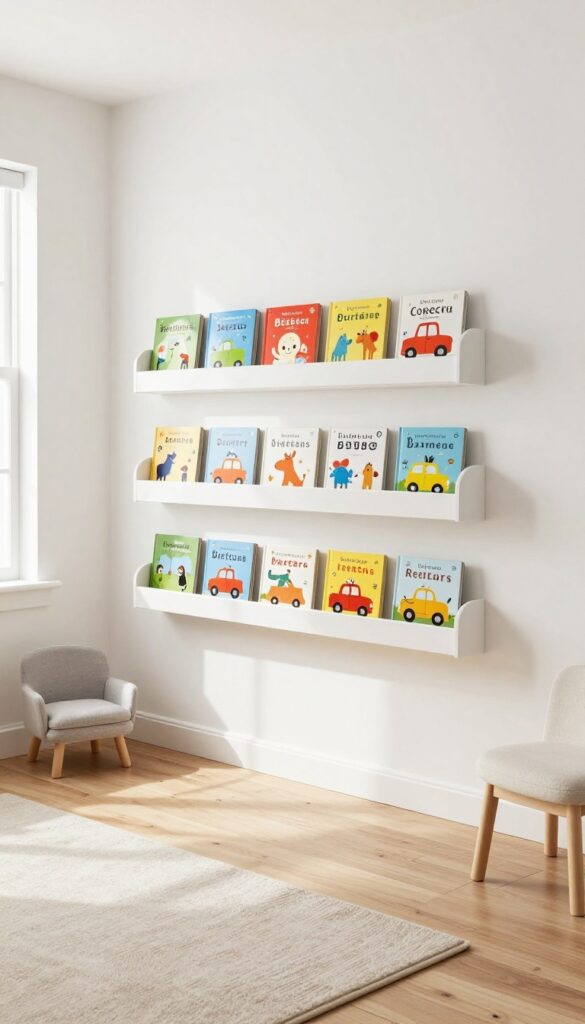
Picture a row of slim ledges running along the wall at just the right height for a toddler to reach. Instead of books stacked spine-out on a traditional shelf, these ledges let covers face forward, turning storytime into a visual invitation. The result is a wall that changes as often as your little one’s favorites—yesterday’s truck book gives way to today’s animal adventure, and the whole room feels alive with color and curiosity.
Why It Works
Front-facing displays make books irresistible to young children, encouraging independent selection and putting an end to the daily "which book?" struggle. The ledges take up minimal floor space, which is a win in any nursery or shared room, and they double as an ever-evolving piece of wall art that grows with your child’s interests.
Best For
This idea shines in rooms where floor space is tight—think small nurseries, shared bedrooms, or any corner that needs a cozy reading nook without adding bulky furniture. It’s also a smart choice for parents who want to rotate seasonal or themed books without cluttering shelves.
Styling Tip
Install the ledges at eye level for a seated adult or standing toddler—roughly 18 to 24 inches from the floor. Paint them the same color as the wall for a seamless look, or choose a contrasting shade like soft sage or pale blue to make the book covers pop. Group three to five ledges in a staggered row for visual rhythm, and swap out a few books each week to keep the display fresh.
6. A Play Zone With a Soft Mat and Low Toy Bins
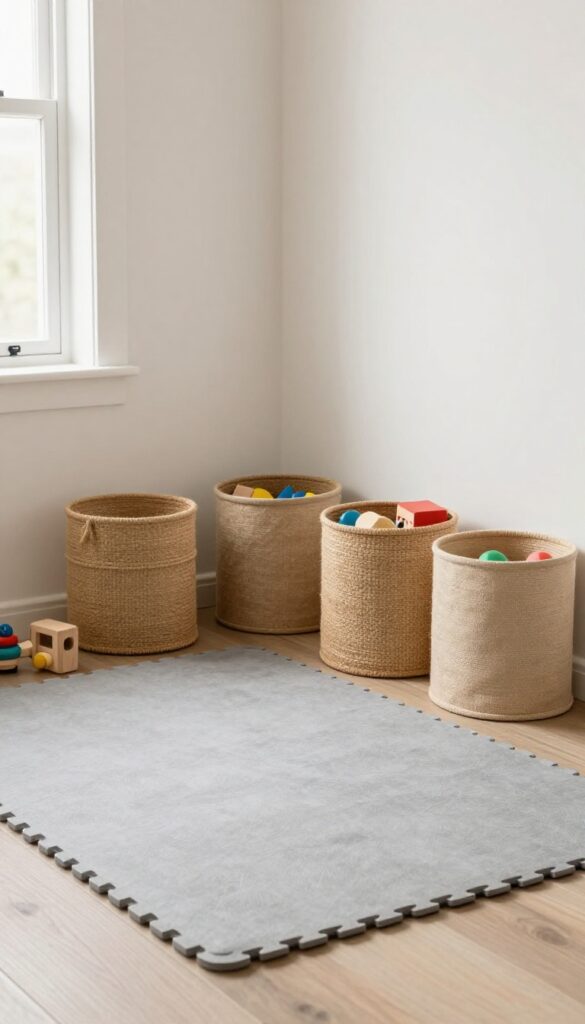
Every little boy needs a spot where he can sprawl out, build towers, and let his imagination run wild. A dedicated play zone in the corner of his bedroom gives him that freedom while keeping the mess contained. The key is a thick foam mat that cushions tumbles and low, open bins that make cleanup feel like part of the game.
This setup feels warm and lived-in because it invites daily use—no pristine, untouchable decor here.
Why It Works
Soft mats define the play area visually and physically, signaling to your child that this is his space to be active. Low bins at his eye level let him grab toys independently and put them away without help, building confidence and good habits. The open design also means you can quickly see when it's time to rotate toys, keeping the zone fresh and clutter-free.
Best For
This idea works wonderfully in smaller bedrooms where floor space is precious, or in rooms shared by siblings who need their own defined zones. It's also a smart choice for toddlers and preschoolers who are just learning to tidy up on their own.
Styling Tip
Choose a foam mat in a neutral or muted tone—like warm gray, soft beige, or pale blue—so it blends with the room rather than screaming 'playroom.' For the bins, go with natural materials like seagrass or canvas in earthy colors. Add a small rug on top of the mat for extra texture, and keep a basket nearby for larger items like stuffed animals.
7. Under-Crib Storage Baskets for Extra Linens
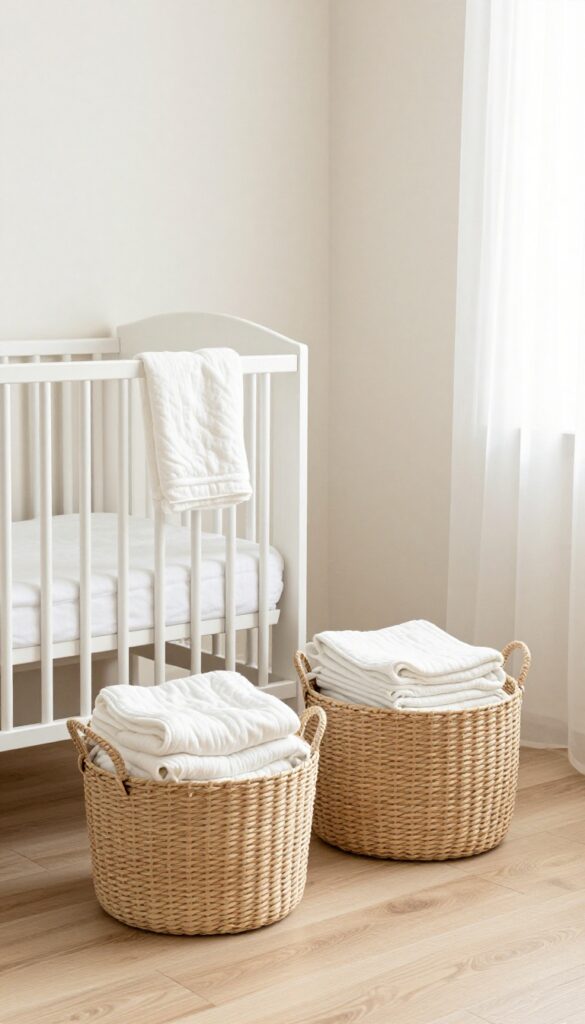
That space under the crib often turns into a catch-all for dust bunnies and lost pacifiers. But with a few flat baskets or rolling bins, it becomes one of the most practical storage spots in the room. Keep extra sheets, swaddles, and outgrown clothes tucked away but still easy to grab.
The room stays clutter-free, and you don't have to sacrifice any closet space.
Why It Works
Babies go through sheets and blankets faster than you'd expect, and having backups within arm's reach is a lifesaver during middle-of-the-night changes. The baskets hide the mess while keeping everything organized and accessible. Plus, they add a layer of texture and warmth under the crib, making the room feel more layered and lived-in.
Best For
This setup works best in nurseries or small bedrooms where closet space is tight. It's also great for parents who want to keep outgrown clothes handy for hand-me-downs or donations without cluttering the main dresser.
Styling Tip
Choose natural woven baskets in a warm tone like seagrass or rattan to keep the room feeling soft and organic. If you prefer a cleaner look, go with low-profile rolling bins in a muted neutral. Label each basket with a simple tag so you can grab what you need without digging.
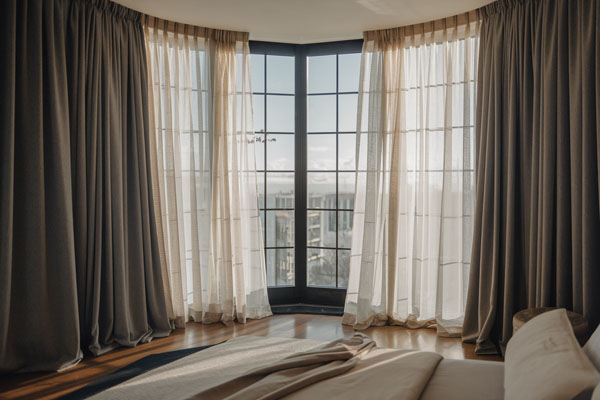
8. A Calming Blackout Curtain and Soft Lighting Combo
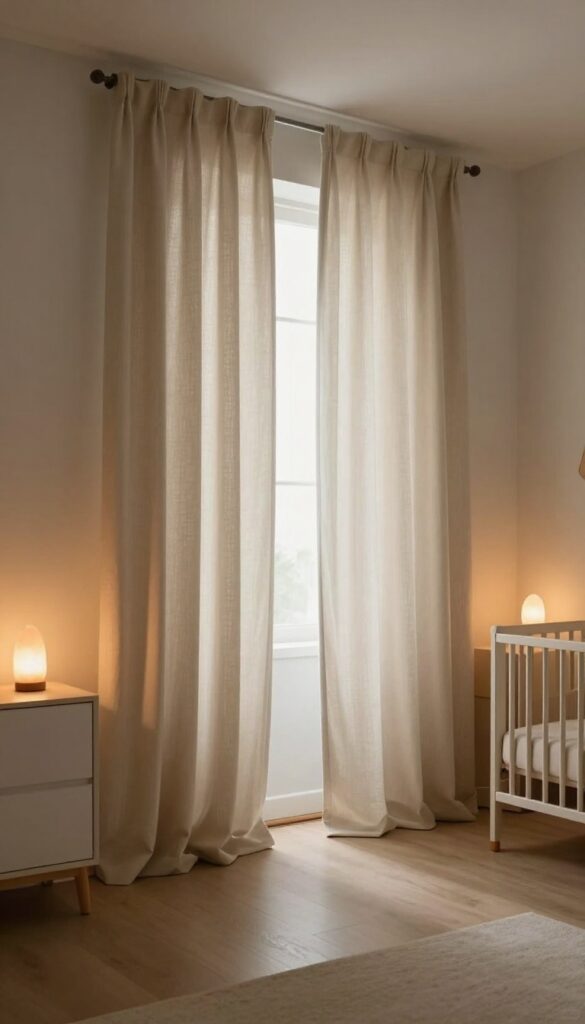
Naps and bedtime go smoother when the room feels like a cozy cave. Blackout curtains block out harsh afternoon sun and early morning light, helping your little one settle faster and stay asleep longer. Pair them with a dimmable overhead light or a warm salt lamp, and add a small nightlight for those late-night checks without jolting anyone fully awake.
Why It Works
Babies and toddlers are sensitive to light changes, and a dark, quiet room signals their bodies that it's time to rest. Layering soft, adjustable lighting gives you control over the mood—bright enough for playtime, dim enough for winding down.
Best For
This setup is ideal for rooms that get a lot of morning sun or face a bright street, and for parents who want an easy, affordable way to improve sleep quality without a full room makeover.
Styling Tip
Choose blackout curtains in a neutral tone like oatmeal or soft grey to keep the room feeling warm, not cave-like. Hang them high and wide to make the window look larger, and use a cordless style for safety around little hands.
9. A Mini Closet System With Adjustable Rods and Bins
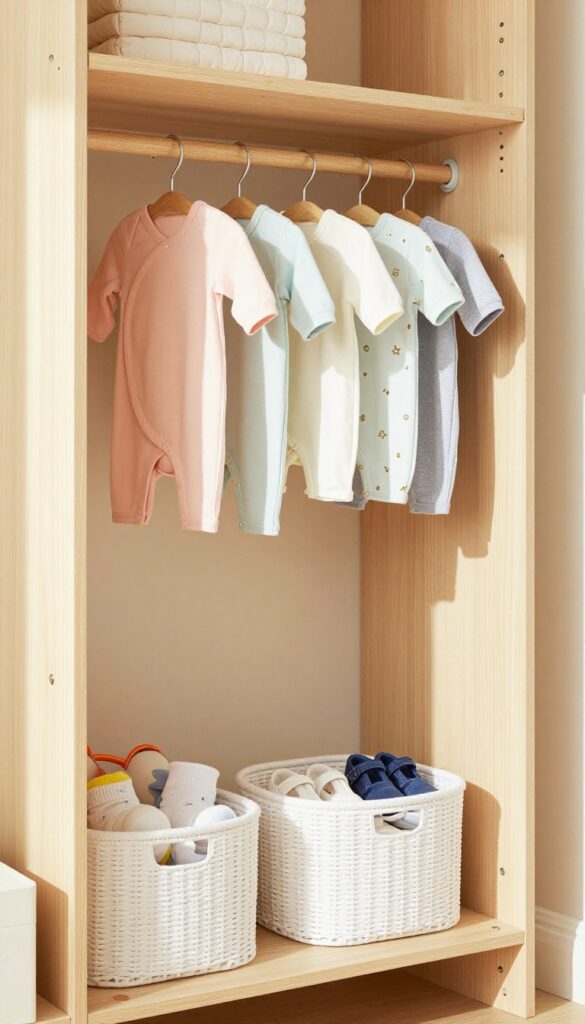
Even the smallest closet can pack a surprising amount of function when you tailor it to a baby's needs. A mini closet system with an adjustable low rod makes tiny onesies and sleepers easy to reach, while stackable bins keep socks, shoes, and accessories neatly corralled. The warm wood tones and soft white bins keep the space feeling cozy and lived-in, not clinical.
Plus, adding a second rod higher up means the closet grows with your child, so you won't have to redo the whole thing in a year.
Why It Works
Babies have small clothes that get lost in full-size closets, and a low rod solves that instantly. Adjustable rods let you raise the height as your boy grows, and stackable bins create a flexible system for diapers, hats, or toys. The warm wood finish and soft neutral bins keep the closet feeling inviting rather than sterile.
Best For
This idea is perfect for a baby boy's room with a compact closet or a reach-in wardrobe. It's especially helpful if you want a system that transitions from newborn to toddler without a full overhaul. Great for parents who prefer open storage that's easy to grab and put away.
Styling Tip
Use a mix of woven baskets and clear plastic bins to keep things visually interesting but still practical. Label each bin with a simple tag or a small chalkboard sticker so you can quickly find what you need. Keep the color palette warm—think natural wood, cream, and soft beige—to maintain that lived-in feel.
10. A Diaper Changing Station That Doubles as a Dresser
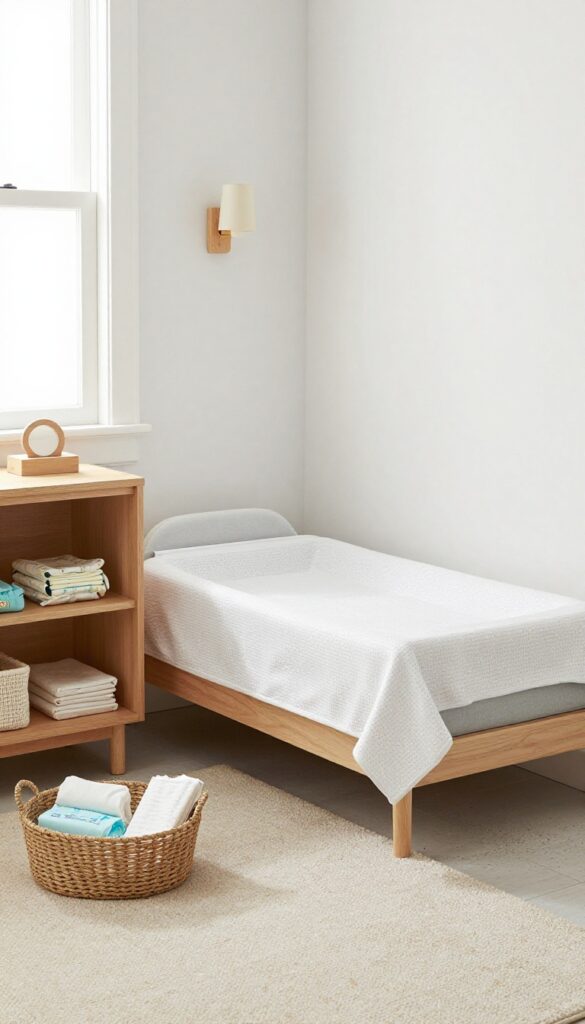
In a baby boy's room, every square inch counts, especially during those early months when diaper changes happen what feels like every ten minutes. A dresser topped with a changing pad is a classic space-saving move, but it can also look intentional and polished. Choose a low, sturdy dresser with plenty of drawer space, then add a contoured changing pad in a neutral tone like warm gray or oatmeal.
The result is a dedicated station that feels built-in, not temporary, and keeps everything from diapers to onesies within arm's reach.
Why It Works
This setup eliminates the need for a bulky changing table, freeing up floor space for a rocking chair or a small play mat. The dresser provides long-term storage that transitions easily from babyhood to toddler years, making it a smart investment. Plus, having all the essentials organized in one spot speeds up diaper changes and reduces middle-of-the-night fumbling.
Best For
Small to medium-sized nurseries where you need to maximize function without sacrificing style. It's also ideal for parents who want a single piece of furniture that grows with their child, avoiding the need to swap out a changing table later.
Styling Tip
Use drawer dividers to keep tiny socks, burp cloths, and pajamas neatly separated. Add a soft, washable changing pad cover in a subtle pattern like tiny dots or stripes, and place a small basket on top for diapers and wipes. A low-profile lamp or a wall sconce above the dresser provides task lighting for late-night changes.
11. A Growth Chart Wall Decal or Painted Ruler
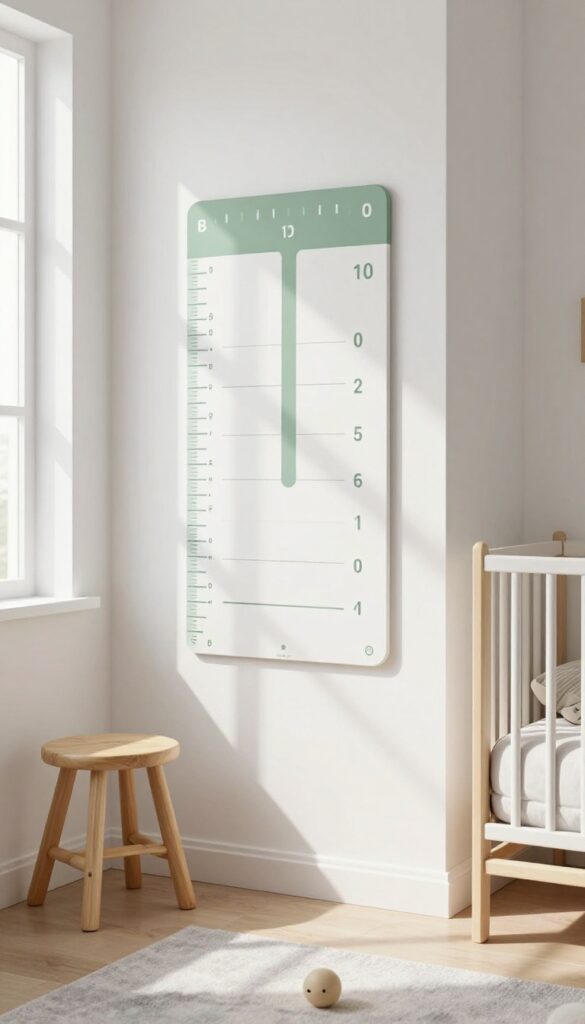
Kids grow fast, and nothing captures those fleeting years quite like a height chart on the wall. Skip the pencil marks on doorframes—try a wall decal shaped like a giant ruler or a hand-painted design that becomes part of the room's decor. It's a simple way to add a sentimental touch that feels warm and lived-in, not staged.
Why It Works
A growth chart turns a blank wall into an interactive memory keeper. It's practical because you can track milestones without damaging paint, and it adds visual interest with numbers and markings that feel playful yet intentional.
Best For
This idea works in any nursery or big kid room, especially if you want a personal element that grows with your child. It's also great for shared rooms where each kid can have their own column.
Styling Tip
Place the chart near the door or in a hallway nook where you'll actually use it. Choose a neutral color like soft gray or sage green so it blends in, and pair it with a small stool or step for easy measuring.
FAQ
How can I make a small nursery feel bigger?
Use light colors on walls and furniture, add mirrors to reflect light, and choose multi-functional pieces like a dresser that doubles as a changing table. Keep clutter to a minimum with smart storage.
What is the best storage solution for baby toys?
Low, open bins or baskets work well because they are easy for babies to access and encourage independent play. Rotate toys to keep the selection fresh and reduce mess.
When should I transition my baby from a crib to a toddler bed?
Most children transition between 18 months and 3 years old, often when they start climbing out of the crib. A floor bed can be a safe and gentle option for early movers.
How do I create a calming sleep environment for my baby?
Use blackout curtains, a white noise machine, and soft, dimmable lighting. Keep the room cool and choose a comfortable mattress. A consistent bedtime routine also helps.
What are some safe nursery decor tips?
Secure all furniture to the wall, avoid heavy items above the crib, use cordless blinds, and choose non-toxic paint and materials. Keep small objects and loose bedding out of reach.
Conclusion
Designing a nursery for your baby boy doesn't have to be complicated. By focusing on a few clever zones and smart storage solutions, you can create a room that feels warm, functional, and ready for all the sweet moments ahead.
Remember, the best nurseries are the ones that feel lived-in and loved, not perfectly staged. Take your time, choose pieces that work for your routine, and enjoy the process of making the space your own.