How to Clean Your Room: 13 Calm Steps from Mess to Fresh
You don't need a full weekend or a cleaning crew to turn your room around. Sometimes the mess feels too big, but small, calm steps can make a real difference. This guide is for anyone who wants a cleaner space without the panic.
We're not aiming for perfection here. Just a room that feels lighter and more like yours. These 13 steps are designed to be gentle on your energy and your schedule.
Start where you are, with what you have. One step at a time, you'll see the change.
1. Open the Windows and Let the Air In
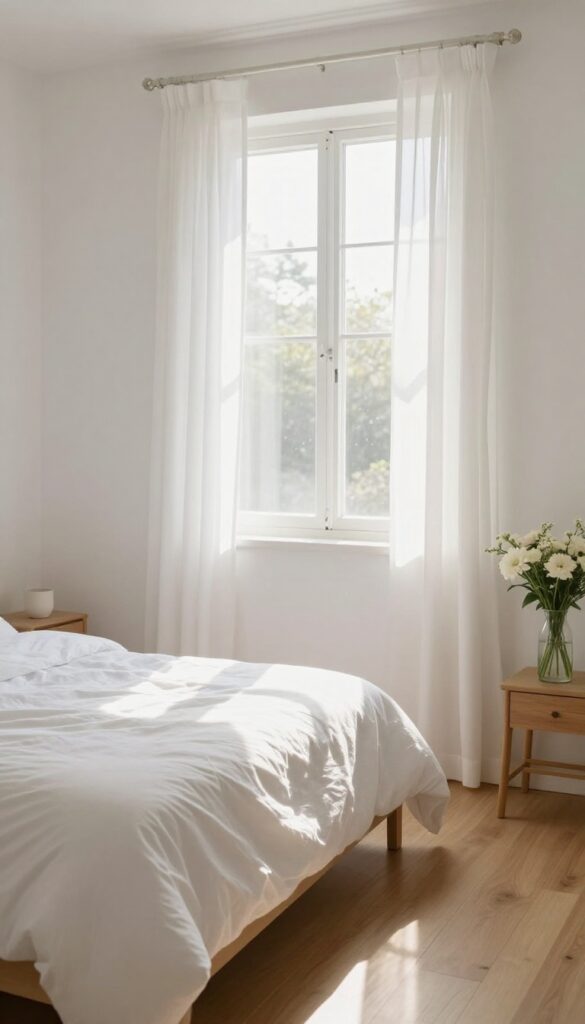
Before you touch a single item, give your room a breath of fresh air. Stale air makes even a tidy space feel heavy. Opening the windows for at least five minutes instantly shifts the atmosphere—it's like hitting a reset button for your senses.
Fresh air does more than clear odors. It lowers indoor pollutants, reduces humidity, and brings in oxygen that can sharpen your focus. That initial breeze signals to your brain: we're starting something new.
Keep the windows wide while you work, and let the outdoor sounds ground you.
Why Fresh Air Matters
Studies show that improved ventilation can boost mood and cognitive function. A stuffy room often feels cramped and overwhelming. By letting the outside in, you create a lighter, more open environment that makes cleaning feel less like a chore.
How Long To Keep Them Open
Five minutes is the minimum, but if weather permits, leave them open for the entire cleaning session. Cross-ventilation—opening windows on opposite sides—works best. Even a small crack helps if it's cold or rainy.
A Simple Ritual To Start
Make window-opening your first action. As you walk to each window, take a deep breath. This tiny ritual separates cleaning time from the rest of your day.
It's a gentle nudge that says, 'Okay, let's begin. '
2. Make Your Bed – It Sets the Tone
There's a reason why making your bed is often the first piece of advice in any room reset. It's not just about tidiness—it's about signaling to your brain that the day has started and you're in control. A made bed instantly makes the whole room look more put together, even if other areas are still cluttered.
Plus, it gives you a clean surface to work around as you tackle the rest of the space.
Starting with your bed is a low-effort, high-impact move. It takes less than two minutes but completely changes the feel of the room. Think of it as your anchor: once the bed is made, you have a visual center that keeps you grounded.
It also prevents you from collapsing back into the mess mid-cleaning. You'll feel a small sense of accomplishment that fuels the next step.
The 90-second Rule
You don't need hospital corners. Just pull up the sheets, straighten the comforter, and fluff the pillows. That's it.
If you can do it in under two minutes, you're more likely to do it every day. The goal is progress, not perfection.
Why It Works
A made bed reduces visual noise. Your eyes naturally rest on a neat surface, which makes the rest of the room feel less chaotic. It also creates a boundary—your bed becomes a place for rest, not a dumping ground for clothes and clutter.
Build Momentum
Once the bed is done, you've already completed one step. That small win can motivate you to keep going. Use the made bed as a staging area for folding clothes or sorting items as you move through the room.
3. Clear All Surfaces First
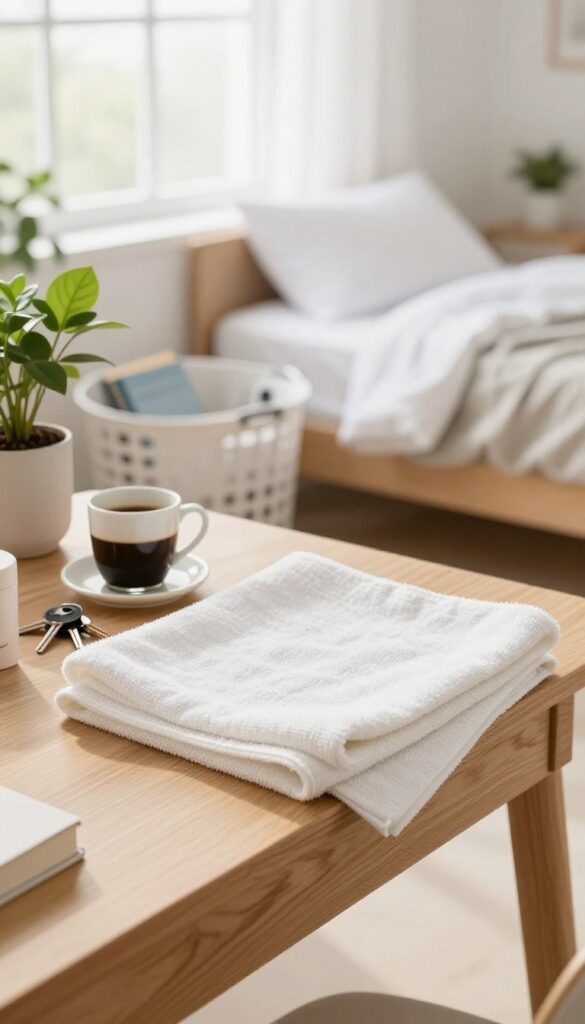
Flat surfaces have a way of collecting everything—mail, keys, coffee mugs, random gadgets. When they're cluttered, the whole room feels chaotic. Starting here gives you an instant win and a visible patch of order.
Grab a laundry basket or a box. Walk around your room and pick up everything sitting on desks, nightstands, dressers, shelves, and windowsills. Don't sort yet—just clear.
Then take a damp cloth and wipe down every surface. Once they're clean, only put back the items that truly belong there. Everything else gets a temporary home in your basket until you decide its fate.
The Basket Method
Use one container to collect all surface items. This keeps you moving fast without getting sidetracked by decisions. You'll sort later, but for now, it's just a quick sweep.
Wipe And Reset
A clean surface feels like a fresh start. Use a microfiber cloth or a gentle all-purpose spray. Pay attention to corners where dust hides.
The physical act of wiping can be surprisingly calming.
The Belonging Rule
Ask yourself: does this item live here, or is it just visiting? Keys and a lamp belong. A receipt from three weeks ago does not.
Be honest—your surfaces will thank you.
4. Grab a Trash Bag and Do a Quick Sweep
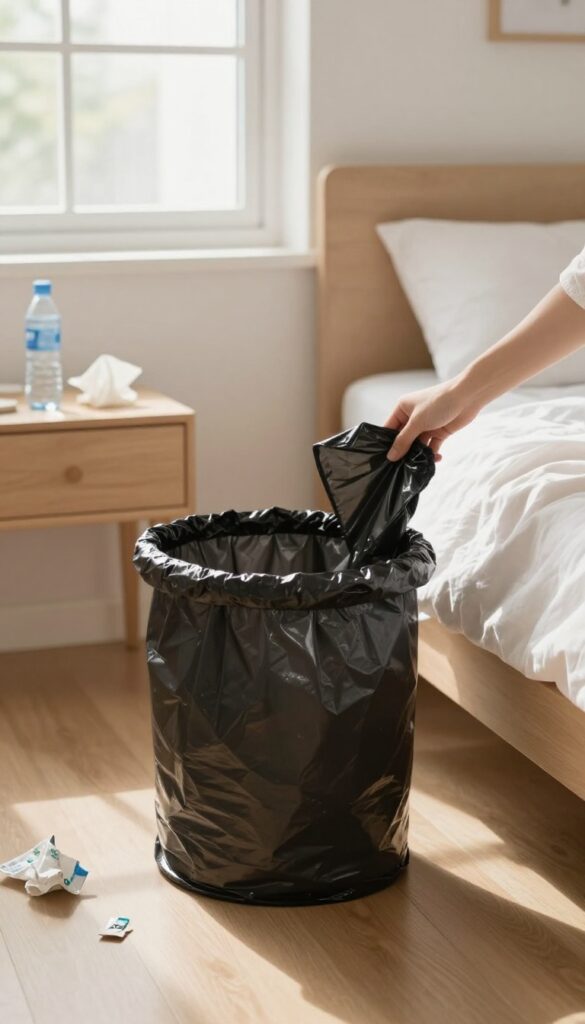
Trash is the easiest thing to remove because you don't have to decide where it goes—it just leaves. Walking through your room with a bag and tossing obvious waste gives you an instant win. No sorting, no organizing, just clearing.
Start at the door and move clockwise around the room. Pick up any item that is clearly trash: crumpled wrappers, empty water bottles, old receipts, used tissues, broken pens. Don't stop to examine or second-guess.
If it's garbage, it goes in the bag. This quick sweep takes five minutes and immediately reduces visual clutter. You'll feel a small but real sense of progress.
What Counts As Trash?
Anything that is empty, expired, or clearly useless. Empty chip bags, dead batteries, junk mail, worn-out socks with holes, dried-out markers. If you haven't touched it in months and it has no value, toss it.
Be honest with yourself.
Keep Moving, Don't Overthink
The goal is speed, not perfection. If you find something that might be trash but you're unsure, set it aside in a "maybe" pile and keep going. Stopping to deliberate slows you down and kills momentum.
You can revisit the maybes later.
Empty The Bag Immediately
Once the bag is full or you've finished the sweep, take it straight to the outdoor bin. Leaving a trash bag in your room defeats the purpose. This small act of completion reinforces the clean feeling and prevents smells or leaks.
5. Gather All Laundry in One Place
Laundry scattered across the floor, draped over chairs, and stuffed under the bed makes a room feel chaotic. Collecting it all in one spot instantly reduces visual clutter and gives you a clearer sense of what needs washing. This step is simple but powerful—it transforms scattered mess into a single, manageable pile.
Start by walking around your room with a laundry basket or hamper. Pick up every piece of clothing, towel, and bedding that isn't clean. Don't worry about sorting yet—just gather everything.
Even if you can't do laundry right away, having it all contained in one place makes the room look and feel tidier. If you have multiple hampers, use one for lights and one for darks to save time later. Once it's all together, you can decide whether to start a load or simply set the basket aside.
Either way, you've made progress.
Scan Every Surface And Corner
Check under the bed, behind the door, on the back of chairs, and inside closet floors. Laundry has a way of hiding in plain sight. A quick sweep ensures you don't miss that stray sock or forgotten hoodie.
Sort As You Go (optional)
If you have the energy, separate lights and darks into different piles or bags as you collect. This makes starting a load effortless later. But if you're low on motivation, just pile everything together—you can sort when you're ready to wash.
Start A Load If Possible
If you have a full load and access to a washer, go ahead and start it. The sound of a machine running can be oddly motivating, and you'll have clean clothes sooner. Even one small load can create momentum for the rest of your cleaning.
6. Create a 'Maybe' Box for Stray Items
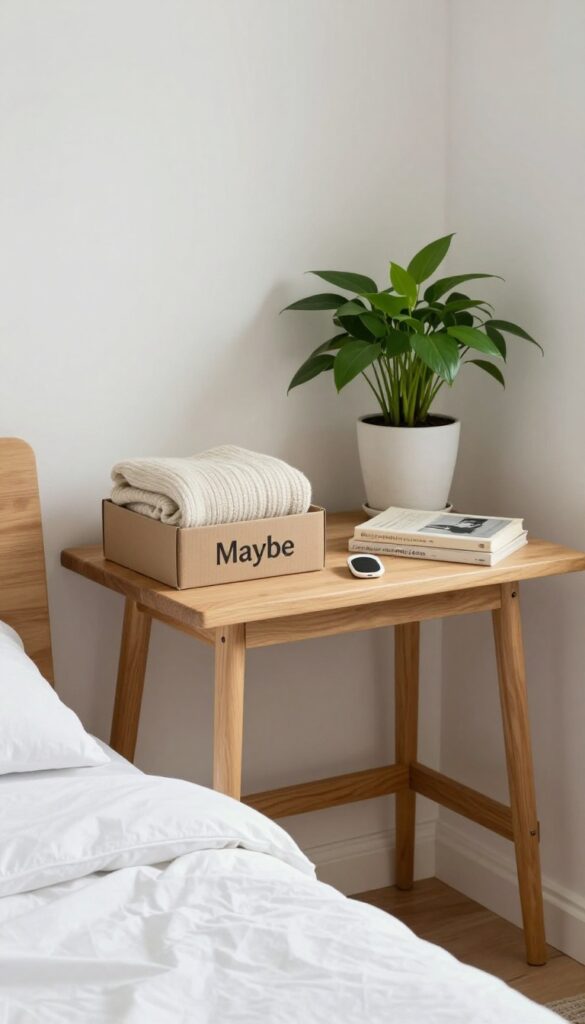
Decision fatigue is real when you're sorting through piles of stuff. That's where the 'maybe' box comes in. It's a simple tool that lets you keep moving without getting stuck on tough choices.
Grab a small box or bin and toss in anything you're unsure about—clothes you haven't worn in a while, gadgets you might need, or sentimental knick-knacks.
The maybe box is a temporary holding zone, not a permanent storage solution. Once it's full, seal it up, label it with the date, and stash it out of sight. Set a reminder for three or six months from now.
When that time comes, you'll likely find it much easier to decide what to keep and what to let go. Most items will probably end up donated or tossed, because if you haven't needed them in months, you probably never will.
Why It Works
The maybe box reduces the pressure of making perfect decisions. Instead of agonizing over every single item, you give yourself permission to postpone the choice. This keeps your momentum going and prevents you from getting bogged down.
Plus, time gives you perspective—what felt essential in the moment often seems less important later.
What Goes In
Think of items that trigger a 'hmm' reaction. That sweater you've worn once but might wear again. The kitchen gadget you received as a gift but never used.
Old cables and chargers you're not sure still work. Books you haven't read but feel guilty about. If you're on the fence, it goes in the box.
What Stays Out
Don't use the maybe box as a dumping ground for things you clearly don't need. Broken items, expired products, and obvious trash should go straight to the bin. Also, keep it small—a shoebox or a small tote.
If it overflows, you're probably avoiding decisions rather than postponing them.
After The Wait
When you revisit the box, most items will feel like they belong to someone else. You'll have a clearer head and less attachment. Sort quickly: keep only what you genuinely love or need, donate what's in good condition, and toss the rest.
You'll be surprised how little you actually missed.
7. Wipe Down All Hard Surfaces
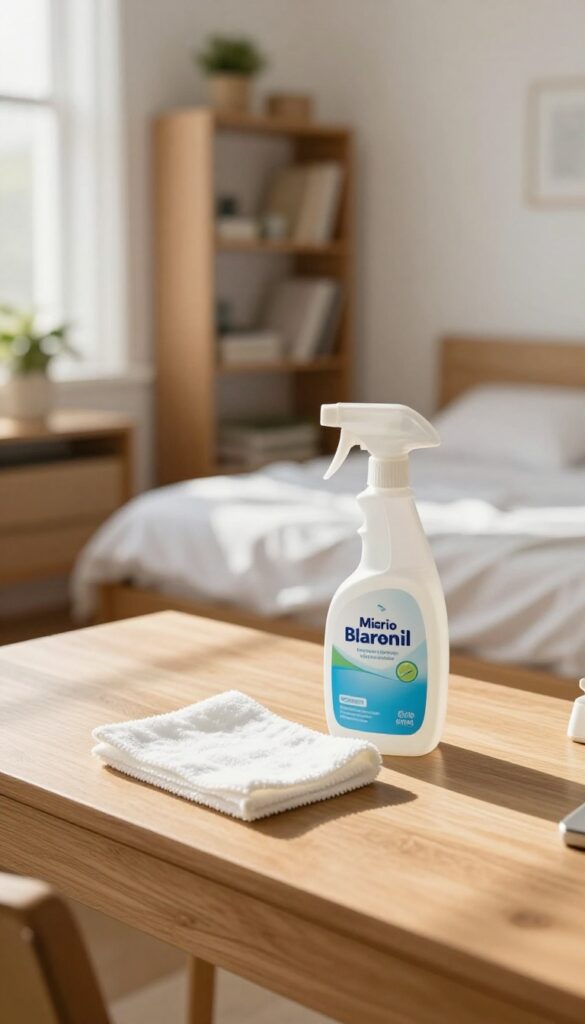
Once the clutter is cleared and the dust has settled—literally—it's time to give your hard surfaces some love. Desks, shelves, windowsills, and nightstands collect a surprising amount of grime. A quick wipe-down can make the whole room feel instantly fresher, like a mini reset for your space.
Grab a damp cloth or all-purpose cleaner and start with the highest surfaces first, so dust falls onto areas you haven't cleaned yet. Work your way down: top shelves, then desk, then windowsill, then nightstand. Don't forget often-missed spots like light switches, door handles, and the top of your dresser.
A microfiber cloth works best for trapping dust without scratching surfaces. For sticky spots, a little diluted dish soap does the trick. Finish by wiping down electronics with a dry cloth to avoid moisture damage.
Start High, End Low
Dust and debris fall downward, so always begin with the highest shelves and work your way to the floor. This prevents having to re-clean lower surfaces after you've already wiped them. Use a step stool if needed to reach ceiling fans or tall bookcases.
Choose The Right Cleaner
For most surfaces, a simple mixture of water and a few drops of dish soap works wonders. Avoid harsh chemicals on delicate surfaces like wood or electronics. A dedicated all-purpose spray is fine for non-porous materials like plastic or metal.
Don't Forget The Handles And Switches
Light switches, doorknobs, and drawer pulls are touched constantly but often overlooked. A quick wipe with a disinfectant cloth can reduce germs and make the room feel truly clean. These small touches matter.
8. Vacuum or Sweep the Floor Thoroughly
Your floor has been hiding under clutter, dust bunnies, and mystery crumbs. Now that surfaces are clear, it's time to give the ground some attention. A clean floor instantly makes the whole room feel fresher.
Grab your vacuum or broom and start from the farthest corner, working your way toward the door. This way you're not walking over freshly cleaned areas. Pay special attention to edges, under furniture, and any spots where dust tends to gather.
Start With The Right Tool
If you have carpet, use a vacuum with a brush roll for deep cleaning. For hard floors, a microfiber mop or a vacuum with a hard floor setting works best. Sweeping is fine too, but use a dustpan with a rubber edge to pick up everything.
Don't Forget The Corners And Edges
Dust and hair love to hide along baseboards and in corners. Use a crevice tool on your vacuum or a small brush to sweep debris out into the open. Then go over it with your main cleaning tool.
Move Furniture When You Can
If it's not too heavy, slide furniture aside to clean underneath. That's where the biggest dust bunnies live. Even shifting a chair or a nightstand a few inches can reveal a surprising amount of dirt.
Finish With A Quick Spot Check
Once you're done, walk around and look for any missed spots. A quick pass with a handheld vacuum or a damp paper towel can handle stubborn bits. Your floor should now look and feel noticeably cleaner.
9. Organize One Drawer or Shelf Completely
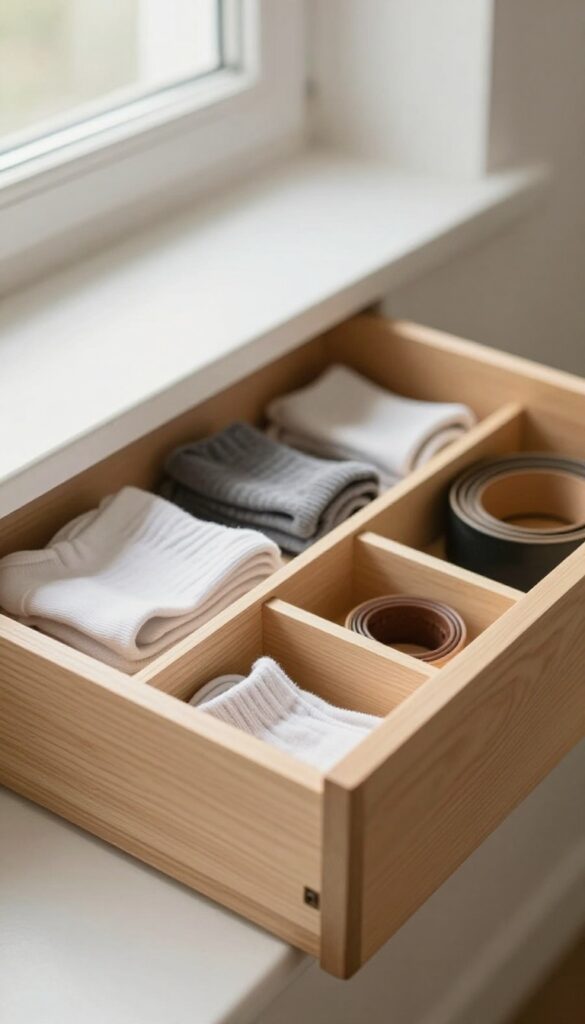
Big projects can feel paralyzing, especially when your whole room is a mess. That's why picking one tiny, contained area—like a single drawer or a small shelf—works so well. It's a win you can see in under ten minutes, and that small victory builds momentum for the next step.
The key is to choose a spot that's manageable but annoying. Maybe it's the junk drawer that won't close, the bookshelf where things just pile up, or a nightstand that's become a catch-all. Clear it out completely, wipe it down, and only put back what belongs there.
Use small boxes or dividers if you have them, but don't overthink it. The goal is a finished, tidy space you can enjoy.
Why Small Wins Matter
When you finish one drawer, your brain registers a clear success. That feeling of accomplishment makes it easier to tackle the next small area. It's like a domino effect—but a calm one.
How To Choose The Right Spot
Look for a place that bugs you every day but seems too small to bother with. A desk drawer that's always jammed, a bathroom cabinet shelf, or a single kitchen drawer. If it takes more than 15 minutes to sort, pick something smaller.
Keep It Simple
You don't need fancy organizers. Use what you have: shoeboxes, mason jars, or even just grouping like items together. The point is to create order, not to shop for storage solutions.
10. Put Away Items That Belong Elsewhere
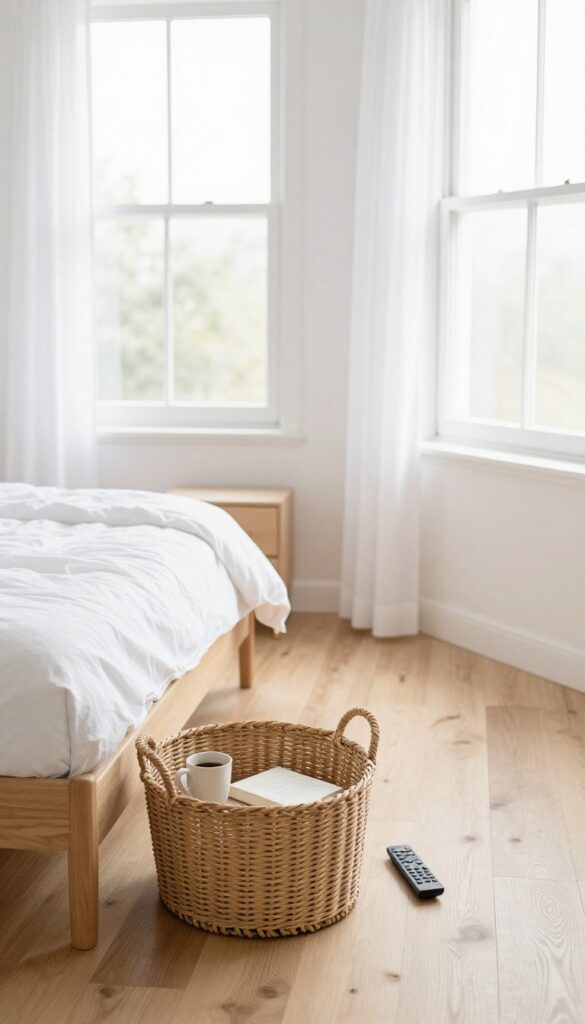
Your room might be tidy, but if it's full of things that don't live there, it won't feel settled. Cups from the kitchen, books from the living room, mail that belongs on the desk—these strays create visual noise. A quick round trip to return them can instantly make your space feel more like a sanctuary.
Gathering items that belong in other rooms is a low-effort, high-impact step. It's like resetting the boundaries of your space. You don't need to deep-clean or reorganize—just collect and return.
This small act clears your surfaces and your mind, making the room feel intentional again.
The Five-minute Gather
Set a timer for five minutes and walk through your room with a basket or bag. Grab anything that doesn't belong: coffee mugs, water bottles, remote controls, scissors, stray shoes. Don't overthink it—just collect.
You'll be surprised how much accumulates in a single day.
One Trip, One Destination
Once your basket is full, take it straight to the room where each item belongs. No detours. If you're heading to the kitchen, drop off the cups.
If you're passing the home office, leave the mail. This prevents the basket from becoming a new pile of clutter elsewhere.
Make It A Habit
Incorporate this round trip into your daily wind-down routine. Before bed, spend two minutes scanning your room for strays. Over time, it becomes automatic—and your room stays consistently calm.
You'll also notice you bring fewer things into your room in the first place.
11. Add a Simple Sensory Touch
Your room might be clean, but does it feel clean? That's where sensory details come in. A subtle scent or a bit of green can shift the whole atmosphere from sterile to serene.
This step is about adding a small finishing touch that makes the space feel intentional and fresh.
Choose A Scent That Soothes
Lighting a candle or using a room spray can instantly change the mood. Go for calming scents like lavender, chamomile, or clean cotton. Avoid anything too strong or artificial—you want a gentle background note, not a perfume explosion.
A few deep breaths with that scent can help you feel more at ease in your own space.
Bring In A Bit Of Green
A small plant, even a low-maintenance one like a snake plant or pothos, adds life and color. It doesn't have to be big—a tiny succulent on your desk works wonders. Plants naturally purify the air and give your eyes a restful place to land.
If you're not ready for real plants, a high-quality faux plant can still do the trick.
Keep It Simple And Intentional
The goal isn't to clutter your room with scented objects or a jungle of plants. One or two elements are enough. Place them where you'll notice them—by your bed, on your desk, or near the door.
This small act signals to your brain that the room is complete and cared for.
12. Fluff Pillows and Straighten Linens

After all the heavy lifting—clearing clutter, dusting, and vacuuming—it's the tiny finishing touches that make your room feel truly fresh. Fluffing pillows and tidying linens might seem like a minor step, but it's the difference between a room that looks clean and one that feels inviting. These small adjustments take just minutes but have a huge visual payoff.
Start With The Bed
Your bed is the focal point of the room, so give it some love. Pull the duvet or comforter up evenly, then smooth out any wrinkles. Fluff your sleeping pillows by giving them a good shake and punch to restore their shape.
Arrange them against the headboard or wall at a slight angle for that effortless, relaxed look. If you have decorative pillows, place them in front, alternating sizes or colors for visual interest.
Tidy Up Seating Areas
If you have a chair, ottoman, or window seat, don't ignore it. Flatten any cushions that have gone lumpy, and flip them if they're reversible. Fold throw blankets neatly—drape one over the arm of a chair or fold it into a rectangle at the foot of the bed.
Straighten any loose pillow covers or cushion cases so they sit squarely. These small moves make seating areas look intentional and cozy.
Check The Details
Take a quick scan for any linens that are out of place. Pull the bed skirt straight if it's bunched up. Adjust the rug if it's crooked.
Fold an extra blanket at the end of the bed or tuck it neatly under the duvet. Even a neatly arranged throw pillow on a chair can pull the whole room together. This step is about creating visual harmony without spending extra time.
13. Step Back and Enjoy Your Work for One Minute

You've done it. The floor is clear, surfaces are dusted, and everything has a place. Before you rush off to the next task or start critiquing what's left undone, pause.
This moment is yours.
Taking a minute to appreciate your clean room isn't just a nice gesture—it's a powerful reinforcement for your brain. When you acknowledge your effort, you build a positive association with cleaning, making it easier to start next time. No judgment, no mental list of what's still imperfect.
Just stand in the doorway or sit on your bed and let the calm sink in.
Why This Minute Matters
Your brain craves rewards. By consciously noticing the fresh air, the clear surfaces, and the order you've created, you're telling yourself that this effort was worthwhile. This simple act strengthens the habit loop, so future cleanings feel less like chores and more like gifts you give yourself.
How To Truly Savor It
Put your phone down. Take a slow breath. Look at one corner, then another.
Notice the light, the space, the quiet. You might even say out loud, 'I did this. ' It sounds silly, but it works. Let the feeling of accomplishment settle in your chest.
Resist The Urge To Criticize
It's tempting to spot the one speck of dust or the slightly crooked pillow. Don't. This minute is not for fixing—it's for celebrating.
Perfection isn't the goal; progress is. You've made your room a better place to be. That's enough.
FAQ
How long does it take to clean a room using these steps?
Most people can finish in 30 to 60 minutes, depending on the mess level. The steps are designed to be done in one session or spread out.
What if I feel too overwhelmed to start?
Start with step one – just open the windows. That small action often shifts your mindset. You can also set a timer for 10 minutes and do only what you can.
Do I need special cleaning products?
Not at all. A damp microfiber cloth, a trash bag, and maybe a gentle all-purpose cleaner are enough. You can even use vinegar and water.
How often should I do this full routine?
Once a week is ideal for maintenance. But even doing steps 1, 2, and 3 daily keeps the room from getting chaotic again.
What do I do with the 'maybe' box after cleaning?
Store it out of sight for a month. If you haven't needed anything from it, donate or toss the contents. This helps you declutter without pressure.
Conclusion
Cleaning your room doesn't have to be an overwhelming chore. By breaking it down into these calm, manageable steps, you can transform your space without the stress. Remember, progress matters more than perfection—even one small step makes a difference.
Give yourself permission to work at your own pace and celebrate each small victory. Your room will feel fresher, and so will your mind. Now take a breath, put on some music, and enjoy your newly organized space.