How to Clean Your Room Fast: 10 Smart Speed-Clean Moves
A messy room can feel overwhelming, but you don't need hours to whip it into shape. With a few smart speed-cleaning moves, you can make a visible difference in under 30 minutes.
The key is to work in a logical order and use efficient tools like a laundry basket and microfiber cloth. Start with the biggest visual clutter, then move through each surface methodically.
By the time you finish the last step, your room will look and feel transformed without the burnout.
1. Grab a Laundry Basket and Do a Surface Sweep
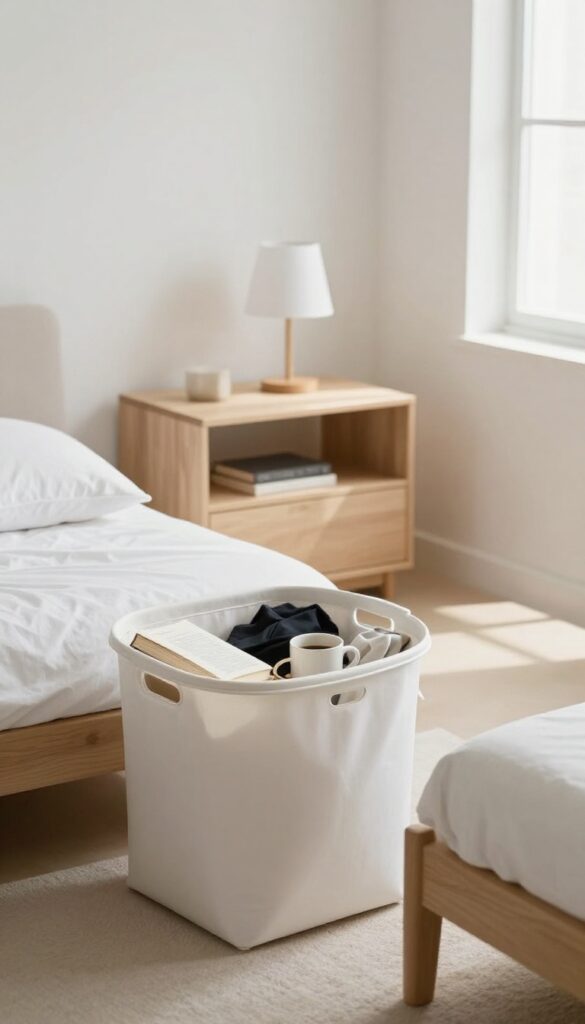
The fastest way to make a room look cleaner is to remove the clutter. Instead of trying to organize everything in place, use a laundry basket as a temporary holding zone. Sweep through every surface—desk, nightstand, dresser, floor—and toss in anything that doesn't belong there.
This single move gives you instant visual relief and clears the canvas for deeper cleaning.
Start at the doorway and work your way around the room. Pick up books, clothes, empty cups, mail, and random knick-knacks. Don't stop to sort or decide where each item goes—just toss it in the basket.
The goal is to clear all horizontal surfaces and the floor as quickly as possible. Once the basket is full or you've made a full pass, set it aside. You'll sort and put things away later, but for now, enjoy the immediate sense of order.
Why A Laundry Basket Works Best
A laundry basket is large, open, and easy to carry. Unlike a trash bag, it won't crush delicate items, and unlike a box, you can see what's inside. Its size forces you to be decisive—if it doesn't fit, you have to deal with it right then.
Plus, you already own one, so there's zero prep time.
What To Sweep And What To Leave
Focus on items that are clearly out of place: dirty clothes, books, mail, electronics, toys, and杂物. Leave items that belong on the surface, like a lamp or a clock. Don't worry about dust or grime yet—that comes later.
The point is to remove visual chaos, not to deep clean.
After The Sweep: Next Steps
Once surfaces are clear, put the basket in a corner or outside the room. Now you can see what you're working with. The room already looks 50% cleaner.
Next, you'll tackle the actual cleaning—dusting, wiping, and vacuuming—without clutter getting in the way.
2. Make the Bed First – It Anchors the Whole Room
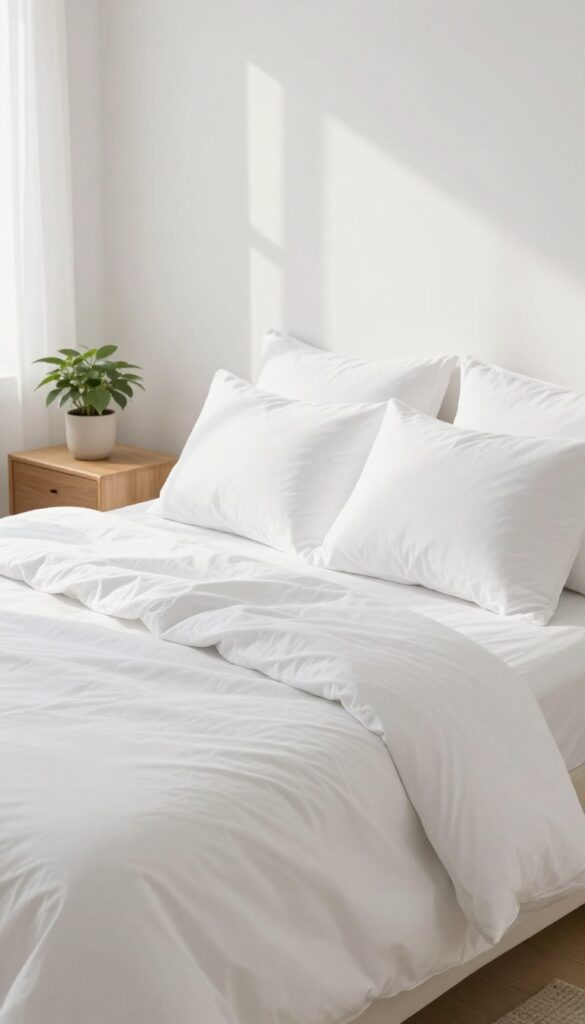
You’ve probably heard this tip before, but it works because it’s visual psychology. A made bed instantly makes the room look 50% cleaner, even if other surfaces are still cluttered. It sets a tidy anchor point that makes everything else feel more manageable.
Start by smoothing the sheets, pulling up the comforter, and fluffing the pillows. This takes less than two minutes but changes the entire feel of the room. Once the bed is done, you’ll feel a small win that motivates you to keep going.
Plus, it clears a large surface so you can use the bed as a staging area for folding clothes or sorting items.
The Visual Anchor Effect
When you walk into a room, your eyes naturally go to the largest object – usually the bed. If that’s neat and crisp, your brain registers order even if there’s a pile of laundry in the corner. It’s a cheap trick that works every time.
A Two-minute Momentum Builder
Making the bed is a low-effort task that gives you a quick dopamine hit. That small success makes it easier to tackle the next step, whether it’s clearing the nightstand or vacuuming. It’s like priming the pump for the rest of your speed-clean.
Use The Bed As A Landing Zone
Once the bed is made, you have a clean, flat surface to temporarily place items you need to put away. Fold clothes there, sort mail, or stack books before returning them to shelves. Just remember to clear it off before you finish – otherwise, you’ll undo the visual anchor.
3. Clear the Floor with the Five-Minute Toss
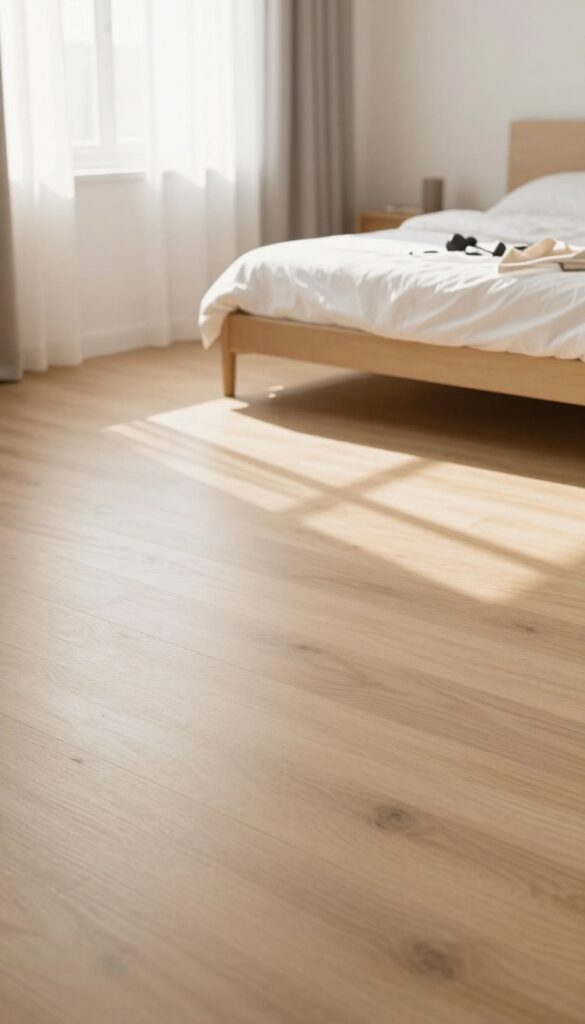
Floors are the first thing your eyes land on when you walk into a room. When they're covered with clothes, shoes, books, or random odds and ends, the entire space feels chaotic. The fix is simpler than you think: give yourself exactly five minutes to scoop everything off the floor and toss it into one central pile.
This move works because it creates an instant visual win. Once the floor is clear, the room looks dramatically cleaner even if other surfaces are still messy. The pile you've created is now manageable, and you can sort it quickly without getting sidetracked by individual items.
Why The Floor Matters Most
A cluttered floor makes a room feel smaller and more disorganized than any other type of mess. Clearing it first gives you a sense of progress and a clean canvas to work with. It also frees up walking space, making the rest of your cleaning easier and faster.
How To Execute The Five-minute Toss
Set a timer and move fast. Don't stop to decide where things belong yet—just grab everything off the floor and drop it into one pile on your bed or a cleared corner. Shoes, laundry, papers, trash—everything goes.
When the timer dings, stop. You'll be surprised how much you can clear in five minutes.
Deal With The Pile Immediately
Now that the floor is clean, don't let the pile sit. Spend another two minutes sorting: trash goes in the bin, laundry goes in the hamper, and items that belong elsewhere get returned to their homes. If something doesn't have a home, create a temporary spot or decide to donate it.
The goal is to keep the floor clear permanently.
4. Wipe Down All Flat Surfaces with a Microfiber Cloth
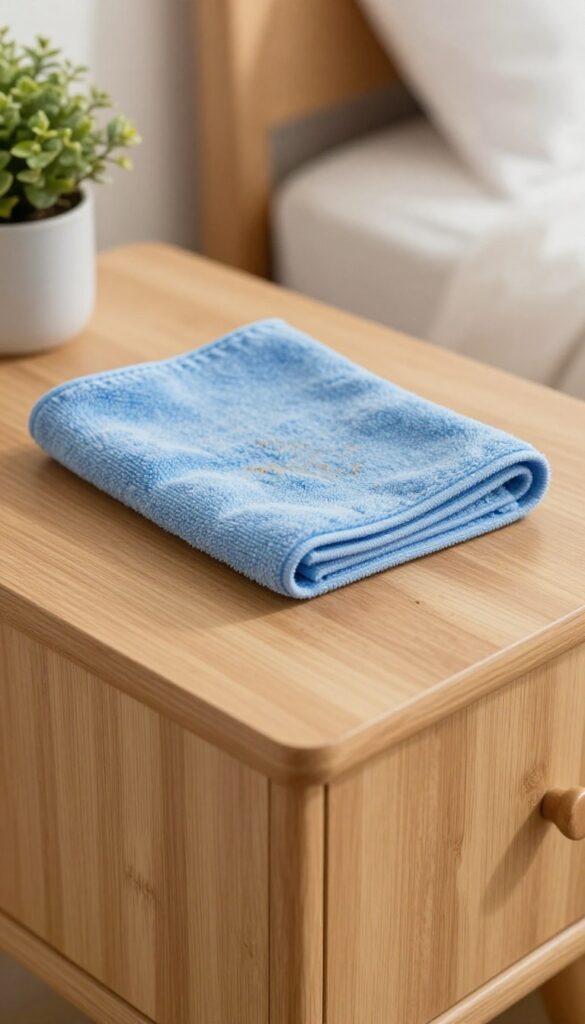
Dust and smudges accumulate fast, making even a tidy room look messy. A quick once-over on nightstands, desks, and shelves removes visual clutter and freshens the air. Grab a microfiber cloth—dry for dust, slightly damp for sticky spots—and work from top to bottom.
Flat surfaces are magnets for dust, fingerprints, and random clutter. Wiping them down is one of the fastest ways to make your room look clean. Microfiber cloths trap dust without scattering it, and they work on glass, wood, and plastic alike.
Keep one in your cleaning caddy for easy access.
Work Top To Bottom
Start with higher surfaces like shelves and dresser tops, then move to lower ones like nightstands and desks. This way, any dust that falls lands on surfaces you haven't cleaned yet. It's a simple order that saves you from re-wiping.
Don't Forget Electronics
TV screens, monitors, and laptop lids collect dust and fingerprints. Use a dry microfiber cloth to gently wipe them. Avoid paper towels—they can scratch.
For keyboards, turn them upside down and tap out crumbs, then wipe the keys.
Spray Lightly, Not Soaking
If you need a cleaner, spray it onto the cloth, not directly onto the surface. This prevents drips and overspray. A mix of water and a drop of dish soap works for most surfaces.
For wood, use a dedicated polish or a damp cloth followed by a dry one.
5. Use the Trash Bag Method for Instant Declutter
Sometimes the fastest way to clean is to stop organizing and start throwing away. The trash bag method is brutally simple: grab a bag and fill it with anything that's obviously garbage. Old receipts, empty water bottles, crumpled wrappers, broken pens—they all go straight in.
This single move can transform a messy room in minutes because it removes the visual noise that makes a space feel chaotic.
The beauty of the trash bag method is that it requires zero decision-making. You don't need to sort, categorize, or decide what to keep. Just scan surfaces and toss anything that's clearly waste.
Once the bag is full, tie it up and take it out immediately. The instant visual payoff is huge, and you'll feel a surge of momentum to keep going.
Why It Works So Fast
Clutter is often just trash in disguise. When you remove garbage, your brain registers the space as cleaner, even if you haven't touched the piles of clothes or books yet. This psychological trick gives you a quick win and motivates you to tackle the next step.
What Counts As Obvious Trash
Stick to items you'd never second-guess: food wrappers, junk mail, empty containers, used tissues, broken items, and expired coupons. If you hesitate for more than two seconds, leave it for later. The goal is speed, not perfection.
Pro Tip: Keep A Bag Handy
After your initial sweep, stash an empty trash bag under your bed or in a drawer. Next time you're speed-cleaning, you won't waste time hunting for one. The faster you can grab it, the quicker the declutter happens.
6. Fluff and Arrange Pillows and Throws
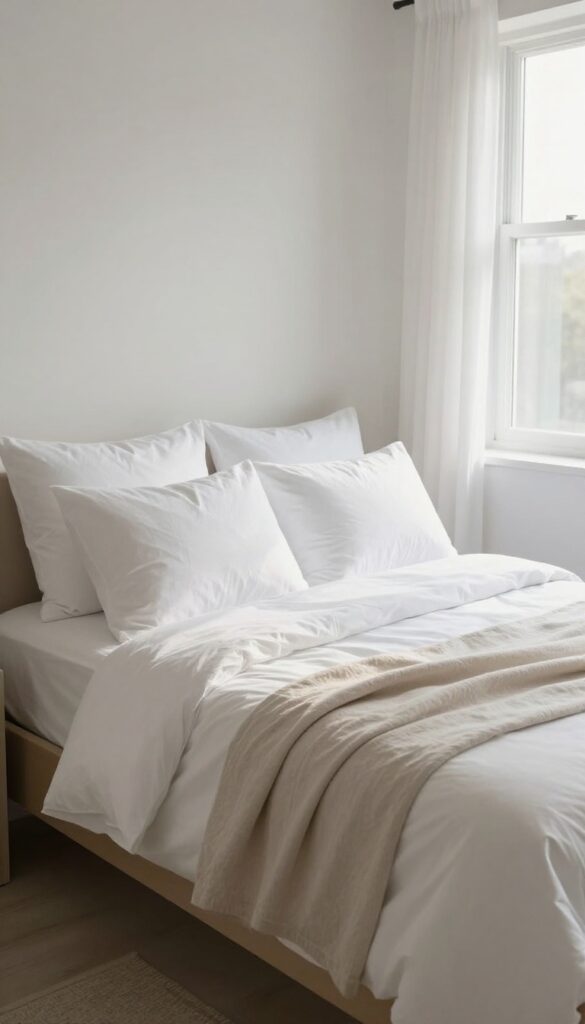
Pillows and throws are like the accessories of your room. They can make a space look lived-in and cozy or messy and neglected. Fluffing and arranging them takes only a couple of minutes, but it instantly signals that someone cares about the space.
It's one of those high-impact, low-effort moves that pays off every time.
Start by gathering all pillows and throws from the bed, couch, or chair. Fluff each pillow by punching it in the center and pulling the corners outward to restore its shape. For decorative pillows, arrange them in a balanced way—largest in back, smaller in front.
Fold throws neatly and drape them over a corner of the bed or the arm of a chair. This small step adds a hotel-like finish to your room.
The Fluffing Technique
Don't just pat your pillows. Grab them by the middle, squeeze, and then release while pulling the corners. This redistributes the filling and makes them look plump.
For feather pillows, give them a few good shakes and then press them flat to remove lumps.
Arranging For Visual Balance
Lay out pillows in odd numbers (three or five) for a more natural look. Place the largest pillows at the back against the headboard, then layer smaller ones in front. If you have a throw, fold it into thirds lengthwise and drape it over the foot of the bed or the back of a chair.
Quick Maintenance Between Cleans
Make fluffing part of your morning routine. Just a few seconds per pillow keeps them looking fresh. Rotate pillows seasonally to prevent uneven wear, and vacuum them monthly to remove dust and allergens.
7. Do a Mirror and Glass Quick Shine
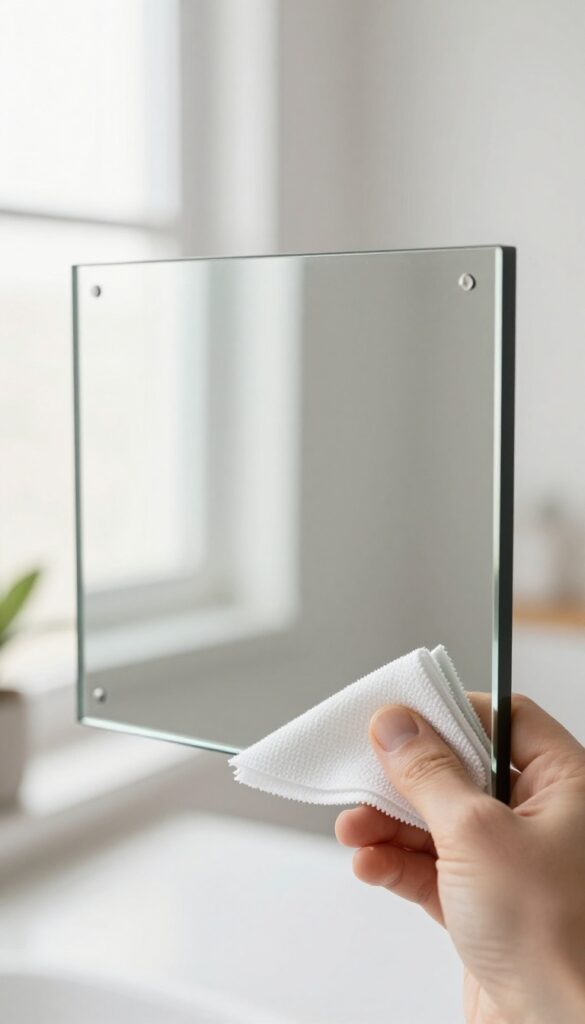
Mirrors and glass surfaces are like magic wands for a room—they bounce light around and instantly make the space feel brighter and more open. But when they're smudged or dusty, they just look sad. A quick spray and wipe takes less than a minute and delivers a huge visual payoff.
You don't need a fancy glass cleaner. A mix of water and a splash of vinegar in a spray bottle works perfectly. Mist the surface lightly, then wipe with a dry microfiber cloth in a zigzag pattern to avoid streaks.
For a streak-free finish, buff with a second dry cloth. This small effort makes your room look polished and cared for.
What You'll Need
Grab a spray bottle with water and a splash of white vinegar (or a store-bought glass cleaner), and two clean microfiber cloths. Microfiber is key—it picks up dust and doesn't leave lint behind.
The Technique
Spray the mirror or glass surface lightly—don't soak it. Wipe with one cloth in a zigzag or S-pattern to avoid streaks. Then go over it with a dry cloth to buff it to a shine.
This method works on windows, picture frames, and glass tabletops too.
Why It Matters
Clean glass catches light and makes the whole room feel brighter. It's one of those small details that signals 'this room is clean' without you having to say a word.
8. Straighten Cords and Electronics
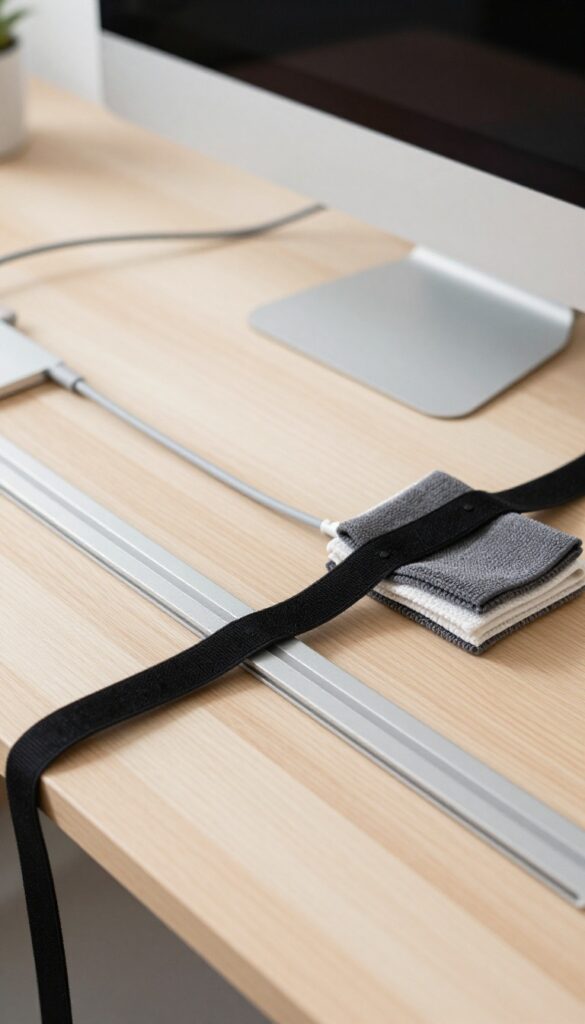
Tangled cords scream mess. They snake across desks, dangle off nightstands, and collect dust bunnies. But fixing them is one of the fastest wins in a speed-clean because it takes almost no physical effort.
Start by unplugging anything you don't actively use—phone chargers for old devices, laptop plugs when the battery is full, and that random USB fan from last summer. Then bundle the remaining cords with a twist tie or Velcro strap. If possible, hide them behind furniture or tuck them along baseboards.
A quick wipe of your electronics with a microfiber cloth removes fingerprints and dust, making the whole area look polished.
Unplug The Unnecessary
Most people have way more plugged in than they need. That extra phone charger, the lamp you never turn on, the speaker that's been dead for months. Yank them out.
Fewer cords instantly means less visual chaos.
Bundle And Hide The Rest
For cords you can't unplug, gather them into neat bundles. Use twist ties, cable clips, or even a binder clip to keep them together. Then route them behind furniture legs or along the back of your desk.
Out of sight, out of mind.
Give Electronics A Quick Wipe
Dust and smudges on screens, keyboards, and game consoles make the room feel dirty even after you've cleaned everything else. A dry microfiber cloth does the trick. Don't use harsh cleaners—just a gentle wipe to restore that clean look.
9. Use a Lint Roller on Upholstery and Lampshades
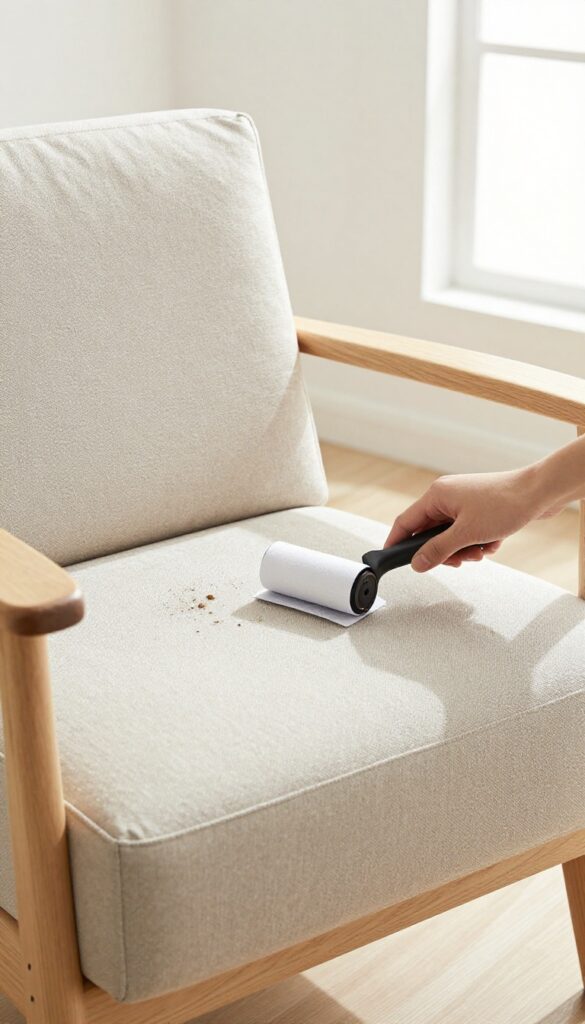
Fabric surfaces collect dust, pet hair, and crumbs faster than you think. A lint roller is the ultimate shortcut for freshening them up without dragging out the vacuum. One quick pass over your chair, sofa, or lampshade, and you'll see instant results.
Grab a lint roller with extra-sticky sheets and start with the most visible areas—the seat cushions and arms of your chairs. Roll in overlapping strokes to catch every speck. For lampshades, use a gentle touch to avoid bending the fabric.
This trick works wonders on fabric headboards and curtains too.
Why Lint Rollers Beat Vacuum Attachments
Vacuum attachments can be bulky and noisy. A lint roller is quiet, portable, and picks up finer particles like dust and pet dander that vacuums sometimes miss. Plus, it's satisfying to see the sheet fill up with grime.
Where To Roll For Maximum Impact
Focus on high-touch zones: armrests, headrests, and the front of cushions. Don't forget the sides of your sofa or the back of a desk chair. Lampshades benefit from a quick roll around the entire shade to remove dust that dims the light.
Pro Tip: Keep A Roller In Your Cleaning Caddy
Store a lint roller in your cleaning caddy or a drawer near your main living area. That way, you can do a quick touch-up whenever you spot a dusty spot. Refill sheets are cheap, so you can use them generously.
10. Finish with a Quick Vacuum or Swiffer
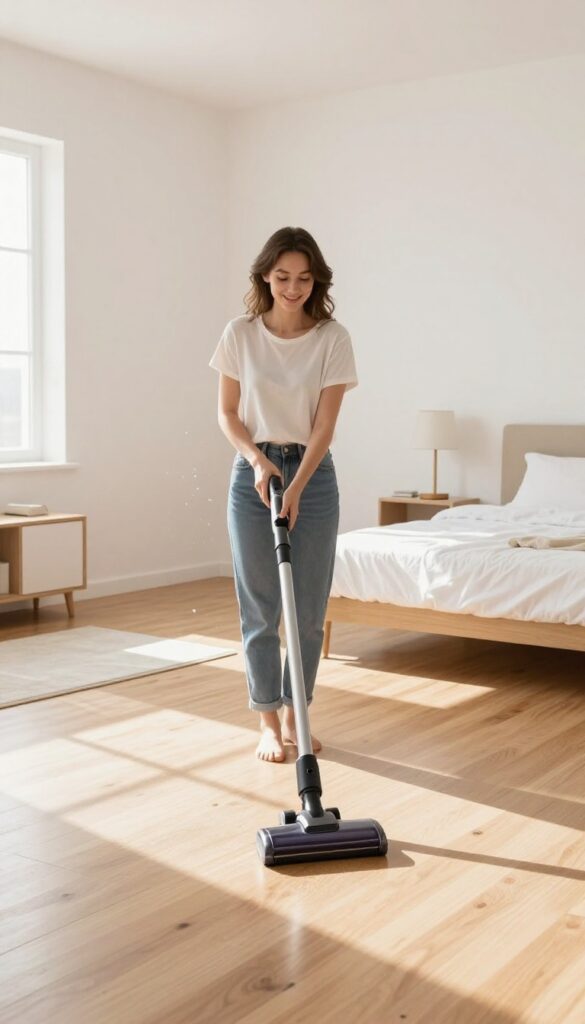
The final step is what seals the deal. A quick pass with a vacuum or Swiffer lifts any remaining dust, crumbs, or pet hair, giving the room that just-cleaned glow. Focus on high-traffic areas where debris accumulates most, like the path from the door to your bed or desk.
This last move takes only a couple of minutes but makes the biggest visual difference.
Target High-traffic Zones First
Don't waste time vacuuming every square inch. Hit the areas you walk on most—the center of the room, around your bed, and near the doorway. These spots collect the most dirt and show it quickly.
A few focused passes will make the whole room look tidier.
Use The Right Tool For Your Floor
If you have hardwood or tile, a Swiffer or microfiber mop picks up dust without scattering it. For carpet, a vacuum with a brush roll agitates dirt loose. If you're short on time, a cordless stick vacuum is perfect—grab it, zip around, and stash it away in seconds.
Don't Forget Under Furniture Edges
Dust bunnies love hiding under the bed or dresser. Quickly run the vacuum or Swiffer along the visible edges. You don't need to move heavy furniture—just extend the tool as far as you can.
That little extra effort removes the visual clutter of dust lines.
FAQ
How long does it take to speed-clean a room?
With these moves, you can clean a typical bedroom in 15 to 30 minutes. The key is to focus on high-visibility areas and avoid perfectionism.
What's the most important speed-cleaning tip?
Making the bed is the single most impactful move. It instantly anchors the room and makes everything else look more organized.
Do I need special cleaning products?
No. A microfiber cloth, a trash bag, a lint roller, and a vacuum or Swiffer are enough. Most of these moves use items you already have.
How often should I speed-clean my room?
A quick speed-clean once a week keeps your room consistently tidy. You can also do it before guests arrive or when you need a fresh start.
Can I speed-clean if my room is extremely messy?
Yes. Start with the trash bag and surface sweep to remove the biggest clutter. Then focus on the bed and floor.
Even a very messy room can look presentable in 30 minutes.
Conclusion
Speed-cleaning isn't about perfection—it's about reclaiming your time and sanity. These ten moves help you cut through the chaos fast, so you can enjoy a tidy room without spending your whole day on it. Next time mess piles up, pick just two or three of these strategies.
You'll be surprised how much you can accomplish in ten focused minutes. Your room will look better, and you'll feel lighter.