12 Creative Purple Kitchen Ideas for a Fresh, Pulled-Together Look
A splash of purple can completely transform a kitchen, turning it from ordinary to unforgettable. Whether you're drawn to deep eggplants or soft lavenders, this color brings a sense of creativity and calm. The key is to use it in ways that feel intentional, not overwhelming.
Purple works surprisingly well in kitchens because it pairs beautifully with neutrals, wood tones, and even metallic finishes. It can make a small space feel cozy or a large one feel intimate. The trick is choosing the right shade and placement.
From statement cabinets to tiny accents, there are endless ways to weave purple into your design. Here are 12 creative ideas that will help you achieve a fresh, pulled-together look without losing functionality.
1. Go Bold with Purple Cabinets
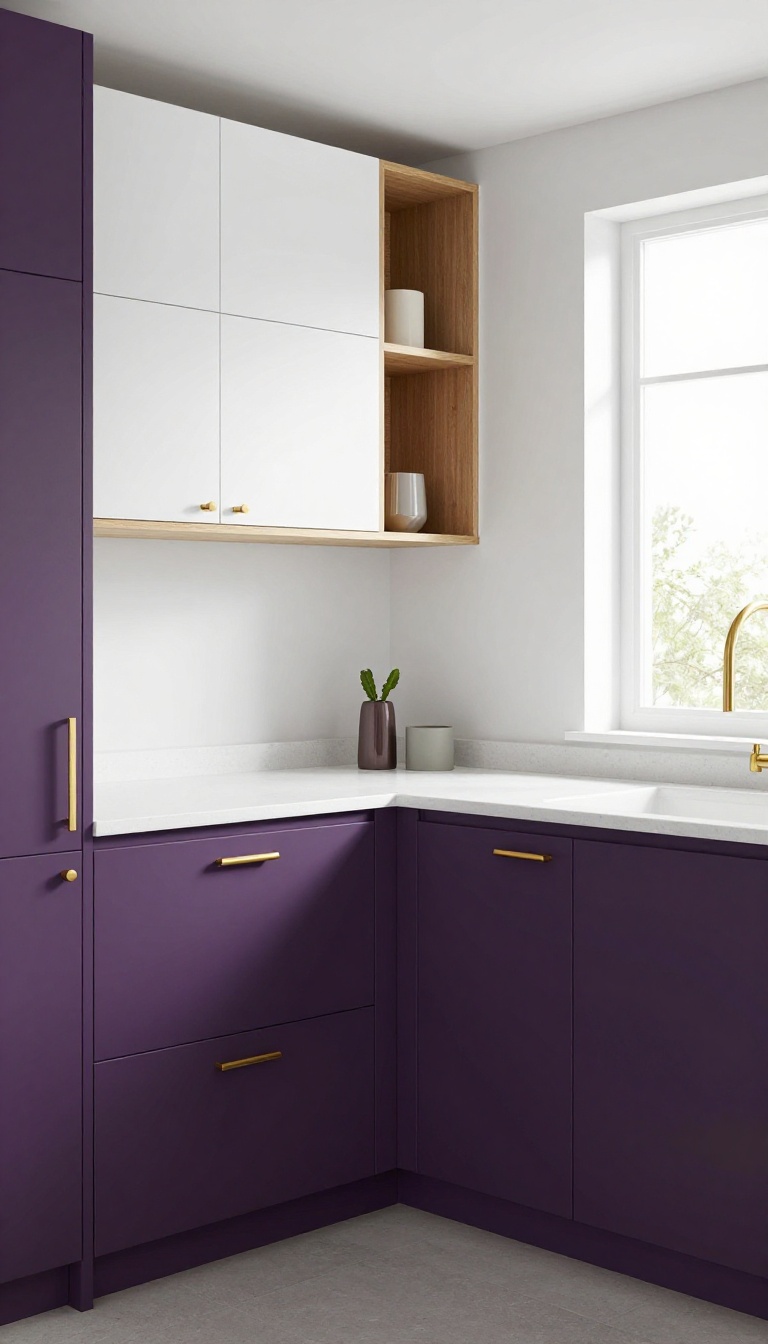
Painting your cabinets is the quickest way to make a statement, and purple is a surprisingly versatile choice. A rich plum or deep aubergine can turn your kitchen into the heart of the home without feeling dark or gloomy. The key is balancing it with the right materials and finishes.
When you commit to purple cabinets, you're not just picking a color—you're setting the mood for the whole room. Deep purples like eggplant or blackberry feel luxurious and grounded, while brighter violets add a playful energy. The finish matters too: matte looks modern, while a subtle sheen can make the space feel more polished.
To keep the look from feeling heavy, pair purple cabinets with light countertops and open shelving. White or cream quartz counters create a crisp contrast, and brass or gold hardware adds warmth. If you're worried about going too bold, consider using purple on just the lower cabinets and keeping the uppers white or light gray.
That way, you get the drama without overwhelming the space.
Choosing The Right Shade
Not all purples are created equal. For a classic, elegant feel, go with a deep plum or aubergine. If you want something more energetic, a violet or amethyst works well.
Consider the amount of natural light in your kitchen—darker shades can make a small space feel cozy, but they need good lighting to avoid feeling cramped.
Pairing With Hardware And Counters
Brass or brushed gold hardware adds a touch of luxury and complements the warmth in purple. For a more modern look, try matte black handles. Countertops should be light—white marble, quartz, or even butcher block in a light oak tone.
This contrast prevents the cabinets from dominating the room.
Two-tone Cabinet Ideas
If you're not ready to commit to all-purple cabinets, try a two-tone approach. Paint the upper cabinets a soft white or light gray, and use purple on the lowers. This creates visual interest and makes the space feel more open.
You can also use purple on a kitchen island while keeping the perimeter cabinets neutral.
2. Add a Purple Backsplash for Instant Drama
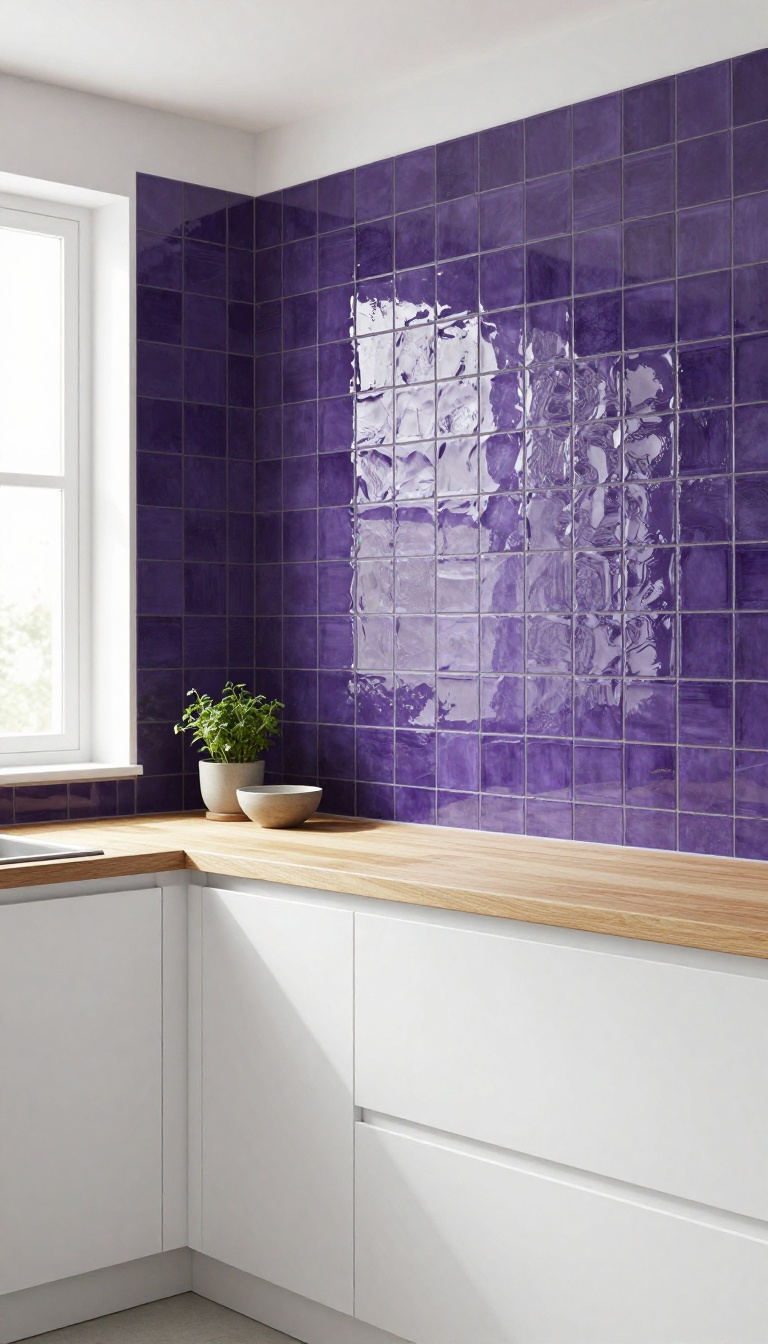
If you want to make a bold move without committing to purple cabinets, a backsplash is your best friend. It’s a high-impact area that draws the eye and sets the tone for the whole room. A purple tile backsplash—whether glass, ceramic, or mosaic—adds depth and personality.
Choose a glossy finish to reflect light and make the space feel larger.
A backsplash is one of the easiest ways to introduce a bold color because it covers a large area but can be changed more easily than countertops or cabinets. Purple tiles come in a range of shades, from deep plum to soft lilac, so you can match the mood you want. Glossy finishes bounce light around, making the kitchen feel brighter and more open, while matte finishes offer a more subdued, modern look.
Consider the size of your kitchen: if it’s small, go for lighter purples and larger tiles to avoid overwhelming the space. For a dramatic effect, use a darker purple in a herringbone or diamond pattern to add visual interest.
Choosing The Right Shade
The shade of purple you pick can completely change the vibe. Deep eggplants and plums feel rich and moody, perfect for a cozy, intimate kitchen. Lighter lavenders and lilacs are airy and fresh, making a small kitchen feel more open.
If you’re unsure, start with a mid-tone purple that’s not too dark or too light—it’s versatile and pairs well with both white and wood cabinets.
Tile Shapes And Patterns
Don’t just stick to standard subway tiles—try hexagons, arabesque, or even a fish scale pattern for extra flair. A geometric pattern can make the backsplash the focal point of the room. If you prefer a more subtle look, use a solid color in a simple brick layout.
For a touch of elegance, mix in a few metallic accent tiles to catch the light.
Pairing With Other Elements
To keep the look cohesive, balance the purple backsplash with neutral countertops and cabinetry. White or light gray counters let the purple shine without competing. Wood tones add warmth and soften the boldness.
Metallic fixtures in brushed nickel or brass can complement the purple beautifully. Keep the rest of the decor simple so the backsplash remains the star.
3. Introduce Purple Accents with Small Appliances
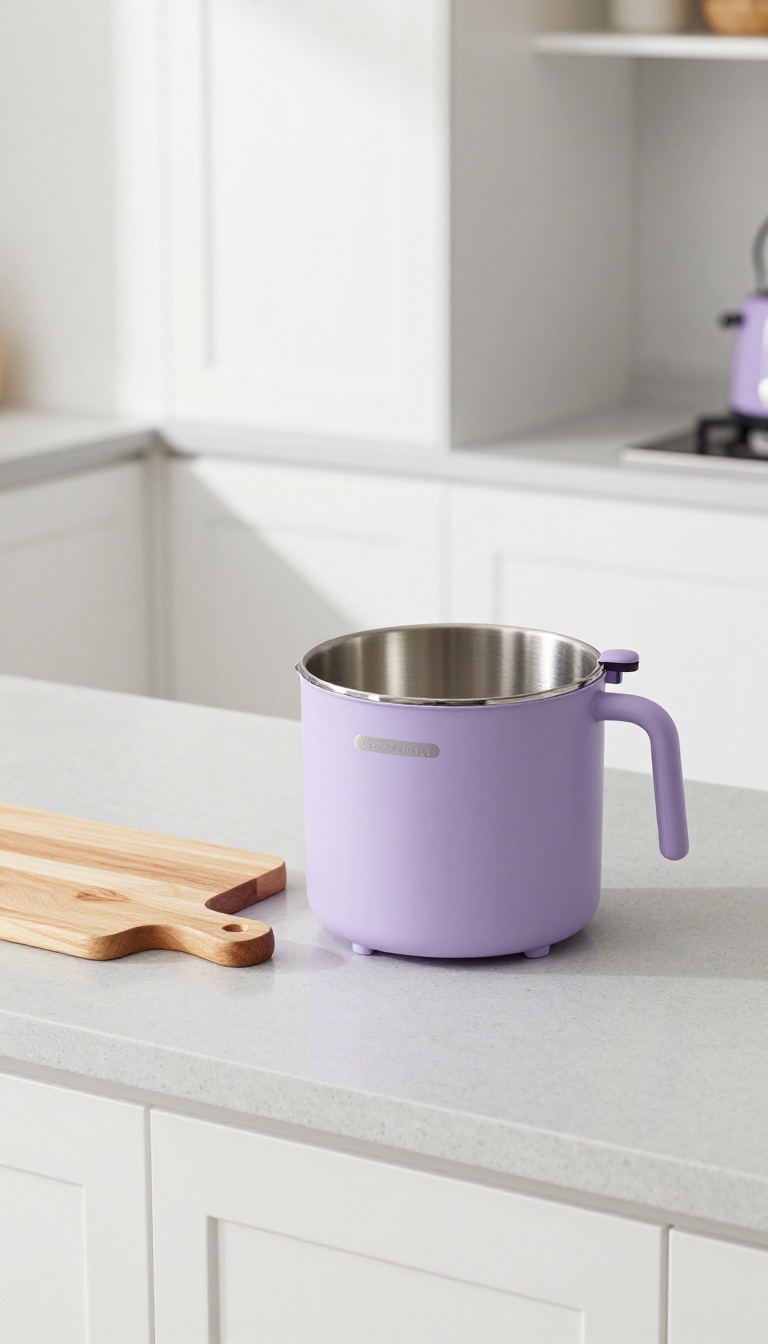
Small appliances are the perfect entry point if you're curious about purple but not ready for a full commitment. A stand mixer, toaster, or kettle in a lovely lilac or deep plum can instantly become the focal point of your countertop. Plus, they're easy to swap out when you fancy a change.
Start with one or two pieces that you use daily, so the color gets plenty of visibility. A purple stand mixer adds a playful yet sophisticated touch, while a matching toaster and kettle can create a cohesive look. These appliances work well in both modern and farmhouse-style kitchens, especially when paired with neutral tones like white, gray, or wood.
Pick The Right Shade
Consider the overall mood you want. Soft lavender feels airy and calming, while a rich eggplant adds drama and warmth. If your kitchen has cool undertones, go for a blue-based purple; if it's warm, a red-based purple will blend better.
Test a few samples or look at photos online to see how they interact with your existing decor.
Mix And Match Metals
Purple appliances come in various finishes, from matte to glossy, and often feature metallic details like chrome, brass, or copper. Choose a metal that complements your faucet and cabinet hardware. For a cohesive look, match the metal on the appliance to your other fixtures, or use it as an opportunity to introduce a new accent color.
Keep It Balanced
Too many purple appliances can overwhelm the space. Limit yourself to two or three pieces, and let the rest of your countertop stay clutter-free. If you have open shelving, display the appliances alongside neutral dishware or cookbooks to create a styled vignette.
This way, the purple feels intentional and not chaotic.
4. Use Purple Open Shelving for a Pop of Color
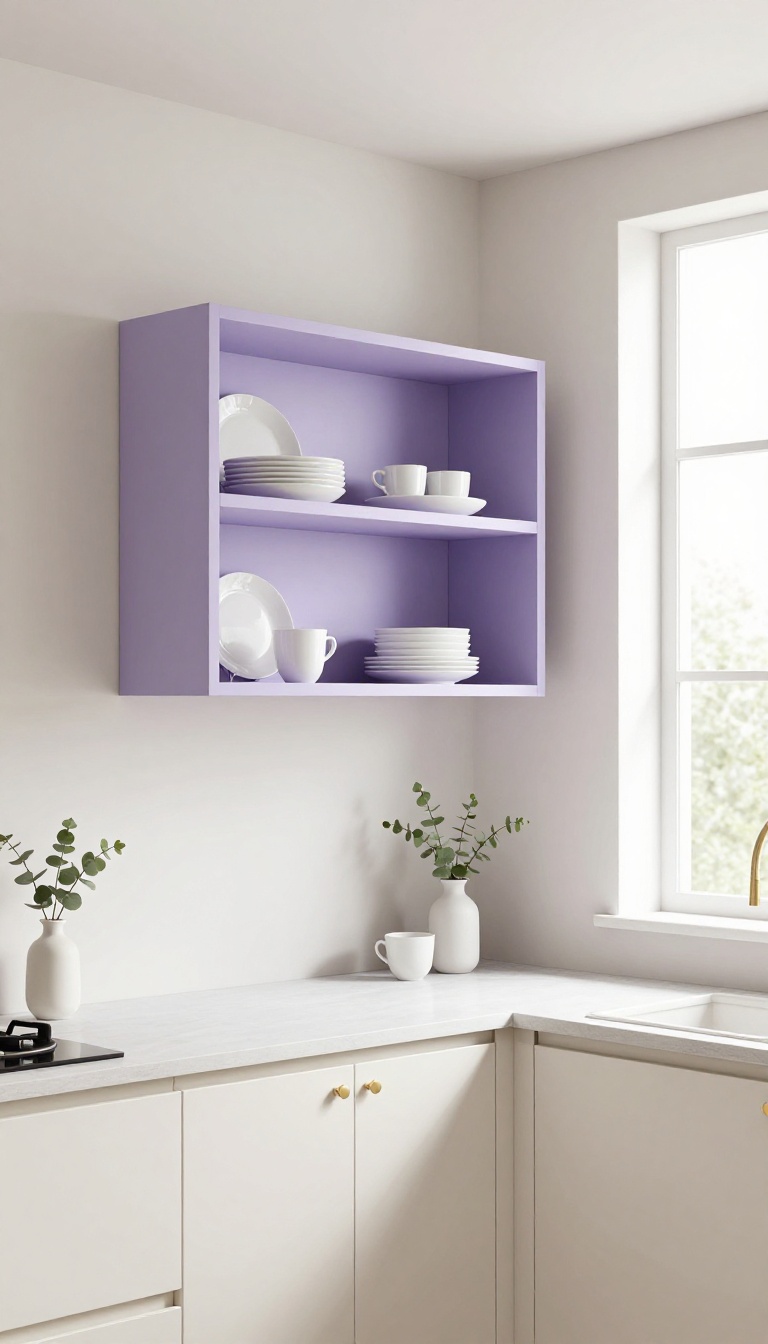
Open shelving is a great way to show off your favorite dishes and add personality to your kitchen. But instead of leaving the shelves plain, consider painting the inside a soft lavender or lilac. This unexpected detail adds a subtle pop of color that catches the eye without overwhelming the space.
The beauty of this idea is its flexibility. You can choose a shade that blends with your existing decor or one that stands out as a focal point. A light lavender works well in bright, airy kitchens, while a deeper lilac can add richness to a more traditional setting.
Choosing The Right Shade
When selecting a purple for your shelves, think about the overall mood you want to create. Soft, dusty purples feel calming and work beautifully with white or cream dishes. For a more dramatic look, try a deeper plum or violet, which pairs nicely with gold or brass accents.
Styling Your Shelves
Once the shelves are painted, arrange your items thoughtfully. Mix everyday dishes with a few decorative pieces like vases or cookbooks. The purple background will make your white ceramics pop, while darker items will add depth.
Keep the styling simple to let the color shine.
Where To Use This Idea
This trick works in any kitchen, whether you have a few floating shelves or a full wall of open storage. It's especially effective in small kitchens where a little color can make a big impact. You can also try it on a single shelf unit to create a focal point without committing to a full purple backsplash or cabinets.
5. Create a Purple Island to Anchor the Room
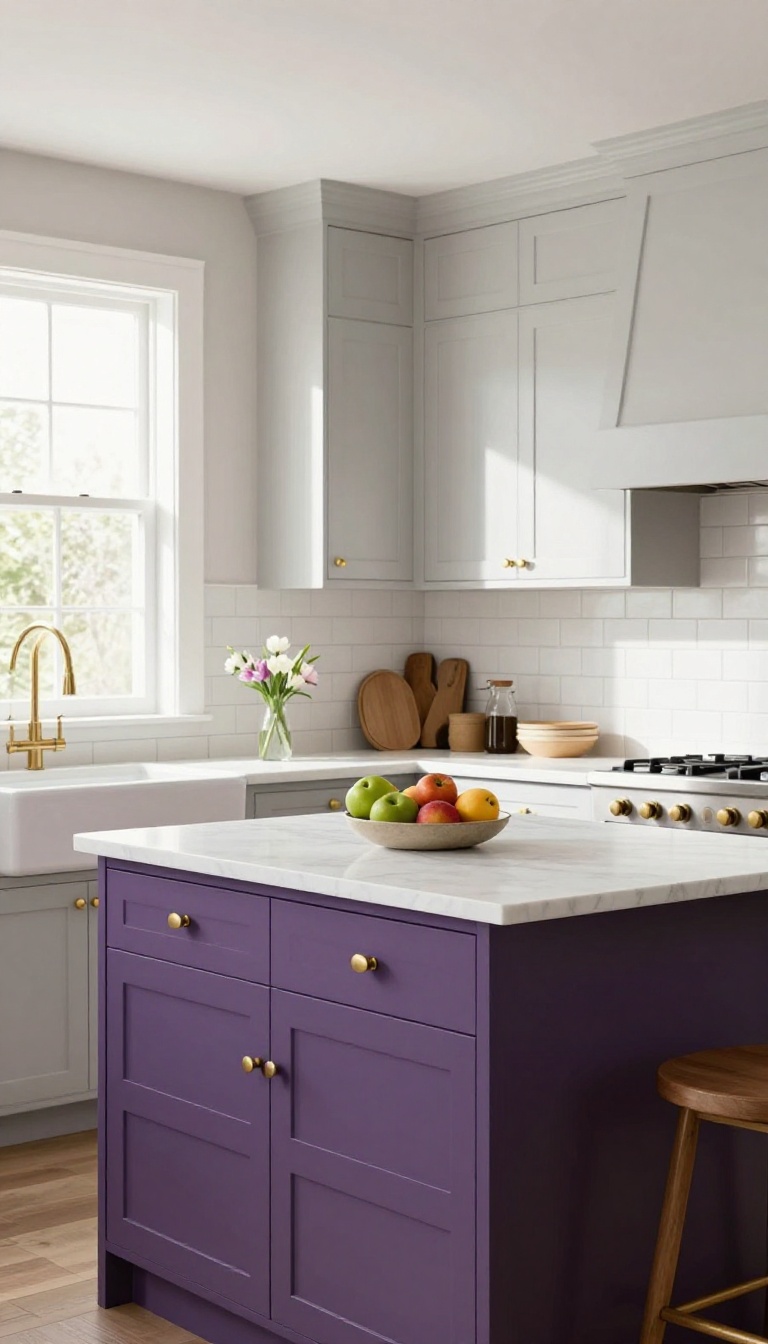
If your kitchen feels like it's missing a focal point, a painted island can be the answer. It's a bold move, but one that pays off by giving the room a clear center of gravity. By keeping the perimeter neutral, the island becomes the star without overwhelming the space.
Painting your kitchen island a deep violet or purple-gray is a smart way to introduce color without committing to full cabinets. It creates a visual anchor that draws the eye and adds depth. Plus, it's a project you can tackle over a weekend with the right prep.
Choosing The Right Shade
Deep eggplants and muted plums work best for islands because they add richness without feeling too playful. If you prefer a softer look, a dusty lilac can still make a statement while keeping things airy. Consider your countertops and flooring—cool grays pair well with blue-purples, while warm woods look great with redder purples.
Pairing With Countertops And Backsplash
The island should complement, not compete with, your other surfaces. White or light gray countertops let the purple shine, while a marble or quartz with subtle veining adds elegance. For the backsplash, keep it simple—a white subway tile or a soft neutral pattern will balance the bold island.
Finishing Touches And Hardware
Don't forget the hardware. Brass or gold handles pop beautifully against deep purple, while matte black adds a modern edge. You can also tie in the color with bar stools or a pendant light above the island.
These small details make the island feel intentional and polished.
6. Layer Purple Textiles for Softness
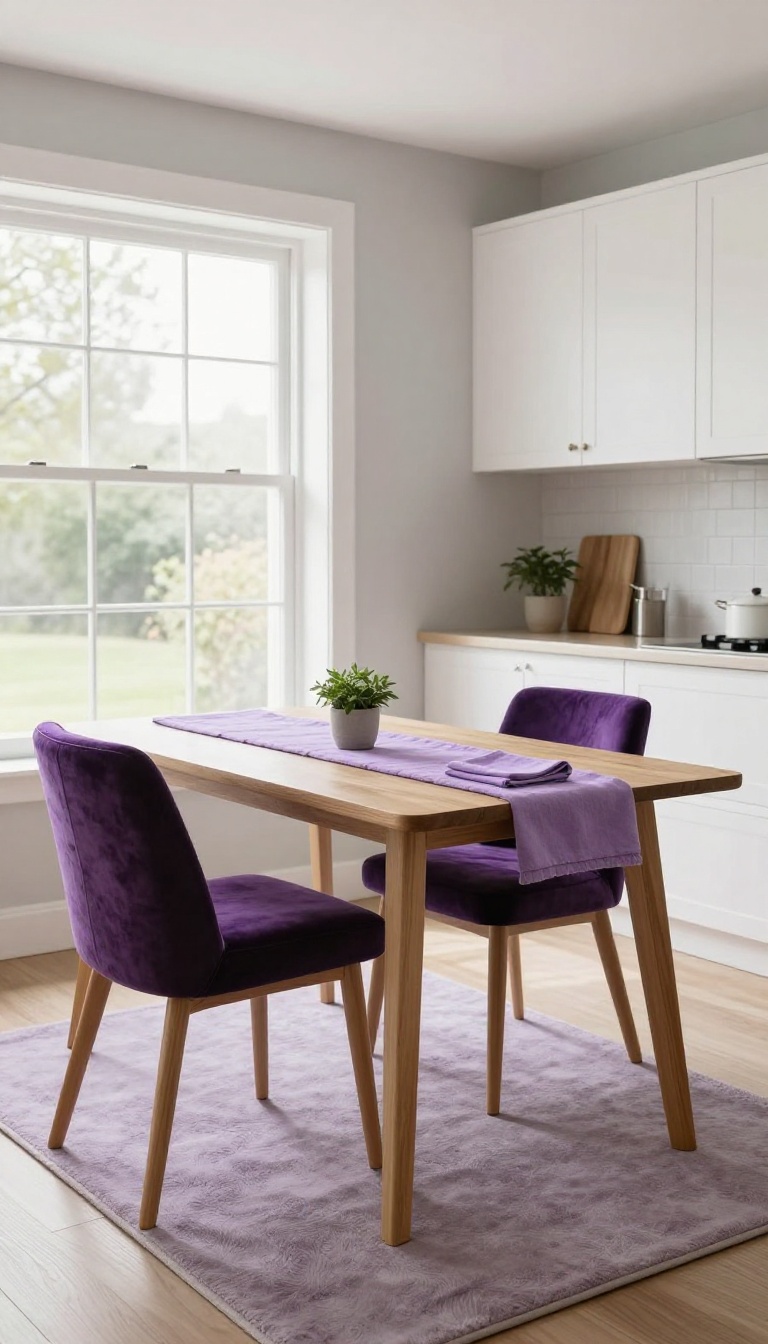
Textiles are the easiest way to test a color trend without any permanent changes. They bring warmth, texture, and a cozy feel that hard surfaces can't match. In a kitchen, purple textiles can soften the overall look and make the space feel more inviting.
Think beyond just towels and rugs. Curtains, seat cushions, and even table runners can introduce purple in a way that feels layered and intentional. The best part?
You can swap them out with the seasons or whenever you crave a change.
Start with a neutral base and let purple textiles do the talking. Mixing different shades—like a deep violet rug with a lilac dish towel—adds depth without looking chaotic. Choose fabrics that are practical for a kitchen, such as cotton, linen, or polyester blends that can handle spills and frequent washing.
When layering, consider the visual weight of each piece. A large area rug anchors the room, while smaller accents like potholders and apron hooks provide pops of color. Balance is key: if your cabinets are already bold, keep textiles in softer lavender tones.
If your kitchen is mostly white or gray, you can go bolder with plum or aubergine.
Mix Textures And Shades
Don't be afraid to combine different purple hues and fabric textures. A chunky knit throw on a nearby chair, velvet seat cushions, and a smooth cotton runner can all coexist. This mix adds visual interest and makes the space feel curated rather than flat.
Seasonal Swaps
One of the joys of textiles is their easy changeability. For spring, choose light lilac and airy fabrics. In fall, switch to deeper eggplants and heavier materials like flannel or wool.
This keeps your kitchen feeling fresh all year long.
Practical Choices
Since kitchens are high-traffic areas, durability matters. Look for stain-resistant rugs and machine-washable curtains. For seat cushions, wipeable covers are a smart choice.
This way, you can enjoy the beauty of purple without stressing about messes.
7. Style Your Countertops with Purple Accessories
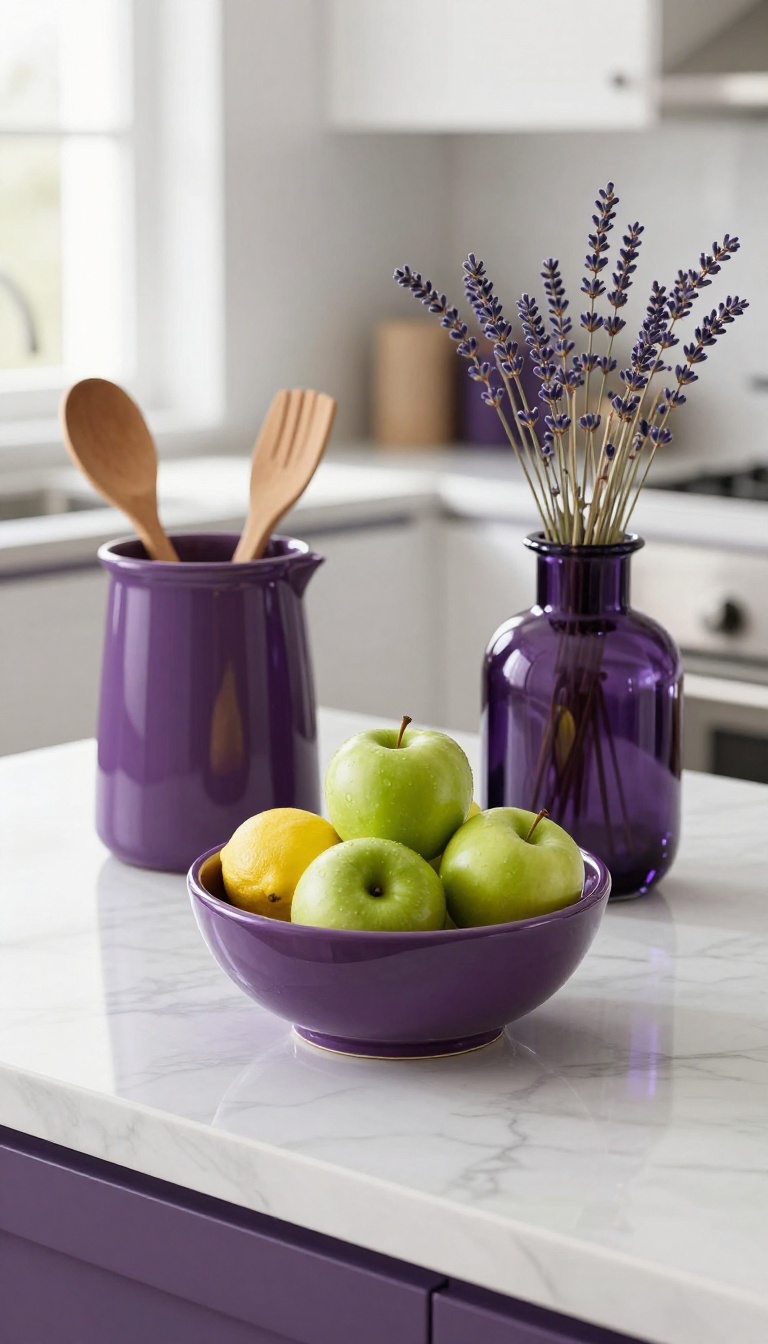
Countertops are prime real estate for adding personality without a permanent commitment. A few well-chosen purple accessories can instantly lift the mood of your kitchen and tie the whole design together. The best part?
You can swap them out seasonally or whenever you crave a change.
Start With A Statement Fruit Bowl
A glossy ceramic bowl in a rich plum or violet can be both practical and decorative. Fill it with lemons, limes, or green apples for a fresh pop of contrast. The purple bowl becomes the anchor, while the fruit adds a natural, vibrant touch.
Place it near the coffee maker or on an island where it's easy to grab a snack.
Add Functional Vases And Canisters
Use purple vases for fresh flowers or dried stems like lavender or eucalyptus. Canisters in soft lilac or deep grape can hold utensils, spatulas, or even pasta. They keep countertops organized while adding a cohesive color story.
Group two or three of different heights for visual interest.
Mix Textures And Finishes
Don't stick to just one type of purple. Combine a matte ceramic jar with a glossy glass vase or a woven basket with purple handles. This mix of textures keeps the look from feeling flat.
It also lets you play with different shades, from pale lavender to bold violet, without clashing.
8. Paint Just the Upper Cabinets Purple
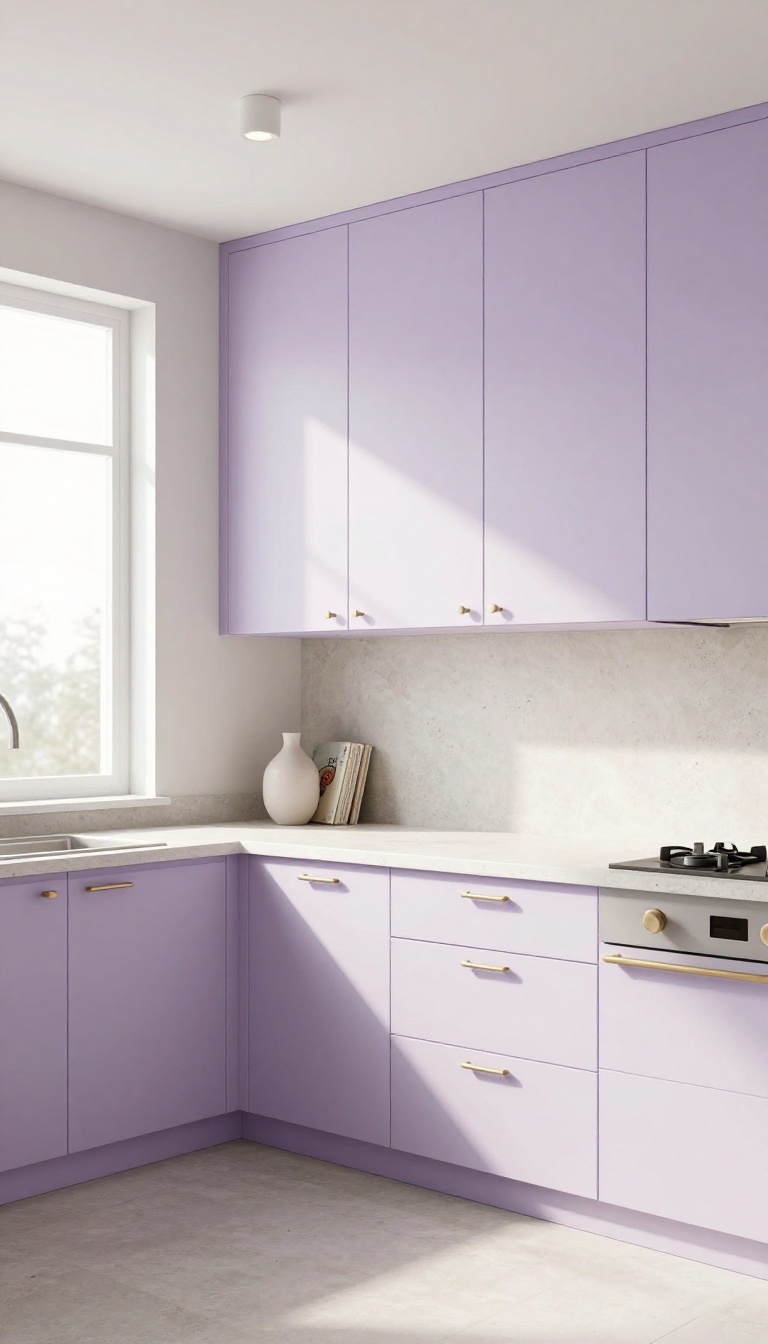
Two-tone cabinets are a clever way to add color without going overboard. By painting only the upper cabinets a soft lavender or lilac, you create a visual lift that draws the eye upward. The lower cabinets stay grounded in white or natural wood, keeping the space balanced and airy.
This approach works especially well in kitchens with limited natural light or lower ceilings. The lighter purple on top reflects more light, making the room feel brighter and more open. It also gives you a chance to enjoy a bold color without committing to a full cabinet makeover.
Why It Works
Painting only the upper cabinets creates a natural focal point and adds depth. The contrast between the purple uppers and neutral lowers prevents the space from feeling monotonous. Plus, it's a budget-friendly way to refresh your kitchen—you'll use less paint and effort than a full cabinet refinish.
Choosing The Right Shade
For a subtle look, go with a pale lavender or periwinkle. If you want more drama, a deeper violet or plum can work, but be mindful of the overall balance. Test samples on the actual cabinets to see how they look in your lighting throughout the day.
Finishing Touches
Pair the purple uppers with brushed nickel or matte black hardware for a modern feel. Add open shelving on one side to break up the cabinetry and display a few pieces that echo the purple, like a vase or cookbook. Keep the countertops and backsplash simple so the cabinets remain the star.
9. Add Purple Lighting Fixtures for a Glowing Effect
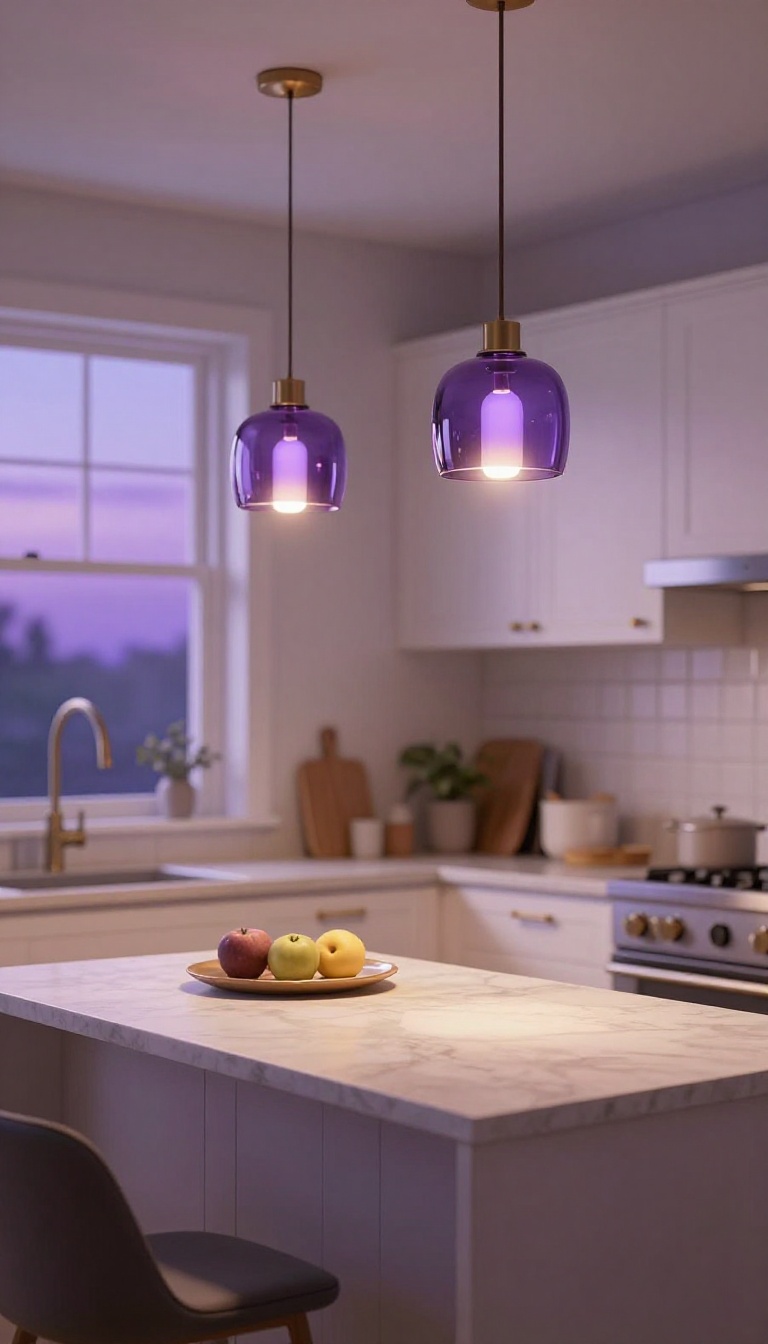
Lighting does more than brighten a room—it sets the mood. Swapping out a plain fixture for a purple one can instantly change how your kitchen feels. Whether it's a pendant over the island or a small lamp on the counter, the right light adds a soft, colorful glow that's both practical and pretty.
Purple lighting isn't just about the fixture itself; it's about the light it casts. Colored glass or shades filter the bulb's glow, bathing your workspace in a warm lavender or violet hue. This works especially well in the evening, when you want a cozier atmosphere.
Plus, it's a simple swap that doesn't require a full remodel.
Choose The Right Shade
Not all purples glow the same. Deep eggplant shades create a moody, intimate vibe, while lighter lilacs feel airy and fresh. Consider the rest of your kitchen's palette.
If you have warm wood tones, a plum or aubergine glass shade will complement them nicely. For a cooler, modern look, go with a pale lavender or violet.
Where To Hang Them
Pendant lights are perfect over a kitchen island or breakfast bar. Hang them at varying heights for a playful, dynamic look. A chandelier works well over a dining table or in a larger kitchen.
If you're short on space, even a small purple table lamp on a counter or shelf can add a subtle glow.
Mix With Other Metals
Purple pairs beautifully with brass, gold, or copper fixtures. The warm metal tones bring out the richness of the purple, making it feel luxurious. If you prefer a more industrial look, black or matte black hardware with purple glass adds a modern edge.
Don't be afraid to mix finishes for a curated feel.
Layer With Other Lighting
To get the full effect, combine your purple fixture with other light sources. Recessed lights or under-cabinet LEDs can provide task lighting, while your purple pendant adds ambiance. Use a dimmer switch to control the intensity—brighter for cooking, lower for relaxed dinners.
10. Incorporate Purple in Your Dining Nook
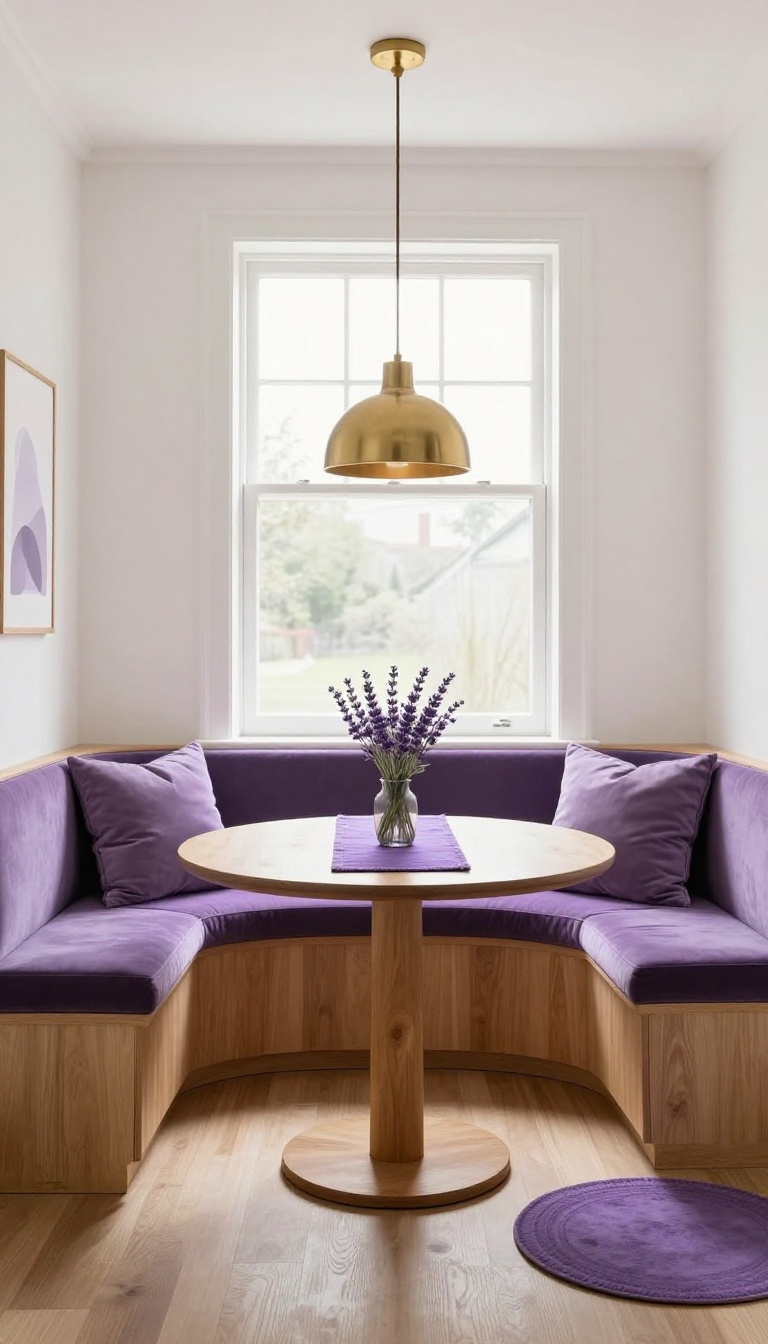
A dining nook is often the coziest corner of a kitchen, and it’s the perfect spot to introduce purple without committing to a full remodel. Whether you have a built-in bench or a simple table and chairs, a few thoughtful touches can make the space feel intentional and inviting. The best part?
You can mix and match shades to create a look that’s uniquely yours.
Start by choosing one or two purple elements to anchor the nook. Upholstered chairs in a soft lilac or a deep plum bench can instantly add color and comfort. If you prefer a more subtle approach, a table runner or placemats in a purple pattern can tie the space together.
For a bolder statement, consider painting the nook’s walls or adding a purple backsplash behind the bench. The goal is to create a cohesive look that feels like a natural extension of your kitchen’s design.
Pick The Right Shade
The shade of purple you choose sets the mood. Light lavenders and periwinkles keep the space airy and bright, perfect for smaller nooks. Deeper eggplants and plums add drama and warmth, making the area feel more intimate.
If you’re unsure, start with a mid-tone like amethyst—it’s versatile enough to work with both light and dark kitchens.
Mix Textures And Materials
Don’t be afraid to combine different fabrics and finishes. Velvet cushions on a bench feel luxurious, while linen curtains in a soft purple add a casual touch. Wood tones, whether light oak or dark walnut, pair beautifully with purple, grounding the color and preventing it from feeling too sweet.
Metallic accents like brass or copper can also elevate the look.
Balance With Neutrals
To avoid overwhelming the space, balance purple with neutral tones. White or cream walls, natural wood floors, and simple tableware let the purple stand out without shouting. If your nook has a window, natural light will soften the color and make it feel even more welcoming.
A neutral rug or cushion can also help anchor the area.
Add Functional Accents
Incorporate purple through items you’ll actually use. Placemats, napkins, and a small vase with fresh flowers are easy ways to bring in the color. A purple tea kettle or a set of ceramic mugs can add personality while serving a purpose.
These small touches make the nook feel lived-in and curated, not just decorated.
11. Use Purple Wall Art and Decor
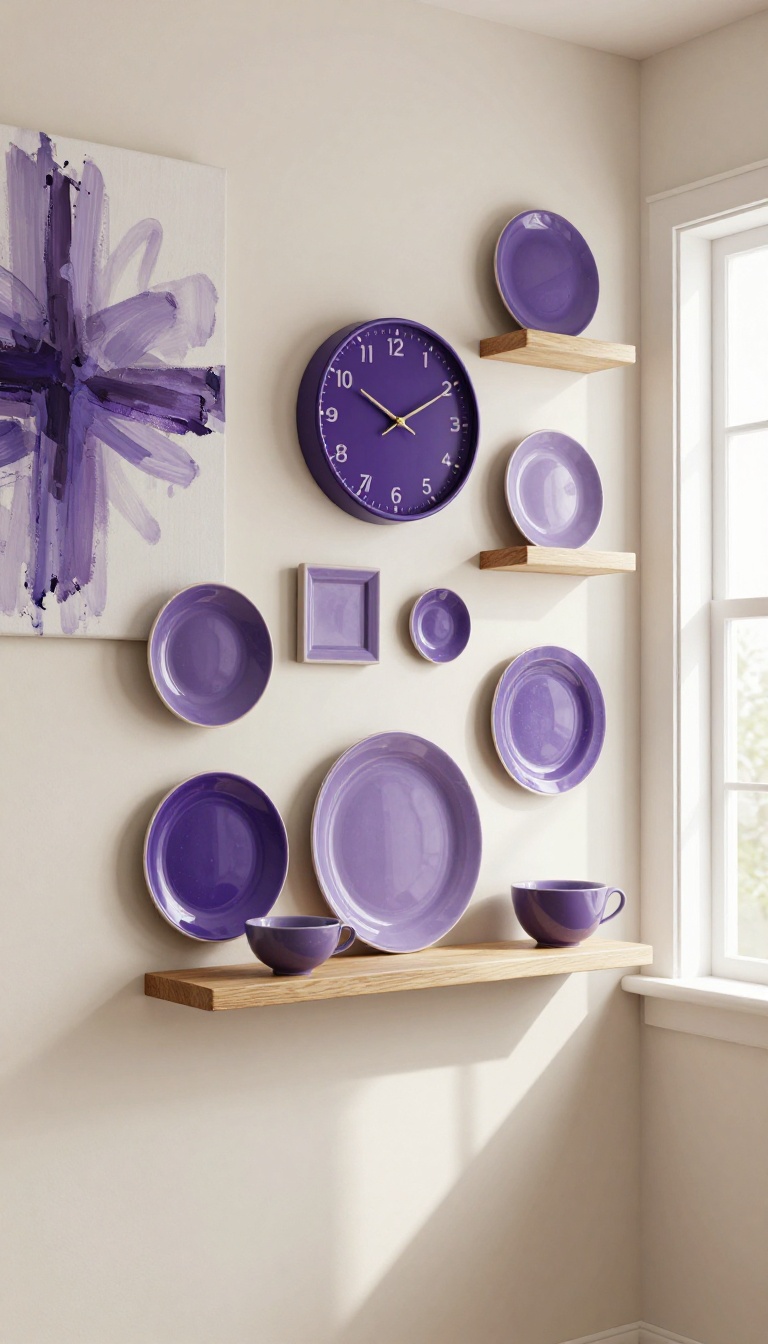
Walls are a blank canvas waiting for a splash of color, and purple art or decor can instantly lift the mood of your kitchen. It's a flexible way to experiment with the hue without committing to painted cabinets or a full backsplash. Plus, swapping pieces is easy when you want a refresh.
Purple wall art and decor give you the freedom to play with different shades and styles. You can mix a bold abstract print with a vintage clock or scatter a few ceramic plates in varying purples. The key is to balance the color so it feels curated, not chaotic.
Start with one anchor piece, then build around it with smaller accents that echo the same tones.
Mix Styles For Personality
Don't be afraid to combine different art forms—a modern canvas, a rustic wooden sign, or a set of botanical prints with purple flowers. This mix adds depth and keeps the eye moving. Choose frames that complement your kitchen's existing finishes, whether that's black metal, natural wood, or gold.
Use Decor That Doubles As Function
Wall-mounted shelves with purple cookbooks, a decorative plate rack, or a hanging herb planter with purple blooms are both pretty and practical. These pieces add color while serving a purpose, making the decor feel intentional. For example, a wall clock with a purple face is a subtle way to bring in the hue.
Create A Gallery Wall
A gallery wall is a fantastic way to make a statement. Arrange a mix of purple-themed prints, photos, and small decorative objects in a cohesive layout. Keep the spacing consistent and choose a unifying element, like all black frames or a similar color palette, to tie it together.
This works especially well on a large empty wall near the dining area.
12. Mix Purple with Natural Wood Tones
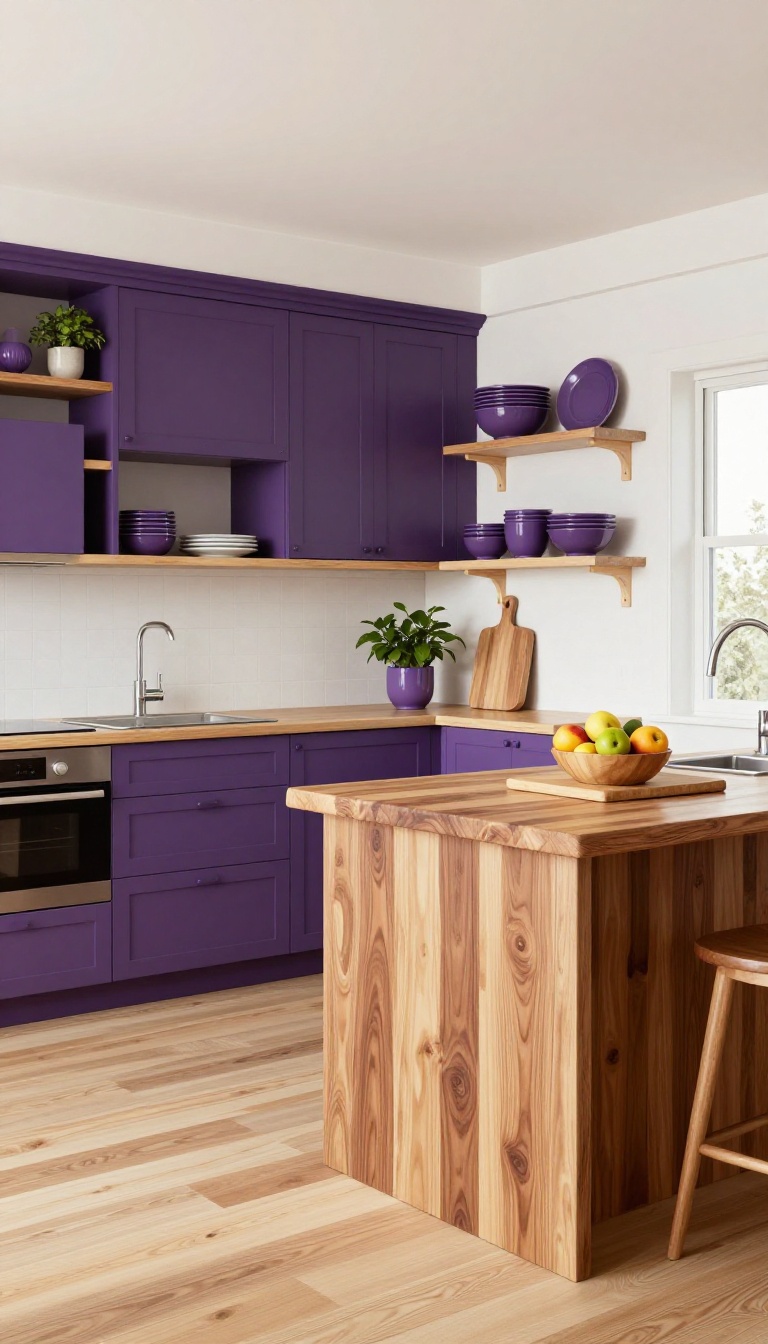
Purple can sometimes feel a bit cool or stark, especially in large doses. Pairing it with natural wood tones instantly warms things up and adds an organic, grounded feel. Think of rich walnut floors, light oak shelves, or a butcher block island—these textures give purple a cozy, lived-in quality that feels anything but cold.
Wood and purple are a surprisingly natural match. The warm undertones in wood balance the coolness of purple, creating a harmonious contrast that feels both modern and inviting. Whether you go bold with deep purple cabinets or subtle with lavender accents, wood helps tie the whole look together.
Choose The Right Wood Tone
Not all woods are created equal when it comes to pairing with purple. Lighter woods like maple or ash keep the space airy and bright, working well with soft lilacs or pale mauves. Medium oak tones bring a classic warmth that complements richer purples like plum or aubergine.
For a dramatic, moody vibe, dark woods like walnut or ebony create a striking backdrop for vivid purples, making them pop without feeling harsh.
Incorporate Wood Through Furniture And Accents
You don't need to overhaul your entire kitchen to bring in wood. Simple changes like swapping out bar stools for wooden ones, adding a wooden cutting board display, or installing open shelving in natural oak can make a big difference. If you're up for a bigger project, consider a butcher block countertop on an island or a wood-topped dining table nearby.
These elements add texture and warmth that make purple feel more inviting.
Balance Purple And Wood Proportions
The key is to avoid overwhelming the space. If you have purple cabinets, let wood be the supporting player—maybe through flooring or open shelves. If purple is just an accent (like a backsplash or a few accessories), you can go bolder with wood furniture and cabinetry.
A good rule of thumb is to use wood in about 60% of the space and purple in the remaining 40%, but adjust based on the size of your kitchen and the intensity of the purple shade.
FAQ
What colors go well with purple in a kitchen?
Purple pairs beautifully with white, gray, cream, and wood tones. For a bolder look, try mustard yellow or teal. Metallic finishes like brass and copper also complement purple nicely.
Is purple a good color for a small kitchen?
Yes, if used wisely. Lighter shades like lavender can make a small kitchen feel airy, while darker purples can add depth. Use purple on an accent wall or cabinets to avoid overwhelming the space.
How can I add purple to my kitchen without painting?
You can add purple through accessories like towels, rugs, small appliances, or even a bowl of purple fruits and vegetables. Temporary wallpaper or removable decals are also great options.
What are the best purple shades for kitchen cabinets?
Popular choices include eggplant, plum, and deep violet. For a softer look, consider lilac or wisteria. Test samples in your kitchen's lighting to see how they look throughout the day.
Will purple kitchen cabinets affect resale value?
Bold colors can be polarizing, but a well-done purple kitchen can be a selling point for the right buyer. If you're concerned, opt for more neutral purples like gray-lavender or use purple in easily changeable elements.
Conclusion
Purple is a versatile and exciting choice for kitchens, whether you go all-in with cabinets or just add a few accents. The key is to balance it with neutrals and choose shades that make you happy. With these 12 ideas, you can create a space that feels fresh, personal, and pulled together.
Remember, the best kitchen reflects your personality.
Don't be afraid to experiment with purple in small ways first. You might find that a little lavender goes a long way. Happy decorating!