15 Carpet Cleaning Ideas for Fresh and Spotless Floors
You walk into your living room and notice that once-bright carpet now looks dull and stained. Maybe it's the coffee spill from last week or just everyday foot traffic. Whatever the cause, a clean carpet can transform the entire feel of a room.
Carpet cleaning doesn't have to be a chore you dread. With the right techniques and a bit of know-how, you can tackle even the toughest messes. From natural remedies to professional-grade tricks, these ideas will help you restore your carpet's beauty.
Whether you're dealing with pet accidents, wine stains, or just general grime, there's a solution here for you. Let's dive into 15 carpet cleaning ideas that actually work.
1. Blot, Don't Rub – The Golden Rule of Stain Removal
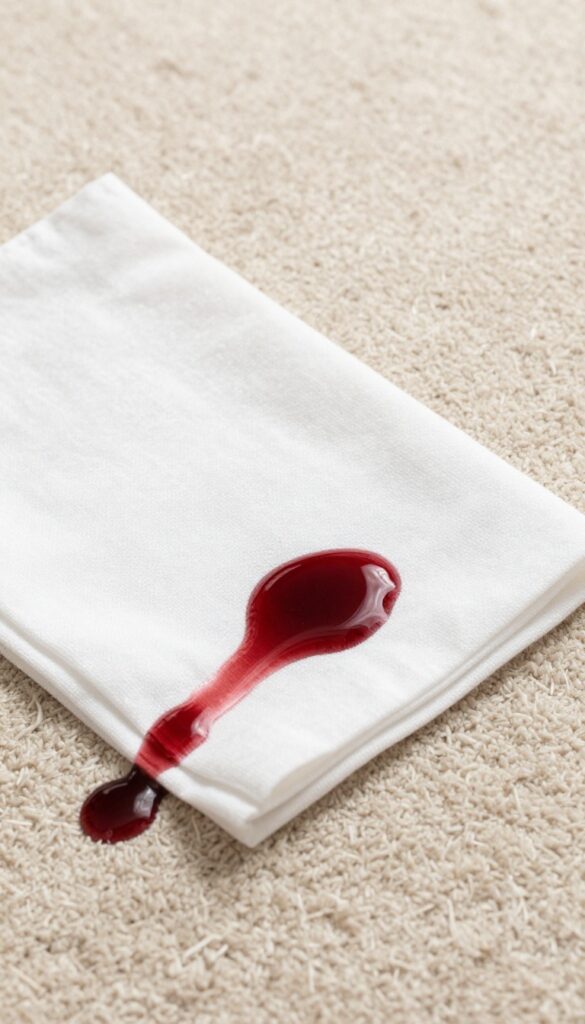
Picture this: you just knocked over a glass of red wine on your light beige carpet. Your first instinct might be to grab a cloth and scrub like crazy. But that's exactly what you shouldn't do.
Rubbing grinds the stain deeper into the fibers and can damage the carpet's texture. The smarter move is to blot—gently press a clean, absorbent cloth onto the spill to soak up as much liquid as possible. This simple habit stops stains from setting and makes the rest of the cleaning process far more effective.
Blotting works because it lifts the stain out rather than pushing it in. Start from the outer edges of the spill and work inward to prevent spreading. Use a white cloth or paper towel to avoid color transfer.
Keep blotting until the cloth comes up dry. If the stain remains, apply a small amount of cold water and blot again. For tougher stains like coffee or grease, follow up with a mild carpet cleaner.
Remember: patience is key. Blotting may take a few minutes, but it saves you from a permanent mark.
Why Rubbing Makes Things Worse
When you rub a stain, you're essentially grinding the liquid into the carpet fibers. The friction also frays the fibers, leaving the carpet looking fuzzy and worn. Plus, rubbing can spread the stain to a larger area.
That's why blotting is the go-to method for professionals—it's gentle yet effective.
What To Blot With
Always use a clean, white, lint-free cloth or paper towels. Colored fabrics can bleed dye onto your carpet, making the stain worse. Avoid using terry cloth towels that might leave lint behind.
If you're out of paper towels, a clean white cotton t-shirt works great.
Step-by-step Blotting For Fresh Spills
Act fast. Place the cloth over the spill and press firmly. Don't rub—just press and lift.
Repeat with a clean section of the cloth until no more liquid transfers. If the stain is sticky, dab with a little cold water and blot again. For dried stains, pre-wet the area with water before blotting.
2. DIY Baking Soda and Vinegar Solution for Freshness
If your carpet smells musty or looks a bit tired, a simple baking soda and vinegar solution can work wonders. This classic combo uses natural ingredients you probably already have in your pantry. It's gentle enough for regular use but tough on odors and light stains.
Mix equal parts white vinegar and water in a spray bottle, then add a tablespoon of baking soda. Shake gently, then spray the solution onto stains or high-traffic areas. Let it fizz for a few minutes—that bubbling action helps lift dirt and neutralize odors.
Blot with a clean cloth, and repeat if needed. The vinegar smell disappears as it dries, leaving your carpet fresh and clean.
How The Fizzing Action Works
When baking soda meets vinegar, it creates carbon dioxide bubbles that help loosen dirt and grime from carpet fibers. This reaction also neutralizes acidic odors, making it perfect for pet accidents or food spills. Just be sure to blot, not rub, to avoid spreading the stain.
Best Uses For This Solution
This mixture is ideal for light stains, general freshening, and high-traffic areas. It's safe for most synthetic carpets, but test on a hidden spot first. Avoid over-wetting, as too much liquid can damage the backing or cause mold.
Use it weekly to keep your carpet smelling great.
Tips For Drying And Final Rinse
After blotting, sprinkle a thin layer of dry baking soda over the area. Let it sit for 15 minutes, then vacuum thoroughly. This absorbs any leftover moisture and leaves a fresh scent.
For stubborn odors, repeat the process or let the baking soda sit overnight.
3. Steam Cleaning for Deep Dirt Removal
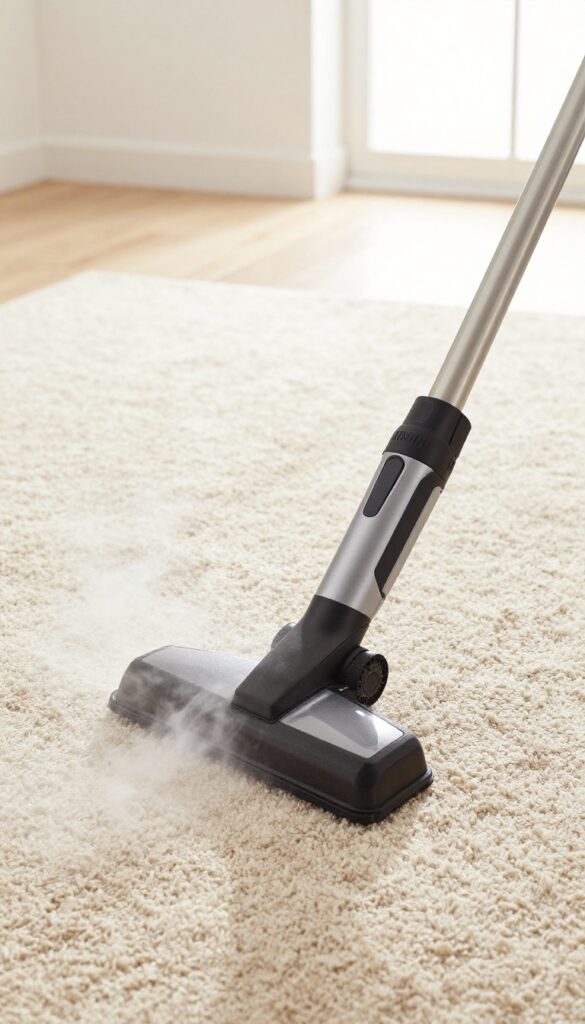
Sometimes a surface clean just isn't enough. When your carpet feels gritty underfoot or looks dull despite regular vacuuming, it's time to bring out the big guns. Steam cleaning, also known as hot water extraction, is one of the most effective ways to remove deeply embedded dirt, allergens, and stains.
Renting or buying a steam cleaner can seem intimidating, but it's actually straightforward. The machine injects a mixture of hot water and cleaning solution into the carpet fibers under pressure, then immediately vacuums it back up, along with the loosened dirt. This process can restore even heavily soiled carpets to a like-new condition.
For best results, vacuum thoroughly beforehand, treat any visible stains, and use a quality cleaning solution recommended for your machine.
How Often To Steam Clean
Most manufacturers recommend steam cleaning every 12 to 18 months, but high-traffic areas or homes with pets and allergies may need it every 6 months. Over-washing can damage fibers, so stick to a reasonable schedule.
Rent Vs. Buy
If you only need to clean carpets once or twice a year, renting from a grocery store or hardware store is cost-effective. For frequent use, buying a compact steam cleaner pays off. Look for models with strong suction and a large water tank.
Drying Time Tips
After steam cleaning, carpets can take 6 to 12 hours to dry completely. Open windows, turn on fans, and avoid walking on the carpet until it's dry to prevent re-soiling. Lifting carpet padding slightly can also speed up drying.
4. Hydrogen Peroxide for Tough Stains
Some stains just won't budge with regular cleaners. Blood, red wine, and coffee can set deep into carpet fibers, leaving a stubborn mark. Hydrogen peroxide offers a powerful solution without the harsh chemicals found in many commercial stain removers.
Hydrogen peroxide works by releasing oxygen bubbles that lift stain molecules from the fibers. It's especially effective on organic stains like blood, wine, and coffee. The key is using the right concentration and technique to avoid damaging your carpet.
How To Apply
Start by blotting up as much of the stain as possible with a clean cloth. Pour a small amount of 3% hydrogen peroxide directly onto the stain. Let it sit for a few minutes—you'll see it start to bubble.
Blot the area with a dry cloth to lift the stain. Repeat if necessary.
Testing First
Always test hydrogen peroxide on a hidden area of your carpet before using it on a visible stain. Apply a drop and wait 10 minutes to check for color change or damage. Some carpets, especially wool or dark colors, may react poorly.
Safety Tips
Never mix hydrogen peroxide with bleach or ammonia, as this can create toxic fumes. Keep the area well-ventilated. After treating the stain, rinse the spot with water and blot dry to remove any residue.
5. Dish Soap and Warm Water for Grease and Oil
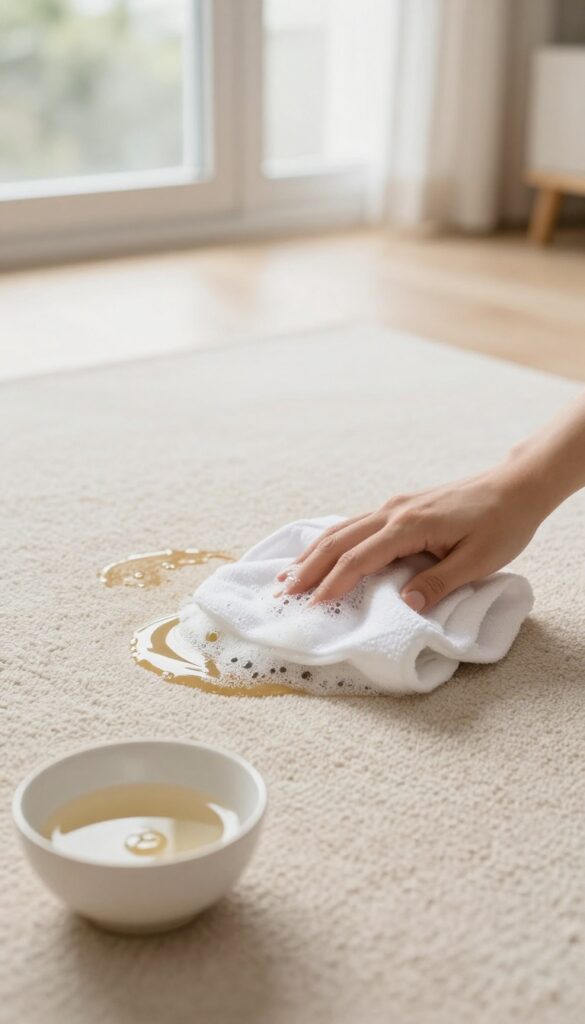
Grease and oil stains are some of the trickiest to remove from carpet. Whether it's a cooking mishap or a spilled salad dressing, these stains can set quickly and attract dirt. But you don't need harsh chemicals to break them down.
A simple solution of mild dish soap and warm water can cut through the grease without damaging your carpet fibers.
Dish soap is designed to break down grease on dishes, and it works just as well on carpet. The key is to use a gentle, dye-free soap and to blot—never rub—the stain. Rubbing can push the oil deeper into the fibers and spread the stain.
Instead, work from the outside in to keep the spot contained.
How To Mix The Solution
Fill a bowl with warm water and add just a few drops of mild dish soap. Stir gently to avoid creating too many suds. You want a slightly soapy mixture, not a foam bath.
Too much soap can leave a sticky residue that attracts more dirt later.
Step-by-step Application
Dip a clean white cloth or sponge into the solution and blot the stain. Start at the edges and work inward. Let the solution sit for a few minutes to break down the grease.
Then, blot with a dry cloth to absorb the loosened oil and soap. Repeat until the stain lifts.
Rinse And Dry
After treating the stain, dampen a fresh cloth with plain water and blot the area to remove any soap residue. Then, press a dry towel over the spot to absorb excess moisture. Let the carpet air dry completely.
Avoid walking on it until dry to prevent re-soiling.
6. Club Soda for Red Wine Spills
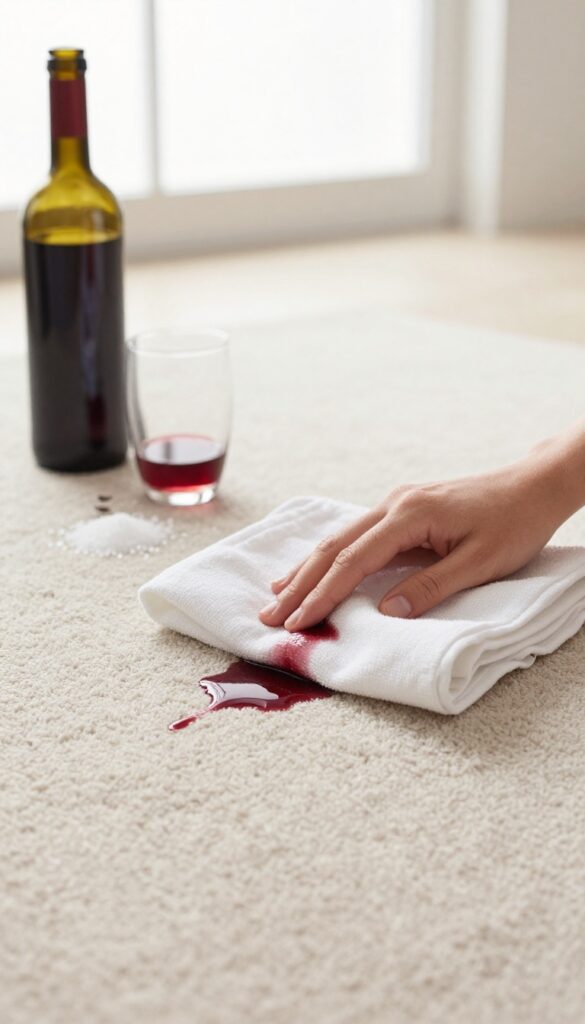
Red wine on a light carpet is a classic panic moment. But before you reach for harsh chemicals, grab a bottle of club soda from the fridge. The carbonation works like a gentle lifting agent, pushing the wine up and out of the fibers.
Blot, don't rub, and watch the stain fade with each press.
Club soda is a staple at parties for a reason. It's not just a mixer—it's a stain-fighting hero. The key is acting fast.
The longer red wine sits, the deeper it bonds with carpet fibers. Here's how to make the most of this fizzy fix.
Why Carbonation Works
The bubbles in club soda are carbon dioxide, which helps dissolve and lift water-soluble stains like red wine. As you pour, the bubbles agitate the stain from below, loosening the pigments. This makes blotting much more effective than using plain water.
Step-by-step Blotting Technique
Start by pouring a small amount of club soda directly onto the stain—enough to cover it. Let it fizz for a few seconds, then blot with a clean white cloth. Press down firmly, then lift.
Repeat with fresh areas of the cloth until no more wine transfers. Avoid scrubbing, which can spread the stain.
When To Add Salt
If the stain is stubborn, sprinkle a generous layer of table salt over the club soda-soaked area. The salt absorbs the wine as the soda lifts it. Let it sit for 5-10 minutes, then vacuum up the salt.
Follow with another round of club soda blotting if needed.
7. Carpet Raking to Revive Flattened Fibers
After vacuuming, you might notice your carpet still looks a bit tired and flat, especially in the spots where everyone walks. That's where carpet raking comes in. It's a simple, low-effort trick that can make a surprisingly big difference in how your carpet looks and feels.
Carpet raking works by physically lifting the fibers that have been crushed down by foot traffic or furniture. Over time, the weight of walking and furniture can mat down the carpet pile, making it look dull and worn. Raking stands them back up, restoring the carpet's original texture and fluffiness.
It's like giving your carpet a quick haircut, but without the scissors. The best part is that it's completely free and doesn't require any chemicals or special equipment beyond a carpet rake or even a stiff broom.
When To Rake
Rake your carpet right after vacuuming. Vacuuming removes the loose dirt and debris, and then raking lifts the fibers so they can stand tall without anything weighing them down. Focus on high-traffic areas like hallways, in front of sofas, and near doorways.
You can also rake after moving furniture to help the fibers bounce back from being compressed.
Choosing The Right Tool
A dedicated carpet rake is ideal because it has flexible tines that gently lift fibers without damaging them. But if you don't have one, a stiff-bristled broom or a rubber squeegee can work in a pinch. Avoid using anything with sharp metal tines that could snag or pull the carpet loops.
For plush or cut-pile carpets, a rake with rounded tips is best.
Technique Tips
Work in one direction, using long, even strokes. Don't press too hard—let the rake do the work. Start from one corner and move across the room in rows, overlapping each pass slightly.
For a more thorough lift, you can rake in multiple directions, but stick to one direction for a uniform look. After raking, give the carpet a final light vacuum to pick up any loosened fibers.
8. Enzyme Cleaners for Pet Accidents
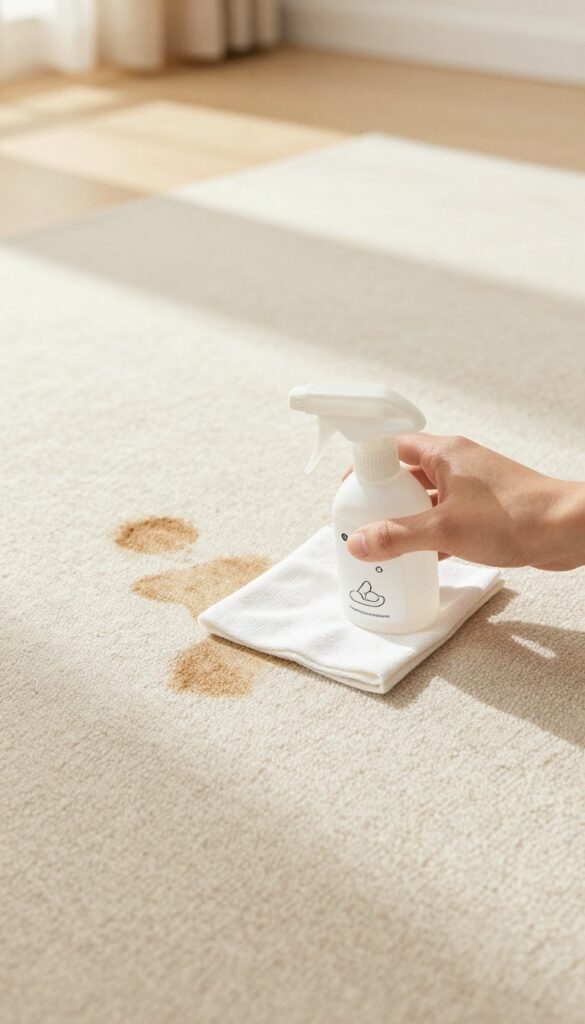
Pet accidents happen, even with the best-trained animals. The key to removing both stain and odor lies in enzyme-based cleaners. These products contain beneficial bacteria that digest the proteins in urine, breaking them down completely.
Unlike regular cleaners that only mask the smell, enzymes eliminate it at the source, discouraging your pet from revisiting the same spot.
How Enzyme Cleaners Work
Enzyme cleaners use natural proteins to target organic matter like urine, feces, and vomit. The enzymes break down these substances into harmless byproducts—carbon dioxide and water. This biological process not only removes the stain but also neutralizes the odor, making it undetectable to your pet's sensitive nose.
For best results, choose a cleaner specifically labeled for pet stains.
Application Tips For Maximum Effectiveness
Start by blotting up as much fresh urine as possible with a clean cloth. Then spray the enzyme cleaner generously over the affected area, ensuring it penetrates deep into the carpet fibers and padding. Let it sit for 10–15 minutes—longer for older stains—to give the enzymes time to work.
Blot again with a dry cloth, but do not rinse; the cleaner needs to dry naturally to fully break down the residue.
What To Avoid
Steer clear of ammonia-based cleaners, as ammonia smells similar to urine to pets and can actually attract them back to the same spot. Also avoid steam cleaning immediately after applying enzyme cleaners, as heat can kill the beneficial bacteria. If the stain is old or set in, you may need to repeat the process a few times for complete removal.
9. Vacuuming with a HEPA Filter for Allergens
If you or your family members suffer from allergies, your carpet might be holding onto more than just dirt. Dust mites, pollen, and pet dander love to settle deep in the fibers, and every step can stir them back into the air. A standard vacuum might not be enough to trap these tiny particles, but one with a HEPA filter can make a real difference.
Vacuuming with a HEPA filter is one of the simplest ways to improve indoor air quality while keeping your carpets fresh. HEPA stands for High-Efficiency Particulate Air, and these filters capture 99. 97% of particles as small as 0.
3 microns. That includes common allergens that often trigger sneezing, itchy eyes, or asthma. By using a HEPA vacuum regularly, you're not just cleaning the carpet—you're also reducing airborne irritants that can affect your whole home.
How Hepa Filters Work
Unlike standard vacuum filters that let fine particles pass through, HEPA filters use a dense mat of fibers to trap allergens. As air is pulled through, particles get stuck in the mesh. This means that instead of blowing dust and dander back into the room, the vacuum locks them away.
For allergy sufferers, this is a game-changer.
Vacuuming Technique Matters
Even with a great filter, how you vacuum matters. Go slowly—rushing lets debris stay buried. Make multiple passes in different directions: first lengthwise, then crosswise.
This loosens dirt from all angles and gives the HEPA filter more chances to capture what's deep down. Focus on high-traffic areas and spots where pets sleep.
When To Upgrade Your Vacuum
If your current vacuum doesn't have a HEPA filter, consider upgrading. Many models are affordable and widely available. Check that the filter is certified and replace it according to the manufacturer's schedule.
A clogged or old filter won't perform well, so keeping it clean is key to maintaining allergen control.
10. Cornstarch for Grease and Mud
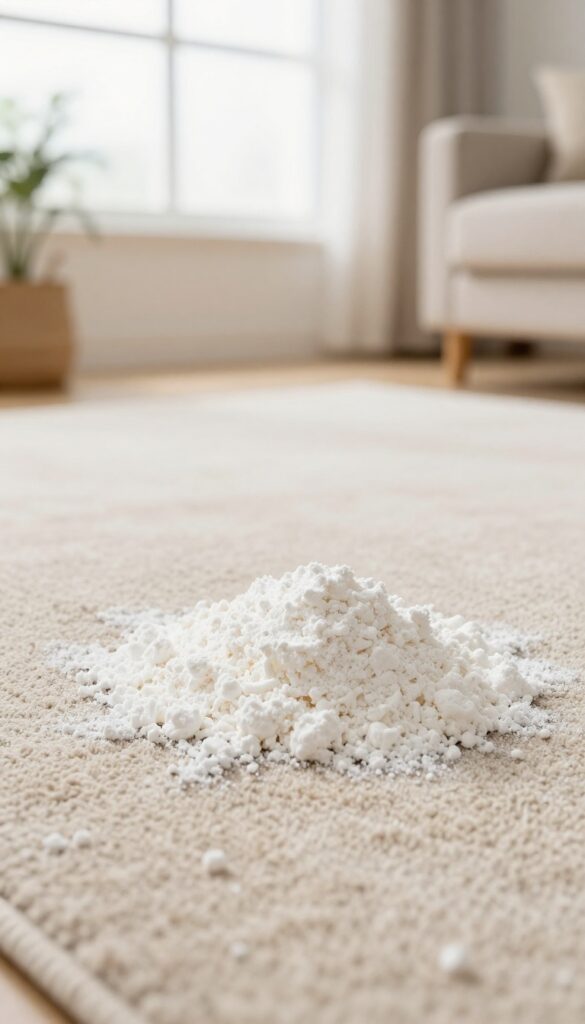
Grease and mud are two of the toughest messes to get out of carpet, but you don't need harsh chemicals to tackle them. Cornstarch, a common kitchen staple, works like a charm. It absorbs the grease or moisture from mud, making it easy to lift away without scrubbing or staining.
When you spot a fresh grease or mud stain, act quickly. Sprinkle a generous amount of cornstarch directly onto the spot, covering it completely. Let it sit for about 15 minutes—this gives the powder time to soak up the oil or moisture.
Then, simply vacuum up the cornstarch. If any residue remains, repeat the process until the spot is gone. This method is gentle on carpet fibers and safe for homes with kids or pets.
Why Cornstarch Works So Well
Cornstarch is a natural absorbent. Its fine particles latch onto grease and moisture, pulling them away from the carpet fibers. Unlike some cleaners that can push the stain deeper, cornstarch lifts it out without rubbing or spreading.
Plus, it's non-toxic, so you don't have to worry about fumes or residues.
Best Practices For Stubborn Spots
For older or larger stains, let the cornstarch sit longer—up to 30 minutes. You can also gently press it into the carpet with a spoon or your fingers for better contact. After vacuuming, check the spot.
If it's still visible, apply a fresh layer and repeat. For mud, make sure it's dry before vacuuming; if it's still wet, blot first with a paper towel.
Combining With Other Methods
Cornstarch works great on its own, but you can pair it with a mild dish soap solution for extra stubborn grease. After vacuuming the cornstarch, dab a tiny amount of soapy water on the spot, blot, and rinse. Let it dry completely.
This two-step approach handles even the greasiest messes without damaging your carpet.
11. Professional Hot Water Extraction for Annual Deep Clean
Even with regular vacuuming and spot cleaning, your carpet accumulates hidden dirt and detergent residue over time. That's where hot water extraction—often called steam cleaning—comes in. This method uses hot water and a cleaning solution injected deep into the fibers, then vacuumed out along with the grime.
It's the gold standard for a thorough annual refresh.
Hot water extraction doesn't just clean the surface; it reaches the base of the carpet where dirt settles. The high temperature helps break down oils and sticky residues that regular cleaning leaves behind. Renting a machine from a hardware store is a budget-friendly option, but hiring a professional ensures powerful equipment and proper technique.
Plan to do this once a year to maintain your carpet's warranty and keep it looking new.
Why Hot Water Extraction Works So Well
The combination of heat, pressure, and suction lifts dirt that vacuuming misses. The solution is forced deep into the pile, then extracted with enough force to remove allergens, bacteria, and trapped particles. Unlike dry cleaning methods, it rinses out soap residue that can attract more dirt over time.
Diy Vs. Pro: Which Should You Choose?
Renting a machine costs less upfront but requires effort and careful operation. Consumer-grade machines are less powerful, so you may need multiple passes. Professional truck-mounted units run hotter and extract more water, meaning faster drying times and deeper cleaning.
If your carpet is heavily soiled or you have allergies, hiring a pro is worth the investment.
Prepping Your Carpet For Extraction
Vacuum thoroughly first to remove loose dirt. Pre-treat stains with a spot cleaner. Move furniture to another room or lift it onto blocks to avoid water damage.
Ensure good ventilation by opening windows or running fans—this helps the carpet dry faster and prevents mold.
Post-cleaning Care For Long-lasting Results
After extraction, avoid walking on the carpet until it's completely dry—usually 6 to 12 hours. Speed up drying with fans or a dehumidifier. Once dry, vacuum again to fluff the fibers.
Consider applying a carpet protector to repel future stains and make next year's cleaning even easier.
12. Ice Cube Trick for Furniture Dents
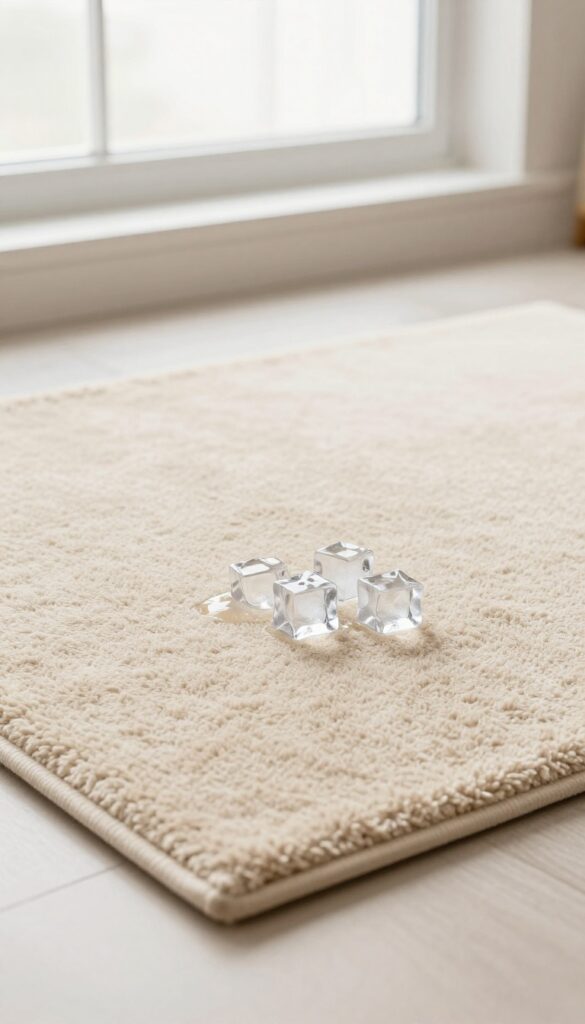
Heavy furniture can leave unsightly dents in your carpet that seem impossible to fix. But there's a surprisingly simple solution using just ice cubes. This trick works because the water slowly raises the flattened fibers back to their original shape.
Place an ice cube on each dent left by furniture. Let it melt slowly, then fluff the fibers with a fork or brush. As the carpet absorbs the water, the fibers swell back into shape.
Why Ice Works
Carpet fibers are often made of nylon or polyester, which have some memory. When compressed for a long time, they flatten. The ice cube provides a slow, controlled release of water that allows the fibers to absorb moisture and expand without soaking the backing.
Step-by-step Process
First, place one or two ice cubes directly on each dent. Let them melt completely — this can take a few hours. Once melted, use a fork or a soft-bristled brush to gently fluff the fibers upward.
Blot any excess moisture with a towel.
Tips For Best Results
For deeper dents, repeat the process a second time. Avoid rubbing or scrubbing aggressively, as that can damage the fibers. If your carpet is delicate or antique, test on an inconspicuous area first.
13. Salt for Fresh Spills
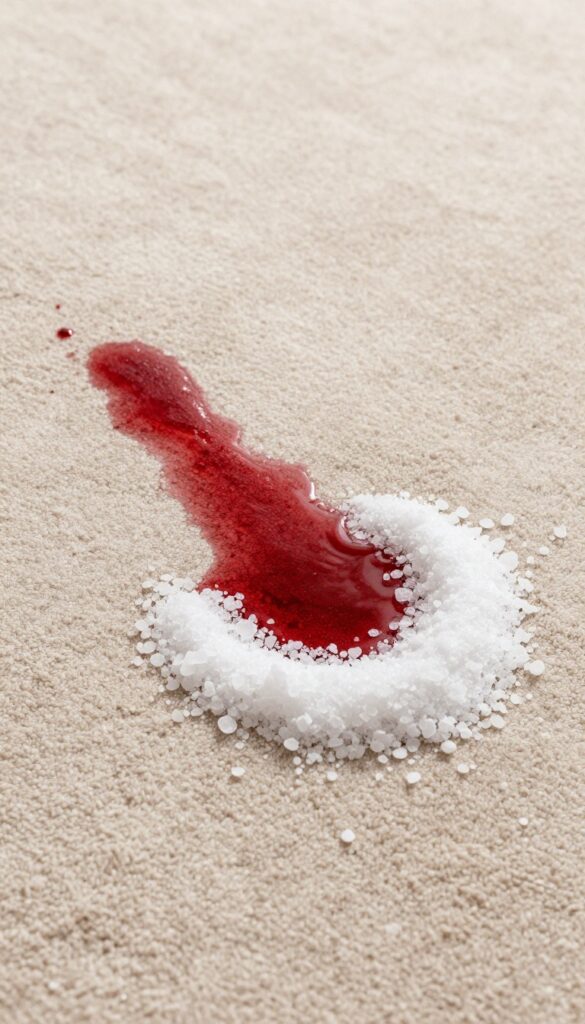
A fresh spill can feel like a disaster, but common table salt is a surprisingly effective first responder. Salt acts as a natural absorbent, pulling liquid out of carpet fibers before it has a chance to set. This trick works wonders on wine, juice, soda, or even coffee spills.
When a liquid spill happens, time is your enemy. Grab the salt shaker and pour a generous layer directly over the wet area, covering it completely. Let the salt sit for 10–15 minutes—it will soak up the moisture and turn into a damp crust.
Then simply vacuum up the salt, and you’ll see most of the liquid gone. For stubborn stains, follow up with a mild carpet cleaner or a vinegar-water solution.
Why Salt Works So Well
Salt is hygroscopic, meaning it naturally attracts and holds water molecules. Its fine grains create a large surface area that quickly wicks liquid away from carpet fibers. Unlike paper towels, which can push the spill deeper, salt lifts it out without spreading the stain.
Best Spills For Salt Treatment
This method is ideal for water-based spills like soda, juice, tea, and clear spirits. It’s less effective for oily or greasy spills, but for most everyday accidents, salt is a fast, cheap, and chemical-free solution. Red wine is a classic candidate—salt can prevent that dreaded purple stain.
Tips For Best Results
Act fast—within a minute or two of the spill. Use enough salt to form a thick layer, about 1/8 inch deep. Don’t rub or scrub; let the salt do the work.
After vacuuming, check the area; if a faint stain remains, dab with a mixture of 1 tablespoon dish soap and 2 cups cold water.
14. Shaving Cream for Upholstery and Carpet Stains
Shaving cream isn't just for grooming—it's a surprisingly effective carpet stain remover. The foamy texture helps lift dirt and dyes from fibers without harsh chemicals. Best of all, you probably already have a can in your bathroom.
This method works wonders on fresh or set-in stains from ink, makeup, and everyday grime. It's gentle enough for most carpet types and upholstery, making it a versatile addition to your cleaning arsenal.
Why Shaving Cream Works
Shaving cream contains surfactants that break down oils and pigments, while its thick foam holds them in suspension so they can be wiped away. Unlike gel, foam doesn't leave a sticky residue.
Step-by-step Application
Blot the stain first to remove excess. Spray a small amount of shaving cream directly onto the spot. Use a soft brush or cloth to gently work it in circular motions.
Let it sit for 5–10 minutes, then wipe away with a damp cloth. Repeat if needed.
Best Stains For This Technique
Ink, lipstick, foundation, and dirt spots respond particularly well. Avoid using on wool or delicate fabrics—test in an inconspicuous area first.
15. Regular Maintenance with a Doormat and No-Shoes Policy
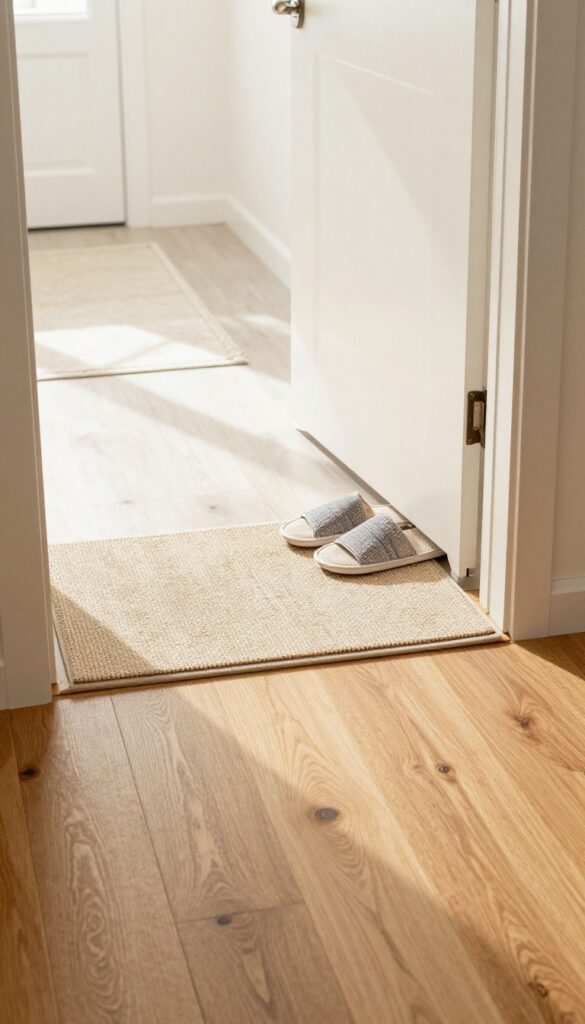
You've scrubbed, sprayed, and vacuumed, but the best carpet cleaning trick is actually the simplest: keep dirt from coming in. A solid prevention routine can cut your cleaning workload in half and make your carpet look fresher for longer.
Think of doormats and a no-shoes rule as your carpet's first line of defense. Studies show that up to 80% of dirt, dust, and grime is tracked in from outside. By stopping it at the door, you're not just saving yourself effort—you're protecting the fibers from premature wear and tear.
It's a small habit change that pays off big time.
Choose The Right Doormats
Not all doormats are created equal. For outdoor use, go for a coarse, scraper-style mat that removes mud and gravel. Indoors, place an absorbent mat that catches moisture and fine particles.
Place mats at every entrance—front door, back door, garage entry—and clean them regularly by shaking out or vacuuming.
Make The No-shoes Rule Stick
Getting everyone on board can be tricky, but a few simple touches help. Provide a shoe rack or basket near the door, keep a stash of cozy slippers for guests, and lead by example. Kids and pets also benefit—less dirt means fewer allergens and less mess for you to clean.
Weekly Maintenance Routine
Combine your doormat and no-shoes policy with a quick weekly routine. Vacuum high-traffic areas twice a week and the rest once a week. Spot-clean any visible marks immediately.
This keeps your carpet looking fresh and extends the time between deep cleans.
FAQ
How often should I deep clean my carpet?
Most experts recommend deep cleaning carpets every 12 to 18 months. High-traffic homes or households with pets may need it more often, such as every 6 to 12 months.
Can I use bleach on my carpet?
Bleach is not recommended for most carpets because it can discolor or damage fibers. Always test any cleaning solution on a hidden area first. For whitening, consider hydrogen peroxide instead.
What's the best way to remove old, set-in stains?
For set-in stains, try a paste of baking soda and water. Apply it to the stain, let it dry, then vacuum. If that doesn't work, a professional steam cleaning may be needed.
Does baking soda damage carpet fibers?
No, baking soda is gentle and safe for most carpet fibers. It's a natural deodorizer and mild abrasive that helps lift dirt without causing damage. Just vacuum thoroughly after use.
How can I make my carpet smell fresh between cleanings?
Sprinkle baking soda over the carpet, let it sit for 15–30 minutes, then vacuum. You can also add a few drops of essential oil to the baking soda for a pleasant scent. Regular vacuuming also helps.
Conclusion
Keeping your carpets fresh doesn't have to be a chore. With these 15 ideas, you can tackle stains, odors, and daily dirt without breaking a sweat. Just pick a method that fits your schedule and carpet type.
Your floors will thank you, and so will your guests. Start with one tip today and see the difference.