How to Clean Toilet Bowl Stains in 13 Proven Ways Fast
Toilet bowl stains can be stubborn, especially hard water rings and mineral buildup that resist regular scrubbing. You don't need to call a plumber or buy expensive products to get your toilet sparkling again.
With a few household staples and the right technique, you can tackle even the toughest stains quickly. This guide covers 13 proven methods, from natural fizzing solutions to heavy-duty cleaners for extreme limescale.
Each method is practical and easy to try, so you can find what works best for your situation. Let's dive into the fastest ways to make your toilet bowl look brand new.
1. Baking Soda and Vinegar Fizz
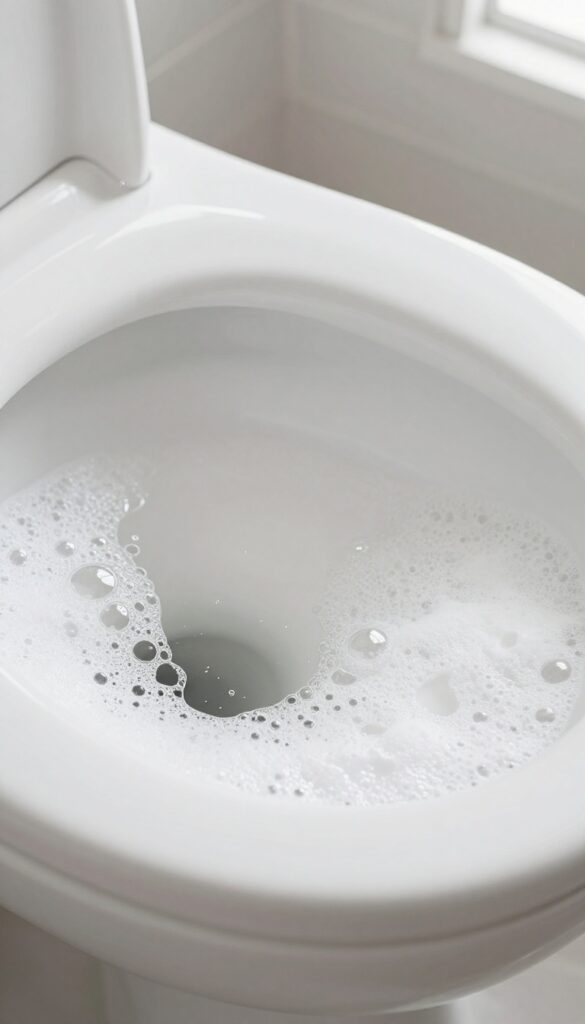
You probably already have these two in your kitchen cabinet. When baking soda meets vinegar, the fizzy reaction helps loosen grime and mineral deposits without harsh scrubbing. It's a go-to method for light to moderate stains and a great first step before trying stronger cleaners.
Start by flushing the toilet to wet the bowl, then sprinkle a generous amount of baking soda around the inside. Pour about a cup of white vinegar over the baking soda—you'll see bubbles form immediately. Let the mixture sit for 10 minutes to break down residue.
Scrub with a toilet brush, focusing on stained areas, then flush. For tough rings, repeat or let it sit longer.
Why It Works
The chemical reaction between the alkaline baking soda and acidic vinegar creates carbon dioxide gas. Those bubbles help lift dirt and scale from the porcelain surface, making it easier to scrub away. It's also gentle enough for daily use.
Best For Light To Medium Stains
This method handles hard water rings, light limescale, and general grime well. For heavy mineral buildup or old stains, you might need a longer soak or a stronger approach. Still, it's a safe first try that costs almost nothing.
Pro Tip: Use A Pumice Stone For Stubborn Spots
If some stains remain after the fizz, gently rub them with a wet pumice stone. Keep the stone wet to avoid scratching the porcelain. This combo works wonders on persistent rings.
2. Pumice Stone for Tough Rings
When scrubbing and soaking fail to budge that stubborn ring around the waterline, a pumice stone can be your secret weapon. This porous volcanic rock is hard enough to scrape away mineral deposits but soft enough to leave porcelain unharmed. It works like a gentle sanding block, targeting only the buildup without scratching the bowl's finish.
A pumice stone is ideal for hard water rings and calcium deposits that have built up over time. The key is to wet the stone thoroughly before use—this softens it slightly and prevents scratching. Rub the stained area with light pressure, using a back-and-forth motion.
You'll see the stain fade as the stone wears down the mineral layer. Flush to rinse away residue, and repeat if needed. Always keep the stone and the bowl wet during the process.
This method is fast, chemical-free, and surprisingly satisfying.
How To Use A Pumice Stone Safely
Start by soaking the pumice stone in water for a few minutes. While you wait, flush the toilet to lower the water level and expose the stain. Wet the stain area as well.
Gently rub the stone on the ring, using circular or back-and-forth motions. Don't press hard—let the stone do the work. Rinse the stone frequently to remove debris.
Once the stain is gone, flush again and wipe away any grit.
Where To Find A Pumice Stone
Pumice stones are cheap and easy to find. Look for them in the cleaning aisle of grocery stores, hardware stores, or online. Some are sold specifically as toilet cleaning tools, but any natural pumice stone works.
Avoid synthetic pumice, which may be too abrasive. A single stone lasts for many uses—just let it dry after each cleaning.
3. Borax and Lemon Juice Paste
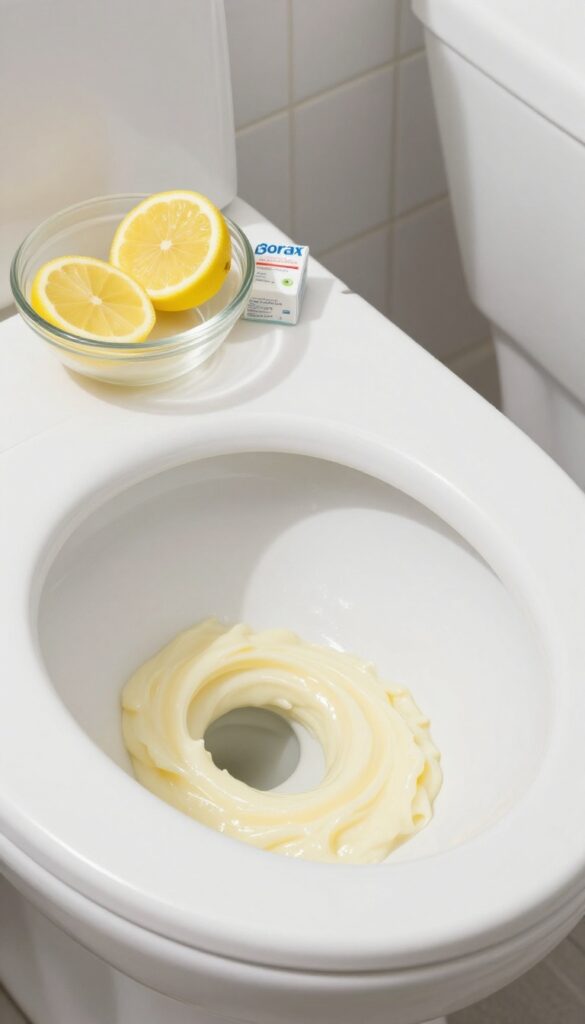
If you're dealing with both limescale and general grime, this simple paste tackles two problems at once. Borax is a natural mineral that gently scrubs and deodorizes, while lemon juice cuts through mineral deposits with its acidity. Together, they make a powerful stain-fighting duo that's easy to mix up in seconds.
How To Make The Paste
Mix equal parts borax and fresh lemon juice in a small bowl. Stir until you get a thick, spreadable paste. If it's too runny, add more borax; if too dry, add a few more drops of lemon juice.
You want it to stick to the sides of the bowl without dripping off.
Application And Wait Time
Scoop the paste onto a toilet brush or an old sponge and apply it directly to the stains, especially the waterline ring and any hard water spots. Let it sit for at least 30 minutes—longer for tough, set-in stains. The lemon acid needs time to dissolve the limescale.
Scrubbing And Final Flush
After the wait, scrub the treated areas with your toilet brush. You should see the stains lifting away. For stubborn spots, scrub a little harder or apply another layer of paste.
Once satisfied, flush the toilet to rinse everything away. Your bowl will look brighter and smell fresh.
4. Coca-Cola Soak
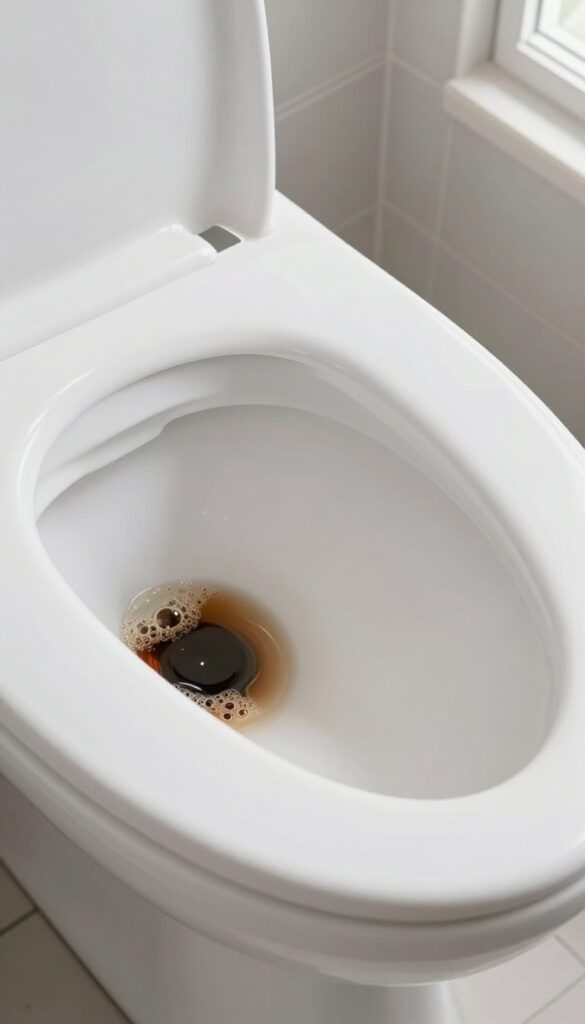
You might not think of soda as a cleaning tool, but Coca-Cola works surprisingly well on tough toilet stains. The phosphoric acid in Coke breaks down rust and mineral deposits, making it an effective and low-effort solution. Just pour, wait, and flush—it's that simple.
Pour an entire can of Coca-Cola around the rim of the toilet bowl so it coats the stains. Let it sit for at least an hour (overnight for heavy buildup). Scrub with a toilet brush, then flush.
The acid lifts stains without harsh fumes.
Why It Works
Coke contains phosphoric acid, which dissolves calcium and rust stains. The carbonation also helps loosen grime. It's milder than bleach but still effective for regular maintenance.
Best For Light To Moderate Stains
This method works best on fresh rings or light mineral deposits. For thick limescale, you may need a longer soak or a second application. Avoid using it on toilets with metal fittings that could corrode.
Cleanup Tips
After soaking, scrub thoroughly and flush twice to remove any sticky residue. If the smell bothers you, add a splash of vinegar before flushing to neutralize the sugar.
5. Denture Tablets for Deep Cleaning
Denture tablets aren't just for false teeth—they're surprisingly effective at tackling toilet bowl stains. The effervescent action helps lift mineral deposits and discoloration without harsh scrubbing. All you need are two tablets and a little patience.
Drop two denture tablets into the toilet bowl and let them fizz for about 20 minutes. The bubbles work to break down stains, especially around the waterline. After the fizzing stops, give the bowl a light scrub with your toilet brush and flush.
You'll notice a visible difference, especially on light to moderate stains.
Why Denture Tablets Work
Denture tablets contain ingredients like citric acid and sodium bicarbonate that create a fizzing reaction. This helps loosen and dissolve mineral deposits, rust stains, and grime. The same chemistry that cleans teeth works on porcelain because both are non-porous surfaces.
Best For Maintenance Cleaning
This method is ideal for weekly or bi-weekly maintenance rather than heavy-duty stain removal. If your toilet has stubborn limescale rings, you might need a stronger cleaner first. But for keeping things fresh and stain-free, denture tablets are a gentle, effective option.
6. Hydrogen Peroxide and Cream of Tartar
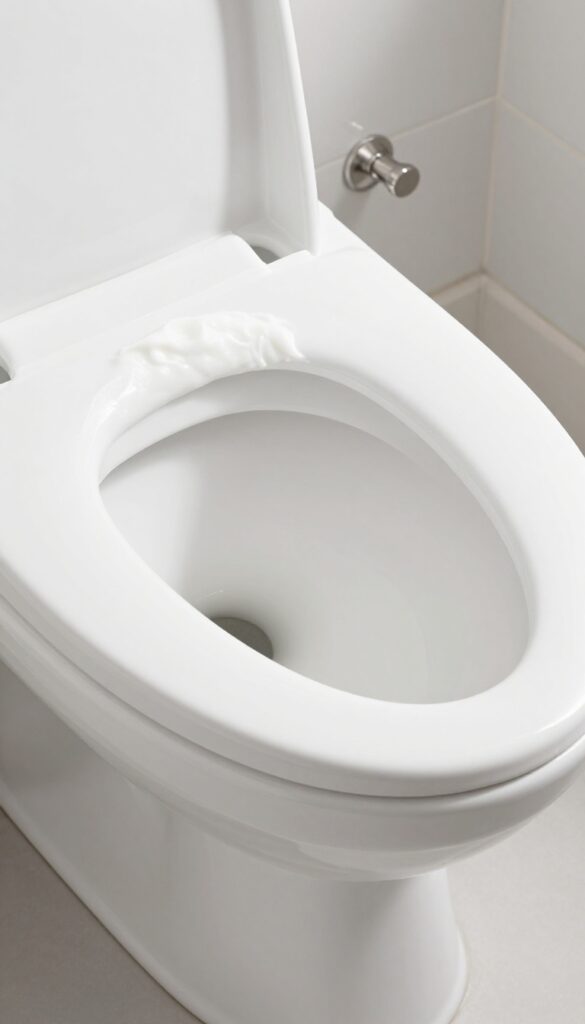
Hydrogen peroxide is a mild bleach that breaks down organic stains, while cream of tartar is a fine acid powder that helps dissolve mineral deposits. Together, they form a powerful paste that whitens and cleans without harsh fumes. This combo is especially good for yellowing or old organic stains that regular cleaners miss.
Mix two tablespoons of cream of tartar with enough hydrogen peroxide to make a thick paste. Apply the paste directly to the stains, focusing on the waterline and any discolored areas. Let it sit for about 15 minutes—longer for tough stains.
Scrub with a toilet brush, then flush. The paste may settle, so keep it thick enough to stick to the sides.
Why It Works So Well
Hydrogen peroxide releases oxygen that lifts organic matter, while cream of tartar gently abrades and reacts with alkaline minerals. This combination tackles both biological stains and hard water rings without damaging porcelain.
Best Use Cases
Use this method for yellowing from urine, rust-colored rings, or stains that appear after vacation. It's also safe for septic systems and won't discolor colored toilet bowls.
Tips For Maximum Effect
For vertical stains, add a little more cream of tartar to make a stiffer paste that won't drip. If the paste dries out, reapply a fresh layer. Always wear gloves to avoid skin irritation from hydrogen peroxide.
7. Commercial Toilet Bowl Cleaner with Bleach
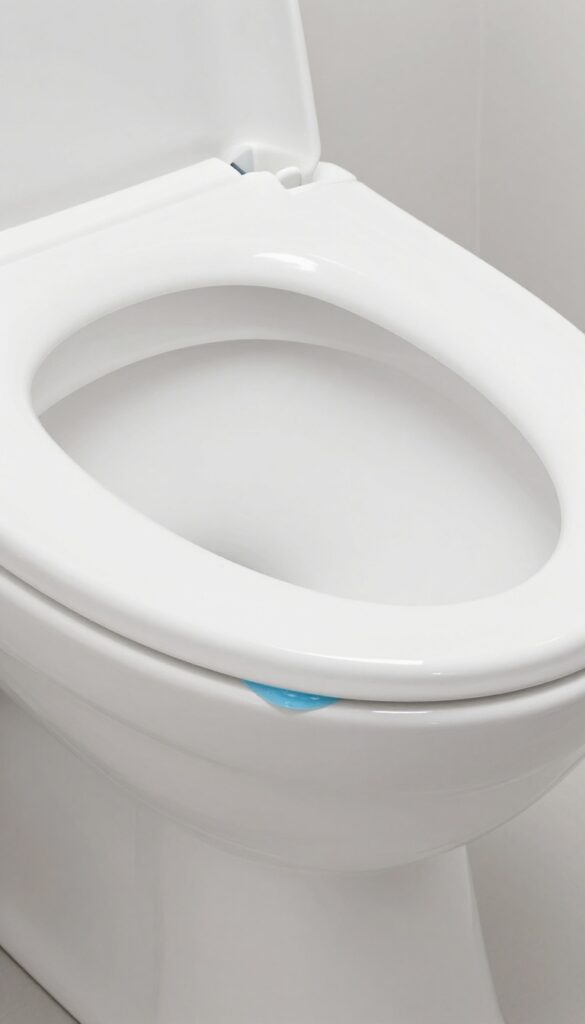
Sometimes you just need the heavy artillery. A gel-based bleach cleaner is a go-to for many because it combines strong disinfecting power with whitening ability. It's especially effective on organic stains and general grime that builds up over time.
For best results, squirt the gel under the rim in a continuous ring so it coats the bowl as it runs down. Let it sit for at least 10 minutes—don't rush this step. The bleach needs time to break down stains and kill bacteria.
After the wait, scrub thoroughly with a toilet brush, paying extra attention to the waterline and any visible rings. Flush and admire the results.
Why Gel Works Better Than Liquid
Gel cleaners cling to the porcelain instead of running straight into the water. This means longer contact time and better stain removal. Look for a thick formula that sticks to the sides.
Safety First
Bleach is powerful but harsh. Always wear gloves to protect your skin, and never mix bleach with ammonia or acidic cleaners like vinegar—that creates toxic fumes. Keep the bathroom ventilated.
When To Use This Method
This is ideal for routine deep cleaning or when you notice discoloration that won't come off with mild cleaners. It's also great for disinfecting after illness. But avoid using bleach too often if you have a septic system—it can kill beneficial bacteria.
8. Vinegar and Baking Soda Overnight Soak
When stains have been building up for months, a quick scrub won't cut it. You need time and chemistry on your side. The vinegar and baking soda overnight soak is a classic because it works—even on those dark rings that seem permanent.
Start by pouring about 1 cup of baking soda into the toilet bowl. Follow with 2 cups of white vinegar. The fizzing action helps loosen grime and mineral deposits.
Once the fizzing stops, add enough vinegar to fill the bowl to the rim. Let it sit overnight (or at least 8 hours). In the morning, scrub with a toilet brush and flush.
For extra stubborn spots, use a pumice stone after soaking.
Why This Soak Works So Well
The chemical reaction between baking soda (a base) and vinegar (an acid) creates carbon dioxide bubbles that physically lift stains. The long soak allows the acidic vinegar to dissolve alkaline mineral deposits like limescale. Together, they tackle both organic and inorganic stains without harsh fumes.
Tips For Best Results
Use white vinegar—colored vinegars can stain porcelain. If your water level is high, remove some water with a cup before adding baking soda to prevent overflow. For extreme stains, repeat the soak for two nights.
Always flush after scrubbing to remove residue.
9. Lemon Juice and Salt Scrub
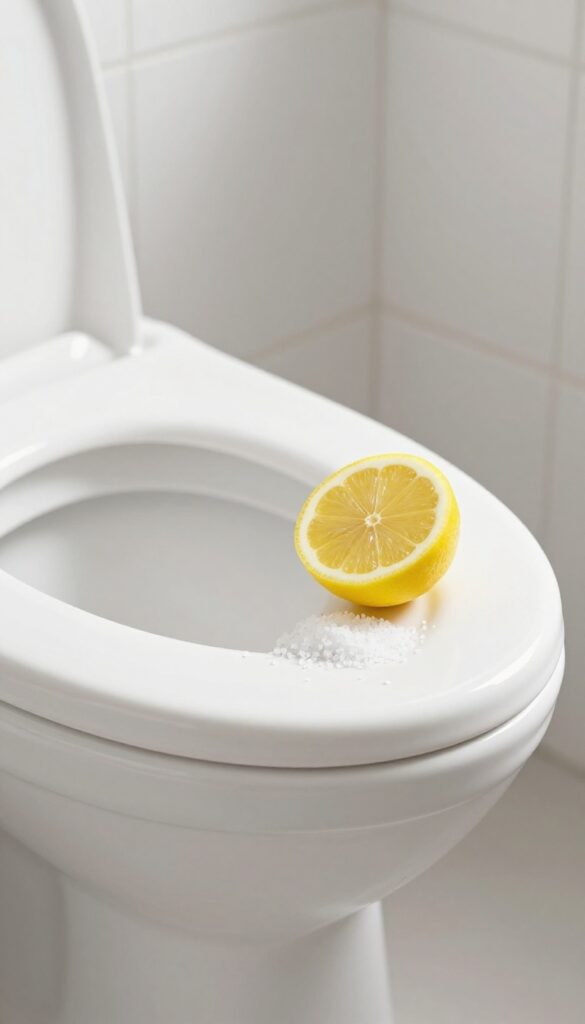
If you prefer a natural, fresh-smelling approach, this combo is a winner. The citric acid in lemon juice breaks down calcium deposits while salt provides gentle abrasion to scrub away stains without scratching porcelain. Plus, it leaves your bathroom smelling like a citrus grove.
This method works best on light to moderate stains and is especially good for maintenance cleaning between deeper treatments. It's also safe for septic systems and doesn't introduce harsh chemicals into your home.
How To Do It
Cut a lemon in half and sprinkle a generous amount of salt onto the cut surface. Scrub the stained areas directly with the lemon half, applying moderate pressure. Focus on the waterline and any rings.
Let the juice sit for 5–10 minutes, then scrub again if needed. Flush and rinse.
Why It Works
Lemon juice contains citric acid, which dissolves limescale and hard water minerals. Salt acts as a mild abrasive that physically lifts grime without scratching. Together, they create a fizzing action that helps loosen deposits.
Best For
This method is ideal for light to moderate stains, especially hard water rings and mineral buildup. It's not strong enough for deep-set rust or heavy limescale, but it's great for regular upkeep.
10. Toilet Bowl Tablet or Drop-In Cleaner
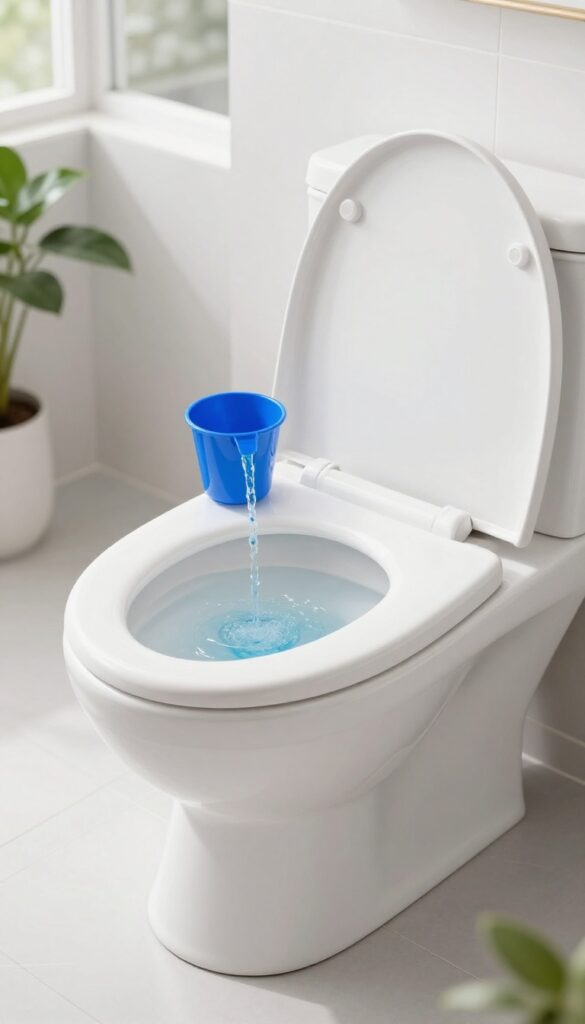
If you want to keep stains from forming in the first place, a toilet bowl tablet or drop-in cleaner is a solid choice. These products sit in your tank or hang under the rim and release cleaning agents with every flush. They're designed for maintenance, not heavy-duty scrubbing, so they work best when you already have a clean bowl.
These cleaners are incredibly convenient. Once you pop one in, it works automatically for weeks. They help prevent hard water rings, limescale, and general grime from building up.
However, they're not a cure-all—if you already have stubborn stains, you'll need to scrub those first before relying on tablets for upkeep.
How They Work
Tablets dissolve slowly in the tank, releasing bleach or other cleaning agents into the bowl with each flush. Drop-in cups attach to the rim and release a concentrated dose directly into the water. Both methods keep the bowl slightly treated at all times, making it harder for stains to take hold.
Best For Maintenance, Not Rescue
These cleaners are excellent for preventing new stains, but they won't remove existing heavy mineral deposits or rust rings. For best results, deep clean your toilet first with a pumice stone or a heavy-duty cleaner, then start using tablets or drop-ins to keep it that way.
What To Watch Out For
Some tablets contain harsh chemicals that can damage internal toilet parts like the flapper or fill valve over time. If you have a newer toilet, consider using a drop-in cup instead, which doesn't sit in the tank. Also, avoid using them if you have a septic system—look for septic-safe options.
11. Muriatic Acid for Extreme Limescale
When limescale has built up into thick, rock-like rings that nothing else touches, muriatic acid is your last resort. This industrial-strength acid dissolves calcium deposits quickly, but it demands serious respect. You'll need heavy-duty gloves, eye protection, and excellent ventilation before you even open the bottle.
Muriatic acid is a diluted form of hydrochloric acid, commonly used for masonry cleaning and pool pH adjustment. In the toilet bowl, it works fast against extreme mineral buildup that has turned into hard, crusty layers. However, it's harsh on porcelain and plumbing, so use it sparingly and only when gentler methods have failed.
Safety First – Goggles, Gloves, And Airflow
Before you pour anything, put on rubber gloves and safety goggles. Open the bathroom window and turn on the exhaust fan. Muriatic acid fumes are corrosive and can irritate your lungs and eyes.
Never mix it with bleach or any other cleaner—deadly chlorine gas can form.
How To Apply It Correctly
Dilute the acid according to the label instructions—usually one part acid to ten parts water. Pour the mixture into the toilet bowl, focusing on the stained areas. Use a toilet brush to spread it over the limescale.
Let it sit for 3–5 minutes, but no longer, as prolonged contact can damage the porcelain glaze.
Flush Thoroughly And Rinse
After the short dwell time, flush the toilet several times to remove all traces of acid. Check the stain—if it's gone, you're done. If not, repeat the process once more.
Never leave muriatic acid in the bowl overnight. Once the stain is removed, flush again and wipe the bowl with a damp cloth.
12. Dish Soap and Hot Water
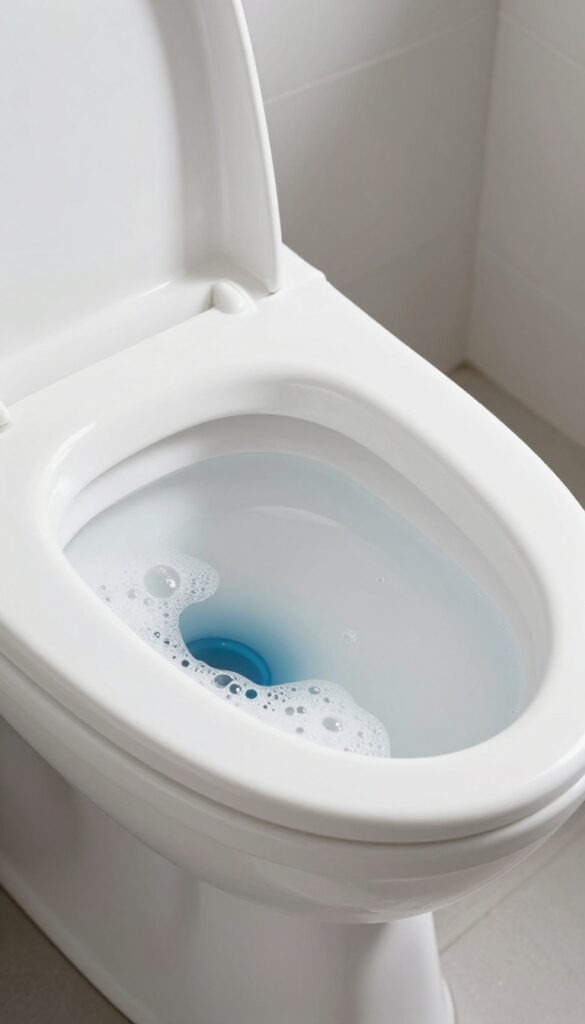
Sometimes the simplest solutions are the most effective. If you're dealing with light stains or just want a quick freshen-up, dish soap and hot water can do the trick without any harsh chemicals. The heat helps loosen grime while the soap breaks down grease and residue.
This method is perfect for routine maintenance or when stains are still fresh. It's gentle on your toilet and safe for septic systems. Plus, you probably already have both ingredients in your kitchen.
Why This Combo Works
Hot water increases the cleaning power of dish soap by helping it dissolve and penetrate stains faster. The soap itself is a surfactant, which means it reduces surface tension and lifts dirt away from the porcelain. Together, they create a powerful yet gentle cleaning action.
Step-by-step Instructions
Start by flushing the toilet to wet the bowl, then add a generous squirt of dish soap (about a tablespoon). Pour in a bucket of hot water—not boiling, just hot tap water—to fill the bowl above the stain line. Let it sit for 15 minutes to soften the buildup.
After the wait, scrub with a toilet brush, focusing on stained areas, then flush.
When To Use This Method
This is best for light to moderate stains, especially grease-based marks or recent hard water rings. It's not strong enough for thick limescale or rust, but it's great for weekly cleaning or between deep cleans. Use it as a safe, non-abrasive option for delicate toilets.
13. Regular Brushing with Baking Soda
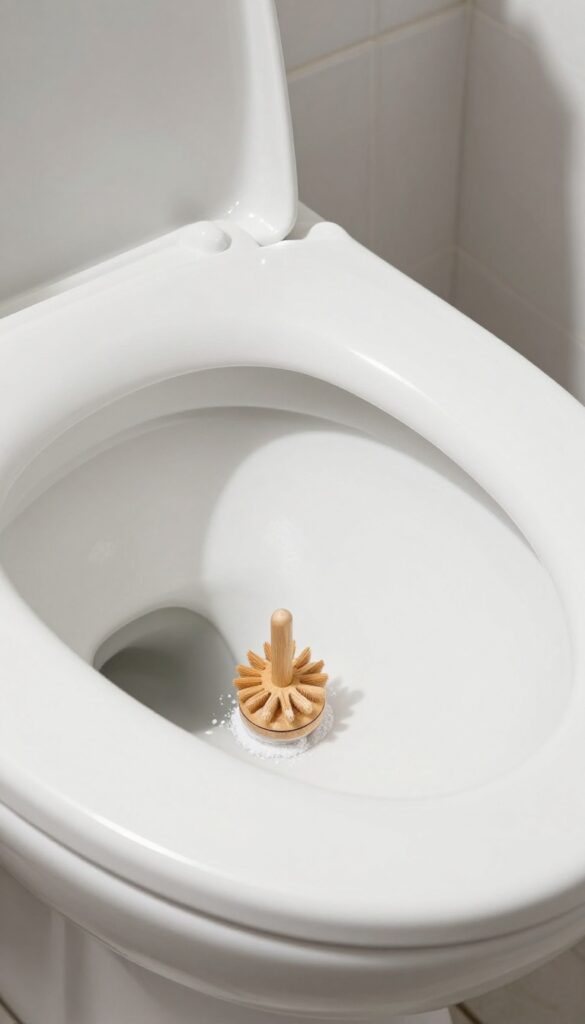
Consistency beats intensity when it comes to toilet cleaning. A quick weekly brush with baking soda stops stains before they start, saving you from heavy scrubbing later. This method is as simple as it gets—no soaking, no harsh fumes, just a sprinkle and a scrub.
Baking soda is mildly abrasive, so it lifts surface grime without scratching porcelain. It also neutralizes odors, leaving the bowl fresh. For best results, do this once a week as part of your routine cleaning.
Why Baking Soda Works
Baking soda’s fine grit gently polishes away early mineral deposits and organic stains. It’s safe for septic systems and won’t damage toilet components like bleach can.
How To Do It Right
Flush first to wet the bowl, then sprinkle about half a cup of baking soda around the rim and into the water. Let it sit for a minute, then scrub thoroughly with a toilet brush, focusing on the waterline and under the rim. Flush again to rinse.
When To Expect Results
You’ll see immediate improvement on light stains. For heavier buildup, repeat weekly—stains will fade gradually. This method is preventive, so don’t skip weeks if you want a stain-free bowl.
FAQ
What causes toilet bowl stains?
Common causes include hard water minerals (calcium, magnesium), limescale, rust from old pipes, and organic buildup from bacteria or mold.
Can I use bleach to clean toilet stains?
Yes, bleach is effective for whitening and disinfecting. However, avoid using it with other cleaners, especially ammonia, as it creates toxic fumes.
How often should I clean my toilet bowl?
For best results, clean the toilet bowl at least once a week. Stubborn stains may require immediate treatment to prevent them from setting.
Is it safe to use a pumice stone on porcelain?
Yes, if the stone is wet and used gently. Dry pumice can scratch. Always test on a small area first.
What if the stain doesn't come off?
For persistent stains, try a stronger method like muriatic acid or a commercial limescale remover. If the stain is etched into the porcelain, it may be permanent.
Conclusion
Toilet bowl stains don't have to be a permanent eyesore. With these 13 methods, you can tackle everything from light rings to stubborn limescale using items you likely already have at home. Start with the gentlest option and work your way up if needed.
Regular maintenance is key to preventing stains from returning. Pick a method that fits your schedule and keep your toilet looking clean with minimal effort. A sparkling bowl makes the whole bathroom feel fresher.