13 Indian Living Room Ideas Blending Colorful Family Warmth
Indian homes are known for their warmth and color, but sometimes our living rooms end up feeling a bit too busy or a bit too plain. The trick is finding that sweet spot where vibrant hues and cozy family vibes meet without overwhelming the space. Whether you're planning a full weekend makeover or just want to swap out a few pieces, these ideas are designed to be practical, achievable, and full of personality.
Think of your living room as the heart of your home—a place where everyone gathers, chats, and relaxes. It should feel inviting without trying too hard.
The best part? You don't need a huge budget or a designer's touch to make it happen.
1. Start with a Statement Sofa in a Jewel Tone
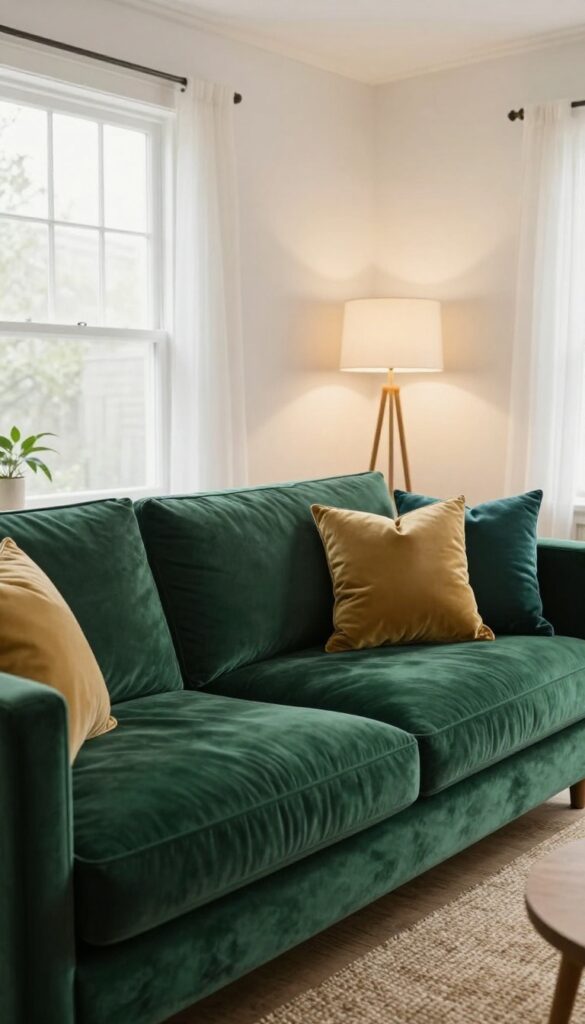
Nothing sets the mood of a room quite like a bold sofa. In Indian homes, where family gatherings and festive get-togethers are the norm, a jewel-toned sofa brings instant warmth and personality. Think emerald green, deep sapphire, or ruby red — colors that feel rich without being overwhelming.
The trick is to let the sofa do the talking. Keep your walls neutral, maybe a warm white or soft beige, so the sofa pops without competing. It’s a weekend-friendly refresh that doesn’t require a full overhaul — just swap your current sofa or reupholster one you already love.
A jewel-toned sofa is the anchor your living room needs. It adds color, depth, and a touch of luxury while remaining practical for daily use. Pair it with light, airy walls and natural textures like jute or wood to keep the space grounded.
This approach works especially well in open-plan living areas where the sofa can define the seating zone. For a cohesive look, pull a secondary color from the sofa — like the gold undertones in an emerald green — and echo it in throw pillows, a rug, or even a floor lamp. The result is a room that feels curated but not stiff, colorful but not chaotic.
Best Colors For Maximum Impact
- Emerald green is a favorite because it reads both classic and modern. Deep sapphire blue brings a calm, regal feel, while ruby red adds energy and passion. If you want something slightly softer, try amethyst purple or teal.
- The key is to choose a shade with a bit of depth — flat, muted jewel tones can look dull. Go for fabrics with a subtle sheen like velvet or brushed cotton to enhance the color's richness.
Texture Mix For Balance
- Because jewel tones are bold, balance them with plenty of texture. A chunky knit throw, linen curtains, a sisal rug, and wooden or cane side tables keep the room from feeling too formal. Mixing matte and glossy surfaces — like a matte wall finish against a velvet sofa — adds visual interest without extra color.
- This texture play makes the space feel lived-in and inviting, perfect for family movie nights or afternoon chai.
Layout Tip: Let The Sofa Lead
- Position the sofa as the centerpiece, facing the main entry or the TV unit. If your room is long and narrow, float the sofa away from the wall to create a walkway behind it. This not only defines the seating area but also makes the room feel larger.
- Add a pair of armchairs in a neutral fabric opposite the sofa to complete the conversation circle. Keep the coffee table low and simple — glass or light wood works best so it doesn't compete with the sofa.
2. Layer Rugs for Texture and Color
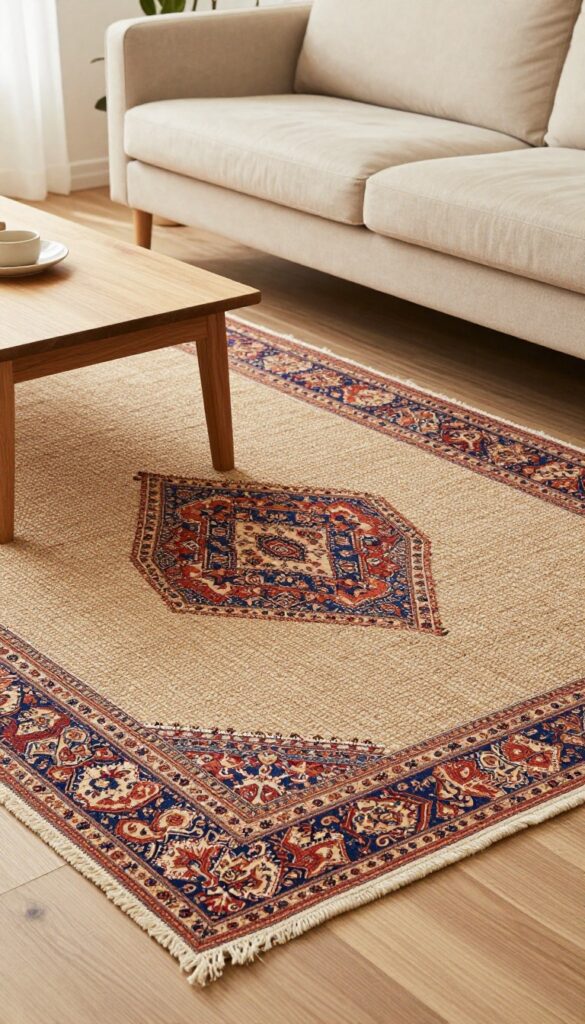
Rugs are one of the easiest ways to inject warmth and personality into a living room, but you don't have to settle for just one. Layering a large neutral jute rug with a smaller, colorful dhurrie or kilim on top creates a custom look that feels collected over time. It's a weekend-friendly refresh that adds instant coziness underfoot and lets you experiment with patterns without a long-term commitment.
Start with a natural fiber rug like jute or sisal in a size that anchors your seating area—think 8×10 or 9×12. These rugs are affordable, durable, and provide a neutral base that won't compete with your furniture. Then, choose a smaller, patterned rug in a contrasting color or print to layer on top.
A 4×6 or 5×7 works well, placed diagonally or centered in the middle of the larger rug. This technique not only adds visual interest but also protects the natural fiber rug in high-traffic zones. Plus, swapping out the top rug seasonally is a simple way to refresh your space.
Best Rug Pairings
For a balanced look, pair a warm-toned jute with a dhurrie in earthy reds, blues, or greens. If your living room leans neutral, a kilim with geometric patterns in mustard or teal adds a pop of color without overwhelming the space. Stick to two layers max to keep the floor feeling intentional rather than cluttered.
Placement Tips
Position the top rug so it sits under the front legs of your sofa or coffee table, or angle it slightly for a relaxed vibe. Make sure the bottom rug extends at least 6-8 inches beyond the top rug on all sides to create a clear border. This prevents the layers from looking like an accident.
Budget-Friendly Swap
If you're on a tight budget, use a flatweave cotton rug or even a printed fabric rug as the top layer. These are often cheaper than wool kilims but still offer plenty of pattern and texture. You can also find vintage-style dhurries at affordable prices online or at flea markets.
3. Add a Gallery Wall of Family Photos in Bright Frames
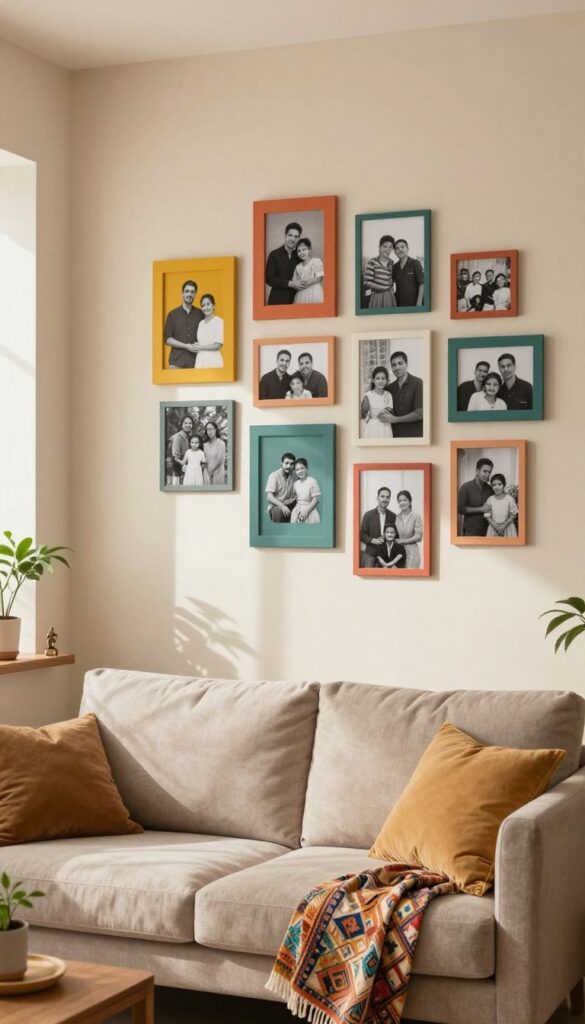
Nothing says 'this is our home' like a wall full of faces you love. But instead of matching black frames lined up like soldiers, try mixing bold colors—mustard, teal, coral—for a gallery wall that feels cheerful and collected over time. It’s a weekend project that instantly warms up a living room and gives guests something to smile at.
A gallery wall is more than just decor; it’s a visual story of your family’s moments. By choosing mismatched frames in vibrant hues, you add personality without needing expensive art. The key is to keep the photos themselves cohesive—black and white or warm-toned prints work best against colorful frames.
Start by laying out your arrangement on the floor, mixing frame sizes and orientations. Then hang them with a level and a bit of patience. The result is a focal point that feels intentional but not stiff, perfect for a relaxed Indian living room where family comes first.
Best Colors For Frames
- Think of your wall like a spice box: a little of this, a little of that. Mustard yellow adds warmth, teal brings depth, and coral gives a pop of energy. You can also throw in a few neutral wood tones to ground the look.
- Stick to three or four colors max so it feels curated, not chaotic.
Layout Tip
- Don’t stress about perfect symmetry. A loose grid or organic cluster works beautifully. Use painter’s tape to mark the outline of each frame on the wall before hammering nails—this saves you from extra holes and lets you adjust spacing.
- Aim for 2-3 inches between frames for a cohesive look.
Finishing Touch
Add a small shelf below the gallery wall to lean a few extra frames or a small plant. This gives you flexibility to swap photos seasonally and keeps the wall from feeling too permanent. A trailing pothos in a bright pot ties the colorful frames together.
4. Use Bright Cushions and Throws to Refresh Neutrals
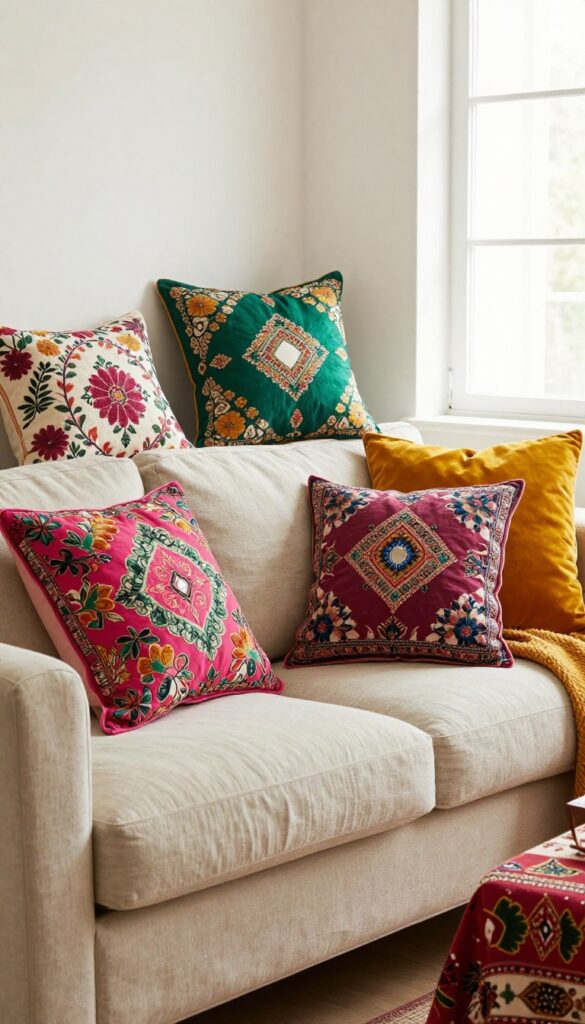
A neutral sofa is like a blank canvas—calm, versatile, but sometimes a little too quiet. The easiest way to inject personality without repainting or reupholstering? Pile on cushions and throws in vivid Indian-inspired prints.
Think block-printed florals, ikat patterns, or embroidered mirror work. The contrast instantly wakes up the room, and because it's all soft furnishings, you can swap them out whenever the mood strikes. It's a weekend-friendly refresh that costs way less than a new coffee table.
Start with a base of two or three larger cushions in a solid jewel tone—deep fuchsia, emerald, or saffron. Then layer in smaller, patterned ones. Mix textures: a silk cushion next to a cotton dhurrie throw, or a velvet bolster against a linen lumbar.
Don't overthink the coordination; Indian decor thrives on joyful clashing. A hand-embroidered throw draped over one corner of the sofa adds warmth and an inviting, lived-in feel. The best part?
When summer arrives, swap in lighter cottons and brighter colors. Come winter, bring out deeper reds and woolly textures. Your sofa stays the same, but the room feels entirely new.
Best Colors To Start With
- If you're unsure where to begin, pull from a traditional Indian palette: turmeric yellow, deep coral, peacock blue, and mango green. These colors pop against white, beige, or gray sofas. For a more grounded look, try rust and mustard with indigo accents.
- The key is to choose at least one bright shade and one earthy tone to keep the mix balanced.
Pattern Mixing Tips
- Combine a large-scale floral with a smaller geometric print, like ikat or stripes. Keep the color palette consistent so the patterns feel intentional. For example, pair a block-print floral in coral and cream with a striped cushion in coral and navy.
- The common color ties them together, while the different scales add visual interest.
Seasonal Swap Strategy
- Store off-season cushions in a basket or under-bed bin. Label them by season so you can grab and go. For spring and summer, choose lightweight cotton and linen in brights or pastels.
- For fall and winter, switch to velvet, wool, or faux fur in deeper, cozier hues. This simple rotation keeps your living room feeling fresh without any major spending.
5. Incorporate a Low Seating Area with Floor Cushions
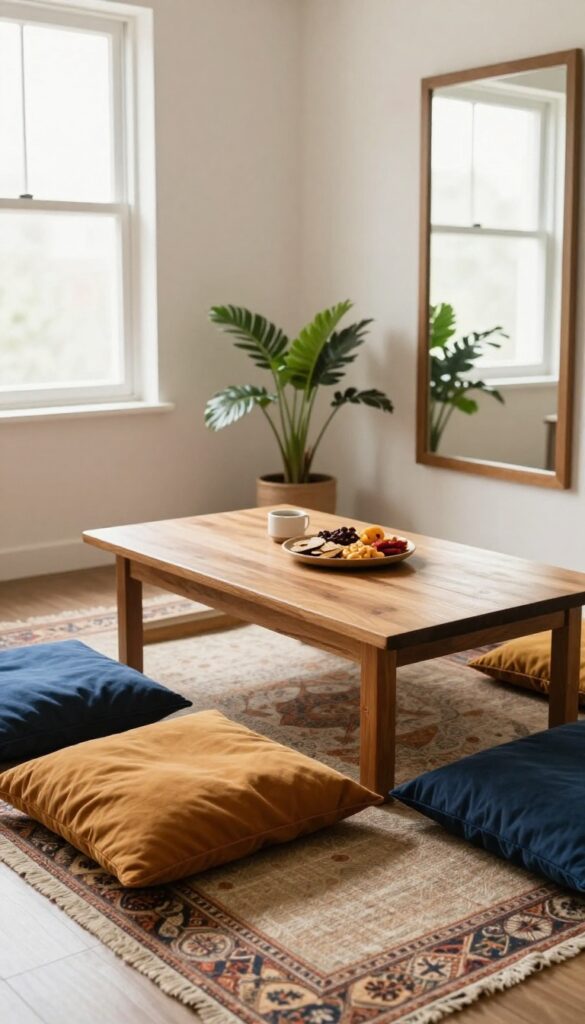
There’s something about sitting close to the ground that instantly makes a conversation feel more intimate. A low seating area with floor cushions and a small table brings that easy, grounded vibe into your living room—perfect for lazy Sunday chai or catching up with friends. It’s a staple in many Indian homes, but you can style it to feel fresh and modern without losing that traditional warmth.
This setup works especially well if you have an empty corner or a bay window that’s not pulling its weight. The key is to keep it intentional: a low wooden table (think mango wood or sheesham) in the center, surrounded by a mix of floor cushions in earthy tones or subtle prints. Add a dhurrie or a cotton rug underneath to define the zone.
The whole look should feel relaxed, not messy—so choose cushions with removable covers for easy washing, and keep the table clear enough for a tray of snacks or a small plant.
Best Colors & Fabrics
- Stick to warm, grounding colors like rust, mustard, olive, or indigo. These pair beautifully with natural wood tones and white walls. For fabrics, cotton and linen are your best friends—they’re breathable, easy to clean, and have that lived-in feel.
- Avoid anything too shiny or synthetic; you want the space to feel inviting, not slippery.
Layout Tip
Place the low seating area near a window or a wall with a large mirror to bounce light around. Keep the table low enough that you can comfortably reach it while sitting on the floor—about 12 to 18 inches tall is ideal. Arrange cushions in a U-shape or a semicircle to encourage face-to-face conversation.
Finishing Touch
Add a floor lamp with a warm bulb to create a cozy glow in the evenings. A small tray on the table can hold coasters, a tea light, or a tiny succulent. This little detail keeps the area looking styled without feeling cluttered.
6. Hang a Bold Tapestry or Textile as Art
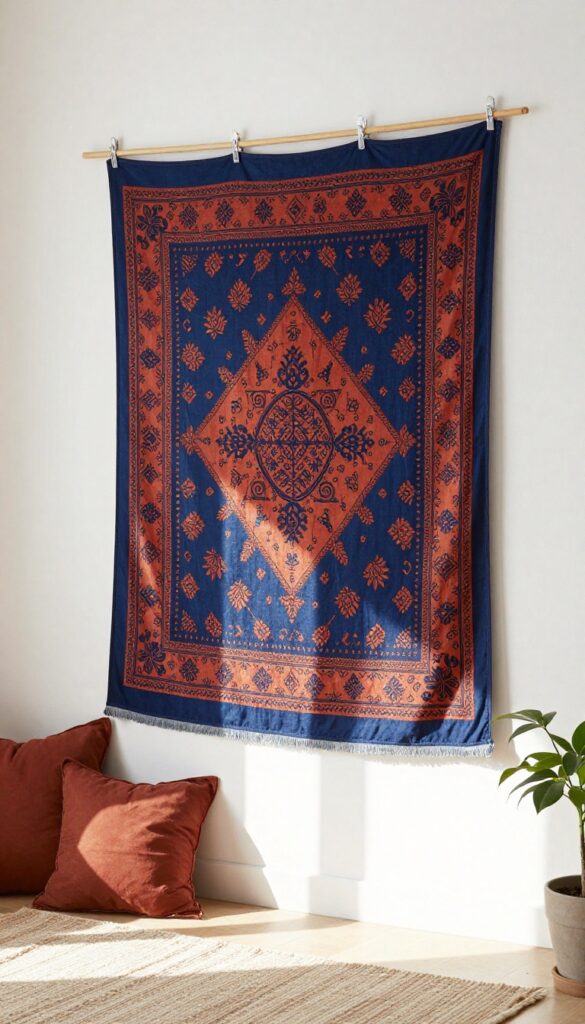
Walls don’t always need framed art to feel finished. A large block-printed or embroidered textile hung as a tapestry brings in color, pattern, and texture instantly—and it costs way less than a gallery piece. Whether it’s a vintage kantha quilt from a flea market or a modern ikat panel, fabric art softens the room and adds that handmade warmth Indian homes do so well.
Plus, it’s a weekend project: no drilling, no measuring, just a rod or a few clips.
A textile wall hanging works especially well in living rooms where you want a focal point without committing to a permanent mural or expensive artwork. The fabric absorbs sound, adds visual softness, and can be swapped out seasonally or whenever your mood changes. To keep it looking intentional, choose a piece that pulls out colors already in your room—maybe the deep indigo from your cushions or the rust tone in your rug.
Hang it at eye level, and let it be the star of that wall.
Best Fabrics To Look For
- Block-printed cotton from Bagru or Sanganer works beautifully because the patterns are bold but not overwhelming. Embroidered wool tapestries from Kashmir or Gujarat add texture and a bit of weight, which helps the fabric hang flat. If you’re after something lighter, try a handwoven cotton dhurrie or a silk sari repurposed as a wall piece.
- Avoid synthetic blends—they don’t drape well and can look cheap.
Hanging Without Damage
- No need to hammer nails into your wall. Use a wooden dowel or a tension rod mounted with adhesive hooks—perfect for renters or anyone who hates patching holes. Clip the textile onto the rod with curtain rings or wooden clothespins for an easy, casual look.
- If the fabric is heavy, sew a sleeve along the top edge and slide the rod through.
Styling Around The Tapestry
- Keep the rest of the wall simple so the textile stands out. A single floor lamp or a low console table beneath it creates a vignette without clutter. If you have multiple smaller textiles, group them in a grid or a salon-style arrangement, but leave a few inches between each piece so they breathe.
- For a cohesive feel, mirror one of the tapestry’s accent colors in nearby pillows or a throw.
7. Bring in Greenery with Indoor Plants in Painted Pots
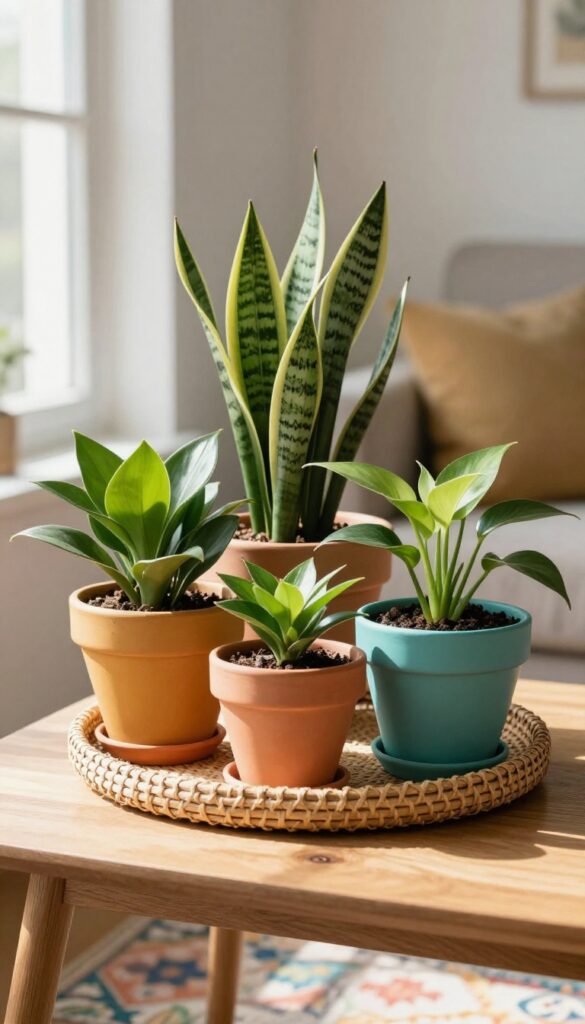
Plants are the easiest way to make a room feel alive, literally. But if you've ever plopped a plastic nursery pot on a shelf and called it done, you're missing half the fun. The trick is pairing the green with colorful painted pots that actually add to your room's palette.
Think of them as living decor pieces that double as art.
Start with easy-to-care-for plants like snake plants, pothos, or ZZ plants—they thrive on neglect and look great doing it. Then grab some terracotta pots (the cheap, classic kind) and give them a coat of paint in colors that echo your existing scheme. Maybe a deep mustard yellow to pick up on a rug, or a soft blush that ties into your throw pillows.
The contrast between the vibrant pot and the lush green leaves creates a fresh, intentional look that feels anything but basic. Group a few together on a side table or window ledge for a mini indoor garden that breathes life into the room.
Paint Colors That Pop
Stick with shades that already appear in your living room—like a coral that matches your curtains or a teal that echoes an accent pillow. If your room is neutral, go for a bold pop like burnt orange or cobalt blue. The key is cohesion: let the pots feel like they belong, not like random craft projects.
Plant Styling Tip
Vary the heights and leaf shapes for visual interest. Pair a tall snake plant with a trailing pothos on a high shelf, and group smaller pots on a coffee table tray. Use saucers in matching painted colors to protect surfaces and keep the look polished.
Weekend Refresh Friendly
This whole project can happen in an afternoon. Paint the pots one day, let them dry overnight, and repot your plants the next morning. It's a low-cost, high-impact change that instantly upgrades your space without any major commitment.
8. Install Open Shelving with Colorful Dishware
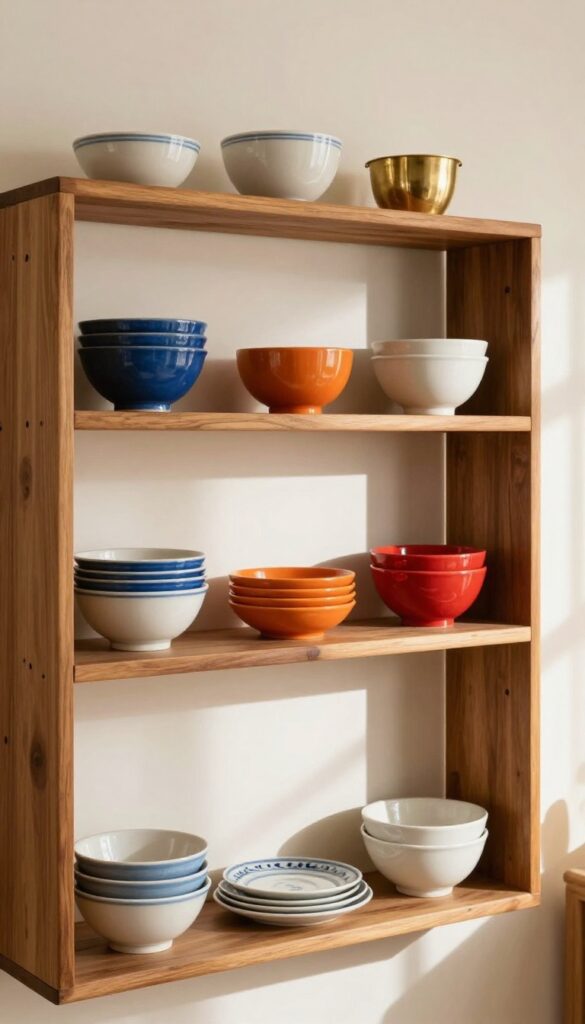
Upper cabinets can sometimes make a room feel closed in, especially in smaller living spaces. Swapping them out for open shelves instantly opens up the wall and gives you a chance to show off pieces you love. In an Indian home, that often means vibrant dinnerware, brass tumblers, or hand-painted ceramics that add personality and warmth without costing a fortune.
Open shelving is a weekend-friendly project that delivers instant visual impact. You can remove existing cabinet doors or install new floating shelves in a weekend. The key is to keep the display curated—mix everyday colorful bowls with a few statement pieces like a large thali or a set of copper glasses.
This approach makes the room feel lived-in and welcoming, not cluttered. Plus, it’s practical: you can grab a glass or plate without opening a door.
Best Materials For Shelves
- Go for warm wood like mango or teak to complement the colorful dishware. A matte finish works better than high gloss because it doesn’t compete with the items on display. If your walls are neutral, the wood adds natural texture.
- For a more modern look, black metal brackets with thick wooden planks create an industrial contrast that still feels cozy.
Styling Tip: Color Grouping
- Arrange dishware by color to create intentional pops. For example, group all the blue-and-white pieces together on one shelf, then stack orange or red bowls on another. This creates visual rhythm without looking random.
- Leave a little breathing room between items so the shelves don’t feel overcrowded.
Where To Place Them
- Install open shelves above a console table or sideboard in the living room, not just in the kitchen. This works especially well if your dining area flows into the living space. Keep the shelves at eye level so the dishes are easy to see and reach.
- If you have high ceilings, two rows of shelves can fill the vertical space nicely.
9. Create a Cozy Reading Nook with a Bright Armchair
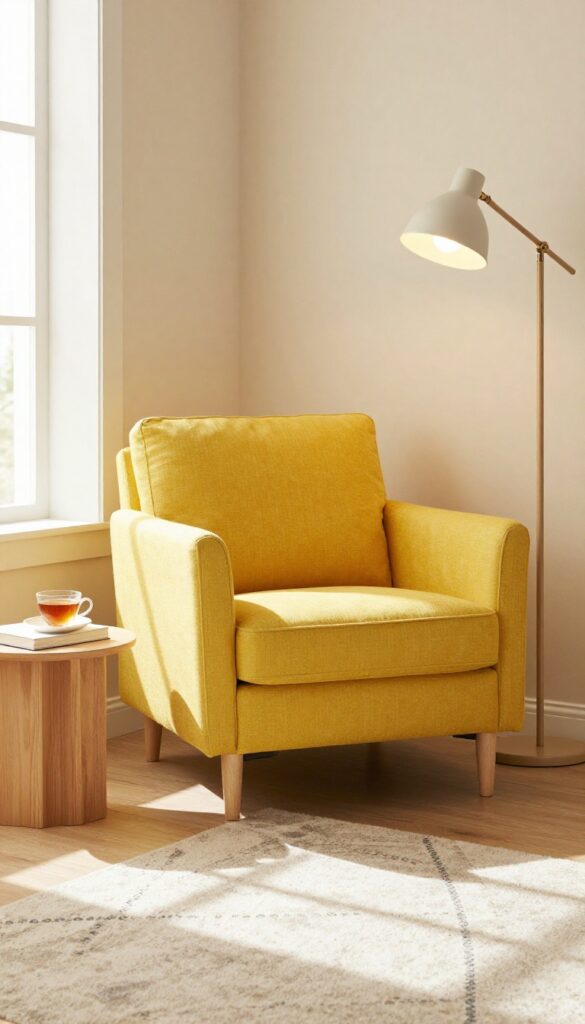
Tuck a vibrant armchair into a quiet corner, and you've instantly carved out a personal retreat that also livens up the room. A fuchsia or orange chair becomes a cheerful focal point without overwhelming the space. Pair it with a floor lamp and a small side table, and you have a spot that begs you to sit down with a book—or just scroll your phone in style.
This idea is perfect for a weekend refresh because it's as simple as adding one bold piece. The armchair does double duty: it injects color and creates a functional nook. Choose a chair with clean lines to keep it modern, or go for a wingback for a cozier vibe.
The key is to let the chair stand out against a neutral wall or a subtle patterned rug.
Best Colors
Fuchsia, tangerine, or a deep saffron work beautifully against white, beige, or light gray walls. If your living room already has warm tones, a cooler bright like cobalt or emerald can provide a striking contrast.
Lighting Tip
A floor lamp with an adjustable arm lets you direct light exactly where you need it. Choose a warm bulb (2700K-3000K) to keep the nook feeling cozy, not harsh.
Small-space Fix
In a tight corner, skip the side table and use a wall-mounted shelf or a stack of books as a surface for your coffee cup. A slim arc lamp can also save floor space.
10. Use String Lights or Lanterns for Warm Ambiance
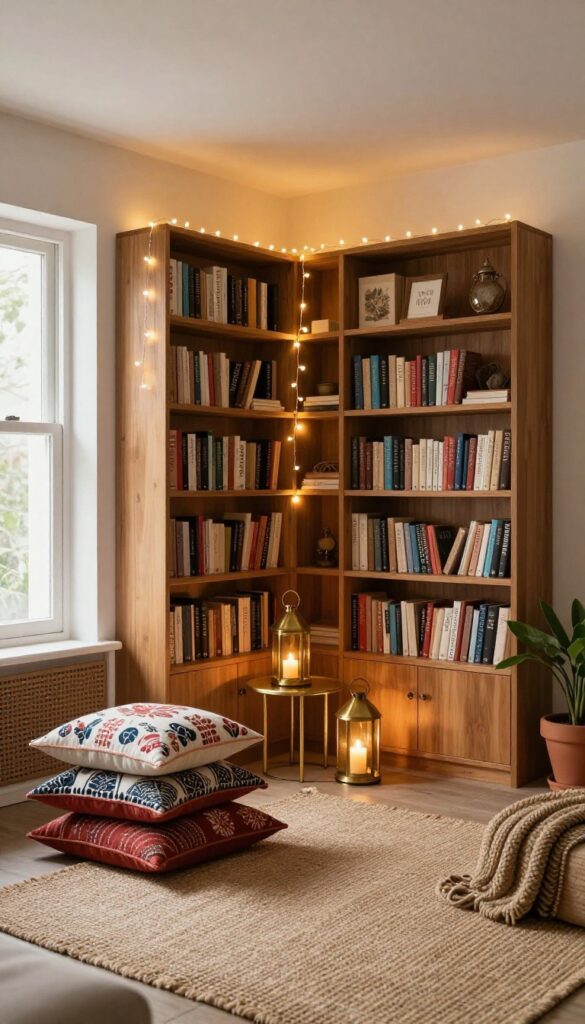
Lighting can make or break a room’s mood, and nothing says cozy Indian evening quite like the soft glow of string lights or lanterns. Drape warm white fairy lights along a wall or across the ceiling to instantly add a festive, intimate feel. Alternatively, cluster a few brass or colored lanterns on side tables and shelves for a grounded, earthy warmth that feels both traditional and fresh.
String lights and lanterns are a weekend-refresh dream because they’re easy to install, affordable, and instantly transform the atmosphere. For a relaxed living room, skip the bright overhead lights and let these soft sources create pockets of light. Drape string lights along a bookshelf, above a window, or across a bare corner to draw the eye and add sparkle.
Lanterns work especially well on low tables, near floor seating, or grouped on a console. The key is to keep the bulbs warm (2700K–3000K) and avoid cool white tones that feel sterile. Mixing both string lights and lanterns in the same space adds depth—the lights provide a diffuse wash, while lanterns offer focused, flickering points of interest.
This combo works beautifully with Indian textiles like block-printed cushions or a jute rug, as the warm light enhances their earthy colors.
Best Placement Tips
- For maximum impact, string lights look best when they follow a line—along a wall, across a ceiling beam, or draped in a gentle curve above a seating area. Avoid tangling them in a messy heap; instead, use adhesive hooks or nails to keep them tidy. Lanterns should be placed at different heights: one on a side table, another on a low stool, and maybe a larger one on the floor.
- This creates a layered, lived-in feel.
Color And Material Ideas
- Stick with warm white bulbs for a classic, cozy look. If you want color, choose deep amber or soft gold tones that mimic candlelight. For lanterns, brass, copper, or dark iron finishes complement Indian decor beautifully.
- Colored glass lanterns in jewel tones like emerald or ruby add a playful pop without overwhelming the space.
Budget-Friendly Swap
- You don’t need expensive fixtures. Battery-operated string lights with a remote are perfect for renters or anyone who wants to avoid wiring. For lanterns, thrift stores often have unique brass or metal options for a few dollars.
- Spray-paint old lanterns in matte black or gold for an instant upgrade.
11. Add a Colorful Accent Wall with Paint or Wallpaper
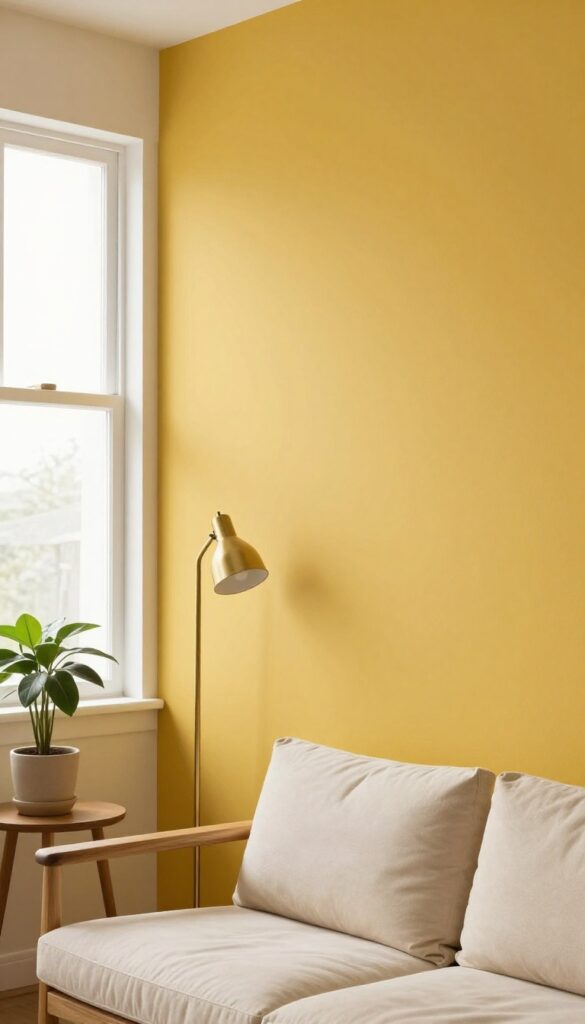
You don't need to repaint the entire room to make a big impact. One wall in a bold, joyful color can completely shift the energy of your living space. Think turmeric yellow, deep magenta, or even a vibrant teal—colors that feel celebratory and grounded at the same time.
Patterned wallpaper is another route if you want texture and personality without a full commitment. Either way, an accent wall defines the room and gives it a focal point that feels intentional, not chaotic.
Start by choosing the wall that naturally draws the eye—the one behind your sofa, the wall with the TV, or the longest stretch without windows. That's your canvas. For paint, go with a matte or eggshell finish for a soft, modern look.
If wallpaper appeals to you, pick a pattern that includes a few of your room's existing colors so it ties everything together. A floral or geometric print in a single accent wall adds just enough drama without overwhelming the space. This is a weekend project that delivers a lot of personality for very little effort.
Best Colors For An Indian Living Room
Stick to shades that feel warm and welcoming under natural light. Turmeric yellow, deep magenta, burnt orange, and emerald green all work beautifully with wood furniture and brass accents. If you prefer cooler tones, a rich indigo or peacock blue can still feel cozy when paired with cream or beige textiles.
Wallpaper Vs. Paint: Which One To Pick
- Paint is the easiest and most budget-friendly option—you can change it anytime you want a refresh. Wallpaper adds texture and pattern but requires a bit more prep and cost. For a rental or a temporary setup, go with peel-and-stick wallpaper.
- For a permanent feature, traditional wallpaper or a textured paint finish like limewash can add depth.
Finishing Touch: Balance The Bold Wall
Once your accent wall is up, keep the rest of the room relatively neutral. Use soft furnishings like a beige sofa, light curtains, and natural wood or jute accents to let the wall shine. Add a couple of cushions or a throw that pick up the accent color for a cohesive look.
12. Mix Traditional and Modern Furniture Pieces
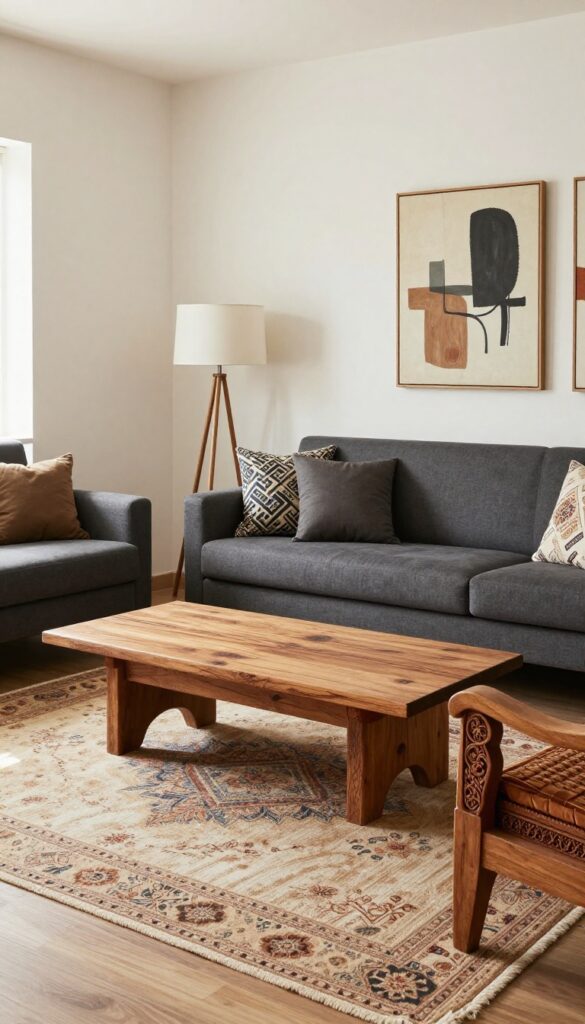
Pairing a sleek modern sofa with a carved wooden coffee table or a vintage trunk adds instant character. The contrast makes the room feel curated over time, not like you bought everything in one weekend. It’s an easy way to blend family heirlooms with new finds without the space feeling disjointed.
Start with a clean-lined sofa in a neutral tone like charcoal or cream. Then bring in a traditional piece—a hand-carved coffee table, an antique chest as a side table, or a wooden armchair with intricate details. The mix of smooth upholstery and textured wood creates visual interest.
Keep the color palette cohesive by sticking to warm woods and earthy tones. This approach works especially well in open-plan living rooms where you want distinct zones without walls.
Best Materials
Look for solid wood with visible grain for traditional pieces, and pair with matte or brushed metal accents on modern furniture. Leather or linen upholstery bridges old and new nicely. Avoid glossy finishes that clash with rustic carvings.
Layout Tip
Place the modern sofa facing the traditional coffee table. Add a vintage rug underneath to anchor the seating area. Then layer in a modern floor lamp or abstract art to keep the balance from tipping too traditional.
Finishing Touch
Scatter a few handcrafted cushions on the sofa—block prints or embroidered ones. They tie the old and new together and add a personal, collected feel.
13. Display Heirloom Pieces or Handicrafts as Decor
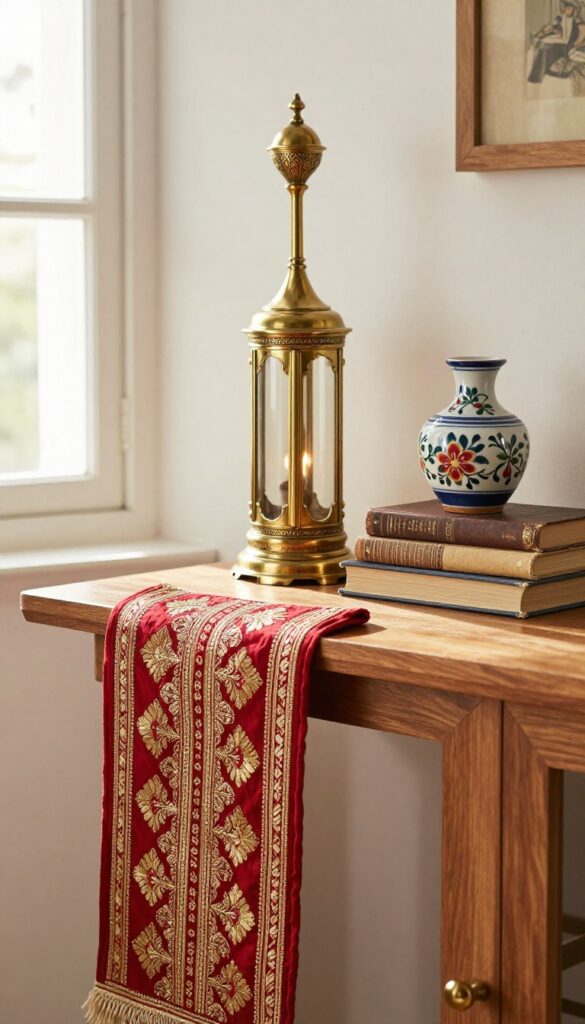
Some of the best decor pieces are the ones that have been in your family for years. That brass lamp your grandmother gave you, the embroidered runner from your aunt’s travels, or a set of handmade pottery you picked up at a local fair—they all carry stories. Instead of hiding them away, let them shine in your living room.
These pieces add a layer of warmth and history that no store-bought item can replicate.
Heirlooms and handicrafts bring a sense of authenticity to your space. They break the monotony of mass-produced decor and give your room a personal, collected-over-time feel. The key is to display them thoughtfully, so they become focal points rather than clutter.
Group smaller items together on a shelf or tray, and let larger pieces stand alone where they can be admired. This approach works especially well in Indian homes, where brass idols, wooden carvings, and handwoven textiles are common treasures. Mixing old with new keeps the look fresh—pair a vintage embroidered runner with a modern sofa, or place a brass idol on a sleek console table.
The contrast makes both pieces stand out.
Best Places To Display
- Choose spots where these items naturally draw the eye. A mantelpiece, a dedicated shelf, or a small side table are perfect. For textiles like embroidered runners, drape them over the back of a sofa or use them as a table runner.
- Brass idols look stunning on a low wooden stool or inside a glass-front cabinet. Avoid overcrowding—let each piece breathe.
Styling Tip: Mix Old With New
To keep your living room from feeling like a museum, balance heirlooms with contemporary pieces. Place a modern lamp next to a vintage brass figurine, or hang abstract art above a hand-carved wooden chest. This contrast creates visual interest and makes the old pieces feel intentional rather than outdated.
Budget-Friendly Swap
If you don't have family heirlooms, shop at flea markets, antique stores, or local artisan markets. Handicrafts like terracotta pots, block-printed textiles, or carved wooden boxes are affordable and still carry that handmade charm. They add the same warmth and story without the family history.
FAQ
How can I make my Indian living room look modern without losing warmth?
Stick to a neutral base for large furniture and walls, then layer in color through accessories like cushions, rugs, and art. Mix clean lines with one or two traditional pieces for balance.
What colors work best for a warm Indian living room?
Jewel tones like emerald, sapphire, and ruby, along with earthy shades like terracotta, mustard, and deep pink, create a warm, inviting feel. Pair them with whites or beiges to keep it airy.
How do I add color without making the room feel cluttered?
Choose one or two focal points—like a colorful sofa or an accent wall—and keep the rest of the room neutral. Use patterns sparingly and stick to a cohesive color palette.
What are some budget-friendly ways to refresh my living room for a weekend?
Swap out cushion covers, add a new rug, rearrange furniture, or hang a tapestry. Painting one wall or adding plants in colorful pots also makes a big impact without breaking the bank.
How can I incorporate traditional Indian elements without it looking dated?
Use traditional items as accents—like a carved side table, embroidered throw, or brass decor—against modern furniture. Keep the overall look clean and let those pieces stand out.
Conclusion
Bringing color and warmth into your living room doesn't have to be a huge project. With a few thoughtful additions—like a jewel-toned sofa, layered rugs, or a gallery wall of family photos—you can create a space that feels both vibrant and welcoming.
The key is to start small and let your personality shine through. Remember, the best Indian living rooms are the ones that feel lived-in and loved.