25 Cleaning Baking Sheets Tips for Burnt Grease Marks
Burnt grease on baking sheets is one of those kitchen annoyances that feels impossible to fix. You scrub and soak, but those dark, sticky patches just won't budge. The good news?
You don't need expensive cleaners or a ton of elbow grease to get them looking like new. Most of the solutions are already in your pantry—baking soda, vinegar, dish soap, and a few other common items. With a little patience and the right technique, even the most stubborn baked-on grease can be defeated.
This list covers 25 practical methods, from quick fixes to overnight soaks, so you can choose what works best for your schedule and budget. No fluff, just real results.
1. Baking Soda and Hydrogen Peroxide Paste
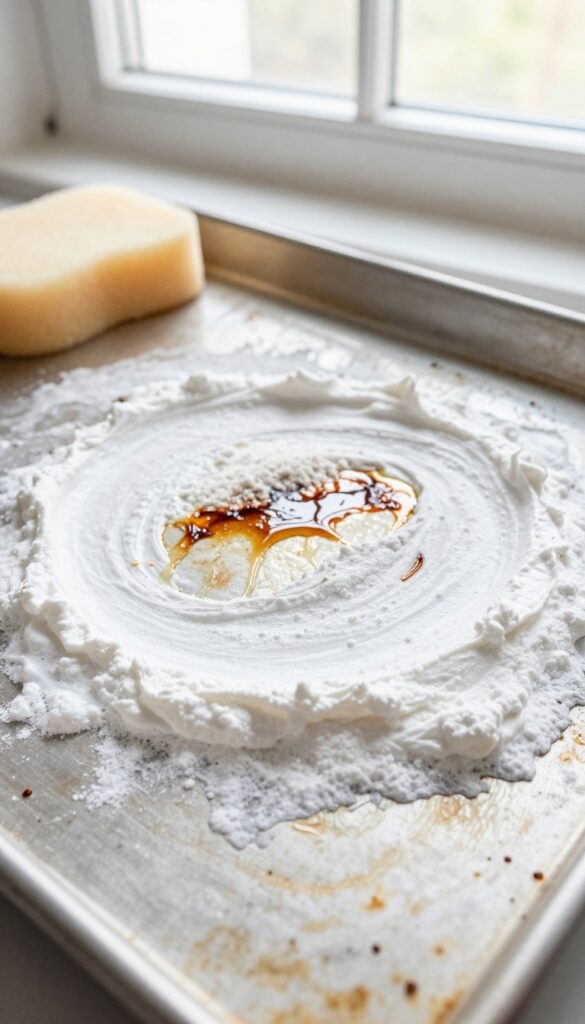
Baking soda is a gentle abrasive, and hydrogen peroxide adds a little bleaching power. Together, they make a paste that lifts burnt grease without harsh scrubbing. It's one of the safest and most effective methods for non-stick or delicate baking sheets.
Mix three parts baking soda with one part hydrogen peroxide until you get a spreadable paste. Apply a thick layer over the burnt marks and let it sit for 30 minutes. For stubborn spots, let it sit up to an hour.
Then scrub gently with a non-abrasive sponge or soft brush. Rinse thoroughly with warm water and dry. The paste should lift most of the grease, leaving your sheet clean and bright.
Why This Combo Works
Baking soda is mildly alkaline, which helps break down grease. Hydrogen peroxide releases oxygen bubbles that help lift grime. Together, they create a gentle but effective cleaning reaction that doesn't damage the pan's surface.
Tips For Best Results
Use a soft sponge to avoid scratching. If the paste dries out, add a few drops of water to reactivate it. For extra stubborn marks, cover the paste with plastic wrap to keep it moist and let it sit longer.
2. Dish Soap and Hot Water Soak
Sometimes the simplest solution is the most effective. Before you reach for harsh chemicals, try a long, hot soak with plain dish soap. Heat and detergent work together to loosen burnt grease, making it much easier to wipe away.
Fill your sink or a large tub with the hottest tap water you can handle. Add a generous squirt of dish soap—Dawn or any grease-cutting brand works great. Submerge the baking sheet completely and let it sit for at least an hour.
For really stubborn marks, leave it overnight. The hot water softens the burnt residue, while the soap breaks down the grease. After soaking, scrub with a soft brush or non-abrasive sponge.
Most of the grime should slide right off. Rinse and dry thoroughly.
Why Hot Water Matters
Heat is the key. Hot water expands the metal slightly and softens the carbonized grease. Cold water won't have the same effect, so don't skip the temperature.
If your tap water isn't hot enough, boil a kettle and add it to the soak.
Choosing The Right Dish Soap
Not all soaps are equal. Look for a degreasing formula—often labeled as 'ultra' or 'grease-fighting. ' A few squirts is plenty; too much just creates excess suds. Avoid soaps with moisturizers or scents, as they can leave a residue.
Scrubbing Without Damage
Use a soft brush, silicone scrubber, or a non-scratch sponge. Steel wool or abrasive pads can scratch the surface, making future stains worse. For stubborn spots, let the sheet soak longer before scrubbing again.
3. White Vinegar and Baking Soda Fizz
The classic duo of baking soda and vinegar creates a fizzy reaction that lifts burnt grease without harsh scrubbing. This method is gentle on the baking sheet's surface but tough on stuck-on residue. It's a go-to for many home cooks because the ingredients are cheap and already in the cupboard.
Start by sprinkling a generous layer of baking soda over the burnt areas. Then spray or pour white vinegar directly onto the baking soda until it's fully saturated. The mixture will bubble and fizz, which helps break down the grease.
Let it sit for about 15 minutes—you'll see the fizz gradually subside. After that, scrub with a non-abrasive sponge or brush. Rinse thoroughly with warm water and dry.
For extra stubborn spots, repeat the process or let it sit longer. This method works best on light to moderate burnt marks; for heavy buildup, you might need a longer soak or a second round.
Why The Fizz Works
The chemical reaction between the acidic vinegar and alkaline baking soda produces carbon dioxide gas. Those bubbles help physically lift grease and burnt food particles from the surface. Plus, the mild abrasiveness of baking soda aids in scrubbing without scratching the metal.
Pro Tips For Best Results
Use distilled white vinegar for the strongest reaction. Avoid apple cider or balsamic vinegar as they can leave stains. If the baking sheet is heavily soiled, make a paste with baking soda and a little water first, then add vinegar.
Let the paste sit for 30 minutes before adding vinegar for a deeper clean.
When To Skip This Method
Avoid using this on aluminum baking sheets if they have a non-stick coating, as the abrasive baking soda can scratch it. Also, don't use it on sheets with deep scratches or exposed metal, as vinegar can react with aluminum and cause discoloration.
4. Cream of Tartar Paste
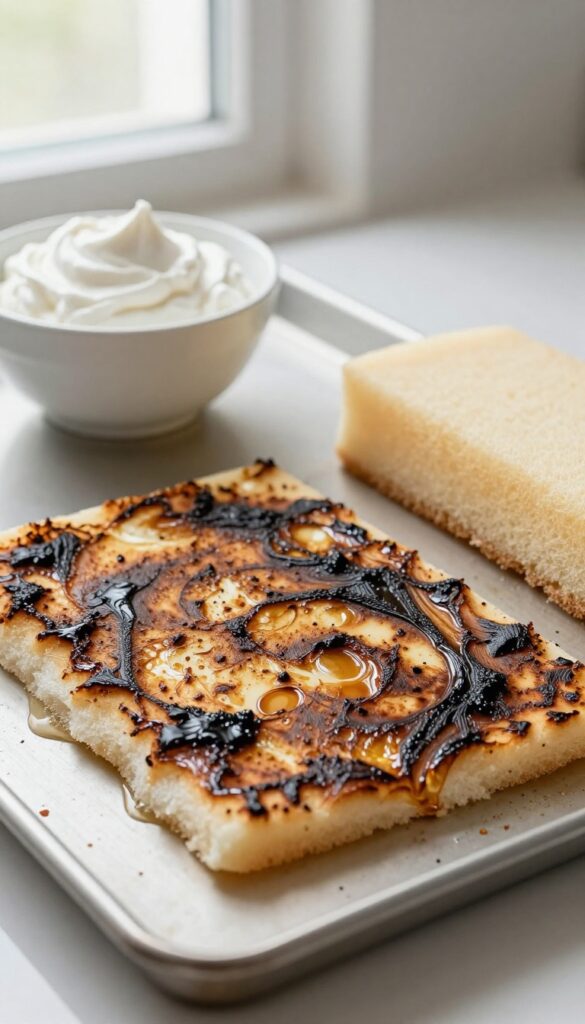
Cream of tartar is a pantry staple that often gets overlooked for cleaning, but it works wonders on burnt grease. Its mild acidity helps break down stubborn residue without damaging the metal. Mixed into a paste, it becomes a gentle scrub that targets those dark, baked-on spots.
To make the paste, combine two tablespoons of cream of tartar with just enough water to form a thick, spreadable consistency. Apply it directly to the grease marks, let it sit for 20 minutes to loosen the grime, then scrub gently with a soft sponge or cloth. Rinse thoroughly with warm water and dry.
For extra toughness, add a splash of lemon juice to boost the acidity.
Why It Works
Cream of tartar is an acid salt, so it reacts with the grease to break its bond with the metal. Unlike harsh chemicals, it won't scratch or dull the surface, making it safe for non-stick and aluminum sheets.
Tips For Best Results
Use a non-abrasive sponge to avoid scratches. If the paste dries out while sitting, spritz a little water on top to keep it active. For heavy buildup, let it sit up to 30 minutes.
When To Use This Method
This is ideal for moderate grease marks that haven't been baked on for days. It's also a great choice if you prefer a non-toxic cleaner without strong smells.
5. Lemon Juice and Salt Scrub
When you need a quick, all-natural fix for burnt grease, lemon and salt make a surprisingly effective team. The acid in lemon juice cuts through grease, while the salt acts as a gentle abrasive to scrub away stubborn marks. It’s a two-ingredient solution that smells fresh and works fast.
This method is perfect for light to moderate burnt-on grease. The lemon’s acidity breaks down the grease chemically, and the salt provides just enough friction to lift it without scratching the metal. You’ll want to use a cut lemon half as your scrubber—it’s like a built-in applicator that fits right in your hand.
How To Do It
Cut a lemon in half and pour a small pile of coarse salt (like kosher or sea salt) onto the baking sheet. Dip the cut side of the lemon into the salt, then scrub the burnt areas using firm, circular motions. The salt will gradually dissolve and the lemon juice will release, creating a paste.
Keep scrubbing for a minute or two, then rinse with warm water and wash with dish soap.
When It Works Best
This scrub is great for fresh or recent burnt marks that haven’t had time to bake into a thick, carbonized layer. It’s also a good choice if you want to avoid harsh chemicals or strong odors. For older, tougher stains, you may need to repeat the process or let the lemon juice sit for 10 minutes before scrubbing.
Pro Tips For Better Results
Use a lemon that’s firm and juicy—a dry lemon won’t release enough acid. If you don’t have coarse salt, table salt works too, but you’ll need to use a bit more. To avoid rust on uncoated steel sheets, rinse thoroughly and dry immediately after scrubbing.
6. Dryer Sheet Soak
If you've got a box of dryer sheets tucked away in the laundry room, you're about to discover a surprising cleaning hack. Those little sheets aren't just for softening clothes—they're also excellent at loosening burnt grease from baking sheets. The fabric softener contains ingredients that break down stubborn residue, making it much easier to wipe away.
This method is incredibly simple and requires almost no scrubbing.
Place a few dryer sheets in the sink with warm water and a drop of dish soap. Let the baking sheet soak overnight. The fabric softener helps loosen burnt-on residue.
How It Works
Dryer sheets are coated with lubricating and surfactant agents that soften fabric fibers. When dissolved in water, these same agents help break down the bond between burnt grease and the metal surface of your baking sheet. The warm water activates the chemicals, while the overnight soak gives them time to penetrate the grime.
Step-by-step Instructions
Fill your sink or a large basin with warm water. Add a few drops of dish soap and toss in 2 to 3 used or new dryer sheets. Submerge the baking sheet completely and let it soak for at least 8 hours or overnight.
In the morning, remove the sheet and rinse it under warm water. Most of the burnt residue should slide off easily. For stubborn spots, a gentle scrub with a non-abrasive sponge will finish the job.
Tips For Best Results
Use unscented dryer sheets if you're sensitive to fragrances. This method works best on non-stick and stainless steel sheets. Avoid using it on aluminum sheets, as the chemicals may cause discoloration.
You can reuse the same dryer sheets for multiple soaks until they lose their softness.
7. Bar Keepers Friend Powder
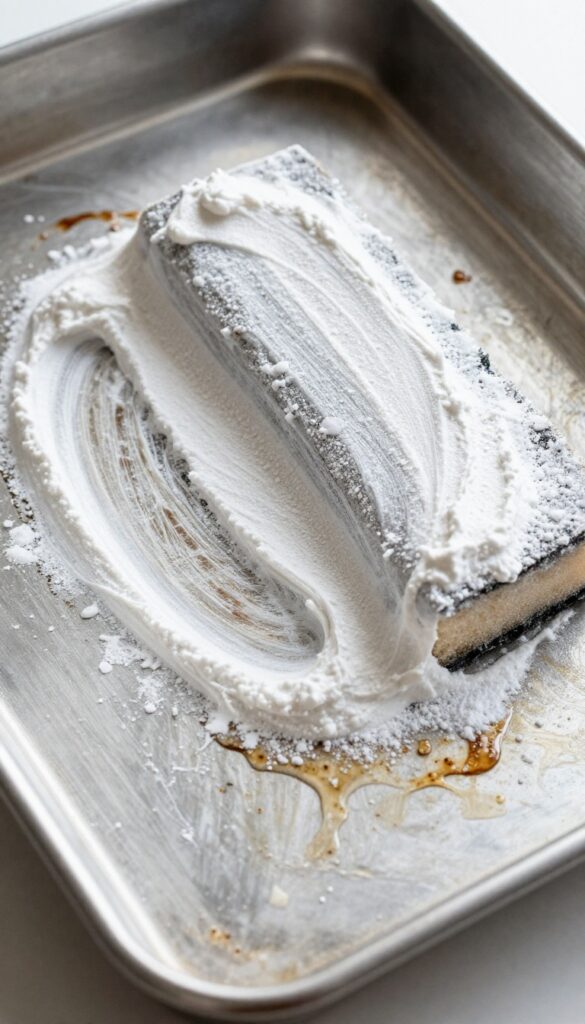
Bar Keepers Friend is a powerhouse cleaner that many people reserve for stainless steel sinks and cookware, but it works just as brilliantly on baking sheets. The fine, mild abrasive in this powder cuts through burnt grease without scratching the metal surface, making it a go-to for tough, baked-on messes. A quick scrub with a damp sponge is often all it takes to reveal a like-new baking sheet.
When you're dealing with stubborn burnt grease that won't lift with gentler methods, Bar Keepers Friend delivers impressive results. The key is to use it on a damp surface—sprinkle a small amount directly onto a wet sponge or directly onto the baking sheet. Work it into a paste and scrub in circular motions, focusing on the worst spots.
Rinse thoroughly with warm water and dry immediately to prevent any residue. For extra-stubborn areas, let the paste sit for a minute before scrubbing. This method is especially effective on aluminum and stainless steel sheets, but avoid using it on non-stick coatings as the abrasive can damage them.
Why It Works So Well
Bar Keepers Friend contains oxalic acid, which helps break down the chemical bonds in burnt grease and food residue. The fine abrasive particles provide gentle mechanical scrubbing power, lifting grime without gouging the metal. This combination makes it more effective than many all-purpose cleaners for baked-on messes, yet it's still safe for regular use on most metal baking sheets.
Best Practices For Application
Always start with a damp surface—water activates the powder and prevents it from being too harsh. Use a non-abrasive sponge or a soft cloth to avoid scratching. Work in small sections, rinsing frequently to check progress.
If the paste dries out, simply add a few drops of water. After scrubbing, rinse the sheet thoroughly with warm water and dry it right away to prevent water spots or residue.
When To Avoid Using It
Bar Keepers Friend is not recommended for non-stick, ceramic, or enamel-coated baking sheets. The abrasive can scratch or dull these surfaces, leading to more sticking and harder cleaning in the future. Stick to gentler methods like baking soda or vinegar for those materials.
Also, avoid using it on aluminum sheets that are anodized, as it may cause discoloration.
8. Oven Cleaner Spray (Heavy Duty)
When gentle methods fail, it's time to bring out the big guns. Oven cleaner spray is designed to cut through the toughest baked-on grease and carbonized grime. It's a heavy-duty solution that works fast, but it requires some caution.
You'll need gloves, good ventilation, and a bit of patience while the chemicals do the heavy lifting.
Spray a generous layer of oven cleaner over the entire baking sheet, paying extra attention to areas with burnt grease marks. Let it sit for 15–20 minutes (or follow the product's instructions—some recommend longer). The cleaner will foam and start dissolving the grime.
After the wait, wipe the sheet clean with a damp cloth or sponge. For stubborn spots, a gentle scrub with a non-abrasive pad may help. Rinse thoroughly with water and dry completely.
Safety First
Oven cleaners contain strong chemicals like sodium hydroxide, which can irritate skin and lungs. Always wear rubber gloves and work in a well-ventilated area—open a window or turn on the exhaust fan. Avoid breathing in fumes, and keep the cleaner away from children and pets.
Best For Non-stick Or Aluminum?
Oven cleaner is safe for most aluminum and stainless steel baking sheets, but it can damage non-stick coatings. Check the manufacturer's instructions if your sheet has a non-stick surface. For bare aluminum, avoid leaving the cleaner on too long, as it may cause discoloration.
Rinsing Is Key
After wiping off the cleaner, rinse the baking sheet thoroughly with hot water. Any residue left behind could transfer to food during future use. Wash with dish soap and water afterward for extra peace of mind.
9. Aluminum Foil and Baking Soda Scrub
You might think aluminum foil is only for covering leftovers, but crumpled up, it becomes a surprisingly effective scrubbing tool. When paired with a simple baking soda paste, it can tackle burnt-on grease without scratching the metal surface of your baking sheet. This method is quick, cheap, and uses items you already have in your kitchen.
Start by making a thick paste with baking soda and a little water. Sprinkle some baking soda directly on the burnt areas, then add just enough water to form a spreadable paste. Crumple a sheet of aluminum foil into a ball—roughly the size of a golf ball works well.
Dip the foil ball into the paste and start scrubbing the burnt spots using circular motions. The foil acts as a gentle abrasive that lifts the grease, while the baking soda provides mild scouring power. Rinse the sheet with water and check your progress.
For stubborn spots, repeat the process or let the paste sit for a few minutes before scrubbing again. Once done, wash the baking sheet with soap and water to remove any residue.
Why This Combo Works
Aluminum foil is softer than steel wool but firmer than a sponge, making it ideal for scrubbing without scratching. Baking soda is a mild alkali that helps break down grease and neutralize odors. Together, they create a gentle yet effective cleaning duo that's safe for most baking sheets, including non-stick and aluminum.
Tips For Best Results
Use a fresh piece of foil for each baking sheet to avoid spreading grease. If the paste dries out while scrubbing, add a few drops of water to reactivate it. For extra tough burnt-on marks, let the paste sit on the sheet for 10–15 minutes before scrubbing.
This gives the baking soda time to soften the residue.
When To Avoid This Method
Avoid using aluminum foil on delicate non-stick coatings that are already scratched or peeling. The foil can worsen existing damage. Stick to softer methods like baking soda and a sponge for those sheets.
Also, don't use this technique on ceramic or glass baking dishes, as the foil may leave fine scratches.
10. Dishwasher Tablet Dissolve
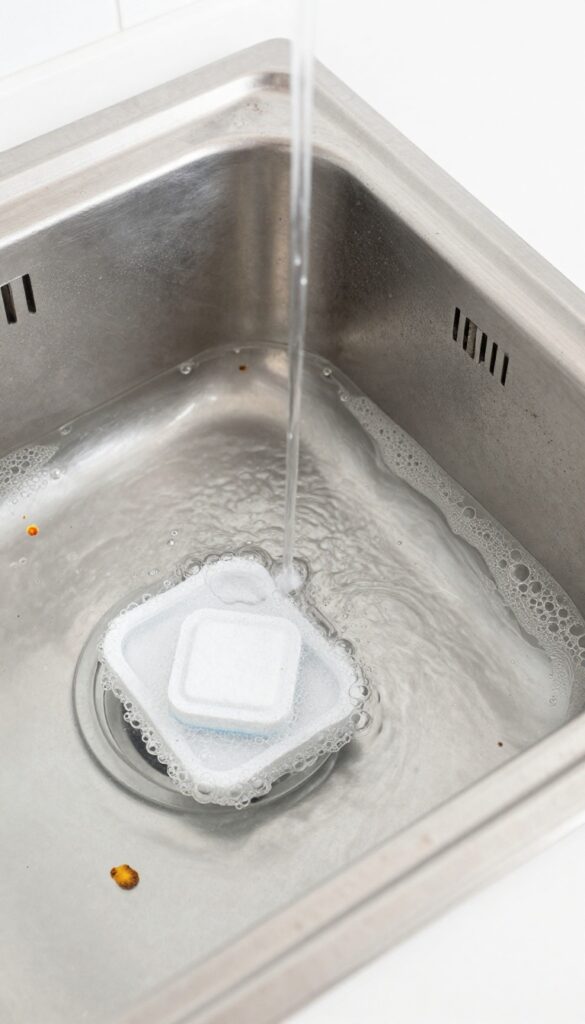
If you have a dishwasher, you already have a powerful grease-fighting tool in your laundry room—the dishwasher tablet. These tablets are packed with enzymes and surfactants designed to break down tough food residue, and they work just as well on burnt grease marks when used as a soaking solution. It's a set-it-and-forget-it method that requires almost no scrubbing.
Drop one dishwasher tablet into a sink or large basin filled with hot water. Submerge your baking sheet completely and let it soak for at least an hour—overnight is even better for stubborn marks. The enzymes in the tablet will gradually dissolve the burnt-on grease.
After soaking, rinse the sheet with clean water and wash it with dish soap. Most of the residue will slide right off. If a few spots remain, a quick scrub with a soft sponge will finish the job.
This method is especially effective for sheets with a nonstick coating, as it avoids harsh abrasives.
Why Dishwasher Tablets Work
Dishwasher tablets contain a blend of alkaline salts, enzymes, and oxygen bleach. The alkaline salts soften grease, while enzymes like protease and amylase break down protein and starch-based stains. The oxygen bleach helps lift discoloration caused by burnt oil.
Together, they create a chemical reaction that loosens burnt residue without scrubbing.
Tips For Best Results
Use very hot water—the hotter, the better, as heat activates the enzymes. Make sure the sheet is fully submerged; weigh it down with a heavy plate if it floats. For extra-heavy buildup, use two tablets.
After soaking, wear gloves when handling the water, as it can be slippery and slightly caustic. Rinse thoroughly before washing to avoid any residue.
11. Salt and Vinegar Soak
Salt and vinegar aren't just for fries—they're a powerful duo for cutting through burnt grease. The salt acts as a gentle abrasive while the vinegar dissolves stubborn residue. This method is especially good for sheets with light to moderate buildup, and it uses ingredients you probably already have.
Cover the bottom of the baking sheet with a generous layer of salt—table salt works fine, but coarse salt gives a bit more scrubbing power. Pour enough white vinegar over the salt to create a paste-like consistency. Let it sit for 30 minutes (or longer for tougher spots), then scrub with a sponge or soft brush.
Rinse thoroughly with warm water and dry. For extra stubborn marks, add a sprinkle of baking soda before scrubbing.
Why This Works
Vinegar's acetic acid breaks down grease and lifts burnt-on food particles, while salt provides gentle friction without scratching the metal. Together, they create a mild chemical reaction that helps loosen grime without harsh chemicals.
Best For Light To Medium Buildup
This soak is ideal for sheets that have a few layers of baked-on grease but aren't caked with charred residue. For heavily burnt sheets, you might need to repeat the process or follow up with a baking soda scrub.
Tips For Best Results
Use white vinegar—apple cider or balsamic can stain. Let the paste sit undisturbed; don't stir or spread it too thin. If the paste dries out, add a splash more vinegar.
Rinse well to avoid any lingering vinegar smell, which dissipates quickly.
12. Hydrogen Peroxide and Dish Soap Mix
Hydrogen peroxide isn't just for first aid—it's a surprisingly effective cleaner for burnt grease. When combined with dish soap, it creates a gentle but powerful solution that breaks down stubborn residue without harsh scrubbing. The peroxide bubbles lift the grease, while the soap helps dissolve it.
This method is especially great for non-stick baking sheets, where abrasive cleaners can damage the surface.
To use this method, mix equal parts hydrogen peroxide and dish soap in a small bowl. Apply the mixture directly to the burnt grease marks, using a sponge or brush to spread it evenly. Let it sit for about 20 minutes—you'll see it start to bubble and loosen the grime.
Then, scrub gently with a non-abrasive sponge or soft brush. Rinse thoroughly with warm water and dry. For extra-stubborn spots, let it sit longer or repeat the process.
This solution is safe for most baking sheet materials, but always test on a small area first.
Why This Combo Works
Hydrogen peroxide acts as an oxidizing agent, breaking down the chemical bonds in burnt grease. Dish soap then emulsifies the loosened particles, making them easy to rinse away. Together, they tackle grease without the need for heavy scrubbing or harsh chemicals.
Best For Non-stick And Delicate Surfaces
Unlike baking soda or abrasive powders, this mixture is gentle enough for non-stick coatings, ceramic, and enameled baking sheets. It won't scratch or dull the finish, so your pans stay in good shape longer.
Tips For Maximum Effectiveness
Use 3% hydrogen peroxide (the standard drugstore strength). Warm the solution slightly for faster action, but don't boil it. If the grease is thick, scrape off excess first.
For baked-on layers, cover with plastic wrap during the soak to keep the mixture from drying out.
13. Boiling Water and Baking Soda
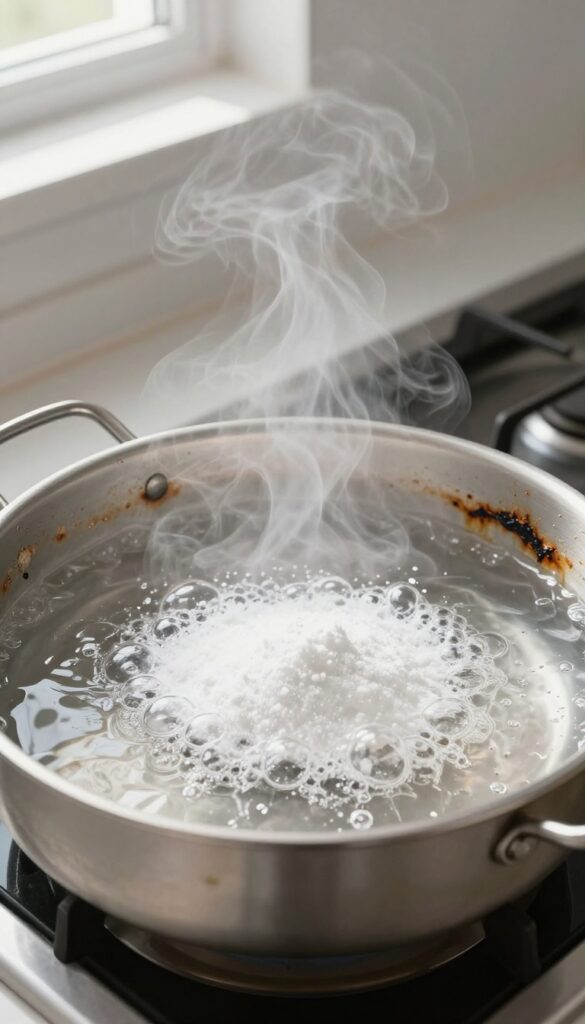
If scrubbing feels like a losing battle, let heat and chemistry do the work. This method uses boiling water and baking soda to loosen burnt-on grease without harsh chemicals. It's especially effective for sheets with thick, crusty residue that won't come off with soaking alone.
Place the baking sheet on the stovetop over two burners if it's large. Fill it with enough water to cover the burnt areas, then add a few tablespoons of baking soda. Bring the water to a boil, then reduce to a simmer for about 10 minutes.
The combination of heat and alkaline baking soda breaks down grease and carbonized food. After simmering, let the water cool completely—this gives the solution more time to work. Then, dump the water and scrub with a non-abrasive sponge.
Most of the burnt marks should come off easily. For stubborn spots, make a paste of baking soda and water and scrub gently.
Why It Works
Baking soda is mildly alkaline, which helps saponify fats and oils, turning them into soap-like substances that rinse away. Boiling water provides the heat needed to soften burnt-on residue and accelerate the chemical reaction. Together, they create a powerful cleaning action without scratching the metal.
Tips For Best Results
Use enough water to fully submerge the burnt areas—if the sheet is too large, rotate it halfway through. Don't skip the cooling step; letting the water cool gradually gives the baking soda more time to penetrate. For extra stubborn spots, add a squirt of dish soap to the boiling water.
What To Avoid
Don't use this method on non-stick baking sheets—the high heat can damage the coating. Also, avoid adding vinegar to the boiling water, as it will neutralize the baking soda and reduce effectiveness. Stick to baking soda alone for this technique.
14. Pumice Stone for Stubborn Spots
When baking soda and vinegar aren't enough, a pumice stone can be your secret weapon. These porous stones are gentle enough not to scratch metal but abrasive enough to lift burnt-on grease. The trick is to use them wet and with a light touch.
A pumice stone is a natural volcanic rock that works like a fine sanding block. It's ideal for those dark, crusty spots that laugh at regular scrubbing. The key is to soften the stone and the grease first, then let the stone do the work without pressing too hard.
How To Use It
Start by soaking the pumice stone in water for a few minutes—it needs to be fully saturated. Wet the baking sheet too. Then, gently rub the stone over the burnt marks using circular motions.
You'll see a grayish paste form as the stone wears down and lifts the grease. Rinse frequently to check your progress.
Tips For Best Results
Always use a wet stone on a wet surface—dry rubbing can scratch. Apply only light pressure; let the stone's abrasiveness do the work. If the stone feels too rough, you can smooth it on concrete first.
After scrubbing, wash the sheet with dish soap and water to remove any stone residue.
When To Avoid
Pumice stones work best on metal baking sheets, especially aluminum and stainless steel. Avoid using them on non-stick or ceramic-coated sheets, as they can damage the coating. Also, skip this method if your sheet has a decorative finish you want to preserve.
15. Toothpaste and Baking Soda Combo
You might not think of toothpaste as a cleaner for your baking sheets, but it actually works surprisingly well. The mild abrasives in toothpaste help lift burnt grease without scratching the metal. When you mix it with baking soda, you get a powerful paste that targets stubborn spots.
Start by squeezing a small amount of white toothpaste (not gel) into a bowl. Add an equal part of baking soda and stir until it forms a thick paste. Apply the paste directly to the burnt grease marks, making sure to cover them completely.
Let it sit for about 10 minutes so the ingredients can break down the grime. Then, take a soft-bristled brush or an old toothbrush and scrub the area in circular motions. You'll see the marks start to fade.
Rinse the baking sheet with warm water and dry it with a clean cloth. For extra-stubborn spots, you can repeat the process or let the paste sit longer.
Why Toothpaste Works
Toothpaste contains mild abrasives like calcium carbonate or silica, which gently scrub away stains without damaging the surface. It also has detergents that help lift grease. When combined with baking soda, a slightly stronger abrasive, the mixture becomes even more effective at breaking down burnt-on residue.
Best Toothpaste To Use
Stick with plain white toothpaste—avoid gels, whitening kinds with peroxide, or those with colorful stripes. Gel toothpastes are too slippery and don't provide enough abrasion. Whitening toothpastes can be too harsh and may dull the finish of your baking sheet over time.
Tips For Tough Spots
If the burnt grease is really baked on, let the paste sit for up to 30 minutes. You can also add a few drops of dish soap to the mixture for extra degreasing power. After scrubbing, if any residue remains, sprinkle a little more baking soda on the spot and scrub again.
16. Ammonia Overnight Soak
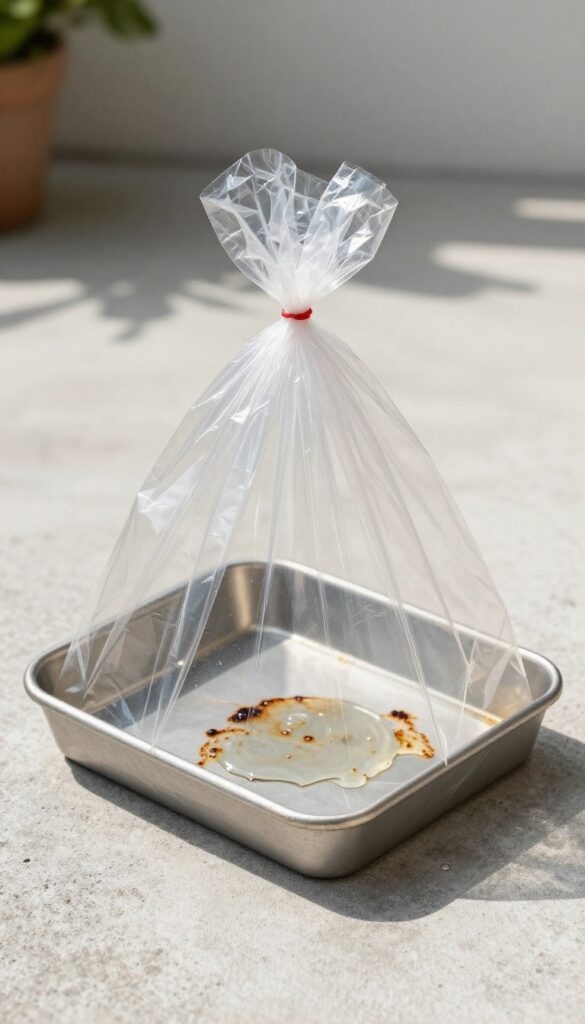
Ammonia is a heavy-duty cleaner that breaks down burnt grease on a chemical level. This method requires very little scrubbing but some patience—and good ventilation. You'll let the fumes do the hard work overnight, and by morning, the grime will wipe off easily.
Place the baking sheet in a large plastic garbage bag. Pour in about ¼ cup of household ammonia (not the sudsy kind). Seal the bag tightly and let it sit overnight in a well-ventilated area—preferably outdoors or in a garage.
The ammonia fumes will loosen the burnt-on grease. The next day, wearing gloves, remove the sheet and rinse it thoroughly with water. Wash with dish soap and dry.
Repeat if needed for stubborn spots. Always work in a ventilated space and never mix ammonia with bleach.
Why Ammonia Works So Well
Ammonia is alkaline and reacts with fatty acids in grease, turning them into soap-like compounds that rinse away easily. It's especially effective on baked-on carbonized grease that resists scrubbing. The sealed bag traps fumes, maximizing contact time.
Safety First: Ventilation And Gloves
Ammonia fumes are strong and can irritate your eyes and lungs. Always work in a well-ventilated area—open windows, use a fan, or do it outside. Wear rubber gloves to protect your skin.
Never seal the bag indoors. If you're sensitive to smells, consider wearing a mask.
After The Soak: Rinsing And Cleaning
After the overnight soak, open the bag outside to let fumes dissipate. Use gloves to remove the sheet. Rinse with hot water, then wash with dish soap and a sponge.
Most burnt residue will wipe off with minimal effort. If a few spots remain, repeat the process or follow up with a baking soda scrub.
17. Ketchup Acid Treatment
Ketchup isn't just for fries—it's a surprisingly effective cleaner for burnt baking sheets. The vinegar and tomato acids in ketchup work together to break down stubborn grease and carbonized residue. It's a gentle method that won't scratch your pans, making it perfect for non-stick surfaces.
How It Works
The acetic acid in vinegar and the citric acid in tomatoes react with the burnt-on grease, softening it so you can scrub it away without heavy effort. The thick consistency of ketchup also helps it stay in place, giving the acids time to penetrate the grime.
Step-by-step Application
Squeeze a generous layer of ketchup directly onto the burnt spots. Spread it evenly with a spatula or your fingers (wear gloves if you prefer). Let it sit for 30 minutes—longer for really stubborn marks.
Then scrub with a non-abrasive sponge or soft brush. Rinse thoroughly with warm water and dish soap.
Best Used On
This method works great on light to moderate burnt grease, especially on non-stick and stainless steel sheets. For heavily charred pans, you may need a second application or a longer soak. Avoid using on aluminum, as acid can discolor it.
18. Coca-Cola Soak
You've probably heard of using cola to clean toilets, but it works just as well on burnt baking sheets. The secret is phosphoric acid, which breaks down stubborn grease and carbonized residue without harsh scrubbing. It's a slow but satisfying method—perfect for when you have a few hours to spare.
Pour enough Coca-Cola over the burnt areas to fully submerge them, or at least cover the stains completely. Let it sit for 2 to 4 hours—longer for really thick buildup. The acid will gradually loosen the burnt-on grease.
After soaking, pour out the soda, rinse the sheet, and scrub gently with a sponge. Most of the residue should slide right off. For stubborn spots, repeat or follow up with a baking soda paste.
Why It Works
Coca-Cola contains phosphoric acid, a mild acid that dissolves mineral deposits and breaks down organic residues like grease. The carbonation also helps lift particles from the surface. It's not as strong as commercial oven cleaners, but it's non-toxic and smells a lot better.
Best Practices
Use full-sugar Coke—diet versions have less acid and aren't as effective. Make sure the sheet is cool before pouring, and don't soak aluminum sheets for more than 4 hours, as the acid can dull the metal. For extra stubborn marks, add a sprinkle of baking soda after the soak to create a gentle abrasive paste.
When To Use This Method
This is ideal for sheets with moderate to heavy burnt-on grease that you don't want to scrub aggressively. It's also a good option if you prefer using pantry items over chemical cleaners. Just plan ahead—the soak time means it's not a quick fix.
19. Magic Eraser Sponge
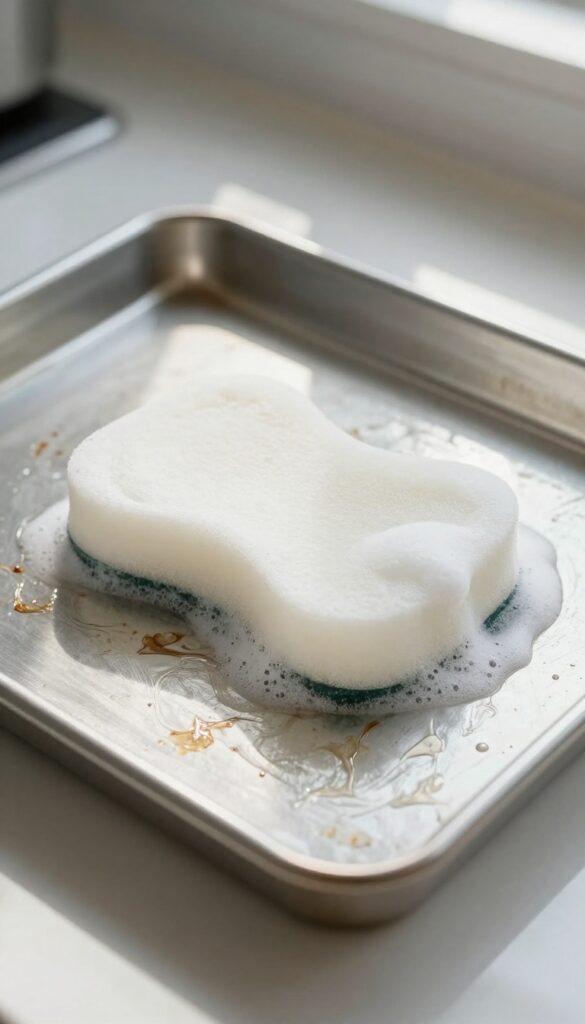
If you haven't tried a melamine sponge on your baking sheets yet, you're missing out on one of the easiest fixes. These white sponges—often sold as Magic Eraser—work like magic on burnt grease marks. Just wet it, squeeze out excess water, and gently scrub.
The foam acts like super-fine sandpaper, lifting grease without scratching the metal.
Melamine foam is a micro-abrasive cleaner that tackles baked-on grease without harsh chemicals. It's especially effective on light to moderate burnt spots. For best results, use a light touch—scrubbing too hard can wear down the sponge quickly.
Rinse the sheet thoroughly after use to remove any foam residue.
How It Works
Melamine foam is made of a resin that, when wet, creates millions of tiny abrasive cells. These cells grip onto grease particles and lift them away from the surface. Unlike steel wool, it won't scratch your baking sheet's finish.
It's a gentle yet powerful option for everyday cleaning.
Best Practices
Always wet the sponge first—using it dry can cause it to crumble. Gently scrub in circular motions over the burnt areas. For stubborn spots, let the sponge sit on the mark for a minute before scrubbing.
Rinse the sponge frequently to avoid spreading grease around.
What To Avoid
Don't use melamine sponges on non-stick or coated baking sheets, as they can damage the surface. Stick to bare metal or stainless steel sheets. Also, avoid using bleach or harsh cleaners with the sponge—it can break down the foam.
Stick to water or mild dish soap.
20. Steam Cleaning with Vinegar
Steam is a powerful, chemical-free way to loosen burnt grease. When you combine heat with vinegar, the steam penetrates tough, baked-on residue, making it much easier to wipe away. This method is especially great for sheets with multiple layers of burnt-on grime that scrubbing alone can't handle.
Place the baking sheet in the oven with a pan of water and vinegar. Heat to 200°F and let steam for 15 minutes. Carefully remove and scrub.
Why Steam Works
The combination of heat and moisture softens the burnt grease, while the mild acidity of vinegar helps break down the sticky bonds. This two-pronged attack loosens even stubborn stains without harsh chemicals.
Step-by-step Method
Preheat your oven to 200°F. Place the dirty baking sheet on the middle rack. In a separate oven-safe pan, mix equal parts water and white vinegar (about 1 cup each).
Place the pan on the bottom rack. Close the oven and let the steam work for 15 minutes. After that, turn off the oven and let everything cool slightly.
Carefully remove the baking sheet (it will be hot) and scrub with a non-abrasive sponge. The grease should come off easily.
Safety Tips
Always use oven mitts when handling hot pans. The steam can cause burns, so open the oven door slowly and keep your face away from the escaping steam. If the burnt-on residue is very thick, you may need to repeat the process or follow up with a baking soda paste.
21. Dish Soap and Baking Soda Scrub
Sometimes the simplest combination works best. Dish soap cuts through grease, while baking soda provides gentle abrasion. Together, they form a paste that tackles burnt-on marks without harsh chemicals.
This method is perfect for everyday messes and won't damage your baking sheet's surface.
Making The Paste
Mix equal parts dish soap and baking soda in a small bowl until you get a spreadable paste. Start with about 2 tablespoons of each—enough to cover the stained area. Adjust the ratio if needed: more baking soda for thicker paste, more soap for runnier consistency.
Application And Waiting
Apply the paste directly to the burnt grease marks, spreading it evenly with a spatula or your fingers. Let it sit for 15 minutes to break down the grime. For older, tougher stains, you can leave it on for up to 30 minutes.
Scrubbing And Rinsing
After the wait, scrub the area with a non-abrasive pad or sponge. Use circular motions and apply moderate pressure. The paste will lift the grease as you work.
Rinse thoroughly with warm water and dry immediately to prevent water spots.
22. Lemon Essential Oil and Baking Soda
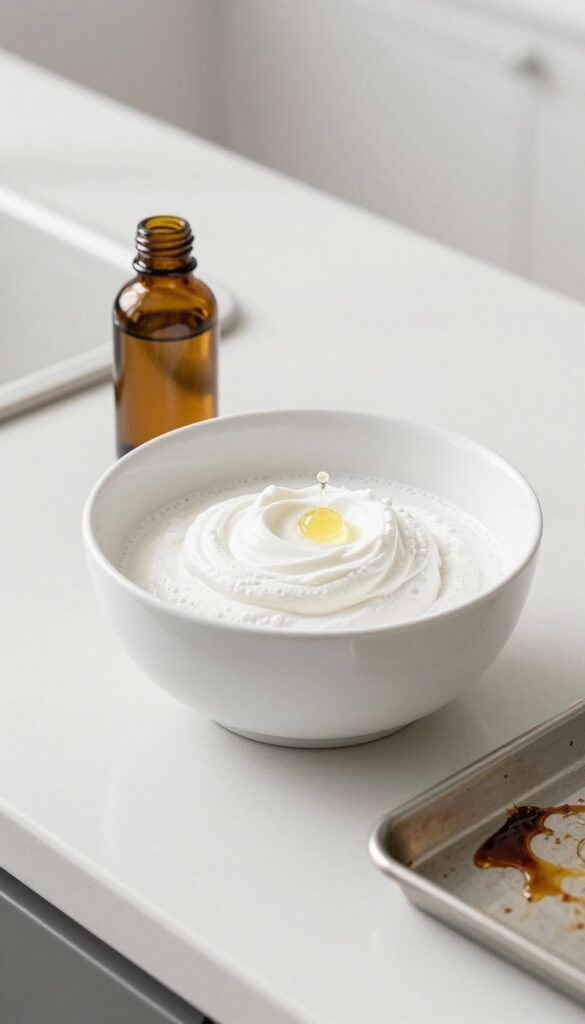
Lemon essential oil isn't just for aromatherapy—it's a powerful grease cutter that pairs beautifully with baking soda. The oil's natural solvents break down stubborn burnt-on residue, while the baking soda provides gentle abrasion. Together, they form a paste that tackles even the toughest marks without harsh chemicals.
Why This Combo Works
Lemon essential oil contains d-limonene, a natural solvent that dissolves grease on contact. Baking soda adds mild scrubbing power and helps lift the loosened grime. This duo is especially effective on baked-on grease that has carbonized into dark spots.
How To Make And Apply The Paste
Mix 3 tablespoons of baking soda with enough water to form a thick paste. Add 5–8 drops of lemon essential oil and stir. Spread the paste over the grease marks, let it sit for 15–20 minutes, then scrub with a non-abrasive sponge.
Rinse thoroughly.
Tips For Best Results
For extra-stubborn spots, let the paste sit for up to an hour. You can also add a splash of white vinegar after scrubbing to boost cleaning power. Avoid using too much oil, as it can leave a residue—stick to a few drops per application.
23. Professional Stainless Steel Cleaner
When home remedies fall short, it's time to bring out the big guns. A professional stainless steel cleaner is formulated to tackle the toughest burnt-on grease without scratching or dulling your baking sheets. These cleaners are widely available at hardware stores or online, and they come with clear instructions that make the process foolproof.
Why It Works
Professional stainless steel cleaners contain solvents and mild abrasives that break down carbonized grease and food residue. They're designed specifically for metal surfaces, so they won't harm the finish. Unlike harsh oven cleaners, these are gentler and safer for regular use.
How To Apply
Start with a cool baking sheet. Spray or apply the cleaner directly onto the burnt areas. Let it sit for the time recommended on the label—usually 1 to 5 minutes.
Then wipe with a soft cloth or sponge. For stubborn spots, a non-scratch scrubbing pad works well. Rinse thoroughly with water and dry immediately.
Safety And Precautions
Always wear gloves and work in a well-ventilated area. Avoid mixing with other cleaners, especially bleach or ammonia. Test on a small hidden area first if you're unsure about compatibility.
Keep out of reach of children.
24. Salt and Lemon Juice Scrub
The natural acidity of lemon combined with the abrasiveness of salt creates a powerful yet gentle scrub that cuts through burnt grease without scratching your baking sheets. This method is especially effective for fresh stains or lighter buildup, and it leaves your sheets smelling fresh. It's a quick, chemical-free fix that uses ingredients you likely already have.
This method works best on stains that are still somewhat fresh, not rock-hard carbonized layers. The acid in the lemon helps break down grease, while the salt provides gentle scrubbing action. It's also a great way to use up a lemon that's past its prime.
How To Do It
Sprinkle a generous layer of coarse salt (kosher or sea salt works best) over the burnt areas. Cut a lemon in half and use the cut side to scrub the salt into the stains, applying moderate pressure. Let it sit for 5–10 minutes to allow the acid to work.
Rinse with warm water and wash with dish soap as usual.
Why It Works
Lemon juice contains citric acid, a natural degreaser that helps dissolve burnt-on oils. The salt acts as a mild abrasive that physically lifts the softened residue without scratching the metal. Together, they form a paste-like scrub that's effective yet gentle.
When To Use This Method
This scrub is ideal for light to moderate grease marks that haven't been baked on for weeks. It's also a great quick fix after roasting vegetables or chicken, when the sheet has dark spots but isn't heavily charred. For stubborn, baked-on layers, you may need to repeat or follow up with a stronger method.
25. Prevention: Parchment Paper or Silicone Mats
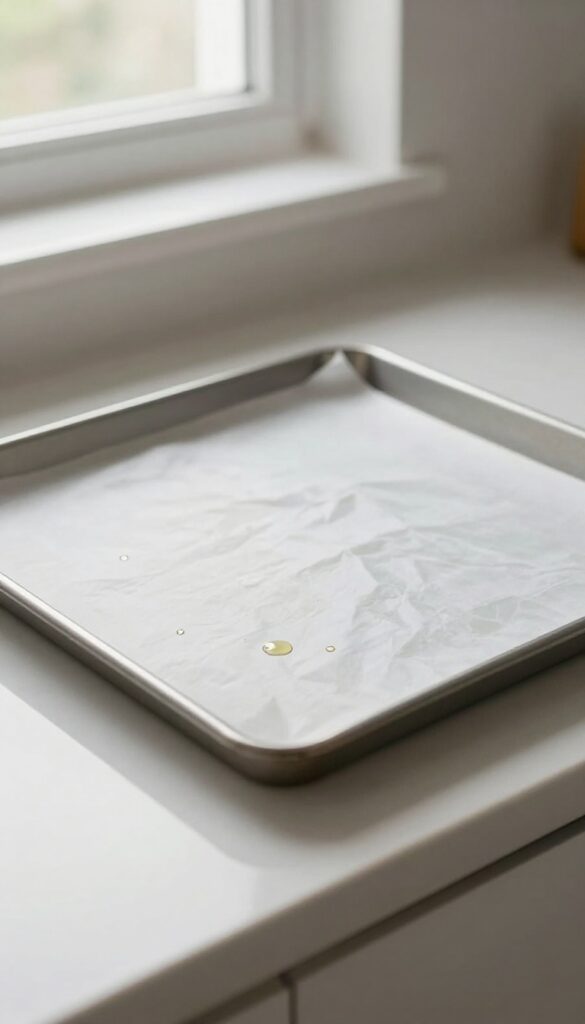
The best way to deal with burnt grease marks is to stop them from forming in the first place. Lining your baking sheets with parchment paper or silicone mats creates a protective barrier that catches drips and spills before they can bake onto the metal surface. It's a simple habit that saves you scrubbing time and keeps your pans looking newer for longer.
Why It Works
Parchment paper and silicone mats are non-stick and heat-resistant. They absorb grease and food residue, preventing direct contact with the baking sheet. After cooking, you simply lift off the liner and toss it (or wash it, in the case of silicone), leaving the pan clean underneath.
Choosing The Right Liner
Parchment paper is disposable and great for high-heat roasting or baking. Silicone mats are reusable, eco-friendly, and ideal for cookies or sheet-pan meals. Make sure to cut the paper or mat to fit your pan—overhang can cause burning or uneven cooking.
When To Use Each
Use parchment paper for sticky, greasy foods like bacon or roasted vegetables—just throw it away afterward. Silicone mats are perfect for baking batches of cookies or roasting items that don't produce excessive grease. Both options significantly reduce cleanup time.
FAQ
Can I use steel wool on my baking sheets?
It depends on the material. For aluminum or non-stick sheets, steel wool can scratch the surface. For stainless steel, fine steel wool is okay but use gentle pressure.
Always test a small area first.
How often should I deep clean my baking sheets?
Deep clean them when you notice built-up grease or burnt marks. For regular use, a quick wash after each use is enough. Deep cleaning every few months keeps them in good shape.
Is it safe to use oven cleaner on baking sheets?
Yes, but rinse thoroughly afterward to remove chemical residue. Wear gloves and work in a well-ventilated area. Avoid using on non-stick coatings as it may damage them.
What's the best natural method for burnt grease?
Baking soda and vinegar is a top choice. It's non-toxic, inexpensive, and effective. For tougher spots, let the paste sit longer or add a soak in hot water and dish soap first.
Why do my baking sheets get burnt grease so quickly?
High heat and oil splatters are the main culprits. Using parchment paper or silicone mats can prevent direct contact. Also, avoid cooking at temperatures above the oil's smoke point.
Conclusion
Restoring your baking sheets doesn't have to be a chore. With these 25 tips, you can tackle even the most stubborn burnt grease using items you already have at home. From quick scrubs to overnight soaks, there's a method for every level of grime.
Remember, a little prevention goes a long way. Lining your pans with parchment paper or silicone mats can save you time and effort later. Keep these tricks handy, and your baking sheets will stay looking great for years to come.