20 Cleaning Pillows Tips for Fresh and Fluffy Bedding
Your pillow goes through a lot—absorbing sweat, oils, and dead skin cells night after night. Over time, it can become a breeding ground for dust mites and allergens, affecting your sleep quality. But cleaning pillows isn't as straightforward as tossing them in the wash; different materials need different care.
Many people overlook pillow maintenance until they notice yellow stains or a musty smell. By then, the damage is done.
Regular cleaning not only extends the life of your pillows but also ensures you're breathing clean air every night. The good news is that with a few simple techniques, you can restore your pillows to their former glory.
1. Check the Care Label First
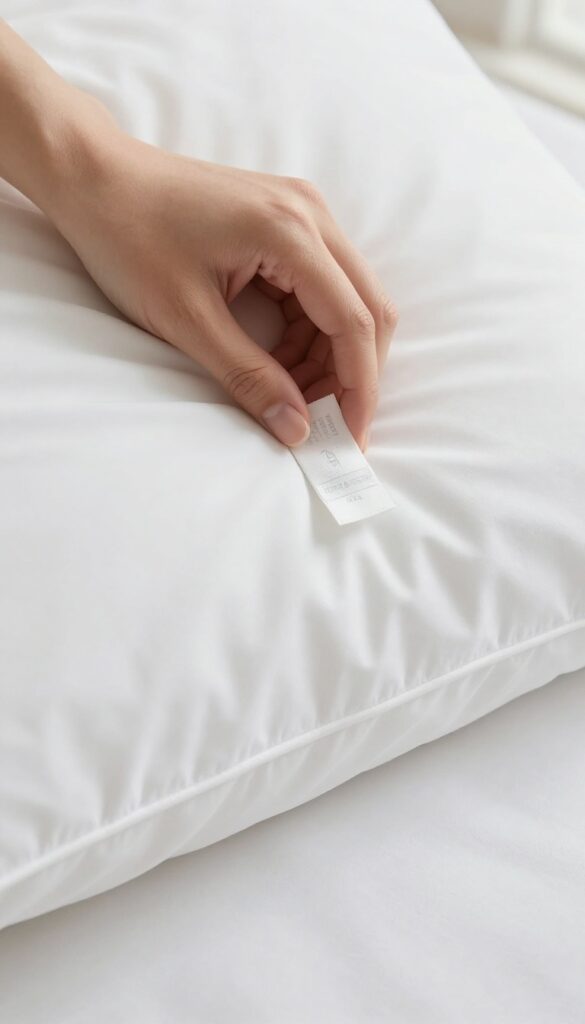
Before you do anything, flip that pillow over and find the tag. It might seem obvious, but plenty of people skip this step and end up with a lumpy, ruined pillow. The care label tells you exactly what your pillow can handle—machine wash, dry clean only, or spot clean.
Ignoring it is the fastest way to shorten your pillow's life.
Different pillow materials react differently to water, heat, and agitation. Memory foam pillows, for example, can disintegrate in a washing machine. Down pillows need gentle cycles and low heat.
Polyester fills are more forgiving but still have limits. The label is your cheat sheet. Follow it, and your pillows will stay fluffy and supportive for years.
Decode The Symbols
Laundry symbols can look like hieroglyphics, but they're easy once you know the basics. A tub of water means machine washable. A circle means dry clean.
The dots inside an iron indicate temperature. If you see an X over any symbol, don't do that. Snap a photo of the label for reference.
When The Label Is Missing
If the tag is gone or illegible, don't guess. Check the manufacturer's website using the pillow's brand and model. If that fails, stick to the safest method: spot cleaning with mild detergent and air drying.
For synthetic pillows, a gentle machine wash on cold is usually okay, but proceed with caution.
Why It Matters For Allergens
Even if your pillow looks clean, dust mites and mold can thrive in the wrong cleaning conditions. Using hot water on a label that says cold can set stains or damage the fill. Following the care instructions ensures you're actually removing allergens, not just spreading them around.
2. Wash Pillows in Pairs for Balance
Tossing a single pillow into the washing machine might seem harmless, but it can throw the drum off balance. When the load is uneven, the machine may thump loudly or even stop mid-cycle. Washing pillows in pairs solves this problem and ensures both get equally clean.
Balancing the load is crucial for a smooth wash cycle. By washing two pillows together, you distribute weight evenly, preventing the machine from shaking or making excessive noise. This also protects your machine's bearings and suspension over time.
Why Balance Matters
An unbalanced washing machine can cause premature wear and tear. The constant thumping stresses internal components, leading to costly repairs. Washing pillows in pairs keeps the drum stable and extends the life of your appliance.
Tips For Pairing Pillows
Match pillows of similar size and fill type for the best balance. For example, pair two synthetic pillows together, or two down pillows. If you have only one pillow to wash, add a few large towels to balance the load.
What If You Have Odd Numbers?
If you have an odd number of pillows, wash the extra one with a set of towels or a large blanket. Just make sure the total weight is similar to a pair of pillows. Avoid washing a single pillow alone unless your machine has a small-load setting.
3. Use a Gentle, Hypoallergenic Detergent
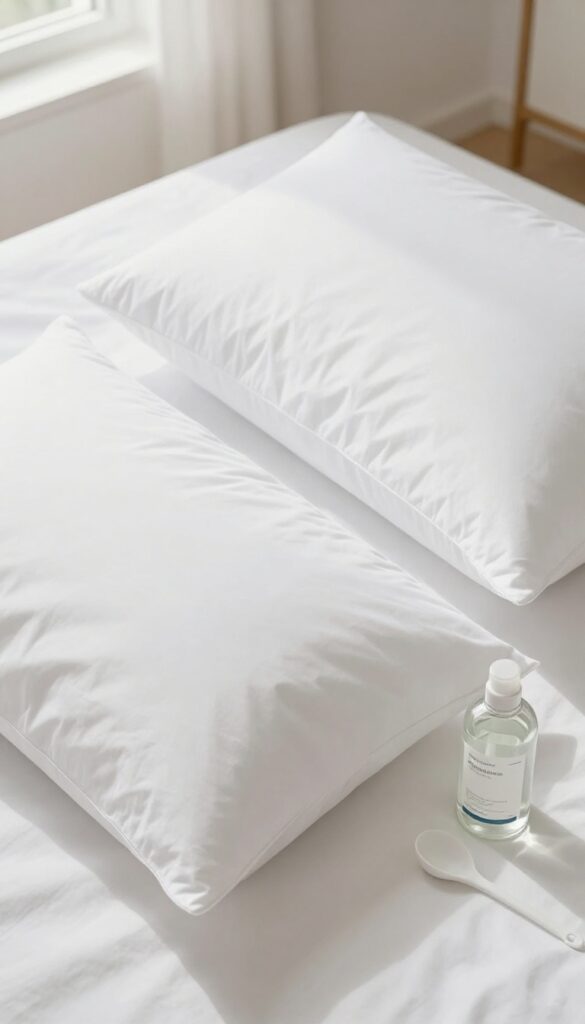
Not all detergents are pillow-friendly. Harsh formulas can break down delicate fibers over time, leaving your pillows flat and lifeless. They can also leave behind a residue that irritates sensitive skin or triggers allergies.
Switching to a mild, hypoallergenic detergent is a simple swap that makes a big difference.
When washing pillows, the detergent you choose matters just as much as the cycle settings. Standard detergents often contain brighteners, enzymes, and fragrances that can cling to pillow fibers. These residues not only feel stiff but can also cause skin reactions or respiratory issues.
Hypoallergenic detergents are formulated to rinse cleanly, leaving no trace behind. They're also free from common irritants like dyes and perfumes. For best results, use about half the amount recommended for a full load—pillows don't need as much soap, and excess suds can be hard to rinse out completely.
Why Hypoallergenic Matters
Your face presses against your pillow for hours every night. If your detergent leaves behind any residue, you're essentially marinating in it. Hypoallergenic detergents are designed to be gentle on both fabrics and skin.
They reduce the risk of allergic reactions and help maintain the pillow's original loft and softness. Plus, they're better for the environment since they typically contain fewer harsh chemicals.
How To Choose The Right One
Look for detergents labeled "free and clear" or specifically for sensitive skin. Brands like Seventh Generation, Tide Free & Gentle, or All Free & Clear are reliable choices. Avoid anything with optical brighteners or heavy fragrances.
If you're unsure, check online reviews from other pillow owners—they'll tell you which detergents rinse out completely and which ones leave a film.
Liquid Vs. Powder: What's Best?
Liquid detergents generally dissolve better in cold or warm water, which is ideal for pillow washing. Powders can clump or leave undissolved granules if the water isn't hot enough. Stick with a liquid hypoallergenic detergent for consistent results.
If you must use powder, dissolve it in a cup of warm water before adding it to the machine.
4. Add Baking Soda for Odor Removal
Even after a regular wash, some pillows still carry a lingering smell. That's because sweat and body oils can get trapped deep inside the fibers. Baking soda is a natural deodorizer that lifts those odors without masking them with artificial fragrances.
Boost your wash with half a cup of baking soda. It neutralizes odors naturally without harsh chemicals, leaving pillows smelling fresh.
How Much To Use
For a standard washer, add half a cup of baking soda directly to the drum before placing pillows inside. If your pillows are extra smelly, you can increase to one cup, but don't overdo it—too much can leave a residue.
When To Add It
Add baking soda at the start of the wash cycle, along with your regular detergent. It works best in warm or hot water, which helps dissolve it fully. Avoid using it with chlorine bleach, as the combination can create fumes.
Combining With Vinegar (optional)
For stubborn odors, you can add half a cup of white vinegar to the rinse cycle. The vinegar and baking soda react to boost cleaning power, but they should be added separately—baking soda in the wash, vinegar in the rinse.
Extra Deodorizing For Non-washable Pillows
If your pillow can't be machine washed, sprinkle baking soda generously over the surface, let it sit for 30 minutes, then vacuum thoroughly. This refreshes the pillow without getting it wet.
5. Skip the Fabric Softener
Fabric softener might make your clothes feel nice, but it's terrible for pillows. The waxy coating it leaves behind clogs the fibers, reducing absorbency and trapping odors. Over time, this buildup makes pillows less breathable and less supportive.
Instead of reaching for that bottle of liquid softener, try a natural alternative that works just as well—white vinegar. It softens fibers without leaving residue, and it also helps remove lingering smells and detergent buildup. Your pillows will come out fresh, fluffy, and free of chemical coatings.
Why Fabric Softener Hurts Pillows
Fabric softener coats pillow fibers with a thin layer of wax or oil. This coating reduces the pillow's ability to breathe and absorb moisture, making it feel less fluffy and more prone to harboring odors. Over multiple washes, the buildup can also cause yellowing and stiffness.
How To Use White Vinegar Instead
Add half a cup of white vinegar to the rinse cycle when washing your pillows. The vinegar neutralizes odors and breaks down any detergent residue. Don't worry—the smell disappears once the pillows are dry.
For extra freshness, you can also add a few drops of essential oil to the vinegar.
Other Natural Softening Options
If you prefer not to use vinegar, try adding a quarter cup of baking soda to the wash cycle. It softens water and helps remove odors. You can also use wool dryer balls in the dryer to fluff pillows naturally without any chemicals.
6. Wash on a Gentle Cycle with Warm Water
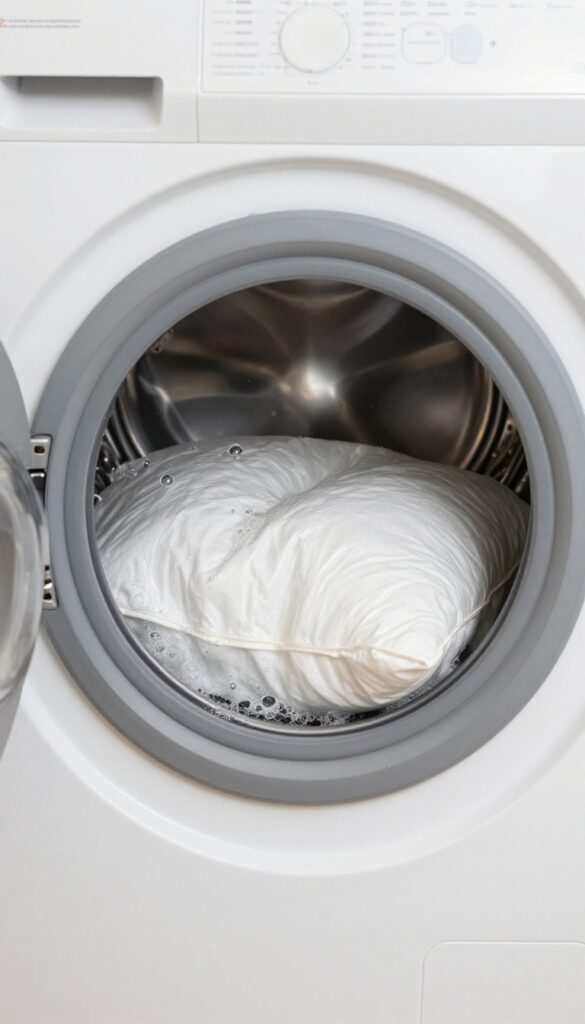
Choosing the right water temperature for washing pillows is more important than you might think. Hot water can break down the filling material, while cold water struggles to dissolve oils and sweat. Warm water hits the sweet spot—it's effective at lifting dirt and grime without damaging the pillow's structure.
When you set your washing machine, select the gentle or delicate cycle. This slower agitation prevents the pillow from losing its shape or clumping. Pair it with warm water (around 30-40°C or 85-105°F) to ensure a deep clean without the risk of shrinkage or fiber damage.
Always check the care label first, as some pillows have specific temperature recommendations.
Why Warm Water Works Best
Warm water activates detergent more efficiently than cold water, helping to break down body oils and sweat that accumulate on your pillow. It's also gentle enough to preserve the integrity of synthetic fills, down, or feathers. Hot water, on the other hand, can cause clumping or melting in some synthetic fibers.
Setting The Right Cycle
Always use the gentle or delicate cycle on your washing machine. This minimizes agitation and reduces stress on the pillow's seams and fill. If your machine has an extra rinse option, use it to ensure all detergent residue is removed—leftover soap can attract dirt and cause skin irritation.
When To Avoid Warm Water
Some pillows, like those made with memory foam or latex, should never go in a washing machine at all. For these, spot cleaning with a mild detergent and cold water is safer. Always read the care tag before proceeding.
7. Rinse Thoroughly to Remove Soap Residue
Soap residue left in your pillows can cause skin irritation and attract dirt faster. Many people skip an extra rinse, thinking one cycle is enough. But pillows are thick and absorbent—they hold onto detergent like a sponge.
After the wash, run an extra rinse cycle to flush out all traces of soap. This is especially important for memory foam or down pillows, which can trap residue deep inside. You'll notice the difference: pillows feel lighter, smell cleaner, and stay fresh longer.
Why Residue Is A Problem
Leftover detergent can break down pillow fibers over time, reducing fluffiness. It also creates a sticky surface that collects dust and allergens. Your skin and respiratory system will thank you for removing every bit of soap.
How To Check For Residue
After the rinse cycle, squeeze a corner of the pillow. If you see suds or feel slipperiness, run another rinse. You can also add a cup of white vinegar to the rinse cycle—it helps break down soap residue and neutralizes odors.
Machine Settings For Best Results
Use the extra rinse setting on your washer if available. If not, manually select an additional rinse cycle after the wash. For front-loaders, make sure the door seal is clean to prevent re-soiling.
Always use a low spin speed to protect the pillow's shape.
8. Dry Pillows on Low Heat
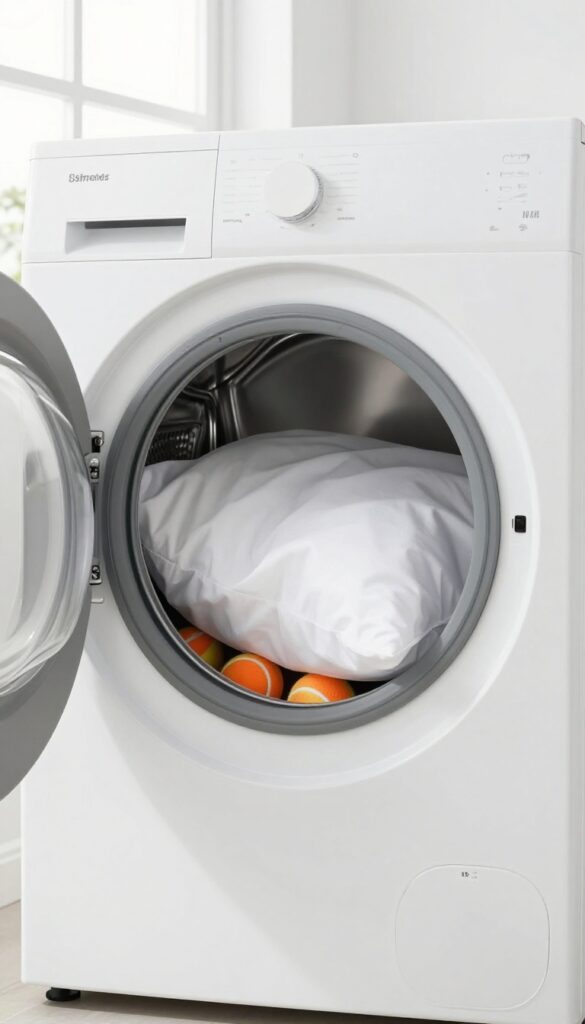
Getting your pillows dry after washing is just as important as the washing itself. But here's the thing: high heat can wreak havoc on your pillows. Synthetic fibers can melt or become lumpy, while down feathers can clump together and lose their loft.
That's why drying on low heat is the way to go.
When you dry pillows on low heat, you protect the fill from damage while still getting them fully dry. To speed things up and keep pillows fluffy, toss in a few dryer balls or clean tennis balls. They bounce around and break up clumps, helping the fill distribute evenly.
Check periodically and fluff by hand if needed. Depending on the pillow type and size, it might take two or three cycles, but patience pays off with fresh, fluffy bedding.
Why Low Heat Matters
High heat is the enemy of pillow longevity. For synthetic pillows, it can melt the polyester fibers, causing them to mat and lose support. For down or feather pillows, high heat can damage the delicate clusters, leading to flat, lumpy pillows.
Low heat gently evaporates moisture without compromising the fill structure.
The Tennis Ball Trick
Adding dryer balls or clean tennis balls to the dryer is a game-changer. As the pillows tumble, the balls repeatedly strike the pillows, breaking apart wet clumps and redistributing the fill. This prevents uneven drying and keeps pillows lofty.
Just make sure the tennis balls are clean and don't have any dye that could transfer.
Check For Complete Dryness
Pillows take longer to dry than you might expect. A common mistake is pulling them out while the center is still damp, which can lead to mildew and odors. To test, squeeze the pillow firmly—if you feel any moisture or hear a squishing sound, it needs more time.
Run another low-heat cycle until the pillow is completely dry and fluffy.
9. Fluff Pillows by Hand During Drying
Even with the best washing, pillows can come out of the dryer lumpy and uneven. The filling—whether down, feather, or synthetic—tends to clump together as it dries, leaving you with a bumpy mess. That's where a little hands-on help makes all the difference.
Stop the dryer every 20 to 30 minutes and give each pillow a good squeeze and shake. Break up any visible clumps with your fingers, then toss it back in. This manual fluffing ensures the filling dries evenly and prevents hard, compacted spots from forming.
It only takes a few seconds, but it's the secret to pillows that feel like new.
Why Clumps Form
Wet filling is heavy and sticky. As it tumbles, gravity and moisture cause fibers or feathers to cling together. If you don't intervene, those clumps dry into permanent lumps that are nearly impossible to undo.
Hand-fluffing redistributes the filling while it's still damp and pliable.
How Often To Fluff
Set a timer or use your dryer's reminder feature. For a standard 60-minute cycle, pause twice: once at the 20-minute mark and again at 40 minutes. If your pillows are extra thick or still damp, add a third pause.
The goal is to keep the filling moving freely until completely dry.
Bonus Tip For Down Pillows
Down pillows are especially prone to clumping. After the dryer stops, let them cool for a minute, then fluff again by hand. This final break-up helps restore loft.
You can also toss in a clean tennis ball or dryer ball to keep things loose between manual fluffing sessions.
10. Air Dry in Sunlight for a Natural Boost
Sunlight is one of nature's best cleaning tools—it's a natural bleach and deodorizer that can give your pillows a fresh boost after washing. Once your pillows are mostly dry from the machine, letting them bask in direct sunlight for an hour can help eliminate lingering odors and brighten any yellowing. This simple step adds a layer of freshness that no dryer sheet can match.
After machine drying, place pillows in direct sunlight for about an hour. The UV rays help kill bacteria and dust mites while naturally bleaching minor stains. Flip them halfway through to ensure even exposure.
This works best on a sunny, low-humidity day; avoid leaving them out too long if you live in a damp climate, as moisture can resettle.
Why Sunlight Works
Ultraviolet (UV) light from the sun breaks down the chemical bonds that cause odors and discoloration. It's especially effective on synthetic and down pillows, helping to restore their original brightness. Plus, sunlight is free and leaves no chemical residue.
Best Practices For Sun Drying
Choose a dry, sunny day with low humidity. Lay pillows flat on a clean surface—like a drying rack or towel—and rotate them every 20 minutes. If you're short on time, even 30 minutes can make a difference.
For stubborn smells, a light spritz of white vinegar before sunning can enhance the deodorizing effect.
When To Skip The Sun
Memory foam and latex pillows should not be placed in direct sunlight, as UV rays can degrade the foam and cause it to become brittle. Stick to shade drying or indoor air drying for these materials. Also, avoid sun drying if your pillows have delicate covers or bright dyes that might fade.
11. Spot Clean Stains Immediately
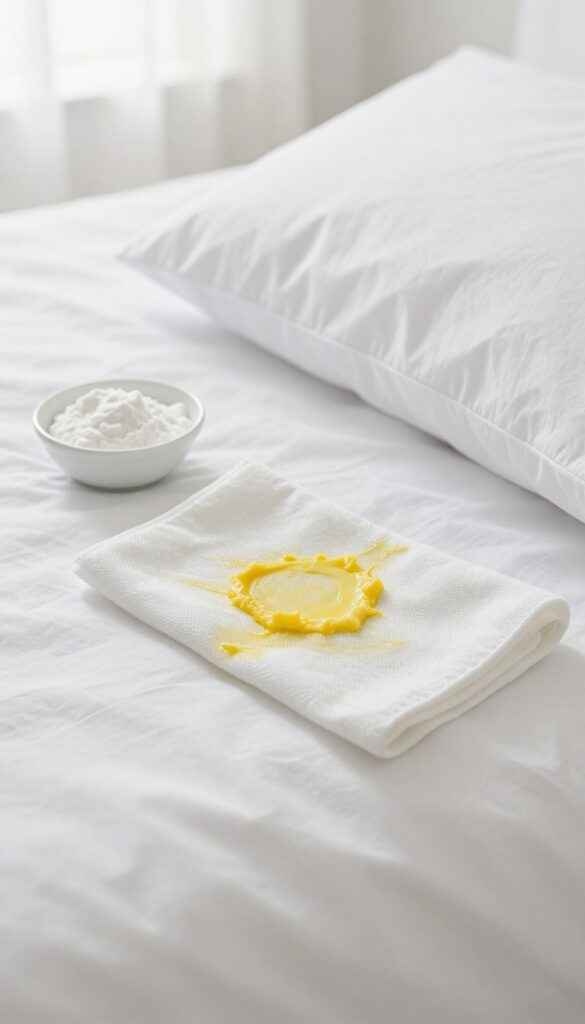
Yellow sweat stains and makeup marks don't have to be permanent. The longer a stain sits, the harder it is to remove, so quick action is key. A simple paste of baking soda and water can lift fresh stains without harsh chemicals.
When you notice a stain, mix a tablespoon of baking soda with just enough water to form a thick paste. Apply it directly to the stain and let it sit for 15–20 minutes. Then blot with a damp cloth—don't rub, or the stain may spread.
For tougher stains, add a few drops of hydrogen peroxide to the paste.
Why Speed Matters
Body oils and makeup penetrate pillow fibers quickly. A fresh stain is still on the surface and much easier to lift. Waiting even a day can set the stain, making it nearly impossible to remove without bleach.
The Baking Soda Method
Baking soda is a gentle abrasive that absorbs oils and odors. Mix it into a paste, apply, and let it dry. Once dry, brush off the residue.
This works great for yellow sweat stains on cotton and polyester pillows.
When To Upgrade To Hydrogen Peroxide
For set-in stains or makeup marks, add a few drops of 3% hydrogen peroxide to your baking soda paste. Test on an inconspicuous area first, as peroxide can lighten some fabrics. Let it bubble for a few minutes, then blot clean.
12. Use Pillow Protectors for Longevity
A pillow protector is like a secret weapon for your bedding. It's a thin, zippered cover that goes between your pillow and your pillowcase, shielding the pillow from sweat, oils, spills, and dust mites. While your pillowcase catches some of the mess, a protector adds a second, more durable barrier that's much easier to wash than the pillow itself.
Investing in a few good protectors can double or triple the life of your pillows, saving you money and hassle in the long run.
Why Protectors Work Better Than Pillowcases Alone
Pillowcases are designed for comfort, not heavy-duty protection. They're often made from soft cotton or sateen that lets oils and moisture seep through. A pillow protector, on the other hand, is usually made from tightly woven cotton, polyester, or a waterproof material that blocks liquids and allergens.
Many are also treated with antimicrobial finishes to stop bacteria and dust mites from setting up shop. This extra layer means your pillow stays cleaner for longer, and you only need to wash the protector every week or two instead of deep-cleaning the pillow every few months.
How To Choose The Right Pillow Protector
Look for protectors that are zippered, not just elasticized, so they fully encase the pillow. Check the thread count: a 300- to 500-thread count cotton protector offers a good balance of breathability and protection. If you have allergies, opt for a hypoallergenic or dust-mite-proof protector with a pore size small enough to block allergens.
Waterproof protectors are great for kids or anyone prone to spills, but make sure they're noiseless—some cheaper vinyl ones can crinkle. Finally, buy protectors that match your pillow size exactly to avoid bunching.
Care Tips For Your Pillow Protectors
Wash pillow protectors in warm or hot water with a mild detergent every one to two weeks. Avoid bleach, which can break down the fabric and reduce effectiveness. Tumble dry on low heat or line dry.
If your protector is waterproof, skip the fabric softener—it can clog the waterproof membrane. Replace protectors every year or two, or sooner if they show signs of wear like thinning fabric or broken zippers. A good protector is inexpensive, so don't hesitate to swap it out for a fresh one.
13. Wash Pillows Every 3 to 6 Months
Most people don't think about washing their pillows until they notice a funky smell or yellow stains. But by then, your pillow has been harboring dust mites, sweat, and oils for months. The general rule is to wash pillows every six months, but if you have allergies or tend to sweat a lot at night, bump that up to every three months.
Check The Care Label First
Before you toss your pillows in the washing machine, take a quick look at the care label. Some pillows, like memory foam or latex, can't be machine washed and need spot cleaning or airing out. For polyester or down pillows, machine washing is usually fine, but always follow the manufacturer's instructions to avoid damage.
Use The Right Detergent And Settings
Use a mild liquid detergent—powder can leave residue inside the pillow. Add a cup of white vinegar to the rinse cycle to help remove odors and kill bacteria. Wash two pillows at a time to balance the machine, and use warm water on a gentle cycle.
An extra rinse cycle helps ensure all soap is removed.
Dry Thoroughly To Prevent Mold
Pillows take a long time to dry, and any remaining moisture can lead to mold or mildew. Dry on low heat with a couple of clean tennis balls or dryer balls to fluff them up. Check periodically and run the cycle until the pillows are completely dry—this can take two or three cycles.
14. Replace Pillows Every 1 to 2 Years
No matter how well you clean, pillows eventually lose their shape and support. That fluffy cloud you once loved can turn into a lumpy pancake that does more harm than good for your neck and sleep quality. Knowing when to let go is just as important as knowing how to wash them.
The Fold Test
Fold your pillow in half and squeeze out the air. If it springs back open on its own, it still has life left. If it stays folded or slowly unfolds, the internal fibers are worn out.
That's your cue to start shopping.
Lumpiness And Clumps
Even after washing and fluffing, some pillows develop permanent lumps or thin spots. These uneven areas can cause neck strain and disrupt your sleep. Once clumps won't break apart, the pillow is past saving.
Allergies And Odors
If you notice persistent allergy symptoms or a musty smell that won't go away despite cleaning, your pillow may be harboring mold or dust mites deep inside. Replacing it is the healthiest move.
15. Freshen Pillows Between Washes with Baking Soda
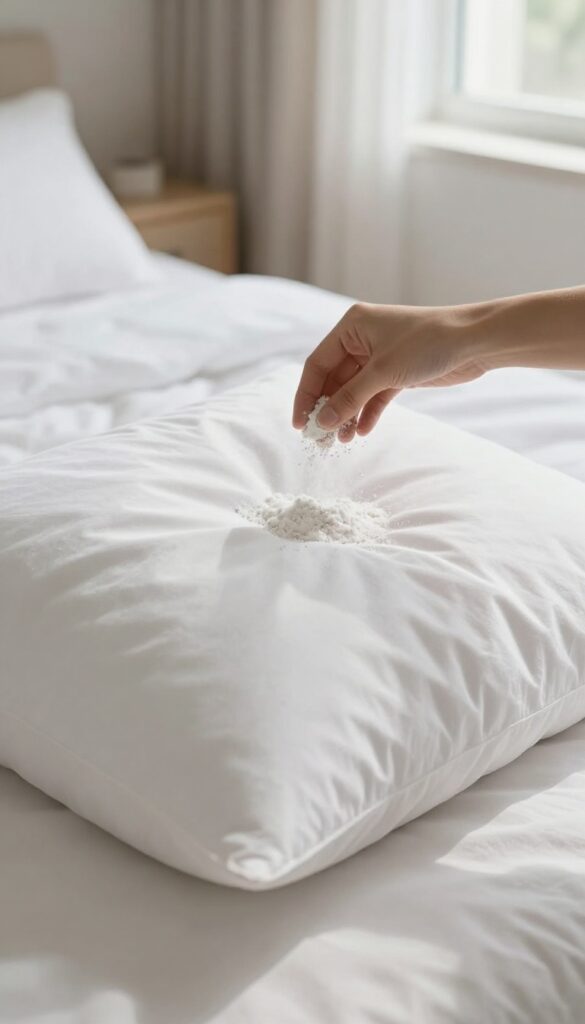
You don't always have to run a full wash cycle to keep your pillows smelling fresh. Baking soda is a natural deodorizer that absorbs odors and moisture without any harsh chemicals. This quick method is perfect for extending the time between deep cleans.
Sprinkle a generous layer of baking soda over your pillows, making sure to cover both sides. Let it sit for at least 15 minutes—longer if the pillows are particularly musty. Then, use a vacuum with an upholstery attachment to thoroughly remove all the powder.
Your pillows will come out smelling neutral and feeling refreshed.
Why Baking Soda Works
Baking soda is alkaline, which helps neutralize acidic odors from sweat and body oils. It also absorbs excess moisture, creating a less hospitable environment for dust mites. This makes it a gentle yet effective option for regular maintenance.
Best Practices For Best Results
For maximum freshness, do this in the morning so the pillows have time to air out during the day. If you have sensitive skin, wait a few hours after vacuuming before using the pillows to let any residual powder settle. You can also add a few drops of essential oil to the baking soda for a light scent.
When To Use This Method
Use this technique every few weeks between washes, or anytime your pillows start to smell a bit off. It's especially handy for pillows that can't be machine washed, like memory foam or down alternatives. Just remember, this is a freshening step, not a deep clean—eventually, you'll still need to wash or replace your pillows.
16. Vacuum Pillows to Remove Surface Dust
Your pillow collects more than just your head at night. Dust, dead skin cells, pet dander, and even crumbs can settle into the fabric. Vacuuming is a quick, no-water way to freshen things up between washes.
Grab your vacuum's upholstery attachment and go over both sides of the pillow slowly. Pay extra attention to seams and corners where debris hides. Doing this once a month keeps surface allergens in check and extends the time between deep washes.
It's especially helpful for pillows that can't be machine washed, like memory foam or down alternatives.
Why Vacuuming Works
Vacuuming lifts loose particles without soaking the pillow. It's gentle on fibers and prevents dirt from grinding into the fabric over time. A quick once-over before washing also helps the detergent work better.
Best Technique For Different Pillow Types
For synthetic pillows, use a stiff brush attachment to loosen embedded dust first. For down or feather pillows, a softer upholstery brush prevents damage. Memory foam pillows do best with a gentle suction-only tool to avoid tearing the foam.
When To Vacuum Vs. Wash
Vacuuming is perfect for monthly maintenance. If your pillow has visible stains, smells musty, or hasn't been washed in six months, a full wash is needed. Use vacuuming as a way to stretch the time between those deep cleans.
17. Deodorize with Essential Oils (Optional)
If you love a subtle, natural fragrance on your bedding, essential oils are a great way to add a calming scent while also helping to keep your pillows fresh. A quick spritz after drying can make your pillows smell like a spa retreat without any harsh chemicals.
Choosing The Right Oil
Lavender is a classic choice for its relaxing properties, perfect for promoting sleep. Tea tree oil offers antimicrobial benefits and a fresh, clean scent. You can also try eucalyptus for a crisp, invigorating aroma.
Always use high-quality, pure essential oils to avoid synthetic fragrances.
How To Make The Spray
Fill a clean spray bottle with distilled water. Add 5-10 drops of your chosen essential oil per cup of water. Shake well before each use.
For a stronger scent, you can add a teaspoon of witch hazel or vodka to help the oil disperse better.
Application Tips
Lightly mist the pillow surface from about 6-8 inches away. You don't want to soak the pillow—just a fine mist is enough. Let it air dry completely before putting on a pillowcase.
For best results, do this after your pillows have been washed and dried, or as a quick refresh between washes.
18. Dry Clean Feather or Down Pillows Carefully
Feather and down pillows are luxurious but require extra care when cleaning. While many can be machine-washed, some labels explicitly recommend dry cleaning. Ignoring that instruction can ruin the filling or cause clumping.
Always check the care tag first—it's the safest guide.
If your down pillow's label says "dry clean only, " don't risk machine washing. The solvents used in dry cleaning are gentle on feathers and prevent matting. Professional dry cleaning also ensures thorough drying, which is critical because wet down can develop mildew.
For pillows that are machine-washable, use a gentle cycle with mild detergent and dry on low heat with dryer balls to restore fluffiness. But when in doubt, dry cleaning is the safest bet for preserving that lofty feel.
Why Dry Cleaning Matters For Down
Down clusters are delicate. Machine agitation can break them apart, reducing insulation and causing lumps. Dry cleaning uses chemical solvents that clean without harsh tumbling, keeping the feathers intact.
It also removes oils and odors effectively without shrinking the fabric shell.
How To Prepare For Dry Cleaning
Take a photo of the care label before dropping off. Point out any stains to the cleaner. Use a reputable cleaner experienced with down items.
Ask if they use a gentle solvent and if they can add a final low-heat drying step to ensure no residue remains.
When Machine Washing Is Okay
If the label permits machine washing, use a front-loader (top-loaders with agitators can damage down). Wash two pillows at once for balance. Use a down-specific detergent, and run an extra rinse cycle.
Dry on low heat with clean tennis balls or dryer balls to break up clumps.
19. Test Pillow Fluffiness with the Fold Test
Before you decide whether to wash or replace a pillow, give it a quick check. The fold test is a simple way to see if your pillow still has life left. It takes just a few seconds and can save you from unnecessary washing or premature replacement.
The fold test is a reliable method to assess pillow support. Fold the pillow in half and hold it for 30 seconds, then release. If it springs back open, the pillow still has good fluffiness and support.
If it stays folded or takes a while to expand, it's time to wash or replace it. This test works for most pillow types, including synthetic, down, and memory foam. For memory foam, you can also press your hand into the center and see how quickly it returns to shape.
Why Fluffiness Matters
A fluffy pillow supports your head and neck alignment, reducing strain. Over time, pillows flatten from body weight and accumulated oils. The fold test helps you catch flattening early, so you can refresh the pillow before it affects your sleep.
When To Wash Vs. Replace
If the pillow fails the fold test but is still clean, a wash may restore fluffiness. Use a gentle cycle and dry thoroughly with dryer balls. If washing doesn't help or the pillow is over two years old, it's likely time for a new one.
Testing Different Pillow Types
For down pillows, the fold test is especially telling—they tend to clump and lose loft. Synthetic pillows may fail faster due to fiber breakdown. Memory foam pillows should be tested by pressing your hand into the center; if the indentation remains, it's time to replace.
20. Store Pillows Properly When Not in Use
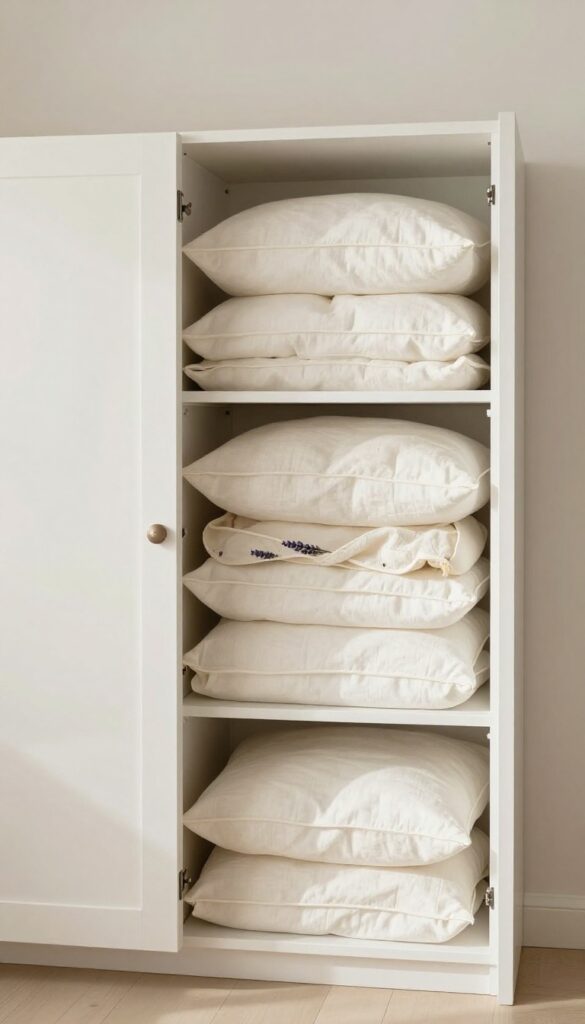
Even clean pillows can go downhill fast if you stash them in the wrong spot. Tossing them into a plastic bin or a damp closet invites moisture, mildew, and dust mites. A little thought about storage goes a long way toward keeping your pillows fresh and fluffy until their next use.
Choose The Right Storage Bag
Always use a breathable cotton or muslin bag for storing spare pillows. These fabrics allow air to circulate, preventing moisture buildup. Avoid plastic bins or vacuum-sealed bags for long-term storage—they trap humidity and can cause yellowing or mold growth.
Pick A Cool, Dry Spot
Store pillows in a climate-controlled area like a linen closet or under-bed drawer. Avoid attics, basements, or garages where temperature and humidity fluctuate. A cool, dry environment keeps the filling from degrading and discourages allergens.
Fluff Before You Store
Give each pillow a good fluff and air it out for a few hours before putting it away. This helps restore loft and removes any lingering moisture. For down or feather pillows, a few minutes in the dryer on no heat with a couple of tennis balls can revive them before storage.
Rotate Your Pillow Stock
If you have multiple sets of pillows, rotate them regularly so no single pillow sits unused for too long. This prevents permanent compression and extends the life of all your pillows. Aim to swap every few months.
FAQ
Can I wash memory foam pillows?
Memory foam pillows are usually not machine-washable. Spot clean with a damp cloth and mild detergent, then air dry completely. Use a pillow protector to keep them clean.
How often should I wash my pillows?
Every 3 to 6 months is recommended. If you have allergies or pets, wash more frequently. Pillow protectors can extend the time between washes.
What's the best way to dry pillows?
Use a low-heat dryer setting with dryer balls or clean tennis balls to fluff. Stop periodically to break up clumps. Air drying in sunlight can also help.
Can I use bleach on white pillows?
Bleach can damage pillow fibers and cause yellowing. Instead, use oxygen-based bleach (like OxiClean) or a mixture of lemon juice and sunlight for whitening.
How do I know when to replace my pillows?
If your pillow has lost its shape, feels lumpy, or doesn't spring back after folding, it's time for a new one. Most pillows last 1 to 2 years.
Conclusion
Keeping your pillows clean doesn't have to be a chore. With these 20 tips, you can extend their life, improve your sleep environment, and save money on replacements. Regular maintenance—like washing every few months and using protectors—makes a big difference.
Start with one or two tips that fit your routine, and build from there. Your pillows (and your sleep) will thank you. Fresh, fluffy bedding is just a wash cycle away.