23 Cleaning Couch Fabric Tips for Stains and Freshness
Your couch takes a beating every day—spilled coffee, pet accidents, and mystery stains that seem to appear overnight. Keeping it clean doesn't have to be a struggle. With the right approach, you can tackle most messes and keep your upholstery looking fresh.
Fabric couches are cozy but they're also magnets for dirt and odors. The good news is that many stains come out with simple household items you already have. A little know-how goes a long way.
This guide covers 23 practical tips for cleaning couch fabric, from everyday maintenance to deep stain removal. Whether you're dealing with a fresh spill or an old set-in mark, there's a solution here for you.
1. Blot Spills Immediately—Don't Rub
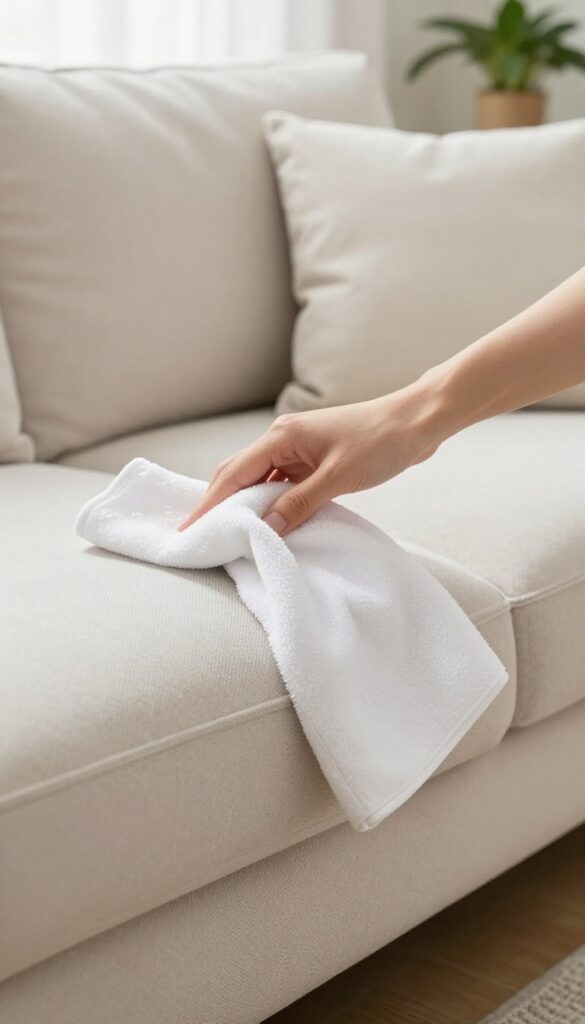
Speed is your best friend when something hits the couch. The moment a spill happens, grab a clean cloth or paper towel and start blotting. Press gently to soak up the liquid without working it deeper into the fibers.
Rubbing is the enemy—it pushes the stain in and can fray the fabric over time.
Blotting works because it lifts the spill from the surface rather than grinding it into the weave. Use a white cloth to avoid transferring dye, and work from the outside of the stain inward to prevent spreading. For thicker spills like sauce or mud, scrape off the excess first with a dull knife or spoon before you blot.
Why Blotting Beats Rubbing
Rubbing breaks the fibers and forces the stain deeper into the cushion or backing. Blotting is like dabbing a paper towel on a wet spot—it pulls the moisture up. Even if you don't remove everything, you've stopped the stain from setting.
Best Materials For Blotting
Microfiber cloths are ideal because they're absorbent and lint-free. Paper towels work fine for quick jobs, but avoid printed or colored ones that might bleed. If you're out of both, a clean white cotton t-shirt is a solid backup.
When To Switch To A Cleaning Solution
If blotting alone doesn't get the stain out, it's time for a gentle cleaner. Mix a drop of dish soap with cool water, dip your cloth, and blot again. Always test on a hidden spot first to make sure the fabric won't react badly.
2. Check the Care Tag Before Using Anything
That little tag tucked under your couch cushion isn't just for show—it's your cheat sheet for cleaning. Ignoring it is the fastest way to ruin your upholstery. Before you grab any cleaner, flip that tag and decode the symbols.
The care tag uses a simple code: W means water-based cleaners are safe; S means solvent-based cleaners only; WS means either works; and X means vacuum only. Using the wrong type can cause fading, shrinking, or worse. Always test any cleaner on a hidden spot first, even if the tag says it's safe.
What The Letters Mean
W stands for water-based cleaning—think mild soap and water. S means solvent-based, so use dry-cleaning products or rubbing alcohol. WS gives you flexibility, but stick to gentle options.
X is a hard no for liquids—just vacuum and brush.
Where To Find The Tag
Check under the seat cushions, along the zipper seam, or on the back of the couch. If the tag is missing or unreadable, err on the side of caution and treat it as an X until you confirm with the manufacturer.
Why It Matters
Using a water-based cleaner on an S-coded fabric can cause water rings, discoloration, or even mildew. Solvent-based cleaners on a W-coded fabric might strip color or leave a residue. Matching the cleaner to the code keeps your couch looking its best.
3. Vacuum Weekly with an Upholstery Attachment
Dirt and dust are sneaky. They settle into your couch fabric long before you notice them, and over time they grind into the fibers, causing wear and dullness. A quick weekly vacuum with the right tool stops that damage before it starts.
Think of vacuuming as your couch's first line of defense. It removes the gritty particles that act like sandpaper when you sit down. Plus, it keeps crumbs from attracting pests and prevents dust from settling deep into the cushions.
Use The Upholstery Brush
The upholstery attachment is designed for fabric surfaces. It has soft bristles that lift dirt without scratching or damaging the material. Avoid using the beater bar—it can snag delicate weaves like linen or velvet.
Don't Forget The Crevices
Crumbs and dust love hiding in the seams and between seat cushions. Use the crevice tool to run along those tight spaces. Flip up the cushions and vacuum underneath too—that's where most of the debris collects.
Vacuum Both Sides Of Cushions
If your cushions are removable, vacuum the top and bottom. Dirt can migrate through the fabric over time. Doing both sides keeps the entire cushion fresh and reduces the need for deep cleaning.
4. Test Cleaners on a Hidden Spot First
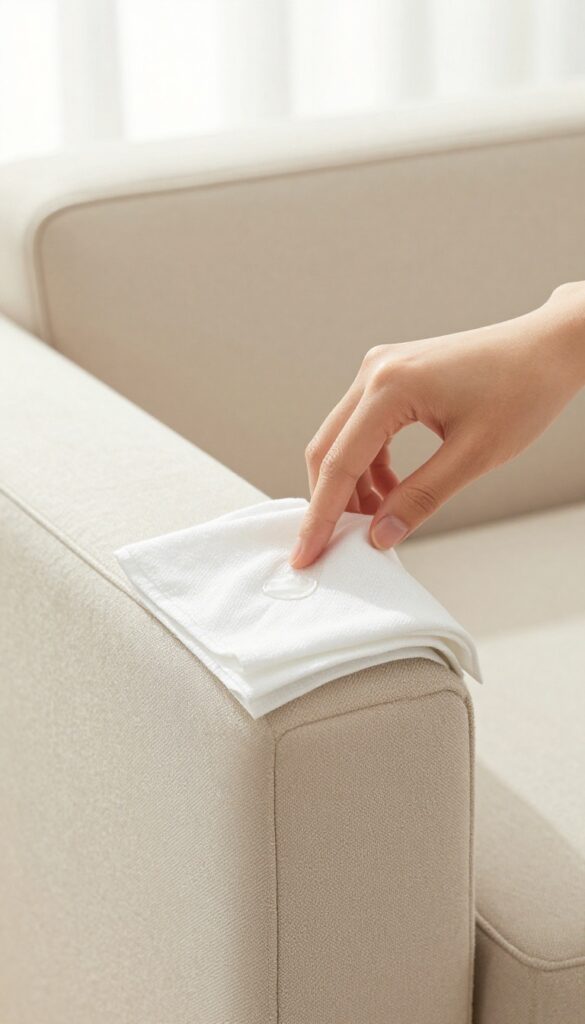
Before you go all in on that stain, take a minute to test your cleaner. It's a simple step that can save you from a bigger headache. A hidden spot—like the back or bottom of the couch—is the perfect place to check for any unwanted reactions.
Testing might feel like a waste of time, but it's worth it. Different fabrics react differently to cleaning solutions. What works on one couch could discolor or damage another.
A quick test helps you avoid turning a small stain into a permanent problem.
Why Testing Matters
Fabric dyes and finishes vary wildly. A cleaner that's safe for cotton might strip color from microfiber. Testing on a hidden spot lets you see how the fabric reacts before you treat the visible area.
It also helps you spot any fading, bleeding, or texture changes.
How To Test Properly
Dampen a clean white cloth with your cleaning solution. Blot it onto the hidden area—don't rub. Wait for it to dry completely, then check for discoloration, staining, or any damage.
If the fabric looks unchanged, you're good to go.
What To Look For
After drying, examine the spot in good light. Look for color changes, rings, or a stiff feel. Also check if the fabric's texture has changed—like becoming rough or shiny.
If anything seems off, try a different cleaner or dilute it further.
5. Use a Mild Dish Soap Solution for Most Stains
Not every stain needs a fancy cleaner. A simple dish soap solution handles a surprising range of spills, from coffee to juice to muddy paw prints. It's gentle enough for most fabrics yet effective at breaking down oils and food residues.
Dish soap cuts through grease and lifts stains without harsh chemicals. Mix just a few drops into a cup of warm water—too much soap leaves a sticky residue that attracts dirt. Use a white cloth to avoid color transfer, and always blot, never rub.
Rinsing with a damp cloth removes soap residue and prevents re-soiling.
Mix The Right Ratio
Use about 1 teaspoon of mild liquid dish soap per 2 cups of warm water. Too much soap creates suds that are hard to rinse out. Stir gently to avoid foam.
For tough stains, add a tablespoon of white vinegar to boost cleaning power without damaging fabric.
Blot, Don't Rub
Rubbing pushes the stain deeper into the fibers and can damage the fabric. Instead, blot from the outside in with a clean cloth. Switch to a dry section of the cloth as it picks up the stain.
Repeat until no more color transfers.
Rinse Thoroughly
After blotting, dampen a fresh cloth with plain water and blot the area to remove soap residue. Then blot with a dry cloth to absorb excess moisture. Let the cushion air dry completely before using the couch again.
6. Tackle Grease Stains with Baking Soda
Grease stains from food, lotion, or hair products can be stubborn, but baking soda is a simple hero. It works by absorbing the oil before it sets deeper into the fabric. This method is gentle enough for most couch materials and doesn't require harsh chemicals.
Start by blotting up any excess grease with a paper towel—don't rub, or you'll spread it. Sprinkle a generous layer of baking soda over the stain and let it sit for 15 minutes. The powder will soak up the oil.
Vacuum it off, then check if any mark remains. If so, mix a few drops of dish soap with water, dab it on, and blot clean.
Why Baking Soda Works
Baking soda is a natural absorbent that pulls grease out of fabric fibers without damaging them. It's also non-toxic and safe for pets and kids, making it a go-to for households. Plus, it's cheap and always in the pantry.
Step-by-step Grease Removal
First, blot the stain with a dry cloth to remove surface oil. Then cover it with baking soda and wait 15 minutes. Vacuum thoroughly.
For leftover residue, apply a drop of dish soap on a damp cloth and blot gently. Rinse with a clean damp cloth and let air dry.
When To Repeat
Old or heavy grease stains may need a second round. Just reapply baking soda and let it sit longer—up to 30 minutes. If the stain persists, try a paste of baking soda and water, let it dry, then vacuum.
7. Remove Red Wine Stains with Salt or Club Soda
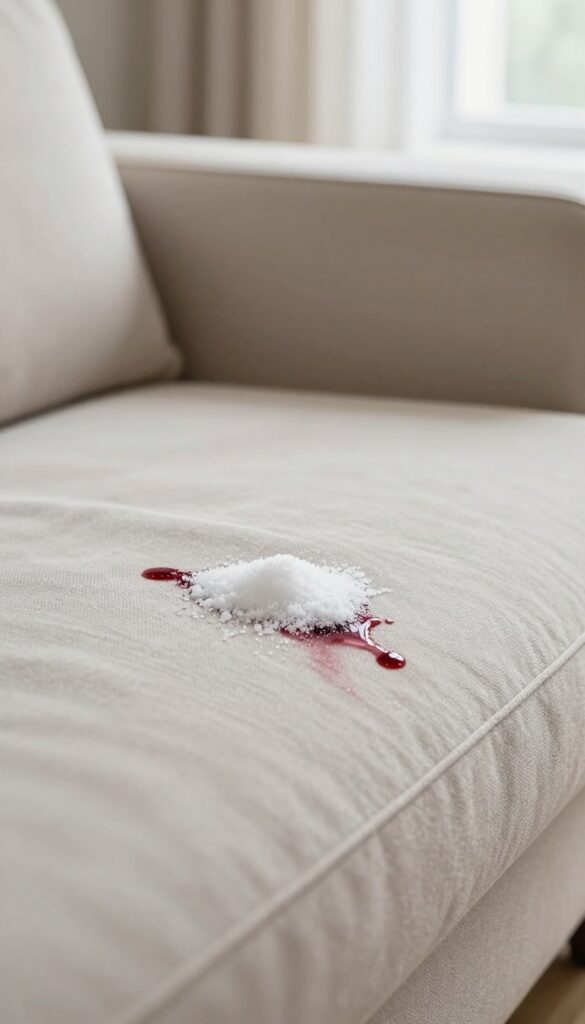
Red wine on a light-colored couch can feel like a disaster, but it's actually one of the easier stains to treat if you act fast. The key is to blot—never rub—and then use common pantry items to lift the color. Salt and club soda are two of the most effective tools for this job, and they work in slightly different ways.
When red wine spills, time is your enemy. The sooner you start treating the stain, the better your chances of removing it completely. Both salt and club soda are gentle on most fabrics and safe to use on couch upholstery, as long as you check the care tag first.
Here's how to use each method effectively.
The Salt Method: Absorb First
Start by blotting the excess wine with a clean, dry cloth. Then pour a generous layer of table salt over the stain—enough to cover it completely. The salt will absorb the liquid, pulling the wine out of the fabric fibers.
Let it sit for about 10 minutes, or until the salt turns pink. Vacuum or brush the salt away, and repeat if any stain remains.
The Club Soda Method: Lift The Stain
If salt alone doesn't do the trick, club soda is your next best friend. Blot the stain first, then pour a small amount of club soda directly onto the area. The carbonation helps lift the wine particles from the fabric.
Blot again with a clean cloth—don't rub—and repeat until the stain fades. Finish by dabbing with a dry towel to remove excess moisture.
Combining Both For Stubborn Spots
For older or set-in red wine stains, you can use both methods together. Start with salt to absorb as much as possible, then follow up with club soda to lift any remaining pigment. If the stain persists, a mild dish soap solution (a few drops in water) can be used after these steps.
Always blot, never scrub, to avoid damaging the fabric.
8. Lift Pet Urine with an Enzymatic Cleaner
Pet urine is one of the toughest stains to tackle because it soaks deep into couch cushions and leaves behind a lingering odor. Regular cleaners often mask the smell without truly removing it, which can lead to repeat accidents. Enzymatic cleaners are specifically designed to break down the proteins in urine, eliminating both the stain and the odor at the source.
Enzymatic cleaners contain beneficial bacteria that produce enzymes. These enzymes digest the organic compounds in urine, turning them into harmless byproducts. This process not only removes the visible stain but also neutralizes the smell, so your pet won't be tempted to mark the same spot again.
It's a biological solution, not a chemical cover-up.
Choose The Right Product
Not all enzymatic cleaners are created equal. Look for one specifically labeled for pet stains and odors. Popular brands like Nature's Miracle or Rocco & Roxie are widely trusted.
Avoid products with ammonia or strong fragrances, as these can attract pets to re-soil the area.
Blot First, Then Apply
Before using the enzymatic cleaner, blot up as much urine as possible with paper towels or a clean cloth. Press firmly—don't rub, as that pushes the liquid deeper. Once the area is as dry as you can get it, saturate the stain with the cleaner.
You want it to reach the padding underneath where the urine has soaked.
Let It Sit For Full Effect
Enzymatic cleaners need time to work. Follow the product instructions for dwell time—usually 10 to 15 minutes, but some require longer. Keep the area moist during that time so the enzymes stay active.
Afterward, blot away excess liquid and let it air dry completely. The smell should be gone once dry.
9. Deodorize with a Baking Soda Sprinkle
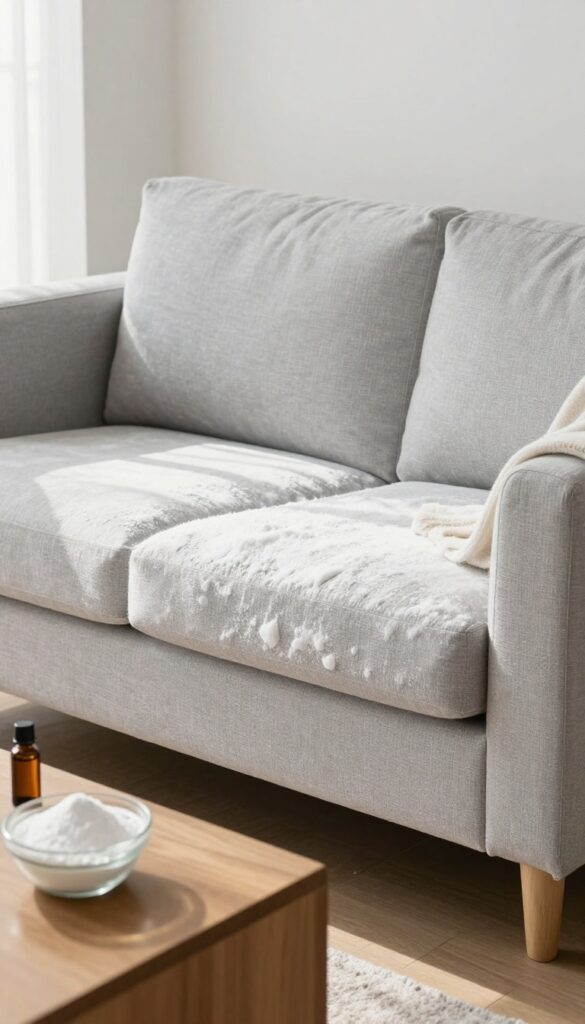
Over time, couches pick up smells from daily life—cooking odors, pet smells, and just general living. Fabric holds onto these odors, and air fresheners only mask them. Baking soda is a natural deodorizer that absorbs smells without adding any chemicals.
Baking soda works by neutralizing odor molecules rather than covering them up. It's safe for most fabrics and won't damage the material. This method is especially effective for freshening up a couch between deep cleans or after a spill has been treated.
How To Apply Baking Soda
Start by vacuuming the couch to remove loose dirt and crumbs. Then, sprinkle a generous, even layer of baking soda over the entire surface, including the back and armrests. For extra odor-fighting power, you can add a few drops of essential oil to the baking soda and mix it well before sprinkling.
Let it sit for at least 15–30 minutes, or longer for stronger odors. Finally, vacuum thoroughly using the upholstery attachment to remove all the powder.
Tips For Best Results
Don't skip the vacuuming step—leftover baking soda can feel gritty and may attract moisture. For pet odors, focus on areas where your pet sleeps. If the couch has removable cushion covers, you can treat them separately.
Repeat this process every few weeks to keep your couch smelling fresh.
10. Steam Clean for a Deep Refresh
Sometimes your couch just needs a reset—not a spot treatment, but a full refresh. Steam cleaning is a powerful way to sanitize fabric, loosen embedded dirt, and revive flattened fibers. It's especially effective for high-traffic areas or when odors linger despite regular vacuuming.
You don't need to buy a heavy machine. Handheld steam cleaners work well for smaller jobs, and you can rent an upholstery steamer for a whole-couch session. The key is using distilled water to avoid mineral deposits and keeping the fabric damp, not soaked.
Prep The Couch First
Before you steam, vacuum every inch—crevices, armrests, and under cushions. Loose dirt turns into mud when wet. Check the care tag to confirm your fabric can handle steam.
Most cotton, polyester, and microfiber blends are fine, but delicate fabrics like velvet or silk may not be.
Steam In Slow Passes
Hold the steamer head a few inches from the fabric and move it slowly. Fast passes won't transfer enough heat to kill bacteria or lift grime. Let the steam penetrate for a few seconds, then move on.
Overlap each pass slightly to avoid streaks.
Avoid Over-wetting At All Costs
Too much moisture can lead to mold, mildew, or water stains. Use the steamer's low setting first, and never saturate the fabric. After steaming, let the couch dry completely—open windows or run a fan.
If cushions are removable, stand them on edge to speed drying.
11. Use Rubbing Alcohol for Ink Stains
Ink stains from a stray pen or marker can feel permanent, but rubbing alcohol often lifts them right out. The key is to act quickly and blot—never rub—to avoid spreading the ink deeper into the fabric. This trick works on most couch fabrics, but a quick test in a hidden spot is always smart.
Rubbing alcohol breaks down the oils and dyes in ink, making it one of the most effective stain fighters for fabric couches. It's cheap, easy to find, and safe for most upholstery as long as you use it correctly. Just remember to dab gently and give the alcohol a few seconds to work before blotting away the ink.
Why Rubbing Alcohol Works So Well
Ink is typically oil-based or alcohol-based, and rubbing alcohol dissolves both types. It penetrates the fabric fibers and lifts the stain without the harsh scrubbing that can damage the material. This makes it a go-to for ballpoint pen, marker, and even some printer ink stains.
Step-by-step Application
Start by blotting the stain with a dry cloth to remove any excess ink. Dip a cotton ball or clean cloth in rubbing alcohol (70% or higher is best) and gently dab the stain, working from the outside in. Let it sit for 30 seconds, then blot with a clean, dry cloth.
Repeat until the stain lifts, then rinse with a damp cloth and let air dry.
Important Precautions
Always test rubbing alcohol on a hidden area first—like under a cushion or on the back of the couch—to make sure it doesn't discolor or damage the fabric. Avoid pouring alcohol directly onto the couch; use a cotton ball or cloth to control the application. For delicate fabrics like velvet or silk, consider a professional cleaner instead.
12. Freeze Chewing Gum with Ice Cubes
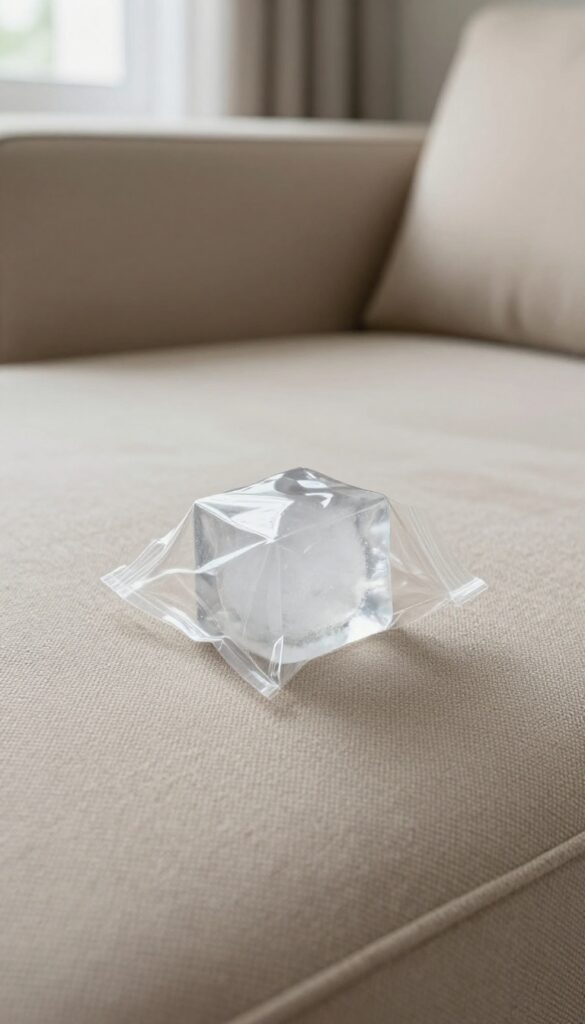
Chewing gum stuck to your couch fabric is annoying, but don’t panic. The heat from your hands or the sun only makes it worse. Instead, grab some ice cubes and a plastic bag to freeze the gum solid.
Once it’s brittle, it’ll scrape right off without leaving a sticky mess.
Why Freezing Works Best
Gum is designed to be sticky and flexible at room temperature. When you freeze it, the polymers become hard and brittle, losing their adhesion. This makes it easy to remove without smearing or pushing the gum deeper into the fabric fibers.
Step-by-step Removal
Place a few ice cubes in a sealable plastic bag and lay it directly over the gum. Wait 10-15 minutes until the gum is rock hard. Then, use a dull knife or a plastic scraper to gently pry the gum off the fabric.
Work from the edges toward the center to avoid tearing the fibers.
Tackling Leftover Residue
After scraping, you might see a faint sticky spot. Dab a cotton ball with rubbing alcohol and blot the residue. Test on an inconspicuous area first.
The alcohol dissolves the remaining stickiness without damaging most fabrics. Blot with a clean cloth until the residue is gone.
13. Treat Chocolate Stains with Dish Soap and Water
Chocolate stains are a common couch crisis, especially if you love snacking while watching TV. The good news is that chocolate is actually one of the easier stains to remove, as long as you act quickly and use the right technique. Dish soap and water are your best friends here—they break down the oils and sugars without damaging the fabric.
Start by scraping off any excess chocolate with a dull knife or spoon. Be gentle so you don't push the stain deeper into the fibers. Blot the area with a dry paper towel to absorb as much as possible.
Then mix a few drops of dish soap with a cup of cool water. Dip a clean cloth into the solution, wring it out well, and blot the stain. Work from the outside inward to prevent spreading.
Rinse the area by blotting with a damp cloth (no soap), then press dry with a towel. If a greasy mark remains, repeat the process. Let the fabric air dry completely.
Why Dish Soap Works On Chocolate
Chocolate contains cocoa butter, which is a fat. Dish soap is designed to cut through grease, making it perfect for lifting oily residues. The water helps dissolve the sugar and other water-soluble parts.
Together, they tackle both components of the stain effectively.
Avoid Rubbing—blot Instead
Rubbing a chocolate stain can grind it into the fabric fibers, making it much harder to remove. Always blot gently with a clean cloth or paper towel. Blotting lifts the stain out rather than pushing it in.
What If The Stain Is Old Or Dried?
For set-in chocolate stains, first scrape off any crusty bits. Apply a small amount of dish soap directly to the stain and let it sit for 5 minutes. Then blot with a damp cloth.
You may need to repeat a few times. If the stain persists, try a commercial upholstery cleaner, but always test in an inconspicuous area first.
14. Remove Blood Stains with Cold Water Only
Blood stains on your couch can be alarming, but they're actually one of the easiest to remove if you act fast. The key is to use cold water—never hot, which cooks the protein and locks the stain in for good. A gentle blotting motion is all you need to lift fresh blood from most fabric types.
For dried blood, start by scraping off any crusty residue with a dull knife or spoon. Then apply cold water directly to the stain and blot with a clean white cloth. Repeat until the stain fades.
If the fabric is light-colored and the stain persists, a small amount of hydrogen peroxide can help—but always test on a hidden area first.
Why Hot Water Makes It Worse
Blood contains proteins that coagulate when heated, similar to cooking an egg. Hot water or heat from a dryer will set the stain permanently. Always stick to cold water, and avoid using a steam cleaner or iron on the spot until the stain is completely gone.
Hydrogen Peroxide For Stubborn Marks
For light-colored fabrics, hydrogen peroxide can break down remaining blood pigments. Dampen a cotton ball with 3% hydrogen peroxide and dab the stain gently. Let it bubble for a few seconds, then blot with a damp cloth.
Rinse with cold water and repeat if needed. Never use bleach or harsh chemicals.
15. Clean Microfiber with Rubbing Alcohol and a Brush
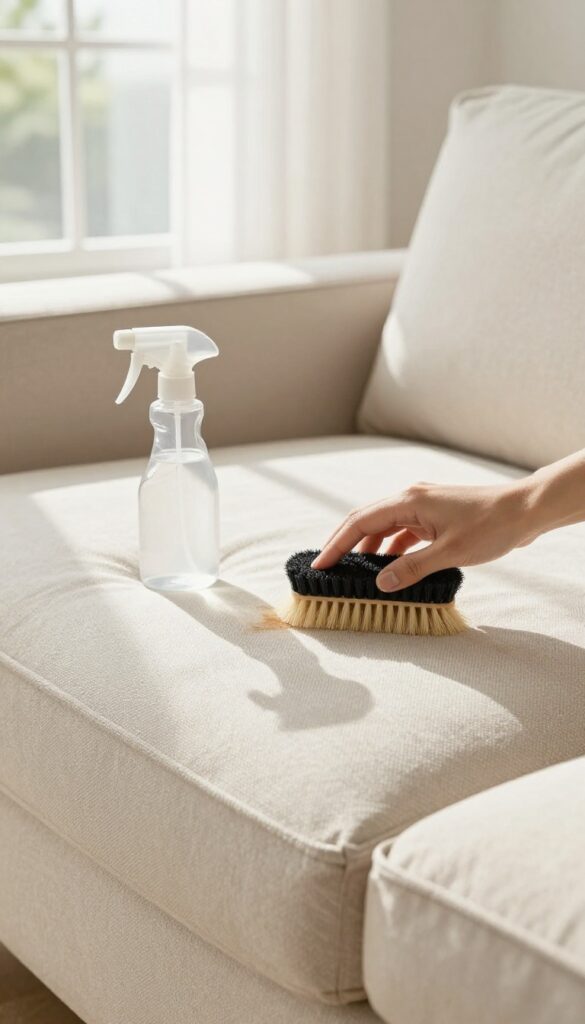
Microfiber is a popular couch fabric because it's soft and durable, but it can be tricky to clean. Water-based cleaners often leave marks or make the texture stiff. Rubbing alcohol is the secret weapon for this material.
Rubbing alcohol evaporates quickly, so it won't soak into the fibers and cause water stains. It's also a great degreaser and disinfectant. For best results, test a hidden spot first to ensure the color stays fast.
Why Rubbing Alcohol Works
Isopropyl alcohol is a solvent that breaks down oils and grime without saturating the fabric. It dries fast, which prevents mold or mildew. Plus, it's safe for most microfiber colors when used correctly.
Step-by-step Cleaning
First, blot any excess liquid from the stain. Pour a small amount of rubbing alcohol into a spray bottle and mist the stained area lightly. Use a soft brush (like a toothbrush) to scrub gently in circular motions.
The dirt will lift and the alcohol will evaporate. Finally, wipe with a dry microfiber cloth to remove any residue.
Drying And Fluffing
After cleaning, let the fabric air dry completely. Once dry, use a soft brush to restore the texture. Microfiber can sometimes look flattened after cleaning, but brushing brings back that plush feel.
16. Use a Lint Roller for Pet Hair and Dust
A lint roller isn't just for your clothes—it's a secret weapon for couch maintenance. Those sticky sheets grab pet hair, crumbs, and surface dust in seconds, keeping your fabric looking tidy between deeper cleans. Keep one stashed in the couch-side drawer or end table.
That way, you can do a quick pass whenever you notice fuzz or fur building up. It's especially handy if you have a shedding pet or kids who snack on the sofa.
Why Lint Rollers Work So Well
The adhesive on a lint roller is strong enough to lift embedded pet hair and fine dust from fabric without damaging the fibers. Unlike a vacuum, which can sometimes push debris deeper, the roller pulls it off the surface. It's also quieter and more portable—perfect for spot cleaning during a movie or while talking on the phone.
Best Practices For Maximum Pickup
For the best results, roll in one direction and use firm, even pressure. Overlap each pass slightly so you don't miss spots. If the sheet gets full, tear it off and start a fresh layer.
For larger areas, consider a reusable lint roller with a washable adhesive surface—it's more eco-friendly and cost-effective over time.
When To Use A Lint Roller Vs. A Vacuum
Use a lint roller for quick daily touch-ups on visible areas like seat cushions and armrests. Reserve the vacuum for weekly deep cleaning, especially on crevices and under cushions. The roller is also great for removing surface dust before applying a fabric refresher or stain treatment.
17. Fluff Cushions Regularly to Maintain Shape
Your couch cushions take the brunt of daily sitting, and over time they can lose their shape and support. Fluffing them regularly is a simple habit that keeps your sofa looking plump and feeling comfortable. It also helps prevent permanent indentations and extends the life of your upholstery.
Why Fluffing Matters
Cushions filled with foam, fiber, or down tend to compress with use. Fluffing redistributes the filling, restoring loft and evenness. This prevents sagging and keeps the fabric from creasing in the same spots, which can lead to wear and tear.
How To Fluff Different Fill Types
For foam cushions, simply flip and rotate them weekly. For fiber or down-filled cushions, give them a good punch and shake to redistribute the filling. You can also put them in the dryer on no heat with a couple of tennis balls to fluff them up.
When To Rotate And Flip
Aim to rotate and flip cushions every week or two. If you have reversible cushions, flip them over to even out wear. For non-reversible cushions, rotate them front to back and side to side.
This simple routine keeps your couch looking fresh for years.
18. Spot Clean with White Vinegar and Water
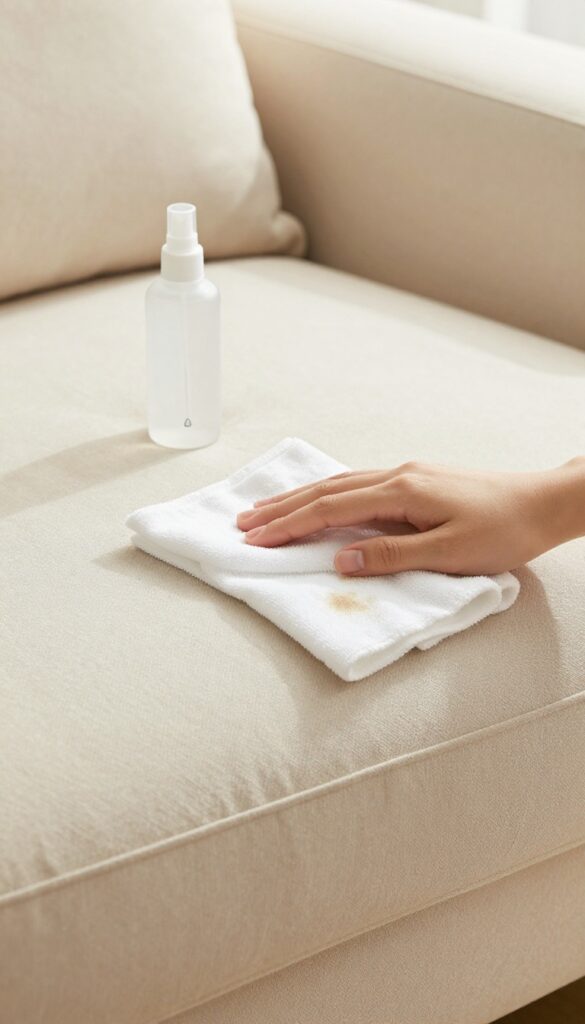
White vinegar is a powerhouse when it comes to tackling couch stains and odors. It's gentle enough for most fabrics but strong enough to break down grime and bacteria. This simple DIY solution can handle everything from food spills to pet accidents without harsh chemicals.
To make the solution, mix equal parts white vinegar and water in a spray bottle. Shake gently to combine. Always test on a hidden area first to ensure the fabric is colorfast.
Lightly mist the stained area—don't soak it. Blot with a clean, dry cloth, working from the outside in to prevent spreading. After blotting, dampen a fresh cloth with plain water and blot again to remove any vinegar residue.
Let the area air dry completely. The vinegar smell will dissipate as it dries, leaving your couch fresh and stain-free.
Why Vinegar Works So Well
Vinegar is acidic, which helps dissolve alkaline-based stains like coffee, tea, and soda. It also neutralizes odors by balancing pH levels. Plus, it's a natural disinfectant, so it kills bacteria that cause smells without toxic fumes.
Best Fabrics For This Method
This solution works well on cotton, linen, polyester, and most synthetic blends. Avoid using it on silk, wool, or delicate fabrics that might react to the acid. Always check your couch's care tag before proceeding.
Tips For Stubborn Stains
For dried or set-in stains, let the vinegar solution sit for 5–10 minutes before blotting. You can also add a drop of dish soap to boost cleaning power. Rinse thoroughly with water afterward to prevent any sticky residue.
19. Use a Fabric Shaver to Remove Pilling
Over time, your couch fabric can develop those little fuzzy balls called pills. They make the surface look worn and tired, even if the cushions are still in great shape. A fabric shaver is a simple tool that can restore that smooth, like-new texture in minutes.
Fabric shavers work by gently trimming the pills without cutting into the fabric itself. They're especially effective on cotton, polyester blends, and microfiber. For best results, lay the couch cushion flat and move the shaver in light, circular motions.
Empty the lint chamber frequently to keep the blades working efficiently.
Choose The Right Shaver
Not all fabric shavers are created equal. Look for one with adjustable height settings so you can match the fabric's thickness. A shaver with a large head covers more area quickly, while a smaller head is better for tight spots like armrests.
Test On An Inconspicuous Area
Before going all in, test the shaver on a hidden spot like the back of the couch or under a cushion. This ensures the fabric can handle the blades without snagging or thinning. Start on the lowest setting and increase if needed.
Maintain Your Shaver
Keep the blades clean and sharp for the best performance. Most shavers come with a small brush to remove lint buildup. Replace the blade or head as recommended by the manufacturer—usually every few months if you use it regularly.
20. Keep Couches Away from Direct Sunlight
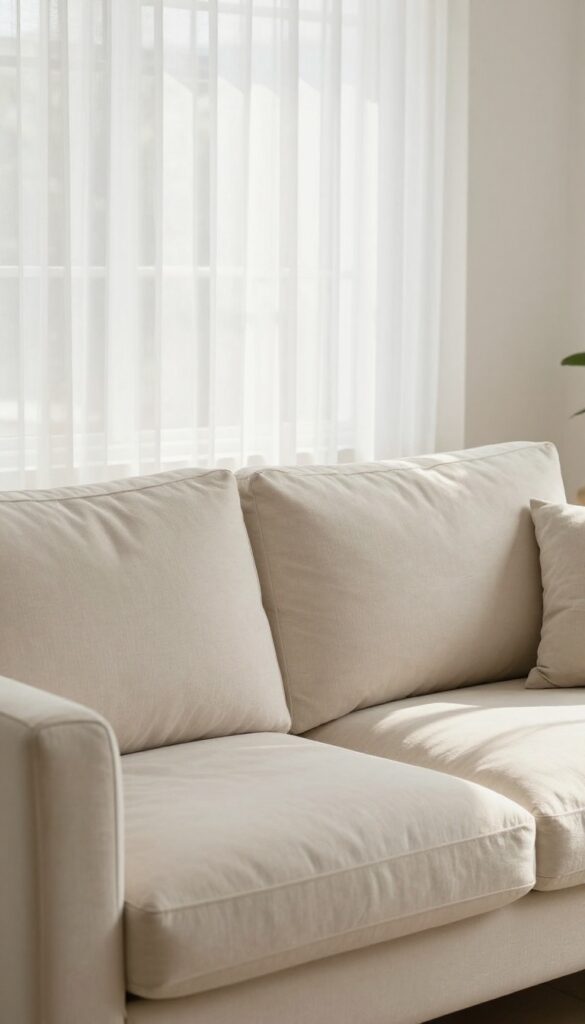
Sunlight does more than warm up a room—it slowly damages your couch fabric. UV rays break down fibers and cause colors to fade, leaving your couch looking tired long before its time. A little prevention goes a long way in preserving that fresh look.
Direct sunlight is one of the most common culprits behind faded, worn-out upholstery. The sun's UV rays weaken fabric fibers, causing them to become brittle and lose color. Over months and years, this damage is irreversible.
The good news? You can easily protect your couch with a few simple adjustments.
Use Curtains Or Blinds During Peak Hours
The sun is strongest between 10 a. m. and 4 p. m. During these hours, draw curtains or lower blinds to block direct light from hitting your couch. Sheer curtains can diffuse light while still letting brightness in, but blackout curtains offer the best protection.
If you have multiple windows, focus on the ones that face south or west—they get the most intense sunlight.
Rearrange Furniture To Avoid Sunbeams
Sometimes the simplest fix is moving the couch. If your current layout puts the couch directly in a sunbeam, try rotating it or shifting it to a shadier spot. Even moving it a few feet away from the window can make a big difference.
Just be mindful of the room's flow and keep the couch away from radiators or heating vents too—heat accelerates fading.
Apply Uv-protective Window Film
For a more permanent solution, consider adding UV-blocking film to your windows. These films are affordable, easy to install, and can block up to 99% of UV rays without darkening the room. They also help regulate indoor temperature, which is a nice bonus.
Just make sure the film is removable if you're renting.
21. Apply a Fabric Protector Spray
You've put in the work to get your couch clean—now keep it that way. Fabric protector sprays create an invisible barrier that helps liquids bead up and wipe away before they soak in. Think of it as insurance against the next inevitable spill.
How Fabric Protectors Work
Most fabric protectors contain fluoropolymers that bond to the fibers, creating a hydrophobic shield. When something spills, the liquid sits on top rather than penetrating deep into the cushion. This gives you precious extra seconds to blot it up before a stain sets.
Choosing The Right Product
Look for a protector labeled safe for your couch's fabric type. Scotchgard is a classic choice, but there are eco-friendly options like ForceField or Vectra. Always test on a hidden area first to make sure it doesn't darken or stiffen the fabric.
Application Tips For Best Results
Clean the couch thoroughly before applying—protector seals in dirt and stains if you skip this step. Hold the can 6–8 inches away and spray in an even, sweeping motion. Apply two thin coats rather than one heavy layer, letting each dry completely between applications.
When To Reapply
Fabric protector wears off over time, especially on high-use spots like armrests and seat cushions. Plan to reapply every three to six months, or right after a deep cleaning. If water no longer beads up on the surface, it's time for a fresh coat.
22. Use a Steam Iron for Wrinkles (with Caution)
Wrinkles on your couch fabric can make even a clean sofa look tired and messy. Instead of ignoring them, you can use a steam iron to smooth things out—but you have to be careful. Not all fabrics handle heat well, so a little caution goes a long way.
If your couch fabric allows, use a steam iron on a low setting to remove wrinkles. Hold the iron a few inches away and steam, then brush the fabric smooth.
Check The Fabric Label First
Before you even plug in the iron, look at the care tag on your couch. Some fabrics like cotton and linen can handle steam, but synthetic blends or delicate materials might melt or warp. If the tag says "do not iron" or "low heat only, " skip this method entirely.
When in doubt, test on a hidden area first.
Keep The Iron At A Safe Distance
Never press the iron directly onto the fabric. Hold it about 4 to 6 inches away and release short bursts of steam. Let the steam penetrate the fibers for a few seconds, then use your hand or a soft brush to gently smooth the area.
Move slowly across the wrinkled section, and avoid over-saturating the fabric.
Brush While The Fabric Is Damp
Right after steaming, the fibers are pliable. Use a clean, soft-bristled brush or a microfiber cloth to gently stroke the fabric in one direction. This helps reset the weave and removes any remaining creases.
Let the area air dry completely before sitting on it.
23. Call a Professional for Stubborn Stains or Delicate Fabrics
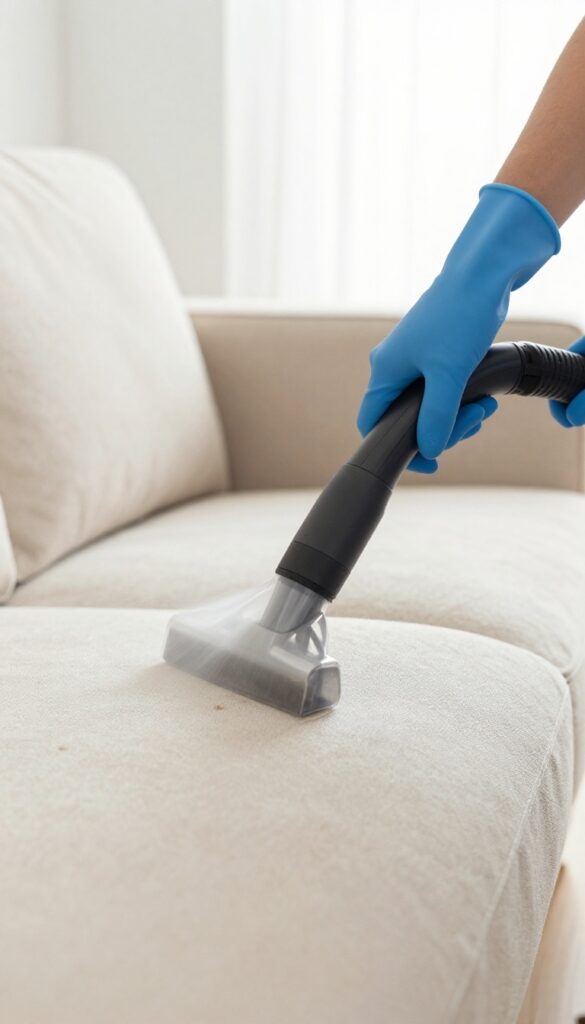
Sometimes, no matter how hard you try, that stain just won't budge—or you're too nervous to scrub that antique silk cushion. That's when it's time to bring in the pros. Professional cleaners have the tools and training to handle even the trickiest couch fabrics without causing damage.
Professional cleaning isn't just for emergencies. It's also a smart way to extend the life of your couch. Experts use specialized equipment like hot water extraction and gentle solvents that lift deep-seated dirt without harming fibers.
Plus, they can identify your fabric type and choose the safest method, which is especially important for delicate materials like velvet, silk, or wool. For heavily soiled couches—say, years of pet accidents or smoke residue—professional deep cleaning can restore the fabric's color and texture. It's an investment that often costs less than replacing the couch.
Many companies also offer stain protection treatments afterward, making future spills easier to clean.
When To Call A Pro
If you've tried spot cleaning and the stain remains, or if the fabric is labeled "W" (water-based cleaning only) or "S" (solvent-only), it's safer to hire a professional. Also, call a pro for antique or heirloom couches, large areas of mold or mildew, or if you're unsure about the fabric type.
What To Expect From Professional Cleaning
Most pros start with a fabric inspection to test for colorfastness and choose the right cleaning solution. They'll vacuum thoroughly, pre-treat stains, then use a machine to inject cleaning solution and extract dirt. Finally, they'll dry the couch with fans or air movers to prevent mold.
The whole process usually takes a few hours, and you can sit on it again within a day.
How To Choose A Reliable Cleaner
Look for companies certified by the Institute of Inspection, Cleaning and Restoration Certification (IICRC). Read reviews, ask about their experience with your fabric type, and get a written estimate. Avoid cleaners that promise to remove every stain—some marks are permanent, and a good pro will be honest about that.
FAQ
Can I use bleach on couch fabric?
Bleach is too harsh for most upholstery and will likely discolor or damage the fabric. Stick to mild dish soap, vinegar, or enzymatic cleaners. Always test first.
How often should I clean my couch?
Vacuum weekly and spot clean spills immediately. Deep clean every 6–12 months, depending on usage and whether you have pets or kids.
What does the cleaning code on my couch mean?
W = water-based cleaner only; S = solvent-based cleaner only; WS = either water or solvent; X = vacuum only, no liquid cleaners.
Can I machine wash couch cushion covers?
Only if the care tag says removable and machine washable. Even then, use cold water, gentle cycle, and air dry to prevent shrinkage.
How do I get rid of musty smells from my couch?
Sprinkle baking soda over the fabric, let it sit for a few hours, then vacuum. For persistent odors, try an enzymatic cleaner or steam cleaning.
Conclusion
Keeping your couch clean doesn't require expensive products or endless effort. With these 23 tips, you can handle everything from daily dust to stubborn stains. A little regular care goes a long way in preserving both the look and comfort of your sofa.
Remember to always check the care tag and test new cleaners on a hidden spot. Your couch will thank you with years of cozy, fresh seating. Happy cleaning!