15 Traditional Living Room Decor Ideas That Work in Small Spaces
Traditional style doesn't need a sprawling floor plan to shine. In fact, some of the most charming classic details actually help a small living room feel more grounded and intentional. Think cozy symmetry, warm wood tones, and furniture that earns its square footage.
The key is choosing traditional elements that pull double duty—adding character without crowding the room. A tufted ottoman can serve as a coffee table and extra seating. A wingback chair tucks neatly into a corner while creating a cozy reading nook.
These 15 ideas prove that traditional decor isn't just for grand homes. With a little planning, you can bring timeless warmth and elegance into even the coziest living room.
1. Wainscoting That Adds Height Without Bulk
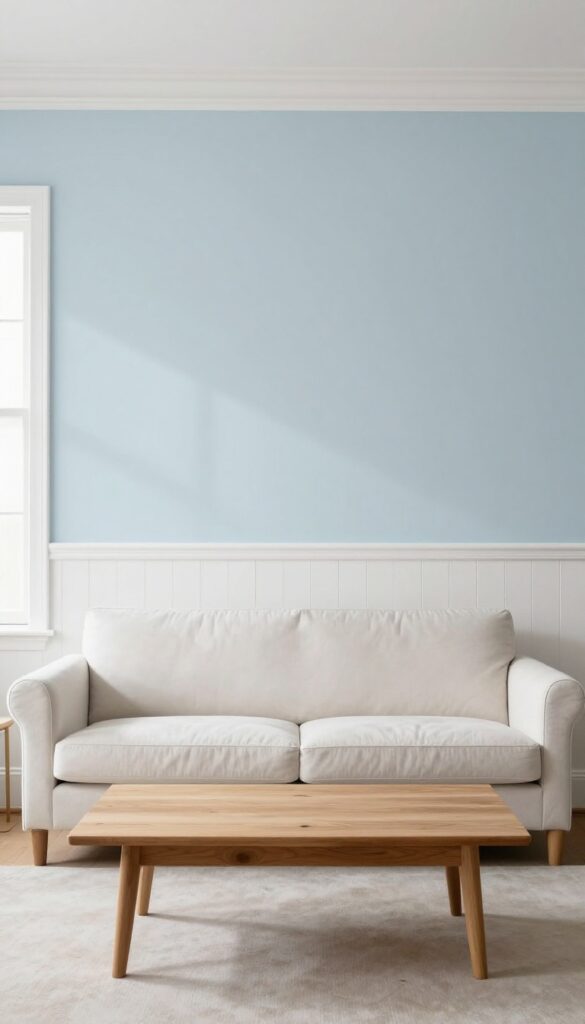
Wainscoting is one of those classic details that instantly adds character, but it doesn't have to make a room feel heavy or closed in. When done right, it actually makes walls look taller and the whole space feel more open. The trick is using it on the lower half of the wall—usually around one-third to one-half the height—and keeping the upper portion light and airy.
This approach gives you all the traditional texture without eating up floor space or making the room feel smaller.
Wainscoting draws the eye upward, making walls feel taller. Use beadboard or flat panels on the lower half of the wall, then paint the upper portion a light, airy color. This adds traditional texture without taking up any floor space.
Best Materials
Beadboard is a classic choice for a cottage or farmhouse feel, while flat panels with clean lines work better for a more formal or modern traditional look. MDF is budget-friendly and easy to paint, but real wood offers more durability and a higher-end finish. For a small space, stick with smooth, simple profiles to avoid visual clutter.
Color Strategy
- Keep the wainscoting white or off-white for maximum contrast and airiness. Then choose a soft, light color for the upper wall—think pale blue, warm gray, or creamy beige. This combination makes the ceiling feel higher and the room more spacious.
- Avoid dark colors on the upper wall, as they can make the space feel closed in.
Small-space Fix
- In a tight living room, install wainscoting only on the wall opposite the main seating area. This creates a focal point without overwhelming the room. Pair it with a slim console table and a mirror above to reflect light and visually expand the space.
- Keep furniture away from the wainscoted wall to let the paneling shine.
2. A Symmetrical Sofa Layout That Anchors the Room
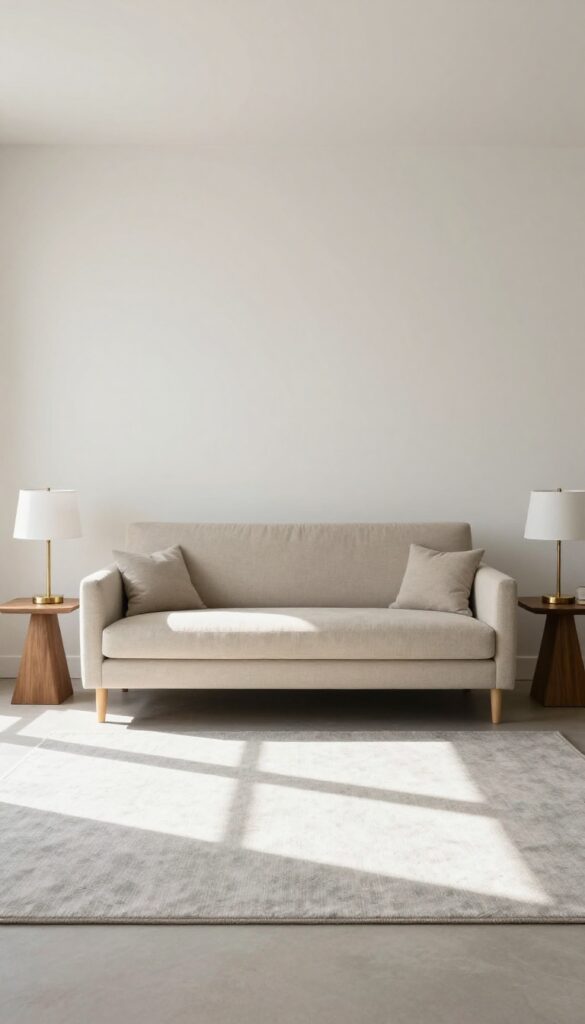
Centering your sofa on the longest wall creates an instant focal point, especially in a small living room where every piece needs to earn its spot. Flanking it with matching end tables and lamps reinforces that balanced look, making the space feel orderly and intentional without trying too hard. This classic symmetry works wonders in tight footprints because it visually expands the room by creating a clear, grounded center.
Start by positioning your sofa squarely in the middle of the longest wall, leaving equal space on either side. Then place identical end tables next to each arm, topped with matching lamps. The repetition draws the eye outward, making the room feel wider and more spacious.
For a small space, choose slim tables and lamps with narrow shades to keep the proportions light. This layout not only anchors the room but also makes traffic flow smoother since there's a clear path around the seating area.
Best Colors
Stick with a neutral sofa in a light beige, warm gray, or soft cream to keep the room airy. Then add contrast with darker end tables in walnut or black. The lamps can have brass or matte black bases with white or linen shades to tie the look together without adding visual weight.
Small-space Fix
If your room is extra tight, skip the coffee table and use a pair of small nesting tables between the sofa and TV stand. They can be pulled out when needed and tucked away to keep the floor clear. Also, choose end tables with open shelves or a lower tier for storing magazines or remotes without clutter.
Finishing Touch
Add a rectangular rug that extends at least 6 inches beyond the sofa on each side. This defines the seating zone and makes the symmetry feel deliberate. A low-pile rug in a subtle pattern or solid tone works best for small spaces because it doesn't compete with the clean lines of the layout.
3. Wingback Chairs That Tuck Into Corners
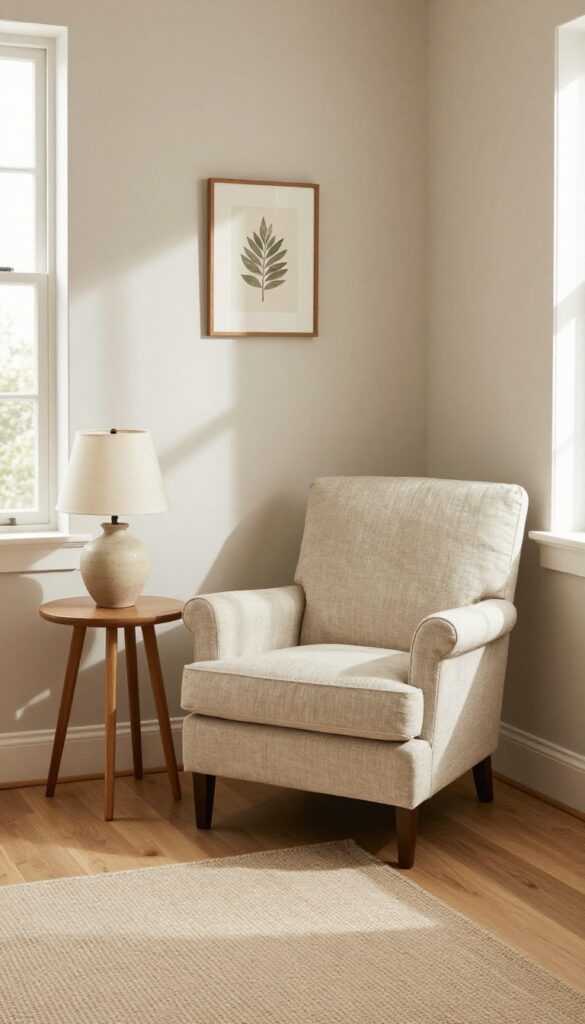
Corners in a living room often end up as awkward dead zones—too small for a full seating arrangement, but too big to ignore. A wingback chair solves that problem beautifully. Its tall, winged back draws the eye upward, making the corner feel intentional and cozy rather than forgotten.
Plus, the chair itself is a classic piece that adds instant traditional charm without taking up much floor space.
Wingback chairs are traditional icons that fit beautifully in tight spots. Place one in an empty corner with a small side table and a reading lamp. The high back adds vertical interest, and the chair itself becomes a cozy nook.
This setup works especially well in small living rooms where every square inch counts. The chair's compact footprint leaves room for other furniture, while its presence anchors the corner and gives the room a finished look.
Best Colors And Fabrics
- For a small-space-friendly approach, choose a wingback chair in a light or medium tone—think linen in oatmeal, soft blue, or muted sage. These colors keep the corner from feeling heavy. If you want a bolder look, go with a deep navy or charcoal velvet; the richness adds drama without overwhelming the space.
- Patterned fabrics like a small-scale floral or subtle plaid work well too, as long as the pattern isn't too busy.
Layout Tip
Angle the chair slightly toward the center of the room rather than squaring it off perfectly with the walls. This creates a more inviting, conversational feel and makes the corner feel connected to the rest of the living room. Pair it with a slim side table—round is best to avoid sharp edges—and a floor lamp that arches over the chair for focused reading light.
Finishing Touch
Add a small throw pillow in a contrasting texture, like a chunky knit or a velvet square, to make the chair extra inviting. A folded throw blanket draped over one arm completes the look and gives the corner a lived-in, cozy vibe. Keep accessories minimal so the chair remains the star.
4. A Tufted Ottoman That Doubles as Storage
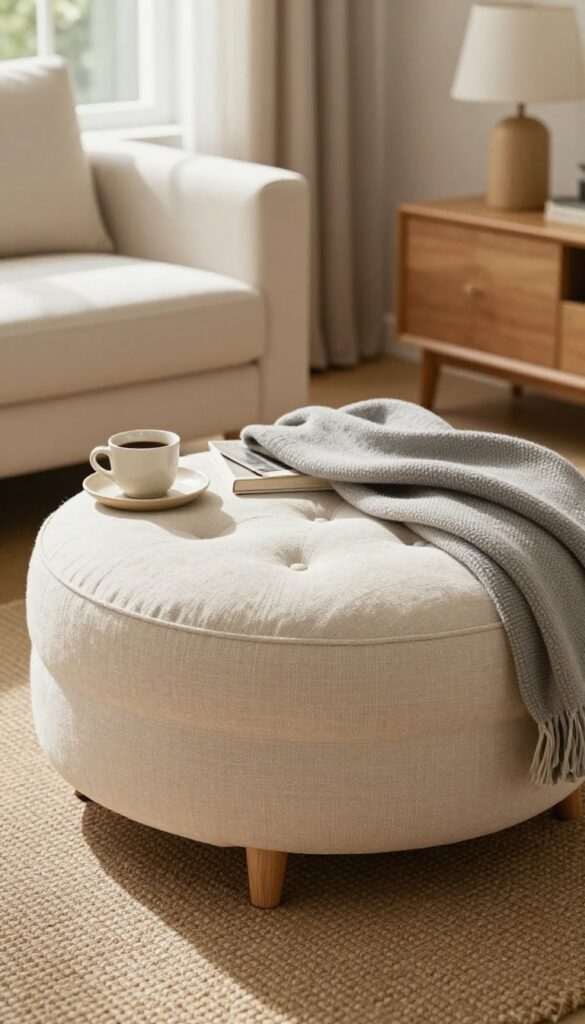
In a small living room, every piece of furniture needs to earn its spot. That’s where a tufted ottoman with hidden storage comes in—it pulls triple duty as a coffee table, extra seating, and a clutter-hiding hero. The classic button-tufted top keeps the look refined and traditional, so you get function without sacrificing style.
It’s the kind of smart, space-saving piece that makes a room feel bigger and more organized instantly.
A tufted storage ottoman is a traditional workhorse that adapts to your needs. Place it in front of the sofa as a coffee table—just add a tray for drinks or books. When guests arrive, it becomes extra seating.
The hinged lid lifts to reveal a spacious interior perfect for stashing blankets, throw pillows, remotes, or magazines. This keeps the room tidy and visually calm, which is especially important in tighter spaces. Choose a neutral fabric like linen or velvet in beige, navy, or charcoal to blend seamlessly with your existing decor.
Best Colors And Fabrics
Stick with classic hues that won’t fight for attention: warm ivory, soft gray, or deep navy work well. Velvet adds a touch of luxury, while linen keeps it casual and breathable. For durability, look for performance fabrics that resist stains and wear—especially if the ottoman doubles as a footrest or seat.
Small-space Styling Tip
- To keep the room from feeling cramped, choose an ottoman with a slim profile and tapered legs. This creates visual lightness and makes the piece easy to move. Place it on a small rug that anchors the seating area without overwhelming the floor.
- A round ottoman can also soften the layout and improve traffic flow in tight spots.
Storage Strategy
- Use the interior to store items you reach for often but want out of sight. Baskets or fabric bins inside can keep smaller items organized. Rotate seasonal throws or extra pillows in and out as needed.
- Avoid overfilling—leave some room so the lid closes easily and the ottoman stays functional.
5. Crown Molding That Frames the Ceiling
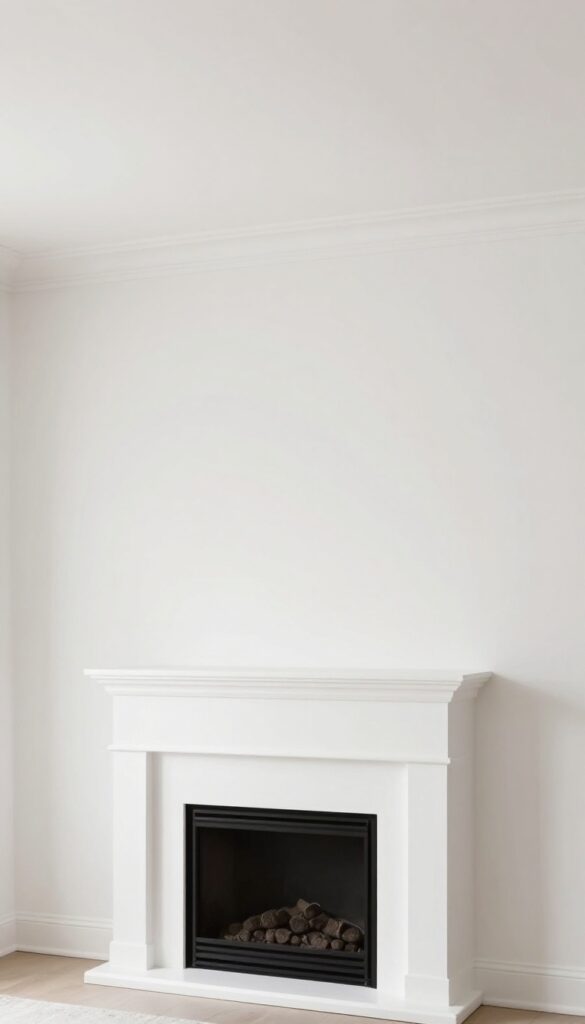
Crown molding is one of those details that instantly makes a room feel more polished and intentional. In a small living room, the trick is to keep the profile slim and the color seamless so it adds architectural interest without weighing things down. When painted the same shade as the ceiling, it visually lifts the room and creates a clean, finished look that feels both classic and modern.
This approach works especially well in spaces with standard eight-foot ceilings, where bulky trim can feel oppressive. By choosing a simple, low-profile crown molding and matching it to the ceiling color, you draw the eye upward and make the room feel taller. It's a subtle upgrade that delivers a lot of impact for the investment, and it pairs beautifully with other traditional details like wainscoting or a classic fireplace mantel.
Best Materials
- For a small-space-friendly option, go with lightweight polyurethane or PVC crown molding. These materials are easy to install, resist moisture, and take paint well. They also come in pre-primed versions, so you can skip the heavy sanding and priming steps.
- If you prefer wood, choose a simple pine profile and paint it to match your ceiling for a seamless finish.
Small-space Fix
In a compact living room, keep the crown molding profile under three inches tall. A slim cove or ogee shape adds just enough detail without overwhelming the walls. For an extra visual lift, extend the molding a few inches down the wall and paint that strip the same color as the ceiling—this creates a faux tray ceiling effect that makes the room feel more spacious.
Finishing Touch
Once the molding is installed, caulk all seams and corners for a smooth, professional look. Paint the molding and ceiling together using a flat or matte finish to minimize glare and keep the focus on the room's furnishings. Add a single picture light or a row of recessed lights to gently highlight the crown molding and enhance the sense of height.
6. A Chesterfield Sofa in a Compact Scale
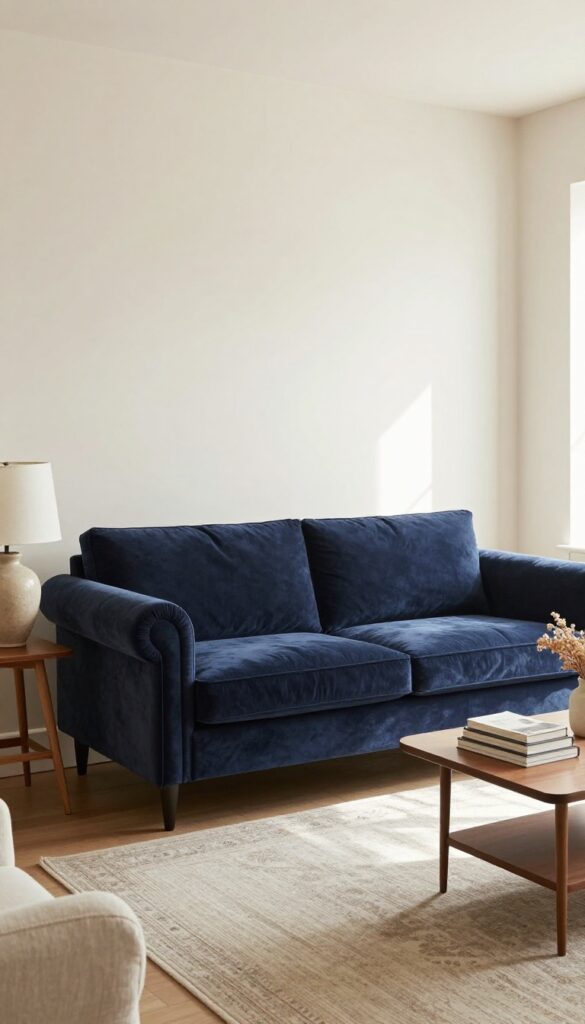
Chesterfield sofas are the gold standard of traditional living room style, but their full-size versions can easily overwhelm a small space. The trick is to scale it down without losing the iconic details. A loveseat or apartment-sized Chesterfield keeps the rolled arms, deep tufting, and classic silhouette, just in a footprint that actually fits your room.
It’s a smart way to bring that timeless, clubby feel into a cozy layout without sacrificing floor space or flow.
When you choose a compact Chesterfield, you’re not compromising on character. The tufted back and rolled arms still anchor the room with a sense of heritage, but the smaller size leaves room for other furniture and makes the space feel open. Look for a version with slim, tapered legs rather than a heavy skirt—it lifts the visual weight and makes the sofa appear even less bulky.
Pair it with a streamlined coffee table or a pair of petite side chairs to keep the scale balanced. The result is a traditional look that feels intentional, not cramped.
Best Colors And Fabrics
- Stick with classic Chesterfield materials to keep the traditional vibe intact. Velvet in deep navy, forest green, or rich burgundy feels luxe and timeless, while a neutral linen or cotton blend in cream or gray offers a lighter, more airy look. If you want durability, a performance velvet or a tightly woven tweed works well for everyday use.
- Avoid oversized patterns or bright neons—they can make the sofa feel busy and cheapen the traditional aesthetic.
Layout Tip
- Place the compact Chesterfield against a wall or floating slightly into the room with a slim console table behind it. This defines the seating area without blocking pathways. In a small living room, angle the sofa toward a fireplace or media unit to create a natural focal point.
- Leave at least 18 inches between the sofa and coffee table so the space doesn’t feel tight. If the room is narrow, skip a coffee table and use a small side table or a pair of nesting tables instead.
Finishing Touch
Add a lumbar pillow in a contrasting texture—like a chunky knit or a patterned velvet—to break up the tufting and add a layer of comfort. A lightweight throw draped over one arm softens the formal lines and makes the sofa feel more inviting. Keep accessories minimal so the Chesterfield remains the star of the room.
7. Built-In Bookshelves That Use Vertical Space
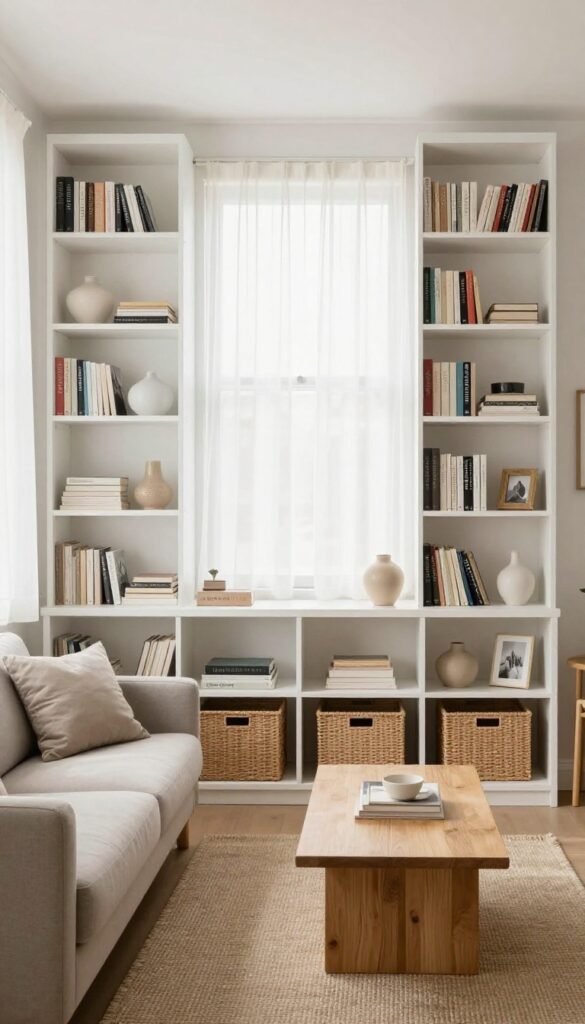
Floor-to-ceiling built-in bookshelves bring a traditional library feel into any living room, and they're a game-changer for small spaces. By drawing the eye upward, they make the ceiling feel higher while offering serious storage for books, decor, and everyday clutter. The key is to keep them from feeling heavy—paint them the same color as the wall to blend in, or choose a light wood tone that keeps the room airy.
Built-ins are a classic detail that instantly adds character and a sense of permanence. In a small living room, they maximize every inch of wall space without eating into the floor plan. Use a mix of open shelves and closed cabinets to balance display with hidden storage.
Style them with books stacked both vertically and horizontally, interspersed with a few curated decor pieces like ceramic vases or framed photos. Baskets on lower shelves corral blankets, toys, or electronics, keeping the look tidy. The vertical lines created by the shelves naturally lift the eye, making the room feel taller and more spacious.
Small-space Layout Tip
If your living room is tight, flank a window or a sofa with two narrow built-in units rather than covering an entire wall. This creates symmetry and a focal point without overwhelming the room. Keep the shelves shallow—12 inches deep is plenty for most books and decor—so they don't jut too far into the room.
Best Colors For A Seamless Look
Paint the built-ins the same color as the walls to make them recede visually. White, soft gray, or a muted blue-green works beautifully. If you want contrast, go with a dark navy or charcoal for a moody, library-like vibe, but balance it with light wall colors elsewhere.
Shelf Styling Tip
- Avoid overcrowding. Leave some negative space so each item breathes. Group books by color for a cohesive look, or mix in small plants and art for texture.
- Use matching baskets on the bottom shelves to hide clutter—this keeps the overall look intentional and calm.
8. A Persian-Style Runner That Defines the Seating Area
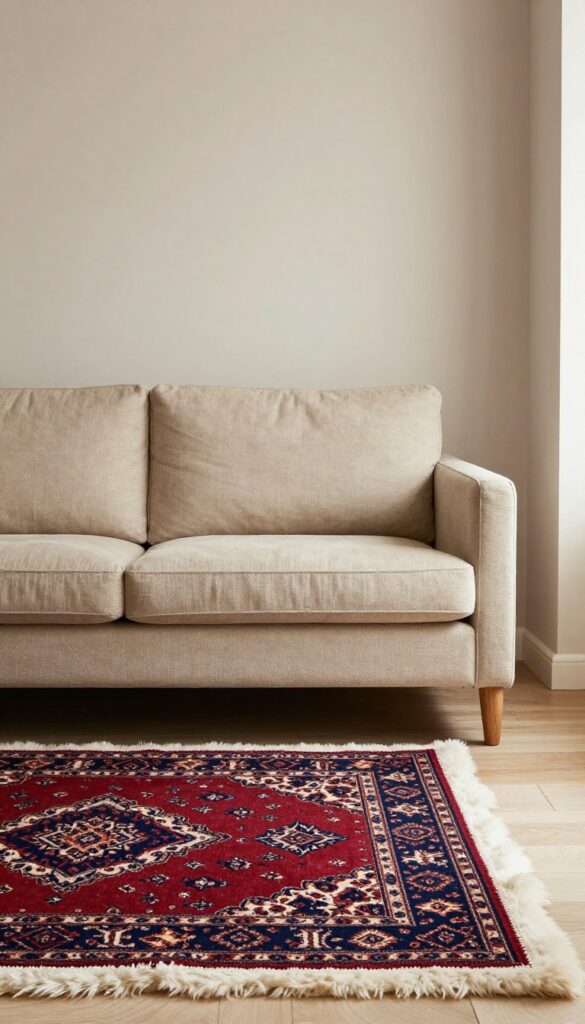
A narrow Persian-style runner can define the seating area without covering the entire floor. Place it lengthwise in front of the sofa. The intricate pattern adds warmth and tradition, while the smaller size keeps the room from feeling crowded.
It's a smart choice for smaller living rooms where a large area rug might overwhelm the space.
In a traditional living room, a Persian-style runner is a classic choice that brings pattern and color without dominating the room. By running it parallel to the sofa, you create a visual anchor for the seating arrangement. The runner's narrow width means it won't compete with other floor elements, and its intricate design adds a layer of sophistication that feels both timeless and intentional.
Best Colors
Opt for deep reds, navy blues, or rich golds to keep the traditional feel. These colors work well with neutral walls and wood furniture. If your room already has a lot of color, choose a runner with a softer palette like cream and sage to avoid visual clutter.
Small-space Fix
In a compact living room, a runner is a space-saving alternative to a full rug. It defines the seating area without cutting off the flow of the room. Make sure the runner extends at least 6 inches beyond the sofa on each side to ground the furniture properly.
Finishing Touch
Layer a small sheepskin or flatweave rug at the entryway of the seating area to add texture. This creates a subtle transition and makes the runner feel intentional rather than like a leftover piece.
9. Brass Accents That Add Warmth Without Weight
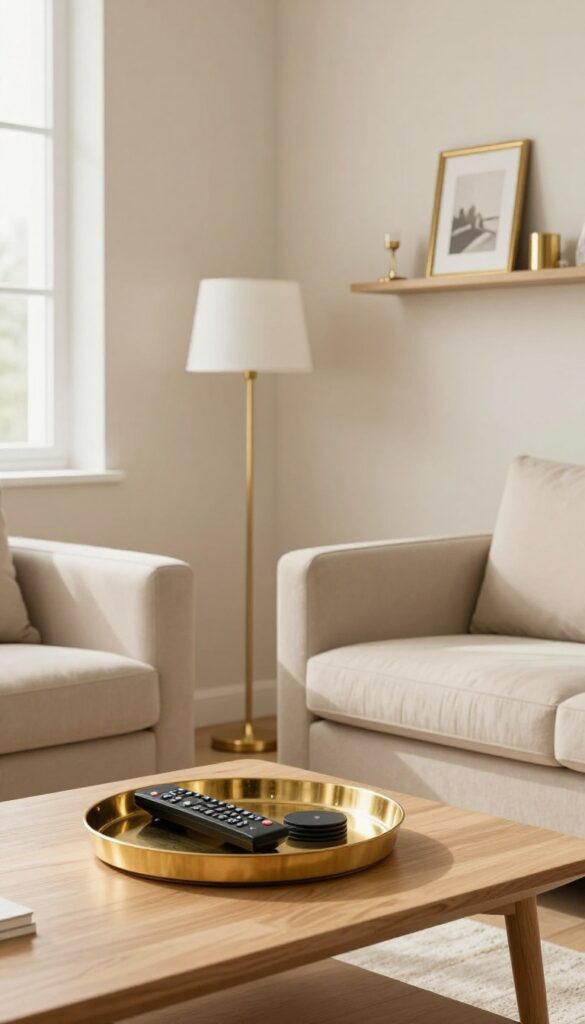
Brass has a way of making a room feel collected and intentional without shouting for attention. In a small living room, it’s especially valuable because a little goes a long way. A single brass floor lamp or a set of brass drawer pulls can shift the whole mood from flat to warm, all without taking up any extra floor space or visual clutter.
The key is to use brass sparingly—think of it as jewelry for your room. A brass tray on the coffee table holds remotes and coasters while adding a subtle gleam. Brass picture frames on a shelf catch the light and tie back to the lamp or hardware.
Because brass is reflective, it bounces light around the room, making the space feel brighter and more open. Stick to one or two finishes so the look stays cohesive, and let the brass stand out against darker or neutral backgrounds for maximum impact.
Best Placement
Focus brass accents on surfaces that already get natural or artificial light. A brass floor lamp next to a sofa, a brass mirror above a console, or brass candlesticks on a mantel all catch light and spread it. Avoid clustering too many brass pieces together—spread them out so each one has room to shine.
Small-space Fix
If your living room is tight on square footage, swap heavy wood or dark metal pieces for brass versions. A slim brass floor lamp takes up less visual weight than a chunky wooden one. Brass drawer pulls on a console or media unit add warmth without adding bulk, keeping the room feeling airy and uncluttered.
Finishing Touch
Choose unlacquered brass if you want a patina that develops over time—it adds character and a lived-in feel. For a more polished look, go with lacquered brass that stays shiny. Either way, mix brass with natural textures like linen, wool, or wood to keep the warmth grounded and avoid a cold, metallic vibe.
10. A Pedestal Table That Serves as a Slim Console
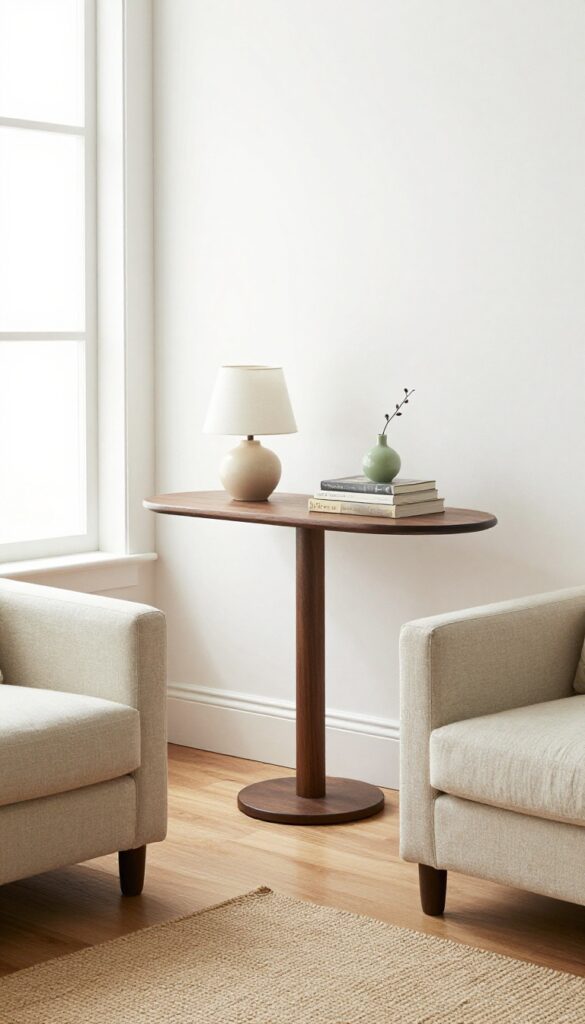
Sometimes the best furniture pieces are the ones that don't hog all the attention. A pedestal table with a narrow top is one of those quiet heroes—it slides into tight spots, offers a landing zone for your everyday essentials, and does it all without visually weighing down the room. The single central support leaves plenty of legroom, making it feel airy even when placed behind a sofa or against a wall.
It's a smart choice for small-space living rooms where every inch counts, and it brings a touch of classic elegance without the bulk of a traditional console.
This slim console alternative works wonders in narrow entryways, behind a sofa, or even as a petite desk in a corner. Its compact footprint means you can tuck it into spots where a full console would feel cramped. Style it with a table lamp, a stack of your favorite books, and a small vase for a vignette that feels curated but not cluttered.
The key is to keep the top simple—let the table's clean lines shine.
Best Materials
Look for a pedestal table in wood for warmth, metal for an industrial touch, or a marble top for a hint of luxury. A dark wood finish like walnut or mahogany adds richness, while a painted white or light oak keeps things fresh and airy. The pedestal base can be turned or carved for extra character, but a sleek, smooth column works best in modern-traditional blends.
Small-space Fix
Place the table behind a sofa that's floating in the room, not pushed against the wall. This creates a defined walkway and gives you a surface for drinks or decor without blocking traffic. If your sofa is against the wall, use the pedestal table in an entryway or a hallway—anywhere a full console would be too deep.
Styling Tip
Keep the styling minimal to avoid a cluttered look. A single table lamp with a fabric shade, a small stack of books, and a ceramic vase with a few stems is all you need. The pedestal's slim profile means any item placed on it becomes a focal point, so choose pieces that have meaning or visual interest.
11. Floor-Length Curtains That Create Height
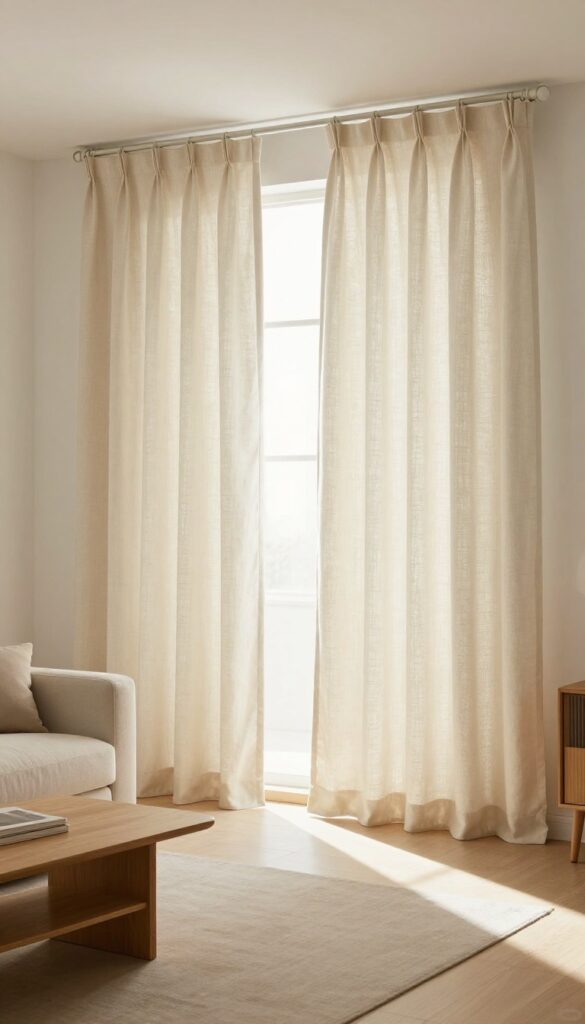
In a small living room, every visual trick counts. Floor-length curtains are one of the easiest ways to make a room feel taller and more spacious without knocking down walls. By hanging the rod close to the ceiling and letting the fabric kiss the floor, you draw the eye upward and create an illusion of grandeur.
The key is choosing a light, airy fabric like linen in a neutral tone—this keeps the look fresh and prevents the drapes from weighing down the space.
Floor-to-ceiling curtains are a classic detail that works wonders in compact living rooms. They add softness, frame windows beautifully, and make the ceiling feel higher. For the best effect, mount the curtain rod just a few inches below the ceiling and extend it past the window frame to make the window appear wider.
Let the fabric pool slightly on the floor for a relaxed, elegant touch. Stick with light neutrals like cream, beige, or soft gray to keep the room feeling open and bright.
Best Fabrics For A Light Look
- Linen and cotton blends are your best friends here. They drape well, breathe easily, and add texture without being heavy. Avoid thick velvet or dark brocades in a small space—they absorb light and make the room feel smaller.
- A medium-weight linen in oatmeal or ivory strikes the perfect balance between structure and softness.
Hardware Hack: Extend The Rod
To make windows look larger, choose a curtain rod that extends at least 6 to 12 inches beyond the window frame on each side. This allows the curtains to stack outside the window when open, maximizing natural light. A simple metal rod in brushed nickel or matte black adds a subtle modern touch that won't compete with the fabric.
Small-space Styling Tip
If your living room has radiators or built-in shelves below the window, opt for curtains that end just above the sill instead of pooling on the floor. This keeps the look intentional and avoids a cluttered feel. Pair with a sheer underlayer for privacy without blocking light.
12. A Mirrored Coffee Table That Reflects Light
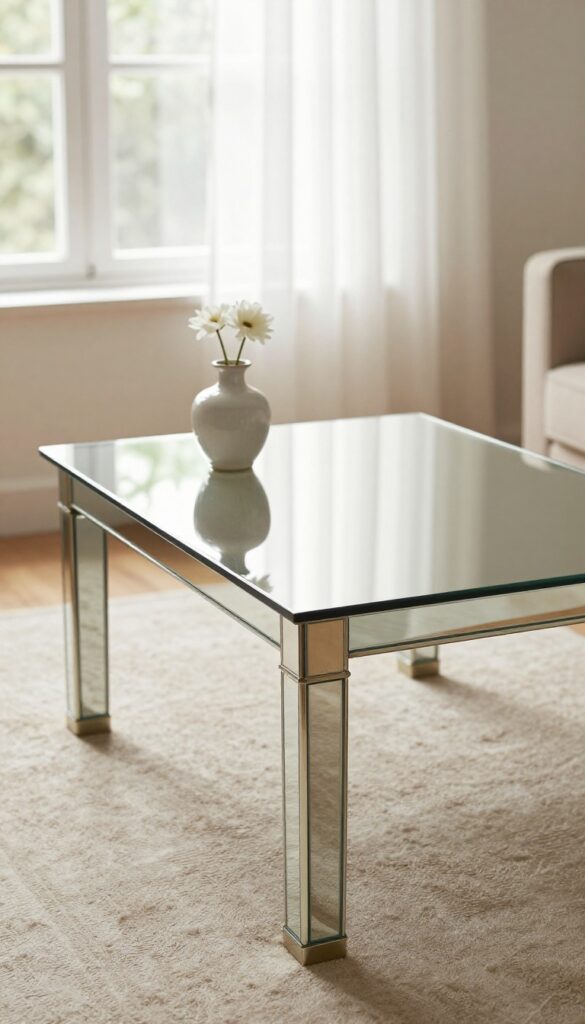
A mirrored coffee table is a classic piece that pulls double duty: it adds a dose of traditional glamour while visually opening up the room. The reflective surface bounces natural and artificial light around, making the space feel brighter and more spacious. It's an especially smart pick for smaller living rooms, where every trick to create an airy feel counts.
Keep the tabletop mostly clear to let the mirror effect shine—just a small tray or a single vase is enough to keep it from feeling bare.
A mirrored coffee table brings a refined, polished touch to a traditional living room without overwhelming the space. Its reflective surface works like an extra window, amplifying light and making the room feel larger than it is. This is a go-to move for anyone working with a compact layout—it adds visual depth without taking up extra square footage.
To keep the effect strong, resist the urge to pile on decor. A few carefully chosen items, like a stack of coffee table books or a simple candle, are all you need. The real star is the table itself, so let it breathe.
Small-space Fix
- In a tight living room, a mirrored coffee table can be a game-changer. It creates the illusion of more floor space by reflecting the room back at itself. Pair it with a light-colored rug and sheer curtains to maximize the airy feel.
- Just be mindful of what's across from it—a cluttered view will only double the mess. Keep the surrounding area tidy and the tabletop minimal.
Best Materials
- Look for a coffee table with a beveled mirror top and a sturdy wood or metal base. A silver or gold leaf frame adds traditional elegance, while a darker base like espresso or black provides contrast. Avoid tables with thin, cheap-looking frames—they can make the piece feel less substantial.
- A solid base also helps anchor the reflective top so it doesn't look too floaty.
Styling Tip
- Less is more when styling a mirrored table. A single sculptural object, like a ceramic vase or a glass cloche, creates a focal point without clutter. If you want to add books, stack them neatly off to one side.
- And always use coasters—the mirrored surface shows every fingerprint and water ring. A quick wipe with glass cleaner keeps it sparkling.
13. A Chinoiserie Screen That Hides Clutter
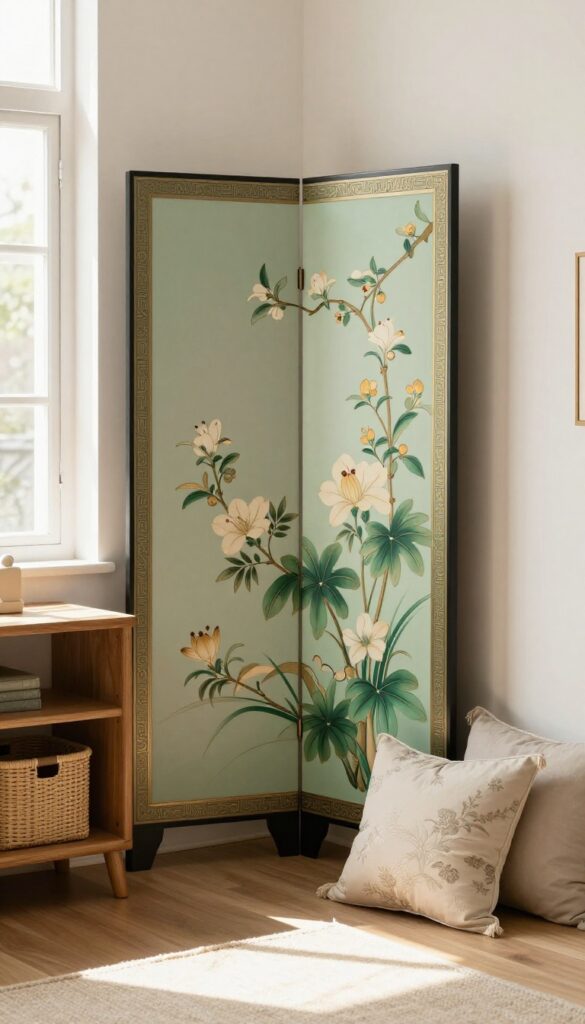
A folding chinoiserie screen is one of those pieces that does double duty without trying too hard. It tucks away a small desk or a stack of storage bins in a corner, so your living room stays tidy and serene. The hand-painted floral or landscape motifs bring in that classic artistry without feeling fussy.
And when you don't need it, just fold it flat and lean it against a wall—it becomes art all on its own.
This idea works especially well in a small living room where every square foot counts. Instead of letting a corner become a catch-all, place a screen in front of it. Behind the screen, you can stash a compact desk for paying bills or a few baskets holding extra throws and magazines.
The screen becomes a beautiful focal point that draws the eye, while the mess stays hidden. Choose a screen with a light background and delicate patterns to keep the space feeling airy, or go for darker lacquered tones for a more dramatic look.
Best Colors & Finishes
For a traditional living room, stick with classic chinoiserie colors: soft celadon green, ivory, or pale blue backgrounds with gold or dark brown detailing. A black lacquer screen with gold motifs adds a touch of formality. If your room leans more casual, a lighter wood frame with pastel florals keeps things fresh.
Small-space Placement
Place the screen in a corner that's visible from the main seating area—this way it becomes a design feature, not just a cover-up. Angle it slightly so it doesn't block natural light. Behind it, use a slim console table or a set of nesting tables to maximize function without adding bulk.
Styling The Screen Itself
- Don't let the screen stand alone. Lean a tall houseplant next to it, like a fiddle-leaf fig or a bamboo palm, to soften the edges. A small stool or a stack of books in front of the screen can create a vignette that feels intentional.
- If the screen has multiple panels, leave one slightly ajar to hint at what's behind—it adds mystery.
14. A Crystal Chandelier That Draws the Eye Up
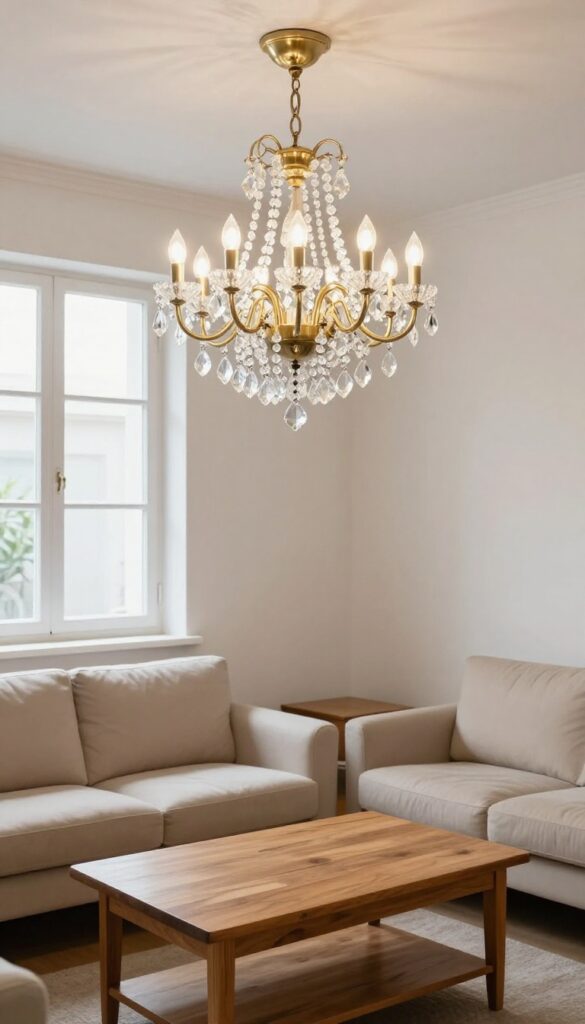
You don’t need a grand foyer to enjoy the elegance of a crystal chandelier. A smaller-scale version brings that same refined sparkle to a compact living room without overwhelming the space. Hanging it lower—say, above a coffee table or in a cozy corner—creates an intimate focal point that makes the room feel taller and more polished.
The way light dances off the crystals adds a soft, airy glow that balances out heavier furniture.
In a small living room, a mini crystal chandelier does double duty: it adds traditional charm and visually lifts the ceiling. Choose one with clear crystals and a metallic finish like brushed brass or nickel to keep the look light. Hang it about 30 to 36 inches above a coffee table or low console so it feels intentional, not overwhelming.
The reflective surfaces catch natural and artificial light, making the space feel brighter and more open. Pair it with simple, solid-colored furniture so the chandelier stays the star.
Best Scale And Placement
For a small living room, look for a chandelier that’s 16 to 24 inches in diameter. Hang it low—around 30 inches above a coffee table—so it feels like a deliberate design choice rather than an afterthought. If your room has a corner seating area, try placing it there to define the zone without eating up floor space.
Finishing Touch
Install a dimmer switch to control the chandelier’s brightness. Soft, warm light (around 2700K) makes the crystals sparkle without being harsh. Consider LED bulbs with a candelabra base for an energy-efficient, traditional look.
15. A Tray on the Ottoman That Keeps Things Organized
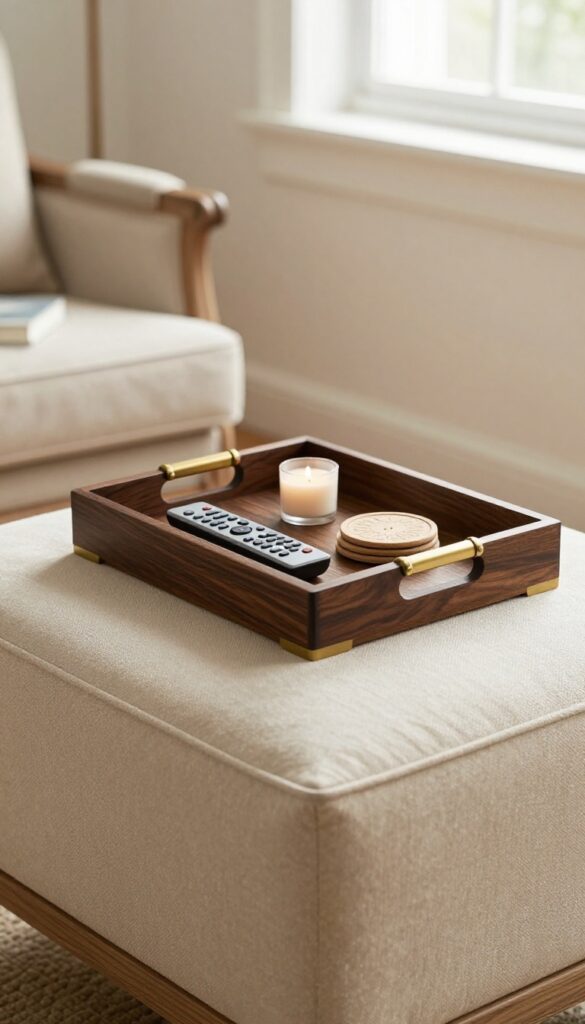
An ottoman or coffee table often becomes a dumping ground for remotes, coasters, and magazines. Adding a decorative tray instantly corrals those items into a neat arrangement, giving your living room a more polished look without any major effort. It’s a small-space-friendly trick that works in any traditional room, keeping surfaces tidy while adding a layer of classic charm.
Choose a tray with brass handles or a classic pattern to complement your traditional decor. Place it in the center of your ottoman or coffee table, then group a few essentials like a remote caddy, a small candle, and a coaster set. The tray defines the space and prevents items from spreading out, making the whole setup feel intentional.
For small living rooms, this simple addition keeps the visual clutter low and the style high.
Best Materials
Wood trays with turned edges or metal trays with an antique brass finish work beautifully in traditional spaces. A lacquered tray in a deep navy or forest green adds a subtle pop of color. Avoid overly modern materials like acrylic or chrome, which can clash with classic details.
Small-space Fix
If your ottoman doubles as storage, place the tray off-center so you can still lift the lid easily. Use the tray to hold only the items you use daily—remotes, a coaster, and a small vase—and store extras inside the ottoman. This keeps the surface functional without sacrificing style.
Finishing Touch
Add a small stack of books or a single ceramic object to one corner of the tray for visual balance. A tiny plant or a decorative box can also work, but keep the grouping to three items max to maintain that tidy, curated feel.
FAQ
Can traditional decor work in a very small living room?
Absolutely. The key is choosing classic details that don't overwhelm the space—like slim crown molding, a compact Chesterfield sofa, or a tufted ottoman with storage. Traditional style is about quality and intention, not size.
What colors work best for a traditional small living room?
Light neutrals like cream, soft gray, and pale blue keep the room airy. Add warmth with wood tones, brass accents, and a touch of deep color (like navy or forest green) in small doses—such as throw pillows or a single accent chair.
How do I add traditional details without making the room feel cluttered?
Focus on a few key pieces—like a wingback chair, a Persian-style runner, or built-in shelves. Keep surfaces clean and use storage solutions like a tufted ottoman or a chinoiserie screen to hide clutter. Less is more in small spaces.
What type of lighting is best for a traditional small living room?
Layer lighting with a mix of ambient, task, and accent. A small chandelier or a brass floor lamp provides ambient light. Table lamps on end tables offer task lighting.
Use dimmers to adjust the mood and make the room feel cozy.
Can I mix traditional decor with modern pieces?
Yes, mixing styles adds personality. Pair a traditional Chesterfield sofa with a sleek modern coffee table, or hang a crystal chandelier over a minimalist rug. The contrast keeps the room from feeling too formal or dated.
Conclusion
Traditional living room decor doesn't require a mansion to feel right at home. By choosing classic details that are scaled for smaller spaces—like a tufted ottoman, a wingback chair, or a slim console—you can create a room that feels both timeless and comfortable.
The beauty of traditional style lies in its attention to craft and comfort. With these 15 ideas, you can bring that warmth and elegance into your own cozy living room, one thoughtful detail at a time.