13 Small Guest Room Ideas With Space-Savvy Styling Tricks
A tiny guest room doesn't have to mean sacrificing comfort or style. With the right space-savvy tricks, you can turn even the most cramped corner into a cozy retreat that feels twice its size. The key is choosing furniture that multitasks and storage that hides in plain sight.
From fold-down desks to built-in headboard nooks, these 13 ideas maximize every inch without making the room feel cluttered. Each one is practical, budget-friendly, and easy to pull off in a weekend.
Ready to give your spare room a serious upgrade? Let's get started.
1. Wall-Mounted Fold-Down Desk
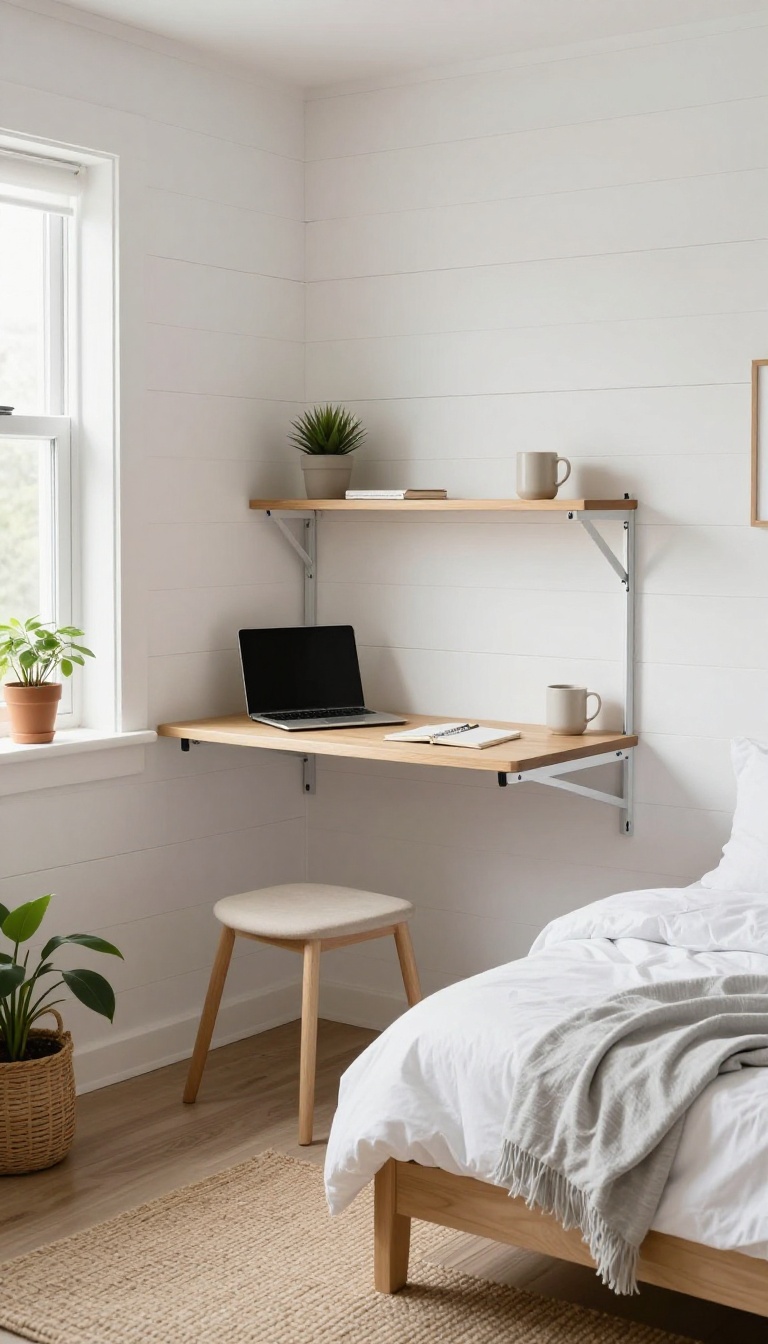
A guest room often doubles as a home office or hobby space, but a bulky desk can swallow the floor area you need for a bed and walking room. A wall-mounted fold-down desk solves that by providing a sturdy work surface when you need it and vanishing when you don't. It's a simple swap that makes the room feel more open and flexible.
Fold-down desks are the ultimate space-saving furniture for small guest rooms. They attach directly to the wall, so there are no legs to trip over or corners to bump into. When closed, they look like a slim cabinet or a piece of art, taking up just a few inches of depth.
When open, they offer a comfortable spot for guests to check email, plan a trip, or get a bit of work done. The best part? You can install one in an afternoon with basic tools.
Choose a model with a built-in shelf or cubby for storing a laptop, notepad, and pens, so everything you need is within arm's reach. This way, the desk doesn't just save space—it also keeps the room tidy and organized.
Pick The Right Size And Style
Before you buy, measure the wall space you have. A desk that's too wide will overwhelm the room, while one that's too narrow might not be practical. Look for a fold-down desk that's at least 24 inches deep when open, so there's enough room for a laptop and a coffee mug.
Style-wise, choose a finish that matches your existing furniture—white for a clean look, wood for warmth, or a bold color to make it a focal point.
Install It Securely
Since the desk will hold weight, you need to mount it into wall studs, not just drywall. Use a stud finder to locate the studs, and mark the spots before drilling. If you're not comfortable with tools, hire a handyman—it's a quick job.
Once it's up, give it a gentle shake to make sure it's sturdy. You'll want it to feel solid when someone is leaning on it while typing.
Style It For Dual Purpose
When the desk is folded down, it's a workspace. When it's folded up, it should blend in with the room's decor. Add a small mirror above it to make the area feel larger, or hang a piece of art that you can easily move.
Keep a few decorative items on the shelf, like a small plant or a stack of books, so it doesn't look bare. This way, the desk works as both a functional feature and a design element.
2. Daybed with Trundle
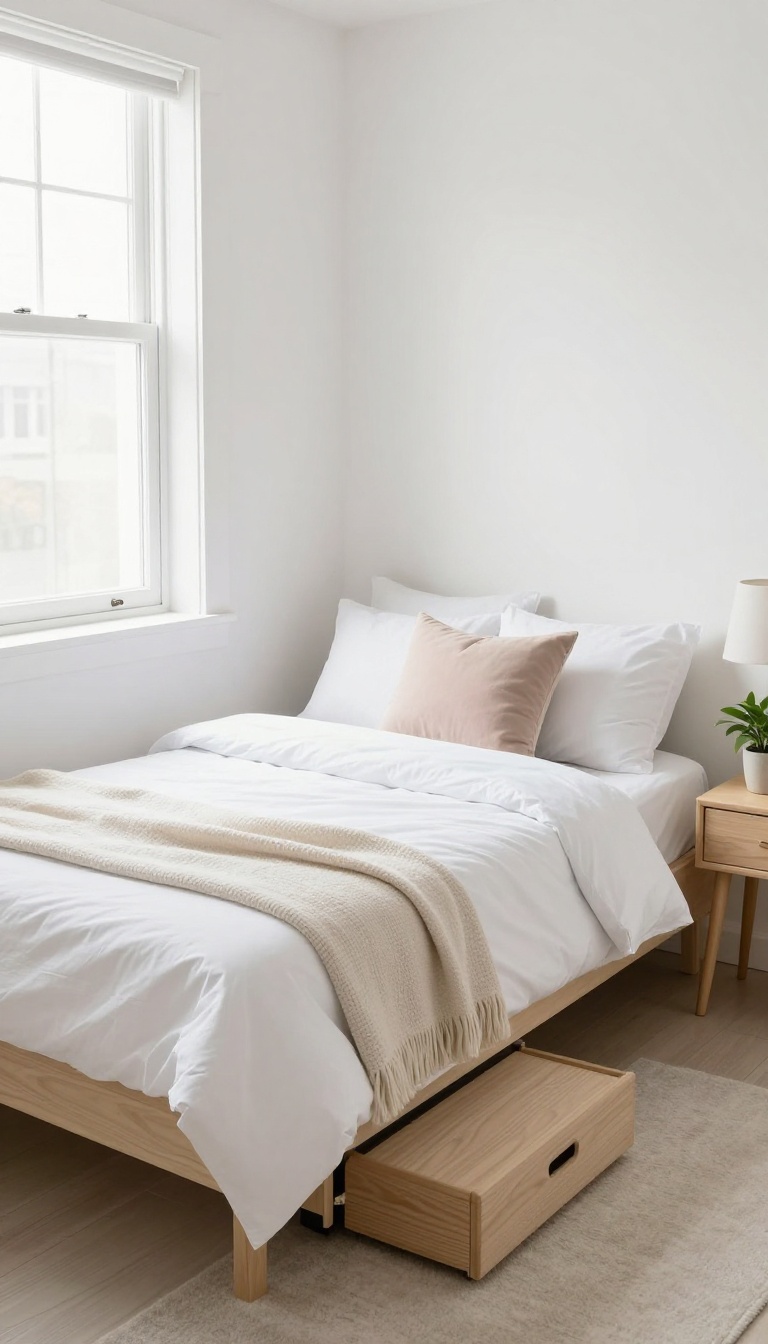
A daybed with a pull-out trundle is the ultimate space-saver for a guest room. It gives you a comfy spot to lounge during the day and two separate beds at night, all without taking up extra floor space. Whether you're hosting a friend or a couple, this setup makes the room work harder without feeling cramped.
The beauty of a daybed is its versatility. During the day, it acts as a sofa, perfect for reading, napping, or just having a quiet corner. When guests arrive, the trundle slides out to reveal a second mattress, turning the room into a proper sleeping space.
This dual-purpose design means you don't need a bulky sofa bed or an extra chair, freeing up valuable square footage.
Pick The Right Trundle Style
Not all trundles are created equal. A pop-up trundle lifts the second mattress to the same height as the main bed, so both sleepers get an even, comfortable surface. A standard pull-out trundle sits lower, which some guests might find less cozy.
If you have the budget, a pop-up version is worth the extra cost—it feels more like a real bed and is easier to get in and out of.
Maximize Storage With Built-in Drawers
Many daybeds come with drawers built into the base, which is a game-changer for small rooms. Use them to store extra pillows, blankets, or even off-season clothes. This hidden storage keeps the room tidy and clutter-free, so your guest space always looks neat.
If your daybed doesn't have drawers, consider adding a storage bench at the foot or using baskets underneath.
Style It For Dual Purpose
To make the daybed feel like a sofa during the day, pile it with throw pillows and a soft blanket. At night, just remove the pillows and pull out the trundle. Choose bedding that's easy to switch up—like a duvet that can double as a throw.
Add a small side table and a lamp, and you've got a cozy reading nook that transforms into a guest bed in minutes.
3. Floating Nightstands
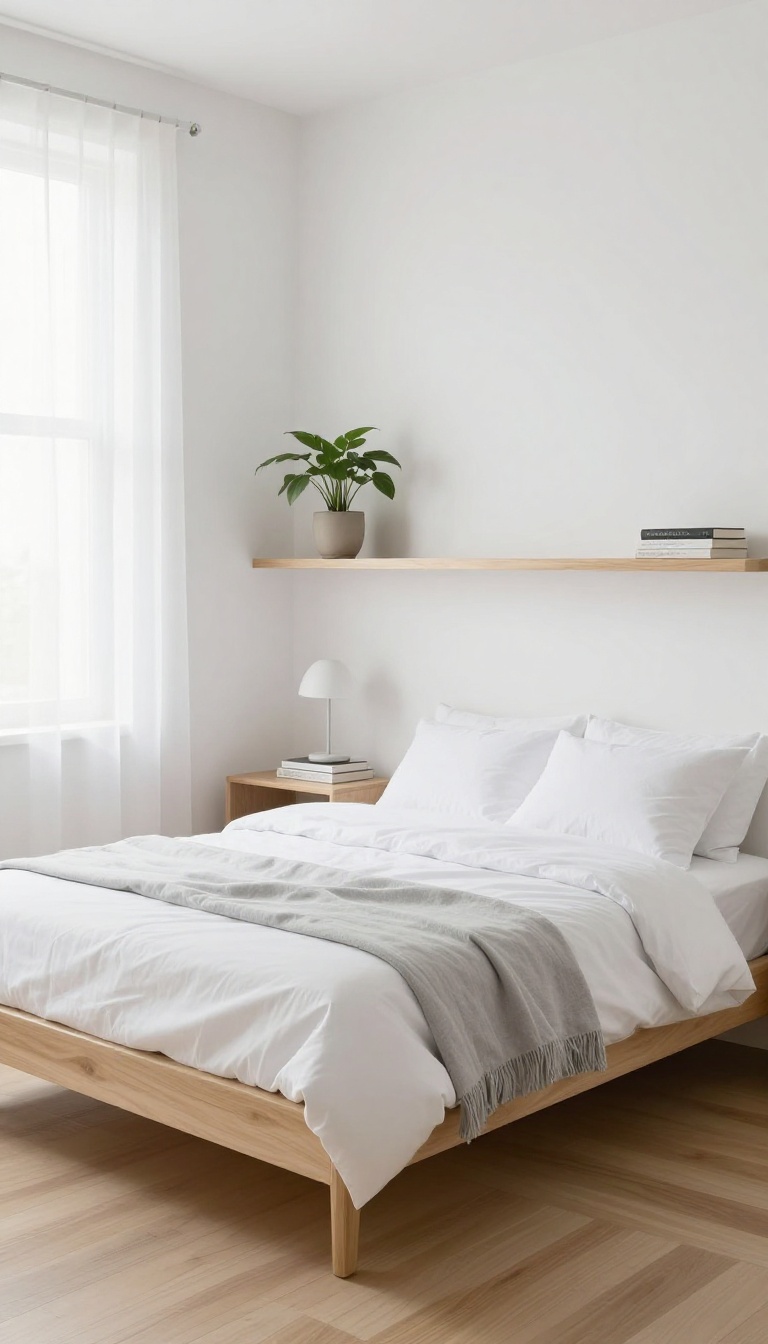
Bulky nightstands can eat up precious floor space in a small guest room, making the area feel cramped even when the bed is neatly made. Floating nightstands—simple shelves or slim cabinets mounted on the wall—free up that floor area entirely, creating a more open and airy layout. They also add a touch of modern style that feels intentional, not makeshift.
Mounting nightstands directly to the wall is a clever way to keep essentials within arm's reach without sacrificing square footage. You can use a single sturdy shelf or a compact wall-mounted cabinet, depending on how much storage you need. The key is to keep the design clean and minimal so the visual weight stays light.
Choosing The Right Height
Aim for the top of the floating nightstand to sit about 2 to 4 inches above the top of the mattress. That way, it feels naturally positioned when someone is lying down. If you're mounting a shelf, measure carefully and use a level to ensure it's straight.
For a cabinet, consider one with a shallow depth—around 10 to 12 inches—so it doesn't protrude too far into the room.
Storage That Works
Even a slim floating shelf can hold a lamp, a glass of water, and a book. For more storage, choose a wall-mounted cabinet with a drawer or a small door. You can also add a basket or a small tray on the shelf to corral smaller items like phone chargers or reading glasses.
Just avoid overloading the shelf—keep it to the essentials to maintain that airy feel.
Styling Ideas
To make the floating nightstand feel polished, pair it with a wall-mounted sconce instead of a table lamp. This frees up even more surface space and adds a cozy, hotel-like glow. You can also add a small plant or a framed photo for a personal touch.
If you're worried about the shelf looking too bare, a stack of two or three books can add height and visual interest.
4. Vertical Storage Shelves
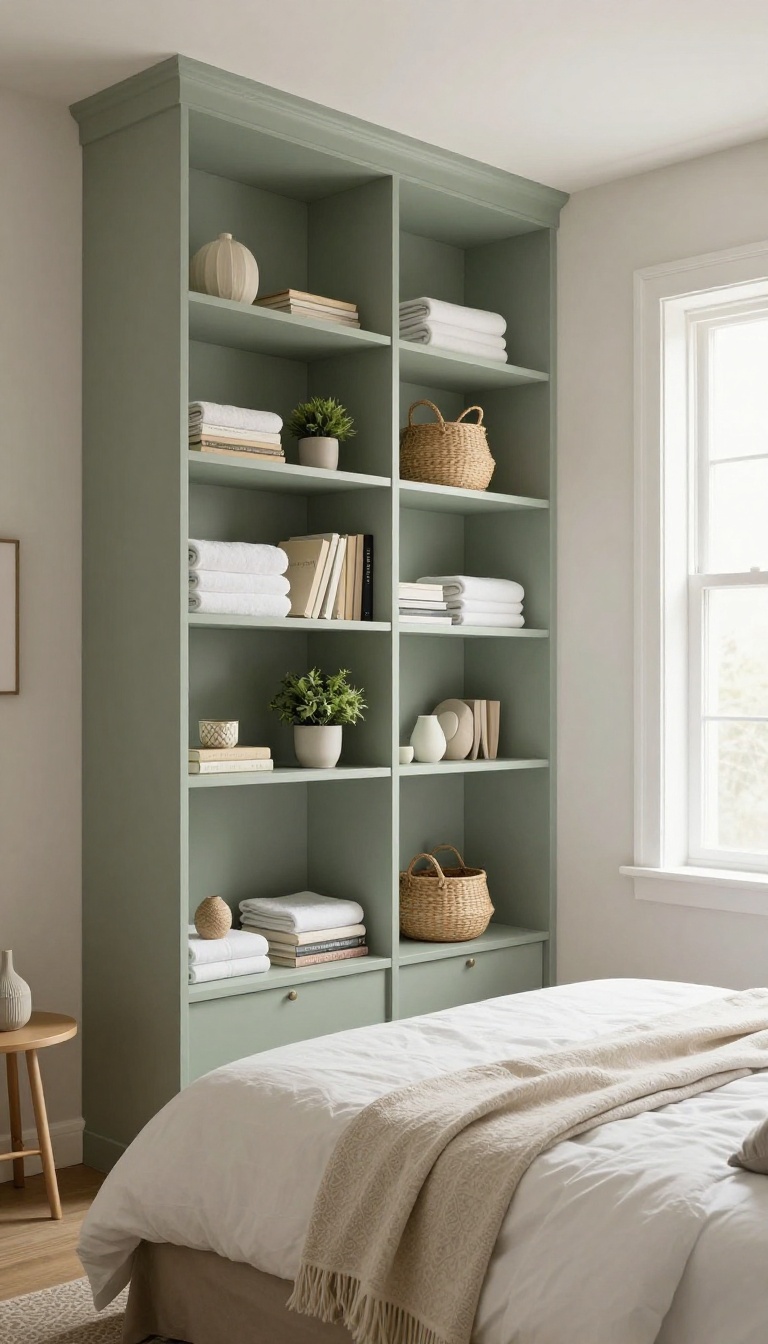
When floor space is tight, the walls are your best friend. Vertical storage shelves take advantage of the often-unused height in a small guest room, giving you plenty of room for books, decor, and guest essentials without eating into the walking area. It's a simple swap that instantly opens up the room.
Tall, narrow shelving units are perfect for small guest rooms. They store everything from extra pillows to toiletries, and they draw the eye upward, making the ceiling feel higher. Place one beside the bed or in an unused corner, and you'll wonder how you ever managed without it.
Built-in Look, Freestanding Price
You don't need a contractor to get that sleek, built-in feel. Choose a floor-to-ceiling shelving unit that fits snugly against the wall, and paint it the same color as the walls for a custom look. Add baskets or bins to hide clutter and keep the shelves looking tidy.
Mix Open And Closed Storage
A combination of open shelves and closed cabinets gives you the best of both worlds. Display a few pretty items on the open shelves, like folded towels or a small plant, while stashing less attractive necessities behind closed doors. This keeps the room looking neat without sacrificing function.
Ladder Shelves For Easy Access
If you want something lighter and more casual, a leaning ladder shelf is a great option. It takes up minimal floor space and adds a touch of rustic charm. Use it to hold a stack of books, a reading lamp, and a few decorative pieces that make guests feel at home.
5. Under-Bed Storage Bins
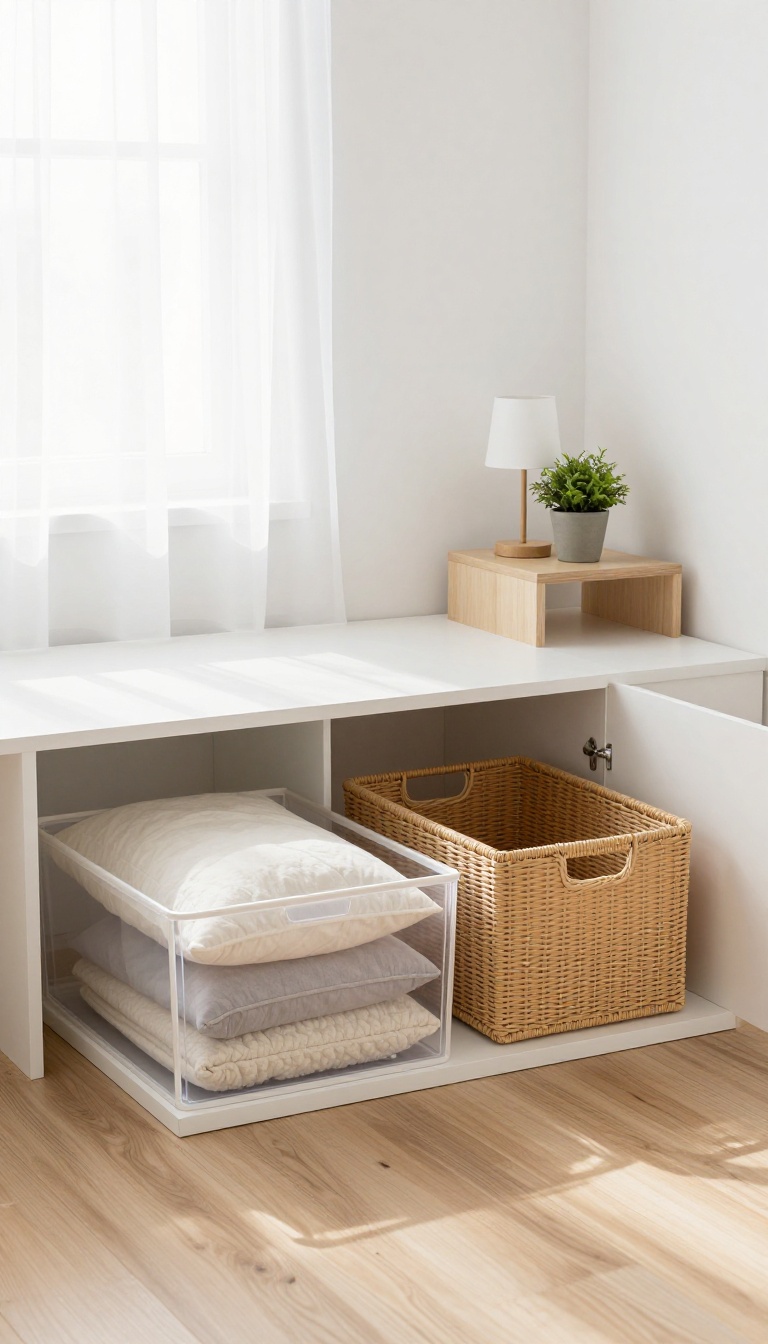
The space under your guest bed is prime real estate that often goes to waste. Rolling bins or drawers tucked beneath can hold everything from extra pillows to luggage, keeping the room tidy and guest-ready. It's a simple upgrade that makes a small room feel more open and organized.
Under-bed storage is a classic trick for small spaces, but it's especially handy in a guest room where you need to stash guest-specific items without cluttering the visible areas. Choose bins on wheels or drawers that slide easily, so your guests can access their belongings without struggling. Label them clearly—or use clear bins—so you (and your guests) know exactly what's inside.
What To Store
Think about what your guests might need: extra blankets, pillows, or a spare set of sheets. Also consider storing a small luggage rack or a foldable hamper. If you have room, add a few hangers and a garment bag for formal wear.
Keep it practical—store items that are bulky but not needed daily.
Choosing The Right Bins
Look for low-profile bins that fit under your bed frame. Rolling bins with lids are great for keeping dust out, while open fabric bins are easier to slide in and out. If you have a platform bed, measure the clearance first.
Clear bins let you see contents at a glance, but opaque ones hide clutter better. Choose a style that matches your room's vibe.
Easy Access For Guests
Make it easy for guests to find what they need. Place the most-used items in the front or on top. Add a small note or label on the bin's handle saying 'Extra Pillows' or 'Guest Linens. ' If you have drawers, install soft-close glides for a quiet, smooth pull.
Your guests will appreciate the thoughtful touch.
6. Multi-Functional Ottoman
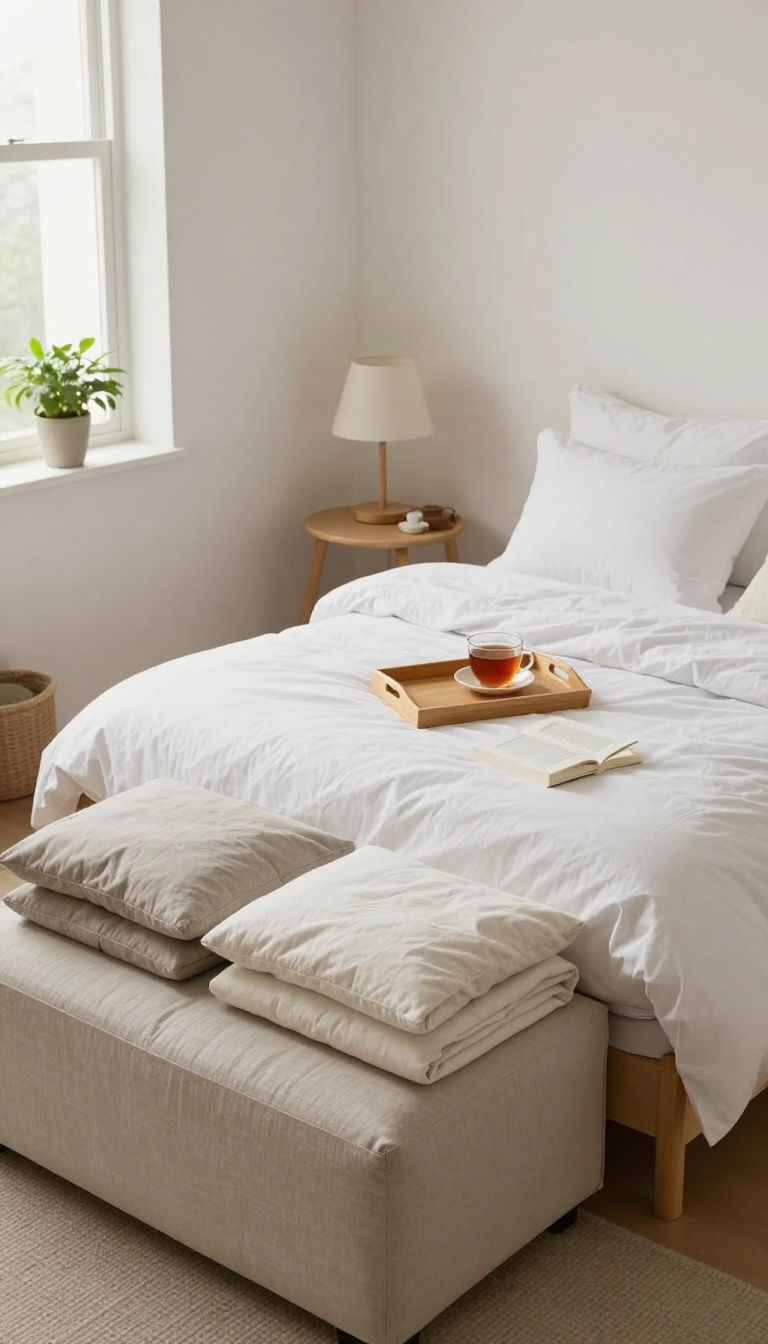
An ottoman is the quiet overachiever of small-space furniture. It can serve as a footrest, a spare seat, and a hidden storage bin all at once, without demanding much floor area. Tuck one at the foot of the bed or beside a chair, and you’ve added function without visual clutter.
The beauty of a multi-functional ottoman is that it adapts to whatever your guests need. When they want to kick back and read, it’s a comfortable footrest. When extra seating is required, it steps up as a stool.
And when clutter starts to pile up, the lid lifts to reveal a tidy hiding spot for extra blankets, pillows, or luggage.
Pick The Right Size And Shape
A round or square ottoman works best in tight corners, while a rectangular one can double as a coffee table or bench. Measure the available space so it doesn’t block walking paths or crowd the bed. A 16- to 18-inch height is ideal for both seating and footrest use.
Choose Storage That Matches Guest Needs
Think about what your guests are likely to need. A deep storage compartment is perfect for spare bedding and towels, while a shallower one might hold books, remotes, or chargers. Some ottomans come with trays or dividers, making it easier to keep things organized.
Style It To Blend In
Match the ottoman’s fabric and color to your room’s palette so it feels intentional, not like an afterthought. A neutral linen or soft boucle adds texture without overwhelming the space. You can also top it with a small tray to create a stable surface for drinks or decor.
7. Wall-Mounted Reading Lamps
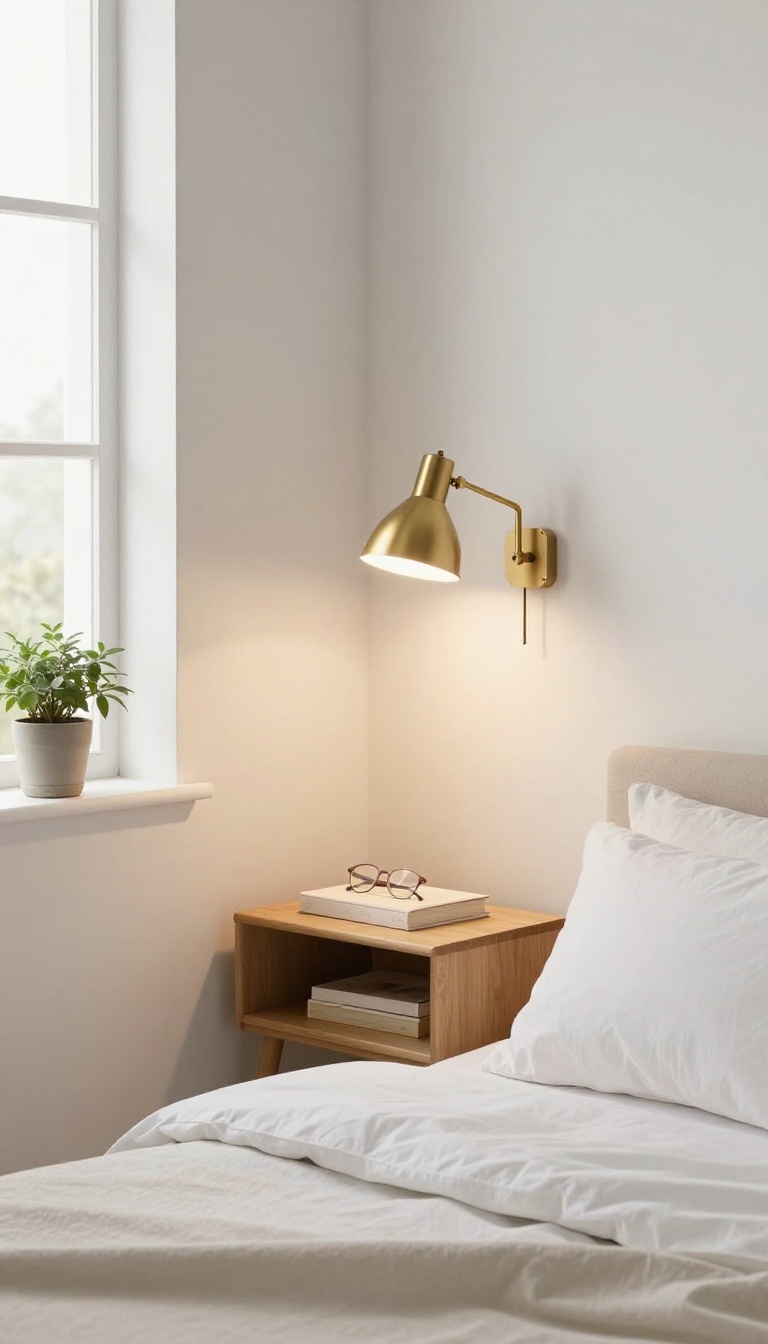
Nightstands are often the first thing to go when you're squeezing a bed into a tight guest room. But without a surface beside the bed, guests lose a spot for their glasses, phone, or a glass of water. Wall-mounted reading lamps solve that problem without taking up any floor or tabletop space.
Swing-arm or plug-in wall lamps attach directly to the wall, providing focused light exactly where it's needed. They free up the nightstand (if you have one) or eliminate the need for one altogether. Plus, they add a stylish, library-like touch that makes the room feel intentional and cozy.
Wall-mounted lamps are a classic trick in small bedrooms, and for good reason. They keep the bedside area clear while delivering task lighting right where it matters. Whether you choose a swing-arm model that adjusts or a simple fixed sconce, you gain functionality without sacrificing precious inches.
These lamps work well above a bed, beside a bed, or even next to a chair if you're creating a mini reading nook. They're also a great option for bunk beds or Murphy beds where traditional nightstands are impossible. With a few tools and an afternoon, you can install them yourself and instantly make the room more guest-friendly.
Pick The Right Style
When choosing a wall lamp, think about the room's vibe. A brass swing-arm lamp adds a vintage, warm feel, while a sleek black or white fixture leans modern. Gooseneck designs are playful and flexible, perfect for directing light exactly where it's needed.
Also consider the shade. An opaque shade focuses light downward for reading, while a translucent shade casts a softer glow. For a guest room, aim for a lamp that can both illuminate a book and create a relaxing ambiance.
Installation Tips
Plug-in wall lamps are the easiest to install—they just need a nearby outlet. You can hide the cord along the wall or baseboard for a cleaner look. Hardwired options require more work but look seamless and eliminate visible cords.
Before drilling, check for studs and use a stud finder. If you're renting or want a temporary solution, consider adhesive hooks or mounting strips for lightweight lamps. Always follow the manufacturer's instructions and, if unsure, call a professional.
Positioning For Comfort
The ideal height for a wall-mounted reading lamp is about 28 to 36 inches above the mattress, depending on the bed height and lamp length. Aim to place it so the light falls over your shoulder when you're sitting up reading. If you're installing two lamps for a double bed, position them symmetrically on each side.
For a single bed, one lamp is plenty. Make sure the swing arm (if any) can move freely without hitting the wall or headboard.
Bonus: Add A Shelf
Pair your wall lamp with a small floating shelf above it. This gives guests a spot for their phone, watch, or a book without needing a nightstand. The shelf can be just wide enough for a glass of water, keeping everything within arm's reach.
This combo is a space-savvy win: you get light and a surface, all in the wall's vertical space. It's a simple DIY that makes the room feel more complete and guest-ready.
8. Sliding Barn Door
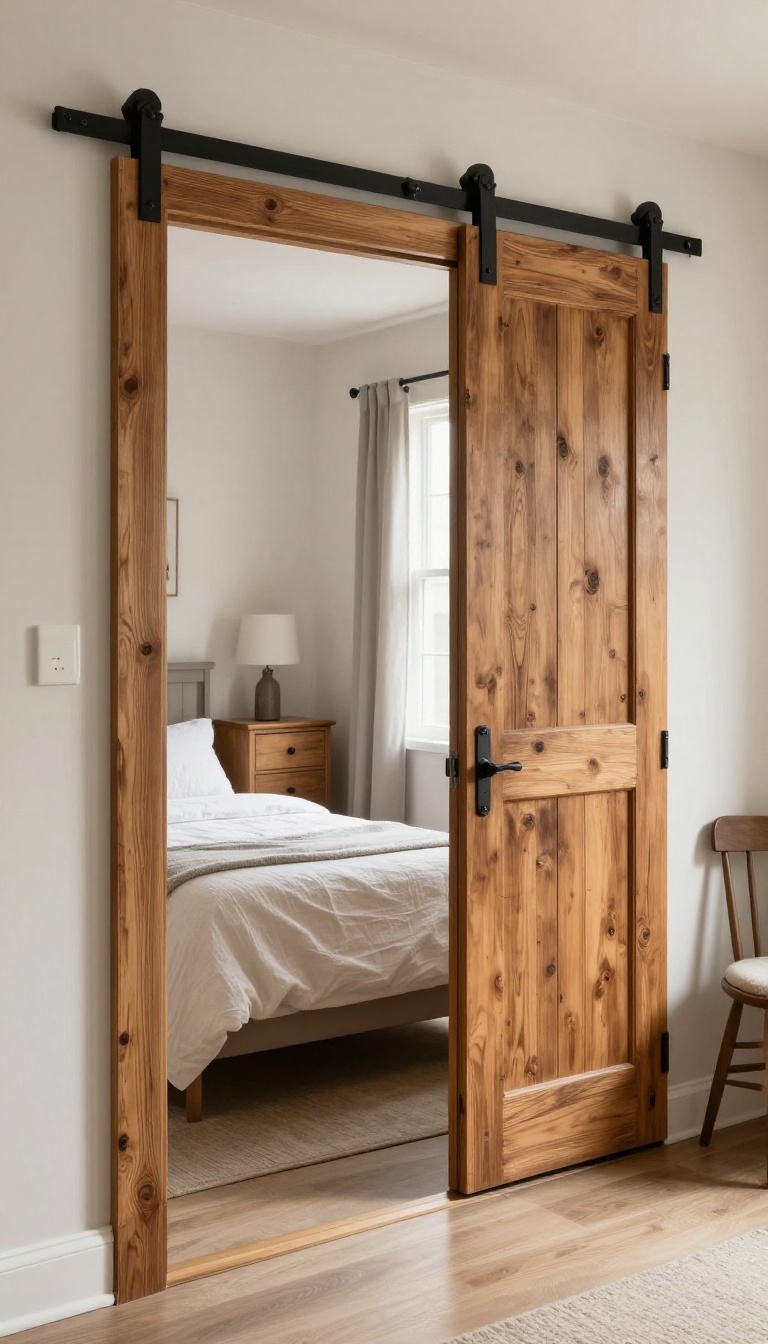
A traditional swinging door can eat up valuable floor space, especially in a tight guest room where every square foot counts. Swapping it for a sliding barn door frees up that area and adds a charming, rustic focal point. It's a simple change that makes the room feel more open and intentional.
Barn doors slide along a track mounted above the doorway, so they don't need clearance to swing open. That means you can push furniture right up against the wall where the door used to arc, gaining precious inches for a dresser or a reading chair. Plus, the door itself becomes a design feature, adding warmth and character to an otherwise plain entry.
Why It Works In A Small Space
The biggest win is the floor space you reclaim. With no swing radius, you can place a nightstand or a tall shelf right next to the doorway without blocking anything. Barn doors also slide flush against the wall, so they don't intrude into the room when open—perfect for a narrow hallway or a tight corner.
Installation Tips And Hardware
You don't need to be a carpenter to install one. Most kits come with a track, brackets, and a floor guide. Just make sure the wall above the door is sturdy enough to hold the weight—use studs or add a header board.
Pick a track length that's about twice the door width so it can slide fully out of the way. Soft-close mechanisms are a nice touch to avoid slamming.
Style Options To Match Your Decor
Barn doors aren't just for farmhouse looks. You can go with a sleek black track and a flat-panel door for a modern vibe, or choose reclaimed wood for that rustic feel. Even a painted door with a simple handle works.
The key is to match the hardware finish with other metals in the room, like light fixtures or drawer pulls, for a cohesive look.
9. Compact Wardrobe or Armoire
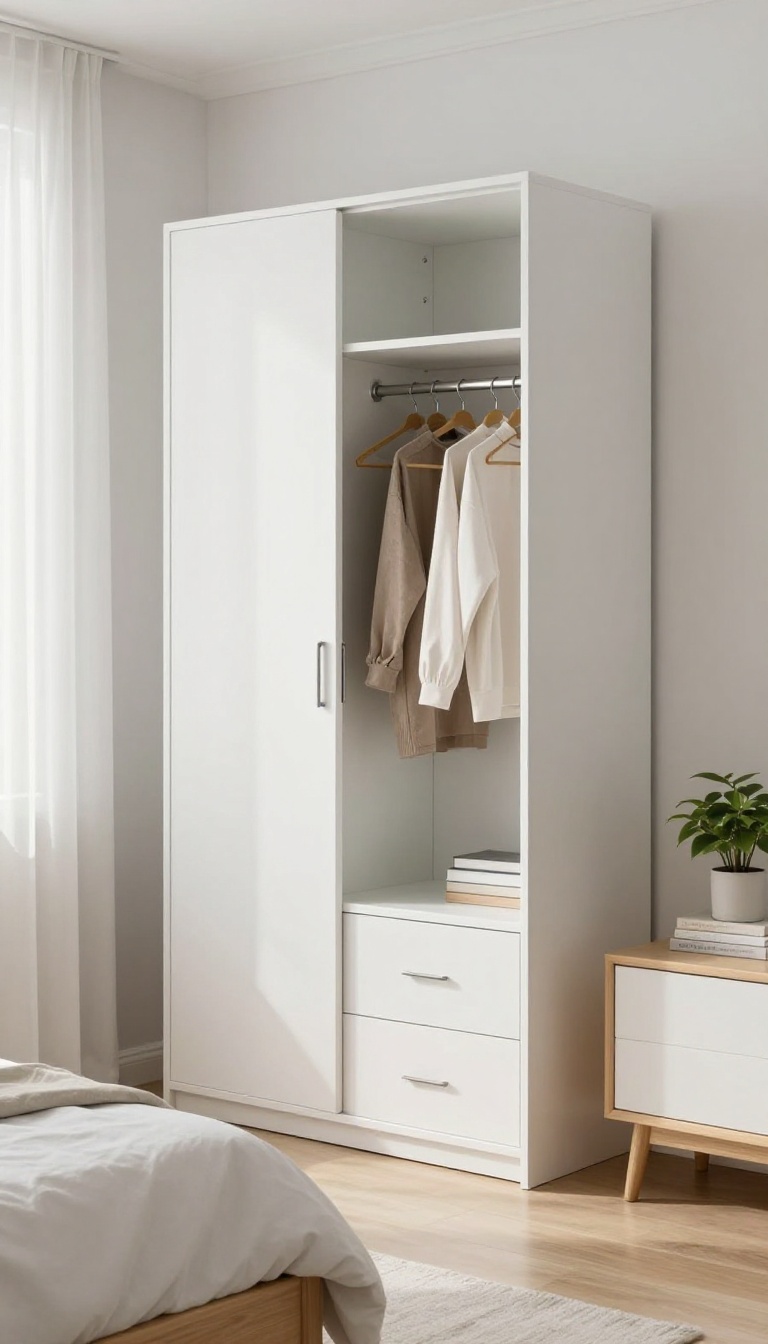
Guests often arrive with more than a weekend bag, and nowhere to hang a wrinkled dress or suit can make a room feel instantly unwelcoming. A slim wardrobe or armoire solves that without swallowing the entire floor plan. It gives visitors a proper place to unpack, so their belongings stay tidy and out of the way.
When you choose a compact wardrobe, look for one that’s narrow but tall, with a mix of hanging space and drawers. This way, guests can hang shirts and dresses while folding sweaters and jeans into the lower compartments. A mirrored door is a clever bonus—it doubles as a full-length mirror and makes the room feel larger by reflecting light.
Pick The Right Size
Measure your wall space before you shop. A wardrobe that’s 24 to 30 inches wide fits most tight rooms, and a height of 70 to 80 inches uses vertical space you’d otherwise waste. Leave at least 18 inches in front so the doors can open fully without blocking the bed.
Style It To Match
Choose a finish that blends with your existing furniture—white or light wood keeps things airy, while darker tones add a touch of sophistication. If you’re handy, a thrifted armoire can be painted and fitted with new hardware for a custom look on a budget.
Make It Multitask
Look for a wardrobe with a removable shelf or a drawer that can double as a nightstand or a small desk surface. Some models even come with a fold-down tray, perfect for a laptop or a cup of coffee. That way, one piece of furniture serves several needs in a small space.
10. Mirror to Expand Visual Space
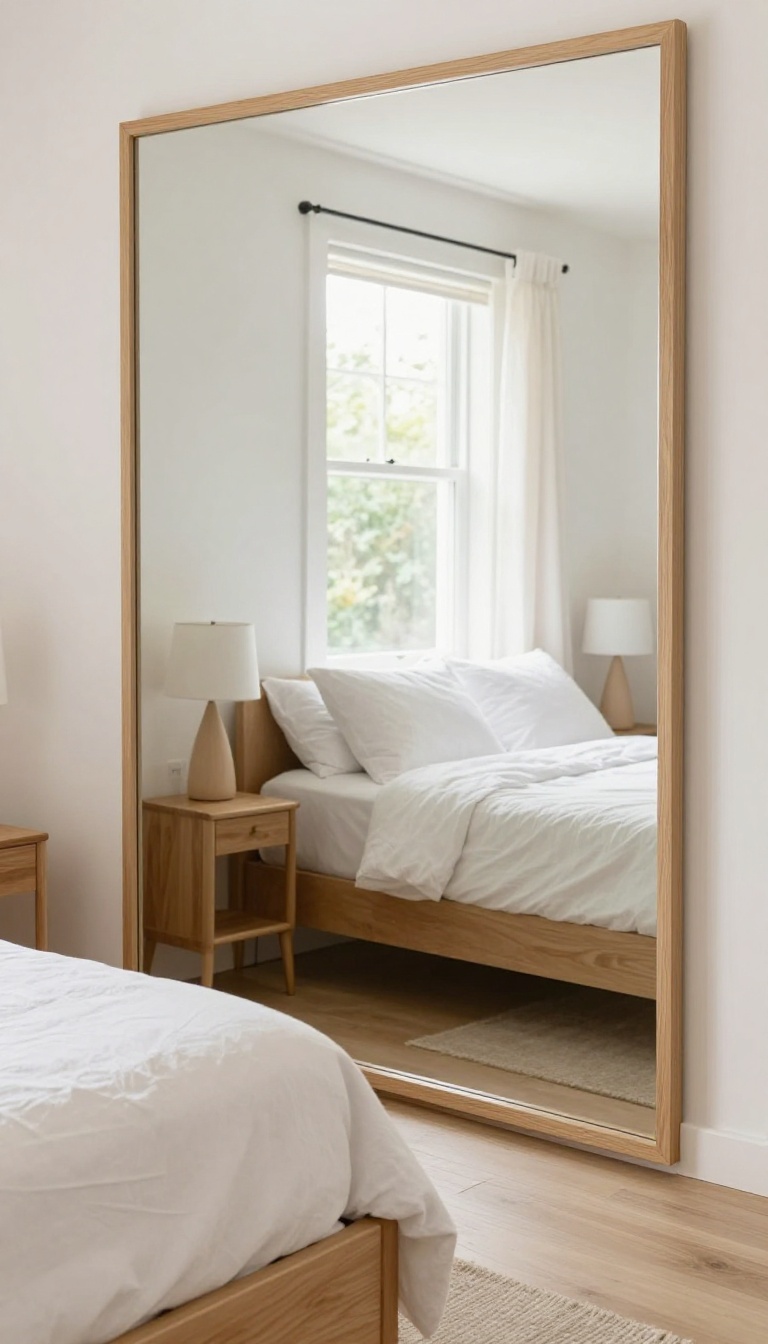
A mirror is the oldest trick in the small-space playbook, and for good reason. It instantly doubles the light and depth in a room, making a cramped guest nook feel airy and open. You don't need a fancy designer piece—just the right placement and size can work magic.
Think of it as a window that never looks outside. When you hang a large mirror opposite a window or a light-colored wall, it bounces brightness around and creates the illusion of more square footage. It's a one-time purchase that pays off every single day.
Start by choosing a mirror that's at least half the width of your bed or the main wall. A full-length mirror leaning against the wall works just as well as a framed one, and it adds a casual, modern vibe. Place it where it can reflect something interesting—a window, a lamp, or a piece of art—so the eye has somewhere to travel.
Avoid positioning it directly across from the door, which can feel jarring. Instead, angle it slightly to catch a glimpse of the room's best features. The goal is to create depth, not to confuse your guests with a sudden reflection of themselves in the middle of the night.
If you're worried about the mirror making the room feel too busy, keep it simple. A sleek, frameless design blends into the wall, while a decorative frame can double as art. Either way, the mirror will do the heavy lifting of making the space feel larger.
Where To Place It For Maximum Effect
The classic spot is opposite a window, but you can also place it behind a bedside lamp or near a closet door to amplify light. If your guest room has a dark corner, lean a tall mirror there to bounce light from the rest of the room. Just make sure it's not reflecting a cluttered area—you want to show off the clean, calming parts of the space.
Choosing The Right Size And Style
Bigger is usually better, but only if it fits proportionally. A mirror that's too large can overwhelm a tiny room, while one that's too small won't make much difference. Aim for something that takes up about a third of the wall space.
For style, think about the room's vibe—a rustic wooden frame for a farmhouse feel, or a sleek metallic one for a modern touch.
Mirror Hacks For Extra Functionality
Go beyond the wall and use mirrored furniture. A mirrored nightstand or dresser reflects light while offering storage. Or, install a mirrored closet door to hide clutter and expand the room at the same time.
These pieces pull double duty, which is exactly what a small guest room needs.
11. Corner Shelving Unit
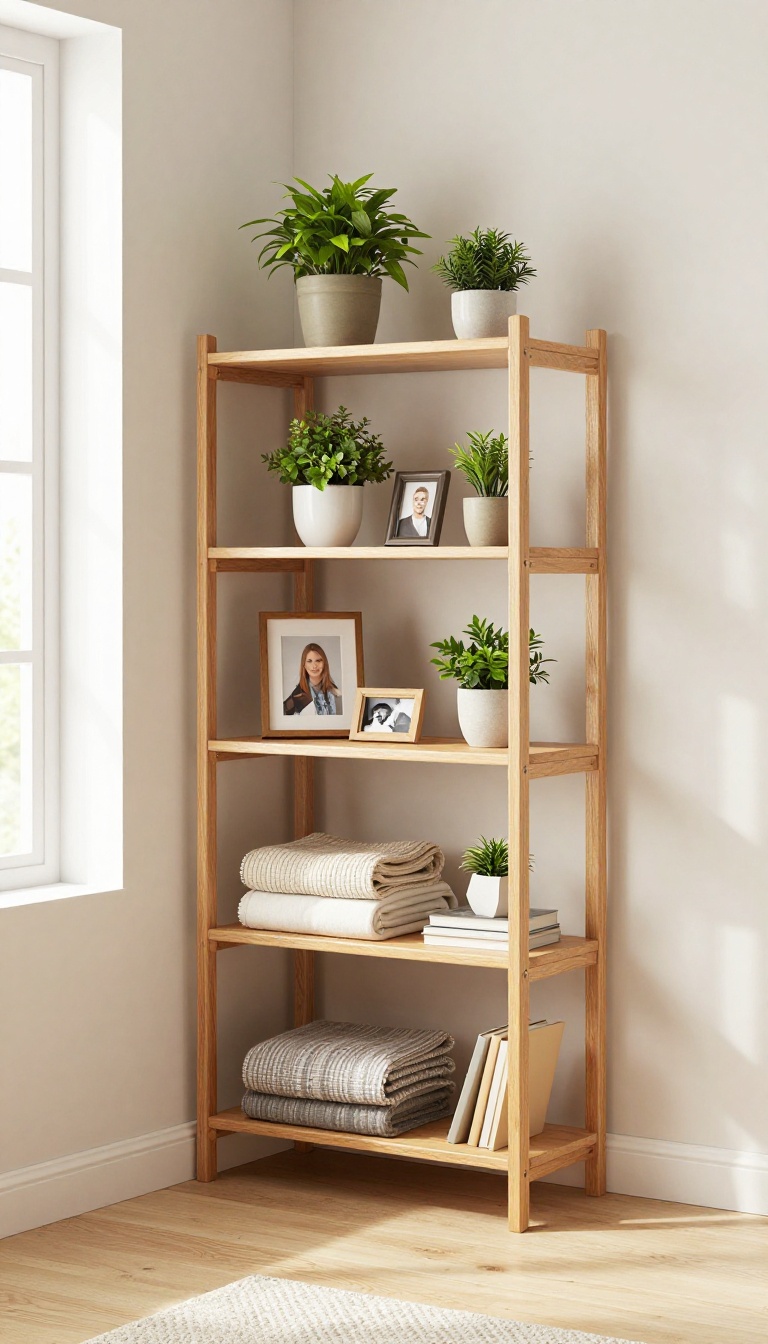
Corners often become dumping grounds for random clutter or just sit empty, wasting precious square footage. A corner shelving unit turns that awkward spot into a functional display area or mini library. It's one of the easiest ways to add storage without eating into floor space, making it a natural fit for a small guest room.
Corner shelves are the unsung heroes of small-space design. They tuck neatly into that dead zone where two walls meet, giving you vertical storage without sacrificing any walking room. Whether you choose a tall, freestanding unit or a few floating shelves, you can instantly add character and function to an otherwise forgotten corner.
Pick The Right Style
Match the shelf to the room's vibe. A sleek, modern ladder shelf works well in contemporary spaces, while a rustic wooden unit adds warmth to farmhouse-style decor. For a minimalist look, opt for floating shelves in a finish that blends with the wall.
The goal is to make the corner feel intentional, not like an afterthought.
Display And Store
Use the shelves to show off a few curated items—like small plants, framed photos, or decorative baskets—and keep the rest for practical storage. Stack extra blankets, fold towels, or store books and magazines for guests to browse. Mixing open display with closed baskets keeps the shelf looking tidy and purposeful.
Installation Tips
If you're handy, installing a corner shelf unit is a weekend project. Measure the corner carefully and use a stud finder to secure the brackets. For a rental-friendly option, choose a freestanding unit that doesn't require drilling.
Make sure the shelves are level and can hold the weight you plan to put on them.
12. Bed with Built-In Storage Headboard
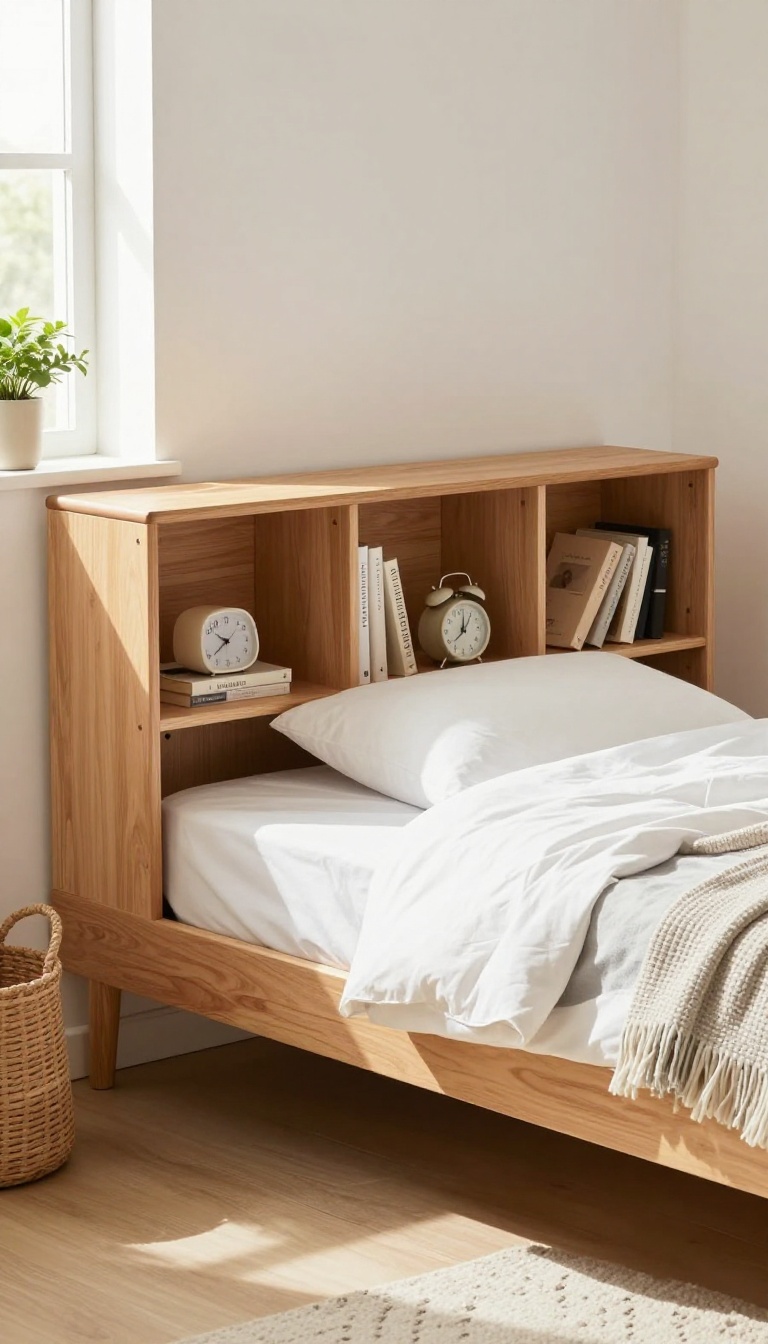
Sometimes the best storage is hiding right behind your head. A bed with a built-in storage headboard turns that empty wall space into a functional hub for all the little things guests need within arm's reach. Instead of cluttering the nightstand or the floor, everything has a designated spot, and the room feels tidier instantly.
This is one of those upgrades that feels custom and expensive, but it's actually a smart investment that pays off in both style and function. Whether you buy a ready-made frame or DIY your own, this idea is a game-changer for small guest rooms.
A built-in storage headboard does double duty: it gives your guests a comfortable place to rest and provides a tidy spot for their essentials. Think books, reading glasses, phone chargers, or a glass of water—everything has a home without taking up precious floor space. Plus, it keeps the bed area looking neat and intentional, which makes the whole room feel more polished.
The beauty of this idea is its flexibility. You can find headboards with open shelves, closed cubbies, or even hidden compartments. Some come with built-in USB ports and outlets, which is a huge plus for modern travelers.
If you're handy, you can even build a simple wooden headboard with cubbies that match your room's decor. Either way, you're adding storage without sacrificing style.
Pick A Style That Fits Your Space
Headboards come in all shapes and sizes, so choose one that works with your room's layout. A tall headboard with vertical shelves draws the eye upward and makes the ceiling feel higher. A low, wide headboard with cubbies on either side is great for a room with a low ceiling or a bed placed under a window.
Consider the depth too—shallow shelves are perfect for small items, while deeper cubbies can hold folded blankets or extra pillows.
Make It Multi-functional
The best storage headboards do more than just hold stuff. Look for models with integrated lighting, like reading lamps or LED strips, which add ambiance without taking up nightstand space. Some even have fold-down trays or pull-out desks, turning the bed area into a mini workspace.
If you're DIYing, add a few hooks or a small shelf for a phone or tablet. The more functions you pack in, the more useful the headboard becomes.
Keep It Tidy And Guest-ready
To make the headboard truly guest-friendly, stock it with the essentials: a couple of books, a notepad and pen, a small basket for loose change or keys, and maybe a phone charging cable. Avoid overcrowding the shelves—leave some breathing room so it doesn't look cluttered. A small vase with a fresh flower or a tiny plant adds a welcoming touch.
When guests arrive, they'll appreciate having everything within reach without having to dig through their luggage.
13. Light, Neutral Color Palette
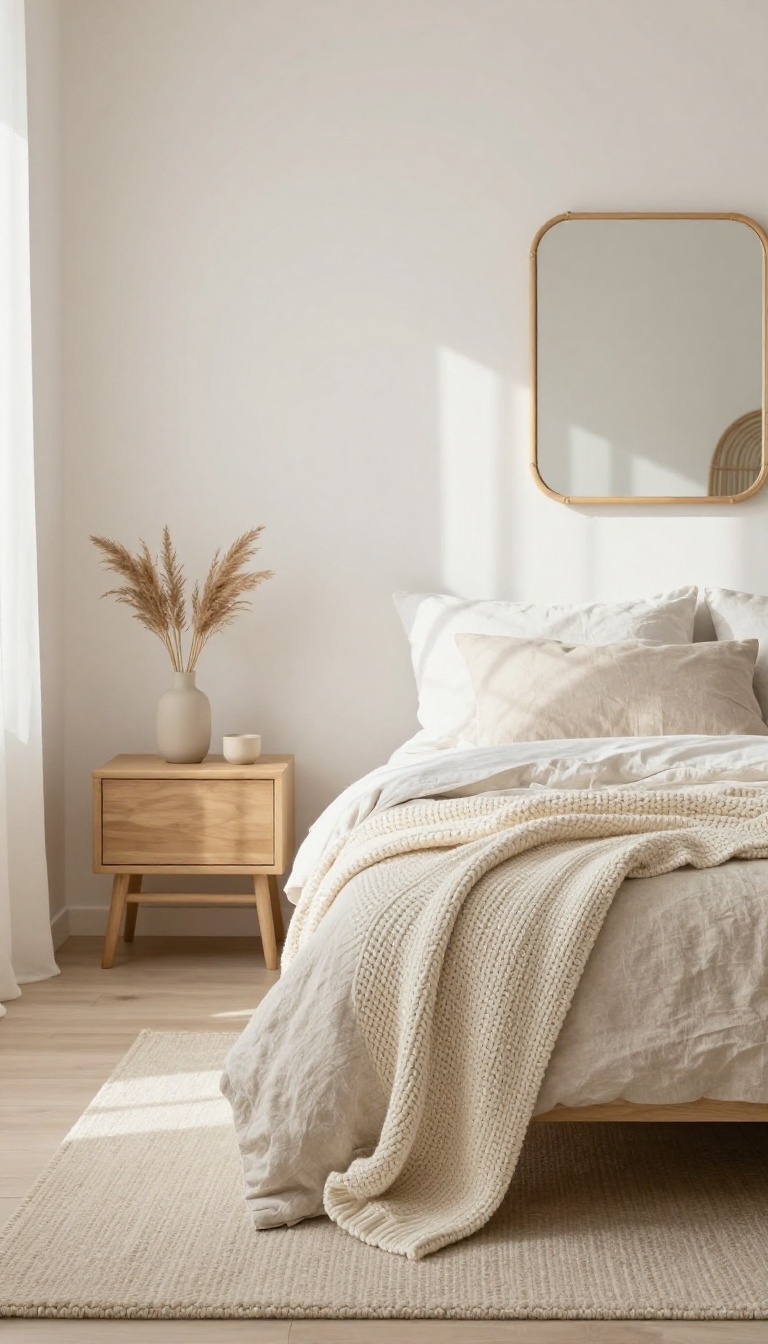
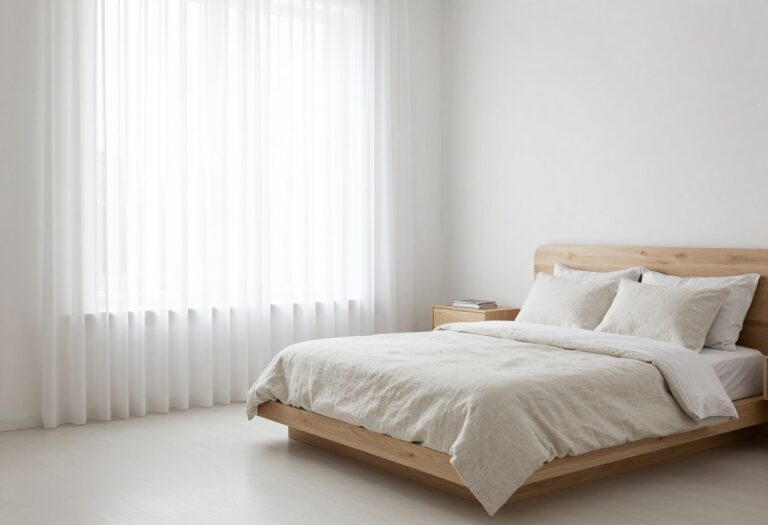
Color can make or break a small room. Dark or busy walls tend to close in on you, while light, neutral tones bounce natural light around and create the illusion of more space. A soft palette of whites, creams, and warm greys instantly makes a guest room feel airier and more inviting.
You don't have to stick to all-white, though. Layering different neutral shades—think oatmeal linens, a beige area rug, and off-white walls—adds depth without overwhelming the eye. The result is a serene, hotel-like retreat that feels far bigger than its square footage.
When you're working with a small guest room, the color scheme is your first chance to trick the eye. Light colors reflect more light, making walls seem to recede and the ceiling feel higher. This simple shift can make a cramped space feel open and calm.
Start with a neutral base on the walls—something like a soft warm white, light greige, or pale ivory. Then layer in bedding and textiles in similar tones but with different textures. A chunky knit throw, a linen duvet, and a velvet pillow all in cream or beige add visual interest without adding visual weight.
Dark wood furniture can still work, but balance it with lighter elements. A pale oak nightstand or a whitewashed dresser keeps the room from feeling heavy. And don't forget the ceiling—painting it a shade lighter than the walls can make it feel taller.
One common worry is that neutral equals boring. But with the right mix of textures and a few natural accents like a rattan mirror or a woven basket, the room stays interesting without sacrificing that spacious feel.
The Power Of Reflection
Light colors don't just look nice—they actively reflect available light, whether it's from a window or a lamp. This reflection brightens every corner and reduces harsh shadows, which can make a room feel smaller than it is. Use matte finishes on walls and choose bedding with a slight sheen, like sateen, to maximize the effect.
Layering Neutrals Without The Blah
To avoid a flat, monotonous look, mix neutral tones with different undertones. Pair a warm ivory wall with a cool grey throw, or add a taupe rug against white bedding. The contrast, though subtle, adds depth.
Texture is your friend here—linen, cotton, wool, and faux fur all bring personality to a neutral palette.
Choosing The Right Accent Colors
You can still add a pop of color, but keep it small and deliberate. A single terracotta cushion, a sage green plant, or a navy vase can anchor the space without overwhelming it. Stick to one or two accent hues that harmonize with your neutrals, and let them stand out against the calm backdrop.
FAQ
How can I make a small guest room feel bigger?
Use light colors, add mirrors, keep furniture minimal, and maximize vertical space with tall shelves or wall-mounted storage.
What is the best bed for a small guest room?
A daybed with a trundle or a murphy bed are great options because they save space during the day and provide comfortable sleeping at night.
How do I add storage to a small guest room without cluttering it?
Incorporate multifunctional furniture like ottomans with storage, under-bed bins, and floating shelves to keep items out of sight but accessible.
Should I use a desk in a small guest room?
Yes, but choose a wall-mounted fold-down desk or a compact writing table that can be tucked away when not needed, freeing up floor space.
What colors make a small guest room look larger?
Soft, light colors like white, cream, pastel blues, and light grays reflect light and make the room feel more spacious and airy.
Conclusion
A small guest room doesn't have to feel like an afterthought. By layering a few of these space-savvy tricks, you can turn even the tightest corner into a spot your visitors actually look forward to using. The magic is in the mix—light, multipurpose pieces, and clever storage that work together.
Start with the idea that solves your biggest headache, whether that's a fold-down desk or a wall-mounted shelf. You don't need to tackle all 13 at once. Pick one or two, live with them, and see how the room opens up.