15 Front Yard Patio Ideas That Add Charm by the Door
Your front yard patio is the first thing guests see, yet it often gets the least attention. Instead of a plain concrete slab, imagine a space that feels like an extension of your home—a spot to sip coffee, greet neighbors, or simply enjoy the evening breeze.
With a few thoughtful touches, you can turn that underused area into the most charming part of your property. These 15 ideas range from quick weekend projects to more involved transformations, so there's something for every skill level and budget.
Let's explore how to make your front door the envy of the block.
1. Cozy Seating Nook with a Bench
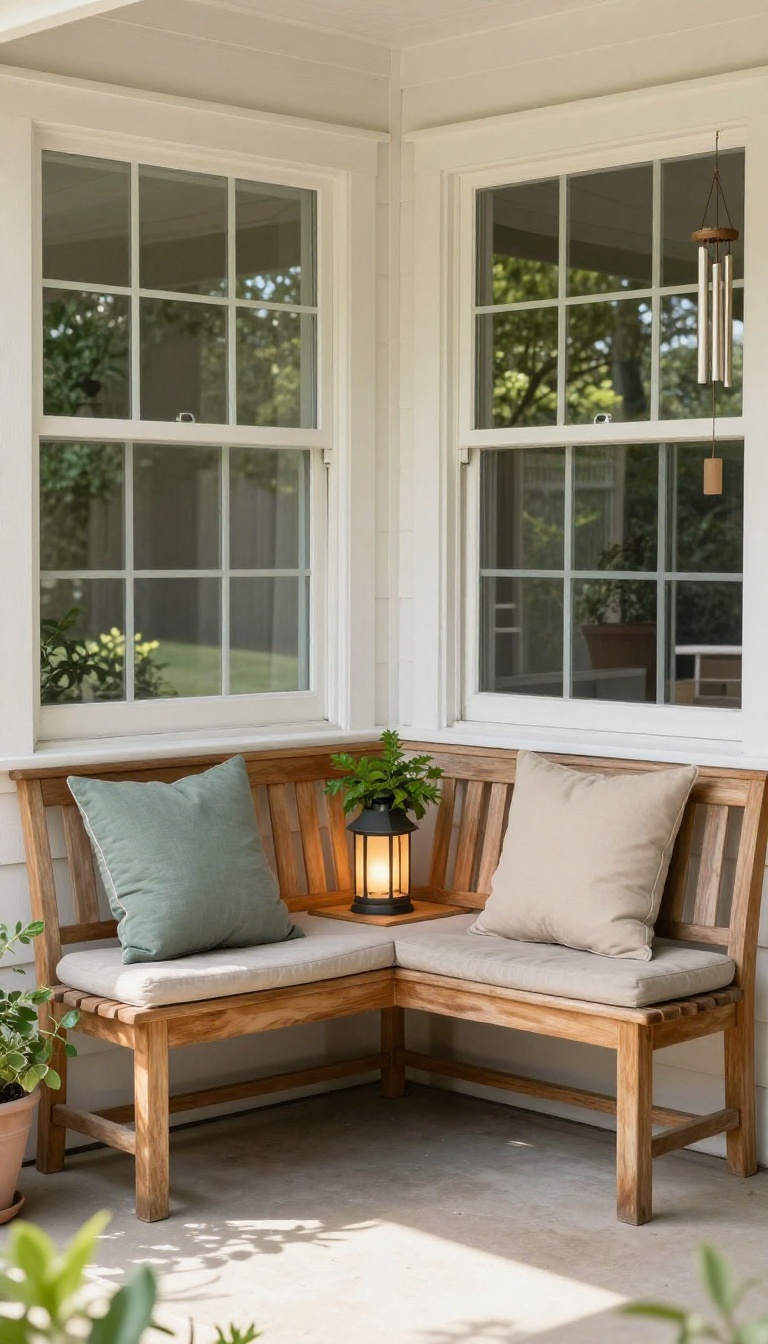
A simple bench can do more than just fill space—it can turn your front patio into a welcoming retreat. Whether you're waiting for a ride or just enjoying a quiet moment, having a place to sit makes the area feel lived-in and inviting. The best part?
You don't need a big budget or fancy tools to make it work.
Start with a sturdy wooden bench or a pair of weather-resistant chairs. Position them so they face the street or your garden, depending on what you'd like to enjoy. Add a couple of cushions in a fabric that can handle sun and rain, and throw in a soft pillow for extra coziness.
A small side table or a stack of books nearby can complete the look.
Pick The Right Spot
Place your bench where it gets a nice balance of sun and shade. If your patio is small, tuck it against the house or under a window. Make sure there's enough room to walk around comfortably.
A corner spot often feels coziest because it's protected on two sides.
Choose Durable Materials
Go for teak, cedar, or metal that can handle the elements. If you're on a budget, a secondhand bench can be sanded and painted. Just add a weatherproof sealant to keep it looking good for years.
Cushions should be made from outdoor fabric that resists fading and mildew.
Add Personal Touches
A small lantern, a potted plant, or a decorative sign can make the nook feel yours. You could also hang a wind chime nearby for a gentle sound. Keep it simple—too many decorations can make the space feel cluttered.
2. Potted Plant Clusters for a Lush Entry
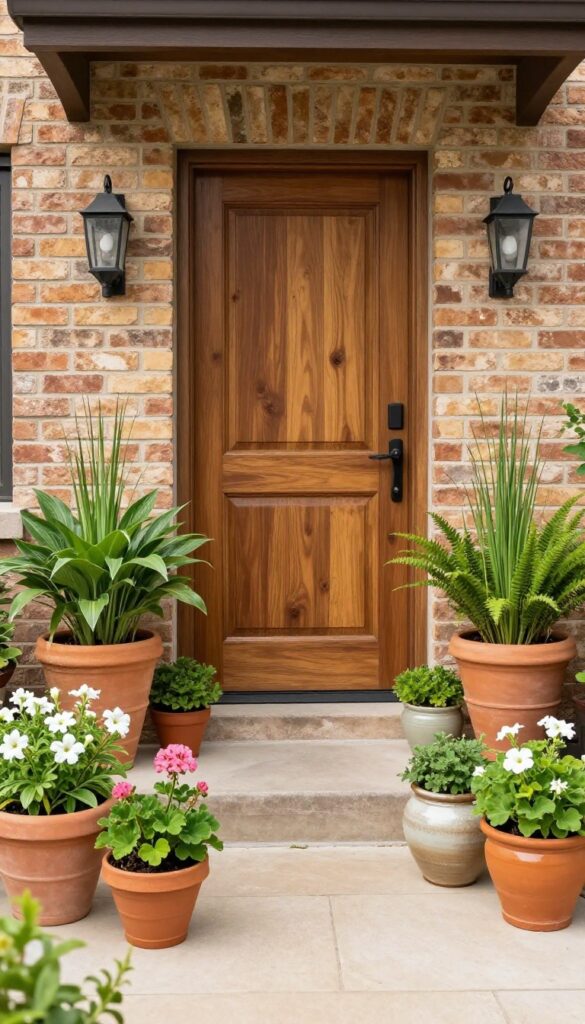
Nothing softens a hard patio edge quite like a cluster of potted plants. Grouping containers of varying heights and textures around the perimeter creates an inviting, layered look that feels both intentional and effortless. Mix in seasonal flowers for a pop of color that changes with the seasons, and you've got a dynamic entry that welcomes you home every day.
Start by selecting pots in different sizes—tall urns, medium planters, and low bowls—to create visual interest. Arrange them in groups of three or five, odd numbers often look more natural. Place the tallest pots at the back or corners, with shorter ones in front, to build depth.
Use a mix of foliage textures: broad-leafed plants like hostas or caladiums contrast nicely with fine-textured grasses or ferns. For a cohesive look, repeat a few key plant types throughout the clusters, and choose pots that complement your home's exterior color palette.
Choosing The Right Pots
Consider the scale of your patio and the style of your home. For a modern aesthetic, go with sleek, geometric pots in concrete or matte finishes. For a cottage feel, terracotta or glazed ceramics in warm tones work beautifully.
Ensure pots have drainage holes to keep plants healthy, and use saucers to protect your patio surface. If you're worried about weight, opt for lightweight fiberglass or resin containers that mimic heavier materials.
Plant Selection Tips
Mix evergreen shrubs or small trees for year-round structure, like boxwoods, dwarf conifers, or olive trees in warmer climates. Add perennials that come back each year, such as lavender, ornamental grasses, or hostas. Then, tuck in seasonal annuals for color—petunias, marigolds, or begonias.
This layering ensures your entry looks good even between bloom cycles. Also, consider fragrance: plant jasmine or gardenias near the door to greet guests with a pleasant scent.
Arrangement And Maintenance
Arrange clusters at different levels using plant stands or overturned pots to add height variation. Leave enough space for easy walking and maintenance. Group plants with similar water and sunlight needs together to simplify care.
Use a drip irrigation system or self-watering pots to reduce upkeep, and mulch the top of pots to retain moisture and suppress weeds. Regularly deadhead flowers and trim back overgrowth to keep clusters looking tidy.
3. String Lights for a Warm Evening Glow
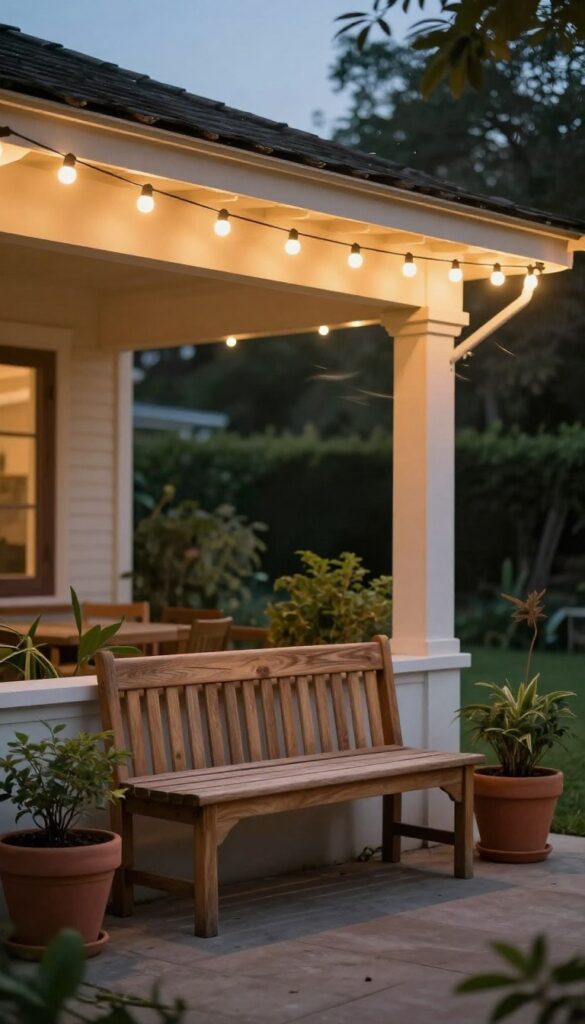
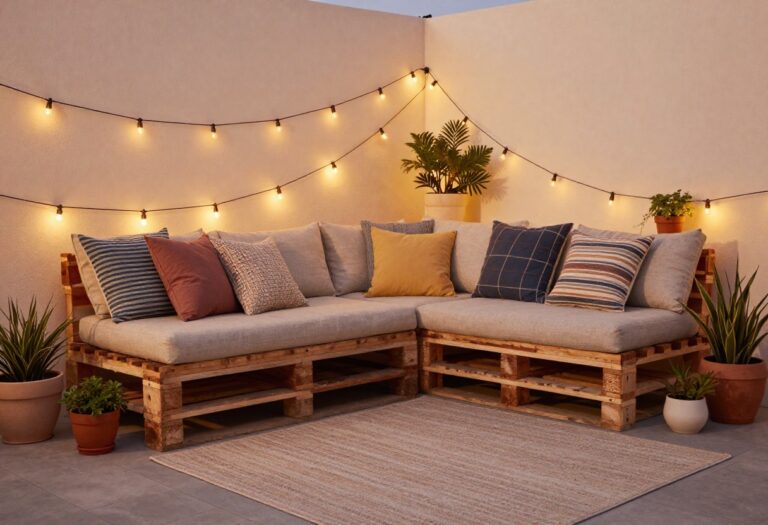
The right lighting can completely change how your front patio feels after sunset. Instead of a harsh floodlight, think soft, inviting glows that make the space feel like a cozy retreat. String lights are an easy, affordable way to add that magic—they're perfect for everything from quiet nights to casual get-togethers.
Hang them overhead to create a canopy effect, or drape them along the railing for a subtle outline. Warm white bulbs are the go-to for a classic, welcoming look, but you can also mix in a few colored ones for a playful touch. The key is to position them so they illuminate the seating area without being too bright or in the way.
Choosing The Right Bulbs
Not all string lights are created equal. For a warm, cozy vibe, look for bulbs with a color temperature around 2700K–3000K—that's the soft, yellowish glow you get from incandescent bulbs. LED options are more energy-efficient and last longer, but make sure they're dimmable if you want to adjust the brightness.
Also, consider the bulb size: larger bulbs give off more light and have a more traditional look, while smaller ones are subtler and better for tight spaces.
Placement And Hanging Tips
The easiest way to hang string lights is to use hooks or clips along the eaves, railing, or fence. If you don't have a structure to attach them to, you can install two simple posts or use a freestanding pergola. Make sure the lights are taut enough to avoid sagging, but not so tight that they strain the sockets.
For a more permanent setup, consider using a cable or wire to support the lights, which also makes them easier to replace.
Powering And Safety
Outdoor-rated extension cords are a must, and it's best to plug into a GFCI outlet for safety. If you don't have an outlet nearby, you can use a weatherproof extension cord rated for outdoor use. Always check the IP rating of your lights to ensure they can handle rain and moisture.
For extra peace of mind, use a timer or smart plug to turn them on automatically at dusk, so you never forget.
4. Outdoor Rug to Define the Space
An outdoor rug is one of the quickest ways to make your front patio feel intentional. It anchors your seating area and adds a pop of color or pattern that ties everything together. Think of it as the foundation for your outdoor living room.
When you place a rug under your chairs and table, it instantly creates a defined zone. This is especially helpful if your patio is large or open to the rest of the yard. The rug tells the eye where to focus and gives the space a cozy, finished look.
Choosing The Right Material
Look for rugs labeled "indoor/outdoor" or made from polypropylene, which resists water, stains, and fading. These materials are easy to clean—just hose them down or wipe with a damp cloth. Avoid natural fibers like wool or cotton, which can mildew in damp conditions.
Size And Placement
Measure your seating area before buying. A rug should be large enough to fit under the front legs of your chairs and table, ideally extending a few inches beyond. For a small patio, a 5×7 or 6×9 rug works well.
Center the rug under your main furniture grouping, leaving a border of patio visible around it.
Styling Tips
Use the rug to introduce a color palette or pattern that complements your home's exterior. If your patio is neutral, go bold with a geometric print. If you already have colorful cushions, choose a subtle rug that ties the colors together.
Add a few potted plants or a small side table on the rug to complete the look.
5. Vertical Garden or Living Wall
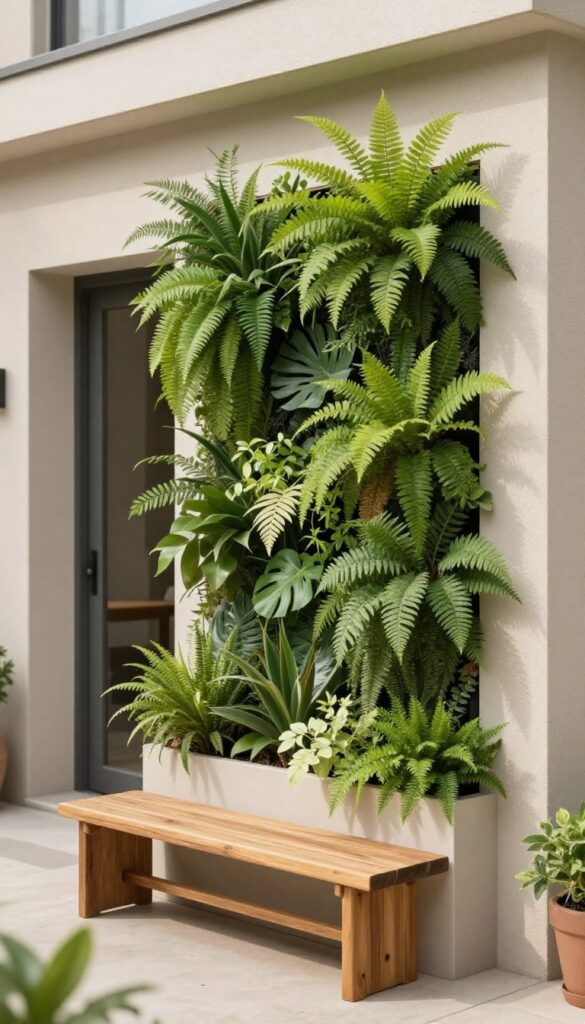
Short on floor space? Look up. A vertical garden or living wall turns bare siding, a fence, or even a blank exterior wall into a lush focal point.
It’s a smart way to add greenery, soften hard surfaces, and create a bit of privacy without sacrificing your patio footprint.
Vertical gardens are more than just a pretty face. They can help insulate your home, reduce noise, and even improve air quality. Plus, they draw the eye upward, making a small patio feel larger and more dynamic.
Trellis And Climbing Plants
A simple trellis with climbing vines like clematis, jasmine, or ivy is an easy, budget-friendly start. Mount it against a wall or use a freestanding panel to define a seating area. Choose evergreen varieties for year-round coverage or annuals for seasonal color.
Wall-mounted Planters
If you prefer more control, attach individual planters in a grid or staggered pattern. Use weatherproof materials like metal, ceramic, or wood. Mix herbs, succulents, and trailing plants for texture.
This setup is easy to water and swap out as seasons change.
Modular Living Wall Systems
For a fuller look, invest in a modular living wall system with built-in irrigation. These panels come with pockets or slots for plants and can cover an entire wall. They’re a bigger commitment but offer instant impact and require less maintenance than you might think.
6. Charming Walkway with Stepping Stones
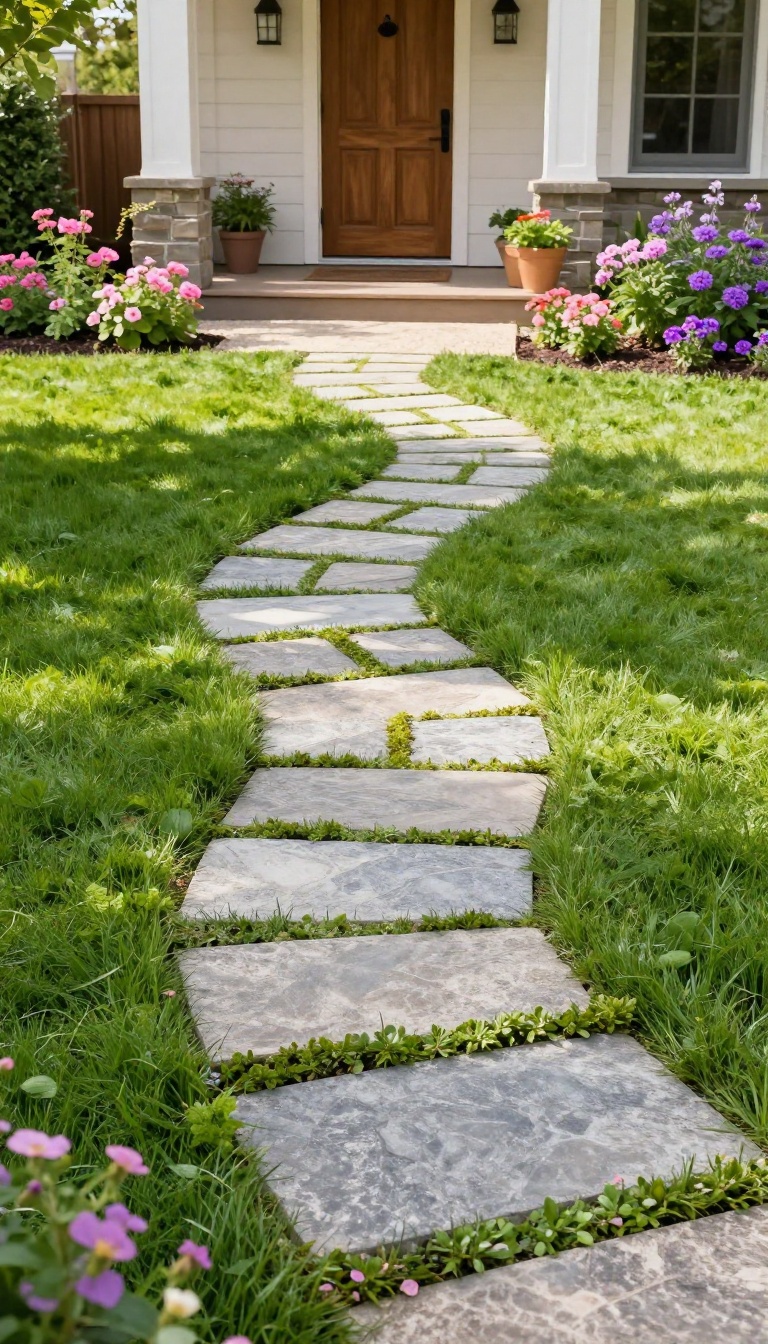
A walkway does more than get you from point A to point B—it sets the tone for your entire front yard. Stepping stones or pavers create a natural, meandering path that invites guests to slow down and enjoy the approach to your door. This simple addition adds rustic charm and makes your patio feel more connected to the landscape.
Choose stones that complement your home's exterior—flagstone, slate, or even concrete rounds work well. Lay them in a gentle curve rather than a straight line for a more organic look. Space them about one step apart for comfortable walking, and fill the gaps with grass, gravel, or moss for a soft, natural feel.
This project is budget-friendly and can be completed in a weekend, making it a perfect DIY upgrade.
Picking The Right Stones
Opt for flat, sturdy stones that won't wobble when stepped on. Flagstone offers a classic, irregular shape, while concrete pavers provide a more uniform look. Consider the color of your home and existing hardscaping—earthy tones blend well with greenery, while darker stones add contrast.
If you live in a rainy area, choose stones with a textured surface to prevent slipping.
Laying The Path
Start by outlining the path with a garden hose to visualize the curve. Excavate about 3-4 inches of soil, add a layer of sand or gravel for drainage, and set each stone level. Use a rubber mallet to tap them into place, and check with a level for a smooth surface.
Fill gaps with pea gravel, mulch, or creeping thyme for a polished finish.
Adding Charm With Lighting
Install low-voltage landscape lights along the path to highlight the stones and guide visitors after dark. Solar stake lights are an easy, no-wiring option that adds a warm glow. Place them at intervals to create a safe, inviting route to your door—this also boosts curb appeal in the evening.
7. Small Water Feature for Tranquility
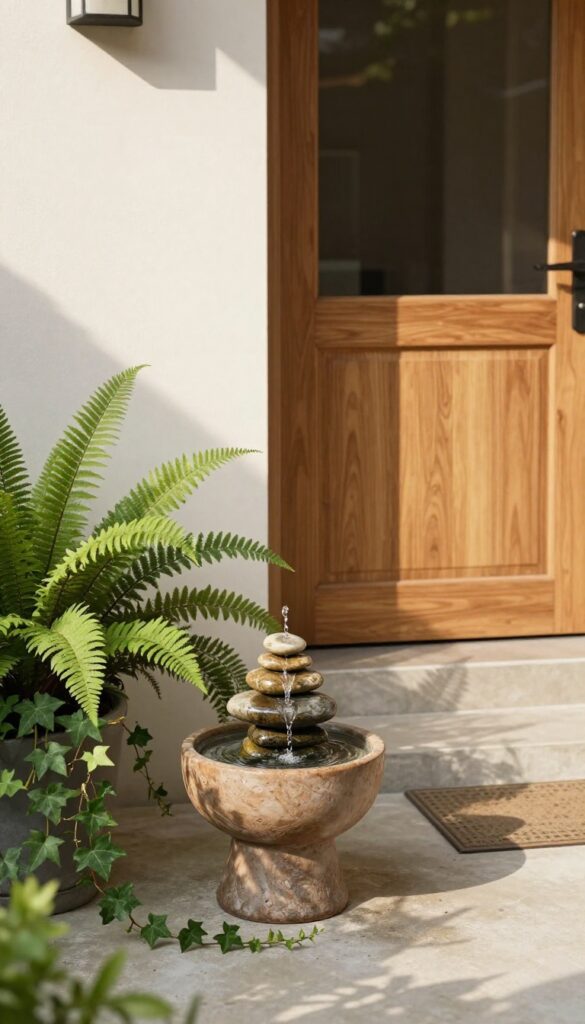
A gentle trickle of water can turn an ordinary patio into a calm retreat. A compact tabletop fountain or a wall-mounted waterfall adds both sound and visual interest without taking up much space. It's an easy upgrade that makes your front door feel more welcoming.
Water features aren't just for large backyards. Even a small fountain can create a soothing ambiance that masks street noise and adds a touch of elegance. The key is to choose a size that fits your patio without overwhelming it.
Pick The Right Spot
Place your water feature near a seating area or entryway where you can enjoy the sound. Avoid spots that get too much direct sun, which can cause algae growth. A shaded corner or beside the door often works well.
Choose A Style That Fits
Tabletop fountains are perfect for small patios and come in many materials like ceramic, stone, or metal. Wall-mounted waterfalls save floor space and add a modern touch. If you prefer a natural look, a small pondless fountain with pebbles blends nicely with plants.
Keep Maintenance Simple
Opt for a model with a pump that's easy to clean. Regularly top up the water and give the basin a quick wipe to prevent mineral buildup. In colder months, store it indoors to protect it from freezing.
8. Decorative Privacy Screen
A front patio that faces the street can feel a little exposed, especially when you're trying to relax with a morning coffee or chat with a friend. A freestanding privacy screen or a lattice panel with climbing vines is a simple fix that adds both seclusion and style. It's a smart way to carve out a cozy nook without building a full fence.
Privacy screens come in a range of materials—wood, metal, composite, or even bamboo—so you can match your home's exterior. They're also portable, meaning you can move them around as your needs change. Plus, a screen with climbing vines softens the look and brings a touch of nature right up to your door.
Pick A Screen That Complements Your Home
Think about the architectural style of your house. A sleek metal screen with geometric cutouts suits a modern home, while a natural cedar lattice feels right for a cottage or farmhouse. If you're renting, consider a freestanding panel that doesn't require permanent installation.
And don't forget to check the height—you want enough coverage to feel private, but not so tall that it blocks your view of the street or makes the patio feel closed in.
Add Climbing Vines For A Living Screen
A lattice panel becomes even more charming when you train climbing vines over it. Choose fast-growing climbers like clematis, jasmine, or ivy, depending on your climate and sun exposure. The vines create a green, textured backdrop that changes with the seasons.
Just be sure to provide a sturdy support and prune regularly to keep it looking neat. This living element also attracts pollinators and adds a layer of natural beauty that a plain screen can't match.
Layer With Planters And Decor
To make the screen feel like part of the patio, don't just plop it down—style it. Place a couple of potted plants at its base, like ferns or ornamental grasses, to blend the screen into the landscape. Add a small bench or a bistro set nearby, and maybe a string of lights overhead.
The screen becomes a backdrop for your seating area, creating a defined space that feels intentional and inviting.
Maintenance And Weather Considerations
Outdoor screens face the elements, so choose materials that can handle sun, rain, and wind. Wood screens need periodic sealing or staining, while metal and composite options are more low-maintenance. If you live in a windy area, make sure the screen is weighted or anchored to prevent tipping.
With a little care, your privacy screen will stay attractive for years and continue to make your front patio feel like a private retreat.
9. Fire Pit for Cool Evenings
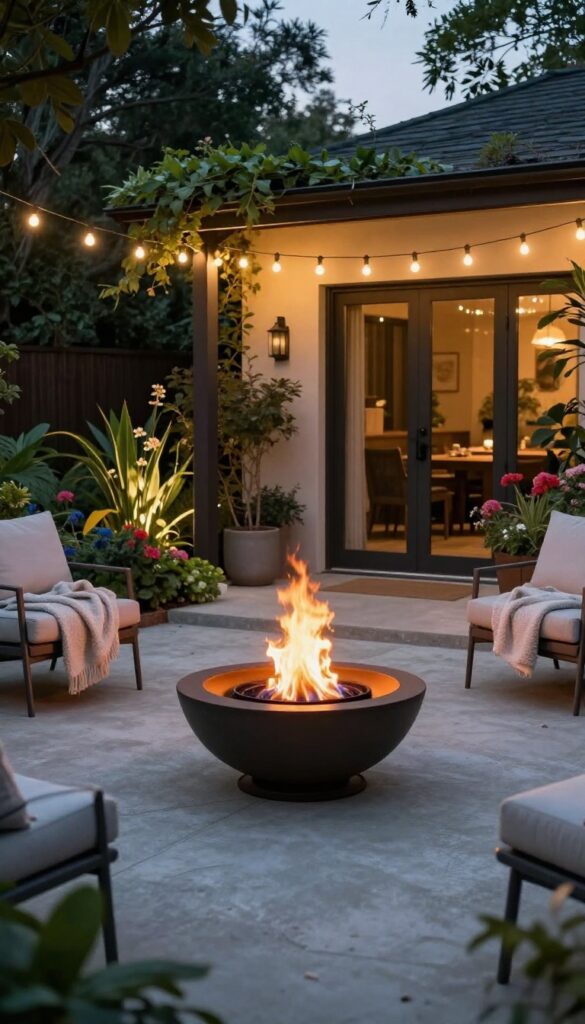
When the sun goes down and the air gets crisp, your front patio can still be the best seat in the house. A small, portable fire pit adds warmth and a cozy glow that draws people in. It’s an easy way to make your entryway feel inviting long after sunset.
A fire pit doesn’t have to be a big built-in feature. A portable tabletop version or a simple bowl-style pit can sit on your patio without taking over. Place it on a heat-resistant surface, add a few chairs, and you’ve got an instant gathering spot.
On cool evenings, you can roast marshmallows, sip hot cider, or just watch the flames flicker while neighbors walk by. It’s a simple pleasure that makes your front yard feel lived-in and welcoming.
Choosing The Right Spot
Think about where you’ll actually use it. Near the door is convenient, but make sure there’s enough clearance from walkways and plants. A spot that’s slightly off to the side can create a cozy nook without blocking traffic.
Also check local fire regulations and keep a safe distance from the house and overhanging branches.
Portable Vs. Built-in
Portable fire pits are great if you want flexibility—you can move them for parties or store them in winter. Built-in versions look more permanent but require more planning and cost. For most front yards, a portable pit is the smarter choice.
It’s easy to set up, easy to maintain, and easy to put away when not in use.
Safety First
Always place the fire pit on a flat, non-flammable surface like concrete, brick, or gravel. Keep a bucket of water or a fire extinguisher nearby. Never leave it unattended, and make sure the fire is completely out before you go inside.
With a few precautions, you can enjoy the warmth without worry.
10. Stylish Outdoor Curtains
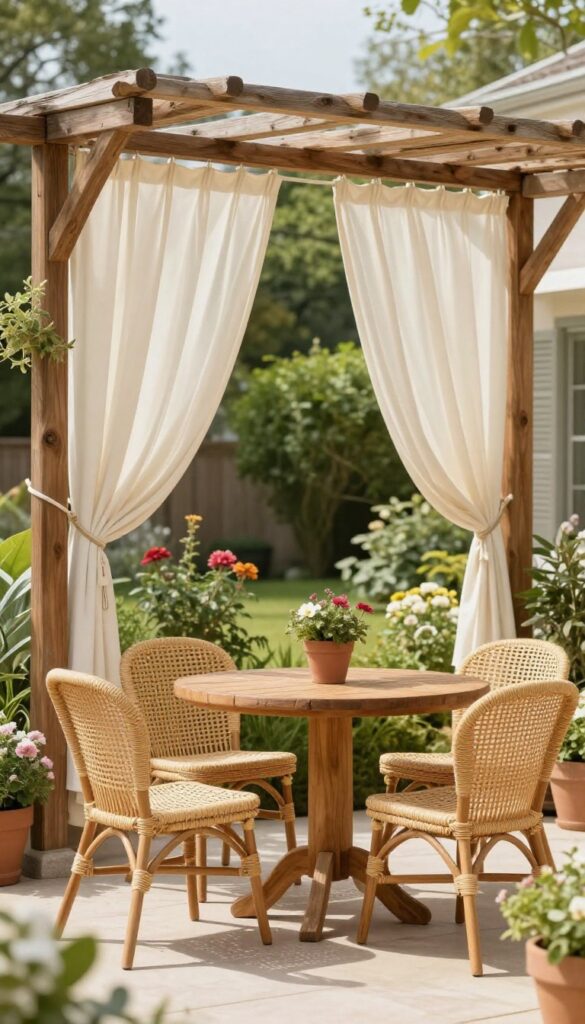
Outdoor curtains might sound like a fancy addition, but they're surprisingly practical. They soften the hard edges of a patio, add a splash of color, and give you instant privacy when you need it. Best of all, they're easy to install and can be swapped out with the seasons.
Hang weather-resistant curtains on a rod or pergola to add softness and shade. They can be drawn for privacy or left open to welcome the breeze. Choose fabrics designed for outdoor use, like polyester or acrylic, which resist fading and mildew.
For a cohesive look, pick a color that complements your home's exterior or adds a subtle pop of contrast.
Choosing The Right Fabric
Look for materials labeled 'outdoor' or 'weather-resistant. ' These are treated to handle sun, rain, and wind without losing their shape or color. Lightweight fabrics like linen blends offer a breezy feel, while heavier options provide more shade and privacy. Avoid indoor-only fabrics that will fade or rot quickly.
Installation Tips
You can mount a curtain rod above the patio area or attach curtains to a pergola beam. Use stainless steel or rust-resistant hardware to avoid corrosion. Make sure the rod is sturdy enough to hold the curtains, and consider adding curtain weights or ties to keep them in place on windy days.
Styling And Function
Curtains can define a seating area, create a cozy nook, or simply add a layer of elegance. Leave them open during the day to let in light, then draw them closed for evening privacy. You can also use them to block the low afternoon sun or create a sense of enclosure without building walls.
11. Unique Planters and Containers
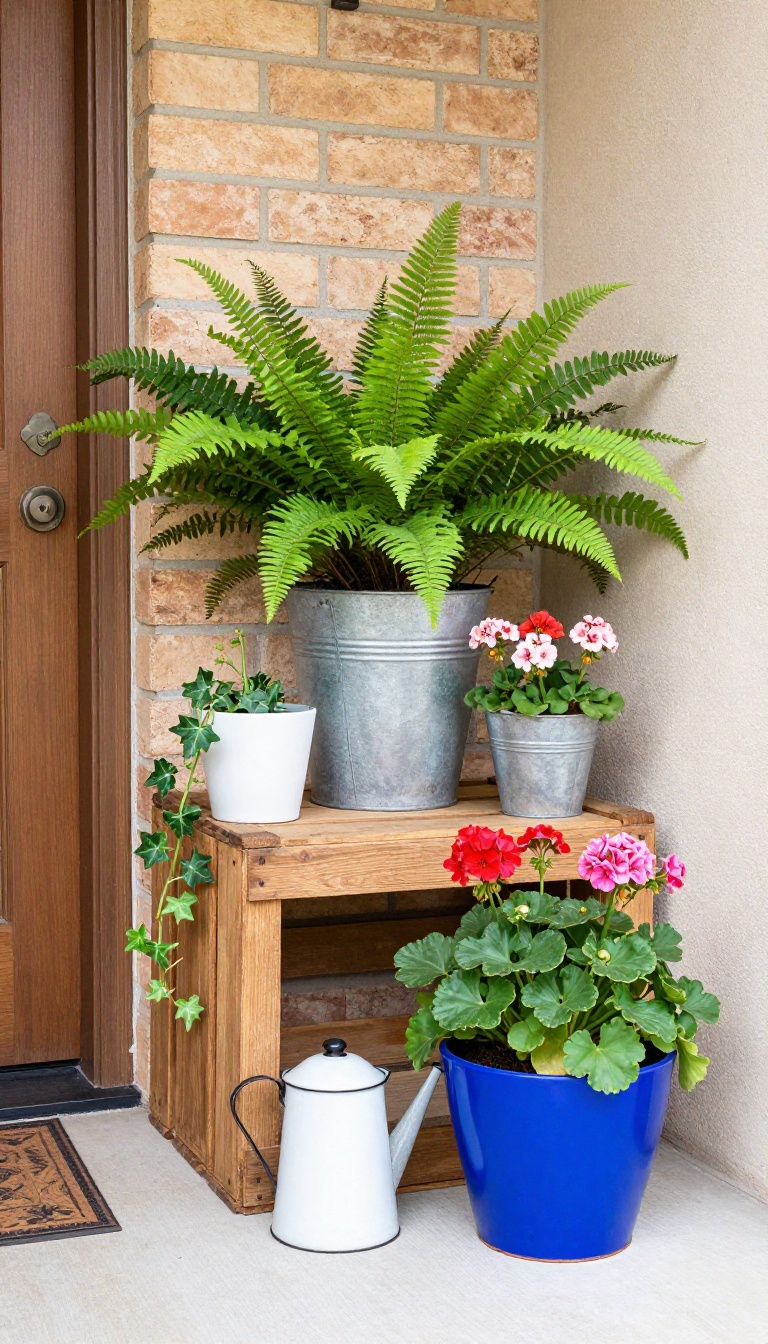
Standard terracotta pots have their place, but they don't exactly scream personality. If you want your front patio to feel collected and curated, the vessels you choose matter just as much as the plants inside them. Mixing unexpected containers into your arrangement is one of the easiest ways to inject charm without a major renovation.
Think beyond the garden center aisle. Vintage crates, galvanized buckets, colorful ceramic bowls, or even an old wheelbarrow can become a striking focal point. The key is to balance materials and heights so the display feels intentional, not chaotic.
Group containers in odd numbers, vary the sizes, and let a few trailing plants spill over the edges for that lived-in look.
Repurposed Finds With Character
Scour flea markets, garage sales, or your own attic for items that can double as planters. An enamel coffee pot, a rusty metal toolbox, or a wooden wine crate lined with plastic can all hold soil and plants. These pieces add instant history and a story to your patio.
Just drill a few drainage holes in the bottom, and you're set.
Color And Texture Play
Don't be afraid to mix bright glazed pots with neutral stone or wood tones. A cluster of cobalt blue planters against a warm brick wall pops beautifully. Similarly, pairing smooth ceramic with rough galvanized metal creates a pleasing contrast.
Use the containers to echo colors from your front door or landscaping for a cohesive feel.
Scale And Placement Tips
Place larger containers near the entry or at the corners of the patio to anchor the space. Use smaller pots to fill in gaps or line the steps. Varying heights—like setting one pot on an upside-down terracotta base or a wooden stool—adds dimension.
Make sure walkways stay clear and that the arrangement doesn't block the door.
12. Seasonal Decor That Swaps Easily
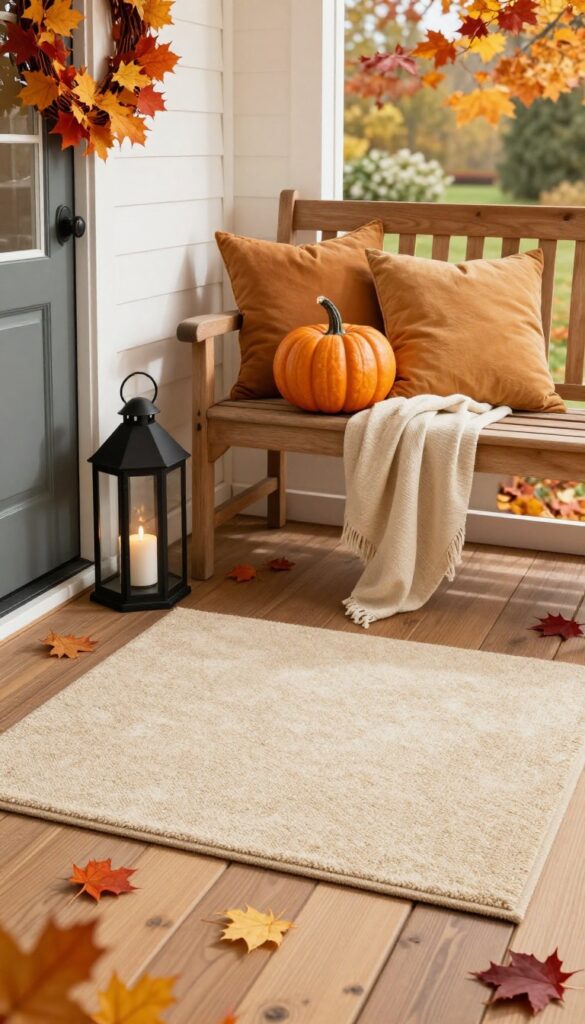
Changing your front patio decor with the seasons doesn’t have to mean a full overhaul. A few interchangeable pieces—like wreaths, doormats, and lanterns—can completely refresh the vibe. This approach keeps your space feeling intentional and current, no matter the month, without requiring a big time or money commitment.
The key is to build a small collection of decor items that you can rotate throughout the year. Start with a neutral base—like a classic doormat or a simple lantern—then add seasonal accents that you can swap in and out. This way, your patio always feels fresh, and you never have to start from scratch.
Start With A Neutral Base
Choose pieces that work year-round, such as a durable natural-fiber doormat, a black or bronze lantern, and a simple bench or chair. These items won’t clash with seasonal colors, so you can layer festive touches on top. A neutral base also means you can change your decor without worrying about matching everything perfectly.
Pick A Few Seasonal Accents
Think wreaths, throw pillows, small planters, or a decorative sign. For spring, go with pastel pillows and a fresh green wreath. In summer, swap in bright flowers and a cheerful doormat.
Fall calls for pumpkins and warm-toned pillows, while winter might mean evergreen branches and a cozy throw. Keep each season’s items in a labeled bin so they’re easy to find.
Make The Swap A Breeze
Store your seasonal decor in clear bins or labeled boxes near the front door. Use hooks for wreaths and a designated spot for doormats. When the season changes, simply swap out the accents—no need to move furniture or redo the whole space.
This makes the process quick and enjoyable, so you’ll actually do it.
13. Built-in Bench with Storage
A built-in bench does double duty: it gives you a comfortable spot to sit while hiding all the clutter that tends to pile up by the door. Whether you need a place for muddy shoes, gardening gloves, or kids' outdoor toys, this project keeps everything tidy and within reach. Plus, it adds a custom, polished look that instantly boosts your patio's charm.
Building a bench with hidden storage is a weekend project that pays off in both style and function. You can tailor it to fit your exact space, choose materials that match your home's exterior, and even add cushions for extra comfort. The best part?
You'll never again trip over a stray hose or hunt for a trowel when you need it.
Why Storage Matters By The Door
The front patio is a high-traffic zone, and clutter accumulates fast. A bench with a flip-up seat or pull-out drawers gives you a designated home for all those odds and ends. You'll keep the area looking neat without sacrificing convenience.
Material And Design Choices
Pressure-treated wood or cedar are great for outdoor durability. You can paint or stain the bench to match your trim, or go with a natural finish for a rustic feel. For a modern twist, use composite decking that resists moisture and fading.
Building Tips For A Sturdy Bench
Use galvanized screws and exterior-grade hinges to withstand weather. Add a slight slope to the seat so rainwater runs off. If you're not confident in your DIY skills, many hardware stores offer pre-cut kits that simplify the assembly.
14. Bold Front Door Color
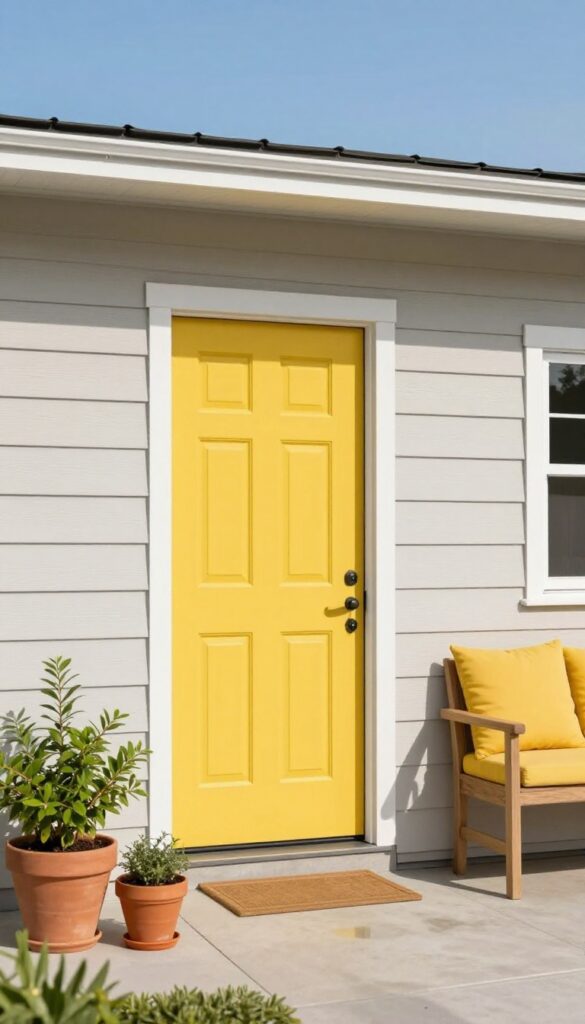
A bold front door color is the quickest way to give your patio a personality boost. It draws the eye immediately and sets the tone for the whole house. Whether you go with a classic red or something more unexpected like mustard yellow, the right shade can make your entry feel welcoming and stylish.
Choosing a bold color doesn't mean you have to repaint your entire exterior. Just the door itself can create a striking contrast against neutral siding or brick. Plus, it's a relatively easy project that you can finish in a weekend, and it's easy to change if you get tired of the color.
Pick A Shade That Pops
Think about the undertones of your home's exterior. Warm-toned brick pairs beautifully with deep greens or navy blues, while cool gray siding can handle a bright coral or sunny yellow. If you're unsure, check out the color wheel—opposite colors tend to complement each other well.
Coordinate With Patio Accents
Once your door is painted, tie the color into your patio decor. Add a few throw pillows in a matching hue, or place a potted plant with blooms in a similar shade near the entrance. This creates a cohesive look that feels intentional and polished.
Don't Forget The Hardware
A new door color is a perfect excuse to upgrade your handles, knocker, and house numbers. Brushed brass or matte black hardware can add an extra layer of charm and make the door feel even more custom. Just make sure the finishes complement your chosen color.
15. Layered Lighting with Lanterns and Sconces
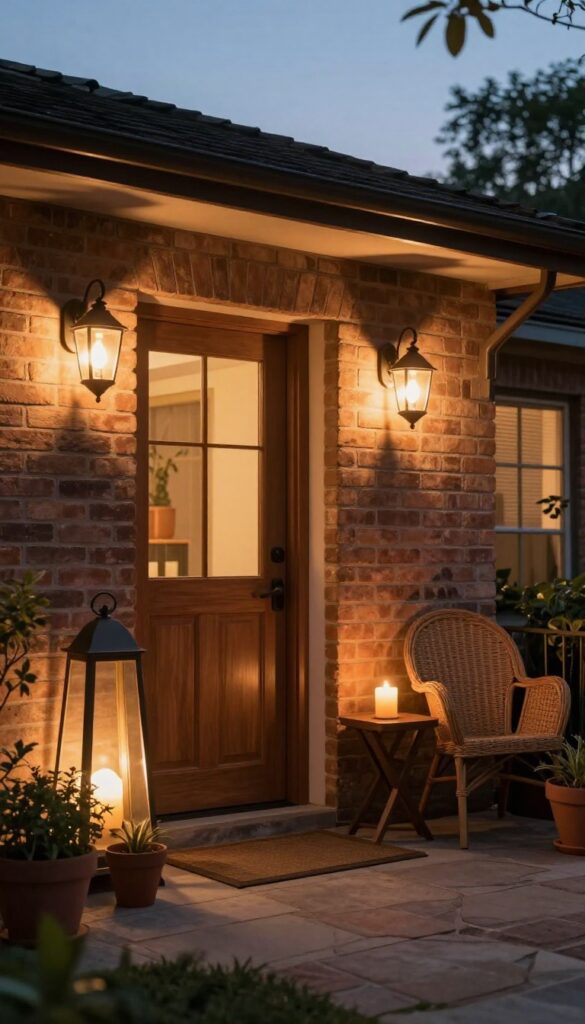
When the sun goes down, your front patio shouldn't disappear into the dark. Layered lighting—mixing wall sconces, floor lanterns, and tabletop candles—creates a warm, welcoming glow that extends your living space outdoors. It's not just about seeing where you're walking; it's about setting a mood that says, "Come on in.
"
Start by thinking about the different heights and purposes of light. Sconces mounted on the wall near the door provide general illumination and a safe entry. Floor lanterns placed near seating or along a path add a soft, ambient glow that guides visitors.
Tabletop candles on a side table or railing bring a flickering, intimate touch that makes the space feel lived-in. The key is to use a mix of light sources rather than relying on one overhead fixture.
Pick The Right Fixtures
Choose sconces with a weatherproof rating and a style that matches your home's architecture. For a modern look, go with sleek metal and clean lines; for a rustic vibe, consider lantern-style sconces with seeded glass. Floor lanterns come in various sizes—tall ones make a statement, while shorter ones work better on steps or ledges.
Tabletop candles can be real or flameless; flameless ones are safer and more practical for outdoor use.
Placement Tips
Place sconces at eye level (about 66 inches from the ground) on either side of the door or near the main seating area. Floor lanterns should be positioned to create a path of light, maybe one on each side of the steps or near the corners of the patio. Tabletop candles work best on surfaces like a side table, railing, or even a stack of books on a bench.
Avoid placing them in high-traffic areas where they might get knocked over.
Mix Light Temperatures
Combine warm white bulbs (2700K-3000K) for a cozy feel with slightly cooler tones (3500K) for task areas like a grill or entry. This creates depth and prevents the space from looking flat. Use dimmers where possible to adjust the mood from bright and lively to soft and intimate.
Solar-powered options are great for eco-friendly and low-maintenance lighting, but make sure they get enough sun during the day.
FAQ
What is the best material for a front yard patio?
Concrete, pavers, and brick are all durable and low-maintenance options. Pavers offer more design flexibility, while concrete can be stamped or stained for a custom look.
How can I make a small front patio feel larger?
Use light-colored materials, keep furniture proportional, and add mirrors or vertical elements to draw the eye upward. Avoid clutter and choose multi-functional pieces.
What are some low-maintenance plants for a front patio?
Succulents, ornamental grasses, lavender, and hostas are all hardy and require minimal care. Choose native plants for the best results in your climate.
Do I need a permit to build a front patio?
It depends on your local regulations. Check with your city or county for permit requirements, especially if you're adding a permanent structure or changing drainage.
How can I add privacy to a front patio without blocking the view?
Use semi-transparent screens, tall plants, or a pergola with climbing vines. These options provide privacy while still allowing light and air to flow through.
Conclusion
Your front yard patio has the potential to be more than just a walkway—it can be a welcoming extension of your home. Whether you start with a simple bench or go all-in with a fire pit, each idea adds a layer of charm that makes coming home feel special.
Pick a few that resonate with your style and budget, and enjoy the transformation. After all, the best patios are the ones that reflect the people who use them.