11 Storage-Smart Boys Shared Bedroom Ideas That Actually Work Well
Sharing a bedroom can be a challenge, especially when it comes to storage. Between two sets of clothes, toys, books, and school supplies, things can get messy fast. But with a little planning, you can create a space that feels organized, stylish, and actually works for both kids.
The key is to think vertically and multifunctionally. Bunk beds with built-in drawers, wall-mounted shelves, and under-bed storage are your best friends. You don't need a huge room or a big budget—just smart choices that make the most of every inch.
Here are 11 storage-smart ideas that keep the peace and the clutter under control. Each one is practical, easy to pull off, and designed to grow with your kids.
1. Bunk Beds with Built-In Drawers
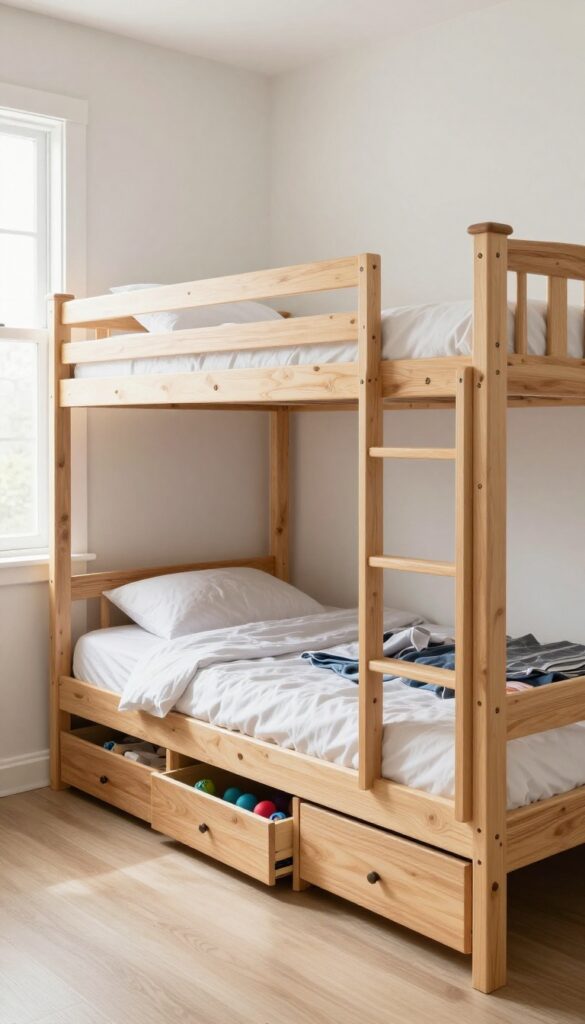
When floor space is tight, every square inch counts. Bunk beds already save vertical room, but the ones with built-in drawers take storage to another level. Instead of leaving the area underneath the lower bunk empty or cluttered, these drawers slide out to hold clothes, extra bedding, or toys.
It’s a smart, built-in solution that keeps the room tidy without adding bulky furniture.
Why It Works
Built-in drawers eliminate the need for a separate dresser or storage bins, freeing up valuable floor space. They also keep items hidden but easily accessible, making morning routines smoother and cleanup faster.
Best For
This setup is ideal for small to medium shared bedrooms where every inch matters. It works especially well for younger boys who need easy access to their clothes or toys without bending into deep bins.
Styling Tip
Match the drawer fronts to the bed frame color for a seamless look, or choose a contrasting shade like navy or charcoal to add visual interest. Add woven baskets on top of the drawers for extra toy storage that’s easy to grab.
2. Wall-Mounted Shelves for Each Kid
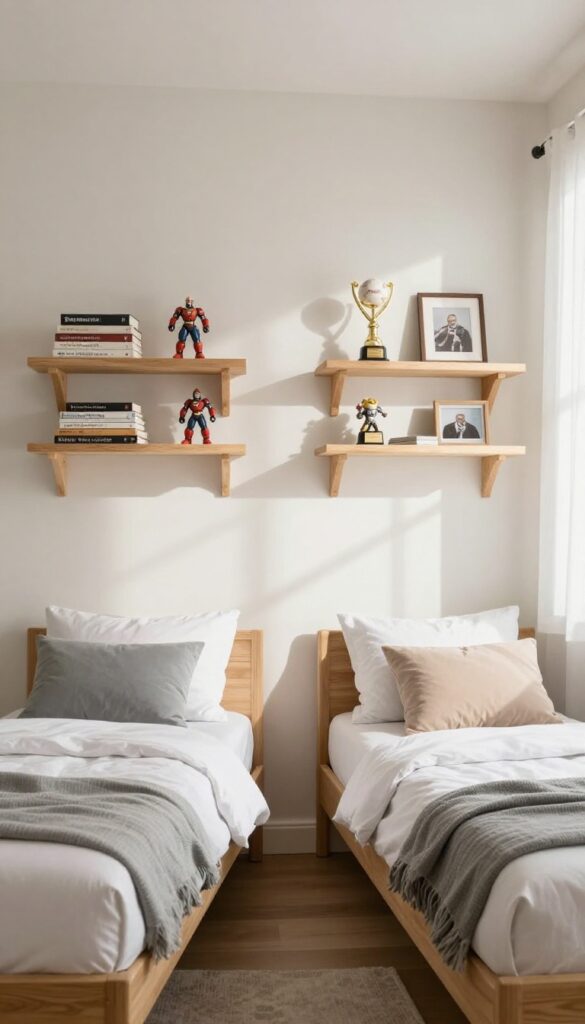
When two boys share a room, the battle over surface space can be constant. A single nightstand or desk often becomes a no-man's-land of mixed-up belongings. Wall-mounted shelves above each bed or desk solve this neatly by giving each child a dedicated vertical zone that doesn't eat into floor area.
They create a clear visual boundary while keeping prized possessions within easy reach.
Why It Works
Assigning each shelf to one child eliminates the 'that's mine' arguments before they start. Each boy can arrange his own books, action figures, or sports medals without encroaching on his brother's territory. The shelves also draw the eye upward, making the room feel taller and more organized.
Best For
This idea works well for school-aged boys who have collectibles or trophies they want to display. It's especially helpful in narrow rooms where floor space is limited and every inch counts.
Styling Tip
Choose shelves in the same finish as the bed frames for a cohesive look. Add a small LED puck light above each shelf to spotlight the items and create a cozy reading nook feel at night. Keep the styling minimal—just a few favorite objects per shelf so the display feels curated, not cluttered.
3. Under-Bed Storage Bins on Wheels
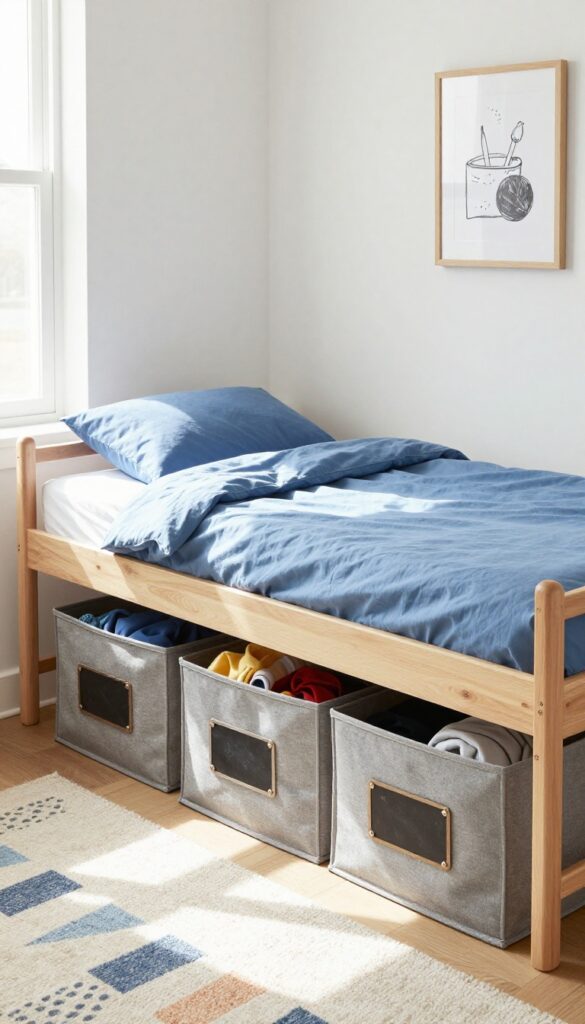
When floor space is tight, look under the beds. Rolling storage bins slide out effortlessly, making it easy to stash off-season clothes, extra bedding, or bulky toys. They keep the room tidy without sacrificing style—just choose bins that match your color scheme and add labels for a clean, organized look.
Why It Works
These bins maximize unused space and keep clutter hidden. The wheels make access a breeze, so kids can grab what they need and slide them back without help. Plus, they’re a practical solution that grows with your boys—use them for sports gear later on.
Best For
Rooms where floor space is at a premium and you need extra storage for items that don’t need daily access. Ideal for shared bedrooms with twin beds where under-bed areas are often wasted.
Styling Tip
Opt for bins in a neutral tone like gray or beige to blend with the room’s palette. Add chalkboard labels for a customizable touch that lets kids change what’s inside as their needs evolve.
4. Shared Desk with Dividers
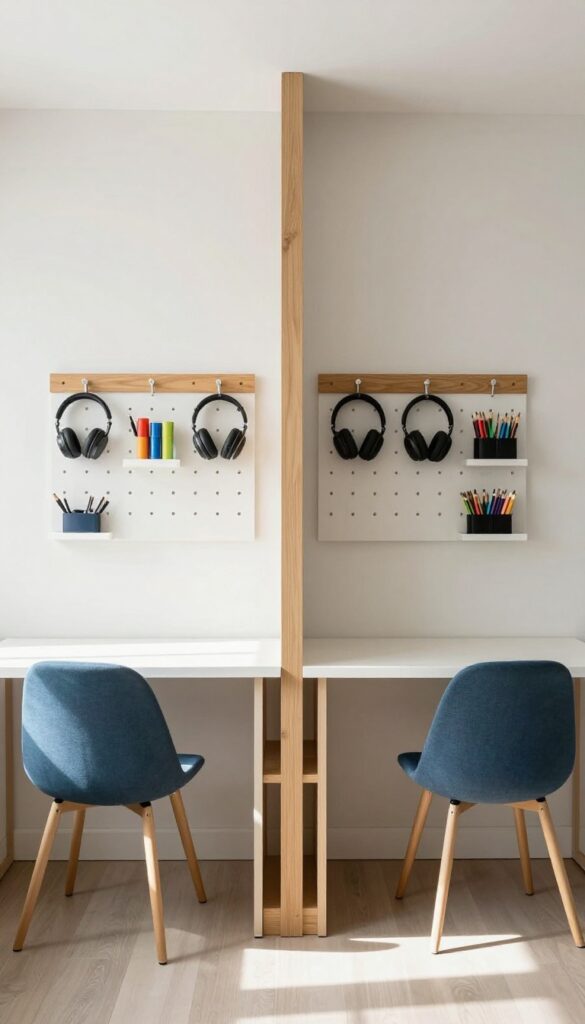
A long desk running along one wall can be a lifesaver in a shared bedroom, but without some separation, it quickly turns into a battleground over elbow room and supplies. Adding a central divider or individual cubbies carves out distinct territories, so each child has a clear workspace that feels like his own. The result is a setup that encourages focus and reduces arguments, all while looking clean and intentional.
Why It Works
Dividers create visual and physical boundaries, which helps kids stay in their own zone and respect each other's space. Drawer units underneath keep pencils, paper, and gadgets organized and out of sight, while a pegboard above provides flexible storage for headphones, art supplies, or small baskets. This system scales easily as they grow, with adjustable shelves or hooks that adapt to changing needs.
Best For
Brothers close in age who need to do homework or projects at the same time, especially in a room where floor space is tight. It's also great for kids who are easily distracted, since the divider minimizes visual clutter from the other side of the desk.
Styling Tip
Choose a desk with a neutral wood or white finish to keep the room feeling open. Paint the pegboard the same color as the wall so it blends in, then add colorful bins or a small plant on the divider for a pop of personality without overwhelming the space.
5. Vertical Book Ledges
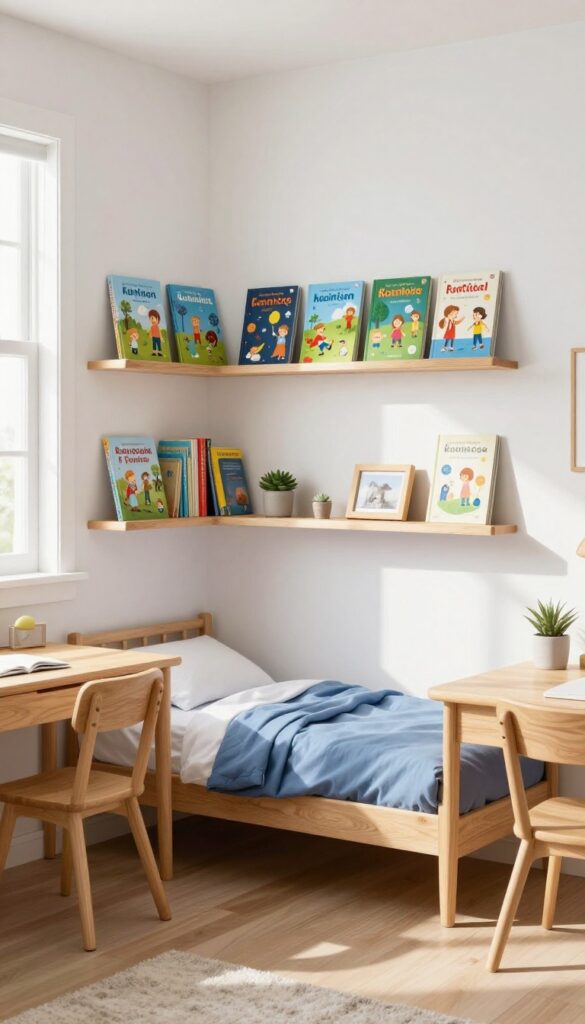
Books often end up stacked in bins or shoved onto crowded shelves where covers are hidden. Vertical book ledges flip that by displaying books face-out along the wall, turning reading material into wall art. In a shared boys' bedroom, this setup saves floor space and makes it easy for each kid to grab a book without digging through a pile.
The ledges are narrow enough to fit above a bed or desk, so they add personality without eating into the room's footprint.
Why It Works
Because the ledges are only a few inches deep, they don't protrude into the room like standard shelves. This keeps walkways clear and reduces visual clutter. Plus, seeing the covers encourages kids to pick up a book more often, which is a win for parents who want to foster reading habits.
Best For
This idea works great in rooms where floor space is tight but wall space is available. It's especially smart for younger boys who are still building their reading habits, since the face-out display makes books feel more inviting than a traditional spine-out arrangement.
Styling Tip
Install the ledges at different heights to create visual rhythm. Use a mix of books and small decor items like a mini plant or a framed photo to break up the rows. Stick to a cohesive color palette for the book covers—like blues and greens—to keep the wall from looking too chaotic.
6. Over-the-Door Shoe Organizers for Small Items
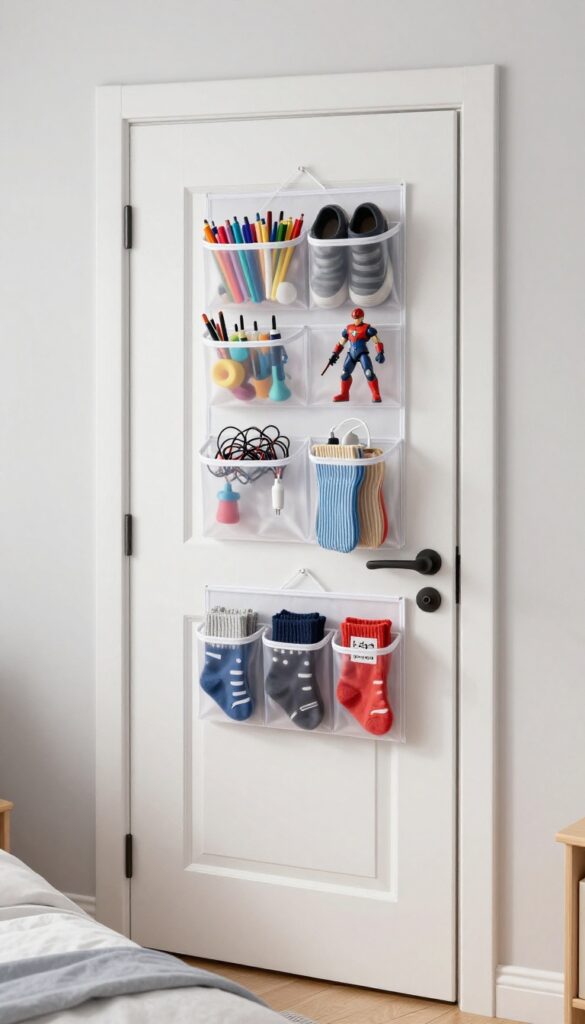
Think beyond shoes. Those clear or fabric pocket organizers that usually live on the back of a door can become a catchall for the tiny treasures that tend to take over a shared room. Art supplies, action figures, charging cables, and even socks can each have a designated pocket, making cleanup a breeze.
The best part? Everything stays visible and easy to grab, so mornings and playtimes run smoother.
Why It Works
In a room with two kids, small items multiply fast. An over-the-door organizer adds instant vertical storage without eating up floor or shelf space. Each pocket can be labeled or color-coded per child, giving them ownership over their own section while keeping the room clutter-free.
Best For
This works well for younger boys who have lots of small toys, craft supplies, or tech accessories. It's also a lifesaver in rooms with limited closet space or where dresser drawers are already overflowing.
Styling Tip
Choose a clear organizer so contents are easy to see, or go with a neutral fabric option that blends into the door. For a pop of personality, use washi tape or small labels on each pocket to assign categories like 'LEGOs,' 'cables,' or 'art supplies.'
7. Storage Headboards with Shelves
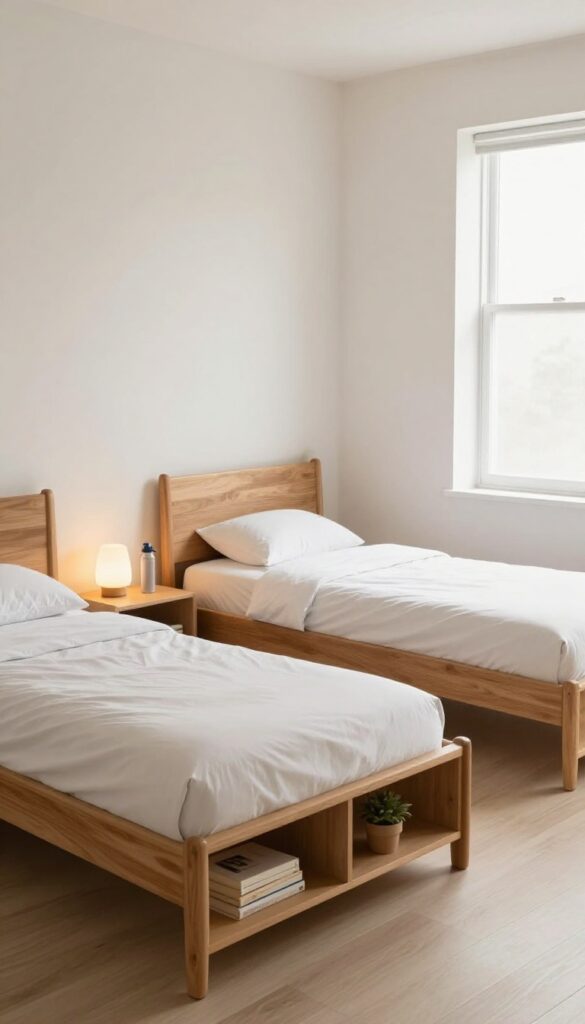
A headboard that does double duty as a storage unit is a game-changer in a shared kids' room. Instead of bulky nightstands taking up precious floor space, built-in shelves or cubbies keep bedtime essentials within arm's reach. The result is a cleaner, more organized room that still feels warm and personal.
Why It Works
Each twin gets their own dedicated shelf space for books, a water bottle, or a small lamp, which reduces arguments over territory. The headboard itself anchors the bed visually, so the room feels cohesive without extra furniture cluttering the layout.
Best For
This idea shines in rooms where floor space is tight, or when you want to minimize the number of standalone pieces. It's also perfect for kids who love to read in bed, since books are always handy.
Styling Tip
Choose a headboard with open cubbies rather than closed cabinets so items are easy to grab and put away. Add a small LED strip under each shelf for a soft nightlight effect that won't disturb a sleeping sibling.
8. Modular Cubby Systems
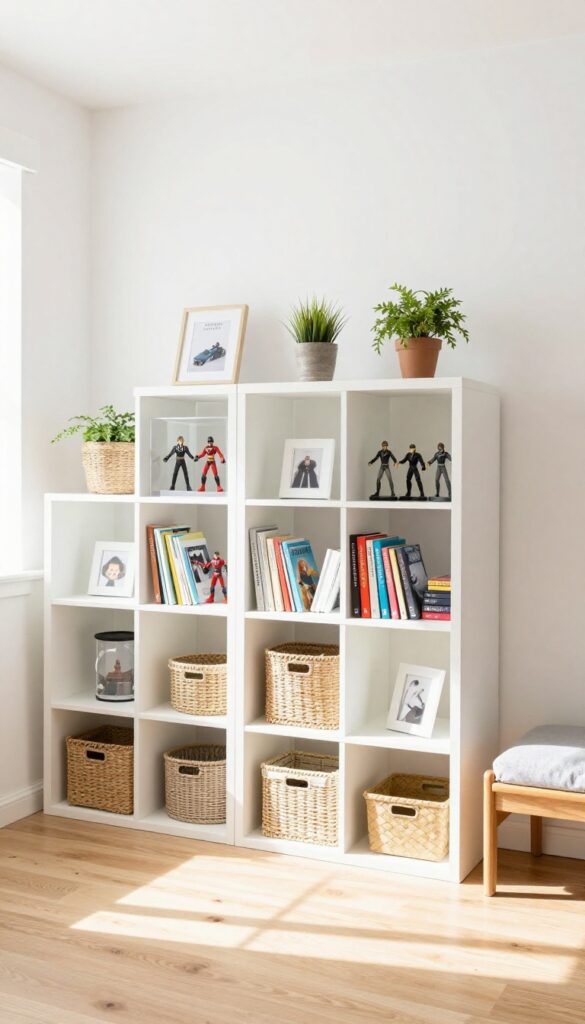
Cubbies are the unsung heroes of shared bedrooms, especially when each child needs a spot for their stuff without taking over the whole room. A modular cube system lets you stack, arrange, and reconfigure storage as your kids grow and their needs change. The result is a flexible, built-in look that feels custom but costs a fraction of the price.
Why It Works
Modular cubbies give each twin a defined zone for their belongings, which cuts down on “that’s mine” arguments. The open cubbies keep everyday items visible and easy to grab, while bins and baskets handle the clutter that tends to pile up fast. Since the units can be rearranged, you can adapt the storage layout as your boys get older and their interests shift.
Best For
This system works great for small to medium shared rooms where floor space is tight. It’s especially handy if your boys share a room but have very different organizational styles—one can keep everything in labeled bins, the other can display action figures or books on open shelves.
Styling Tip
Choose a neutral cube system (white, light wood, or black) and let each child personalize their own cubbies with colorful bins, a small plant, or a framed photo. Add a low bench or cushioned mat in front so they can sit while putting on shoes or reading.
9. Hanging Fabric Bins on Bunk Rails
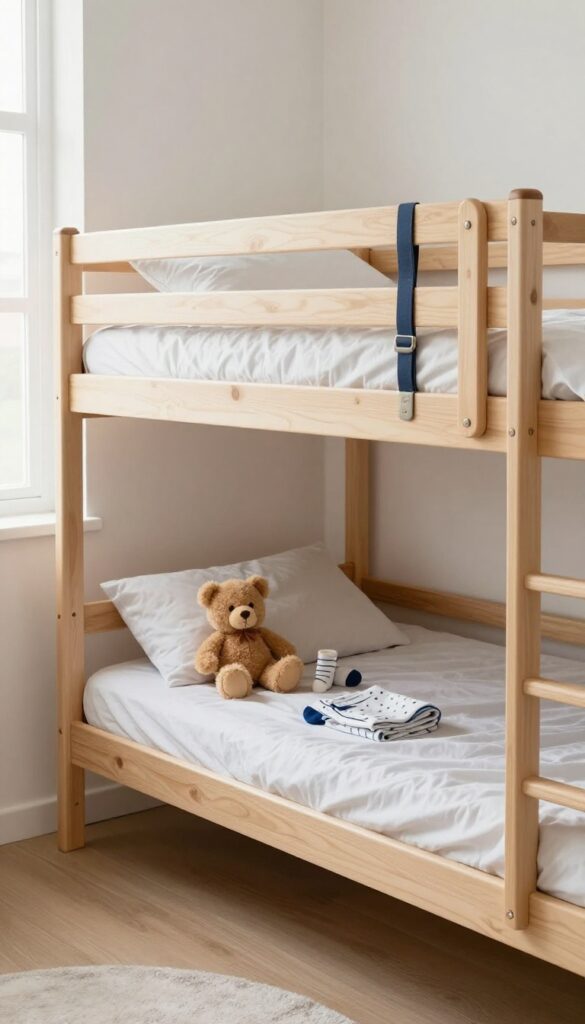
Bunk beds are a genius space-saver, but they often leave you wondering where to stash the little stuff. Hanging fabric bins on the side rails solve that problem in seconds. They keep pajamas, socks, and small toys right where the kids need them—no digging under pillows or climbing down for a forgotten teddy.
Plus, the soft bins add a cozy, organized look that blends right into the room's vibe.
Why It Works
These bins use vertical space that would otherwise go to waste. They're easy to install with simple hooks or straps, and they keep clutter off the floor and out of sight. Kids can grab their own things without help, which builds independence and keeps the room tidy.
Best For
This idea is perfect for bunk beds in shared rooms where floor space is tight. It works especially well for younger kids who need quick access to bedtime essentials or small toys. The bins are also great for storing extra blankets or books within arm's reach.
Styling Tip
Choose bins in a neutral color like gray or navy to keep the look calm, or go with a fun pattern that matches the bedding. Hang them at different heights on the rails so each child has their own designated bin. For a cohesive feel, use the same style of bins throughout the room.
10. Shared Closet with Double Hanging Rods
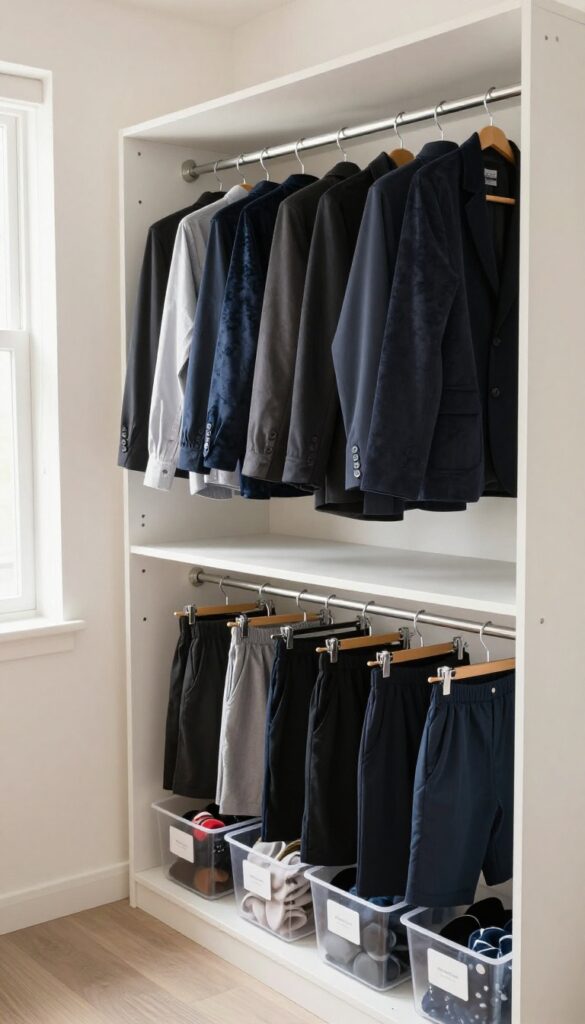
A shared closet can quickly become a battlefield of tangled hangers and lost socks. Installing two hanging rods at different heights instantly doubles the usable space, giving each child a clear zone for shirts, pants, and jackets. Matching hangers and separate bins keep everything tidy and easy to grab during morning rush.
Why It Works
Double rods maximize vertical space, making even a small closet feel roomy. Each child has their own section, so there's no fighting over space. Matching hangers create a uniform look, while labeled bins handle socks, underwear, and accessories without clutter.
Best For
Brothers sharing a closet in a standard reach-in or small walk-in closet. Works well for kids close in age who have similar clothing sizes, or for one younger and one older child where the lower rod suits the shorter kid.
Styling Tip
Use slim velvet hangers to save space and keep clothes from slipping. Add a small shelf above each rod for folded sweaters or shoes. Color-code bins or use clear ones with labels so each child can find their stuff fast.
11. Labeled Baskets on Open Shelving
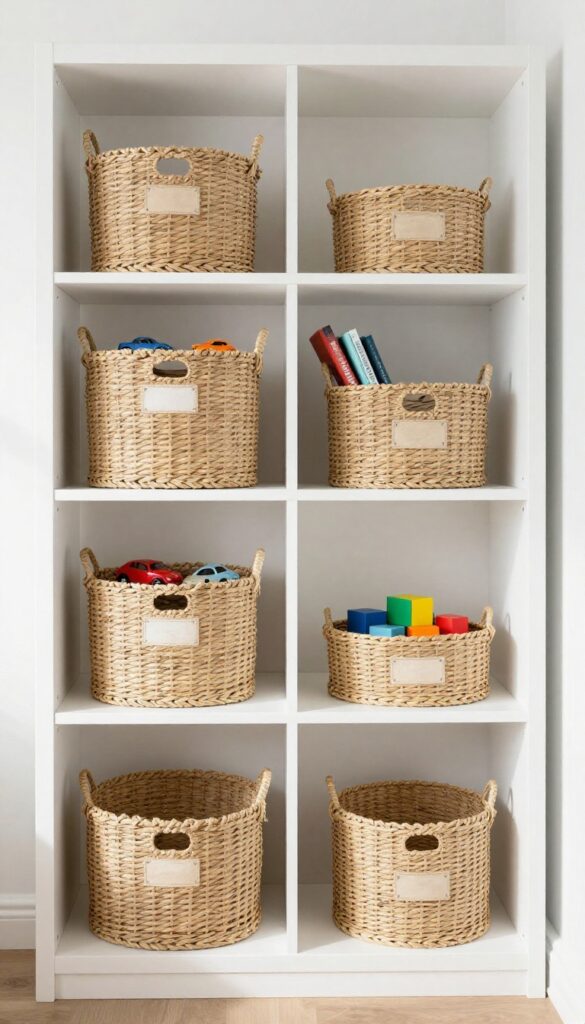
Open shelving is a game-changer in a shared boys' room—it keeps essentials visible and within reach while adding a clean, airy feel. By pairing it with labeled baskets, you give each child a designated spot for toys, books, or clothes, making tidy-up time almost automatic. The trick is to choose baskets in neutral tones like woven seagrass or soft gray, which blend into the room without adding visual noise.
This setup not only streamlines storage but also subtly teaches organization skills, all while looking effortlessly stylish.
Why It Works
- When two kids share a room, chaos can multiply fast. Labeled baskets create a simple system where each child knows exactly where his things go, reducing arguments over misplaced items. The open shelving keeps everything accessible, so there's no digging through deep bins, and the neutral baskets prevent the space from feeling cluttered or busy.
- It's a practical solution that grows with them—labels can be swapped out as interests change.
Best For
This idea is ideal for shared bedrooms with kids between ages 3 and 10, where toys, books, and small treasures tend to accumulate. It works especially well in rooms with limited floor space, since vertical storage frees up room for play. If your boys have different storage needs—like one loves building blocks and the other collects graphic novels—this system keeps their items separate but equally visible.
Styling Tip
Use a mix of basket sizes to accommodate different items: large ones for bulky toys, medium for books, and small for odds and ends. Stick to a consistent color palette, like warm neutrals with black or white labels, to maintain a cohesive look. For a personal touch, let each child pick a small charm or sticker to add to his basket label—it gives them ownership without sacrificing style.
FAQ
How can I maximize storage in a small shared bedroom?
Use vertical space with wall shelves and bunk beds with built-in storage. Under-bed bins and over-the-door organizers also help without taking up floor area.
What's the best type of bed for a shared room?
Bunk beds or loft beds are great for saving space. Look for ones with drawers, shelves, or a desk underneath to add functionality.
How do I keep two kids' belongings separate?
Assign each child their own shelves, bins, or cubbies. Use labels or color-coding to make it clear what belongs to whom.
Can I add storage without making the room look cluttered?
Yes, choose furniture with hidden storage like storage headboards or ottomans. Use matching bins and baskets to keep items out of sight and maintain a clean look.
What are some budget-friendly storage solutions?
Repurpose items like over-the-door shoe organizers or use DIY pegboards. Secondhand furniture can also be painted or modified to add storage on a budget.
Conclusion
Creating a shared bedroom that's both stylish and storage-smart doesn't have to be overwhelming. With a few thoughtful choices—like bunk beds with drawers, wall shelves, and labeled bins—you can turn a cramped room into an organized haven for both kids. Remember, the goal is to make the space work for your family's daily life.
Start with one or two ideas that fit your room and budget, and build from there. Your kids will thank you for the extra space and the peace that comes with less clutter.