How to Clean Shower Doors in 15 Streak Free Ways Fast
Streak-free shower doors feel impossible—until you know the right tricks. Hard water, soap scum, and daily grime can turn clear glass into a foggy mess, but you don't need expensive cleaners or elbow grease to fix it. These 15 methods use everyday items to deliver a spotless shine in minutes.
Each technique targets a specific problem, from vinegar sprays for mineral buildup to squeegees for daily maintenance. Some work fast for a quick refresh, others tackle tough stains with a little patience. No fluff, just practical steps that save time and effort.
Ready to see your reflection in those doors again? Let's get cleaning.
1. The Classic Vinegar and Water Spray
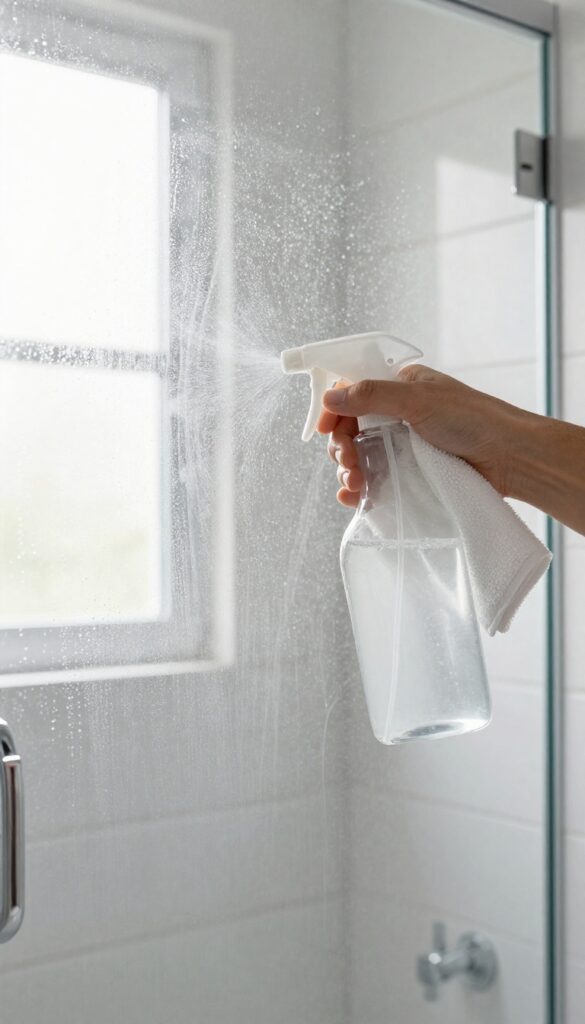
If you want a cleaner that actually works without harsh chemicals, this one is hard to beat. White vinegar cuts through soap scum and hard water deposits like a champ, and it costs pennies per batch. The key is using distilled water to avoid introducing new minerals that cause streaks.
Mix equal parts white vinegar and distilled water in a spray bottle. Spray the solution generously onto the glass, making sure to cover every spot. Let it sit for about 5 minutes to break down the grime.
Then rinse thoroughly with clean water and immediately squeegee dry. The acidity does the heavy lifting, so you don't need to scrub hard. For best results, use a microfiber cloth to buff away any remaining moisture.
Why Distilled Water Matters
Tap water contains minerals that can leave streaks or spots after drying. Distilled water is free of those impurities, so your glass dries crystal clear. It's a small swap that makes a big difference.
When To Let It Sit Longer
For stubborn buildup, let the vinegar solution sit for up to 15 minutes. You can also reapply if the glass dries before you rinse. Just don't let it dry completely, or it may leave a faint film.
2. Dish Soap and Warm Water Soak
Sometimes the simplest solution is the best. A soak with dish soap and warm water cuts through soap scum and grime without any harsh chemicals. It's gentle on glass and safe for the environment, making it a go-to for regular maintenance.
Best of all, you probably already have everything you need in your kitchen.
This method works wonders on light to moderate buildup. The dish soap breaks down oils and soap residue, while warm water helps loosen stuck-on dirt. It's also a great first step before trying stronger cleaners, as it removes surface grime so other solutions can work more effectively.
What You'll Need
Grab a bucket of warm water, a few drops of blue Dawn dish soap (or any gentle liquid dish soap), and a soft sponge or microfiber cloth. Avoid abrasive scrubbers that could scratch the glass. That's it—no special tools required.
Step-by-step Process
Fill a bucket with warm water and add a small squirt of dish soap. Swish to mix. Dip your sponge into the soapy water and scrub the shower doors in circular motions, focusing on areas with visible soap scum.
Let the solution sit for a minute or two to loosen grime. Then rinse thoroughly with clean water. For best results, use a squeegee afterward to prevent water spots.
When To Use This Method
This soak is ideal for weekly cleaning or whenever you notice a thin film on the glass. It's also perfect for glass doors with metal frames, since dish soap won't damage the finish. Avoid using it on heavily stained doors with hard water deposits—those need a stronger approach like vinegar or a commercial descaler.
3. Baking Soda Paste for Tough Spots
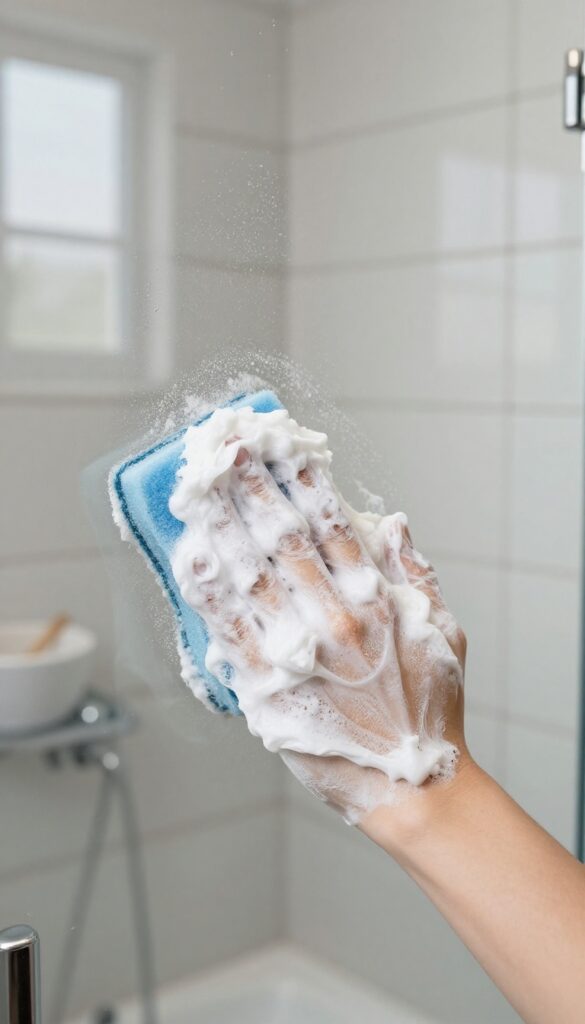
Some spots just won't budge with a simple spray. That's where baking soda comes in—it's gentle enough for glass but tough on grime. A thick paste gives you extra scrubbing power without scratching the surface.
Why Baking Soda Works
Baking soda is mildly abrasive, so it physically lifts stuck-on residue without damaging the glass. It also neutralizes odors and mixes well with water to form a spreadable paste. You probably already have it in your pantry.
How To Make And Apply The Paste
Mix three parts baking soda with one part water in a small bowl. Stir until it forms a thick, spreadable paste. Use a soft sponge or cloth to apply it directly to the stubborn spots—avoid abrasive pads that could scratch.
Let it sit for 10 minutes to break down the grime.
Scrubbing And Rinsing Tips
After the wait, gently scrub in circular motions with a non-abrasive pad. Rinse thoroughly with warm water. If any residue remains, wipe with a damp microfiber cloth.
For extra stubborn areas, add a splash of white vinegar to the paste for more cleaning power.
4. Lemon Juice for Hard Water Stains
Hard water stains can be stubborn, but a simple lemon cuts through them like magic. The natural citric acid dissolves mineral deposits without scrubbing or harsh chemicals. Plus, your bathroom will smell amazing—no bleach fumes, just fresh citrus.
Why Lemons Work So Well
Citric acid is a mild chelating agent, meaning it grabs onto the calcium and magnesium in hard water stains and breaks them down. Unlike vinegar, lemon leaves a pleasant scent and doesn't linger with a strong odor. It's also gentle on glass and metal, so you won't risk etching or damage.
How To Use It Step By Step
Cut a lemon in half and squeeze out a little juice onto the stained area. Rub the cut side directly on the glass, focusing on cloudy spots. Let the juice sit for 2–3 minutes, but don't let it dry completely.
Rinse with warm water and dry with a microfiber cloth for a streak-free finish.
When To Add A Little Extra Help
For thick, crusty deposits, dip the lemon half in salt or baking soda before scrubbing. The abrasive grit boosts the cleaning power without scratching glass. This combo works great on shower door tracks and handles too.
Just rinse thoroughly afterward.
5. Rubbing Alcohol for a Quick Shine
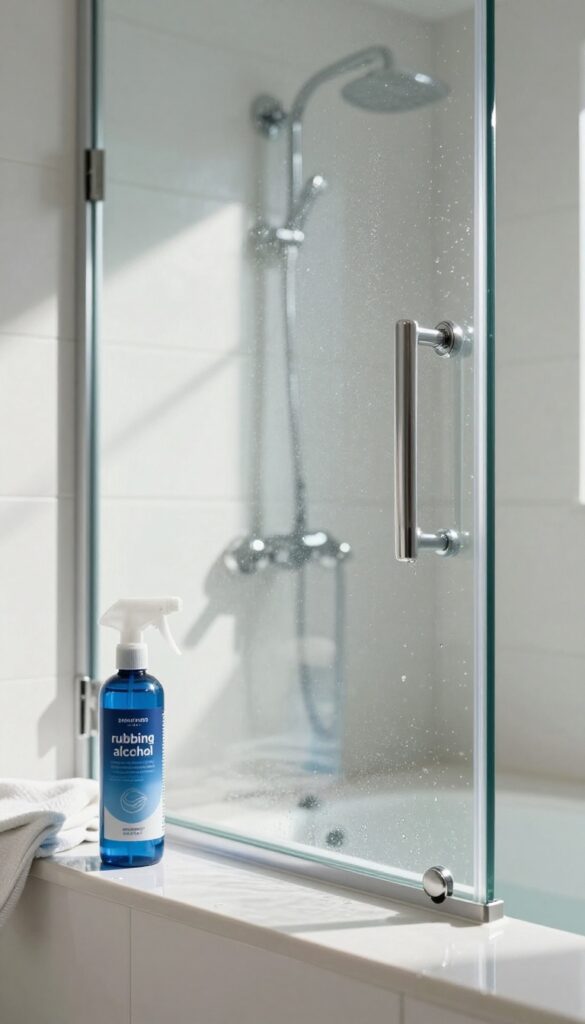
Rubbing alcohol is a fast-drying solution that cuts through grease and leaves glass crystal clear. Combined with water and vinegar, it creates a streak-free spray that evaporates before water spots have a chance to form. Perfect for a quick touch-up between deep cleans.
Mix 1 cup rubbing alcohol, 1 cup water, and 1 tablespoon white vinegar in a spray bottle. Shake gently to combine. Spray the solution onto the glass door, covering all areas evenly.
Wipe immediately with a clean, lint-free microfiber cloth using a circular motion, then follow with vertical or horizontal strokes to catch any remaining moisture. The alcohol evaporates rapidly, leaving a brilliant shine without streaks. This method works best on glass that isn't heavily soiled—use it for weekly maintenance or after a more thorough cleaning to restore sparkle.
Why It Works So Well
Rubbing alcohol is a solvent that dissolves oily residues and soap scum quickly. Its low surface tension helps it spread evenly, while the fast evaporation rate prevents water from lingering and forming spots. The vinegar adds mild acidity to break down mineral deposits, making this combo a powerhouse for shine.
Tips For Best Results
Use 70% isopropyl alcohol for a balance of effectiveness and evaporation speed. Avoid paper towels—they leave lint and streaks. Instead, grab a microfiber cloth designed for glass.
Work in small sections so the solution doesn't dry before you wipe. If your doors have stubborn residue, pre-clean with a vinegar spray first, then finish with the alcohol mix.
When To Use This Method
This is your go-to for a quick refresh between deep cleans. Use it after a shower to prevent buildup, or when you have guests coming and need spotless doors fast. It's also ideal for cleaning glass shelves or mirrors in the bathroom.
For heavy soap scum or hard water stains, pair it with a baking soda paste or a dedicated cleaner first.
6. The Magic Eraser Trick
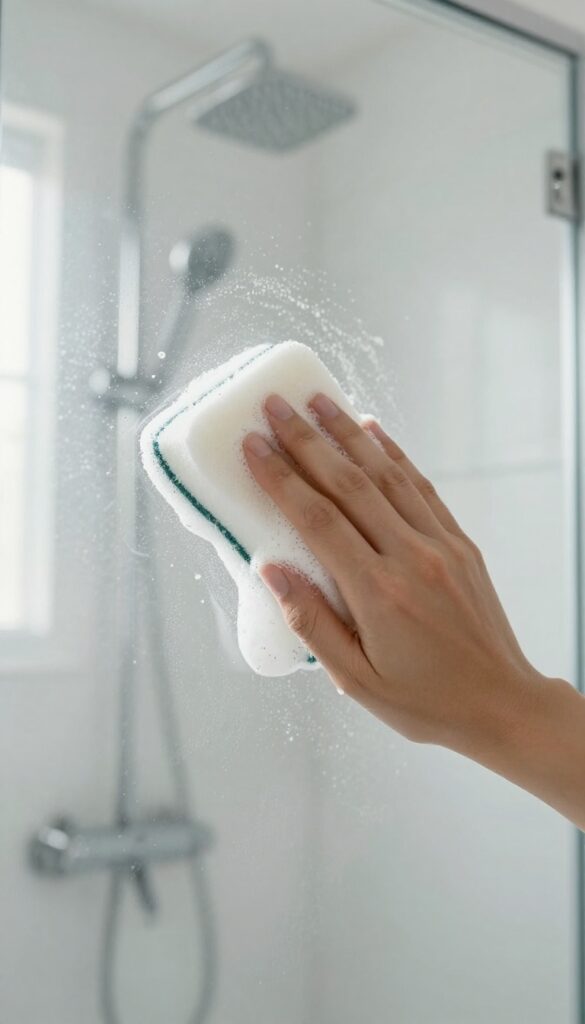
Melamine sponges, often sold as Magic Erasers, are a surprisingly effective tool for cleaning shower doors. They work like a super-fine sandpaper, lifting soap scum and grime without harsh chemicals. The key is to use them gently—too much pressure can damage the glass coating.
Dampen a melamine sponge (like Mr. Clean Magic Eraser) and gently scrub the glass. It lifts soap scum and grime without extra chemicals.
Rinse and squeegee afterward.
Why It Works So Well
Melamine foam has a micro-abrasive structure that acts like thousands of tiny scrubbers. It physically lifts mineral deposits and soap residue without needing chemical solvents. That makes it a great option for households that prefer to avoid strong cleaners.
How To Use It Right
Wet the sponge until it's soft but not dripping. Gently wipe the glass in circular motions, focusing on cloudy areas. Rinse the door thoroughly with water to remove any sponge residue, then squeegee dry for a streak-free finish.
What To Avoid
Don't scrub too hard—melamine can dull or scratch certain glass coatings. Also, avoid using it on frosted or etched glass, as it can remove the finish. Stick to clear glass doors for best results.
7. Baby Shampoo for Gentle Cleaning
If you have sensitive skin or just prefer a milder approach, baby shampoo is a fantastic option for cleaning shower doors. It's gentle enough for daily use but effective enough to cut through light soap scum and grime. Plus, it leaves a streak-free shine without any harsh chemical residue.
Mix a tablespoon of baby shampoo with a cup of warm water. Apply with a soft cloth, then rinse. This mild solution is perfect for daily maintenance and leaves no streaks.
It's especially good for glass doors with decorative etching or frosted finishes, where stronger cleaners might cause damage.
Why Baby Shampoo Works
Baby shampoo contains mild surfactants that break down soap scum and body oils without being abrasive. Its neutral pH is safe for glass and metal fixtures, and it rinses cleanly, leaving no film behind. This makes it ideal for frequent use without worrying about buildup.
Best Practices For Streak-free Results
Use a microfiber cloth to apply the solution, working in small sections. Rinse thoroughly with warm water, then dry with a clean, dry microfiber cloth to prevent water spots. For best results, use this method after each shower to maintain clarity.
When To Choose This Method
Baby shampoo is perfect for households with children, pets, or anyone with respiratory sensitivities. It's also a great choice for daily upkeep between deeper cleans with stronger solutions like vinegar or baking soda.
8. Rain-X for Future Protection
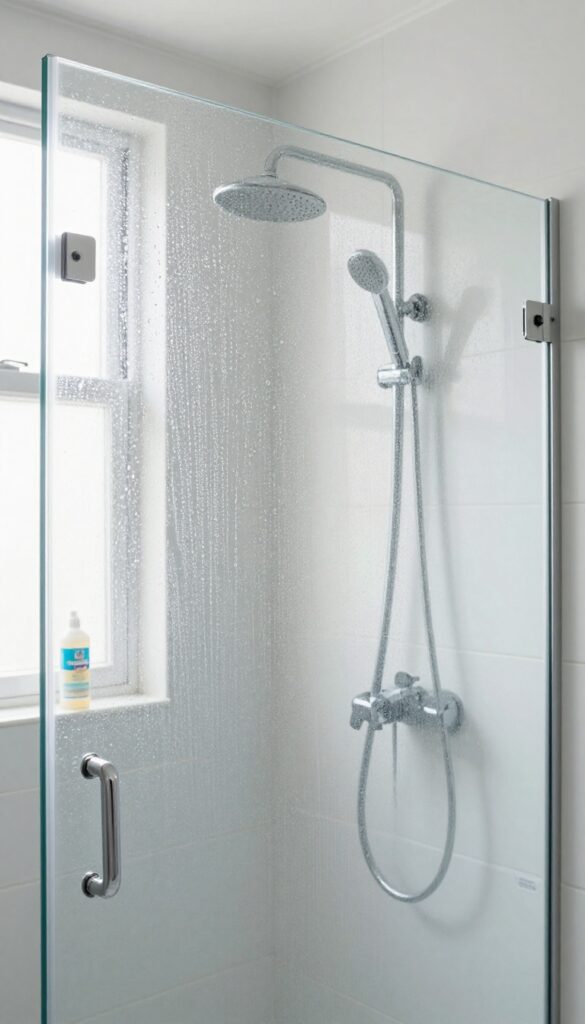
You've scrubbed and polished until the glass gleams—now keep it that way. A simple protective coating can save you hours of future cleaning. Rain-X, originally made for car windshields, works wonders on shower doors by repelling water and preventing mineral deposits from bonding to the glass.
After you've cleaned the doors thoroughly and they're bone dry, apply a thin, even layer of Rain-X or a similar glass treatment. Use a clean microfiber cloth to buff it in small circles, then wipe off any excess. The hydrophobic barrier forces water to bead up and roll off, taking soap scum and hard water minerals with it.
Reapply monthly for best results, especially if you have hard water. This one step cuts your cleaning frequency in half.
How It Works
Rain-X fills microscopic pores in the glass, creating an invisible shield that water can't grip. Instead of drying into spots, droplets slide down and carry dirt away. It's the same technology that keeps windshields clear in the rain, adapted for your shower.
Application Tips
Start with spotless, dry glass—any residue will get sealed in. Apply Rain-X in a well-ventilated bathroom, and avoid getting it on non-glass surfaces like metal or rubber seals. Buff until the glass looks clear with no haze.
A little goes a long way; one bottle lasts months.
When To Reapply
Check the beading effect weekly. If water starts to sheet instead of beading, it's time for another coat. In most homes, monthly application keeps the protection strong.
You'll notice less scrubbing and fewer streaks between deep cleans.
9. Squeegee After Every Shower
A squeegee is the simplest tool to keep your shower doors streak-free. Using it after every shower takes just 30 seconds and prevents water spots and soap scum from building up. This habit alone can cut your deep cleaning frequency in half.
Make squeegeeing part of your post-shower routine. Keep the squeegee hanging in the shower so it's always handy. Start at the top and pull down in overlapping strokes, wiping the blade dry between passes for a streak-free finish.
For best results, do it while the glass is still warm—water beads off more easily.
Why It Works So Well
Hard water minerals and soap residue need time to bond to glass. By removing water immediately, you eliminate the chance for deposits to form. It's like drying a pan right after washing—no spots, no stains.
Choosing The Right Squeegee
Look for a squeegee with a rubber blade that's soft but firm. A 10- to 12-inch blade covers most shower doors efficiently. Avoid cheap plastic blades that leave streaks; a silicone blade glides smoothly and lasts longer.
Quick Maintenance Tip
Rinse the squeegee blade after each use and hang it to dry. Replace the blade every few months if it starts leaving streaks or skipping. A well-maintained squeegee makes the job effortless.
10. Use a Microfiber Cloth for Drying
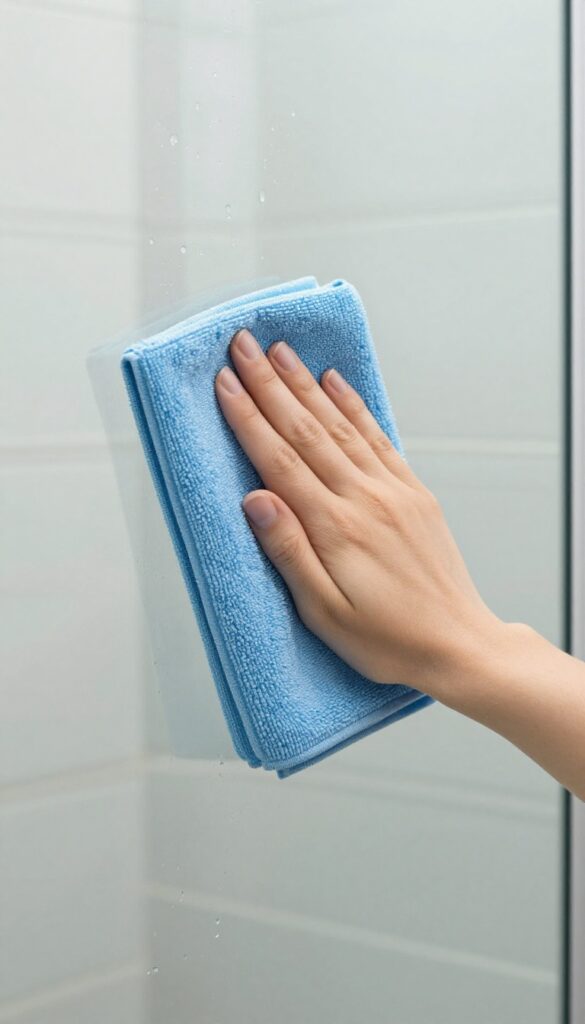
Drying your shower doors might seem like an extra step, but it's the secret to a streak-free finish. A quality microfiber cloth makes all the difference—it's designed to absorb moisture without leaving behind lint or smears. Paper towels?
They often deposit tiny fibers that dull the shine. Switch to microfiber and watch your glass stay crystal clear.
Why Microfiber Works Best
Microfiber cloths have ultra-fine fibers that trap water and grime instead of pushing them around. They're lint-free, so no fuzzy residue. Plus, they're reusable—just wash and dry them between uses.
Avoid fabric softener when washing, as it can clog the fibers and reduce absorbency.
How To Dry Without Streaks
Start at the top of the door and work your way down in a single direction. Use a fresh, dry section of the cloth for each pass. Don't rub in circles—that can spread moisture unevenly.
A straight, overlapping motion ensures complete drying and a mirror-like shine.
When To Replace Your Cloth
Over time, microfiber cloths lose their effectiveness. If you notice streaking or reduced absorbency, it's time for a new one. A good rule: replace after about 30 washes, or sooner if the cloth feels stiff or smells musty.
Keep a dedicated cloth just for glass to avoid cross-contamination from other cleaners.
11. White Vinegar and Baking Soda Combo
Sometimes the toughest grime needs a one-two punch. White vinegar and baking soda create a fizzy reaction that lifts stubborn soap scum and hard water deposits without harsh chemicals. This dynamic duo is cheap, non-toxic, and surprisingly effective on neglected shower doors.
Start by sprinkling a generous layer of baking soda over the damp glass. Then fill a spray bottle with undiluted white vinegar and spritz it directly onto the baking soda. The mixture will bubble and foam, working its way through the buildup.
Let it sit for 5 minutes—the fizzing action does the heavy lifting. After that, scrub gently with a soft sponge or microfiber cloth, then rinse thoroughly with warm water. For best results, dry the glass with a clean microfiber towel to prevent new water spots.
Why This Combo Works So Well
Baking soda is a mild abrasive that physically scrubs away residue, while vinegar is acidic enough to dissolve mineral deposits and soap scum. When combined, the carbon dioxide bubbles help dislodge grime from crevices. It's a chemical-free powerhouse that's safe for glass and most metal frames.
Best Application Method
Apply the baking soda first using a dry sprinkle or a paste (mix with a little water). Then spray vinegar evenly. Avoid using too much liquid—you want a thick, foamy paste that clings to vertical surfaces.
Let it work for 5 minutes, but don't let it dry completely; re-spray if needed.
Rinsing And Drying Tips
Rinse with warm water using a handheld showerhead or a bucket. Make sure all residue is gone—any leftover baking soda can leave a white haze. Dry immediately with a microfiber cloth to avoid streaks.
For extra shine, follow with a spritz of vinegar and a quick buff.
12. Commercial Glass Cleaner Hack
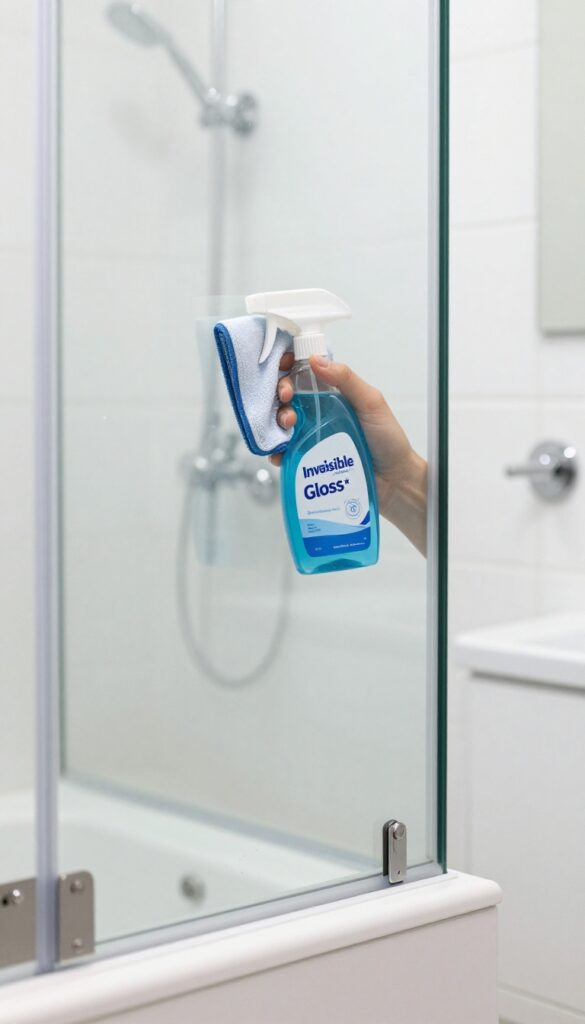
Not all glass cleaners are created equal, and the right one can make a huge difference on shower doors. Brands like Sprayway or Invisible Glass are formulated to dry quickly without leaving streaks, even on large glass surfaces. This method is perfect for a fast weekly clean when you don't have time for DIY solutions.
The key is to avoid over-spraying and to use the right cloth. Microfiber is non-linting and absorbs cleaner evenly, preventing drips that cause streaks. Work in small sections, spraying directly onto the cloth rather than the glass to control the amount of product.
Wipe in a circular motion to lift grime, then follow with a dry side of the cloth in straight lines to buff the surface. This two-step wipe-and-buff technique ensures a crystal-clear finish every time.
Choose The Right Cleaner
Look for ammonia-free formulas that won't damage glass coatings. Sprayway and Invisible Glass are top picks because they evaporate fast and leave no residue. Avoid multi-surface cleaners that can leave a film.
Master The Wipe-and-buff Technique
Spray the cleaner onto a microfiber cloth, not the door. Wipe the glass in a circular motion to break up dirt, then immediately buff with a dry section of the cloth using horizontal or vertical strokes. This prevents streaks from forming as the cleaner dries.
Maintain Between Cleanings
Keep a spray bottle of glass cleaner and a dedicated microfiber cloth in the bathroom. A quick 30-second wipe after every shower keeps soap scum from building up, making weekly cleanings even faster.
13. Hydrogen Peroxide for Mold Spots
Mold and mildew love the damp edges of shower doors, especially in bathrooms with poor ventilation. Instead of reaching for harsh bleach, grab a bottle of 3% hydrogen peroxide from your medicine cabinet. It kills mold spores on contact without the strong fumes or residue.
Hydrogen peroxide is a gentle yet effective disinfectant that works wonders on stubborn mold spots. It breaks down into water and oxygen, making it safe for you and the environment. For best results, use it on visible mold along the bottom track or rubber seals where moisture collects.
How To Apply
Pour undiluted 3% hydrogen peroxide into a spray bottle. Spray the affected areas until they're thoroughly wet, then let it sit for 10 minutes. The peroxide will bubble and fizz as it works—that's normal.
After the wait, scrub with a soft brush or old toothbrush to loosen any remaining spores, then rinse with warm water.
Why It Works So Well
Hydrogen peroxide's bubbling action helps lift mold from porous surfaces like caulk and rubber seals. Unlike bleach, it doesn't produce toxic fumes, so you can use it in small bathrooms without worrying about ventilation. It also whitens any discolored caulk, leaving your shower door edges looking fresh.
Pro Tips For Stubborn Spots
For deep-set mold, apply hydrogen peroxide with a cotton ball or cloth and press it onto the spot for a few minutes before spraying. You can also mix equal parts hydrogen peroxide and water in a spray bottle for a lighter cleaner on daily maintenance. Just remember to test an inconspicuous area first, especially if your door has colored trim.
14. Toothbrush for Track Cleaning
Shower door tracks and corners are grime magnets. Sponges and cloths can't reach the narrow grooves where soap scum and mold hide. That's where a humble toothbrush comes in—it's the perfect tool for detail work.
Grab an old toothbrush (or a cheap new one) and dip it in white vinegar. Scrub along the tracks, focusing on the corners and any visible buildup. The bristles dislodge grime that a sponge would just smear around.
For extra stubborn spots, sprinkle a little baking soda on the brush before scrubbing. Rinse the tracks with warm water and wipe dry with a microfiber cloth to prevent new residue from settling.
Why A Toothbrush Works Best
The small, stiff bristles fit perfectly into tight spaces. Unlike a rag or sponge, a toothbrush can dig into crevices without leaving behind lint or streaks. It's also gentle enough not to scratch metal or plastic tracks.
Vinegar Vs. Other Cleaners
White vinegar cuts through mineral deposits and soap scum naturally. If the smell bothers you, mix equal parts vinegar and water. For heavy mold, use a hydrogen peroxide soak before scrubbing.
Maintenance Tip
Keep a dedicated toothbrush near your shower supplies. A quick scrub once a week prevents buildup from becoming a tough job. Rinse the brush after each use and let it air dry.
15. Professional Glass Sealant Application
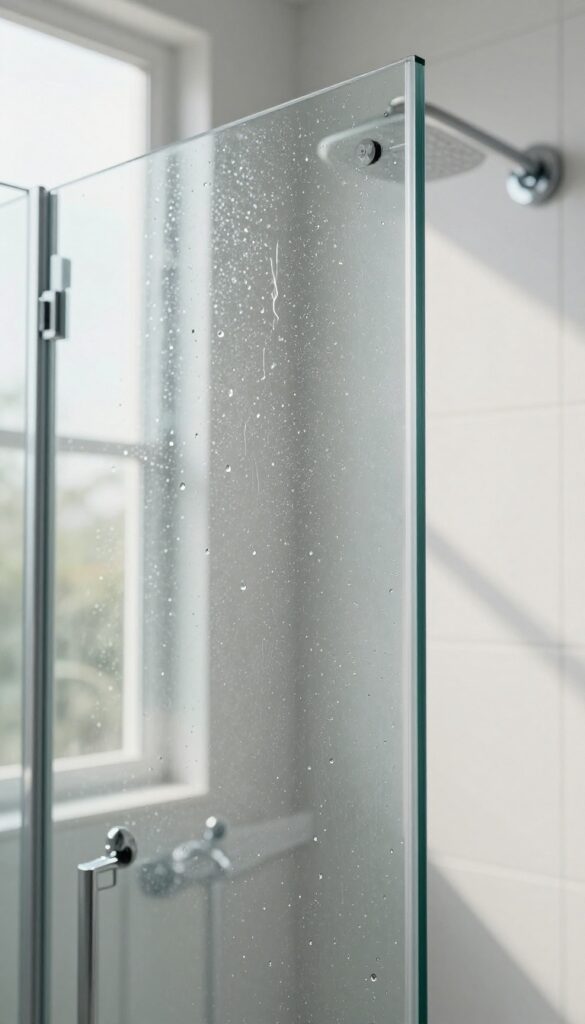
If you're tired of scrubbing shower doors every week, a glass sealant is the closest thing to a permanent fix. Products like EnduroShield or Diamond Glass create an invisible barrier that bonds to the glass, repelling water and soap scum. Once applied after a deep clean, you'll notice fewer streaks and less buildup for months.
Professional glass sealants are designed for long-term protection. They fill microscopic pores in the glass, making the surface non-stick. Water beads up and rolls off, carrying dirt with it.
This means less frequent cleaning and a streak-free shine that lasts. The application process is straightforward, but preparation is key—the glass must be spotless and dry for the sealant to bond properly.
Why Sealants Work So Well
Glass is naturally porous, so minerals and soap residue cling to it. A sealant fills those pores and creates a hydrophobic layer. Water no longer spreads out and dries into streaks; instead, it forms beads that slide off.
This not only keeps the glass clear but also prevents hard water stains from forming in the first place.
How To Apply Like A Pro
Start by cleaning the doors thoroughly with a vinegar solution or a dedicated glass cleaner. Rinse well and dry completely with a microfiber cloth. Apply the sealant according to the instructions—usually a spray or wipe-on formula.
Let it cure for the recommended time (often 24 hours) before exposing the glass to water. One application can last up to six months.
Maintenance After Sealing
Even with a sealant, a quick squeegee after each shower helps prolong its life. Avoid abrasive cleaners or scrubbers that could wear down the coating. When you do need to clean, use a mild soap or a pH-neutral cleaner.
The sealant makes wiping away grime effortless, so you'll spend less time cleaning and more time enjoying your streak-free doors.
FAQ
How often should I clean my shower doors to prevent streaks?
For best results, squeegee after every shower and do a deep clean with vinegar or a commercial cleaner once a week. This routine prevents soap scum and hard water buildup.
Can I use bleach on shower doors?
Bleach is not recommended for glass shower doors as it can damage seals and cause discoloration. Stick to vinegar, hydrogen peroxide, or mild dish soap for safe cleaning.
What's the best way to remove hard water stains from glass?
Lemon juice or white vinegar are highly effective for hard water stains. Apply directly, let sit for a few minutes, then scrub gently with a non-abrasive pad. For stubborn spots, use a baking soda paste.
Why do my shower doors still look streaky after cleaning?
Streaks often come from using too much cleaner or not drying properly. Use a microfiber cloth and buff the glass dry. Also, avoid cleaning in direct sunlight, which causes rapid drying and streaks.
Is it safe to use a Magic Eraser on glass shower doors?
Yes, but use it gently. Magic Erasers are slightly abrasive and can scratch glass if used too aggressively. Dampen it first and test on a small area.
Rinse thoroughly after use.
Conclusion
Once you've tried a few of these streak-free methods, you'll find the ones that work best for your shower doors and schedule. The key is consistency—a quick daily squeegee or weekly wipe-down prevents buildup from becoming a major cleaning project.
Your glass will stay crystal clear with minimal effort. Pick your favorite techniques, stick with them, and enjoy sparkling shower doors every day without the hassle.