10 Warm Above Kitchen Sink Ideas That Bring Style Without the Clutter
That strip of wall right above your kitchen sink often ends up as a catch-all for stray sponges, random mail, or just plain emptiness. It's a spot with real potential, though, if you give it a little thought.
These ten ideas turn that awkward gap into a stylish, functional feature without adding visual noise. From clever storage to simple decor, each one keeps things tidy and warm.
Pick a few that fit your routine and watch that corner finally earn its keep.
1. Open Shelving with a Twist
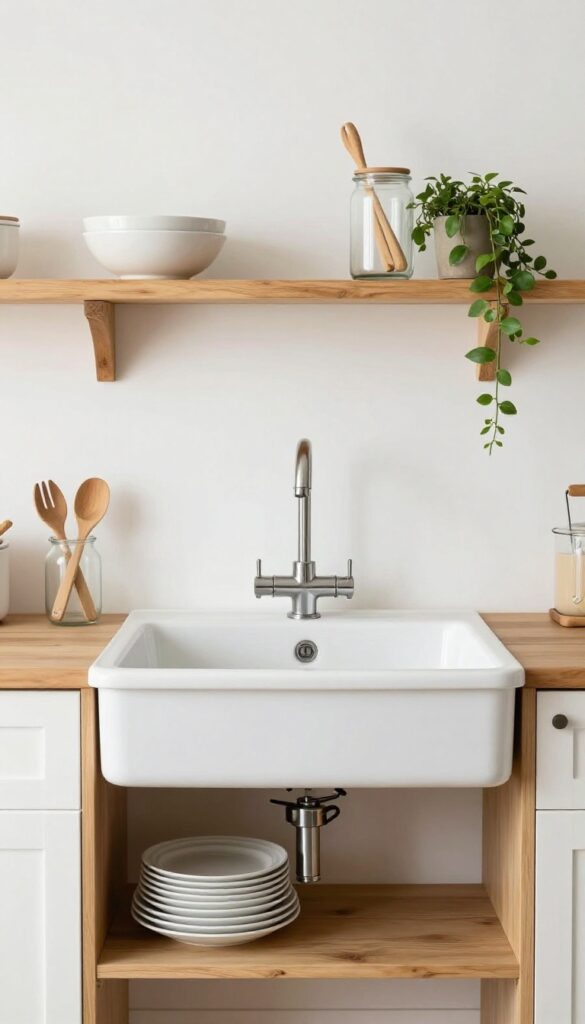
Open shelving above the sink is a classic move, but the twist here is keeping it intentionally sparse. Instead of cramming every mug you own, choose a few pieces that earn their spot—maybe a handmade bowl or a small trailing plant. The goal is to create a little visual breather above the busiest spot in the kitchen.
The key is restraint. A single shelf, not a whole wall of them, keeps the eye calm. Pick items that are both useful and pretty, like a stack of everyday plates or a glass jar for utensils.
Leave some empty space; that's what makes it feel curated, not cluttered.
Choose A Slim Shelf
Go for a narrow shelf—about 6 to 8 inches deep—so it doesn't overwhelm the sink area. A floating shelf in wood or matte black adds warmth without taking up visual space. Mount it high enough to avoid splashes but low enough to reach easily.
Rotate What You Display
Switch out the items seasonally or whenever you feel like a change. A few small potted herbs in summer, a stack of cozy mugs in winter. This keeps the shelf feeling fresh and intentional, not like a permanent museum display.
Mix Function With Decor
Combine everyday items with a decorative accent. A small wooden cutting board leaning against the backsplash, a ceramic spoon rest, or a tiny vase with a single stem. Each piece should have a job or bring you joy—ideally both.
2. A Single Piece of Art
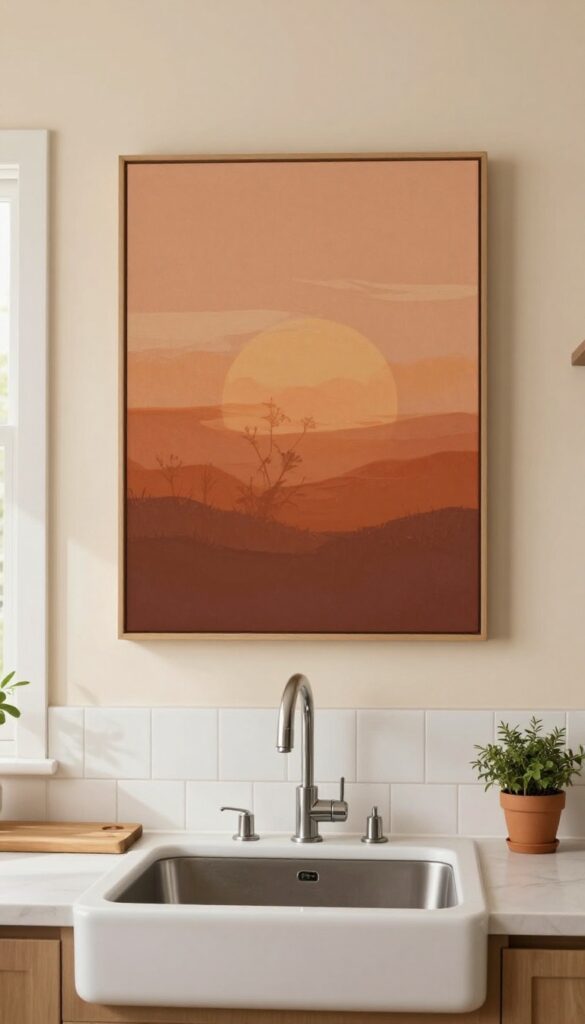
One large, warm-toned piece of art can do more for that spot than a shelf full of trinkets. It gives the eye a place to rest and the room a touch of personality. When you choose something you truly love, it becomes a daily reminder of what makes your kitchen feel like home.
The key is to go big and keep everything else minimal. A single piece of art above the sink draws the eye upward and makes the area feel intentional. It also saves you from the clutter of multiple small frames that can look busy and collect dust.
Plus, it's a low-maintenance way to add color and warmth without adding stuff.
Pick A Warm Palette
Look for art with earthy tones—terracotta, ochre, soft rust, or warm cream. These colors naturally complement a kitchen's cozy vibe and make the space feel inviting. Avoid cool blues or grays if you want that snug, warm feeling.
A piece with a sunset or botanical theme can bring a subtle organic touch.
Scale It Right
A piece that's too small will get lost, while one that's too large can overwhelm the sink. Aim for art that takes up about two-thirds of the width of the sink area or the wall space you have. If you're unsure, measure the wall and choose a piece that fills the space comfortably without touching the edges.
Hang It At The Right Height
The center of the art should be at eye level, which is usually about 60 inches from the floor. But above a sink, you might want it a bit higher to keep it out of the splash zone. A good rule is to leave 6 to 12 inches between the top of the backsplash and the bottom of the frame.
Protect It From Moisture
Since it's above a sink, moisture and grease can be a concern. Choose a piece with a glass or acrylic cover, or consider a canvas print with a protective coating. You can also use a frame with a sealed back to keep humidity out.
This way, your art stays beautiful for years.
3. Rustic Wood Accents
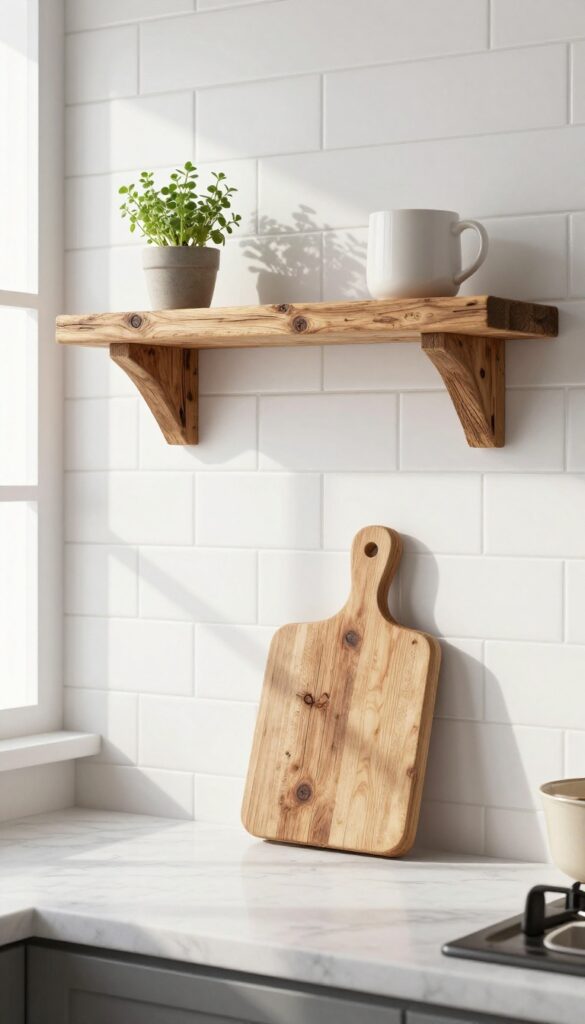
Wood has a way of making a kitchen feel grounded and lived-in, and the space above the sink is perfect for that touch. Rather than going full cabin, a few well-chosen pieces can add warmth without making the area feel heavy or cluttered. Think of it as bringing in texture, not stuff.
A single reclaimed shelf or a chunky cutting board can do more than a row of knickknacks, and it keeps the visual noise low while adding that cozy, natural feel.
When you add wood above the sink, you're not just decorating—you're introducing a material that softens the hard surfaces of tile, stone, and metal. The key is to keep it simple and let the wood speak for itself.
Why Wood Works Here
Wood instantly adds warmth to an area that's often full of cold, wet materials. It brings a bit of nature indoors, which can make the kitchen feel more inviting and less sterile. Plus, wood is forgiving—it hides water spots and splashes better than you'd think, especially if you go with a matte or sealed finish.
Choosing The Right Wood
Reclaimed barn wood is a favorite for its character and history, but you don't have to go rustic. A smooth walnut or oak shelf can feel more modern while still adding that organic touch. Consider the existing tones in your kitchen—warm woods like cherry or hickory pair well with cream and beige, while lighter woods like ash or maple keep things airy if your space is small.
Placement And Styling Tips
A floating shelf above the sink is an obvious choice, but you can also lean a large wooden cutting board against the backsplash for a casual, layered look. If you have a window, a wood valance or a small shelf on either side can frame it nicely. Keep the styling minimal—maybe a small plant or a jar of utensils—so the wood remains the star.
4. Hanging Plants for Life
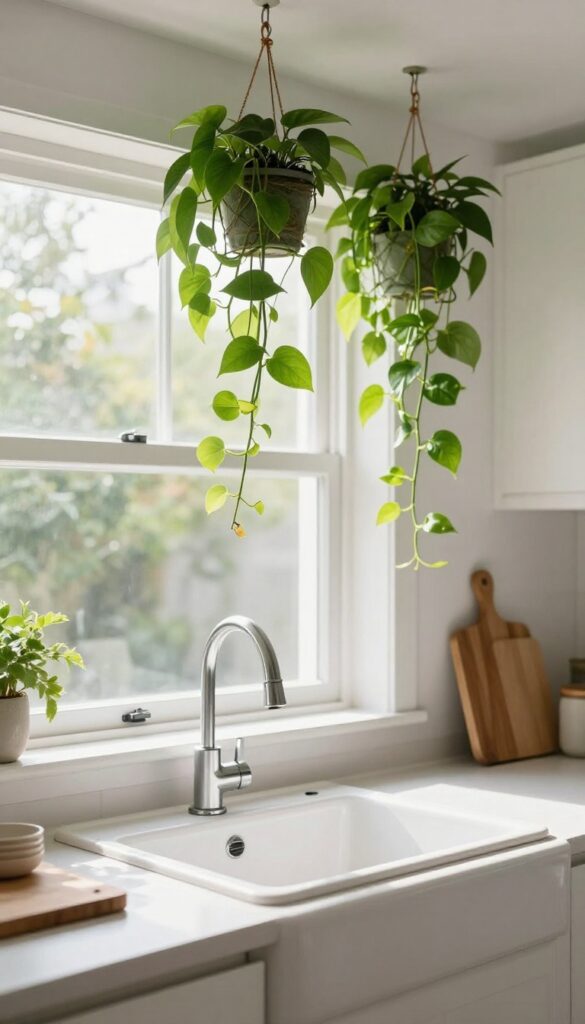
A few trailing leaves can soften the hard edges of a kitchen and make the space feel more alive. Hanging plants above the sink put greenery right where you spend time washing dishes and prepping food, without taking up any counter space. They also add a gentle, organic shape that breaks up the straight lines of cabinets and tile.
Pothos, ivy, or a small trailing philodendron are all forgiving choices that thrive in the bright, humid spot near a sink. You can hang them from the ceiling with a simple hook, or use a wall-mounted bracket that keeps the pot close to the backsplash. The key is to let the vines trail naturally, so they frame the window or the wall without blocking your view or getting in the way of daily tasks.
Choosing The Right Plant
Not every plant wants to live above a sink. Pothos and heartleaf philodendron handle low light and occasional neglect, which makes them ideal for busy kitchens. If you get more sun, a string of hearts or a small trailing jade can add variety.
Avoid plants that need constant misting or direct sunlight, since the steam from cooking and washing can be inconsistent.
Hanging Methods That Work
A ceiling hook is the most straightforward option, but you have to make sure it's anchored into a stud or a solid ceiling. Wall-mounted brackets are easier to install if you have drywall, and they let you position the plant exactly where you want it. Macramé hangers add a boho touch, while a simple metal or ceramic hook keeps the look clean and modern.
Keeping It Tidy And Safe
Trim the vines regularly so they don't droop into the sink or get caught on the faucet. Use a pot with drainage and a saucer to catch excess water, and wipe the leaves now and then to keep them free of dust and grease. If you have pets, check that your plant choice isn't toxic—pothos and ivy are not safe for cats and dogs.
5. Magnetic Spice Rack
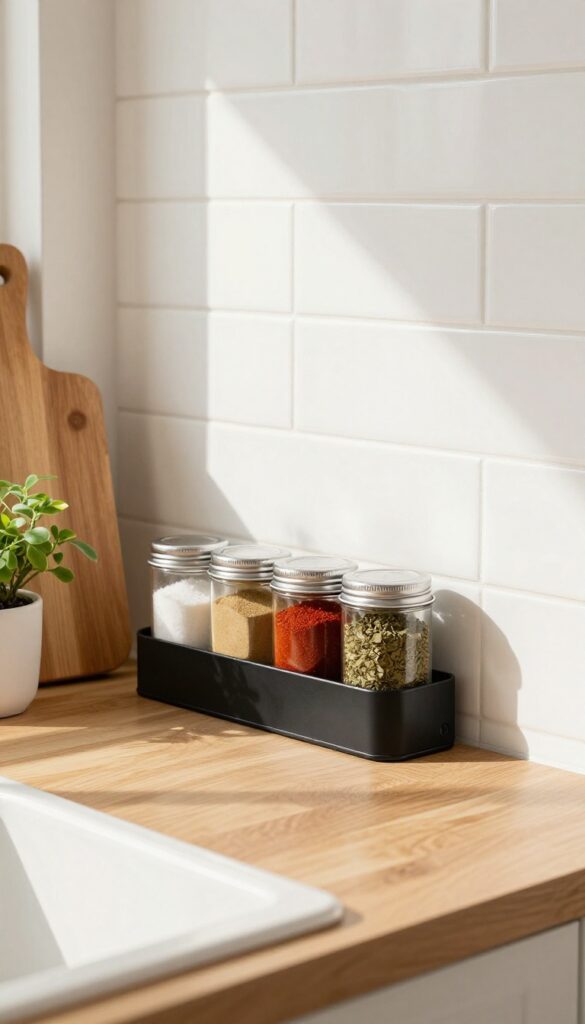
If your counter is cluttered with spice jars or you're constantly digging through a drawer for the right seasoning, a magnetic rack above the sink could be the answer. It uses that vertical space to keep your most-used spices visible and within arm's reach, without taking up any counter or cabinet room. Plus, it adds a modern, industrial touch that feels intentional and warm.
A magnetic strip mounted on the wall above the sink can hold small tins filled with your everyday spices. This keeps them handy while cooking and washing up, and it frees up drawer space. The key is to keep it minimal—just the spices you reach for daily—so it doesn't become visual clutter.
What To Put On The Strip
Think about the spices you use most: salt, pepper, garlic powder, paprika, maybe some cumin or oregano. These are the ones you'll grab repeatedly, so they earn their place. Use small, uniform tins with clear labels to keep the look tidy.
If you're not sure which ones to start with, just pick your top five and see how it feels.
Where To Mount It
Place the strip on the wall behind the sink, about eye level or slightly lower. This keeps it out of the way of the faucet and makes it easy to grab while cooking. Make sure it's securely anchored into the wall studs or use heavy-duty adhesive strips designed for tiles.
You don't want it falling into a sink full of dishes.
Mix In Knives For A Dual Purpose
If you're short on counter space for a knife block, consider adding a second magnetic strip for your knives. Mount it on the side of the sink or above the backsplash, away from the main spice area. This keeps blades safe and accessible, and it looks sleek.
Just be careful when reaching over the sink—you don't want to accidentally knock a knife off.
6. A Vintage Mirror
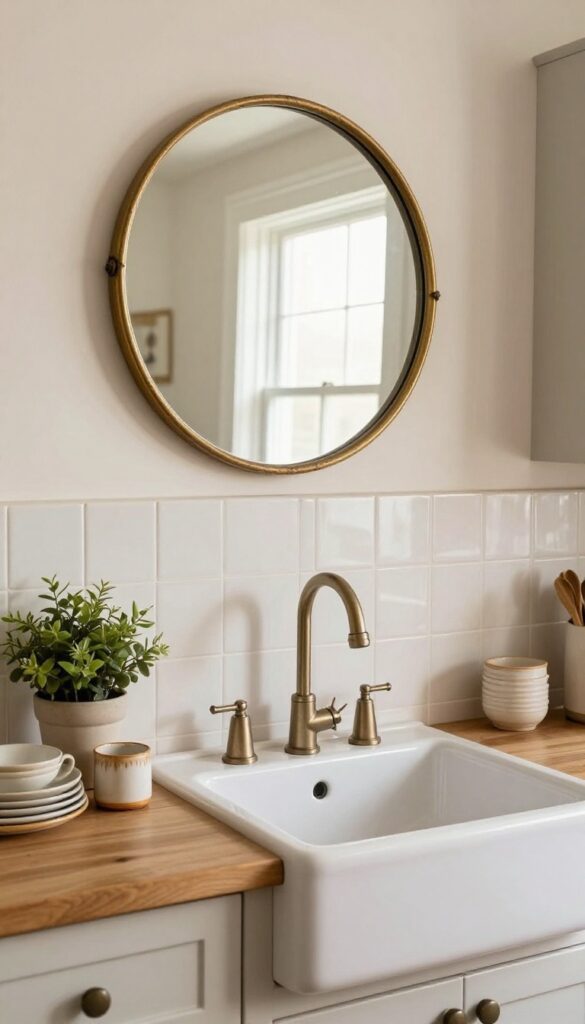
A vintage mirror above the sink does double duty: it reflects light to brighten the whole kitchen and adds a touch of old-world charm. The key is choosing a piece that feels collected, not precious, so it fits right in with daily life.
A mirror with a worn gold or brass frame can make a small kitchen feel more open and airy. It also gives you a quick check before heading out the door. To keep it from feeling too formal, lean it against the wall instead of hanging it, or pair it with a small plant or stack of plates for a casual look.
Picking The Right Frame
Look for frames with character—think tarnished silver, chipped paint, or carved wood. A round or oval shape softens the straight lines of cabinets and countertops. Avoid anything too ornate or heavy, as it can overwhelm the space above a sink.
Placement And Styling
Hang it so the bottom edge sits about 6–8 inches above the sink, or simply prop it on the backsplash. To keep it from feeling like a bathroom mirror, style the area with a small vase of flowers or a stack of vintage plates in front. This grounds the mirror and ties it into the kitchen's decor.
Light And Reflection Benefits
The reflection bounces natural and artificial light around the room, making the kitchen feel brighter and more spacious. It also gives you a handy spot for a final glance before guests arrive. Just be sure to clean it regularly—splashes and steam can leave spots.
7. Chalkboard or Message Board
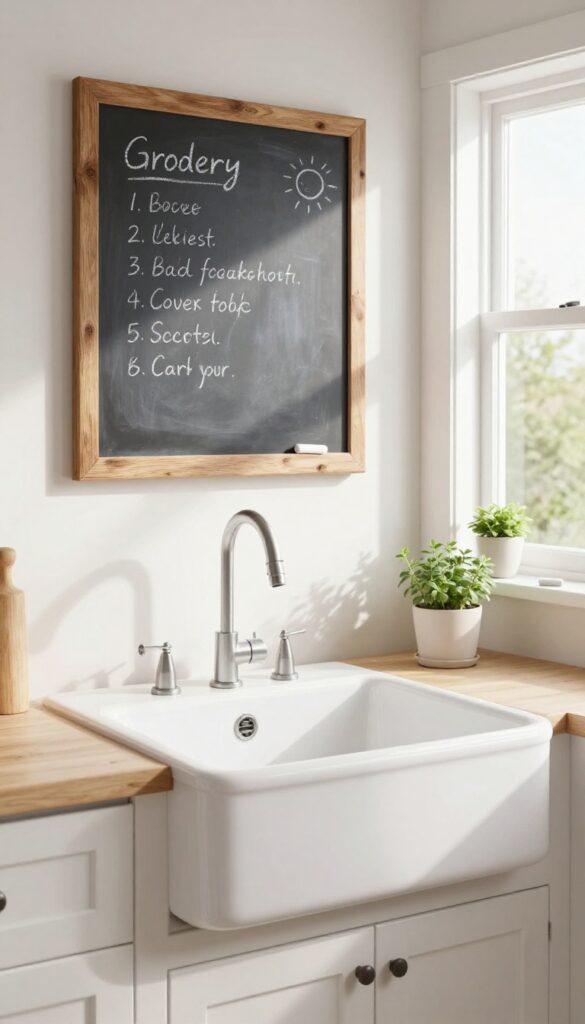
A chalkboard or corkboard above the sink turns that blank wall into a command center for your kitchen. It's where grocery lists, appointment reminders, and little notes from family members can live without cluttering the counter. Plus, it adds a personal, lived-in feel that plain walls just can't match.
The space above the sink is prime real estate for a message board because it's in your line of sight while you wash dishes or prep food. You can jot down a quick reminder before you forget, or leave a sweet note for your partner to find in the morning. It's practical, yes, but it also brings a layer of warmth and personality to the room.
Choosing The Right Board
Think about what you'll actually use it for. A chalkboard is great for doodles and quick notes, but it can get dusty. A corkboard is perfect for pinning photos, takeout menus, and important papers.
You can even get a combination board with both surfaces, or a magnetic chalkboard that lets you stick notes with magnets too.
Styling It To Fit Your Kitchen
Match the frame to your existing hardware or cabinets. A rustic wood frame adds farmhouse charm, while a sleek black frame fits modern kitchens. You can also paint the chalkboard surface with chalkboard paint in a custom color to blend with your walls.
To keep it from feeling messy, designate a spot for the chalk and eraser, maybe in a small tray or mason jar nearby.
Keeping It Useful And Tidy
A message board only works if you actually use it. Set a weekly routine to wipe it clean and update the list. Use it for things that genuinely help, like a meal plan for the week or a reminder to defrost something for dinner.
That way it stays functional and doesn't just become another piece of decor you ignore.
8. Baskets for Storage
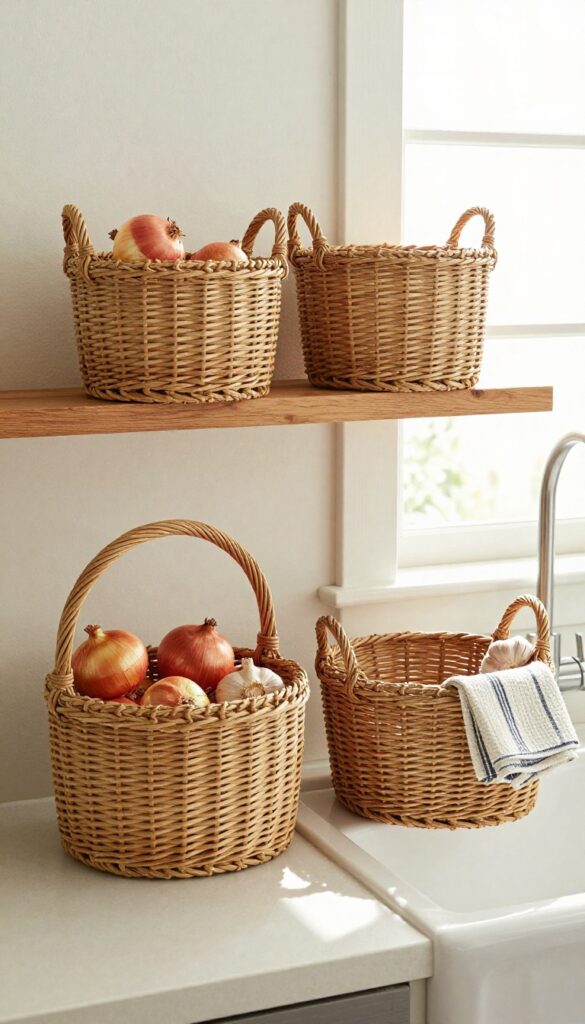
Woven baskets bring a natural, cozy texture that instantly warms up the area above your sink. They're not just pretty—they're practical, giving you a spot to stash produce or kitchen linens without taking up counter space. Plus, they add a layer of visual interest that feels organic and uncluttered.
Hanging a couple of woven baskets above the sink is a simple way to add warmth and storage. Choose baskets with a sturdy handle or hook so they hang easily. Use them for root vegetables like onions or potatoes, or keep dish towels and sponges within reach.
The key is to keep them neat—don't overstuff—so they look intentional, not messy.
Choosing The Right Baskets
Look for baskets with a tight weave and a flat bottom, which makes them easier to hang and hold items securely. Natural materials like seagrass, rattan, or bamboo add warmth and blend well with most kitchen styles. Consider the size—medium baskets work best for above the sink, as they're visible but not overwhelming.
What To Store In Them
Baskets are perfect for produce that doesn't need refrigeration, like garlic, shallots, or avocados. They also work great for holding kitchen linens, such as dish towels or cloth napkins, keeping them within arm's reach. For a decorative touch, add a few faux herbs or small potted plants—just make sure they're easy to water or replace.
Hanging Tips For Safety And Style
Install sturdy hooks or a small rail above the sink to hang the baskets. Make sure they're securely anchored to the wall, especially if you'll be storing heavier items. Hang them at a height that's easy to reach but doesn't interfere with the sink or faucet.
Leave a little space between baskets to keep the area airy and open.
9. Under-Shelf Lighting
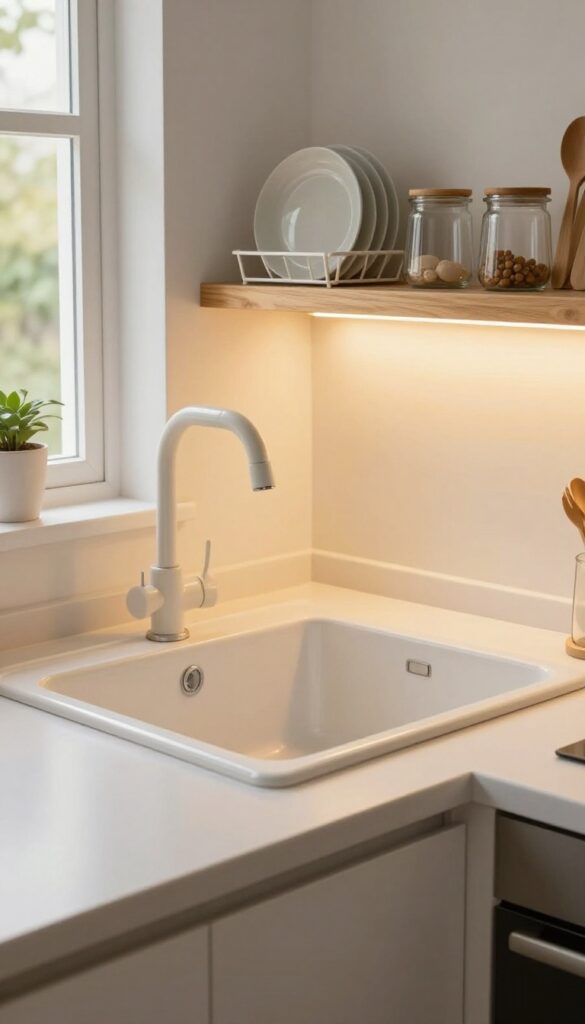
There's something magical about warm light that makes a kitchen feel instantly cozier. If you have an open shelf above your sink, adding under-shelf lighting is a simple upgrade that changes the whole vibe. It's practical too—those extra lumens make washing dishes and prepping food easier on the eyes.
Under-shelf lighting isn't just about looks; it's a smart way to brighten your workspace without taking up any counter space. The warm glow creates a welcoming atmosphere, especially in the evening when you might want a softer ambiance. Plus, it's an easy DIY project that doesn't require an electrician if you choose battery-operated or plug-in options.
Why Warm Light Wins
Warm light (around 2700K–3000K) mimics the golden hour, making everything look more inviting. It's flattering on food and faces alike, so your kitchen feels like a gathering spot rather than a sterile workspace. Cooler lights can feel harsh, especially when you're trying to unwind after dinner.
Placement Tips
Mount the strip near the front edge of the shelf so the light casts down onto the counter, not just against the wall. This prevents shadows and gives you the most functional coverage. If your shelf has a lip, tuck the light just behind it to hide the fixture entirely.
Easy Installation Options
Peel-and-stick LED strips are the easiest route—no tools needed, just clean the surface and press. For a cleaner look, use a channel or diffuser to soften the light and hide the individual diodes. Battery-powered versions with a remote are perfect if you don't have an outlet nearby.
10. A Collection of Ceramics
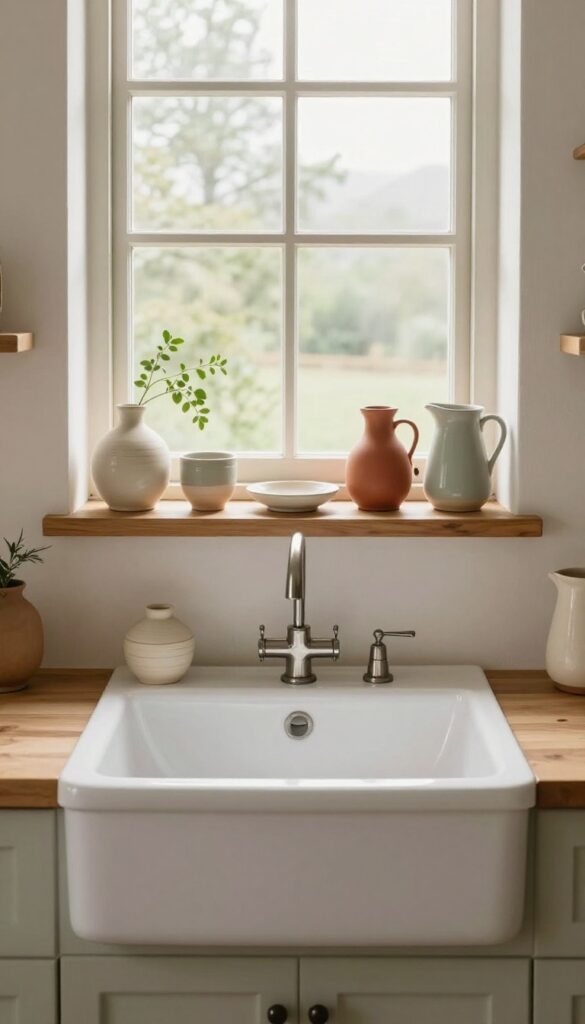
Handmade ceramics bring a quiet, artisan warmth that factory-made decor just can't match. Grouping a few pieces in earthy tones above the sink creates a mini gallery that feels personal and intentional. It's a simple way to add texture and character without adding clutter.
Start by choosing a small tray or a narrow shelf to corral your ceramics. Mix different shapes—a small vase, a trinket dish, a tiny pitcher—but keep the color palette consistent, like cream, terracotta, and sage. Arrange them asymmetrically for a relaxed, collected look.
If you're worried about moisture, keep pieces away from the direct splash zone and wipe them occasionally.
Choosing The Right Pieces
Look for ceramics with visible brushstrokes or slight irregularities that show the maker's hand. Glazed pieces in matte finishes work best because they don't reflect harsh light. Stick to three to five items to avoid visual clutter.
A mix of heights adds interest without feeling busy.
Arranging The Display
Place the tallest piece at the back or off-center, and let smaller pieces nestle in front. Use a wooden tray or a small ceramic plate as a base to tie them together. Leave a little breathing room between items so each one stands out.
Step back and adjust until the grouping feels balanced.
Caring For Your Ceramics
Dust the pieces weekly with a soft cloth or a gentle brush. If they're glazed, you can rinse them occasionally, but let them dry completely before returning them to the shelf. Avoid placing them where they'll get constant water splashes, as that can lead to water spots over time.
FAQ
How do I keep the area above my sink from looking cluttered?
Stick to one or two focal items, like a piece of art or a plant, and avoid piling up small objects. Regularly edit what's displayed.
What are the best materials for above-sink decor?
Water-resistant materials like sealed wood, metal, and glass work well. Avoid anything that can't handle occasional splashes.
Can I install shelves above my sink without damaging the wall?
Yes, use adhesive hooks or floating shelves that require minimal drilling. For heavier items, ensure proper wall anchors.
How do I choose the right size decor for the space?
Measure the width of your sink area and choose items that are proportional—not too large or too small. Leave breathing room around each piece.
What if my kitchen has a window above the sink?
Use the windowsill for a few small plants or a decorative bottle. Hang a lightweight valance or use window clings for privacy without blocking light.
Conclusion
A warm kitchen doesn't need a crowded backsplash or a wall of decor. These above-sink ideas prove that a few thoughtful touches—like a wooden shelf or a soft pendant light—can make the space feel inviting without adding visual noise. Start with one that matches your cooking routine and your style.
The goal is simple: keep the sink area practical, but let it feel like part of the home, not just a work zone. Pick a single idea that solves a clutter problem or adds warmth, and build from there. You'll soon have a kitchen that feels both polished and lived-in.