How to Clean Soap Scum from Shower Doors in 13 Ways
That cloudy film on your shower doors isn't permanent—it's just soap scum doing its thing. You've probably tried a few sprays that barely made a dent, but the right technique changes everything. These 13 methods range from pantry staples to clever store-bought solutions, so you can pick what fits your budget and elbow grease level.
No need to scrub for hours or buy expensive products. A little know-how goes a long way toward restoring that crystal-clear shine.
Ready to see through your doors again? Let's dive in.
1. White Vinegar and Dish Soap Spray
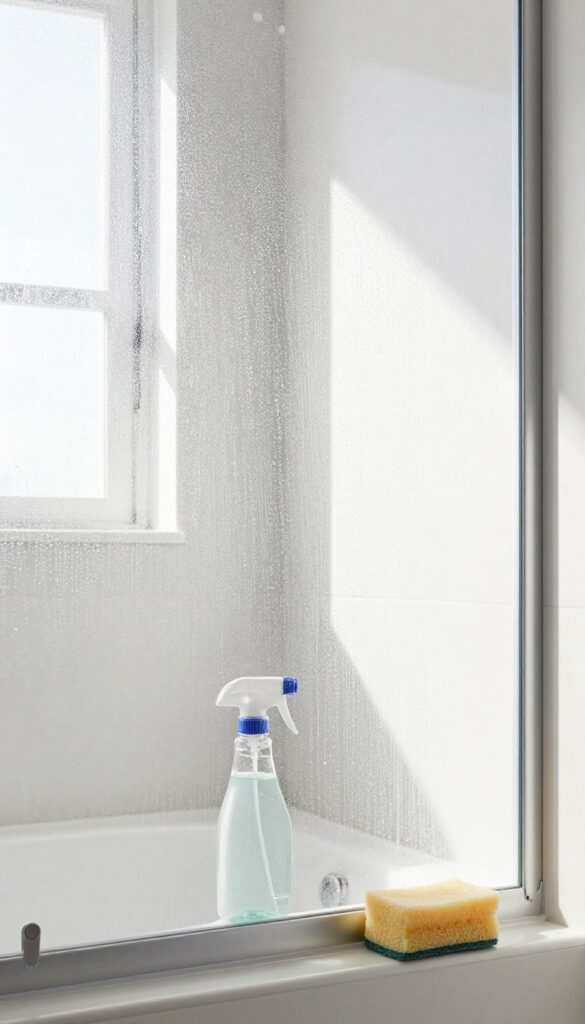
If you want a cleaner that actually cuts through soap scum without harsh chemicals, this DIY spray is your new best friend. White vinegar dissolves mineral deposits, while dish soap breaks down the greasy residue left by body wash and shampoo. Together, they make a powerful team that's gentle on glass.
Mix equal parts white vinegar and warm water in a spray bottle, then add a few drops of liquid dish soap. Shake gently to combine. Spray the solution generously onto the glass, making sure to coat all the scummy areas.
Let it sit for about 10 minutes to let the vinegar work its magic. Then scrub with a non-abrasive sponge or a soft-bristle brush—avoid anything that could scratch the glass. Rinse thoroughly with warm water and immediately squeegee the door dry to prevent new spots from forming.
Why This Combo Works
Vinegar's acidity breaks down the alkaline minerals in soap scum, while dish soap's surfactants lift away oils and grime. The synergy means you don't need to scrub as hard, and it's safe for most glass surfaces. Just avoid using it on natural stone or unsealed grout, as the acid can etch them.
Pro Tips For Best Results
Use a microfiber cloth or a dedicated glass-cleaning sponge to avoid streaks. If the scum is really stubborn, let the spray sit for 15 minutes instead of 10. For extra oomph, add a tablespoon of baking soda to the mix—but only if you're scrubbing right away, because the fizzing action helps lift grime.
When To Skip This Method
If your shower doors have a tinted or coated finish (like some low-iron glass), test the spray on a small hidden area first. Vinegar can sometimes damage certain coatings over time. In that case, stick to a mild dish soap and water solution or a commercial glass cleaner.
2. Baking Soda Paste Scrub
Baking soda is a gentle abrasive that lifts soap scum without scratching glass. Mixed with a little water, it turns into a thick paste that clings to vertical surfaces and breaks down grime. This method is cheap, non-toxic, and works on most shower door materials.
To make the paste, combine about half a cup of baking soda with just enough water to form a spreadable consistency—think peanut butter, not runny. Apply it to a damp sponge or directly onto the scum, then scrub in small circular motions. Focus on one section at a time so the paste doesn't dry out.
Rinse thoroughly with warm water and wipe with a squeegee for a streak-free finish.
Tackling Stubborn Spots
For areas where scum has built up thick, let the paste sit for 15 minutes before scrubbing. The baking soda will start dissolving the minerals, making the job easier. After the wait, scrub again and rinse.
Repeat if needed—it won't damage the glass.
Combining With Vinegar For Extra Power
If you're dealing with really tough deposits, spray a 50/50 white vinegar and water solution over the paste before scrubbing. The fizzing action helps lift grime. Just be sure to rinse everything well afterward to avoid any residue.
Preventing Scratches
Baking soda is mild, but always test a small hidden area first—especially on tinted or coated glass. Use a soft sponge, not a scrub pad with hard bristles. This keeps your doors looking clear and scratch-free.
3. Lemon Juice and Salt Combo
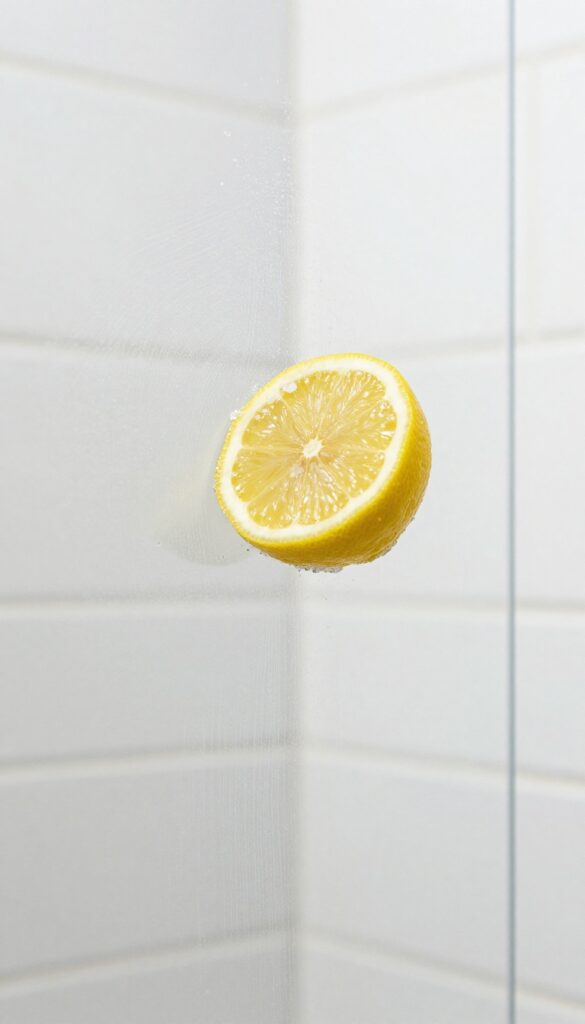
When life gives you lemons, clean your shower doors. This two-ingredient method uses natural acidity and gentle abrasion to break down soap scum without harsh chemicals. It's cheap, smells great, and works surprisingly well on light to moderate buildup.
Cut a lemon in half, dip the cut side in a small dish of salt, and rub directly onto the soap scum. The citric acid dissolves mineral deposits and soap residue, while the salt acts as a mild scrubber. Focus on small sections and use firm pressure.
Rinse thoroughly with water and wipe dry with a microfiber cloth to prevent streaks. For tough spots, let the lemon-salt mixture sit for a minute before scrubbing. This method is best for glass doors, but avoid using it on natural stone or unsealed surfaces.
Why This Works
Lemon juice contains citric acid, which cuts through the alkaline compounds in soap scum. Salt adds texture to dislodge stuck-on grime without scratching glass. Together, they create a natural cleaning paste that's effective and safe.
Best Practices
Use fresh lemons for maximum acidity. Coarse salt works better than fine table salt because it doesn't dissolve too quickly. Test on a small hidden area first, especially if your doors have a coating or tint.
Rinse immediately after scrubbing to avoid residue.
When To Skip This Method
If your shower doors have heavy, baked-on scum, this combo might not be strong enough. Stick to heavier-duty cleaners for those cases. Also, avoid using on metal frames or hardware, as the acid can cause discoloration over time.
4. Magic Eraser (Melamine Foam)
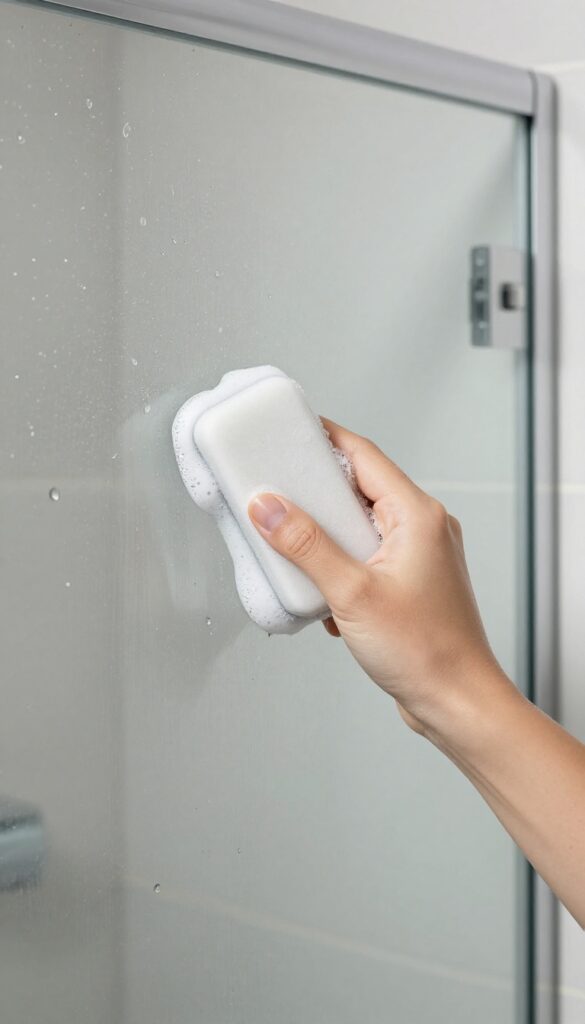
If you've never tried a melamine foam eraser on your shower doors, you're in for a treat. These white sponges work like a gentle sandpaper, lifting soap scum without scratching the glass. They're especially effective on light to moderate buildup, and they don't require any extra chemicals—just water.
Dampen a melamine foam eraser and gently scrub the glass. It lifts scum without scratching. Rinse the door afterward to remove any residue.
Best for light to moderate buildup.
Why It Works So Well
Melamine foam is made of incredibly fine fibers that act like micro-abrasives. When wet, they create a slight friction that dislodges soap scum and hard water deposits. Unlike steel wool or harsh scrubbers, melamine foam is soft enough to avoid scratching glass but tough enough to remove stubborn film.
How To Use It Right
Start by wetting the eraser until it's fully saturated—don't use it dry. Gently rub the glass in circular motions, focusing on one small area at a time. You'll see the foam start to darken as it picks up grime.
Rinse the door thoroughly with water after scrubbing to remove any white residue left behind.
When To Skip This Method
If your shower doors have heavy, crusty buildup that's been there for months, a magic eraser might not cut it. It's best for regular maintenance or recent scum. Also, avoid using it on frosted or etched glass, as the abrasiveness could dull the finish.
5. Rubbing Alcohol and Water Solution
Rubbing alcohol isn't just for first aid—it's a surprisingly effective cleaner for soap scum. When mixed with water, it creates a solution that cuts through residue and evaporates fast, leaving no streaks behind. Plus, it's cheap and you probably already have a bottle in your medicine cabinet.
This two-ingredient spray is one of the simplest ways to tackle soap scum. The alcohol breaks down the fatty acids in soap while the water dilutes it enough to be safe on glass. Just mix, spray, and wipe—no rinsing needed.
Why It Works
Soap scum is mostly calcium and fatty acids from soap reacting with hard water. Rubbing alcohol is a solvent that dissolves these compounds, making them easy to wipe away. It also evaporates quickly, so you don't end up with water spots or streaks.
How To Use It
Mix one part rubbing alcohol (70% or 91% isopropyl) with two parts water in a spray bottle. Shake gently. Spray the solution onto the soap scum, let it sit for 30 seconds, then wipe with a clean microfiber cloth.
For heavy buildup, let it sit a minute or two, then scrub lightly with a soft sponge.
Pro Tips For Best Results
Use a microfiber cloth—paper towels can leave lint. Work in small sections so the solution doesn't dry before you wipe. If your water is very hard, add a teaspoon of white vinegar to the mix for extra dissolving power.
Always test on a small hidden spot first to make sure your glass finish is compatible.
6. Commercial Glass Cleaner with Squeegee
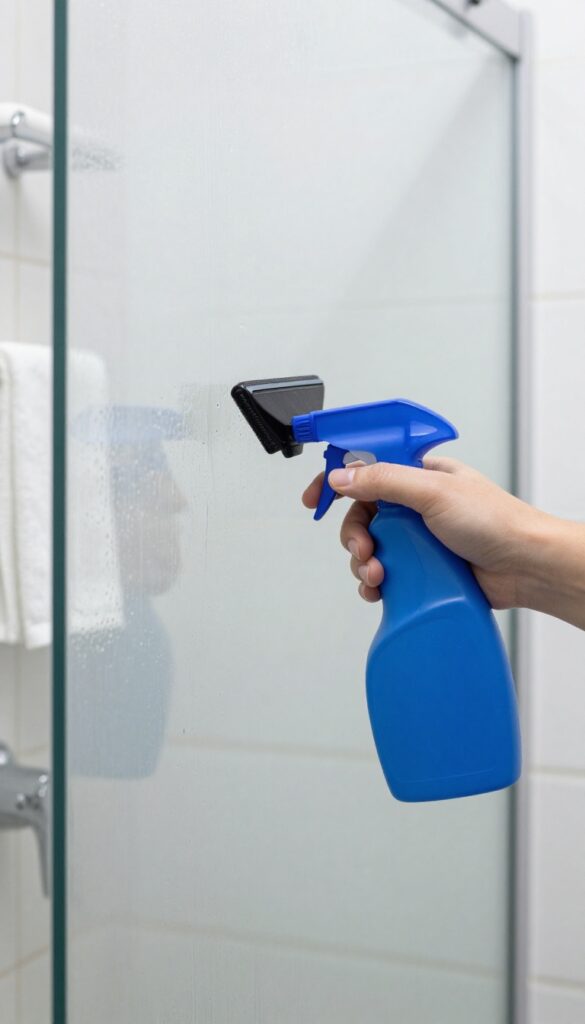
Sometimes the simplest solution is the one you already have on your cleaning shelf. A dedicated glass cleaner formulated for soap scum can work wonders when paired with the right tool. The key is letting the product do the heavy lifting and using a squeegee to finish the job streak-free.
This method is fast and effective for maintenance. Spray the cleaner generously on the glass, let it sit for 30 to 60 seconds to break down the scum, then run a squeegee from top to bottom in a single, smooth motion. Wipe the blade with a clean cloth after each pass to avoid redepositing residue.
For best results, use a cleaner specifically labeled for soap scum or hard water stains.
Why It Works
Commercial glass cleaners often contain surfactants and mild acids that dissolve soap scum without scrubbing. The squeegee physically removes the loosened grime and prevents water spots, leaving a mirror-like finish.
Pro Tips For Best Results
Work in small sections to keep the cleaner from drying before you squeegee. Use a microfiber cloth to dry the squeegee blade between passes. For extra shine, follow up with a dry microfiber cloth to buff away any remaining streaks.
When To Use This Method
This is ideal for weekly maintenance or when you need a quick refresh between deep cleans. It's less effective on thick, built-up scum, so use it regularly to keep the glass clear.
7. Dishwasher Tablet Trick
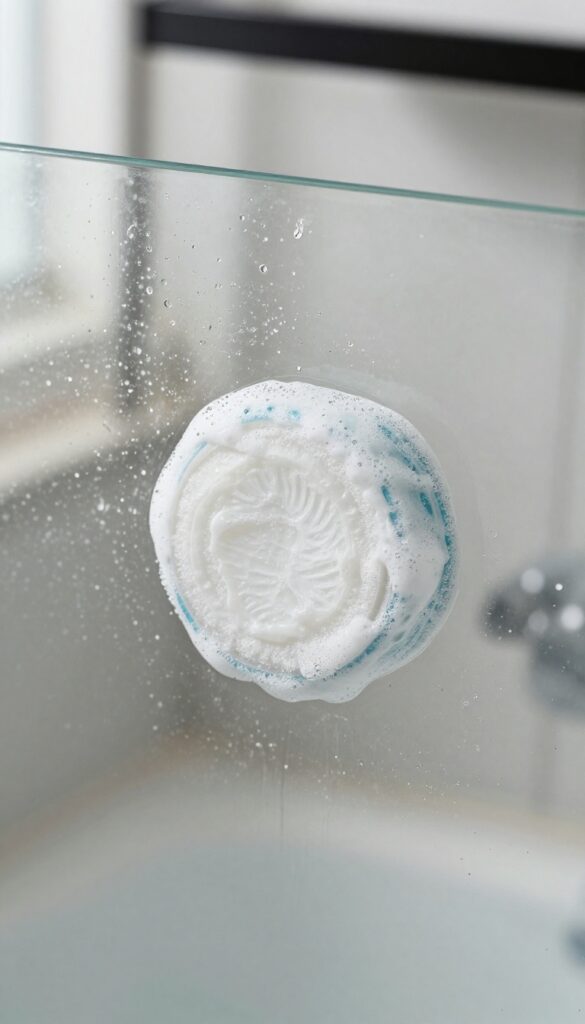
You’ve probably got a dishwasher tablet tucked under the sink right now. That little puck isn’t just for plates—it’s packed with enzymes and surfactants that break down soap scum like magic. Wet one, rub it on the glass, and watch the grime dissolve.
Rinse well, and you’re done. It’s that simple.
How It Works
Dishwasher tablets contain powerful cleaning agents designed to tackle baked-on food. Those same enzymes eat through the fatty residue in soap scum. The tablet’s slightly abrasive texture also provides gentle scrubbing action without scratching glass.
Best Way To Apply
Run the tablet under warm water for a few seconds until it starts to fizz. Rub it directly over the soap scum in circular motions. Focus on one small section at a time.
Let it sit for a minute, then rinse with clean water. For tough spots, scrub with a soft sponge after applying.
Bonus: Works On Metal Frames
Don’t stop at the glass. The same tablet can clean the metal tracks and frames of your shower door. Just be careful not to leave residue on metal for too long—rinse thoroughly to avoid any potential discoloration.
It’s a two-in-one trick that saves you an extra step.
8. Hydrogen Peroxide and Cream of Tartar
For those stubborn, old buildup that laughs at regular cleaners, this duo brings serious firepower. Cream of tartar is a mild acid that breaks down mineral deposits, while hydrogen peroxide adds gentle bleaching and foaming action. Together, they form a paste that clings to vertical surfaces and eats through years of scum without harsh fumes.
This method is ideal for neglected doors with thick, yellowed buildup. It's safe for glass and most metal frames, but avoid it on natural stone or unsealed grout. The paste stays put, so you can let it work while you tackle other chores.
Mixing The Paste
Combine 1/2 cup cream of tartar with enough hydrogen peroxide (3% solution) to make a thick, spreadable paste—about 2-3 tablespoons. Stir until smooth. It should be the consistency of toothpaste, not runny.
If it's too thin, add more cream of tartar.
Application And Dwell Time
Use a sponge or gloved hand to apply the paste evenly over the scum-covered areas. Let it sit for 20 minutes. For extra thick buildup, cover with plastic wrap to prevent drying.
You'll see the paste start to bubble slightly—that's the peroxide working.
Scrubbing And Rinsing
After 20 minutes, scrub with a non-abrasive sponge or soft brush. The scum should lift easily. Rinse thoroughly with warm water.
If any residue remains, wipe with a damp microfiber cloth. Dry the glass with a squeegee to prevent new spots.
9. Baby Oil or Mineral Oil Wipe
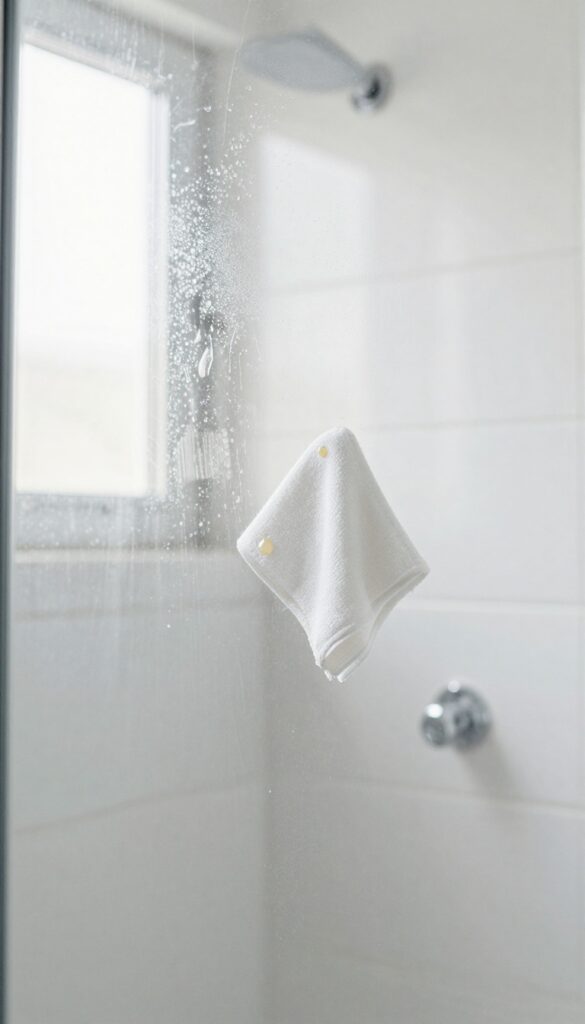
Your baby oil isn't just for diaper changes—it's a surprisingly effective soap scum remover. Mineral oil, the main ingredient, breaks down the waxy residue left by soap and hard water. Plus, it leaves behind a thin protective layer that helps prevent future buildup.
This method is incredibly gentle on glass and requires almost no elbow grease. It's also a great option if you prefer avoiding harsh chemicals. The oil won't damage the glass or any metal fixtures, but it can make the floor a bit slippery, so wipe up any drips.
How It Works
Soap scum is basically a mix of soap residue, minerals, and oils. Baby oil (or mineral oil) dissolves the oily component, loosening the scum so it wipes away easily. The oil also fills microscopic scratches in the glass, creating a slick surface that water beads off—meaning less scum sticks.
Step-by-step
Pour a few drops of baby oil onto a soft, lint-free cloth. Wipe the glass in circular motions, covering all the scummy areas. Let it sit for a minute, then buff with a clean dry cloth until the glass is clear and shiny.
That's it—no rinsing needed.
Pro Tips
Use a microfiber cloth for the best results. If the scum is thick, apply a little more oil and let it sit for 2-3 minutes. Avoid using too much oil—a little goes a long way.
For extra shine, finish with a dry microfiber cloth. This method works great as a monthly maintenance treatment.
10. Steam Cleaner Blast
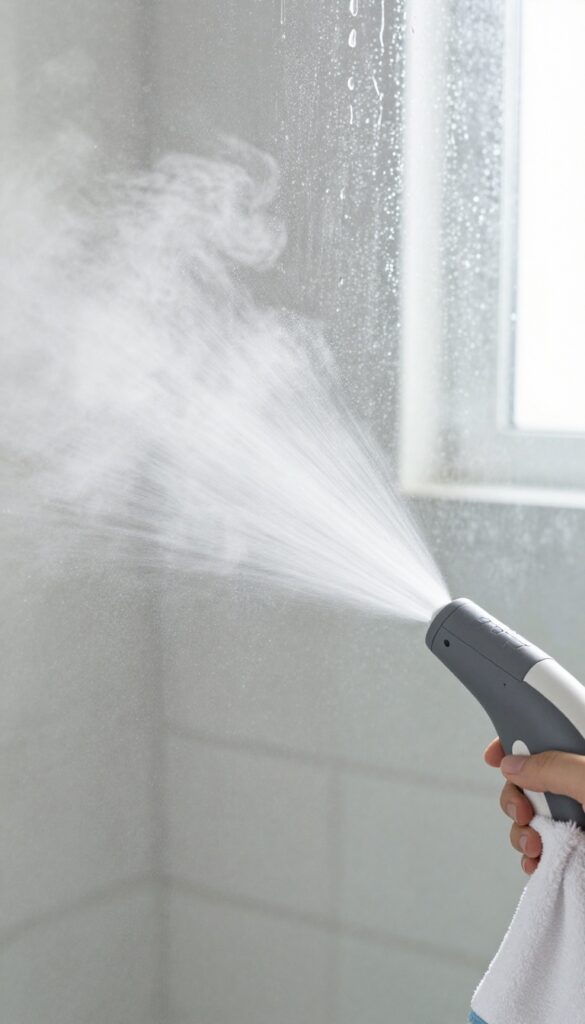
If you want to skip the chemicals entirely, a steam cleaner is your best friend. The high-temperature steam penetrates and loosens soap scum almost instantly, making it easy to wipe away. No scrubbing, no harsh fumes—just heat and water.
Why Steam Works So Well
Soap scum is basically a mix of soap residue, body oils, and minerals from hard water. Heat breaks down the oily bonds, and the steam's moisture rehydrates the crusty deposits, softening them so they release from the glass. A handheld steamer with a squeegee attachment is ideal.
How To Steam Clean Your Shower Doors
Fill your steamer with water and let it heat up. Starting at the top of the door, run the steamer head slowly over the glass, letting the steam work for a few seconds on heavy spots. Then immediately wipe with a microfiber cloth.
Work in sections so the steam doesn't dry before you can wipe.
Safety Tips For Glass
Avoid using steam on cracked or chipped glass—the sudden heat could worsen the damage. Also, don't hold the steamer too close to the edges where the glass meets the frame, as the heat might loosen the sealant. Keep the steamer moving to prevent overheating any one spot.
11. Pumice Stone for Stubborn Spots
When everything else has failed and you're staring down thick, crusty soap scum that seems fused to the glass, a pumice stone can be your last resort. This porous volcanic rock is abrasive enough to scrape away mineral deposits without damaging tempered glass—if you use it correctly. The trick is keeping both the stone and the glass wet at all times to prevent scratches.
Think of it as a gentle sanding action rather than a scrub.
Wet the pumice stone thoroughly, then rub it over the scum with light pressure. Keep a spray bottle handy to mist the glass as you work. You'll see the buildup turn into a chalky paste that wipes away easily.
Rinse well and dry with a microfiber cloth. This method is only for tempered glass; do not use on acrylic, plastic, or coated glass.
Why It Works
Pumice is harder than soap scum but softer than glass, so it abrades the deposit without scratching the surface. The constant water acts as a lubricant, reducing friction and protecting the glass.
Step-by-step
Soak the pumice stone in water for a few minutes. Wet the shower door. Gently rub the scum in a circular motion.
Rinse frequently to check progress. Stop as soon as the glass feels smooth.
Safety Tips
Never use a dry pumice stone—it will scratch. Test on a small hidden area first. Avoid this method on tinted or coated glass.
Wear gloves to protect your hands from the chalky residue.
12. Rain-X or Car Wax Coating
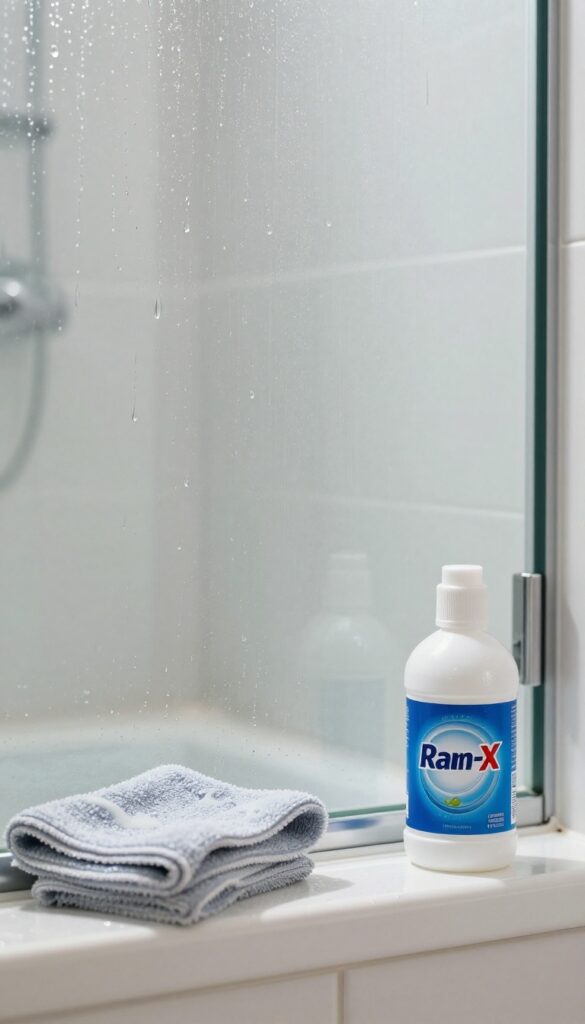
Here's a trick that works forward instead of backward: instead of removing scum, you prevent it from sticking in the first place. Rain-X, originally made for car windshields, and standard car wax create a slick, hydrophobic surface on glass. Water beads up and rolls off, taking soap residue with it before it has a chance to dry into a film.
This method is all about prevention, not cure. Apply it only after your glass is already clean and bone-dry. Once the coating is on, you'll notice a dramatic reduction in buildup—and future cleanings become a quick wipe-down instead of a scrub session.
How To Apply It Right
Start with a spotless, completely dry door. Spray Rain-X onto a microfiber cloth (not directly on the glass) and wipe it on in a thin, even layer. Let it haze for a minute, then buff off with a clean dry cloth until the glass is clear.
For car wax, apply a small dab with a damp sponge, let it dry to a haze, then buff off. Work in small sections so it doesn't over-dry.
How Long Does It Last?
Expect the coating to hold up for two to four weeks with daily showers. You'll know it's wearing off when water stops beading and starts sheeting again. Reapply after a regular cleaning, and you'll keep that just-cleaned look going much longer.
What To Watch Out For
Avoid getting the product on the shower floor or tub—it can make surfaces slippery. Also, don't use Rain-X on frosted or textured glass; it works best on smooth, clear surfaces. If you have a vinyl or plastic shower door, skip this method—it's for glass only.
13. Daily Squeegee Routine
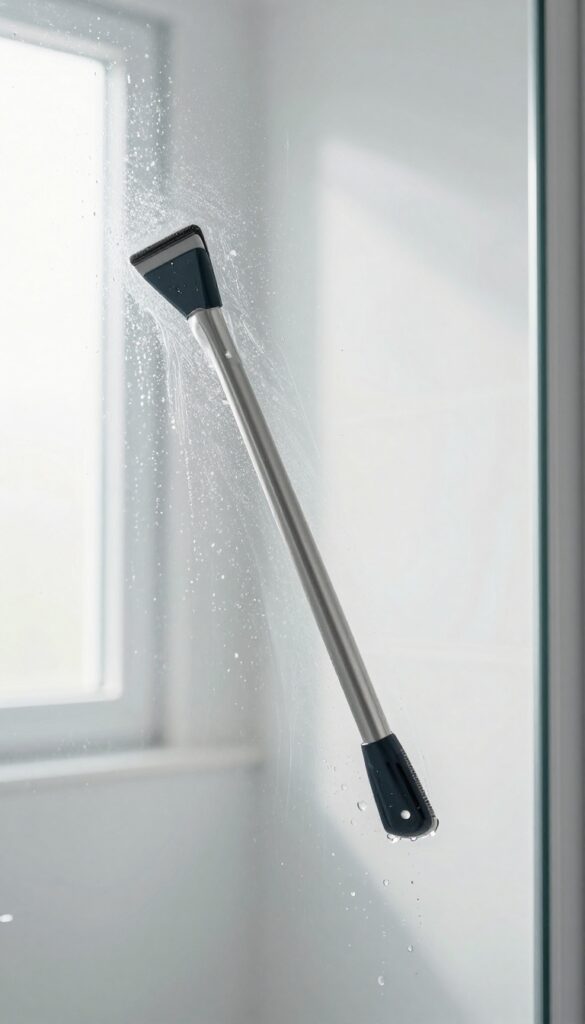
You might think a squeegee is just an extra step in your shower routine, but it's actually the most effective prevention method for soap scum. By removing water from the glass immediately after each shower, you stop minerals and soap residues from drying and bonding to the surface. This 30-second habit can keep your doors looking clear for weeks, reducing the need for deep cleans.
The concept is simple: after you finish showering, grab a squeegee and run it across the glass in overlapping vertical strokes, then do a horizontal pass at the bottom to catch drips. That's it. No scrubbing, no chemicals—just water removal.
Over time, this prevents the buildup of hard water stains and soap film that typically cloud glass doors. For best results, keep a squeegee hung inside your shower so it's always within reach. If you have particularly hard water, you can follow up with a microfiber cloth to catch any remaining droplets, but the squeegee alone does most of the work.
Consistency is key; make it a non-negotiable part of your shower routine.
Why It Works
Soap scum forms when the minerals in water combine with soap residue and then dry on the glass. By wiping away the water before it evaporates, you remove the ingredients needed for scum to form. It's a proactive approach that tackles the problem at its source rather than dealing with buildup later.
Choosing The Right Squeegee
Not all squeegees are created equal. Look for one with a rubber blade that's flexible enough to conform to the glass. A blade that's too stiff will leave streaks, while one that's too soft won't remove water effectively.
A 10- to 12-inch blade is a good size for standard shower doors. You can find affordable options at any hardware store or online.
Making It A Habit
The hardest part is remembering to do it every time. Try placing the squeegee in a visible spot, like hanging from the showerhead or a hook on the door. You can also set a phone reminder for the first week until it becomes automatic.
Once you see how much longer your doors stay clean, you'll never skip it.
FAQ
What is the best homemade cleaner for soap scum?
A mix of equal parts white vinegar and water with a few drops of dish soap is highly effective. The vinegar dissolves minerals, and the soap cuts grease.
Can I use bleach to clean soap scum?
Bleach is not recommended for soap scum because it doesn't break down the mineral deposits. It's better for mold and mildew. Stick to acidic or abrasive cleaners.
How often should I clean shower doors to prevent scum?
For best results, squeegee after every shower and do a deep clean with one of these methods once a week. This prevents buildup from becoming stubborn.
Will vinegar damage my shower door frame?
Vinegar is safe for glass and most metal frames, but avoid prolonged contact with aluminum or unsealed natural stone. Rinse thoroughly after cleaning.
How do I remove soap scum from textured or frosted glass?
Use a soft sponge with a baking soda paste or a vinegar spray. Avoid abrasive tools like pumice stones or steel wool, which can scratch the surface.
Conclusion
Soap scum doesn't stand a chance once you've got these 13 methods in your cleaning toolkit. Start with the gentlest option for your shower door material and work your way up if needed. A quick daily squeegee habit will make future cleanings much faster.
Pick the techniques that fit your schedule and budget, and you'll keep those doors sparkling with minimal effort. Enjoy your streak-free shower every single day.