17 Cleaning Oven with Dishwasher Tablets Tips for Grime
Oven grime doesn't stand a chance against a surprising hero: dishwasher tablets. These little powerhouses dissolve baked-on grease and carbonized spills faster than many commercial oven cleaners.
Whether you're dealing with a glass door caked with residue or racks thick with burnt-on food, this guide covers 17 practical ways to use dishwasher tablets for a sparkling clean oven.
Each tip targets a specific problem area, so you can skip the guesswork and get straight to scrubbing—less elbow grease, better results.
1. Make a Thick Paste for Stubborn Spots
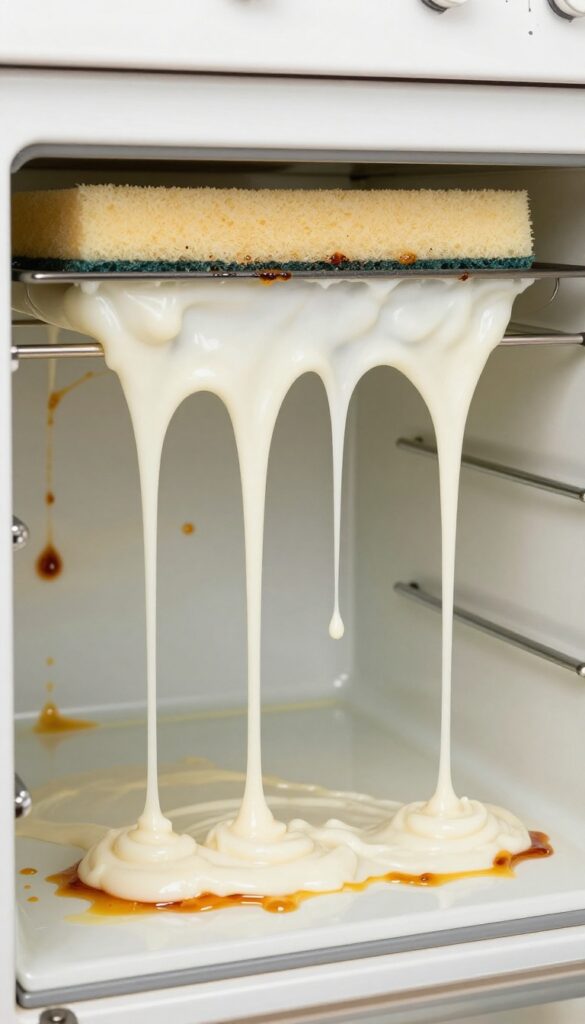
Some oven messes are just too stubborn for a quick wipe. Burnt-on cheese drips, caramelized sugar spills, or years of grease buildup laugh at regular cleaners. That's where a simple paste made from a dishwasher tablet steps in.
It's thick, concentrated, and sticks exactly where you need it.
Crush one dishwasher tablet into a fine powder using a mortar and pestle or the back of a spoon. Add warm water drop by drop until you get a spreadable paste. Apply a generous layer directly onto the burnt spots and let it sit for 15 minutes.
The enzymes and bleach in the tablet start breaking down carbonized grime on contact. After the wait, scrub with a non-abrasive sponge—the paste lifts the gunk without harsh scraping.
Why Paste Works Better Than A Soak
A paste stays put instead of running off vertical surfaces. It delivers concentrated cleaning power right where it's needed, so you don't waste product on clean areas. This method is perfect for the oven floor, walls, and door edges.
Choosing The Right Tablet
Not all dishwasher tablets are equal. Look for tablets with enzymes and oxygen bleach—these are the active ingredients that dissolve baked-on food. Avoid gel packs or liquid tabs; they're too runny for a paste.
Standard all-in-one tablets work best.
Pro Tip For Extra Tough Spots
For crusted-on spills that have seen multiple heating cycles, let the paste sit for 30 minutes instead of 15. If the paste dries out, spritz a little water on it to reactivate the cleaning agents. Then scrub with a damp sponge—the grime should slide off easily.
2. Use a Whole Tablet for Heavy-Duty Cleaning
When your oven looks like a science experiment gone wrong, a single dishwasher tablet can cut through the chaos. This method is perfect for ovens that haven't seen a sponge in months—think crusted spills, sticky residue, and layers of baked-on grease.
For a truly grimy oven, skip the scrubbing and let the tablet do the work. Drop one whole dishwasher tablet into a heat-safe bowl filled with hot water, then place the bowl inside the cold oven. Let it sit for about 30 minutes to an hour, allowing the tablet to dissolve and release its cleaning agents.
The steam and solution work together to loosen tough grime. After that, dip a sponge or cloth into the mixture and wipe down the interior. Rinse with plain water to remove any residue.
Why It Works So Well
Dishwasher tablets contain powerful surfactants and enzymes designed to break down food soils and grease. When dissolved in hot water, they create a potent cleaning solution that tackles carbonized deposits without harsh fumes. The heat helps activate the chemicals, making them more effective on baked-on messes.
Best Practices For Best Results
Always start with a cold oven to avoid thermal shock to the glass. Use a ceramic or metal bowl—plastic can warp. Let the tablet fully dissolve before wiping.
For extra stubborn spots, let the solution sit on them for 10–15 minutes before scrubbing. Wear gloves to protect your skin.
What To Avoid
Never use this method on a hot oven or while the self-cleaning cycle is running. Avoid using abrasive scrubbers that could scratch the enamel. Rinse thoroughly after cleaning—leftover residue can cause odors when the oven is heated.
3. Preheat the Oven Slightly to Activate the Tablet
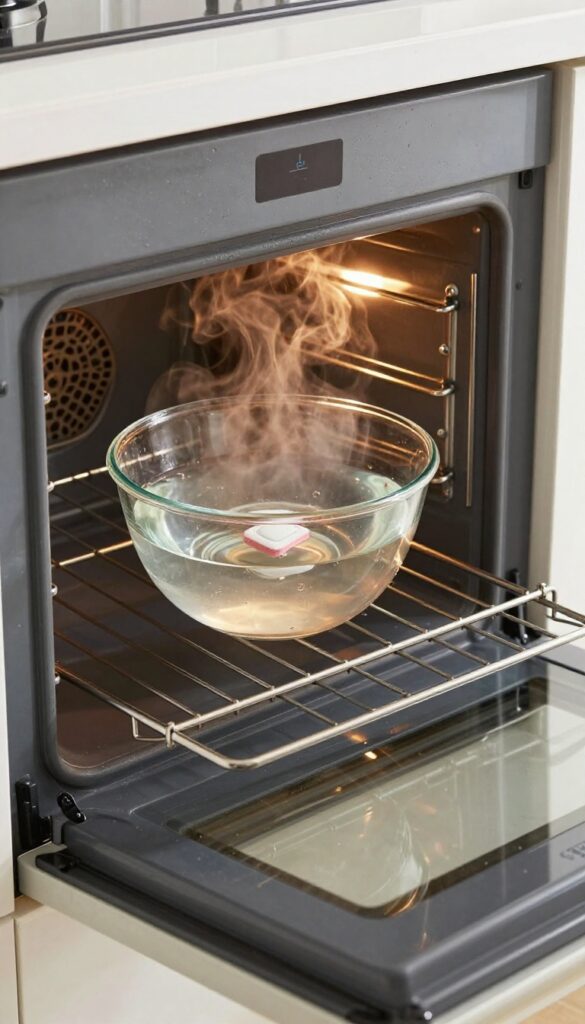
A little warmth goes a long way when you're using dishwasher tablets to clean the oven. Instead of scrubbing cold, greasy surfaces, a gentle preheat helps the cleaning solution work its magic. The key is to keep the temperature low—just enough to activate the tablet without baking the grime on further.
This method is perfect for tackling baked-on spills that have hardened into a tough crust. The heat softens the residue, making it easier for the tablet's enzymes and surfactants to break down the grease. Plus, it speeds up the whole process, so you spend less time waiting and more time enjoying a clean oven.
Why Low Heat Works Best
High heat can cause the tablet solution to evaporate too quickly or even bake the grime into a stubborn layer. By warming the oven to just 150°F (65°C), you create a cozy environment that helps the cleaning agents penetrate and dissolve grease without any negative side effects. Think of it as a warm bath for your oven's interior.
Step-by-step: How To Preheat And Apply
First, remove any loose debris from the oven. Set the temperature to 150°F (65°C) and let it preheat, then turn it off. While it's warming, dissolve one dishwasher tablet in a bowl of hot water (about 2 cups).
Once the oven is off, place the bowl inside on a middle rack. Close the door and let the steam and heat work for 20–30 minutes. After that, wipe down the surfaces with a damp cloth—grime should come off easily.
Safety Tips To Keep In Mind
Never leave the oven unattended while preheating, and always turn it off before placing the bowl inside. Use an oven-safe bowl, and avoid touching the hot surfaces directly. Also, make sure the room is well-ventilated, as the steam can carry cleaning agents into the air.
After cleaning, rinse thoroughly with water to remove any tablet residue.
4. Target the Oven Door Glass
The oven door glass is often the first thing people notice, but it's also one of the toughest areas to clean. Grease and baked-on splatters can create a hazy film that obscures your view. Dishwasher tablets can cut through that grime without leaving streaks or scratches.
Crush half a tablet into a fine powder using a mortar and pestle or the back of a spoon. Add just a few drops of water to form a runny paste—you want it spreadable but not dripping. Apply the paste evenly over the glass, avoiding the edges where it might seep into the door seal.
Let it sit for 10 minutes so the enzymes can break down the grease. Then wipe with a damp microfiber cloth, rinsing frequently, until all residue is gone. Buff dry with a clean cloth for a streak-free shine.
Why It Works So Well
Dishwasher tablets contain surfactants and enzymes designed to dissolve food residues and grease. When you crush the tablet, you increase its surface area, making it more reactive. The paste clings to vertical glass, giving the cleaners time to work without running off.
Avoid These Mistakes
Don't use too much water—you want a paste, not a liquid that drips into the oven's interior. Also, never use abrasive scrubbers on glass; they can cause micro-scratches that trap grease later. Stick to soft cloths or sponges.
For Extra Stubborn Spots
If you have baked-on carbon spots that won't budge, make a thicker paste and let it sit for 15 minutes. Then gently scrub with a non-scratch pad in circular motions. Rinse thoroughly and dry.
5. Combine with Baking Soda for Extra Scrubbing Power
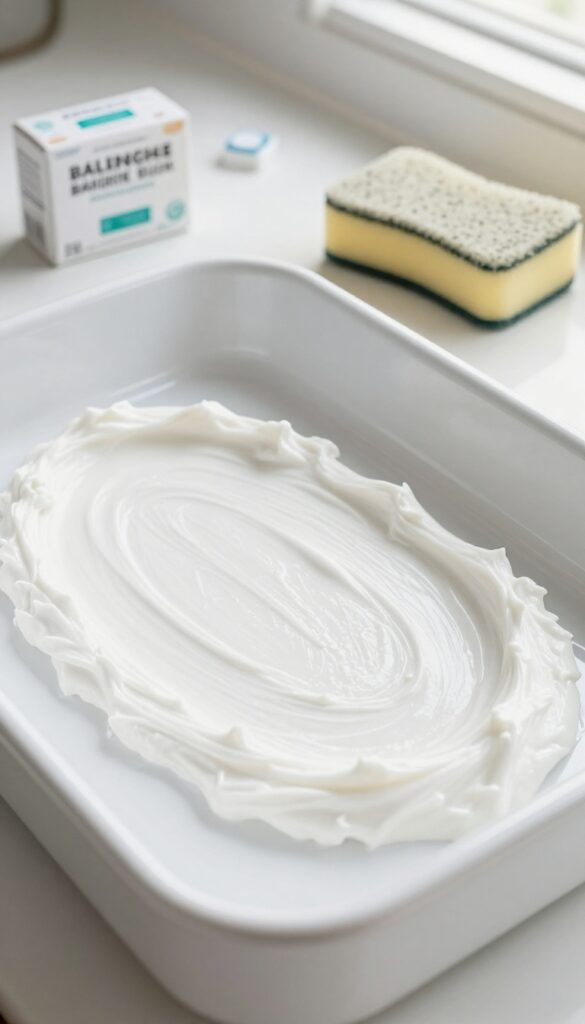
Sometimes a single cleaner isn't enough for the toughest baked-on layers. That's where a simple kitchen staple—baking soda—comes in. Mixing crushed dishwasher tablet powder with baking soda creates a paste that tackles both grease and stubborn carbon deposits without damaging your oven's enamel.
Crush one dishwasher tablet into a fine powder and combine with baking soda in a 1: 2 ratio (one part tablet powder to two parts baking soda). Add just enough water to form a thick, spreadable paste. Apply this paste to greasy or burnt areas inside the oven, avoiding heating elements.
Let it sit for 15–20 minutes, then scrub with a non-abrasive sponge or brush. The tablet's surfactants break down grease while the baking soda provides gentle abrasion to lift grime. Rinse thoroughly with a damp cloth.
This combo is especially effective on oven floors and side walls where spills have carbonized.
Why This Combo Works
Dishwasher tablets contain enzymes and surfactants designed to dissolve food residues, while baking soda is a mild alkali that reacts with acids to neutralize odors and loosen burnt-on particles. Together, they create a chemical and physical cleaning action that's more powerful than either alone.
Best Areas To Target
This paste is ideal for the oven floor, where drips and spills often turn into blackened crusts. It also works well on the inner sides and back panel. Avoid using it on glass doors (use a gentler method) or near heating elements to prevent residue from burning onto them.
Tips For Best Results
For extra stubborn spots, let the paste sit longer—up to 30 minutes—or apply a second coat. If the paste dries out, spritz it with a little water to reactivate. Always test on a small hidden area first to ensure no discoloration, especially on older ovens.
6. Soak Oven Racks in a Tablet Solution
Oven racks are magnets for burnt-on grease and food residue. Scrubbing them manually is tedious and rarely gets them fully clean. A simple overnight soak with dishwasher tablets does the hard work for you, leaving racks spotless with minimal effort.
Fill a bathtub or large plastic bin with enough hot water to fully submerge the racks. Drop in two dishwasher tablets and stir to help them dissolve. Place the racks in the solution and let them soak overnight.
The enzymes and surfactants break down the grime, so you can simply rinse and dry the next morning.
Why This Works So Well
Dishwasher tablets contain powerful degreasers and enzymes that target baked-on food particles. The hot water activates these ingredients, allowing them to penetrate and lift stubborn carbonized layers. Soaking gives them time to work without any scrubbing on your part.
Tips For Best Results
Use the hottest water possible—near boiling is ideal. If the racks are heavily soiled, add a third tablet. For extra tough spots, scrub lightly with a nylon brush after soaking.
Rinse thoroughly with clean water and dry completely before returning to the oven.
7. Use a Spray Bottle for Hard-to-Reach Areas
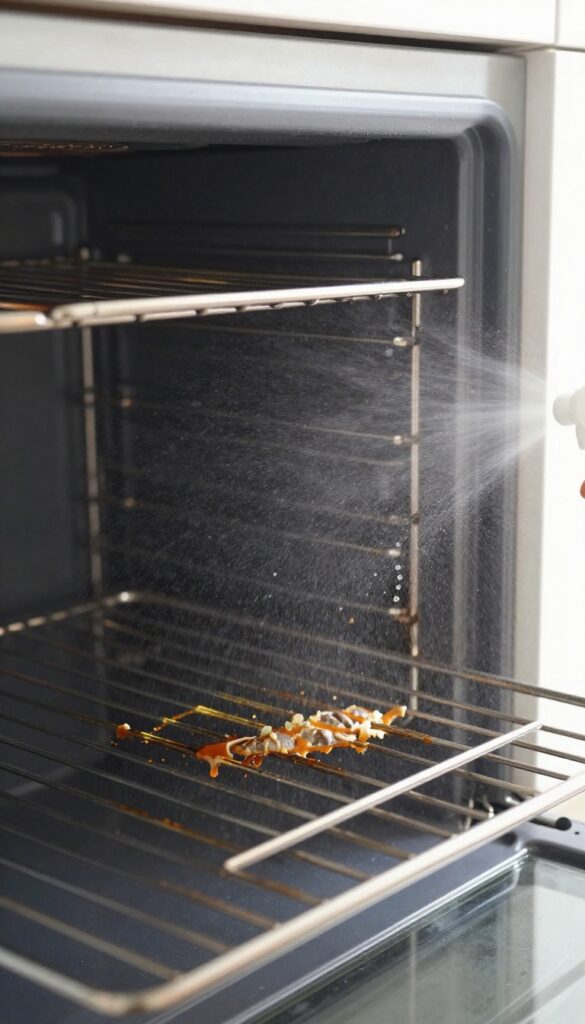
Vertical surfaces inside the oven—like the sides, back, and door—are notorious for collecting grime that drips down over time. A spray bottle turns a dissolved dishwasher tablet into a precision tool that coats every nook and cranny without pooling. This method is especially handy for those awkward spots where a sponge just can't reach.
Dissolve one tablet in a quart of hot water, pour into a spray bottle, and mist the interior of the oven. Let it sit for 20 minutes, then wipe clean. Great for vertical surfaces.
Why Spraying Works Better
Spraying ensures even coverage on vertical panels where gravity would otherwise pull liquid away. The fine mist clings to surfaces, giving the cleaning agents time to break down baked-on grease without dripping onto the floor.
Setting Up Your Spray Solution
Use a clean spray bottle—preferably one that hasn't held harsh chemicals. Drop one dishwasher tablet into a quart of very hot water, let it fizz and dissolve completely, then shake gently. The solution should be clear and slightly sudsy.
Application Tips For Best Results
Start from the top of the oven and work downward, holding the nozzle about six inches from the surface. Coat every vertical panel generously, then close the door and let the solution sit for 20 minutes. For stubborn spots, give them an extra spritz before wiping.
Wiping Down After The Soak
Use a damp microfiber cloth to wipe away the loosened grime. Rinse the cloth frequently in clean water to avoid spreading residue. For the back wall, a sponge on a handle can help reach without straining.
8. Tackle the Oven Ceiling with a Paste Wrap
The top of your oven is a magnet for grease splatters and baked-on fumes, yet it's often ignored because it's awkward to scrub. A paste wrap made from crushed dishwasher tablets lets you clean overhead without dripping or straining. This method clings to the ceiling, dissolving grime while you wait.
Oven ceilings collect a stubborn layer of grease that hardens over time, especially above the heating element. A watery spray runs off, but a thick paste stays put. By combining crushed tablets with a damp paper towel, you create a slow-release cleaning pack that breaks down carbonized buildup without harsh fumes.
Make The Paste
Crush two dishwasher tablets into a fine powder using a mortar and pestle or the back of a spoon in a bowl. Add just enough hot water to form a thick, spreadable paste—think toothpaste consistency. If it's too runny, it won't stick; too dry, it won't activate.
Apply And Wrap
Use a spatula or an old pastry brush to spread the paste evenly over the oven ceiling. Immediately press a damp (not soaking) paper towel against the paste, smoothing it so it adheres. The towel traps moisture and keeps the paste from dripping onto lower surfaces.
Wait And Wipe
Let the paste sit for 30 minutes. The enzymes and surfactants in the tablet will loosen the grime. After the wait, remove the paper towel and wipe the ceiling with a damp microfiber cloth.
For stubborn spots, use the cloth to scrub gently. Rinse and dry.
9. Clean the Oven Gasket Carefully
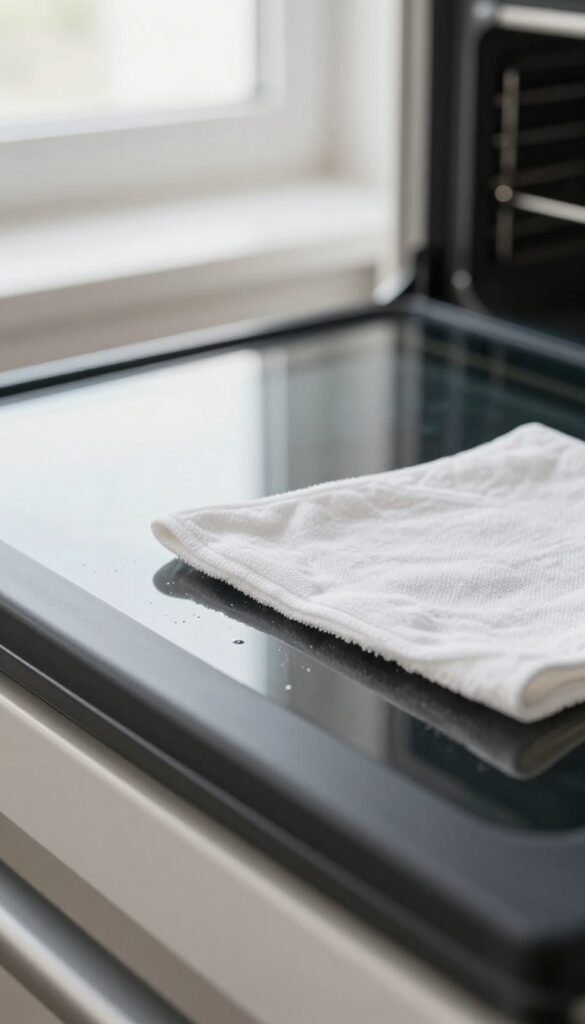
The rubber gasket that seals your oven door is essential for maintaining temperature and energy efficiency. It's also a magnet for grease and grime, but it's delicate. Using a dishwasher tablet solution is a gentle way to clean it without causing damage.
Dip a soft cloth in a diluted tablet solution (half tablet dissolved in 2 cups water) and gently wipe the rubber gasket. Avoid soaking it to prevent damage. Rinse with a damp cloth.
Why The Gasket Needs Special Care
The gasket is made of rubber or silicone that can degrade if exposed to harsh chemicals or excessive moisture. Dishwasher tablets are mild enough when diluted, making them a safe choice for this sensitive area.
Step-by-step Cleaning Method
First, mix half a dishwasher tablet into 2 cups of warm water until dissolved. Dip a soft cloth into the solution, wring it out well so it's damp but not dripping. Gently wipe along the gasket, paying attention to crevices.
Avoid pulling or stretching the rubber. Then, use a separate damp cloth with plain water to rinse off any residue. Finally, dry the gasket with a clean towel.
What To Avoid
Never soak the gasket or spray cleaner directly onto it, as liquid can seep behind the seal and cause mold or damage. Also, avoid using abrasive scrubbers or sharp tools that could tear the rubber. Stick to soft cloths and gentle motions.
10. Remove Burnt-On Sugar or Syrup Spills
Burnt sugar and syrup spills are some of the toughest messes to tackle in an oven. They harden into a glass-like layer that resists regular scrubbing. But with a little chemistry, you can break them down without harsh chemicals.
Make A Paste From Crushed Tablets
Grab one dishwasher tablet and crush it into a fine powder using a mortar and pestle or the back of a spoon. Sprinkle the powder directly over the burnt sugar spill. Add just a few drops of water to form a thick paste.
The enzymes in the tablet start working immediately to soften the caramelized sugar.
Let It Sit For 20 Minutes
Allow the paste to sit on the spill for about 20 minutes. This gives the cleaning agents time to penetrate the hardened sugar layer. You'll notice the paste darkening as it absorbs the burnt residue.
Don't let it dry out completely—if it starts to look dry, spritz with a little water.
Scrape Gently With A Plastic Scraper
After the wait, take a plastic scraper or an old credit card and gently scrape away the softened spill. The sugar should lift off in chunks without scratching your oven surface. Wipe the area with a damp cloth to remove any remaining paste.
Repeat if needed for stubborn spots.
11. Freshen Up a Self-Cleaning Oven
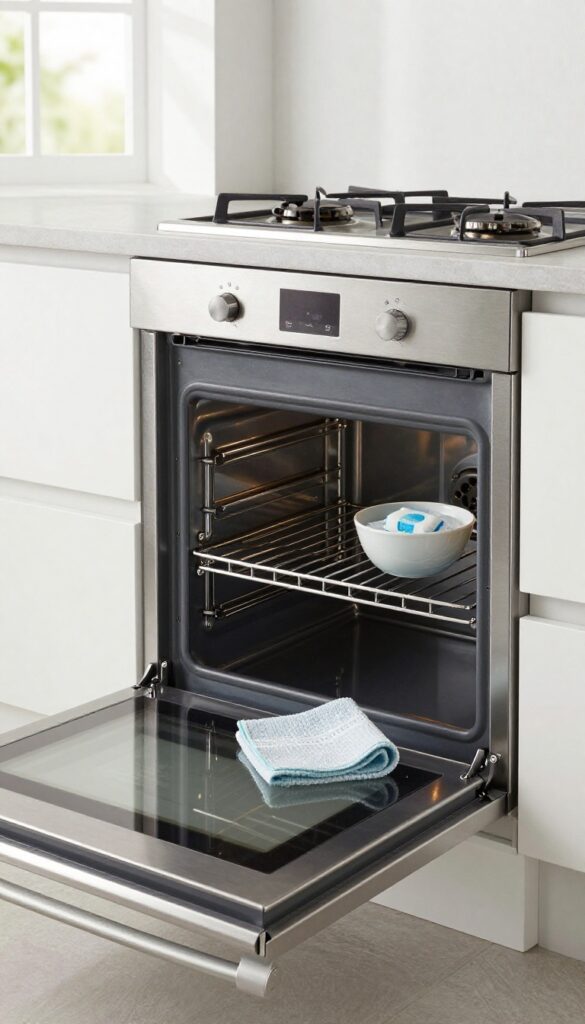
Self-cleaning ovens are convenient, but they don't always leave the inside spotless. After the high-heat cycle burns off food residue, you're often left with a layer of ash and stubborn stains that can look messy and even smell if left alone. A quick wipe with a dissolved dishwasher tablet can make all the difference.
Why Self-cleaning Cycles Leave Residue
The self-cleaning function incinerates food spills at extremely high temperatures, turning them into ash. While most ash is loose and easy to wipe, some areas—especially the door corners and back wall—can retain baked-on deposits. These stains are often mineral-based or carbonized, and they resist plain water.
How To Use A Dishwasher Tablet For Post-cycle Cleaning
Wait for the oven to cool completely after the self-clean cycle. Dissolve one dishwasher tablet in a quart of warm water. Dip a soft sponge or microfiber cloth into the solution, wring it out slightly, and wipe down all interior surfaces.
The tablet's enzymes and surfactants break down the ash residue and lift stains without harsh scrubbing. Rinse with a clean damp cloth afterward to remove any soap film.
When To Avoid This Method
Do not use dishwasher tablets on oven interiors with catalytic liners, as the chemicals may damage the coating. Also, avoid using this method if your oven has a continuous-cleaning enamel surface—stick to the manufacturer's recommended cleaning products. Always check your oven's manual first.
12. Use a Tablet as a Pre-Treatment for Grease
Stubborn grease spots can make oven cleaning feel like a losing battle. A dishwasher tablet used as a pre-treatment softens and lifts that grime before you even bring out your regular cleaner. This simple extra step cuts down on scrubbing time and boosts the effectiveness of whatever cleaner you prefer.
Rub a damp dishwasher tablet directly over the greasiest areas of your oven—think the back wall, sides, and around the heating elements. Let it sit for five minutes to penetrate the baked-on layer. Then spray your usual oven cleaner or a vinegar solution over the top.
The tablet's surfactants break down the grease while the cleaner finishes the job. Wipe away with a damp cloth for a noticeably cleaner surface.
Where To Apply The Pre-treatment
Focus on spots where grease has built up thick and dark. The top interior surface often gets overlooked but collects airborne grease. Also target the corners where the walls meet the bottom—those crevices trap residue that regular cleaners struggle to dissolve.
How Long To Let It Sit
Five minutes is the sweet spot for most ovens. If the grease is extra old or caked on, extend the wait to ten minutes. Don't let the tablet dry out completely—if it starts to flake, spritz a little water to keep it active.
Follow-up Cleaning Tips
After the pre-treatment, use a non-abrasive sponge or microfiber cloth to wipe away the loosened grime. Rinse the sponge frequently to avoid spreading grease. For stubborn patches, repeat the process or use a soft scrub brush.
13. Clean the Oven Window from the Outside
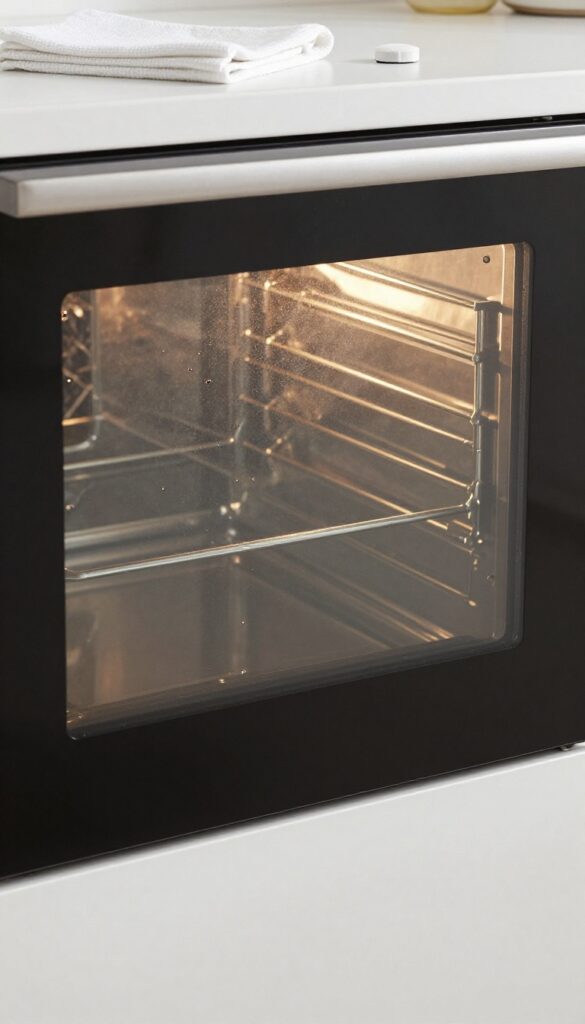
That greasy film on the outside of your oven window can make the whole kitchen look dingy. But what about the grime trapped between the glass panes? It's a common frustration, and dishwasher tablets offer a neat solution.
For grime between the glass panes, make a thin paste of crushed tablet and water. Apply it to the outside of the inner glass, let it sit, then wipe. Avoid getting liquid inside the door.
Why Between The Glass Gets Dirty
Over time, grease vapors and food particles seep into the gap between the oven door's glass panes. This creates a cloudy, sticky layer that regular wiping can't reach. Dishwasher tablets break down that baked-on residue without disassembling the door.
How To Make The Paste
Crush half a dishwasher tablet into a fine powder using a mortar and pestle or the back of a spoon. Mix with just enough warm water to form a thick, spreadable paste. The consistency should be like toothpaste—not too runny, so it stays where you put it.
Application Tips For Best Results
Apply the paste to the outside surface of the inner glass pane (the one you see when the oven is closed). Spread it evenly with a sponge or your finger (wear gloves). Let it sit for 10–15 minutes.
Then wipe off with a damp microfiber cloth. For stubborn spots, use a non-abrasive scrubber.
What To Avoid
Never let liquid seep into the door's edges or vents—it can damage the insulation or electronics. Use a minimal amount of paste and avoid spraying water directly on the door. If you see moisture inside, dry it immediately with a cloth.
14. Deodorize After Cleaning
After you've scrubbed away the grime, your oven might still smell like burnt food or harsh cleaning chemicals. That's where a dishwasher tablet comes in for a final freshening step. Dissolving half a tablet in warm water creates a neutralizing solution that tackles lingering odors without adding more chemical smells.
Once the oven is physically clean, odors can stick around in the air and on surfaces. A quick wipe-down with the tablet solution absorbs and neutralizes those smells, leaving the interior fresh. This step is especially helpful after using strong cleaners or if you've had a spill that left a burnt aroma.
How It Works
Dishwasher tablets contain enzymes and surfactants that break down food particles and neutralize odors. When dissolved in water, they create a mild solution that lifts odor-causing residues from oven walls, racks, and the door. A simple wipe is all it takes.
Step-by-step
Fill a bowl with warm water and drop in half a dishwasher tablet. Let it dissolve completely, then dip a soft cloth or sponge into the solution. Wipe down all interior surfaces, including the ceiling, sides, and door.
Avoid getting the solution on heating elements. Let the oven air dry with the door open for about 30 minutes.
Extra Tips
For stubborn smells, leave a bowl of the solution inside the oven overnight. The next day, wipe again and dry. You can also use this method on oven racks if they still smell after cleaning.
Just rinse them well afterward to avoid any residue.
15. Protect Your Hands and Surfaces
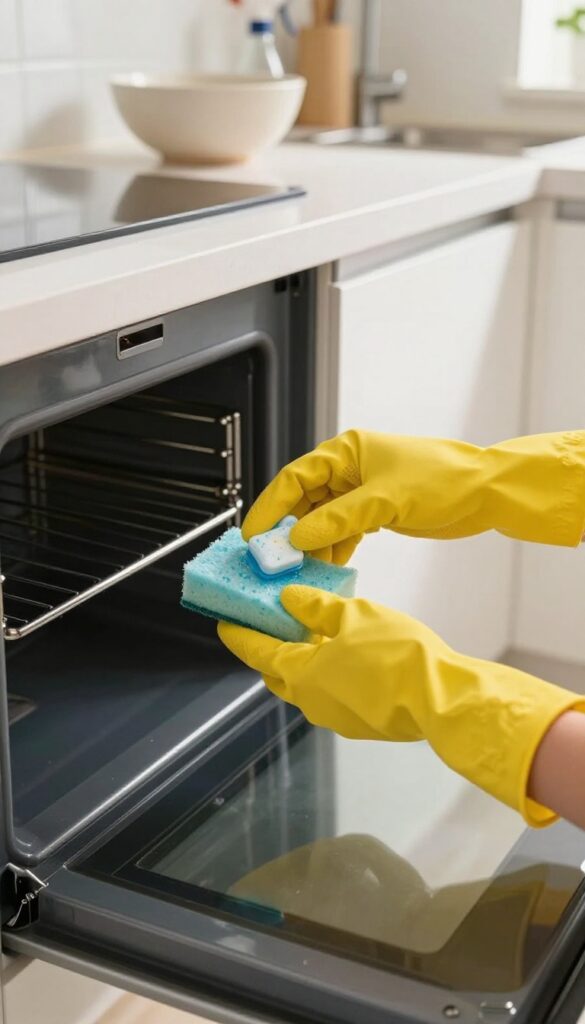
Dishwasher tablets are powerful, but that strength comes with a downside. The chemicals can irritate your skin and damage certain materials if you're not careful. A few simple precautions keep you safe and your oven in good shape.
Wear Rubber Gloves
The alkaline ingredients in dishwasher tablets can cause dryness, redness, or even chemical burns with prolonged contact. Always wear thick rubber gloves when mixing or applying the solution. Even if you're just wiping down the interior, gloves are a must.
Your hands will thank you.
Avoid Aluminum Surfaces
Dishwasher tablets contain compounds that react with aluminum, leading to discoloration or pitting. Never use the solution on aluminum oven racks or foil. If your racks are aluminum, remove them before cleaning and use a different method.
Stick to stainless steel or enameled surfaces for this trick.
16. Rinse Thoroughly to Avoid Residue
Dishwasher tablets are powerful, but that strength comes with a downside. If you don't rinse well after cleaning, a soapy film can linger on oven surfaces. That residue might affect the taste of your next batch of cookies or roasted vegetables.
A thorough rinse is a small step that makes a big difference.
Why Residue Matters
Dishwasher tablets contain surfactants and enzymes designed to cling to surfaces and break down grease. Left behind, these chemicals can transfer to food during cooking. Even a faint soapy taste can ruin a meal.
Plus, the residue can bake onto surfaces, creating a new layer of grime that's harder to remove later.
The Right Rinsing Technique
Start by wiping all surfaces with a damp microfiber cloth. Rinse the cloth frequently in clean water to avoid spreading residue. Go over each area at least three times, using fresh water each pass.
Pay extra attention to corners, crevices, and the area around the heating element. For glass doors, a final wipe with a vinegar-water solution (1: 1) cuts through any remaining film and leaves a streak-free shine.
Check Before You Cook
After rinsing, let the oven dry completely. Then run your finger along a surface—if it feels slippery or looks hazy, you missed some residue. Do another quick wipe-down with vinegar water.
Once everything is dry and feels clean, you're good to go. A little extra effort now saves you from ruined meals later.
17. Know When to Call a Professional
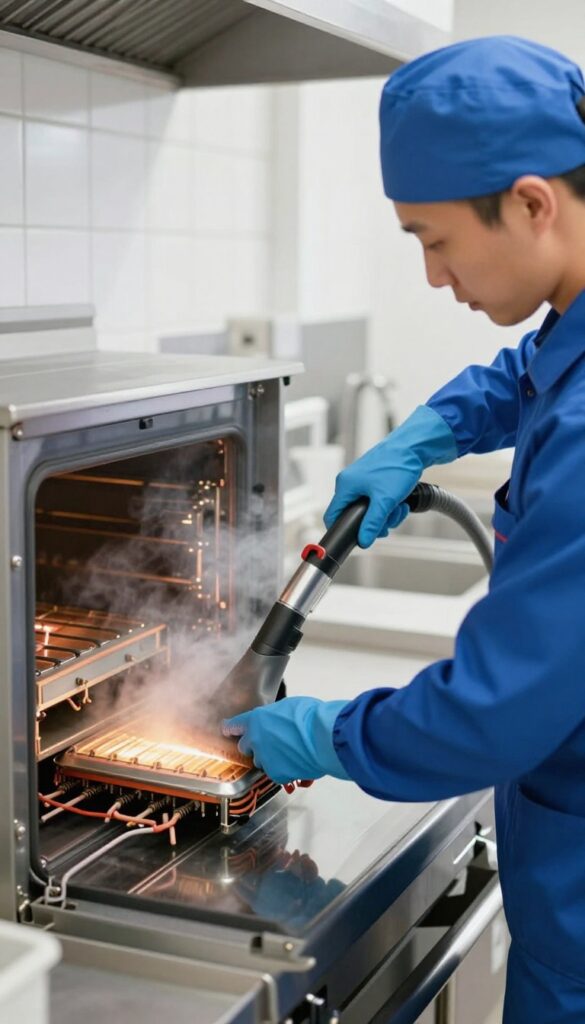
Dishwasher tablets are a fantastic DIY cleaning tool, but they have limits. If your oven has exposed electrical components or the grime has built up over years, it's time to bring in a pro. Professional cleaners have the tools and chemicals to handle tough jobs safely, and they can also spot potential issues like damaged heating elements or faulty seals.
While dishwasher tablets can tackle most baked-on messes, they aren't designed for electrical repairs or deep-seated corrosion. Attempting to clean around exposed wiring or a broken element can be dangerous. A professional service can disassemble parts, clean thoroughly, and reassemble safely.
They also use industrial-grade degreasers that are more effective on decades-old carbon deposits. Plus, they can advise if parts need replacing, saving you from future headaches.
When Diy Isn't Enough
If your oven hasn't been cleaned in years, the grime may be too thick for a dishwasher tablet to dissolve. Professional cleaners use steam cleaners and heavy-duty solvents that can break down even the toughest carbon layers. They also have the experience to avoid damaging sensitive components.
Safety First With Electrical Parts
Never use water or cleaning solutions near exposed heating elements, wiring, or control panels. If you see any exposed electrical parts, stop immediately and call a professional. They can safely disconnect power and clean without risking shock or fire.
Cost Vs. Value
Professional cleaning typically costs $100–$300, depending on your oven type and grime level. If your oven is old or has damaged parts, the cleaning might reveal the need for repairs or replacement. In that case, the service fee is a worthwhile investment to avoid bigger problems down the road.
FAQ
Are dishwasher tablets safe for self-cleaning ovens?
Yes, they are safe for the interior, but avoid using them on the self-cleaning lock mechanism or heating elements. Rinse thoroughly after use.
Can I use any dishwasher tablet brand?
Most gel or powder tablets work, but avoid those with bleach or rinse aid additives. Plain tablets are best for oven cleaning.
Will dishwasher tablets scratch my oven?
If used as a paste or dissolved, they are non-abrasive. However, scrubbing with a rough sponge can scratch. Use a soft cloth or non-scratch pad.
How long should I let the tablet sit on grime?
For light grime, 10-15 minutes is enough. For heavy buildup, let it sit for 30 minutes or more. Do not let it dry completely.
Can I mix dishwasher tablets with vinegar?
It's not recommended. Mixing can create fumes or reduce effectiveness. Use them separately: tablet solution first, then a vinegar rinse.
Conclusion
Cleaning your oven with dishwasher tablets is a game-changer for tackling tough grime without harsh chemicals. It's fast, affordable, and surprisingly effective when you follow the right steps.
Try one of these methods next time your oven needs a deep clean, and you'll wonder why you didn't try it sooner. A little regular maintenance with this trick will keep your oven looking spotless with minimal effort.