15 Oven Racks Cleaning Hacks for Grease and Rust Spots
You open the oven to check on dinner, and the first thing you see is a greasy, rust-speckled rack. It’s not just unsightly—it can affect how your food cooks. But scrubbing those awkward, heavy racks is nobody’s idea of fun.
The good news? You don’t need expensive cleaners or endless scrubbing. With a few clever tricks, you can restore your oven racks to their former glory.
These 15 hacks target both grease buildup and rust spots, using items you probably already have at home. Each method is designed to minimize effort and maximize results, so you can get back to cooking without the grime.
1. The Dishwasher Detergent Soak
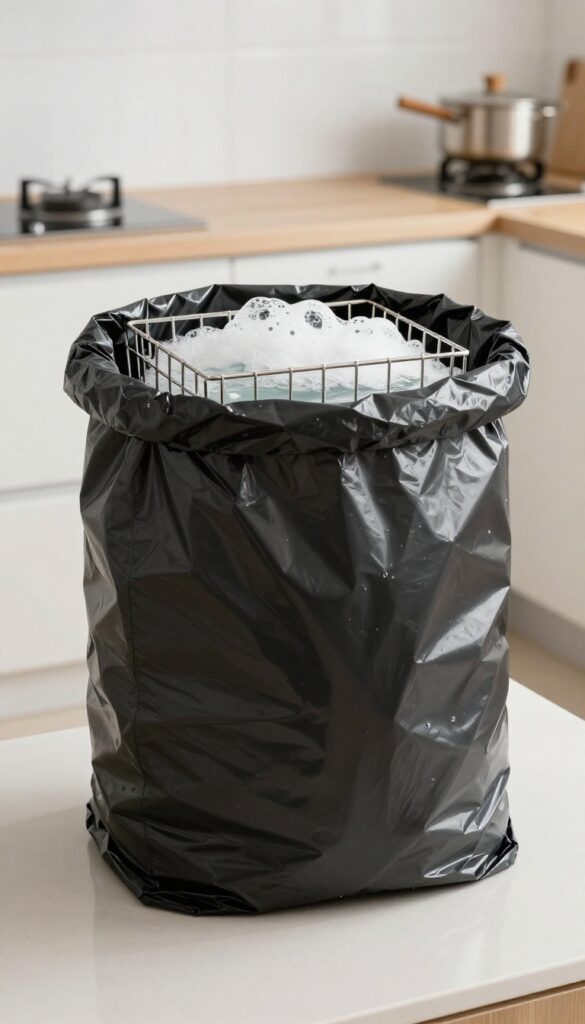
If you’ve got a box of dishwasher detergent in the cupboard, you already have one of the best grease fighters around. This method uses the heat and cleaning power of detergent to break down baked-on grime without any scrubbing. It’s almost like magic—but it’s just good chemistry.
Start by placing your oven rack inside a large, heavy-duty trash bag. Add about half a cup of dishwasher detergent (powder or tablet works fine), then pour in enough hot water to cover the rack. Seal the bag tightly, give it a gentle shake to mix, and let it sit overnight.
The next morning, just rinse the rack with water—grease and burnt bits will slide right off. For stubborn spots, a quick wipe with a sponge does the trick.
Why Dishwasher Detergent Works
Dishwasher detergents contain enzymes and surfactants that are designed to dissolve grease and food residue at high temperatures. The hot water activates these ingredients, allowing them to penetrate and loosen the hardened grease on your oven racks. It’s the same reason your dishes come out sparkling clean.
Tips For Best Results
Use the hottest tap water you can get. Make sure the bag is sealed tight to keep the heat in. If your rack is extra dirty, double the detergent amount.
For rust spots, add a tablespoon of baking soda to the mix—it helps lift corrosion without scratching.
2. Baking Soda and Vinegar Paste
Baking soda and vinegar are a classic cleaning duo, and they work wonders on greasy oven racks. The paste clings to vertical surfaces and cuts through baked-on grime without harsh chemicals. It’s safe, cheap, and you probably have both ingredients in your kitchen right now.
To make the paste, mix equal parts baking soda and white vinegar until it forms a thick, spreadable consistency. Apply a generous layer to the greasy or rusted areas of the rack, focusing on the worst spots. Let it sit for at least 30 minutes—longer for heavy buildup.
Then scrub gently with a non-abrasive sponge or an old toothbrush. Rinse thoroughly with warm water and dry immediately to prevent new rust. For stubborn rust, add a squeeze of lemon juice to the paste.
Why This Paste Works
Baking soda is a mild abrasive that lifts grime without scratching metal. Vinegar’s acidity breaks down grease and helps dissolve mineral deposits from rust. Together, they create a fizzing action that loosens debris, making scrubbing much easier.
Tips For Best Results
Use warm water to rinse—hot water can set grease if not fully removed. If the paste dries out during the wait, spritz a little vinegar on it to reactivate. Wear gloves to protect your hands from prolonged contact with the mixture.
When To Avoid This Method
Don’t use this paste on aluminum racks, as vinegar can cause pitting. Test a small hidden area first. For heavily rusted racks, consider a dedicated rust remover after the paste treatment.
3. Ammonia Fume Treatment
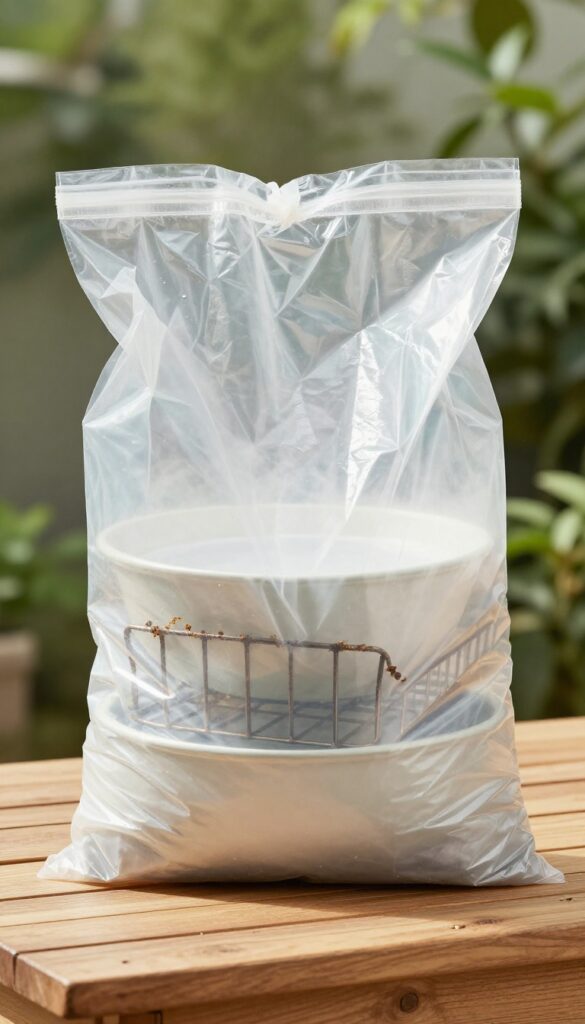
Ammonia is a powerful degreaser that works without you lifting a finger. The fumes do all the heavy lifting, breaking down stubborn, baked-on grease while you sleep. This method is perfect for racks that haven’t seen a good cleaning in months.
What You’ll Need
Grab a large, heavy-duty garbage bag, a cup of household ammonia, and your greasy oven racks. Make sure the bag is big enough to hold the racks without tearing. You’ll also need a well-ventilated area—preferably outdoors or near an open window.
How To Set It Up
Place the oven racks inside the garbage bag. Pour the cup of ammonia into a shallow bowl or directly into the bag—just be careful not to spill. Seal the bag tightly with a twist tie or knot, and let it sit overnight in a safe spot away from kids and pets.
The ammonia fumes will circulate and soften the grease.
The Next Morning
Open the bag outside or in a very well-ventilated area. The smell will be strong, so avoid inhaling deeply. Remove the racks and rinse them thoroughly with hot water.
Most of the grease should slide right off. For stubborn spots, a quick scrub with a sponge or brush will finish the job.
Safety Tips
Never mix ammonia with bleach or other cleaners—it creates toxic fumes. Wear gloves and work in a ventilated space. After rinsing, wash the racks with dish soap to remove any ammonia residue before putting them back in the oven.
4. Dryer Sheet Soak
If you have a stash of dryer sheets under the sink, you’re about to put them to work. The fabric softener in those sheets is surprisingly good at breaking down baked-on grease. This method is almost effortless—just set it and forget it.
Fill your bathtub or a large plastic bin with the hottest tap water you can manage. Drop in four to six used or new dryer sheets, then submerge your oven racks completely. Let them soak for at least four hours, or overnight for heavily soiled racks.
The heat and the softening agents work together to loosen the grime. When you pull the racks out, most of the grease will wipe away with a sponge. Rinse well and dry before sliding them back into the oven.
Why Dryer Sheets Work
Dryer sheets are coated with fabric softeners that contain surfactants and lubricants. In hot water, these compounds help emulsify grease, making it easier to rinse off. The sheets also release a pleasant scent, so your kitchen won’t smell like harsh chemicals.
Best Practices For The Soak
Use the hottest water possible—it activates the softening agents. If your racks are too long for your tub, soak one half, then flip and repeat. For extra stubborn spots, add a squirt of dish soap to the water.
After soaking, scrub any remaining residue with a non-abrasive pad.
What About Rust?
This method is primarily for grease, but it can help loosen light rust flakes. For heavier rust, follow up with a paste of baking soda and water or a commercial rust remover. Always dry racks thoroughly after cleaning to prevent new rust.
5. Lemon Juice and Salt Scrub
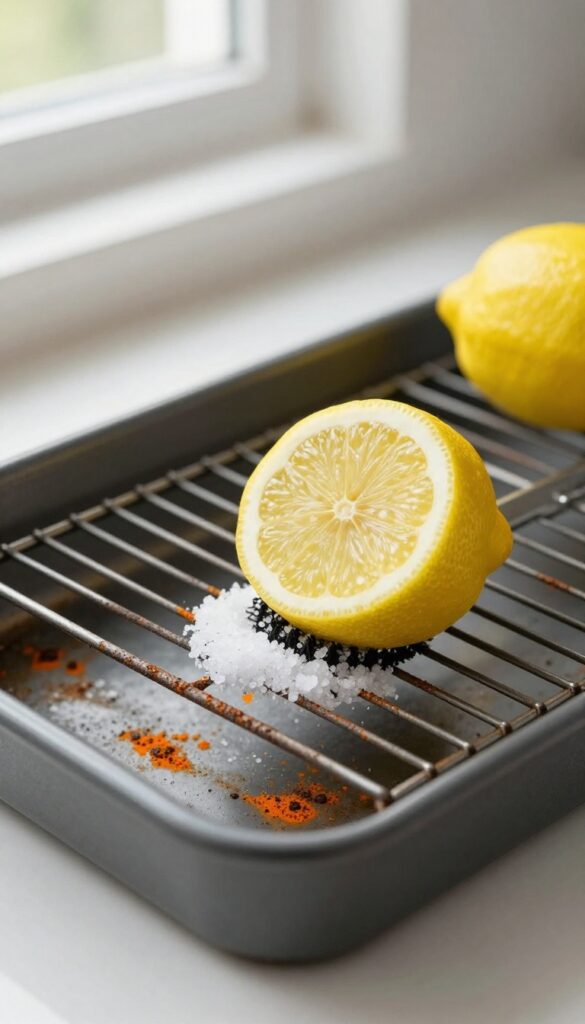
When rust spots appear on your oven racks, you don't need harsh chemicals. A simple lemon and salt scrub can tackle the problem naturally. The citric acid in lemon juice breaks down rust, while salt acts as a gentle abrasive to scrub it away without scratching the metal.
This method is perfect for spot-treating rust without soaking the entire rack. It's quick, uses kitchen staples, and leaves a fresh citrus scent behind.
Why It Works
Lemon juice contains citric acid, which reacts with iron oxide (rust) to dissolve it. Salt provides the scrubbing power to lift the loosened rust particles. Together, they create a paste that's effective yet gentle on the metal surface.
How To Do It
Cut a lemon in half and dip the cut side into a small dish of salt. Scrub the rust spots directly with the lemon half, applying moderate pressure. Let the juice sit for 5-10 minutes, then rinse with warm water and dry thoroughly.
For stubborn spots, repeat or let the lemon juice sit longer.
Tips For Best Results
Use coarse salt like kosher or sea salt for better abrasion. If the rust is extensive, squeeze extra lemon juice over the area and sprinkle with salt, then scrub with a soft brush. Always dry the racks completely after cleaning to prevent new rust from forming.
6. Cream of Tartar and Hydrogen Peroxide
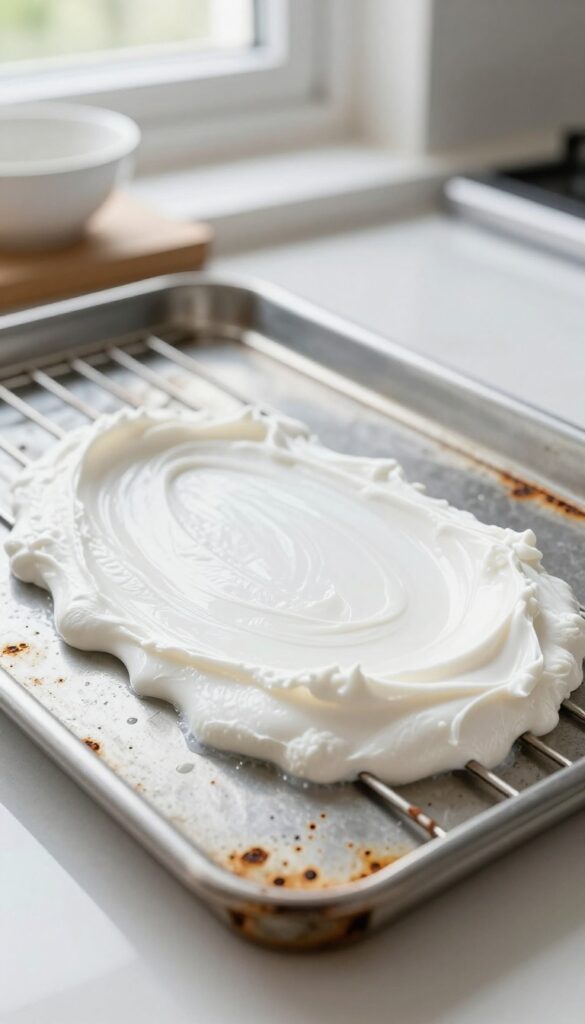
Rust on oven racks can be stubborn, but a simple paste made from cream of tartar and hydrogen peroxide tackles it without harsh chemicals. Cream of tartar is a mild acid that breaks down rust, while hydrogen peroxide boosts the reaction. Together, they create a gentle yet effective rust remover that's safe for kitchen use.
Mix equal parts cream of tartar and hydrogen peroxide to form a thick paste. Apply it generously to rust spots, let it sit for 20 minutes, then scrub with a non-abrasive sponge or brush. Rinse thoroughly and dry.
This method works best for light to moderate rust—heavy rust may need a second application or a stronger method. Always test on a small area first, especially on coated racks.
Why This Combo Works
Cream of tartar is potassium bitartrate, a byproduct of winemaking that acts as a mild acid. It reacts with iron oxide (rust) to loosen it. Hydrogen peroxide adds oxygen, speeding up the chemical reaction.
The paste stays put on vertical surfaces, giving it time to work without dripping.
Application Tips
For best results, make sure the rack is dry before applying the paste. Use an old toothbrush or a soft scrub brush to work the paste into rust pits. If the paste dries out during the 20-minute wait, mist it lightly with water.
Rinse with warm water and dry immediately to prevent new rust.
When To Use This Hack
This method is ideal for enamel-coated or chrome racks where you want to avoid abrasive scrubbing. It's also a good choice if you prefer natural, non-toxic cleaners. For heavy rust, consider pairing it with a gentle scrubbing pad or repeating the process.
7. Self-Cleaning Oven Cycle (with Caution)
Your oven’s self-cleaning cycle is a powerful tool—it turns grease and grime into ash with extreme heat. But can you leave the racks inside? The answer is yes, but only if your manufacturer says it’s safe.
Many modern ovens allow it, but some racks can discolor or warp. Check your manual first, and never use this method on chrome or non-stick racks, as the high heat can damage them.
If your racks are oven-safe for self-cleaning, this method is almost effortless. Just remove any loose debris, place the racks back in the oven, and run the cycle. After it cools, wipe away the ash with a damp cloth.
For stubborn spots, a quick scrub with soapy water finishes the job. This hack works best for heavy grease buildup, but it won’t remove rust—so pair it with a rust treatment if needed.
When It Works (and When It Doesn’t)
Self-cleaning cycles reach temperatures above 800°F, which incinerates organic residue. This is ideal for baked-on grease and food particles. However, the cycle does nothing for rust or mineral deposits.
If your racks have rust spots, you’ll need a separate method like vinegar or cream of tartar. Also, avoid this hack if your racks have plastic handles or any non-metal parts.
Safety First: Check Your Manual
Not all oven racks are built to withstand self-cleaning heat. Some may warp, discolor, or lose their finish. Always consult your oven’s manual or the manufacturer’s website.
If you can’t find the info, a safe bet is to remove the racks and clean them separately. When in doubt, don’t risk it—a damaged rack is harder to replace than to clean.
Post-cycle Cleanup Tips
Once the cycle ends and the oven cools, you’ll see a fine white or gray ash. Wipe it off with a damp microfiber cloth. For any remaining residue, use a mild dish soap and water solution.
Avoid abrasive scrubbers that could scratch the rack’s surface. If the racks still look dull after wiping, a quick rinse with vinegar water can restore shine.
8. Bar Keepers Friend Paste
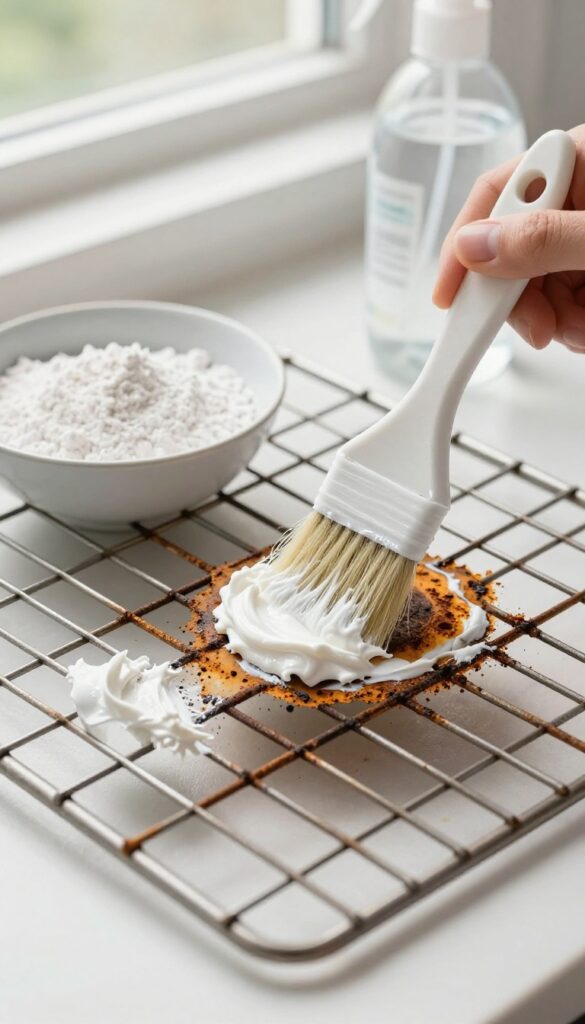
Rust spots on oven racks can be stubborn, but Bar Keepers Friend is a heavy-duty cleaner that handles them with ease. This powdered cleaner contains oxalic acid, which breaks down rust without damaging the metal. When mixed into a paste, it clings to rust spots and lifts them away with minimal scrubbing.
Bar Keepers Friend is a trusted cleaner for metal surfaces, and it works wonders on oven racks. The key is to make a thick paste so it stays put on vertical surfaces. Once applied, the oxalic acid goes to work dissolving rust while the mild abrasive helps scrub away grease.
Rinsing thoroughly is important to prevent any residue from affecting your food.
How To Make The Paste
Sprinkle Bar Keepers Friend powder directly onto the rust spots, then add a few drops of water to form a thick, spreadable paste. You want it about the consistency of toothpaste—not too runny, or it will drip off. A small bowl works well for mixing, but you can also make the paste right on the rack if you prefer.
Application And Wait Time
Use a soft brush or an old toothbrush to spread the paste evenly over the rust spots. Let it sit for 10 minutes—this gives the oxalic acid time to break down the rust. Don’t let it dry completely; if it starts to look dry, spritz a little water on it.
Scrubbing And Rinsing
After 10 minutes, scrub the spots gently with a soft brush. You should see the rust lift away easily. Rinse the rack thoroughly with warm water to remove all traces of the cleaner.
Dry it immediately with a towel to prevent new rust from forming.
9. White Vinegar and Baking Soda Fizz
When light grease and lingering odors are your main concerns, the classic kitchen duo of white vinegar and baking soda delivers a gentle, effective clean. The fizzing reaction helps lift grime without harsh scrubbing, making it a great option for routine maintenance or for racks that aren't heavily caked.
How The Fizz Works
White vinegar cuts through grease and neutralizes odors, while baking soda provides mild abrasion and reacts with the vinegar to create carbon dioxide bubbles. This bubbling action helps dislodge loose debris and soften stuck-on spots, so you can wipe them away with minimal effort.
Step-by-step Process
Place the oven rack in a sink or large tub. Spray the entire rack generously with white vinegar, then sprinkle baking soda over the wet surface. Let the mixture fizz for about 15 minutes.
After the fizzing subsides, scrub with a non-abrasive sponge or brush. Rinse thoroughly with water and dry immediately to prevent rust.
Best Uses And Limitations
This method works best on racks with light grease buildup and no heavy carbonized residue. It's also excellent for deodorizing, leaving racks smelling fresh. For stubborn rust or baked-on grease, you may need a stronger method, but for regular cleaning, this is a safe, non-toxic choice.
10. Potato and Dish Soap Method
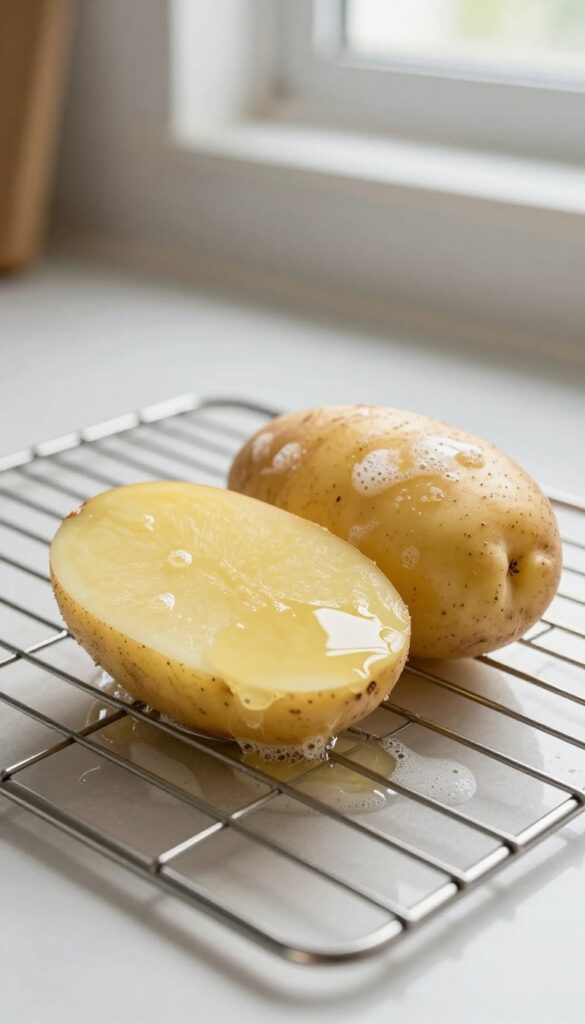
If you’ve got a raw potato sitting in your pantry, you’re holding a surprisingly effective oven rack cleaner. The starch in the potato acts as a gentle abrasive that lifts grease without scratching the metal, while dish soap cuts through the grime. It’s a two-in-one hack that’s almost too simple to believe, but it works like a charm.
To use this method, cut a raw potato in half. Pour a small amount of dish soap onto the cut surface—just enough to coat it. Then scrub the oven rack directly with the soapy potato half.
The starch creates a mild scrubbing action that breaks down grease, while the soap handles the oil. Rinse the rack with warm water and dry it thoroughly to prevent rust. For extra-stubborn spots, let the potato sit on the area for a few minutes before scrubbing.
This method is best for light to moderate grease; heavy buildup may require a second pass or a different hack.
Why Potato Starch Works
Potato starch is a natural mild abrasive. It’s coarse enough to loosen baked-on grease but soft enough not to scratch the metal finish of your oven racks. Combined with dish soap, the starch helps the soap cling to vertical surfaces, making scrubbing more effective.
Step-by-step Instructions
- Cut a raw potato in half. 2.
Squirt a little dish soap onto the cut side. 3. Scrub the oven rack with the potato, applying gentle pressure.
- Let it sit for 5 minutes if needed. 5.
Rinse with warm water and dry immediately.
When To Use This Hack
This method is ideal for regular maintenance cleaning—when your racks have a thin layer of grease but no heavy burnt-on residue. It’s also a great option if you prefer natural cleaning methods and want to avoid harsh chemicals.
11. Ketchup for Rust Removal
Ketchup isn’t just for fries—it’s a surprisingly effective rust remover. The acidity in tomatoes breaks down oxidation without harsh scrubbing. This hack works best on light to moderate rust spots and is completely non-toxic.
Why It Works
Tomatoes contain natural acids like citric and malic acid that react with rust (iron oxide). This reaction loosens the rust, making it easy to wipe away. The thick consistency of ketchup also helps it cling to vertical surfaces.
How To Apply
Squeeze a generous layer of ketchup directly onto the rust spots. Spread it evenly with a brush or your fingers (wear gloves if you prefer). Let it sit for at least 30 minutes—longer for heavier rust.
You’ll see the ketchup darken as it works.
Wiping And Rinsing
After the wait, wipe off the ketchup with a damp cloth or sponge. Most rust should come off with it. For stubborn spots, scrub gently with a non-abrasive pad.
Rinse the rack thoroughly with water to remove any sugary residue, then dry completely to prevent new rust.
12. Commercial Oven Cleaner (Heavy-Duty)
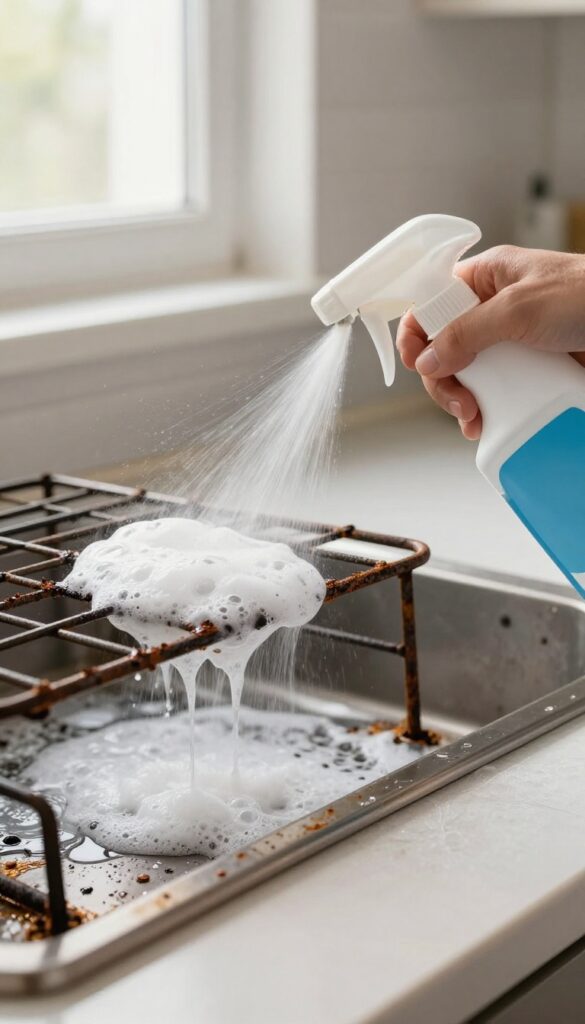
Sometimes, only the big guns will do. When grease has baked on so hard it looks like enamel, and scrubbing with natural solutions feels hopeless, a commercial oven cleaner is your best bet. These sprays are formulated to dissolve the toughest grime with minimal elbow grease.
Just be prepared to use them safely—they're powerful for a reason.
Choosing The Right Cleaner
Look for a cleaner labeled "heavy-duty" or "for self-cleaning ovens. " Brands like Easy-Off or Carbona are popular. Check the label to ensure it's safe for your rack material—most are fine for chrome or porcelain, but avoid using on aluminum or non-stick coatings.
Step-by-step Application
Work in a well-ventilated area—open windows or use a fan. Wear rubber gloves and safety goggles. Spray the cleaner generously over the entire rack, focusing on greasy spots.
Let it sit for the time specified on the can (usually 15–30 minutes). The grime should start to bubble and loosen. Then scrub with a stiff nylon brush or steel wool, rinse thoroughly with hot water, and dry immediately.
Safety And Disposal
Never mix oven cleaner with other chemicals, especially ammonia or bleach. After cleaning, rinse the rack multiple times to remove all residue—any leftover chemicals could transfer to food. Dispose of used gloves and rags safely, and wash your hands thoroughly.
13. Pressure Washer for Outdoor Cleaning
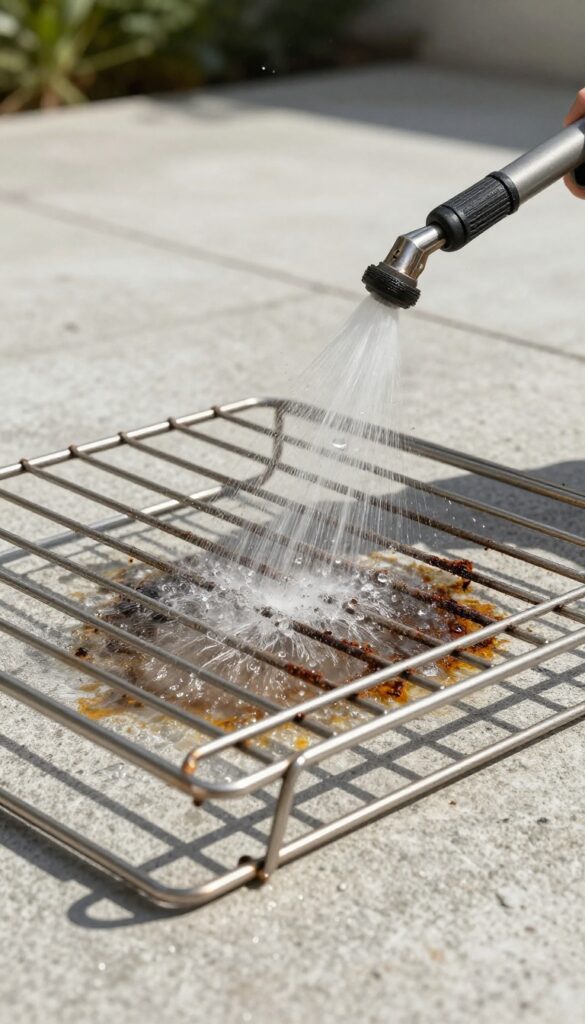
When your oven racks are caked with layers of baked-on grease and loose rust flakes, sometimes a strong spray of water does the trick. A pressure washer isn't just for driveways and patios—it can blast away stubborn grime from metal surfaces without harsh chemicals. This method works especially well for racks that are too large to fit in a sink or bathtub.
Take the racks outside and place them on a flat surface like concrete or grass. Use a pressure washer with a low-pressure setting (around 1, 000–1, 500 PSI) to avoid damaging the metal. Hold the nozzle about 12 inches away and spray in a sweeping motion.
The water will dislodge loose debris, grease, and rust particles almost instantly. Work in sections, and pay extra attention to corners and wire intersections where gunk hides. After spraying, wipe the racks with a clean cloth to remove any remaining moisture.
Dry them thoroughly with a towel or let them sit in the sun to prevent flash rusting.
Why It Works So Well
Pressure washers combine high-velocity water with volume, which physically knocks off grease and rust without scrubbing. The force reaches into crevices that sponges can't, making it ideal for heavily soiled racks. Plus, it's fast—a full set of racks can be cleaned in under five minutes.
Safety And Prep Tips
Always wear safety glasses and closed-toe shoes. Avoid using the highest pressure setting, as it can bend thin wires or strip protective coatings. If your racks have enamel coating, test an inconspicuous spot first.
Lay down a tarp or old sheet to catch runoff and protect your lawn from grease.
Drying Is Non-negotiable
Metal racks will rust quickly if left wet. After pressure washing, towel-dry each rack immediately, then let them air-dry completely before storing or returning to the oven. For extra protection, you can wipe them with a light coat of cooking oil to seal the surface.
14. WD-40 for Rust Prevention
You’ve scrubbed off the rust and grease, but the fight isn’t over. Without a protective barrier, moisture in the air can quickly trigger new rust spots. That’s where WD-40 comes in—not just as a lubricant, but as a surprisingly effective rust preventer for oven racks.
After a thorough cleaning and drying, a light coat of WD-40 creates a moisture-displacing film that shields the metal. Simply spray a thin, even layer over the entire rack, then wipe off any excess with a clean cloth. The goal isn’t to leave it greasy—just a microscopic barrier that keeps humidity at bay.
This step is especially useful if you live in a damp climate or store racks in a basement or garage.
Why It Works
WD-40’s formula contains water-displacing compounds that penetrate tiny pores in the metal, pushing out moisture. It leaves a non-drying, protective film that doesn’t attract dust or become sticky when baked. Unlike cooking oils, it won’t smoke or create odors at normal oven temperatures.
How To Apply
Start with clean, dry racks. Hold the WD-40 can about 6 inches away and spray a light mist over the entire surface. Use a microfiber cloth to spread it evenly, then buff off any pooling liquid.
Let the rack air-dry for 10 minutes before storing or reinstalling.
Safety Note
WD-40 is safe for occasional use on oven racks, but avoid spraying it near heating elements or gas burners. If you notice any smoke or smell during the first preheat, simply wipe the rack down with soapy water and reapply a thinner coat. Always ensure the oven is off and cool before applying.
15. Regular Maintenance with Aluminum Foil
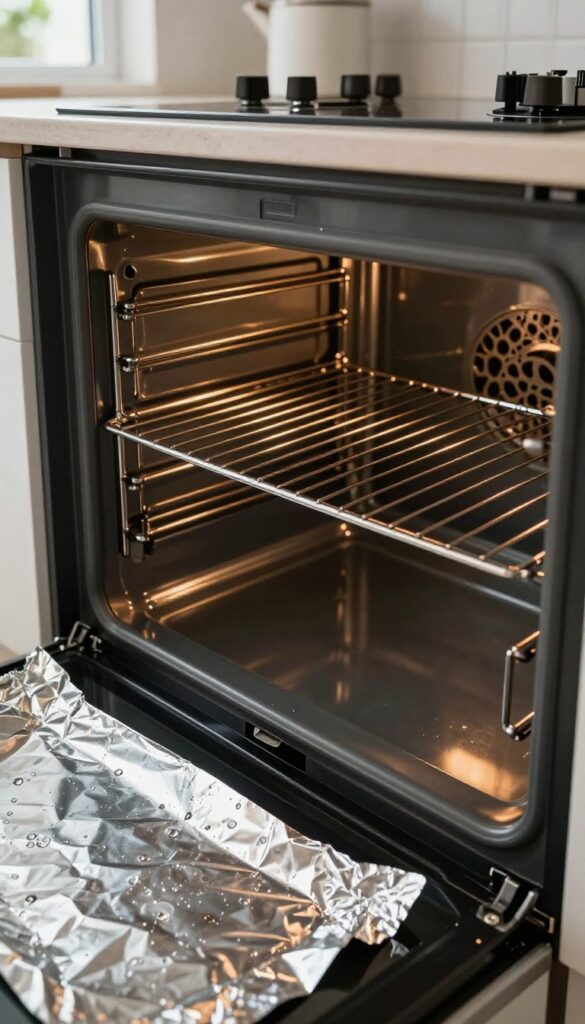
Prevention is worth a pound of cure, especially when it comes to oven racks. A simple habit of lining the oven floor with aluminum foil can save you hours of scrubbing later. And wiping down the racks after each use?
That tiny step keeps grease from turning into a stubborn crust.
This hack is all about building a routine that stops grime before it starts. It’s low effort but high reward—perfect for busy cooks who want a clean oven without the elbow grease.
Line The Oven Floor, Not The Racks
Place a sheet of heavy-duty aluminum foil on the bottom of your oven to catch drips and spills. Make sure it doesn’t cover any heating elements or vents. Replace it every few weeks or after a big spill.
This keeps the oven interior cleaner and reduces the smoke and smell from burnt-on food.
Quick Post-use Wipe-down
Once the oven has cooled, take a damp cloth or sponge and give the racks a quick wipe. This removes any fresh grease or food residue before it bakes on. If you do this after every use, you’ll never face a thick, crusty layer again.
FAQ
Can I use oven cleaner on oven racks?
Yes, but check the manufacturer's instructions first. Some racks have a special coating that can be damaged by harsh chemicals. If safe, use in a well-ventilated area and rinse thoroughly.
How do I remove rust from oven racks?
Use acidic ingredients like lemon juice, vinegar, or ketchup. Apply, let sit, then scrub. For stubborn rust, try a paste of cream of tartar and hydrogen peroxide or a commercial rust remover.
Is it safe to put oven racks in the dishwasher?
It depends on the rack material. Chrome racks may rust, while porcelain-coated racks might chip. Check your oven manual.
If unsure, hand wash with the methods above.
How often should I clean oven racks?
Every 3-6 months, or more often if you cook frequently. Regular wiping after use can prevent heavy buildup. A deep clean when you notice grease or rust spots is ideal.
Can I use the self-cleaning cycle with racks inside?
Some manufacturers allow it, but others warn it can damage racks or cause discoloration. Check your manual. If you do, remove racks before the cycle ends to prevent rust from moisture.
Conclusion
Cleaning oven racks doesn’t have to be a dreaded chore. With these 15 hacks, you can tackle even the toughest grease and rust using simple, everyday items. The key is choosing the right method for your rack material and the level of grime.
A little regular maintenance goes a long way in keeping them looking like new. So next time you pull out a dirty rack, you’ll know exactly what to do. No more scrubbing for hours—just a clean, shiny rack ready for your next meal.