15 Living Room Color Schemes That Make Small Spaces Feel Fresh and Open
Picking a color scheme for a small living room can feel tricky. You want something that feels fresh and personal, but you also don't want the space to close in on you.
The good news is that the right palette can actually make a room feel bigger, brighter, and more put together. Whether you're drawn to calm neutrals, earthy tones, or a pop of unexpected color, these 15 ideas are designed with compact spaces in mind.
Each one is practical, easy to execute, and guaranteed to give your living room a whole new energy.
1. Soft White and Warm Wood
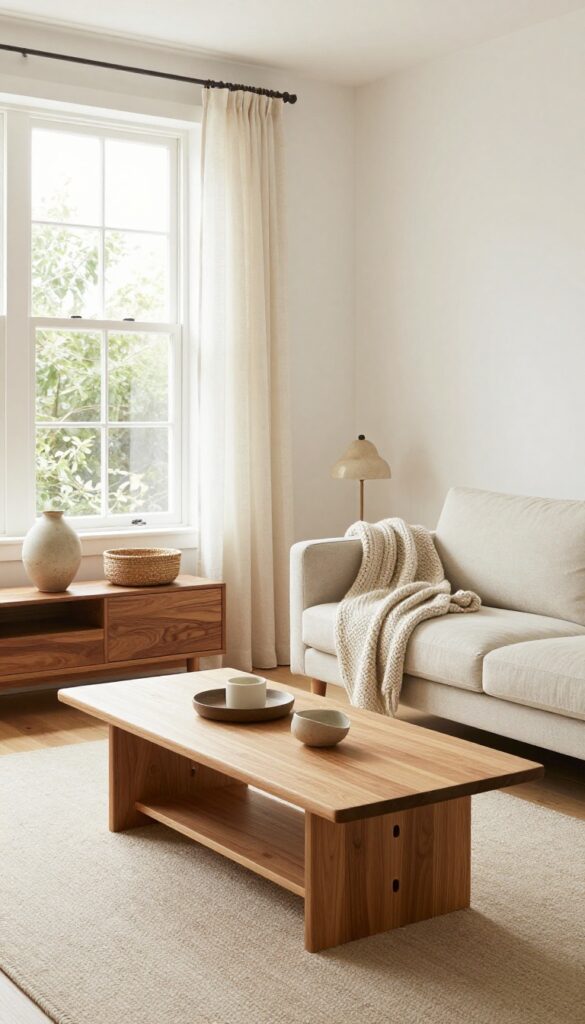
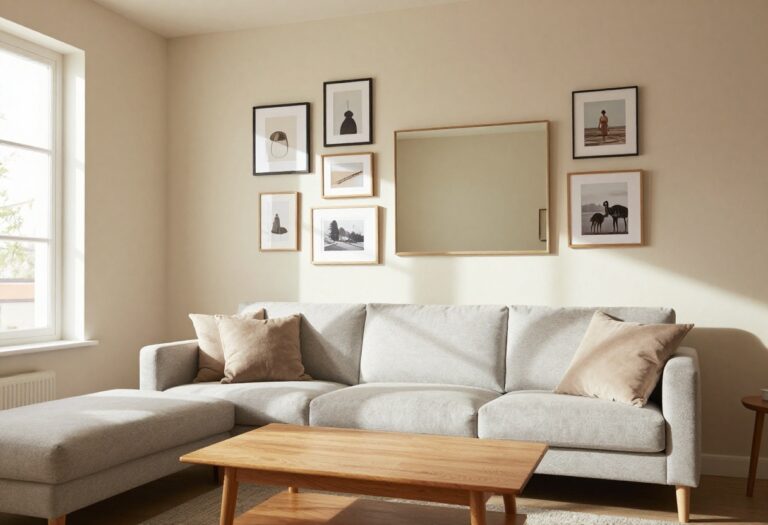
There’s a reason Scandinavian interiors feel so effortlessly serene—soft white walls paired with warm wood tones create a space that breathes. The contrast is subtle but powerful: the white keeps things light and open, while the wood adds just enough warmth to keep the room from feeling cold or sterile. It’s a look that works in almost any living room, but it really shines in smaller spaces where you want to maximize light without sacrificing coziness.
This color scheme is all about balance. Start with walls in a warm white—think creamy or slightly off-white rather than stark bright white. Then bring in wood furniture like a solid oak coffee table, walnut sideboard, or ash bookshelves.
The wood doesn’t have to be uniform; mixing lighter and darker tones adds depth. Keep textiles neutral with linen curtains, a wool rug in oatmeal or beige, and cotton cushions. The result is a room that feels open, calm, and grounded—perfect for unwinding after a long day.
Best Wood Tones To Try
- Not all woods play well with white. Light woods like birch, ash, or pine keep the room airy and are great for small spaces. Medium woods like oak or maple add warmth without overwhelming.
- If you want a bit more contrast, walnut or teak works beautifully as accent pieces—like a single dark wood console table against a white wall.
Texture Mix Tip
Since the color palette is neutral, texture becomes the star. Combine smooth surfaces (white walls, glossy ceramic vases) with rough ones (raw wood edges, chunky knit throws, woven baskets). A jute rug under a sleek wood coffee table adds organic texture that makes the room feel layered and lived-in.
Small-space Fix
In a compact living room, choose furniture with visible legs—like a sofa on tapered wood legs or a floating wood shelf. This keeps the floor visible and maintains an open feel. Stick to one or two larger wood pieces instead of many small ones to avoid visual clutter.
2. Pale Sage and Cream
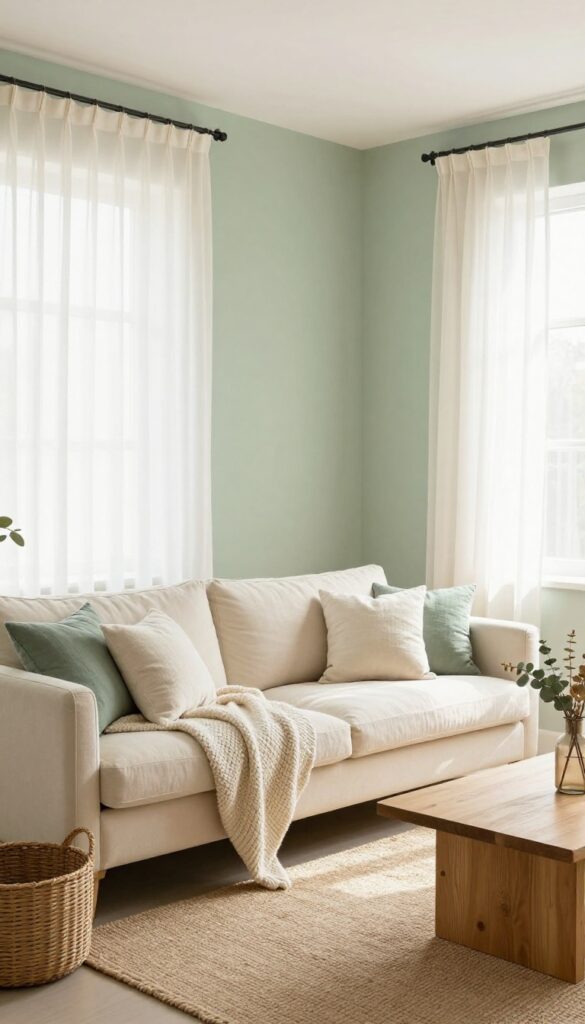
Sage green has a way of making a room feel instantly more grounded without weighing it down. When paired with creamy off-whites, it creates a soft, airy palette that feels both fresh and timeless. This combination is especially forgiving in smaller living rooms, where you want color without sacrificing openness.
Start with cream on the walls and bring in sage through an accent wall or your larger furniture pieces. A sage sofa becomes the focal point, while cream curtains and a light jute rug keep the space from feeling heavy. Layer in natural textures like linen throw pillows and a chunky knit blanket to add warmth without clutter.
The result is a calm, collected look that feels like a breath of fresh air—perfect for unwinding after a long day.
Best Colors
Stick with muted sage greens and warm, buttery creams. Avoid cool whites, which can make the sage look drab. A cream with a hint of yellow or beige keeps the palette cozy and cohesive.
Small-space Fix
In a compact living room, use sage on just one wall—preferably the one behind the sofa—to create depth without enclosing the room. Keep the remaining walls and ceiling in cream to reflect light and maintain an open feel.
Texture Mix
Balance the softness of sage and cream with natural textures. A sisal rug, woven baskets, and a wood coffee table add organic contrast. Linen curtains and a velvet accent pillow introduce subtle variety without disrupting the calm vibe.
3. Dusty Blue and Sand
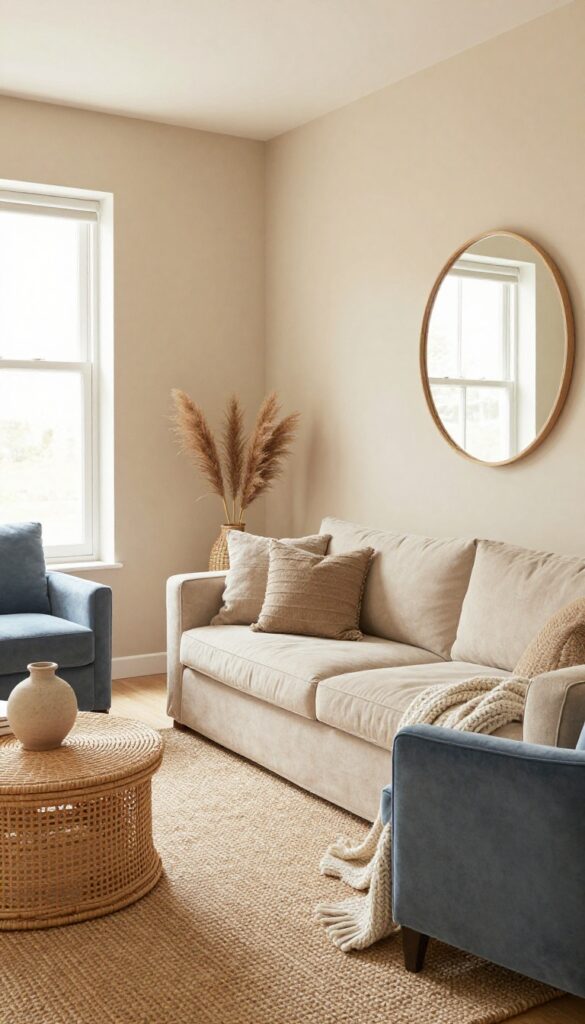
Coastal calm doesn’t have to mean seashells and starfish. A dusty blue paired with sandy beige brings that breezy, relaxed feel into your living room without screaming “beach house.” These two muted tones work together like a deep breath—quiet, grounding, and surprisingly versatile. The best part?
They reflect natural light beautifully, making even a compact living room feel airy and open. If you’ve been craving a serene space that feels bigger than it is, this combo is your answer.
Dusty blue and sand are a match made in small-space heaven. The blue adds a soft pop of color without overwhelming, while the beige keeps things warm and grounded. Together, they create a backdrop that feels both fresh and lived-in.
Start with sand-colored walls or a large neutral sofa, then layer in dusty blue through pillows, throws, or an accent chair. Add natural textures like linen, jute, and wood to reinforce the organic, airy vibe. A few woven baskets or a rattan coffee table complete the look without adding visual clutter.
Small-space Fix
In a tight living room, use dusty blue on just one wall or on the ceiling to draw the eye upward and create depth. Keep furniture low-profile and in light sand tones to maintain an open feel. A round mirror with a natural frame amplifies light and makes the room feel larger.
Texture Mix
Balance the coolness of dusty blue with warm textures: a chunky knit throw, a sisal rug, or velvet pillows. The contrast keeps the space from feeling flat. Add a ceramic vase or a wooden tray to introduce organic elements that tie the two colors together.
Finishing Touch
Bring in a touch of greenery—a snake plant or eucalyptus stems—to add life and a hint of freshness. The green pops against dusty blue and sand, completing the natural, serene palette without extra effort.
4. Blush Pink and Charcoal
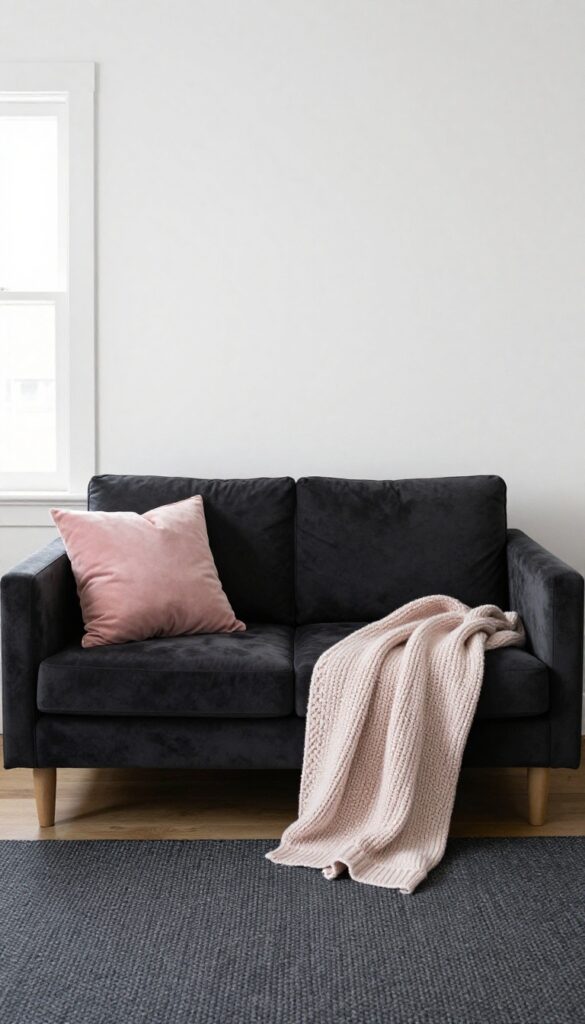
Blush pink and charcoal might sound like an unexpected duo, but they actually work beautifully together in a small living room. The softness of blush keeps the space feeling airy and warm, while charcoal adds just enough weight to prevent it from looking too sweet or washed out. This combo is especially great if you want a feminine touch without going full-on pastel, or a moody vibe that still feels light.
In a compact living room, balance is everything. Start with charcoal as your anchor—think a charcoal sofa or a large area rug in a deep gray tone. This gives the room a solid foundation and hides wear well, which is a bonus for high-traffic spaces.
Then layer in blush pink through smaller accents like throw pillows, a textured blanket, or a piece of wall art. The key is to let charcoal do the heavy lifting and let blush be the accent. For a small space, stick to one or two blush pieces so the room doesn't feel cluttered.
A blush velvet pillow on a charcoal sofa adds just the right pop of softness without overwhelming the square footage.
Best Colors
Stick to a muted blush (think dusty rose, not hot pink) and a true charcoal that leans slightly warm. Avoid cool grays or icy tones—they can make the blush look muddy. A warm white or cream on the walls keeps the palette fresh and lets both colors stand out.
Texture Mix
Since the color palette is simple, texture becomes your secret weapon. Pair a smooth charcoal velvet sofa with a chunky knit blush throw, or a flatweave charcoal rug with a fluffy blush cushion. This contrast adds depth and makes the room feel curated, not flat.
Small-space Fix
In a tiny living room, use blush on one statement piece—like an armchair or a set of curtains—and keep charcoal on the larger furniture. This prevents the darker color from swallowing the space. A blush-toned print or a single blush vase on a charcoal console table also works wonders.
5. Butter Yellow and Light Gray
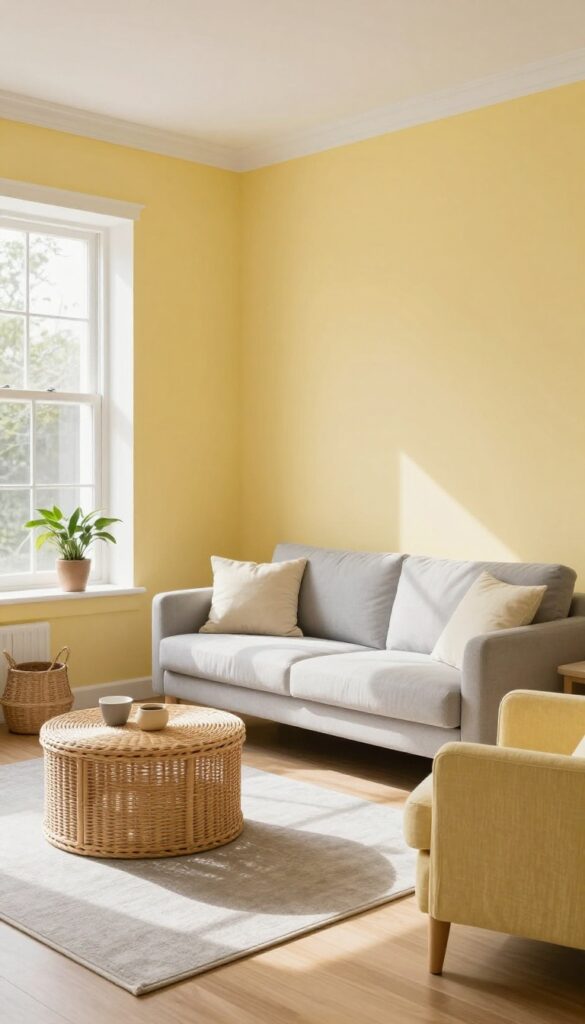
Butter yellow is one of those colors that instantly makes a room feel sunnier without screaming for attention. It’s warm but not loud, cheerful but not childish. Pair it with light gray, and you get a combo that feels both fresh and grounded.
The gray tones down any potential sweetness from the yellow, keeping the look modern and livable. This pairing works especially well in smaller living rooms because the lightness of both colors helps the space feel open and airy. It’s a happy medium between going all-neutral and adding a bold pop of color.
Butter yellow and light gray create a soft, welcoming contrast that feels both uplifting and sophisticated. The yellow adds a gentle warmth that makes the room feel cozy, while the gray keeps it from feeling too sugary. This combination is perfect for living rooms that get limited natural light, as the pale tones reflect whatever light is available.
It’s also a great backdrop for natural textures like wood, rattan, and linen, which add depth without clashing. Whether you use yellow on an accent wall, through textiles, or in artwork, the gray will balance it beautifully.
Best Colors
- Stick with a soft butter yellow—think fresh butter, not mustard or gold. For gray, go with a warm light gray that has beige undertones, like greige, to keep the palette cozy. Avoid cool grays that can make the yellow look jarring.
- Add white trim or ceiling paint to brighten the room further. A few touches of warm wood or black metal can add contrast and prevent the scheme from feeling too pastel.
Small-space Fix
- In a small living room, use butter yellow on the largest wall or as the main color for your sofa or curtains. This draws the eye and makes the space feel intentional rather than washed out. Keep the gray on the other walls and larger furniture pieces.
- A light gray rug with a subtle pattern can anchor the room without overwhelming it. Add a couple of yellow throw pillows or a vase to echo the accent color.
Finishing Touch
- Bring in natural textures to add warmth and prevent the palette from feeling flat. A chunky knit throw in cream, a rattan coffee table, or linen curtains in light gray all work beautifully. A few leafy green plants—like a snake plant or pothos—add life and a fresh pop of contrast.
- For lighting, choose warm white bulbs to enhance the yellow’s cozy glow.
6. Terracotta and Ivory
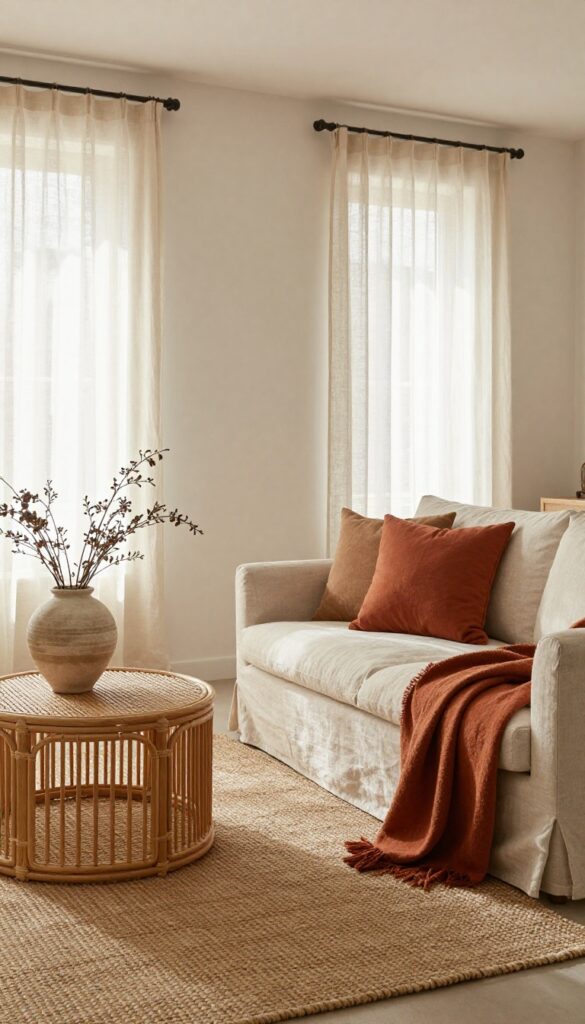
Warm, earthy, and effortlessly inviting—terracotta brings a grounded richness to a living room without overwhelming the space. When paired with crisp ivory walls and natural textures like jute or linen, the look stays airy and fresh. This combination works especially well in small living rooms because the light base keeps things open while the terracotta adds depth and personality.
Terracotta and ivory is a go-to palette for anyone who wants a cozy yet uncluttered feel. The key is balancing warm clay tones with plenty of soft neutrals so the room breathes. Start with ivory walls and a light-colored sofa, then layer in terracotta through accent chairs, throw pillows, or a woven rug.
Natural materials like rattan, wood, and linen reinforce the organic vibe and keep the look from feeling too polished. A few dried branches or a ceramic vase in a matching hue tie everything together without adding visual weight.
Best Colors
Stick with a base of warm ivory or off-white for walls and large furniture. Then bring in terracotta as the main accent—think burnt orange, clay pink, or deep sienna. A touch of sage green or dusty blue can add a subtle contrast without breaking the earthy mood.
Texture Mix
Layer different natural textures to keep the palette from feeling flat. A chunky jute rug, linen curtains, a velvet terracotta cushion, and a woven rattan coffee table all work together. The contrast between smooth ceramic and rough woven fibers adds visual interest.
Small-space Fix
In a compact living room, use terracotta sparingly to avoid closing in the space. A single terracotta accent chair or a set of clay pots on a shelf can make an impact without overwhelming. Keep the floor light—ivory or pale wood—to maintain an open feel.
7. Mint Green and White
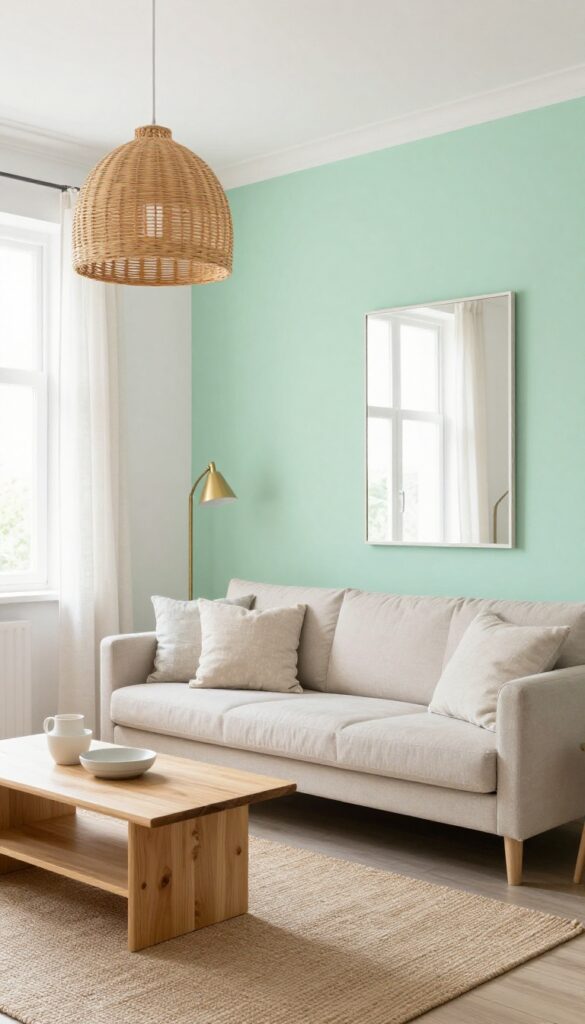
Mint green brings a breath of fresh air into any living room. It’s a retro shade that feels both nostalgic and modern, especially when paired with crisp white. In a small space, this combo works wonders—white keeps things open and airy, while mint adds a soft pop of color that doesn’t overwhelm.
Think of it as a subtle nod to mid-century style without going full vintage.
Mint green is one of those colors that instantly makes a room feel cleaner and more inviting. When you let white take the lead, the mint becomes an accent that energizes without dominating. This is a small-space friendly scheme because it reflects light and creates an illusion of more square footage.
Plus, it’s easy to update with accessories if you want to switch things up later.
Best Colors
- Stick with a base of warm white (like Benjamin Moore’s White Dove) and add mint green as an accent wall or through textiles. For a cohesive look, bring in pale wood tones and touches of brass or gold. Avoid pairing mint with stark white—it can feel cold.
- Instead, use cream or off-white to soften the contrast.
Small-space Fix
- In a compact living room, paint the ceiling and trim white, then use mint green on one focal wall—behind the sofa or a console table. Keep furniture low-profile and in light neutrals. A mint green rug can also define the seating area without closing off the room.
- Add a mirror opposite a window to bounce light around.
Finishing Touch
- Layer in natural textures like a jute rug, linen curtains, or a rattan pendant light. These elements keep the scheme from feeling too sterile. For a playful detail, add a few mint green throw pillows with white piping or a ceramic vase in the same hue.
- A trailing pothos plant on a shelf ties the look back to nature.
8. Lavender and Warm Gray
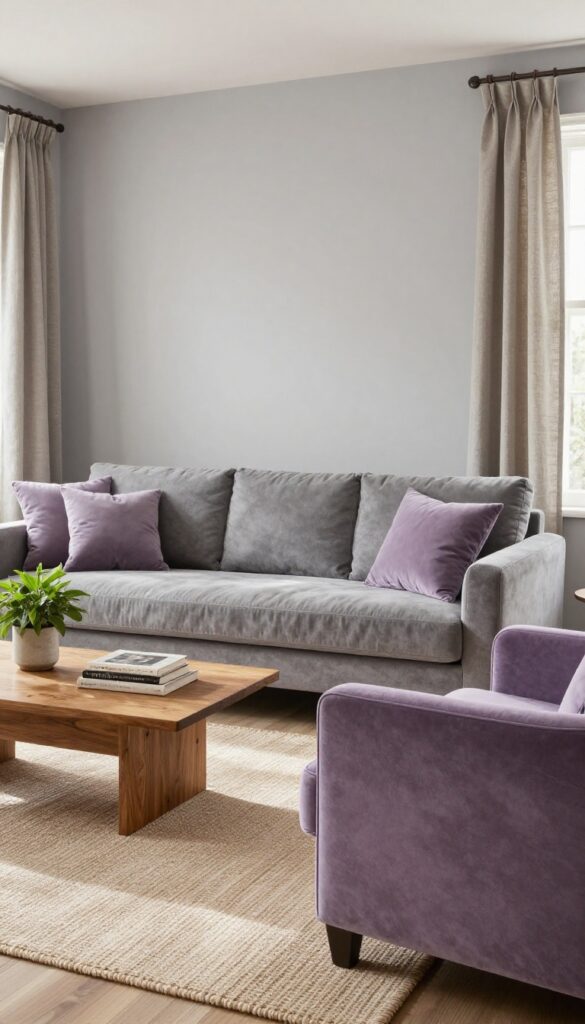
Lavender might not be the first color you think of for a living room, but it brings a surprisingly soft, calming energy to the space. When paired with warm gray, it loses any overly feminine or childish vibe and becomes sophisticated and grounded. This combination works especially well in small living rooms because the light, airy lavender keeps things feeling open while the warm gray adds just enough depth to prevent the room from feeling washed out.
The key to pulling off lavender in a living room is balancing it with a neutral that has some warmth. Cool grays can make lavender feel chilly or sterile, but a warm gray with beige undertones creates a cozy, inviting backdrop. Start with warm gray on the walls or a large sofa, then bring in lavender through accent chairs, throw pillows, or a statement area rug.
This way, the lavender reads as a deliberate design choice rather than an overwhelming theme. In a small space, stick to one or two lavender pieces to keep the room from feeling busy. A lavender velvet armchair paired with a warm gray sectional is a perfect example—it adds a pop of color without dominating the room.
Finish the look with natural textures like a jute rug, linen curtains, and a wooden coffee table to keep the overall feel relaxed and grounded.
Best Colors
- Stick with a soft lavender (think dried lavender buds, not neon purple) and a warm gray that leans slightly beige. Avoid cool or blue-toned grays. White trim in a warm off-white helps tie the palette together.
- For a bolder accent, add a muted sage green or dusty rose in small doses.
Small-space Fix
In a compact living room, use lavender on an accent wall behind the sofa or on the ceiling for a surprise pop of color. Keep the rest of the walls warm gray to maintain an open feel. A lavender rug can also define the seating area without closing off the room.
Texture Mix
Balance the softness of lavender with tactile variety. A chunky knit lavender throw, a smooth gray velvet sofa, a woven jute rug, and a matte black floor lamp add layers of interest. This prevents the color scheme from feeling one-note and makes the room feel curated.
9. Navy and Natural Linen
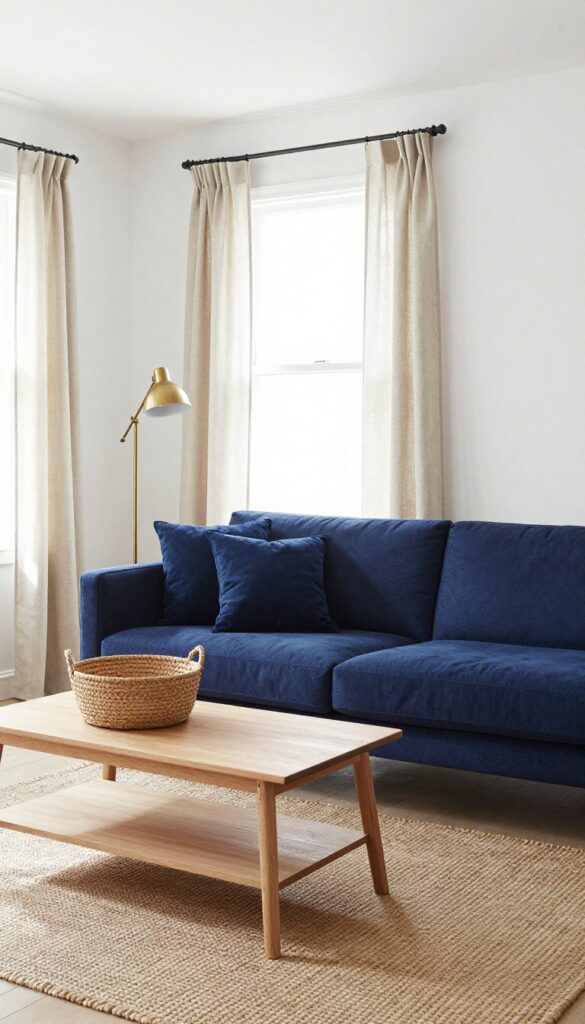
Navy might feel like a bold choice for a small living room, but it actually works beautifully when you balance it with light, natural linen tones. The key is using navy as an accent—think a deep blue sofa or a patterned rug—while keeping walls and curtains in soft beige or white. This keeps the space from feeling closed in, and the contrast adds a crisp, tailored look that feels both cozy and airy.
Navy adds depth and sophistication without overwhelming a compact space, especially when paired with warm neutrals. The natural linen brings in texture and softness, so the room feels inviting rather than stark. This combination is perfect for small apartments or cozy living rooms where you want a touch of drama without sacrificing openness.
Best Colors
Stick with navy as your main accent color—on a sofa, armchair, or area rug. Then layer in soft beige, warm white, and light gray for walls, curtains, and larger furniture pieces. A touch of brass or gold in lighting or hardware adds a subtle lift.
Texture Mix
Balance the richness of navy with plenty of natural textures. Linen curtains, a jute rug, cotton throws, and a woven basket for storage keep the look grounded. Add a velvet navy pillow or two for a hint of luxury without going overboard.
Small-space Fix
In a small room, use navy on a single statement piece—like a sofa—and keep everything else light. A navy rug can also define the seating area without making walls feel lower. Choose furniture with exposed legs to maintain visual flow, and let natural light bounce off the pale walls.
10. Peach and Teal
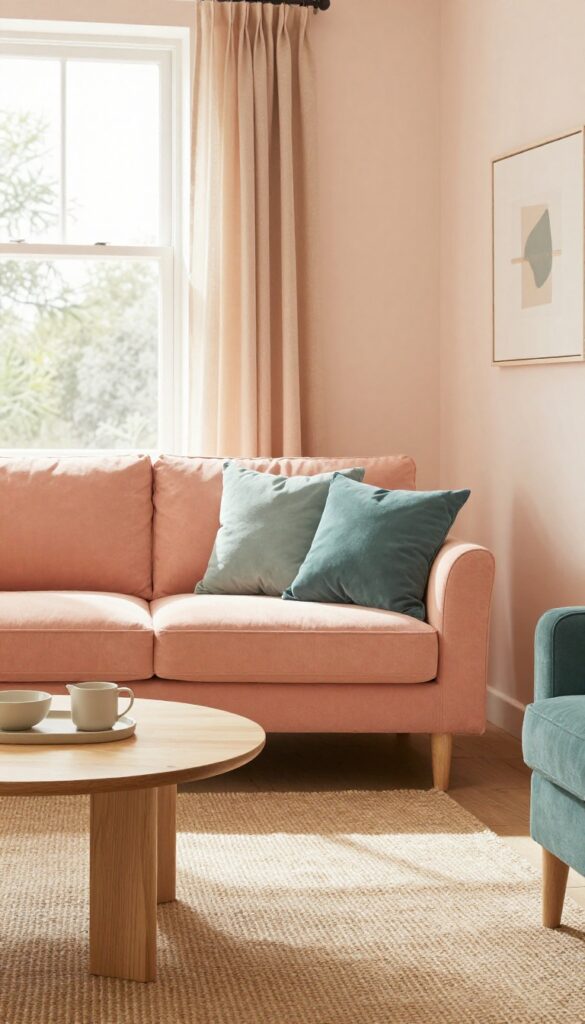
Peach and teal might sound like a bold pairing, but in a small living room, it’s surprisingly grounded. The warmth of peach keeps the space from feeling cold, while teal adds depth without overwhelming the square footage. Think of it as a sophisticated twist on the usual neutral palette—one that feels fresh, not fussy.
In a compact living room, peach works beautifully on larger surfaces like walls or a sofa, creating a soft, enveloping backdrop. Teal then steps in as the accent color—via throw pillows, a small armchair, or even a single piece of art. This balance keeps the room from feeling visually heavy, which is crucial when space is limited.
The key is to let peach lead and teal punctuate. For a relaxed vibe, choose muted peach (think blush with a hint of terra-cotta) and a teal that leans slightly gray. Add natural textures like a jute rug or linen curtains to keep the look from feeling too glossy.
A round coffee table in light wood grounds the seating area without adding bulk. One practical tip: if your living room gets good natural light, peach will glow; if it’s darker, opt for a warmer, more saturated peach to keep the room from feeling washed out.
Best Color Combos
Stick with a soft peach (like coral blush) and a muted teal (think peacock with a hint of slate). Avoid neon or overly bright versions—they can feel jarring in a small space. For extra warmth, add a touch of creamy white or warm beige on trim or textiles.
Small-space Layout Tip
Use peach on the largest piece of furniture, such as a sofa or a statement wall, to create a cohesive backdrop. Then sprinkle teal in smaller doses—two throw pillows, a ceramic vase, or a small ottoman. This prevents teal from dominating the room while still giving it presence.
Texture Mix
Balance the smoothness of painted walls or a velvet sofa with natural textures. A chunky knit throw in cream, a sisal rug, or a rattan pendant light add warmth and prevent the color combo from feeling too polished. Wood tones in medium oak or walnut tie the two colors together nicely.
11. Olive Green and Mustard Yellow
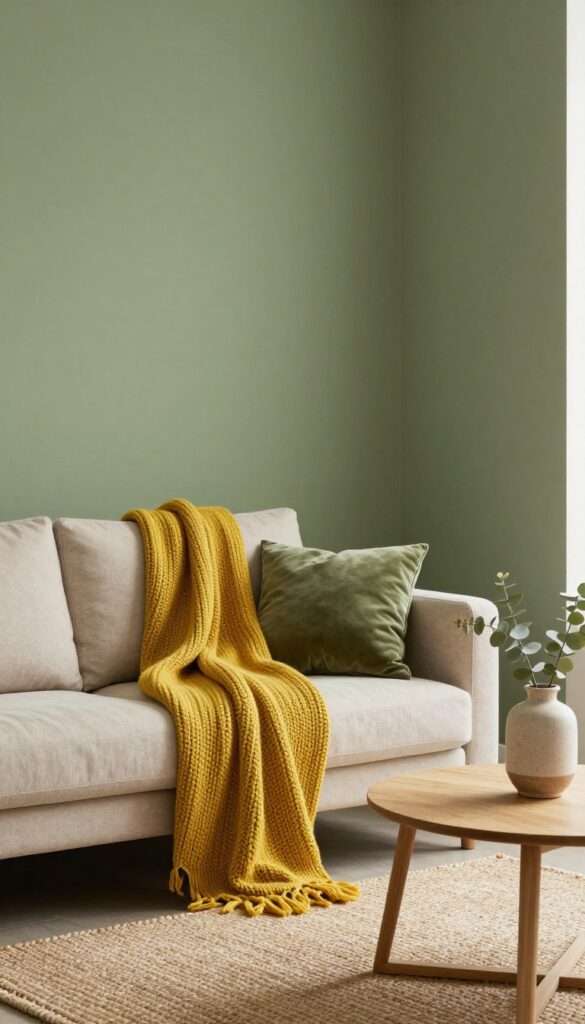
This earthy combo feels rich and organic. Olive green on walls or a sofa pairs perfectly with mustard yellow in textiles or decor for a cozy, grounded space. It’s a small-space-friendly palette that adds warmth without overwhelming.
Olive green brings a natural, calming base, while mustard yellow injects a cheerful pop. Together, they create a balanced, lived-in feel that’s perfect for compact living rooms. Use olive on larger surfaces like an accent wall or a sofa, then layer mustard through throw pillows, a rug, or ceramic accessories.
The contrast is subtle enough to keep the room airy but bold enough to make a statement.
Best Colors
- Stick with muted, earthy tones. Olive green with a slight gray undertone works best—think sage or military green. Mustard yellow should be warm but not neon.
- Add neutral anchors like cream, beige, or warm wood to keep the palette grounded.
Small-space Fix
In a small living room, use olive green on a single accent wall behind the sofa to create depth without closing in the space. Choose a mustard yellow ottoman or pouf that doubles as extra seating and a color boost. Keep other walls light to maintain an open feel.
Finishing Touch
Add texture with a chunky knit throw in mustard yellow and a velvet olive green cushion. A woven jute rug ties the earthy tones together. Finish with a few dried eucalyptus stems in a ceramic vase for a natural, cohesive look.
12. White and Black with Natural Wood
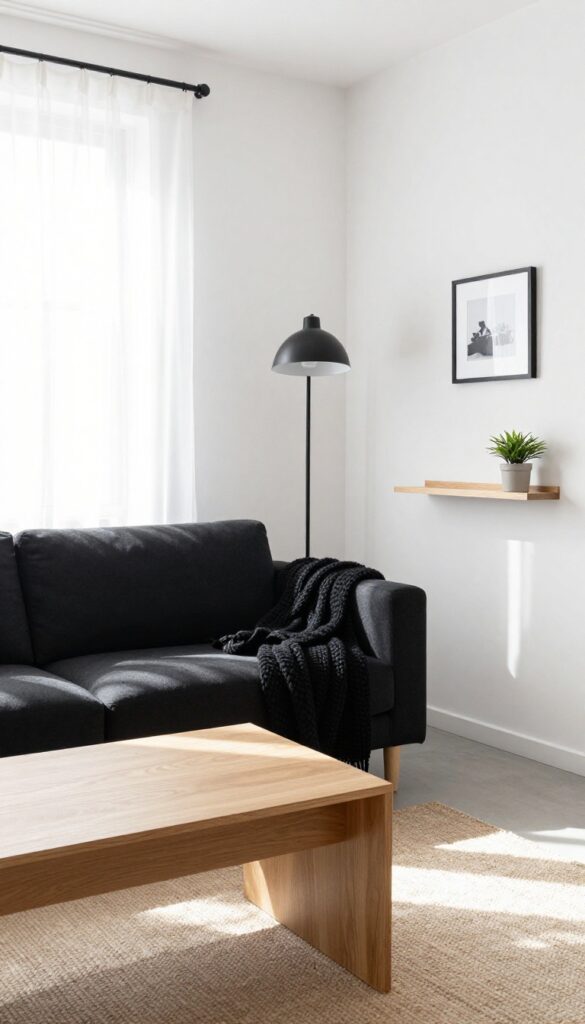
Black and white is a timeless duo, but it can sometimes feel a little cold or stark on its own. That’s where natural wood comes in to save the day. By adding warm wooden elements—like a coffee table, floating shelves, or even a wood-clad accent wall—you keep that crisp, high-contrast look while making the space feel grounded and inviting.
This combo works especially well in small living rooms because the light tones keep things airy, and the wood adds just enough warmth to prevent the room from feeling like a黑白摄影工作室.
The key to pulling off this look is balance. You don’t need equal parts of each color; instead, let white dominate the walls and larger furniture, use black for accents and structural lines, and bring in wood as the natural bridge between them. Think white walls, a black sofa, and a light oak coffee table.
Or white curtains, black picture frames, and a walnut media console. The wood tones you choose can shift the mood—lighter woods like birch or ash keep things Scandinavian and fresh, while darker woods like walnut or teal add richness and depth. Either way, the contrast between the black and white keeps the eye moving, and the wood keeps it from feeling flat.
Best Colors And Materials
- Stick to true black and bright white for the base—avoid off-whites or grays if you want that crisp contrast. For wood, choose a finish that has visible grain and a natural stain rather than a painted or heavily lacquered look. Oak, ash, walnut, and teak all work beautifully.
- Add texture with a chunky knit throw in black or white, a sisal rug, or linen curtains. Metal accents in black (like matte black light fixtures or cabinet hardware) tie the scheme together without competing with the wood.
Small-space Layout Tip
- In a small living room, use white as your dominant wall color to maximize light and the sense of space. Let black appear in smaller doses—like a slim black sofa, black-framed art, or black floor lamps. Then anchor the room with a wooden coffee table or a set of wooden nesting tables.
- This keeps the visual weight low and the room feeling open. Avoid bulky black furniture; instead, choose pieces with exposed legs to maintain an airy feel.
Finishing Touch
Add a live plant or two—the green against the black, white, and wood is a natural color pop that feels effortless. A snake plant or fiddle leaf fig in a simple terracotta or black pot works perfectly. Also consider a wooden tray on the coffee table to corral remotes and coasters, reinforcing the natural wood theme without adding clutter.
13. Coral and Navy
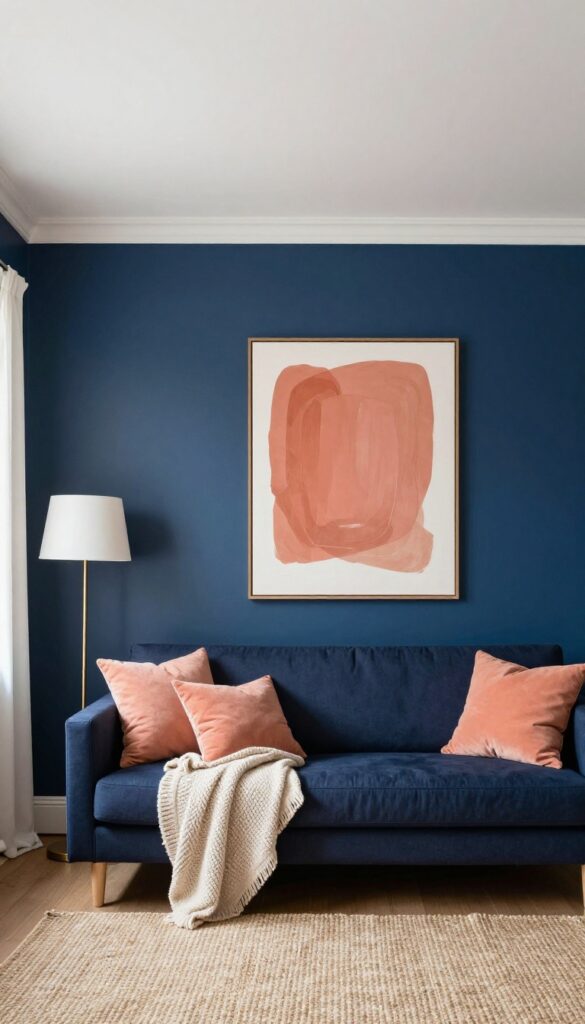
If you want a color combo that feels both bold and refined, coral and navy is where it’s at. Navy brings that deep, grounding anchor, while coral adds a lively, warm contrast that keeps the room from feeling too serious. It’s a pairing that works especially well in smaller spaces because the dark navy can actually make walls recede, and the coral draws the eye exactly where you want it.
In a small living room, let navy take the lead on a single feature wall or a large sofa. This creates a strong visual foundation without overwhelming the space. Then layer in coral through smaller, movable pieces like throw pillows, a woven rug, or a piece of abstract art.
The key is balance—too much coral can feel chaotic, while just the right amount keeps the room energetic but still calm. A few brass or gold accents (like a lamp or mirror frame) tie the two colors together beautifully.
Best Colors
Stick to a deep navy (almost indigo) for the main color and a warm, peachy coral for the pop. Avoid neon or overly bright corals—they can clash. A soft white or warm cream for trim and ceilings keeps the look airy.
Small-space Fix
Use navy on the lower half of walls (like a chair rail effect) to make the ceiling feel higher. Then hang a large coral-toned piece of art at eye level to draw the gaze upward and create the illusion of more vertical space.
Texture Mix
Balance the richness of navy with nubby textures like a wool throw or a linen sofa. Coral works great in velvet pillows or a chunky knit blanket. Add a sisal or jute rug to keep the look grounded and casual.
14. Warm Taupe and Dusty Rose
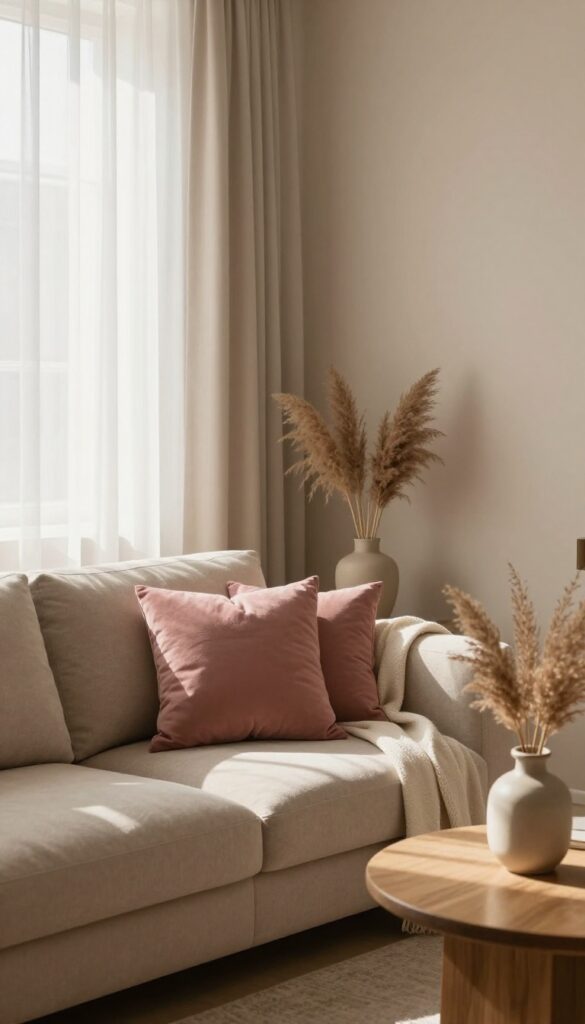
Taupe is one of those neutrals that never feels boring. It has enough warmth to keep a room cozy without leaning too beige or too gray. Pair it with dusty rose, and you get a color combo that feels both sophisticated and soft—perfect for a living room where you actually want to relax.
This palette works especially well in smaller spaces because the muted tones don't overwhelm the room. Instead, they wrap it in a gentle, calming embrace that makes the square footage feel bigger and more intentional.
The beauty of taupe and dusty rose is how effortlessly they blend. Taupe acts as the grounding neutral, while dusty rose adds a whisper of color that’s feminine but not frilly. Together, they create a look that’s elegant without being stuffy.
Start with taupe on the walls or your largest furniture piece—a sofa or an area rug. Then bring in dusty rose through throw pillows, a cozy blanket, or even a single accent chair. The contrast is subtle but noticeable, and it keeps the eye moving around the room.
For a small living room, this combination is a lifesaver because it adds depth without darkening the space. You get the visual interest of color without the heaviness of bold hues.
Best Colors
- Stick with a warm taupe that has brown undertones rather than gray ones—think mushroom or greige. For dusty rose, look for shades that are muted, not too bright or too pink. A dusty rose with a hint of mauve or terracotta works beautifully.
- You can also add a third accent like cream or soft white to keep things airy. Avoid cool grays or stark whites, as they can clash with the warmth of the taupe.
Small-space Fix
- In a small living room, use taupe on the walls and choose a dusty rose sofa or loveseat as the focal point. This draws the eye to the seating area and makes the room feel anchored. Keep other furniture light—a cream coffee table or floating shelves—to maintain an open, uncluttered feel.
- A large mirror with a warm gold frame can also bounce light around and make the space feel larger.
Texture Mix
- Since the colors are soft, texture becomes your secret weapon. Pair a smooth taupe velvet sofa with a chunky knit dusty rose throw. Add a linen curtain in cream and a wool rug in a taupe-and-rose geometric pattern.
- The mix of textures keeps the room from feeling flat and adds a layer of coziness that’s perfect for small spaces.
15. Light Blue and White with Brass Accents
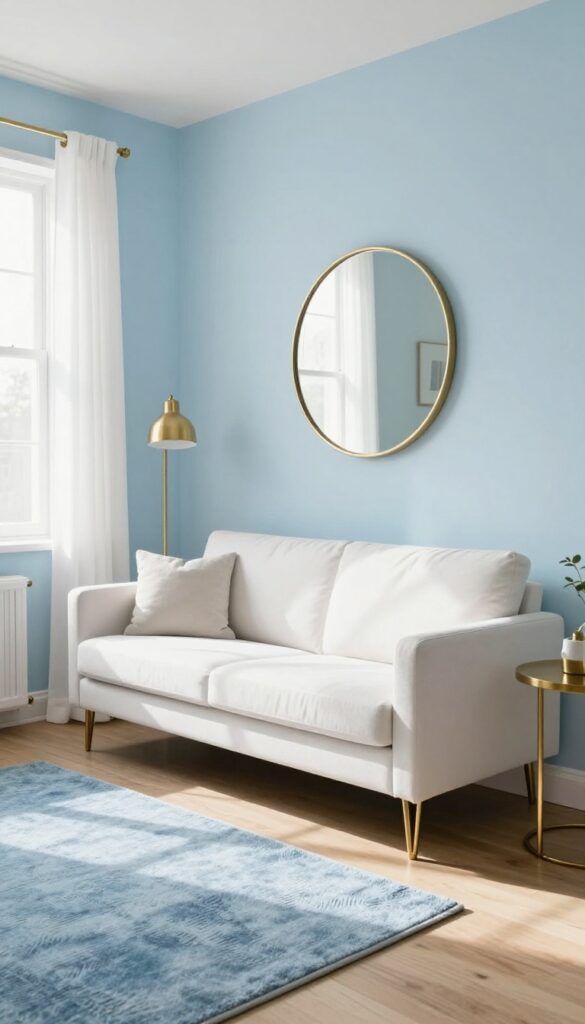
Light blue and white is a classic duo that instantly opens up a room. The soft blue reads like a clear sky or gentle water, making even a compact living room feel airy and calm. White keeps the palette crisp, while brass accents—think lamp bases, mirror frames, or drawer pulls—add just enough warmth and polish to keep the look from feeling sterile.
This combination works especially well in small spaces because it reflects light and avoids heavy visual weight.
Start with light blue on the walls or on a large sofa. If painting feels like too much commitment, try blue throw pillows or a textured blue rug. White comes in through curtains, a coffee table, or a whitewashed console.
Then layer in brass with a floor lamp, a side table with brass legs, or a set of brass candle holders. The key is balance: keep the brass pieces small and spaced out so they sparkle without dominating.
Best Colors
- Stick with pale, muted blues like powder blue, sky blue, or a hint of periwinkle. Avoid anything too saturated or dark—it can shrink the room. Pair with pure white or off-white for walls and large furniture.
- For the brass, look for unlacquered brass or brushed brass for a softer sheen that won't feel too flashy.
Small-space Fix
- In a small living room, use light blue on an accent wall behind the sofa and keep the other walls white. This draws the eye to one focal point without closing in the space. Choose a white sofa with slim arms and brass hairpin legs to keep the visual footprint light.
- A round brass mirror above the sofa will bounce light around and make the room feel bigger.
Finishing Touch
Add a single brass pendant light or a small brass chandelier to tie the scheme together. Then bring in a few white ceramic vases or a white marble coaster set to echo the clean, fresh vibe. A light blue throw blanket casually draped over the sofa adds softness and invites relaxation.
FAQ
What color makes a small living room look bigger?
Light, cool colors like soft white, pale gray, and light blue tend to make a room feel more spacious because they reflect light. But you can also use darker shades on one accent wall to add depth without closing in the space.
Can I use dark colors in a small living room?
Absolutely. Dark colors like navy or charcoal can create a cozy, intimate feel. Just balance them with plenty of light neutrals, mirrors, and good lighting to keep the room from feeling too closed in.
How many colors should I use in a small living room?
Stick to a main color (usually on walls or large furniture), a secondary color for contrast, and one accent color for pops. Too many colors can make a small space feel chaotic.
Should I paint the ceiling a different color?
Painting the ceiling a lighter shade than the walls can make the room feel taller. If you want a cozy vibe, a slightly darker ceiling can lower the visual height and make the space feel more intimate.
What's the best way to test a color scheme before committing?
Use large paint swatches or sample pots on the wall and live with them for a few days. Observe how the colors look in different lighting throughout the day. You can also use online visualization tools to preview the palette.
Conclusion
Choosing a color scheme for your small living room doesn't have to be overwhelming. Start with a palette that speaks to you and build from there, keeping balance and light in mind. The right colors can transform your space into something that feels fresh, open, and completely your own.
Remember, the best scheme is one that makes you happy every time you walk in. So go ahead, pick a favorite from these ideas, and give your living room the refresh it deserves.