25 Cleaning Sink Drains Tips for Odor and Slow Water
A smelly sink or slow-draining water can ruin your kitchen or bathroom vibe. You try pouring stuff down, but the smell comes back. The good news?
You don't need a plumber or expensive products. Most drain issues come from trapped food, grease, soap scum, and hair. These build up over time and create that nasty odor.
Simple household items and a bit of elbow grease can fix it. Here are 25 practical tips to get your drains fresh and flowing again. Each one tackles a specific problem, so you can pick what works for you.
1. Pour Boiling Water Down the Drain
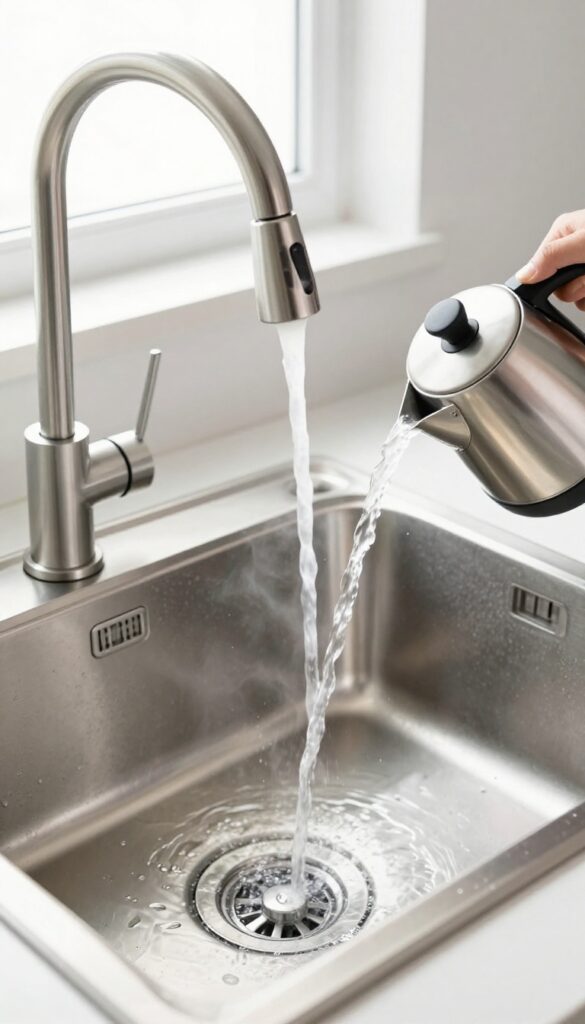
Boiling water is one of the simplest and most effective ways to keep your sink drain fresh and flowing. It works by melting grease and loosening soap scum that cling to pipe walls. Over time, these substances harden and trap food particles, leading to slow drainage and bad smells.
A weekly flush with boiling water can prevent buildup before it becomes a problem. No chemicals, no cost—just hot water from your kettle.
This method is ideal for kitchen sinks where grease is common, but it also works for bathroom drains to dissolve soap residue. Just boil a full kettle of water and pour it slowly down the drain in two or three stages, allowing the heat to work between pours. Do this once a week to maintain a clean drain.
For best results, follow with cold water to solidify any remaining grease so it can be flushed away.
Why Boiling Water Works
Grease and soap scum are hydrophobic and solidify at cooler temperatures. Boiling water liquefies them instantly, allowing water pressure to push them through the pipes. It also kills some odor-causing bacteria.
Unlike chemical drain cleaners, boiling water won't damage metal or PVC pipes if used correctly—just avoid pouring it into a sink with standing water, as the sudden heat could crack porcelain or warp pipes.
How To Do It Safely
Bring a full kettle of water to a rolling boil. Carefully pour about half down the drain, wait 30 seconds, then pour the rest. This two-step approach gives the heat time to melt stubborn clogs.
Never use boiling water if you've recently used a chemical drain cleaner, as the reaction can release toxic fumes. Also, skip this method if your pipes are old or made of plastic that isn't rated for high heat.
When To Combine With Other Methods
Boiling water is a great first step before using baking soda and vinegar. The heat opens up the clog, making the fizzing action more effective. It also helps flush away loosened debris after snaking a drain.
For maintenance, combine a weekly boiling water flush with a monthly baking soda treatment to keep drains odor-free and fast-flowing.
2. Use Baking Soda and Vinegar
When your drain starts smelling funky, baking soda and vinegar are your go-to heroes. This classic fizzy duo works by breaking down organic gunk like food scraps, grease, and soap scum. The reaction creates carbon dioxide bubbles that help loosen debris, while the mild acidity deodorizes without harsh chemicals.
Start by pouring about half a cup of baking soda directly into the drain. Follow it with half a cup of white vinegar. You'll see fizzing immediately—that's the magic happening.
Let it sit for 15 minutes to allow the mixture to work through the buildup. Then flush the drain with a pot of boiling water to wash away loosened gunk and leave things fresh.
Why This Combo Works So Well
Baking soda is a mild abrasive that scrubs away residue without scratching pipes. Vinegar is a weak acid that dissolves mineral deposits and kills odor-causing bacteria. Together, they create a chemical reaction that physically pushes debris loose.
It's a safe, non-toxic alternative to harsh drain cleaners.
When To Use This Method
This trick works best for mild to moderate odors and slow drains caused by organic buildup. If your drain is completely clogged, you may need a plunger or snake first. Use it weekly as a preventative treatment to keep drains fresh and flowing smoothly.
Pro Tips For Best Results
Use hot water—not boiling—if you have PVC pipes, as extreme heat can damage them. For extra cleaning power, add a few drops of dish soap before the vinegar. If the smell persists, repeat the process or follow up with a enzymatic cleaner.
3. Try a Plunger on the Sink
You might think plungers are just for toilets, but they work wonders on sink drains too. A good plunge creates enough pressure to dislodge stubborn clogs that cause slow drainage and odors. The trick is doing it right.
Seal The Overflow Hole
Most bathroom and kitchen sinks have an overflow opening near the top. If you don't block it, the pressure escapes and the plunge won't work. Use a wet rag or duct tape to seal it tightly.
Create A Tight Seal
Fill the sink with enough water to cover the plunger's rubber cup. Place the plunger over the drain and push down firmly. Make sure the cup is completely submerged for a proper seal.
Plunge With Force
Use quick, vigorous up-and-down motions. Do about 15 to 20 strokes, then pull the plunger off sharply. Repeat a few times if needed.
You should see water start draining or debris surface.
4. Remove and Clean the Drain Stopper
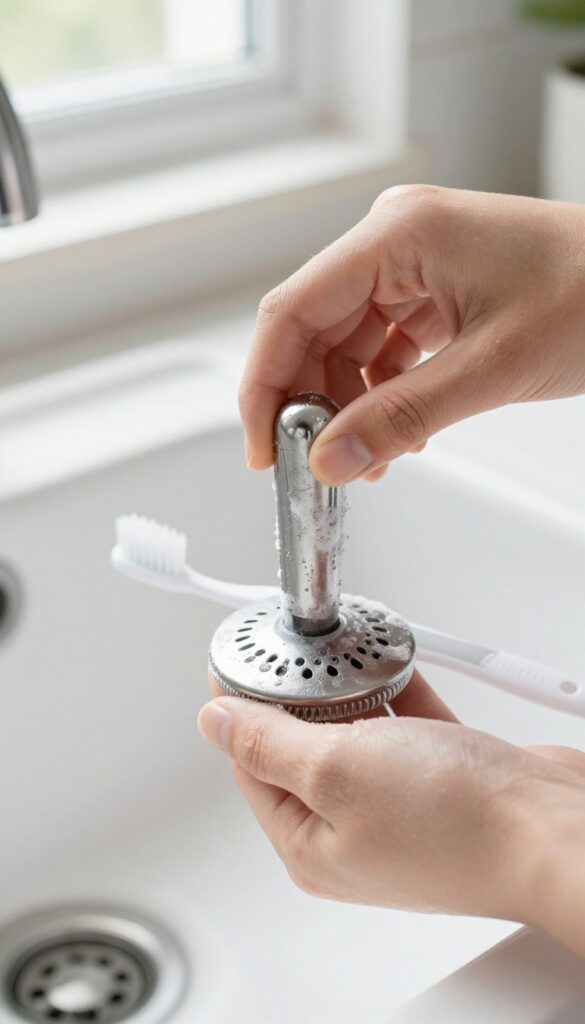
Drain stoppers are often the hidden culprit behind funky smells and slow water. They trap hair, soap scum, and gunk right at the opening. But cleaning them is easier than you think.
Most pop-up or push-pull stoppers can be removed by unscrewing or lifting them out. Once out, you'll see the nasty buildup. Scrub the stopper with an old toothbrush and dish soap, then soak it in white vinegar for 15 minutes to dissolve residue.
Rinse and reinstall. This alone can restore your drain's flow and freshness.
How To Remove Different Stopper Types
For pop-up stoppers, lift the rod and pull the stopper out. For push-pull types, twist and lift. If it's stuck, use pliers with a cloth to avoid scratches.
Some stoppers have a set screw under the back of the sink flange—loosen it to release the stopper.
Deep Cleaning The Stopper
After removal, scrub all surfaces with a stiff brush and dish soap. Pay attention to the rubber gasket and spring areas. Then submerge in a bowl of white vinegar for 15–20 minutes.
Vinegar breaks down soap scum and mineral deposits without harsh chemicals.
Inspect And Replace When Needed
Check the stopper's rubber seal for cracks or wear. A worn seal can cause odors to escape. If it's damaged, buy a replacement at a hardware store for a few dollars.
Installing a new one is as simple as pushing it into place.
5. Use a Zip-It Tool for Hair
Hair is the number one culprit for slow bathroom sink drains. It tangles with soap scum and forms clumps that trap odors. Chemical drain cleaners can damage pipes, but there is a simpler, cheaper fix.
A Zip-It tool is a thin plastic stick with tiny barbs that grabs hair and pulls it out. No mess, no fumes, just a clean drain.
This simple tool works wonders on bathroom sink clogs. You slide it down the drain, twist gently, and pull up. The barbs catch hair and debris, bringing them out in one go.
It is reusable and costs just a few dollars. Use it monthly to prevent buildup and keep drains flowing freely.
How To Use A Zip-it Tool
Remove the drain stopper first. Insert the Zip-It tool slowly until you feel resistance. Twist it a few times to snag hair, then pull it out steadily.
Dispose of the gunk in the trash. Rinse the tool and repeat if needed. It usually takes less than a minute.
Why It Beats Chemicals
Chemical drain cleaners are harsh on pipes and the environment. They can also fail on solid hair clogs. The Zip-It tool is mechanical and safe for all pipes.
It removes the actual blockage instead of just dissolving it partially. Plus, you avoid breathing in toxic fumes.
When To Call For Backup
If the Zip-It tool brings up little hair and the drain is still slow, the clog might be deeper. In that case, try a drain snake or call a plumber. But for most bathroom sink clogs, the Zip-It tool is the first and often only tool you need.
6. Flush with Salt and Baking Soda
If you've got a greasy drain that's starting to smell, salt and baking soda make a powerful combo. The salt acts as a mild abrasive to scrub away buildup, while the baking soda helps neutralize odors. This method is especially good for kitchen sinks where cooking grease is the main culprit.
Pour half a cup of salt and half a cup of baking soda directly into the drain. Let it sit for about 15 minutes—longer if the smell is strong. Then flush it down with a kettle full of boiling water.
The hot water activates the baking soda and helps melt any grease, while the salt scrubs the pipe walls. Repeat once a month to keep things fresh.
Why Salt Works
Salt is a natural disinfectant and deodorizer. It's coarse enough to scrub away gunk without damaging your pipes. Plus, it's cheap and you probably already have it in your pantry.
When To Use This Method
This trick works best for mild to moderate grease buildup. If your drain is completely clogged, try a plunger or a drain snake first. But for everyday maintenance and odor control, salt and baking soda are a solid choice.
7. Drop in Dishwasher Tablets
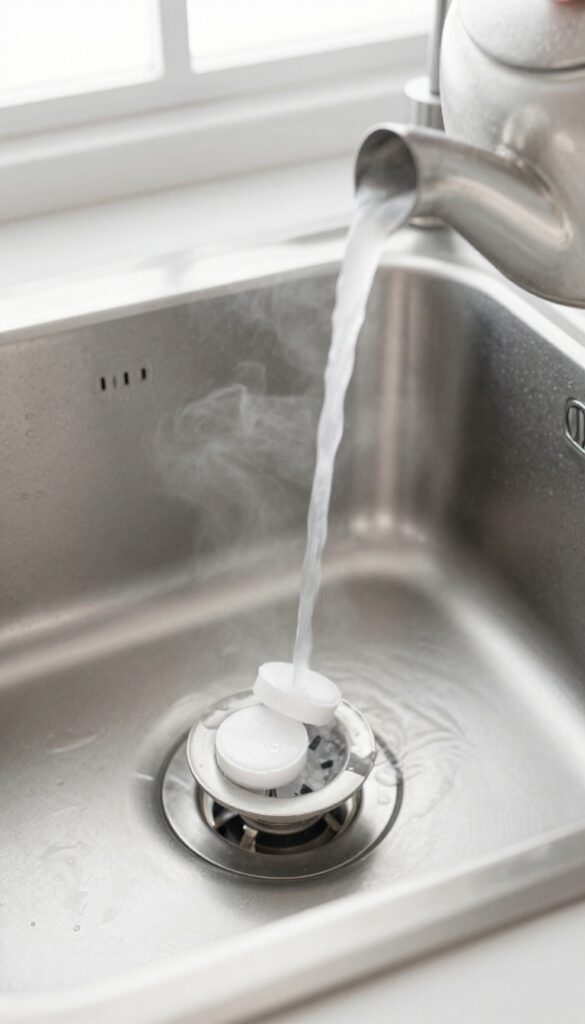
You might think dishwasher tablets are only for your machine, but they’re surprisingly effective at clearing sink drains. The combination of enzymes, surfactants, and bleach cuts through grease, soap scum, and organic gunk that causes odors and slow drainage. It’s a simple, no-scrub method that works in under half an hour.
Why It Works
Dishwasher tablets contain powerful degreasers and enzymes that break down food particles and grease buildup. The fizzing action helps dislodge debris, while hot water flushes everything away. It’s like giving your drain a deep clean without any scrubbing.
How To Do It Right
Drop two dishwasher tablets into the drain. Boil a kettle of water and pour it slowly down the drain—the heat activates the tablet. Let it sit for 20 minutes, then run hot tap water for a minute to rinse.
For stubborn odors, repeat once a week.
Safety Tips
Avoid this method if you have a garbage disposal, as the tablets can damage rubber seals. Also, never mix dishwasher tablets with other drain cleaners—chemical reactions can be dangerous. Stick to metal or PVC pipes only.
8. Use a Wet/Dry Vacuum
When baking soda and vinegar don't cut it, it's time to bring out the big guns. A wet/dry vacuum can create a powerful seal over your drain and suck out even the most stubborn clogs. This method works especially well for blockages that are deep in the pipe or made of dense gunk like hair and grease.
How To Set Up The Vacuum
First, remove the drain stopper or strainer so you have direct access. If there's standing water, you'll need to bail it out or use the vacuum in wet mode. Wrap a wet rag around the vacuum hose to create a tight seal against the drain opening.
Turn the vacuum on to its highest suction setting and hold it firmly in place for about 30 seconds. You should hear a solid sucking sound.
Breaking Up Stubborn Clogs
If the vacuum doesn't pull the clog out in one go, try alternating between suction and a quick burst of air. You can also use the vacuum's blow function to push the clog loose, then switch back to suction. For extra tough blockages, pour a cup of hot water down first to soften grease before vacuuming.
Safety Tips To Keep In Mind
Always use the vacuum on the lowest speed when starting to avoid splashing. If you're dealing with a sink that had chemical drain cleaner recently, wait a few hours before vacuuming—mixing chemicals with air can create fumes. Also, make sure the vacuum's filter is clean and rated for wet pickup to avoid damaging the motor.
9. Clean the P-Trap
The P-trap is that curved pipe under your sink that traps debris to prevent sewer gases from coming up. But over time, it can get clogged with gunk, causing slow drainage and bad smells. Cleaning it is easier than you think—just a bit messy.
Cleaning the P-trap is one of the most effective ways to tackle stubborn clogs and odors. It's a simple DIY task that requires minimal tools, and it often solves problems that other methods can't.
What You'll Need
Grab a bucket, a pair of pliers (or a wrench), and some rubber gloves. You might also want an old toothbrush or a small brush for scrubbing. That's it—no fancy equipment required.
Step-by-step Instructions
Place the bucket under the P-trap to catch any water or debris. Use the pliers to loosen the slip nuts on both ends of the trap. Carefully remove the curved pipe and dump its contents into the bucket.
Then, use the brush to scrub away any buildup inside the pipe. Rinse it thoroughly with hot water before reassembling.
When To Call It Quits
If the trap is corroded or cracked, replace it with a new one from the hardware store. Also, if you reassemble everything and the leak persists, check the rubber washers—they might need replacing.
10. Try Enzyme Drain Cleaners
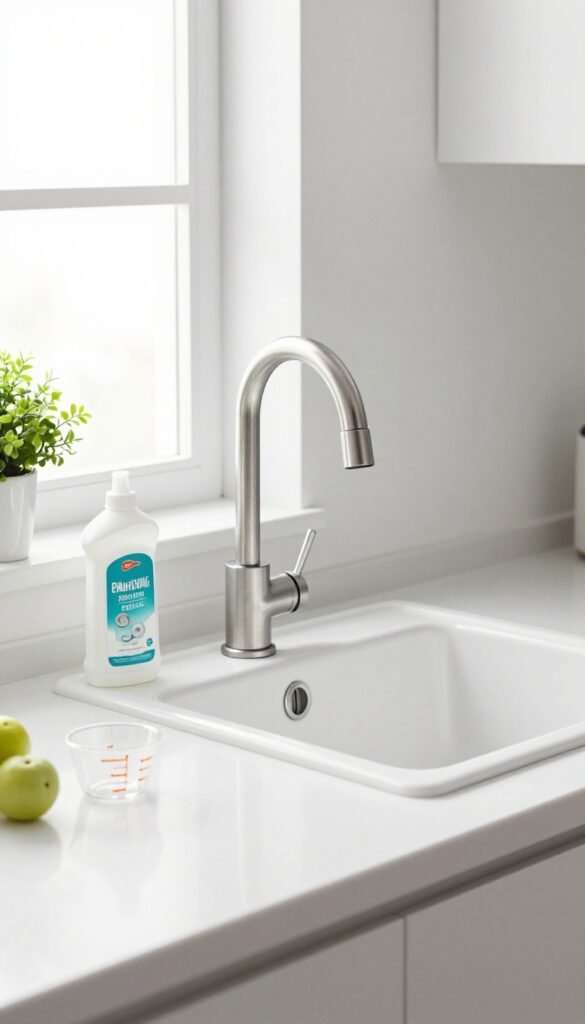
Enzyme drain cleaners are a game-changer for maintaining fresh, free-flowing drains without harsh chemicals. These biological cleaners use natural bacteria and enzymes to digest organic waste like food scraps, grease, and soap scum. They're safe for pipes and the environment, making them a smart choice for regular maintenance.
Unlike chemical drain cleaners that can damage pipes and harm the environment, enzyme cleaners work slowly but effectively. They break down organic matter at a molecular level, preventing clogs before they start. For best results, use them weekly to keep drains clean and odor-free.
How Enzyme Cleaners Work
Enzyme drain cleaners contain live bacteria that produce enzymes to digest organic waste. When poured down the drain, these bacteria multiply and consume the buildup, turning it into harmless byproducts like water and carbon dioxide. This process is slow but thorough, making it ideal for preventative care.
When To Use Enzyme Cleaners
Use enzyme cleaners as a weekly maintenance treatment, especially in kitchen sinks where food waste accumulates. They're also great for bathroom drains prone to hair and soap scum. Avoid using them on completely clogged drains—they work best for prevention and minor slow drains.
Tips For Maximum Effectiveness
For enzyme cleaners to work, they need time and a moist environment. Pour the recommended amount down the drain at night, then avoid using the sink for 6–8 hours. Follow up with hot water in the morning to flush out loosened debris.
Regular use keeps drains smelling fresh and flowing smoothly.
11. Use a Wire Coat Hanger
Sometimes the simplest tools work best. A wire coat hanger can reach clogs that baking soda and vinegar can't dissolve. It's especially effective for hair and gunk stuck near the drain opening.
Straighten a wire hanger and bend a small hook at one end. Carefully push it into the drain and fish around for debris. Pull out any hair or gunk you snag.
Repeat until the water flows freely. This method is quick and costs nothing.
How To Make The Hook
Use pliers to straighten the hanger completely. Then bend the last inch into a tiny J-shape. This hook grabs hair and sludge without scratching the pipe.
Best Drains For This Trick
Works best on bathroom sink drains where hair clogs are common. Avoid using on kitchen sinks with garbage disposals, as the hanger could damage the blades.
Safety Tip
Be gentle to avoid scratching the pipe's interior. If you meet resistance, don't force it. Try a different angle or switch to another method.
12. Pour Down Hydrogen Peroxide
Hydrogen peroxide is a mild antiseptic that kills bacteria and breaks down organic gunk without harsh fumes. A simple pour can neutralize odors and help slow drains by clearing biofilm buildup.
Why It Works
Hydrogen peroxide releases oxygen bubbles that physically agitate debris and kill odor-causing bacteria. Unlike bleach, it breaks down into water and oxygen, so it's safe for pipes and the environment.
How To Use It
Pour half a cup of 3% hydrogen peroxide directly down the drain. Let it sit for 10 minutes so the bubbles can work. Then flush with hot water for 30 seconds.
Repeat weekly for maintenance.
Safety And Tips
Don't mix hydrogen peroxide with vinegar or bleach—it can create harmful fumes. Use 3% solution only; higher concentrations can damage pipes. For stubborn smells, follow with a baking soda rinse.
13. Scrub with a Drain Brush
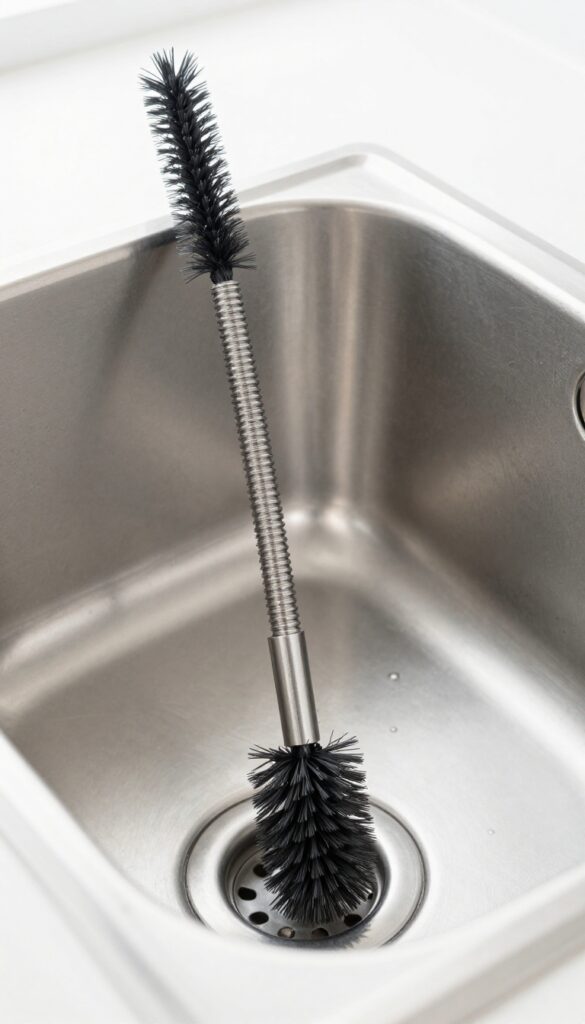
Sometimes liquid cleaners just aren't enough. That slimy biofilm clinging to the inside of your pipes needs physical removal. A drain brush is the tool for the job.
It's a long, flexible rod with bristles that can reach deep into the drain pipe and scrub away the gunk that causes odors and slow drainage.
Using a drain brush is straightforward but effective. You simply insert the brush into the drain and push it down as far as it will go, then pull it back up while twisting. Repeat a few times to loosen and remove the buildup.
The bristles scrape the pipe walls, dislodging slime, soap scum, and hair. Rinse the brush under hot water after each pass. You'll be surprised at what comes out.
Choose The Right Brush
Not all drain brushes are the same. Look for one with stiff nylon bristles and a flexible shaft that can navigate the P-trap. A brush with a looped end or a built-in hook can also help retrieve hair clumps.
Measure your drain diameter to ensure a snug fit—too small and it won't scrub effectively, too large and it might get stuck.
Use Hot Water Before And After
For best results, flush the drain with boiling water before scrubbing. The heat softens grease and biofilm, making it easier to scrub away. After brushing, run hot water for a minute to wash away the loosened debris.
This two-step process leaves your drain noticeably cleaner and fresher.
How Often To Scrub
A monthly scrub with a drain brush is enough for most households. If you have a garbage disposal or frequently wash greasy dishes, consider doing it every two weeks. Regular brushing prevents buildup before it becomes a problem, keeping odors and slow drainage at bay.
14. Use a Plumber's Snake
When baking soda, vinegar, and even a plunger fail, it's time to bring out the big guns. A plumber's snake, also called a drain auger, is a manual tool that reaches deep into your pipes to break up or retrieve stubborn clogs. It's especially effective for hair and soap scum blockages that have solidified over time.
Using a plumber's snake isn't as intimidating as it looks. You feed the coiled cable into the drain until you feel resistance, then crank the handle to drill through the clog. Go slowly to avoid scratching PVC pipes or pushing the blockage further down.
Once you break through, run hot water to flush debris away.
When To Choose A Snake Over Chemicals
Chemical drain cleaners can damage pipes and harm the environment. A snake is safer for your plumbing and works on clogs that chemicals can't dissolve, like dense hair mats or small objects. If you've already tried boiling water or a plunger with no luck, the snake is your next logical step.
How To Use It Without Damaging Pipes
Start by inserting the snake tip into the drain opening. Turn the handle clockwise while pushing gently. If you hit a hard stop, don't force it—pull back and try a different angle.
For metal pipes, you can be a bit more aggressive, but with PVC, ease up to prevent cracking. After clearing the clog, retract the snake slowly and clean it off.
Maintaining Your Snake For Future Use
Rinse the cable with water and wipe it dry after each use. Lubricate the moving parts with a few drops of oil to prevent rust. Store it coiled in a dry place.
A well-maintained snake can last for years and save you multiple plumber visits.
15. Flush with Lemon Juice and Baking Soda
If your drain needs a fresh start, lemon juice and baking soda make a powerful duo. The acid in lemon juice cuts through grease and grime, while baking soda scrubs away buildup. Plus, you get a clean citrus scent that lingers long after the flush.
This method works best for mild odors and slow drainage caused by soap scum or light grease. It's safe for most pipes and leaves your sink smelling like a lemon grove.
Why It Works
Lemon juice contains citric acid, which breaks down mineral deposits and grease. Baking soda is a mild abrasive that scrubs away residue without scratching pipes. Together, they fizz and lift gunk, then hot water rinses it all away.
How To Do It
Pour 1/2 cup of baking soda down the drain, then follow with 1/2 cup of fresh lemon juice. Let it fizz for 10-15 minutes. Finish with a kettle of boiling water.
Repeat weekly for maintenance.
When To Skip This
Avoid this method if you have a garbage disposal with metal blades—lemon juice can dull them over time. Also, don't use boiling water if you have PVC pipes; hot tap water is fine.
16. Install a Drain Strainer
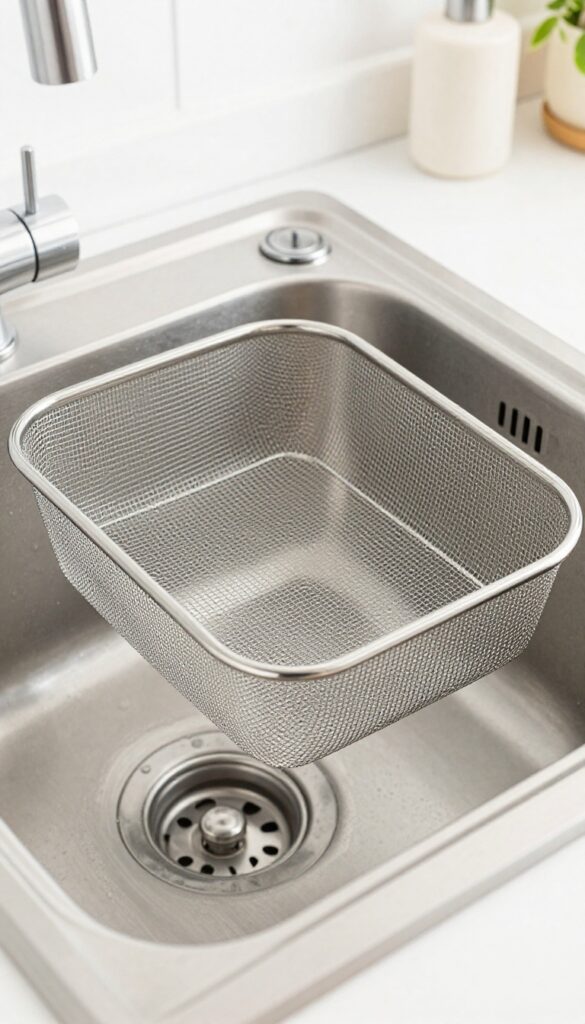
A tiny mesh strainer sitting over your drain opening can save you from a world of plumbing trouble. It catches hair, food scraps, and other debris before they ever get a chance to form clogs deep in the pipe. This one simple tool is your first line of defense against slow drains and bad smells.
Drain strainers are cheap and easy to find at any hardware store or online. They come in different sizes to fit standard kitchen and bathroom drains. Just place one over the drain opening and let it do its job.
Empty the collected gunk into the trash after each use or at least once a day. It takes two seconds and keeps your pipes clear.
Choose The Right Type
There are two main styles: flat mesh screens that sit flush with the drain and basket strainers that pop into the opening. Flat screens work well for bathroom sinks where hair is the main issue. Basket strainers are better for kitchen sinks because they catch larger food particles without slowing down water flow.
Clean It Regularly
A strainer only works if you empty it. If you let the debris pile up, water will pool around it and eventually push the gunk through anyway. Make it a habit to scrape the collected material into the trash after every dishwashing session or shower.
A quick rinse under the faucet keeps the mesh from getting clogged itself.
Don't Forget The Bathroom
Bathroom drains get hit hard by hair and soap scum. A small mesh strainer over the shower or tub drain catches loose hair before it slides down. For sink drains, a flat strainer catches toothpaste caps, jewelry, and other small items that might accidentally fall in.
It's an easy way to prevent emergency plumbing calls.
17. Avoid Chemical Drain Cleaners
Those bright-colored bottles under the sink promise fast results, but they come with hidden costs. Chemical drain cleaners use harsh ingredients like sodium hydroxide or sulfuric acid to dissolve clogs. They also eat away at your pipes, especially older metal or PVC ones.
Over time, this can lead to leaks or even pipe failure.
Stick to natural methods for regular maintenance. Baking soda, vinegar, boiling water, and a plunger handle most clogs without the risk. If you need extra power, try a drain snake or a wet/dry vacuum.
Your pipes will last longer, and you won't be pouring toxins into the water supply.
Why Chemicals Are Bad For Pipes
Chemical reactions generate heat that can warp PVC pipes and corrode metal. The damage is cumulative—each use weakens the pipe wall. Plus, if the cleaner doesn't fully clear the clog, it sits in your pipes and continues to react, causing further deterioration.
Safer Alternatives That Actually Work
For organic clogs (hair, soap, food), a mix of ½ cup baking soda followed by ½ cup vinegar works wonders. Let it fizz for 15 minutes, then flush with boiling water. For tougher clogs, use a drain snake or a zip-it tool.
These mechanical methods are gentle on pipes and highly effective.
When To Call A Pro Instead
If natural methods fail after a few tries, the clog may be deep or solid. A plumber can safely clear it with a auger or hydro-jetting. It's cheaper than repairing damaged pipes from repeated chemical use.
18. Clean the Overflow Hole
The overflow hole on your sink is a prime spot for bacteria and mold to grow. That dark, damp environment is perfect for odor-causing gunk. If you've cleaned the main drain but still notice a smell, the overflow hole is likely the culprit.
Why It Gets So Gross
The overflow channel sits above the water line, so it stays moist but never gets flushed. Soap scum, toothpaste, and skin cells collect there, creating a biofilm that smells awful.
What You Need
Grab a bottle of white vinegar, a small brush (like a toothbrush or pipe cleaner), and a flashlight. No harsh chemicals required.
How To Clean It
Shine the flashlight into the overflow opening to see the gunk. Spray or pour vinegar directly into the hole until it's saturated. Let it sit for 5–10 minutes to break down the grime.
Then scrub the opening and as far inside as you can reach with the brush. Rinse by running water down the sink for a minute.
19. Use a Mixture of Borax and Vinegar
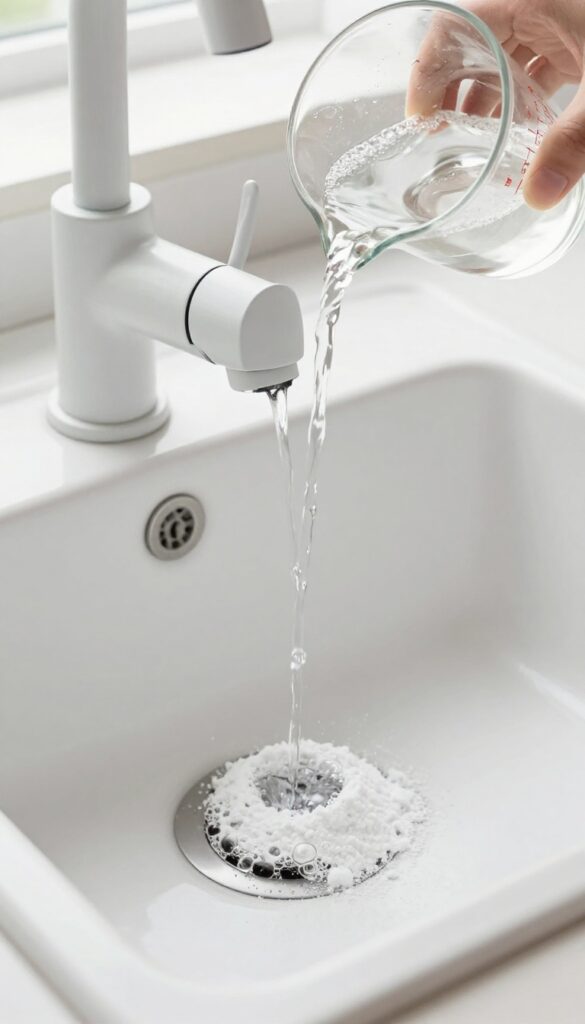
Borax is a natural mineral that cuts through grease and deodorizes. When paired with vinegar, it creates a fizzy reaction that helps dislodge grime. This combo is safe for most pipes and leaves your drain smelling fresh.
For tough odors, borax and vinegar work better than baking soda alone. The borax breaks down organic buildup while the vinegar activates it. Let the mixture sit to penetrate deep into the pipe, then flush with hot water to wash everything away.
Why It Works
Borax has a high pH that saponifies fats, turning them into soap that rinses away easily. Vinegar's acidity helps dissolve mineral deposits and kills odor-causing bacteria. Together, they create a chemical reaction that lifts stuck-on grime.
Step-by-step Application
Pour half a cup of borax down the drain, then follow with half a cup of white vinegar. You'll hear fizzing—that's normal. Let it sit for an hour (or overnight for stubborn smells).
Finally, flush with a kettle of boiling water.
Safety And Precautions
Don't use this method if you've recently used a chemical drain cleaner—mixing can release toxic fumes. Also, avoid on rubber gaskets or certain metal pipes if you're unsure. Stick to plastic or metal drains with no prior chemical treatments.
20. Try a Baking Soda and Salt Scrub
Baking soda is a gentle abrasive that lifts grime without scratching your sink. Salt adds extra scrubbing power and helps break down sticky residues. Together, they make a simple paste that tackles surface buildup right at the drain opening.
Mix equal parts baking soda and salt in a small bowl. Add just enough water to form a thick paste. Dip an old toothbrush into the mixture and scrub the drain opening, the surrounding sink surface, and the underside of the stopper if it's removable.
Focus on areas where you can see dark gunk or slime. Rinse with hot water afterward. This scrub works well for stainless steel, porcelain, and ceramic sinks.
It's safe to use weekly as a maintenance step to prevent odors before they start.
Why This Combo Works
Baking soda is mildly alkaline, which helps neutralize acidic odors. Salt is a natural disinfectant and its coarse texture physically scrapes off biofilm and soap scum. Unlike harsh chemical cleaners, this mixture won't damage your pipes or harm the environment.
How Often To Scrub
For a sink that sees daily use, once a week is plenty. If you notice a faint smell or slow drainage, give it an extra scrub. You can also use this paste on the sink strainer and around the rim of the drain to keep everything fresh.
A Quick Rinse Tip
After scrubbing, pour a kettle of boiling water down the drain to flush away any loosened debris. Do this only if you have metal pipes; avoid boiling water if you have PVC plumbing, as it can soften the joints. For PVC, use hot tap water instead.
21. Pour Down Club Soda
You might have a bottle of club soda in the fridge for mixing drinks, but it also works wonders on smelly drains. The carbonation helps dislodge loose gunk, and the bubbles create a mild scrubbing action. Follow up with hot water to flush everything away and leave your drain smelling fresh.
Club soda is a surprisingly effective and gentle drain cleaner. Its carbonation helps break up debris without harsh chemicals. Plus, it's safe for all pipe types, including PVC and metal.
How It Works
The carbon dioxide in club soda forms bubbles that agitate and loosen stuck-on grime. This physical action helps dislodge food particles, soap scum, and other buildup. It's especially good for minor clogs or as a maintenance treatment.
Step-by-step Instructions
Pour a full can or bottle of club soda directly down the drain. Let it fizz for a few minutes. Then, flush with a pot of boiling water (if pipes are metal) or very hot tap water (for PVC).
Repeat weekly to keep odors away.
When To Use It
Use club soda when you notice early signs of a slow drain or a faint smell. It's also a great option after using a plunger or snake to rinse away loosened debris. Avoid it if you have a severe clog—then try a stronger method first.
22. Use a Pressure Washer (Carefully)
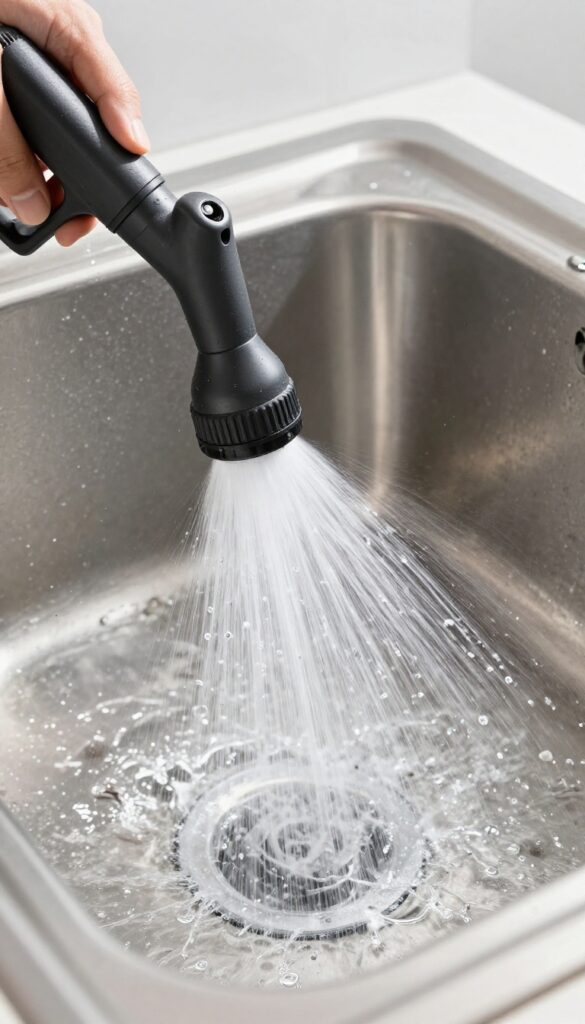
When a stubborn clog laughs at your plunger and drain snake, it might be time to bring out the big guns. A pressure washer with a drain attachment can blast through years of grime in outdoor sinks or main drain lines. But this isn't a toy—misuse can damage pipes or send debris flying.
Approach with caution and the right technique.
Pressure washers aren't just for driveways. With the right nozzle, they can deliver a concentrated jet of water powerful enough to dislodge grease, roots, and compacted sludge. This method works best on metal or PVC pipes that can handle the force.
Always start at low pressure and work your way up.
When To Bring Out The Pressure Washer
Reserve this method for outdoor sinks, laundry drains, or main sewer lines. Indoor sink traps are too fragile. If you have a persistent clog that resists snaking and chemical treatments, a pressure washer can save you a plumber call.
But if your pipes are old or made of clay, skip it—the pressure could cause cracks.
Gear And Safety First
You'll need a pressure washer with a drain cleaning kit—a long hose with a rear-facing nozzle that propels itself down the pipe. Wear safety goggles and gloves. Protect nearby surfaces from splashback.
Never point the nozzle at yourself or others. Start with the washer on its lowest setting and increase only if needed.
Step-by-step Blasting
Insert the nozzle into the drain opening as far as it will go. Turn on the water and slowly feed the hose while the jet blasts forward. You'll feel resistance when it hits the clog.
Let the water work for a few seconds, then pull back slightly and push forward again. Repeat until the water flows freely. Flush with hot water afterward.
23. Maintain with Weekly Hot Water Flushes
A little prevention goes a long way. You don't need harsh chemicals to keep drains clear—just hot water. Pouring boiling water down each sink once a week melts away grease, soap scum, and other gunk before it hardens into a clog.
It's the simplest habit you can adopt, and it costs nothing.
Hot water flushes are your drain's best friend. They work by liquefying fatty deposits and flushing away loose debris. This routine is especially effective in kitchen sinks where grease accumulates.
For bathroom drains, it helps dissolve soap residue and hair product buildup. Consistency matters—a weekly flush keeps your pipes in top shape.
Why Boiling Water Works
Boiling water is a natural degreaser. When you pour it down the drain, it raises the temperature inside the pipe, melting any fat, oil, or wax that's clinging to the walls. As the water flows, it carries those liquefied substances away.
This prevents them from solidifying and forming a stubborn clog. It also kills some odor-causing bacteria, leaving your drain smelling fresher.
How To Do It Right
Start by boiling a full kettle of water. Carefully pour it directly down the drain in a steady stream—avoid splashing. Let the water run for about 30 seconds to clear any loosened debris.
Do this once a week for each sink, preferably after a meal when grease is still liquid. For extra cleaning power, add a squirt of dish soap before the hot water to break down grease even more.
When To Skip This Method
Avoid pouring boiling water down drains with PVC pipes if they are old or have weak joints—extreme heat can soften the glue. In that case, use hot tap water instead. Also, never pour boiling water after using a chemical drain cleaner, as the reaction can release toxic fumes.
Stick to this routine only when your drains are clear of harsh chemicals.
24. Check for Pipe Leaks or Damage
Sometimes the problem isn't just a clog or buildup. Persistent odors or slow drains can actually point to a leak or damaged pipe. Before you spend time on other fixes, it's smart to rule out any plumbing issues that might be hiding under your sink.
A quick visual inspection can save you from bigger headaches later. Look for water stains, warped cabinet bottoms, or musty smells that linger even after cleaning. If you spot moisture or corrosion, you might need to tighten connections or call a plumber.
What To Look For
Check under the sink for any signs of water. Drip marks, puddles, or rust on pipes are red flags. Also feel the pipes for dampness.
Even a small, slow leak can create a breeding ground for mold and bacteria, which causes that sour smell.
How To Fix Minor Leaks
If you find a loose connection, try tightening the slip nut with a wrench. For small cracks, pipe repair tape or epoxy putty can be a temporary fix. But if the damage is extensive, replacing the section of pipe is the best long-term solution.
When To Call A Pro
If you can't find the leak source or the damage looks serious, don't hesitate to call a plumber. Ignoring a leak can lead to water damage, mold growth, and even structural issues. A professional can diagnose and fix the problem quickly.
25. Call a Plumber for Persistent Problems
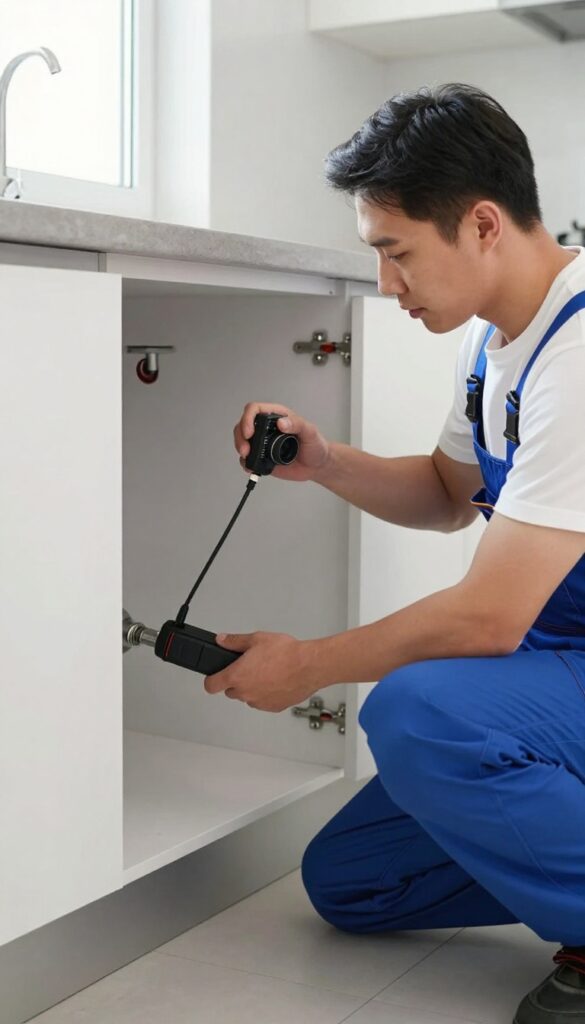
There comes a point where DIY drain cleaning just isn't cutting it. Maybe you've tried baking soda, vinegar, boiling water, and even a snake, but the water still drains slowly or the smell returns within days. That's your signal to call in a pro.
A licensed plumber has the tools and expertise to diagnose issues that are invisible to the average homeowner, like a blocked vent pipe or a collapsed sewer line. Don't let pride or a few dollars keep you from solving the problem for good.
When To Wave The White Flag
If you've attempted multiple DIY methods over a week or two and the problem keeps coming back, it's time to stop guessing. Persistent slow drains or recurring odors often point to something deeper than a simple clog. Also, if you notice multiple drains in your home acting up at the same time, that's a red flag for a main line issue.
And if you hear gurgling sounds from drains or toilets when you run water, that suggests a vent problem that requires professional diagnosis.
What A Plumber Can Find
A plumber will start with a camera inspection. They feed a small waterproof camera down the drain to see exactly what's going on. Common findings include tree roots growing into pipes, a buildup of mineral scale (especially in hard water areas), or a pipe that has shifted or cracked.
They can also check the vent stack on your roof—if it's blocked by leaves, debris, or even a bird's nest, air can't flow properly, which slows drainage and allows sewer gases to back up into your home.
The Cost Vs. The Headache
Yes, calling a plumber costs money—typically between $150 and $400 for a simple visit and drain cleaning, and more for camera inspections or major repairs. But compare that to the frustration of pouring money into store-bought products that don't work, or the risk of damaging your pipes with a chemical drain cleaner. A professional fix often lasts years, while DIY fixes might only buy you a few weeks.
In the long run, it's usually cheaper and definitely less stressful.
FAQ
How often should I clean my sink drain?
For maintenance, flush with boiling water weekly and use baking soda and vinegar monthly. If you notice odors or slow draining, clean immediately.
What is the best natural drain cleaner?
Baking soda and vinegar is a top choice. It's safe, cheap, and effective for most organic clogs and odors.
Can I use bleach to clean my drain?
Bleach can kill bacteria but may damage pipes over time and is harsh on the environment. Use sparingly or stick to gentler alternatives.
Why does my sink drain smell even after cleaning?
The smell might come from bacteria in the overflow hole, a dry P-trap, or a hidden clog deeper in the pipe. Clean the overflow and check the trap.
How do I prevent hair clogs in bathroom sinks?
Install a drain strainer to catch hair, and clean it after each use. Also, avoid rinsing hair down the drain when washing.
Conclusion
Smelly or slow drains don't have to be a headache. With these 25 tips, you can tackle most problems using items you already have at home. Regular maintenance is the secret to keeping things fresh.
Start with the simplest methods like boiling water or baking soda and vinegar. If that doesn't work, move to tools like a zip-it or plunger. Your drains will thank you, and your nose will too.