13 How to Clean a Mattress with Baking Soda Properly
Your mattress takes a beating every night—sweat, dust mites, and spills all sink in. A deep clean doesn't require harsh chemicals or expensive services. Baking soda is a gentle, effective, and budget-friendly way to refresh your bed without the hassle.
These 13 methods walk you through everything from quick deodorizing to tackling tough stains. Each technique is simple, safe for most mattresses, and uses items you probably already have at home.
Ready to give your mattress a fresh start without breaking the bank? Let's get cleaning.
1. Start with a thorough vacuum
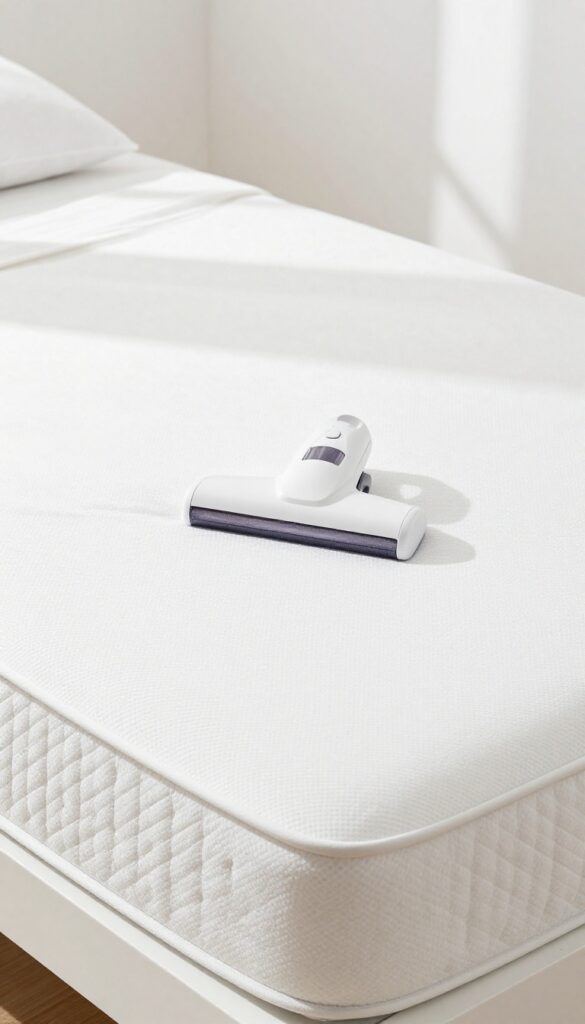
Before you sprinkle a single grain of baking soda, your mattress needs a good vacuuming. This first step clears away the loose dirt, dust mites, and pet dander that have settled into the fabric. Without it, the baking soda can't reach the deeper layers where odors and grime hide.
Grab your vacuum cleaner's upholstery attachment—the wide, flat one with soft bristles. Go over the entire mattress surface slowly, paying extra attention to seams, crevices, and any spots that look darker or dustier. Use overlapping passes to make sure you don't miss a patch.
This simple prep work makes the baking soda treatment far more effective.
Why Vacuuming First Matters
Baking soda works by absorbing moisture and odors, but it can't do its job if a layer of dust is blocking the way. A thorough vacuum removes surface debris so the powder can penetrate deeper into the mattress fibers. It also prevents you from grinding dirt into the fabric when you later scrub or rub the baking soda in.
Best Technique For Mattress Vacuuming
Start at the head of the bed and work your way down in long, slow strokes. Use the crevice tool to get into the edges where the mattress meets the box spring. If your vacuum has adjustable suction, use a medium setting—too strong can damage some mattress fabrics, too weak won't pull up the dust.
Don't Forget The Sides And Bottom
The top surface gets the most attention, but dust and allergens collect on the sides and underside too. Flip the mattress if possible, or at least vacuum the sides thoroughly. This is especially important if you have allergies or if the mattress hasn't been cleaned in a while.
2. Spot-treat fresh stains with a paste
Fresh stains are easier to remove than dried ones. A simple baking soda paste can lift them without scrubbing harshly. Here's how to use it effectively on common mattress stains.
When you notice a fresh spill or stain, act quickly. Blot up any excess liquid with a clean cloth, then mix a paste of three parts baking soda to one part water. Apply it directly to the stain in a thick layer.
Let it dry completely—this can take a few hours. Once dry, scrape off the crust with a spoon or dull knife, then vacuum the residue. For stubborn stains, let the paste sit overnight for deeper penetration.
Why Fresh Stains Are Easier
Fresh stains haven't had time to bond with mattress fibers. The baking soda paste absorbs moisture and gently lifts the stain from the surface. This method works well for sweat, urine, or light food spills.
How To Prepare The Paste
Mix three tablespoons of baking soda with one tablespoon of water. Adjust the ratio to get a spreadable consistency—like thick toothpaste. Add a drop of mild dish soap for oily stains, but avoid soaking the mattress.
Application And Drying Tips
Spoon the paste onto the stain and spread it evenly. Let it dry until it cracks and turns hard—usually 2-4 hours. Speed up drying with a fan or hairdryer on cool setting.
Don't rub the paste in, as that can push the stain deeper.
Final Cleanup
After the paste is fully dry, scrape it off with a butter knife or vacuum attachment. Vacuum the area thoroughly to remove all powder. The stain should be noticeably lighter or gone.
Repeat if needed.
3. Use a dry sprinkle for general deodorizing
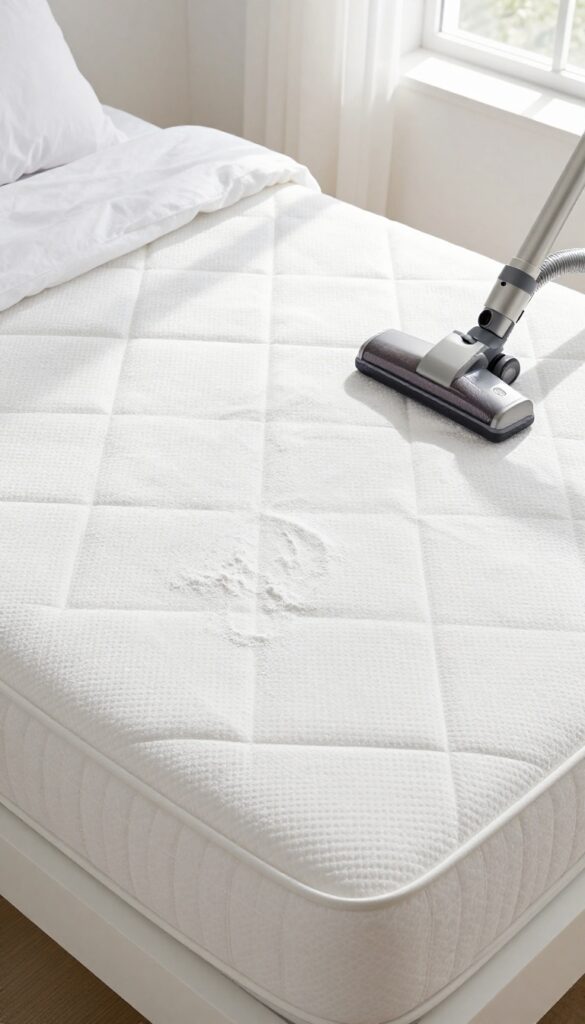
Sometimes your mattress just smells a little stale. Maybe it's been a while since you aired it out, or maybe you've been sleeping extra warm lately. A dry sprinkle of baking soda is the fastest way to neutralize odors without any liquid or waiting for things to dry.
This method works wonders for general freshness and is the go-to technique for monthly maintenance.
Evenly dust baking soda over the mattress, let it sit for at least 30 minutes (or hours for strong odors), then vacuum thoroughly.
How Much To Use
You don't need a thick layer—just a light, even dusting. A standard box of baking soda (about 1 pound) is enough for a queen-size mattress. Pour it into a fine-mesh sieve or use a shaker jar to distribute it evenly.
Avoid dumping it in clumps, as that makes vacuuming harder and can leave residue.
Let It Sit Long Enough
Baking soda needs time to absorb odors. Thirty minutes is the minimum, but for best results, let it sit for a few hours or even an entire day. If you can, pull back the bedding in the morning and sprinkle the baking soda before you leave for work.
By bedtime, your mattress will smell noticeably fresher.
Vacuum Thoroughly
Use the upholstery attachment on your vacuum cleaner to remove all the baking soda. Go over the entire surface in overlapping strokes, and pay extra attention to seams and edges where powder can hide. A thorough vacuuming ensures no gritty residue is left behind, so your sheets stay clean and comfortable.
4. Add essential oils for a pleasant scent
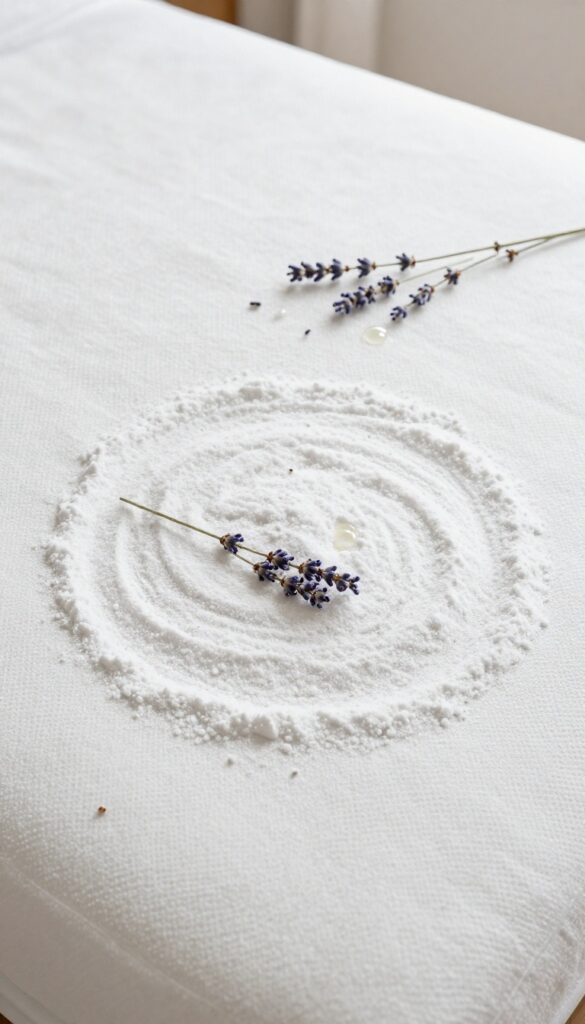
A fresh-smelling mattress makes falling asleep even better. Plain baking soda does a great job absorbing odors, but adding a few drops of essential oil takes it up a notch. Lavender and tea tree oil are popular choices—they smell great and offer natural antimicrobial benefits.
Mixing essential oils with baking soda is simple and safe. Just add 10–15 drops of your favorite oil per cup of baking soda, stir well to avoid clumps, and let it sit for a few minutes before sprinkling. The oil will lightly scent the mattress as the baking soda works its magic.
Why Lavender And Tea Tree Oil?
Lavender oil is known for its calming, sleep-promoting aroma. Tea tree oil has natural antibacterial and antifungal properties, which help keep dust mites and mildew at bay. Both are gentle on skin and safe for most mattresses when used in small amounts.
How To Mix And Apply
In a bowl, combine 1 cup of baking soda with 10–15 drops of essential oil. Use a fork or whisk to break up any clumps. Sprinkle the mixture evenly over the mattress, let it sit for at least 30 minutes (or longer for deeper deodorizing), then vacuum thoroughly.
Other Oils To Try
If lavender and tea tree aren't your thing, try peppermint for a refreshing scent, eucalyptus for a clean, spa-like feel, or lemon for a bright, citrusy note. Just avoid heavy or synthetic oils that might stain or irritate skin.
Safety Tips
Always do a patch test on a small corner of the mattress first. Use high-quality, pure essential oils—not fragrance oils. And never use more than 20 drops per cup of baking soda, as too much oil can leave residue or cause irritation.
5. Tackle sweat stains with hydrogen peroxide
Sweat stains can leave yellow marks on your mattress that look stubborn, but a simple fizzing paste can lift them away. Baking soda teams up with hydrogen peroxide and a drop of dish soap to break down the proteins in sweat without damaging the fabric. This method is especially effective on older stains that have set in.
Mix The Paste
In a small bowl, combine ½ cup of baking soda, ¼ cup of 3% hydrogen peroxide, and a single drop of liquid dish soap. Stir until it forms a spreadable paste. The mixture will bubble slightly as the peroxide reacts with the baking soda.
Apply And Let It Work
Use a spoon or a soft brush to spread the paste directly onto the sweat stain. Spread it in a thin, even layer covering the entire mark. Let it sit for at least 30 minutes—longer for older stains.
The fizzing action helps lift the stain from the fibers.
Scrub And Blot
After the paste has dried, gently scrub the area with a soft-bristled brush or a damp cloth. Blot with a clean, dry towel to absorb any residue. Repeat if the stain is still visible, then let the mattress air dry completely.
Vacuum The Residue
Once the treated area is dry, vacuum the spot with the upholstery attachment to remove any leftover baking soda powder. Your mattress should look brighter and smell fresher.
6. Remove urine odors with enzymatic boost
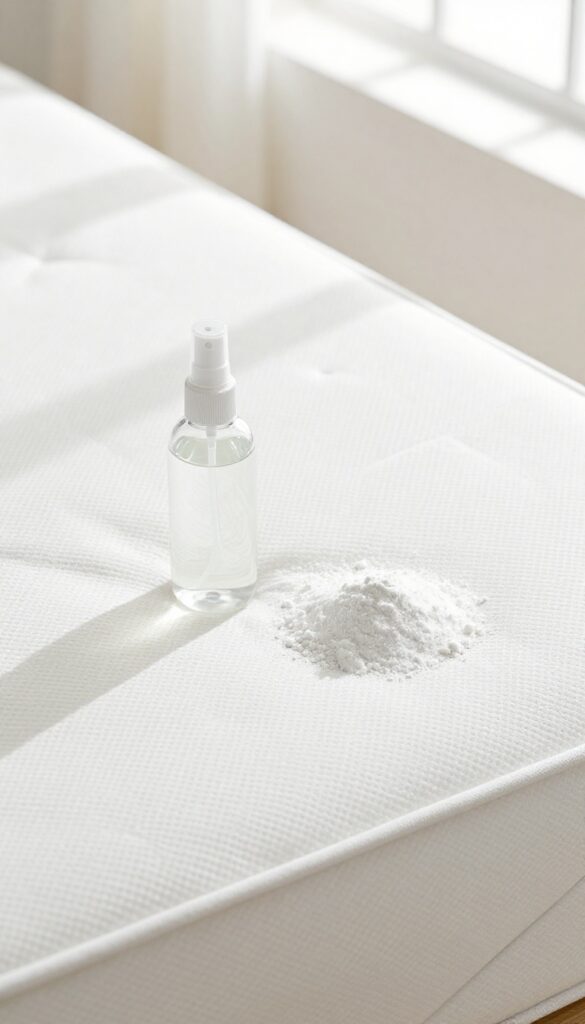
Urine accidents happen—especially with kids or pets. Baking soda alone helps, but pairing it with a simple vinegar spray creates a fizzing reaction that breaks down uric acid crystals and lifts odors. This two-step method is safe, effective, and uses common household ingredients.
Blot First, Then Sprinkle
Start by blotting up as much urine as possible with paper towels or a clean cloth. Press firmly, don't rub. Once the area is damp but not soaked, sprinkle a generous layer of baking soda directly over the stain.
Let it sit for 10–15 minutes to absorb moisture and start neutralizing odors.
Spray And Let It Fizz
Mix equal parts white vinegar and water in a spray bottle. Lightly mist the baking soda-covered area until it fizzes. The fizzing action helps lift urine salts from deep within the mattress fibers.
Let it bubble for 5–10 minutes, then allow the paste to dry completely—preferably in a well-ventilated room or with a fan.
Vacuum And Check
Once the mixture is fully dry (it may take a few hours), vacuum up all the residue using the upholstery attachment. Sniff the spot—if any odor remains, repeat the process. For stubborn set-in smells, add a few drops of lemon essential oil to the vinegar spray for extra freshness.
7. Deep clean with a baking soda soak for stubborn smells
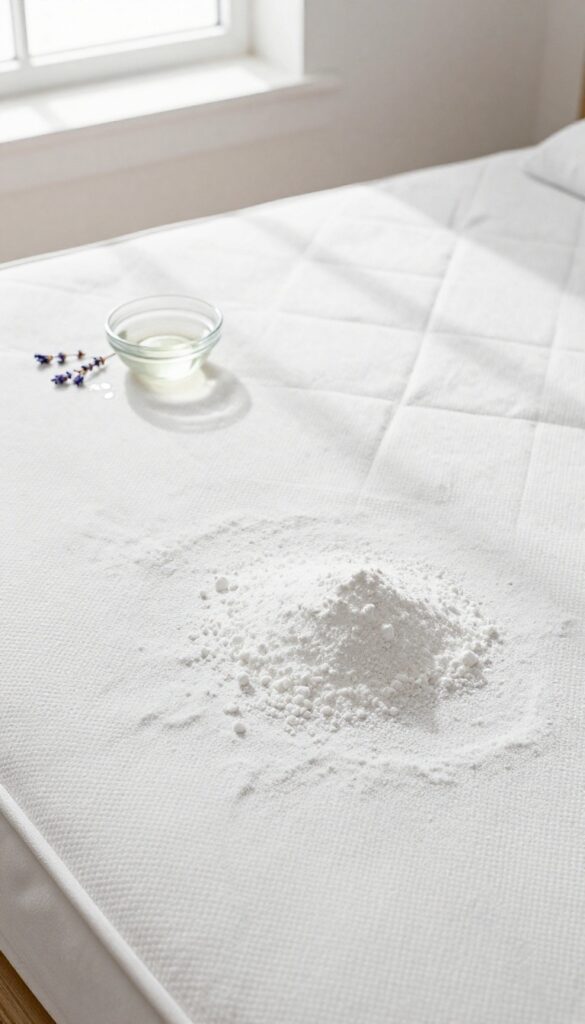
Sometimes a quick sprinkle just doesn't cut it. If your mattress has lingering odors from pets, smoke, or years of use, a baking soda soak is your heavy-duty solution. This method lets the baking soda really sink in and absorb deeply embedded smells.
For a serious odor assault, you'll need to apply a thick, even layer of baking soda—about 1/4 inch or more—over the entire mattress surface. Gently rub it in with your hand or a soft brush to help it penetrate the fabric. Then, let it sit for at least 8 hours, but for best results, leave it overnight or up to 24 hours.
The longer it sits, the more odors it neutralizes. After the wait, vacuum thoroughly using the upholstery attachment to remove every trace of powder. You'll be amazed at the freshness.
How Long To Let It Sit
The magic happens with time. For moderate odors, 8 hours (overnight) works well. For stubborn smells like urine or smoke, aim for 12 to 24 hours.
The baking soda needs time to absorb and neutralize the odor molecules deep within the mattress fibers.
Boosting The Soak With Essential Oils
If you want a fresh scent, add 10–15 drops of lavender, tea tree, or eucalyptus essential oil to the baking soda before applying. Mix well to avoid clumps. The oil will leave a gentle, natural fragrance as the baking soda works its magic.
Vacuuming Tips For A Clean Finish
Use a vacuum with a HEPA filter and the upholstery tool. Go over the mattress slowly in overlapping passes to ensure you pick up all the powder. Pay extra attention to seams and tufts where baking soda can hide.
Repeat if you see any residue.
8. Freshen a memory foam mattress without damaging it
Memory foam mattresses are great for support but tricky to clean. They absorb moisture easily, which can lead to mold or mildew if you're not careful. Baking soda still works, but you need to adjust your technique to keep the foam safe and dry.
Why Memory Foam Needs A Lighter Touch
Memory foam is porous and retains moisture. Standard baking soda treatments that sit for hours can trap dampness deep inside. That's why you limit the contact time and always vacuum thoroughly.
Step-by-step: Quick Dusting Method
Sprinkle a thin, even layer of baking soda over the mattress surface. Let it sit for 15–20 minutes—no longer. Then vacuum using the upholstery attachment, making multiple passes to lift all the powder.
Tips To Avoid Moisture Damage
Never spray water or any liquid on memory foam before applying baking soda. If you need to spot clean, use a barely damp cloth and blot, then let the area air dry completely before dusting with baking soda.
9. Use a baking soda and cornstarch mix for extra absorption
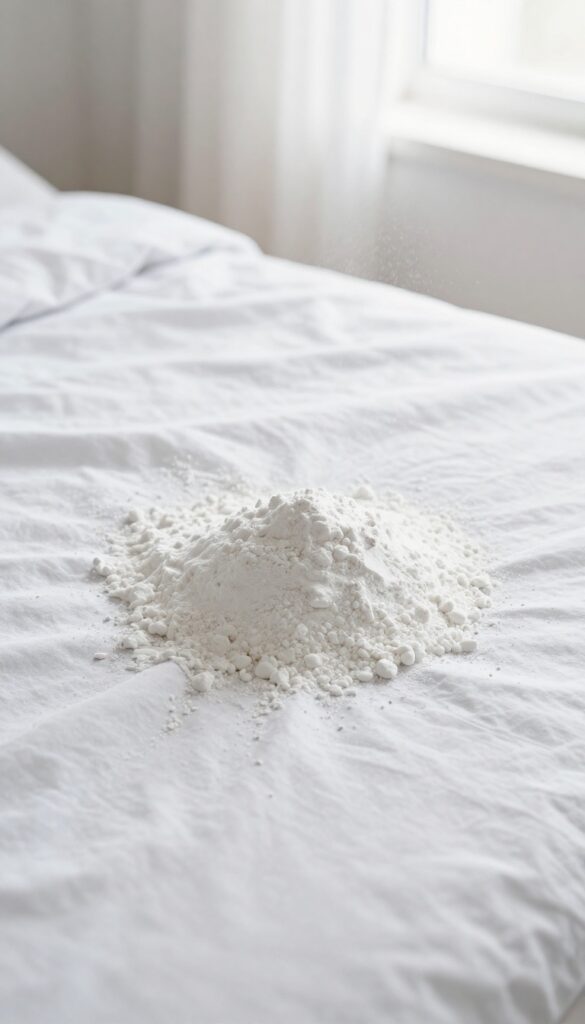
If you live in a humid area or your mattress just seems to trap moisture, plain baking soda might not cut it. Adding cornstarch creates a powerhouse blend that pulls even more dampness and odors out of the padding. This simple trick makes a noticeable difference, especially during sticky summer months.
Cornstarch is a natural desiccant, meaning it loves to absorb moisture from the air. When you mix it with baking soda, you get a double-action powder that tackles both wetness and smells. The baking soda neutralizes odors while the cornstarch wicks away humidity that can lead to mildew.
This combo is particularly helpful for memory foam or latex mattresses, which tend to hold onto heat and sweat. Simply combine equal parts (say, 1 cup of each) in a bowl, stir well, and apply it just like you would plain baking soda. Let it sit for at least 30 minutes—longer if the mattress feels damp—then vacuum thoroughly.
You'll notice the powder feels clumpier after sitting, which means it's doing its job.
Why Cornstarch Works So Well
Cornstarch has a fine, absorbent texture that pulls moisture from deep within the mattress fibers. Unlike baking soda, which is more of a deodorizer, cornstarch acts like a sponge. In humid climates, this extra absorption prevents musty smells from forming in the first place.
It's also gentle on fabrics, so you don't have to worry about residue or damage.
How To Mix And Apply The Blend
Grab a clean bowl and combine one part baking soda with one part cornstarch. For a standard queen mattress, about 1 cup of each should be plenty. Whisk them together to break up any lumps.
Sprinkle the mixture evenly over the entire mattress surface, using a sieve or your hands for even distribution. Let it sit for 30 to 60 minutes—longer if the room is humid. Then vacuum with the upholstery attachment, making multiple passes to pick up all the powder.
When To Use This Instead Of Plain Baking Soda
Reach for the baking soda-cornstarch mix when your mattress feels slightly damp to the touch, or if you notice a lingering musty odor. It's also ideal after a spill that you've already blotted dry—the extra absorption helps pull residual moisture from deeper layers. If you're just doing a routine deodorizing, plain baking soda is fine.
But for heavy-duty moisture control, this blend is a game changer.
10. Clean blood stains with cold water and baking soda paste
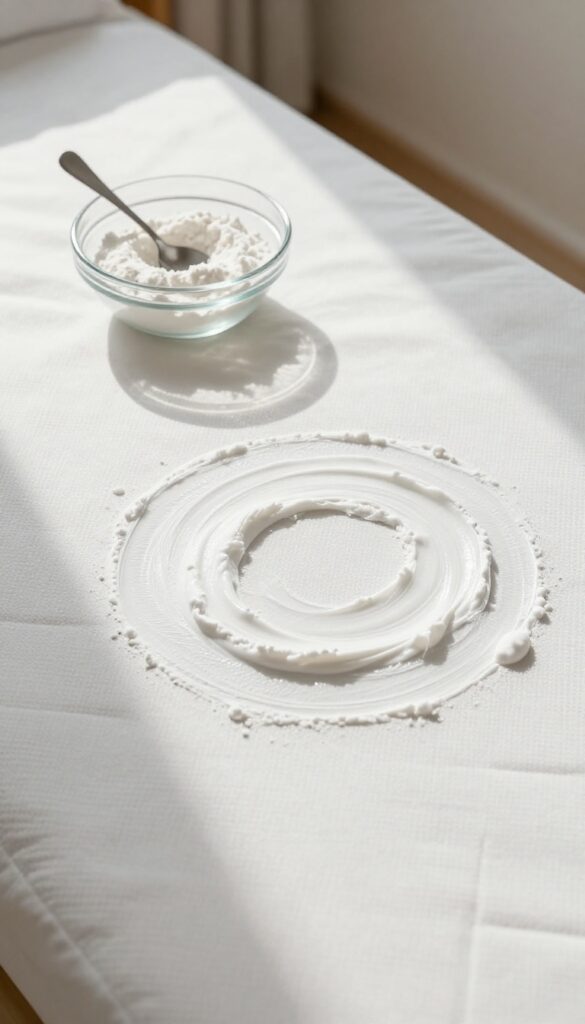
Blood stains on a mattress can be alarming, but they don't have to be permanent. The key is to act fast and always use cold water—hot water sets the stain permanently. A simple paste made from baking soda and cold water can lift fresh or even dried blood stains without harsh chemicals.
Here's how to handle it step by step.
Why Cold Water Matters
Heat causes the proteins in blood to bind with fabric fibers, making the stain impossible to remove. Always blot or rinse with cold water first. If the stain is fresh, dab it with a cloth soaked in cold water to remove as much blood as possible before applying the paste.
Making And Applying The Paste
Mix three parts baking soda with one part cold water to form a thick paste. Spread it generously over the stain, making sure it covers the entire area. Let it sit for at least 30 minutes—longer for dried stains.
As the paste dries, it will pull the blood out of the mattress fibers.
Scraping And Vacuuming
Once the paste is completely dry and cracked, use a dull knife or a spoon to gently scrape it off. Then vacuum the area thoroughly to remove any remaining residue. If a faint stain remains, repeat the process.
Avoid rubbing or scrubbing, which can spread the stain.
11. Deodorize after a spill with a baking soda pack
Spills happen, and even after you blot up the liquid, the smell can linger. A baking soda pack is a simple way to pull out both moisture and odors from the affected area. This method works great for coffee, juice, or even pet accidents.
After blotting a liquid spill, cover the area with a thick layer of baking soda and press with a towel to absorb moisture and smell.
How To Make A Baking Soda Pack
Start by blotting the spill with a clean towel to remove as much liquid as possible. Then, sprinkle a generous layer of baking soda directly onto the damp spot—about ¼ inch thick. Place a dry towel over the baking soda and press down firmly.
The towel will help absorb moisture as the baking soda works to neutralize odors. Leave it in place for at least 30 minutes, or overnight for tougher smells.
When To Use This Method
This technique is ideal for fresh spills that haven't had time to set in. It's especially effective for water-based liquids like tea, soda, or diluted juice. Avoid using it on oil-based spills, as baking soda won't absorb grease well.
For those, you'll need a different approach.
Tips For Best Results
Use a thick layer of baking soda—don't skimp. Pressing with a towel helps the baking soda make contact with the damp fibers. If the spill is large, repeat the process with fresh baking soda and a dry towel.
Afterward, vacuum the area thoroughly to remove all powder.
12. Maintain freshness with a monthly baking soda routine
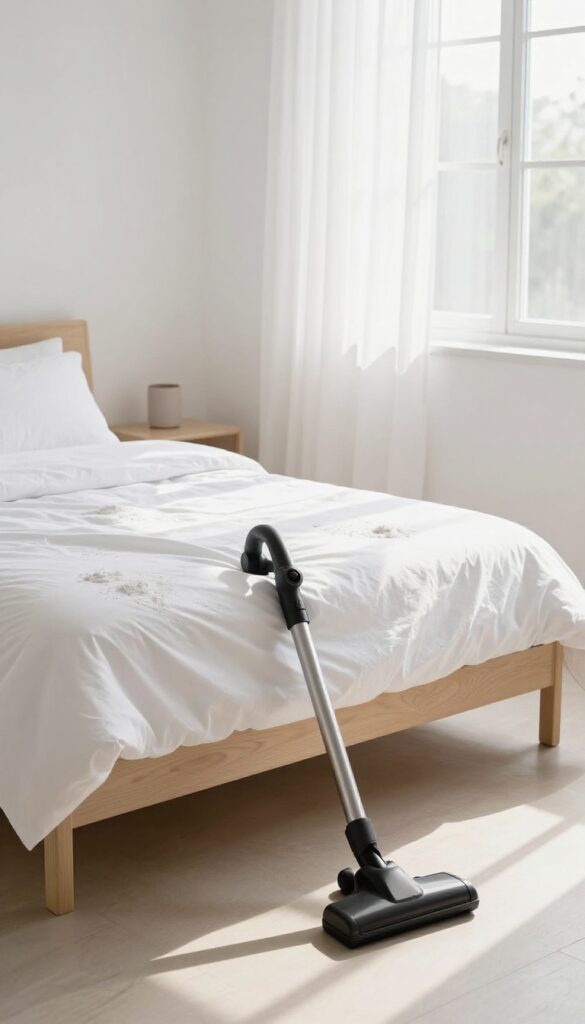
Consistency is key when it comes to keeping your mattress smelling fresh. A monthly baking soda treatment takes just a few minutes but prevents odors from building up over time. Think of it as a quick reset for your bed, helping you avoid the need for deep cleaning later.
Setting a recurring reminder on your phone makes this habit effortless. Once a month, strip the bed, sprinkle a thin layer of baking soda over the entire mattress surface, and let it sit for at least 30 minutes—or longer if you have time. Then vacuum thoroughly using the upholstery attachment to remove all traces of powder.
This simple routine absorbs sweat, oils, and any lingering smells before they become noticeable.
Why Monthly Matters
Odors don't appear overnight—they accumulate gradually from dead skin cells, dust mites, and body oils. Monthly baking soda treatments interrupt this buildup, keeping your mattress fresher for longer. It's much easier to maintain than to fix a deeply embedded smell.
How To Make It A Habit
Pair your mattress cleaning with another monthly task, like changing your pillowcases or flipping your mattress. Or set a digital reminder on the first of every month. Keep a box of baking soda and your vacuum nearby so you can get it done in under 10 minutes.
What To Do If You Skip A Month
Life gets busy, and missing a month isn't a disaster. Just double the sitting time next time—let the baking soda work for an hour or two. You can also add a few drops of essential oil to the baking soda for an extra freshness boost.
13. Combine with sunlight for a natural deep clean
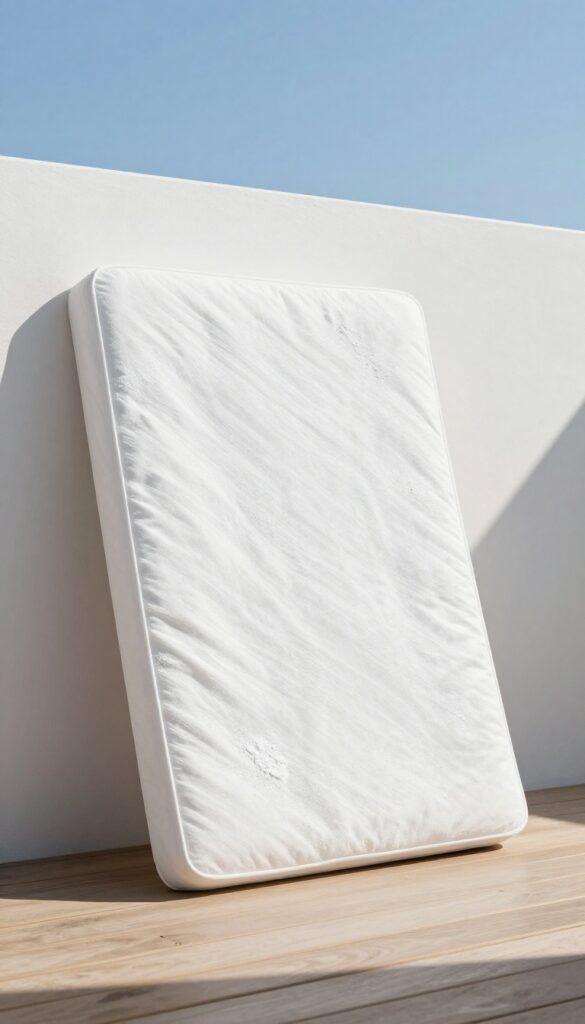
Sunlight is a natural disinfectant that works wonders alongside baking soda. The UV rays help kill dust mites and bacteria, while the heat aids in drying and deodorizing. If you can move your mattress outside, this combo gives you a deeper clean without any extra products.
After applying baking soda and letting it sit, take advantage of sunny weather. Place the mattress in direct sunlight for a few hours—ideally 3-4 hours on a dry, sunny day. The UV light penetrates the fabric, killing dust mites and neutralizing odors.
Just make sure to flip or rotate the mattress halfway through for even exposure. If moving the mattress isn't possible, open all windows and let sunlight stream into the room.
Why Sunlight Works
Sunlight contains UV rays that are lethal to dust mites and many bacteria. Combined with the absorbing power of baking soda, you get a one-two punch against allergens and smells. The heat also helps the baking soda work deeper into the fabric.
How To Do It Safely
Check the weather forecast first—no rain or high humidity. Move the mattress to a clean, dry area like a patio or balcony. If the mattress is too heavy, prop it against a sunny wall.
Cover any sensitive areas (like tags) with a light cloth to prevent fading. After sunning, vacuum off the baking soda thoroughly.
When To Skip This Method
Avoid direct sunlight if your mattress has memory foam or latex, as prolonged heat can damage these materials. Also skip if you live in a very humid area where the mattress might absorb moisture instead of drying. In those cases, stick to indoor baking soda treatments.
FAQ
How long should I leave baking soda on my mattress?
For general deodorizing, 30 minutes to 1 hour is enough. For strong odors or deep cleaning, leave it on for 8–24 hours.
Can I use baking soda on a memory foam mattress?
Yes, but keep the application light and let it sit for only 15–20 minutes to avoid moisture damage. Vacuum gently.
Will baking soda damage my mattress fabric?
No, baking soda is non-abrasive and safe for most mattress fabrics. Just avoid scrubbing it in vigorously.
How often should I clean my mattress with baking soda?
A monthly treatment is ideal for maintenance. Spot-clean stains as needed.
What if the smell doesn't go away after baking soda?
Try a longer soak (24 hours) or combine with vinegar spray. For persistent odors, consider a professional cleaning.
Conclusion
A clean mattress doesn't require expensive products or professional services—just baking soda and a little patience. By following these 13 steps, you can tackle stains, odors, and dust mites without harsh chemicals. The best part?
You probably already have baking soda in your pantry. Make deep cleaning your mattress a seasonal habit, and you'll extend its life while sleeping on a fresher surface every night. Your nose and your back will thank you.