15 Cleaning Bathtub Ideas for a Smooth Spotless Finish
Bathtubs take a beating. Between soap scum, hard water stains, and that mysterious ring that appears after every bath, keeping yours clean can feel like a losing battle. But you don't need a cabinet full of expensive cleaners or hours of elbow grease to get it gleaming again.
These 15 ideas focus on what actually works—using common household items, smart techniques, and a little patience. Whether you're dealing with stubborn buildup or just want a quicker weekly routine, there's something here for every tub type and every level of grime.
No fluff, no overhyped products. Just straightforward methods that deliver a smooth, spotless finish without breaking your back or your budget.
1. Baking Soda and Vinegar Fizz
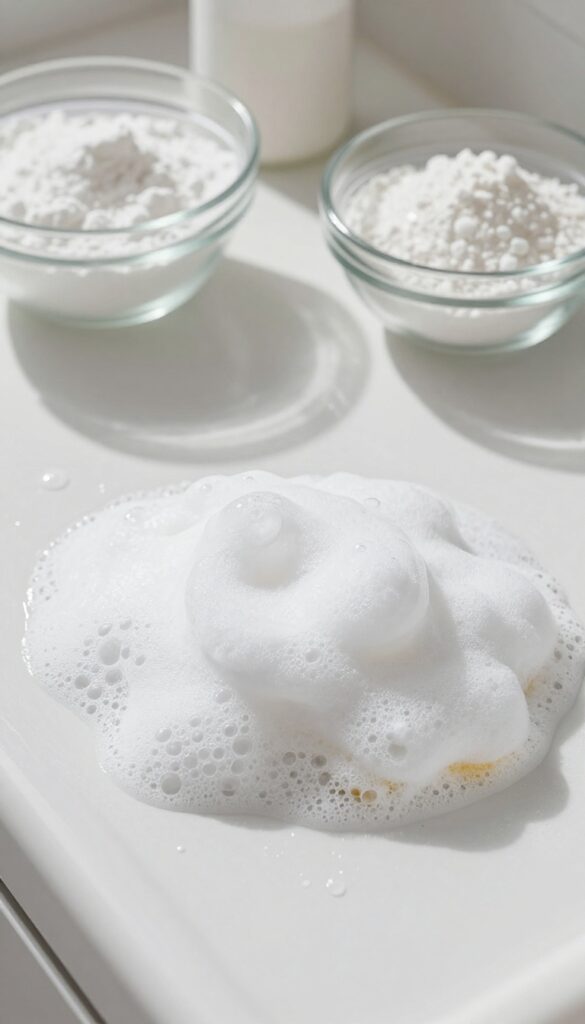
Forget harsh chemicals—this classic duo tackles soap scum and grime with a satisfying chemical reaction. You probably already have both ingredients in your kitchen, making it a zero-cost solution that’s surprisingly effective. The fizzing action helps lift dirt from crevices, while the mild abrasiveness of baking soda buffs away stains without scratching acrylic or porcelain.
Mix equal parts baking soda and vinegar to form a thick paste—adjust the ratio as needed. Apply it to a damp bathtub surface, focusing on rings and buildup. Let it sit for 10 minutes; you’ll see bubbles working their magic.
Then scrub gently with a soft sponge or cloth. Rinse thoroughly with warm water. For tough stains, let the paste sit longer or add a second application.
This method is safe for most tub materials, but avoid using it on marble or other natural stone.
Why It Works So Well
Baking soda is a mild alkali that reacts with acidic vinegar to produce carbon dioxide gas. Those bubbles help dislodge dirt and soap residue from pores and crevices. The fine grit of baking soda provides gentle abrasion, making it ideal for scrubbing without damaging finishes.
Best For Light To Moderate Grime
This fizzing paste handles everyday soap scum, hard water spots, and light mildew stains. For heavy buildup or set-in stains, you might need a stronger pretreatment or a second round. It’s perfect for weekly maintenance or a quick refresh between deep cleans.
Pro Tips For Better Results
Always wet the tub surface first to help the paste spread evenly. Use a non-abrasive sponge to avoid scratches. For extra cleaning power, add a few drops of dish soap to the paste.
Rinse thoroughly—any leftover residue can leave a dull film.
2. Dish Soap and Warm Water Soak
Sometimes the simplest method is the most effective. A hot water soak with dish soap is a gentle yet powerful way to dissolve grime without scrubbing. The heat helps loosen oils and soap scum, while the dish soap breaks down grease and lifts dirt.
This method is perfect for a quick refresh between deep cleans, and it works on any tub material—porcelain, fiberglass, or acrylic.
Fill the tub with the hottest water possible (but not boiling if you have acrylic or fiberglass). Add a generous squirt of dish soap—about a tablespoon or two. Swish the water to distribute the soap, then let it sit for 15 minutes.
During this time, the heat and soap work together to loosen dirt, body oils, and soap scum. After 15 minutes, drain the tub and wipe down all surfaces with a soft sponge or cloth. Rinse with clean water to remove any soapy residue.
Your tub will be noticeably cleaner with almost no effort.
Why This Works So Well
The combination of heat and surfactants is a powerful degreaser. Hot water softens and dissolves water-insoluble residues like soap scum and body oils. Dish soap contains surfactants that surround and lift away grease and dirt, making them easy to rinse off.
This method is especially effective for daily or weekly maintenance, preventing buildup that requires harsh chemicals later.
Best Practices For Different Tub Materials
For porcelain or enamel tubs, you can use near-boiling water safely. For fiberglass or acrylic, keep the water temperature under 120°F to avoid warping. Always test a small area first if you're unsure.
After soaking, use a non-abrasive sponge to avoid scratching. For stubborn rings, add a 1/2 cup of white vinegar to the soak for extra cleaning power.
When To Add A Little Extra
If your tub has heavy soap scum or hard water stains, boost the soak by adding 1/2 cup of baking soda after the soap. Let it fizz for a few minutes before the soak. This creates a mild abrasive action that helps dislodge stuck-on grime.
Alternatively, for a fresh scent, add a few drops of essential oil like lemon or lavender to the water.
3. Magic Eraser for Stubborn Rings
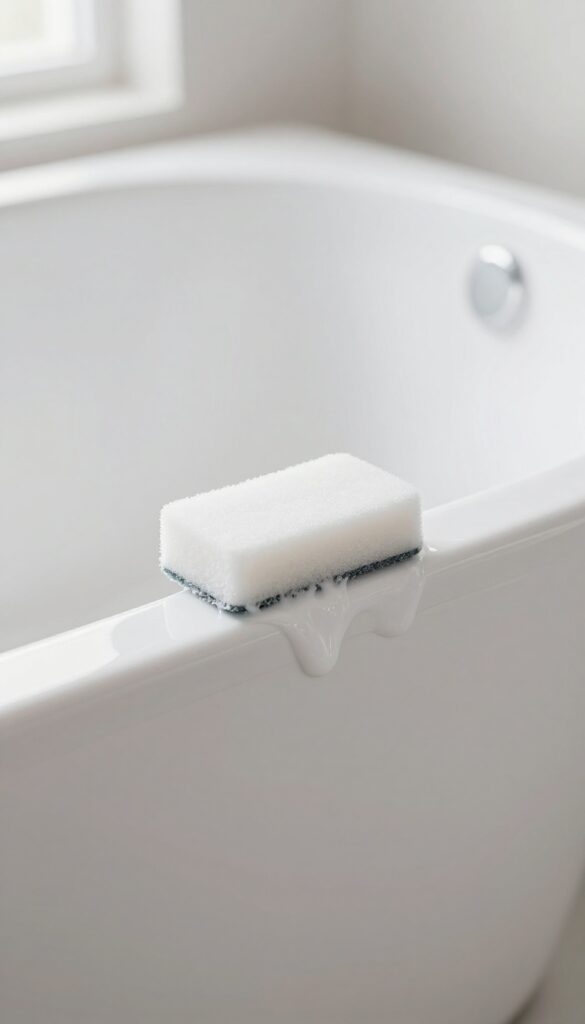
That dark ring around the waterline can be a real eyesore, especially after a relaxing bath. Instead of scrubbing with harsh chemicals, a simple damp magic eraser (melamine sponge) can wipe it away with surprising ease. It works like a gentle sandpaper, lifting grime without scratching most tub surfaces.
A damp magic eraser (melamine sponge) tackles bathtub rings and scuff marks with minimal effort. Glide it along the waterline and rinse. Works wonders on fiberglass and acrylic tubs.
Why It Works So Well
Melamine foam is microporous and acts like ultra-fine sandpaper. When wet, it creates a mild abrasive action that lifts embedded dirt and soap scum without needing extra cleaners. It's especially effective on the waxy residue that forms from body oils and bath products.
Best Tub Materials To Use It On
Magic erasers are safe for fiberglass, acrylic, and enameled steel tubs. Avoid using them on glossy or delicate surfaces like marble, cultured marble, or any tub with a clear coat finish, as they can dull the shine. Always test on a small hidden area first.
Step-by-step Quick Clean
Wet the magic eraser until it's damp but not dripping. Gently rub the ring in a circular motion—no need to press hard. You'll see the grime transfer to the sponge.
Rinse the area with water and wipe dry. For tough rings, let the sponge sit on the stain for a minute before rubbing.
Pro Tips For Best Results
Cut the eraser into smaller pieces to get more uses out of one block. Use a fresh piece for each cleaning session to avoid spreading dirt. After cleaning, rinse the tub thoroughly to remove any sponge residue.
Store the eraser dry to prevent bacteria growth.
4. Hydrogen Peroxide for Whitening
White or light-colored tubs can lose their brightness over time, especially from hard water stains and soap residue. Hydrogen peroxide offers a gentle yet effective way to restore that original whiteness without the harsh smell or fumes of bleach. It's also safe for most surfaces, including acrylic and fiberglass, when used correctly.
How It Works
Hydrogen peroxide is a mild oxidizing agent that breaks down organic stains and brightens surfaces. When sprayed onto stains, it releases oxygen bubbles that lift dirt and discoloration. Unlike bleach, it doesn't produce toxic fumes and is less likely to damage surrounding materials.
Application Tips
Use 3% hydrogen peroxide straight from the bottle—no dilution needed. Spray it generously on stained areas, especially around the waterline and corners. Let it sit for 20 minutes to allow the peroxide to work.
Then scrub with a soft sponge or brush and rinse thoroughly. For tough stains, repeat the process or let it sit longer.
Safety And Precautions
Always test on an inconspicuous spot first, especially if your tub has a glossy finish or is made of enamel. Avoid mixing hydrogen peroxide with other cleaners, especially bleach or ammonia, as this can create harmful gases. Wear gloves if you have sensitive skin.
5. Cream of Tartar for Hard Water Spots
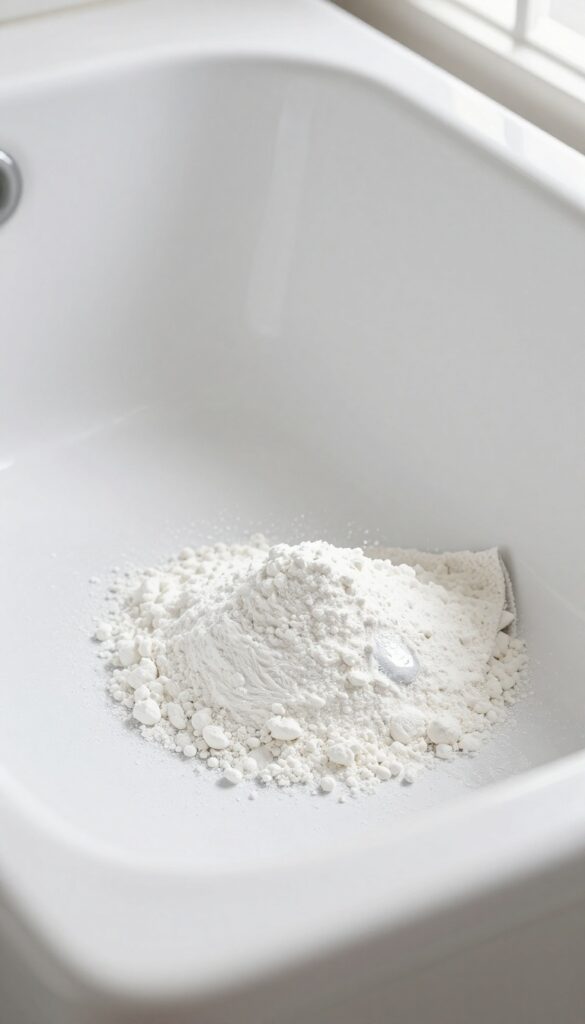
Hard water spots are stubborn little marks that seem to laugh at regular cleaners. They build up over time, leaving your tub looking dull and cloudy. Cream of tartar, a common baking ingredient, can handle them without harsh scrubbing.
Mix cream of tartar with a little hydrogen peroxide to form a paste. Apply to hard water spots, let dry, then buff off. This gentle abrasive removes mineral deposits without damaging the finish.
Why This Works
Cream of tartar is a mild acid that breaks down mineral deposits, while hydrogen peroxide adds a gentle bleaching effect. Together they create a paste that lifts spots without scratching.
How To Apply
Sprinkle cream of tartar directly onto a damp sponge or mix a tablespoon with enough hydrogen peroxide to make a spreadable paste. Apply to the spots, let sit for 10-15 minutes, then buff in circles with a soft cloth. Rinse well.
Pro Tip
For extra tough spots, let the paste dry completely before buffing. You can also add a drop of dish soap to help it cling to vertical surfaces.
6. Lemon Juice and Salt Scrub
When life gives you lemons, scrub your bathtub. This simple DIY cleaner uses two kitchen staples to dissolve soap scum and gently polish the surface. The citric acid breaks down mineral deposits, while salt acts as a mild abrasive that won't scratch most tub finishes.
Plus, you get a fresh, natural citrus scent without any chemical fumes.
Cut a lemon in half, dip the cut side into a small dish of salt, and scrub the tub surface in circular motions. Focus on areas with soap scum or light stains. The acid cuts through grime while the salt provides gentle abrasion.
Rinse thoroughly with warm water and wipe dry for a streak-free shine. For extra cleaning power, let the lemon-salt mixture sit for a few minutes before scrubbing.
Best For Light To Moderate Buildup
This scrub works wonders on weekly soap scum and water spots, but it's not strong enough for heavy, set-in grime. If your tub hasn't been cleaned in months, start with a stronger cleaner first, then use this as a finishing polish.
Avoid On Certain Surfaces
Skip this method on natural stone, marble, or unsealed tile—the acid can etch or dull the surface. Stick to acrylic, fiberglass, porcelain, and enamel tubs. When in doubt, test on a small hidden area first.
Rinse Thoroughly Afterward
Leftover salt can leave a gritty residue, and lemon juice may become sticky if not fully rinsed. Use warm water and a soft cloth to remove all traces. A final wipe with a dry towel prevents water spots and enhances the shine.
7. Borax for Deep Grime
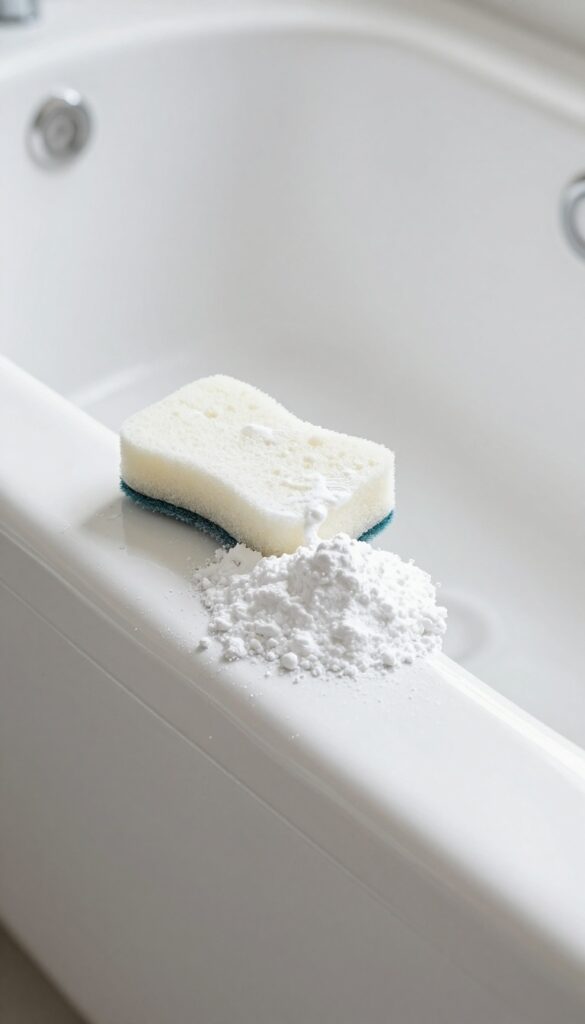
When ordinary cleaners just aren't cutting it, borax steps in like a heavyweight champ. This natural mineral powder has been a cleaning staple for generations, and for good reason. It cuts through stubborn grime without scratching surfaces, making it perfect for bathtubs that have seen better days.
Borax is a powerhouse cleaner that tackles tough grime without harsh chemicals. Its mild alkalinity helps break down soap scum and dirt, while its fine texture provides gentle abrasion. Best of all, it's safe for most tub surfaces, including porcelain, fiberglass, and acrylic.
How To Use Borax On Your Tub
Start by wetting a sponge or soft cloth. Sprinkle borax directly onto the damp sponge—about a tablespoon should do for a standard tub. Scrub the entire surface, paying extra attention to stained areas, soap scum lines, and the waterline ring.
Let the borax paste sit for 10 minutes to break down the grime. Then rinse thoroughly with warm water and wipe dry. You'll notice the difference immediately.
Why Borax Works So Well
Borax has a pH of around 9. 5, which makes it slightly alkaline. This helps dissolve fatty acids in soap scum and lifts dirt from surfaces.
It's also a natural deodorizer, so it leaves your tub smelling fresh without artificial fragrances. Plus, it's non-toxic and safe for septic systems.
Tips For Best Results
For extra-stubborn stains, make a paste with borax and a little water or white vinegar. Apply the paste to the stain and let it sit for 20 minutes before scrubbing. Always test a small, hidden area first to ensure your tub's finish is compatible.
Avoid using borax on marble or natural stone surfaces.
8. Toothbrush for Grout and Edges
Grout lines and the edges where your tub meets the wall are prime real estate for mold and mildew. A sponge just can't reach those tight crevices, so a dedicated tool is needed. An old toothbrush, with its small head and firm bristles, is perfect for this job.
To make a powerful cleaning paste, mix baking soda with a little water until it forms a thick, spreadable consistency. Dip the toothbrush into the paste and scrub along the grout lines and edges. The baking soda acts as a gentle abrasive, lifting grime without scratching the tub surface.
For extra stubborn spots, add a splash of white vinegar to the paste for a fizzing action that helps break down buildup. Rinse thoroughly with warm water afterward.
Why A Toothbrush Works Best
Toothbrushes are designed to reach small spaces, making them ideal for grout lines and the seam between the tub and wall. The bristles are firm enough to scrub away mold and soap scum but soft enough not to damage the tub's finish. Plus, you can angle the brush to get into corners that larger cleaning tools miss.
How To Make The Baking Soda Paste
In a small bowl, combine three parts baking soda with one part water. Stir until it forms a spreadable paste. If you want extra cleaning power, substitute the water with hydrogen peroxide or white vinegar.
Apply the paste to the toothbrush and scrub in circular motions. Let it sit for a few minutes before rinsing for deeper cleaning.
Targeting Hidden Mold And Mildew
The edges where the tub meets the wall are often damp, creating a perfect environment for mold. The toothbrush's bristles can dig into these crevices, dislodging spores and stains. For persistent mold, dip the brush in undiluted white vinegar after the baking soda scrub.
This combination kills mold and prevents regrowth.
9. Rubbing Alcohol for Soap Scum
Soap scum is one of those annoyances that builds up fast, especially if you have hard water. Rubbing alcohol cuts through it like nothing else, breaking down the greasy residue without any harsh scrubbing. Just a quick wipe after your bath keeps the tub looking fresh and prevents that cloudy film from taking hold.
Rubbing alcohol is a simple, effective solution for soap scum that many people overlook. It evaporates quickly, leaves no streaks, and doesn't require rinsing. Keep a spray bottle of it in your bathroom for easy daily maintenance.
Why It Works
Isopropyl alcohol is a solvent that dissolves the fatty acids and minerals in soap scum. Unlike vinegar or bleach, it doesn't leave a strong smell or require ventilation for long. It dries fast and clean, so you can use it even on acrylic or fiberglass tubs without worry.
How To Use It Daily
After your bath, spray rubbing alcohol onto a microfiber cloth—not directly on the tub, to avoid overspray on surrounding surfaces. Wipe down the walls and floor of the tub. That's it.
The alcohol lifts any fresh scum and evaporates in seconds, leaving no residue.
For Stubborn Buildup
If soap scum has been sitting for a while, spray the alcohol directly onto the affected areas and let it sit for a minute. Then scrub gently with a soft sponge or cloth. For extra tough spots, add a little baking soda to make a paste.
Rinse with water and dry with a clean cloth.
10. Pumice Stone for Porcelain
Porcelain tubs are beautiful but they show every stain. Hard water rings, rust spots, and stubborn soap scum can make the surface look dull and aged. A pumice stone is a surprisingly effective tool for these tough marks—no harsh chemicals needed.
The trick is to wet the stone thoroughly before you start. A dry pumice stone can scratch, but a wet one glides smoothly and wears down as you rub, conforming to the tub's surface. The abrasive action lifts stains without damaging the porcelain glaze.
Always test on a small hidden area first to be safe. Use gentle, circular motions and keep the stone wet. Rinse the area often to check your progress.
This method works best on flat surfaces; avoid textured or matte finishes where it might leave marks.
Where It Works Best
Pumice stones are ideal for flat, glazed porcelain surfaces. They handle hard water rings, rust stains, and dried soap scum that resist regular cleaners. Avoid using them on fiberglass, acrylic, or enameled steel, as those materials are softer and more prone to scratching.
Step-by-step Technique
Soak the pumice stone in water for a few minutes. Wet the stained area as well. Gently rub the stain with the stone using light pressure—let the stone do the work.
Rinse frequently to see if the stain is lifting. Once it's gone, wipe the area clean and dry it with a soft cloth.
Safety Tips
Always keep the stone and surface wet to prevent scratches. Don't use a dry stone. Test in an inconspicuous spot first.
If you see any micro-scratches, stop immediately. After use, rinse the stone and let it air dry—it can be reused many times.
11. White Vinegar Soak for Stubborn Stains
White vinegar is a powerhouse cleaner that tackles tough stains without harsh chemicals. When you have mineral deposits or soap scum that won't budge, a deep vinegar soak can save the day. It's simple, cheap, and surprisingly effective.
Fill the tub with hot water and add 2 cups of white vinegar. Let it soak for an hour, then drain and wipe. The vinegar dissolves mineral deposits and soap residue, especially around the drain.
Why Vinegar Works So Well
Vinegar is acidic, which means it breaks down alkaline mineral deposits like calcium and lime. It also cuts through soap scum and leaves surfaces shiny without scratching. Plus, it's safe for most tub materials, including acrylic and fiberglass.
How To Maximize The Soak
For best results, make sure the water covers all stained areas. If the stains are heavy, let it soak longer—up to 4 hours. After draining, scrub gently with a soft sponge and rinse thoroughly.
You can also add a few drops of essential oil to mask the vinegar smell.
Targeting The Drain Area
The drain often has stubborn buildup from soap and hair products. Before the soak, pour 1/2 cup of baking soda down the drain, then follow with the vinegar soak. The fizzing action helps loosen debris, making it easier to flush away.
12. Dishwasher Tablet Hack
You might think dishwasher tablets are only for dishes, but they double as an excellent bathtub cleaner. Drop one or two tablets into a warm tub and let them fizz and dissolve completely. The resulting solution is packed with enzymes and surfactants that cut through grease and soap scum without harsh scrubbing.
It's a surprisingly effective shortcut for a deep clean.
Drop a dishwasher tablet into a warm tub and let it dissolve. Use the resulting solution to scrub the surface. The enzymes break down grease and soap scum effectively, leaving a shine.
How It Works
Dishwasher tablets contain powerful enzymes (like proteases and amylases) that break down food proteins and starches. In the tub, these same enzymes attack soap scum and body oils, loosening them from the surface. The fizzing action also helps lift grime from hard-to-reach spots.
Step-by-step Application
Fill the tub with a few inches of warm water—not hot, as extreme heat can deactivate the enzymes. Drop in one or two tablets and let them dissolve fully (about 5 minutes). Use a soft sponge or cloth to wipe down the sides, bottom, and fixtures.
Drain and rinse thoroughly with clean water. No need for additional scrubbing or rinsing agents.
When To Use This Hack
This method works best for routine cleaning or light to moderate buildup. For heavy, set-in stains or mineral deposits, you may need a stronger cleaner or a longer soak. Avoid using this on natural stone or unsealed surfaces, as the enzymes can be too aggressive.
13. Shaving Cream for Shine
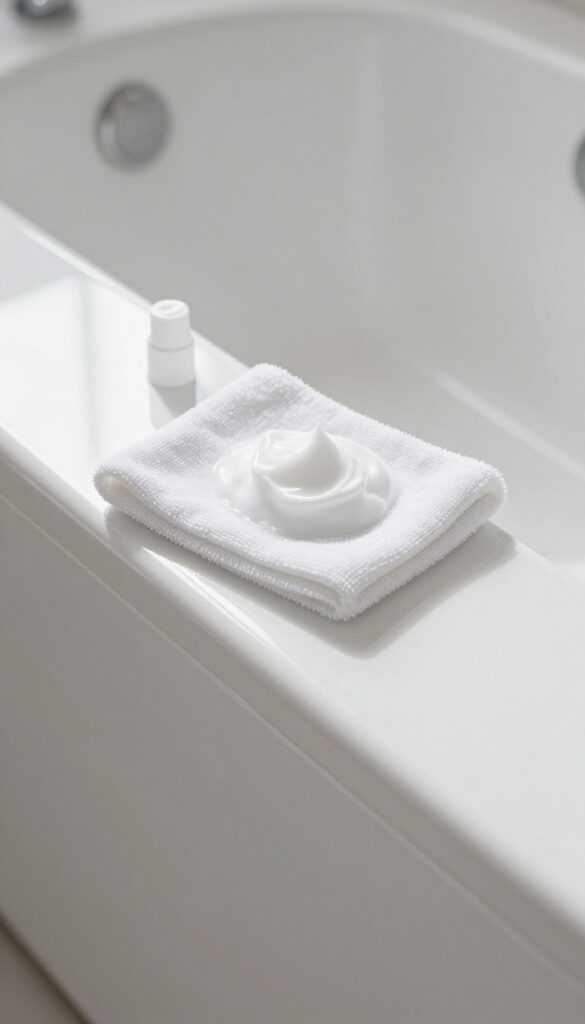
Shaving cream isn't just for a smooth shave—it's a surprisingly effective tub cleaner. The foam (not gel) contains mild surfactants and conditioners that cut through soap scum and leave a glossy, protective layer behind. Best of all, it's gentle enough for any tub material, including acrylic and fiberglass.
Squirt a generous layer of white shaving cream foam all over your dry tub surface. Spread it around with a damp sponge, then let it sit for 15 minutes. During this time, the cream breaks down grime and deposits a thin film that helps repel future buildup.
After the wait, buff the tub with a clean, damp microfiber cloth using circular motions. Rinse lightly if needed, but you'll notice the shine stays even after the water dries. This method works especially well on fiberglass and acrylic tubs that tend to look dull over time.
Why Foam Works Better Than Gel
Foam shaving cream has a thicker, more stable texture that clings to vertical surfaces and doesn't run off. The gel versions often contain alcohol and extra moisturizers that can leave a slippery residue. Stick with the classic white foam—it's cheap, effective, and won't cloud your tub's finish.
Buffing Technique For Maximum Shine
Use a dry microfiber cloth for the final buff. Work in small sections, applying moderate pressure. You'll notice a streak-free gloss that rivals commercial polish.
For extra shine, follow up with a second buff using a clean, dry cloth.
How Often To Use This Method
Once a month is plenty for maintenance. If your tub sees heavy use or hard water, you can do it every two weeks. It's a quick, low-effort way to keep the surface looking fresh without harsh chemicals.
14. Cornstarch for Polishing
After you've scrubbed and rinsed, there's one last step that makes a real difference: polishing. Cornstarch, that humble pantry staple, is surprisingly effective at giving your tub a smooth, spotless finish. It absorbs leftover moisture and leaves a streak-free shine that commercial polishes can't beat.
Cornstarch works because it's a fine, absorbent powder that gently buffs the surface without scratching. It's especially useful on acrylic and fiberglass tubs, which can dull over time. The result is a smooth, water-repellent finish that makes future cleaning easier.
How To Apply
After cleaning and rinsing your tub, sprinkle a small amount of cornstarch onto a damp, soft cloth. Buff the entire surface in circular motions, focusing on areas that tend to show water spots. You don't need much—just a light dusting will do.
Then wipe off any excess with a dry cloth.
Why It Works
Cornstarch is mildly abrasive at a microscopic level, so it polishes without scratching. It also absorbs any remaining moisture, which prevents water spots from forming as the tub dries. The starch leaves a thin, invisible layer that repels water, keeping your tub cleaner longer.
When To Use It
Use cornstarch polishing as the final step after every deep clean, or whenever you notice water spots or dullness. It's safe for porcelain, acrylic, fiberglass, and enamel tubs. Avoid using it on textured or non-slip surfaces, as it can fill in the texture and become slippery.
15. Regular Maintenance with a Squeegee
You've scrubbed, rinsed, and polished your tub to perfection. Now the trick is keeping it that way without starting from scratch every week. A simple squeegee, the same tool you might use on windows, can be your best ally in the fight against soap scum and hard water stains.
By making one quick pass over the tub walls after every bath or shower, you remove the water and residue that cause buildup. This habit takes about 30 seconds but cuts your deep-cleaning time in half. It's the easiest way to maintain that smooth, spotless finish you worked hard to achieve.
Why It Works
Soap scum and hard water stains form when water evaporates, leaving minerals and soap residue behind. A squeegee removes the water before it dries, preventing those deposits from bonding to the surface. Over time, this simple action drastically reduces the need for harsh cleaners and heavy scrubbing.
Choosing The Right Squeegee
Look for a squeegee with a rubber blade and a comfortable handle. A wall-mounted hook near the tub keeps it handy. Avoid cheap plastic blades that can scratch acrylic or fiberglass tubs.
A 6- to 10-inch blade works well for most tub walls. For curved surfaces, a smaller or flexible blade is easier to maneuver.
Quick Technique Tips
Start at the top of the tub wall and pull the squeegee down in overlapping strokes. Wipe the blade with a dry cloth after each pass to avoid streaks. Don't forget the corners and edges—use a microfiber cloth for those spots.
For best results, use the squeegee right after draining the tub while the surface is still wet.
FAQ
Can I use bleach on my bathtub?
Bleach can be used on white porcelain or ceramic tubs, but avoid it on colored or acrylic surfaces as it may cause discoloration. Always dilute and rinse thoroughly.
How often should I deep clean my bathtub?
Aim for a deep clean every one to two weeks, depending on usage. Daily wiping with a squeegee or microfiber cloth helps extend the time between deep cleans.
What's the best way to remove bathtub rust stains?
For light rust, try lemon juice and salt. For stubborn stains, use a commercial rust remover or a pumice stone on porcelain. Avoid abrasive pads on fiberglass.
Are natural cleaners as effective as chemical ones?
Yes, for most everyday grime. Baking soda, vinegar, and lemon juice handle soap scum and mild stains well. For heavy buildup, you may need a stronger cleaner, but natural options work for regular maintenance.
How do I prevent mold in my bathtub?
Keep the bathroom ventilated, wipe down the tub after use, and dry grout lines with a towel. Use a squeegee on walls and consider a dehumidifier if moisture is persistent.
Conclusion
Getting a spotless bathtub doesn't require a chemistry degree or a sore back. Most of these ideas use items you already have at home, and they target specific problems without harsh side effects. Pick two or three methods that match your tub's material and your biggest cleaning challenge.
Stick with them, and you'll notice the difference in both effort and results. A clean tub isn't just about looks—it makes every bath feel like a fresh start.