13 Kids Bedroom Ideas That Are Cute, Practical, and Perfect for Small Spaces
Designing a kid's bedroom that feels both adorable and functional can be tricky, especially when square footage is limited. The good news is that small spaces often inspire the most creative solutions.
With a few smart choices, you can create a room that sparks imagination, keeps clutter at bay, and grows with your child. This list rounds up 13 ideas that prove you don't need a massive room to make a big impact.
Each tip focuses on making the most of every inch—through clever storage, flexible furniture, and playful touches that don't overwhelm. Whether you're starting from scratch or refreshing an existing setup, these concepts are designed to be achievable and easy to adapt.
1. Loft Beds with Built-In Storage
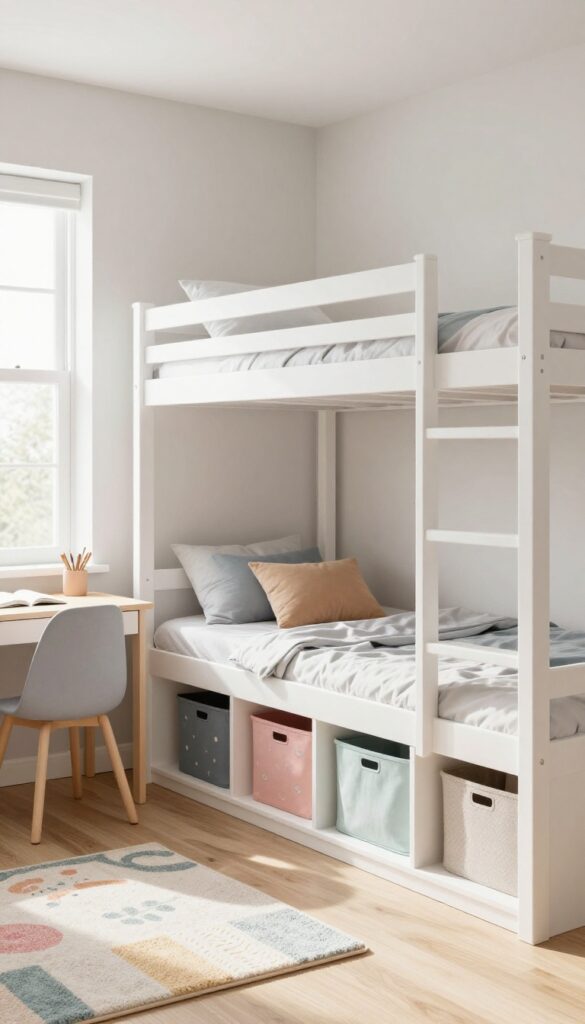
In a small kids' bedroom, every square inch counts. A loft bed lifts the sleeping area high enough to carve out valuable floor space underneath, turning a single piece of furniture into a two-zone solution. The best designs come with integrated storage—think pull-out drawers, cubbies, or even a compact wardrobe—so toys, clothes, and books have a designated home without cluttering the room.
This setup feels airy and intentional, not cramped, making it a favorite for tight floor plans.
Why It Works
Loft beds double your usable square footage by stacking sleep and storage vertically. The open area below can host a desk, a reading nook, or a play mat, all while keeping essentials within arm's reach. Built-in storage eliminates the need for extra dressers or shelves, which is a game-changer in rooms under 100 square feet.
Best For
This idea shines in small shared bedrooms or single-child rooms where floor space is limited. It's ideal for school-age kids who need a dedicated study zone or play area but don't have room for separate furniture pieces.
Styling Tip
Choose a loft bed with a neutral finish like white or light wood to keep the room feeling open. Add a cozy rug and floor cushions under the bed to define the lower zone, and use matching storage bins inside cubbies for a cohesive look.
2. Wall-Mounted Shelving for Toys and Books
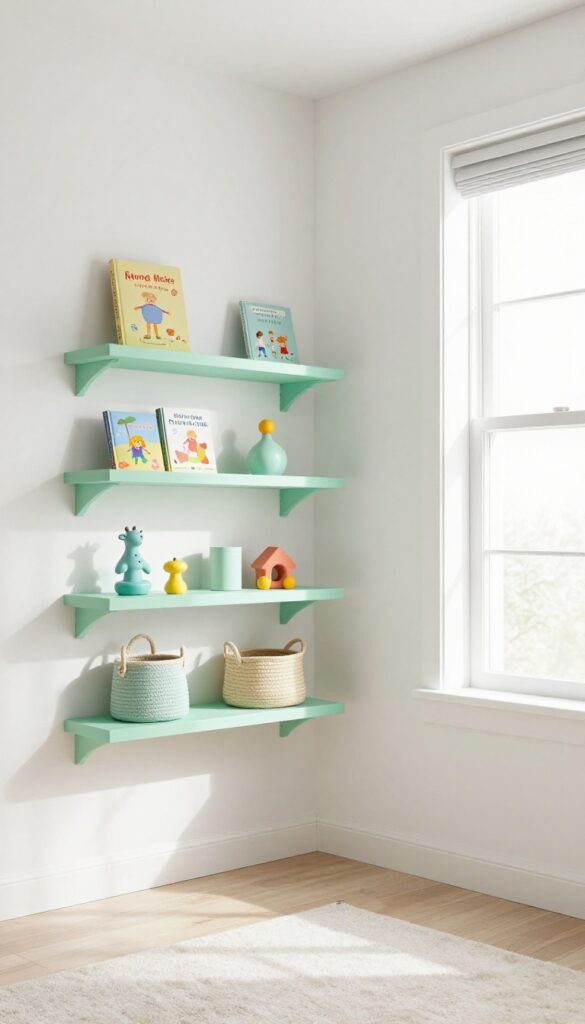
Floating shelves aren't just for grown-up living rooms. In a kid's room, they're a game-changer for keeping the floor clear while making favorite items easy to grab. Install them at a height your child can actually reach, and suddenly books, tiny toys, and art supplies have a home that feels intentional, not cluttered.
The trick is mixing open display with hidden storage—think a few cute baskets or fabric bins on the same shelves to corral the chaos without losing that airy, small-space-friendly vibe.
Why It Works
By lifting storage off the floor, you free up precious square footage for play or a desk. Kids can see and access their things, which encourages tidying up, and the visual variety of open bins plus stacked books adds texture and color without feeling overwhelming.
Best For
This idea shines in smaller bedrooms or shared rooms where floor space is at a premium. It's also perfect for the early elementary years, when kids have a growing collection of picture books and small toys but aren't ready for a full bookcase.
Styling Tip
Paint the shelves the same color as the wall to make them blend in and keep the room feeling open. Or go bold with a contrasting hue like soft mint or pale coral to create a playful focal point. Either way, stagger the shelf heights for a more organic look.
3. Under-Bed Drawers on Casters
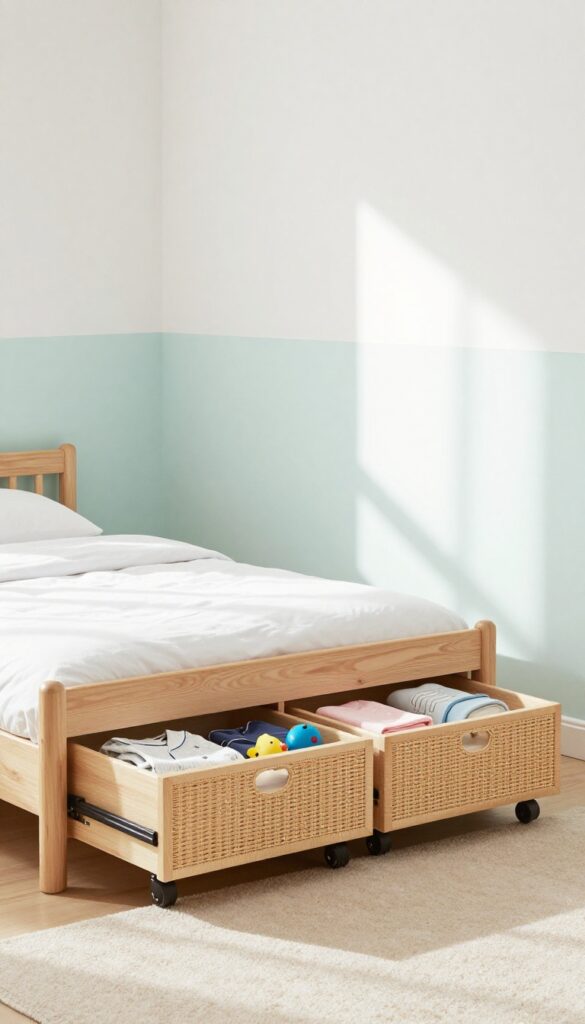
Those few inches of space under the bed often become a dusty catchall for stray socks and forgotten toys. Rolling drawers turn that dead zone into a tidy storage system your kid can actually use. With smooth-gliding casters, even a preschooler can slide them open and shut without help.
The best part? You can customize the look with woven bins or painted wood fronts that match the room's palette.
Why It Works
Under-bed drawers maximize vertical storage without taking up floor space, which is a win for small rooms. Casters make access effortless, so kids are more likely to put things away. Sealed bins keep dust and allergens out, making the space healthier for sleep.
Best For
This solution shines in compact bedrooms where every square inch counts. It's also ideal for shared rooms where each child needs their own clearly defined storage zone under the bed.
Styling Tip
Stick to low-profile bins that clear the bed frame by at least an inch. Use uniform containers in a neutral tone like warm gray or natural rattan for a clean, cohesive look. Add a small label on each drawer so your child knows where pajamas go versus art supplies.
4. Fold-Down Desks That Tuck Away
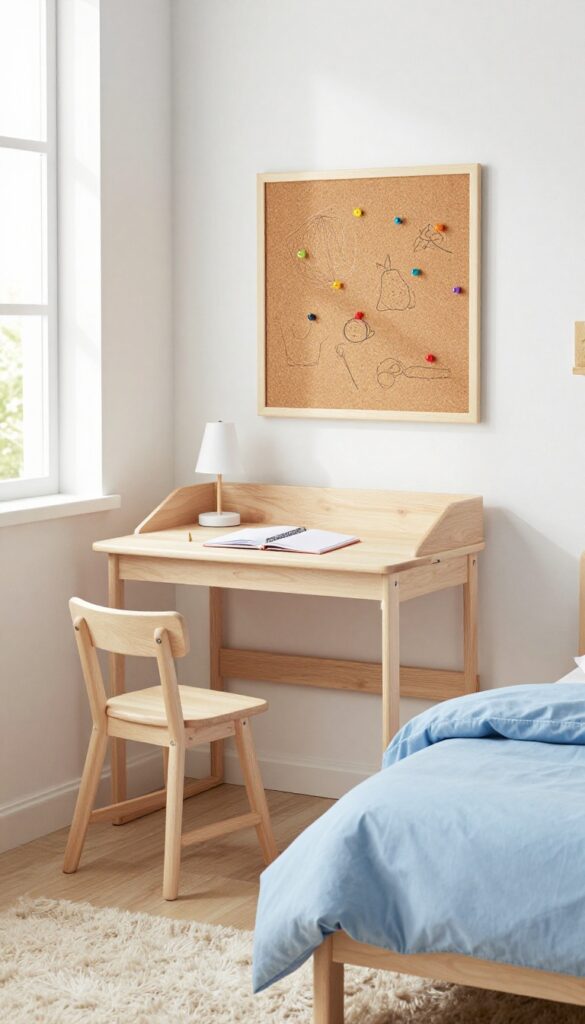
In a kid's bedroom, floor space is prime real estate. A fold-down desk solves the homework dilemma without sacrificing square footage. When closed, it blends into the wall like a sleek cabinet; when open, it offers a sturdy surface for drawing, writing, or laptop work.
This is the kind of clever furniture that makes a small room feel bigger and more flexible.
Why It Works
It gives kids a dedicated spot to focus without permanently claiming floor area. The desk folds flat against the wall, leaving the room open for play, sleep, or hanging out. It also teaches tidiness—when work is done, everything stows away behind the closed lid.
Best For
Tight shared rooms, small single bedrooms, or any space where a traditional desk would crowd the layout. It's also great for rooms that double as a play area, since the desk disappears when not in use.
Styling Tip
Mount a corkboard or magnetic board directly above the desk for pinning artwork, reminders, and school papers. Choose a stool that slides completely under the folded desk to keep the silhouette clean. Paint the desk the same color as the wall for a built-in look, or go with a contrasting shade to make it a subtle feature.
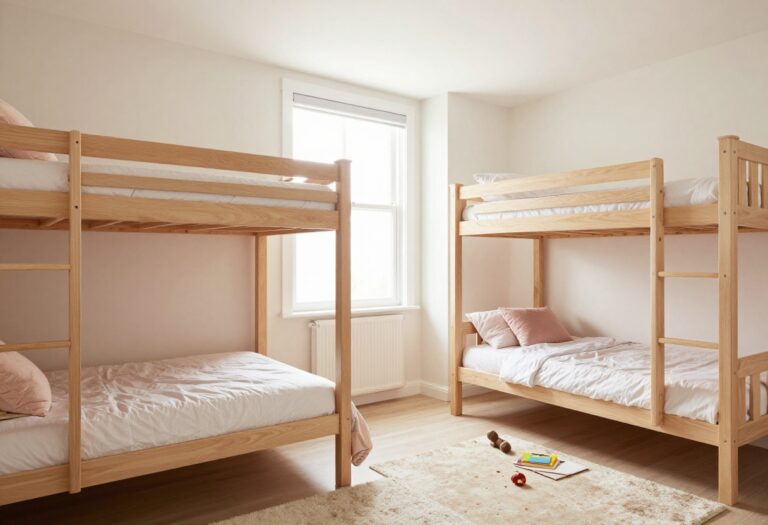
5. Bunk Beds with a Twist: L-Shaped Layouts
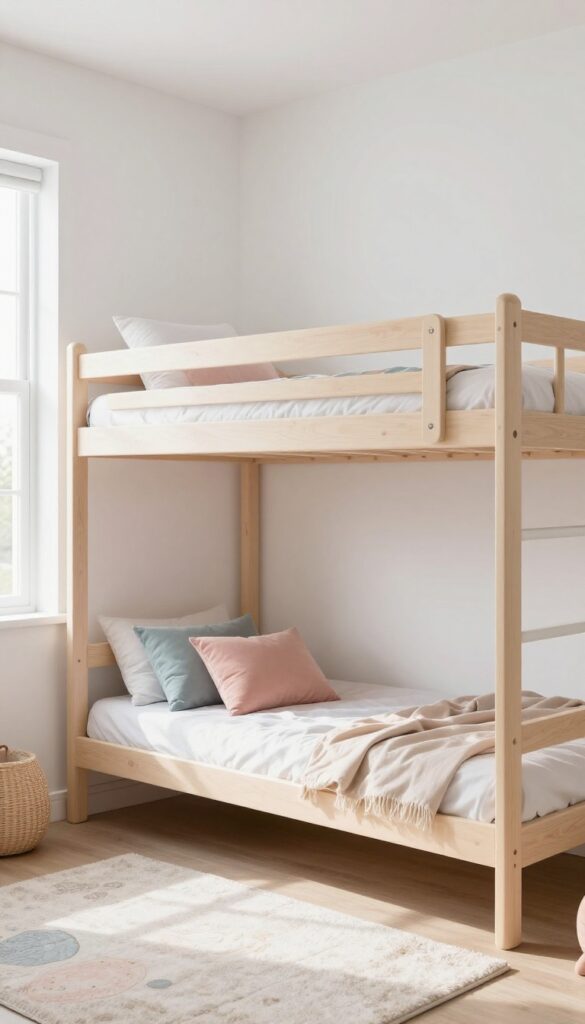
An L-shaped bunk bed fits snugly into a corner, creating two distinct sleep zones that feel more like separate nooks than stacked bunks. The lower bed often sits perpendicular, leaving room underneath for a small play area or extra storage cubbies. In a small shared room, this layout makes the most of an awkward corner while giving each child a defined spot that feels partly their own.
Why It Works
The L-shape uses corner space that might otherwise go wasted, and the perpendicular arrangement gives each bed a sense of privacy. The open area under the top bunk can hold a low bookshelf, a tiny desk, or a cozy reading nook, adding function without eating into floor space.
Best For
This setup is ideal for siblings who share a small room and need separate sleeping areas without sacrificing play or storage space. It works especially well in rooms with a large, empty corner that can anchor the whole layout.
Styling Tip
Keep the color palette light and consistent to prevent the corner from feeling heavy. Use matching bedding in soft neutrals or pastels, and add a small rug under the lower bed to define the zone. A wall-mounted reading light above each mattress keeps the look clean and practical.
6. Pegboard Walls for Flexible Organization
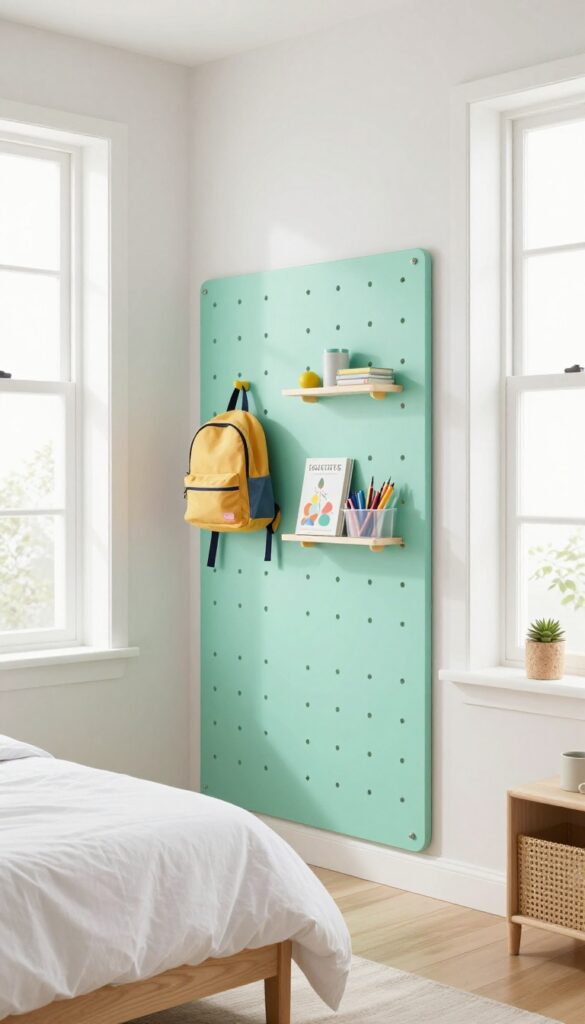
A pegboard wall is one of those ideas that looks like a design statement but works like a storage powerhouse. Paint the board in a cheerful color—maybe a soft mint or pale coral—and mount it on a single wall. Then let the accessories do the rest: hooks for backpacks and jackets, small shelves for books or trophies, and clear bins for art supplies.
The best part? You can rearrange everything in minutes as your child’s interests shift from dinosaurs to doodling.
Why It Works
Pegboards keep clutter off the floor and surfaces, which is a huge win in a small bedroom. Because you can swap out hooks and shelves without tools, the system grows with your child—no need to buy new furniture every year. Plus, the customizable layout means you can dedicate zones for homework, hobbies, or daily essentials.
Best For
This idea shines in tight spaces where every inch counts, like a shared room or a narrow corner. It’s also perfect for crafty kids who need easy access to supplies, or for families who want a low-commitment storage solution that can evolve over time.
Styling Tip
Choose a pegboard color that complements the room’s palette—try a pastel for a playful look or a bold hue for a focal point. Mount it at your child’s eye level so they can reach everything. To keep it from feeling cluttered, group similar items together and leave some negative space around the board.
7. Window Seat with Hidden Storage
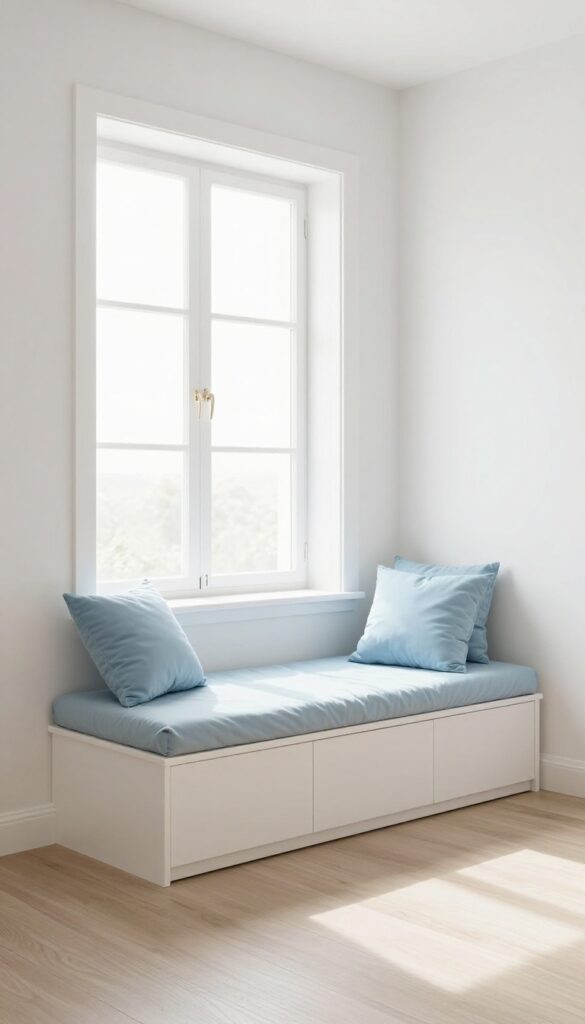
A window seat instantly turns an ordinary window into a destination. In a kids' room, it becomes a perch for daydreaming, a landing zone for shoes, or a quiet reading corner. By adding a hinged top, you unlock hidden storage underneath—perfect for stashing toys, books, or extra bedding without cluttering the floor.
The low profile keeps the room feeling open and airy, while the built-in look adds custom charm without a major renovation.
Why It Works
This idea maximizes every inch of floor space by turning an often-underused area into a functional feature. The hidden storage keeps clutter out of sight, making the room feel larger and more organized. Plus, the seat itself invites relaxation and play, so it pulls double duty as both furniture and storage.
Best For
Small shared bedrooms where floor space is tight and every square foot counts. Also ideal for rooms with a large window that feels wasted—this turns it into a focal point. Works well for kids who love to read or need a quiet spot away from the main play area.
Styling Tip
Paint the seat the same color as the wall for a seamless, built-in look, or choose a contrasting shade to make it pop. Add a thick cushion in a washable fabric and layer in a few pillows for coziness. Keep the top clear of heavy decor so it stays easy to open.
8. Vertical Garden for a Touch of Green
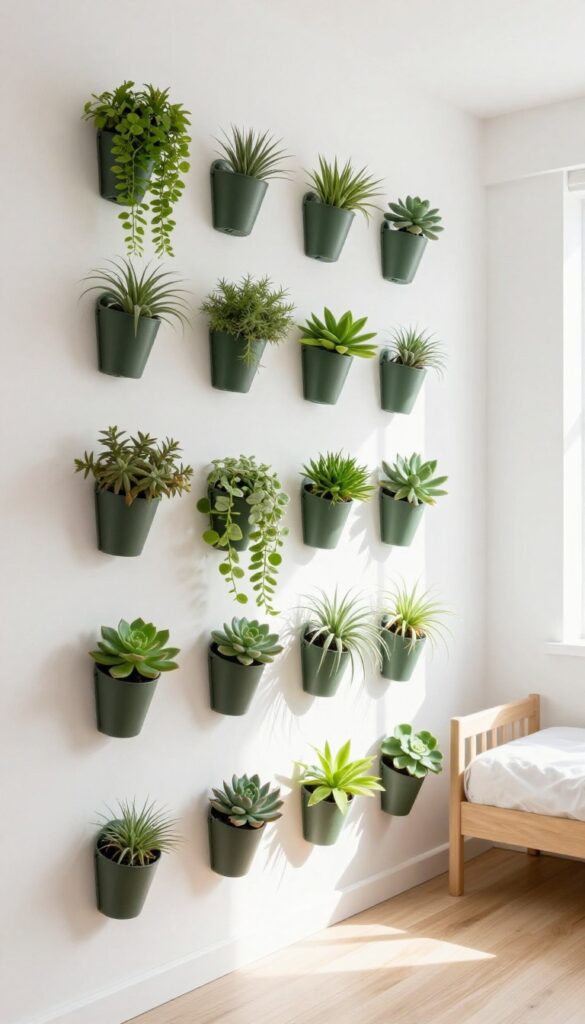
Kids’ rooms often feel incomplete without a bit of nature, but floor space is usually at a premium. A vertical garden solves that by taking plants off the floor and onto the wall, where they become living art. Think small wall-mounted planters or hanging fabric pockets filled with easy-care greenery.
The result is a fresh, lively corner that feels both playful and grown-up.
Why It Works
Vertical gardens add life and color without stealing precious square footage—perfect for tight bedrooms. They also improve air quality and give kids a fun, low-stakes introduction to plant care. The visual texture of leaves against the wall softens the room and makes it feel more organic.
Best For
This idea shines in small bedrooms where every inch counts, especially if your child loves nature but you can’t spare a shelf or table. It’s also great for rooms with blank walls that need a focal point without cluttering the floor.
Styling Tip
Stick with low-maintenance plants like succulents, air plants, or pothos. Arrange them in a staggered pattern or a simple grid for a clean look. Use neutral or pastel planters to keep the focus on the greenery, and place the garden near a window for natural light.
9. Multi-Functional Furniture: Bed with Trundle and Drawers
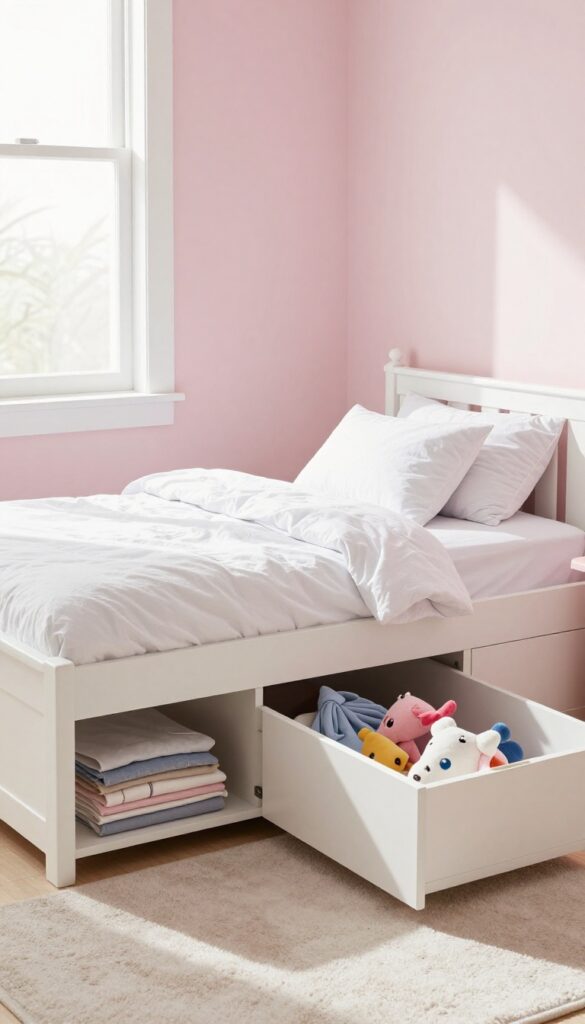
A twin bed with a pull-out trundle is a sleepover game-changer, and when you add built-in drawers underneath, it becomes a storage powerhouse. This setup is especially smart for small rooms where every square inch counts. The trundle slides out easily for guests, then tucks away to free up floor space during the day.
Why It Works
It combines two essential needs—extra sleeping space and storage—into one compact footprint. The drawers can hold bedding, clothes, or toys, reducing clutter elsewhere. Many designs also include a storage compartment in the trundle itself, doubling the organizational potential.
Best For
Small shared bedrooms, guest rooms that double as playrooms, or any room where you need to maximize function without sacrificing floor space. It's also great for kids who love having friends over but don't have a separate guest bed.
Styling Tip
Choose a bed frame in a light wood or white finish to keep the room feeling airy. Dress the trundle with a coordinating quilt and a couple of pillows so it looks intentional when pulled out. Add a soft rug underneath to define the sleeping zone and make the trundle feel cozy.
10. Magnetic Wall for Art and Notes
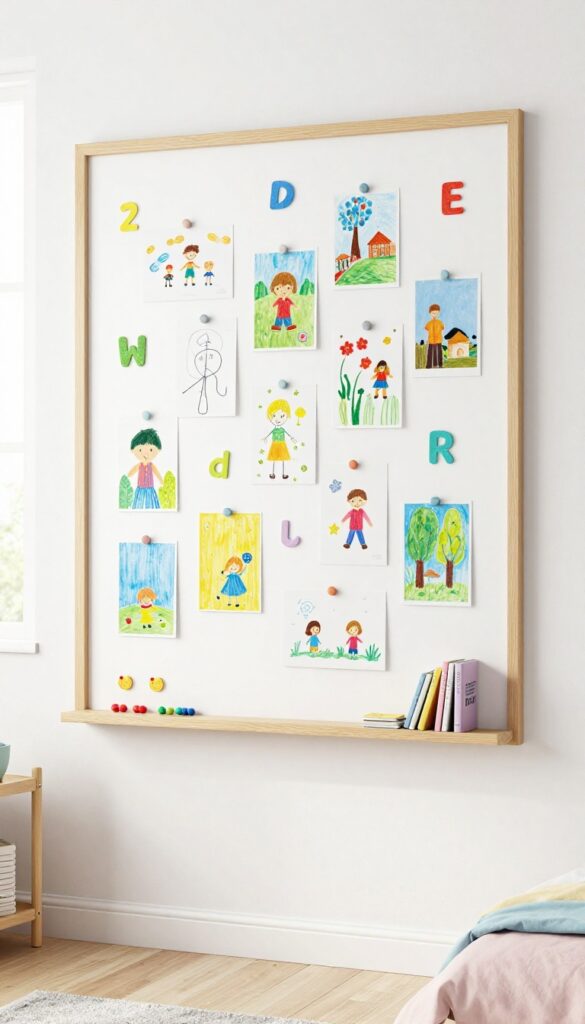
A magnetic wall turns blank square footage into an interactive, rotating gallery. Paint one section of the room with magnetic primer and top it with a color that matches the rest of the decor. Kids can clip up their latest drawings, hang photos, or practice spelling with magnetic letters.
The display changes as often as their interests do, keeping the room feeling fresh without adding clutter. In a small bedroom, this trick also saves floor and desk space by eliminating the need for a separate bulletin board or art storage system.
Why It Works
It gives kids ownership over their space without creating a mess. Art and notes stay contained on one wall, so the rest of the room stays tidy. Plus, it's easy to update — just swap out pieces whenever inspiration strikes.
Best For
Small bedrooms where every inch counts. It works especially well in shared rooms, because each child can have their own section of the wall to personalize without taking up extra floor area.
Styling Tip
Frame the magnetic area with a thin wooden border or paint it in a contrasting color to make it feel like a built-in feature. Add a small shelf underneath to hold extra magnets, clips, and a few favorite books.
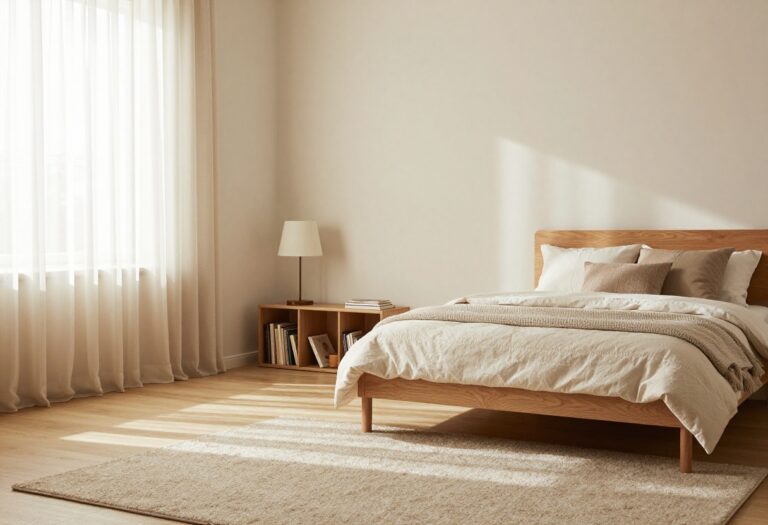
11. Corner Bookshelves That Double as Nightstands
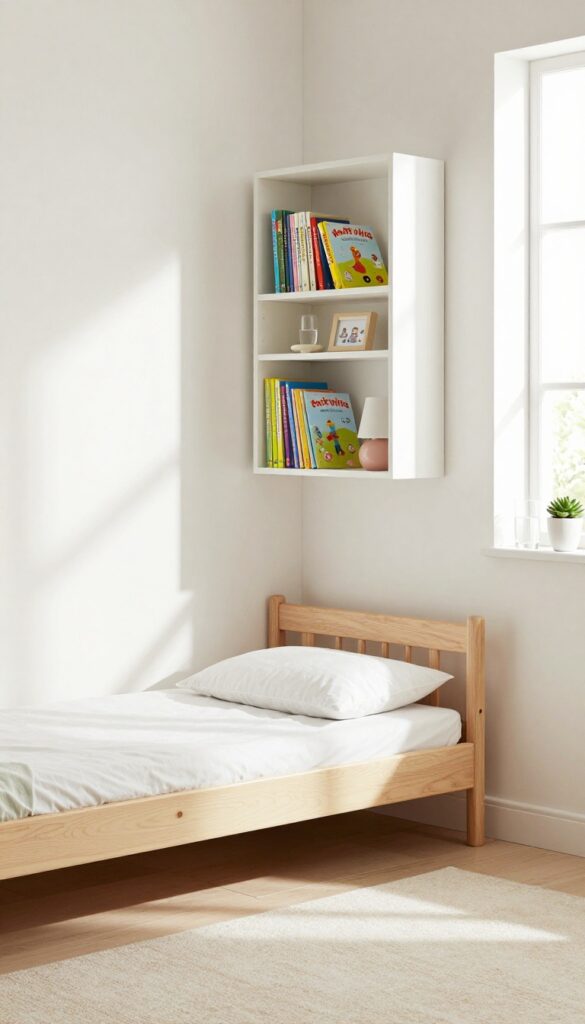
Tucking a corner bookshelf next to the bed is one of those small-space tricks that feels almost too simple to be this effective. Instead of squeezing a bulky nightstand into a tight spot, you get vertical storage that holds everything you need—a reading lamp, a stack of bedtime stories, and a water glass—without taking up precious floor area. The result is a bedroom that breathes easier, with an airy, open feel that makes even the smallest room seem larger.
Why It Works
By going vertical, you reclaim floor space that would otherwise be occupied by a traditional nightstand. The shelves keep books and essentials within arm’s reach, while the open design prevents the room from feeling cluttered. It’s a smart way to add storage without sacrificing the clean, spacious look that makes a kid’s bedroom feel calm and organized.
Best For
This idea is perfect for small or oddly shaped bedrooms where a standard nightstand just won’t fit. It’s also great for shared rooms where each child needs their own bedside setup but floor space is limited. If your child loves to read before bed, the extra shelf space for books is a huge bonus.
Styling Tip
Choose floating corner shelves in a finish that matches the bed frame or trim for a built-in look. Keep the bottom shelf clear for the lamp and water, and use the upper shelves for a small plant, a framed photo, or a favorite toy. Stick to a neutral or pastel palette to maintain a light, airy vibe.
12. Hanging Storage for Small Items
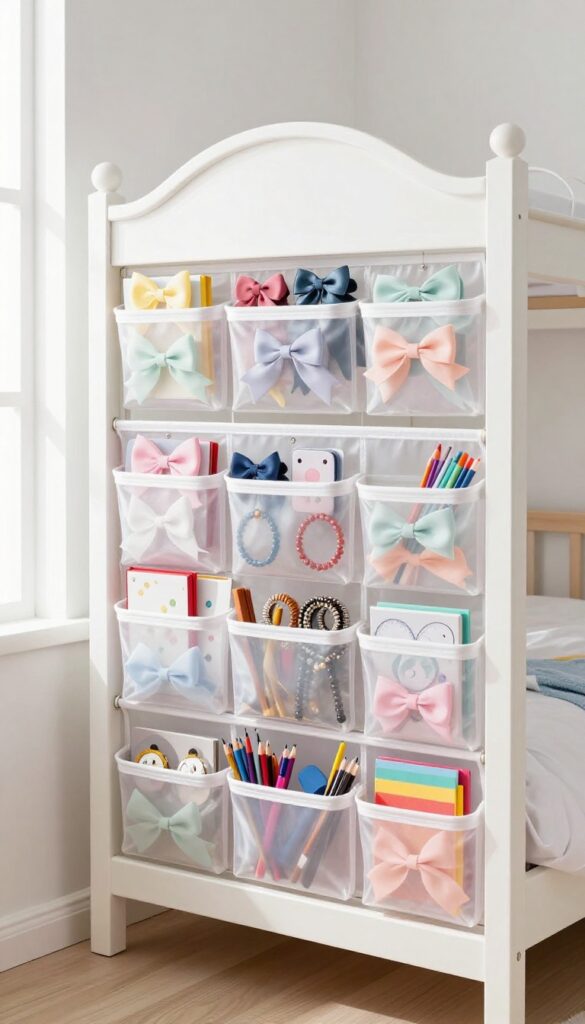
Small items have a way of taking over a room, especially in a shared kids' space where backpacks, shoes, and art supplies multiply overnight. Hanging storage turns unused vertical real estate into a tidy catchall zone. Think over-the-door organizers with clear pockets or soft fabric bins that keep everything visible and easy to grab.
The trick is choosing something that blends into the door rather than screaming for attention.
Why It Works
It uses space that would otherwise go to waste—the back of a door or an empty closet rod. By keeping small items off the floor and out of drawers, you reduce clutter without adding bulky furniture. Plus, kids can actually reach and return their own things, which makes cleanup feel less like a chore.
Best For
Small shared bedrooms where floor space is precious and every square inch counts. It's also ideal for kids who have lots of tiny accessories, like hair bows, jewelry, or trading cards, that tend to get lost in traditional storage.
Styling Tip
Stick to neutral or pastel fabric bins to keep the look cohesive. If you use clear pockets, group items by color or type—like all hair ties in one pocket, all bracelets in another—so the door becomes a functional piece of decor.
13. Color-Coded Bins and Labels
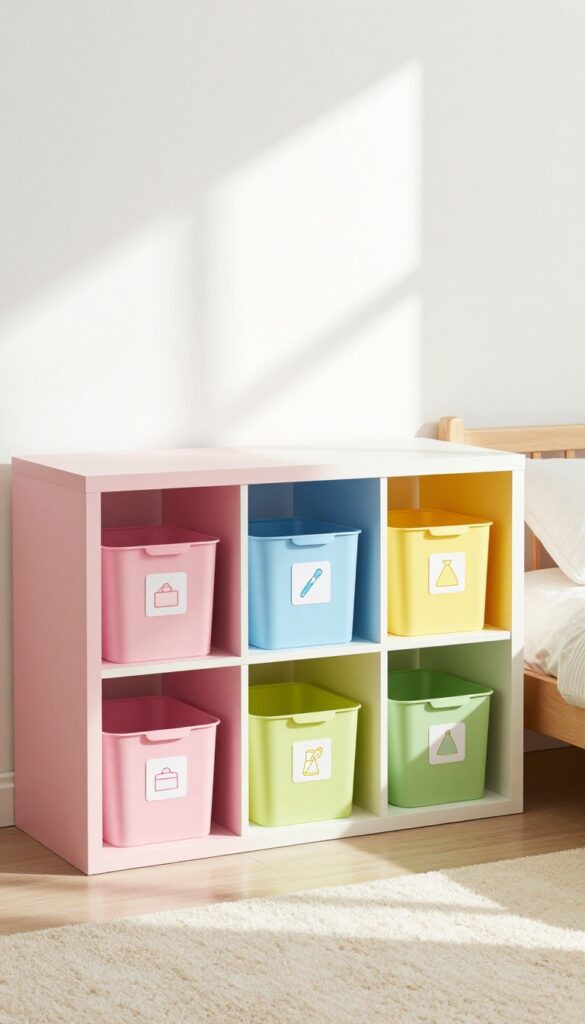
A rainbow of bins might sound like a recipe for visual chaos, but when you stick to a coordinated palette and add clear labels, it becomes a streamlined system that even preschoolers can follow. In a small bedroom, this approach turns clutter into a deliberate design feature—each bin pulls double duty as storage and decor. The key is choosing bins in a limited color family (like pastels or primary hues) so the overall look feels intentional, not scattered.
Why It Works
Color coding taps into kids' natural visual memory, making cleanup faster and more independent. Labels (with pictures for non-readers) reinforce the system without requiring constant parental reminders. In a tight space, this method maximizes every inch of shelf or cubby because nothing gets lost or forgotten.
Best For
Small shared bedrooms where two kids need separate storage zones, or a single child's room with limited closet space. It's especially effective for toy-heavy rooms where categories like blocks, art supplies, and dress-up clothes tend to blend into one big mess.
Styling Tip
Use clear or white bins as a base, then add colored washi tape or paint a stripe on each bin to match the label category. Keep labels simple and uniform—a label maker or handwritten tags on adhesive chalkboard paper work beautifully. Arrange bins on low open shelving so little ones can reach everything without climbing.
FAQ
How can I make a small kids' bedroom feel bigger?
Use light, neutral colors on walls and large furniture. Incorporate mirrors to reflect light, choose furniture with legs to create an airy feel, and keep the floor clear with wall-mounted storage.
What's the best bed for a small shared kids' room?
Bunk beds or loft beds are great space-savers. L-shaped bunks fit corners well, and trundle beds offer extra sleeping space without taking up floor area during the day.
How do I organize toys in a small bedroom?
Use vertical storage like wall shelves, pegboards, and hanging organizers. Rotate toys to keep only a few out at a time, and use labeled bins so kids can help clean up.
Can I have a desk in a small kids' room?
Yes, consider a fold-down wall desk or a desk that fits under a loft bed. A small corner desk or a lap desk that stores away can also work well.
What colors work best in a small kids' bedroom?
Soft pastels, light grays, and warm whites make the room feel larger. You can add pops of color through accessories, bedding, and artwork without overwhelming the space.
Conclusion
Decorating a small kids' bedroom doesn't mean sacrificing style or function. With a bit of creativity and the right furniture choices, you can craft a space that feels both playful and practical. The key is to think vertically, choose multi-purpose pieces, and involve your child in the process to make the room truly theirs.
Remember, the best kids' rooms grow with them. Start with a flexible foundation, then layer in personality through easy-to-change elements like bedding, wall art, and accessories.