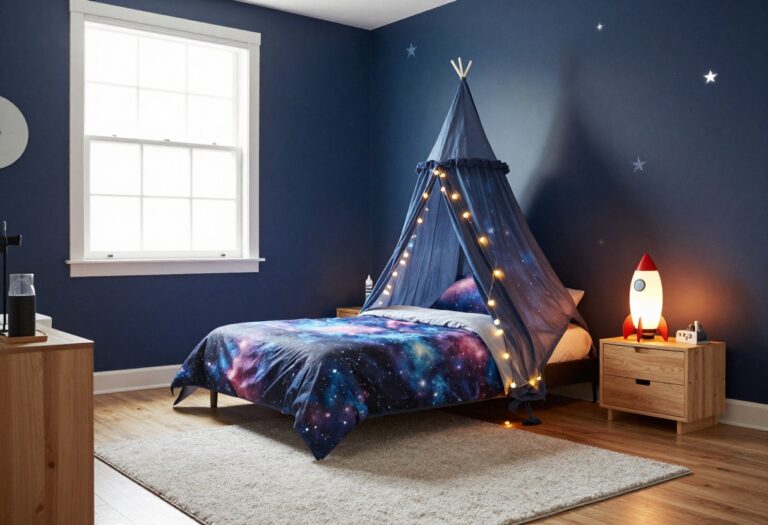
12 Modern Kids Bedroom Ideas That Feel Clean, Cozy, and Totally Livable
Modern doesn't have to mean cold. In fact, some of the coziest kids' bedrooms we've seen lean into clean lines and neutral palettes without losing an ounce of warmth. The trick is layering in soft textures, warm wood tones, and just the right amount of personality.
These 12 ideas are designed for real homes. They're stylish enough to inspire a full room makeover but practical enough to pull off in a weekend.
Whether you're starting from scratch or just refreshing a few details, each concept keeps comfort and function front and center. Think of this as a toolkit for creating a space that feels both modern and inviting.
1. Low-Profile Platform Beds with Built-In Storage
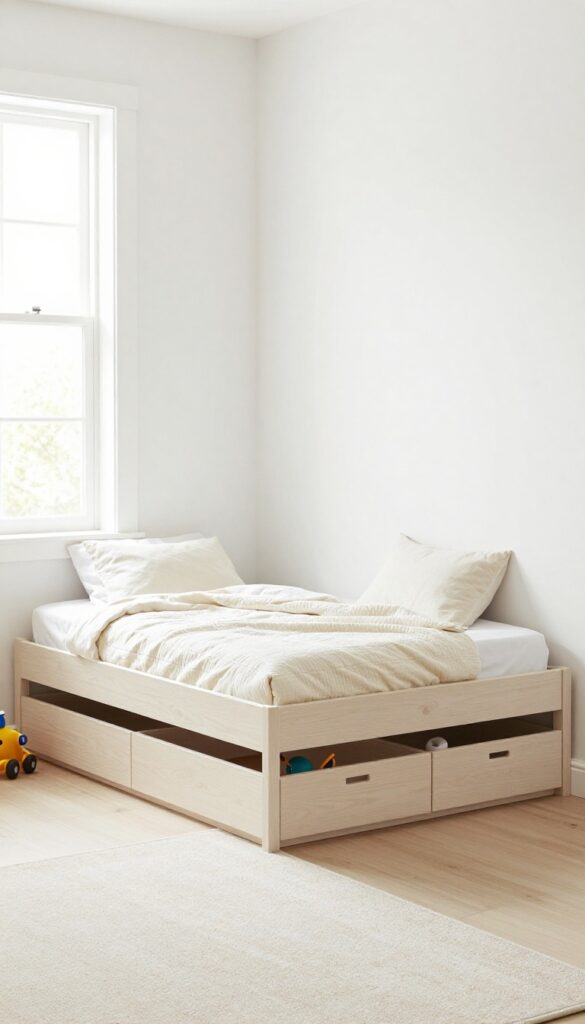
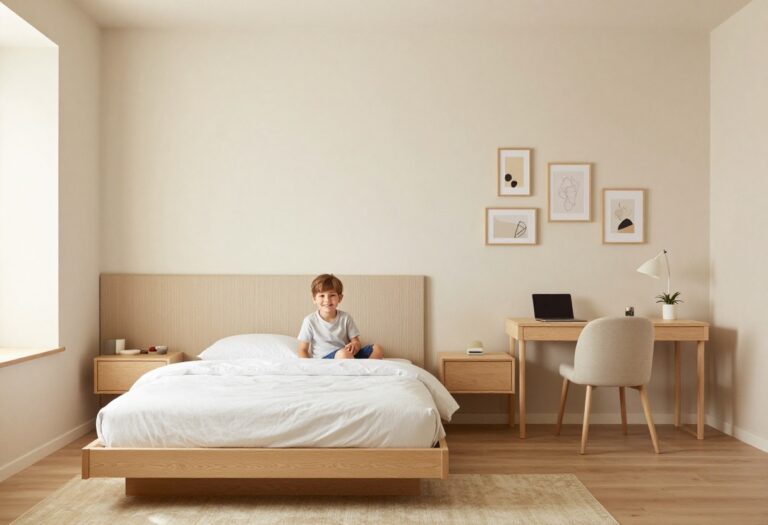
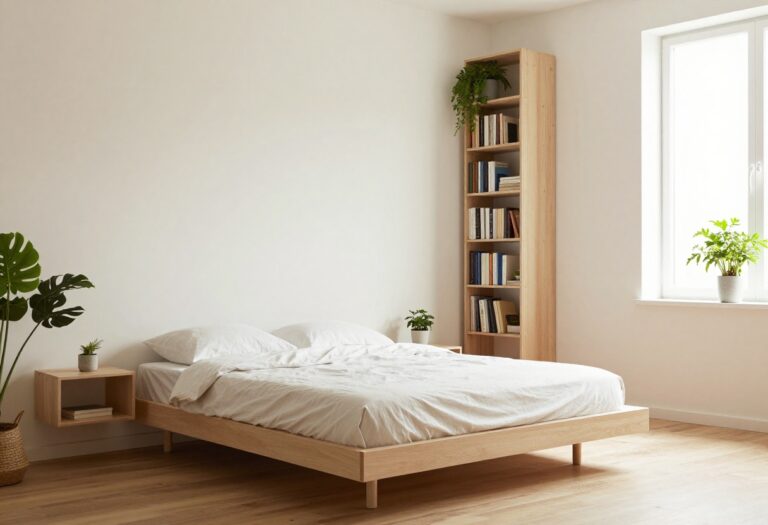
A low platform bed does more than just save visual space—it completely changes the room's energy. By keeping the bed close to the ground, you eliminate the heavy, boxy feel of a traditional frame and let the room breathe. The built-in drawers underneath are a lifesaver for stashing everything from extra blankets to art supplies, all while keeping the floor clutter-free.
It's the kind of smart, minimalist move that makes a small room feel bigger and a tidy room feel calmer.
Why It Works
The low silhouette draws the eye horizontally, making ceilings feel higher and the room more spacious. Drawers replace the need for a separate dresser, freeing up valuable floor area for play or study. Plus, kids love the easy access—they can grab their own toys or pajamas without help.
Best For
Young children who are transitioning from a crib to a big-kid bed, or any room where floor space is tight. It's also ideal for families who want to reduce visual clutter and keep the room feeling serene and grown-up.
Styling Tip
Choose a platform in a light wood tone like birch or white oak to keep the look airy. Layer on a simple quilt or woven blanket in a neutral color, and add one or two soft pillows. A low-profile bed frame works best with a streamlined mattress—skip the thick pillow-top for a cleaner line.
2. Soft Neutral Walls with a Single Popsicle Accent
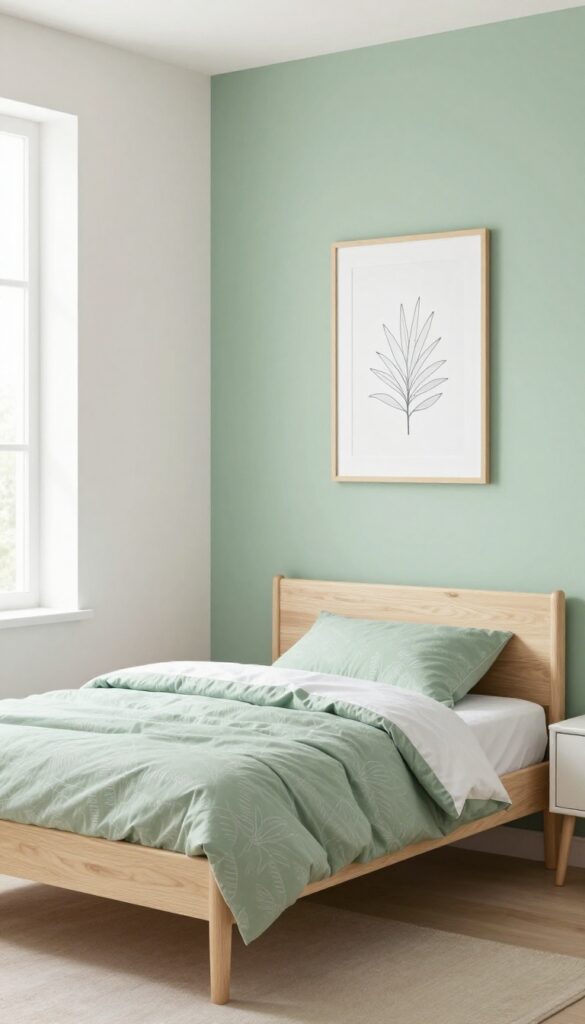
A single accent wall in a muted pastel—think sage, blush, or powder blue—keeps the room feeling modern and calm without going full rainbow. The other three walls stay warm off-white or pale beige, so the color feels intentional, not chaotic. This approach gives the room personality while keeping the overall look clean and airy, which is exactly what a modern kid's bedroom needs.
Why It Works
One accent wall adds visual interest without overwhelming the space, making the room feel curated rather than busy. The soft pastel tones are sophisticated enough to grow with your child, and the neutral backdrop keeps the room flexible for future decor changes.
Best For
This idea works well for any age, from toddler to teen, and especially for rooms that get plenty of natural light. It's also a great choice if you want a pop of color but are nervous about committing to a full room of bold paint.
Styling Tip
Stick with light wood or white furniture to let the accent wall stand out. Add a rug or bedding that picks up the accent color in a subtle pattern, and keep wall decor minimal—maybe a single framed print or a simple shelf—to maintain the clean, uncluttered feel.
3. Floating Shelves as Art and Storage
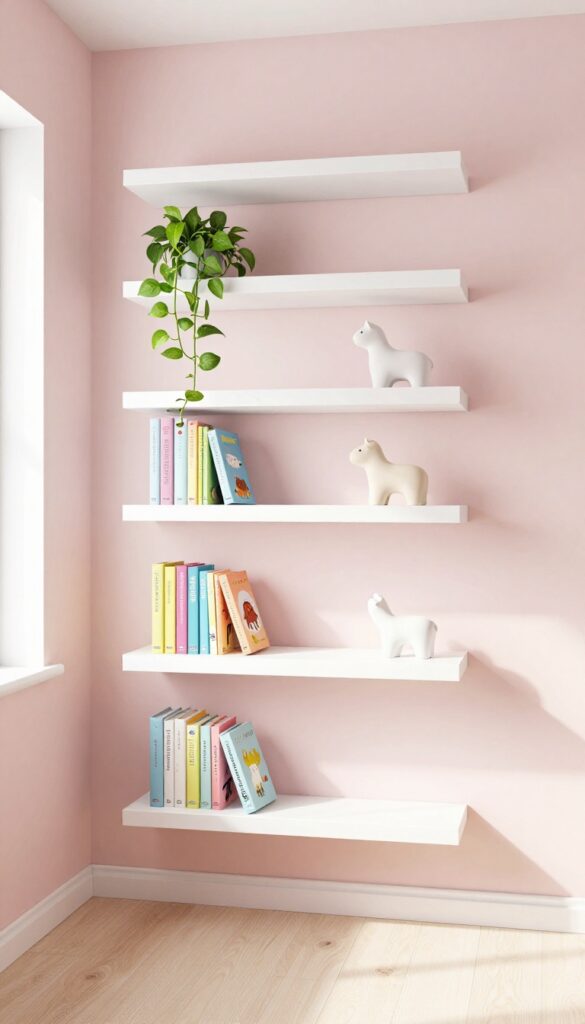
Wall space is prime real estate in a kid's room, and floating shelves turn it into a functional gallery. By mounting a row of shelves at staggered heights, you create visual rhythm while keeping the floor wide open. This setup lets you swap out books, plants, and treasures as your child grows, so the room evolves without a full redesign.
Stick to a cohesive color palette—like white shelves with pastel accents—to keep the look calm and collected.
Why It Works
Floating shelves eliminate bulky furniture, freeing up square footage for play and movement. The staggered layout adds architectural interest without clutter, and because everything is displayed at eye level, it feels intentional rather than chaotic. It’s a smart way to blend storage with decor that actually gets used.
Best For
This idea shines in smaller bedrooms where floor space is precious, or in rooms that double as a play area. It’s also great for kids who love to rotate their favorite items—shelves make swapping easy and mess-free.
Styling Tip
Mix books with a few sculptural objects like a small ceramic animal or a trailing pothos plant. Keep the color scheme limited to two or three tones, and leave some negative space on each shelf to avoid a crowded look.
4. A Cozy Reading Nook in a Corner
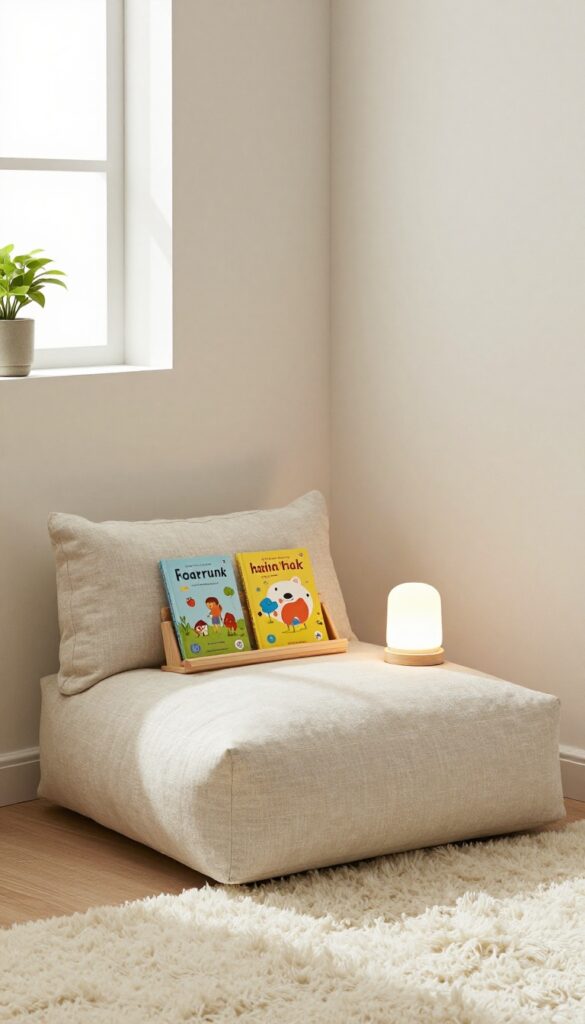
Every kid deserves a little hideaway, and a corner of the bedroom is the perfect spot to create one. A floor cushion, a small wall-mounted shelf, and a clip-on reading light transform an unused nook into a personal retreat. Add a soft rug and a few pillows, and you have a cozy space for unwinding with a book or just daydreaming—without sacrificing precious square footage.
Why It Works
This idea makes use of dead space that often goes empty, turning it into a functional zone that encourages quiet time. It's low-cost and easy to set up, and because it's tucked into a corner, it doesn't disrupt the room's flow or take away from play or sleep areas.
Best For
Perfect for small to medium-sized kids' rooms where every inch matters. It works especially well in rooms with an awkward corner that's too small for furniture but big enough for a cozy seat.
Styling Tip
Choose a floor cushion in a soft, washable fabric like cotton or linen, and layer it with a small sheepskin or faux fur rug for extra texture. Mount a slim shelf at arm's reach to hold a few favorite books, and use a warm-toned clip-on light to create a soft glow that invites relaxation.
5. Minimalist Bunk Beds with Clean Lines
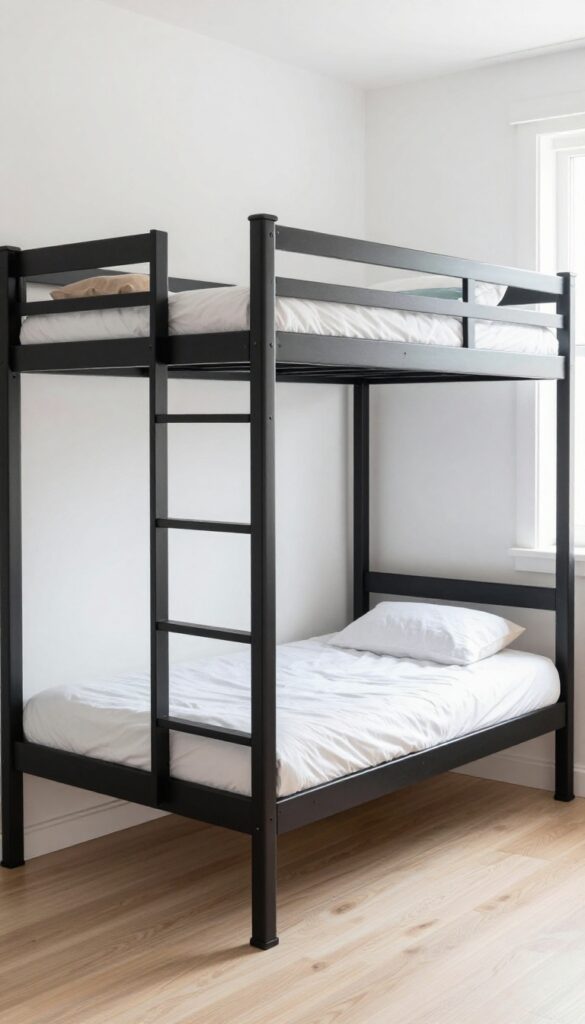
Bunk beds often feel bulky or overly themed, but a minimalist approach changes that. Simple metal or wood frames with straight lines and no extra frills keep the look modern and airy. Built-in ladders and guardrails add safety without visual clutter, making the room feel calm and organized.
Why It Works
A streamlined bunk bed reduces visual weight in the room, which is especially important in shared kids' spaces. The clean lines draw the eye upward, making the ceiling feel higher, while the lack of ornate details keeps the overall aesthetic serene and easy to pair with other furniture.
Best For
This style works well for siblings sharing a room or for sleepover-friendly setups. It's also great for small rooms where you need two sleeping spots without sacrificing floor space for play or storage.
Styling Tip
Stick with solid-color bedding in soft neutrals or muted pastels to maintain the minimalist vibe. Add one or two small pillows for comfort, but avoid too many patterns or stuffed animals on the beds to preserve that clean, uncluttered look.
6. Textured Rugs for Warmth and Softness
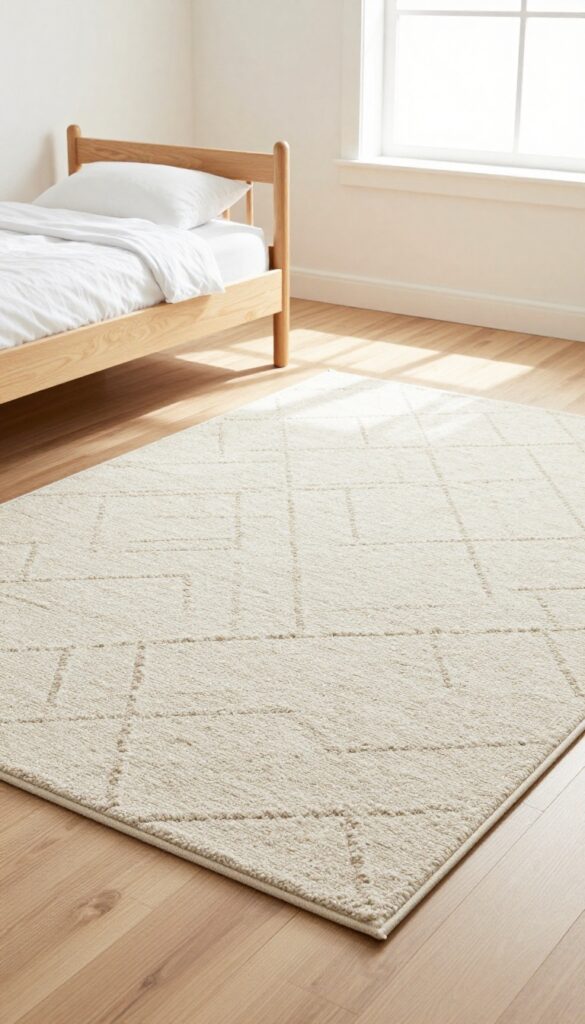
A rug can do more than define a play zone — it can make the whole room feel softer, quieter, and more inviting. In a modern kid's bedroom, a chunky wool or cotton rug brings warmth underfoot and absorbs the inevitable noise of toys and footsteps. The trick is to choose a neutral tone with a subtle pattern, like stripes or geometric shapes, so it anchors the space without competing with the rest of the decor.
Why It Works
A textured rug adds a layer of comfort that's hard to beat, especially on hard floors. It cushions falls, muffles sound, and makes the room feel cozier instantly. The neutral palette keeps it flexible as the child grows, and the subtle pattern adds visual interest without overwhelming the clean, modern look.
Best For
This works well in any kids' bedroom, but it's especially great for rooms with hardwood or tile floors. It's also a smart choice for shared rooms where you want to define separate play or sleep zones without adding bulky furniture.
Styling Tip
Go for a rug that's slightly larger than the bed or play area so it extends beyond the furniture. Pair it with a low-pile or flatweave rug under the bed for easy vacuuming, and layer a smaller faux fur or sheepskin rug on top for extra texture and a cozy reading spot.
7. Wall-Mounted Desks for Homework Zones
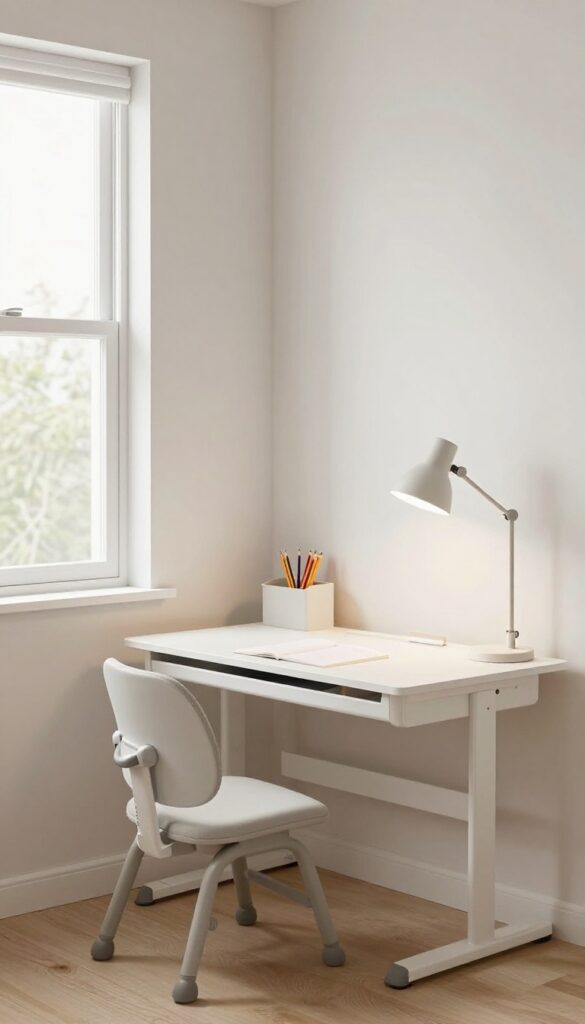
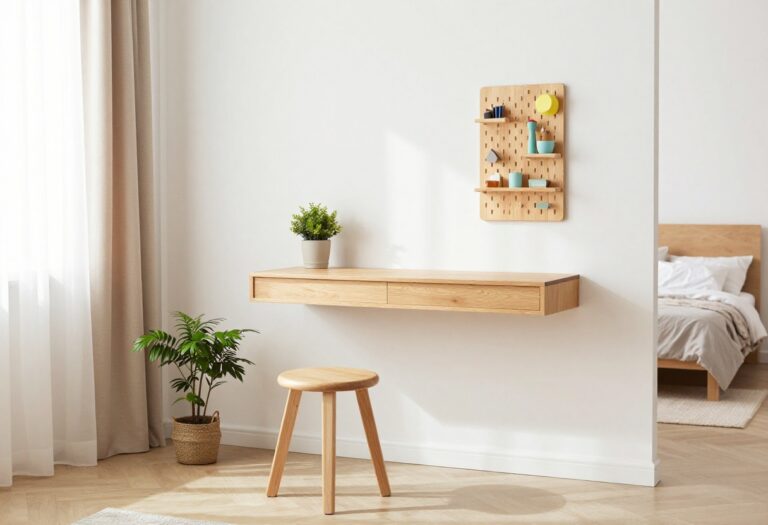
A wall-mounted desk turns an awkward corner or narrow wall into a dedicated homework station without eating into play space. These slim profiles work especially well in shared rooms where every square foot matters. The clean lines keep the room looking uncluttered, and when you choose a fold-down style, the desk practically disappears when not in use.
Why It Works
By mounting the desk on the wall, you free up floor area that a traditional desk would occupy. This makes the room feel larger and more open, while still providing a defined spot for focused work. The built-in look also adds a custom touch that feels intentional and polished.
Best For
This idea is perfect for small kids' bedrooms, shared rooms, or any space where floor space is tight. It also works well in rooms with an unused wall or corner that needs purpose. Great for school-aged children who need a consistent homework area.
Styling Tip
Pair the desk with a compact, ergonomic chair that can slide under the desk when not in use. Add a small caddy or wall-mounted organizer for pencils and paper. A task lamp with adjustable arm provides focused light without taking up desktop space.
8. Blackout Curtains in Soft, Solid Colors
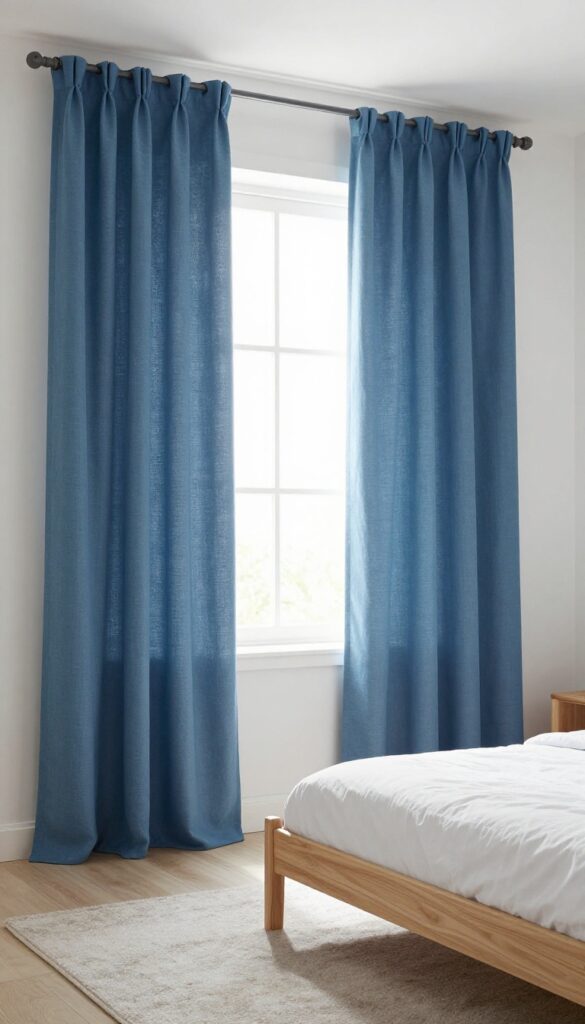
Light control matters more than you think in a kid's room. Bright mornings and streetlights can disrupt sleep, but blackout curtains solve that without looking clinical. Floor-length panels in matte linen or cotton in cream, gray, or dusty blue add a soft, finished look while keeping the room dark and cozy.
The key is choosing solid colors and natural fabrics that blend into the modern, clean aesthetic you've built.
Why It Works
Blackout curtains block up to 90% of light, helping kids fall asleep earlier and stay asleep longer. The matte fabric and muted tones avoid the shiny, plastic look of cheap blackout options, so the room feels calm and put-together rather than utilitarian.
Best For
Rooms that face east or west where morning or afternoon sun floods in. Also great for kids who are sensitive to light or need a darker environment for naps and early bedtimes.
Styling Tip
Hang the curtain rod as high as possible—close to the ceiling—and let the panels brush the floor. This trick makes the window look taller and the room feel more spacious. Pair with a simple linen valance if you want a softer top edge.
9. Open Wardrobes with Matching Hangers
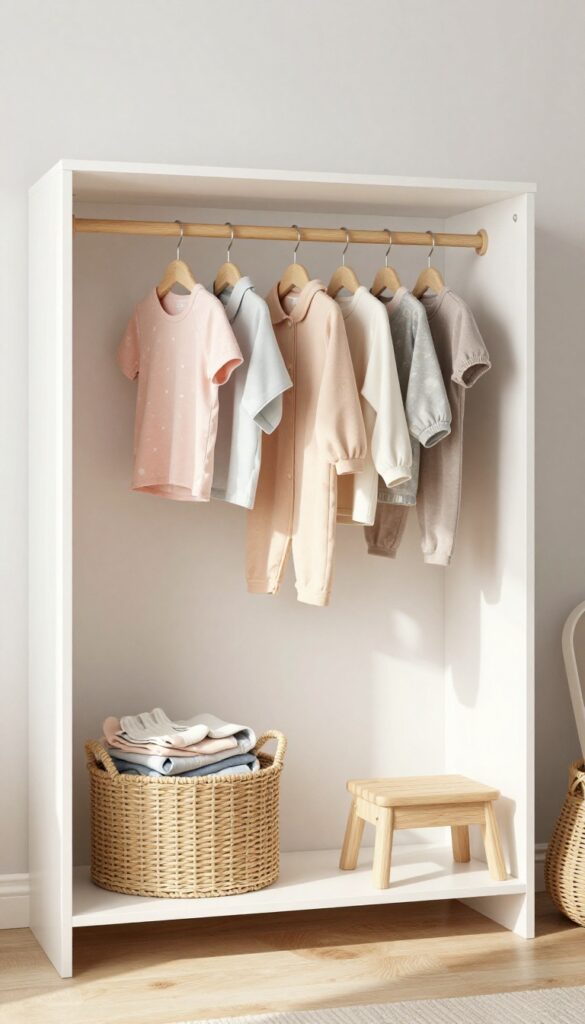
An open wardrobe rail instantly makes a small bedroom feel larger and more intentional. By skipping the bulky doors and using a low rod, you create a display that's both practical and visually clean. Matching hangers tie the whole look together, turning clothes into part of the decor rather than clutter.
Why It Works
Open storage forces you to edit and organize, which naturally keeps the room tidy. The low rod lets kids reach their own clothes, building independence, while baskets hide folded items like pajamas or socks. The uniform hangers create a streamlined, boutique-like feel that fits the modern aesthetic.
Best For
This idea works well in smaller kids' rooms where a full closet would feel overwhelming. It's also great for families who want to teach organization early, since everything is visible and easy to put away.
Styling Tip
Stick to one type of hanger—wooden for a warm look, velvet for a soft touch. Add a small stool or step stool nearby so little ones can reach the rail safely. Keep the color palette neutral so the clothes become the main accent.
10. A Single Statement Pendant Light
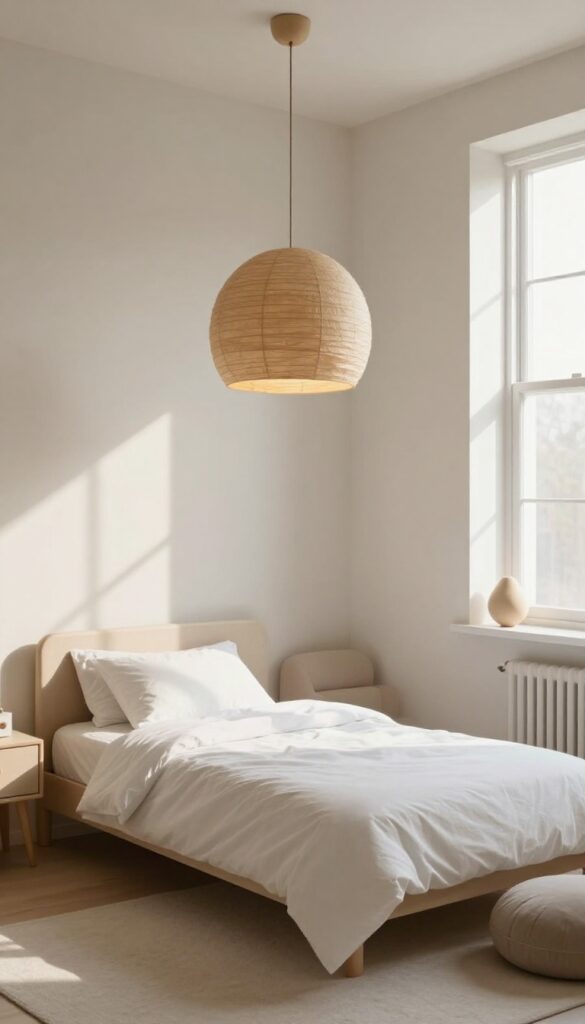
Overhead lighting often gets overlooked in kids' rooms, but swapping a basic flush mount for a sculptural pendant can change the whole feel of the space. A single pendant hanging low over a reading nook or centered in the room becomes a visual anchor. It adds personality without taking up any floor or shelf space, keeping the room clean and open.
Why It Works
A statement pendant draws the eye upward, making the room feel taller and more intentional. It provides focused task light for reading or play, and the simple shape keeps the look modern and uncluttered. Because it's just one piece, it's easy to coordinate with the rest of the decor.
Best For
This idea works well in rooms where floor space is limited or where you want to define a specific zone, like a reading corner or a desk area. It's also great for rooms with low ceilings, as hanging a pendant slightly lower can create a cozy, intimate feel.
Styling Tip
Choose a pendant in a natural material like wood or paper for warmth, or go with matte black or white metal for a sleek look. Hang it 30 to 36 inches above a table or chair, and keep the cord or chain tidy with a ceiling hook or canopy cover.
11. Gallery Wall of Kid Art in Simple Frames
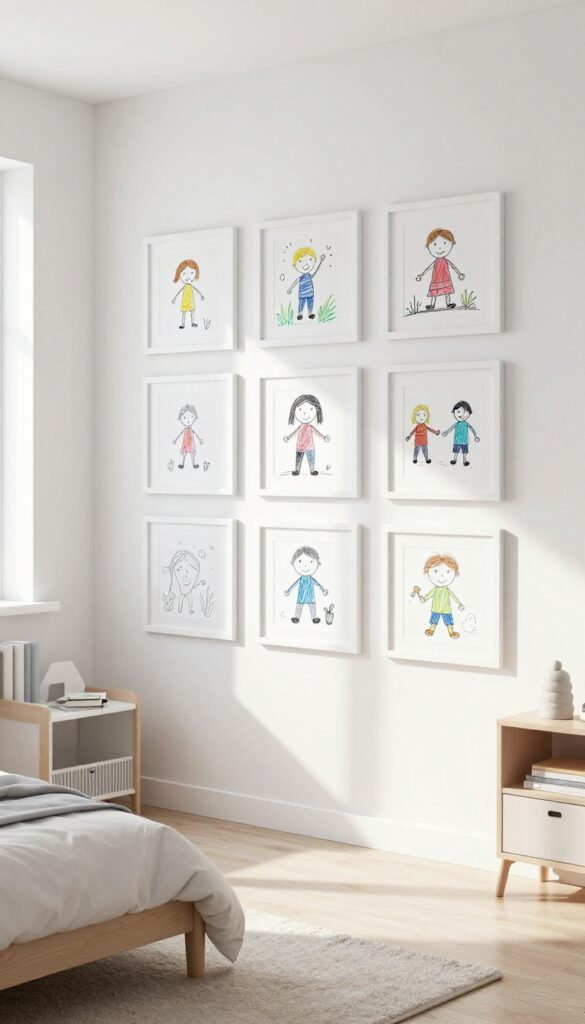
Kids bring home a constant stream of drawings, and it's tempting to tape them all to the fridge. But with a dedicated gallery wall, those masterpieces become part of the room's decor instead of visual clutter. Using matching white or wood frames keeps the look clean and intentional, so the focus stays on the art itself.
The best part? You can swap pieces in and out whenever a new favorite appears, keeping the wall fresh without any extra effort.
Why It Works
A gallery wall gives your child's artwork a designated spot, which cuts down on paper clutter elsewhere. The uniform frames create a cohesive, polished look that fits right into a modern, clean aesthetic. It also sends a message that their creativity is valued, boosting their confidence while keeping the room tidy.
Best For
This idea works well for kids of any age who love to draw or paint. It's especially great for shared rooms where you want to display each child's work without it feeling chaotic. The simple frames also transition nicely as your child grows and you swap in photos or prints later.
Styling Tip
Stick to one frame style and size for a grid layout, or mix two sizes for a more organic cluster. Hang frames at your child's eye level so they can easily add and swap art. Use removable adhesive strips to avoid damaging walls, and keep a small stash of extra frames ready for new masterpieces.
12. Layered Bedding with Quilts and Throw Pillows
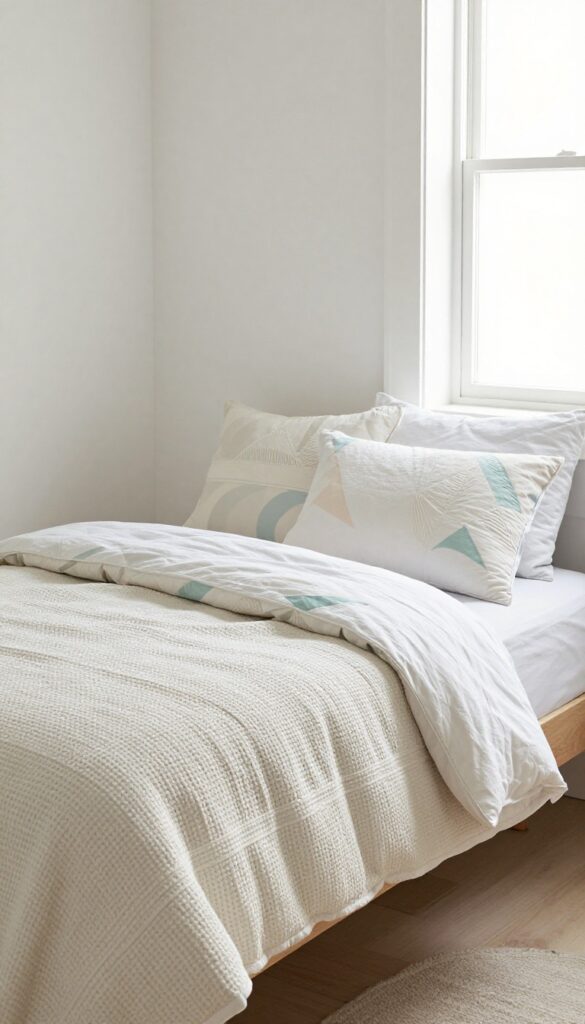
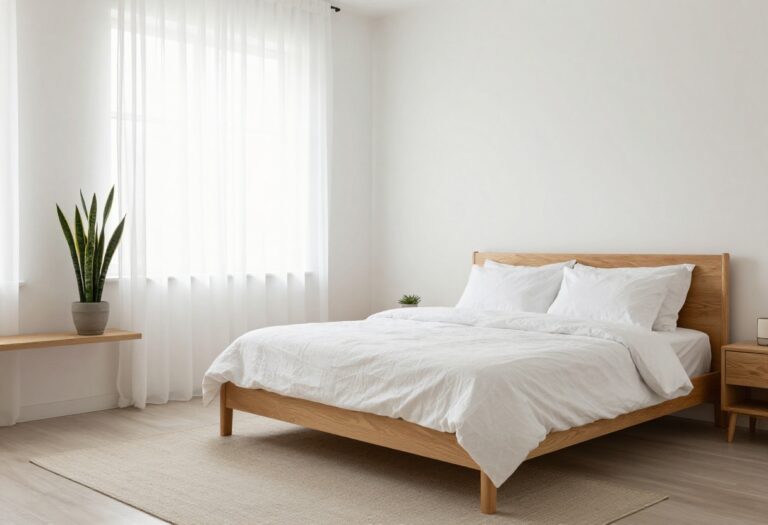
A neatly made bed can set the whole tone of a modern kids' room. Layered bedding does exactly that—it adds depth, softness, and a polished feel without going overboard. Start with a fitted sheet in a neutral color, add a lightweight quilt, and finish with one or two small throw pillows.
Stick to two or three coordinating tones. It makes the bed look inviting and feels cozy without being fussy.
Why It Works
This approach keeps the bed visually interesting while remaining easy for kids to manage. The layers add warmth and texture, but the limited palette prevents visual clutter. It's a simple way to introduce pattern or color without committing to a loud duvet cover.
Best For
This works well in shared rooms where each bed needs its own personality, or in any child's room where you want a calm, grown-up feel. It's also great for transitioning a toddler bed to a big-kid bed.
Styling Tip
Choose a quilt with a subtle geometric pattern or a solid in a soft pastel. Keep throw pillows small and firm—ones that are easy to toss aside at bedtime. A textured knit blanket at the foot adds extra coziness.
FAQ
How do I keep a modern kids bedroom from feeling too cold?
Layer in warm textures like a chunky rug, linen curtains, and wooden furniture. Soft lighting and a few personal touches — like framed art or a favorite stuffed animal — add warmth without cluttering the clean look.
What colors work best for a modern kids bedroom?
Neutrals like white, beige, and gray form a calm base. Add soft pastels or muted earth tones for accents. Avoid overly bright or busy patterns to keep the space feeling serene.
How can I make a small kids bedroom feel modern and spacious?
Use low-profile furniture, floating shelves, and wall-mounted desks to free up floor space. Stick to a light color palette and choose multi-functional pieces like beds with built-in storage.
What type of lighting is best for a modern kids room?
Layer overhead, task, and accent lighting. A statement pendant provides ambient light, a clip-on lamp works for reading, and a dimmer switch lets you adjust brightness for different activities.
How do I incorporate my child's personality without sacrificing the modern look?
Let their favorite colors or interests show through in easily changeable items like bedding, art, or a small rug. Keep the larger furniture and wall colors neutral so the room can evolve with them.
Conclusion
A modern kids bedroom doesn't have to be stark or impersonal. With a few intentional choices — like soft textures, smart storage, and a restrained color palette — you can create a space that feels both stylish and genuinely cozy.
Start with one or two ideas that resonate most, and build from there. The best rooms grow with your child, adapting to new interests and needs while keeping that clean, calm foundation intact.