How to Clean Closet Spaces Using 15 Simple Sorting Tips
Your closet doesn't have to be a source of daily frustration. With the right approach, you can turn it into a space that actually helps you start your day smoothly. The secret isn't buying more bins or shelves—it's learning how to sort effectively.
Sorting is the foundation of any successful closet cleanout. When you know exactly what to keep, donate, or toss, the whole process becomes faster and less overwhelming. These 15 tips will guide you through every step, from emptying your closet to maintaining the order long-term.
Think of this as your personal roadmap to a clutter-free closet. No complicated systems, just practical, actionable advice that works for any space, big or small.
1. Empty Everything First
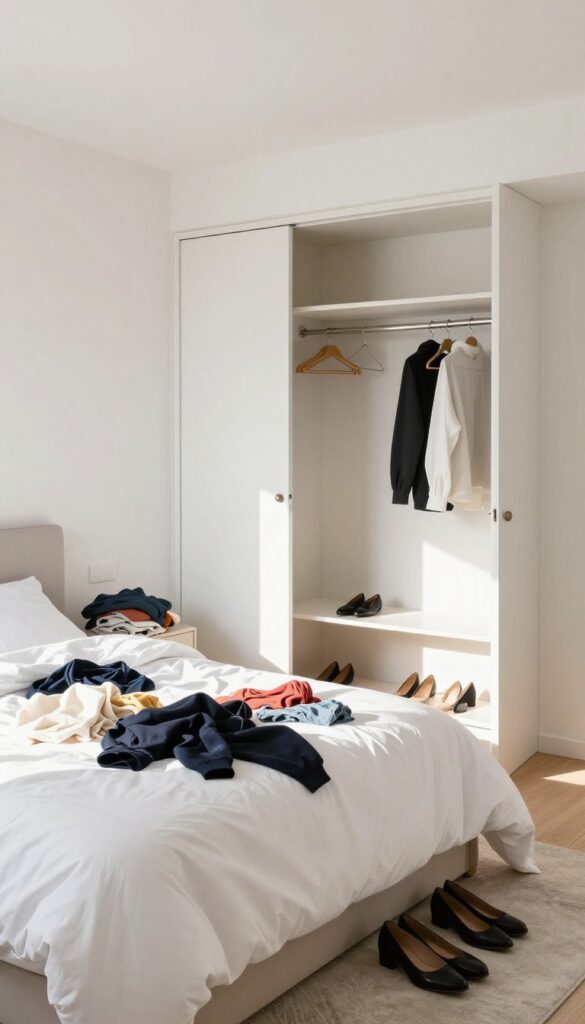
Before you can organize, you need to see exactly what you're working with. Pulling everything out might feel like making a bigger mess, but it's actually the fastest way to gain control. This blank slate lets you assess each item without anything hiding in the shadows.
Grab a clear space—your bed, the floor, or a clean area nearby—and start piling everything from your closet onto it. Yes, everything. Shoes, hangers, accessories, and that forgotten sweater in the back corner.
This step forces you to confront the full volume of your wardrobe, which is often more than you realize. Once it's all out, you'll see the empty closet and feel a fresh start. Now you can begin sorting with intention, piece by piece.
Why This Step Matters
When clothes stay in the closet, it's easy to overlook duplicates, worn-out items, or pieces you never wear. Emptying everything removes those blind spots. You get a honest look at your collection, which makes decisions easier later.
How To Handle The Pile
Don't get overwhelmed by the mountain of clothes. Work in sections—start with one category like tops or pants. As you pull items out, group similar pieces together.
This sets you up for the next sorting tips.
2. Create Four Sorting Piles
Once your closet is empty, it's time to sort. The key is to have a clear home for every item before you start. Set up four containers—boxes, bags, or even just designated floor spots—labeled Keep, Donate, Trash, and Relocate.
This simple system prevents second-guessing and keeps the process moving.
As you handle each item, place it directly into the correct pile. Don't pause to think—trust your gut. If you hesitate, it usually means it belongs in Donate or Trash.
This method forces quick decisions and avoids the common trap of holding onto things out of guilt or nostalgia.
Keep Pile: Only What You Love And Use
The Keep pile is for items you wear regularly, that fit well, and that make you feel good. Be honest: if you haven't worn it in a year, it probably doesn't belong here. Exceptions include seasonal items like winter coats or formal wear, but keep those to a minimum.
Donate Pile: Give Your Clothes A Second Life
Anything in good condition that you no longer wear can go to donation. Check for stains or damage first—if it's not fit to give, it should go to Trash. Consider local charities, shelters, or clothing drives.
Donating makes letting go easier because you know your items will help someone else.
Trash Pile: Let Go Of The Unusable
Torn, stained, or worn-out items belong in the trash. Also toss mismatched socks, stretched-out underwear, and anything with broken zippers or holes. Don't hold onto things hoping to fix them later—if you haven't mended it by now, you probably never will.
Relocate Pile: Items That Belong Elsewhere
Some things end up in your closet but don't belong there—books, electronics, sentimental keepsakes. Set them aside in the Relocate pile to be put away in their proper place later. This keeps your closet focused only on clothing and accessories.
3. Use the One-Year Rule
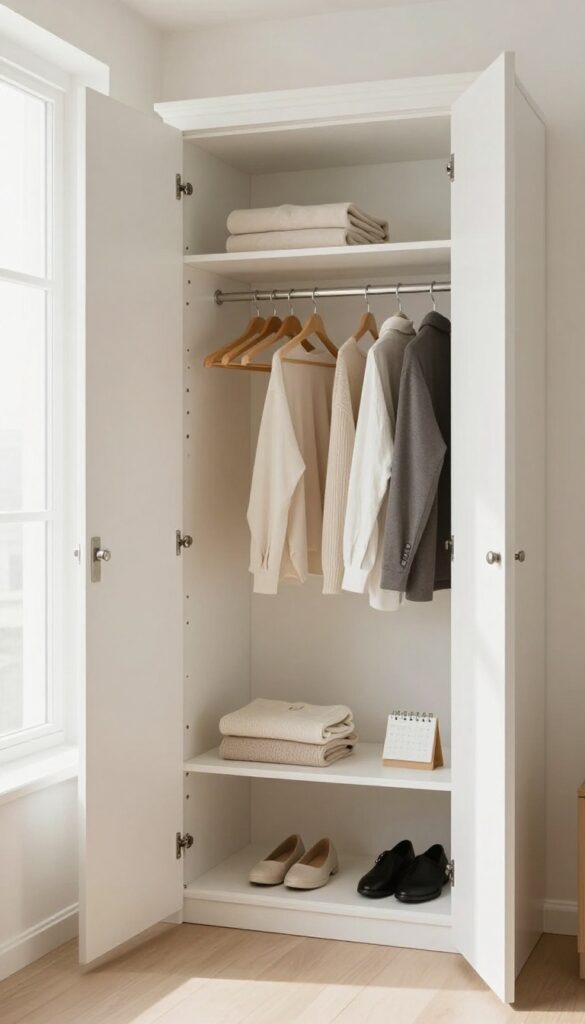
Let's be honest: if you haven't touched that sweater in 12 months, you probably never will. The one-year rule is a simple gut check that takes the guesswork out of decluttering. Excluding true seasonal items like heavy coats or swimsuits, anything unworn for a year is fair game for donation or toss.
This rule works because it's objective. Instead of debating sentimental value or "maybe someday, " you just check the calendar. It cuts decision fatigue and clears space fast.
Plus, it forces you to confront your actual habits—not your aspirational ones.
How To Apply It Fairly
Start with the obvious: formal wear, special occasion outfits, and seasonal gear get a pass. But everyday clothes, shoes, and accessories? If they've been hanging untouched for a year, they're taking up valuable real estate.
Flip hangers backward at the start of the year, then check which ones are still backward after 12 months.
What About Sentimental Items?
Sentiment is the biggest loophole people use to keep things they don't wear. If it's truly meaningful, keep it—but store it separately from your daily wardrobe. That way, your closet stays functional, and the memory piece doesn't clutter your routine.
The Exceptions That Make Sense
Some items genuinely deserve a pass: a classic wool coat you wear twice a year, a dress for holiday parties, or hiking boots for annual trips. The key is honesty. If you skipped that cocktail dress for three years straight, it's not seasonal—it's clutter.
4. Sort by Category, Not Location
Most people sort clothes by where they hang—shirts here, pants there. But that hides how many black t-shirts you actually own. Instead, pull everything out and group by category: all jeans together, all t-shirts together, all dresses together.
When you see every pair of jeans in one pile, duplicates become obvious. You might discover you have five almost-identical navy sweaters or three pairs of black trousers you forgot about. This clarity makes deciding what to keep much easier.
Plus, it helps you spot gaps—like realizing you have plenty of casual tops but no nice blouses for work.
Why Category Beats Location
Sorting by location keeps you stuck in your old closet layout. Category sorting forces you to evaluate every item on its own merits. It also prevents the common mistake of keeping something just because it was already in a certain spot.
How To Start Your Piles
Clear a large area—your bed or the floor works. Create separate piles for each major category: tops, bottoms, dresses, outerwear, shoes, accessories, and activewear. As you go, be honest: if an item is worn out or doesn't fit, move it to a donate or toss pile immediately.
What To Do With The Duplicates
Seeing five white button-downs is a wake-up call. Keep your favorite one or two and let the rest go. The same goes for any category where you have more than you need.
This step alone can cut your wardrobe size by a third.
5. Try the Hanger Trick
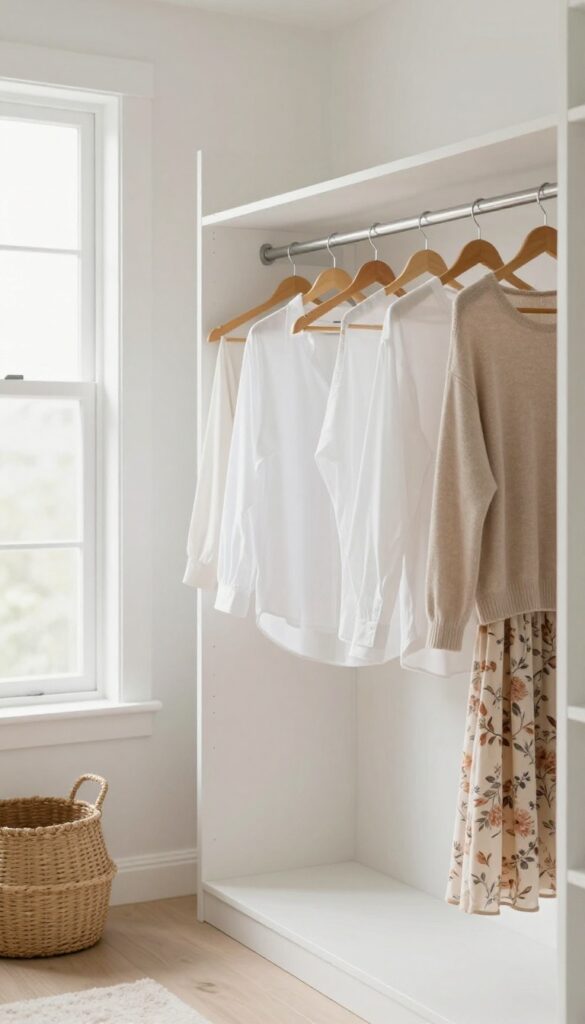
This simple trick gives you hard data on what you actually wear. No guessing, no guilt—just a clear visual of your habits. It's one of the easiest ways to decide what stays and what goes.
The hanger trick is a low-effort, high-impact method for identifying unused clothes. By reversing your hangers at the start of a season, you create a simple tracking system. After a few months, any hanger still backward signals an item that hasn't been worn.
This removes the emotional weight of deciding—the evidence speaks for itself.
How To Set It Up
Start by turning every hanger so the hook faces you. As you wear an item and put it back, return the hanger the normal way (hook facing away). That's it.
No extra notes or apps needed.
When To Review
Check your closet after three to six months. Anything still backward is a candidate for donation or sale. Be honest—if you haven't worn it in that time, you probably never will.
Why It Works
This trick removes decision fatigue. Instead of debating each piece, you let your actions decide. It's objective, easy, and surprisingly effective at revealing your true favorites.
6. Keep Only What Fits and Flatters

It's easy to hold onto clothes that don't quite work anymore. Maybe you're waiting to lose a few pounds, or you bought something trendy that never felt quite right. But every item that doesn't fit or flatter steals space and energy from the pieces you truly love.
Be honest with yourself about size and style. If something doesn't fit right or makes you feel bad when you put it on, it's time to let it go. Your closet should only contain clothes you love to wear—everything else is just clutter waiting to happen.
The Honest Fit Test
Try on anything you're unsure about. If it's too tight, too loose, or just uncomfortable, don't keep it hoping it'll change. Clothes that don't fit now won't magically fit later, and they'll only make you feel guilty every time you see them.
The Flattery Factor
Some pieces just don't bring out your best. If a top washes you out or a pair of pants makes you feel frumpy, it's not doing you any favors. Keep only what makes you feel confident and put-together.
The Emotional Attachment Trap
We all have that dress we wore to a special event or a gift from a friend. But if it no longer fits or flatters, it's just taking up space. Take a photo to preserve the memory, then donate the item so someone else can love it.
7. Separate Sentimental Items
Emotional clutter is often the hardest to part with. That faded concert tee from your first show or the scarf your grandmother knitted can stop a sorting session cold. The trick is to acknowledge the feeling without letting it derail your progress.
Set aside pieces that carry emotional weight as you encounter them. Don't try to decide their fate in the moment—that leads to indecision and keeps your closet full. Create a designated "sentimental pile" and move on.
Later, when you're in a clear-headed state, you can evaluate each item honestly. Ask yourself: Does this piece bring me joy when I wear it, or is it just the memory I'm attached to? If it's the latter, consider taking a photo and letting the item go.
For truly irreplaceable keepsakes, find a storage solution outside your daily closet—a memory box in the attic or a shadow box on the wall. This way, your closet stays functional while your memories remain safe.
Why Sentimental Sorting Stalls
When you see that old band shirt, your brain floods with nostalgia. Suddenly, you're reliving a great night, not sorting clothes. This emotional hijack makes it nearly impossible to make rational decisions.
By pulling sentimental items out of the main sorting flow, you protect your momentum and give yourself space to process later.
The Photo Test
Snap a picture of the item before you set it aside. This simple act often satisfies the emotional need to hold on. Later, when you look at the photo, you may realize the memory is enough—you don't need the physical object taking up closet space.
If you still want to keep it, at least you have a visual record for your digital memory box.
Designate A Memory Box
Choose a single bin or box for sentimental clothing you can't part with. Limit its size—once it's full, you must choose what stays and what goes. Store this box in an attic, under the bed, or on a high shelf.
Your closet should hold clothes you wear, not archives of your past. This boundary keeps your daily space clean while honoring what matters.
8. Use the KonMari Joy Check

Marie Kondo's famous question—"Does this spark joy? "—might sound a little woo-woo at first, but it's surprisingly effective when you're stuck on what to keep. The idea is simple: hold each item in your hands, pause, and notice how your body reacts.
If you feel a little lift of happiness or warmth, keep it. If you feel nothing or a slight drag, it's time to say thank you and let it go. This shifts the focus from guilt or obligation to what genuinely makes you happy.
This method works because it bypasses the logical arguments we make to keep things we don't need. Instead of asking "Will I wear this again? " (which your brain will always answer with a maybe), you tune into your gut feeling.
It's faster, more honest, and surprisingly liberating. Here's how to apply it to your closet cleanout.
Start With Easy Categories First
Don't try the joy check on your grandmother's heirloom sweater right away. Begin with obvious categories like socks, worn-out t-shirts, or accessories you never reach for. These low-stakes items let you practice the feeling of joy versus indifference.
After a few decisions, you'll get the hang of it and can move to trickier pieces.
Trust Your First Reaction
Your initial gut response is usually the most accurate. If you pick up a blouse and immediately think "ugh" or feel a sinking sensation, that's your answer. Don't overthink it or try to justify keeping it.
The KonMari method encourages you to honor that first spark—or lack thereof—and move on without guilt.
Thank And Release Without Regret
When you decide to let something go, take a moment to thank the item for its service. It might feel silly, but this small ritual helps you release attachment and avoid second-guessing. You're not throwing it away with resentment—you're acknowledging that it served its purpose and now it's time for someone else to enjoy it.
9. Sort by Color and Season
Once you've narrowed down your keepers, it's time to arrange them in a way that makes getting dressed effortless. Sorting by color and season not only creates a visually pleasing closet but also helps you quickly find what you need. This method works because it groups similar items together, making outfit coordination a breeze.
Arranging clothes by color and season transforms your closet into a functional and beautiful space. Start by separating items into warm-weather and cold-weather categories. Within each season, arrange by color—think rainbow order or group neutrals together.
This system saves time when you're rushing and keeps your closet looking tidy. Plus, it's easy to maintain once you get into the habit.
Seasonal Separation
Begin by pulling out everything that doesn't match the current season. Store off-season clothes in bins or under-bed containers. This instantly frees up half your closet space and reduces daily decision fatigue.
You'll only see what's wearable right now, which simplifies your morning routine.
Color Coordination
Within your seasonal section, hang or fold items by color. Start with whites and creams, then move through the rainbow: pinks, reds, oranges, yellows, greens, blues, purples, and finally blacks and grays. This visual order makes it easy to spot what you're looking for and creates a satisfying, organized look.
Maintaining The System
To keep your color and season sorting intact, make it a habit to return items to their designated spots after washing. When you buy new clothes, immediately place them in the correct seasonal and color section. A quick five-minute reset every few months will keep your closet functional and beautiful.
10. Designate a 'Maybe' Box
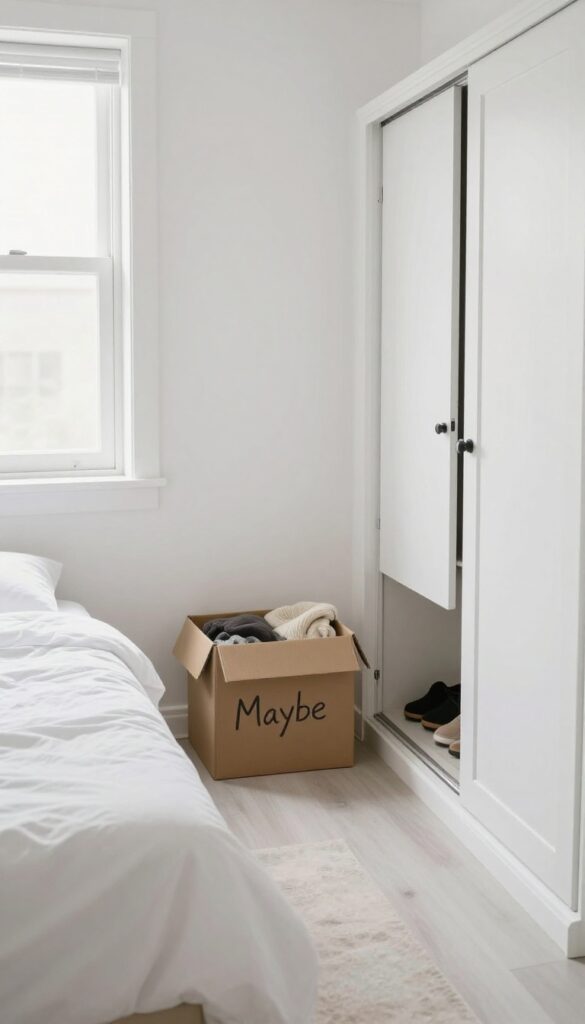
Decision fatigue can stall your entire closet cleanout. When you're torn between keeping and donating, the 'maybe' box gives you permission to pause without guilt. It's a temporary holding zone for items you're genuinely uncertain about.
Grab a sturdy box or bin and label it 'Maybe. ' Fill it with clothes, shoes, or accessories you're on the fence about. Seal it up and stash it somewhere out of sight—under the bed, in the garage, or on a high shelf. Set a reminder on your phone for three months from today.
When that date rolls around, take a look. If you haven't needed or missed anything from the box, donate the entire thing without opening it. This method removes the pressure of making an immediate decision and gives you real-world data on what you actually use.
Set A Firm Deadline
Pick a specific date three months out and mark it on your calendar. Without a deadline, the box might sit forever. Treat it like an experiment: you're testing whether those items earn their place in your life.
Resist The Urge To Peek
If you open the box before the three months are up, you'll second-guess yourself. Keep it sealed and out of sight. The whole point is to see if you naturally reach for any of those items.
If you don't, they're not essential.
Donate Without Regret
When the deadline arrives, resist the temptation to go through the box item by item. Just grab it and drop it off at a donation center. Trust the process—if you haven't needed something in three months, you likely never will.
11. Keep Accessories Visible
Belts, scarves, and bags often end up tangled in drawers or buried under piles. When you can't see them, you forget you own them. The fix is simple: give each accessory category its own home where it's easy to spot and grab.
Sorting accessories separately is a game-changer. Use hooks on the back of your closet door for belts and scarves. Clear bins or drawer dividers work well for smaller items like sunglasses and jewelry.
For bags, consider a shelf or a dedicated rack. The goal is visibility—when you see everything, you actually use it.
Hooks And Hangers
Install a row of hooks on a wall or inside a cabinet. Hang belts by the buckle, scarves by the loop, and even hats. For a cleaner look, use matching hangers with clips for scarves and ties.
Bins And Dividers
Drawer dividers keep small accessories from becoming a jumble. Use clear bins so you can see contents at a glance. Label them if you share the space.
Bag Storage
Store handbags upright on a shelf using bag shapers or pillows to maintain their shape. For smaller clutches, a tiered shelf or a hanging organizer works well.
12. Use Vertical Space for Shoes
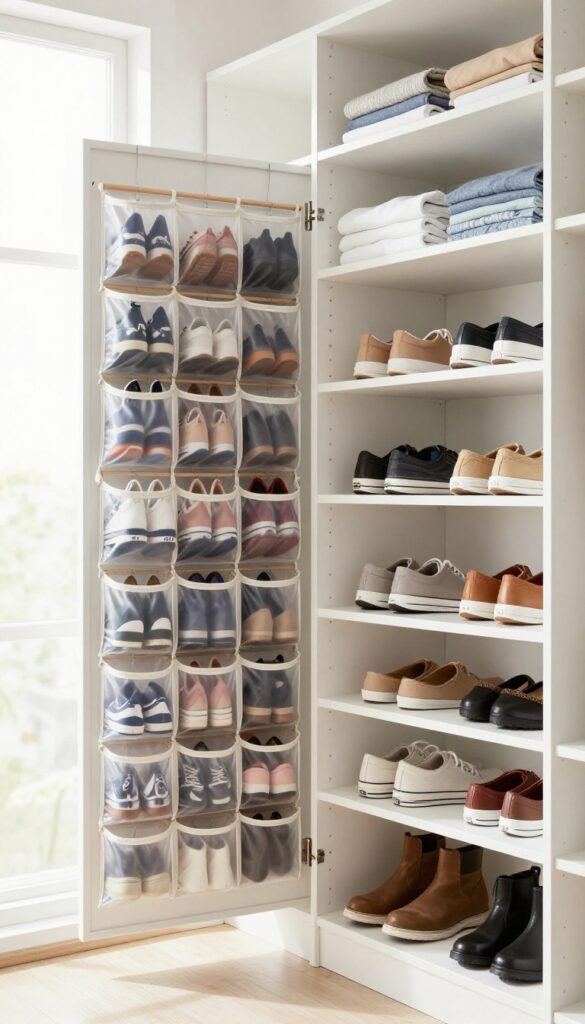
Shoes tend to pile up on closet floors, creating a tangled mess that makes it hard to find the pair you want. The trick is to stop stacking them horizontally and start using vertical space instead. Stackable shelves, over-the-door organizers, or hanging racks keep shoes off the floor and easy to see.
Sort them by type—like sneakers, boots, and heels—and then by how often you wear them.
When you lift shoes off the floor, you instantly free up valuable real estate and make your closet feel more spacious. Vertical storage also lets you see every pair at a glance, so you can grab what you need without digging through piles. Here are a few practical ways to make it work.
Stackable Shelves For Everyday Pairs
Stackable shoe shelves are perfect for sneakers, flats, and loafers. They fit neatly on existing closet shelves or on the floor, and you can add or remove tiers as your collection grows. Sort pairs by frequency of wear—keep your daily go-tos at eye level and seasonal shoes higher up.
Over-the-door Organizers For Variety
An over-the-door shoe organizer with clear pockets is a game-changer for smaller closets. It holds everything from sandals to ankle boots and lets you see each pair clearly. Use one side for casual shoes and the other for dressier options, or organize by color for a visually pleasing effect.
Hanging Racks For Boots And Heels
Hanging shoe racks with individual hooks or pockets work well for boots and heels that might not fit on standard shelves. Hang them on a closet rod or the back of the door. Sort by height or style so tall boots don't get crushed, and keep your most-worn heels within easy reach.
13. Rotate Seasonal Items
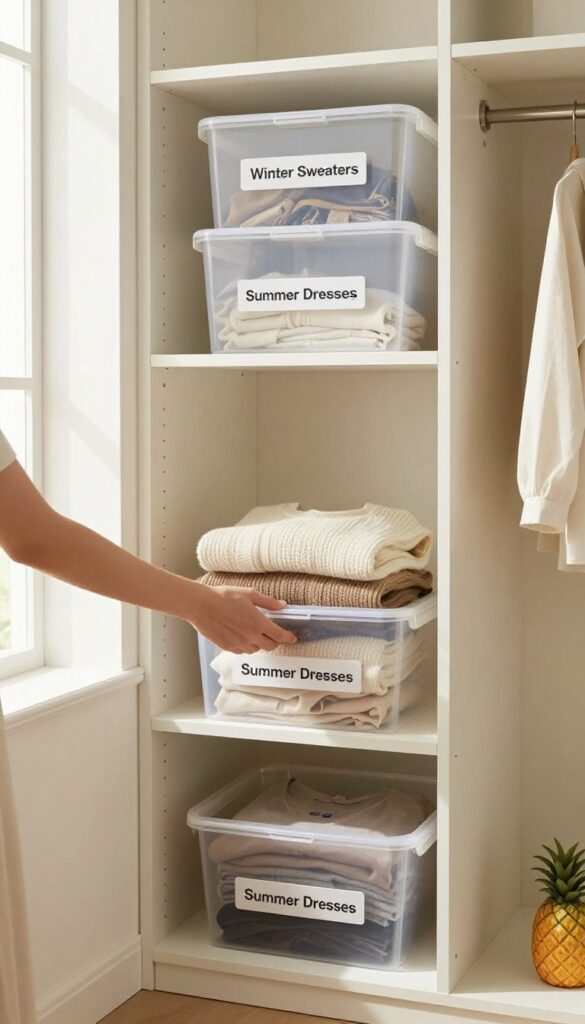
Seasonal rotation is one of the simplest ways to keep your closet from turning into a chaotic mix of parkas and tank tops. By storing off-season clothes out of the way, you free up space for what you actually wear right now. This habit also helps you rediscover items you forgot you owned, saving you from buying duplicates.
Rotating your wardrobe twice a year—spring and fall—keeps your closet current and prevents overcrowding. When you pull out the next season's clothes, you naturally reassess what still fits and what you love. This is also a perfect time to donate anything that didn't get worn last season.
Pick A Storage System That Works
Clear plastic bins are your best friend for seasonal storage. They stack neatly, protect clothes from dust, and let you see what's inside without opening every lid. Label each bin by season and category—like "Winter Sweaters" or "Summer Dresses"—so you can grab what you need in seconds.
Choose The Right Storage Spots
Under-bed storage is ideal for bulky items like sweaters and jeans. High shelves work well for lighter items like T-shirts and shorts. Avoid damp basements or hot attics, as extreme temperatures can damage fabrics.
If you're short on space, consider vacuum-seal bags for puffy coats and comforters.
Make Rotation A Habit
Set a calendar reminder for the first weekend of spring and fall. When you swap, take a minute to inspect each item for stains or damage before storing. This small routine keeps your closet fresh and your wardrobe ready for whatever weather comes next.
14. Maintain a 'One In, One Out' Rule
You've put in the work to sort and organize your closet. Now the real challenge begins: keeping it that way. The 'one in, one out' rule is a simple but powerful habit that prevents clutter from creeping back in.
Every time you bring a new item into your closet, commit to removing one old one. This keeps your collection in check and forces you to be more intentional about what you buy.
The beauty of this rule is its simplicity. It doesn't require any special tools or extra time—just a moment of thought before you hang that new shirt or place those new shoes on the shelf. Over time, it becomes second nature, and your closet stays as tidy as the day you finished sorting.
Plus, it helps you avoid the guilt of letting go of items because you're making room for something you genuinely love.
Make It A Habit, Not A Chore
The hardest part is remembering to do it consistently. Tie the rule to an existing habit, like when you unpack shopping bags or do laundry. Keep a donation box handy so you can drop the outgoing item immediately.
The less friction, the more likely you'll stick with it.
What Counts As 'out'?
Anything that leaves your closet counts—donations, gifts to friends, or even items you toss because they're worn out. The key is that it must leave your home, not just get shoved into another room. Be honest with yourself: if you haven't worn it in a year, it's a good candidate for the 'out' pile.
Apply It To All Categories
This rule works for clothes, shoes, accessories, and even hangers or storage bins. If you buy a new pair of jeans, donate an old pair. If you get a new scarf, let go of one you never wear.
Extending the rule to everything in your closet ensures balance across all categories.
Handle Gifts And Splurges
What about gifts or impulse buys? The rule still applies. If someone gives you a sweater you love, find something else to pass along.
If you splurge on a handbag, choose an older bag to rehome. This keeps your collection fresh and prevents emotional clutter from building up.
15. Schedule a Monthly Quick Sort

Even the best sorting system needs a little maintenance. A monthly quick sort prevents clutter from creeping back in and keeps your closet feeling fresh without requiring a full-day deep clean. Think of it as a 15-minute tune-up that saves you from future overwhelm.
Set aside 15 minutes each month to tidy up. A quick scan catches stray items and reinforces your sorting system without a major overhaul.
Pick A Date And Stick To It
Choose a consistent day, like the first Saturday of each month, and add it to your calendar. A recurring reminder makes it a habit rather than an afterthought. Even if you're busy, 15 minutes is short enough to fit into most schedules.
What To Look For
During your quick sort, focus on three things: items that wandered into the wrong category, pieces you haven't worn since last month, and anything that's damaged or stained. A quick glance at each shelf or section is enough to spot trouble.
Keep It Light And Fast
Don't overthink it. Grab a laundry basket for items to donate or relocate, and move through your closet section by section. The goal is maintenance, not perfection.
If something needs more attention, make a note for a future deeper sort.
FAQ
How often should I sort my closet?
A full sort is best done seasonally, but a quick monthly check helps maintain order. The 15-minute monthly sort from tip 15 is perfect for upkeep.
What do I do with clothes I want to donate?
Bag them up and drop them at a local charity, thrift store, or donation bin. Some organizations even offer pickup services for larger donations.
How can I stay motivated during a closet cleanout?
Set a timer for 30 minutes, play upbeat music, or reward yourself after finishing. Focusing on the end result—a calm, organized closet—also helps.
Should I keep clothes that might fit again someday?
It's better to let them go. If you lose or gain weight, you deserve to buy clothes that fit your current body and make you feel great.
What's the best way to store off-season clothes?
Use clear, labeled bins or vacuum-sealed bags. Store them under the bed, on high shelves, or in a spare closet to keep them clean and out of the way.
Conclusion
Sorting your closet doesn't have to be a dreaded chore. With these 15 tips, you can tackle the mess one step at a time and create a space that feels calm and functional. The key is to start small and be consistent.
Remember, the goal isn't perfection—it's progress.
Even applying just a few of these ideas will make a noticeable difference. Your closet should serve you, not stress you out. So pick a tip, get started, and enjoy the fresh, organized space you deserve.