15 Living Room Ideas Modern Spaces Can Style Cleanly
A clean, modern living room doesn't have to feel cold or empty. It's about making smart choices that keep the space open and inviting without sacrificing personality. Think streamlined furniture, thoughtful storage, and just the right amount of texture.
The key is balance. You want a room that feels calm and uncluttered, but also warm and lived-in. That means choosing pieces that earn their spot and letting a few curated details shine.
These 15 ideas will help you style your living room with a modern, clean aesthetic that still feels like home. No fuss, no fluff—just practical ways to make your space look and feel its best.
1. Start with a Neutral Base That Breathes
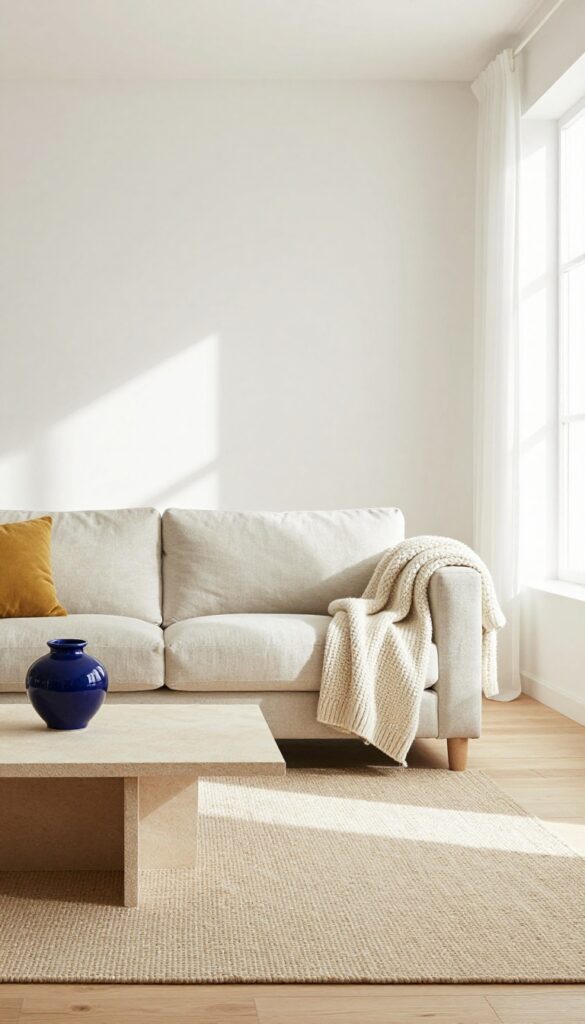
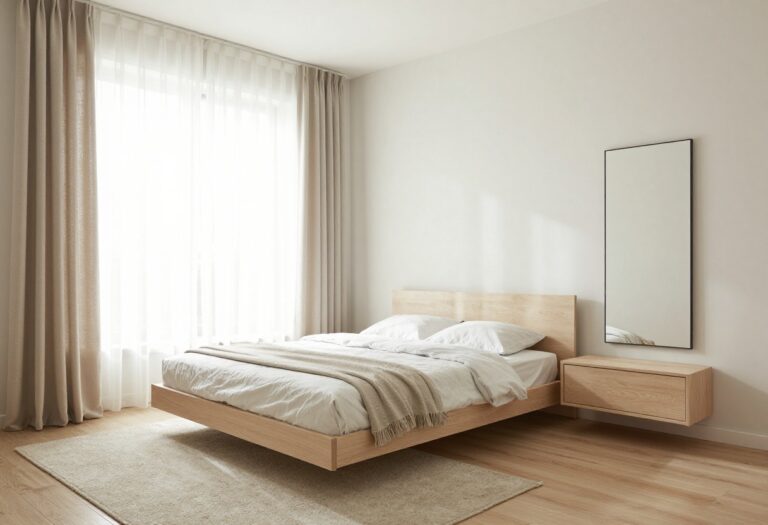
A calm, airy living room doesn't happen by accident. It starts with a foundation that feels open and uncluttered. By choosing soft whites, warm grays, or light beiges for walls and large furniture, you create a backdrop that lets the room breathe.
This neutral canvas makes it easy to layer in color later without the space feeling chaotic or busy. It's the kind of clean start that makes everything else look intentional.
Neutral doesn't mean boring. Think of it as a blank slate that gives you freedom. You can swap out pillows, throws, or art seasonally, and the room will always feel cohesive.
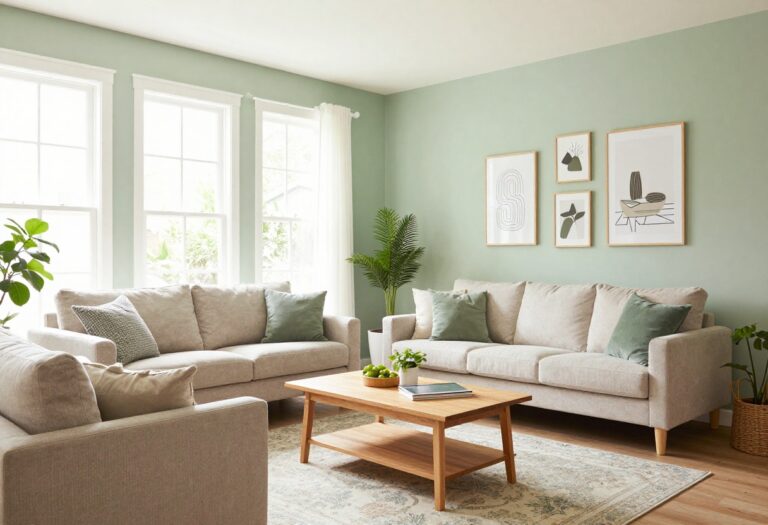
The key is to pick tones with subtle warmth—like a greige or a creamy white—so the space never feels cold or sterile. From there, you can add texture and personality through smaller pieces.
Best Colors
Stick with shades that have a hint of warmth: warm white, light taupe, or soft stone gray. Avoid stark whites or cool grays that can feel clinical. Test samples on your wall at different times of day to see how the light changes the undertone.
Texture Mix
A neutral room needs texture to stay interesting. Layer a chunky knit throw over a linen sofa, add a jute rug, and bring in wood or stone accents. These natural materials add depth without introducing color, keeping the look clean but not flat.
Finishing Touch
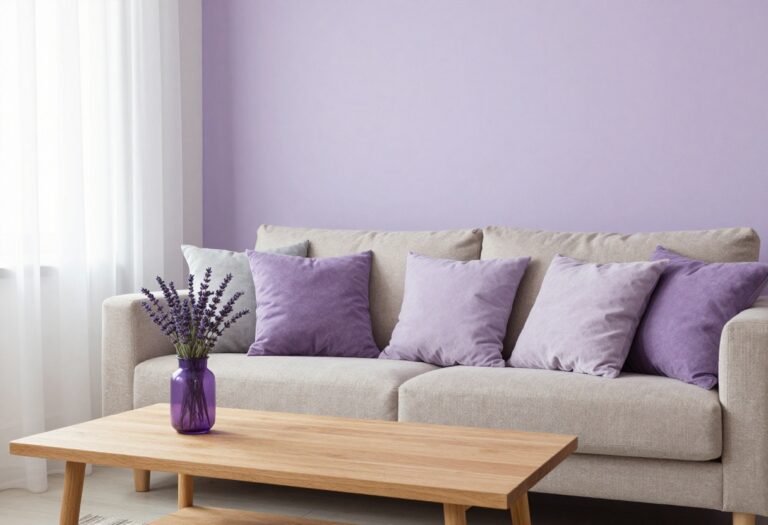
Once your base is set, introduce one or two accent colors through accessories. A mustard yellow pillow or a deep blue vase will pop beautifully against the neutral backdrop. This approach keeps the room feeling modern and uncluttered, with just the right amount of personality.
2. Pick Furniture with Clean Lines
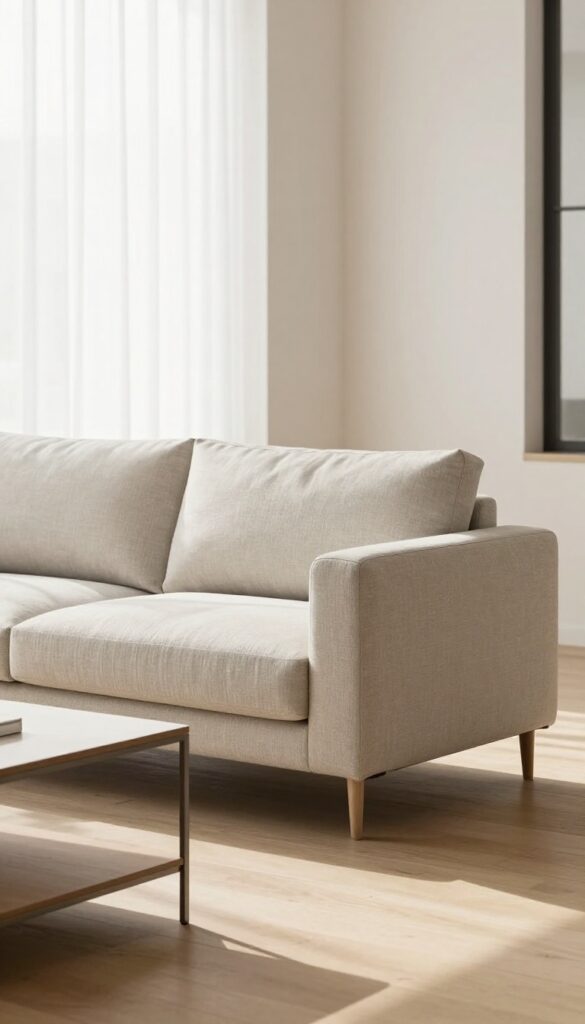
If your living room feels cluttered before you even add decor, the furniture might be the culprit. Bulky sofas and chairs with rolled arms, tufting, and heavy skirts can make a space look crowded and dated. The modern fix is simple: choose pieces with clean, straight lines and minimal fuss.
Think of a streamlined sofa with slim track arms or a low-profile armchair with tapered legs. These shapes create a sense of order and openness, letting the room breathe. They also make a small space feel larger and a large space feel more intentional.
When every piece of furniture has a simple silhouette, your eyes can move freely around the room. There's no visual weight slowing things down. This approach works especially well in open-concept layouts, where furniture needs to define zones without blocking sight lines.
A clean-lined sofa in a neutral fabric like linen or cotton velvet anchors the seating area, while a pair of minimalist armchairs adds balance. Keep the upholstery solid or subtly textured—busy patterns can break the calm. And don't forget the coffee table: a rectangular or round piece with a slim profile and maybe a shelf underneath keeps the look airy.
Best Materials
- Stick with materials that feel crisp and modern. Linen, cotton, and performance fabrics in matte finishes work beautifully. For frames, look for exposed wood in light or medium tones—oak, walnut, or ash—or sleek metal in black or brushed brass.
- Leather in a clean, unembellished form also fits the bill. Avoid heavy velvets, overstuffed cushions, and ornate carvings.
Layout Tip
- Arrange clean-lined furniture with a little breathing room between pieces. Push sofas and chairs slightly away from walls to create negative space. This makes the silhouettes stand out and keeps the room from feeling packed.
- In a small living room, float the sofa away from the wall and place a slim console table behind it for extra surface without bulk.
Finishing Touch
Add a single textured throw or a couple of pillows in a neutral tone to soften the lines without hiding them. A chunky knit blanket or a leather pillow can add warmth while preserving the clean aesthetic. Keep accessories sparse—a sculptural vase on the coffee table or a simple floor lamp in the corner is enough.
3. Let Natural Light Lead the Way
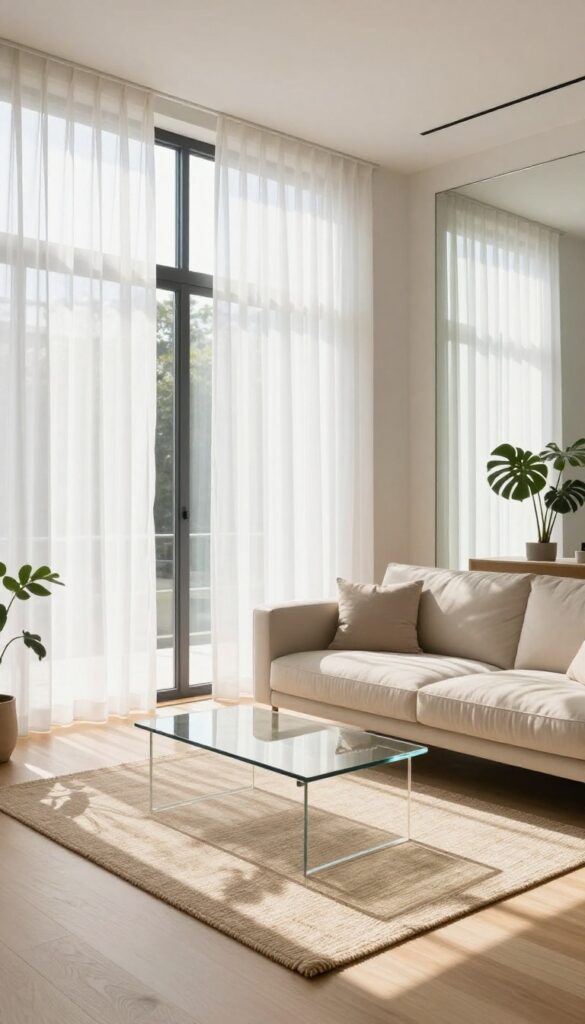
Nothing opens up a room like sunlight pouring through the windows. In modern living rooms, natural light does more than just brighten the space—it makes everything feel cleaner, airier, and more inviting. You don't need a full renovation to get that effect.
With a few smart choices around window treatments and furniture placement, you can let the light do the heavy lifting.
Start by maximizing what you already have. Keep windows clear of heavy drapes or dark blinds that block light. Instead, opt for sheer curtains, light linen, or simple bamboo shades that filter sunlight without shutting it out.
If privacy is a concern, top-down bottom-up shades or frosted window film let light in while keeping prying eyes out. Arrange your seating to face the windows or at an angle that catches the light—this makes the room feel more open and connected to the outdoors. A light color palette on walls and floors also helps bounce natural light around, so consider soft whites, pale grays, or warm beiges.
Mirrors placed opposite windows can double the brightness. The goal is to make the most of every ray without sacrificing comfort or style.
Best Window Treatments
- Sheer linen curtains are a go-to for modern spaces—they soften the light and add a gentle texture. Bamboo blinds work well if you want a natural, earthy feel while still controlling glare. For a sleek look, try roller shades in a light, neutral tone.
- If you need blackout options for movie nights, layer sheers with heavier curtains that can be pulled closed when needed.
Layout Tip
- Position your main seating where it can catch natural light during the day. Avoid pushing furniture against windows—leave a few inches of breathing room. A low-profile sofa or a bench under a window keeps the sightline open and makes the room feel larger.
- If you have a corner with good light, set up a reading nook with a chair and a small side table.
Finishing Touch
- Add a large mirror on the wall opposite your biggest window. It reflects light and visually doubles the space. Choose a simple frame—thin black, brass, or wood—to keep the look clean.
- For extra warmth, place a potted plant near the window where it can thrive in the sunlight.
4. Add One Statement Piece
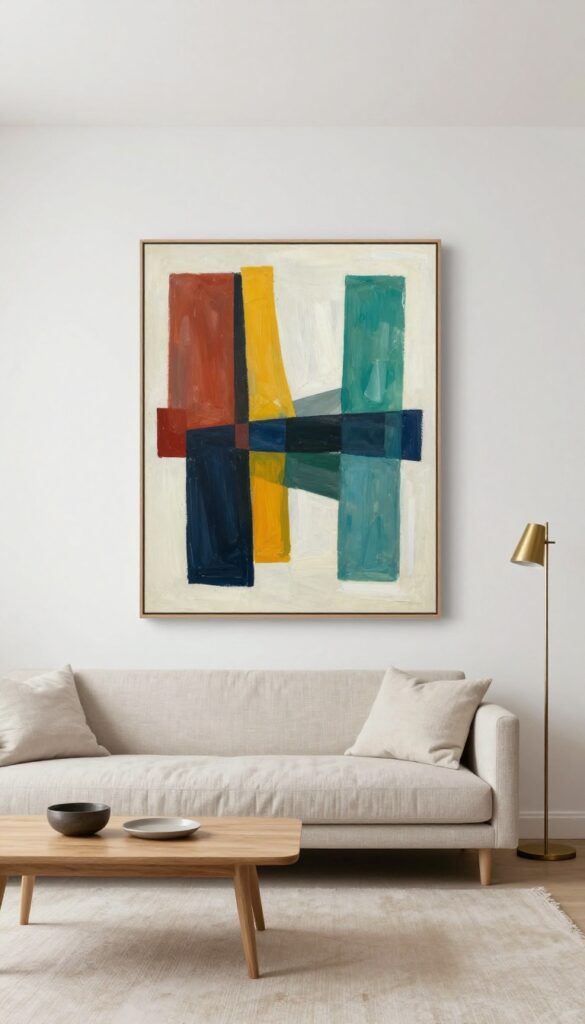
A living room full of competing accents can feel chaotic rather than curated. The trick is to pick one hero item and let everything else fade into the background. That single bold piece—whether it's a sculptural coffee table, an oversized abstract painting, or a dramatic light fixture—becomes the visual anchor.
Everything else in the room should support it, not fight it. This approach gives your space a clear focal point without needing a full redesign.
The beauty of a statement piece is that it does the heavy lifting for you. You don't need a gallery wall or a dozen decorative objects when one standout item commands attention. The rest of the room stays clean and minimal, letting that piece shine.
This works especially well in modern spaces where clutter is the enemy. Choose something that reflects your personality—an organic-shaped table, a vibrant canvas, or a sculptural pendant—and build the room around it. The result is a living room that feels intentional, not overdone.
Best Materials
- Go for materials that feel substantial and unique. A marble coffee table with a live-edge silhouette, a hand-knotted wool rug with a bold geometric pattern, or a brass floor lamp with an oversized shade all make strong statements. Natural materials like stone, wood, and linen add warmth without competing for attention.
- Avoid anything too busy or glossy—the piece should stand out, not scream.
Placement Tip
- Position your statement piece where the eye naturally lands first. For a coffee table, center it in the seating area. For art, hang it at eye level above the sofa or mantel.
- For lighting, suspend it over the coffee table or in a corner where it can be seen from the entry. Keep surrounding furniture low and neutral so the piece remains the star.
Finishing Touch
Once the statement piece is in place, add one or two subtle accents that echo its color or shape. A small vase in the same hue as the painting, or a throw pillow that picks up the curve of the table, ties the room together without distraction. The goal is cohesion, not competition.
5. Use Rugs to Define Zones
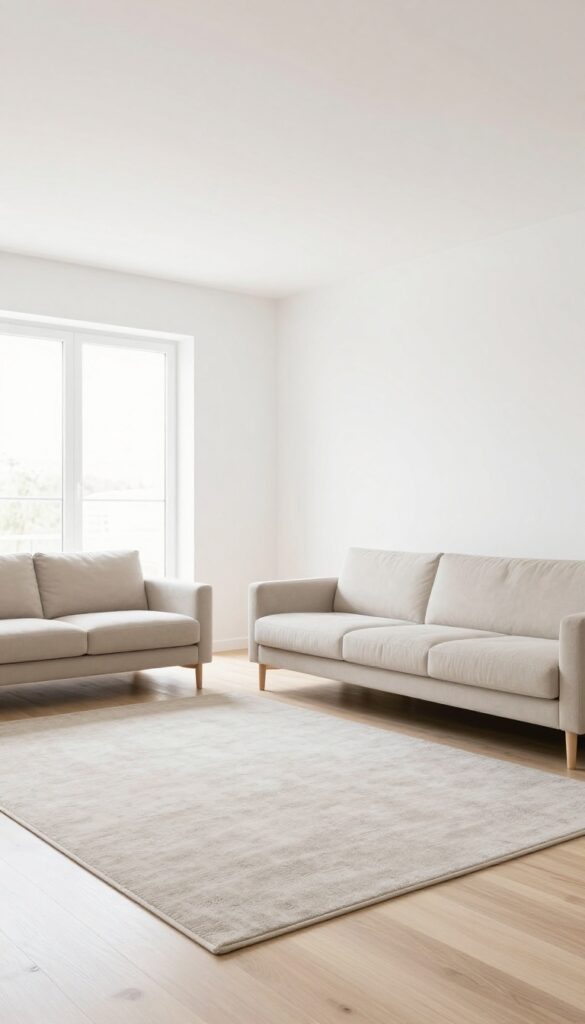
In an open-plan living room, a rug does more than soften the floor—it draws a clear line between where you sit and where you walk. A low-pile wool or jute rug can separate the seating area from the rest of the room without adding visual weight. Stick to neutral tones or subtle patterns to keep the space feeling clean and uncluttered.
A well-placed rug creates a visual anchor for your furniture arrangement, making the room feel intentional and organized. In modern spaces, less is more, so choose a rug that complements the floor rather than competing with it. Natural fibers like jute or wool add warmth and texture without overwhelming the clean lines of your decor.
For a seamless look, ensure the rug is large enough to fit under the front legs of your sofa and chairs, which ties the seating group together and prevents the room from feeling chopped up.
Best Materials
Low-pile wool and flat-weave jute are top choices for a modern, clean aesthetic. Wool feels soft underfoot and resists stains, while jute adds organic texture that pairs well with leather or linen furniture. Both materials are durable enough for high-traffic areas and easy to vacuum, keeping maintenance low.
Size And Placement
- A common mistake is using a rug that's too small. For a standard seating area, aim for a rug that extends at least 6 inches beyond the sides of your sofa. In a living room, a 8×10 or 9×12 rug typically works best.
- Place it so the front legs of all major pieces rest on the rug, creating a unified zone.
Color And Pattern
- Neutral tones like beige, gray, or ivory keep the focus on the furniture and architecture. If you want a subtle pattern, try a tone-on-tone geometric or a low-contrast stripe. Avoid busy prints that can make the room feel cluttered.
- A solid rug with a textured weave adds depth without visual noise.
6. Incorporate Texture Through Textiles
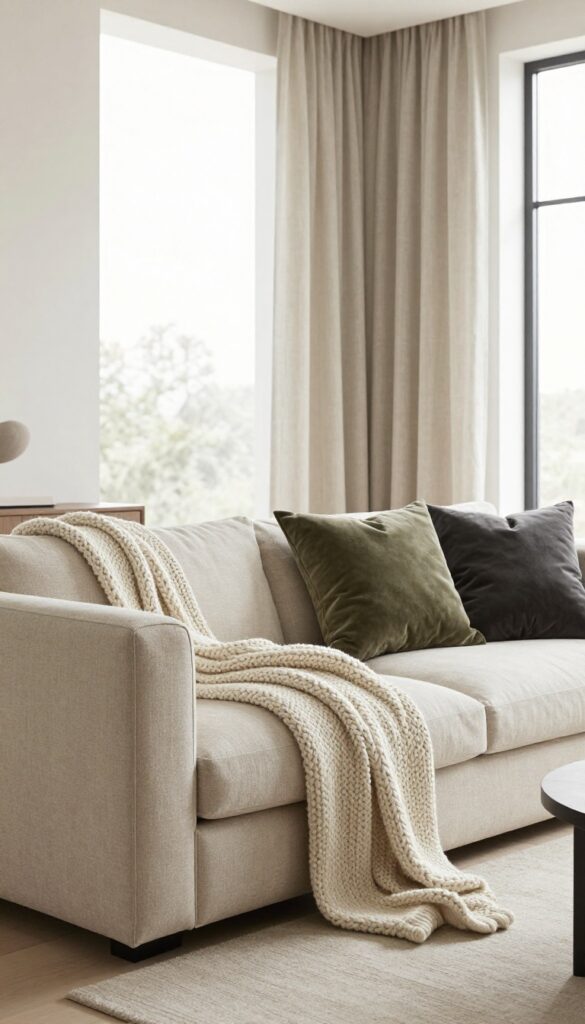
A living room that leans modern can sometimes feel a little too crisp, almost like it's waiting for someone to mess it up. That's where textiles come in. Throws, cushions, and curtains in natural materials like linen, cotton, or chunky knit add softness and visual interest without making the space feel busy.
The trick is to keep the palette restrained so the texture does the talking.
Layering textiles is one of the easiest ways to add warmth and depth to a modern living room. Start with a neutral base—think a linen sofa in oatmeal or a cotton sectional in stone gray. Then bring in a chunky knit throw in cream, a few velvet or wool cushions in muted earth tones, and floor-length curtains in a light linen blend.
The mix of smooth, nubby, and soft surfaces creates a tactile experience that makes the room feel inviting. Stick to two or three complementary textures to avoid visual chaos. For a clean look, choose textiles in similar color families but different weaves.
A wool cushion on a linen sofa, for example, adds contrast without clashing. This approach works especially well in open-plan spaces where you want the living area to feel cozy without closing it off.
Best Materials For A Modern Touch
- Linen and cotton are go-tos for a relaxed, breathable feel. They're not overly shiny or stiff, so they keep the room looking effortless. Chunky knits add a handmade, cozy vibe that softens hard edges.
- For a touch of luxury, consider a velvet cushion in a deep olive or charcoal—it catches light beautifully without being flashy. Avoid synthetic blends that look too glossy or feel cheap; natural fibers age better and look more intentional.
Where To Layer
- Start with the sofa: drape a throw over one arm or the back, then arrange two or three cushions in varying sizes. Add curtains that puddle slightly on the floor for a relaxed, lived-in feel. A textured rug underneath the coffee table can anchor the whole setup.
- If the room feels flat, try a chunky knit pouf or a woven basket filled with extra throws. Just be careful not to overdo it—one or two layers per zone is enough.
Color Flow Tip
- Keep textiles within a tonal palette—think creams, taupes, warm grays, and soft rusts. This keeps the look cohesive and modern. If you want a pop of color, add it through one accent cushion or a small throw, but make sure it echoes a hue already present in the room, like in a piece of art or a plant pot.
- The goal is harmony, not a rainbow.
7. Go Vertical with Storage
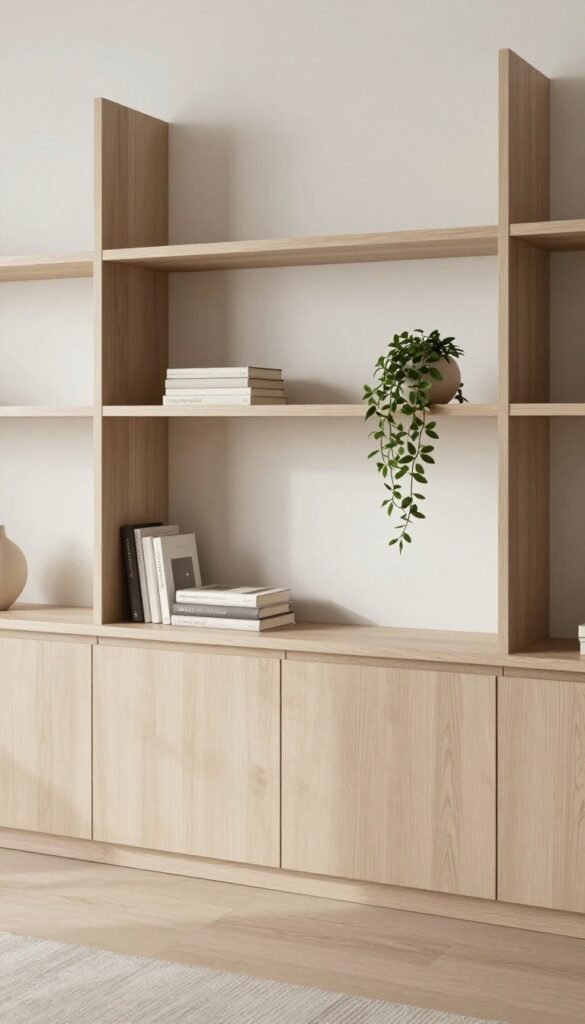
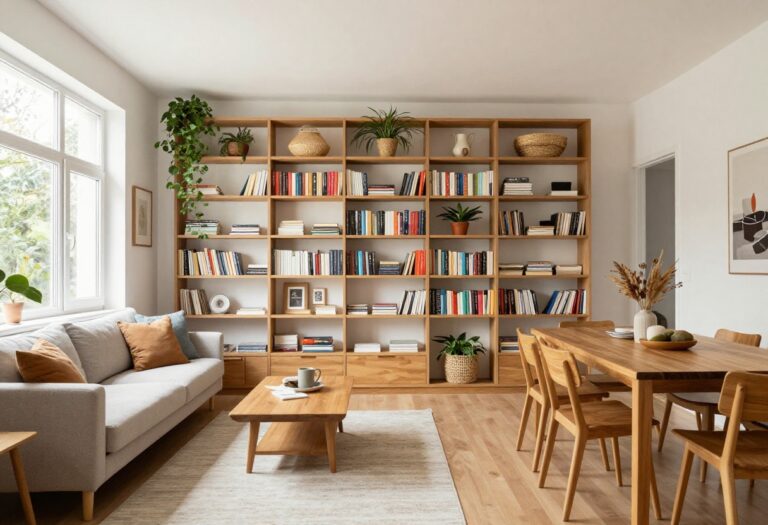
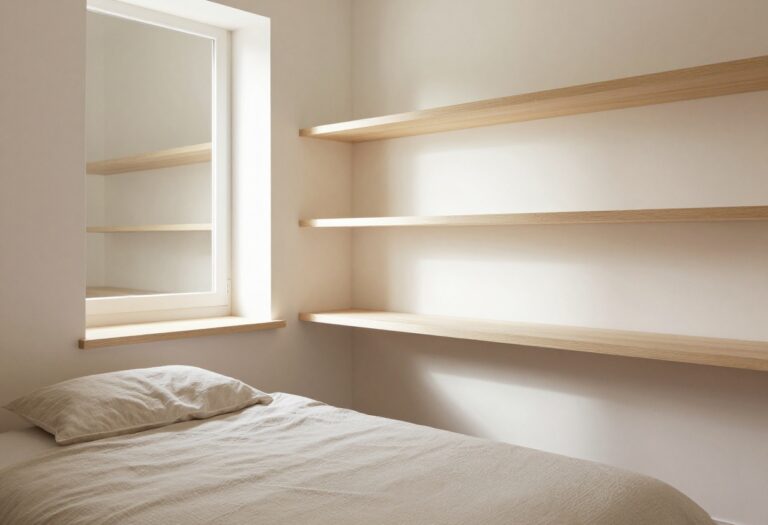
Floating shelves or tall cabinets keep floor space clear and draw the eye upward. Use them for a mix of functional storage and a few decorative objects. This approach works especially well in modern living rooms where clean lines and open floor plans are key.
When floor space is at a premium, the walls become your best friend. Vertical storage solutions like floating shelves and tall cabinets not only free up valuable square footage but also add visual height to the room. The trick is to balance practicality with style—keep the majority of items hidden behind closed doors or in baskets, and leave only a few carefully chosen pieces on display.
This keeps the look clean and uncluttered, which is essential for a modern space.
Best Materials
Stick with natural wood tones like oak or walnut for warmth, or go with sleek lacquered white or matte black for a more minimalist feel. Metal brackets or slimline cabinets in brushed brass or black steel add an industrial edge that pairs well with modern decor.
Shelf Styling Tip
- Group items in odd numbers and vary the heights. Stack a few books horizontally, add a small plant, and lean a framed print against the wall. Leave some negative space so the shelves don't look overcrowded.
- This creates a curated, gallery-like feel that's easy to maintain.
Small-space Fix
In a compact living room, install floor-to-ceiling shelving on one wall. Use closed storage at the bottom for baskets or bins, open shelves in the middle for daily use items, and display a few decorative objects at eye level. This maximizes storage without making the room feel closed in.
8. Choose a Cohesive Color Palette
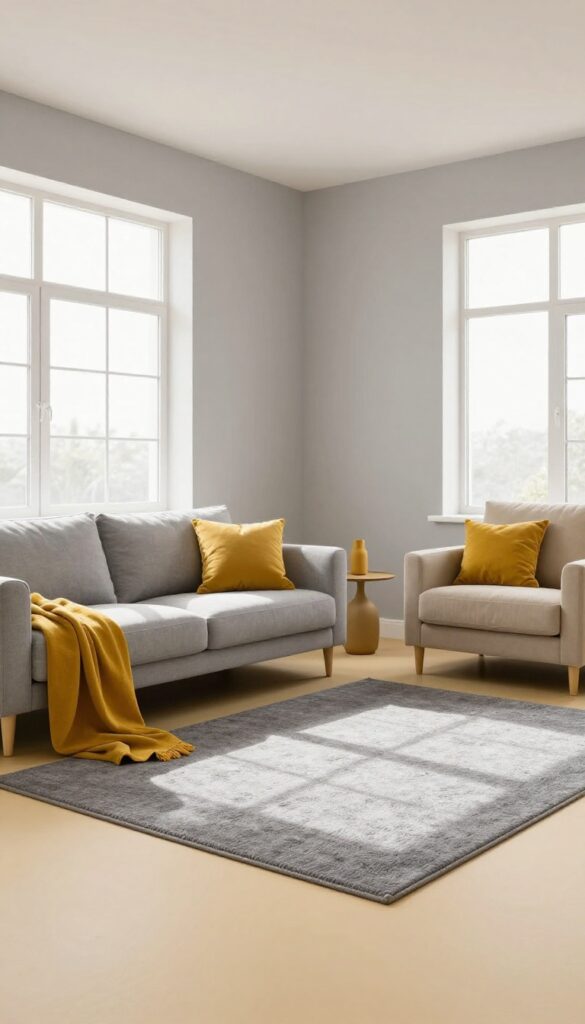
A modern living room doesn't need a rainbow of colors to feel alive. Sticking to two or three main shades and repeating them throughout the space creates a sense of flow and calm. For a clean, contemporary look, try a monochromatic scheme with one accent hue—think soft grays with a pop of mustard or navy.
When every color in the room feels like it belongs, the whole space relaxes. You can achieve that by picking a neutral base, a secondary color, and one accent shade. Use the base for walls and large furniture, the secondary for upholstery and curtains, and the accent for pillows, art, and small decor.
This repetition tricks the eye into seeing a unified, intentional design. It also makes the room feel bigger and more put together without adding clutter.
Best Colors For A Modern Palette
- Stick with earthy neutrals like warm beige, soft white, or charcoal gray as your base. Then add a secondary color like sage green, dusty blue, or terracotta. For the accent, go bold with a deep navy, burnt orange, or even a metallic like brass.
- These combinations feel fresh and grounded, not cold or sterile.
How To Repeat Colors Naturally
- Don't just match everything exactly—vary the shades and textures. If your sofa is a light gray, bring in a darker gray rug and a charcoal throw pillow. Then hit your accent color with a vase, a piece of art, and a single cushion.
- The repetition should feel effortless, not forced. A good rule: use your accent color at least three times in the room.
Small-space Color Tip
In a small living room, keep the palette light and airy. Use the same neutral on walls and large furniture to blur edges, then add one or two accent colors in small doses. This keeps the room from feeling choppy and helps it read as one cohesive zone, even if it's multifunctional.
9. Hide Cords and Tech
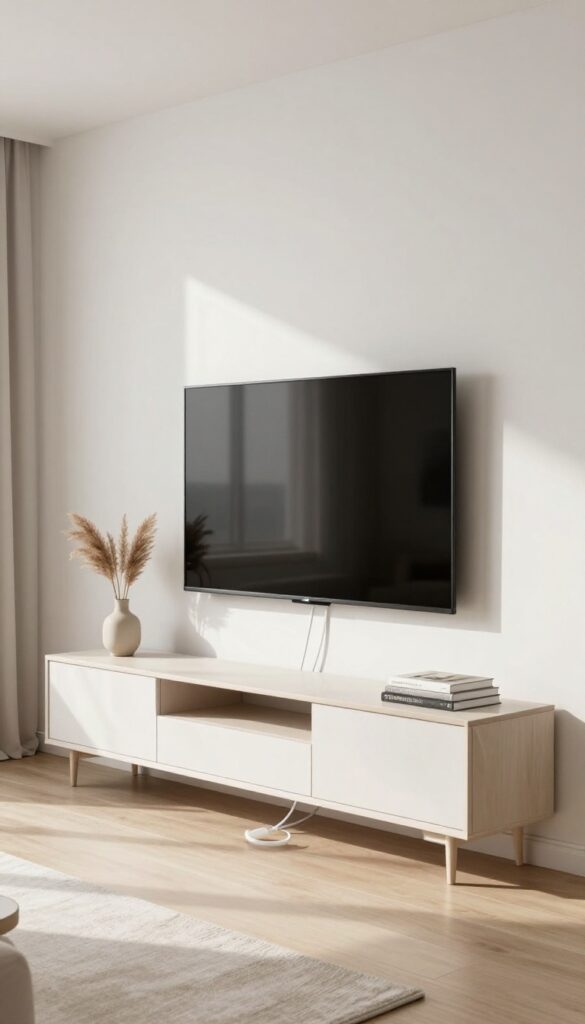
A living room can have all the right furniture and lighting, but if cords are dangling everywhere, it still feels messy. Tucking away TV cables, phone chargers, and speaker wires is one of those small fixes that makes a huge difference. A clean tech setup instantly makes the room feel more polished and intentional.
Start by identifying every cord you can see from the main seating area. Use cord covers that blend into the wall color or baseboards, or invest in a cable management box for power strips. For a TV mounted on the wall, run cables through an in-wall kit if you're up for a small DIY project.
Even a simple fabric cord wrap can keep charger cables tidy on a console table. The goal is to make technology disappear into the background so the decor stays front and center.
Best Materials
Look for cord covers in paintable plastic or metal that match your wall finish. Fabric cord wraps in neutral tones like beige or gray work well for visible cables on shelves or desks. For a more permanent solution, in-wall cable management kits with a brushed nickel or white faceplate keep things sleek.
Small-space Fix
- In a compact living room, every inch counts. Use a cable management box that doubles as a small side table or stool. Or attach a power strip to the underside of a console table with adhesive clips, then bundle cords with zip ties.
- This keeps the floor clear and the space looking open.
Finishing Touch
Once cords are hidden, add one decorative object near the TV or console to draw the eye away from any remaining tech. A small vase, a stack of books, or a framed photo can soften the area and make it feel like part of the decor, not just a utility zone.
10. Bring in Greenery for Life
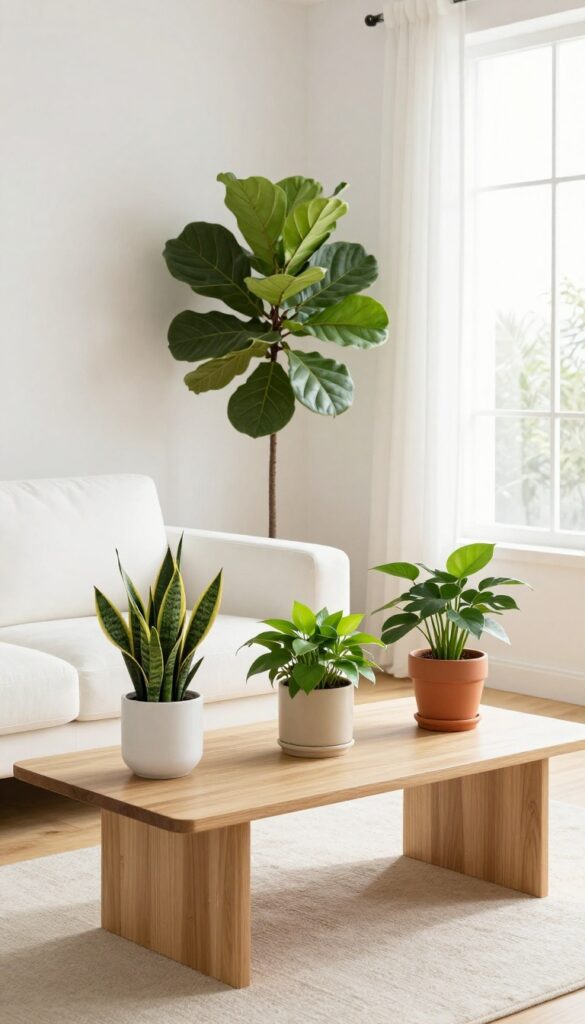
Plants do more than just look nice—they soften the hard edges of modern furniture and add a layer of life that no accessory can match. A snake plant or pothos in a simple ceramic pot brings organic shape and a fresh pop of green without demanding much attention. The key is choosing low-maintenance varieties and pots that blend with your color scheme, so the greenery feels intentional, not messy.
A few well-placed plants add organic shape and a pop of green. Go for low-maintenance varieties like snake plants or pothos. Use simple pots that match your color scheme.
Best Plant Choices
Stick with hardy plants that thrive on neglect. Snake plants, pothos, ZZ plants, and monstera are all forgiving and look sculptural in modern spaces. They tolerate low light and irregular watering, making them perfect for busy households.
Pot Pairing
Choose pots in neutral tones—white, terracotta, matte black, or warm beige—to keep the focus on the foliage. Avoid busy patterns or bright colors that clash with your decor. Self-watering pots are a practical upgrade if you travel often.
Placement Tips
Group plants in odd numbers (three works well) at varying heights using plant stands or hanging planters. A tall fiddle-leaf fig in a corner adds drama, while small succulents on a coffee table bring detail. Keep them near windows but out of direct drafts.
11. Keep Surfaces Clear with Smart Trays
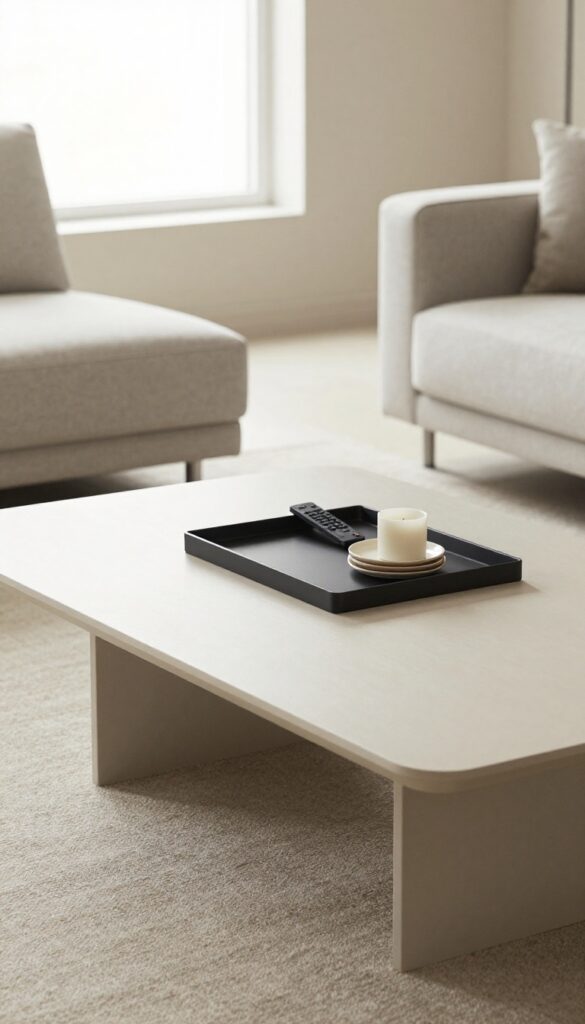
A coffee table or console that’s covered in loose remotes, coasters, and random odds and ends can make even the most stylish room feel cluttered. The fix is simpler than a full reorganization: just add a tray. It corrals those small items into one intentional spot, so the surface stays clean without requiring you to put everything away in a drawer.
A tray is one of those subtle tools that does more than hold things—it creates a visual boundary. When remotes and coasters are grouped together, they stop looking like clutter and start looking like a styled vignette. The key is choosing a tray that fits your room’s vibe.
A sleek metal tray works for modern spaces, while a wooden or woven one adds warmth. Place it in the center of your coffee table or at one end of a console, and keep the items inside to a minimum—three to five pieces is plenty. This trick works in any living room, but it’s especially helpful in small spaces where every surface needs to earn its keep.
Best Materials For A Modern Look
For a clean, contemporary feel, go with trays in matte black, brushed brass, or mirrored acrylic. These materials reflect light and add a subtle polished touch without overwhelming the table. Avoid overly ornate trays with heavy patterns—they can make the surface feel busy rather than organized.
What To Put On The Tray
Stick to the essentials: a remote caddy or a single remote, a small dish for coasters, and maybe a candle or a tiny plant. Resist the urge to fill every inch. Leaving some negative space around the items is what makes the arrangement look intentional and airy.
Styling Tip: Layer With A Book Or Two
If your coffee table feels a bit bare, place a couple of stacked coffee table books next to the tray. The books add height and interest, while the tray keeps the functional items contained. This combo strikes a balance between lived-in and curated.
12. Mix Materials for Visual Interest
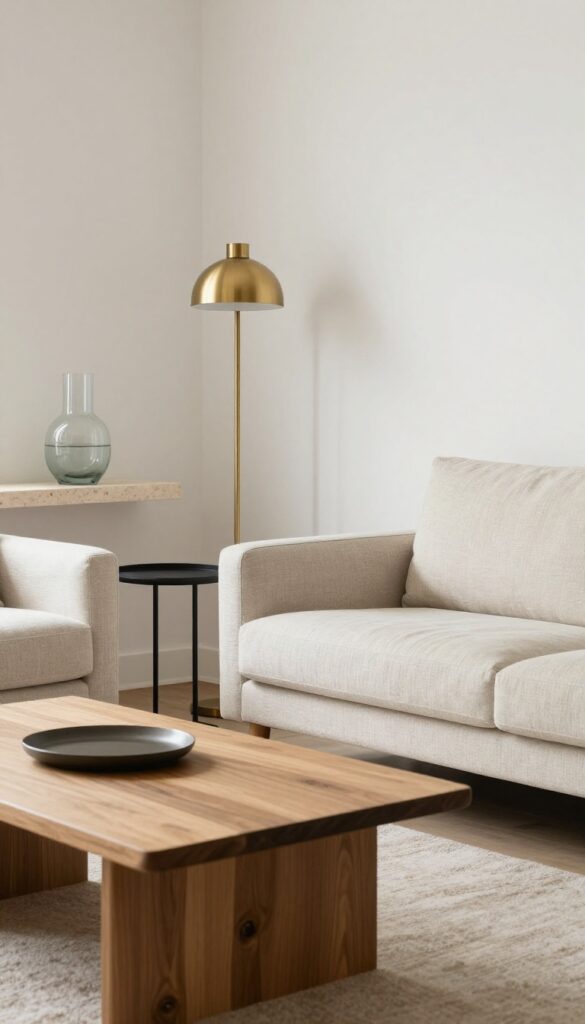
A room that leans too heavily on one material can feel flat, even if every piece is beautiful on its own. The trick is to bring in contrasting textures and finishes in small, intentional ways. Wood, metal, glass, and stone each bring something different to the table, and when they share space, they create a layered look that feels curated, not chaotic.
Start with a dominant material—say, a wood coffee table or a linen sofa—and then weave in accents from other families. A metal floor lamp beside a wood side table instantly adds an industrial edge. A glass vase on a stone shelf softens the heaviness of the stone.
The goal is balance: warm wood cools down next to sleek metal, and transparent glass keeps solid stone from feeling too dense. Keep each material in small doses so the mix feels deliberate, not scattered.
Best Materials To Pair
Stick with natural and honest materials: oak or walnut for wood, brushed brass or black steel for metal, clear or smoked glass, and honed marble or slate for stone. Avoid plastic or glossy synthetic finishes that can cheapen the look. The contrast works best when the materials have distinct personalities—rough against smooth, matte against shiny.
Where To Start
- Pick one anchor piece in your main material, then add two or three accents from other materials. For example, a wood console table can hold a metal tray and a glass lamp. A stone coffee table can sit on a wool rug and be paired with a metal side table.
- Keep the palette neutral so the materials do the talking.
Finishing Touch
Add a single piece that combines two materials, like a table with a wood top and metal legs or a lamp with a glass shade and brass base. This creates a visual bridge between the different elements and makes the mix feel intentional.
13. Use Mirrors to Open Up the Space
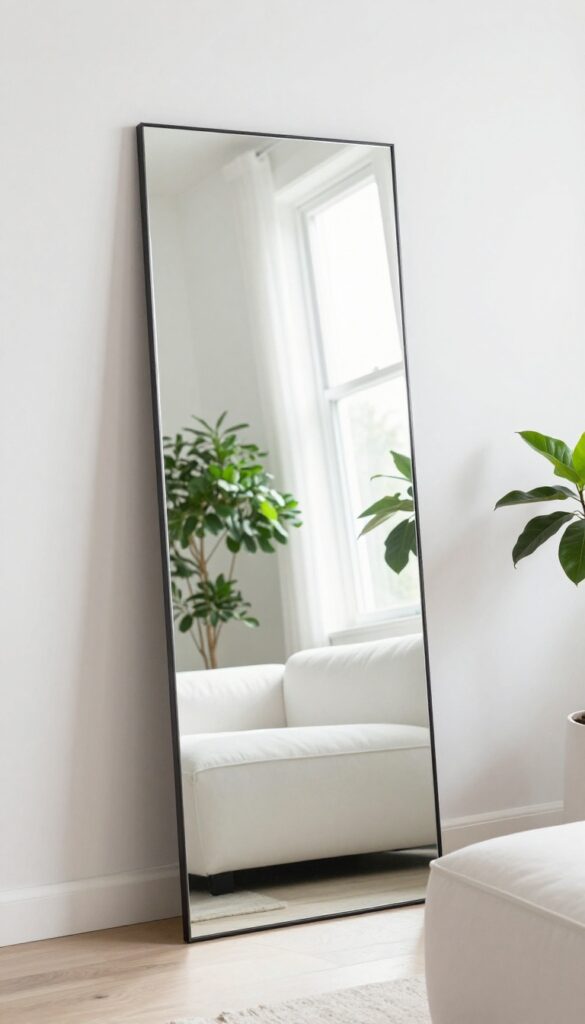
Mirrors are one of the easiest ways to make a room feel bigger and brighter without any construction. A large mirror placed across from a window will bounce natural light around the space, instantly lifting the mood. The trick is to keep the frame simple and modern so it blends in rather than competing for attention.
A well-placed mirror can visually double the square footage of a living room, especially in smaller homes or apartments. Go for one big statement mirror instead of a cluster of small ones—it creates a cleaner, more intentional look. Lean it against the wall for a casual vibe or mount it securely for a polished finish.
Best Placement
The sweet spot is directly opposite a window or near a light source. This catches and reflects daylight, making the room feel airy. Avoid placing mirrors where they reflect clutter or a blank wall—you want them to echo something pleasant, like a plant or a nice view.
Frame Style
- For a modern, clean look, choose a frame that matches your room's trim or furniture. Thin black, white, or metallic frames work well. Skip ornate or bulky frames—they can feel heavy and dated.
- A frameless mirror is another sleek option that disappears into the wall.
Size Matters
- Bigger is better when it comes to mirrors. A large floor mirror or an oversized wall mirror makes the biggest impact. If your ceiling is low, a tall vertical mirror can draw the eye upward and make the room feel taller.
- Just make sure it's proportionate to the wall—too small and it won't do much.
14. Layer Lighting for Ambiance
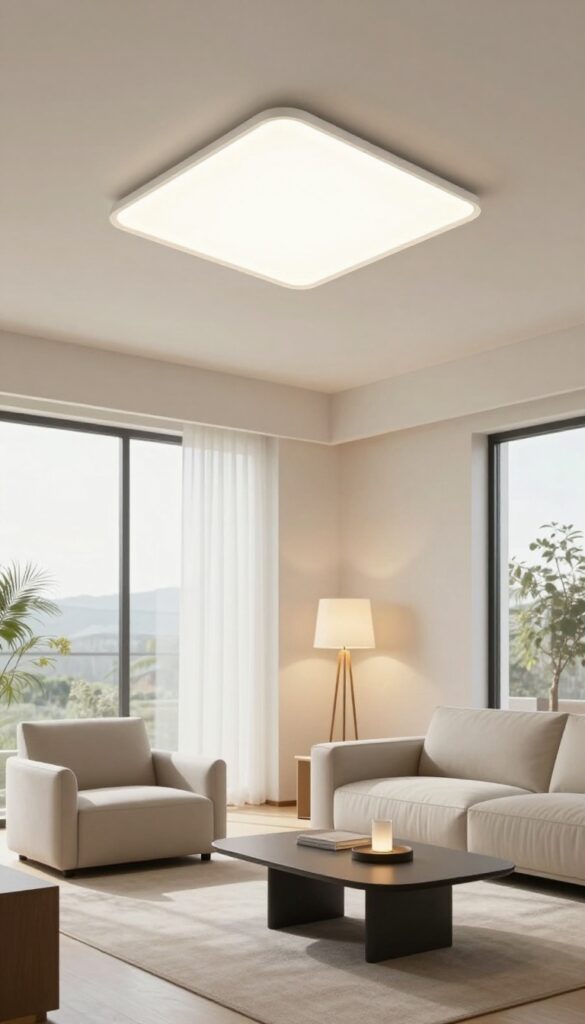
Lighting can make or break a room’s mood, and in a modern living room, it’s all about layers. Instead of relying on a single overhead fixture, combine different light sources to create depth and flexibility. Overhead lights handle general brightness, floor lamps add warmth in corners, and table lamps bring soft glow to side tables.
Dimmers are a game-changer here—they let you shift from bright and productive to dim and cozy with a simple twist. Warm light (around 2700K) makes the space feel inviting, while cooler light (3000K–3500K) keeps it crisp and clean. The result is a room that feels both polished and personal, ready for anything from movie night to morning coffee.
Layering lighting is one of the simplest ways to upgrade a modern living room without touching a single wall. The idea is to mix three types: ambient (overhead), task (focused), and accent (decorative). Start with a central flush-mount or semi-flush light for even brightness, then add a floor lamp near a reading chair or sofa end.
Table lamps on consoles or side tables fill in darker spots and create visual balance. Dimmers on each circuit let you control the intensity—crank them up for cleaning or entertaining, dial them down for a relaxed evening. Warm bulbs (2700K) soften the space, while cooler bulbs (3000K–3500K) keep it airy and modern.
This approach not only improves functionality but also makes the room feel taller, wider, and more intentional.
Best Fixture Mix
- Aim for at least three light sources in a standard living room. A sleek track light or recessed cans work well for ambient light. Pair with a sculptural floor lamp in a corner—something in matte black or brass adds a modern touch.
- Table lamps with fabric shades diffuse light softly; choose ceramic or metal bases for a clean look. Avoid matching all fixtures—mixing finishes like brushed nickel and black keeps the eye moving.
Dimmer Strategy
- Install dimmer switches on all overhead lights and even some plug-in lamps with smart dimmers. This lets you adjust brightness instantly. For a cohesive feel, set overhead lights at 60–70% during the day and lower to 30–40% in the evening.
- Floor lamps can stay at full brightness for reading, then dim when you want a softer glow. Smart bulbs with app control offer even more flexibility.
Color Temperature Tip
- Stick to one color temperature per room for a unified look. Warm white (2700K) is ideal for cozy living rooms—it flatters skin tones and makes wood accents glow. If your space has lots of white or gray, a slightly cooler 3000K keeps it feeling fresh.
- Avoid mixing warm and cool bulbs in the same space—it creates a disjointed, messy vibe. Test a few bulbs before committing.
15. Edit, Edit, Edit
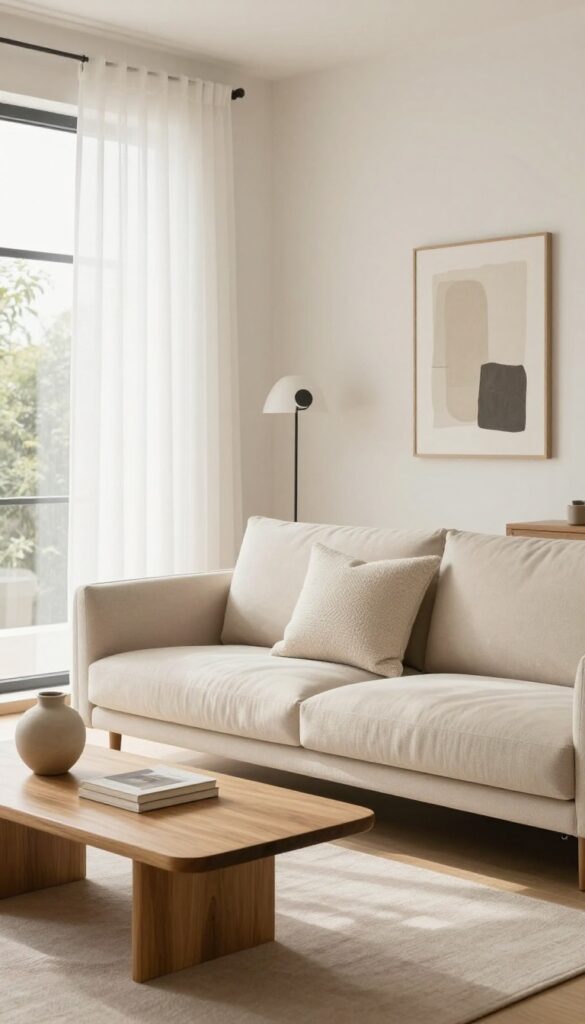
A modern clean space doesn't happen by accident—it's the result of intentional choices. The most impactful thing you can do for your living room is to regularly remove items that don't serve a purpose or bring joy. When every piece earns its place, the room breathes easier and looks effortlessly put together.
Editing isn't just about decluttering; it's about curating. Start by taking a hard look at each item in your living room. Does it add function, beauty, or comfort?
If not, consider donating, selling, or repurposing it. This practice keeps your space feeling fresh and prevents visual noise from creeping in. Remember, less really is more when every piece earns its place.
The One-in-one-out Rule
- To maintain a clean edit, adopt a one-in-one-out policy. Every time you bring a new decor piece into the room, remove an existing one. This simple habit prevents accumulation and forces you to be thoughtful about new additions.
- It's a practical way to keep your living room from becoming cluttered without constant deep cleans.
Seasonal Sweep
- Make editing a seasonal ritual. As the seasons change, reassess your living room's decor. Swap out heavy throws for lighter ones, rotate art, and remove items that no longer fit the mood.
- This keeps the space feeling current and intentional without a major overhaul. A quick edit every few months makes a big difference.
Surface Sanity
- Focus on horizontal surfaces like coffee tables, shelves, and console tables. These areas tend to collect random items quickly. Limit what you display to a few meaningful objects—maybe a stack of books, a small plant, or a single decorative bowl.
- Keeping surfaces mostly clear instantly makes the room feel more spacious and calm.
FAQ
How do I make a modern living room feel warm?
Layer in natural textures like wood, wool, and linen. Add soft lighting with dimmable lamps and include a few personal touches like books or art. Warm neutrals also help balance the clean lines.
What colors work best for a clean modern look?
Stick to whites, beiges, light grays, and soft earth tones. You can add one or two muted accent colors like sage green, dusty blue, or terracotta for depth without overwhelming the space.
How can I keep my living room clutter-free?
Invest in hidden storage like ottomans with compartments or media consoles with cabinets. Use trays and baskets to corral small items, and make it a habit to put things away after use.
What type of furniture is best for a small modern living room?
Look for pieces with exposed legs to create an airy feel. A slim-profile sofa, a glass coffee table, and floating shelves maximize space without making the room feel cramped.
Can I mix modern with other styles?
Absolutely. Modern pairs well with mid-century, Scandinavian, or even industrial elements. Just keep the overall palette neutral and limit eclectic pieces to one or two per room.
Conclusion
Creating a modern, clean living room isn't about following strict rules—it's about making intentional choices that reflect your style while keeping the space calm and functional. Start with a few of these ideas and see how your room transforms.
Remember, the goal is a space that feels good to be in, not one that looks untouched. Let your personality peek through in the details, and enjoy the process of making your living room a place you truly love.