How to Clean a Microfiber Couch in 15 Ring-Free Steps
You finally spot that mysterious stain on your couch and grab a cloth to scrub it out—only to watch it dry into an ugly ring that looks worse than the original mark. Water rings on microfiber are frustrating, but they don't have to be permanent.
The secret lies in how you apply and remove moisture, not just what cleaner you use. Once you understand the science behind those rings, you can clean with confidence and never see a halo again.
These 15 methods will help you tackle everything from light dust to stubborn spills without leaving a trace.
1. Blot, Don't Rub: The Golden Rule
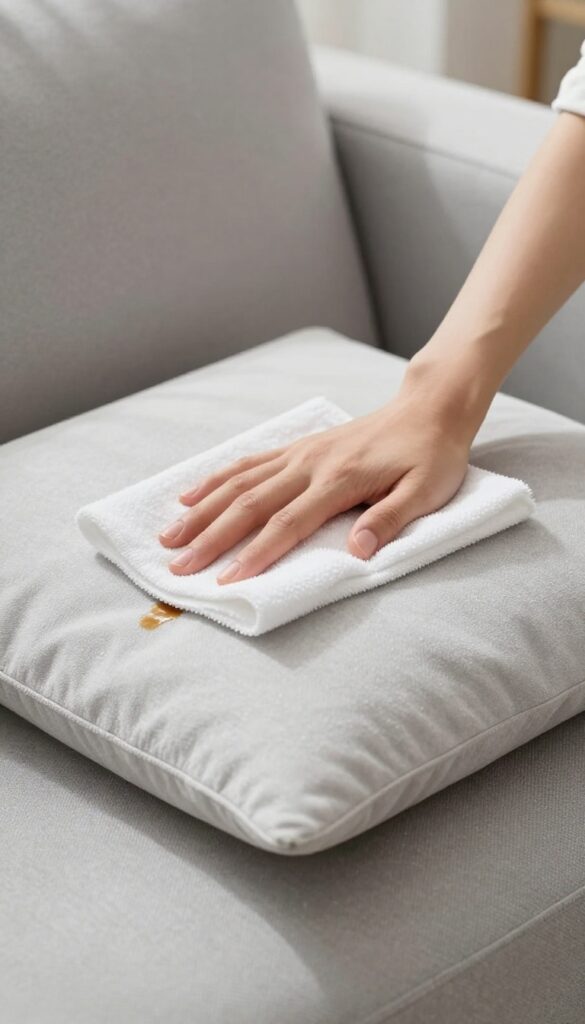
Rubbing a stain on microfiber might feel productive, but it's actually the fastest way to create a ring. When you scrub, you push the liquid deeper into the fibers and spread it outward, so when it dries, a visible halo forms around the edge. The fix is simple: blot gently with a clean, dry microfiber cloth.
Blotting lifts moisture straight up without disturbing the surrounding fabric, keeping the cleaning area contained and ring-free.
Blotting works because microfiber is designed to trap dirt and liquid in its split fibers. When you press down and lift, you pull the mess out instead of grinding it in. Always use a white or light-colored cloth so you can see how much dirt you're picking up, and switch to a clean section of the cloth as soon as it gets soiled.
This method works for everything from spilled coffee to pet accidents, and it's the foundation for every other technique in this list.
Why Rubbing Backfires
Rubbing creates friction that spreads the stain beyond its original spot. The moisture seeps into dry fibers around the spill, and when it evaporates, it leaves behind a concentrated residue at the boundary—that's your ring. Blotting avoids this by absorbing the liquid before it has a chance to migrate.
The Right Blotting Technique
Place a clean microfiber cloth over the stain and press down firmly with your palm or fingers. Hold for a few seconds, then lift straight up. Repeat with a fresh area of the cloth until no more moisture transfers.
For dried stains, dampen the cloth slightly with water first, then blot—never pour liquid directly onto the couch.
2. Use Distilled Water for the Final Rinse
You might think all water is the same, but when it comes to microfiber, the difference is visible. Tap water is loaded with minerals like calcium and magnesium that stay behind after the water evaporates. Those minerals form white rings that look just like the ones you're trying to avoid.
Distilled water is your secret weapon for a ring-free finish. It's pure H2O with nothing else in it, so when it dries, there's nothing left to leave a mark. Use it for the final rinse after cleaning, or even for the entire cleaning process if you're dealing with a stubborn stain.
It's cheap, easy to find, and makes a huge difference.
Why Tap Water Leaves Rings
Tap water contains dissolved minerals that are invisible when wet but appear as white deposits once the water evaporates. These deposits are especially noticeable on dark microfiber. The minerals don't spread evenly, so they concentrate at the edges of the wet area, creating a ring.
How To Do The Distilled Water Rinse
After cleaning a spot with your chosen solution, dampen a clean cloth with distilled water and gently blot the area. Don't rub—just press and lift. This dilutes any remaining minerals from the cleaning solution or tap water.
Then let it air dry. You'll see the difference.
When To Use Distilled Water Throughout The Process
For best results, use distilled water for every step that involves water: mixing cleaning solutions, dampening your cloth, and the final rinse. If that feels wasteful, at least use it for the final rinse. That's where it does the most good.
3. Work from the Outside In
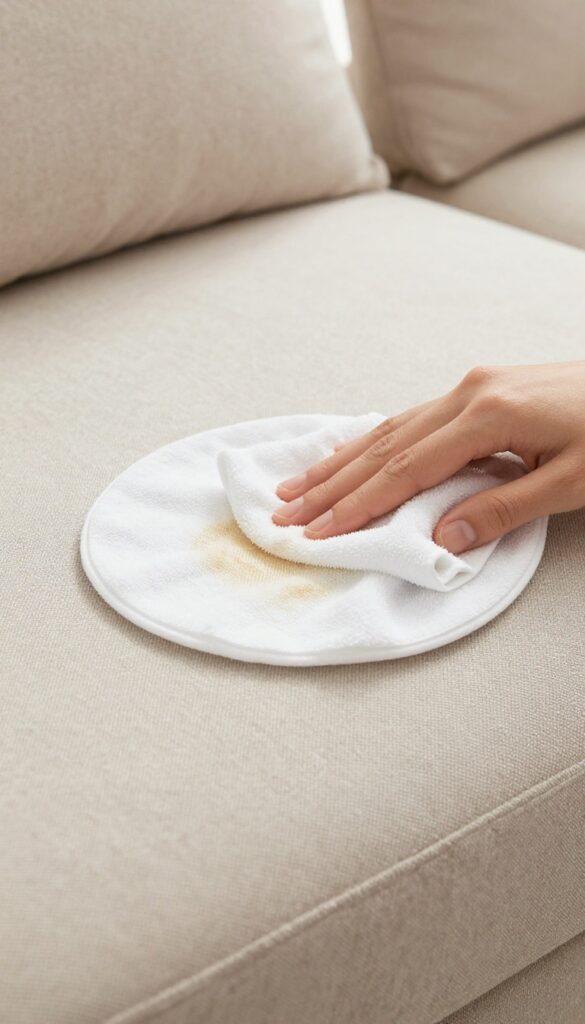
It's tempting to start scrubbing right at the center of a stain, but that's exactly how rings form. When you push moisture outward, it spreads into a bigger circle and leaves a concentrated edge as it dries. By reversing your approach, you can keep the moisture contained and avoid that telltale halo.
Starting at the outer edge and moving inward keeps the cleaning solution from spreading beyond the area you're treating. This method works because the dry fabric around the stain acts as a barrier, absorbing any excess moisture before it can creep outward. It takes a little more patience, but the results are worth it—no rings, no regrets.
Why The Center Approach Fails
When you apply cleaner to the middle of a stain, the liquid pushes dirt and residue to the edges. As it dries, the concentrated residue forms a visible ring. This is especially common with water-based cleaners on microfiber, which dries slowly and leaves mineral deposits.
How To Clean From The Outside In
Dampen a clean microfiber cloth with your chosen cleaner—just barely moist, not wet. Start at the outer edge of the stain and gently blot or wipe in small circles, moving gradually toward the center. Use a dry cloth to blot the area immediately after to pick up excess moisture.
When To Use A Fan Or Hairdryer
To speed up drying and prevent rings, aim a fan at the damp area or use a hairdryer on the cool setting held about 6 inches away. Quick, even drying reduces the chance of mineral deposits forming a ring. Just keep the heat low to avoid damaging the microfiber.
4. The Vinegar and Water Solution
White vinegar is a superstar when it comes to cutting through grease and grime on microfiber. Mixed with distilled water, it creates a solution that cleans effectively and dries without leaving those dreaded rings. The key is using distilled water—tap water contains minerals that can leave deposits and cause halos.
This simple DIY cleaner is gentle enough for regular use but tough on stains. The vinegar smell disappears as it dries, leaving your couch fresh and residue-free. Always test on a hidden area first to ensure colorfastness.
Why Distilled Water Matters
Distilled water is free of minerals like calcium and magnesium that are found in tap water. When tap water dries on microfiber, those minerals can leave a white, ring-like residue. Using distilled water prevents this and ensures a clean, even finish.
How To Mix And Apply
Mix equal parts white vinegar and distilled water in a spray bottle. Lightly mist the stained area—don't soak it. Use a clean, dry microfiber cloth to blot the solution, working from the outer edge of the stain inward.
Blotting lifts dirt without spreading it.
Drying Without Rings
After blotting, use a separate dry cloth to gently press and absorb excess moisture. Allow the area to air dry completely. The vinegar helps the water evaporate evenly, preventing the concentration of residue that causes rings.
5. Rubbing Alcohol for Water-Based Stains
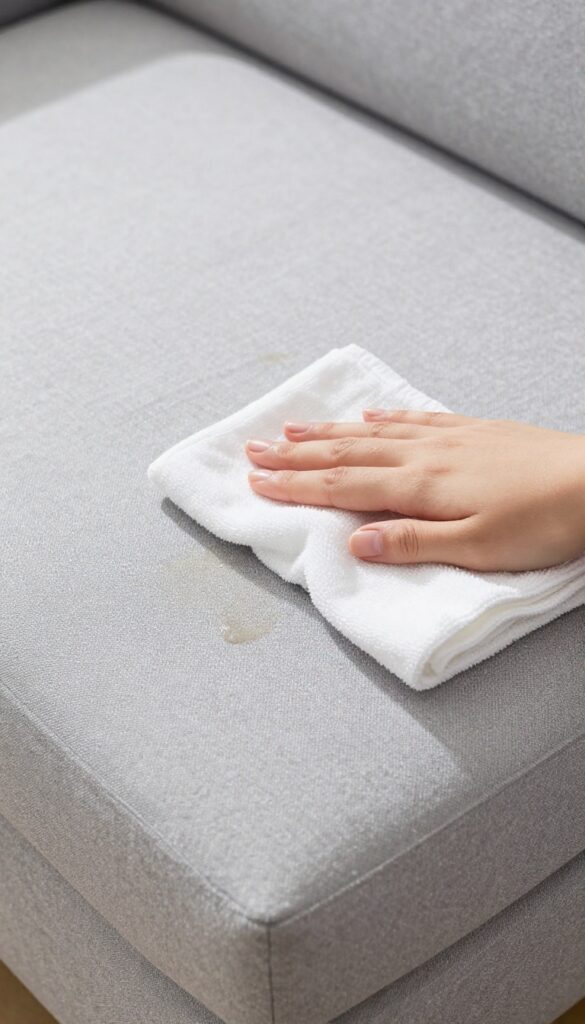
Isopropyl alcohol is a microfiber's best friend when it comes to water-based stains. Because it evaporates so quickly, it doesn't give moisture time to seep into the fibers unevenly and form a ring. Plus, it's gentle enough for most synthetic fabrics and won't leave a residue behind.
Before you go all in, test rubbing alcohol on a hidden spot—like under a cushion or behind the couch—to make sure it doesn't discolor or damage the fabric. Once you're sure it's safe, dampen a clean white cloth with the alcohol (don't soak it) and dab the stain gently. Work from the outer edge toward the center to keep the stain from spreading.
The alcohol will lift the stain and evaporate quickly, leaving no ring behind. For stubborn stains, you can let the alcohol sit for a minute before blotting.
Why Alcohol Works So Well
Rubbing alcohol has a low surface tension and high volatility. That means it spreads evenly into the fibers and then disappears into the air before the water-soluble components of the stain can migrate and create a ring. It's also a mild solvent that can break down many common stains like coffee, juice, or soda without harming the microfiber.
Step-by-step Application
Start by blotting up any excess liquid from the stain with a dry cloth. Then dip a clean cloth in 70% isopropyl alcohol and wring it out so it's just damp. Dab the stain gently, moving from the edges inward.
Don't rub—rubbing can push the stain deeper. Repeat with a fresh area of the cloth until the stain lifts. Let the area air dry completely before using the couch.
When To Avoid This Method
Avoid using rubbing alcohol on microfiber that's labeled as water-sensitive or has a special coating (like stain repellent). Also, don't use it on large areas or soak the fabric—it can damage the backing or padding. If you're unsure, stick to a test spot first.
6. Dish Soap and Warm Water (the Right Way)
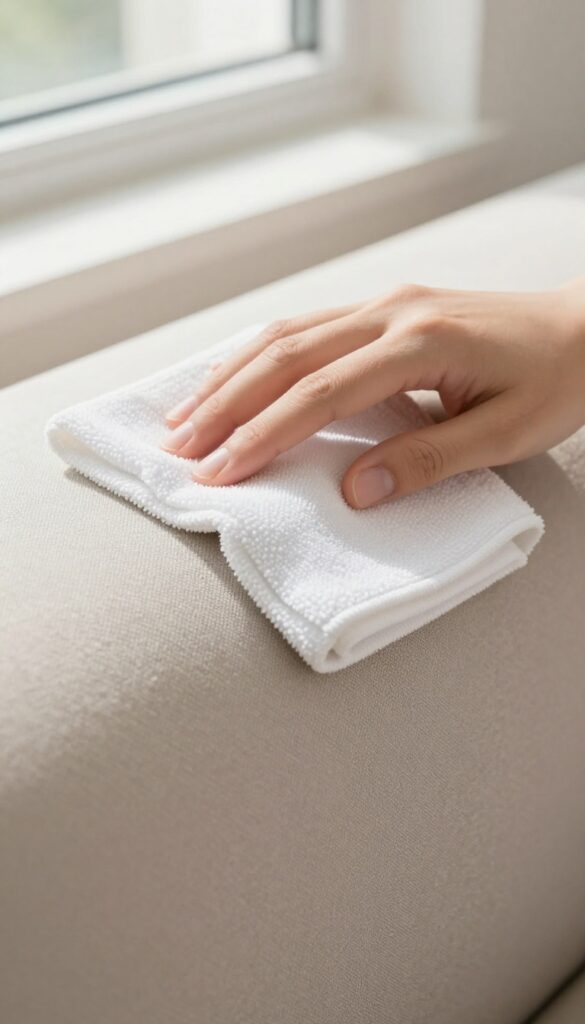
A few drops of mild dish soap in distilled water works wonders. Use a microfiber cloth, not a spray bottle, to control moisture and avoid oversaturation.
Why Distilled Water Matters
Tap water often contains minerals that leave residue and cause rings. Distilled water is pure, so it evaporates cleanly without leaving marks.
The Right Mix Ratio
Mix just a few drops of mild dish soap (like Dawn) into a cup of distilled water. Too much soap creates foam that's hard to rinse out and can attract dirt.
Application Technique
Dip a clean microfiber cloth into the solution, then wring it out until it's damp, not wet. Gently blot the stain from the outer edge inward to prevent spreading. Never spray directly onto the couch.
Drying And Blotting
Use a dry microfiber cloth to blot the area immediately after cleaning. This absorbs excess moisture and helps the fibers dry evenly, preventing rings.
7. Steam Cleaning Without the Rings
Steam cleaning feels like the ultimate deep-clean move, but it can backfire fast on microfiber. Too much steam or lingering moisture creates those dreaded rings as the fabric dries unevenly. The trick is to use steam as a quick pass, not a soak.
Steam loosens dirt and refreshes fibers without harsh chemicals, but it must be managed carefully. Keep the steamer moving constantly to avoid saturating one spot. After each pass, immediately blot with a dry microfiber cloth to wick away excess moisture before it settles.
Keep The Steamer Moving
Hold the steamer head an inch above the fabric and glide it in long, overlapping strokes. Never pause on one area—even a few seconds of concentrated steam can leave a ring. Work in sections, and give each pass equal time.
Blot Immediately After Steaming
Have a clean, dry microfiber cloth ready. As soon as you steam a section, press the cloth onto the damp area to absorb leftover moisture. This prevents water from pooling and drying unevenly, which causes rings.
Let It Air Dry Fully Before Use
After steaming and blotting the entire couch, let it air dry completely before sitting on it. Avoid fans or heaters that blow directly on the fabric, as uneven airflow can also create rings. Patience here pays off.
8. The Baking Soda Deodorizer Trick
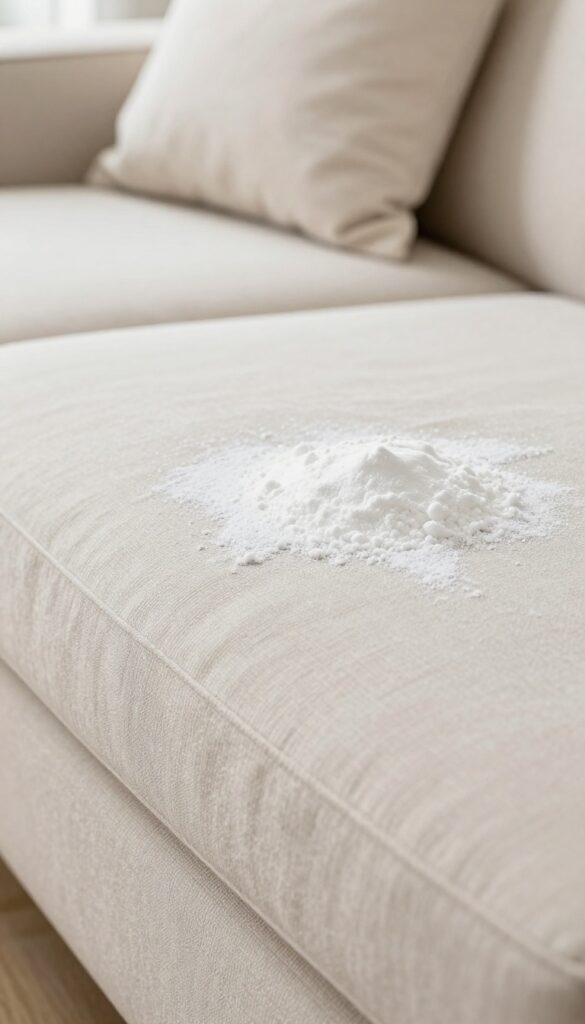
Baking soda isn't just for your fridge or carpet—it's a microfiber couch's best friend when you want to freshen up without risking water rings. Because this method uses zero liquid, there's no moisture to create those dreaded halos. It's as simple as sprinkling, waiting, and vacuuming.
Baking soda works by absorbing odors and lifting light dirt through its fine, porous structure. When you vacuum it up, the particles carry away smells and grime, leaving your couch smelling fresh and looking cleaner. No scrubbing, no wiping, no rings.
Why It Works
Baking soda is a natural deodorizer that neutralizes acidic and basic odor molecules. Its mild abrasiveness helps dislodge surface dirt without damaging microfiber fibers. Since there's no water involved, there's zero chance of water rings forming.
How To Apply It
First, vacuum the couch to remove loose debris. Then, sprinkle a generous, even layer of baking soda over the entire surface. Let it sit for at least 15 minutes—longer for tougher odors (up to overnight).
Finally, vacuum thoroughly using the upholstery attachment to remove all powder.
When To Use This Method
This trick is perfect for routine maintenance between deeper cleans, or when you just want to freshen up after a pet or a spill that didn't leave a stain. It's also great for removing musty smells from a couch that's been in storage.
9. Use a Spray Bottle Sparingly
When you're trying to remove a spot, it's tempting to douse it with cleaner and scrub away. But with microfiber, that's a recipe for rings. The excess moisture seeps into the fabric unevenly, and when it dries, it leaves a visible edge.
The fix is simple: use a spray bottle to mist lightly, not soak. A fine mist covers the area without saturating the fibers, and blotting quickly prevents the moisture from spreading beyond the spot.
The key is to apply just enough liquid to break down the dirt, then immediately blot with a clean, dry cloth. Work from the outside of the stain inward to keep the ring from expanding. If you need more moisture, mist again rather than dumping more liquid.
This approach keeps the fabric's moisture level consistent, so it dries evenly and ring-free.
Why Less Liquid Prevents Rings
Rings form when the wet area dries faster than the surrounding damp area, leaving a concentration of residue or a change in texture. By using a spray bottle, you control the amount of liquid and can target only the stained area. A light mist evaporates quickly, reducing the chance of a halo.
Always test your spray pattern on a hidden spot first to ensure it's a fine mist, not a stream.
The Right Way To Blot
Blotting is just as important as spraying. Use a white microfiber cloth or a paper towel to absorb the moisture. Press down firmly and lift—don't rub.
Rubbing can push the stain deeper and spread the liquid, making rings more likely. Change to a dry section of the cloth as it gets damp. Repeat until the spot is no longer transferring moisture to the cloth.
When To Use A Spray Bottle Vs. Other Methods
A spray bottle is ideal for small, localized stains or for dampening the fabric before applying a cleaner. For larger areas or overall freshening, a different method like steam cleaning or a gentle scrub with a brush might be better. But for spot cleaning, the spray bottle gives you precision and control.
Just remember: mist, blot, and repeat if needed—never soak.
10. Dry with a Fan or Hairdryer on Cool
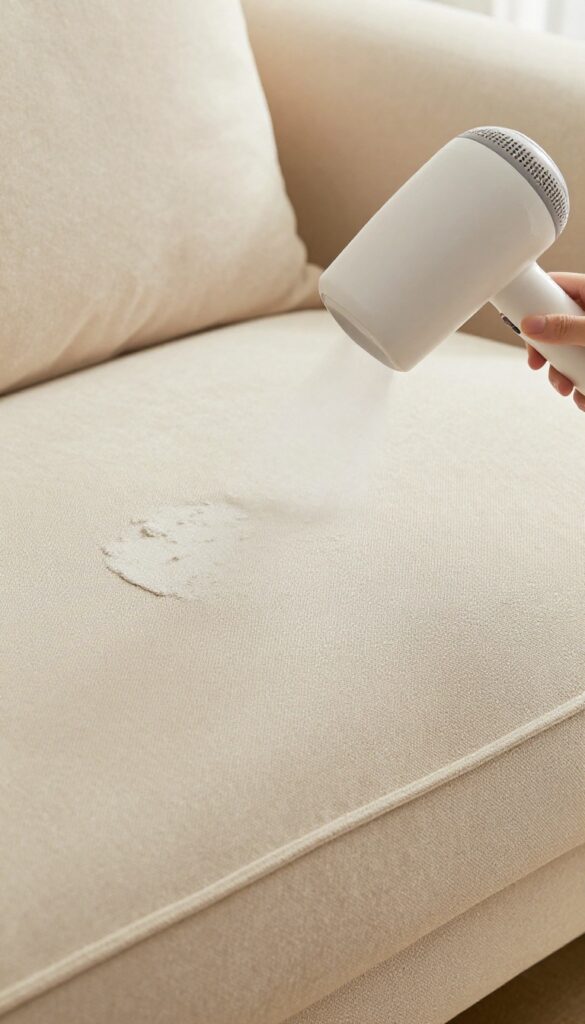
Even if you blot perfectly, slow drying can let moisture wick back into the fabric and form rings. That's why speeding up evaporation is a game-changer. A fan or hairdryer on the cool setting helps moisture lift off evenly before it has time to settle into a halo.
Position a fan to blow directly across the damp area, or use a hairdryer on the cool setting held about six inches away. Keep the airflow moving constantly so no single spot dries faster than the rest. This prevents the edges from drying first, which is what causes rings.
Why Speed Matters
Microfiber is dense and traps moisture deep in the fibers. When left to air-dry naturally, the water slowly migrates outward, carrying any dissolved dirt or cleaner with it. That migration leaves a visible ring.
Forced air evaporates the water before it can travel, locking the clean area in place.
Fan Vs. Hairdryer
A standing or box fan is the safest option—it's gentle and covers a large area. A hairdryer works faster but must stay on the cool setting; heat can set stains or damage the fabric. If using a hairdryer, keep it moving in a sweeping motion to avoid concentrating heat.
When To Use This Method
This technique is ideal after spot-cleaning with any liquid solution, especially if you've used more water than you'd like. It's also great for humid days when natural drying would take hours. Pair it with blotting for the best results.
11. The Microfiber-Safe Brush Method
You've cleaned the spot, dried it carefully, and now there's a faint ring staring back at you. Before you panic, grab a soft-bristled brush—it might be all you need. Brushing after cleaning does more than just fluff the fibers; it helps blend any subtle color differences that cause rings to stand out.
This trick works best when the fabric is completely dry. Use a brush with soft, flexible bristles—like a suede brush, a clean toothbrush, or a dedicated microfiber brush. Gently brush in one direction, then switch to a circular motion to lift and separate the fibers.
The goal is to restore the nap and make the cleaned area match the surrounding fabric. If the ring is stubborn, lightly mist the area with distilled water before brushing again.
Choose The Right Brush
Not all brushes are microfiber-friendly. Hard bristles can scratch or mat the fabric. Look for a brush labeled "microfiber-safe" or use a soft toothbrush.
A suede brush with rubber or nylon bristles works well too. Test on an inconspicuous spot first.
Brush In The Right Direction
Microfiber has a natural grain. Brushing against it can create a patchy look. Start by brushing in the direction of the grain (usually from top to bottom or side to side).
Then gently circle over the ring area to blend. Finish by brushing the entire cushion in one direction for uniformity.
Combine With A Light Mist
If brushing alone doesn't erase the ring, lightly spritz the area with distilled water—just enough to dampen the fibers without soaking. Then brush again. The moisture helps redistribute any leftover cleaner or residue that might be causing the ring.
12. Test Cleaners on a Hidden Spot First
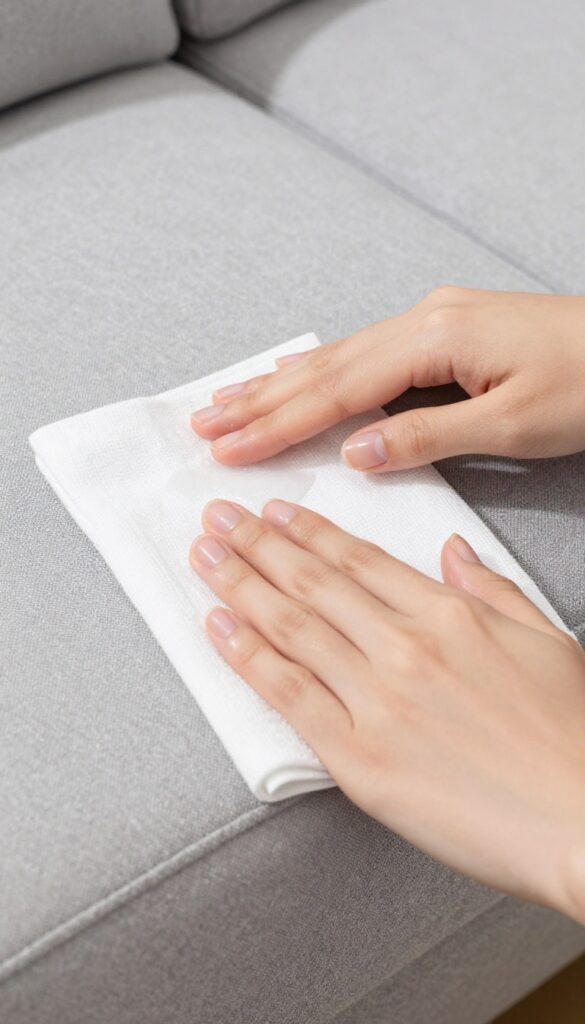
You've picked a cleaner and you're ready to go. But before you spray it on that visible cushion, take two minutes to test it somewhere nobody will see. This simple step can save you from a discolored patch or an even bigger ring.
Different microfiber fabrics react differently to the same cleaner. What works on one couch might leave a permanent stain on another. Testing on a hidden spot—like under a cushion or behind the couch—lets you see how the fabric reacts before you commit.
It's a small precaution that prevents big regrets.
Choose The Right Test Spot
Look for an area that's out of sight but made of the same fabric. The underside of a cushion is perfect. Apply a small amount of your cleaner to a white cloth and dab it on.
Wait a few minutes and check for color transfer, fading, or any residue. If the spot dries without a ring and the color stays true, you're good to go.
Watch For Colorfastness And Rings
After testing, let the area dry completely. If you see any lightening or darkening of the fabric, that cleaner is not safe. Also look for a ring forming at the edge of the wet area—that's a red flag.
Even if the color seems fine, a ring means the cleaner is wicking unevenly and will likely cause problems on a larger area.
Document Your Test Results
Snap a photo of the test spot before and after drying. This helps you compare later and also gives you a record if you ever need to repeat the process. If the test passes, you can proceed with confidence.
If it fails, you've just saved yourself from a visible mistake.
13. Avoid Harsh Chemicals Like Bleach
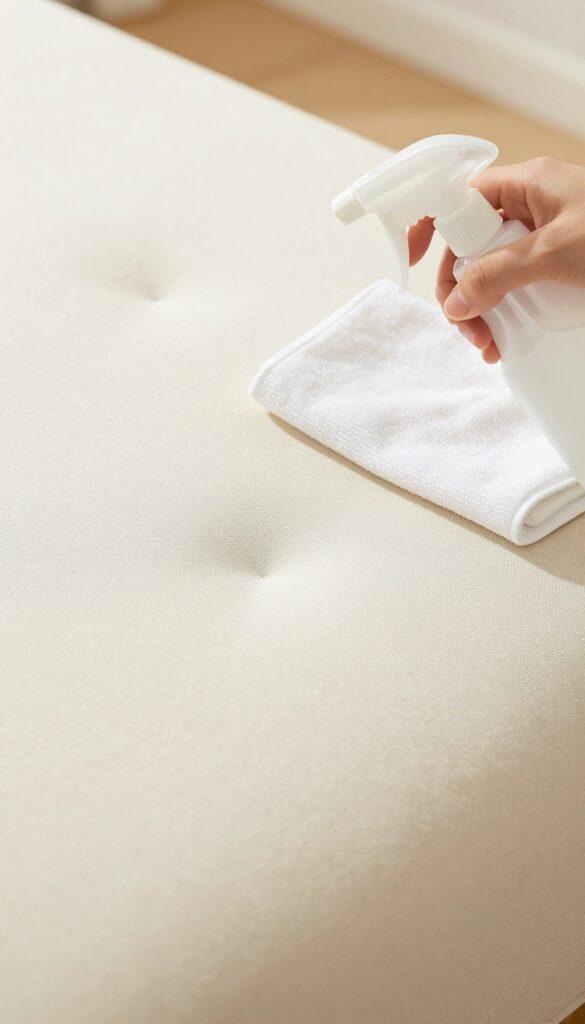
Bleach might seem like a quick fix for tough stains, but on microfiber it's a disaster waiting to happen. The harsh chemicals don't just clean—they eat away at the fabric's fibers and leave behind permanent discoloration that looks like a ring you can't remove. Stick to gentle, pH-neutral cleaners to keep your couch looking its best.
Bleach and strong solvents like acetone or ammonia can break down microfiber's protective coating and cause the fibers to lose their color or texture. Even diluted bleach can create a bleached-out ring that contrasts sharply with the surrounding fabric. Instead, reach for mild dish soap, white vinegar, or a dedicated microfiber cleaner.
Always test any cleaner on a hidden area first to ensure it won't cause damage.
Why Bleach Causes Permanent Rings
Microfiber is made of synthetic fibers that are sensitive to strong chemicals. Bleach strips the color unevenly, leaving a lightened halo around the spot you treated. The damage is often irreversible, so prevention is key.
Safe Alternatives That Work
For tough stains, mix a few drops of mild dish soap with water or use a solution of equal parts white vinegar and water. These clean effectively without harming the fabric. For odors, baking soda is a great non-chemical option.
How To Spot A Ph-neutral Cleaner
Check the label for terms like "pH-balanced" or "gentle formula. " Avoid cleaners that list bleach, ammonia, or strong solvents. When in doubt, a simple soap-and-water solution is your safest bet.
14. Professional Upholstery Cleaning for Tough Jobs
Sometimes, despite your best efforts, a stain just won't budge, or the couch is so large that tackling it yourself feels overwhelming. That's when calling in a pro makes sense. Professional upholstery cleaners use low-moisture methods that are specifically designed to avoid water rings, even on tricky microfiber.
While it's an investment, it can save you from replacing a high-traffic couch that's seen better days.
Professionals have access to equipment and solvents that aren't available to consumers. Their hot water extraction or dry cleaning methods remove dirt deep in the fibers without oversaturating the fabric. The key is that they control the moisture level precisely, so there's no excess water to wick outward and create a ring.
For set-in stains or overall refresh, this is the most reliable option.
What To Expect From A Pro Clean
A typical professional cleaning starts with a dry vacuum to remove loose dirt. Then they apply a cleaning solution with a low-moisture machine that agitates the fabric and extracts the dirty water simultaneously. The result is a couch that dries in a few hours, not days, with no rings or residue.
Many services also offer stain protection treatments afterward.
When To Call A Pro Vs. Diy
If you've tried multiple DIY methods and the stain remains, or if the couch is heavily soiled from years of use, a pro is worth it. Also, if your microfiber is a delicate blend or has a special finish, professional cleaning ensures you don't damage it. For simple spills or light dust, DIY is fine.
But for tough jobs, the cost of professional cleaning is far less than replacing the couch.
15. Regular Maintenance to Prevent Rings
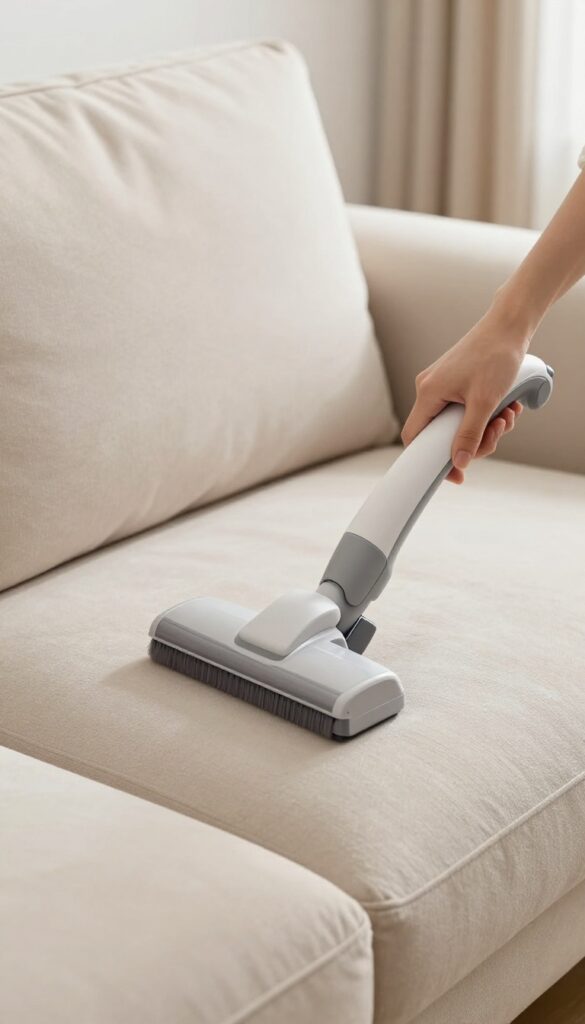
The best way to avoid water rings is to never let them start. Regular upkeep keeps your microfiber couch looking fresh and reduces the chances of moisture settling into uneven layers. A little routine care goes a long way.
Weekly Vacuuming: Your First Defense
Vacuum your couch at least once a week using a soft brush attachment. This lifts dust, crumbs, and pet hair that can trap moisture unevenly. Pay extra attention to crevices and armrests where dirt accumulates.
Spot Clean Spills Immediately
The moment a spill happens, blot it with a clean, dry cloth. Don't rub—that pushes liquid deeper. Blot from the edges toward the center to prevent the stain from spreading.
Quick action stops rings before they form.
Use A Fabric Protector
Apply a microfiber-safe fabric protector spray every few months. It creates a barrier that makes liquids bead up instead of soaking in. Test on a hidden area first to ensure it doesn't darken the fabric.
FAQ
Why do water rings form on microfiber couches?
Water rings form when moisture dries unevenly, leaving behind mineral deposits or residue from cleaners. Microfiber's tight weave makes it prone to showing these marks.
What is the best homemade cleaner for microfiber?
A mix of equal parts white vinegar and distilled water is safe and effective. It cuts grease and dries without leaving rings.
How do I remove old water rings from microfiber?
Lightly dampen the entire panel with distilled water using a spray bottle, then blot dry with a clean cloth. This evens out the moisture and can erase old rings.
Is rubbing alcohol safe for microfiber?
Yes, rubbing alcohol is safe for most microfiber. It evaporates quickly, reducing ring risk. Always test on a hidden area first.
Conclusion
Cleaning your microfiber couch without leaving rings is all about technique and patience. By blotting instead of rubbing, using the right cleaner, and drying evenly, you can avoid those unsightly water marks.
Master these methods, and your couch will stay spotless and fresh with every clean.