13 Narrow Living Room Layout Ideas for Better Walkways
Narrow living rooms can feel like a puzzle—you want it to look good, but you also need to actually move through it without bumping into things. The trick is to work with the length, not against it, and keep the path clear. A few smart layout choices can make all the difference between a cramped corridor and a room that breathes.
When you focus on walkways first, everything else falls into place. You don't have to sacrifice style for function either.
Light colors, slim furniture, and a little visual trickery can open up the space without a major renovation. Here are 13 ideas to help you create a narrow living room that feels open, easy to navigate, and genuinely inviting.
1. Float Furniture Away from the Walls
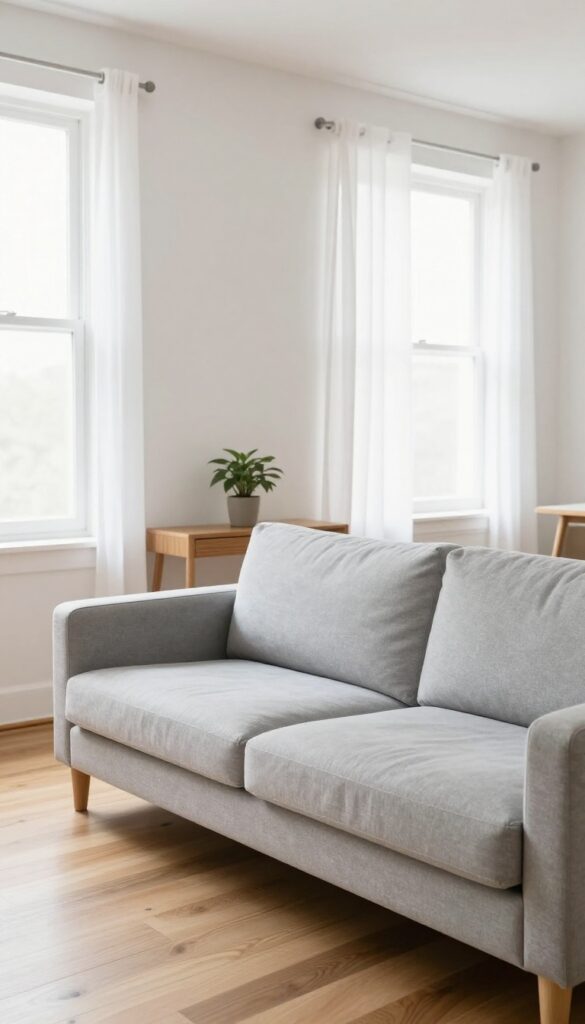
It’s a natural instinct to push every piece of furniture against the wall when a room feels tight, but that actually makes a narrow living room feel more cramped. Pulling your sofa and chairs just a few inches inward creates a tiny gap that tricks the eye into seeing more space. That small sliver of exposed floor suddenly makes the whole walkway feel wider and the room breathes easier.
Why It Works
That thin strip of visible floor between the wall and your furniture creates a visual boundary that separates the seating area from the walls. Your brain interprets that gap as extra space, so the room instantly feels less cluttered and more open. It’s a simple optical trick that costs nothing and takes seconds to try.
Best For
This works especially well in long, narrow living rooms where one side feels like a hallway. If your sofa currently touches the wall and you have to shimmy past the coffee table, floating it a few inches can make a surprising difference. It’s also great for rooms with baseboard heating or radiators that need clearance anyway.
Styling Tip
Keep the gap consistent—about 3 to 6 inches is ideal. Use a slim console table or a low plant behind the sofa to fill the space without blocking the walkway. If you have a loveseat instead of a full sofa, try angling it slightly to create even more visual depth.
2. Choose a Slim, Armless Sofa
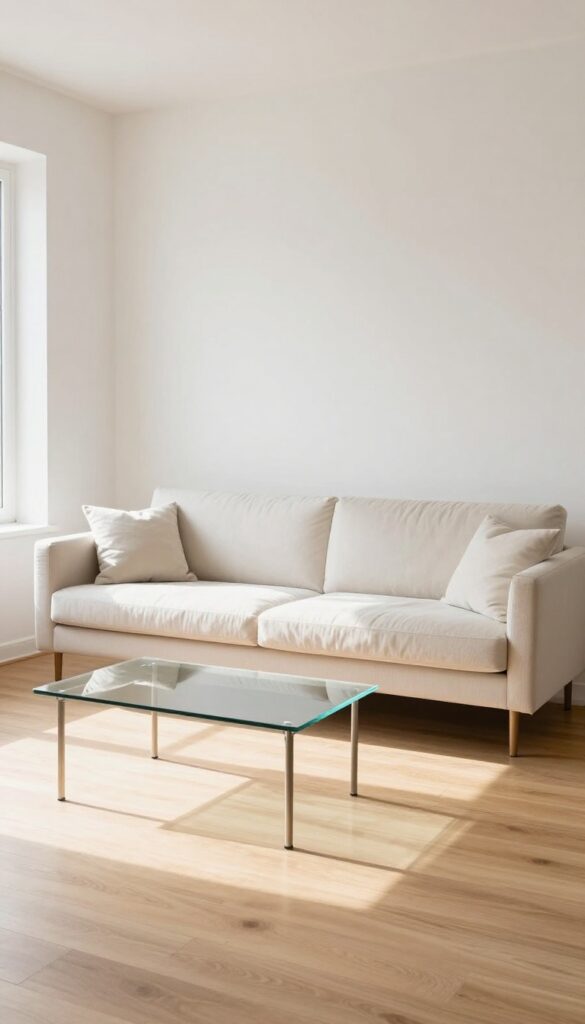
In a narrow living room, every inch counts, and your sofa shouldn't be the thing that eats up all the space. A slim, armless sofa is a game-changer here. Without bulky arms, it feels lighter and less intrusive, both visually and physically.
The clean lines let your eye glide across the room, making the whole space feel more open and connected.
Why It Works
Armless sofas take up less floor space and create a streamlined look. They also allow for easier traffic flow since there's no protruding arm to navigate around. Plus, the lack of visual interruption helps the room feel wider and more airy.
Best For
This style is perfect for long, narrow living rooms where you want to maximize seating without creating a bottleneck. It's also great for rooms that double as a walkway, since the sofa won't jut out and disrupt the path.
Styling Tip
To keep the airy vibe, choose a sofa in a light neutral like cream, beige, or soft gray. Add a couple of slim throw pillows for comfort without bulk. Pair it with a sleek coffee table that has a glass top or slim legs to maintain that open feel.
3. Use a Long, Low Console Table Behind the Sofa
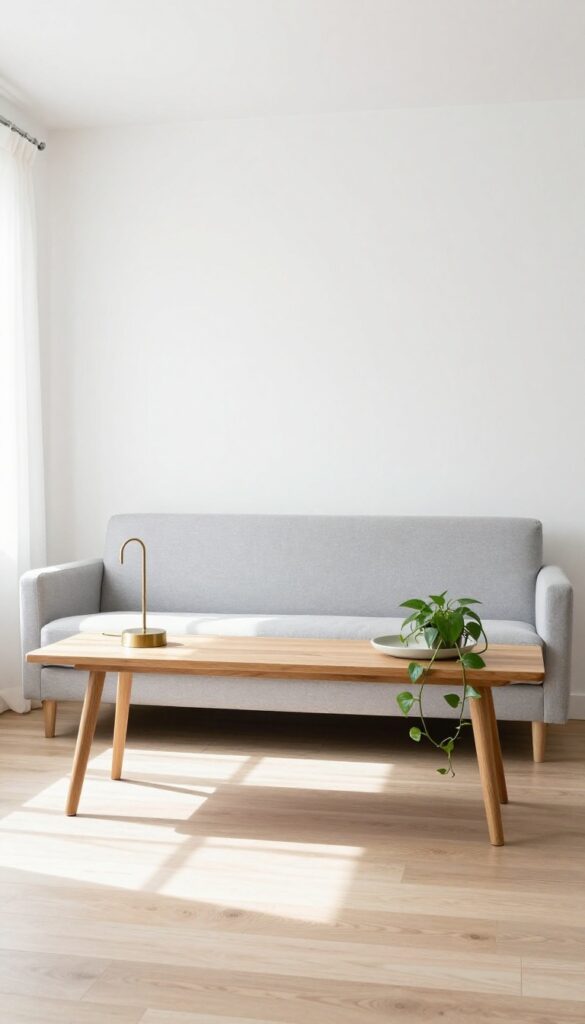
A slim console table tucked behind the sofa is one of those tricks that makes a narrow living room feel instantly more put-together. It creates a clear separation between the seating area and the walkway behind it, so the path stays open and intentional. Plus, that extra surface gives you a spot for a lamp, a stack of books, or a trailing plant without stealing any floor space.
Why It Works
By placing the table behind the sofa, you define the walkway without adding visual bulk. The long, low profile keeps sightlines clear and the room feeling airy, while the surface anchors the sofa and prevents it from floating awkwardly in the middle of the room.
Best For
This setup is ideal for long, narrow living rooms where the sofa sits perpendicular to the walkway. It also works well in open-plan spaces where you want to subtly separate the living area from the dining or entry zone.
Styling Tip
Keep the console styling light and simple: a single sculptural lamp, a small tray for remotes, and maybe a trailing pothos or a slim vase. Avoid overcrowding—the goal is to enhance the walkway, not clutter it.
4. Opt for a Round Coffee Table
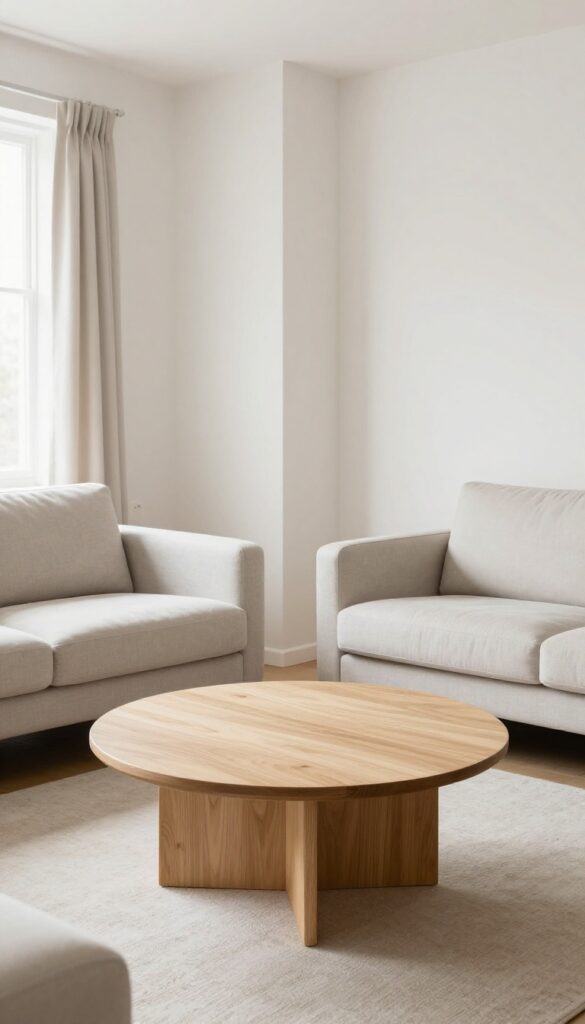
Sharp corners on a rectangular coffee table can make a narrow living room feel even more cramped and difficult to navigate. A round coffee table changes the whole energy of the space—it softens the long, linear lines and creates a natural flow that encourages movement. The curved shape feels inviting and approachable, which works perfectly if you want the room to feel light and airy rather than boxed in.
Why It Works
Without sharp edges, you can glide past the table without bumping your shins. The circular shape also mirrors the way people naturally gather, making conversation feel more inclusive. In a narrow room, it visually breaks up the length and adds a gentle focal point that doesn't dominate the walkway.
Best For
This idea shines in living rooms where the sofa and TV are on opposite long walls, leaving a tight corridor in between. It's also great for families with small children or pets, since there are no hard corners to worry about.
Styling Tip
Choose a round table with a slim pedestal base rather than four legs—it maximizes legroom and makes the floor feel more open. For a light and airy look, go with a glass top or a light wood finish like oak or ash. Keep the decor minimal: a small tray, a stack of books, or a single low vase.
5. Create a Gallery Wall on One Side Only
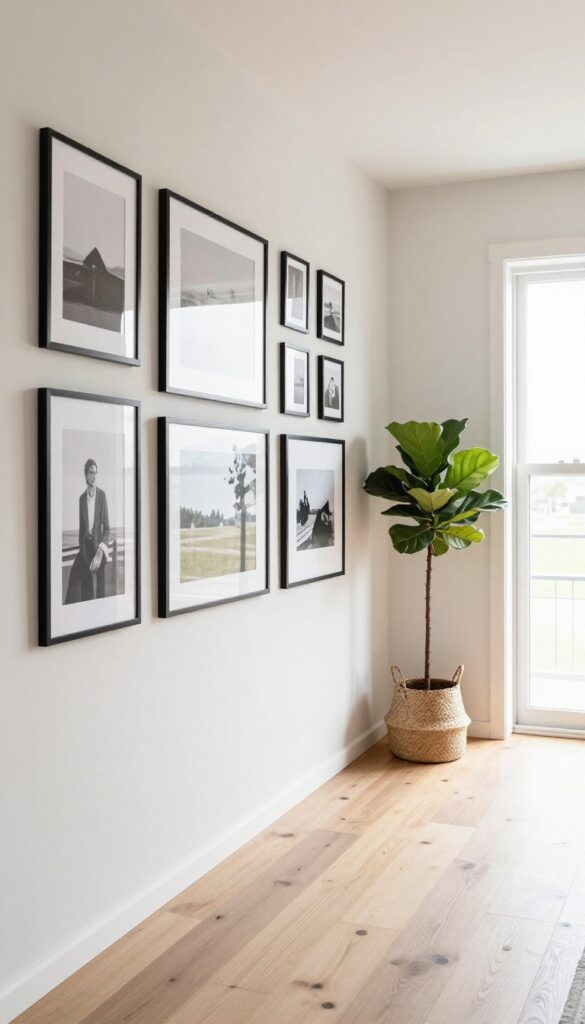
Gallery walls are a fantastic way to add personality, but in a narrow living room, covering both long walls can make the space feel like a tunnel. Instead, choose one side to display your favorite art, photos, or prints, and leave the opposite wall mostly bare. This deliberate asymmetry draws the eye along the room, creating a natural sense of movement and making the walkway feel wider.
The contrast between the busy gallery wall and the calm, empty wall keeps the space visually interesting without overwhelming it.
Why It Works
By concentrating visual weight on one side, you create a clear focal point that pulls the eye lengthwise rather than letting it bounce between two cluttered walls. The empty wall provides breathing room, making the entire space feel less cramped and more intentional.
Best For
This idea works especially well in living rooms that double as hallways or pass-through spaces, where you want to encourage flow rather than stopping the eye. It's also great for renters who can't paint or add built-ins, because you only need a few nails on one wall.
Styling Tip
Keep the gallery wall cohesive by using matching frames in the same color or material, and leave a few inches of space between pieces. On the bare wall, add a single tall plant or a slim floor lamp to anchor the room without adding clutter.
6. Install Floating Shelves Instead of Bulky Bookcases
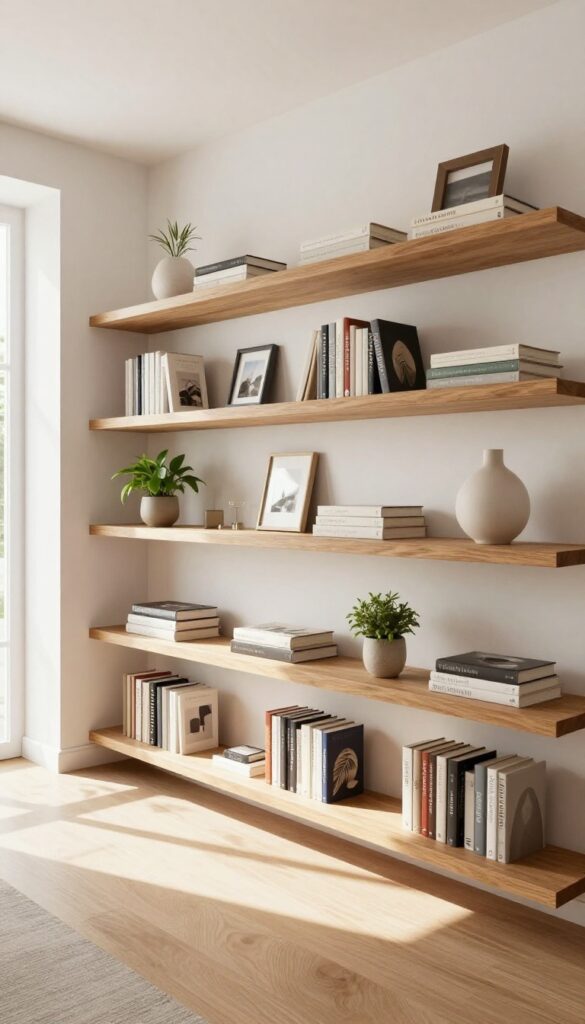
Imagine a wall that breathes. That’s what floating shelves do for a narrow living room. Instead of a bookcase that juts out and eats into your walkway, shelves sit flush against the wall, offering display space without the visual weight.
They let you show off books, plants, and decor while keeping the floor open and airy. It’s a simple swap that makes a huge difference in how spacious the room feels.
Why It Works
Floating shelves eliminate the depth that traditional bookcases add, so you gain storage without sacrificing precious floor space. This keeps the walkway clear and the room feeling less cramped. Plus, the open design allows light to pass through, maintaining that light and airy vibe.
Best For
This idea is perfect for narrow living rooms where every inch of floor space counts. It’s also great if you want to display items without committing to a bulky piece of furniture. Works well in rentals too, since shelves are easier to install and remove than built-ins.
Styling Tip
Mix functional items like stacked books with decorative pieces like a small vase or a framed photo. Leave some negative space so the shelves don’t look cluttered. Stick to a cohesive color palette—soft whites, warm woods, and a few green plants keep the look fresh and inviting.
7. Place a Mirror at the Far End
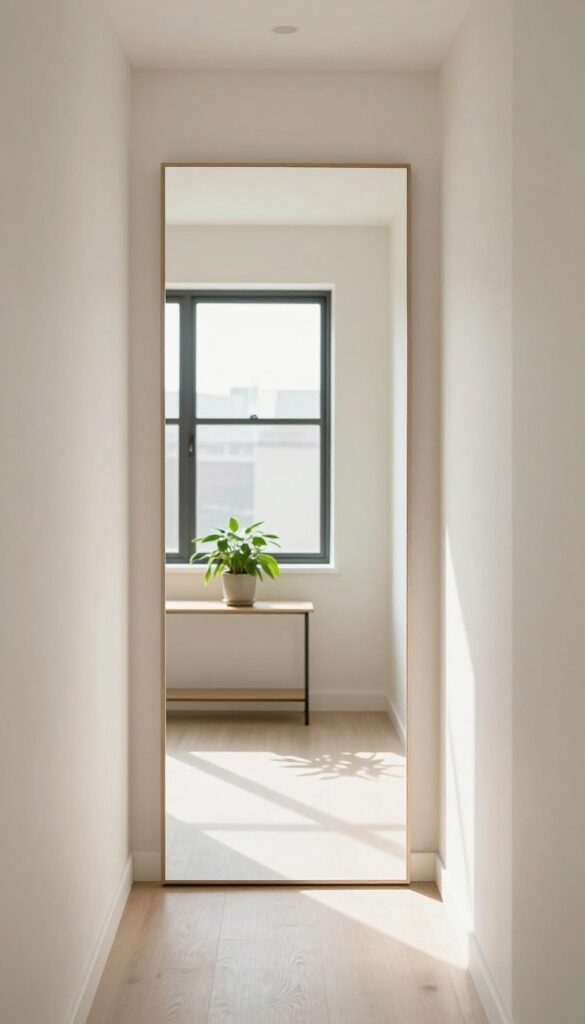
There's something almost magical about a well-placed mirror in a narrow room. By positioning a large mirror at the far end, you instantly trick the eye into seeing more depth. The reflection of the opposite wall and any natural light creates a sense of openness that makes the walkway feel less like a hallway and more like part of a larger space.
It's a simple fix that doesn't require any construction or rearranging—just hang and enjoy.
Why It Works
A mirror at the far end reflects the room back into itself, effectively doubling the visual length. This creates the illusion of a much larger space and helps light bounce around, brightening the entire area. The walkway feels less confined because your eye has somewhere to travel beyond the physical wall.
Best For
This trick works wonders in long, narrow living rooms where the far wall feels like a dead end. It's especially effective if that wall gets some natural light, as the mirror will amplify it. Great for rooms with a single window at the opposite end, too.
Styling Tip
Choose a mirror with a slim or minimalist frame to keep the look light and airy. Lean it against the wall for a casual vibe, or hang it securely if you have kids or pets. Pair it with a small console table or a couple of plants in front to add depth and interest without blocking the reflection.
8. Use a Runner Rug to Guide the Path
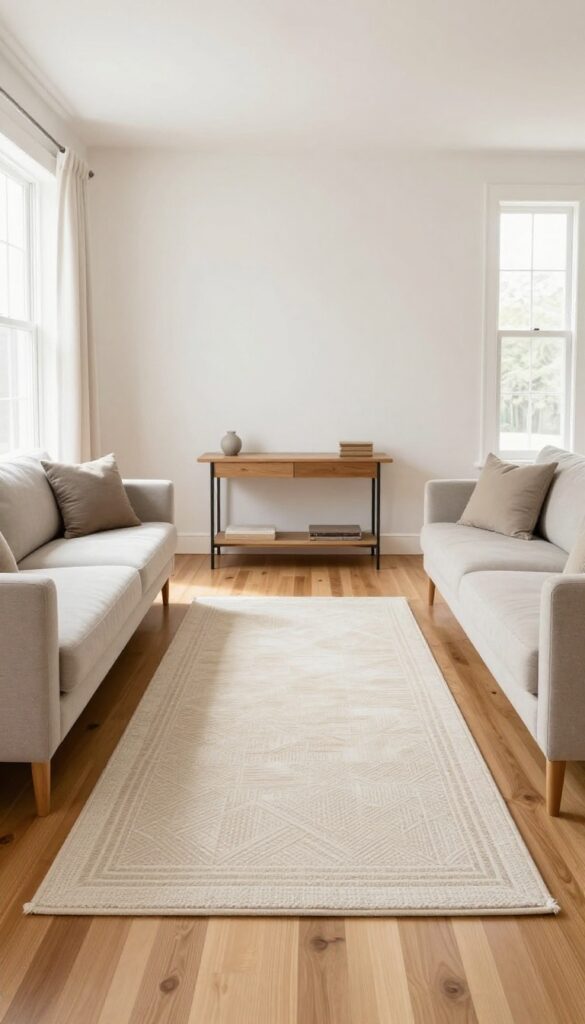
A narrow living room often feels like a hallway with furniture. Instead of fighting the shape, lean into it. A runner rug running the length of the room naturally defines the walkway and creates a clear path from one end to the other.
It’s a simple trick that makes the space feel intentional rather than awkward. Choose a light color or subtle pattern to keep the look airy and open.
Why It Works
The runner visually elongates the room, drawing the eye along its length. It also protects the floor in high-traffic areas and breaks up the long, narrow shape without adding clutter. The defined path makes the room feel organized and easy to move through.
Best For
Long, rectangular living rooms where furniture is arranged along one wall. It’s especially helpful if the room doubles as a hallway to other parts of the home.
Styling Tip
Keep the runner centered in the walkway, leaving at least 6 inches of floor visible on each side. Pair it with a simple, low-profile coffee table or a slim console to avoid blocking the path. If you have a seating area, let the runner end just before the sofa so it doesn’t compete with the main zone.
9. Stick with Low-Profile Furniture
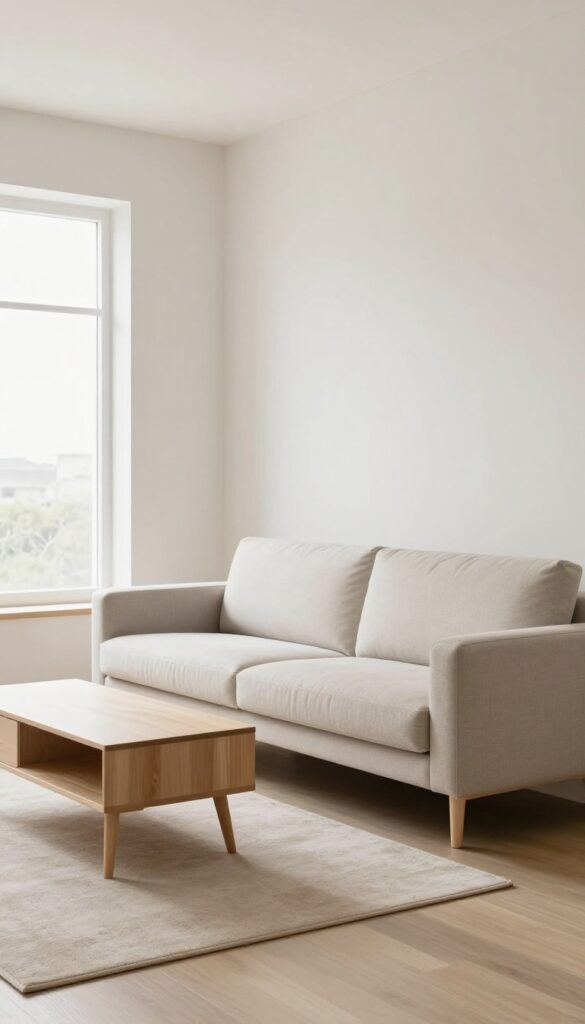
When your living room is narrow, every inch matters—especially the visual ones. Low-profile furniture, like a sleek sofa with a low back or a coffee table that sits close to the floor, keeps the eye moving horizontally instead of vertically. This trick makes the ceiling feel higher and the room feel wider, all while maintaining that light and airy vibe we're going for.
Why It Works
Low furniture opens up sightlines, so you can see from one end of the room to the other without any bulky pieces blocking the view. This creates a sense of flow and makes the space feel less cramped. Plus, it draws attention to the floor area, which can make the room appear larger.
Best For
This approach works wonders in narrow living rooms with standard or low ceilings. It's also great if you have a long, rectangular space where you want to avoid a tunnel-like feel. Low-profile pieces are especially effective when paired with light-colored walls and floors.
Styling Tip
Choose a sofa with a back height under 30 inches and pair it with a low media console or a simple shelf. Add a rug that extends under the front legs of the sofa to anchor the seating area. Keep accessories like lamps and plants at a similar height to maintain the horizontal flow.
10. Add Pendant Lights Instead of Floor Lamps
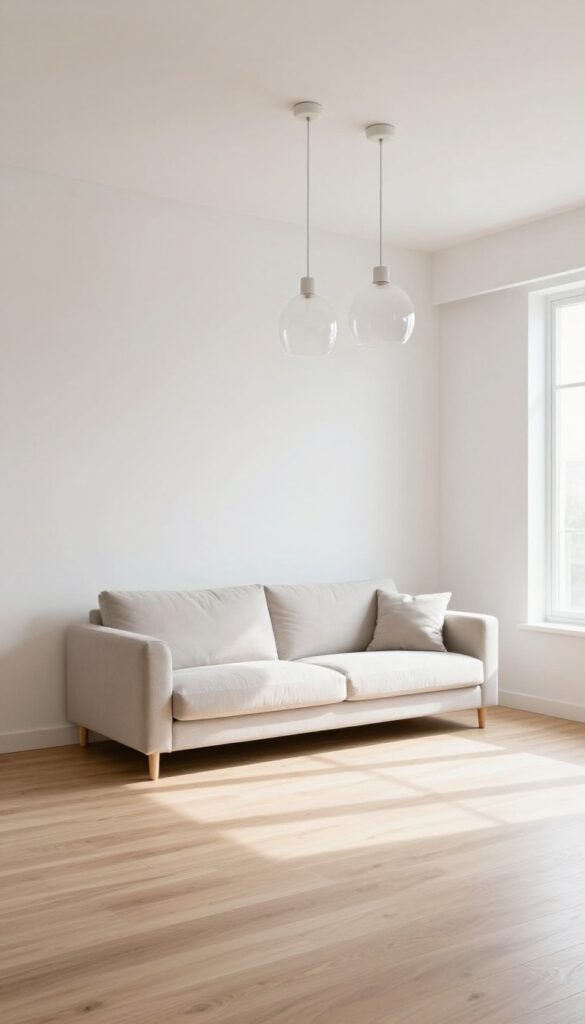
Floor lamps can be bulky and eat into your precious walkway space. Pendant lights offer a sleek alternative that hangs from the ceiling, keeping the floor clear and the room feeling open. They draw the eye upward, making the ceiling seem higher and the room more spacious.
Plus, they add a modern, airy touch that complements a light and bright aesthetic.
Why It Works
By eliminating floor clutter, pendant lights create a clear path for walking and make the room feel less cramped. They provide ambient lighting from above, which can make the space feel larger and more cohesive.
Best For
This idea works especially well in narrow living rooms with low or standard ceilings, where every inch of floor space counts. It's also great for rooms with a modern or minimalist style.
Styling Tip
Hang pendants at least 30 inches above any furniture, like a coffee table or sofa, to avoid blocking views. Choose glass or open-bottom shades to keep the look light and airy.
11. Place Seating at an Angle
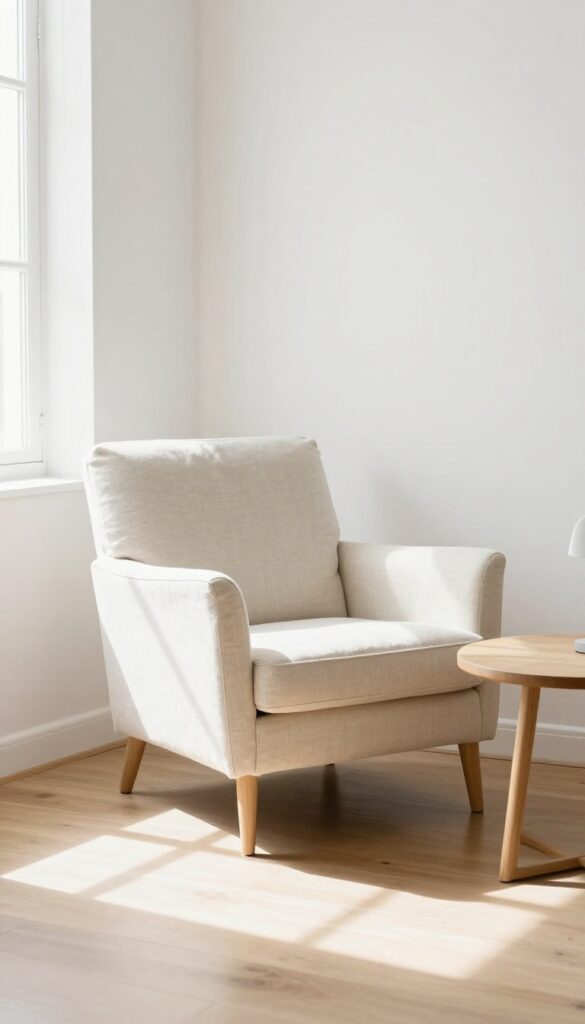
Rotating a chair or a small sofa just a few degrees can work wonders in a narrow living room. Instead of lining everything up against the walls like soldiers, a slight angle introduces a sense of movement and openness. It breaks the long corridor effect and makes the space feel wider and more inviting.
The room instantly feels less like a hallway and more like a cozy gathering spot.
Why It Works
Angled seating disrupts the straight lines that emphasize length in a narrow room. It draws the eye diagonally, creating a more dynamic layout that makes the floor plan feel broader. This small shift also naturally creates a conversation area, making the room feel more social and less like a pass-through zone.
Best For
This trick works especially well in long, rectangular living rooms where furniture is typically pushed against the walls. It's ideal when you have a corner or an area near a window that feels underused. Angling a single accent chair or a loveseat can define a reading nook or a secondary seating zone without blocking the walkway.
Styling Tip
Anchor the angled piece with a small round side table or a floor lamp to visually balance the layout. Choose a chair with an open back or slim legs to keep the look airy. A light-colored upholstery, like linen or cotton in cream or pale gray, will reinforce the light and airy feel without adding visual weight.
12. Use a Slim Credenza for Storage
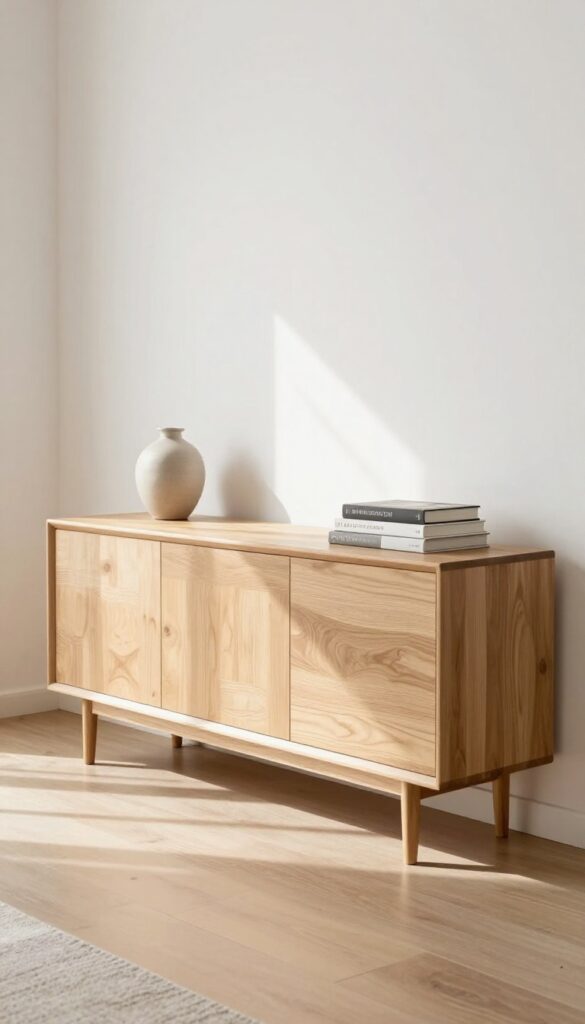
A narrow credenza against one wall offers hidden storage without protruding into the walkway. Look for one with legs to keep the floor visible.
Why It Works
A slim credenza provides ample storage for media components, books, or decor while maintaining a shallow depth that doesn't eat into the walkway. The legs create an airy feel, making the room appear larger.
Best For
Long, narrow living rooms where one wall is mostly empty and you need a place to stash remotes, magazines, or board games without cluttering the floor.
Styling Tip
Choose a light wood or white finish to keep the look light and airy. Add a few sculptural objects on top, like a ceramic vase or a stack of coffee table books, to draw the eye upward.
13. Keep the Color Palette Light and Monochromatic
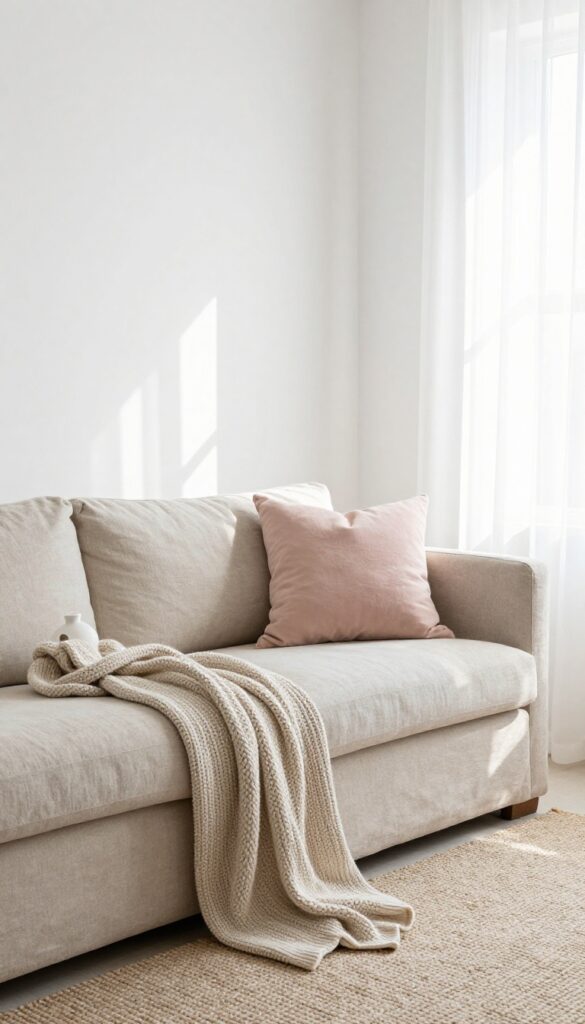
There’s something quietly powerful about a room that feels like one continuous, breathable space. When you stick to light, similar tones across walls, floors, and furniture, the eye glides rather than stops. In a narrow living room, that visual flow is everything—it tricks the mind into seeing more square footage than actually exists.
Think soft whites, warm beiges, pale greys, and maybe a whisper of blush or buttercream. Nothing shouts, nothing competes. The result is a calm, airy backdrop that makes the room feel bigger and more open, without any major renovation.
Why It Works
- High-contrast color blocks—like a dark sofa against a white wall or a bold rug under a light coffee table—tend to chop up a narrow space visually. Each contrast creates a hard stop that breaks the flow. A monochromatic palette removes those stops.
- The walls, floor, and furniture blend into each other, so the room reads as one unified, expansive area. Light colors also reflect more natural light, which further opens up the room.
Best For
This approach is ideal for narrow living rooms that get limited natural light. It’s also a lifesaver if you have awkward architectural features, like a sloping ceiling or an off-center window, because the seamless palette downplays those quirks. Plus, it works beautifully in rentals where you can’t change the flooring or wall color drastically—just choose furniture and decor in the same tonal family.
Styling Tip
- To keep the look from feeling flat, layer in subtle texture. A chunky knit throw, a linen sofa, a sisal rug, and matte ceramic accessories all add depth without introducing new colors. You can also vary the sheen—mix matte walls with a glossy side table or a velvet cushion.
- The key is to stay within the same lightness range so the texture does the heavy lifting, not the color.
FAQ
How much space should I leave for a walkway in a narrow living room?
Aim for at least 24 to 36 inches of clear walkway space. This allows one person to move comfortably without feeling squeezed.
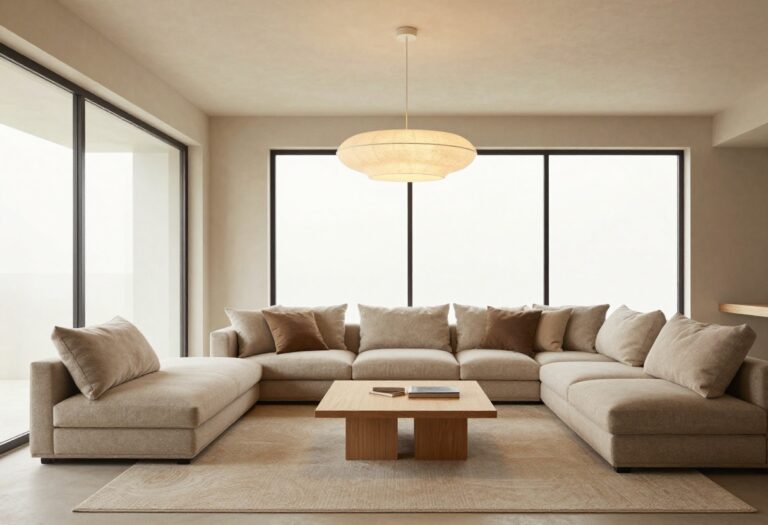
Can I use a sectional in a narrow living room?
Yes, but choose a slim-profile sectional with a chaise that doesn't block the main path. An L-shaped sectional placed against the longer wall can work well.
What colors make a narrow living room feel wider?
Light, neutral colors like white, cream, soft gray, and pale beige reflect light and make the room feel more open. Stick to a monochromatic palette for a seamless look.
Should I put furniture against the long wall or the short wall?
Generally, placing furniture along the longer walls helps define the space without narrowing the walkway. But floating furniture away from walls can also create a balanced layout.
How can I make a narrow living room feel cozy without closing it in?
Use layered lighting, soft textiles, and a few warm accents. A round rug, plush throw pillows, and a low coffee table add coziness without sacrificing openness.
Conclusion
A narrow living room doesn't have to feel like a hallway. With a few intentional layout choices, you can create a space that's both functional and inviting. Focus on keeping the walkways clear, the furniture proportional, and the palette light.
Remember, every inch counts, but you don't need to overthink it. Start with one or two of these ideas, and you'll notice the difference right away. Your living room should feel like a place to relax, not a puzzle to solve.