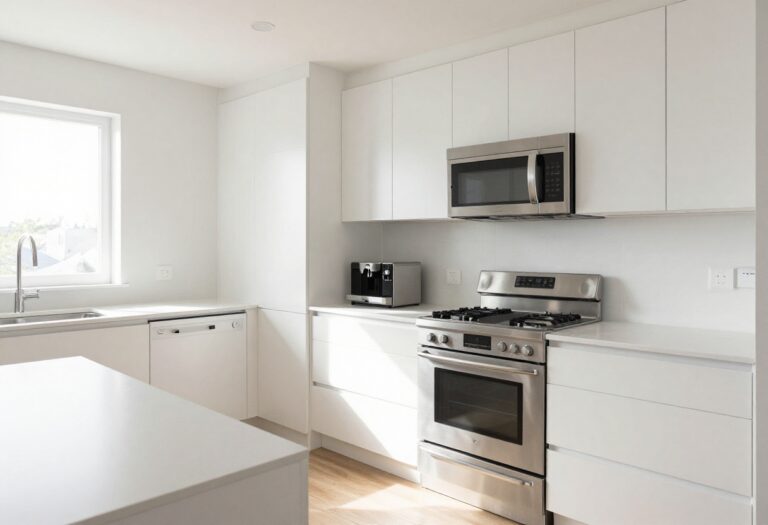
15 Clever Alcove Ideas for Living Room Storage and Display
Alcoves can feel like awkward leftover spaces, but they're actually hidden gems waiting to be styled. Whether you have a shallow nook beside the fireplace or a deep recess next to the window, these pockets of potential can become the most functional and beautiful spots in your living room. The trick is to treat them as intentional design features rather than afterthoughts.
With a little creativity, an alcove can hold everything from books and barware to a cozy reading nook or a mini home office. The best part?
You don't need a big budget or major renovation to make it work. Simple shelving, clever lighting, and a thoughtful arrangement can turn any alcove into a standout feature.
1. Floor-to-Ceiling Built-In Shelves
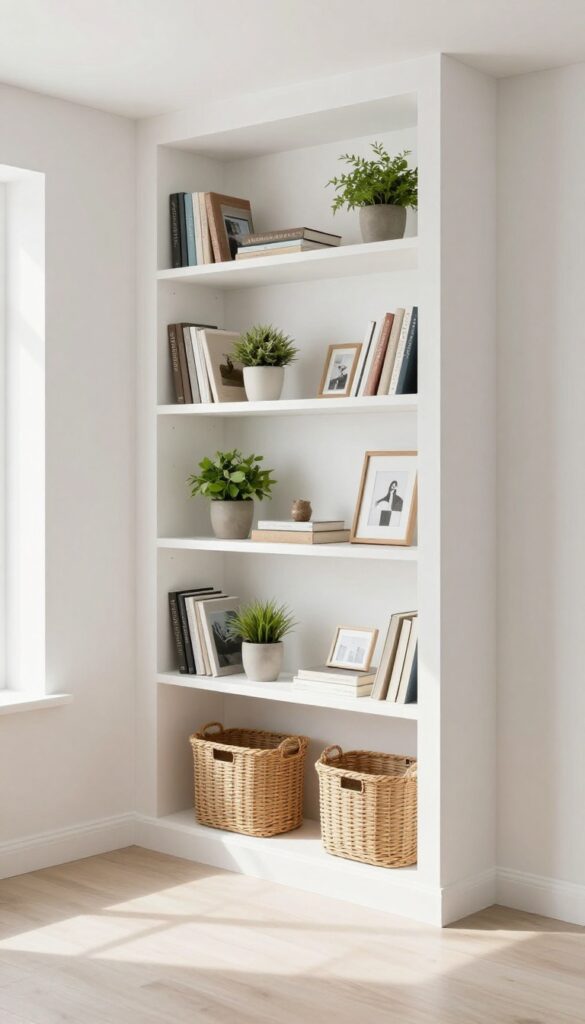
An alcove can feel like an awkward leftover space until you treat it as an opportunity. Floor-to-ceiling built-in shelves turn that nook into a standout feature while adding serious storage. Whether you go custom or use modular units, the key is to fill the entire height so the alcove feels intentional, not forgotten.
This approach works especially well in small living rooms where every inch counts.
Custom built-ins are the dream, but modular shelving systems can achieve a similar look for less. The trick is to measure carefully and choose units that fit snugly—no gaps, no wasted space. Paint the shelves the same color as the wall for a seamless, integrated feel, or go bold with a contrasting hue to make the alcove pop.
Either way, you'll gain a dedicated spot for books, decor, and hidden storage.
Best Materials
For a clean, modern look, go with smooth MDF or plywood painted in a matte finish. If you prefer warmth, natural wood like oak or walnut adds texture. For budget-friendly modular options, look for ladder-style shelving units that can be stacked vertically.
Storage Tip
Use the bottom two shelves for closed cabinets or baskets to hide clutter like remote controls, chargers, or kids' toys. Keep the upper shelves open for display items—books, plants, and framed photos—to maintain an airy feel.
Small-space Fix
In a narrow alcove, avoid deep shelves that eat into floor space. Stick to 10–12 inches deep for most items, and use vertical dividers to keep books and decor organized. This prevents the shelves from feeling bulky while maximizing storage.
2. Cozy Window Seat with Storage
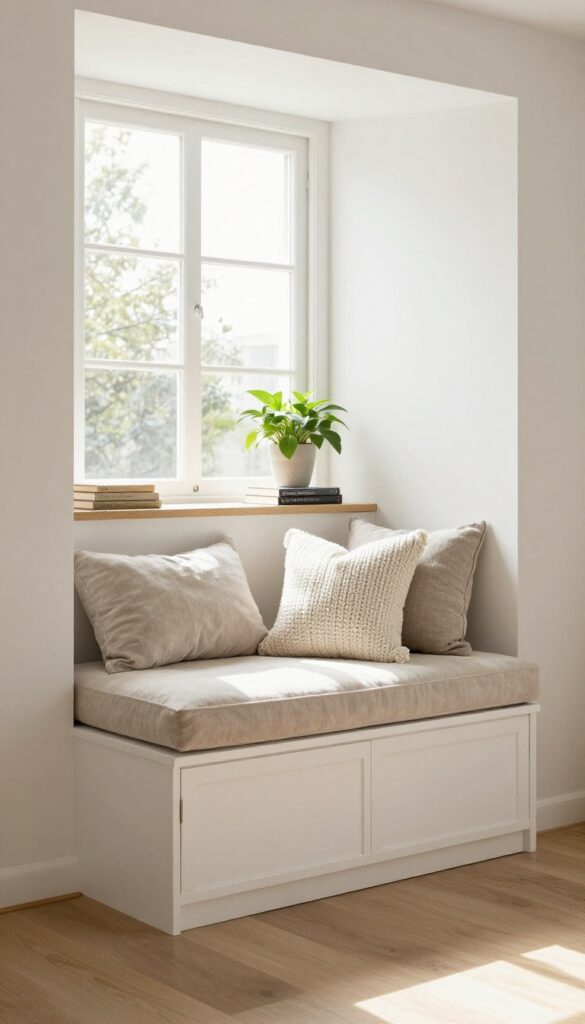
A deep alcove can easily become one of the most inviting spots in your living room. By adding a window seat with hidden storage, you gain a cozy nook for curling up with a book and a clever place to stash blankets, games, or off-season items. The key is making it feel built-in and intentional, not like an afterthought.
Measure the alcove's depth and width to plan a custom bench that fits snugly. Opt for hinged top storage for easy access to larger items, or pull-out drawers for smaller odds and ends. Top it with a thick foam cushion in a durable, stain-resistant fabric—performance velvet or indoor-outdoor canvas works well.
Add a couple of lumbar pillows and a soft throw to make the seat irresistibly comfortable. For a cohesive look, paint the bench the same color as the trim or choose a contrasting hue that ties into your room's palette.
Best Materials
- Use plywood or MDF for the bench structure, finished with a smooth paint or stain. The cushion should have a removable cover for easy cleaning. If the alcove gets direct sunlight, choose fade-resistant fabric.
- For the storage interior, line with cedar or add a moisture barrier if the window is prone to condensation.
Small-space Fix
In a tight living room, a window seat can replace a bulky armchair. Keep the seat depth between 18 and 22 inches so it's comfortable but doesn't eat into floor space. Use the storage beneath to hold items you'd otherwise need a separate cabinet for, like extra throw pillows or a small step stool.
Finishing Touch
Add a shallow shelf above the window seat for a few books, a small plant, or a framed photo. This draws the eye upward and makes the nook feel complete. A reading lamp mounted on the wall or a small pendant light overhead turns it into a functional reading corner.
3. Floating Desk for a Mini Home Office
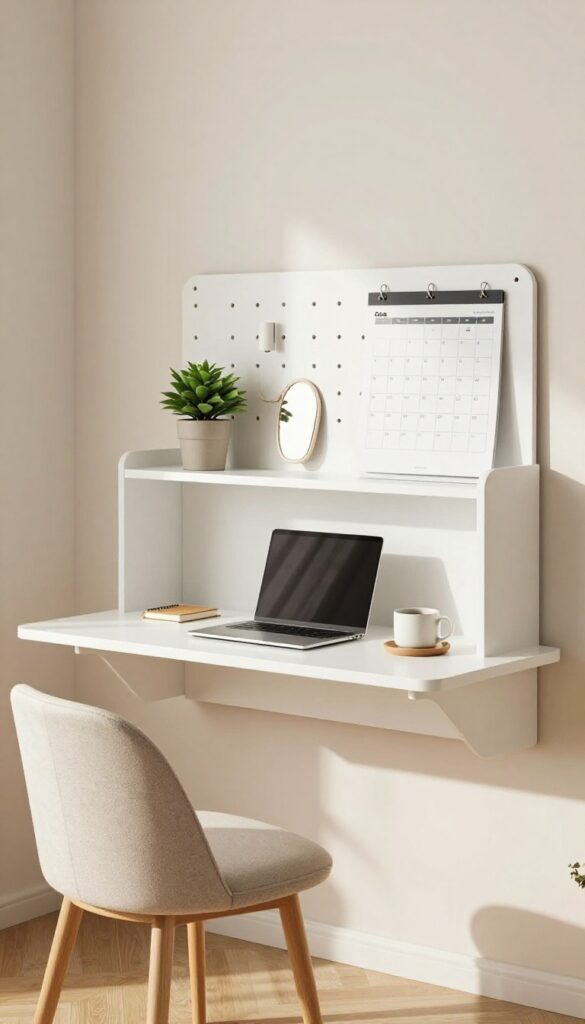
That awkward alcove that’s too shallow for a bookshelf or too narrow for an armchair? It’s actually the perfect spot for a floating desk. By mounting a slim desktop directly onto the wall, you create a workspace that takes up almost zero floor space.
Add a small shelf above for a lamp and a few supplies, and you’ve got a fully functional mini office that disappears when not in use.
A floating desk turns an unused nook into a productive corner without crowding the room. The key is keeping it streamlined: choose a desk depth of 12–16 inches so you can still fit a laptop and a notebook. A cord management system (think adhesive clips or a cable raceway) keeps wires from trailing onto the floor.
Finish the look with a task lamp and a small plant for a breath of life.
Best Materials
Go with a solid wood or wood-veneer top for warmth, or a glossy white or black lacquer for a modern, clean look. If the alcove gets direct sunlight, avoid dark finishes that show dust easily. A matte finish hides fingerprints better than a high-gloss one.
Small-space Fix
Maximize every inch by installing a pegboard above the desk. You can hang a calendar, small baskets for supplies, and even a small mirror to make the area feel larger. Keep the desktop clutter-free—only the essentials should live here.
Finishing Touch
Add a slim, upholstered stool that tucks completely under the desk when not in use. A warm-toned wood stool with a cushioned seat adds comfort without taking up visual space.
4. Gallery Wall with Floating Shelves
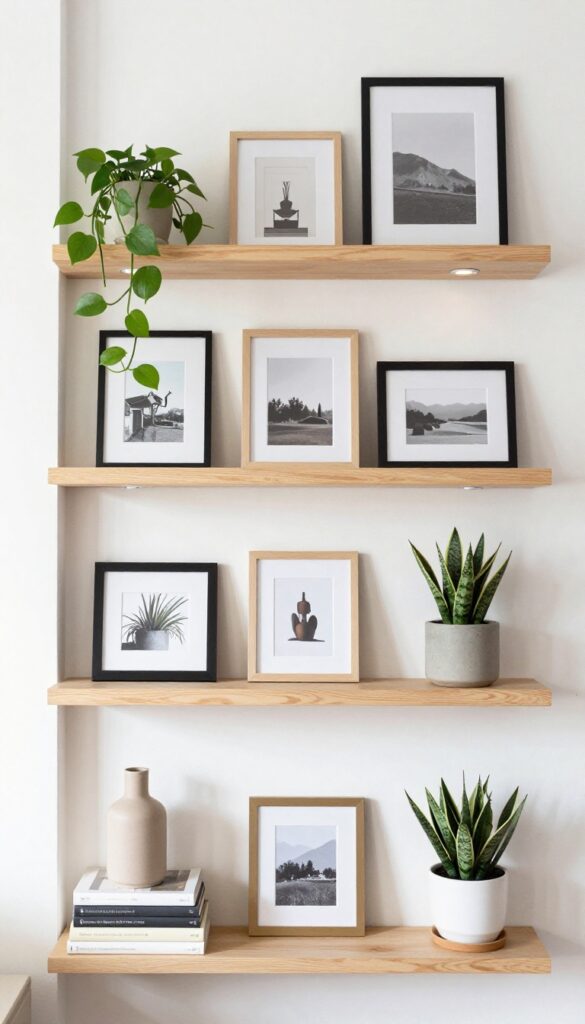
Turn your alcove into a mini art gallery that feels curated, not cluttered. Floating shelves at different heights let you layer prints, photos, and small sculptures without overwhelming the space. The staggered layout draws the eye upward, making the alcove feel taller and more intentional.
It's a perfect solution for renters or anyone who wants to avoid drilling too many holes—just a few brackets and you're set.
Mixing art with functional display is the secret here. Choose a cohesive color palette for your frames and shelf finishes—black and natural wood keeps it grounded, while white frames on a white wall feel airy and modern. Add a trailing pothos or a small snake plant in a ceramic pot to soften the edges.
The result is a living wall that changes as you swap out pieces, keeping your decor fresh without a full redesign.
Shelf Styling Tip
- Vary the heights and depths of your objects. Place a tall vase next to a stack of books, then lean a small framed print behind a low succulent. This creates visual rhythm and prevents the display from looking flat.
- Stick to odd numbers for groupings—three items per shelf usually hits the sweet spot.
Small-space Fix
If your alcove is narrow, use slim floating shelves (8–10 inches deep) and keep the art small to medium. Avoid bulky frames; instead, opt for lightweight prints in simple frames or even clip-on wire hangers for a more minimal look. This keeps the alcove feeling open rather than stuffed.
Finishing Touch
Install a small picture light above the top shelf or use a battery-operated LED strip under the middle shelf to highlight your collection. Warm light makes the gallery feel cozy and intentional, especially in the evening.
5. Bar Cart or Mini Drink Station
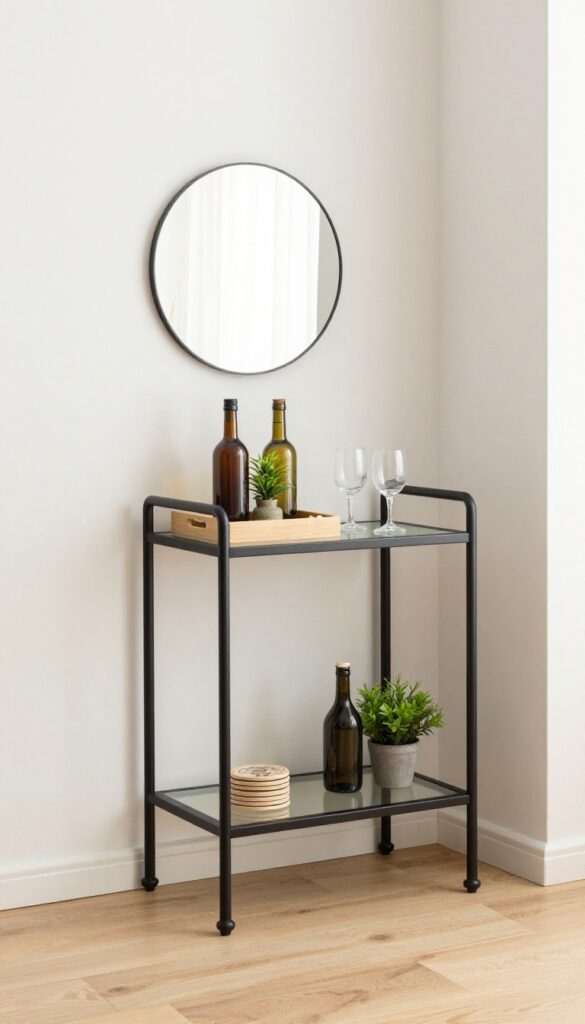
Even a narrow alcove can become the most popular spot in the room when you turn it into a dedicated drink station. A slim bar cart or a petite console table fits perfectly into tight spaces, giving you a place to mix cocktails, display your favorite bottles, and add a touch of hospitality. The key is keeping it streamlined—think one tray, a few glassware pieces, and a small mirror or art above to anchor the area.
This setup feels intentional and inviting, not cluttered, making the alcove feel like a purposeful part of the living room.
An alcove bar cart is all about smart styling and easy access. Start with a cart or table that matches your room's finish—warm wood for a cozy vibe, black metal for an industrial edge, or acrylic for a modern, airy feel. Keep the top surface simple: a tray corrals bottles and glasses, while a small vase or candle adds a personal touch.
Use the lower shelf for backup bottles or a stack of coasters. Above, a small mirror reflects light and makes the space feel bigger, or a piece of art adds color. This setup works in any living room, especially in tight spots where a full bar cabinet won't fit.
Best Materials For A Compact Bar
- For a small alcove, choose materials that feel light and intentional. A slim metal cart with glass shelves keeps the visual weight low, while a narrow wood console adds warmth without overwhelming. If you go with a cart, look for one with wheels—you can roll it out when hosting and tuck it back when not in use.
- For the tray, opt for lacquered wood, marble, or a simple metal finish to tie the look together. Glassware should be clear or lightly tinted to avoid a heavy feel.
Styling Tip: Keep It Edited
- Resist the urge to fill every inch. Stick to three to five bottles maximum—choose ones with attractive labels or decant spirits into matching carafes. Group glasses by type: a few highballs and rocks glasses are enough.
- Add one decorative object, like a small plant or a ceramic coaster holder, to keep the display curated. The goal is a vignette that looks ready for a drink, not a fully stocked bar. A small mirror or framed print above the cart completes the scene without adding clutter.
Small-space Fix: Use Vertical Space
- If the alcove is very narrow, mount a floating shelf a few inches above the cart to store extra glassware or a cocktail book. This draws the eye upward and makes the alcove feel taller. Alternatively, hang a small wall-mounted wine rack on one side.
- Keep everything within easy reach—the whole point is that you can grab a glass and pour without rummaging through cabinets. For a finishing touch, add a small LED puck light under the shelf to highlight the bottles and glassware in the evening.
6. Book Nook with a Comfy Chair
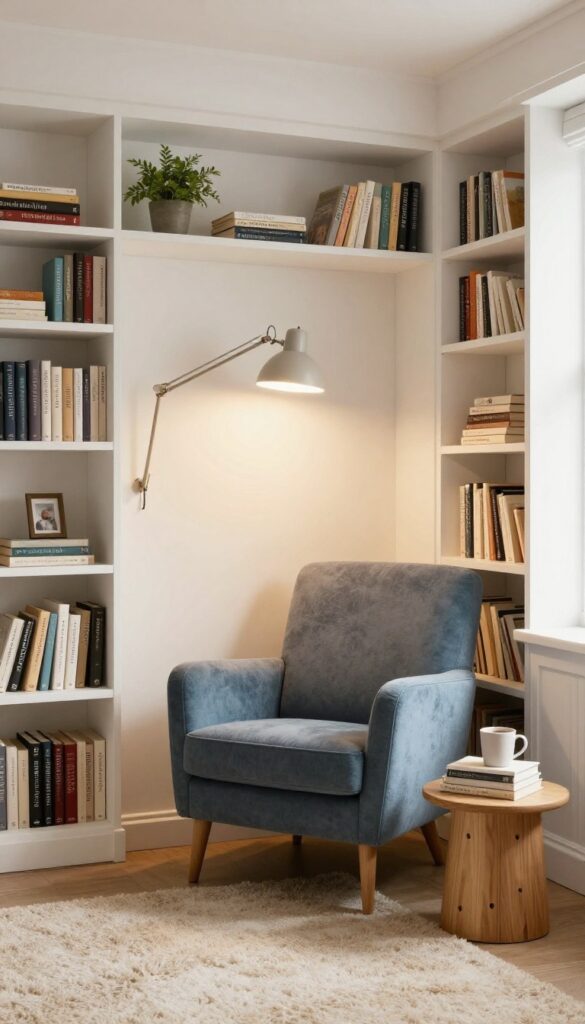
Turn a deeper alcove into your personal reading sanctuary. This idea combines storage and comfort by placing a cozy armchair or floor cushion inside the recess, with wall-mounted shelves on either side for books and decor. A reading lamp and a small side table complete the setup, making it a perfect spot to unwind without taking up extra floor space.
It’s especially effective in small living rooms where every inch counts—you get a functional library corner that feels like a built-in retreat.
A deeper alcove is ideal for carving out a quiet reading corner that doesn’t sacrifice style. Start by selecting a comfortable chair that fits the width of the alcove—think a compact armchair with clean lines or a plush floor cushion for a more casual vibe. Flank the seating with wall-mounted shelves that rise to the ceiling, using them to store your favorite reads, small plants, or framed photos.
Add a slim side table within arm’s reach for a coffee mug or a stack of books, and install a swing-arm reading lamp to direct light exactly where you need it. The result is a cozy, visually layered nook that feels intentional and inviting.
Best Colors
Stick with a neutral palette to keep the nook feeling airy and uncluttered. Soft whites, warm grays, or light beige on the walls and shelves create a calm backdrop. Add a pop of color through the chair upholstery—like a dusty blue or muted green—to give the nook personality without overwhelming the space.
Layout Tip
Measure the alcove depth and width before choosing the chair. Leave at least 6 inches of space on each side for shelves, and ensure the chair doesn’t protrude past the wall line. If the alcove is shallow, opt for a floor cushion or a low-profile chair to maintain an open feel.
Cozy Detail
Layer in texture with a chunky knit throw draped over the chair and a small wool rug underfoot. This adds warmth and makes the nook feel more inviting. A soft floor lamp with a fabric shade can also diffuse light gently, enhancing the cozy atmosphere.
7. Display Niche for Collectibles
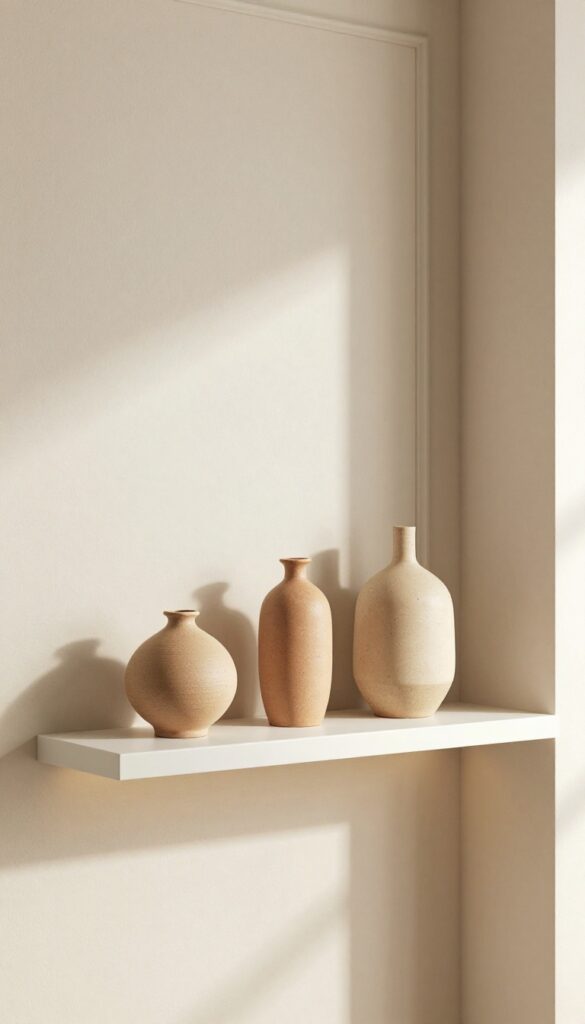
Turn an awkward alcove into a mini gallery for your favorite treasures. A dedicated display niche gives ceramics, vases, or travel souvenirs a curated home without cluttering tabletops. The key is to keep it intentional—edit your collection so each piece has breathing room, then let lighting do the heavy lifting.
This approach works especially well in small spaces, where a focused vignette can feel more impactful than scattered decor.
A dedicated display niche turns an awkward alcove into a mini gallery for your favorite treasures. Whether you have a collection of ceramics, vases, or travel souvenirs, a single shelf or a series of small ledges gives each piece room to shine. The key is to keep it intentional—edit your collection so each piece has breathing room, then let lighting do the heavy lifting.
This approach works especially well in small spaces, where a focused vignette can feel more impactful than scattered decor.
Shelf Styling Tip
- Stick to odd numbers and varying heights for a natural rhythm. Place the tallest piece off-center, then layer shorter items in front. Leave some negative space—about 30% of the shelf should stay empty to avoid a cluttered look.
- If your alcove is deep, consider a single floating shelf rather than multiple ledges to keep the display clean.
Lighting Tip
- Accent lighting transforms a simple shelf into a focal point. Install puck lights under each ledge or a small spotlight above the alcove. Warm white bulbs (2700K–3000K) make ceramics and natural materials glow without washing them out.
- If hardwiring isn't an option, battery-operated stick-on lights work just as well and are easy to hide.
Small-space Fix
In a tight alcove, use a single narrow ledge instead of a full cabinet. Paint the back wall a contrasting color—like deep navy or sage green—to make lighter collectibles pop. This trick adds depth without taking up any floor space, perfect for apartments or cozy living rooms.
8. Media Console Alternative
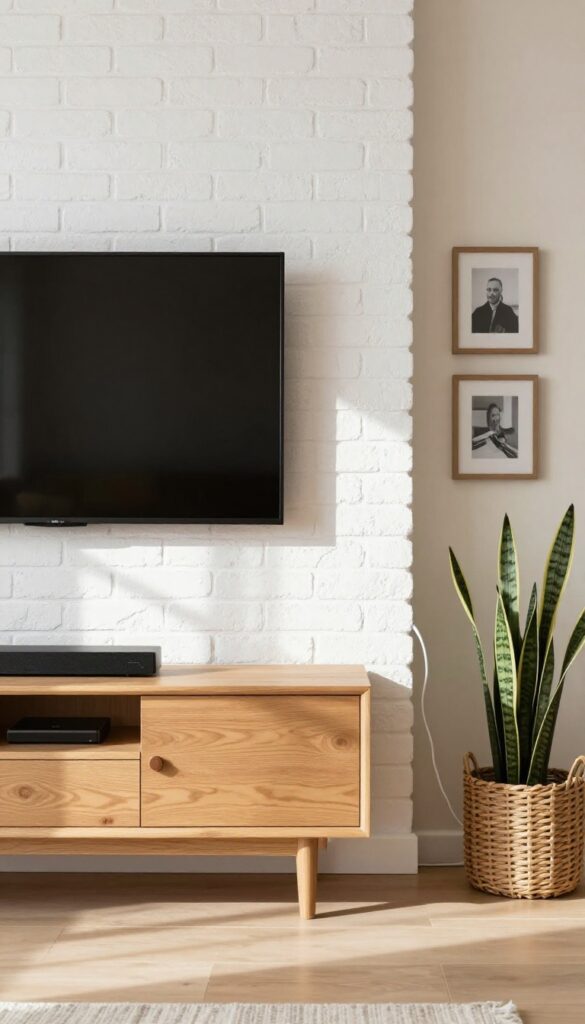
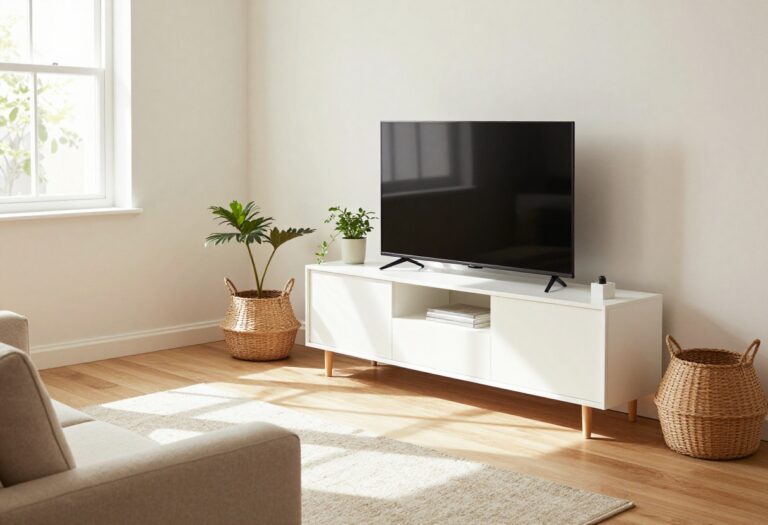
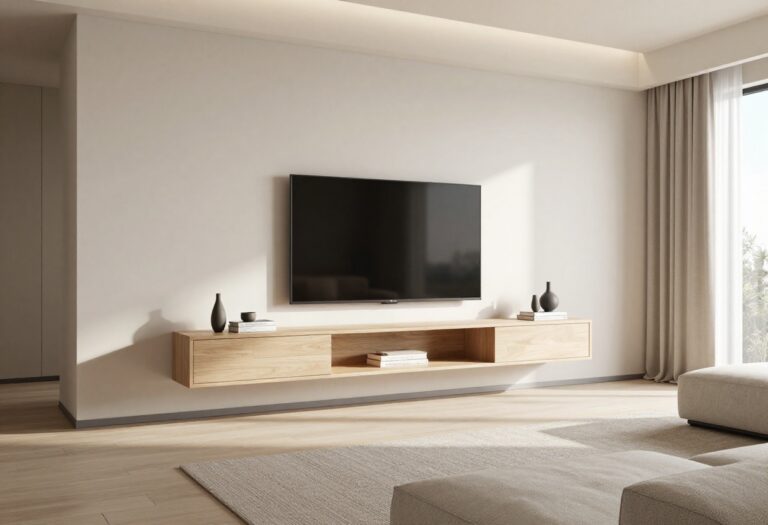
Tucking a TV into an alcove can feel like a design win—it keeps the screen from dominating the room and turns an awkward nook into a functional focal point. A low media console or a simple floating shelf lets the alcove do the heavy lifting, so you don't need a bulky entertainment center. The key is making the setup feel intentional, not like an afterthought.
When your alcove sits near the main TV area, it's the perfect spot to house a streamlined media console or a dedicated shelf for the TV and components. This approach frees up floor space and creates a built-in look without the cost of custom cabinetry. Choose a console that's slightly narrower than the alcove to leave breathing room on each side, or go for a floating shelf that spans the full width for a cleaner line.
Keep cables hidden with a cord cover painted to match the wall—this small step makes the whole setup look polished. Style the surrounding alcove walls with a few framed photos or a small plant to soften the electronics.
Best Materials
Wood adds warmth and blends with most living room styles—try a light oak or walnut console for a natural feel. If you prefer a more modern look, a matte black or white lacquered shelf keeps the focus on the screen. For texture contrast, consider a rattan-front console that hides components while adding boho charm.
Layout Tip
Position the console so the TV sits at eye level when you're seated. If the alcove is shallow, mount the TV on the back wall and place the console beneath it for components. Leave a few inches of space above the TV to avoid a cramped look.
Finishing Touch
Add a slim soundbar or a pair of small speakers on the console to improve audio without clutter. A cord cover painted the same color as the alcove wall makes cables virtually disappear.
9. Plant Corner with Tiered Stands
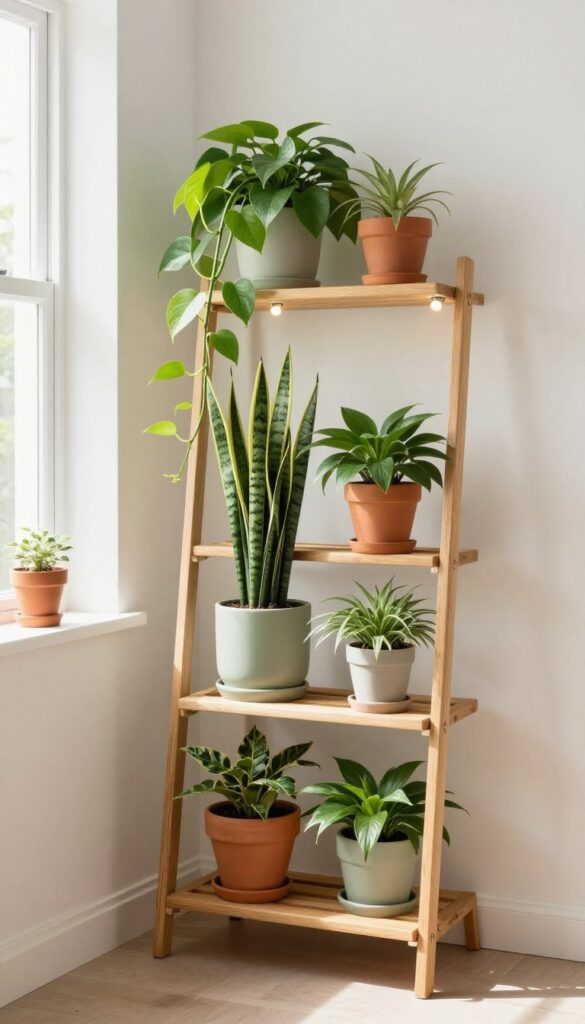
An alcove can easily become a lush, living focal point when you fill it with greenery. A tiered plant stand or a set of floating shelves lets you layer plants at different heights, creating a mini indoor garden that feels both intentional and alive. This setup works especially well in small spaces because it uses vertical real estate without crowding the floor.
Even if your alcove doesn't get much natural light, a simple grow light can keep your plants happy and thriving.
Start with a slim, multi-level plant stand that fits the alcove's width, or install two or three floating shelves in a staggered arrangement. Place larger, trailing plants like pothos or philodendrons on the lower levels, and smaller upright plants like snake plants or succulents on the higher shelves. This layering draws the eye upward and makes the corner feel fuller.
If the alcove is narrow, choose a single tall plant stand with three or four tiers to maximize display space. Add a small grow light on the top shelf or clip one onto the stand to supplement dim corners. Finish with a few decorative pots in complementary tones—think matte terra-cotta, warm beige, or soft sage—to keep the look cohesive.
Plant Styling Tip
Mix trailing, upright, and bushy plants for visual variety. A cascading ivy on the top shelf, a tall fiddle leaf fig on the floor, and a compact ZZ plant on the middle shelf create a balanced silhouette. Rotate pots occasionally so each plant gets even light exposure.
Lighting Tip
If your alcove lacks windows, install a small LED grow light on a timer. Choose a warm white bulb (around 3000K) to mimic natural sunlight and keep the space feeling cozy. Clip lights work well on shelves, while slim floor lamps can tuck behind the plant stand.
Small-space Fix
For very tight alcoves, use wall-mounted floating shelves instead of a floor stand. This keeps the floor clear and makes the room feel more open. Stick to three shelves max, and leave a few inches of breathing room between pots to avoid a cluttered look.
10. Mudroom-Style Drop Zone
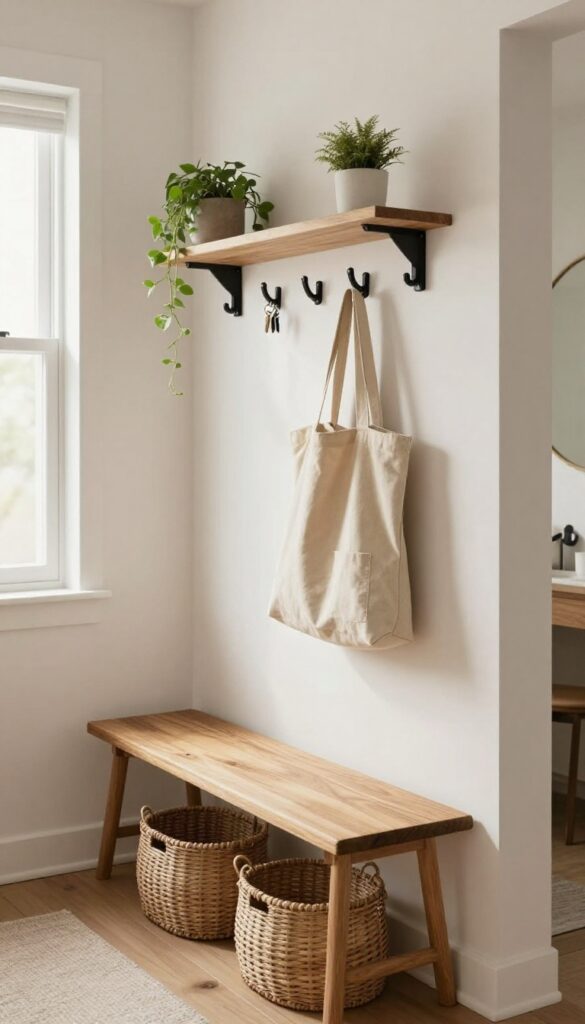
Turn that awkward alcove near your entryway into a hardworking mudroom-style drop zone, even if you don't have a dedicated mudroom. This setup keeps daily clutter contained and makes coming and going feel more organized. With hooks, a bench, and a few baskets, you can create a spot that's both functional and visually tidy.
The key is to treat the alcove like a mini entryway: install a row of sturdy hooks for coats and bags, add a slim bench with hidden shoe storage underneath, and mount a small shelf above for keys, mail, and everyday essentials. Use woven baskets or fabric bins to corral smaller items like gloves, hats, and dog leashes. This idea works best in an alcove that's at least two feet deep and three feet wide, but even a narrow nook can be outfitted with a wall-mounted coat rack and a floating shelf.
Keep the color palette neutral—think warm wood, black metal, and natural fibers—so the zone blends into the living room without feeling like an afterthought. A small mirror or a piece of art above the shelf adds a finishing touch and makes the space feel intentional.
Storage Tip
Maximize every inch by choosing a bench with built-in cubbies or drawers. If the alcove is too shallow for a bench, opt for a wall-mounted fold-down seat that tucks away when not in use. Baskets with labels keep everyone's gear sorted and easy to grab on the way out.
Small-space Fix
In a tight alcove, skip the bench altogether and install a row of hooks at different heights—lower hooks for kids, higher ones for adults. Add a narrow shelf just above the hooks for mail and keys, and use a slim shoe rack on the floor that slides under the shelf.
Finishing Touch
Paint the alcove walls a slightly darker shade than the main room to define the zone without adding physical barriers. A warm gray or deep navy creates a cozy nook effect. Then add a small rug or a runner that's easy to clean—like a washable cotton or indoor-outdoor style—to catch dirt and moisture.
11. Art Display with Picture Lighting
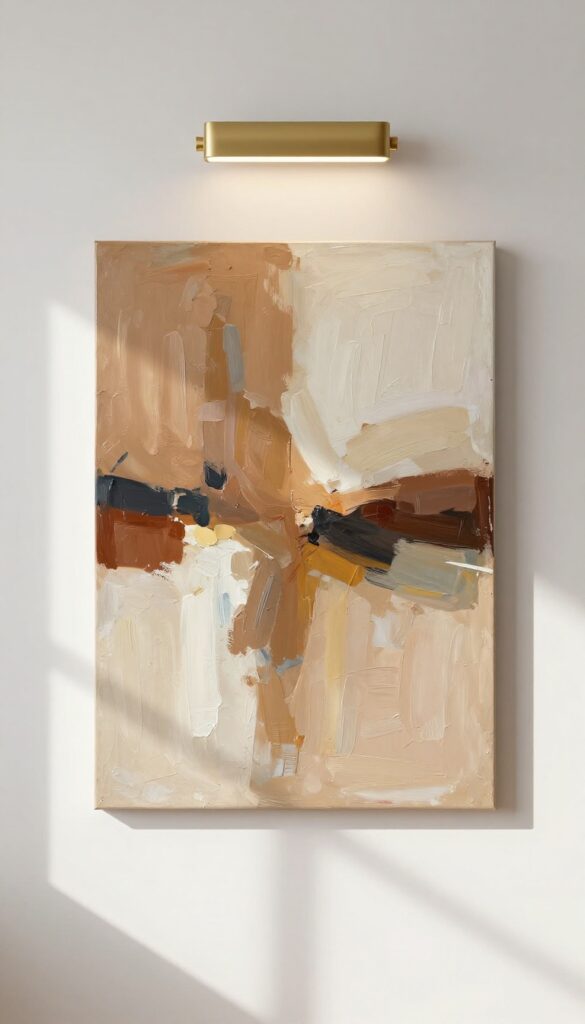
An alcove is practically begging to become a miniature gallery wall. By hanging a single large statement piece or a curated cluster of smaller artworks, you turn an awkward nook into a focal point that feels intentional and polished. The real magic comes from adding picture lights above—they cast a warm glow that highlights textures and colors, making the art pop while adding a layer of depth and drama that flat wall lighting just can't match.
This idea works especially well in living rooms where you want to create a sophisticated corner without taking up floor space. The alcove frames the art naturally, so you don't need bulky furniture or extra decor to make an impact. Choose artwork that complements your existing color palette—a bold abstract can energize a neutral room, while a serene landscape adds calm.
Picture lights come in various finishes like brass, black, or chrome, so you can match your hardware or go for a contrasting accent. For a cohesive look, keep the frame style consistent if hanging multiple pieces, and space them evenly. This setup also works in hallways or above a console table for a gallery-like entryway.
Best Art Choices
- Go for pieces that have strong contrast or interesting textures, since the alcove's shadows can either enhance or muddy the details. A single large canvas with bold brushstrokes or a metallic print catches light beautifully. If you prefer a series, stick to similar themes or frame colors to avoid visual chaos.
- Black-and-white photography also reads well in small spaces because it feels clean and timeless.
Lighting Tip
- Install adjustable picture lights that let you direct the beam exactly where you want it. LED options are great because they stay cool and won't fade your art over time. Position the light about 6 to 12 inches above the artwork, angled down at 30 degrees for even illumination.
- If your alcove is shallow, a slim profile light keeps the look sleek without protruding too much.
Small-space Fix
In tight living rooms, use the alcove as a visual escape by hanging a piece with a deep perspective, like a landscape or cityscape. This tricks the eye into seeing more depth, making the room feel larger. Keep surrounding decor minimal—maybe a single small plant or a stack of books on the floor below—so the art remains the star.
12. Toy or Game Storage with Bins
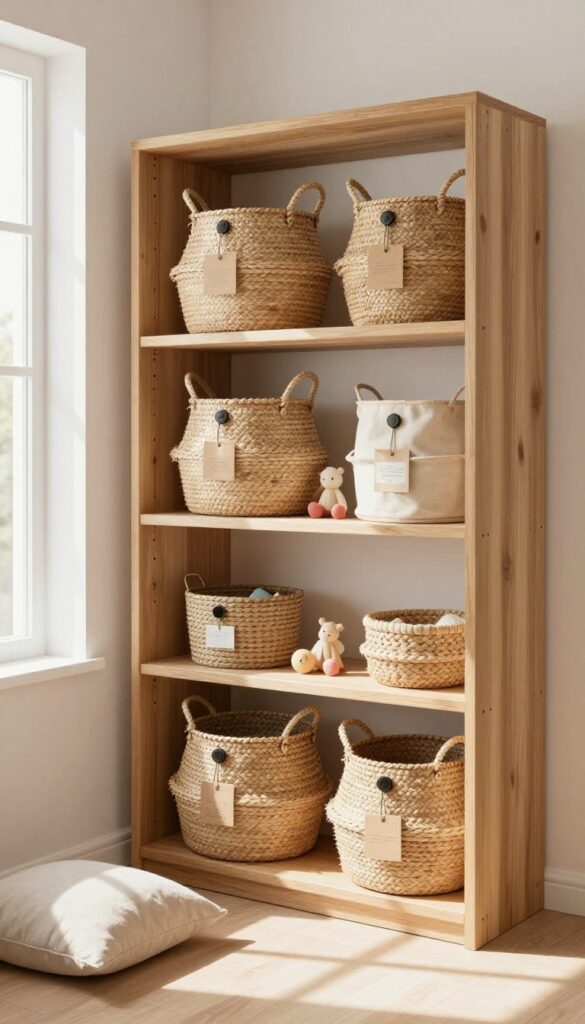
An alcove can be a lifesaver when you need to keep toys and board games accessible but out of sight. By adding open shelves and a set of stylish bins or baskets, you create a designated spot that encourages easy cleanup. The key is choosing containers that look good enough to leave out, so the alcove feels like part of the decor rather than a messy play zone.
This setup works especially well in family-friendly living rooms where floor space is limited. Label each bin with the type of toy or game inside, making it simple for kids to grab what they need and put things back. The open shelves keep everything visible, which often leads to more independent play and tidying.
Plus, the bins add texture and color, so the alcove becomes a visual feature rather than an afterthought.
Best Bins And Baskets
Woven seagrass baskets bring warmth and a natural feel, while canvas bins with rope handles offer a cleaner, more modern look. For a playful touch, choose bins in a single bold color like mustard or teal, or mix two complementary shades. Avoid plastic bins if you want the alcove to feel curated—they can look too utilitarian next to living room furniture.
Small-space Layout Tip
If your alcove is narrow, stick to one or two shelves and use taller bins that maximize vertical storage. Place the most-used items on the lowest shelf so little ones can reach them easily. For board games, consider slim magazine files or shallow trays that slide out, keeping the shelves from looking cluttered.
Finishing Touch
Add a small cushion or a low stool nearby so kids can sit and play right in front of the alcove. This creates a cozy mini play zone that stays contained, and the cushion can be easily moved when not in use. A soft floor lamp nearby also makes the area feel inviting and helps with evening playtime.
13. Mirror and Console Table Combo
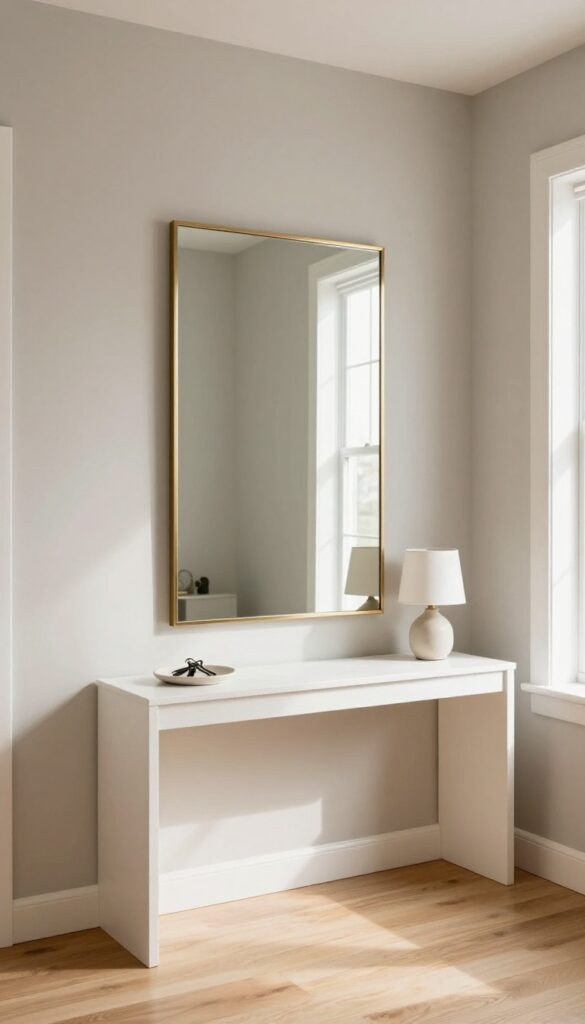
An alcove can sometimes feel like a dead zone, but a mirror and console table combo instantly turns it into a focal point. The mirror reflects light and makes the space feel larger, while the slim console keeps things practical without eating into the room. It’s a simple setup that works in small living rooms, hallways, or even a cozy corner that needs a lift.
This idea is all about creating the illusion of more space while adding a spot for daily essentials. A large mirror above a narrow console table opens up the alcove visually, and the table gives you a surface for a lamp, a tray for keys, or a few decorative objects. Keep the styling minimal to avoid clutter—think one or two statement pieces rather than a crowded shelf.
The mirror’s frame matters too: a slim metal frame keeps things modern, while a wooden one adds warmth. This combo works best in alcoves that are at least 24 inches deep so the table doesn’t stick out awkwardly. For a small-space-friendly twist, choose a mirror with built-in shelving or a console with drawers to hide away remotes and mail.
Best Colors And Finishes
- Stick with light, reflective finishes to maximize the airy feel. A white or pale wood console pairs beautifully with a mirror that has a gold or silver frame. If your alcove is in a darker corner, go for a mirror with a beveled edge to catch more light.
- For a bolder look, a black console with a brass mirror adds contrast without weighing down the space.
Styling The Console
- Less is more here. Place a small table lamp on one side for a warm glow in the evenings. Set a decorative tray on the other side to hold a candle or a small plant.
- Add a stack of two or three coffee table books for height, and top them with a tiny sculpture or a ceramic dish. Keep the arrangement asymmetrical for a relaxed, curated feel.
Small-space Fix
- If your alcove is shallow, use a floating shelf instead of a console table. Mount a mirror above it, and style the shelf with the same lightweight approach. This keeps the floor clear and makes the room feel even more open.
- Another trick: choose a mirror that’s slightly wider than the shelf to visually expand the area.
14. Pet Bed Nook
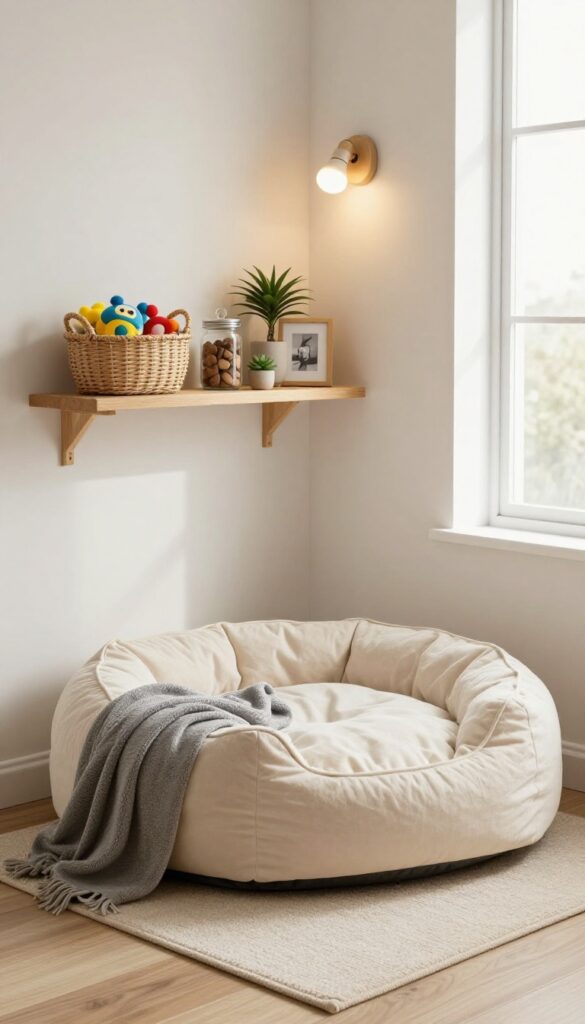
Your furry friend deserves a spot that feels just as intentional as the rest of your living room. An alcove is the perfect place to create a dedicated pet corner that blends right in with your decor. By adding a few shelves above the bed, you can keep treats, toys, and leashes organized and out of sight.
Turn that awkward alcove into your pet's favorite hideaway. Start with a plush pet bed that fits snugly into the space—choose a color that complements your sofa or rug. Above it, install floating shelves to hold a basket of toys, a jar of treats, and maybe a small plant or framed photo to keep the look polished.
A soft throw blanket draped over the bed adds warmth and makes the nook extra inviting. Keep the floor area clear so your pet can hop in and out easily. This setup not only gives your pet a cozy retreat but also frees up floor space elsewhere in the room.
Best Materials
Go for easy-to-clean fabrics like canvas or microfiber for the pet bed, and choose wood or metal shelves that match your existing furniture. A washable rug pad underneath the bed protects the floor and adds cushioning.
Small-space Fix
If your alcove is narrow, opt for a wall-mounted pet bed that folds down when not in use. This keeps the floor clear and gives you extra room for a small side table or plant.
Finishing Touch
Add a small, dimmable wall sconce or a clip-on reading light above the bed. It creates a warm glow for evening cuddles and makes the nook feel like a cozy reading spot for you too.
15. Fold-Down Table for Dining or Crafting
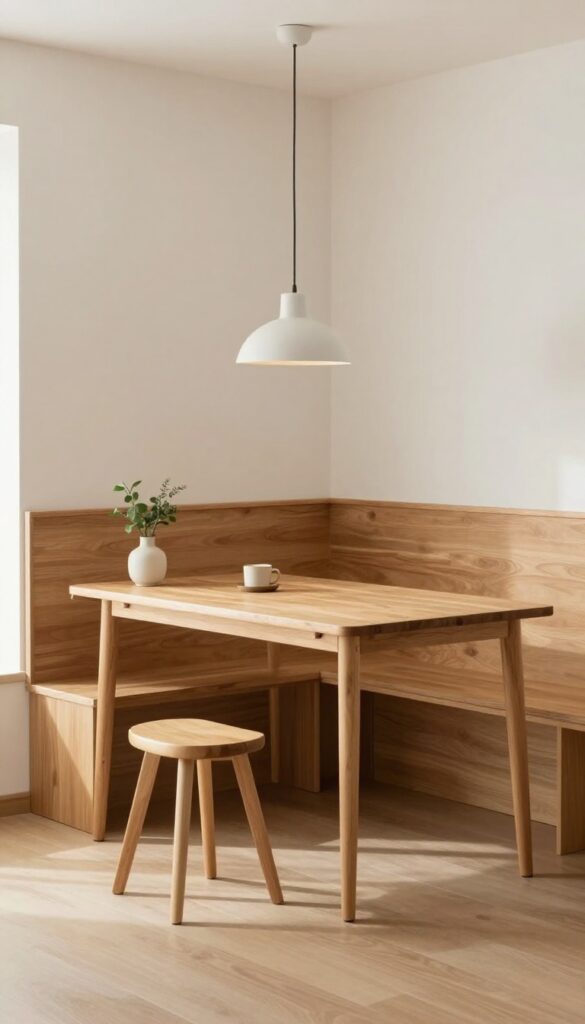
A shallow alcove might seem like wasted space, but it can actually become one of the most functional spots in your home. By mounting a fold-down table on the wall, you create an instant dining nook or crafting station that disappears when you need the floor clear. This is especially brilliant in small apartments or multi-purpose living rooms where every square inch counts.
The key is choosing a table depth that fits your alcove snugly, usually around 12 to 16 inches deep, so it doesn't protrude awkwardly when folded down.
Install a fold-down wall table in a shallow alcove to create a drop-in dining or crafting area. When not in use, it folds flat against the wall, saving precious floor space. Pair it with a slim stool or two that can tuck underneath or be stored nearby.
Add a small task lamp above for focused light, and you've got a spot that works for morning coffee, laptop work, or a quick meal without eating into your living room square footage.
Best Materials
Go with a solid wood top like oak or walnut for a warm, durable surface that can handle daily use. If your style leans modern, a white laminate or matte black finish keeps things sleek. Avoid glass—it shows fingerprints and feels less inviting for dining or crafting.
Small-space Fix
Mount the table at standard dining height (around 28–30 inches) so it works with regular chairs or stools. For extra functionality, add a magnetic knife strip or a small shelf above for spices, utensils, or craft supplies. When the table is folded up, the wall looks clean and intentional.
Finishing Touch
Install a swing-arm lamp directly above the table for adjustable task lighting. Choose a warm bulb to make the nook feel cozy. A small vase with fresh greenery or a single ceramic dish for keys keeps the surface styled without clutter.
FAQ
How deep should an alcove be for a window seat?
Aim for at least 20 inches of depth for a comfortable window seat with a cushion. If you want storage underneath, add 16-18 inches of height for drawers or a hinged top.
Can I add lighting to an alcove without wiring?
Yes, battery-operated puck lights, stick-on LED strips, or plug-in picture lights with a cord cover work great. They're easy to install and don't require an electrician.
What's the best way to style a shallow alcove?
Use floating shelves, a mirror, or a single piece of art to avoid a cluttered look. Keep decor minimal and vertical to draw the eye upward and make the space feel larger.
How do I make an alcove feel intentional?
Paint the alcove a slightly different color or add wallpaper to define it. Use consistent styling, like matching baskets or a cohesive color palette, to tie it into the rest of the room.
Can I use an alcove for a home office in a small living room?
Absolutely. A floating desk with a slim chair can fit in an alcove as shallow as 12 inches. Add a small task light and a shelf above for storage, and use a cord cover to keep wires tidy.
Conclusion
Alcoves don't have to be dead space. With a little planning, they can become the most functional and visually interesting parts of your living room. Whether you need extra storage, a cozy reading corner, or a stylish display area, there's an alcove idea here that can work for your space.
The key is to match the solution to your needs and the alcove's dimensions. Start with one idea, and you might find yourself looking at every nook and cranny in your home with fresh eyes. Happy decorating!