17 Fresh Living Room Paint Color Ideas for Bright Homes
A fresh coat of paint can transform a living room faster than almost any other update. Whether you're craving a calm, airy vibe or a bold, dramatic statement, the right color sets the tone for the entire space. The best part?
You can tackle it in a single weekend with minimal fuss. These 17 ideas are designed for bright homes where natural light plays a starring role. Each suggestion considers how sunlight interacts with paint, helping you choose a shade that feels fresh and inviting all day long.
From soft pastels to rich darks, there's a color here for every style. Ready to give your living room a quick, impactful makeover?
1. Cloud White for Maximum Light
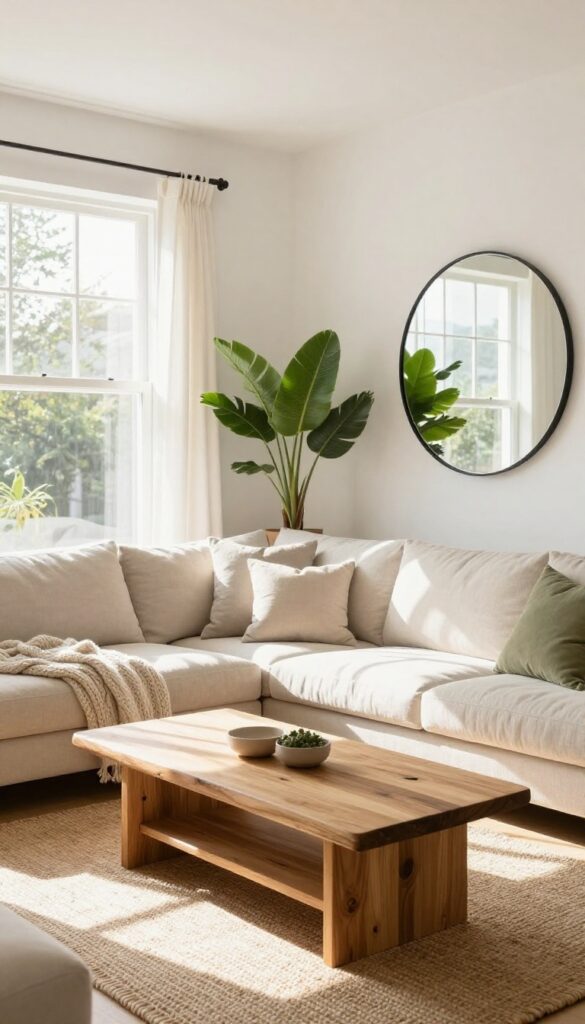
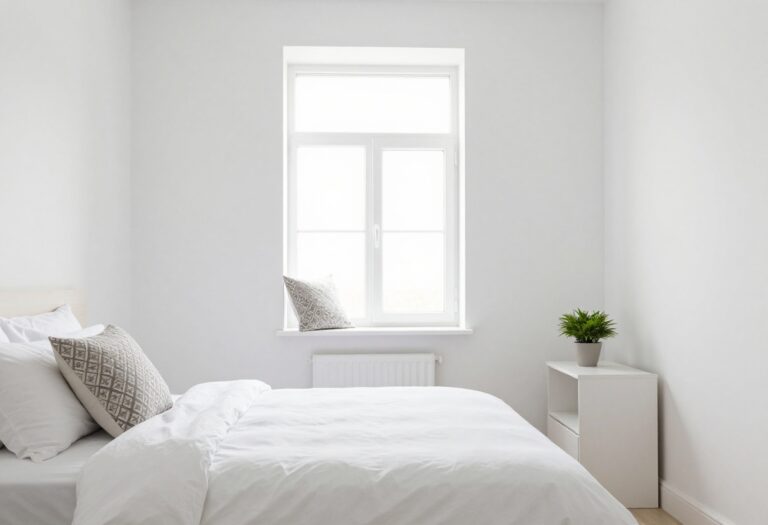
A warm white with a hint of cream bounces light around the room without feeling stark. It's a foolproof backdrop for colorful furniture and art. This shade makes even north-facing rooms feel airy and open, and it pairs beautifully with natural wood tones.
Cloud white is the ultimate weekend refresh. It instantly brightens any living room without the coldness of pure white. The creamy undertone adds warmth, making the space feel cozy yet expansive.
It's a versatile canvas that lets your furniture, textiles, and decor take center stage. Whether you have a small apartment or a spacious family room, cloud white creates a seamless flow and makes the room feel larger. Plus, it's forgiving with natural light changes throughout the day.
Best Color Pairings
- Cloud white works with almost any color palette. For a calm, monochromatic look, layer in off-whites, beiges, and light grays. To add contrast, bring in navy, emerald, or terracotta through accent chairs, pillows, or a statement rug.
- The warm white base keeps bold hues from feeling jarring.
Texture Mix
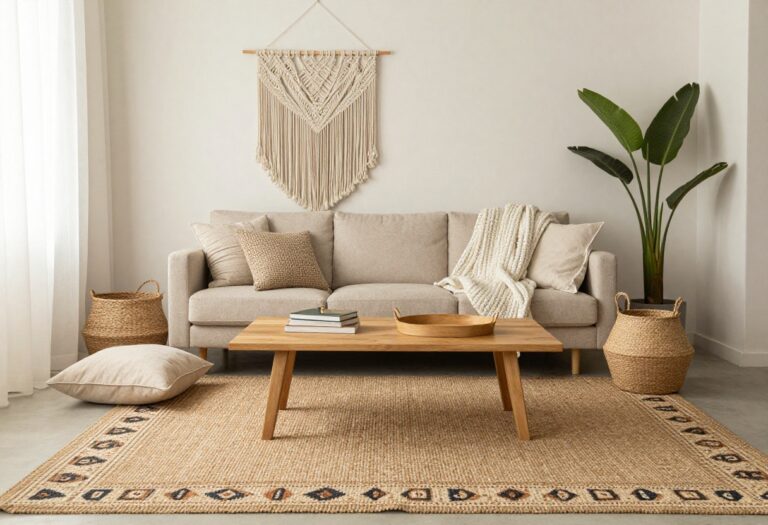
- Since the wall color is neutral, texture becomes key. Combine a chunky knit throw, linen curtains, a velvet sofa, and a jute rug. This mix adds depth and visual interest without relying on color.
- Cloud white walls make each texture pop, creating a layered, inviting space.
Finishing Touch
Add a large mirror opposite a window to maximize light reflection. A round or arched mirror in a natural wood or black frame complements the cloud white walls and amplifies the brightness. It's a simple swap that instantly upgrades the room's airy feel.
2. Pale Sage for Calm Mornings
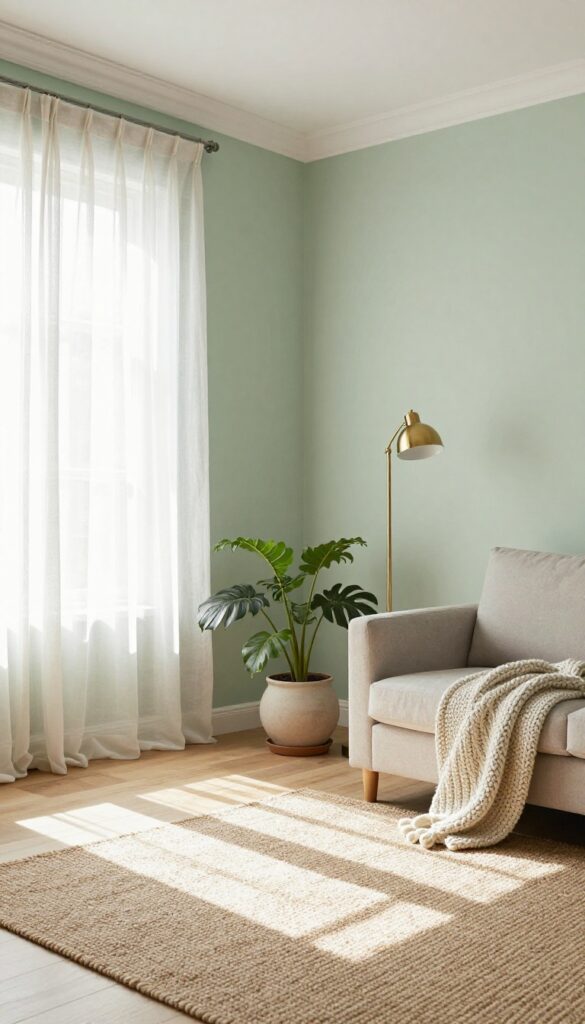
Soft green with gray undertones creates a serene, nature-inspired feel. Pairs beautifully with natural wood and white trim. This shade is especially forgiving in changing light—it reads fresh and airy by day, cozy and grounded at night.
Pale sage is a weekend-refresh dream: it covers imperfections better than stark white and doesn't demand a perfect furniture match. Use it on all four walls for a cocooning effect, or just on a feature wall behind a sofa to anchor the room. The gray undertone keeps it from feeling too sweet, so it works in modern or traditional spaces.
Finish with linen curtains, a jute rug, and a few ceramic pots for an effortless organic look.
Best Color Pairings
Stick with warm whites like Swiss Coffee or Alabaster for trim and ceiling. For contrast, add touches of deep navy or charcoal in throw pillows or a console table. Avoid pairing with bright yellow or orange—they clash with the muted green.
Lighting Tip
This color loves natural light, so keep window treatments sheer. In rooms with less sun, use warm LED bulbs (2700K) to prevent the gray undertone from looking flat. A brass floor lamp adds a soft glow that complements the green.
Texture Mix
Balance the smooth wall finish with nubby textures: a chunky knit throw, a sisal rug, or a velvet sofa in a deeper green. Wooden elements—like a live-edge coffee table or oak shelves—add warmth and keep the space from feeling too cool.
3. Butter Yellow for Subtle Cheer
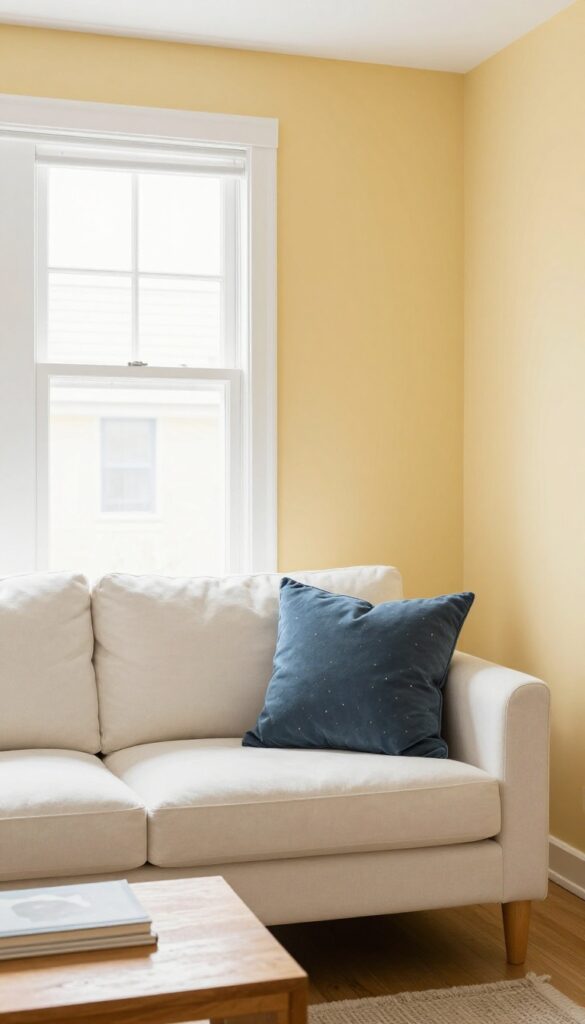
Yellow can feel like a risky move, but butter yellow is the gentle version that skips the shout and goes straight to warm. It reads like soft sunlight hitting the wall at golden hour—bright enough to lift a room, calm enough to live with every day. North-facing rooms, in particular, soak up this hue and return a cozy glow that makes the space feel less cave-like and more like a hug.
This isn't the highlighter yellow of childhood bedrooms. Butter yellow sits somewhere between cream and lemon, with enough pigment to add personality without demanding constant attention. It pairs beautifully with warm woods, off-whites, and even soft grays, keeping the overall look grounded and grown-up.
For a weekend refresh, painting one accent wall or the ceiling can shift the whole energy of a room without requiring a full commitment.
Best Room For This Shade
North-facing rooms with limited natural light benefit most from butter yellow. The warm undertones counteract the cool gray light that often makes those spaces feel dim. It also works well in entryways, breakfast nooks, or any spot where you want a morning-bright vibe even in the afternoon.
Color Pairing Tips
- Anchor butter yellow with crisp white trim and add touches of warm oak or walnut furniture. For a modern edge, bring in charcoal or slate blue accents through throw pillows or a rug. Avoid pairing it with cool grays or stark whites, which can make the yellow look dingy.
- Instead, lean into creamy whites and natural linen tones.
Budget-Friendly Swap
- Not ready for a full paint project? Swap in butter yellow through textiles—a chunky knit throw, linen curtains, or a pair of velvet pillows. You get the same sunny lift without the roller and tape.
- For a quick DIY, paint the inside of a bookshelf or a picture frame in butter yellow for a pop of color that's easy to change later.
4. Dusty Blue for Coastal Vibes
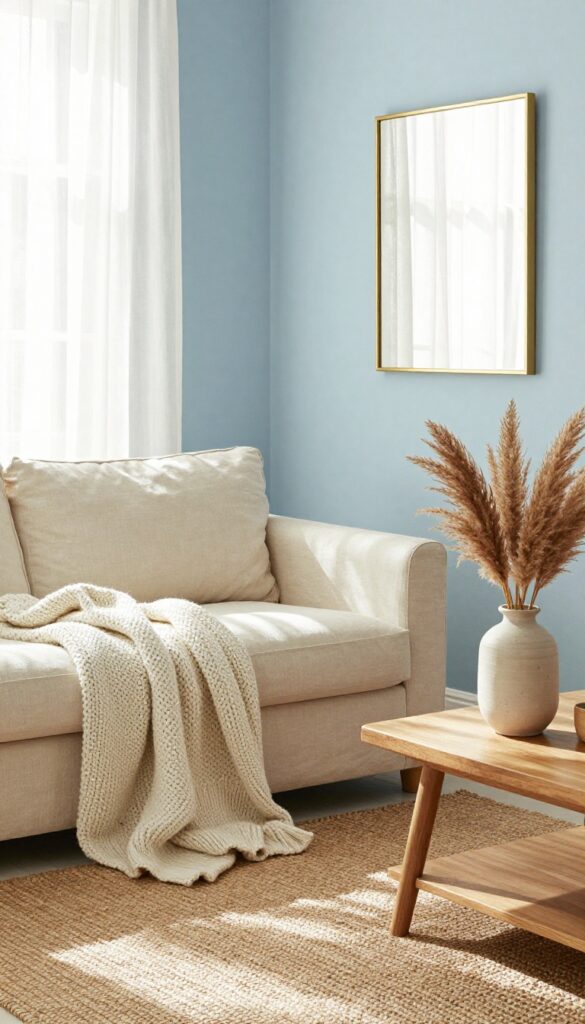
A gray-blue shade that calls to mind the sky and sea, dusty blue brings a calm, open feeling to any living room. It works beautifully with both modern and traditional furniture, making it a versatile choice for a weekend refresh. The soft, muted tone keeps the space feeling airy without being too cool or stark.
Dusty blue is a go-to for anyone wanting coastal vibes without going full nautical. It pairs well with warm woods, creamy whites, and natural textures like linen and rattan. This color feels especially good in rooms that get plenty of natural light, but it also holds its own in cozier spaces when paired with warm metallics or earthy accents.
Best Color Pairings
For a classic coastal look, combine dusty blue with crisp white trim and warm beige or sand tones. Add touches of coral or terracotta for a subtle pop. If you prefer a more modern edge, try pairing it with charcoal gray and brass accents.
Texture Mix
Since dusty blue is a soft color, layering different textures keeps the room from feeling flat. Think a chunky knit throw, a velvet sofa in a deeper blue, and a jute rug. Woven baskets and matte ceramic vases add organic contrast.
Finishing Touch
Hang sheer linen curtains in a slightly lighter blue to let light filter through while maintaining the color story. Then add a few brass or gold-framed mirrors to bounce light around and make the room feel even more open.
5. Warm Taupe for Cozy Neutrality
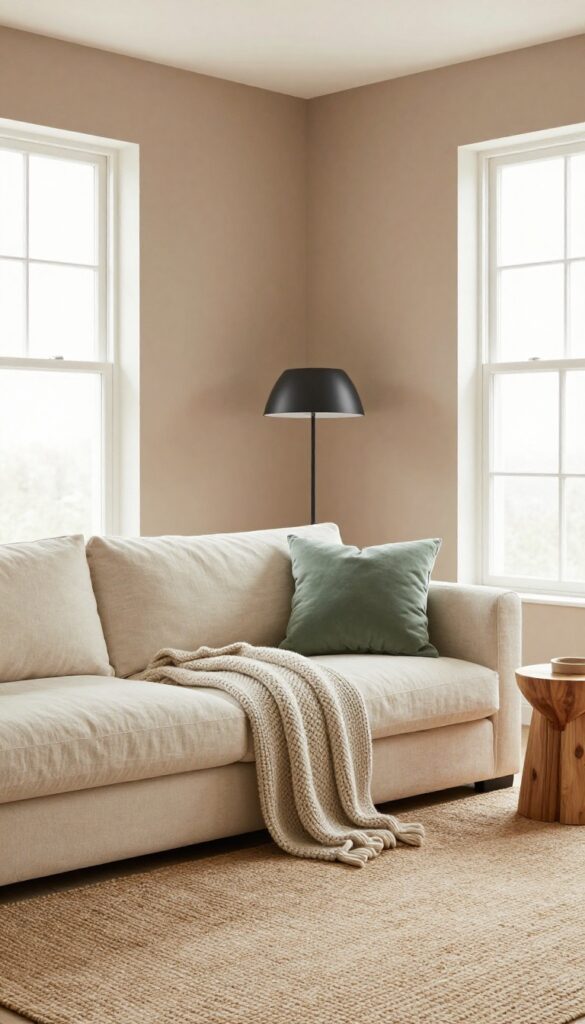
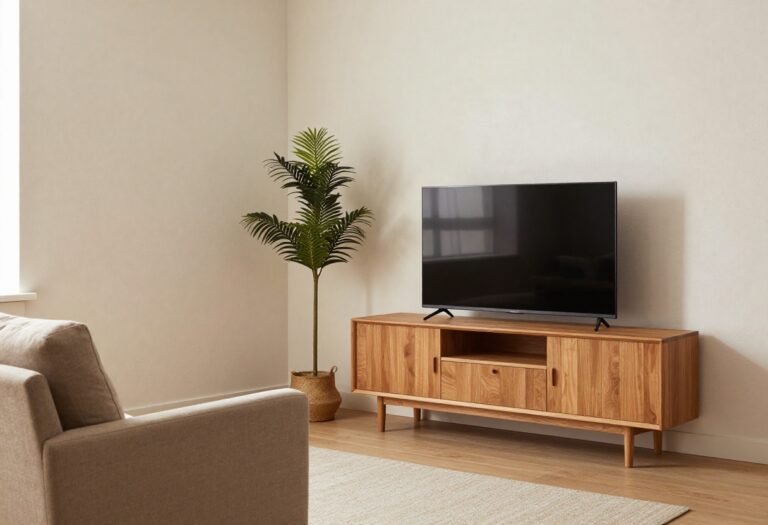
Beige with a brownish twist brings depth without darkness. It’s the kind of neutral that feels intentional—not like you just ran out of color ideas. Warm taupe works especially well in rooms that get plenty of natural light, where it can soak up the sun and feel rich rather than flat.
This shade sits right between beige and brown, offering a grounded backdrop that pairs beautifully with both warm woods and crisp whites. It’s forgiving enough to hide everyday dust but still feels polished. Use it on all four walls for a cocooning effect, or try it on a single accent wall to add warmth without committing to a full color overhaul.
The key is balancing it with lighter elements—think cream curtains, a pale rug, or white trim—to keep the room from feeling too heavy.
Best Color Pairings
Warm taupe loves creamy whites like Swiss Coffee or Alabaster for a soft, airy contrast. For a bolder look, pair it with deep navy or charcoal in textiles and accessories. Green—especially sage or olive—also works surprisingly well, adding a natural freshness that keeps the taupe from feeling too beige.
Texture Mix
- Because taupe is so neutral, texture becomes the star. Layer in linen sofas, chunky knit throws, a jute rug, and matte black or brass light fixtures. This prevents the room from looking one-dimensional and gives it that lived-in, collected feel.
- Velvet cushions or a leather armchair add just the right amount of contrast.
Lighting Tip
- Warm taupe can look dull in low light, so make sure your room has good natural light during the day. At night, use a mix of warm-toned lamps and overhead fixtures with dimmers. Avoid cool white bulbs—they’ll make the taupe look muddy.
- Stick to soft white or warm LED bulbs (2700K–3000K) to keep the coziness intact.
6. Blush Pink for Soft Romance
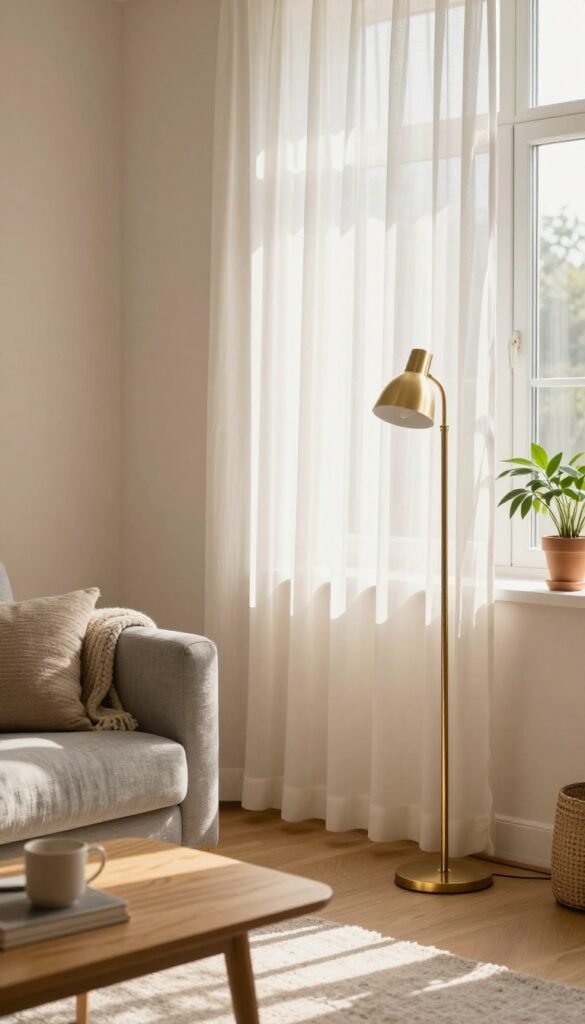
Dusty rose walls bring a gentle warmth that feels both romantic and grounded. Unlike brighter pinks, this muted tone pairs beautifully with cool grays, warm golds, and even deep navy for a look that's sophisticated without being sugary. It works especially well in living rooms that get plenty of natural light, where the color can shift from soft peach in the morning to a cozy mauve by evening.
Best of all, this is a weekend-friendly project—just one coat of paint can transform a tired space into something tender and inviting.
Blush pink isn't just for nurseries or feminine boudoirs. In a living room, it creates a backdrop that feels both airy and intimate, making it ideal for homes where you want to relax without the room feeling cold or sterile. The key is choosing the right shade—think dried rose or dusty millennial pink rather than candy pink.
Pair it with natural textures like linen, wool, and wood to keep the look grounded, and add metallic accents in brass or gold for a touch of elegance. This color also works surprisingly well with bold accents like emerald green or mustard yellow, so you can easily refresh the space later without repainting.
Best Color Pairings
- For a calm, cohesive palette, combine blush pink with warm gray (like greige) or soft white trim. If you want more contrast, introduce navy blue through a velvet sofa or an accent wall. Gold and brass fixtures or picture frames add a subtle luxe feel, while matte black hardware keeps things modern.
- Avoid pairing blush with cool grays that lean blue—they can make the pink look muddy.
Texture Mix
Because blush pink can read as one-dimensional on its own, layer in different textures to add depth. A chunky knit throw, a linen sofa, a wool rug, and velvet cushions all work together to make the room feel rich and lived-in. Natural wood furniture—especially oak or walnut—adds warmth and prevents the pink from feeling too sweet.
Weekend Refresh Tip
If you're not ready to commit to painting all four walls, start with a single accent wall behind the sofa or the TV unit. Or, paint the ceiling a pale blush for a subtle surprise. You can also test the color by painting a large piece of foam core and moving it around the room at different times of day to see how the light changes it.
7. Charcoal Gray for Dramatic Contrast
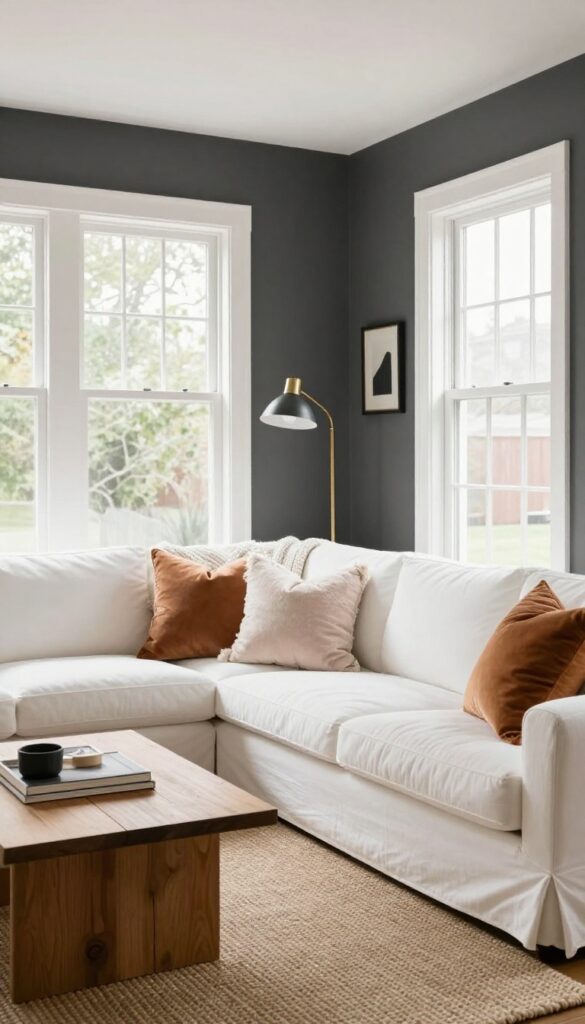
Charcoal gray is the little black dress of paint colors—it goes with everything and instantly adds sophistication. Unlike lighter grays that can feel flat or washed out, a deep charcoal brings weight and warmth to a room. It’s especially effective in living rooms that get plenty of sunlight, where the dark walls balance the brightness and keep the space from feeling too stark or sterile.
Using charcoal gray is a smart way to create a cozy, intimate atmosphere without making the room feel smaller. The key is to let the natural light do the heavy lifting. If your living room has large windows or southern exposure, go ahead and paint all four walls.
For smaller or north-facing rooms, an accent wall behind the sofa or fireplace is enough to get the dramatic effect. Pair it with crisp white trim and warm wood tones to keep the look grounded and inviting.
Best Color Pairings
Charcoal gray loves warm neutrals like cream, beige, and taupe. It also pops beautifully against bright white for a modern, graphic look. For a more unexpected twist, try pairing it with dusty blush or mustard yellow—the contrast feels fresh but not overwhelming.
Texture Mix
Since charcoal can feel heavy, balance it with plenty of texture. Think chunky knit throws, velvet pillows, a sisal rug, and matte black or brass accents. The mix of soft and rough surfaces keeps the room from feeling flat and adds visual interest.
Lighting Tip
Good lighting is non-negotiable with dark walls. Layer in floor lamps, table lamps, and maybe a picture light to highlight artwork. Warm light bulbs (2700K–3000K) are best—they keep the gray from looking cold or blue and make the room feel cozy.
8. Soft Lavender for Whimsy
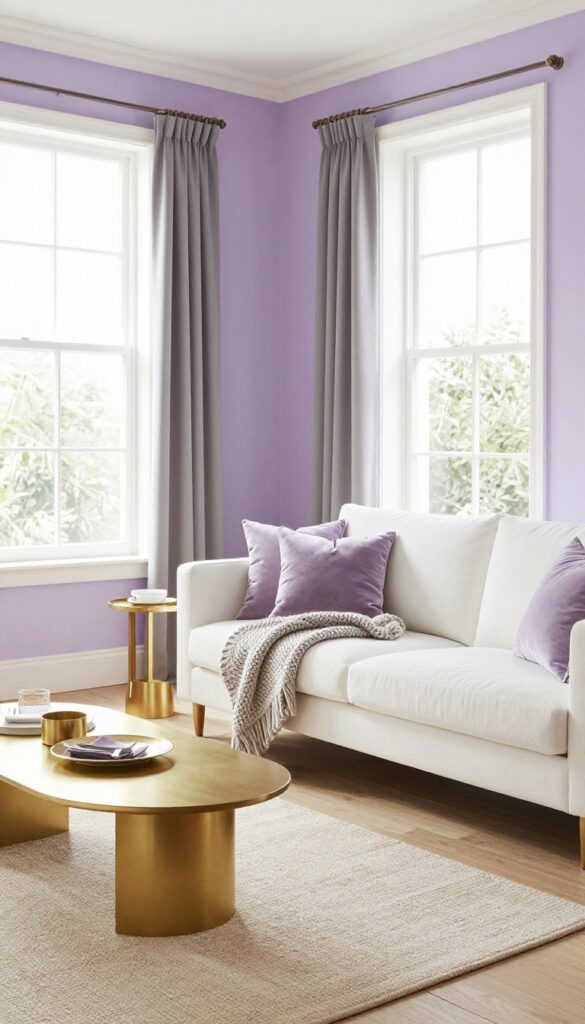
Light purple with gray undertones brings a playful yet sophisticated energy to any living room. It’s a shade that feels both fresh and calming, making it perfect for bright homes that want a touch of whimsy without going over the top. Pair it with crisp white furniture and metallic accents to keep the look grounded and polished.
Soft lavender works beautifully in living rooms that get plenty of natural light. The gray undertones prevent it from feeling too sweet or juvenile, while the purple hue adds a subtle pop of color. Start with an accent wall or go all in on all four walls for a more immersive effect.
White sofas, light wood floors, and gold or brass fixtures complete the look. Add a few lavender-toned throw pillows or a rug to tie everything together.
Best Colors To Pair
Stick with neutrals like white, cream, and soft gray to let lavender shine. Metallic finishes in gold, brass, or rose gold add warmth and sophistication. For a bolder contrast, try touches of deep navy or emerald green in small accessories.
Texture Mix
Balance the softness of lavender with varied textures. A chunky knit throw, velvet cushions, and a sisal rug add depth and prevent the room from feeling flat. A sleek metal coffee table or lamp introduces a modern edge.
Lighting Tip
Natural light enhances lavender’s airy quality, so keep window treatments light and airy. In the evening, warm white bulbs (around 2700K) will make the walls glow without washing them out. Avoid cool or blue-toned lights, which can make lavender look drab.
9. Terracotta for Earthy Warmth
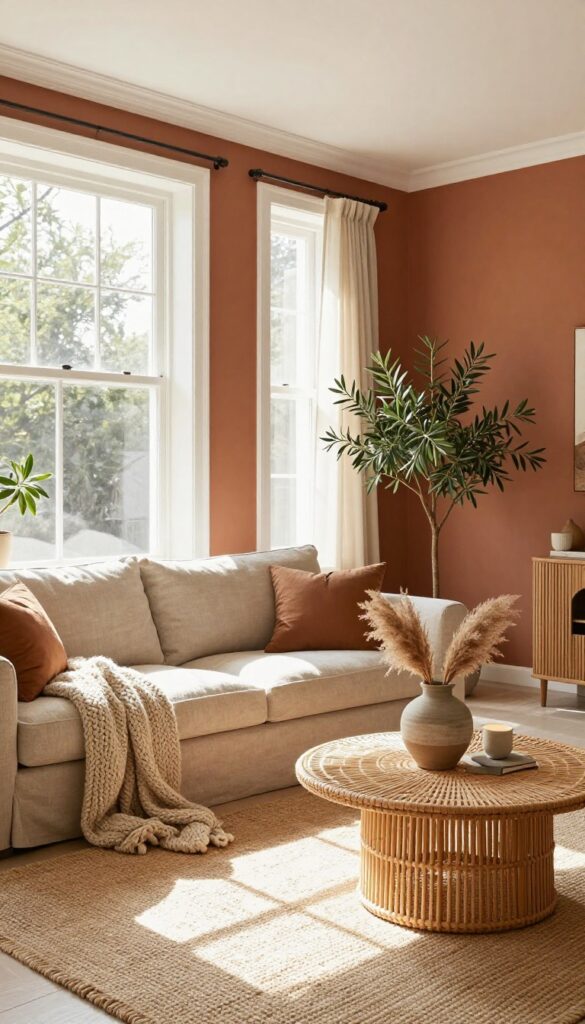
Terracotta is having a serious moment, and for good reason. This clay-inspired orange-brown hue brings a grounded, earthy warmth that instantly makes a room feel more inviting. It’s the perfect middle ground between bold and neutral—enough personality to make a statement, but soft enough to live with every day.
Pair it with natural textures like rattan, linen, and plenty of greenery, and you’ve got a space that feels like a breath of fresh air.
Terracotta works especially well in living rooms that get good natural light, as the sun brings out its rich, warm undertones. It’s a fantastic choice for weekend refreshes because you can start small—think an accent wall or a few key accessories—and build from there. The color pairs beautifully with creamy whites, warm woods, and deep greens, creating a palette that feels both modern and timeless.
Whether you go all in on a terracotta sofa or just add some clay pots and a throw pillow, this shade adds instant coziness without feeling heavy.
Best Colors To Pair
- Terracotta loves company. For a balanced look, pair it with soft off-whites like warm ivory or creamy beige to keep the space airy. Deep olive or sage green adds a natural, botanical vibe, while dusty blues or muted teal create a subtle contrast that feels sophisticated.
- If you want a bit of drama, try a charcoal or slate accent—it grounds the warmth without competing.
Texture Mix
- The key to making terracotta feel polished is layering textures. Think a chunky knit throw, a linen sofa, a jute rug, and matte ceramic accessories. The contrast between smooth painted walls and rough natural fibers keeps the look interesting and lived-in.
- Add a few woven baskets or a rattan chair to reinforce the earthy feel.
Plant Styling Tip
- Terracotta and plants are a match made in decor heaven. The warm tones echo the color of clay pots, so your greenery will pop even more. Group a few potted plants—like a fiddle leaf fig, snake plant, or trailing pothos—on a shelf or in a corner to create a mini indoor jungle.
- The combination of orange-brown walls and green leaves is effortlessly vibrant.
10. Navy Blue for Bold Sophistication
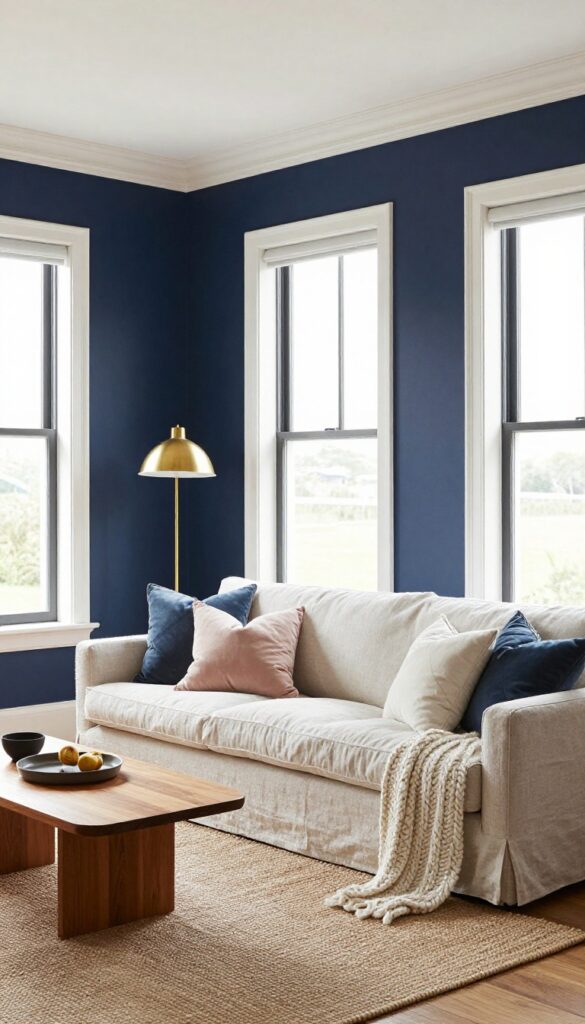
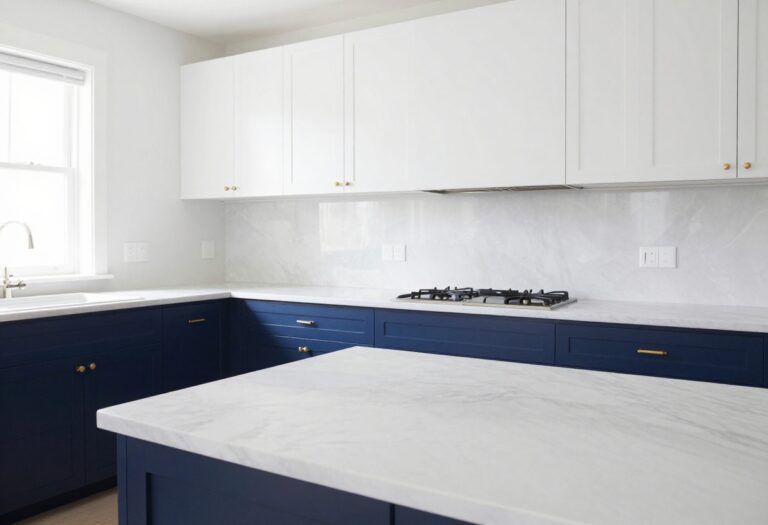
Deep navy brings a sense of drama and elegance that lighter shades just can't match. In a living room flooded with natural light, this bold hue grounds the space and makes white trim, moldings, and ceilings pop with crisp contrast. It's a smart choice for anyone wanting to add weight and personality without sacrificing brightness—navy absorbs light in the best way, creating depth that feels intentional and polished.
Navy blue works especially well in rooms with large windows or white walls, where it can anchor the space without overwhelming it. Pair it with warm wood tones, brass accents, and creamy textiles to keep the look inviting rather than cold. This is a weekend-refresh friendly idea because you can start with an accent wall or even a painted ceiling—both are manageable projects that deliver high impact.
The key is balancing the dark hue with plenty of light-reflecting surfaces and soft textures.
Best Colors To Pair
Navy loves crisp white, warm cream, soft blush, and muted gold. For a more layered look, try deep navy with terracotta or dusty rose—these warm tones keep the room from feeling too serious. Avoid pairing navy with black or charcoal, which can make the space feel heavy.
Texture Mix
To keep navy from feeling flat, layer in different textures: a chunky knit throw, velvet cushions, a linen sofa, and a jute rug. The contrast between smooth painted walls and tactile fabrics adds visual interest and makes the room feel lived-in and cozy.
Lighting Tip
Navy absorbs light, so good lighting is essential. Use a mix of overhead fixtures, floor lamps, and table lamps with warm bulbs (2700K–3000K) to create a soft glow. Brass or gold lamp bases complement navy beautifully and add a touch of sophistication.
11. Mint Green for Retro Charm
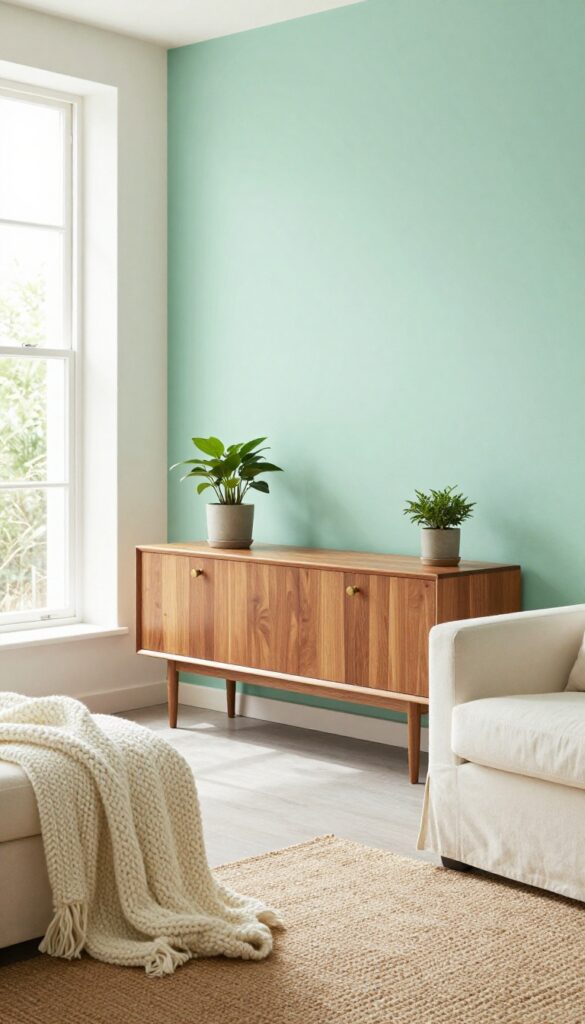
Mint green is making a stylish comeback, and it's easy to see why. This pastel green with a hint of blue feels both refreshing and nostalgic, bringing a playful energy that's perfect for a weekend refresh. It pairs beautifully with warm woods and brass accents, creating a look that's mid-century modern without feeling theme-parky.
Whether you paint a whole room or just a single accent wall, mint green adds personality without overwhelming the space.
Mint green works best in rooms that get plenty of natural light, where its cool undertones can feel airy rather than chilly. It's an ideal choice for living rooms, home offices, or even a cozy reading nook. The color feels especially at home in smaller spaces, where it can make walls recede slightly and open up the room.
For a cohesive look, balance mint green with plenty of white trim and neutral furnishings. The contrast keeps the space from feeling too sweet or one-note.
Best Colors To Pair With Mint Green
- Mint green loves warm neutrals like creamy white, beige, and soft taupe. For a bolder look, try pairing it with coral, mustard yellow, or deep navy. These combinations echo the playful mid-century palette while keeping the room grounded.
- Stick to one or two accent colors to avoid visual chaos.
Texture Mix For A Lived-in Feel
To keep mint green from feeling flat, layer in different textures. A chunky knit throw, a velvet sofa in a complementary shade, and a jute rug add depth and warmth. Wood furniture with visible grain—especially teak or walnut—reinforces the retro vibe and adds natural contrast.
Finishing Touch: Brass And Glass
Brass hardware, light fixtures, and mirror frames elevate mint green from cute to sophisticated. Glass coffee tables or lucite shelves keep the look light and prevent the room from feeling heavy. A simple brass floor lamp can be the perfect accent without overwhelming the palette.
12. Creamy Beige for Timeless Appeal
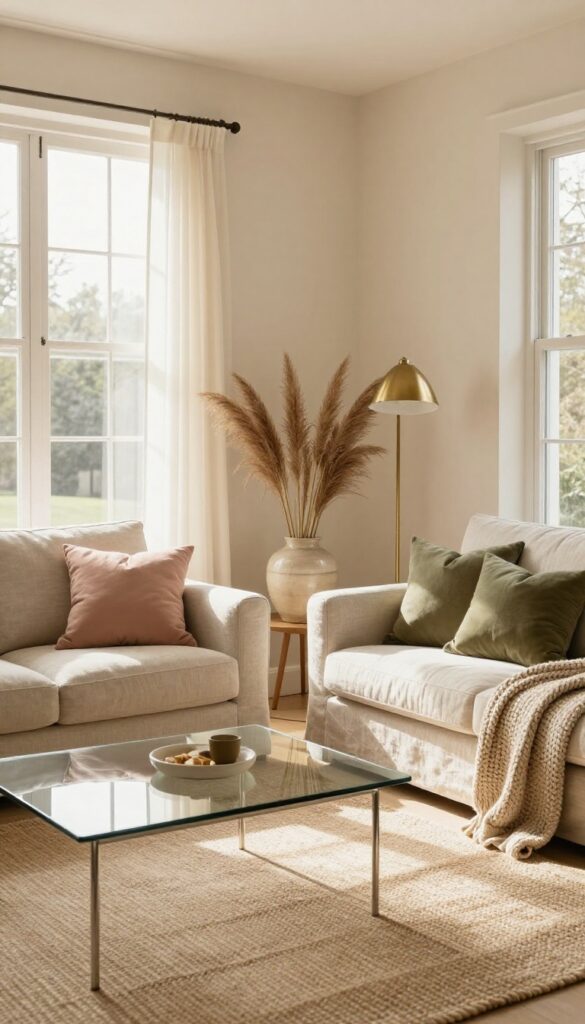
Beige gets a bad rap, but the right creamy shade is anything but boring. Think warm, buttery tones that wrap a room in quiet comfort without making it feel dated or dull. This isn't your builder-grade off-white—it's a soft, welcoming neutral that lets every other element in the room shine.
Perfect for a weekend refresh, it pairs beautifully with natural textures and warmer wood tones, creating a space that feels both sophisticated and lived-in.
Creamy beige works as a backdrop for layering textures and adding depth. It's a forgiving color that hides everyday dust and scuffs better than stark white, making it ideal for busy living rooms. The key is choosing a beige with warm undertones—think a hint of yellow or peach—to keep the space feeling cozy.
Pair it with crisp white trim for contrast, or go tonal with lighter and deeper beiges for a monochromatic look that feels intentional and serene.
Best Color Pairings
- Creamy beige plays well with almost anything, but for a smart, space-aware look, stick to earthy companions. Deep olive green, warm terracotta, and soft blush pink add personality without overwhelming. For a more modern edge, try pairing it with charcoal or navy blue in accessories and accent walls.
- Metallic accents in brass or aged gold pop beautifully against the warmth of beige.
Texture Mix
- Since beige is neutral, texture becomes the star. Layer a chunky knit throw over a linen sofa, add a jute rug, and bring in velvet or leather pillows for contrast. A matte finish on the walls keeps things calm, while glossy ceramic vases or a glass coffee table add subtle shine.
- This mix of rough and smooth keeps the eye moving and the room feeling dynamic.
Weekend Refresh Tip
- If you're updating on a tight timeline, focus on the walls and one statement piece. Paint an accent wall or the whole room in a creamy beige—it's a one-coat wonder with good primer. Then swap out your coffee table for a warm wood piece or add a large woven basket for texture.
- These two changes can transform the feel of the room in a single weekend.
13. Coral for Energetic Accents
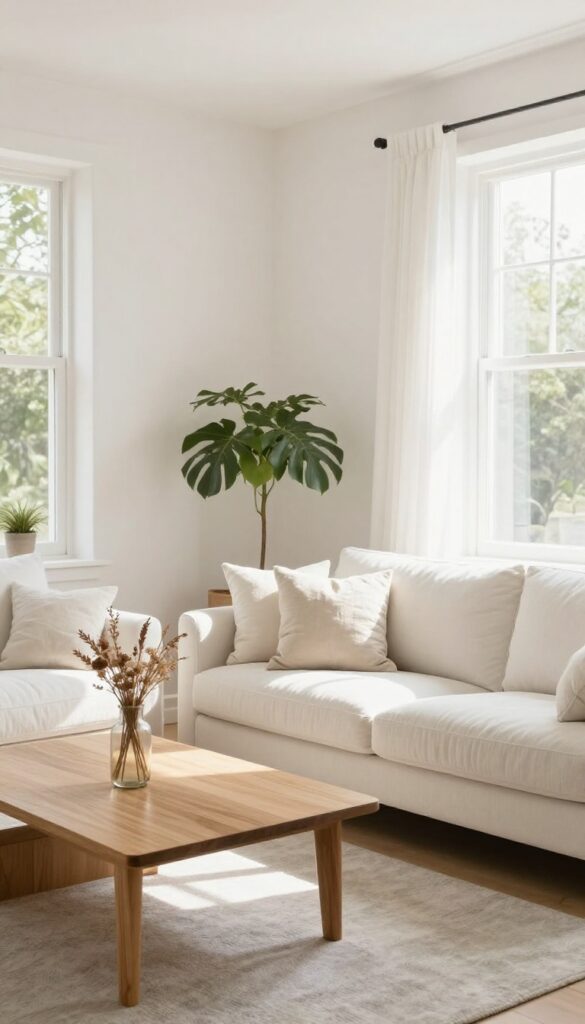
Coral strikes that rare balance between warm and fresh, making it a go-to for anyone who wants a room that feels alive without going full tropical. It’s pink with enough orange to keep it from feeling sugary, which means it works in spaces that get good natural light and even those that don’t. A single coral wall can shift the whole mood of a living room from calm to curious, and because it’s not a dark color, it won’t shrink the space visually.
If you’re after a weekend refresh that actually makes a statement, coral is one of the easiest colors to pull off. It pairs beautifully with whites, warm woods, and even soft grays, so you don’t have to repaint the whole room. Start with one accent wall behind the sofa or the TV unit, and let the rest of the room stay neutral.
The color itself does the heavy lifting, so keep furniture and decor simple and let coral be the star.
Where to Use It
- Coral works especially well on a ceiling, which sounds bold but is surprisingly subtle when the rest of the room is light. It draws the eye up and makes the room feel taller. Another smart spot is the inside of a bookshelf or an alcove, where it adds a pop without overwhelming the space.
- For a more traditional approach, paint the wall behind your sofa or bed—just one wall is enough to change the energy.
Best Color Pairings
- White and coral are a no-fail combo, especially warm whites like cream or ivory that soften the contrast. Navy blue is another strong partner—it grounds coral and keeps it from feeling too playful. If you prefer a monochromatic look, pair coral with blush and terracotta for a layered, tonal effect.
- Avoid pairing it with bright yellows or greens, as that can quickly feel chaotic.
Finishing Touch
Add a few pieces of decor in complementary shades to tie the look together. A coral throw pillow, a terracotta vase, or a piece of abstract art with coral tones can bridge the wall color with the rest of the room. Keep metals warm—brass or gold hardware and light fixtures will enhance the coral’s warmth without clashing.
14. Slate Gray for Modern Minimalism

Slate gray brings a cool, grounded energy that feels both sophisticated and understated. With its subtle blue undertones, this shade works beautifully in living rooms where you want a sleek, contemporary backdrop without going full charcoal. It pairs effortlessly with crisp white trim and black accents, creating a space that feels intentional and calm without being cold.
Slate gray is a versatile neutral that reads as modern but not trendy. It’s dark enough to add depth, yet light enough to keep a room feeling open—especially when balanced with plenty of natural light. Use it on all four walls for a cocooning effect, or try an accent wall behind a media console to anchor the room.
The key is to let the gray do the heavy lifting while you layer in texture through linen, leather, and matte metals.
Best Color Pairings
Stick with a monochromatic palette of black, white, and gray for a true minimalist look. Add warmth with natural wood tones—think walnut or oak—in furniture or flooring. For a subtle pop, bring in a single accent color like muted mustard or dusty blush through throw pillows or a ceramic vase.
Texture Mix
- Because slate gray can feel flat on its own, texture is your best friend. Combine a plush wool rug, a linen sofa, and matte black metal frames. Add a chunky knit throw or a velvet cushion to soften the cool tone.
- The contrast between smooth walls and tactile fabrics keeps the room from feeling sterile.
Lighting Tip
Slate gray absorbs light, so plan your lighting carefully. Use a mix of overhead, task, and accent lights—like a sleek floor lamp, table lamps with warm bulbs, and picture lights over art. Warm white bulbs (2700K–3000K) prevent the room from feeling too dim or cave-like.
15. Peach for Gentle Warmth
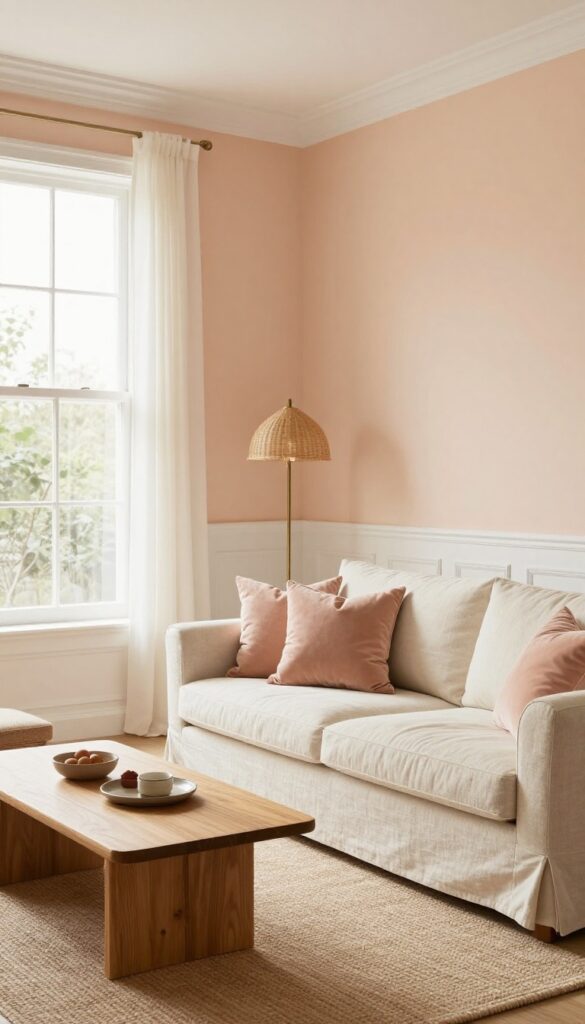
Soft peach is the kind of color that feels like a warm hug without being overwhelming. It brings a subtle, cheerful energy to a room and has the bonus of flattering everyone in photos—great for homes where you entertain or take lots of candid shots. This shade works especially well in living rooms that get good natural light, where it can glow without feeling too sweet.
Peach pairs beautifully with warm woods, cream textiles, and touches of brass or gold. It's a weekend-friendly update because you can paint a single accent wall or even just the ceiling for a surprising pop of warmth. Keep the rest of the room neutral with white trim and beige or light gray furniture to let the peach shine without competing.
Best Color Combos
Stick with soft whites, warm beiges, and dusty rose for a cohesive palette. Avoid cool grays or stark whites—they can make peach look muddy. For a bolder look, try pairing peach with deep navy or forest green on smaller accents like throw pillows or a vase.
Texture Mix
Balance the softness of peach with textured fabrics like linen, velvet, or chunky knit. A linen sofa in cream with peach velvet pillows feels sophisticated. Add a jute rug or a wood coffee table to ground the warmth and keep the space from feeling too saccharine.
Finishing Touch
Use warm lighting to enhance peach walls. Swap cool white bulbs for warm LED bulbs (2700K–3000K) to make the color glow. A brass floor lamp or a rattan pendant light will reinforce the cozy, sunny vibe.
16. Olive Green for Organic Depth
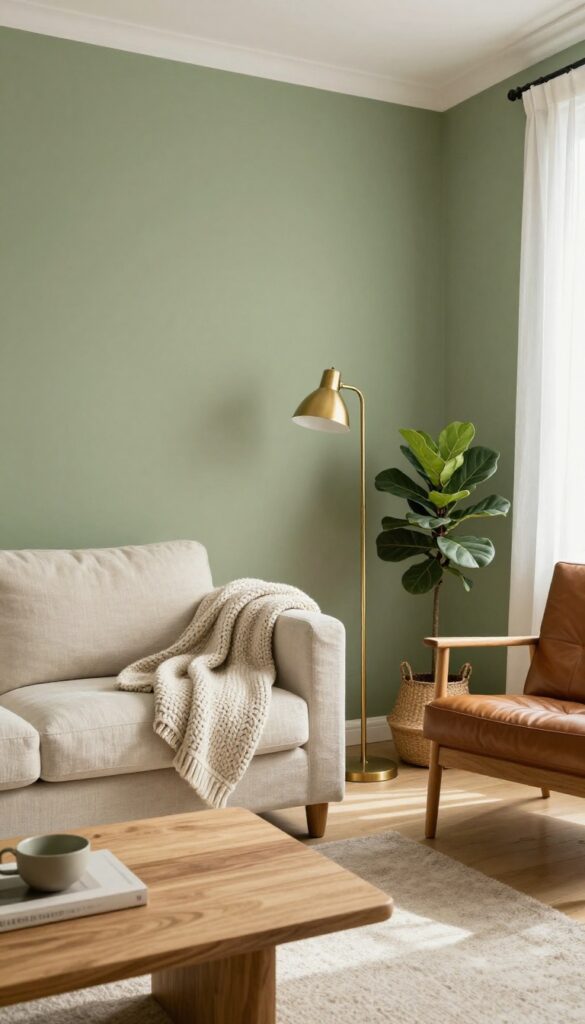
Olive green is having a moment, and it’s easy to see why. This muted, earthy tone feels grounded and sophisticated without trying too hard. It’s the kind of color that makes a room feel lived-in and collected, like it has a story to tell.
Whether you go for an accent wall or wrap the whole room, olive green brings a natural warmth that pairs beautifully with leather and brass.
Olive green is a versatile neutral that adds depth without darkening the room. It works especially well in living rooms where you want a cozy yet refined vibe. The key is balancing the earthy green with lighter elements—think cream sofas, natural wood, and plenty of texture.
The result is a space that feels both grounded and airy, perfect for weekend refreshers that don’t require a full renovation.
Best Colors To Pair
- Olive green pairs effortlessly with warm whites like ivory or cream, as well as deeper tones like charcoal and navy. For a softer look, combine it with blush pink or dusty rose. If you want a more dramatic contrast, add touches of black or dark wood.
- The green itself acts as a neutral, so you have plenty of room to play.
Texture Mix
- To keep olive green from feeling flat, layer in different textures. A linen sofa, a chunky knit throw, and a leather armchair create visual interest. Add a brass floor lamp or a wooden coffee table to bring warmth.
- The mix of matte and shiny surfaces makes the color feel dynamic and intentional.
Finishing Touch
- Complete the look with plants. Olive green walls are a natural backdrop for real greenery like fiddle-leaf figs or snake plants. The live leaves echo the wall color while adding their own texture and life.
- A few ceramic pots in neutral tones tie everything together without competing.
17. White with a Hint of Gray for Crispness
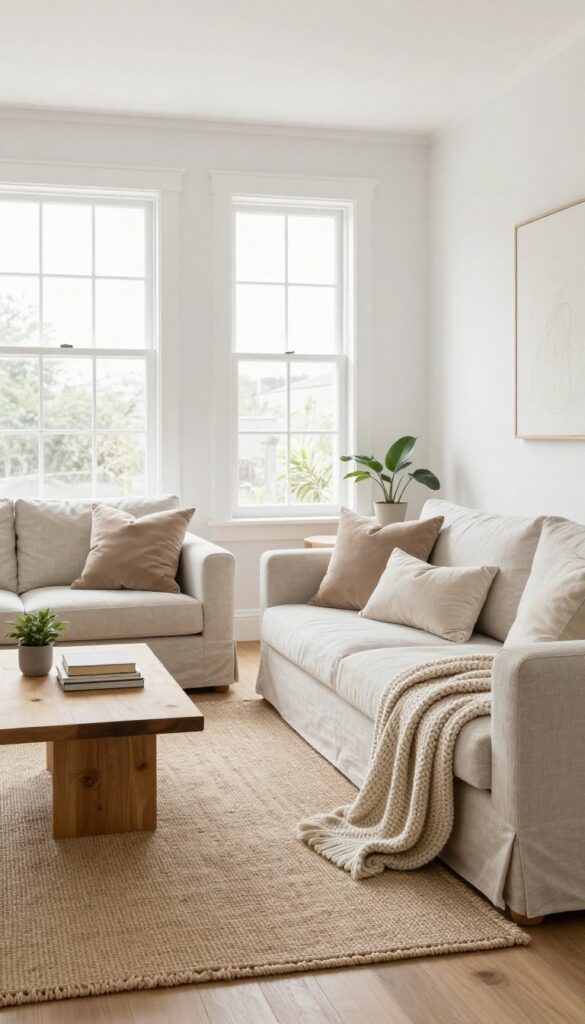
A cool white with a touch of gray keeps the room bright but adds a modern edge. Great for minimalist spaces. This shade feels clean without being sterile, and it pairs beautifully with natural textures like linen and wood.
It's a weekend-refresh friendly choice that instantly updates a room without a major overhaul.
White with a hint of gray is the ultimate smart and space-aware choice for bright homes. It reflects light beautifully, making rooms feel larger and airier, while the gray undertone prevents the starkness of pure white. This color works especially well in living rooms with lots of natural light, where it can shift from cool to warm throughout the day.
Pair it with matte black accents for a contemporary look, or soften it with beige and cream textiles for a cozier vibe.
Best Colors
Look for shades like Benjamin Moore's 'Gray Owl' or Sherwin-Williams' 'Agreeable Gray' for a true white-with-gray balance. These colors have a subtle coolness that pairs well with navy, charcoal, and even blush pink accents.
Texture Mix
To keep the room from feeling flat, layer in different textures. A chunky knit throw, a sisal rug, and velvet cushions add depth without competing with the wall color. Metallic finishes in brass or chrome also pop nicely against this backdrop.
Budget-Friendly Swap
If you're not ready to paint the whole room, start with an accent wall or refresh your trim and ceiling. This small change can make a big impact and is a perfect weekend project.
FAQ
What paint finish is best for living rooms?
Eggshell or satin finishes are ideal for living rooms. They offer a subtle sheen that's easy to clean and hides imperfections well.
How do I choose a paint color for a small living room?
Light, neutral colors like soft whites, pale grays, and pastels make a small room feel larger. Avoid dark colors unless you have plenty of natural light.
Can I paint my living room ceiling a different color?
Absolutely! A lighter ceiling color can make the room feel taller, while a darker shade adds coziness. Just keep it within the same color family for harmony.
How much paint do I need for a living room?
For an average 12×12-foot room with 8-foot ceilings, you'll need about 2 gallons for two coats. Measure your wall area to be precise.
What are the trending living room paint colors for this year?
Warm neutrals like beige and taupe, earthy greens, and soft blues are popular. Bold accents like terracotta and navy also remain strong.
Conclusion
Updating your living room with a fresh paint color is one of the most rewarding weekend projects you can take on. With these 17 ideas, you have a palette that ranges from serene neutrals to bold statements, all chosen to work beautifully with natural light. Remember, the best color is the one that makes you smile every time you walk in.
So grab a brush, test a few samples, and enjoy the transformation. Your bright, beautiful living room is just a coat away.