15 Minimalist Living Room Ideas That Keep the Space Open (On a Budget)
A minimalist living room doesn't have to mean bare walls and an empty wallet. In fact, some of the best ideas for keeping a space open and airy cost next to nothing—just a little creativity and smart rearranging.
Whether you're working with a tiny apartment or just want to breathe new life into your current setup, these 15 budget-friendly ideas will help you create a calm, clutter-free room that feels twice as big.
From clever storage swaps to simple styling tricks, each tip is designed to maximize openness without sacrificing personality.
1. Swap Heavy Curtains for Sheer Panels
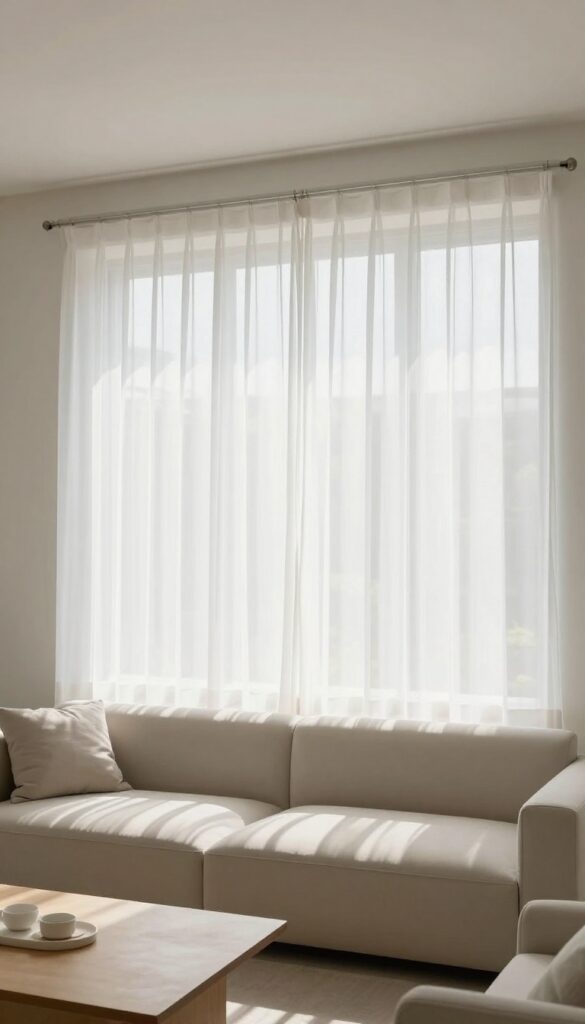
Natural light is the quickest way to make a room feel bigger, and nothing blocks it like heavy drapes. Sheer panels let sunlight filter in while still giving you privacy, and they add a soft, airy texture that makes the whole space feel lighter. The best part?
You can grab a set for under $30, making this one of the most budget-friendly upgrades for any living room.
Replacing thick curtains with sheer panels is a small change that has a big visual impact. The fabric diffuses harsh sunlight into a warm glow, which instantly makes the room feel more open and inviting. Plus, sheers come in a range of styles from crisp white to subtle linen blends, so you can match any decor.
Hang them high and wide to make windows look larger, and let the fabric puddle slightly for a relaxed, elegant touch. This idea works especially well in small living rooms where every inch of natural light counts.
Best Colors And Fabrics
Stick with light, neutral tones like white, cream, or soft gray to maximize brightness. For a warmer look, try a natural linen blend or a semi-sheer cotton. Avoid heavy polyester that can look stiff—go for fabrics with a bit of drape and texture.
Budget-Friendly Swap
You don't need custom panels. Ready-made sheers from stores like IKEA or Target cost around $20–$30 per pair. For an even cheaper option, buy flat white bed sheets and hang them with clip rings—they mimic linen sheers perfectly.
Styling Tip
Hang the rod as close to the ceiling as possible and extend it past the window frame by 6–8 inches on each side. This trick makes the window feel taller and wider, amplifying the open, airy vibe.
2. Choose a Low-Profile Sofa
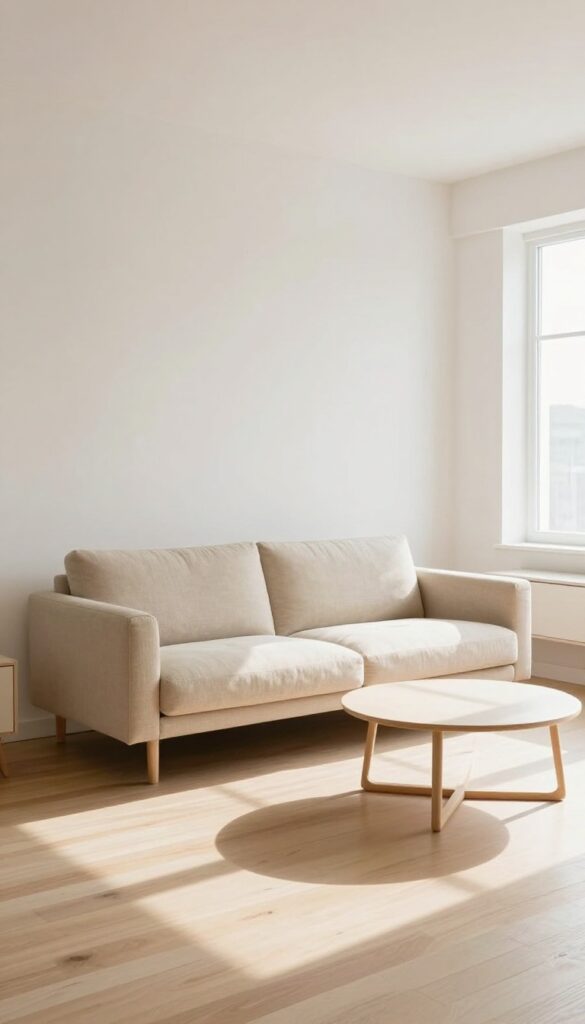
A low-profile sofa does more than just save on visual bulk—it tricks the eye into thinking your ceiling is higher than it is. By sitting closer to the floor with a low back and slim arms, the sofa opens up the vertical space around it, which makes the whole room feel airier. Plus, this style tends to look sleek and modern without trying too hard.
And the best part? You don't need to spend a fortune. Secondhand stores and budget-friendly brands like IKEA have plenty of options that fit the look and your wallet.
When you're working with a small living room, every piece of furniture should earn its spot. A low-profile sofa does exactly that by keeping sightlines clear and making the room feel less crowded. Look for sofas with a back height around 28 inches or lower, and arms that are narrow or nonexistent.
This shape not only opens up the room but also makes the sofa feel more like a lounge piece than a bulky barrier. Pair it with a slim coffee table and a low media console to keep the horizontal flow going. The overall effect is a space that feels bigger, brighter, and way more relaxing.
Best Colors And Fabrics
- Stick with light to medium neutrals like warm gray, beige, or soft taupe to keep the sofa from dominating the room. These tones reflect light and blend easily with other furniture. For fabric, choose a durable cotton or linen blend that's easy to clean—especially if you're buying secondhand.
- A textured weave adds visual interest without needing bold patterns.
Budget-Friendly Swap
- Skip the expensive designer brands and check out IKEA's Kivik or Söderhamn sofas, which have low profiles and modular options. You can often find these used on Facebook Marketplace or Craigslist for under $200. If the cover is worn, just buy a new slipcover in a light neutral to refresh it.
- Another option: look for a low wooden frame sofa from a thrift store and add a custom cushion.
Layout Tip
- Place the low-profile sofa against the longest wall to anchor the room without blocking sightlines. Leave at least 18 inches between the sofa and coffee table for easy movement. If you have a window behind the sofa, keep the back low enough that natural light can flow over it.
- This setup makes the room feel open and connected to the outdoors.
3. Use a Large Rug to Define the Space
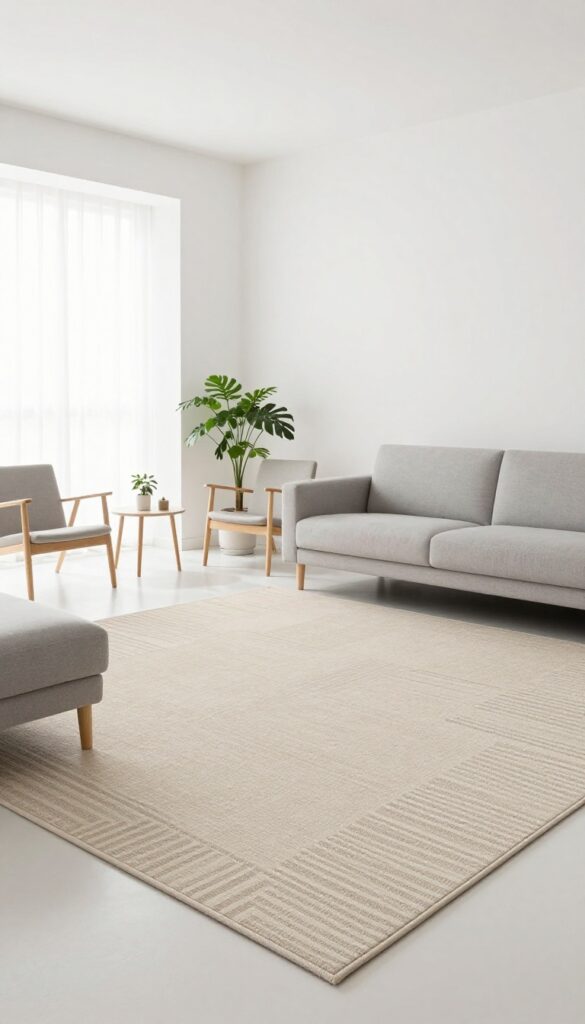
A big rug does more than warm up your floors—it quietly anchors your seating area and makes the whole room feel larger. When you go with a generous size like 8×10 feet or larger, the rug pulls the furniture together into one cohesive zone. Neutral tones or subtle patterns keep the look airy, so the space stays open and uncluttered.
Choosing the right rug can transform a cramped living room into a spacious retreat. The key is scale: a rug that's too small makes the room feel chopped up, while a large one creates a continuous visual flow. Stick to low-contrast colors like beige, gray, or soft oatmeal, and avoid busy patterns that compete with other decor.
This is a budget-friendly move because a single large rug can replace the need for multiple smaller rugs or extra floor coverings.
Best Size For Small Spaces
For a typical small living room, an 8×10 rug is the sweet spot. It should extend under the front legs of your sofa and chairs, creating a unified seating area. If your room is extra narrow, try a 5×8 runner placed lengthwise in front of the sofa—this still defines the zone without overwhelming the floor.
Material Matters
Go for low-pile or flatweave rugs—they're easier to clean and don't add visual bulk. Wool blends are durable and soft underfoot, while polypropylene options are stain-resistant and more affordable. For a budget-friendly choice, a cotton flatweave or a jute rug adds texture without breaking the bank.
Pattern And Color Tips
Solid neutrals are your safest bet for an open feel, but a subtle geometric or stripe pattern can add interest without clutter. Keep the color palette light: creams, taupes, and soft grays reflect light and make the room feel bigger. Avoid dark or high-contrast rugs that visually shrink the space.
4. Float Furniture Away from Walls
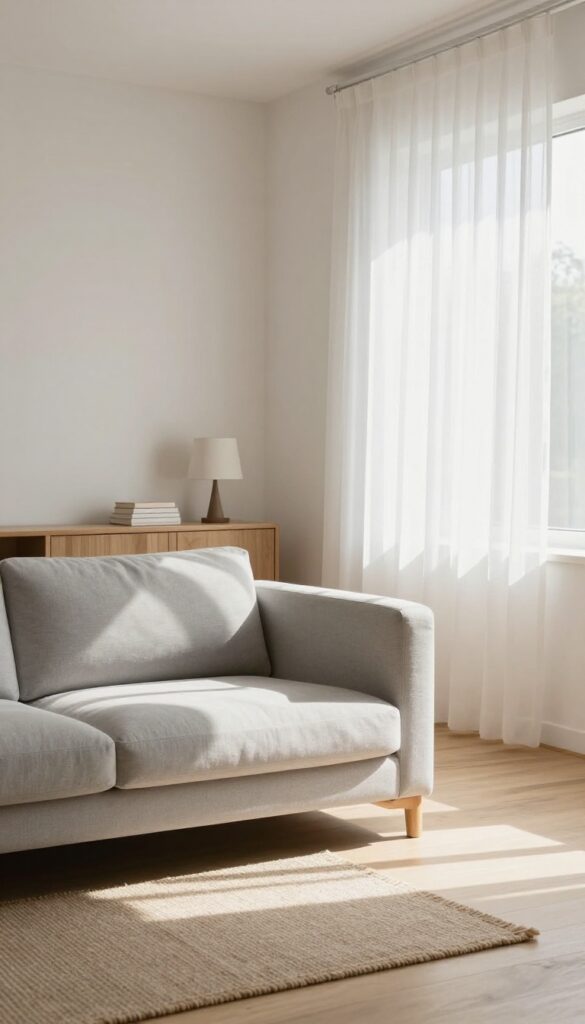
One of the simplest ways to make a small living room feel bigger is to stop pushing everything against the walls. Pulling your sofa and chairs just a few inches inward creates a sense of breathing room and instantly adds depth. It also makes the space feel more intentional and conversational.
This trick costs nothing and works in almost any layout. Even a few inches of negative space behind your sofa can trick the eye into seeing more square footage. Plus, it encourages a more natural flow for walking and talking.
Layout Tip
Start by pulling your main seating piece 4–6 inches away from the wall. If you have a sofa table, place it behind the sofa to anchor the space and add a surface for lamps or decor. For chairs, angle them slightly toward the center to create a cozy conversation circle.
Budget-Friendly Swap
Instead of buying a new sofa, simply rearrange what you already own. Use felt pads on furniture legs to protect floors and make sliding easy. Add a small rug under the front legs of the sofa to define the seating area without covering the whole room.
Finishing Touch
Use the newfound space behind furniture for slim storage. A narrow console table behind the sofa can hold books, a tray for remotes, or a small lamp. This keeps essentials within reach while maintaining the open, airy feel.
5. Stick to a Neutral Color Palette
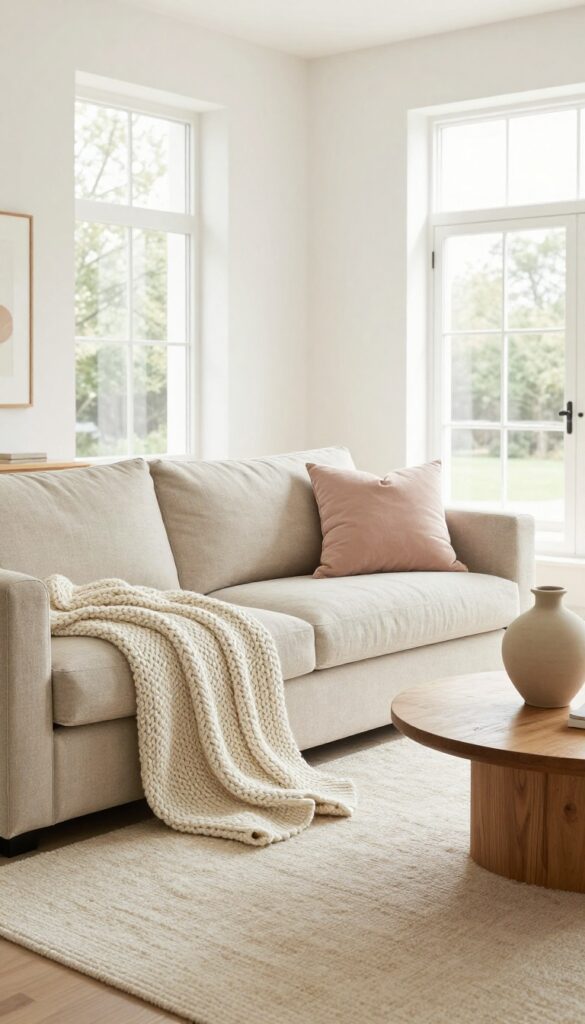
Neutral colors are the secret to a living room that feels open and calm. Whites, beiges, and soft grays reflect natural light, making walls seem to disappear and the whole space feel larger. The trick is to keep the palette simple and add just one accent color—like a single throw pillow—so the room stays clean and cohesive without feeling flat.
A neutral palette doesn't have to be boring. By layering different textures in similar tones—think a linen sofa, a wool rug, and matte ceramic vases—you add depth without clutter. This approach works especially well in small living rooms, where too many colors can make the space feel busy and cramped.
Stick to warm or cool neutrals consistently, and let the furniture shapes and fabric textures do the talking.
Best Colors
Start with a warm white like Swiss Coffee or a soft greige for walls. For larger pieces, choose light beige or dove gray. Reserve darker neutrals like charcoal or taupe for small accents, such as a lamp base or picture frame, to avoid weighing down the room.
Budget-Friendly Swap
If you already have a colorful sofa, don't replace it—just add a neutral slipcover in a washable fabric like cotton or linen. This instantly lightens the room and costs a fraction of a new couch. Then swap bright accessories for neutral ones from thrift stores or discount home goods.
Texture Mix
To keep a neutral room from feeling sterile, mix textures: a chunky knit throw, a smooth leather ottoman, a jute rug, and matte ceramic planters. The contrast in surfaces adds visual interest while staying within the same color family.
6. Add a Large Mirror Opposite a Window
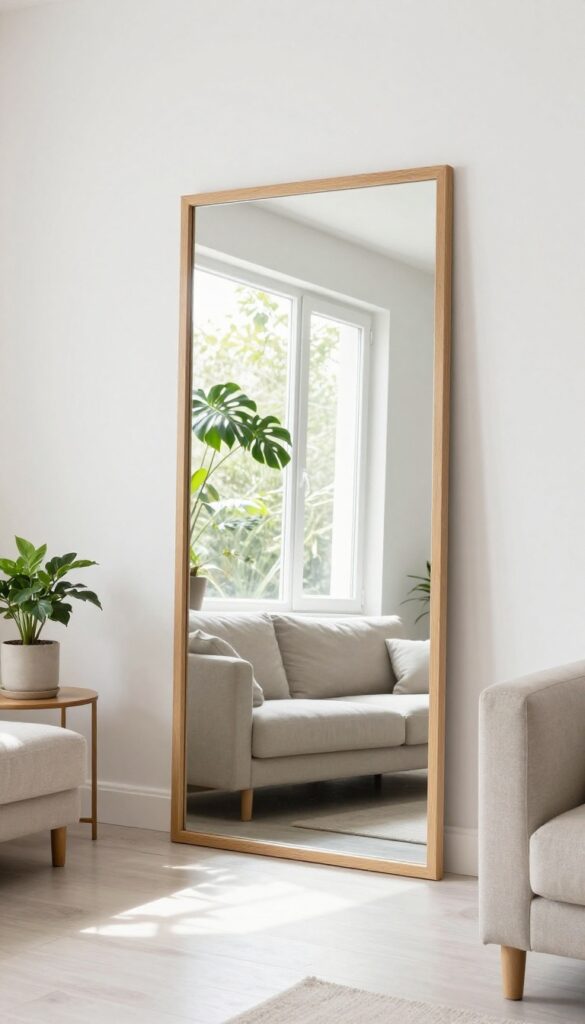
Natural light is a precious commodity in any living room, and a well-placed mirror is the easiest way to double it. By hanging a large mirror directly across from a window, you bounce sunlight deep into the room, making even a compact space feel airy and open. Thrift stores and flea markets are goldmines for oversized mirrors with character—just clean up the frame, maybe add a fresh coat of paint, and you’ve got a budget-friendly statement piece that works harder than almost any decor item.
A large mirror opposite a window is a classic trick that interior designers swear by, and for good reason. It instantly amplifies both light and views, tricking the eye into seeing more square footage. For a minimalist living room, this is a no-brainer: you get maximum impact with zero clutter.
The best part? You don’t need to spend a fortune. Vintage or secondhand mirrors often have unique frames that add personality, and a simple cleaning or repaint can make them look custom.
Place it so it reflects something pleasant—like a leafy plant or a cozy reading nook—rather than a blank wall or a pile of cords. This small adjustment turns your mirror into a focal point that enhances the whole room’s mood.
Best Frame Styles
- For a minimalist look, stick with thin, clean-lined frames in neutral tones like black, white, or natural wood. A frameless beveled mirror also works beautifully—it disappears into the wall and just reflects light. Avoid heavy ornate frames unless your room has traditional details; they can feel busy in a simple space.
- If you find a thrifted mirror with a dated frame, sand it down and paint it matte black or white for an instant update.
Placement Tips
- Hang the mirror so it’s centered on the wall opposite the window, at eye level. Make sure it’s not blocked by furniture—a sofa or tall plant in front will kill the effect. If the window is off-center, angle the mirror slightly to catch the best light.
- Also, consider the reflection: avoid pointing it at a cluttered corner or a TV screen. Instead, aim it at a piece of art, a plant, or an open area to create a sense of depth.
Budget-Friendly Swap
- If a large vintage mirror is out of budget, try grouping several smaller mirrors together in a grid or gallery style. You can find inexpensive round or square mirrors at discount stores and arrange them to mimic one big reflective surface. Another hack: use a full-length leaning mirror (often under $30) propped against the wall opposite the window.
- It’s casual, easy to move, and still bounces plenty of light around.
7. Go for Multi-Functional Furniture
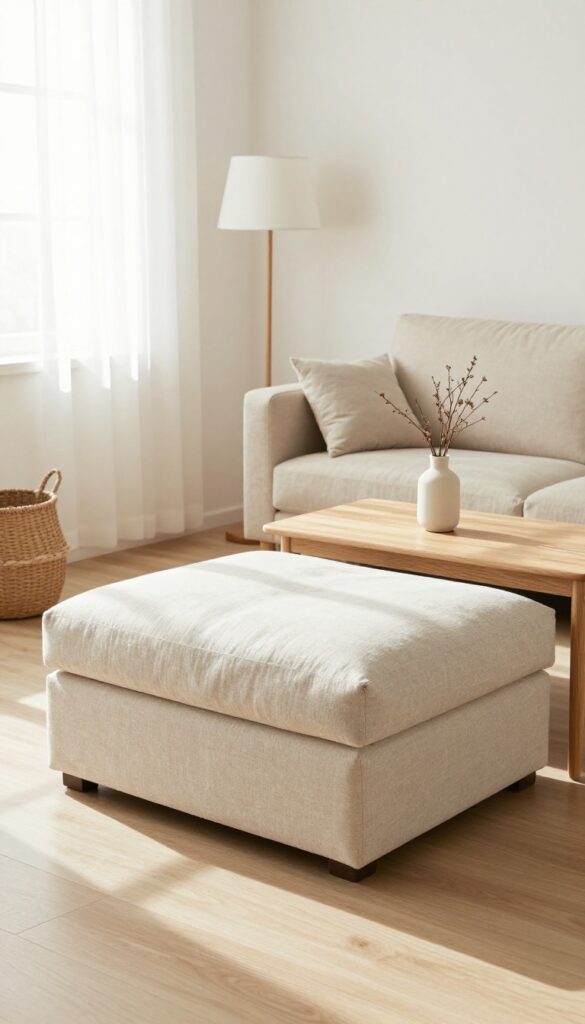
Imagine a coffee table that lifts up to become a desk, or an ottoman that hides a week’s worth of blankets inside. Multi-functional furniture is the secret weapon of any budget-friendly, space-savvy minimalist. Instead of buying separate pieces for storage, seating, and display, you get one item that does two or three jobs at once.
That means less clutter, fewer purchases, and a living room that feels open and intentional—not jam-packed.
Multi-functional furniture keeps your floor plan open and your wallet happy. Ottomans with hidden storage, nesting tables, and sofa beds reduce clutter and eliminate the need for extra pieces. When every item serves more than one purpose, you naturally buy less and use your space more efficiently.
Plus, these pieces often come in sleek, modern designs that fit right into a minimalist aesthetic.
Best Colors And Materials
Stick with neutral tones like warm beige, soft gray, or natural wood to keep the room feeling airy. For storage ottomans, choose a linen or cotton blend that adds texture without overwhelming the space. Nesting tables in light oak or matte black metal offer contrast while remaining visually light.
Layout Tip
Place a storage ottoman near the sofa as a footrest and extra seating. Use nesting tables beside the sofa or as a coffee table alternative—pull one out when you need a surface, then tuck it away to reclaim floor space. This flexible layout adapts to your daily needs without rearranging furniture.
Budget-Friendly Swap
- Skip the expensive custom storage unit. Instead, look for a simple upholstered bench with a lift-up lid. It works as a coffee table, extra seating, and a hiding spot for remotes, magazines, or kids’ toys.
- You’ll save money and gain three functions in one piece.
8. Keep Decor to a Minimum on Surfaces
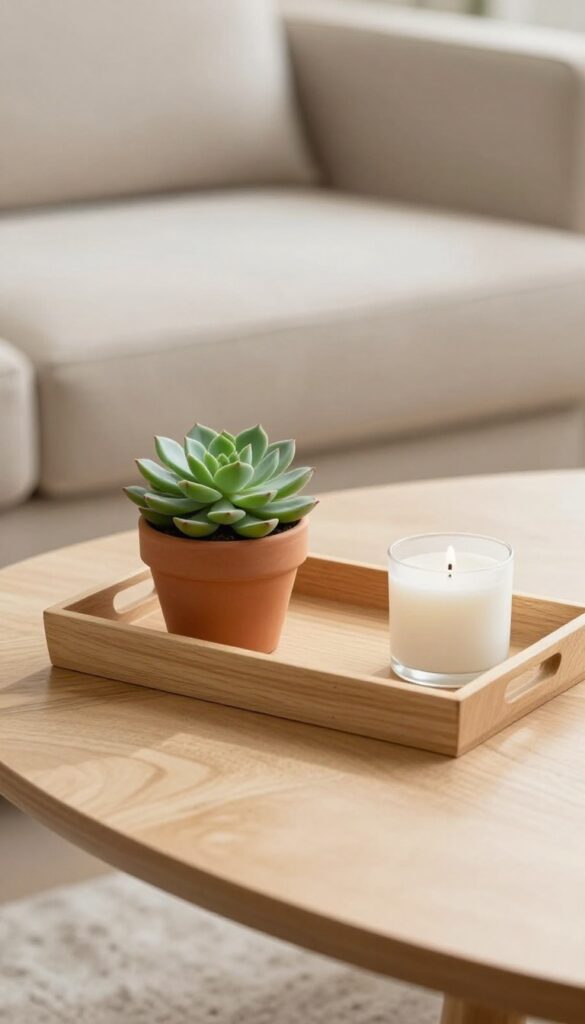
Flat surfaces have a way of collecting clutter, and in a minimalist living room, less is definitely more. The goal is to let the space breathe, not to fill every inch with trinkets. By limiting coffee table and shelf items to three or fewer per surface, you create calm, intentional vignettes that feel curated, not crowded.
A single tray, a small plant, and a candle are enough to style without visual noise.
This approach works because it forces you to choose each piece carefully. Instead of piling on books, coasters, remotes, and decorative objects, you pick just three items that work together in color, texture, and scale. The result is a clean, open look that makes the room feel larger and more restful.
Plus, it’s budget-friendly—you likely already own a few good pieces; just edit down to your favorites.
Best Colors
Stick to a neutral palette for your surface decor to keep the look cohesive. Whites, beiges, soft grays, and muted greens or blush tones blend seamlessly with most living room schemes. If you want a pop of color, let it come from a single item—like a vibrant green plant or a ceramic vase in a warm terracotta.
Shelf Styling Tip
On shelves, group items in odd numbers (three is ideal) and vary heights. Place a tall vase or book stack at one end, a medium plant in the middle, and a small candle or figurine on the other side. Leave empty space around each group so the eye can rest—don’t cram things together.
Budget-Friendly Swap
- No need to buy new decor. Edit what you have: choose your favorite three objects from each surface and store the rest in a basket or closet. Rotate seasonally for a fresh look without spending a dime.
- A simple tray from a thrift store can corral small items and instantly make them feel intentional.
9. Use Vertical Storage Solutions
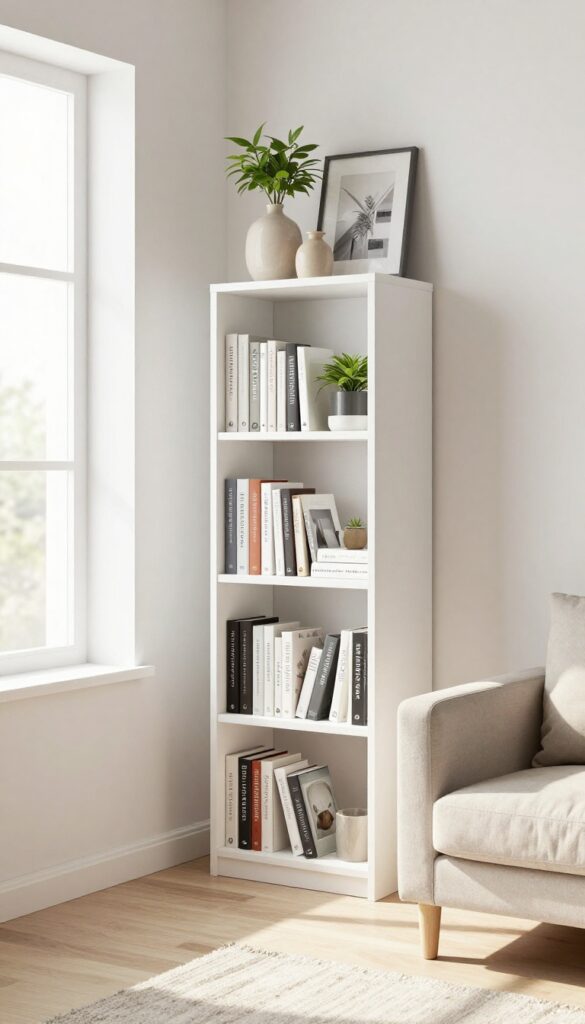
When floor space is limited, the only way to go is up. Tall bookshelves, wall-mounted cabinets, and floating shelves draw the eye upward, making the room feel taller and more open. This approach keeps the floor clear, which instantly makes a small living room feel less cluttered.
Plus, vertical storage often costs less than bulky furniture—especially if you go the DIY route with simple floating shelves.
Vertical storage is a smart, budget-friendly way to maximize every inch of your living room. Instead of spreading storage wide, stack it high. A tall, narrow bookshelf can hold as much as a low credenza without eating into your walkway.
Wall-mounted cabinets keep things off the floor entirely, which is a game-changer for tight spaces. Floating shelves are the cheapest option—just a few boards and brackets can transform a blank wall into a display area for books, plants, and decor. The key is to keep the styling intentional: leave some breathing room between items so the shelves don't look crowded.
This approach works especially well in apartments or rented spaces where you can't make permanent changes. And because you're using vertical real estate, you free up floor space for a larger rug or a comfy seating arrangement.
Best Materials For Vertical Storage
For a minimalist look, stick with light woods like pine or birch, or go for sleek white or black metal. Open shelving in a light color keeps the space airy, while darker tones add contrast and depth. If you're on a tight budget, consider using ladder shelves—they're stylish, easy to assemble, and don't require wall mounting.
Small-space Fix: Corner Shelves
Corners are often wasted space, but a corner shelf unit can turn that awkward spot into a storage powerhouse. Look for triangular shelves or a slim corner bookcase that fits snugly. This trick adds storage without stealing any floor space from the main traffic area.
Styling Tip: Curate, Don't Clutter
Vertical storage can quickly look messy if you overload it. Stick to a simple rule: group items in odd numbers, mix books with a few decorative objects, and leave about 30% of each shelf empty. This creates a curated, gallery-like feel that keeps the room calm and open.
10. Choose Slim-Legged Furniture
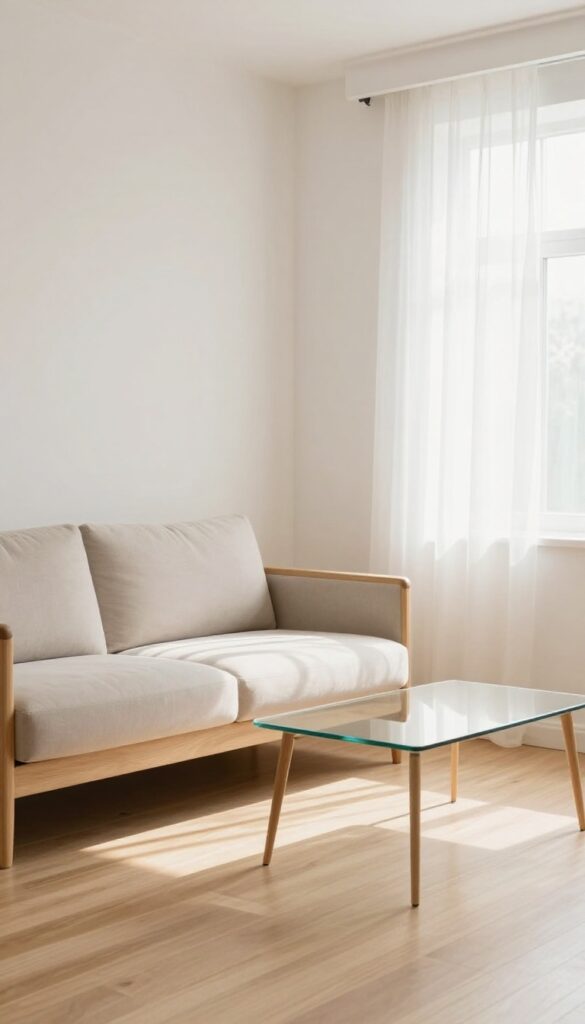
When you're working with a small living room, every visual trick counts. One of the easiest ways to keep the space feeling open is to pick furniture that doesn't sit flat on the floor. Slim legs—think hairpin, tapered, or metal—lift sofas, chairs, and tables off the ground, letting light and air flow underneath.
That little gap makes the whole room look less cluttered and more spacious, without you having to give up any seating or surface area.
Slim-legged furniture is a budget-friendly way to make your living room feel bigger and brighter. The exposed legs create an illusion of openness, making even a compact sofa or console table appear lighter. This style works especially well in small spaces because it reduces visual weight and lets the floor color continue uninterrupted, which tricks the eye into seeing more square footage.
Plus, it's easier to clean under—bonus!
Best Materials For The Look
- Go for wood with a light finish like oak or ash, or black metal for a modern edge. Both are affordable and easy to find at big-box stores or online. Avoid dark, heavy woods that can make legs look chunky.
- The goal is slender and subtle, so the furniture almost floats.
Budget-Friendly Swap
If your current sofa sits low to the ground, try adding short risers to lift it a couple of inches. It's a cheap fix that instantly creates that airy feel. For tables, look for secondhand pieces with thin legs and give them a fresh coat of paint or stain.
Layout Tip
Place your slim-legged sofa away from walls to let the open space behind it show through. Pair it with a glass-top coffee table on metal legs to keep sightlines clear. This combo maximizes the sense of flow and makes the room feel intentionally spacious, not cramped.
11. Embrace Negative Space
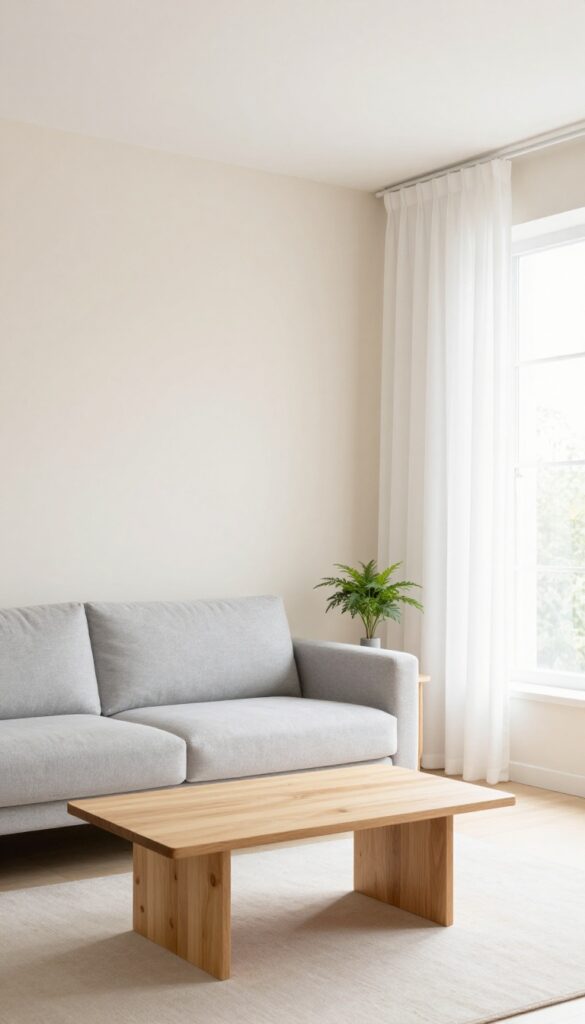
Not every wall needs art, and not every corner needs a plant. In a minimalist living room, negative space is a design tool, not a missed opportunity. Leaving some areas intentionally bare lets the eye rest and makes the pieces you do have feel more deliberate.
It’s a budget-friendly move too—you’re not buying anything extra, just letting the room breathe.
Negative space doesn’t mean empty or boring. It means giving your furniture and decor room to stand out. Start by editing down to only what you use or love.
Then, arrange pieces with gaps between them. A sofa with a few inches of wall on either side, a coffee table with nothing underneath, or a bare wall across from a window all create that calm, open feel. The key is to resist the urge to fill—empty areas actually make a small room look larger and more intentional.
Best Colors
- Stick with light, neutral tones for walls and large furniture to make negative space feel airy rather than stark. Warm whites, soft beiges, or pale greys let empty areas blend into the background. If you want a touch of contrast, use a darker accent on one piece—like a charcoal sofa—and leave the rest pale.
- This keeps the focus on the negative space itself.
Layout Tip
- Float your furniture away from the walls. Pull the sofa a few inches from the back wall, and leave a gap between the coffee table and the TV console. This creates visual breathing room and makes the floor plan feel less crowded.
- In a small living room, even six inches of space around each piece can transform the whole vibe.
Budget-Friendly Swap
- Instead of buying more decor, subtract something. Remove one throw pillow, one side table, or one wall hanging. You’ll instantly notice how much more open the room feels.
- The cost is zero, and the effect is immediate. This is one of the easiest ways to embrace negative space without spending a dime.
12. Opt for a Glass Coffee Table
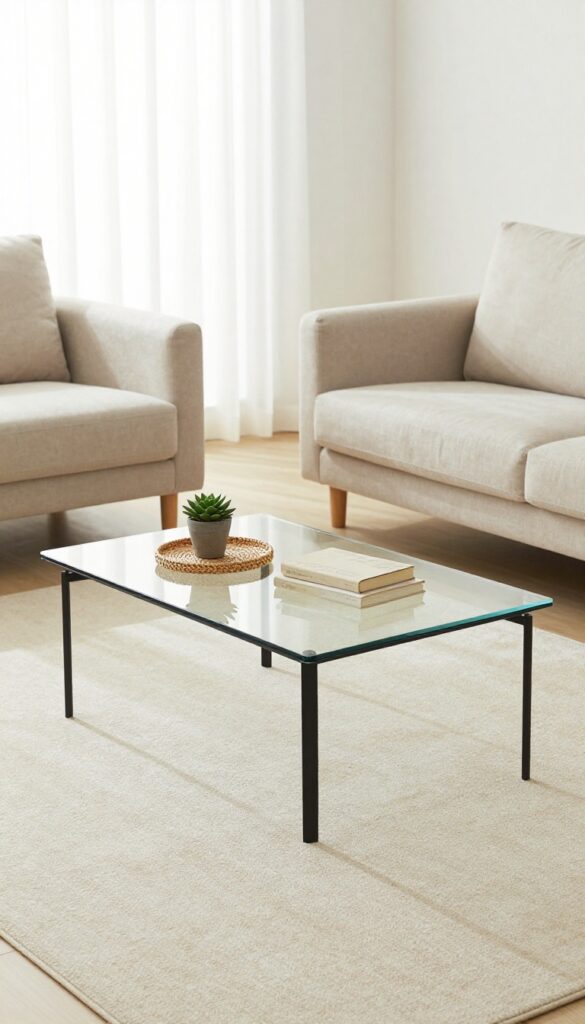
A glass coffee table can make a small living room feel significantly larger. Because the surface is transparent, it doesn't block sightlines or create a heavy visual anchor in the center of the space. This is especially helpful in open layouts where you want the room to feel connected rather than chopped up.
Plus, glass tables come in a range of styles, from sleek modern to vintage-inspired, so you can find one that fits your decor without breaking the bank.
A glass coffee table is a budget-friendly swap that instantly opens up your living room. The key is to choose a table with a simple frame—thin metal legs or a slim wooden base keep the look airy. Secondhand stores often have solid glass tables for under $100, and acrylic options are even lighter on the wallet.
To style it, keep the surface mostly clear or use a few low-profile items like a stack of books or a small tray. Avoid bulky decor that defeats the purpose of the transparency.
Best Materials And Shapes
Tempered glass is a must for safety and durability. Round or oval shapes soften the room and are easier to navigate around, while rectangular tables work well in longer spaces. For the base, consider clear acrylic for maximum invisibility, or brushed brass or black metal for a subtle contrast that still feels light.
Styling Tip: Keep It Minimal
- Since the table itself is nearly invisible, what you place on it becomes the focal point. Stick to one or two items: a small plant, a ceramic coaster set, or a single art book. A woven tray can corral remotes without adding visual weight.
- Avoid cluttering the surface—the goal is to maintain that open, unbroken look.
Budget-friendly Find
- Check Facebook Marketplace or local thrift stores for vintage glass tables. Often you can find a solid piece for $50 or less. If you prefer new, IKEA and Target offer acrylic coffee tables starting around $80.
- A quick wipe with glass cleaner keeps it looking fresh and streak-free.
13. Hide Cords and Electronics
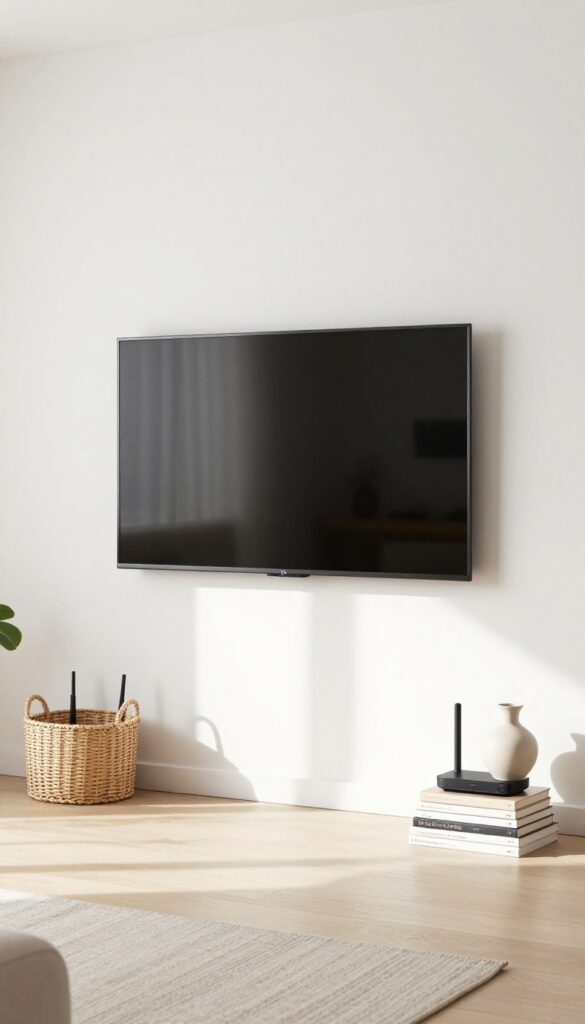
Nothing kills a clean, minimalist vibe faster than a nest of tangled cords and a stack of black electronics. Even the most thoughtfully arranged room can feel cluttered when cables snake across the floor or a TV remote sits out in the open. The good news?
You don’t need to spend much to make these eyesores disappear. A few clever, budget-friendly tricks can keep your living room looking open and airy without sacrificing your gadgets.
Start by gathering your cords and routing them along furniture legs or baseboards using adhesive cord clips—they cost just a few dollars and make a huge difference. For a bigger impact, corral power strips and excess cable length inside a simple cable management box (a small woven basket works too). If your TV is on a console, hide the router and streaming devices behind closed cabinet doors or inside a slim media console with ventilation.
For wall-mounted TVs, raceways that paint-match your wall make cables vanish completely. The goal is to let your eye rest on the room’s clean lines, not on the tech.
Budget-friendly Cord Hacks
- You don't need a professional installer. Cord clips, zip ties, and adhesive cable sleeves are all under $10 and take minutes to apply. Run cords along the back of furniture legs or under a rug edge (use a flat cord cover to avoid tripping).
- Another trick: thread cords through a binder clip attached to the edge of your desk or console to keep them from slipping behind.
Styling Tip: Conceal With Decor
- Use everyday objects to hide electronics. A large ceramic vase or a stack of coffee table books can block a router. A tall houseplant placed near a TV stand softens the tech silhouette.
- For a media console, choose one with closed storage or add a basket to hold remotes and game controllers. The key is to integrate tech into the room’s design rather than letting it stand out.
Small-space Fix: Wireless Alternatives
- If you’re renting or can’t drill holes, go wireless where possible. Use a wireless charging pad for phones instead of multiple cables. Consider a streaming stick that plugs directly into the TV’s HDMI port—no extra box needed.
- Battery-operated sconces or lamps eliminate cord clutter entirely. Every cord you remove makes the room feel instantly more open.
14. Layer Lighting at Different Heights
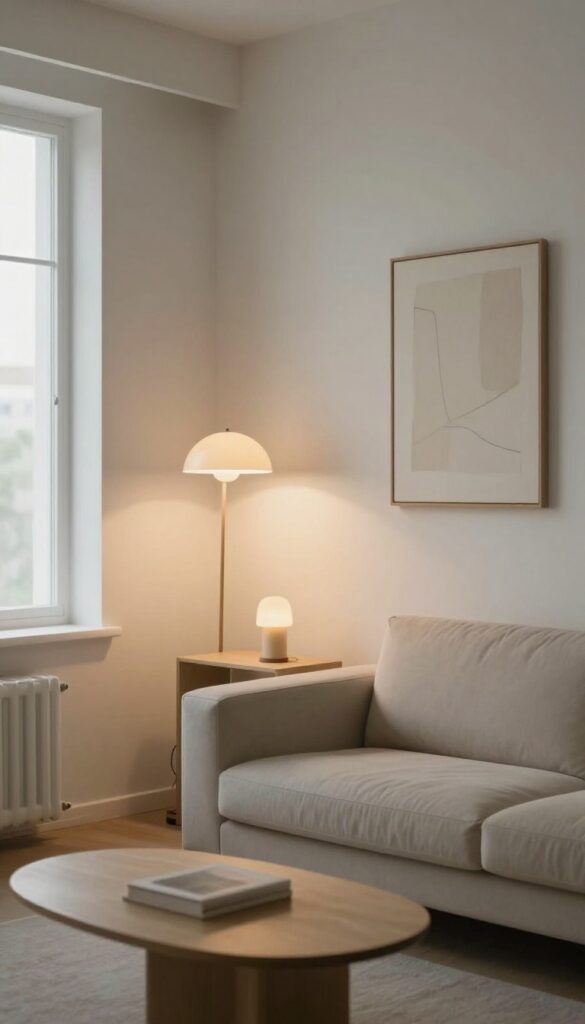
Lighting can make or break a minimalist living room. Instead of relying on a single overhead fixture, try layering light sources at different heights. This approach creates depth and eliminates harsh shadows, making the room feel both cozy and open.
The best part? You can achieve it without spending a fortune.
Start with a floor lamp in one corner to cast a soft, ambient glow. Add a table lamp on a side table or console for task lighting, and consider a wall sconce to highlight a piece of art or an architectural feature. Warm bulbs (2700K–3000K) keep the space inviting without feeling closed in.
This layered setup lets you adjust brightness for different moods—bright for reading, dim for relaxing—all while maintaining that airy minimalist vibe.
Budget-Friendly Swap
- You don't need designer fixtures to layer lighting well. Thrift stores and online marketplaces are goldmines for affordable lamps. Look for clean, simple shapes in neutral colors like black, white, or brass.
- A can of spray paint can update a dated lamp base for under $10. Even a simple paper pendant light can add warmth without breaking the bank.
Placement Tip
To keep the space open, avoid cluttering surfaces. Place floor lamps in corners or next to seating, table lamps on narrow consoles or floating shelves, and sconces at eye level on empty wall space. This spreads light evenly without taking up valuable floor or table area.
15. Edit Your Decor Seasonally
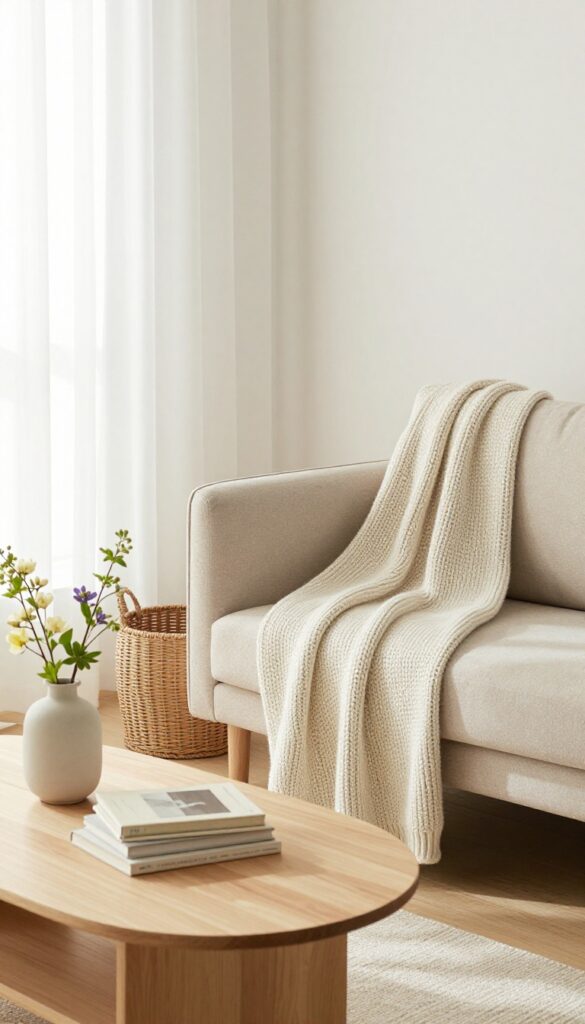
Swapping out a few accessories each season is a smart way to keep your living room feeling fresh without buying a whole new setup. You don't need a massive storage unit—just a basket or under-bed bin to hold off-season items like throw pillows, blankets, or a centerpiece. This approach saves money, reduces clutter, and makes your space feel intentional all year round.
Rotating decor seasonally is a budget-friendly habit that keeps your living room from going stale. Instead of accumulating more stuff, you simply swap a few key pieces—like swapping lightweight linen pillows for chunky knits in winter, or trading a heavy vase for a bright ceramic bowl in spring. The trick is to choose a small number of items to rotate, so the change feels noticeable but not overwhelming.
Store your off-season pieces in a single basket or under the bed to keep your home clutter-free. This practice also helps you appreciate what you own, since each piece gets a moment to shine before taking a break.
Best Items To Rotate
Focus on high-impact, low-storage items: throw pillows, blankets, small vases, candle holders, and coffee table books. Avoid rotating large furniture or heavy decor—stick to pieces that fit in a single storage bin. For example, swap a wool throw for a cotton one, or exchange a dark ceramic vase for a lighter glass option.
Storage Tip
- Use a lidded basket or a fabric bin that slides under your sofa or bed. Label it by season so you can grab what you need quickly. Vacuum-seal bags work well for blankets and pillows to save space.
- Keep your storage out of sight to maintain that minimalist look.
Budget-Friendly Swap
- You don't need to buy new decor each season—simply rearrange what you already own. Move a plant from the shelf to the coffee table, or flip your throw pillows to show a different color. This costs nothing and still gives the room a fresh feel.
- When you do shop, hit thrift stores or end-of-season sales for affordable finds.
FAQ
How can I make my living room look minimalist on a tight budget?
Start by decluttering and rearranging what you already own. Swap heavy curtains for sheers, pull furniture away from walls, and use a large rug to define the space. Thrift stores and discount home stores are great for finding affordable mirrors, glass tables, and slim-legged furniture.
What colors work best for a minimalist living room?
Neutral tones like white, beige, light gray, and soft taupe are ideal because they reflect light and make the room feel larger. You can add one subtle accent color—like sage green or dusty blue—through a single pillow or throw.
How do I keep a minimalist living room from feeling cold or empty?
Incorporate texture through a chunky knit throw, a jute rug, or linen curtains. Warm lighting (soft white bulbs) and a few natural elements like a potted plant or wooden bowl add warmth without clutter.
What furniture should I avoid in a small minimalist living room?
Avoid oversized, bulky sofas and dark, heavy coffee tables. Skip furniture with skirts or thick legs that block visual flow. Instead, choose low-profile, slim-legged pieces and transparent or light-colored surfaces.
Can I still have decor in a minimalist living room?
Absolutely—just be intentional. Limit decorative items to a few meaningful pieces, like a single piece of wall art, a small plant, and a stack of books. The key is to display less so each item stands out.
Conclusion
Minimalism isn't about having nothing—it's about making room for what matters. With these 15 budget-friendly ideas, you can transform your living room into an open, airy sanctuary without spending a fortune.
Start with one or two changes, like swapping curtains or floating your sofa, and build from there. You'll be surprised how a few small shifts can make your whole space feel bigger, calmer, and more inviting.