10 Living Room Archway Ideas to Soften Room Transitions
Archways have a way of making a home feel connected without losing the definition between rooms. But sometimes those bare openings can feel a bit harsh or unfinished.
The trick is to treat the archway as a design feature rather than just a pass-through. Whether you're working with a classic rounded arch or a modern square opening, a few thoughtful touches can turn that transition into one of the most charming spots in your home.
These ten ideas lean modern and clean, but they're all about making the space feel relaxed and inviting.
1. Paint the Arch a Contrasting Color
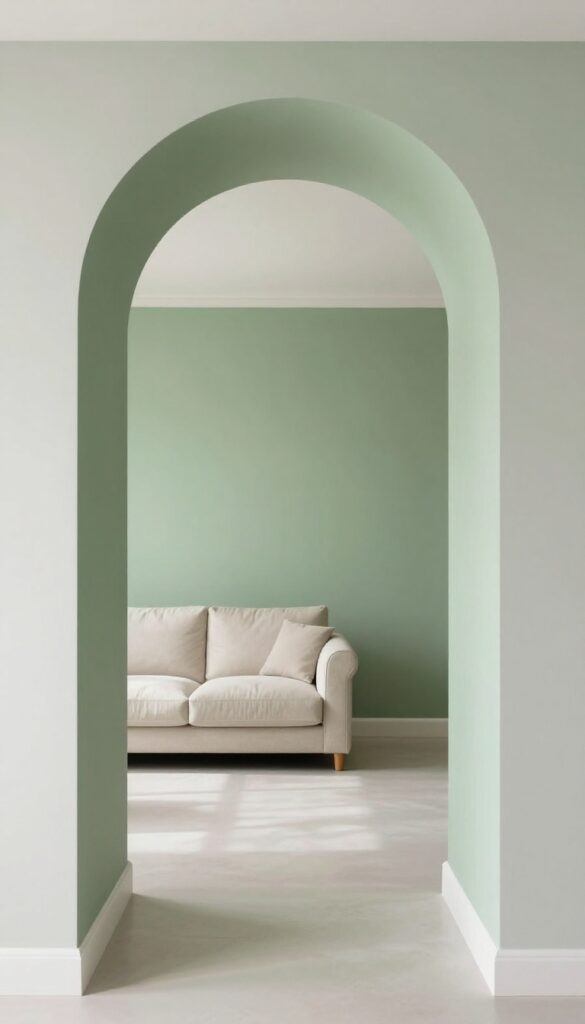
One of the simplest ways to make an arch feel intentional is to paint the inside a different color than the surrounding walls. This trick frames the view into the next room like a piece of art, adding depth and a subtle pop of personality. Soft, muted hues like sage green or dusty blue work especially well in modern homes—they bring color without feeling loud or busy.
Painting the arch a contrasting color is a low-commitment way to define the transition between spaces. It draws the eye through the opening and makes the arch itself a design feature. For a clean, modern look, stick with matte finishes and colors that complement your existing palette.
This works beautifully in open floor plans where you want to subtly separate zones without closing them off.
Best Colors
Sage green, dusty blue, warm terracotta, or even a deep navy are great choices. The key is to pick a shade that appears elsewhere in the room—like in throw pillows or artwork—so the arch feels connected, not random.
Finishing Touch
For a polished look, carry the paint color from the arch interior onto the trim or door casing on one side. This creates a seamless visual line and makes the arch feel built-in rather than added on.
Small-space Fix
In narrow hallways or small living rooms, a light contrasting color (like a pale blue or soft blush) can make the arch feel airy and open, while still adding interest. Avoid dark colors in tight spots—they tend to close in the space.
2. Install a Slim Archway Shelf
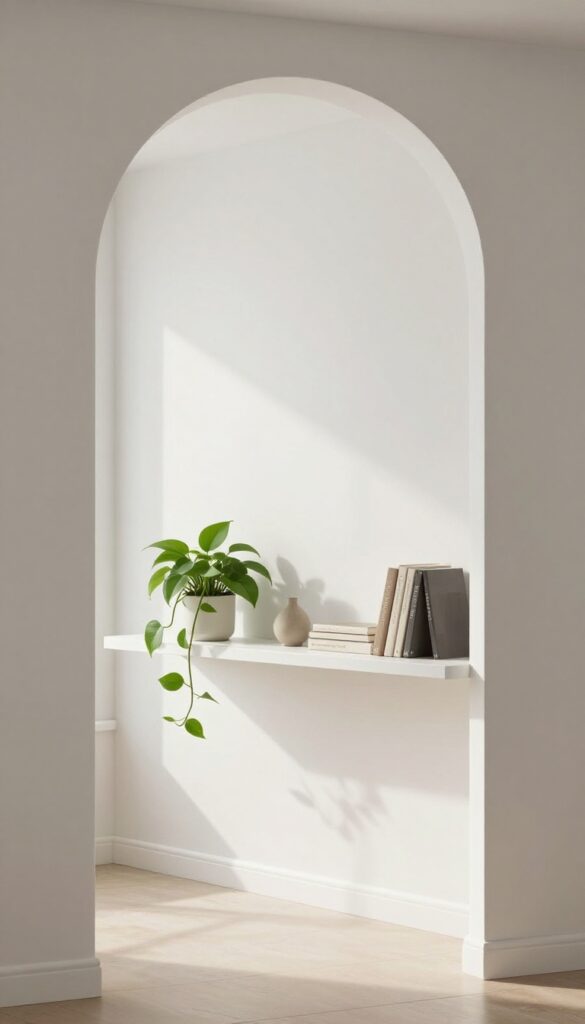
Arches are beautiful on their own, but adding a slim shelf inside the opening can turn that empty curve into a functional display spot. It’s a subtle way to introduce personality without overwhelming the arch’s shape. Think of it as a floating ledge that catches the eye as you move between rooms—perfect for small decor pieces that deserve a moment.
A slim archway shelf works best when it’s narrow enough to leave plenty of clearance for walking, but deep enough to hold a few curated objects. The key is keeping the styling minimal so the arch remains the star. Stick to one or two small plants, a stack of books, or a single ceramic vase.
Avoid overcrowding—this is about accenting the transition, not turning it into a full display case.
Best Materials
- Go with a material that complements your arch’s finish. For painted drywall arches, a white or black floating shelf blends in seamlessly. If you have a wood-framed arch, match the stain or choose a contrasting tone like walnut for warmth.
- Metal shelves in brass or matte black add a modern edge.
Shelf Styling Tip
- Keep it balanced but not symmetrical. Place a trailing plant like pothos on one end and a small stack of neutral-toned books on the other. Add a tiny ceramic object in the middle for visual weight.
- The goal is a relaxed, collected look that feels intentional, not staged.
Small-space Fix
In tight living rooms or apartments, an archway shelf can double as extra surface area without taking up floor space. Use it to hold keys, a small dish for change, or a candle—just keep it sparse to avoid a cluttered entry feel.
3. Add a Curved Banquette or Bench
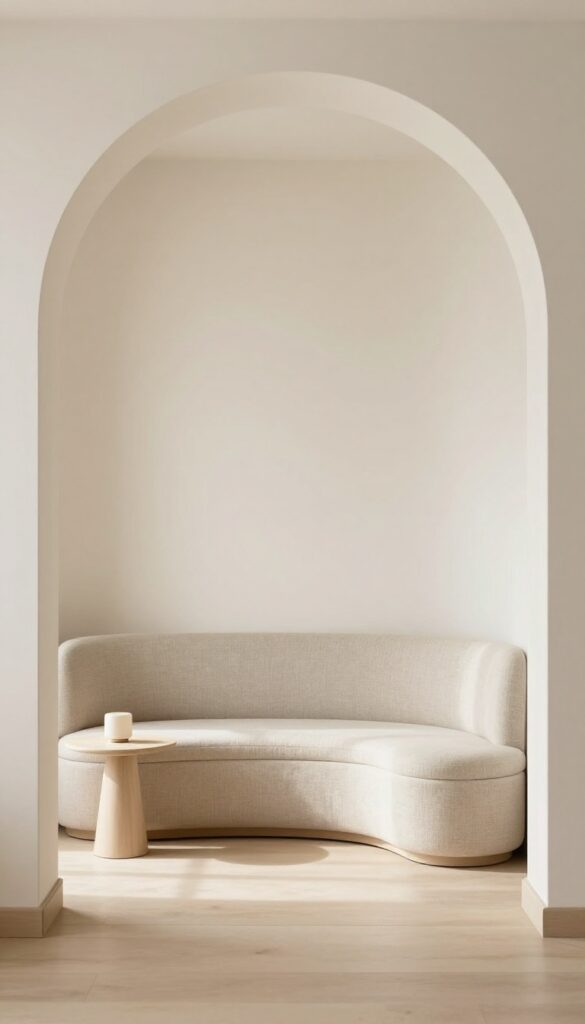
A wide archway is prime real estate for a built-in moment. Instead of leaving that space empty, tuck a curved bench underneath to turn a simple passage into a purposeful spot. The rounded shape echoes the arch above, making the whole transition feel intentional rather than accidental.
It’s the kind of detail that makes a house feel thoughtfully designed without trying too hard.
Whether you go with a custom built-in or a ready-made piece, a curved bench under an archway instantly gives the room a new function. In a living room, it becomes a cozy reading nook with the addition of a small side table and a lamp. Near an entryway, it’s a practical place to sit while pulling on shoes or dropping a bag.
The key is to match the bench’s curve to the arch’s radius for a seamless look. If you’re working with a standard arch, look for a semicircular bench that fits snugly. For a more dramatic effect, extend the bench slightly beyond the arch’s edges to create a built-in feel.
Best Materials
Upholstered benches in linen or velvet soften the look and invite lounging, while wood benches keep things clean and modern. If the archway is in a high-traffic area, opt for performance fabrics or easy-clean leather. A slim cushion on a wooden base strikes a nice balance between comfort and durability.
Layout Tip
Place the bench so it’s centered under the arch, leaving enough clearance on each side for walking. If the archway is part of a main path, keep the bench depth under 20 inches to avoid blocking flow. Add a small round table or a floor lamp nearby to anchor the nook without crowding the passage.
Finishing Touch
Toss a few textured throw pillows on the bench to make it feel inviting. Stick to a neutral palette that complements the arch’s trim and wall color. A slim lumbar pillow adds back support and reinforces the curved silhouette.
4. Use Sheer Curtains for Softness
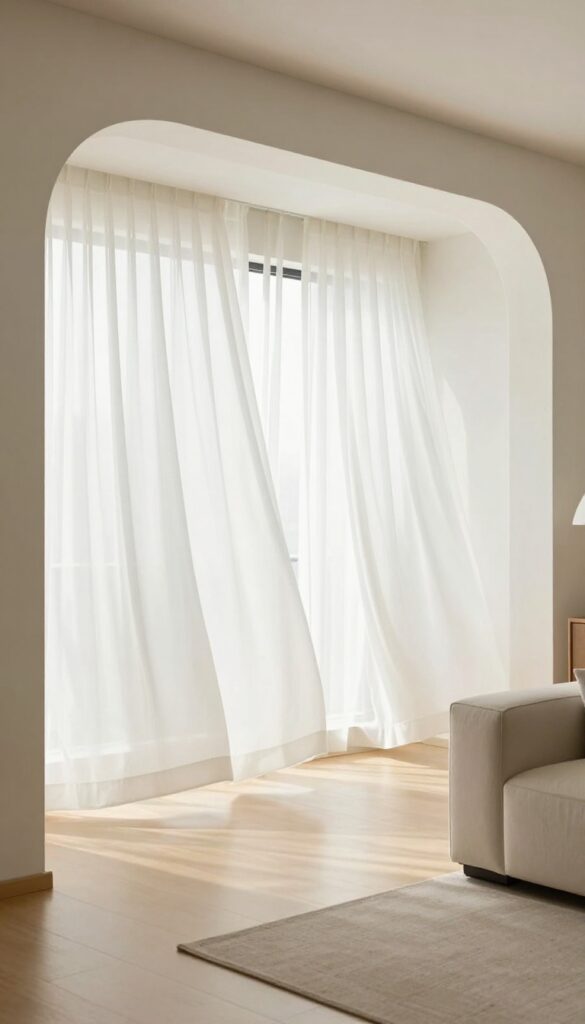
An archway doesn't have to be a hard, empty passage. Dressing it with floor-length sheer curtains instantly softens the transition between rooms, adding a layer of texture and movement that feels both modern and inviting. The lightweight fabric filters natural light beautifully, creating a soft glow that connects the two spaces without closing them off.
It's an easy, rental-friendly update that brings a touch of elegance to any living room arch.
Hang a simple curtain rod inside the archway, just above eye level, and choose sheers in a neutral tone like ivory, soft gray, or warm white. The curtains should graze the floor for a polished look. This setup works especially well in open-plan layouts where you want to define zones without sacrificing light or flow.
For a cleaner aesthetic, opt for a rod that extends slightly past the arch on both sides so the curtains can stack neatly outside the opening when pulled open.
Best Fabrics And Colors
Stick with lightweight, semi-sheer fabrics like linen, cotton voile, or polyester blends that drape well. Avoid heavy materials that block light or feel too formal. Neutral shades keep the look airy and modern, but a soft blush or pale blue can add a subtle pop of color without overwhelming the space.
Hardware And Hanging Tips
Use a tension rod if you can't drill, or a simple curtain rod with minimal finials. Mount the rod as high as possible inside the arch to elongate the opening. For a clean finish, choose rings with clips so the curtains hang straight and are easy to slide open and closed.
Styling The Surrounding Area
- Let the sheers be the star. Keep nearby decor minimal—maybe a small console table or a single floor lamp. If the archway leads to a hallway, add a runner in a complementary tone to carry the softness through.
- Avoid cluttering the arch with too many accessories; the curtains already do the heavy lifting.
5. Frame the Arch with Trim Molding
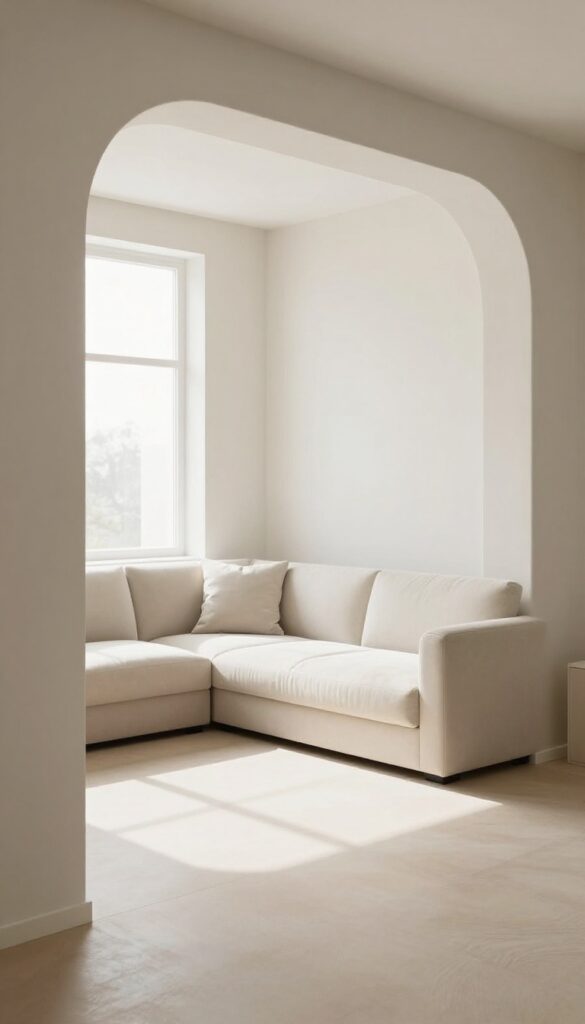
Sometimes the simplest tweak makes the biggest difference. Adding trim molding around an archway instantly gives it a more finished, intentional look—like it was always meant to be a focal point. This trick works especially well in modern homes where clean lines and subtle details carry the design.
You can keep it understated by painting the trim the same color as the wall for a seamless, architectural feel, or go bold with crisp white for contrast that pops against a darker wall. Either way, it's a small upgrade that elevates the entire room transition.
Trim molding is one of those details that feels both classic and fresh. It frames the archway like a piece of art, drawing the eye and adding structure without overwhelming the space. In a modern living room, opt for simple, flat trim—think Craftsman or contemporary profiles rather than ornate Victorian styles.
The goal is to complement the arch's curve, not compete with it. Paint the trim in a matte or satin finish to keep things low-shine and modern. If your walls are white, a slightly off-white trim (like Swiss Coffee or Alabaster) adds subtle depth.
For a bolder look, use black or charcoal trim against light walls—it creates a graphic, almost minimalist statement. This idea works beautifully in open-concept homes where archways connect the living room to the dining area or hallway. It gives each zone its own identity while keeping the flow seamless.
Best Colors For A Modern Finish
- For a truly modern look, stick with monochromatic or near-monochromatic palettes. Paint the trim the exact same color as the wall for a barely-there architectural detail that reads as intentional and sophisticated. If you want contrast, white trim against a deep navy, charcoal, or sage green wall creates a crisp, clean line that feels fresh.
- Black trim is another option—it's unexpected but incredibly chic in a room with lots of natural light. Just keep the rest of the trim in the room (baseboards, door frames) consistent so the archway doesn't feel disconnected.
Material And Profile Tips
- Stick with primed MDF or solid wood for a smooth, paintable surface. For the profile, choose a simple flat casing or a slightly stepped design (like a 1×4 with a small backband). Avoid anything too ornate—modern spaces call for clean, straight lines.
- If your archway is drywall, you can add trim directly over it using construction adhesive and finish nails. For a truly seamless look, have a carpenter build out the arch with wood or drywall returns before adding the trim.
Where This Idea Works Best
- This trick is perfect for archways that feel a little unfinished or just blend into the wall. It's especially effective in living rooms that open into hallways, dining rooms, or entryways. In a modern home, it helps define the transition between spaces without needing a door.
- Pair it with a simple area rug or a pendant light on the other side to anchor the new focal point. For a cohesive look, repeat the same trim style on other openings in the same sight line.
6. Create a Gallery Wall Around the Arch
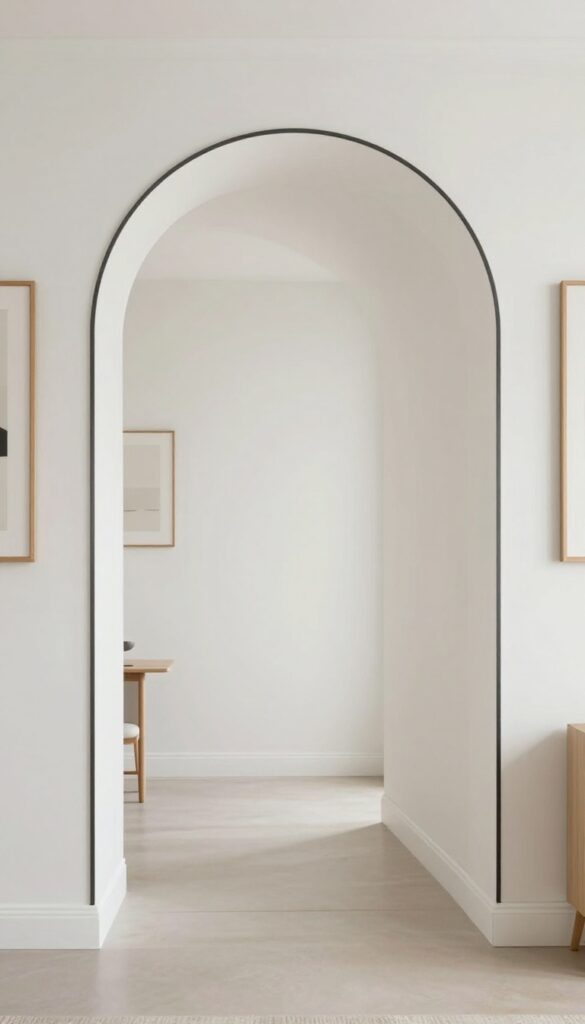
Gallery walls are a classic way to add personality, but framing an archway with art takes the concept to a whole new level. Instead of letting that curved opening feel like a blank hole in the wall, you can turn it into a curated focal point that gently guides the eye from one room to the next. The key is keeping the arrangement clean and balanced so the arch remains the star—your art just adds a stylish supporting role.
Start by choosing a cohesive frame style—slim black, white, or natural wood works best for a modern look. Lay out your pieces on the floor first, tracing the arch's curve with smaller frames and filling the sides with larger ones. Leave a few inches of breathing room around the arch itself to avoid a cluttered feel.
This setup works especially well in hallways or living rooms where the arch connects two distinct spaces, making the transition feel intentional and artful.
Best Frame Styles
Stick with thin, minimalist frames in a single finish—matte black, brushed brass, or natural oak keep the look modern and uncluttered. Mixing frame colors can work if you limit it to two complementary tones, but for a clean archway gallery, uniformity creates a stronger visual line.
Layout Tip
Use the arch as your guide: place smaller pieces along the curve and larger ones on the straight sides. A good rule is to keep the overall shape of the gallery wall roughly rectangular or square, so it frames the arch without competing. Tape out the layout on the wall first to avoid too many nail holes.
Finishing Touch
Add a slim picture light above the arch or a small LED strip behind the top frame to highlight the art in the evening. This subtle glow makes the gallery feel like a built-in feature and softens the transition between rooms even more.
7. Incorporate a Built-in Bookcase on One Side
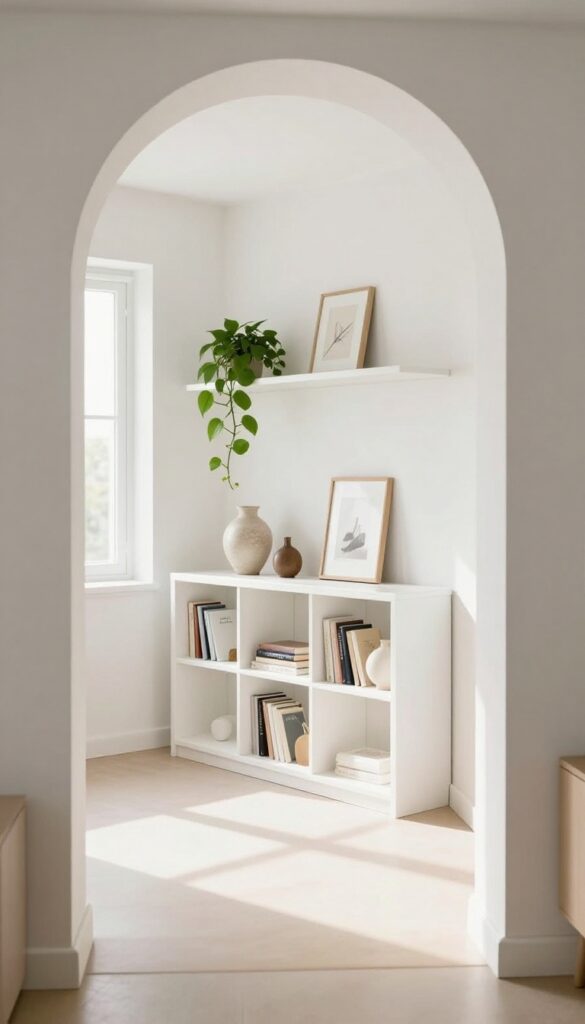
Arches are lovely, but they don't always pull their weight in terms of function. If you have an opening that feels a little bare or just needs some purpose, try adding a shallow built-in bookcase that wraps around one side. It anchors the archway visually and gives you a spot for books, plants, or decorative objects.
The best part? It doesn't eat into your floor space since it's flush with the wall.
This idea works especially well in living rooms where the arch leads to a hallway or dining area. The bookcase creates a natural pause point, making the transition feel intentional rather than abrupt. Keep the shelves clean and modern—think floating shelves or a slim built-in with a white or wood finish.
Style them with a mix of books, ceramics, and a small framed print for a curated look that doesn't feel cluttered.
Best Materials
- Stick with materials that match your archway's trim. If you have white molding, a painted white bookcase blends seamlessly. For a warmer look, use the same wood as your flooring or baseboards.
- Open shelving keeps it airy, while a closed cabinet below adds hidden storage.
Shelf Styling Tip
- Vary the height and depth of your objects. Stack a few books horizontally, then lean a small art piece behind them. Add a trailing plant like pothos on a top shelf to soften the lines.
- Leave some negative space so it doesn't feel overcrowded.
Layout Tip
If your arch is wide, consider wrapping the bookcase around both sides for symmetry. For narrower openings, one side is enough to make a statement. Just make sure the bookcase doesn't extend past the arch's edge—keep it flush with the wall for a built-in look.
8. Hang a Statement Pendant Light
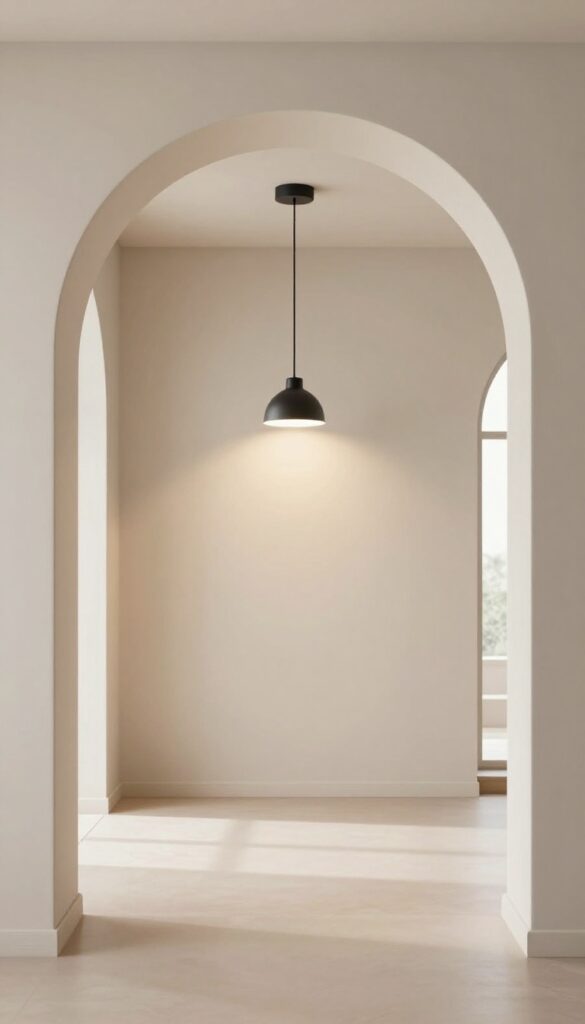
An archway doesn’t have to be just a pass-through. With the right pendant light, it can become a destination in its own right. Suspending a single fixture from the center of the archway ceiling draws the eye upward, adds a layer of illumination, and creates a subtle sense of arrival as you move between rooms.
It’s a simple trick that turns a transitional space into a design moment.
Choose a modern, clean fixture like a globe, linear bar, or simple cone shape. The key is to keep the profile slim so it doesn’t overwhelm the opening. Go for finishes like matte black, brushed brass, or white to blend with your existing decor.
Hang it low enough to feel intentional but high enough to avoid bumping heads—typically about 6.5 to 7 feet from the floor. This works especially well in wider archways where a single light can anchor the space without competing with other room lighting.
Best Fixture Styles
Globes and spheres are timeless and work in almost any archway. Linear pendants add a contemporary edge and can visually widen a narrow passage. Avoid oversized fixtures that crowd the opening—stick with diameters under 12 inches for standard-width archways.
Placement And Height
- Center the pendant exactly in the middle of the archway opening. If your archway is part of a longer hallway, align it with the center of the door frame. For height, aim for 6.5 to 7 feet from the floor to the bottom of the fixture.
- Adjust based on your ceiling height—lower for dramatic effect, higher for clearance.
Finishing Touch
Pair the pendant with a dimmer switch so you can adjust the mood. Soft, warm light makes the archway feel cozy, while brighter light highlights the architectural detail. Keep the surrounding wall color neutral to let the fixture pop without visual clutter.
9. Use a Large Floor Mirror to Reflect Light
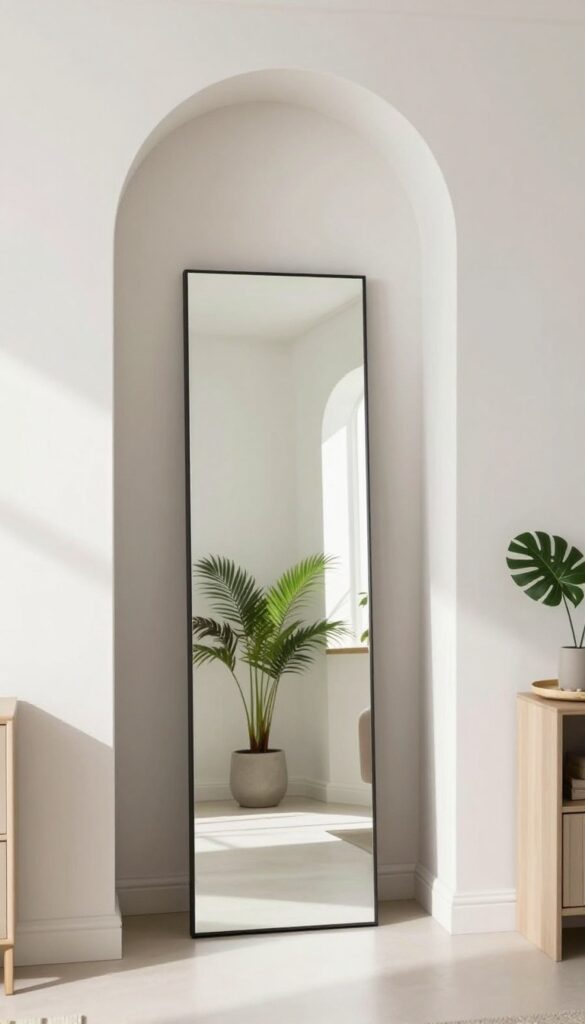
A tall, frameless floor mirror leaning against the wall just beyond the arch is a simple trick that pays off big. It catches the natural light streaming from the living room and bounces it into the next space, making both rooms feel larger and brighter. This works especially well in narrow hallways or darker corners where you want to keep the flow open without adding a window.
The mirror acts like a portal, visually extending the room and softening the transition between spaces. It doesn't need to be heavy or ornate—a clean, minimalist design keeps the look modern and lets the reflection do the work. Place it slightly angled toward the light source for maximum effect, and watch how it lifts the entire mood of the adjacent area.
Best Placement Tips
- Lean the mirror against the wall so it catches light from the living room's windows or lamps. Avoid placing it directly opposite the arch, which can create a harsh glare. Instead, angle it slightly toward the darker room to diffuse light evenly.
- If you have a narrow hallway, position it at the end to create the illusion of depth.
Finishing Touch
Pair the mirror with a simple plant or a small console table in front of it. The greenery adds life and texture, while the table gives you a spot for keys or a decorative tray. Keep the area around the mirror clutter-free so the reflection stays clean and airy.
10. Add a Low Console Table with Decor
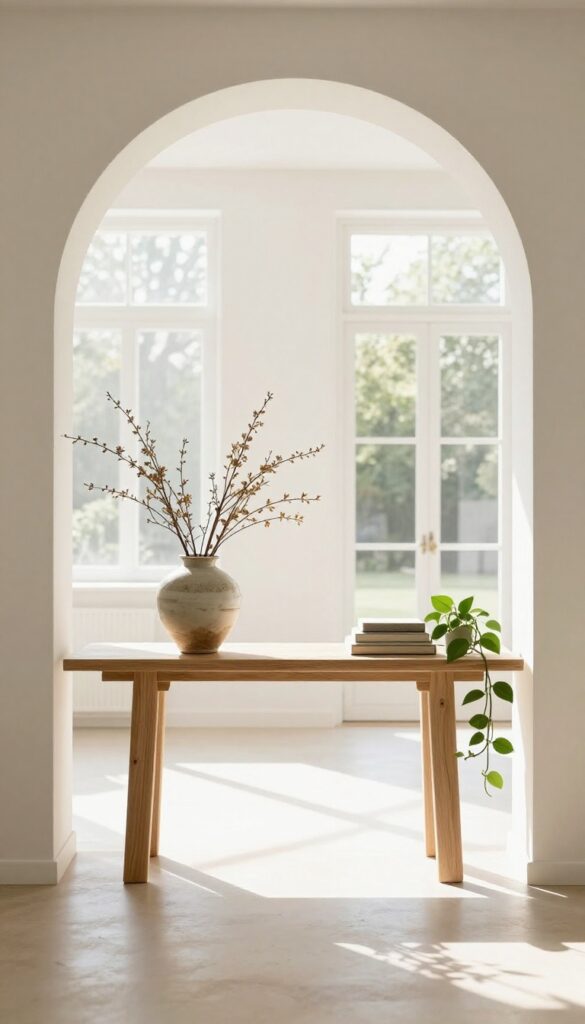
A low console table tucked under an archway is one of those subtle moves that makes a room feel more intentional. It adds a place to land keys, a vase, or a stack of books without blocking the open flow between spaces. The key is keeping everything low and simple so the arch remains the star.
Choose a slim console table that fits neatly within the arch's width. A light wood or painted finish keeps the look airy. Style it with one or two carefully chosen objects: a ceramic vase with dried branches, a stack of neutral-toned books, or a sculptural bowl.
Avoid clutter—this is a moment of calm, not a display shelf. The table itself should feel like it belongs, not like an afterthought. A low profile ensures you still see the arch and the room beyond, preserving that seamless transition.
Best Materials
- Stick with natural materials that complement the arch's finish. A light oak or walnut console adds warmth without weight. For a cleaner look, try a slim metal frame with a glass or wood top.
- Avoid bulky or dark pieces that visually close off the passage.
Styling Tip
- Keep the arrangement asymmetrical for a relaxed feel. Place a tall vase on one side and a small stack of books on the other. Add a single trailing plant like pothos to soften the edges.
- The goal is balance without symmetry.
Layout Note
If the arch is narrow, choose a console that's slightly narrower than the opening—this prevents bumping into it when walking through. Leave at least 6 inches of clearance on each side for a natural, unforced look.
FAQ
What is the best paint finish for an archway?
A matte or eggshell finish works well for archways because it hides imperfections and gives a soft, modern look. If the arch gets a lot of traffic, consider a satin finish for easier cleaning.
Can I add an archway to a square opening?
Yes, you can install a pre-made arch kit or have a contractor frame out a curved top. For a simpler update, paint the square opening a contrasting color to mimic the feel of an arch.
How do I decorate a narrow archway?
Stick to slim decor like a single floating shelf, a small pendant light, or a narrow console table. Avoid bulky furniture that makes the passage feel cramped.
What colors work best for archway trim?
White trim is classic and clean, but you can also use a slightly darker shade than the wall for subtle definition. For a bolder look, try a deep charcoal or navy.
Do archways make a room feel smaller?
Not necessarily. Archways can actually make spaces feel more connected and open, especially if you use light colors, mirrors, or sheer curtains to keep the visual flow.
Conclusion
Softening a room transition doesn't require a major renovation. A fresh coat of paint, a well-placed shelf, or a simple curtain can completely change how an archway feels.
The goal is to make the connection between rooms feel intentional and inviting. Pick one or two ideas that fit your space and style, and see how a small change can make your living room flow more naturally.