How to Keep Room Clean with 11 Simple Everyday Rules
You walk into your room after a long day, and the clutter hits you like a wall. Clothes on the chair, papers on the desk, a random coffee mug from this morning. It doesn't have to be this way.
These 11 simple everyday rules are designed to keep your room clean with minimal effort—just a few minutes of consistent action each day. No more weekend cleaning marathons or feeling overwhelmed by mess. Each rule targets a specific habit that prevents clutter from building up, so your room stays tidy without the stress.
Ready to make cleaning a natural part of your routine? Let's get started.
1. Make Your Bed Every Morning
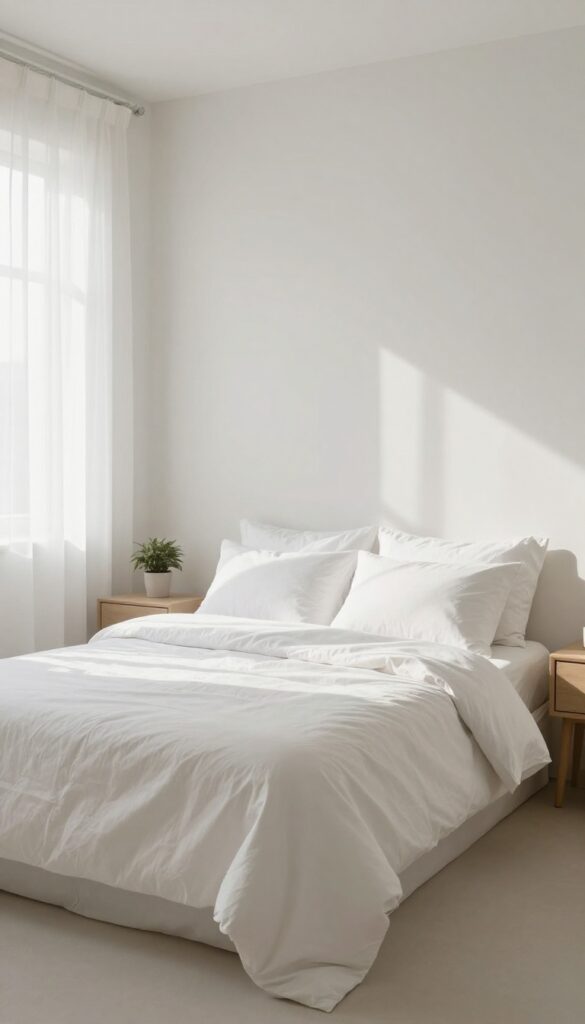
There's a reason why military boot camps start with bed-making. It's a simple task that takes less than two minutes but instantly transforms the look of your room. When your bed is made, the entire space feels more organized, even if other areas are a bit messy.
Plus, it gives you a small sense of accomplishment first thing in the morning, which can motivate you to tackle other small tasks throughout the day.
Making your bed is the keystone habit for a tidy room. It sets a visual anchor of order and signals that your day has started with intention. You'll be less likely to toss clothes or clutter onto a neatly made bed, which automatically reduces mess.
And at night, climbing into a smooth, crisp bed feels infinitely better than untangling rumpled sheets.
The Two-minute Rule
Don't overthink it. Pull up the sheets, straighten the comforter, fluff the pillows. That's it.
You don't need hospital corners or decorative throw pillows. The goal is neat, not perfect. Set a timer if you have to—two minutes is plenty.
Why It Works
A made bed creates a psychological ripple effect. It's a visual cue that your room is a place of order, not chaos. Studies show that people who make their bed are more likely to practice other productive habits.
It's a small win that builds momentum.
Make It A Non-negotiable
Train yourself to make your bed before you leave the bedroom. Even on weekends or lazy days. Once it becomes automatic, you'll feel weird leaving it unmade.
Link it to an existing habit, like brushing your teeth, so you never forget.
2. The One-Minute Rule
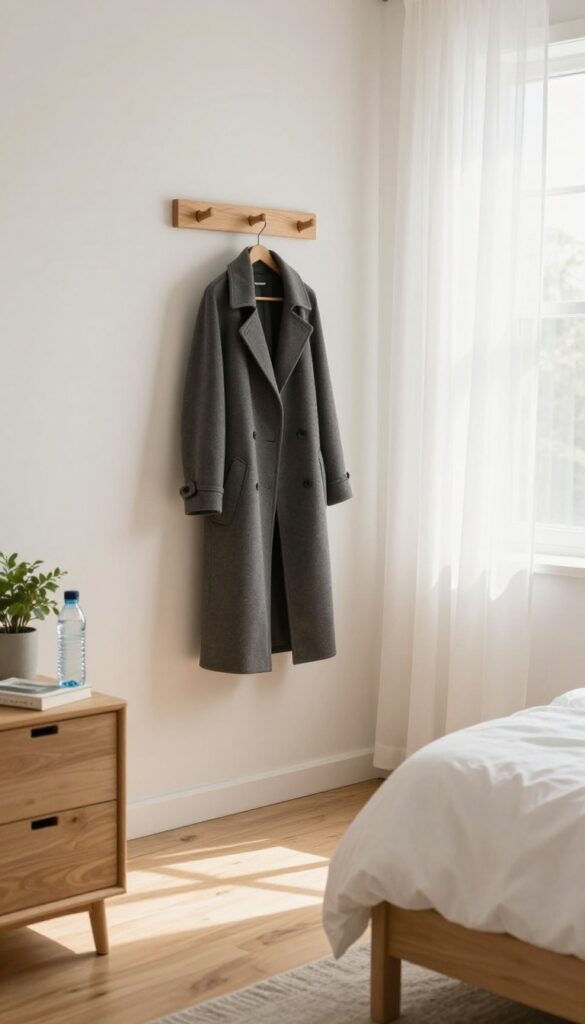
You know those tiny tasks that take almost no time but somehow get ignored? A jacket draped over a chair, a water bottle left on the nightstand, a pen lying on the floor. Each one is harmless alone, but together they create visual chaos.
The one-minute rule is the simplest way to stop that chaos before it starts. Here's the deal: if a task takes less than sixty seconds, do it right now. No postponing, no rationalizing, no "I'll get it later.
" That later never comes. By acting immediately, you keep surfaces clear and your room looking tidy with almost zero effort.
The one-minute rule is a game-changer because it targets the small stuff that usually piles up. Most clutter is made of tasks that are quick to complete—hanging a coat, tossing junk mail, putting a book back on the shelf. Yet we often walk past them, thinking we'll deal with them later.
That mindset turns a clean room into a messy one in no time. Start by identifying the one-minute tasks in your daily routine. When you come home, hang your coat instead of draping it over a chair.
After brushing your teeth, put the toothpaste cap back on. When you finish a snack, throw the wrapper in the trash immediately. These micro-actions add up to a consistently clean space.
The beauty of this rule is that it requires no extra time or planning. It's a mental shift, not a chore. Once it becomes a habit, you'll notice your room stays neater without you even thinking about it.
And the best part? You never have to set aside time for "cleaning up" because you're doing it in real time.
Why A Minute Matters
A minute is barely any time at all. You can scroll social media for ten minutes without noticing, but spending sixty seconds to put something away feels like an interruption. That's the mental trick we need to overcome.
The truth is, those small tasks take less time than we think. Hanging a shirt takes fifteen seconds. Throwing away an empty cup takes five.
The delay costs more mental energy than the action itself. By doing it immediately, you save yourself the guilt and the visual clutter.
The Domino Effect
When you start applying the one-minute rule, you'll notice a domino effect. Putting one item away makes you more likely to put the next one away too. A tidy surface encourages you to keep it tidy.
Before you know it, you're automatically picking up after yourself without any internal debate. The rule trains your brain to see small messes as immediate action items, not future problems. That shift in mindset is what keeps your room clean day after day.
Common One-minute Tasks To Start Today
Make a mental list of the quick tasks you often skip. Hanging up a jacket, placing shoes in the rack, tossing empty envelopes, putting a book back on the shelf, wiping a water ring off the nightstand, closing a drawer, straightening a pillow. Each one takes less than a minute.
Commit to doing them the moment you notice them. After a week, it'll feel weird to leave anything out of place. That's the habit sticking.
3. Don't Put It Down, Put It Away
Clutter has a sneaky way of piling up when we just set things down with the intention of putting them away later. The problem is, later rarely comes. This rule is about breaking that cycle by making storage the immediate action, not an afterthought.
The moment you finish using something, your brain gives you a split second to decide: put it down temporarily or put it away properly. Choose the latter. It takes the same amount of energy, but saves you from a future cleanup session.
Train yourself to see the final resting place first.
The Two-second Rule
If a task takes less than two seconds—like hanging a jacket or tossing a wrapper—do it right away. That short window is when laziness creeps in. By acting instantly, you bypass the procrastination trap and keep surfaces clear without extra effort.
Designate Homes For Everything
You can't put something away if it doesn't have a home. Assign a specific spot for every category of item: keys on a hook, remote in a caddy, mail in a tray. When everything has a place, putting it away becomes automatic.
No more tossing things on the nearest flat surface.
Break The Drop Zone Habit
Bedrooms often have a chair or a corner that becomes a dumping ground. Recognize that spot and either remove it or repurpose it. If you need a temporary holding area, use a small basket with a limit—once it's full, you have to put things away.
This prevents the pile from growing.
4. Create a Daily 10-Minute Tidy
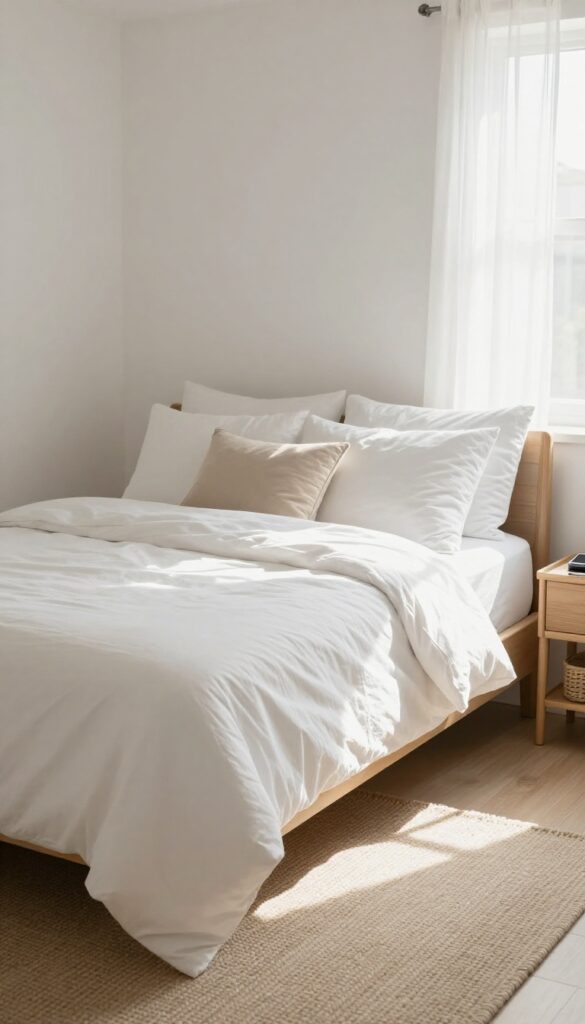
It's easy to let mess build up when you think you need a full hour to clean. But what if you only needed ten minutes? A short daily reset can stop clutter before it snowballs, and it's way less overwhelming than a weekend deep clean.
Think of it as a quick pit stop for your room—just enough to clear surfaces, put things back, and breathe. You'll be surprised how much you can do when you focus for a short burst.
Set The Timer And Go
Grab your phone or a kitchen timer and set it for ten minutes. No more, no less. The timer keeps you honest and prevents you from wandering off or getting sidetracked.
Start with the most visible areas: the bed, the floor, the desk. Pick up stray items and put them where they belong. Wipe down surfaces with a microfiber cloth.
Make the bed if you haven't already. You'll be amazed at how much you can accomplish when the clock is ticking.
Focus On High-impact Zones
Not every corner needs attention every day. Instead, target the spots that make the biggest visual difference: the bed, the main walking path, and any surface where you tend to pile stuff. Straighten the pillows, fluff the duvet, clear the nightstand.
This creates an instant sense of order and makes the whole room feel cleaner. Over time, you'll naturally expand to other areas as the habit sticks.
Make It A Non-negotiable Routine
The key to the 10-minute tidy is consistency. Pick a time that works for you—right after work, before bed, or after breakfast—and stick with it. Treat it like brushing your teeth: not optional.
After a week, it'll feel weird to skip it. And if you miss a day, just start again the next. No guilt, no drama.
Just ten minutes.
5. Use a Laundry Basket System
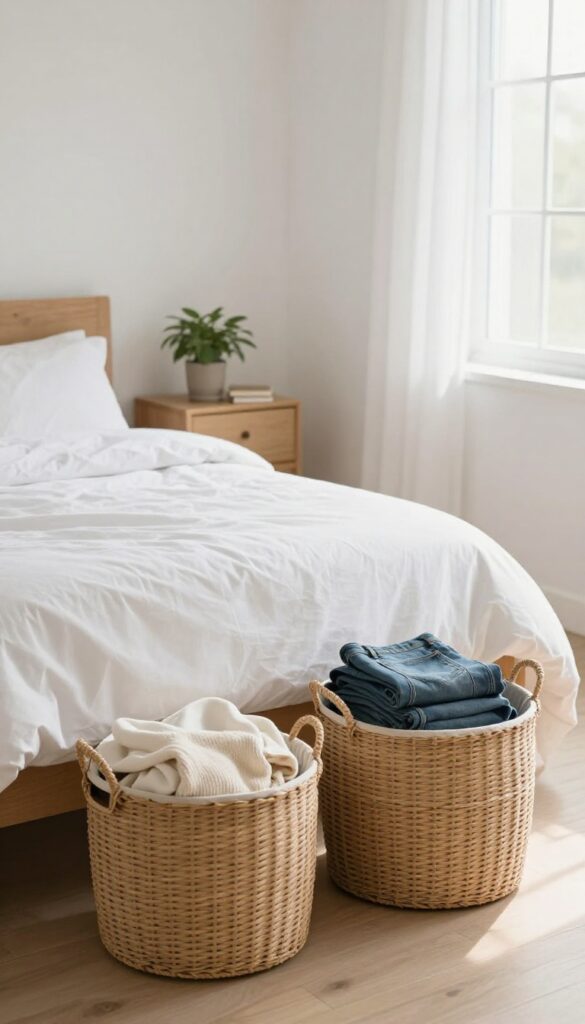
Clothes scattered across the floor, draped over chairs, or piled on a dresser are one of the fastest ways a room looks messy. The fix is simpler than you think: set up a two-basket system that gives every piece of clothing a clear home. One basket for dirty laundry, another for items you've worn but aren't ready to wash yet.
This small change stops the chair-dumping habit instantly.
A dedicated laundry system eliminates the guesswork of where to put clothes at the end of the day. When you walk in, you know exactly where each item goes—dirty in the hamper, wearable on a hook or in a separate basket. No more tossing things on the nearest surface because you're too tired to decide.
Over time, this becomes automatic, and your floor stays clear.
Pick The Right Containers
Choose a hamper with a lid for dirty clothes to contain odors and keep the room looking tidy. For worn-but-not-dirty items, use an open basket, a wall hook, or a small valet stand. The key is making both options easy to access—place them near where you undress, like beside your closet or at the foot of the bed.
Set A Weekly Reset
Schedule a regular time to empty the hamper and sort the wearable basket. For most people, laundry day works perfectly. While you're at it, return any items from the wearable basket that you haven't touched in a few days back to the closet.
This prevents the second basket from becoming a permanent storage spot.
Make It A Family Habit
If you share a room or live with family, get everyone on board. Label baskets if needed, and explain the system clearly. Kids especially respond well to visual cues—a cute hamper for dirty clothes and a hook for hoodies they'll wear again.
Consistency turns this from a chore into a no-brainer routine.
6. Keep Surfaces Clear
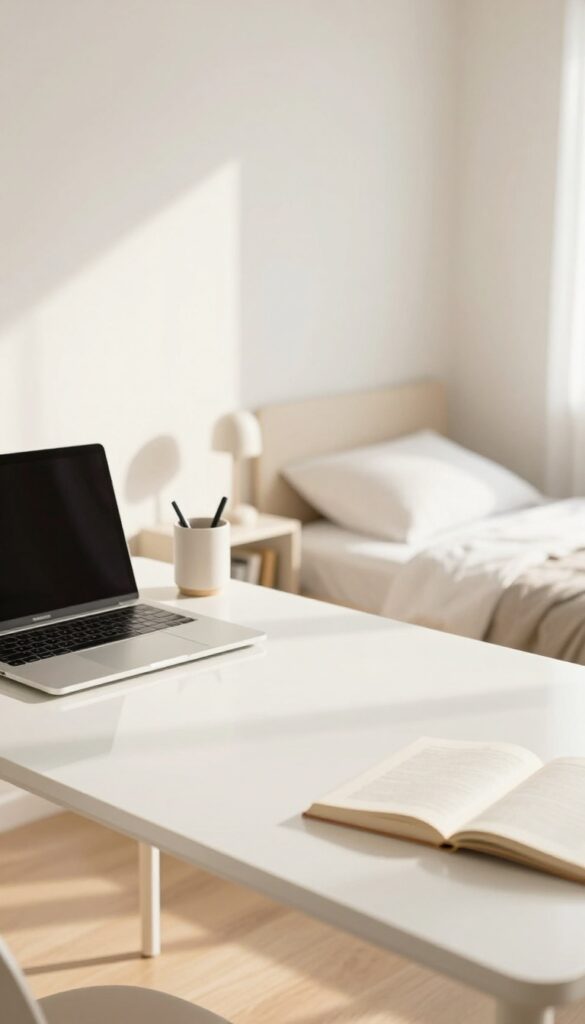
Flat surfaces are magnets for clutter. A desk becomes a dumping ground for mail, chargers, and random odds and ends. Nightstands collect books, glasses, water bottles, and the occasional snack wrapper.
The problem is that every item you leave out adds visual noise, making the room feel more chaotic than it actually is. The fix is simple: limit what you allow on surfaces to just the essentials. For a desk, that might be your laptop, a lamp, and a pen holder.
A nightstand needs only a lamp, a book, and maybe a coaster. When every surface has a clear purpose and only holds what you actually use there, the room instantly looks cleaner and feels more spacious.
Clearing surfaces is one of the fastest ways to transform a room. It takes just a few minutes to put things away, but the payoff is huge. A clear desk helps you focus, a clear nightstand helps you relax, and a clear dresser makes getting dressed feel less chaotic.
Make it a rule: before you leave the room, scan every flat surface and put away anything that doesn't belong there.
The One-minute Surface Sweep
At the end of each day, spend one minute doing a surface sweep. Walk around your room and grab anything that's out of place on your desk, nightstand, dresser, or any other flat surface. Put items back where they belong—books on a shelf, chargers in a drawer, clothes in the hamper.
This tiny habit prevents clutter from accumulating and keeps surfaces clear with almost no effort.
Create A Home For Everything
Clutter stays on surfaces because those items don't have a designated spot. If you don't know where to put something, it will end up on the nearest flat surface. Assign a home for every category of item: a drawer for chargers, a tray for mail, a basket for remote controls.
When everything has a place, putting things away becomes automatic, and surfaces stay clear.
Use Trays And Baskets To Corral Essentials
Sometimes you need a few items within reach—like your phone, wallet, and keys on a dresser. Instead of letting them scatter, use a small tray or dish to corral them. A tray keeps items contained and visually organized, so the surface looks intentional rather than cluttered.
The same goes for a basket on your nightstand for books or a caddy for bathroom products. Containers give clutter a boundary.
7. Designate a Home for Everything
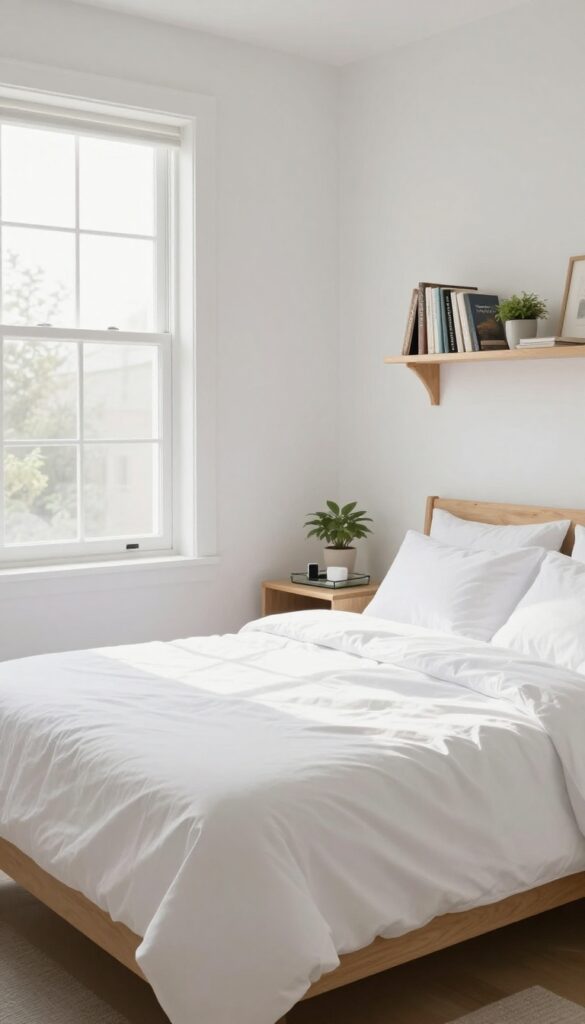
Imagine never having to wonder where something goes. When every item in your room has a designated spot, cleaning up becomes almost effortless. You don't have to think—you just put things back where they belong.
This simple shift in mindset can save you minutes every day and prevent clutter from taking over.
The key to a tidy room isn't more storage—it's smarter storage. Start by grouping similar items together: all charging cables in one drawer, books on one shelf, toiletries in a caddy. Then assign each group a logical home.
For example, keep your phone charger near your bed, your keys in a bowl by the door, and your workout gear in a bin under the bed. When you use something, make it a habit to return it to its home immediately. This takes just seconds but stops piles from forming.
Over time, your brain will automatically associate each item with its place, making tidying up feel automatic.
Start With The Trouble Spots
Identify the surfaces where clutter accumulates most—your desk, dresser, nightstand, or chair. For each hotspot, create a designated home for the items that usually end up there. For instance, if your nightstand collects books, glasses, and a phone charger, add a small tray for the glasses and a book stand for the current read.
Everything else goes in a drawer or shelf nearby.
Use Labels As Reminders
Labeling drawers, bins, and shelves can help you and your family remember where things go. You don't need fancy labels—a piece of tape and a marker work fine. Labels also make it easier to maintain the system because you can see at a glance if something is out of place.
Plus, they add a satisfying sense of order.
Keep Homes Accessible
A home is only useful if it's easy to reach. Store frequently used items at eye level or within arm's reach. Items you use less often can go higher or lower.
If your designated spot is inconvenient, you'll be tempted to leave things out. Make it as easy to put away as it is to take out.
8. Tidy as You Go
The secret to a consistently clean room isn't a massive cleaning session—it's tiny actions sprinkled throughout your day. The "tidy as you go" mindset means you put things away the moment you're done with them, not later. This habit stops mess from ever taking root, so your room stays neat with almost zero effort.
When you finish using something, take the extra five seconds to return it to its proper place. This applies to everything: your toothbrush after brushing, the book after reading a chapter, the remote after changing the channel. By making this a reflex, you prevent the slow creep of clutter that happens when items are left out "just for now.
"
Kitchen And Bathroom
In the kitchen, wipe the counter as soon as you finish preparing food. Put the sponge back in its holder, not on the sink edge. In the bathroom, hang the towel on the rack after drying your hands, not on the floor.
These micro-actions take seconds but keep surfaces clean and ready for the next use.
Workspace And Desk
At your desk, file papers immediately after you're done with them. Put pens back in the cup and close notebooks when you switch tasks. This prevents the pile of "I'll deal with it later" that turns your desk into a disaster zone.
A tidy desk also helps you focus better.
Getting Ready And Dressing
While getting dressed, hang up clothes you try on but decide not to wear. Put dirty laundry directly in the hamper, not on the chair. After putting on makeup, close the bottles and put them away.
This routine turns your morning chaos into a clean space before you even leave the room.
9. The No-Surface Dumping Rule
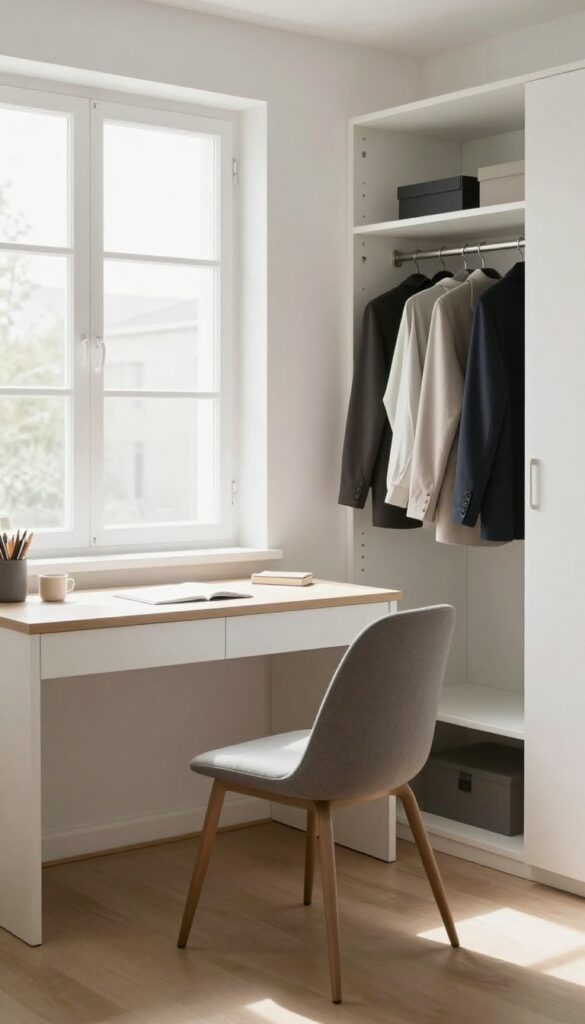
Think about how many times you walk into your room and drop something on the nearest flat surface. It feels harmless in the moment, but those little piles add up fast. This rule is your defense against that habit: never use a surface as a temporary holding spot.
If you can't put it away right now, keep it in your hand until you reach its home.
Why Surfaces Attract Clutter
Chairs, desks, and floors are like magnets for random items because they're convenient. But every time you set something down “just for a minute, ” you're creating a future task. That jacket on the chair?
You'll have to move it before you sit. Those papers on the desk? They'll need sorting later.
The rule eliminates that future work by forcing a decision now.
How To Break The Habit
Start by noticing when you're about to dump something. Pause and ask: Does this have a home? If yes, walk it there.
If no, either create a home or toss it. Keep a small tray or basket near the door for items that truly need temporary holding—keys, mail, wallet. But limit it to one designated spot, and clear it daily.
The One-touch Principle
This rule pairs perfectly with the one-touch principle: handle an item only once. When you pick up a water bottle, don't set it on the nightstand—take it to the kitchen. When you take off your shoes, put them in the closet, not under the bed.
Each time you skip the surface, you save yourself a future cleanup step.
10. Weekly Reset Session
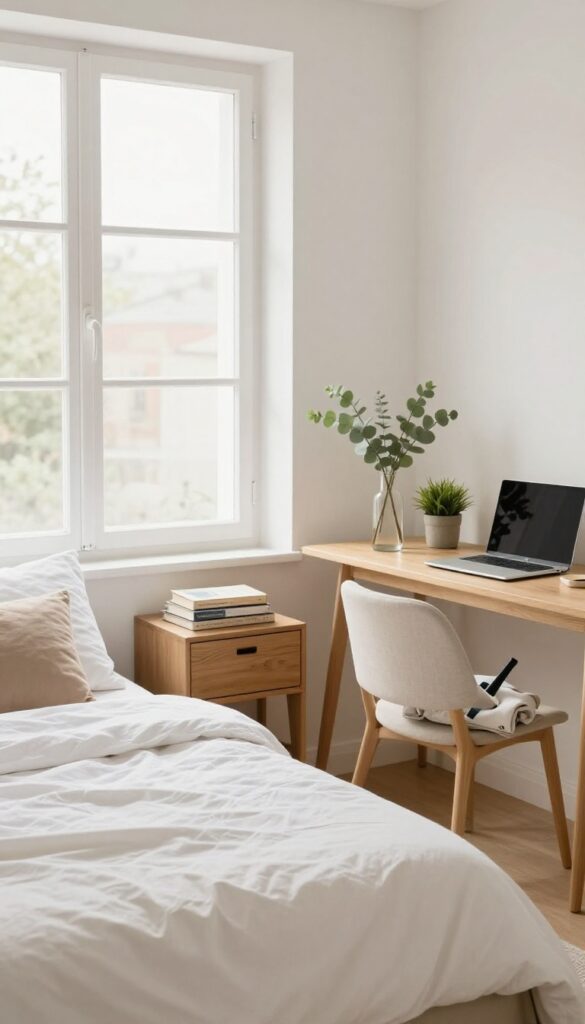
Even with daily habits, some areas of your room will inevitably need a little extra attention. That's where the weekly reset comes in—a short, focused session to catch what daily tidying misses.
Set aside 15-20 minutes once a week for a deeper tidy. This isn't a full deep clean; it's a quick refresh that keeps neglect from turning into chaos.
What To Tackle
Focus on dusting surfaces, organizing a drawer or two, and addressing any spots that have been ignored, like nightstand clutter or that pile of mail. Don't try to do everything—just pick 2-3 areas.
Make It A Habit
Schedule your reset for the same time each week, like Sunday evening. Pair it with a podcast or music to make it feel less like a chore. Consistency is key.
Prevent Overwhelm
If 20 minutes feels too long, start with 10. The goal is progress, not perfection. Over time, you'll notice that these mini sessions prevent bigger messes from forming.
11. Reward Yourself for Consistency
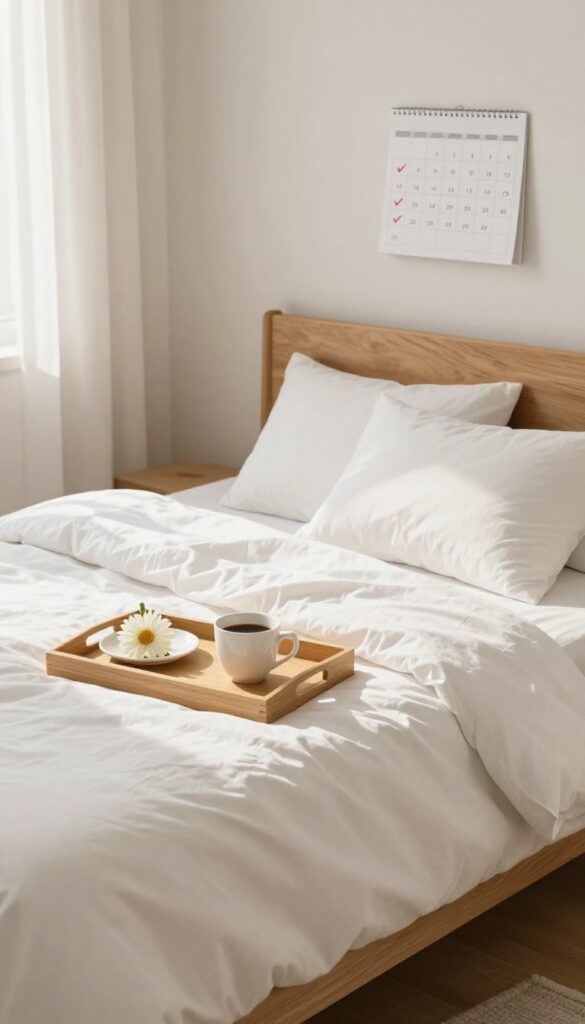
Keeping a room clean isn't just about following rules—it's about making those rules stick. And nothing cements a habit like a little positive reinforcement. When you reward yourself for staying consistent, your brain starts associating tidiness with pleasure, making it easier to keep going.
Celebrate small victories. After a week of following these rules, treat yourself to something nice. Positive reinforcement builds lasting habits.
Why Rewards Work
Your brain is wired to seek pleasure and avoid pain. When you reward yourself after a week of keeping your room clean, you create a positive feedback loop. Over time, the act of cleaning becomes less of a chore and more of a satisfying routine.
Choose The Right Reward
The best rewards are small, immediate, and meaningful to you. Maybe it's an episode of your favorite show, a fancy coffee, or a new book. Avoid rewards that undo your progress, like buying more clutter.
Keep it simple and guilt-free.
Track Your Progress
Use a habit tracker or a simple calendar to mark off each day you follow the rules. Seeing a streak of checkmarks is motivating in itself. When you hit a milestone—say, seven days—cash in your reward.
This visual proof of consistency makes the reward feel earned.
Don't Overdo It
Rewards are a tool, not a crutch. Once the habit feels automatic, you can phase out the rewards. The goal is to make cleanliness its own reward—a calm, organized space that you genuinely enjoy coming home to.
FAQ
How long does it take to see results with these rules?
You'll notice a difference immediately with the first few rules, but consistent practice for about a week will make the habits feel automatic.
Can these rules work for a shared room?
Absolutely. Adapt them to your situation and communicate with your roommate or partner to agree on shared responsibilities.
Do I need any special tools or products?
No. These rules rely on habits, not gadgets. A simple laundry basket and a few storage bins can help, but they're not required.
How do I stay motivated long-term?
Focus on how good a clean room makes you feel. Track your streaks and reward yourself weekly to keep the momentum going.
Conclusion
Keeping your room clean doesn't have to be a huge chore. These 11 simple rules are designed to fit into your daily routine without adding stress. Start with just one or two rules and build from there.
You'll be amazed at how quickly your room stays tidy with minimal effort. Remember, consistency beats intensity. A few minutes each day is all it takes to enjoy a clean, peaceful space every single day.