15 Flagstone Patio Ideas for a Naturally Elegant Look
Flagstone patios bring a timeless, organic feel that few other materials can match. The natural stone's irregular edges and earthy tones blend seamlessly with any landscape, creating a space that looks like it's been there for decades.
Whether you're starting from scratch or reimagining an existing layout, the right pattern and detailing can make all the difference. From classic irregular arrangements to modern grids and mixed-material designs, these 15 ideas cover a range of styles and budgets.
Each one focuses on practical choices that boost both beauty and function, so you can create a patio that feels effortlessly elegant.
1. Classic Irregular Pattern
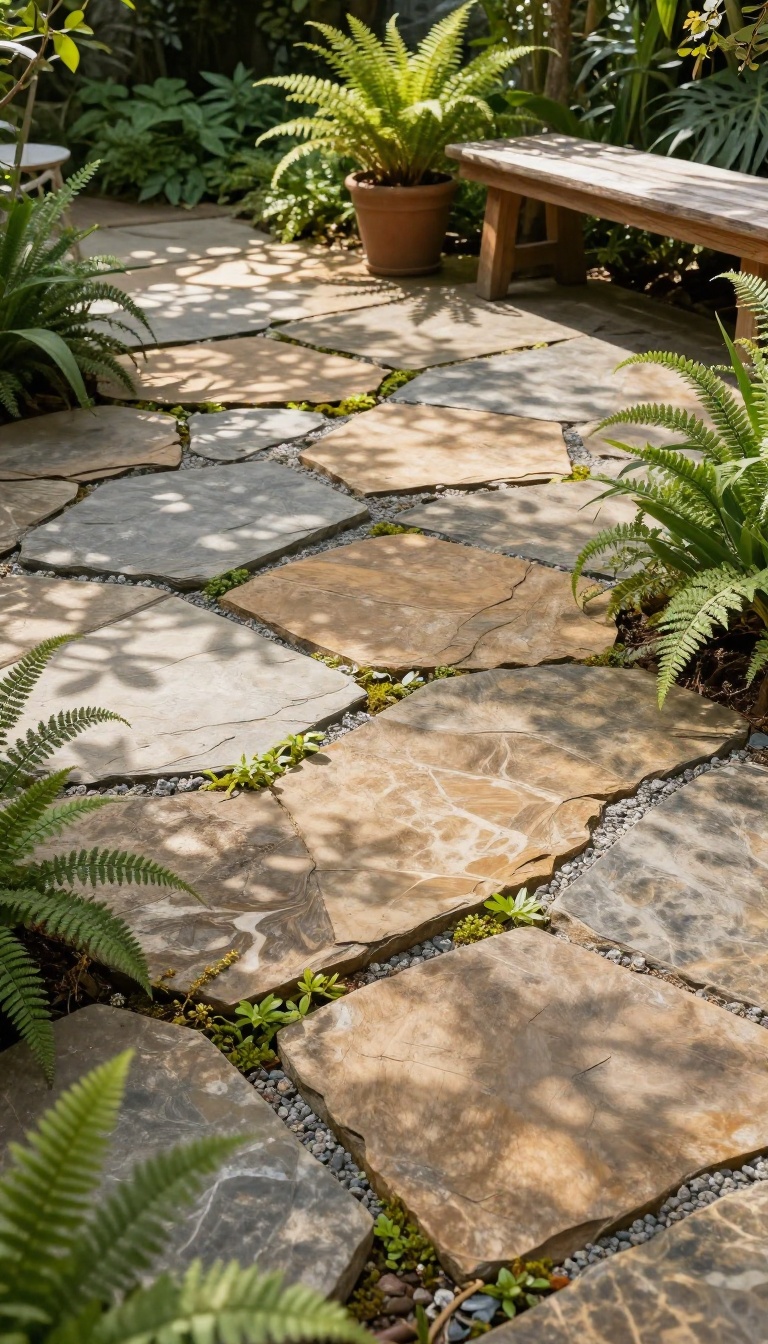
Sometimes the best design is the one that looks unplanned. An irregular flagstone layout leans into the stone's natural edges and varied sizes, creating a patio that feels like it grew right out of the ground. This classic approach suits gardens, cottage yards, and any landscape where a relaxed, organic vibe is the goal.
The irregular pattern is all about embracing imperfection. Instead of forcing stones into uniform shapes, you let each piece fall where it fits, like a natural stone mosaic. The result is a surface that's visually interesting and blends effortlessly with surrounding greenery.
To pull it off, start with a mix of large, medium, and small flagstones. Lay them out loosely on the ground first to see how they fit together, adjusting as you go. Leave small gaps between the stones and fill them with gravel, sand, or creeping plants to soften the look.
Choosing The Right Stone
Look for flagstone with a range of sizes and thicknesses, ideally in earthy tones like brown, tan, or gray. Irregular shapes work best—avoid stones that are too uniform or cut into rectangles. A local stone supplier can help you pick pieces that will sit well together.
Laying The Stones
Start by preparing a stable base of crushed stone and sand. Then, place the largest stones first, filling in with smaller ones around them. Keep the surface as level as possible, using a rubber mallet to tap stones into place.
Check each stone with a level as you go.
Filling The Gaps
For a classic look, fill the joints with polymeric sand or fine gravel. If you want a softer, more natural feel, plant low-growing ground cover like thyme or moss between the stones. This adds a pop of green and helps the patio blend into the landscape even more.
2. Grid Layout for a Modern Twist
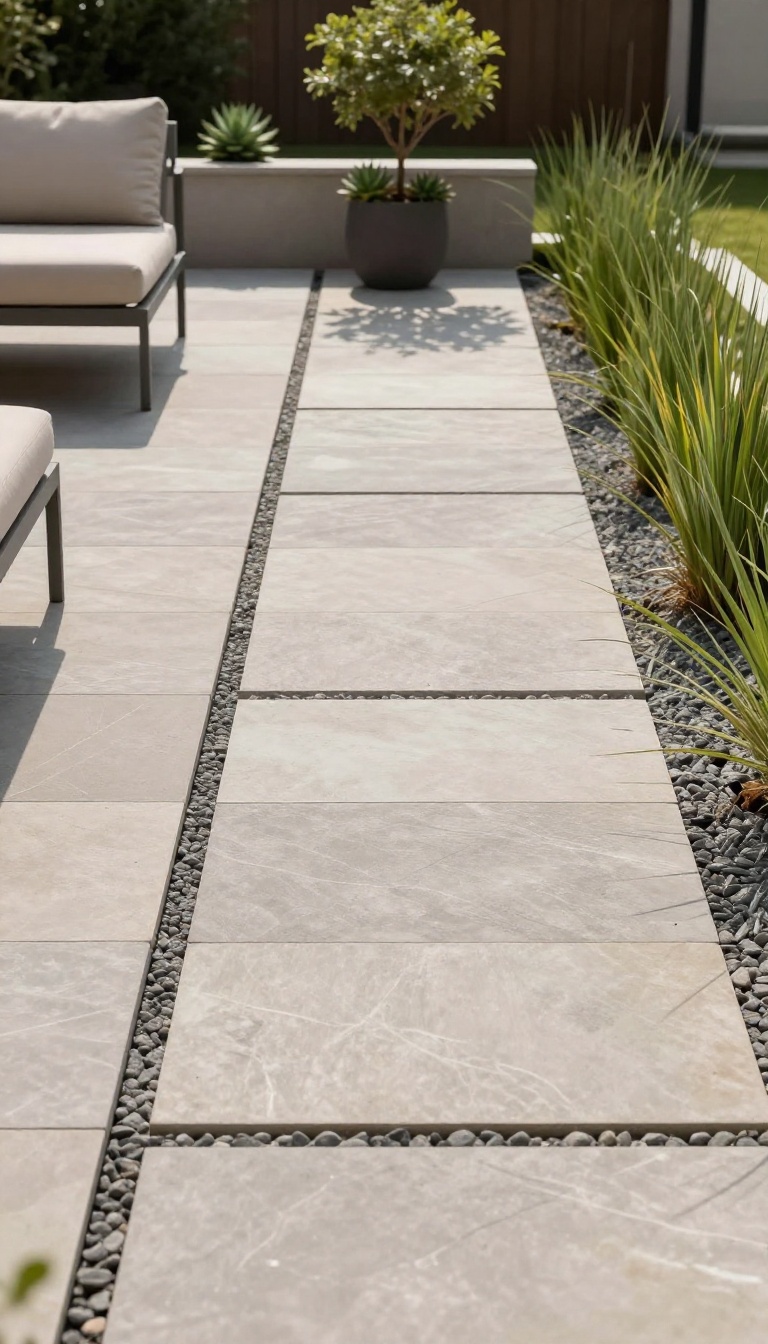
If you're drawn to clean lines and a more structured look, a grid layout might be just the thing. This approach uses uniformly cut flagstone tiles arranged in a precise pattern, giving your patio a sleek, contemporary vibe. It's a fantastic way to bring modern sophistication to your outdoor space while still enjoying the natural beauty of stone.
A grid layout is all about order and symmetry. Instead of the random, organic placement you often see with flagstone, this style relies on consistent sizing and straight lines. The result is a surface that feels intentional and polished, making it a great fit for modern or minimalist homes.
It also creates a strong visual anchor in your yard, giving the space a defined, architectural feel.
Choosing The Right Stone
For a grid pattern, you'll want flagstone that's cut into uniform squares or rectangles. Look for materials like travertine, bluestone, or quartzite that can be precisely cut. Consider the color and texture—smooth, consistent tones work best for a clean, modern aesthetic.
Also, think about the size of the tiles; larger formats can make a small patio feel bigger, while smaller ones add more detail.
Installation Tips
A grid layout requires a solid, level base. Start with a compacted gravel base, then add a layer of sand or stone dust. Lay the tiles with consistent spacing, using spacers to keep the gaps uniform.
After setting the tiles, fill the joints with polymeric sand or fine gravel to lock everything in place. It's a job that demands precision, so take your time or hire a professional if you're not confident.
Styling Your Grid Patio
With a grid patio, your furniture and decor can really shine. Choose sleek, modern pieces with clean lines—think low-profile sofas, metal chairs, or a simple fire pit. Add some greenery in geometric planters to soften the look.
For lighting, consider recessed lights or modern path lights to highlight the pattern. The key is to keep the overall design uncluttered to maintain that minimalist feel.
3. Mixed Materials: Flagstone and Grass
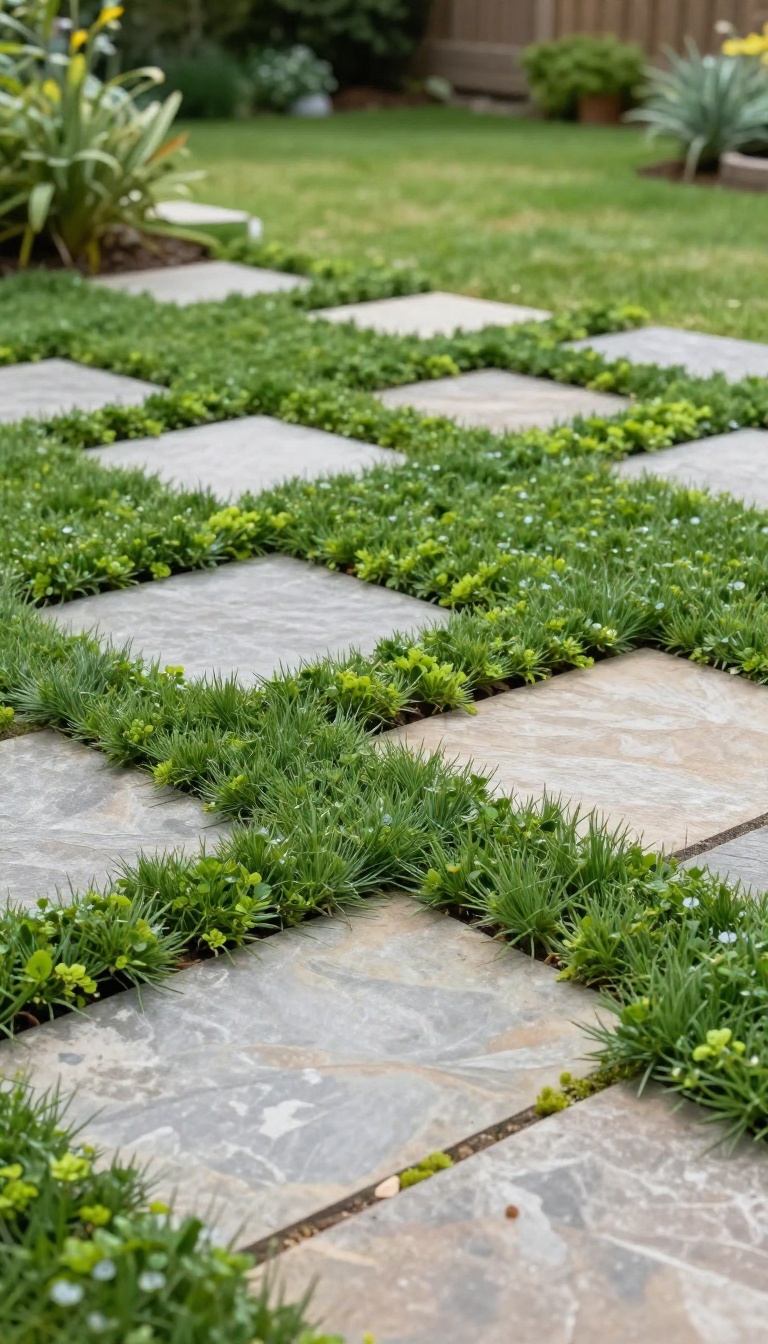
One of the most charming ways to soften a flagstone patio is to let nature fill the gaps. Instead of mortar or gravel, you can plant low-growing ground covers like creeping thyme or certain grasses between the stones. This creates a living patio that feels more like a meadow than a hardscape, and it's surprisingly practical too.
The key is choosing plants that can handle foot traffic and thrive in your climate. Creeping thyme is a favorite because it's tough, fragrant, and releases a pleasant scent when stepped on. Other options include dwarf mondo grass, Irish moss, or even chamomile.
The gaps between the stones become planting pockets, which not only look beautiful but also help with drainage and reduce heat buildup in summer.
Why It Works
The soft greenery contrasts with the rugged stone, making the patio feel more integrated with the surrounding landscape. It also helps cool the area, as plants absorb less heat than concrete or gravel. Plus, the gaps allow water to soak into the ground, reducing runoff and keeping the patio from flooding during heavy rain.
Planting Tips
Start with a well-draining base, like a mix of sand and soil, in the gaps. Plant small plugs or seeds after the flagstones are set. Water regularly until established, and trim occasionally to keep the growth neat.
Choose plants that are suited to your sun exposure and foot traffic level.
Maintenance Considerations
This style requires a bit more care than a sealed patio. You'll need to weed occasionally and replace plants that don't survive. But many gardeners find the upkeep enjoyable, and the result is a patio that changes with the seasons.
For high-traffic areas, stick to tough varieties like creeping thyme or clover.
4. Flagstone with a Fire Pit
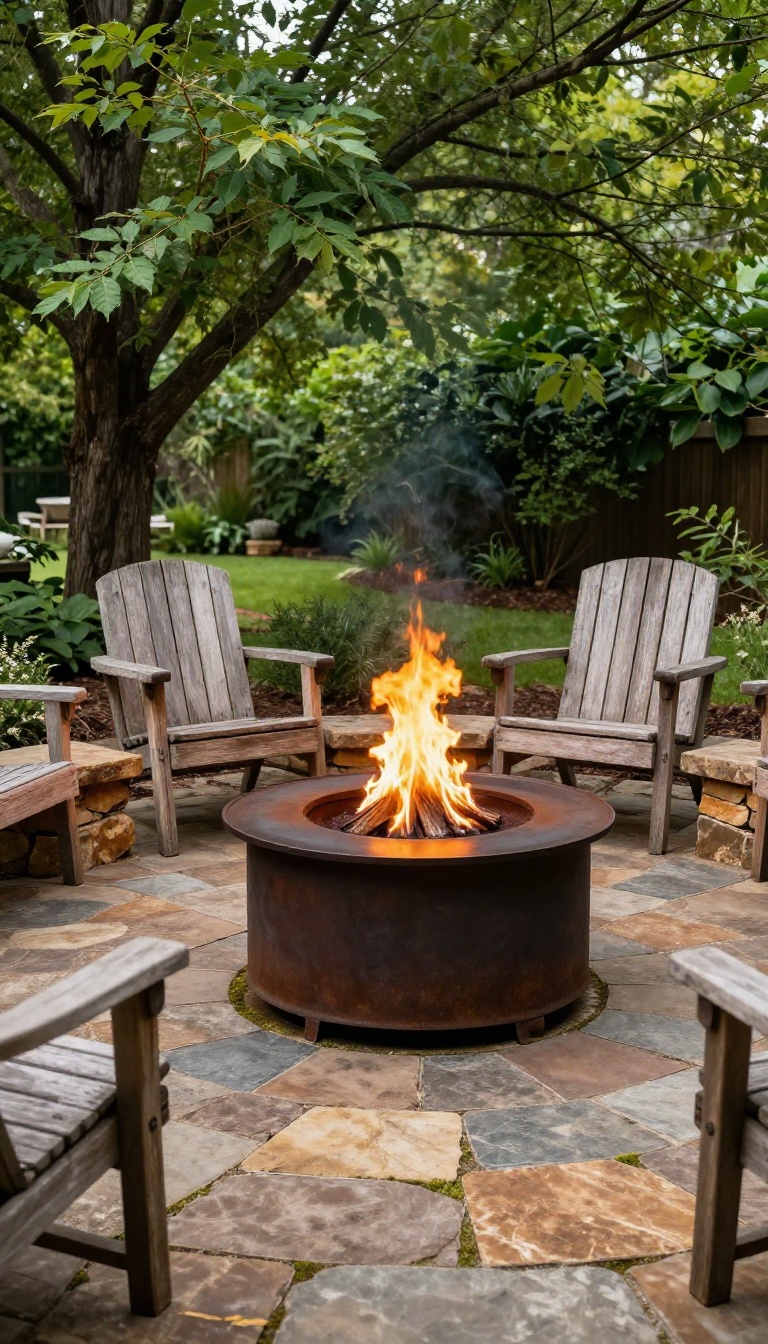
A fire pit naturally draws people together, and pairing it with flagstone makes the gathering spot feel grounded and timeless. The stone's rugged texture contrasts beautifully with the dancing flames, while its thermal mass absorbs heat and radiates it outward, keeping everyone cozy even as the evening cools. Centering the patio on the fire pit creates a natural focal point that encourages conversation and relaxation.
When designing a flagstone patio around a fire pit, the layout should prioritize comfort and flow. A circular or slightly curved arrangement of stones echoes the fire pit's shape and invites people to sit in a circle, making it easy to chat. Leave enough room for chairs or built-in seating, and consider the prevailing wind direction so smoke doesn't blow into guests' faces.
The flagstone's natural variations in color and texture add visual interest while the fire pit becomes the warm heart of your outdoor space.
Choosing The Right Fire Pit
The fire pit should complement the flagstone's organic feel. A round, steel or stone fire pit with a rustic finish works well, or you can build a custom one using matching flagstone to create a seamless look. Think about size: a smaller 36-inch pit suits intimate gatherings, while a larger 48-inch model handles bigger groups.
Also consider whether you want a wood-burning fire for that classic crackle or a gas option for easy control and cleaner burns.
Laying The Flagstone Around The Pit
For a safe and stable surface, lay the flagstone on a compacted gravel base with sand or mortar joints. Keep a clearance of at least 2 to 3 feet between the fire pit and the edge of the stone to prevent heat damage and allow room for chairs. If you're using irregular flagstone, fill the gaps with smaller stones or ground cover like creeping thyme to soften the look.
A slight slope away from the fire pit helps with drainage.
Seating And Ambiance
Built-in stone benches that match the flagstone create a permanent, cohesive seating area, while movable chairs offer flexibility. Add outdoor cushions in earthy tones for comfort. To enhance the ambiance, install low-voltage landscape lighting around the patio perimeter or string lights overhead—just make sure they're rated for outdoor use and placed safely away from the fire.
The combination of firelight, stone textures, and soft lighting makes the space inviting even after sunset.
5. Sunken Flagstone Seating Area
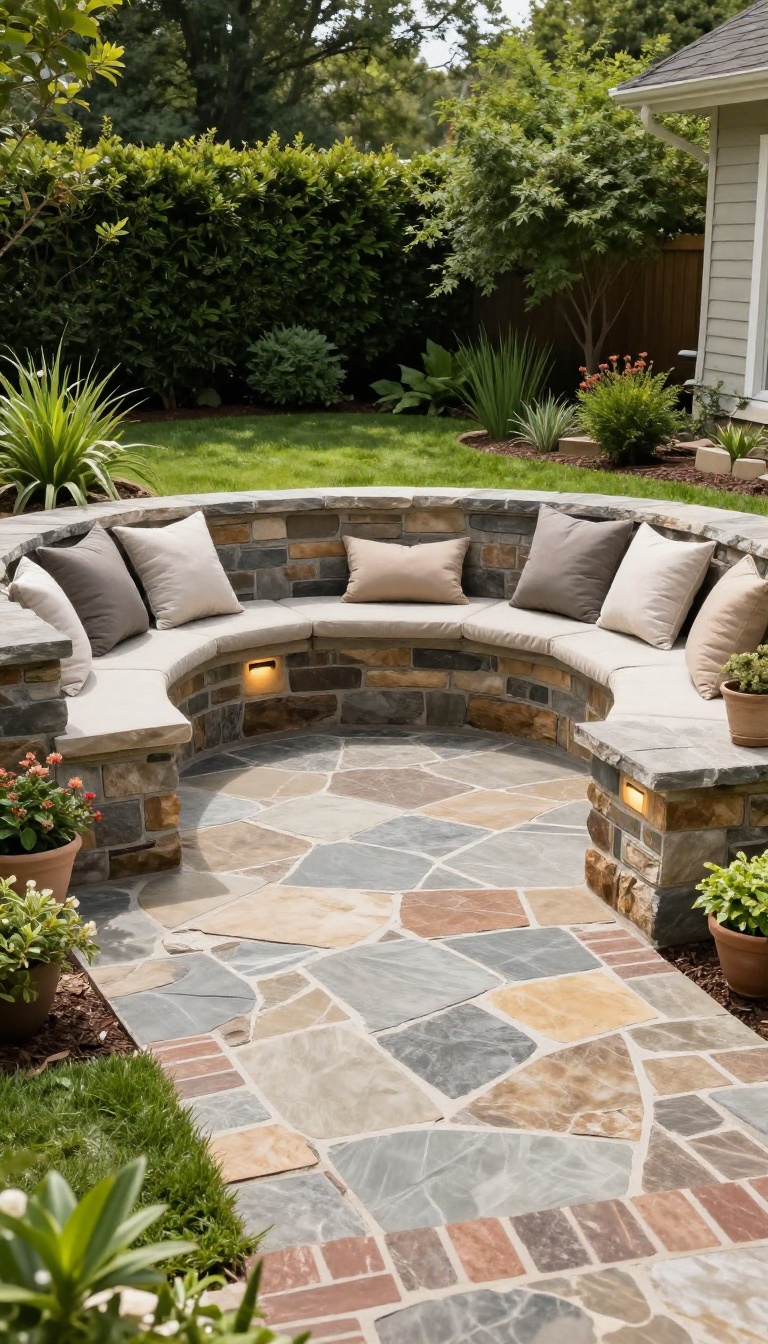
A sunken patio turns a flat yard into something special. By dropping the seating area a foot or two below the surrounding grade, you create a cozy, enclosed feel that invites people to stay awhile. This works especially well on slopes, where a level spot might otherwise be hard to find.
The key is to dig down and build retaining walls that hold back the soil. Flagstone then tops the floor, while the walls can be made of the same stone or complementary materials like brick or concrete blocks. The result is a defined space that feels like a natural extension of the landscape, not just a slab plopped on the ground.
Why It Works On Slopes
Sloped yards often get ignored because they're tricky to use. A sunken patio solves that by carving out a level area that follows the natural contour. You can even let the slope become a low seat wall on one side, saving on materials and blending the patio into the terrain.
Drainage And Practicality
Lowering a patio means water will naturally flow toward it, so proper drainage is a must. Add a gravel base and a slight slope away from the house, or install a French drain if needed. That way, the sunken spot stays dry and usable even after a heavy rain.
Design Touches That Elevate The Look
Once the basic structure is in place, details make the difference. Add built-in bench seating along the retaining walls, or tuck in some low-voltage lighting to highlight the stone edges. A few steps leading down can become a feature, especially when lined with the same flagstone.
6. Flagstone Walkway Leading to a Patio
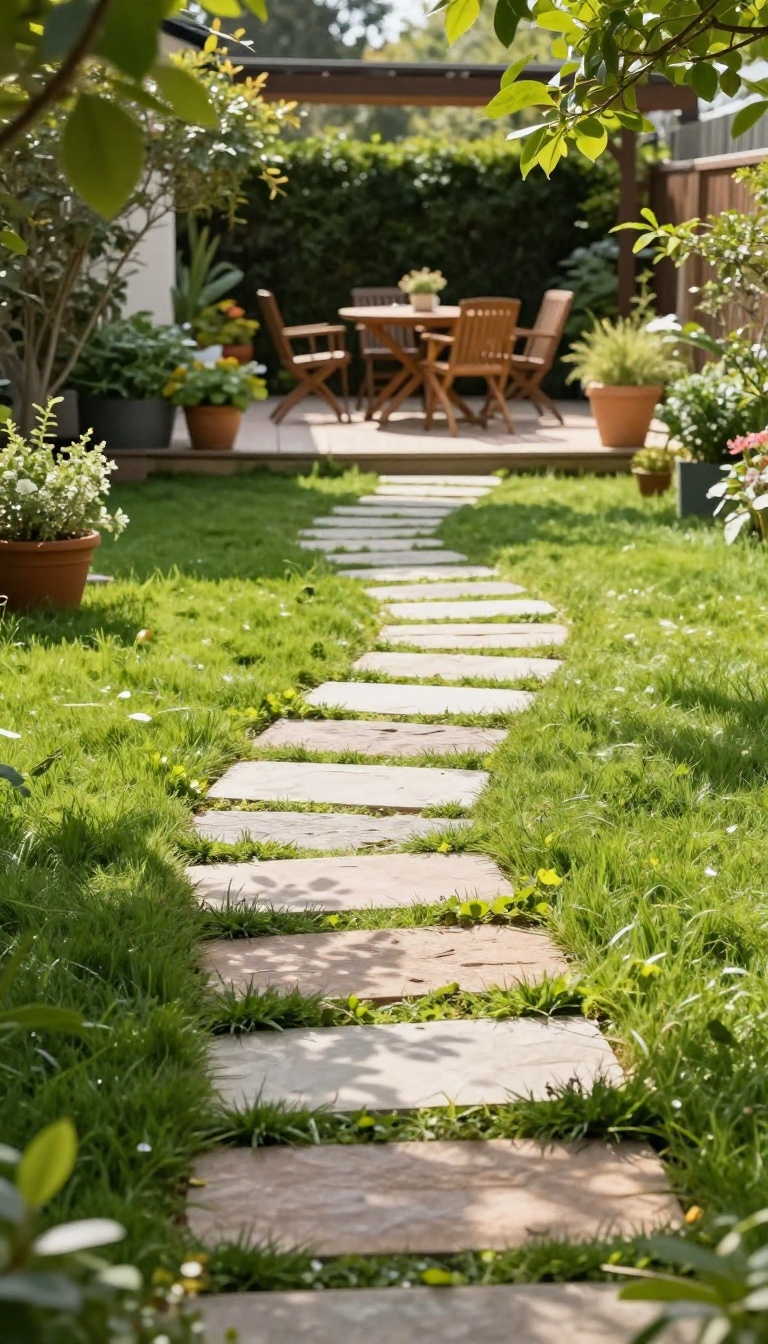
A flagstone patio that floats in the middle of the lawn can feel disconnected. Adding a walkway that leads to it solves that problem and creates a natural flow from your house, driveway, or garden gate. The path becomes part of the design, guiding guests toward the seating area while adding texture and visual interest along the way.
When you connect your patio with a flagstone walkway, you're not just adding a path—you're extending the living space. The walkway can be as simple or as elaborate as you like, and it gives you a chance to play with scale, shape, and materials. A well-placed walkway also makes the patio feel more intentional, as if it was always meant to be there.
Match The Stone For A Cohesive Look
Using the same flagstone for both the patio and the walkway creates a seamless transition. The eye follows the path without any jarring changes, and the whole area feels like one continuous outdoor room. You can vary the size of the stones on the path to keep it interesting, but sticking to the same color palette and texture will tie everything together.
This approach works especially well if your patio is close to the house or if you want a formal, polished feel.
Mix In Stepping Stones For A Casual Vibe
If you prefer a more relaxed, garden-like atmosphere, try mixing flagstone with other stepping stones or even gravel. You can space the flagstones apart and fill the gaps with pea gravel or ground cover, which softens the look and adds a bit of whimsy. This style works great for a winding path through a flower bed or a side yard.
It feels less structured and more like a natural trail, inviting people to slow down and enjoy the journey.
Consider Path Width And Curve
The width and curve of your walkway can dramatically affect how it feels. A wide, straight path feels grand and formal, while a narrow, curving path feels intimate and casual. Think about how you'll use the path—if you'll be carrying trays of food or walking side by side, you'll want it wider.
Curves also add a sense of discovery, hiding the patio until you're almost upon it. Just make sure the path doesn't become too narrow or awkwardly angled.
7. Rustic Flagstone with Boulders
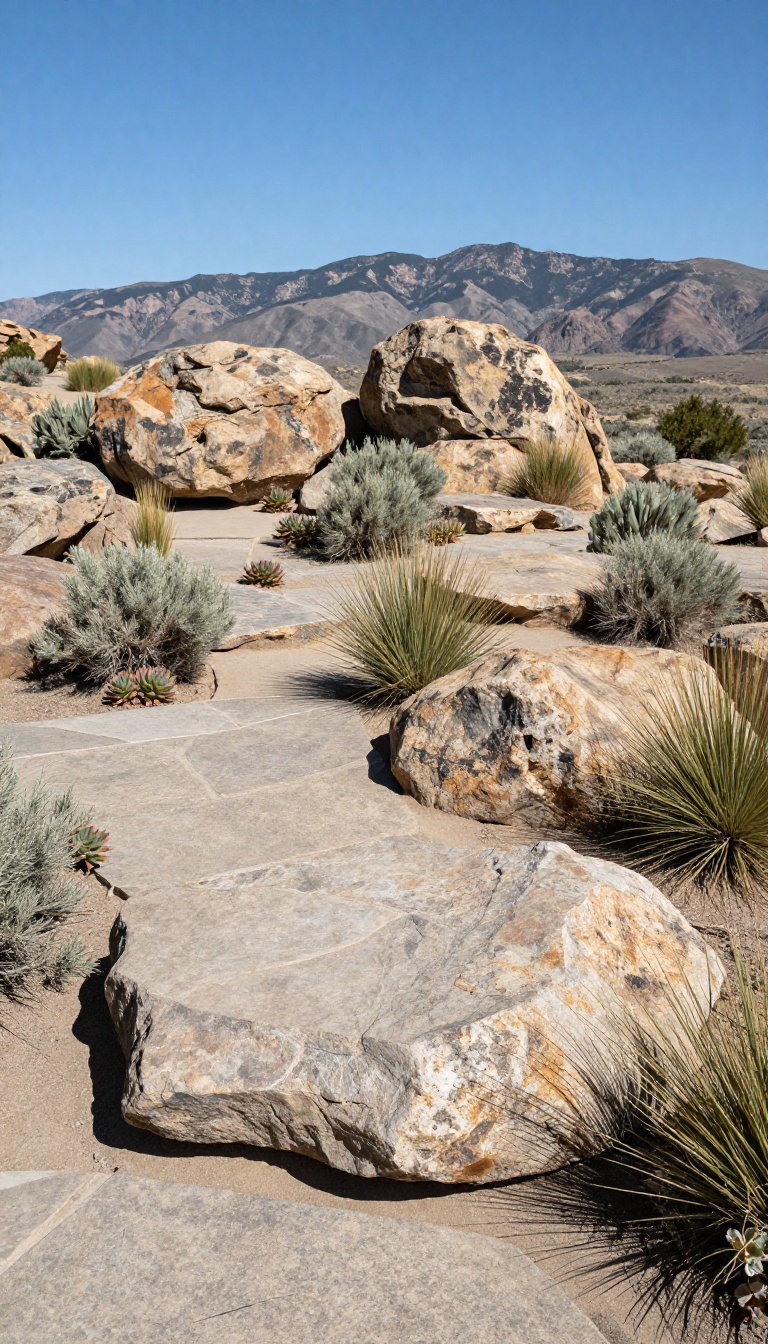
For a patio that feels like it grew right out of the earth, try mixing in large boulders and native plants. This style suits arid or mountainous settings, where the rugged stone blends naturally with the terrain. The result is a grounded, organic space that invites you to sit back and enjoy the view.
When you add boulders to your flagstone design, you're not just placing rocks—you're creating a landscape that feels ancient and intentional. The key is to position boulders so they look like they've always been there, partially buried and surrounded by hardy plants. This approach works best in regions with natural rock outcroppings, but you can adapt it to any yard by choosing stones that match your local geology.
Native plants are the perfect companions for this look. They require less water and maintenance, and they help the patio blend into the surrounding environment. Think sagebrush, ornamental grasses, or low-growing succulents, depending on your climate.
These plants soften the hard edges of the stone and add color and texture throughout the year.
Choosing The Right Boulders
Pick boulders that have a similar color and texture to your flagstone. This creates a cohesive look, as if the patio and boulders are part of the same geological formation. Vary the sizes for a natural feel—use a couple of large anchor boulders and several smaller ones to fill in gaps.
Avoid perfectly round stones; irregular, jagged shapes look more authentic.
Positioning For A Natural Look
Bury the base of each boulder a few inches into the ground, and tilt them slightly so they don't sit perfectly flat. This mimics how rocks naturally settle over time. Place them near the edge of the patio or among the flagstones, leaving enough room for foot traffic.
You can also use boulders as informal seating or as a focal point near a fire pit.
Planting Around The Patio
Choose native plants that thrive in your area's soil and rainfall. Plant them in clusters around the boulders and between flagstone gaps, using a mix of heights and textures. Add a layer of mulch or gravel to keep weeds down and retain moisture.
This not only enhances the rustic vibe but also reduces maintenance.
8. Flagstone Patio with Built-In Planters
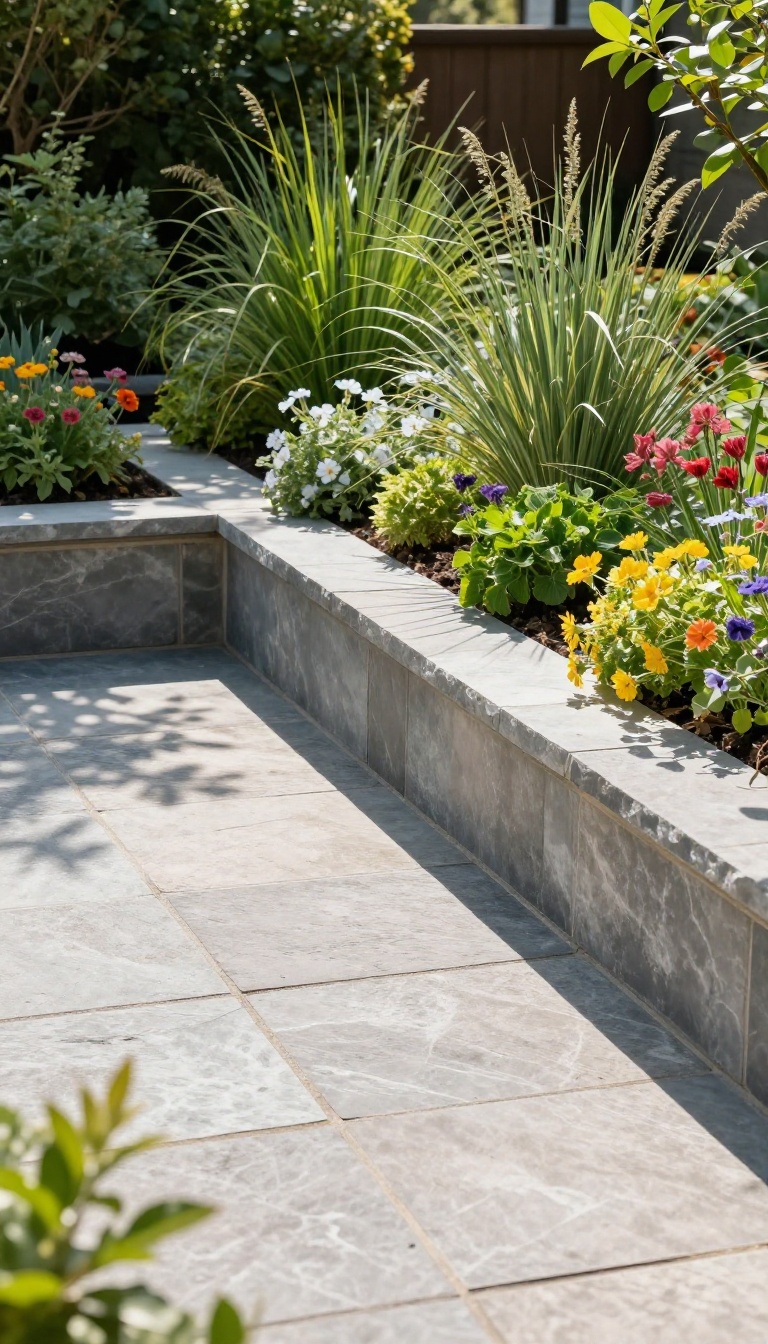
Adding built-in planters to your flagstone patio is a smart way to weave greenery into the hardscape. Instead of relying on pots that can get knocked over or look cluttered, these planters become a permanent part of the design. They help define the space, soften the stone, and create natural focal points that change with the seasons.
Built-in planters do more than just hold plants—they anchor the patio visually and make it feel intentional. By using the same flagstone for the planters, you create a cohesive look that blends seamlessly with the rest of the patio. You can also mix in complementary materials like brick or concrete to add contrast without breaking the natural vibe.
Designing Planters That Flow With The Patio
When planning built-in planters, think about how they'll relate to the patio's shape and traffic flow. Low planters along the edges can act as subtle borders, while taller ones can define separate zones like a dining area or a quiet reading nook. Curved planters soften the geometry, and straight ones reinforce a more formal layout.
Keep the height comfortable so you can easily reach the plants for maintenance.
Choosing The Right Plants For Built-in Planters
The plants you choose should match the sun exposure and climate of your patio. For a low-maintenance look, go with drought-tolerant perennials, ornamental grasses, or native shrubs. Mix in seasonal annuals for a pop of color.
Consider the mature size of the plants so they don't overwhelm the space or block sightlines. Evergreen options keep the planters looking full year-round.
Construction Tips For Durable Planters
Built-in planters need proper drainage to keep plants healthy and prevent water from damaging the patio base. Include a gravel layer and drainage holes or a weep system. Use a sturdy foundation, especially if the planters are raised, and make sure they're sealed to resist moisture.
If you're not confident in DIY, a professional can ensure the planters are built to last.
9. Patterned Flagstone with Pebble Inlays
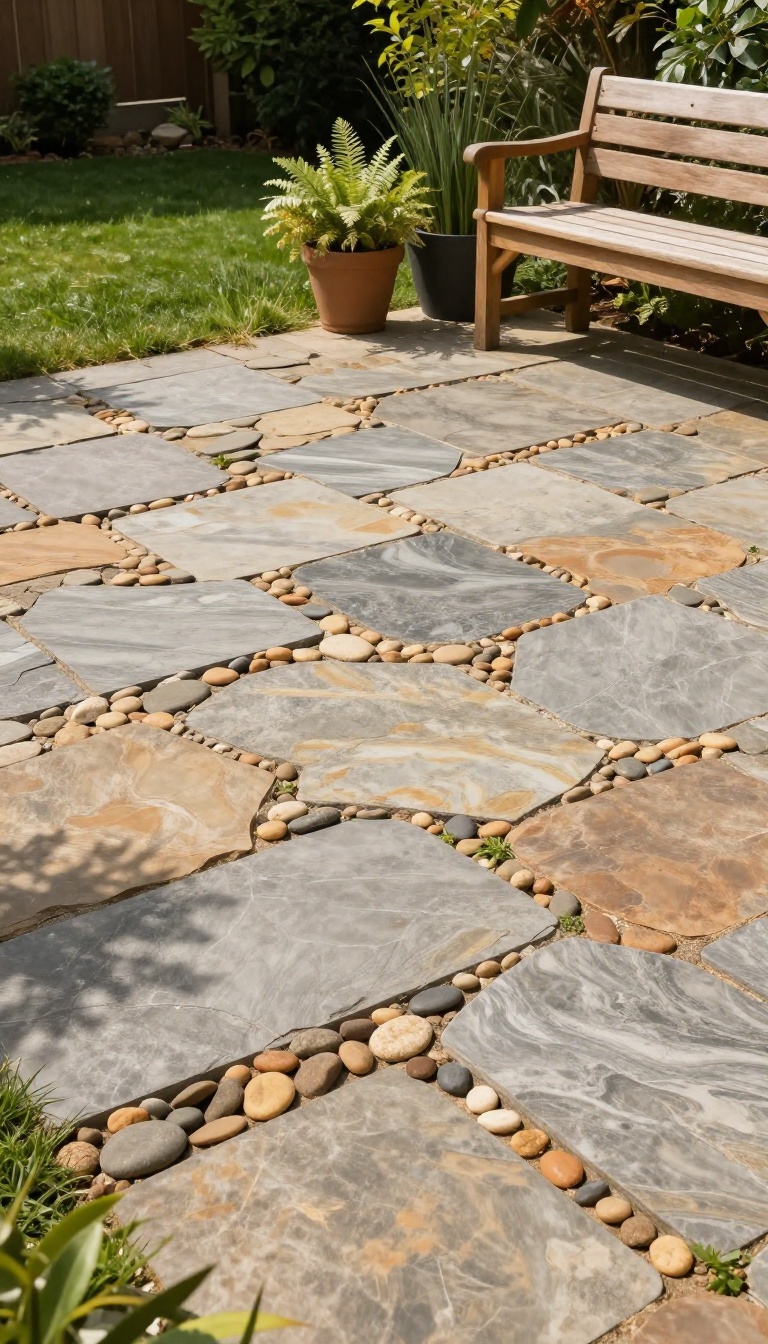
If you love the look of flagstone but want something a little more polished, consider filling the gaps with pebbles or gravel. This simple trick adds texture and color contrast, making the patio feel more intentional and designed. Plus, it's a practical choice that helps with drainage and keeps weeds at bay.
Pebble inlays work beautifully with flagstone because they soften the hard edges and create a seamless transition between stones. You can choose small, smooth river rocks for a relaxed vibe, or go with angular gravel for a more modern feel. The key is to pick pebbles that complement the stone's natural tones, so the overall look stays cohesive.
Choosing The Right Pebbles
The pebbles you pick can make or break the look. For a warm, earthy patio, go with tan, brown, or terracotta tones. If your flagstone has cool gray or blue undertones, white or light gray pebbles will create a crisp, clean contrast.
Size matters too – small pebbles (around 1/2 inch) fill gaps neatly, while larger stones can look chunky and out of place.
Installation Tips For A Clean Finish
Start by laying your flagstone on a bed of compacted gravel or sand, leaving even gaps of about 1 to 2 inches. Once the stones are set, fill the gaps with your chosen pebbles, then use a broom to sweep them into place. For extra stability, you can mix a little polymeric sand with the pebbles – this helps lock them in and prevents shifting over time.
Maintenance And Weed Control
One of the biggest perks of pebble inlays is how low-maintenance they are. The pebbles block sunlight, which stops weeds from sprouting, and they allow water to drain quickly, preventing puddles. Occasionally, you might need to top up the pebbles if they settle, but that's about it.
Just give the patio a quick rinse with a hose to keep everything looking fresh.
10. Flagstone Patio with Outdoor Kitchen
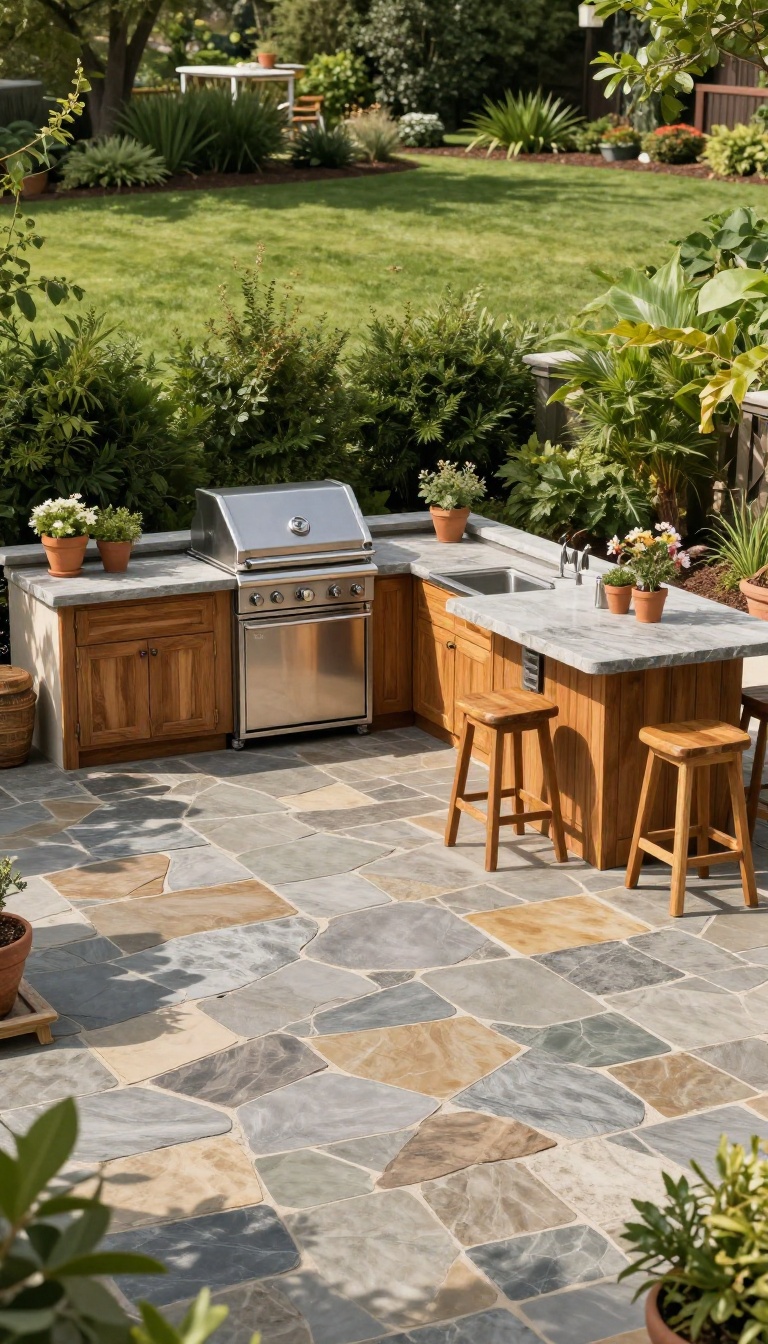
Cooking outdoors becomes a whole lot more enjoyable when your patio is designed around the kitchen. Flagstone is a fantastic surface for this setup because it handles heat well and cleans up easily after spills and splatters. Plus, the natural texture adds warmth that pairs beautifully with stainless steel appliances and wooden cabinetry.
An outdoor kitchen on a flagstone patio creates a natural gathering spot for family and friends. The stone's earthy tones soften the look of commercial-grade equipment, making the space feel inviting rather than industrial. You can keep the layout simple—a grill, a counter, and a mini-fridge—or go all out with a pizza oven, sink, and bar seating.
Either way, the flagstone ties everything together visually.
Designing The Layout
Start by deciding where the main cooking zone will go. Position the grill and prep areas so they're convenient to the indoor kitchen, if possible. Leave plenty of room for foot traffic around the cooking stations, and consider adding a raised bar or counter where guests can sit without being in the way.
Flagstone works well for both the floor and the countertops, giving the whole area a cohesive, natural look.
Choosing The Right Stone
Not all flagstone is the same. For an outdoor kitchen, you want a dense, non-slip variety that can handle heavy foot traffic and dropped utensils. Bluestone, quartzite, and sandstone are all solid options.
Make sure the surface is sealed to resist stains from oil, sauce, and wine. A slightly textured finish is better than a polished one, especially around wet areas.
Adding Functional Features
Think beyond the grill. A built-in sink makes cleanup easy, and outdoor-rated drawers keep utensils and spices within reach. Add task lighting above the counter for evening cooking, and consider a small refrigerator or cooler drawer for drinks and ingredients.
A pergola or partial roof can protect the cooking area from rain and direct sun, making the space usable in more weather.
Styling The Space
Use the flagstone as a base to build your outdoor kitchen's personality. Pair it with warm wood accents, like cedar or teak, for a rustic feel, or go modern with sleek metal and glass. Add some potted herbs near the cooking station—they're practical and look great.
A few weatherproof bar stools or a small dining table nearby complete the setup, so guests can relax while you cook.
11. Curved Flagstone Patio
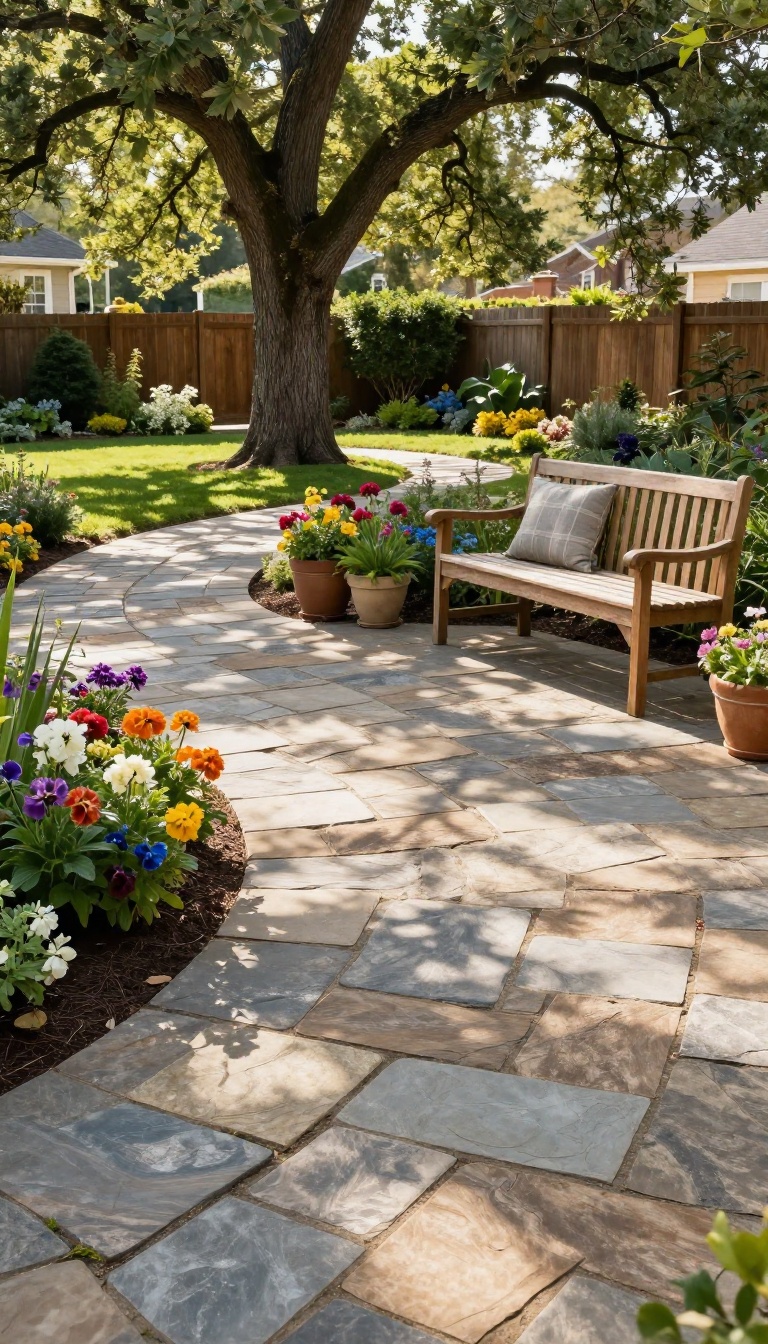
Straight lines and sharp corners can make a patio feel stiff. A curved layout, on the other hand, mimics the natural flow of a stream or a winding path. It instantly softens the landscape and makes the space more welcoming.
Curves work especially well when you're working around existing trees, garden beds, or a sloped yard. They also help guide foot traffic naturally, so your patio feels like part of the garden rather than an afterthought.
Designing a curved flagstone patio starts with marking out the shape. Use a garden hose or rope to outline the curve before you dig. This lets you adjust the flow until it feels right.
Once you're happy, you can start laying the stones. For the stones themselves, irregular flagstone shapes work best. They fill the curve more naturally than uniform rectangles.
You can also mix in a few larger stones to add visual interest and create a more organic pattern. When it comes to the base, a curved patio needs the same preparation as a straight one. Excavate the area, add a gravel base, and compact it well.
Then lay the flagstones with a slight gap for sand or soil. This keeps the patio stable while still allowing for the curve.
Why Curves Work
Curves break up the monotony of a rectangular yard. They draw the eye along the path and make the space feel larger. A curved patio also creates a natural transition between the house and the garden, making the whole area feel more cohesive.
Laying The Stones
Start from the center and work outward. Use a rubber mallet to set each stone firmly in the base. Check the level frequently, and adjust the sand or gravel under each stone as needed.
Leave a consistent gap between stones, and fill it with sand or fine gravel once everything is set.
Planting Around The Curve
The curve gives you a perfect opportunity to add soft plantings along the edge. Low-growing groundcovers like creeping thyme or sedum soften the transition between stone and lawn. Or you can tuck in ornamental grasses to add movement and texture.
12. Flagstone with Contrasting Mortar
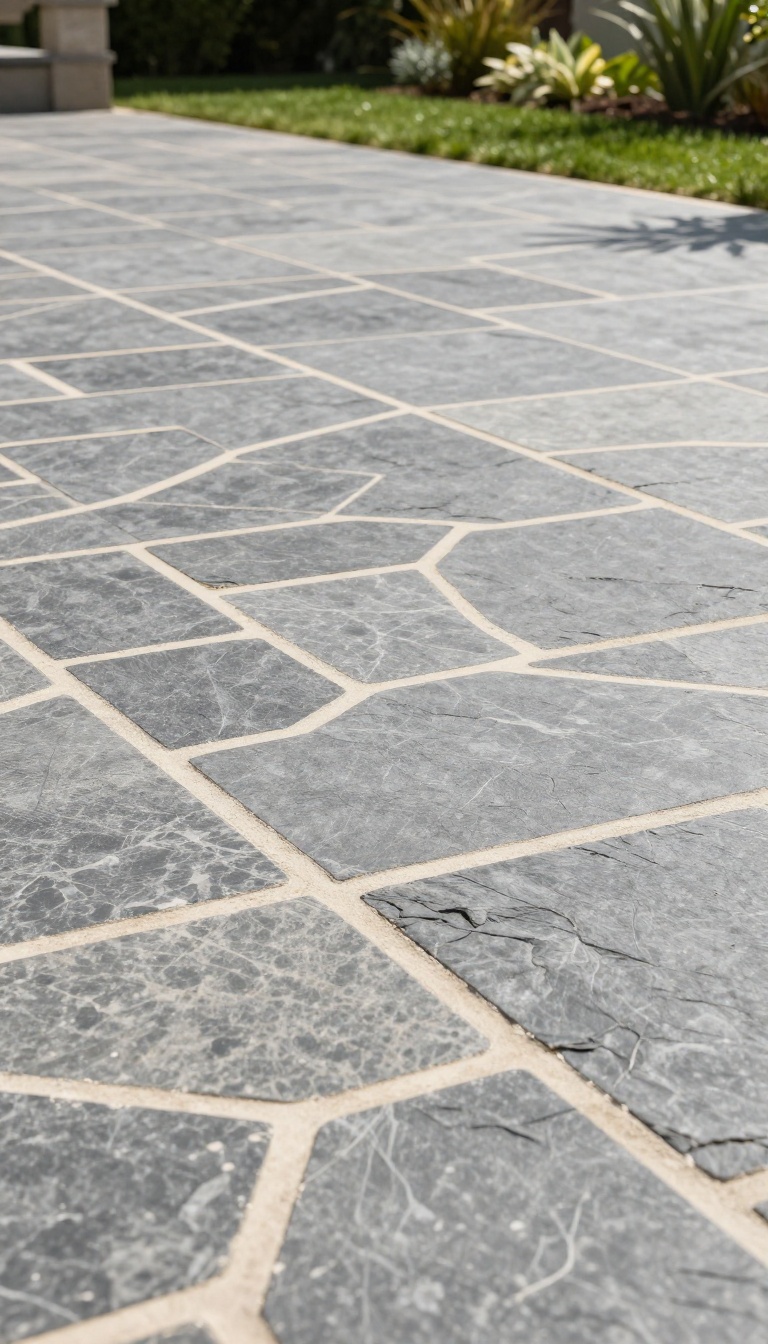
Contrasting mortar is a bold move that instantly modernizes a flagstone patio. Instead of blending the joints into the background, you choose a color that pops—light mortar with dark stone, or vice versa. This trick highlights the natural shapes and gives the whole surface a crisp, graphic feel.
The key is picking a mortar shade that complements, not clashes with, your stone. A warm gray or cream works well with darker flagstones, while charcoal or deep brown can anchor lighter stones. You'll also want to think about the joint width—wider joints show off the contrast more, while narrower ones keep it subtle.
Choosing The Right Mortar Color
Start by looking at the undertones in your flagstone. If it has warm browns and tans, a cream or buff mortar will tie it together. For cool grays and blues, a light gray or white mortar adds a crisp, contemporary edge.
Test a small area first to see how the colors interact in different lighting.
Joint Width And Depth
The size of your joints changes the whole look. Wide joints (1-2 inches) make the contrast more obvious and give a more rustic, hand-laid feel. Narrower joints (half an inch) create a tighter, more refined pattern.
Just make sure the mortar is deep enough to hold up over time—about half the depth of the stone is a good rule.
Sealing And Maintenance
Contrasting mortar shows dirt more easily than a blended color, so sealing is a must. Use a penetrating sealer to protect both the stone and the mortar from stains and moisture. You'll also need to clean it regularly—a stiff brush and mild soap usually do the trick.
Avoid harsh chemicals that could discolor the mortar.
13. Flagstone Patio with Water Feature
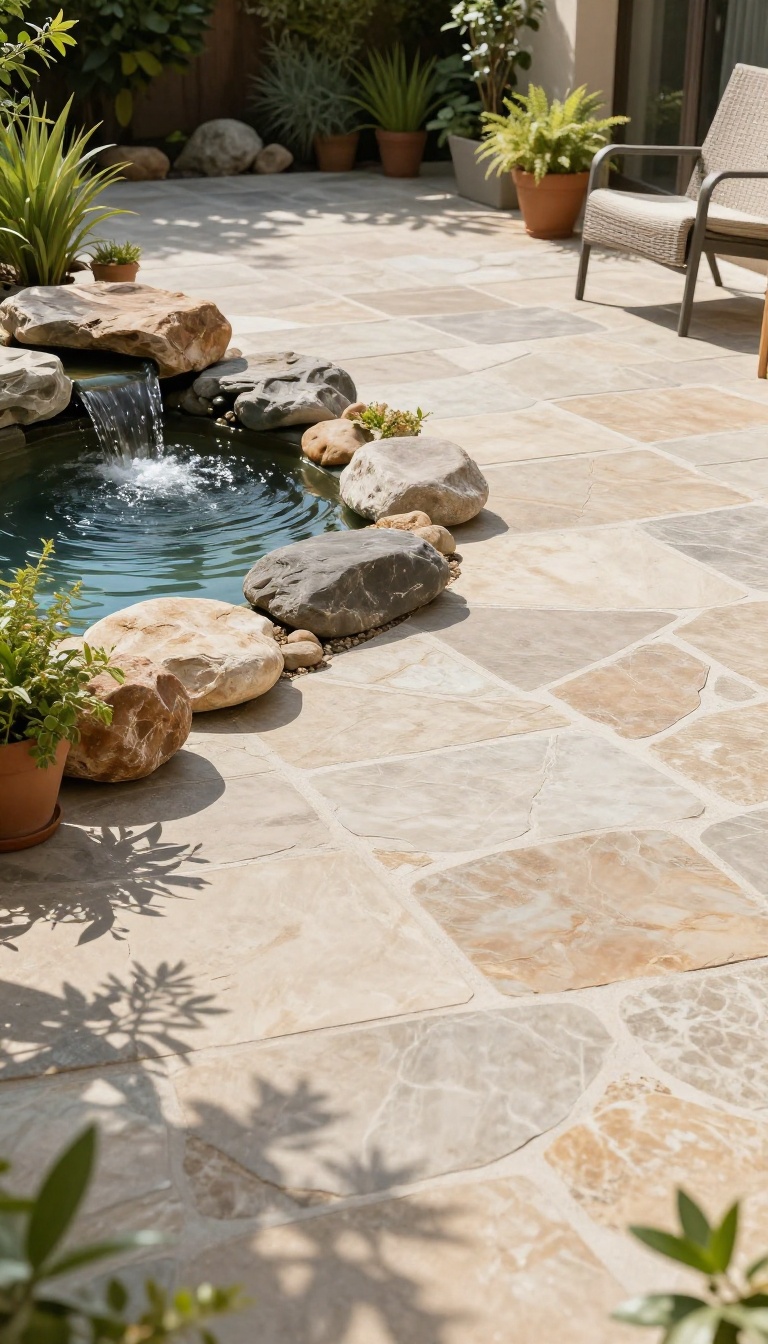
There’s something instantly calming about the sound of water trickling nearby. Pairing your flagstone patio with a small fountain or pond turns an ordinary outdoor space into a private retreat. The natural stone complements the water’s movement, creating a focal point that feels both organic and intentional.
Whether you have a sprawling backyard or a compact courtyard, a water feature can elevate the entire atmosphere.
A water feature adds more than just visual interest—it brings a sensory experience that makes your patio feel like a getaway. The gentle sound masks traffic noise and neighbors, giving you a peaceful bubble right at home. Flagstone works beautifully as an edging material, blending the hardscape with the water’s softness.
You can choose from a simple bubbling urn, a sleek modern fountain, or a naturalistic pond with aquatic plants. Each option brings its own character, but all share the ability to transform your patio into a serene escape.
Choosing The Right Water Feature
Think about the size of your patio and the style you’re going for. A large pond with a waterfall might overwhelm a small space, while a modest tabletop fountain could get lost in a big yard. Consider the sound level too—some people love a gentle trickle, others prefer a more pronounced splash.
Flagstone’s earthy tones pair well with most water feature materials, from natural stone to copper or ceramic. Pick something that feels balanced and doesn’t compete with the patio’s existing character.
Placement And Integration
Where you put the water feature matters as much as what you choose. Place it near seating areas so you can enjoy the sound and view without it dominating the entire patio. If you’re adding a pond, use flagstone to create a natural edge that blends into the surrounding hardscape.
For a fountain, consider setting it against a wall or in a corner to create a focal point without blocking traffic flow. The goal is to make the water feature feel like it belongs, not like an afterthought.
Maintenance And Practicality
Water features do require some upkeep, but it’s manageable with the right setup. A pump filter keeps the water clear, and regular cleaning prevents algae buildup. If you live in a colder climate, you’ll need to winterize the feature to avoid damage.
Flagstone edging is durable and easy to clean—just rinse it occasionally to keep it looking fresh. With a little routine care, your water feature will stay beautiful for years and keep your patio feeling like a retreat.
14. Flagstone Patio with Pergola
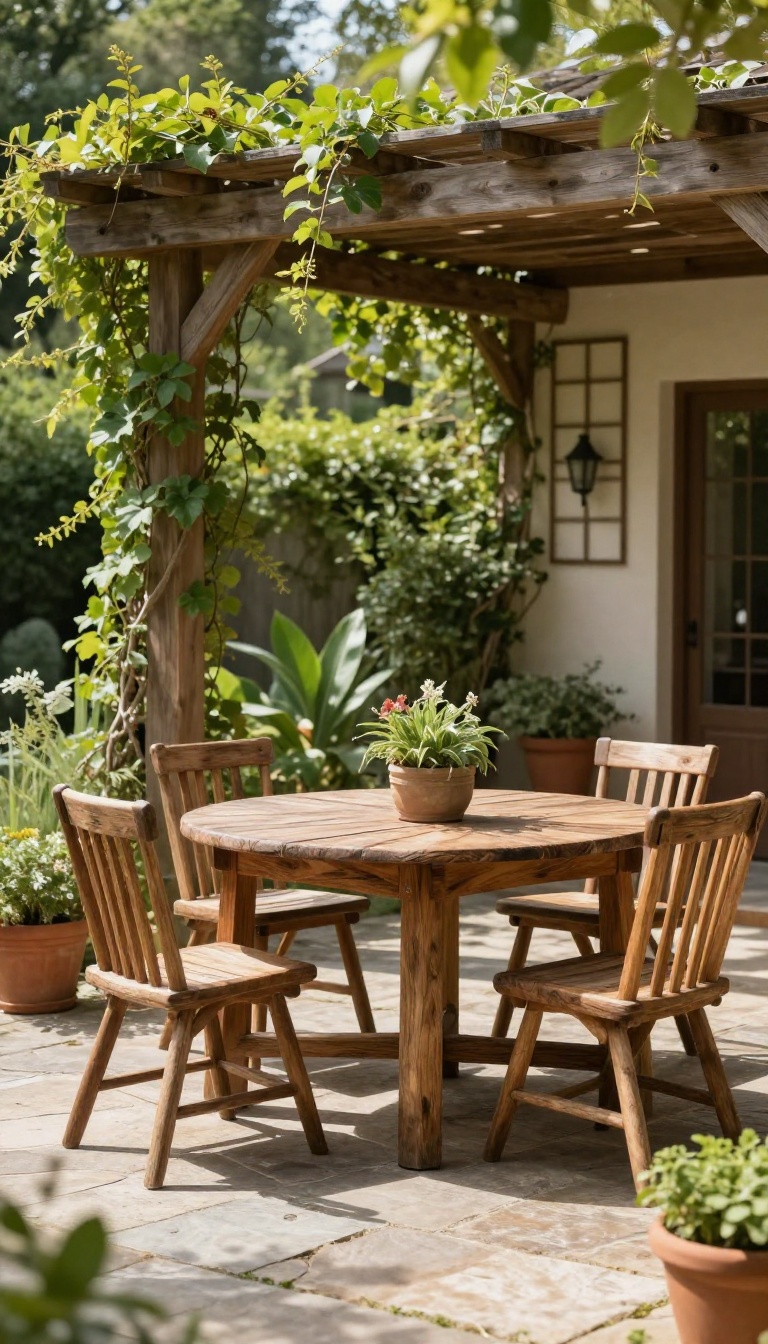
A pergola does more than just add shade—it gives your flagstone patio a sense of structure and intimacy. The natural stone grounds the space, while the overhead beams draw the eye upward and create a defined outdoor room. With climbing plants weaving through the lattice, you get a romantic, shaded retreat that feels like a secret garden.
Adding a pergola to your flagstone patio is a smart way to extend its usability on hot, sunny days. The stone stays cool underfoot, and the shade from the pergola makes sitting outside comfortable even in the afternoon. Plus, the combination of natural stone and wood (or metal) creates a beautiful contrast that fits almost any landscape style.
Choosing The Right Pergola Material
Wood pergolas, especially cedar or redwood, blend seamlessly with the earthy look of flagstone. They can be stained to match your home or left to weather naturally for a rustic feel. Metal pergolas, like aluminum or steel, offer a more modern look and require less maintenance.
Consider your climate and the overall style of your home when deciding.
Planting For Shade And Privacy
Climbing vines like wisteria, clematis, or climbing hydrangeas can turn your pergola into a living canopy. They provide extra shade and softness, and their flowers add fragrance and color. For quicker coverage, annual vines like morning glories work well.
Just be sure to choose plants that thrive in your zone and won't damage the structure.
Positioning And Layout Tips
Place the pergola to frame a favorite view or to define an outdoor dining area. Align it with your home's architecture for a cohesive look, or set it slightly apart to create a separate lounge zone. Make sure the flagstone patio extends a few feet beyond the pergola's footprint so you have room for furniture and foot traffic.
15. Flagstone Patio with Outdoor Lighting
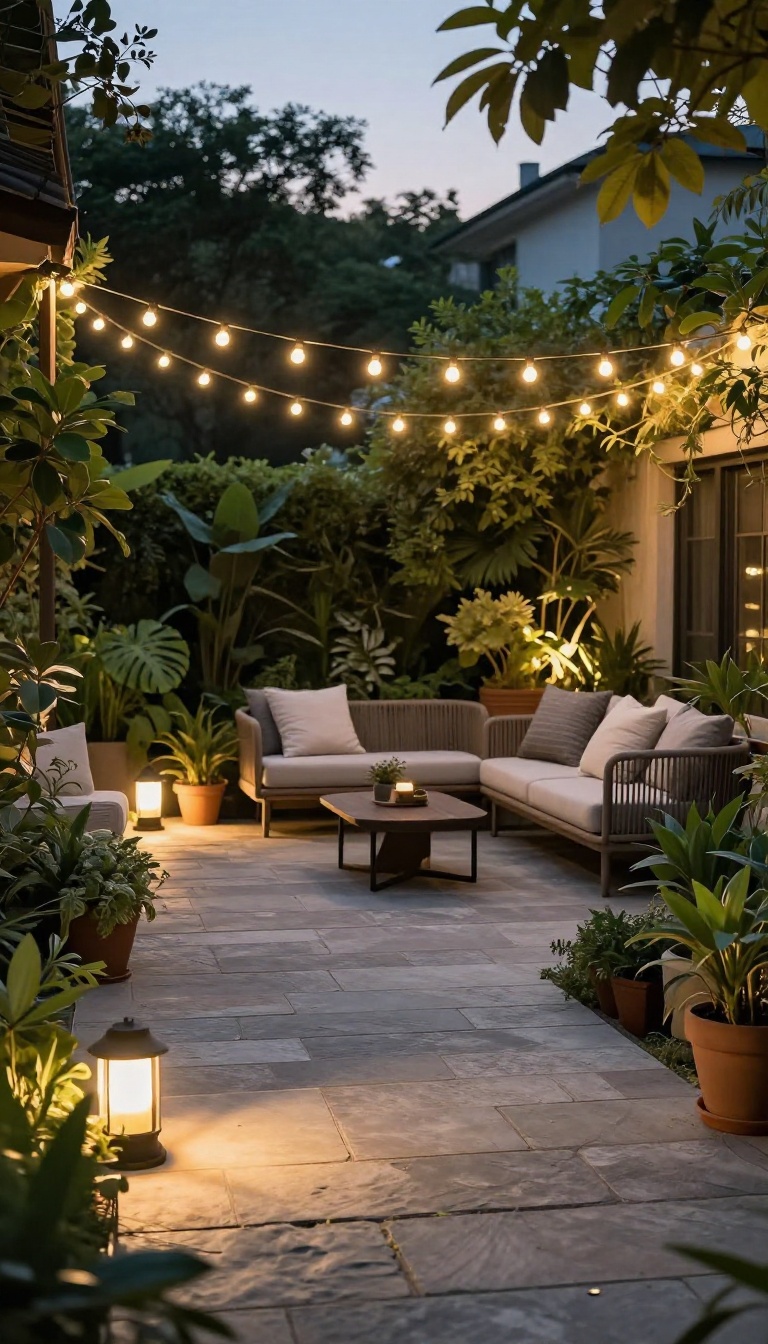
When the sun goes down, a flagstone patio can either fade into the darkness or come alive with a warm, inviting glow. The right lighting not only extends your outdoor living time but also highlights the natural beauty of the stone. By placing lights strategically, you can turn your patio into a magical evening retreat.
Outdoor lighting is more than just a practical addition—it's a design tool that can transform the look and feel of your flagstone patio. With the right fixtures, you can accentuate the unique textures and patterns of the stone, create a cozy ambiance, and improve safety for nighttime gatherings. Here are some thoughtful ways to light up your flagstone patio.
Low-voltage Path Lights
Low-voltage path lights are a classic choice for defining the edges of your patio and guiding guests safely. Place them along the perimeter or leading up to the patio to create a soft, inviting border. These lights are energy-efficient and easy to install, and they cast a gentle glow that highlights the stone's natural edges without being overpowering.
In-ground Uplights
For a dramatic effect, consider installing in-ground uplights around the patio. These small fixtures sit flush with the ground and shine upward, accentuating the texture and irregular shapes of the flagstone. This technique adds depth and dimension, making the patio look elegant and sophisticated after dark.
It's especially striking when placed near a feature like a fire pit or a large tree.
String Lights For Ambiance
String lights are a simple yet effective way to add a festive and warm atmosphere to your flagstone patio. Drape them overhead between posts or trees to create a canopy of light. They come in various styles, from classic Edison bulbs to modern LEDs, and they instantly make the space feel more inviting for evening gatherings.
FAQ
What is the best base for a flagstone patio?
A compacted gravel base is ideal for flagstone patios. It provides excellent drainage and stability. For a dry-laid patio, use a layer of sand or stone dust on top of the gravel to level the stones.
How do you keep weeds from growing between flagstones?
To prevent weeds, use polymeric sand or a weed barrier fabric under the stones. For existing patios, you can apply a weed killer or use a natural solution like boiling water. Regular maintenance helps too.
Can flagstone be used for a pool deck?
Yes, flagstone is a popular choice for pool decks because it stays cool underfoot and has a natural, slip-resistant texture. Make sure to choose a stone with a rough surface and seal it properly to prevent staining.
How much does a flagstone patio cost?
The cost varies widely depending on the type of stone, the size of the patio, and labor. On average, expect to pay between $15 and $30 per square foot for materials and installation. Natural stone is more expensive than concrete pavers.
Do flagstone patios need to be sealed?
Sealing is recommended to protect the stone from stains, moisture, and frost damage. It also enhances the natural colors. Use a penetrating sealer designed for natural stone and reapply every few years.
Conclusion
Flagstone patios offer endless possibilities for creating an outdoor space that feels both elegant and natural. Whether you prefer a classic irregular pattern or a sleek modern grid, the key is to choose a design that complements your home and lifestyle.
Don't be afraid to mix in other materials or add features like fire pits and lighting to make the space truly yours. With a little creativity and planning, your flagstone patio can become a favorite gathering spot for years to come.