11 Bedroom Ideas That Rescue Extremely Small Floor Plans
A tiny bedroom can feel like a puzzle you didn't ask for. But with the right moves, you can turn that cramped box into a calm, functional space that punches way above its square footage. The secret isn't just about shrinking furniture—it's about rethinking how you use every inch.
Start by looking at your room with fresh eyes.
That awkward corner? It might be perfect for a built-in desk. The wall behind your door?
Prime real estate for hooks or slim shelving. The goal is to make the room work harder without making it feel cluttered. In this guide, we'll walk through 11 practical, creative ideas that rescue small bedrooms.
1. Go Vertical with Tall Storage Units
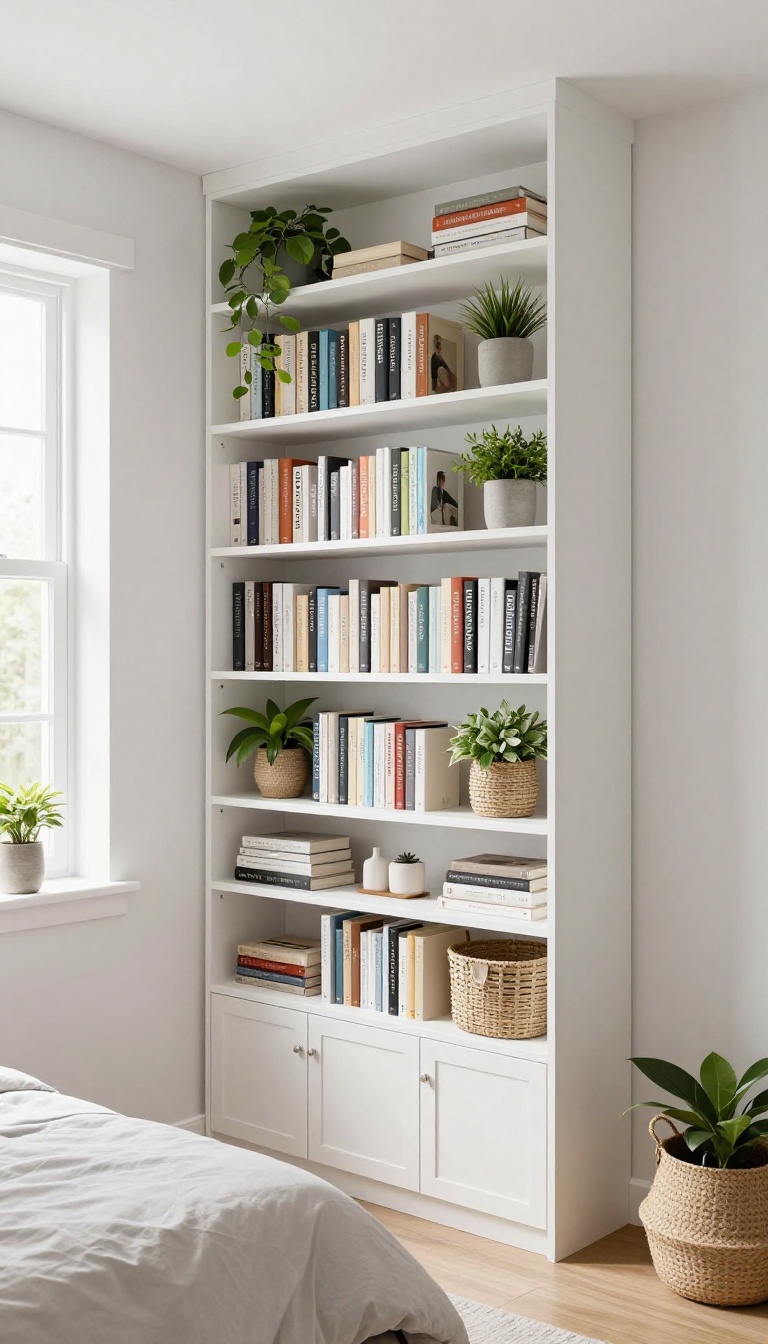
When floor space is tight, think up. Tall bookshelves, wardrobes, and cabinets use vertical space to keep belongings organized without eating into your walking area. The trick is to choose pieces that reach toward the ceiling, making the room feel taller and more open.
Tall storage units are a game-changer for small bedrooms. They maximize every inch of wall space, freeing up the floor for movement and other furniture. By drawing the eye upward, they also create the illusion of a larger room.
Whether you opt for a floor-to-ceiling wardrobe or a set of tall bookshelves, you'll be amazed at how much clutter you can tuck away.
Choose The Right Height
When selecting tall storage, measure from floor to ceiling. Look for units that are at least 6 feet tall, but ideally, you want them to come within a foot of the ceiling. This maximizes storage and prevents that awkward gap that collects dust.
If you can't find the perfect fit, consider custom-built options or add a topper cabinet.
Make The Most Of Every Shelf
Use a mix of open and closed storage to keep things visually interesting. Open shelves can display books, plants, or decorative baskets, while closed cabinets hide clutter. Use shelf dividers or bins to keep smaller items organized.
And don't forget the top shelf—it's perfect for items you rarely use, like luggage or seasonal decor.
Style It To Fit Your Vibe
Tall storage doesn't have to be boring. Choose a finish that complements your room's color scheme, whether that's sleek white, warm wood, or bold black. Add lighting underneath shelves to highlight your favorite items.
You can even paint the back of the shelves to create a focal point. The goal is to make the storage feel like a deliberate design choice, not just a practical afterthought.
2. Use Multi-Functional Furniture
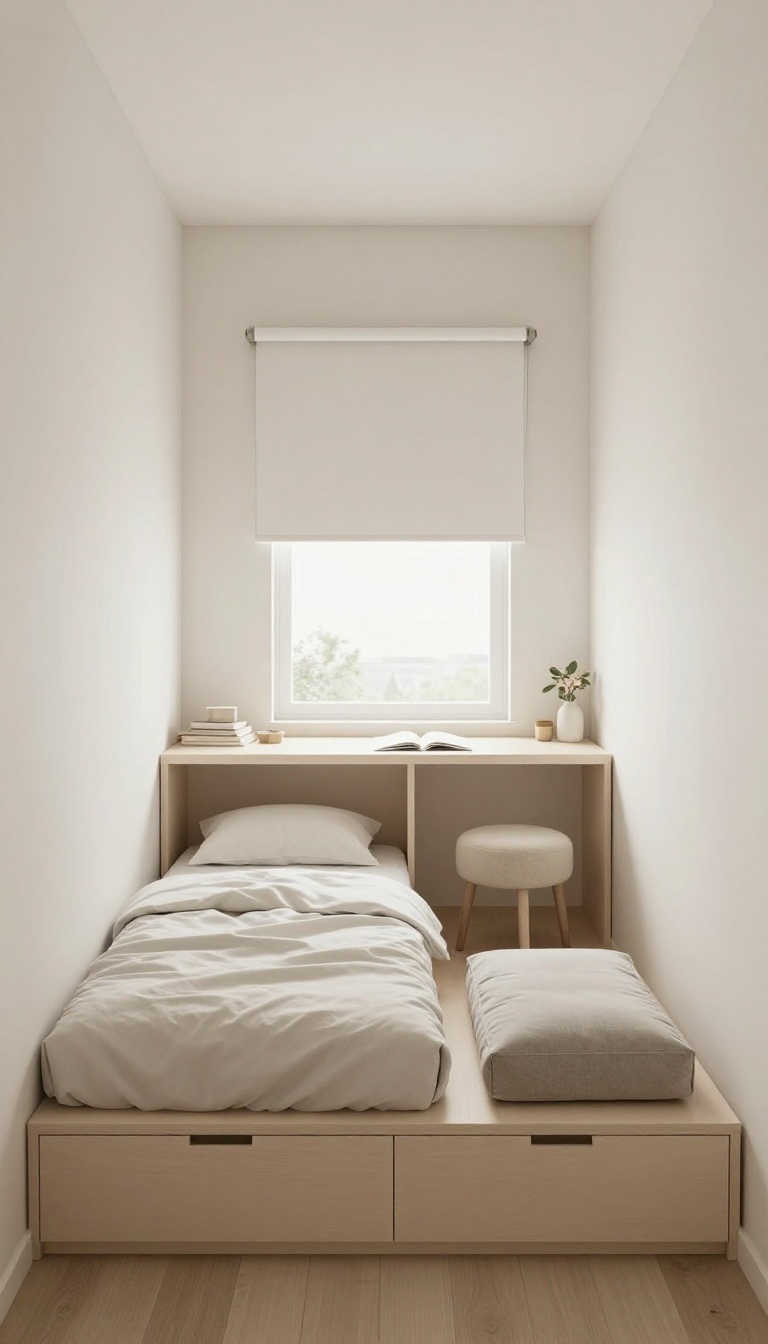
When every square foot counts, single-purpose furniture is a luxury you can't afford. The best small-space solutions pull double duty, saving both floor space and your sanity. A bed with built-in drawers, a fold-down desk, or a storage ottoman can transform a cramped room into a streamlined, organized haven.
Multi-functional furniture is about choosing pieces that work as hard as you do. Instead of a bed that just sleeps, get one that stores. Instead of a desk that takes up permanent space, get one that folds away.
These smart swaps reduce clutter and make your room feel larger and more intentional.
Start With The Bed
Your bed is the largest item in the room, so it's the best place to start. Look for a platform bed with drawers underneath, or a headboard with built-in shelves. If you're on a budget, add rolling storage bins under a standard bed frame.
This instantly gives you a place for off-season clothes, extra linens, or shoes—without adding any footprint.
Desk That Disappears
A fold-down desk is a game-changer for tiny bedrooms. Mount it on the wall and flip it up when you need to work, then fold it away when you're done. Pair it with a wall-mounted shelf for your laptop and a stool that tucks underneath.
You get a full workspace without sacrificing permanent floor space.
Seating With Storage
A storage ottoman or a bench with a lift-up lid serves as both a seat and a catch-all. Use it at the foot of your bed for extra seating, or as a nightstand alternative. Inside, stash blankets, books, or anything that tends to pile up.
It's an easy way to keep your room tidy and functional.
3. Embrace the Power of Wall-Mounted Lighting
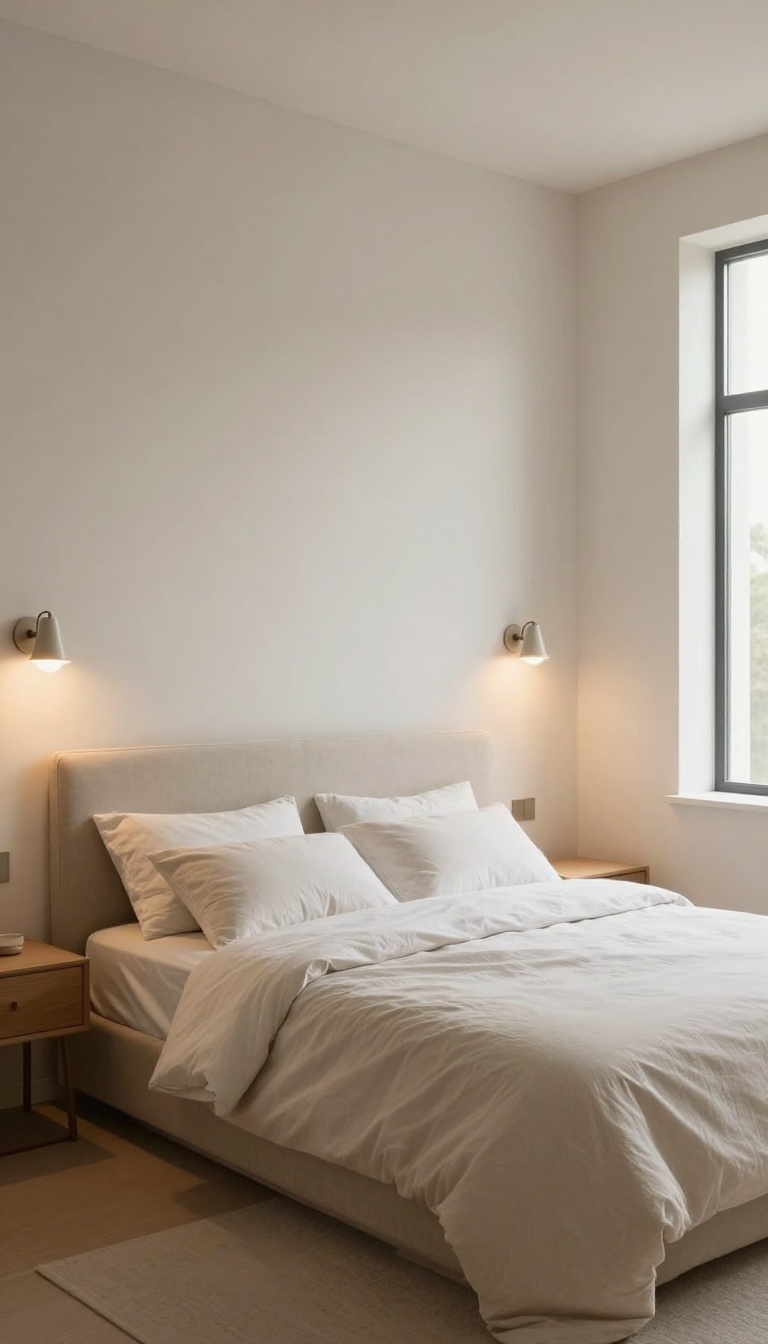
When floor space is scarce, every surface counts. That's why wall-mounted lighting is a small bedroom's best friend. By moving light off the nightstand and onto the wall, you free up precious real estate for books, glasses, or just a little breathing room.
Plus, sconces and pendants add a stylish, custom look that table lamps can't match.
Wall-mounted lighting isn't just a space saver—it's a game changer. You get focused light exactly where you need it, without the clutter. And with so many styles, from sleek modern to cozy farmhouse, you can find something that fits your vibe.
Let's explore how to make it work in your tiny room.
Choose The Right Fixtures
Swing-arm sconces are perfect for reading in bed—they let you direct light where you want it. Plug-in sconces are a renter-friendly option, no wiring required. Pendant lights hung from the ceiling can also work, especially over nightstands, adding a chic touch without taking up any surface space.
Placement Tips
Install sconces about 30 to 36 inches above your mattress, angled slightly downward. If you're sharing the bed, place them on the wall above each nightstand, or even on the headboard itself. This keeps light out of your partner's eyes while giving you both independent lighting.
Style And Finish
Match the finish to your room's decor—brass for warmth, matte black for drama, or white for a clean look. Consider dimmable options to adjust the mood from bright to cozy. And don't forget the bulbs: warm white (2700K) creates a relaxing atmosphere, while cool white is better for tasks.
4. Create a Cozy Nook with a Window Seat
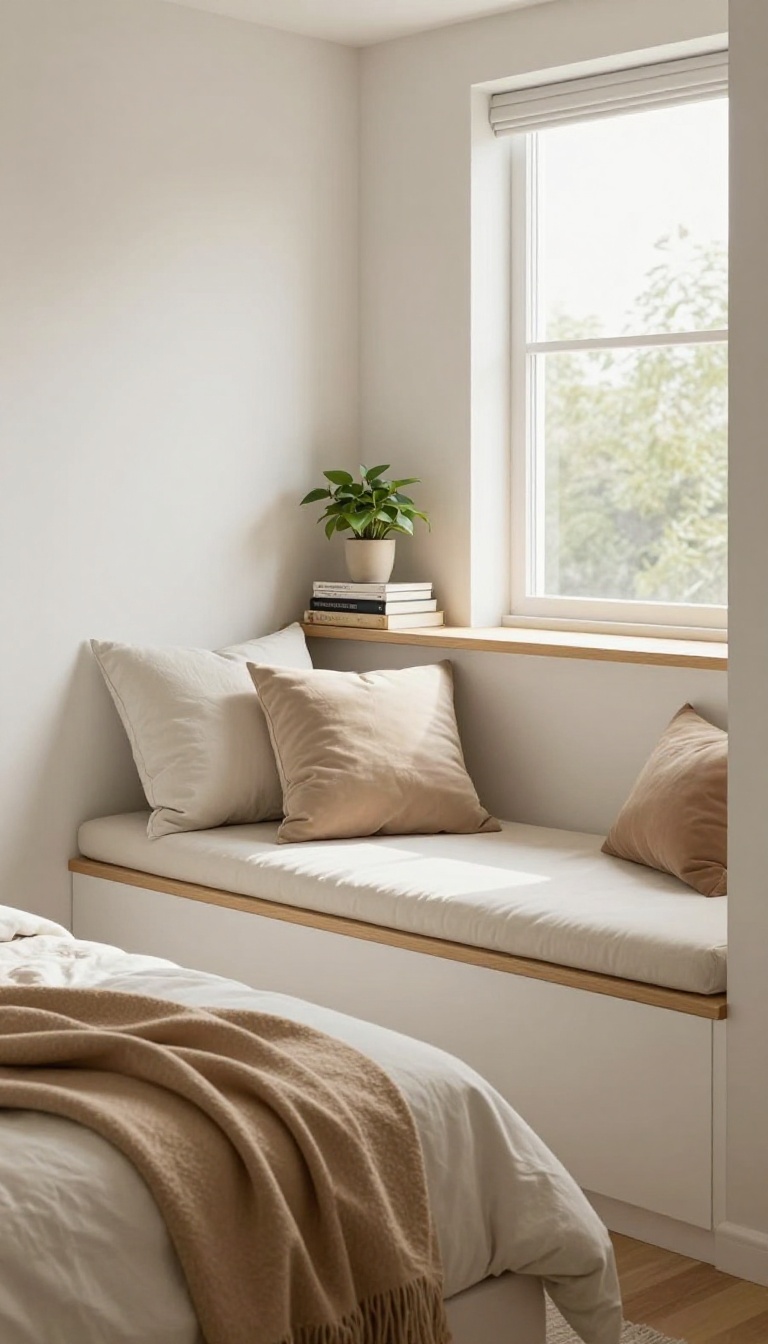
A window isn't just for light—it's an opportunity. If you have one, you can build a bench seat underneath that turns an often-ignored spot into a favorite perch. It's a smart way to add seating, storage, and charm without eating up floor space.
Start by measuring the depth and width of your window alcove. A bench that's about 18 to 20 inches deep works well for sitting, and you can customize the height to match your comfort. If you're handy, build a simple plywood box with a hinged top for hidden storage.
For a quicker fix, place a ready-made storage bench or a couple of sturdy crates under the window and top them with a cushion.
Built-in Bench With Storage
A custom built-in maximizes every inch. Use the space under the seat for bins or drawers to stow off-season clothes, extra bedding, or books. Add a hinged lid for easy access, and make sure the bench is securely anchored to the wall for safety.
Cozy Cushions And Pillows
The right cushion makes all the difference. Choose a foam pad that's at least 3 inches thick for comfort, and cover it with a durable fabric that matches your room's palette. Layer in a few throw pillows and a soft blanket to create an inviting nook you'll actually want to curl up in.
Add A Reading Light And Shelf
Enhance the nook with a small wall-mounted lamp or a clip-on light for evening reading. A floating shelf above the bench can hold a stack of books, a plant, or a cup of tea. This turns the seat into a functional spot for relaxation, not just a place to toss clothes.
5. Opt for a Platform Bed with Under-Bed Storage
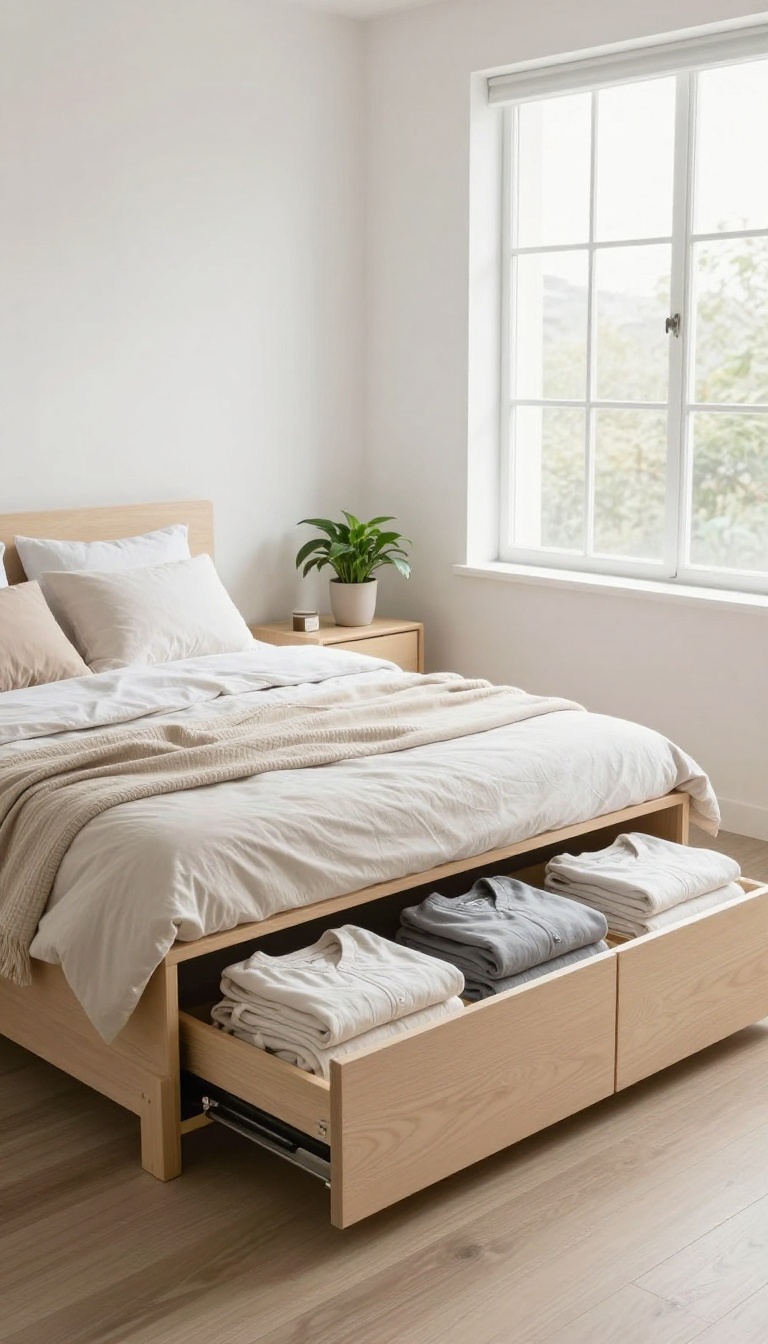
The bed usually eats up the most floor space in a small room, so making it work double is a no-brainer. A platform bed with built-in drawers or space for bins turns that dead zone underneath into prime real estate. You'll stash away off-season clothes, extra linens, or shoes without adding a single piece of bulky furniture.
Under-bed storage is a classic trick, but platform beds take it further by integrating storage right into the frame. No more lifting a heavy mattress to access bins—just slide out a drawer or lift a hinged panel. This keeps your floor clear and your room feeling open, even when you're storing a surprising amount of stuff.
Drawer Vs. Open Space: Pick What Works
Some platform beds come with built-in drawers that glide out smoothly. Others leave open space for you to slide in your own bins or baskets. Drawers are great for items you need often, like extra pillows or seasonal clothes.
Open space is more flexible—you can swap out bins as your needs change. Think about what you'll store and how often you'll need it.
Measure Before You Buy
Platform beds with storage sit a bit higher than standard frames, so measure your room's height and the space around the bed. You want to make sure the bed doesn't overwhelm the room or block any windows or doors. Also, check that the drawers have enough clearance to open fully without hitting a wall or nightstand.
Style It So It Doesn't Feel Bulky
A platform bed can look sleek and modern, but if you're not careful, it might feel heavy in a small space. Choose a low-profile design with a light color or slim legs to keep the visual weight down. Pair it with a simple headboard or skip one entirely.
Add a textured throw or a few pillows to make it cozy without cluttering the room.
6. Install Floating Shelves for Display and Storage
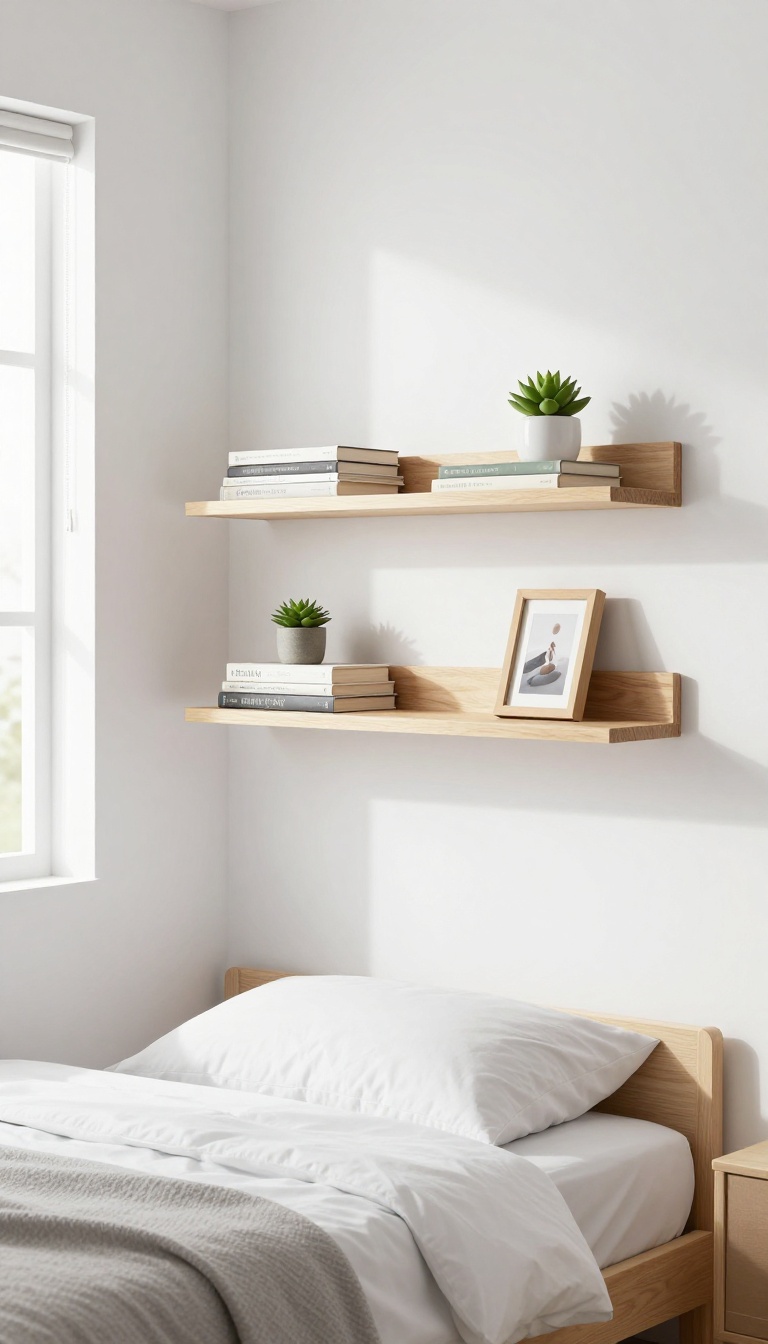
When the floor is already spoken for, the walls are your best friend. Floating shelves give you a spot for the things you need without eating into your walking space. They're perfect for keeping your nightstand clear and your favorite items within reach.
Floating shelves are a small bedroom's best friend. They mount directly to the wall, so they don't take up any floor space. Use them to hold books, a small plant, or a few decorative pieces.
This keeps your surfaces clear and adds a bit of personality to the room. Plus, they're easy to install and can be placed at any height that works for you.
Where To Place Them
Think about the spots that are currently unused. Above the headboard is a classic choice, but also consider the wall next to the bed or even above the door. Just make sure they're within easy reach for the things you use often, like glasses or a phone charger.
What To Put On Them
Keep it light and airy. A few books, a small succulent, or a framed photo are all good options. Avoid cramming too much on one shelf—it can look cluttered and make the room feel smaller.
Mix a couple of functional items with a decorative piece to strike the right balance.
Style And Installation Tips
Choose shelves that match your room's vibe, whether that's wood, metal, or a painted finish. When installing, use a stud finder and make sure they're level. If you're renting, look for damage-free adhesive options that can hold a decent amount of weight.
7. Use Mirrors to Create the Illusion of Space
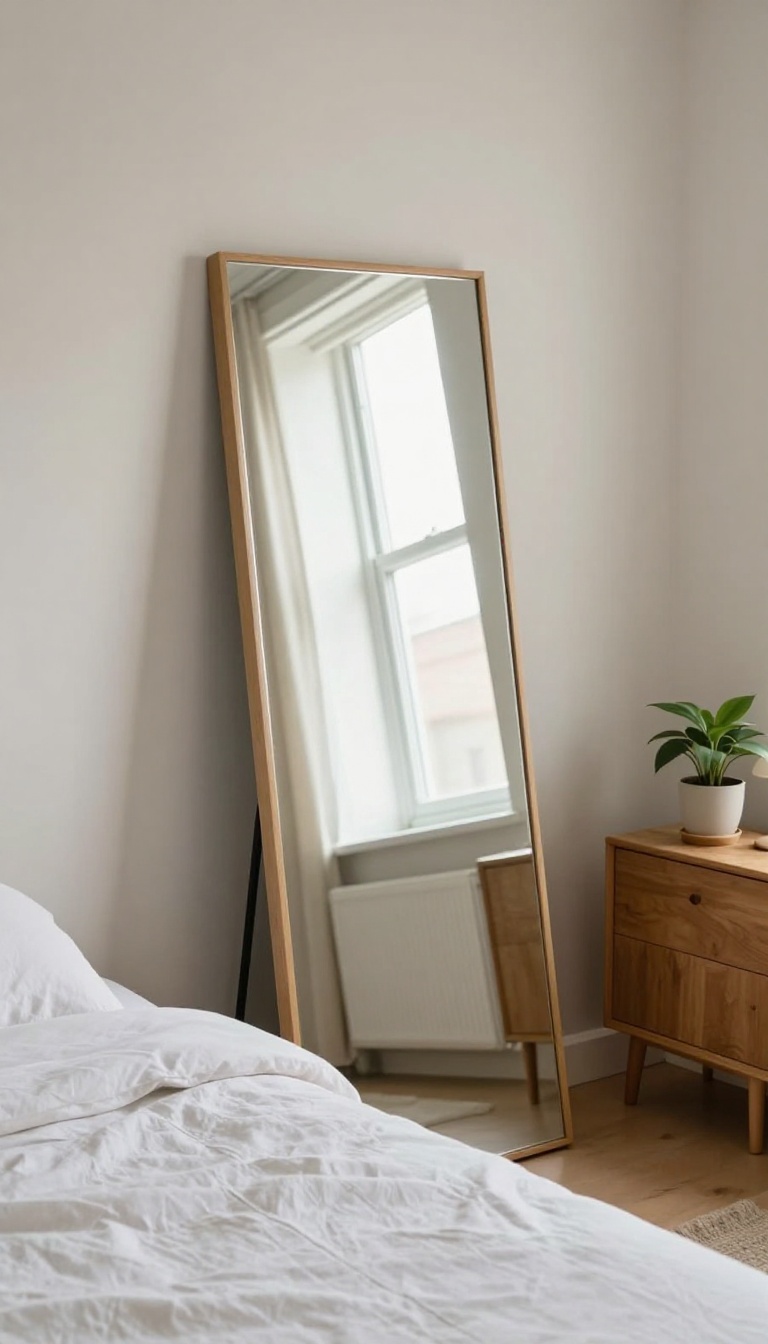
Mirrors are the oldest trick in the book for making a small room feel bigger, and for good reason. They bounce light around and fool your eye into seeing depth that isn't there. In a tiny bedroom, a well-placed mirror can be the difference between feeling like a closet and feeling like a sanctuary.
The key is to think about what the mirror will reflect. A mirror opposite a window will double the natural light and make the room feel airier. A mirror behind a lamp can amplify its glow, making the space feel warmer and more inviting.
And when you're short on square footage, a mirror can also serve as a decorative element that adds style without taking up any floor space.
Pick The Right Spot
Place a large mirror on a wall that's perpendicular to a window to maximize light reflection. Avoid putting a mirror directly opposite the bed, as it can be distracting when you're trying to relax. Instead, try leaning a full-length mirror against a wall or placing it behind a door.
Go Big Or Go Home
One large mirror is more effective than several small ones. A floor-to-ceiling mirror or a wide mirror above a dresser can visually double the room's depth. If you're worried about the mirror being too heavy, consider using acrylic mirror panels that are lightweight and safe.
Mirror Furniture And Closet Doors
Mirrored closet doors are a classic small-bedroom solution because they reflect light and give you a full-length view. You can also find mirrored nightstands or dressers that add a touch of glamour while making the room feel more open. Just be sure to keep them clean—smudges can dull the effect.
Creative Mirror Arrangements
If you're not into a single large mirror, try a gallery wall of smaller mirrors in different shapes and frames. This adds visual interest and makes the wall feel like a focal point rather than a cramped boundary. Group them together to create a larger reflective surface that still feels intentional.
8. Choose a Sliding Barn Door or Pocket Door
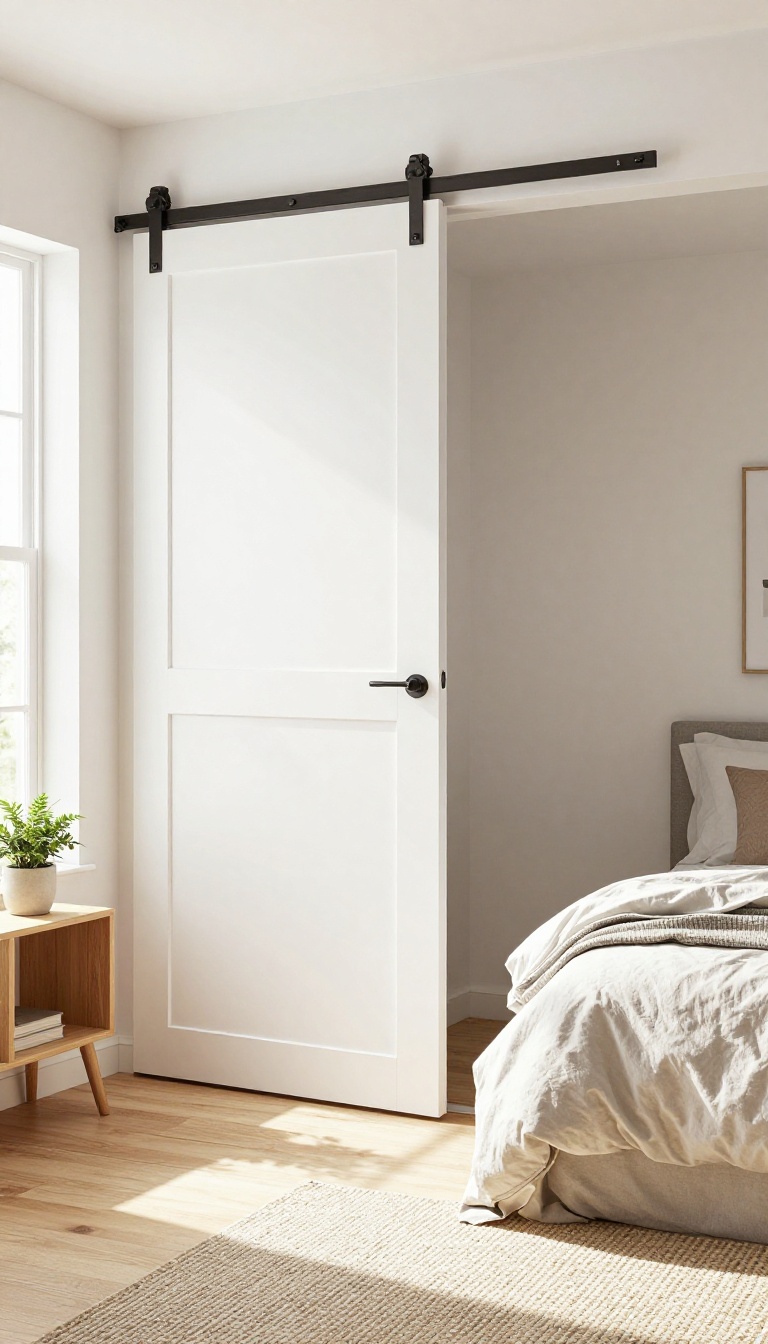
That traditional swinging door is a sneaky space hog. Every time it opens, it carves out a chunk of your floor plan that could be holding a dresser or a plant. Swapping it for a sliding barn door or a pocket door frees up that real estate instantly, and it looks pretty cool too.
Barn doors slide along a track mounted above the doorway, so they don't need clearance to swing. Pocket doors disappear right into the wall, which is even better if you can do the construction. Both options give you back that precious floor space and make the room feel more open.
Why Swinging Doors Steal Your Space
A standard door needs about 3 to 4 feet of clearance to swing open and closed. That's a huge chunk of your tiny room that's unusable while the door is in motion. Even when it's closed, the swing path is still dead space.
By removing that swing, you can push furniture closer to the doorway and use every inch of the floor.
Barn Door Vs. Pocket Door: Which One Fits?
Barn doors are easier to install—you just mount the track and hang the door. They're great for closets or bathroom entrances where you don't need a tight seal. Pocket doors require framing inside the wall, so they're more of a renovation project.
But they disappear completely, which is perfect if you want the wall to look uninterrupted. Think about your budget and whether you're okay with a bit of construction.
Installation Tips For Small Spaces
For a barn door, make sure the wall is sturdy enough to hold the track and the door. Use a stud finder and anchor the track into studs. For a pocket door, you'll need to open up the wall and install a pocket door frame—this is best done during a bigger remodel.
Either way, measure your doorway and the wall space above it to ensure the door slides fully open without blocking anything.
9. Incorporate a Fold-Down Desk or Murphy Bed
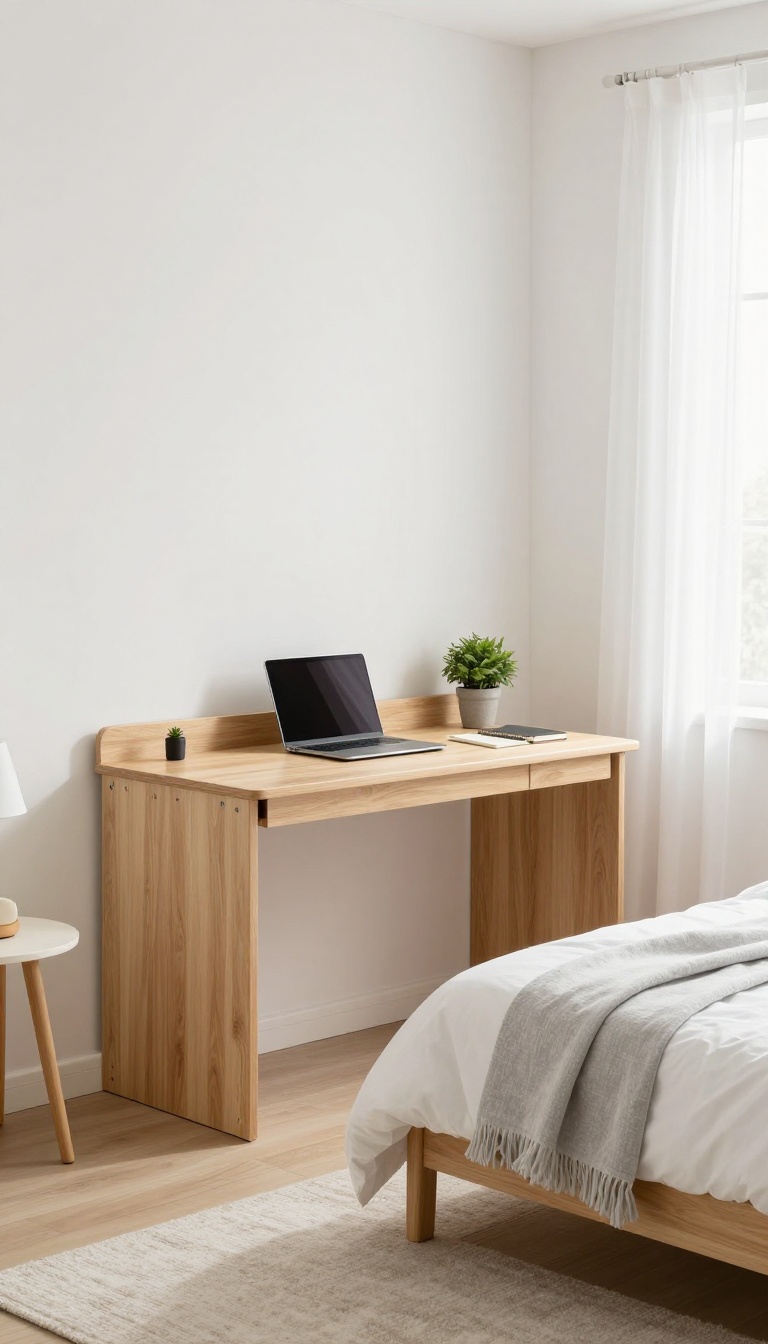
When your bedroom has to pull double duty as a home office or guest room, the furniture needs to be just as flexible as you are. A fold-down desk or Murphy bed can disappear when not in use, giving you back precious floor space. It's like having a secret room that only appears when you need it.
Fold-down solutions are all about reclaiming space without sacrificing function. A wall-mounted desk that folds flat takes up only a few inches when closed, leaving the rest of the room open for other activities. Similarly, a Murphy bed folds up into the wall, turning your sleeping area into a living or workspace during the day.
These pieces are perfect for tiny rooms that need to serve multiple purposes.
The Magic Of A Fold-down Desk
A fold-down desk is a game-changer for small bedrooms that double as offices. When you're done working, just fold it up and the room instantly feels bigger. Look for models with built-in storage or a hinged design that allows you to leave items on the desk when you close it.
This way, you can keep your workspace neat without having to clear it every time.
Murphy Beds: The Classic Space-saver
Murphy beds have been around for over a century, and for good reason. They free up an entire room when not in use, making them ideal for studio apartments or guest rooms. Modern versions come with built-in shelving or desks, so you can combine multiple functions in one unit.
Just make sure to measure your ceiling height and choose a model with a sturdy mechanism for safety.
Diy Options And Custom Builds
If you're handy, you can build your own fold-down desk or Murphy bed to fit your exact space. There are plenty of online tutorials and hardware kits available. A custom build lets you match the style of your room and incorporate features like a fold-out table or extra storage.
Just ensure you follow safety guidelines, especially for Murphy beds, to avoid accidents.
10. Use Light Colors and Strategic Patterns
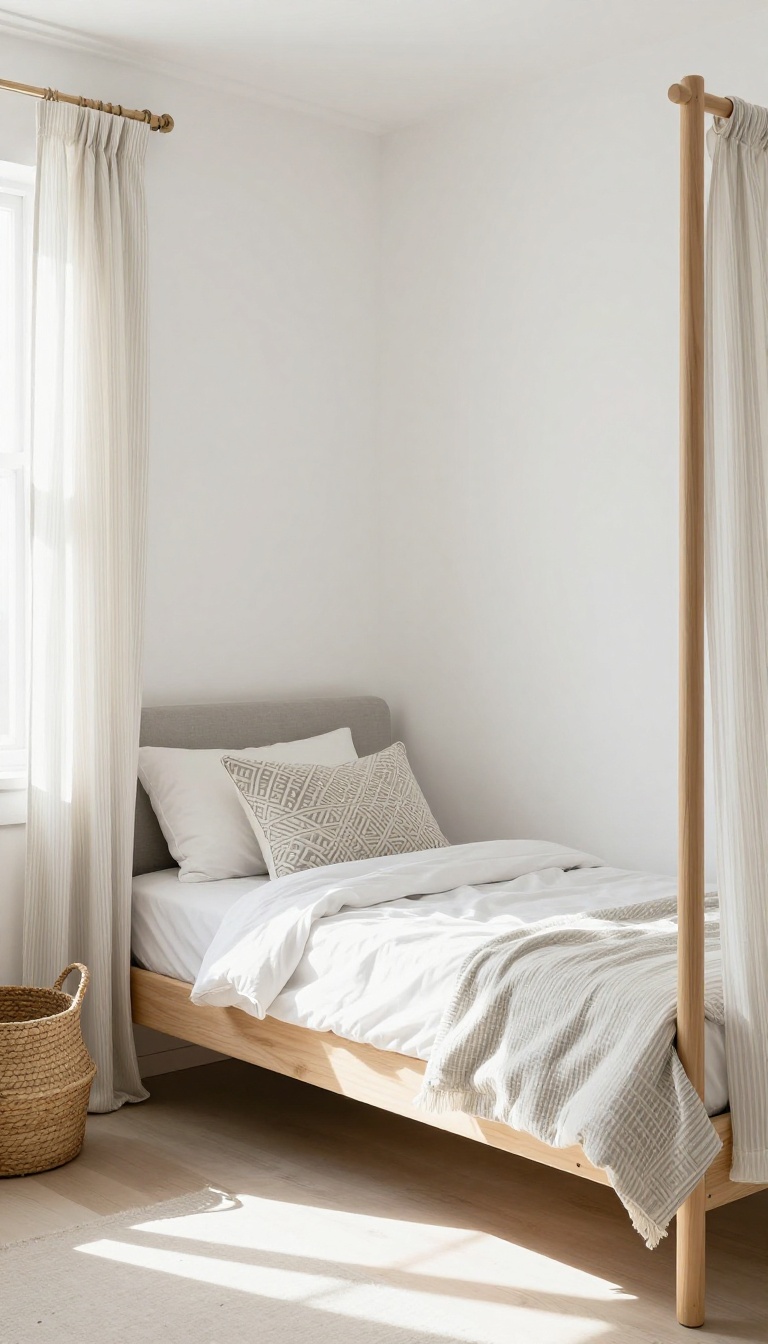
Color does more than set the mood—it can visually expand a tiny room. Light, neutral shades like soft whites, warm beiges, or pale greys bounce natural light around, making the space feel airy and open. But going all-white can feel sterile, so that's where patterns come in.
A subtle geometric print on a throw pillow or a delicate stripe on curtains adds depth without overwhelming the eye.
Stick to a light base for walls, bedding, and large furniture. Then, introduce pattern in small doses: a textured rug, a patterned headboard, or a single accent wall in a slightly deeper tone. The trick is balance—too many competing patterns can make a small room feel chaotic, so choose one or two focal points and keep everything else calm.
Also, consider the scale of the pattern: small-scale prints tend to work better in tight spaces than large, bold designs.
Pick A Light Base
Start with walls in a soft white or pale greige. These colors reflect light and make the room feel larger. Use the same shade for large furniture like the bed frame and dresser to create a seamless look.
You can add warmth with wooden accents or a woven basket.
Add Pattern With Purpose
Choose one or two patterned elements, like a striped duvet cover or a geometric area rug. Keep the pattern subtle—think thin lines or small motifs. Place them in spots that draw the eye, like the bed or the window, to add interest without making the room feel busy.
Create Depth With An Accent Wall
If you want a bit more color, paint one wall a shade or two darker than the others. This adds depth and makes the room feel more grounded. Pick a wall that's not the first thing you see when you walk in, like the one behind the bed or a side wall, to avoid making the space feel smaller.
11. Add Smart Storage Solutions for Small Items
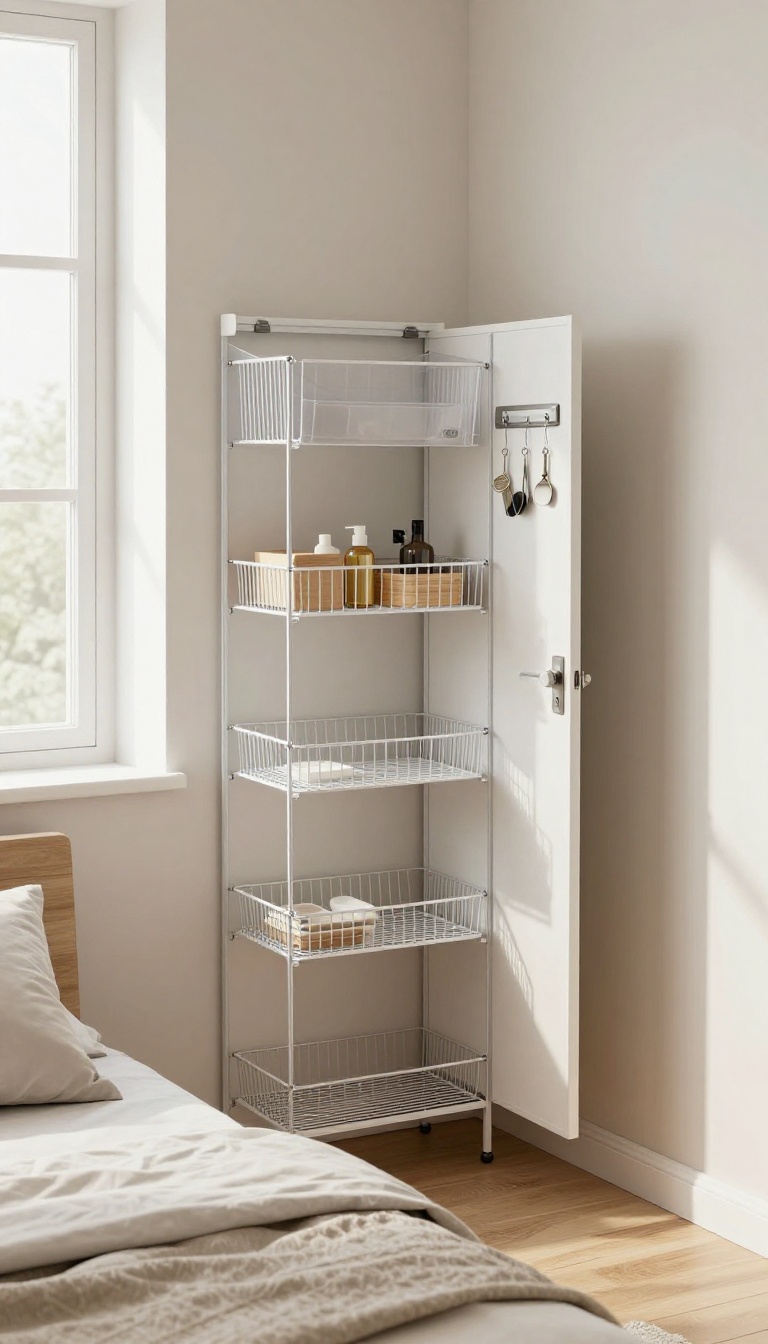
When every square inch counts, the tiny stuff can pile up fast. Jewelry, chargers, sunglasses, keys—they all end up on your nightstand or dresser, creating clutter that makes the room feel smaller. The fix isn't more furniture; it's smarter storage that works with your space, not against it.
Think beyond the obvious: use over-the-door organizers, under-shelf baskets, and magnetic strips for small items like jewelry, accessories, or tech gadgets. These clever solutions tuck your essentials out of sight but within easy reach, keeping your surfaces clear and your mind calm.
Over-the-door Organizers For Vertical Space
That door is just begging to be used. Hang a clear-pocket organizer on the back of your bedroom door to stash scarves, belts, or even shoes. For a tidier look, choose a fabric version with neutral tones that blends in.
You'll free up drawer space and keep your daily go-tos visible at a glance.
Under-shelf Baskets For Hidden Storage
If you have wire shelving in your closet, clip-on baskets are a game-changer. They slide right under a shelf, giving you instant extra storage for folded tees, handbags, or toiletries. No drilling, no permanent changes—just pop them on and reclaim that dead space.
Magnetic Strips For Metal Accessories
A magnetic strip isn't just for the kitchen. Mount one inside your closet door or on the side of your dresser to hold bobby pins, tweezers, or small metal tools. For jewelry, a strip with a slim profile keeps necklaces and bracelets tangle-free and easy to grab.
It's a minimalist solution that looks sleek and saves drawer space.
FAQ
What is the best way to maximize space in a small bedroom?
Focus on vertical storage, multi-functional furniture, and decluttering. Use wall-mounted lights and floating shelves to free up floor space, and consider a platform bed with under-bed storage.
How can I make a small bedroom look bigger?
Use light colors, mirrors, and strategic lighting. Keep the room uncluttered, choose furniture that is proportional to the space, and use vertical lines to draw the eye upward.
What type of bed is best for a small room?
A platform bed with built-in storage or a Murphy bed that folds up are great options. They save space and provide extra functionality.
How do I choose furniture for a small bedroom?
Opt for pieces that are multi-functional, such as a storage ottoman or a desk that folds down. Measure your space carefully and choose furniture that fits without overwhelming the room.
Can I have a home office in a small bedroom?
Yes, use a fold-down desk or a compact desk that can double as a nightstand. Wall-mounted shelves and organizers can keep your work supplies tidy without taking up much space.
Conclusion
Small bedrooms don't have to feel cramped or limiting. With a bit of creativity and the right strategies, you can transform your tiny space into a functional, stylish retreat. Start with one or two ideas that resonate with your needs, and build from there.
Remember, the goal is to make the room work for you, not the other way around. By maximizing vertical space, choosing multi-purpose furniture, and keeping things light and airy, you'll create a bedroom that feels bigger and more inviting. Happy decorating!