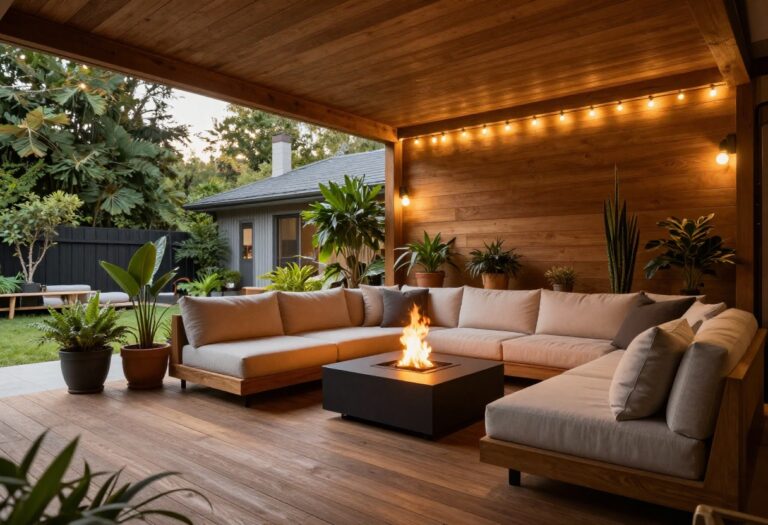
13 Apartment Patio Decorating Ideas for a Stylish Escape
You don't need a sprawling yard to enjoy a refreshing outdoor escape. Even a compact apartment patio can become a favorite spot for morning coffee or evening relaxation.
The key is to work with the space you have, not against it. Start by thinking about how you want to use the patio—dining, lounging, or gardening—and let that guide your choices.
With a few clever upgrades, you can transform a bare concrete slab into a welcoming retreat that feels like an extension of your home. These 13 ideas are designed for real apartment living, focusing on practicality, style, and making the most of every square foot.
1. Lay Down an Outdoor Rug for Instant Warmth
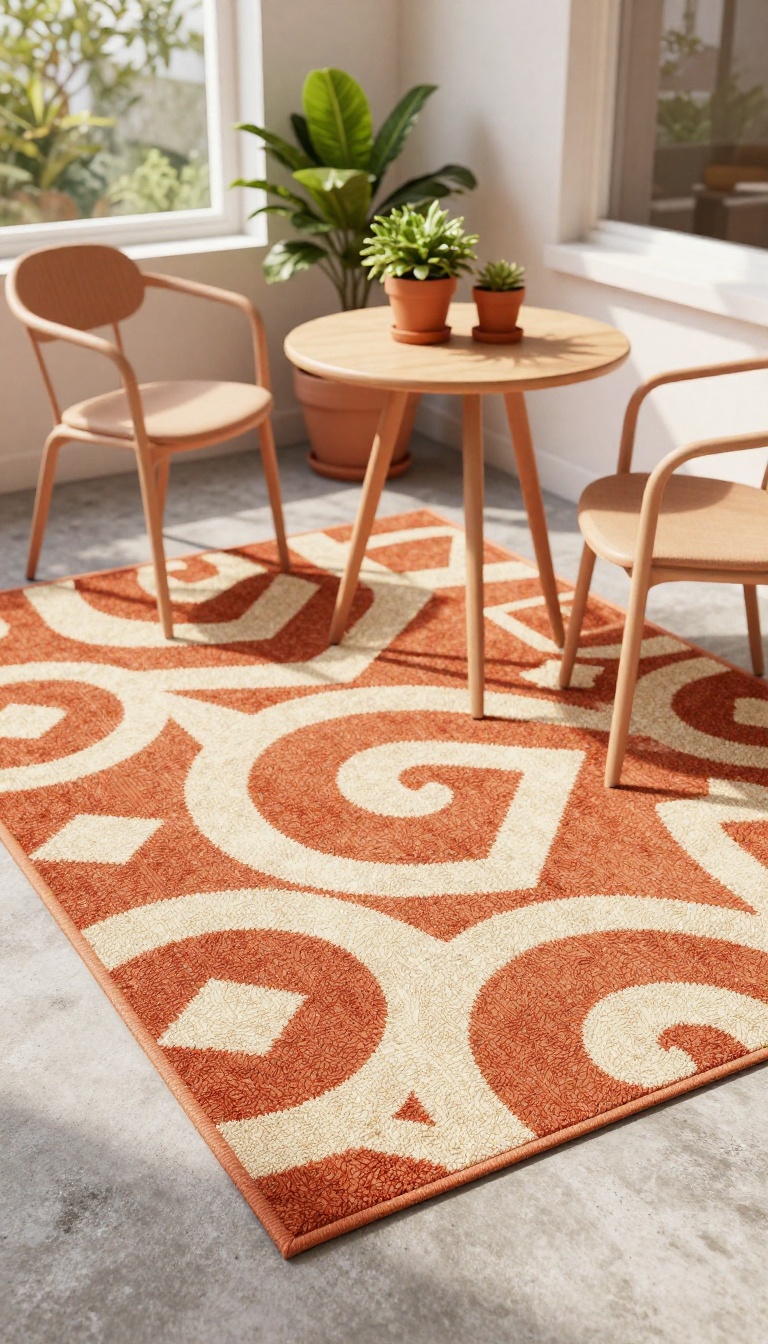
A bare concrete slab can feel cold and uninviting, but a simple outdoor rug changes everything in seconds. It visually defines your seating area, pulls colors together, and adds a cozy layer underfoot that makes the patio feel like a real room. Since apartment patios are often exposed to the elements, choosing a rug made for outdoor use means you get style without worrying about mildew or fading.
Think of the rug as the foundation for your entire patio design. It anchors your furniture, creates a clear zone for lounging or dining, and softens the hard surfaces that dominate most balconies. Even a small rug can make a big impact, especially if you choose a pattern or color that complements your building’s exterior or your indoor decor.
Pick The Right Size And Shape
Measure your patio before you buy. A rug that’s too small will look lost, while one that’s too large can overwhelm the space. For a standard balcony, a 5×7 or 6×9 rug works well under a bistro table or a couple of chairs.
If your patio is narrow, consider a runner to elongate the space. Round rugs are great for cozy seating nooks and soften sharp corners.
Choose Durable, Weather-resistant Materials
Look for rugs made from polypropylene, polyester, or recycled plastics—they handle sun, rain, and foot traffic without fading or rotting. These materials also resist stains and are easy to clean with a hose or a damp cloth. Avoid natural fibers like jute or sisal, which can absorb moisture and develop mold in damp climates.
Style It To Match Your Vibe
Use the rug to set the mood. A bold geometric pattern adds a modern touch, while a soft neutral or boho-inspired design creates a calm retreat. Don’t be afraid to mix patterns—just keep the color palette cohesive.
If your patio is shaded, a lighter rug brightens the space; in sunny spots, a darker shade hides dirt better.
2. Add Vertical Gardens with Wall Planters
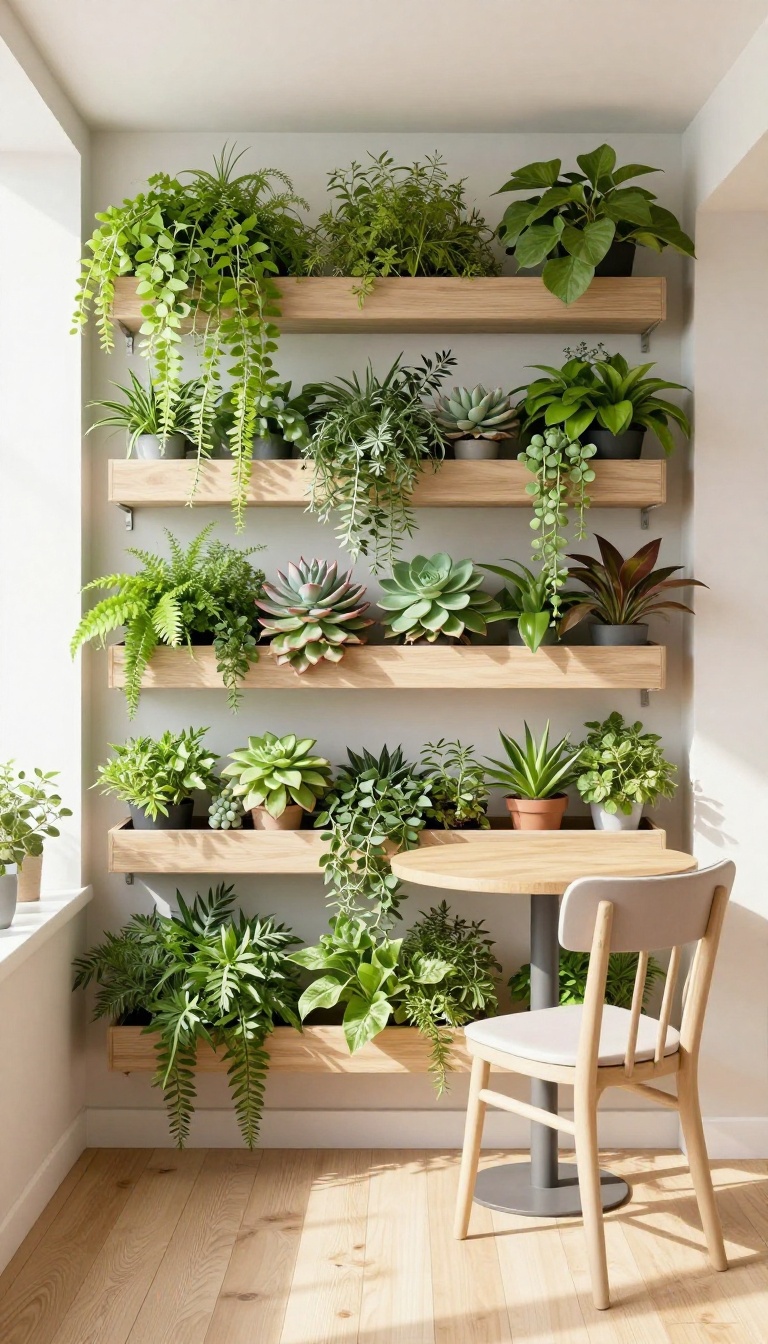
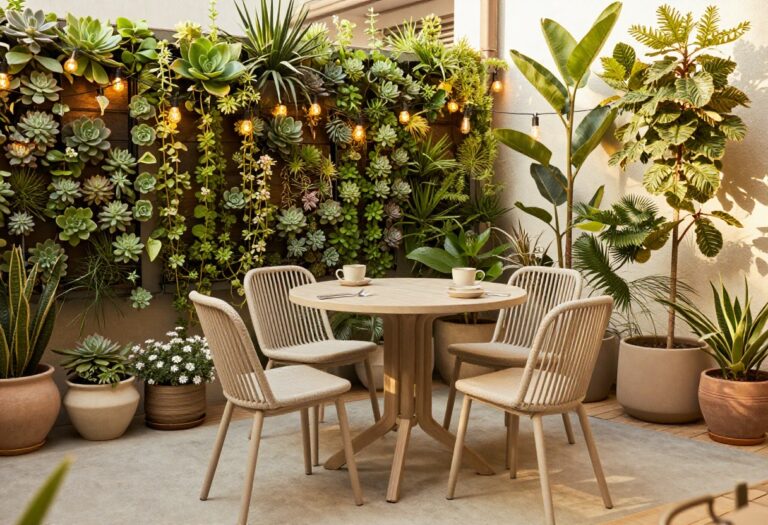
When floor space is tight, the walls are your best friend. Vertical gardens let you pack in lush greenery without taking up a single inch of your patio floor. Whether you have a tiny balcony or a narrow strip of concrete, going up instantly adds life and color to your outdoor nook.
Wall planters come in all shapes and sizes, from simple pocket organizers to modular grid systems. You can mix herbs, succulents, or trailing vines to create a living tapestry that’s both functional and beautiful. Plus, it’s a clever way to soften hard surfaces and make your apartment feel more like a private retreat.
Start by choosing a wall or railing that gets the right amount of sunlight for the plants you want. Then, pick a planter system that fits your space and style. You can use a freestanding trellis with pots, a hanging pocket planter, or even repurpose a wooden pallet.
The trick is to secure everything properly—especially if you’re in a rental, so you don’t damage the walls. Think about the visual balance too. Mix different leaf textures and colors to keep it interesting, and consider adding a drip tray or self-watering system to make maintenance easier.
With a little planning, your vertical garden becomes the standout feature of your patio.
Choose The Right Plants For Your Light
Before you buy anything, check how much sun your patio gets. If it’s mostly shady, go with ferns, pothos, or peace lilies. For sunny spots, try herbs like basil and thyme, or succulents like echeveria and sedum.
Trailing plants like English ivy or string of pearls add a soft, cascading effect that looks great in wall planters.
Pick A Planter System That Fits
There are plenty of wall planter options, from felt pockets to metal grids to wooden frames. If you’re renting, look for damage-free mounting options like adhesive hooks or over-the-rail planters. For a more permanent setup, a modular vertical garden system lets you expand as your collection grows.
Just make sure the system can handle the weight of wet soil and plants.
Create A Living Privacy Screen
If your patio is close to neighbors, a vertical garden can double as a natural privacy screen. Use tall, dense plants like bamboo in sturdy planters, or hang a series of pocket planters filled with ferns and vines. You’ll get greenery and seclusion without the cost of a full fence.
3. Create a Cozy Seating Nook with Floor Cushions
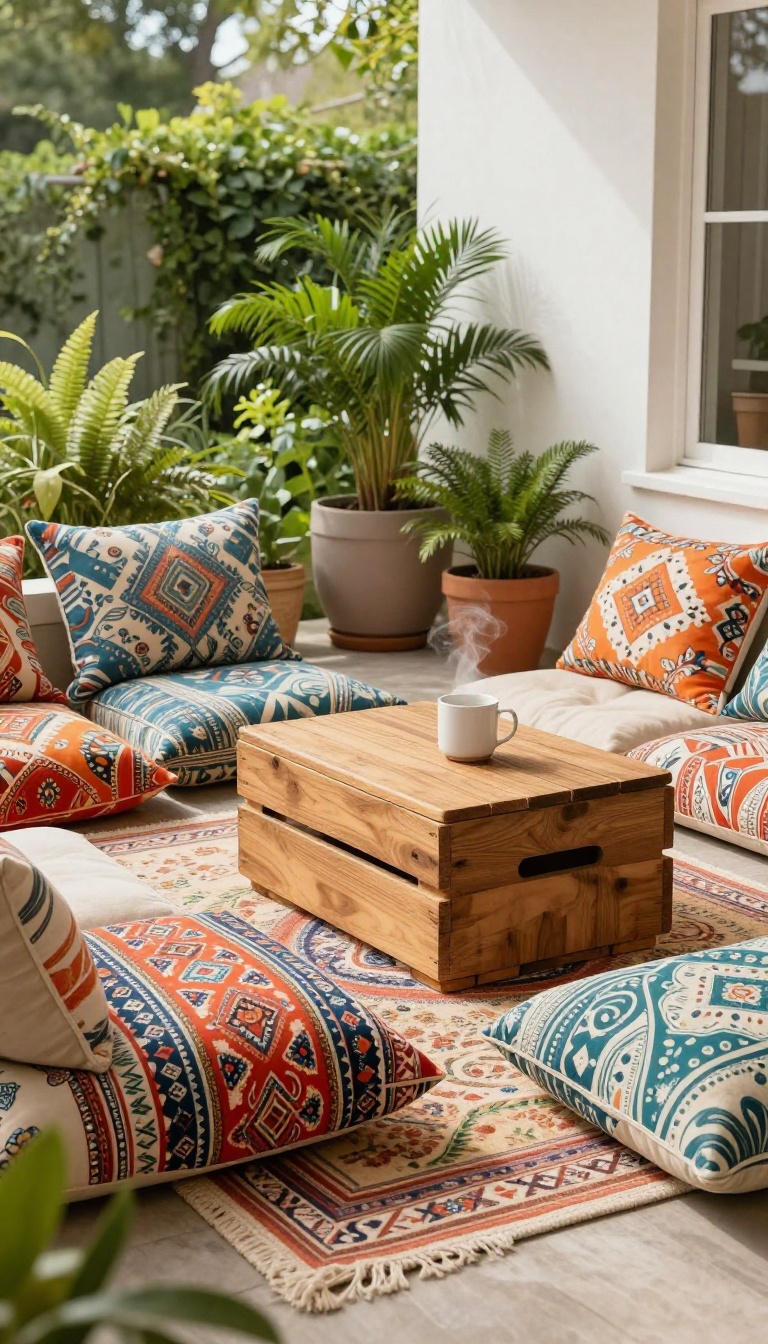
Forget squeezing a bulky sofa onto a tiny balcony. Floor cushions offer a relaxed, bohemian vibe that instantly makes a small space feel inviting. They're lightweight, easy to move, and stack neatly in a corner when you need the floor clear.
Floor seating is a game-changer for apartment patios. It's flexible, affordable, and perfect for lounging with a book or hosting a casual get-together. Plus, you can mix and match colors and patterns to express your style without committing to expensive furniture.
Choose Weather-resistant Fabrics
Outdoor floor cushions need to handle sun, rain, and spills. Look for fabrics like polyester, olefin, or acrylic that are UV-resistant and quick-drying. Many come with removable, washable covers, which is a lifesaver when life gets messy.
Layer Textures For Depth
Don't just line up a row of identical cushions. Mix large floor poufs with smaller square cushions, and add a soft outdoor rug underneath. Throw in a couple of weatherproof throw pillows for extra comfort.
The layered look feels curated and cozy.
Add A Low Table For Drinks
A low coffee table or even a sturdy wooden crate gives you a place to set down a mug or a snack. You can DIY one from a repurposed pallet or buy a foldable camping table. Keep it simple—the goal is to create a functional nook without cluttering the space.
4. String Lights for a Magical Evening Ambiance
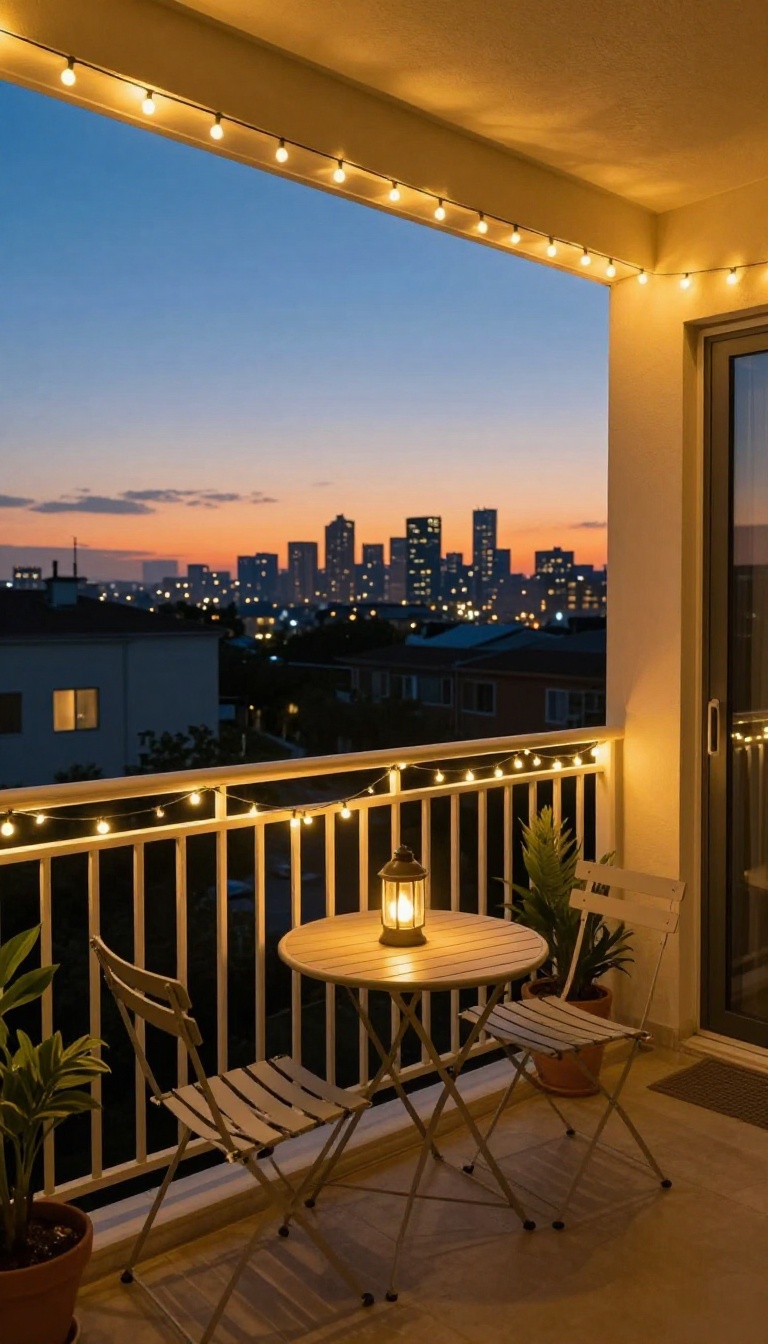
When the sun goes down, a patio can quickly feel dark and uninviting. String lights are the easiest way to change that. They cast a soft, warm glow that makes the space feel cozy and magical, perfect for lazy evenings with a book or a glass of wine.
String lights are a budget-friendly upgrade that delivers big on atmosphere. They come in various styles—from classic Edison bulbs to delicate fairy lights—so you can match them to your patio's vibe. Plus, they're simple to hang: use adhesive hooks, command strips, or a tension rod between railings.
No tools? No problem. Many options are battery-operated or solar-powered, so you don't need an outlet nearby.
Choose The Right Bulb Style
Think about the mood you want. Edison bulbs give a vintage, warm feel, while fairy lights create a whimsical, starry effect. For a modern look, try globe string lights.
If you're worried about weather, pick indoor/outdoor rated lights with waterproof connectors.
Hang Them Without Damaging Walls
Renters, listen up: you don't need to drill holes. Use removable adhesive hooks made for outdoor use, or clip lights to a railing with small carabiners. You can also drape them along a curtain rod or a tension rod placed between two walls.
Just make sure everything is secure against wind.
Layer With Other Lighting
String lights work best when they're not the only light source. Add a couple of lanterns or a small table lamp to create depth. This way, you have both ambient and task lighting, so you can still see your drink or book without squinting.
5. Use a Foldable Bistro Set for Dining
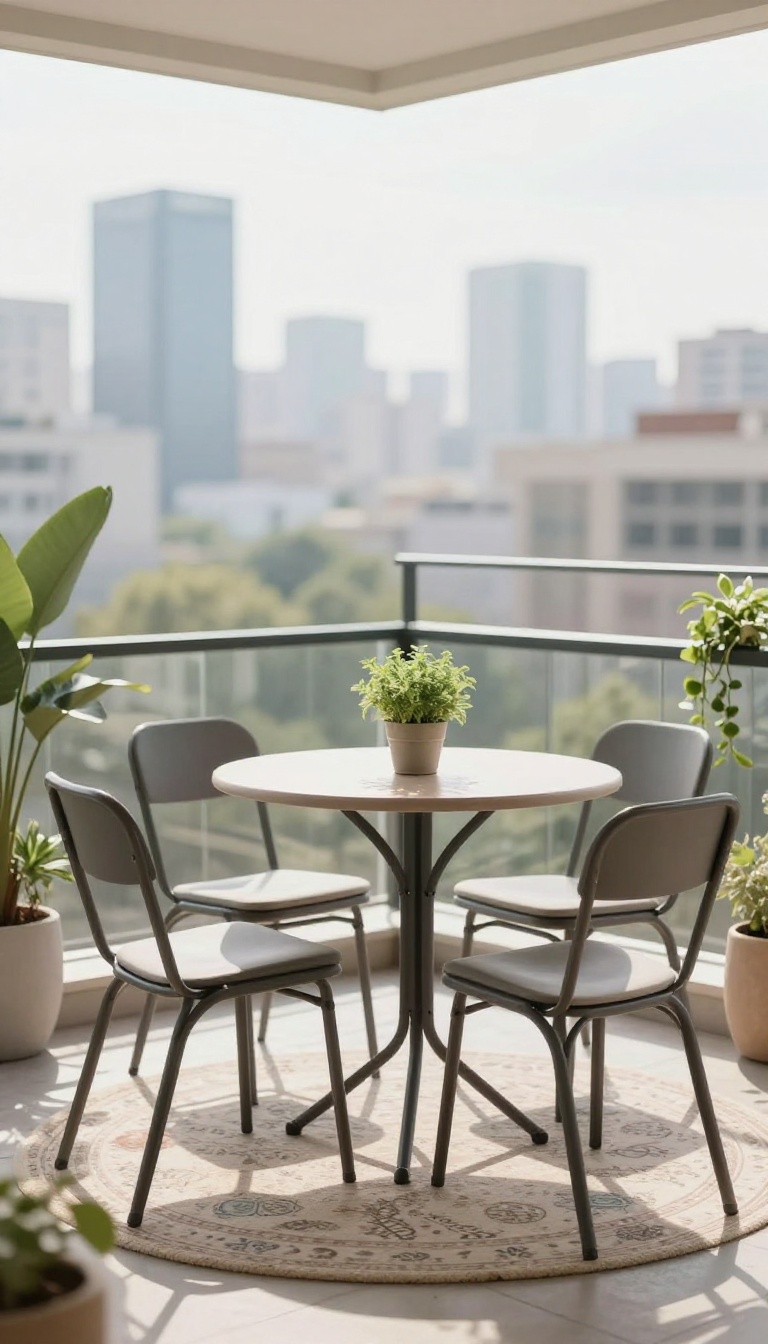
A tiny patio doesn't have to mean giving up meals outdoors. A foldable bistro set gives you a real dining spot without hogging precious square footage. When you're done, just fold it up and lean it against a wall or tuck it in a corner.
A bistro set is the classic small-space solution. It's compact, lightweight, and easy to move. Foldable versions take that a step further—you can stash them almost anywhere when not in use.
That flexibility makes them perfect for apartment living.
Pick The Right Material
Choose weather-resistant materials like aluminum, teak, or synthetic wicker. They handle sun and rain without rusting or rotting. If your patio is covered, you can go with wood or metal, but always check the care instructions.
Make It Comfortable
Add a couple of cushions or a small throw pillow to make the chairs more inviting. A foldable set might not be the plushest, but a little padding goes a long way. You can also drape a lightweight blanket over the back for cool evenings.
Create A Dining Nook
Position the set against a rail or wall to define the dining area. Add a small indoor/outdoor rug underneath to anchor the space. A tiny tabletop lantern or a potted herb centerpiece completes the look without taking up extra room.
6. Incorporate a Privacy Screen or Bamboo Fence
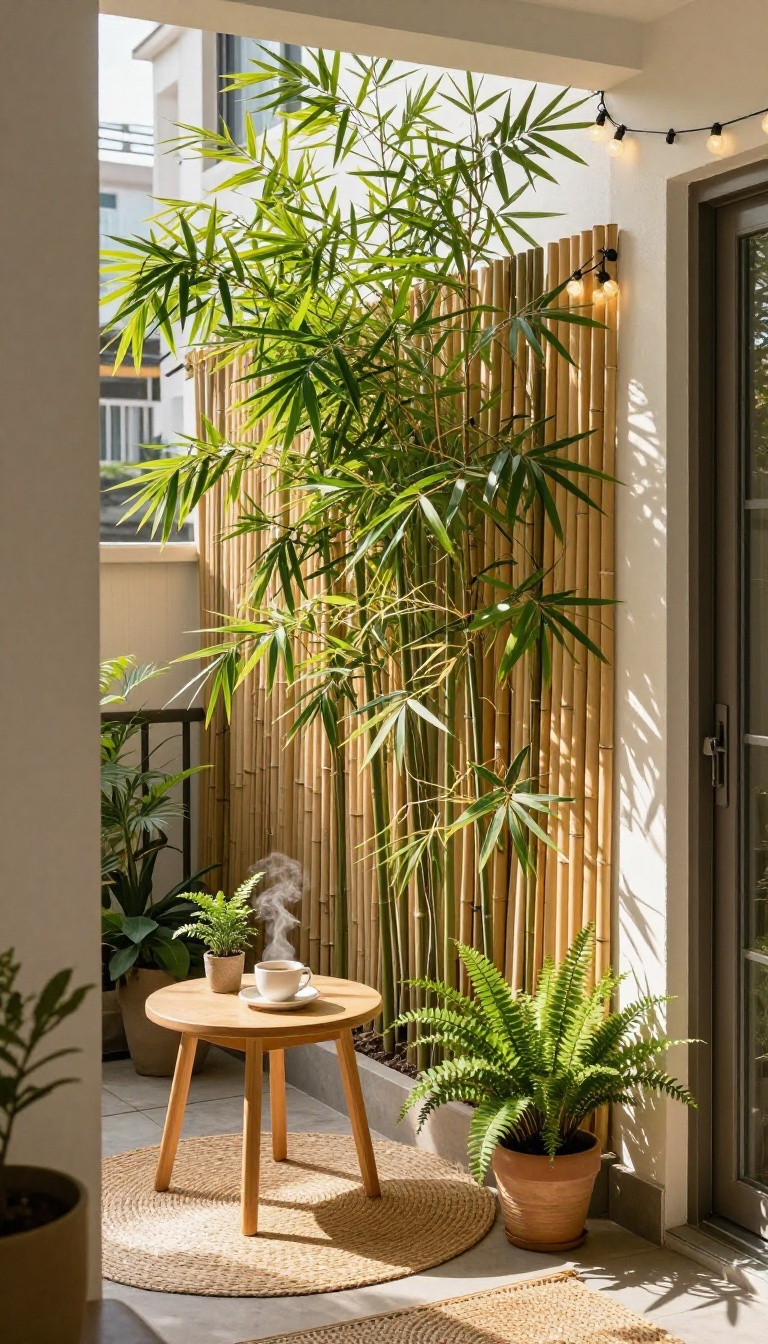
If you live in a complex where neighbors are just a few feet away, a little privacy goes a long way. A simple screen can turn an overlooked balcony into a quiet corner that feels truly yours. It also softens the harsh lines of railings and walls, making the space feel more like a garden nook than a concrete ledge.
Privacy screens come in many forms, from natural bamboo rolls to modern lattice panels. The right choice depends on your style and how much wind you get. Bamboo fences are a classic pick because they're affordable, easy to attach, and give off a tropical vibe.
Lattice screens offer a more open feel while still blocking sightlines, and they're perfect for training climbing plants like jasmine or ivy. If you prefer something temporary, tall potted grasses or a row of privacy shrubs can do the job without any installation.
Choose The Right Material
Bamboo rolls are lightweight and can be cut to size, making them a favorite for renters. They attach easily to railings with zip ties or wire, and they hold up well in most weather. Lattice panels are more rigid and work best if you have a solid wall to anchor them.
For a softer look, consider reed fencing or artificial hedges that look real but require zero maintenance.
Install Without Damaging The Patio
Since most apartments don't allow drilling into walls or railings, use tension rods, adhesive hooks, or freestanding screens. A bamboo roll can be hung from a curtain rod if you have a covered ceiling. For a floor-standing option, place two heavy planters on either side of a lattice panel to keep it upright.
Always check your lease before making any permanent changes.
Layer With Plants For Extra Seclusion
Combine your screen with tall potted plants like bamboo, palm, or ornamental grasses to create a layered barrier. This not only blocks views but also adds texture and color. Place the plants in front of the screen to hide the base and make the setup look intentional.
As the plants grow, they'll fill in gaps and make the space feel even more enclosed.
7. Add a Water Feature for Calming Sounds
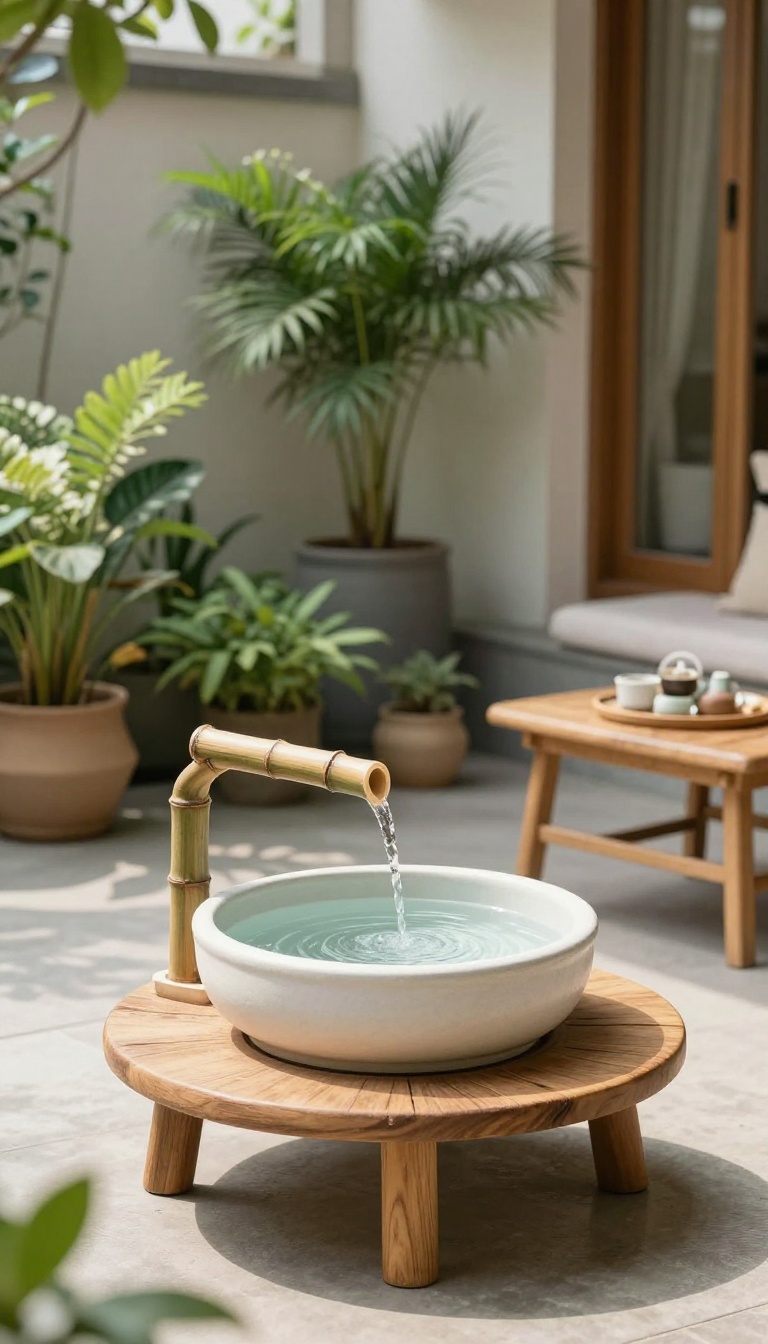
City living comes with its own soundtrack—sirens, traffic, and chatty neighbors. A small water feature can drown out that noise with something far more pleasant: the gentle trickle of water. It’s an instant mood booster that makes your patio feel like a private spa, even if it’s just a few square feet.
Best of all, you don’t need a plumber or a big budget to make it happen.
Pick The Right Scale
A tabletop fountain is perfect for a bistro table or a side table, adding sound without taking over. If you have a railing, consider a wall-mounted fountain that hangs and saves floor space. For a slightly bigger patio, a freestanding urn or tiered fountain can become a focal point.
Just measure your space first—you want the water to be heard, not to dominate the entire area.
Choose A Style That Fits
Water features come in all materials, from sleek metal to natural stone. A ceramic bowl with a bamboo spout brings a Zen vibe, while a modern stainless steel tower feels contemporary. If your patio has a boho look, go for a weathered terra-cotta or concrete option.
The goal is to match the fountain to your existing decor so it feels intentional, not like an afterthought.
Maintenance Made Simple
You don’t want a water feature that becomes a chore. Look for models with a pump that’s easy to access and clean. Use distilled water to prevent mineral buildup, and add a few drops of algaecide to keep the water clear.
In colder months, drain and store it indoors to avoid cracking. With minimal upkeep, your fountain will keep running smoothly all season.
8. Install a Retractable Awning or Umbrella for Shade
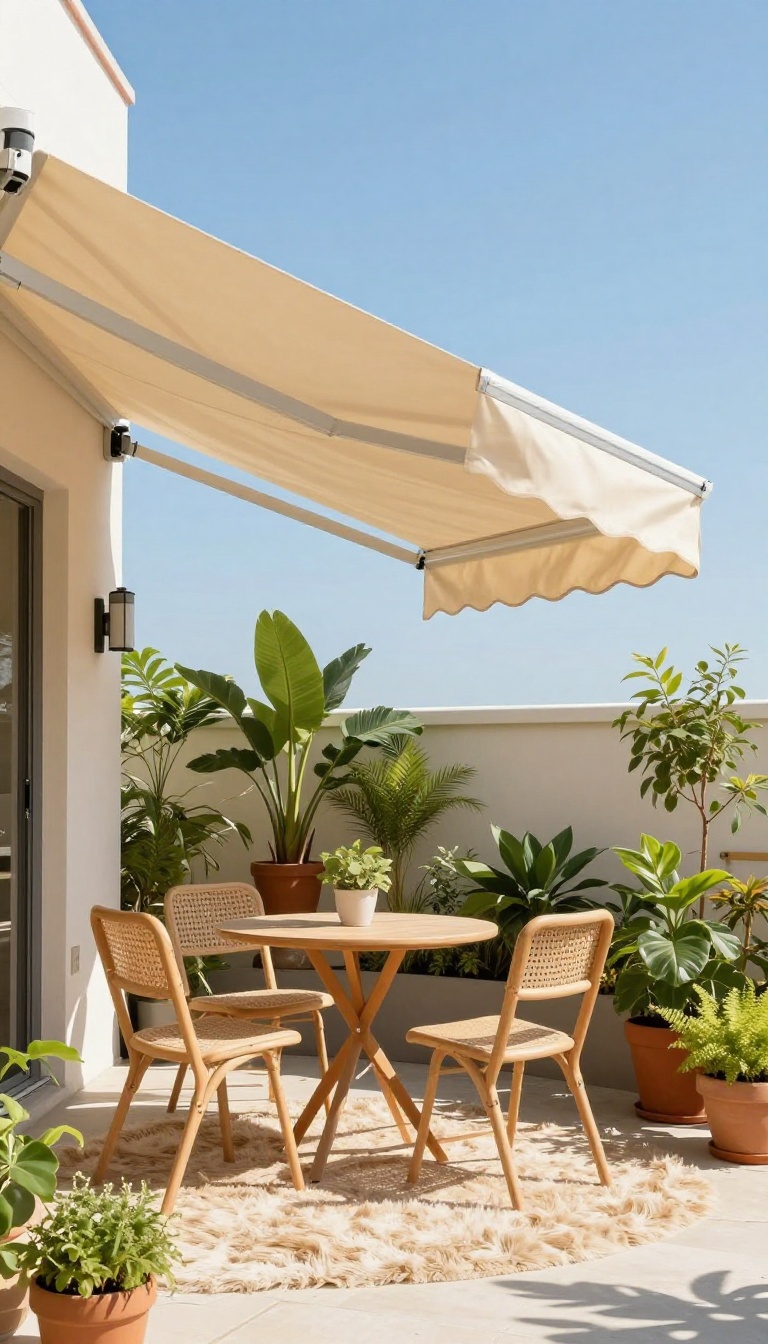
Direct sunlight can turn a cozy patio into an uncomfortable hot spot, especially during the afternoon. A retractable awning or a cantilever umbrella offers flexible shade that adapts to the sun's movement. This simple addition makes your outdoor space usable even on the hottest days, letting you enjoy your morning coffee or an evening read without squinting or sweating.
Shade isn't just about comfort—it also protects your furniture and plants from harsh UV rays. With a retractable awning, you can extend it when needed and tuck it away when you want full sun. Cantilever umbrellas are great for small spaces because they don't have a central pole, leaving more room for seating.
Both options come in various sizes and colors, so you can match your patio's style. Installing one is often straightforward, and many models are designed for easy setup on balconies or patios.
Choosing The Right Shade Solution
Think about your patio's layout and how much sun you get. If you have a wall or railing, a retractable awning can mount easily and provide generous coverage. For a freestanding option, a cantilever umbrella offers flexibility—you can rotate it to follow the sun.
Measure your space to ensure the shade covers your seating area without overwhelming the patio. Consider wind resistance too; some umbrellas have vents or sturdy frames that handle breezy conditions better.
Installation And Safety Tips
Before drilling or mounting anything, check your apartment's rules—some complexes have restrictions on awnings or require approval. For renters, a freestanding umbrella is a safe, no-drill option. If you do install an awning, use proper anchors and follow the manufacturer's instructions.
Always close or secure the umbrella when not in use, especially during strong winds, to prevent damage or accidents.
Style And Fabric Ideas
Pick fabrics that complement your outdoor decor. Striped patterns add a classic touch, while solid colors create a modern look. Look for UV-resistant and water-repellent materials to ensure longevity.
You can also add outdoor curtains or string lights to enhance the ambiance under the shade. The goal is to create a comfortable retreat that feels like an extension of your living room.
9. Use Multi-Functional Furniture with Storage
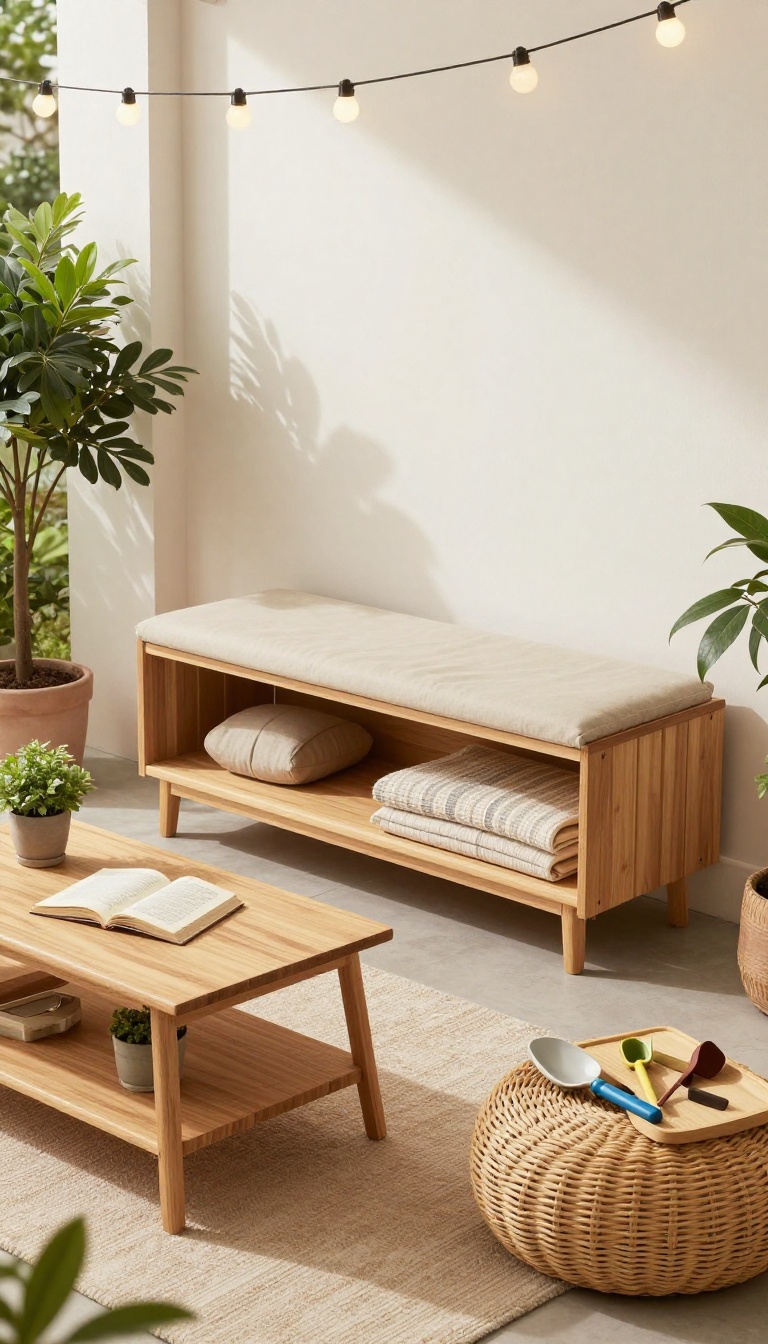
On a small patio, every piece of furniture should earn its keep. That's where multi-functional pieces come in—they give you a place to sit or set things down while hiding away the stuff you don't want on display. Think of them as the secret weapons of compact living.
Before you buy anything, take a quick inventory of what you'll actually need to store. Do you have cushions, throws, or gardening tools that tend to pile up? Knowing what you're hiding helps you choose the right piece.
Then, look for furniture that naturally offers hidden storage without looking bulky. An ottoman with a lift-top lid works great as a footrest and a catch-all for outdoor accessories. A bench with a hinged seat can store potting supplies or extra pillows.
Even a coffee table with shelves or a lower tier can keep things organized while doubling as a dining surface. The goal is to reduce visual clutter so your patio feels more spacious and relaxing.
Choose Storage That Matches Your Habits
Think about what you'll actually store before you commit. If you're a plant lover, look for a bench that can hold pots and tools. If you often eat outside, a coffee table with hidden compartments for napkins and cutlery is a smart pick.
Match the storage to your daily routine so it actually gets used.
Style Meets Function
Multi-functional furniture doesn't have to look utilitarian. Modern designs come in sleek finishes like teak, rattan, or powder-coated metal, so you can keep your patio looking stylish. A storage ottoman in a neutral fabric can double as extra seating, while a bench with a lift-top lid adds a clean, minimal look.
Keep It Weather-resistant
Outdoor furniture needs to handle the elements. Look for pieces made with weather-resistant materials like polypropylene, aluminum, or treated wood. If you choose fabric, make sure it's fade-resistant and easy to clean.
That way, your storage stays functional and good-looking season after season.
10. Add a Small Herb Garden in Containers
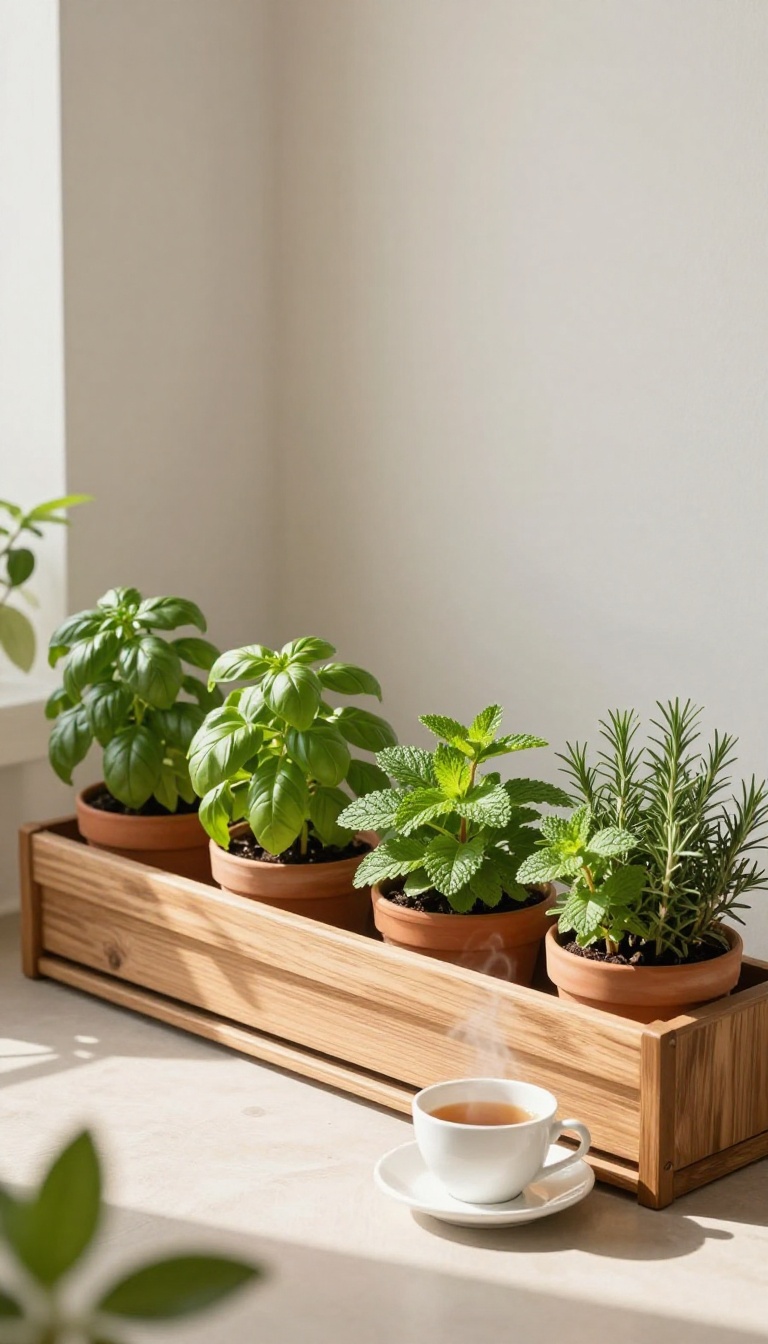
Fresh herbs can turn a plain patio into a mini oasis. They're not just for cooking—they add a lively scent and a pop of green that makes the space feel more alive. Even a tiny balcony can host a few pots or a vertical planter, so you don't need much room to enjoy the benefits.
Growing herbs on your patio is both practical and charming. You'll have fresh basil for pasta, mint for drinks, and rosemary for roasted dishes, all within arm's reach. Plus, the act of tending to plants can be a relaxing ritual after a long day.
Here's how to get started without overwhelming your space.
Choose The Right Herbs For Your Space
Start with herbs that thrive in containers and match your cooking habits. Basil, mint, and rosemary are hardy choices that don't need a lot of fuss. If your patio gets plenty of sun, go for sun-lovers like thyme and oregano.
For shadier spots, parsley and chives do well. Pick a few favorites rather than trying to grow everything at once.
Pick The Perfect Pots And Planters
You don't need fancy planters—any container with drainage holes will work. Use terracotta pots for a classic look, or repurpose old buckets and tins for a quirky touch. If floor space is tight, consider a vertical planter that hangs on a wall or railing.
Grouping pots of different heights adds visual interest without taking up extra room.
Keep It Simple With Easy Care Tips
Herbs are forgiving, but they do need consistent watering. Check the soil daily—if it feels dry an inch down, it's time to water. Most herbs prefer well-draining soil, so mix in some perlite or sand.
Feed them with a liquid fertilizer every couple of weeks, and pinch off flowers to encourage leaf growth. With minimal effort, you'll have a thriving mini garden.
11. Hang a Hammock Chair for Relaxation
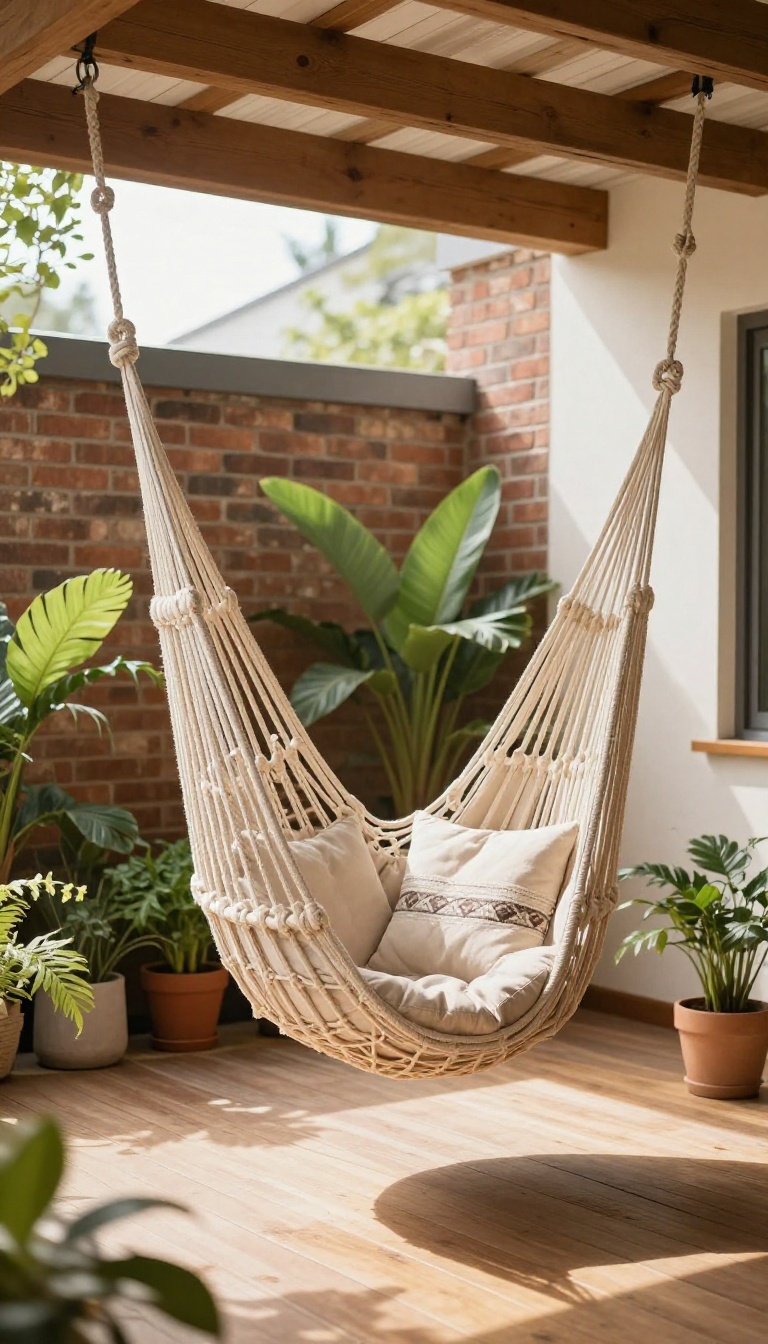
Sometimes the best way to unwind is to sway gently above the ground. A hammock chair brings that laid-back vibe to your patio without eating up valuable floor space. It’s a simple addition that instantly makes your outdoor nook feel more inviting.
A hammock chair is a smart pick for small patios because it hangs from a single point, leaving the area below open for other uses. You can mount it from a sturdy ceiling beam, a wall bracket, or a freestanding stand if you’re not allowed to drill. Once it’s up, you’ll have a cozy spot for reading, napping, or just watching the world go by.
Choosing The Right Spot
Look for a location that can support the weight and offers a little shade. A corner often works well, as it keeps the chair out of the main walking path. If you’re renting, check your lease or ask the landlord before making any permanent holes.
A freestanding hammock chair stand is a great alternative that requires no drilling.
Picking A Style That Fits
Hammock chairs come in all sorts of materials, from woven cotton to weather-resistant polyester. Choose one that matches your patio’s vibe—bright colors for a playful feel, neutral tones for a calm retreat. Add a soft cushion or a small throw pillow to boost comfort and make it your own.
Installation Tips For Renters
If you can’t drill, a heavy-duty stand is your best friend. Look for one with a wide base to prevent tipping. For ceiling mounts, use a rated eye bolt and a carabiner to attach the chair.
Always follow the manufacturer’s instructions and test the setup gently before fully sitting.
12. Incorporate an Outdoor Bar Cart
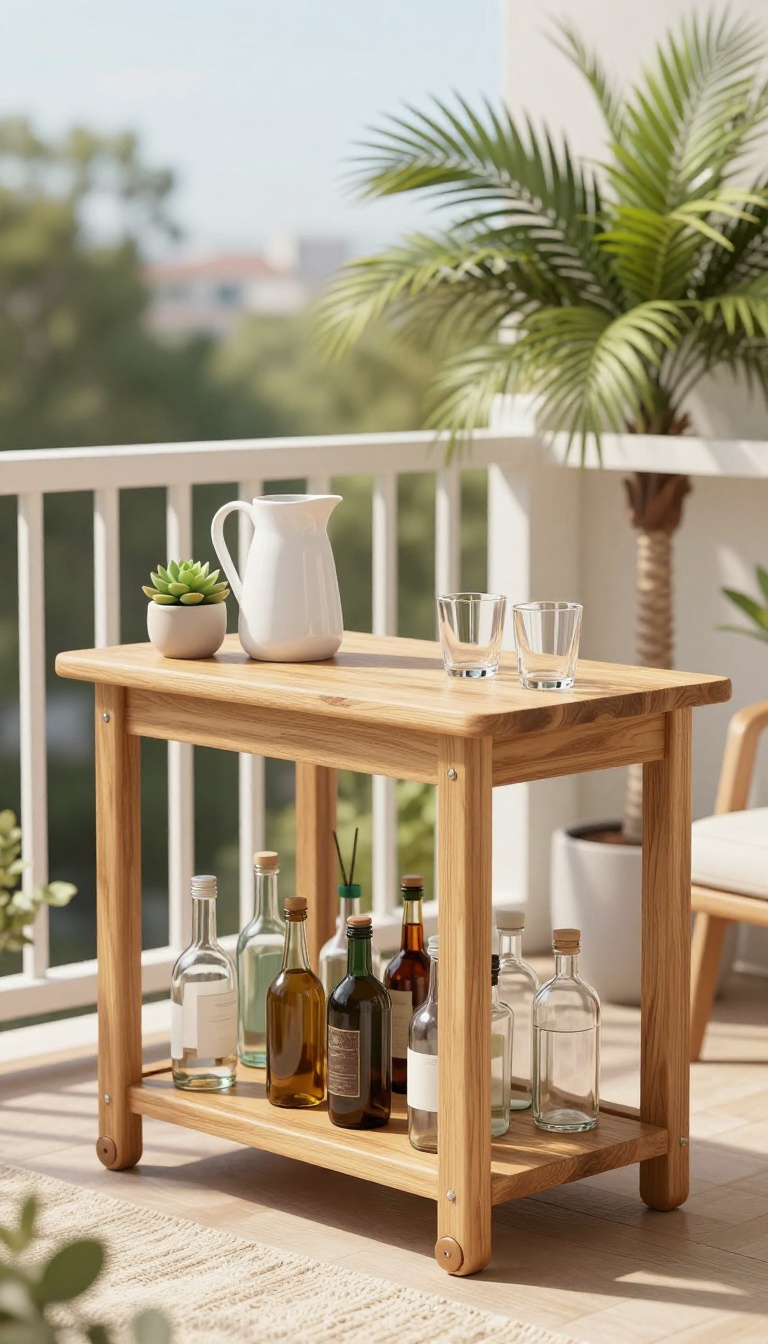
A rolling bar cart is one of those pieces that feels both practical and a little glamorous. It gives you a dedicated spot for drinks, snacks, or even plants, without taking up permanent floor space. Because it’s on wheels, you can move it around to catch the sun or tuck it away when you need more room.
An outdoor bar cart works overtime on a small patio. Use it as a drink station during a get-together, then wheel it inside when the weather turns. You can also style it with a few potted herbs or a small succulent arrangement to double as a plant stand.
The key is to choose a cart that’s sturdy enough for outdoor use—look for materials like teak, powder-coated metal, or all-weather wicker that can handle sun and rain.
What To Look For
Focus on wheels that lock, so the cart stays put when you’re using it. A lower shelf is great for storing bottles or extra glasses, while a top surface gives you room to mix drinks or display a small tray. If you’re short on space, a narrow cart with a slim profile can fit against a railing or in a corner without feeling bulky.
Styling Ideas
Think about the vibe you want. For a tropical feel, add a small potted palm and a citrus-scented candle. For a more minimalist look, keep it simple with a few glass tumblers and a ceramic pitcher.
You can also change the cart’s accessories seasonally—swap in a cozy throw and mugs in fall, or keep it light and breezy in summer.
Creative Uses
Beyond drinks, a bar cart can serve as a coffee station in the morning, a taco bar for taco night, or even a tiny outdoor workspace. If you’re into gardening, use the shelves to hold seed trays or small pots. The mobility makes it easy to reposition so you can follow the shade or the sun throughout the day.
13. Add Personal Touches with Decor and Art
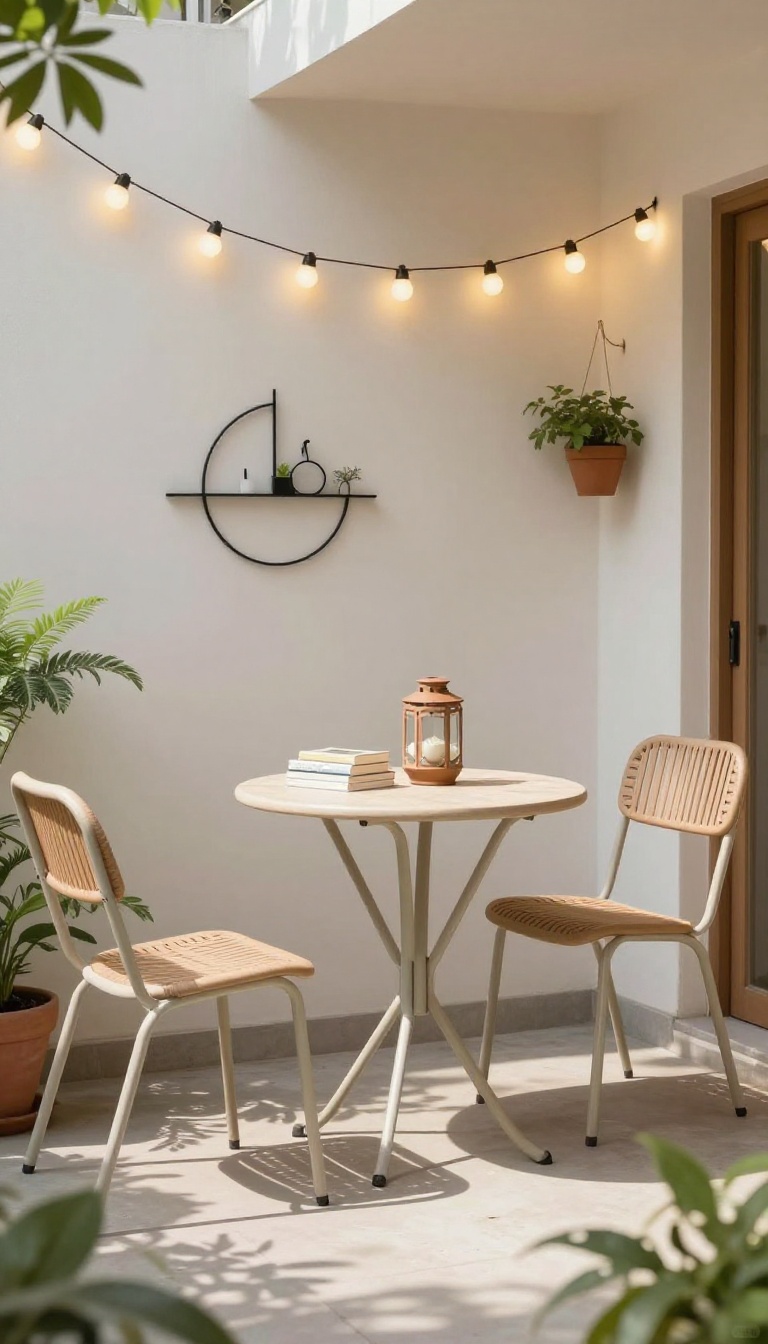
Once the furniture and plants are in place, the details are what make the patio feel like yours. A few well-chosen decorative pieces can turn a functional space into a personal retreat. The goal is to add character without cluttering the area.
Personal touches are the finishing touches that make a patio feel inviting. They show your personality and create a sense of warmth. Start by choosing items that can withstand the elements, then arrange them in a way that feels natural and unforced.
Weatherproof Art And Wall Decor
Outdoor art is a great way to add color and interest. Look for pieces made of metal, wood, or canvas that are designed for outdoor use. Hang a small gallery wall or a single statement piece to draw the eye.
If you're renting, use removable adhesive hooks or lean art against the wall to avoid damage.
Lighting And Lanterns
Lighting sets the mood, and lanterns are a simple way to add a warm glow. Mix different sizes and heights for visual interest. Solar-powered lanterns are easy to use and don't require outlets.
Place them on tables, shelves, or the floor to create a cozy atmosphere after sunset.
Personal Mementos And Collections
Displaying a few personal items, like a favorite book, a vintage sign, or a collection of seashells, makes the space feel uniquely yours. Choose items that can handle sun and moisture, or keep them in a covered area. Rotate them seasonally to keep the patio feeling fresh.
FAQ
How can I make my apartment patio look bigger?
Use light colors, mirrors, and vertical elements to create an illusion of space. Keep furniture minimal and choose pieces that serve multiple purposes.
What are the best plants for a small patio?
Opt for compact plants like succulents, herbs, and dwarf varieties. Hanging plants and vertical gardens also save space while adding greenery.
How do I protect my patio furniture from weather?
Choose weather-resistant materials like teak, aluminum, or all-weather wicker. Use covers or store cushions indoors when not in use.
Can I decorate a rental patio without making permanent changes?
Yes, use portable items like outdoor rugs, planters, and removable lighting. Avoid drilling or painting; instead, use freestanding screens and furniture.
What’s the best way to add privacy to an apartment patio?
Tall potted plants, bamboo screens, or outdoor curtains are effective and often temporary. Check with your landlord for any restrictions.
Conclusion
Your apartment patio has the potential to become a favorite spot, no matter its size. Start with a few simple changes that match your lifestyle and budget. Even small upgrades can make a big difference.
Remember, the goal is to create a space that feels like an escape—a place where you can unwind and enjoy the outdoors. Pick the ideas that resonate with you and begin transforming your patio today.