How to Clean Room Fast Using 10 Efficient Cleanup Moves
A clean room in 20 minutes? That's the goal here, and it's totally doable with these 10 efficient cleanup moves.
Forget scrubbing every corner—this is about high-impact actions that deliver the biggest visual payoff fast. Each move targets a specific mess source, from clothes piles to dust bunnies, so you're not wasting time on low-priority spots.
Ready to see your floor again? Let's jump into the moves that'll transform your space without the marathon effort.
1. The 5-Minute Surface Sweep
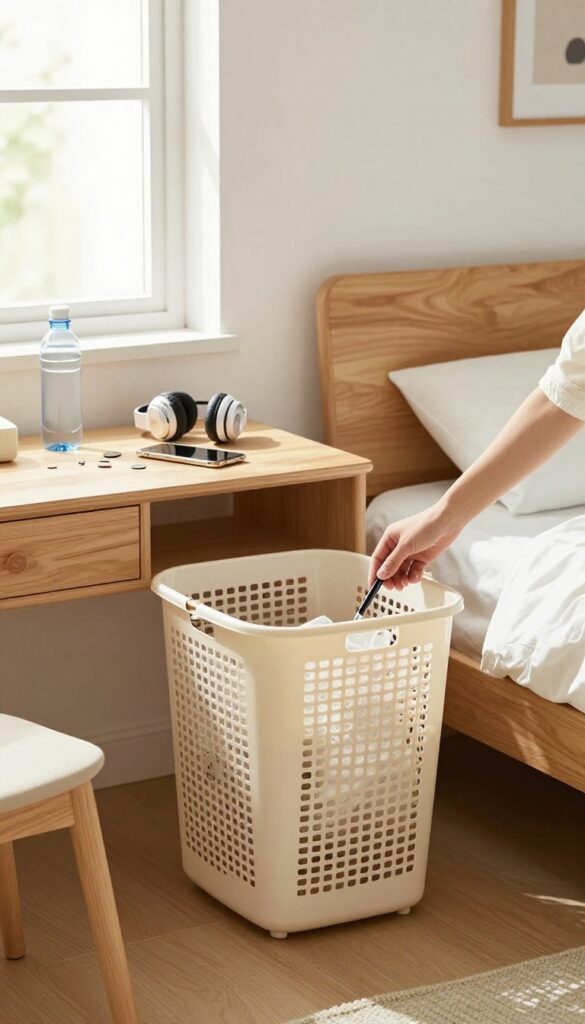
Flat surfaces are clutter magnets. A desk, nightstand, or dresser can quickly collect random items—mail, headphones, water bottles, loose change. That visual noise makes the whole room feel messy, even if the floor is clean.
The fix is simple: grab a laundry basket or empty box and do a quick sweep.
Set a timer for five minutes. Walk around the room and scan every flat surface. Without overthinking, toss anything that doesn't belong there into the basket.
Pens, books, empty cups, chargers—everything goes in. Don't sort, don't decide, just clear. This single move instantly makes the room look 50% cleaner because your eye no longer has to process scattered objects.
Once the timer goes off, put the basket aside. You'll deal with its contents later, but for now, the visual relief is huge.
Why This Works So Fast
Our brains register clutter as chaos. When you remove random items from flat surfaces, you create clear, open spaces that signal order. It's a psychological trick that makes the entire room feel tidier without actual deep cleaning.
What To Do With The Basket
Don't let the basket become a new clutter zone. After the sweep, take it to the room where items belong—or set it by the door for a quick sort later. If you're really short on time, just stash it in a closet until you have a moment to put things away.
2. Trash Tornado
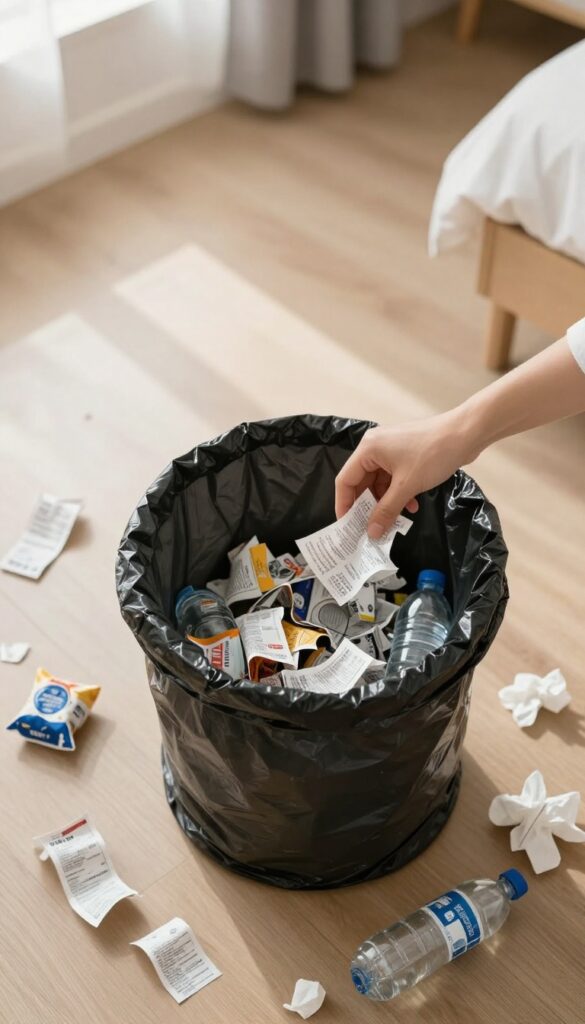
Trash is the easiest win when cleaning a room fast. It's obvious, it's quick, and removing it instantly makes the space feel cleaner. The key is to stop overthinking—grab a bag and go.
This move is all about speed and volume. You're not organizing or deciding what to keep. You're just hunting trash and tossing it.
Old receipts, empty water bottles, used tissues, wrappers, junk mail—anything that belongs in the bin goes straight in. Don't sort, don't pause. Just walk the room with a bag and grab everything that looks out of place.
Why This Works So Fast
Visual clutter is mostly trash. When you clear out the obvious waste, your brain registers a cleaner space almost instantly. It's a low-effort, high-impact move that takes about two minutes.
The Right Bag For The Job
Use a kitchen trash bag or a large grocery bag. Something you can hold open with one hand while grabbing with the other. A small bag fills up too fast and slows you down.
Where To Look
Check nightstands, desks, floors, and under the bed. Don't forget the corners and behind the door. Trash tends to hide in plain sight, so scan every surface and crevice.
3. The One-Touch Rule for Clothes
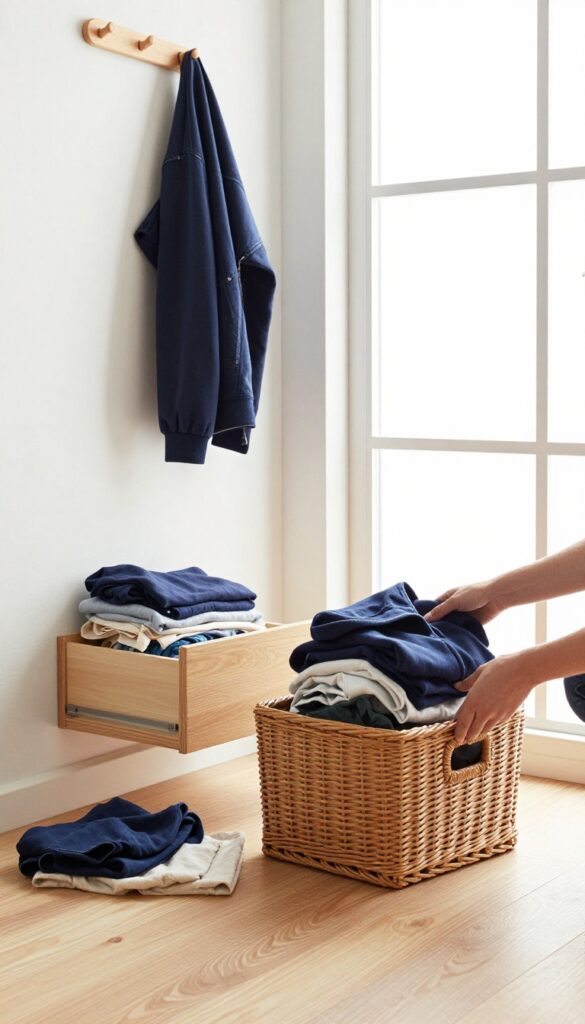
Clothes piles are the biggest visual clutter in most rooms. The one-touch rule eliminates the decision paralysis that leads to the dreaded 'clothes chair. ' Pick up each garment once and decide immediately: hamper, drawer, or hook. No second-guessing, no pausing.
This simple habit clears the floor in under five minutes and keeps it that way.
The one-touch rule works because it removes the intermediate step of 'I'll deal with it later. ' Later never comes, and the pile grows. By forcing a decision the moment you touch the garment, you break the cycle. Start with the largest items—hoodies, jeans, towels—to see quick progress.
Then tackle socks and accessories. The key is speed: don't overthink, just act.
Why The 'clothes Chair' Happens
We all have that chair or corner where clothes accumulate. It's not laziness—it's a failure of the decision loop. When you're tired, deciding between hamper, drawer, or hook feels like effort.
So you drop the shirt on the chair, planning to decide later. Later becomes a week, and the chair becomes a mountain. The one-touch rule short-circuits this by making the decision immediate and automatic.
Set Up Your Three Zones
Before you start, make sure your three destinations are ready: an empty hamper, a drawer with space, and a hook or two within reach. If the hamper is full or the drawer is jammed, you'll default to the floor. Spend 30 seconds prepping these zones.
Then grab the first garment and go: dirty goes in the hamper, clean and foldable goes in the drawer, and 'wear again' goes on the hook. That's it.
The 5-minute Challenge
Set a timer for five minutes and move through the room touching every piece of clothing exactly once. Don't stop to fold perfectly—just toss dirty clothes, shove clean ones into drawers, and hang reusable items on hooks. Speed matters more than precision.
When the timer goes off, the floor should be clear. If not, you're overthinking. Repeat daily, and the pile never returns.
4. Bed Blitz
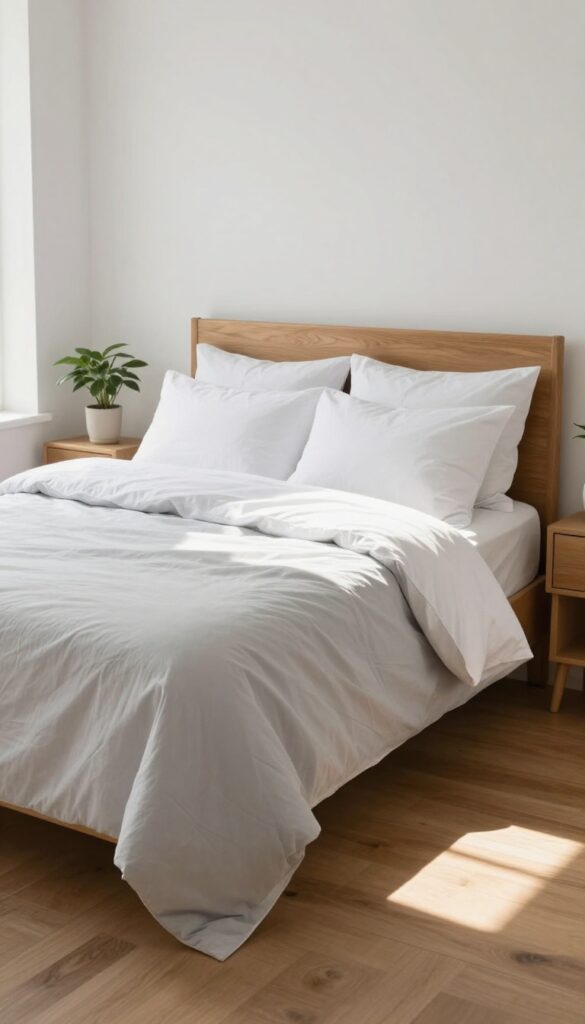
Your bed is the centerpiece of the room. When it's messy, everything feels chaotic. When it's made, the whole space instantly looks more put together.
This is the highest-impact low-effort move you can make.
Start by pulling the sheets tight and smoothing out wrinkles. Fluff each pillow and arrange them neatly. Finally, pull the comforter or duvet up and spread it evenly.
A made bed anchors the room and makes other surfaces look intentional.
The 60-second Sheet Fix
You don't need hospital corners. Just grab the fitted sheet corners and give them a tug to remove major wrinkles. Then pull the flat sheet up and fold the top edge over the blanket.
This takes under a minute but makes a huge visual difference.
Pillow Placement That Works
Stand pillows upright against the headboard or wall. If you have multiple pillows, arrange them from largest to smallest. For a casual look, angle two pillows slightly inward.
This creates symmetry without being fussy.
The Comforter Finish
Shake out your comforter or duvet and let it settle evenly over the bed. Make sure it hangs equally on both sides. If it's a puffy comforter, give it a few fluffs to restore volume.
A smooth, centered comforter is the final touch that ties the room together.
5. Surface Wipe-Down
Surfaces collect dust, fingerprints, and random smudges that make a room feel dirty even when it's tidy. A quick wipe-down is one of the fastest ways to add that fresh, clean sheen. Grab a microfiber cloth or a disinfecting wipe and hit the visible hotspots: desk, nightstand, shelves, windowsill.
This step takes under two minutes but instantly lifts the room's appearance.
Focus on flat, visible surfaces where dust and grime accumulate. A microfiber cloth traps dust without spreading it around, and a disinfecting wipe adds a subtle clean scent. Work from top to bottom—shelves first, then lower surfaces—to avoid knocking dust onto already-cleaned areas.
Don't forget the windowsill; it's a magnet for dirt and often overlooked.
Choose The Right Cloth
Microfiber is your best friend here. It picks up dust and holds onto it, unlike cotton rags that just push dust around. If you're using a disinfecting wipe, make sure it's safe for the surface (wood, laminate, etc. ).
For electronics like a monitor or TV, use a dry microfiber cloth to avoid streaks.
Work Top To Bottom
Start with the highest surfaces—top shelves, the top of a bookcase, or a tall dresser. Dust falls downward, so cleaning from top to bottom prevents re-dusting lower areas. Hit the desk, nightstand, and any side tables next, then finish with the windowsill and baseboards if time allows.
Don't Forget The Details
Light switches, door handles, and remote controls are high-touch areas that collect grime. A quick swipe with a disinfecting wipe makes them look and feel cleaner. Also, check picture frames and lampshades—they gather dust quickly and are easy to overlook.
6. Floor Rescue
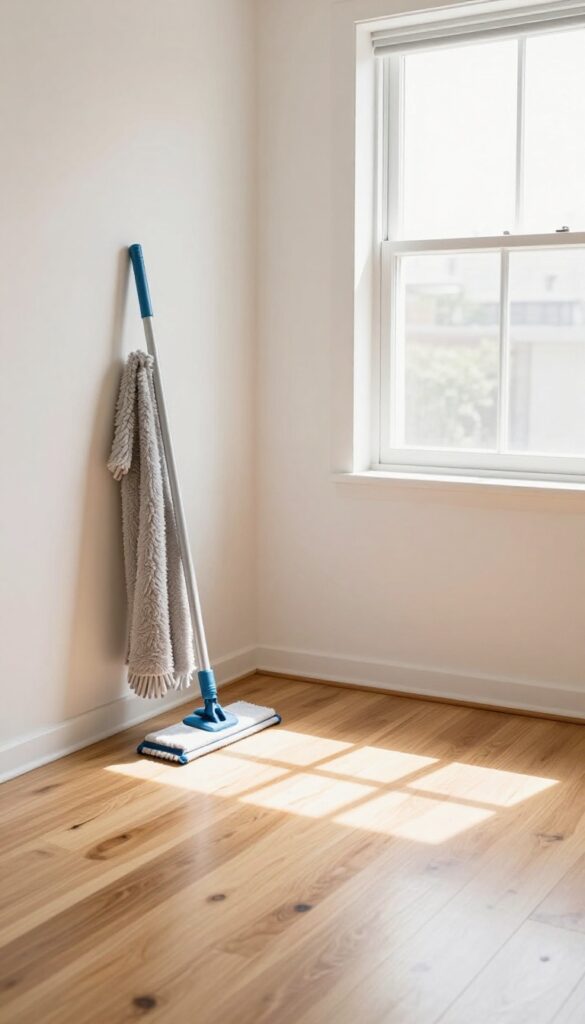
Floors take a beating, but they also give the biggest visual reward when cleaned. You don't need to scrub every inch—just hit the high-traffic zones. Focus on the center of the room and the path from the door to the bed.
A clean floor instantly makes the whole space feel fresher, even if the corners are still dusty.
Grab a broom, vacuum, or microfiber mop and target the main walking areas. Sweep or vacuum the center of the room first, then work your way to the edges. If you're short on time, skip under furniture and just do the visible spots.
For hard floors, a quick dry mop picks up dust and hair without the hassle of wet cleaning. Carpets benefit from a fast vacuum pass in the most traveled lanes. The goal is to remove the obvious dirt and debris that catch the eye, not to deep-clean every fiber.
Zone In On Traffic Paths
Identify the natural walkways—usually from the door to the bed or desk. These areas collect the most dust, crumbs, and dirt. Sweep or vacuum these paths first.
A clean strip across the room tricks the eye into seeing the whole floor as cleaner.
Spot-clean Visible Stains
If you spot a sticky patch or dark mark, hit it quickly. For hard floors, a damp cloth or spray mop works in seconds. On carpet, blot with a little water and a clean towel.
One clean spot can make the whole floor look more cared for.
Skip The Corners (for Now)
Corners and under furniture are low-priority when you're racing the clock. Leave the dust bunnies there for a deeper clean later. Your eyes naturally go to the open floor area, so focus your energy there.
You'll get the biggest impact for the least effort.
7. The 60-Second Drawer Dash
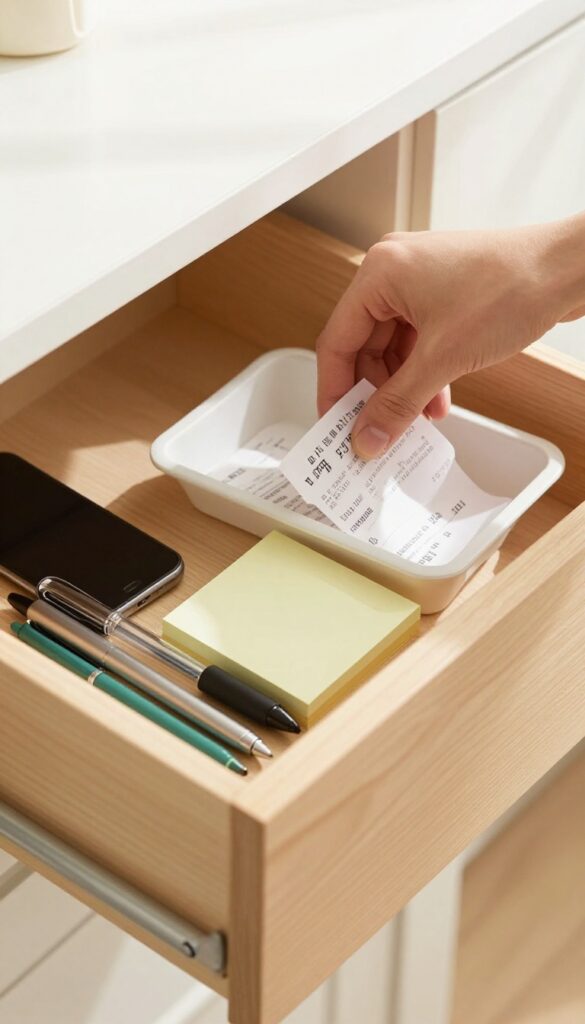
Drawers are black holes for clutter. One minute of focused action can tame that chaos without sucking you into a full reorganization project. The 60-Second Drawer Dash is about speed, not perfection.
You'll be amazed at how much cleaner a single drawer feels after just sixty ticks of the clock.
Set a timer for 60 seconds. Open one messy drawer—any drawer will do. Grab the obvious trash first: old receipts, empty pens, dried-out markers.
Then group like items together: pens with pens, sticky notes with sticky notes. Close the drawer when the timer goes off, even if it's not perfect. This micro-win gives you a sense of control without the overwhelm of a full drawer overhaul.
Do one drawer per cleaning session, and over a week, you'll have tackled the whole dresser.
Pick Your Target Wisely
Not all drawers are created equal. Start with the one that bothers you most—the junk drawer in the kitchen, the sock drawer that won't close, or the nightstand stuffed with charging cables. The goal is a visible improvement that sparks motivation, not a deep declutter.
The One-minute Rule In Action
Speed is your friend here. Don't overthink where things go—just toss trash, stack similar items, and shove the rest back in. If you find something that belongs in another room, set it aside for later.
The timer keeps you honest and prevents perfectionist paralysis.
Celebrate The Small Win
When the timer dings, close the drawer and admire your work. That one tidy drawer is a visual anchor in a messy room. It proves you can make progress in tiny bursts.
Over time, these dashes add up to a dramatically more organized space.
8. Cord Control
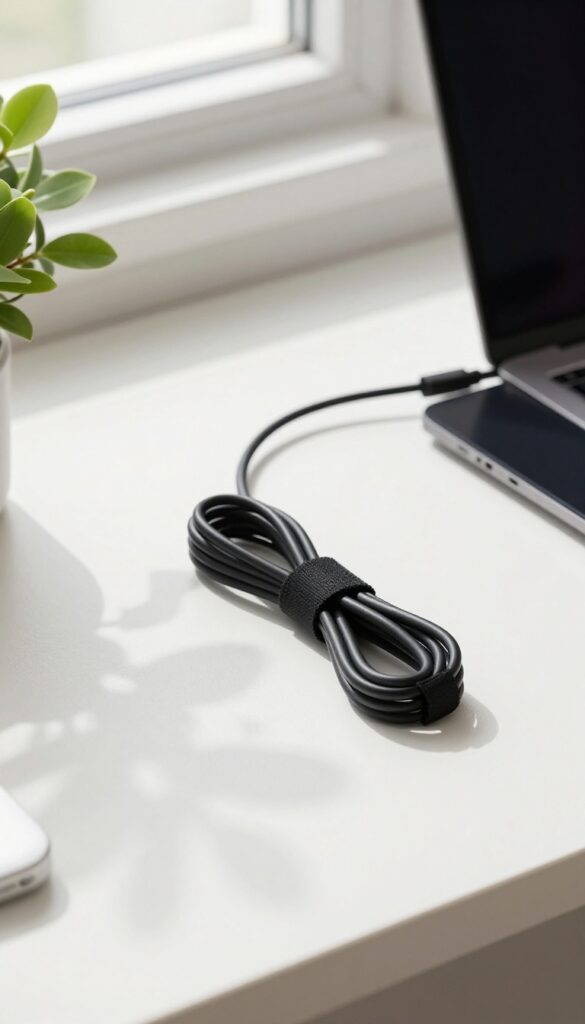
Cords are the sneaky culprits of visual chaos. Even after you've tidied surfaces and floors, a tangle of cables can make the room feel messy. Tackling cords takes just a couple of minutes, but the payoff is huge—suddenly the space looks clean and intentional.
Start by unplugging all electronics in the room. Group cords by device, then untangle each one. Use a twist tie, Velcro strap, or even a bread clip to bundle each cord neatly.
If you have multiple devices near each other, route the bundles along the edge of furniture or behind legs so they're out of sight. For cords that must be visible, like phone chargers, coil them loosely and secure with a strap. This small effort eliminates visual noise and makes the room feel instantly more polished.
Quick Bundle Method
For each cord, fold it into a loop about 6 inches in diameter, then secure with a twist tie. If the cord is too long, wrap it around your hand a few times before bundling. This prevents tangles and keeps cords manageable.
Hide And Route
Once bundled, tuck cords behind furniture legs or along baseboards. Use adhesive cord clips to keep them in place. For desk areas, run cords along the back edge of the desk and down a leg to keep them invisible from the front.
Label For Next Time
If you have multiple similar cords, attach a small label or piece of colored tape to each one. This saves time when you need to unplug or move things later. It's a simple step that keeps your cord control lasting.
9. Scent Reset
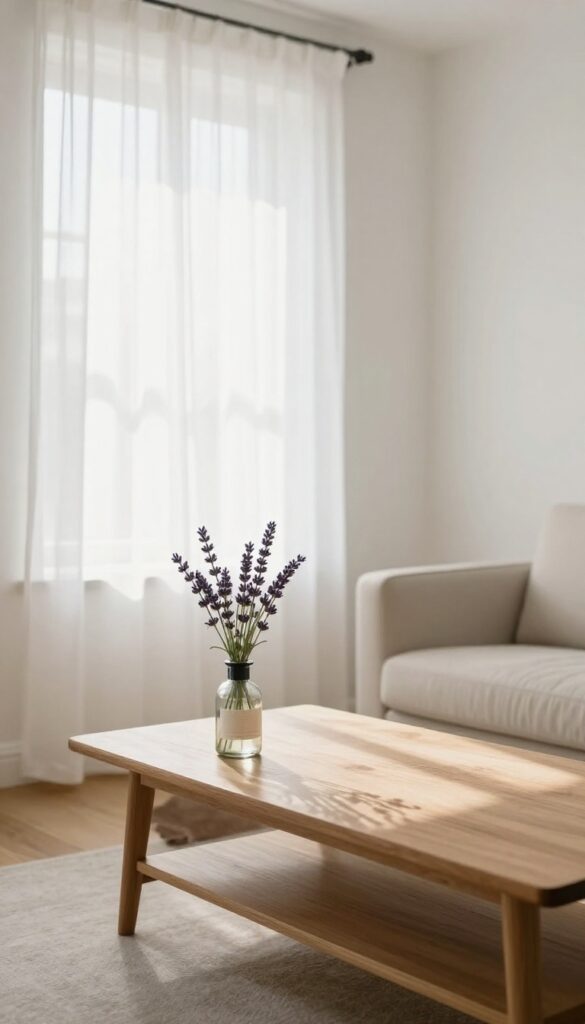
You've wiped, folded, and fluffed—now it's time for the final trick. A room that smells fresh feels clean, even if you missed a spot. Your brain links scent to cleanliness, so a quick olfactory upgrade can seal the deal.
Spray a light linen spray or open a window for two minutes. A fresh scent tricks the brain into perceiving the room as cleaner. This is the final sensory touch that seals the deal.
Why Scent Matters
Your nose is a shortcut to your brain's judgment of cleanliness. Studies show that people rate a room as cleaner when it smells pleasant, even if it's actually dirtier. A quick scent reset exploits this bias, making your hard work feel complete.
Quick Scent Boosts
Grab a linen spray, an essential oil diffuser, or simply crack a window. Two minutes of airflow can replace stale air with freshness. Avoid heavy perfumes—light, natural scents like lavender or citrus work best.
The Final Touch
After you've done the visual work, this step is the cherry on top. It signals to your brain that the cleaning session is over. You'll walk back in and feel instantly satisfied, not noticing the small imperfections.
10. The 2-Minute Finish
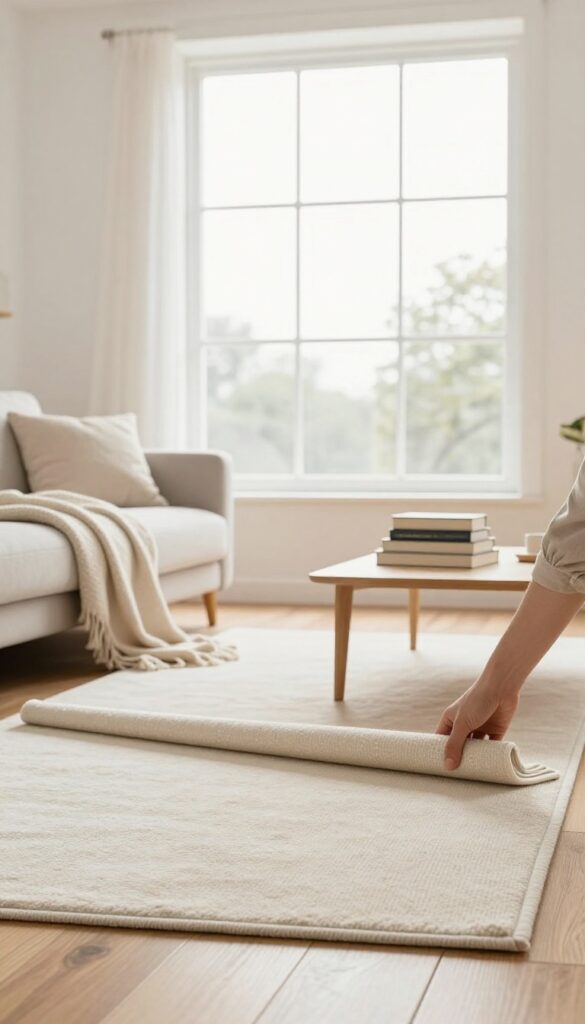
You've done the heavy lifting—surfaces are wiped, floors are clean, and clutter is under control. But a room can still feel off if small details are out of place. That's where the 2-Minute Finish comes in: a quick perimeter walk to fix visual clutter and make everything look intentional.
This final pass is about polishing the room's appearance without any major cleaning. It's the difference between a room that looks cleaned and a room that looks put-together. Spend just two minutes scanning the edges and high-traffic areas, adjusting anything that feels slightly off.
The result is a space that feels complete and welcoming.
Straighten And Align
Start at the door and walk the perimeter. Pull a rug that's slightly crooked back into place. Align shoes by the entrance so they're parallel.
Straighten a stack of books on the coffee table. These micro-adjustments take seconds but dramatically improve the room's geometry.
Fluff And Plump
Pillows and cushions often get flattened during the day. Give them a quick fluff and arrange them symmetrically on the couch or bed. This simple action adds a sense of order and comfort.
If you have throw blankets, fold them loosely or drape them neatly over an armrest.
Hide Or Tuck
Look for small items that don't belong in plain sight—a stray remote, a phone charger, a coffee mug. Tuck them into a drawer, a basket, or a console table. The goal is to remove visual noise so the eye can rest on the clean surfaces you've already created.
FAQ
How long does it take to clean a room using these moves?
Most people can complete all 10 moves in 20 to 30 minutes. The key is to move quickly and not get sidetracked by perfection.
Do I need special cleaning products?
No. A trash bag, a microfiber cloth, and a laundry basket are enough. Optional: a disinfecting wipe and a fabric spray.
Can I skip some moves if I'm short on time?
Absolutely. Start with the 5-Minute Surface Sweep and Trash Tornado for the biggest visual impact. Add more moves as time allows.
How often should I do this quick clean?
Daily or every other day works well. It prevents clutter from building up and keeps your room consistently tidy without a big time commitment.
What if my room is extremely messy?
These moves still work, but you may need to repeat the Trash Tornado and Clothes One-Touch Rule a couple of times. Focus on one zone at a time.
Conclusion
These ten cleanup moves turn a messy room into a tidy space in record time. Pick the ones that fit your biggest trouble spots and watch the clutter disappear.
The real win is how fast you can restore order when you know exactly what to do. Next time chaos strikes, run through this sequence and enjoy a clean room in minutes.