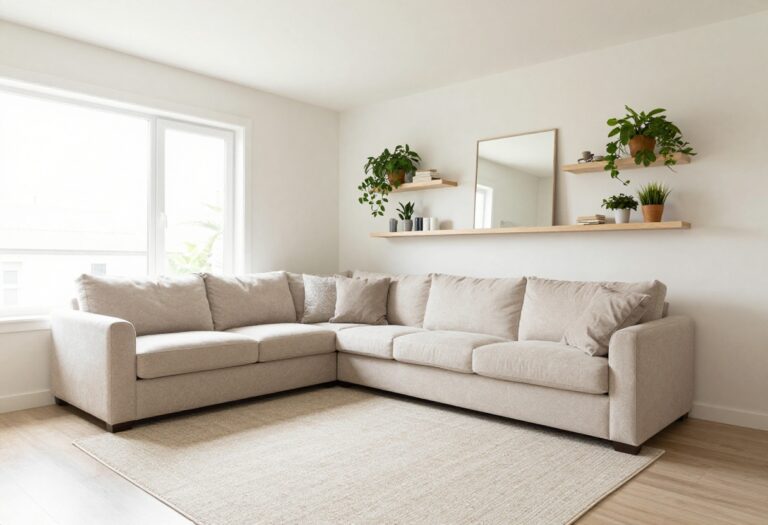
13 Basement Living Room Ideas Built for Movie-Night Comfort
Turning a basement into a go-to movie night spot means thinking beyond just a big screen. The best setups feel like a warm hug the moment you walk in, with soft textures, dim lighting, and plenty of places to sink in.
Whether you're starting from scratch or refreshing an existing space, these ideas focus on comfort and layering without sacrificing style. Basements often come with challenges like low ceilings or limited natural light, but those constraints can actually work in your favor.
A cozy, cave-like atmosphere is exactly what you want for a home theater. The trick is to lean into warmth with rich fabrics, warm tones, and thoughtful lighting that makes the room feel intentional, not dark and dreary.
1. Go All In on a Sectional That Swallows You Whole
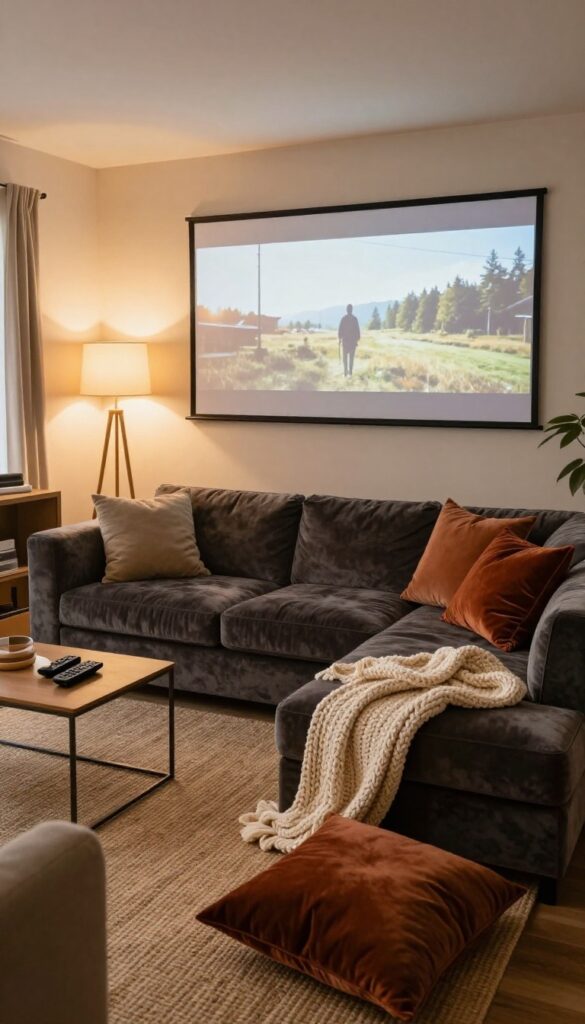
A deep, plush sectional is the foundation of any movie-night basement. Look for one with chaise ends, movable ottomans, or a built-in recliner so everyone can stretch out. Choose a fabric like chenille or velvet in a warm charcoal, rust, or deep green to keep the space feeling cozy and intentional.
The right sectional turns your basement into a true retreat. It’s not just seating—it’s the main event. When you sink into a cloud-like cushion after a long week, the whole room starts to feel like a hug.
Go for a modular design so you can rearrange pieces for game nights or solo marathons. A U-shaped or L-shaped configuration with a chaise gives everyone a spot to put their feet up without fighting over the ottoman.
Best Colors
- Stick with warm, earthy tones that won’t show every popcorn crumb. Charcoal gray hides stains well and pairs with almost any accent color. Rust or deep olive green adds personality without screaming for attention.
- If you want a lighter look, try a heathered beige or warm taupe—just be ready to spot-clean more often.
Texture Mix
- Balance the plushness of your sectional with contrasting textures. Add a chunky knit throw in cream or oatmeal, and scatter a few velvet or faux-fur pillows. A sisal or jute rug underneath grounds the softness with a natural, nubby feel.
- This layering keeps the room from feeling like one big pillow fort.
Layout Tip
Position the sectional so it faces the screen directly, but leave enough space behind it for a narrow console table. That table can hold remotes, coasters, and a small lamp, making it a functional landing spot. If your basement is long and narrow, an L-shaped sectional along the longer wall opens up the center for a coffee table and floor cushions.
2. Layer Rugs for a Carpeted Island of Comfort
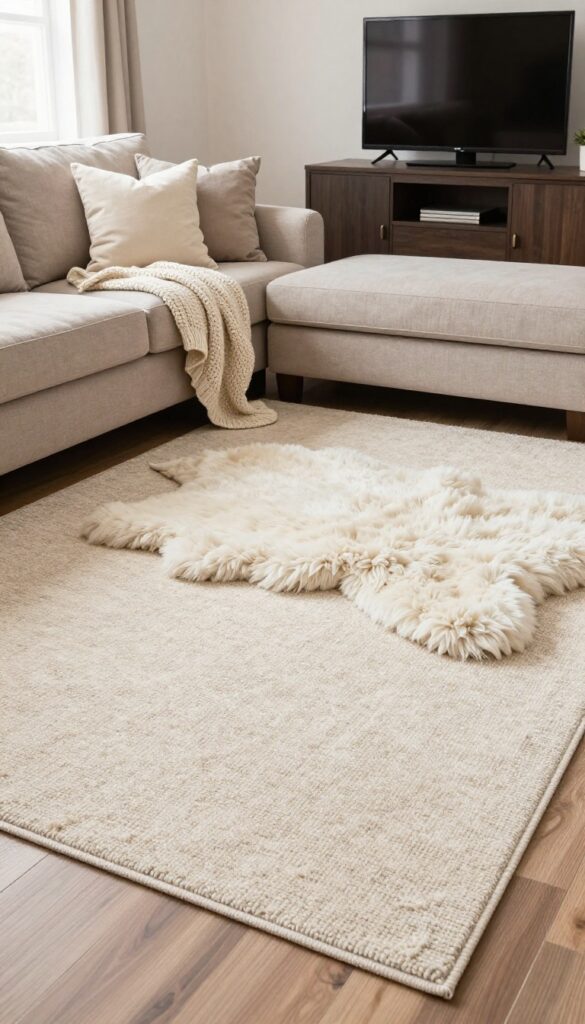
Basement floors tend to be cold and hard, which isn't exactly inviting for a movie night. The fix is simple: layer rugs to create a soft, warm island where everyone wants to sit. Start with a large wool or shag rug under your main seating, then add a smaller, plusher rug in front of the media console.
The contrast in textures—rough wool against silky faux fur or chunky knit—adds visual depth and makes the space feel intentionally cozy. Plus, those layered edges act like a gentle boundary, defining your lounging zone without needing walls.
Layering rugs is one of the easiest ways to add warmth and personality to a basement living room. The key is to choose rugs that complement each other in texture and color while still having enough contrast to stand out. A neutral, low-pile wool rug works well as the base because it's durable and anchors the room.
On top, go for something softer and smaller—like a faux sheepskin or a thick cotton loop rug—that invites bare feet. This not only makes the floor more comfortable but also helps absorb sound, which is a bonus in a basement where acoustics can be echoey. For a cohesive look, pull a color from the top rug into throw pillows or a blanket on the sofa.
Best Materials For Layering
- For the bottom layer, choose a rug with a tight weave and neutral tone—jute, sisal, or low-pile wool are great options because they lie flat and don't compete with the top rug. For the top layer, prioritize softness: faux fur, shag, or chunky knit rugs add that plush feel you want underfoot. Avoid two rugs with the same pile height, as they'll bunch up and look messy.
- Instead, mix a flat weave with a high-pile rug for a deliberate, styled look.
Layout Tip: Define Your Zone
- Position the larger rug so it extends at least 6–8 inches beyond the front legs of your sofa and chairs. Then place the smaller rug at an angle or parallel to the media console, leaving a few inches of the bottom rug visible around the edges. This creates a clear 'carpet island' that visually separates the seating area from the rest of the room.
- If your basement is open plan, use this rug zone to anchor the living area without building walls.
Cozy Detail: Add A Rug Under The Coffee Table
- Don't stop at the seating area. Layering a small, soft rug directly under the coffee table—or even a floor cushion—adds another touch point for comfort. Choose a round or square rug that fits within the table's footprint, and make sure it's low enough not to trip over.
- This extra layer makes the center of the room feel just as inviting as the couch, perfect for passing snacks or stretching out during a long movie.
3. Install Dimmable Sconces for That Perfect Glow
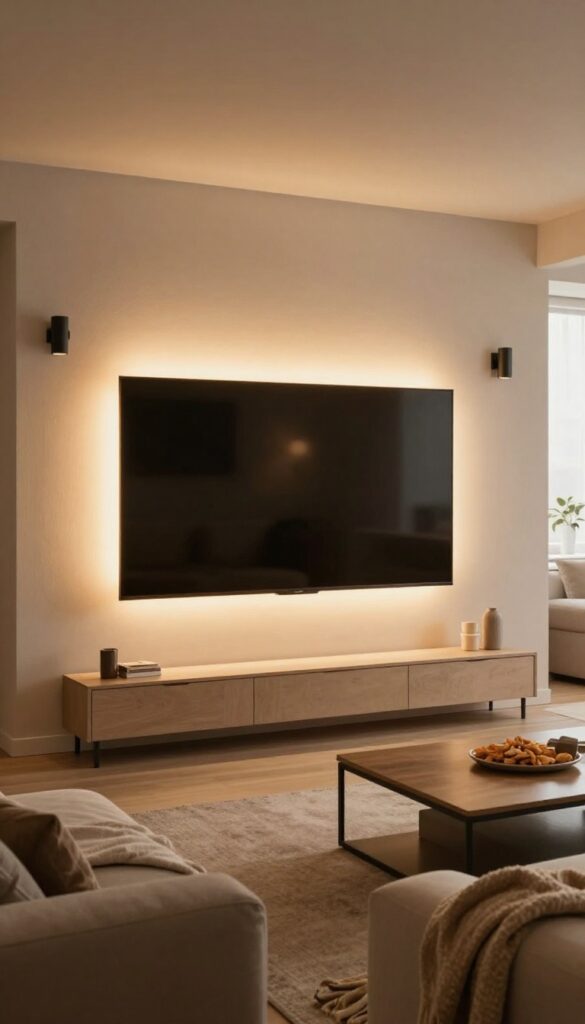
Overhead lights are the fastest way to kill a movie-night vibe. They cast harsh shadows and wash out the screen, making even the coziest basement feel like a waiting room. The fix?
Swap that ceiling fixture for dimmable wall sconces placed on either side of the screen or spaced along the walls.
Warm-toned bulbs around 2700K create a soft, indirect glow that feels like candlelight but with more control. You can dial up the brightness for pre-movie chatter or dim it to near darkness once the film starts. It's a simple swap that transforms the entire mood of the room without a major renovation.
Dimmable sconces give you layered lighting that adapts to every moment of your movie night. Unlike a single overhead light, they cast light outward and upward, bouncing off walls and ceilings for a gentle, even spread. This reduces eye strain and makes the screen pop without glare.
Plus, the hardware itself becomes a design element—choose sleek metal finishes for a modern look or aged brass for something more traditional. Position them at eye level when seated, about 60 to 66 inches from the floor, and space them evenly to avoid dark pockets. For a cohesive feel, match the sconce finish to other metal accents in the room, like table legs or picture frames.
Best Placement
- Flanking the screen is the most effective setup. Mount sconces about 12 to 18 inches wider than the screen on each side, angled slightly inward. If your basement is long, add a pair along the side walls to create a gentle pathway of light.
- Avoid placing sconces directly behind seating—they'll cast shadows on viewers.
Bulb Choice Matters
- Stick with LED bulbs labeled "warm white" or 2700K. Anything higher (like 3000K or 4000K) looks clinical and cold. Dimmable LEDs are a must—check the package for dimming compatibility.
- If you want extra coziness, choose bulbs with a high CRI (90+) so colors in the room look rich and natural.
Style Pairing
- For a warm, cozy basement, go with sconces that have fabric shades or frosted glass. These soften the light further and add texture. Black or bronze finishes ground the room, while brushed nickel keeps things airy.
- If your basement has exposed brick or wood paneling, sconces with a slight industrial edge (like cage lights) complement the ruggedness beautifully.
4. Build a Built-In Snack Station with Hidden Storage
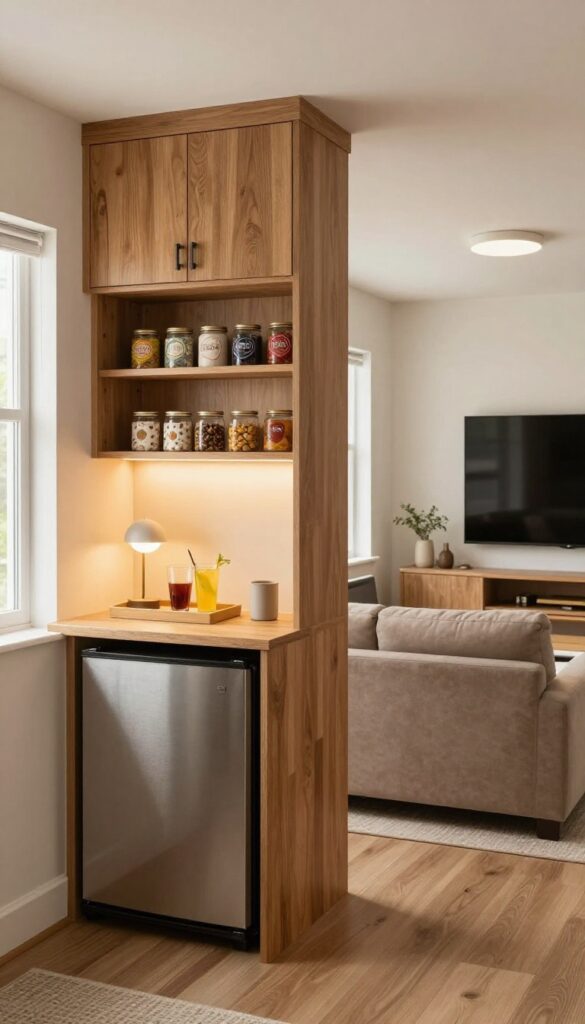
Movie night means snacks, and snacks mean clutter—unless you design a spot that keeps everything organized and within reach. A built-in snack station turns a corner or wall into a functional hub where popcorn, candy, and drinks live neatly behind closed doors. The trick is blending it into the room so it feels intentional, not like a concession stand plopped in the middle of your basement.
A small counter or console with cabinets underneath can hold a mini fridge, microwave, and popcorn maker. Use baskets or bins for napkins, candy, and reusable cups. Keep the surface clutter-free with just a tray for drinks and a small lamp for ambiance.
Best Materials
Go with warm wood tones like walnut or oak to match the cozy basement vibe. Quartz or butcher block countertops are durable and easy to clean. Closed cabinetry hides the mess, while open shelving above can display cute canisters or a popcorn bowl collection.
Layout Tip
Position the station near your seating area but not directly in front of the TV. A corner spot or a short wall works perfectly. If space is tight, choose a shallow console (12–15 inches deep) to avoid crowding the room.
Cozy Detail
Add a small LED strip under the counter for soft task lighting. It helps you see what you're grabbing without ruining the movie mood. A dimmable lamp on the surface also adds warmth and makes the station feel like part of the decor, not an afterthought.
5. Use Floor Pillows and Poufs for Extra Seating
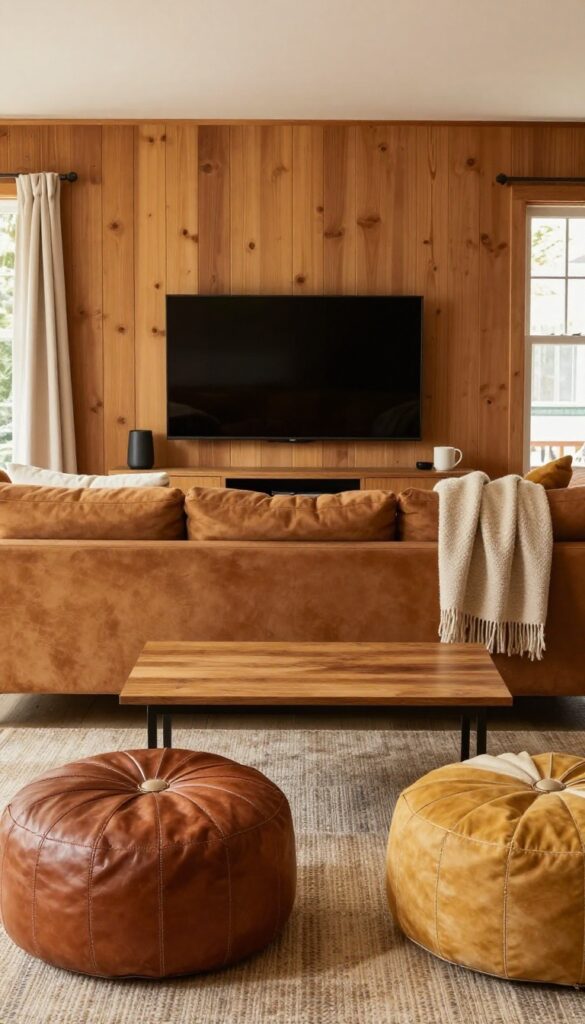
When the room gets full, floor seating is a game-changer. Scatter oversized floor pillows, beanbags, or leather poufs in front of the sectional. They're easy to store and add a casual, laid-back vibe that fits the movie-night theme perfectly.
Floor pillows and poufs are the unsung heroes of cozy basement living rooms. They invite guests to sink low, lean back, and get comfortable without needing a full seat. Plus, they're incredibly versatile—pull them out for a crowd or tuck them away when you want more floor space.
The key is choosing pieces that feel substantial and soft, not flimsy. Look for thick cotton or wool floor pillows, plush beanbags with removable covers, or structured leather poufs that double as footrests. Arrange them in a loose semicircle around the coffee table or directly in front of the screen.
This setup naturally encourages lounging and makes the room feel more intimate. For a cohesive look, pick poufs that echo the colors in your rug or throw pillows. If your sofa is neutral, go for a pop of rust or mustard.
If your sofa is dark, lighter shades like cream or tan keep the space airy. And don't forget storage—many poufs have hidden compartments for blankets, remotes, or snacks. That's a win-win for a basement that doubles as a media room.
Best Materials For Comfort And Durability
- Since these pieces get a lot of floor time, choose materials that are soft yet tough. Cotton or linen floor pillows with removable covers are easy to clean. Leather or faux leather poufs wipe down quickly and develop a nice patina.
- For beanbags, look for double-stitched seams and child-safe zippers. Wool or chunky knit options add texture but may require spot cleaning. If you have pets, avoid delicate fabrics like velvet or silk.
- Instead, go for performance fabrics or outdoor-rated materials that resist stains and wear.
Arrangement And Layout Tips
- Don't just toss them in a corner. Arrange floor pillows and poufs in a way that feels intentional. Place two large poufs flanking the coffee table, or group three floor pillows in a triangle near the sofa.
- This creates natural conversation zones and makes the seating feel planned. If you have a low-profile sofa, keep the floor seating at a similar height so the sight lines stay clean. For smaller basements, use poufs that can slide under a console table or shelf when not in use.
- This keeps the floor clear and the room from feeling cluttered.
Mixing Textures For A Cozy Vibe
- Variety in texture makes the space feel layered and inviting. Pair a chunky knit pouf with a smooth leather one, or mix a faux fur floor pillow with a woven cotton option. The contrast adds visual interest without needing more furniture.
- Stick to a cohesive color palette—warm neutrals like beige, taupe, and charcoal work well. Add one accent color like deep teal or burnt orange to tie into the rest of the room. This approach keeps the floor seating area feeling curated, not chaotic.
6. Add a Gallery Wall of Movie Posters (Framed, Not Tacked
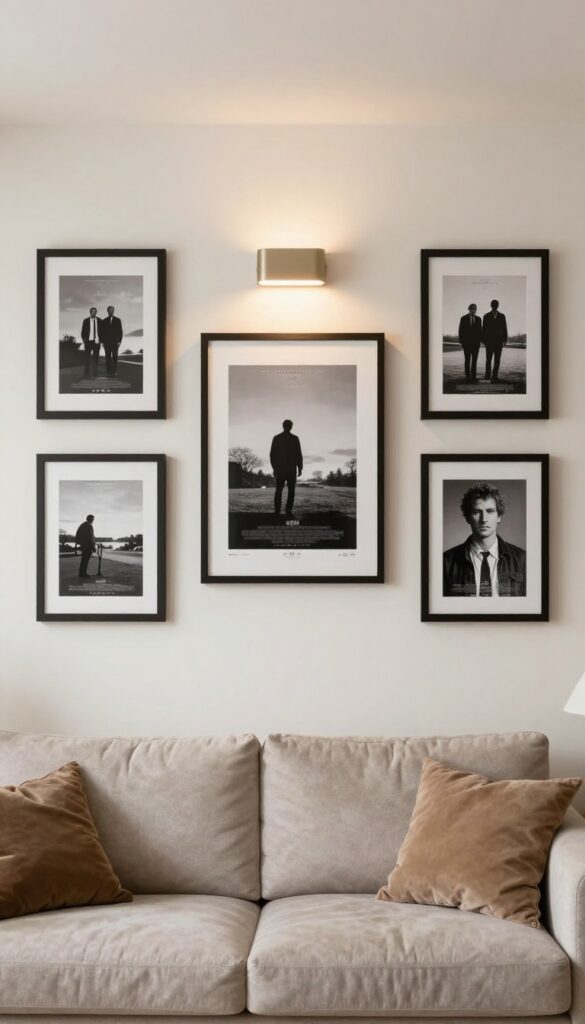
A gallery wall is one of those decor moves that instantly makes a room feel curated and personal. In a basement living room built for movie nights, dedicating one wall to framed movie posters or vintage film stills creates a natural focal point that ties the whole space together. The trick is to treat it like an art installation—not a dorm room collage.
Matching black or dark wood frames instantly elevate the look, making even a $10 poster feel like a gallery piece. Mix in a few small mirrors or sconces to break up the grid and add depth, so the wall feels intentional and layered, not cluttered.
Start by choosing a theme or color palette to keep the wall cohesive. You could go with all classic black-and-white films, a favorite director’s work, or a mix of genres tied together by warm-toned frames. Lay out the arrangement on the floor first to play with spacing and balance.
Hang the frames at eye level, leaving about two to three inches between each. To make the wall feel more dynamic, include a couple of vintage film stills or behind-the-scenes shots in smaller frames. Add a small picture light above the central piece to create a soft glow that draws the eye.
This wall becomes the heart of your movie-night setup—a conversation starter that also sets the mood.
Best Frames And Materials
- Stick with slim, sleek frames in black or dark wood for a polished, gallery-like finish. Avoid plastic or shiny metallic frames that can look cheap. Matte black works especially well because it recedes, letting the poster art shine.
- If you want a warmer vibe, go for natural wood tones like walnut or espresso. For the posters themselves, choose archival-quality prints or original vintage posters if your budget allows—they hold up better and look more authentic. Consider using museum glass to reduce glare, especially if you plan to add lighting.
Layout And Spacing Tips
- A grid layout is the easiest to pull off and looks clean and intentional. Use a level and painter’s tape to mark your grid on the wall before hammering any nails. If you prefer a more organic look, try a salon-style arrangement where frames of different sizes are clustered together.
- Either way, keep the spacing consistent—about two to three inches between frames. Start from the center and work outward to ensure symmetry. For a basement with low ceilings, keep the gallery wall at eye level and avoid going too high, which can make the room feel shorter.
Lighting And Finishing Touches
- Add a picture light above the central poster or install a slim LED strip along the top of the gallery wall to create a soft, cinematic glow. This not only highlights the artwork but also adds warmth to the basement. If you want extra depth, place a small sconce on either side of the gallery wall or incorporate a mirror to reflect light.
- Finish the look by pairing the wall with a cozy media console or a vintage popcorn cart underneath—it completes the movie-night vibe without competing for attention.
7. Hang Heavy Curtains to Absorb Sound and Light
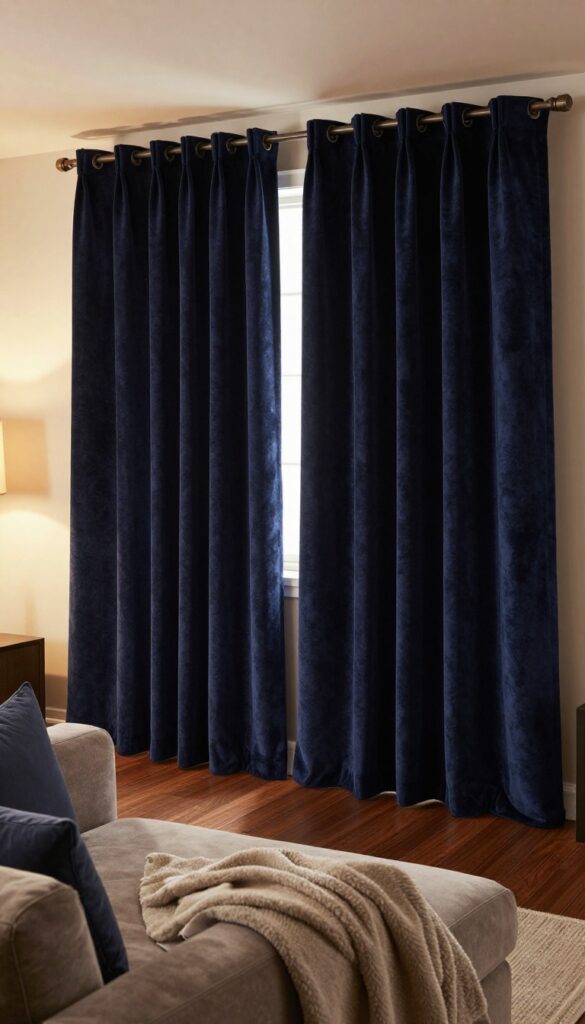
Nothing kills a movie night faster than glare on the screen or that hollow echo that makes every whisper sound like it's bouncing off the walls. Floor-length velvet or suede curtains in a deep hue—think navy, burgundy, or charcoal—do double duty: they block outside light and dampen that annoying reverb. Install them on a track rod that spans the entire wall for a dramatic, theater-like feel that instantly makes your basement feel more intentional and cozy.
Heavy curtains are one of the easiest ways to transform a basement living room into a dedicated media space. The thick fabric absorbs sound waves that would otherwise bounce off hard surfaces like concrete walls or tile floors, creating a quieter, more immersive audio experience. At the same time, they block out any stray light from windows or sliding doors, so you don't have to wait until dark to get that true cinema vibe.
Plus, the rich texture and deep color add a layer of warmth that makes the room feel more like a retreat and less like a leftover space.
Best Colors And Fabrics
- Stick with heavyweight fabrics like velvet, velour, or suede for maximum sound absorption. Deep jewel tones—emerald green, sapphire blue, or ruby red—create a luxurious, intimate atmosphere, while dark neutrals like charcoal or espresso keep things versatile and easy to pair with other decor. If you want to lighten the mood a bit, go for a rich taupe or a muted plum.
- Avoid thin cotton or linen blends; they won't block light or sound nearly as effectively.
Installation Tips
- Mount the curtain rod as close to the ceiling as possible and extend it a few inches past the window frame on each side. This makes the window look larger and prevents light from sneaking in around the edges. A track system with overlapping panels works best for a seamless, theater-style drape.
- Use blackout lining if you want total darkness—it also adds an extra layer of insulation, which is a bonus in a basement.
Styling The Rest Of The Room
- Let the curtains be the star of the show by keeping other window treatments minimal—skip blinds or shades underneath. Pair them with a plush area rug and upholstered furniture to further reduce echo. Add a few floor lamps with warm bulbs to balance the darkness and create a cozy glow for pre-movie hangouts.
- The overall effect is a space that feels both dramatic and inviting, perfect for settling in with a bowl of popcorn.
8. Create a Cozy Nook with a Daybed or Chaise
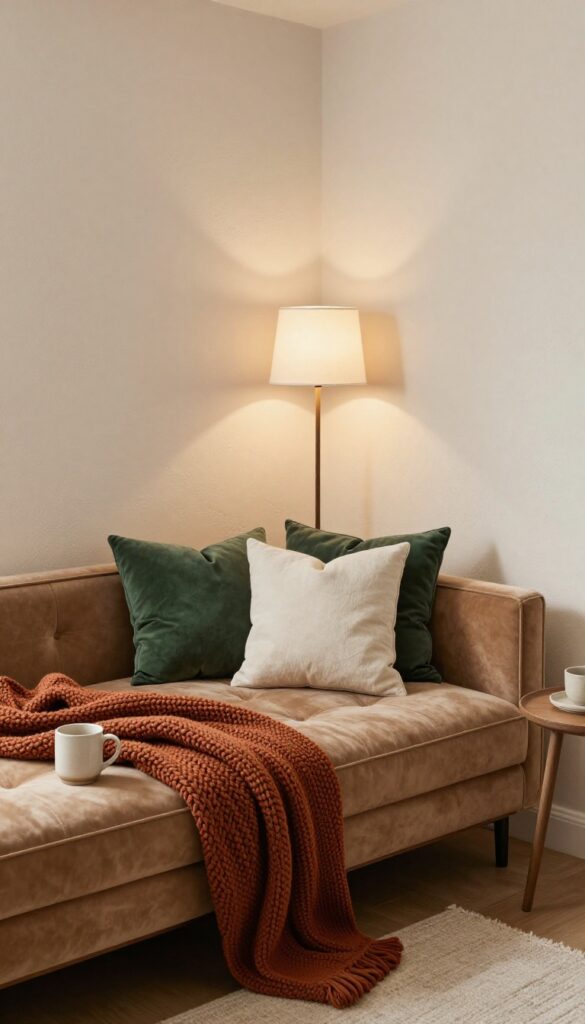
Sometimes you want to stretch out without committing to a full nap on the main sofa. A daybed or chaise lounge tucked into a corner gives you that in-between space—perfect for reading, scrolling, or dozing off during a slow movie scene. It's a dedicated spot for one, which feels luxurious in a room that's usually designed for groups.
Dress it with a chunky throw and a few pillows, and you've got an instant invitation to relax.
A daybed or chaise lounge adds a layer of casual comfort that a standard sofa can't quite match. It's not just for sleeping—it's a perch for morning coffee, a place to curl up with a book, or a spot to watch a movie from a different angle. Because it's smaller and more intimate, it makes the basement feel like a retreat within a retreat.
Choose a style that matches your overall vibe: a tufted daybed for a classic look, a sleek chaise for modern spaces, or a rattan daybed for boho warmth. Place it near a window if you have one, or against a wall with a floor lamp and a small side table to create a complete vignette. The key is to make it feel intentional, not like leftover furniture.
Best Colors And Fabrics
- Stick with warm, cozy hues like camel, rust, deep green, or soft cream. Velvet or chenille adds a touch of luxury and feels great against the skin. If you're worried about stains, choose a performance fabric or a washable slipcover.
- A patterned fabric—like a subtle stripe or a small-scale floral—can add personality without overwhelming the nook.
Layout And Placement
- Tuck the daybed or chaise into a corner that's slightly away from the main seating area. This creates a defined zone for solo relaxation. Angle it toward the TV if you want it for movie watching, or face it toward a bookshelf or window for a reading nook.
- Leave enough room for a small side table and a floor lamp to make the spot functional.
Finishing Touches
- Layer textures with a chunky knit throw, a velvet pillow, and a lumbar cushion for back support. Add a small tray on the side table to hold a mug, remote, or a candle. A soft rug underneath the daybed anchors the space and adds warmth underfoot.
- Consider a wall-mounted sconce or a small pendant light to create a cozy glow without taking up floor space.
9. Use Warm Wood Tones to Counteract the Chill
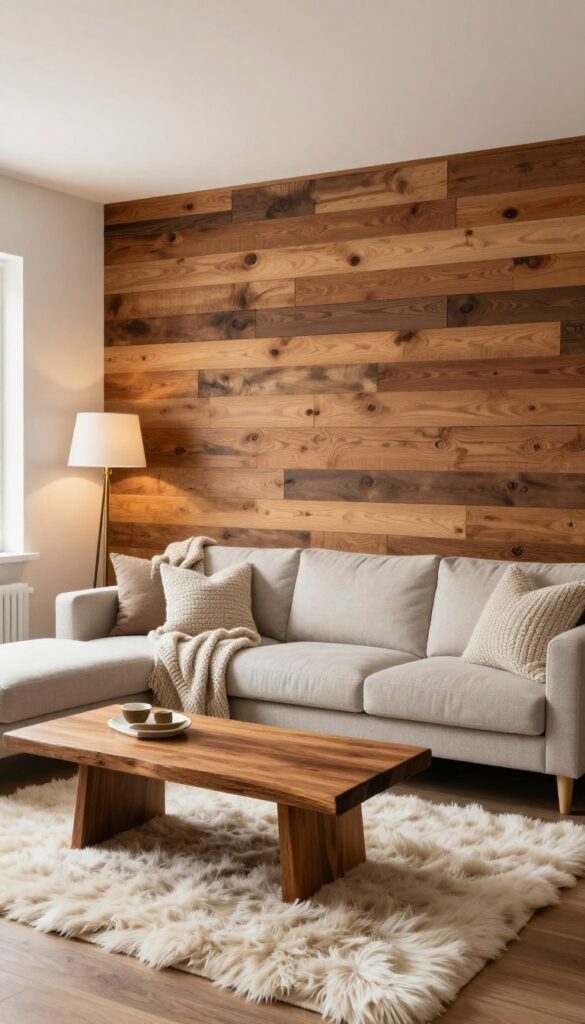
Basements have a reputation for being cold and damp, but the right materials can flip that feeling completely. Wood brings instant warmth—both visually and physically—making the space feel more like a cozy den than a concrete bunker. The trick is to use it generously but thoughtfully, so the room feels inviting without turning into a log cabin.
A reclaimed wood accent wall is a showstopper that adds depth and history. If that feels like too much commitment, start smaller with a live-edge coffee table or a set of open shelves in walnut or oak. These pieces introduce organic texture that softens the hard edges of a basement.
Pair the wood with warm metallics like brass or copper for a cohesive look that feels intentional, not accidental.
Best Woods To Use
Walnut and oak are top choices for their rich tones and durability. Reclaimed wood adds character with knots and grain variations that make each piece unique. If you're on a budget, pine can work—just stain it in a warm honey or amber shade to avoid a pale, unfinished look.
Where To Add Wood
Focus on surfaces you'll touch or see often: the coffee table, media console, or floating shelves. An accent wall behind the sofa or TV creates a focal point that anchors the room. Even a wood-framed mirror or a set of wooden trays on the ottoman can make a difference without overwhelming the space.
Cozy Detail
Layer in soft textures like a chunky knit throw or a faux-fur rug to balance the wood's hardness. The contrast between smooth wood and plush fabric makes the room feel layered and lived-in. Add a brass floor lamp with a warm bulb to highlight the wood grain and cast a golden glow.
10. Install a Mini Bar Cart for Drinks and Decor
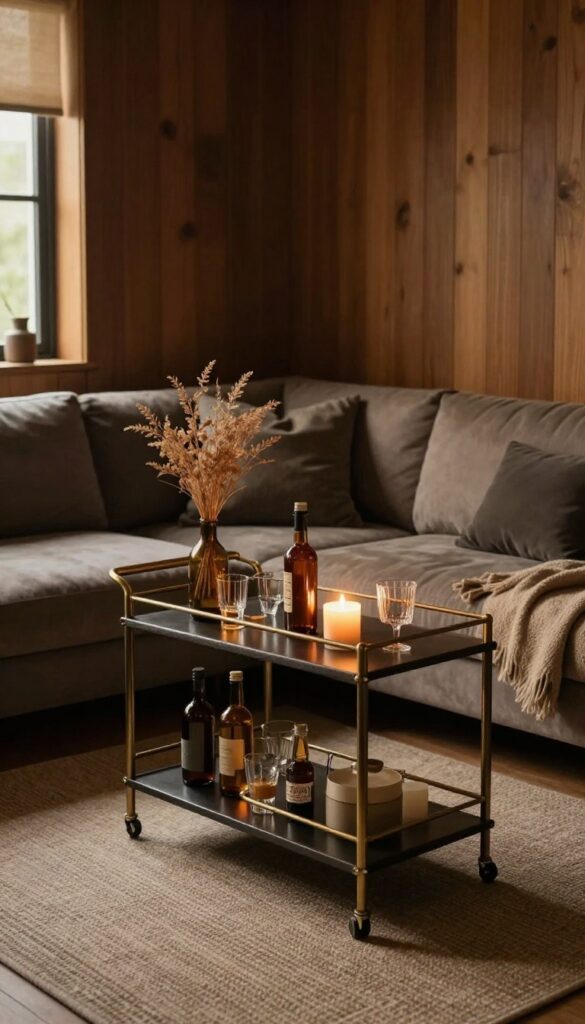
A bar cart does double duty in a basement living room. It keeps drinks and glassware organized while adding a decorative focal point. The best part is its mobility—you can roll it out when guests are over and tuck it into a corner when you want the floor space back.
Choose a cart with a dark finish or brass accents to match the cozy vibe. Stock it with a few bottles, some glassware, and a small plant or candle for a lived-in look. The cart becomes a conversation starter without taking up permanent real estate.
Best Materials
Go for a metal cart with a dark bronze or brass frame. Wood shelves in walnut or charcoal add warmth. Avoid glass shelves if you have kids or pets—they show every fingerprint.
Styling Tip
Layer items at different heights. Use a small tray for bottles, stack coasters, and add a low vase with dried flowers. This creates visual interest without looking cluttered.
Small-space Fix
If your basement is tight, choose a narrow two-tier cart that fits between the sofa and wall. Use the bottom shelf for extra storage like napkins or a small basket of snacks.
11. Add a Throw Blanket Ladder for Easy Access
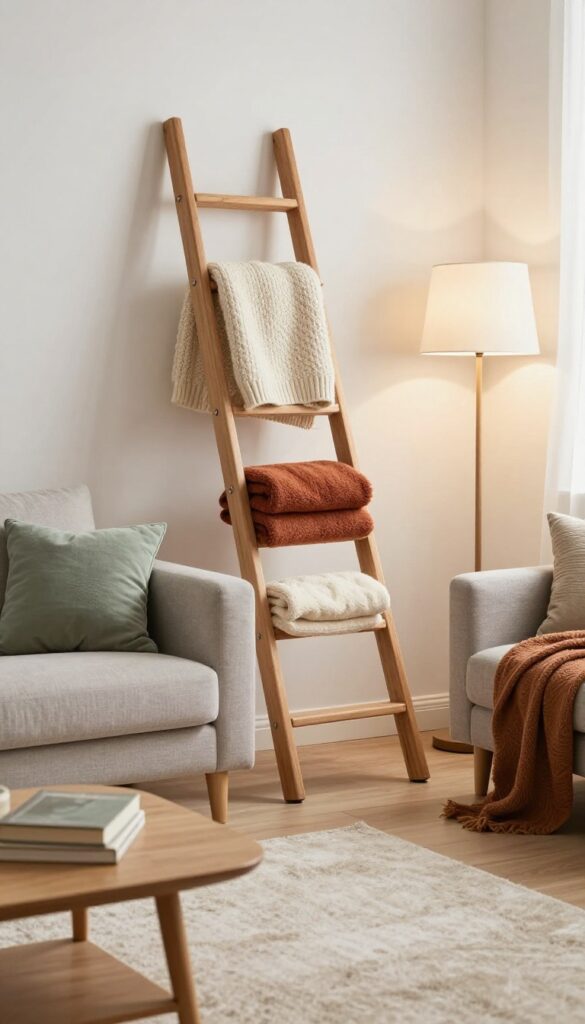
Nothing says cozy like a stack of soft blankets ready to grab. A leaning ladder or wall-mounted rack turns throw storage into a decorative feature, while keeping blankets within arm's reach for movie nights. Mix textures like chunky knits, fleece, and faux fur to create visual depth, and swap colors seasonally to keep the space feeling fresh.
A throw blanket ladder is both practical and stylish, solving the problem of where to keep blankets without hiding them in a closet. Leaning ladders work well in corners or next to sofas, while wall-mounted racks save floor space. Stock the ladder with three to five throws in different textures—this not only looks curated but also invites guests to grab one without hesitation.
Rotate colors with the seasons: warm rust and cream in fall, soft blues and greens in spring.
Best Materials
Choose a wooden ladder for warmth—natural oak or walnut blends with most basements. Metal ladders in black or brass add a modern touch. For the blankets, mix a chunky knit, a plush fleece, and a lightweight cotton throw to cover different comfort levels.
Styling Tip
Drape each throw loosely over a rung, letting some fabric cascade down for a relaxed look. Avoid folding them too neatly—casual folds feel more inviting. Place the ladder near seating so blankets are easy to reach during a movie.
Seasonal Swap
- Keep a bin of off-season throws in storage. In winter, display heavier wool and faux fur. Come summer, switch to lighter linen or cotton throws in pastel tones.
- This simple rotation keeps the space feeling updated without buying new decor.
12. Use Blackout Shades Behind the Curtains
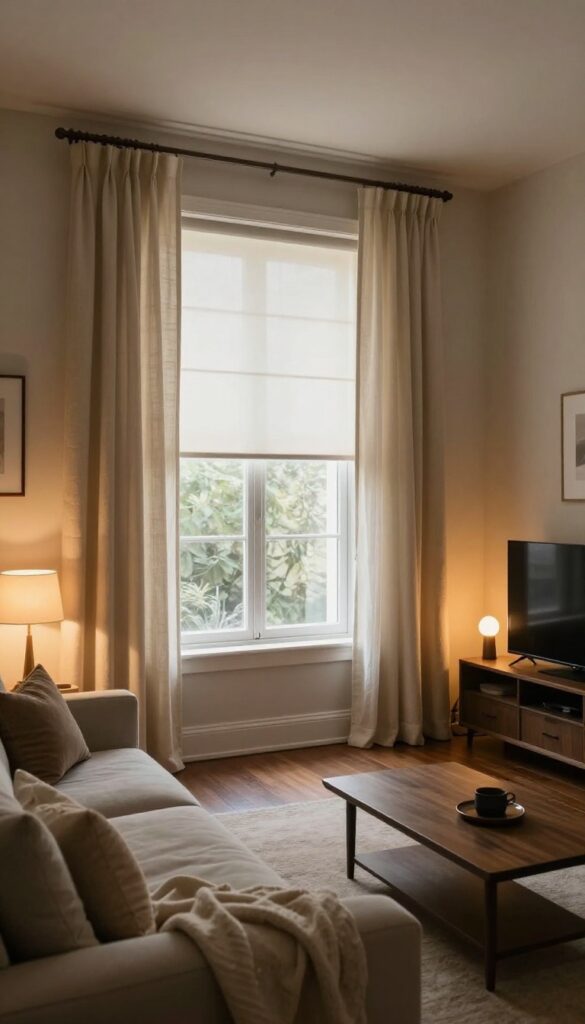
Natural light is great—until you're trying to watch a movie at 2 p.m. and the sun is blasting through your windows. Blackout shades are the unsung heroes of a dedicated home theater setup, but they don't have to ruin your decor. By layering them behind your regular curtains, you get total light control without sacrificing style.
The shades do the heavy lifting when it's showtime, and the curtains keep the room feeling warm and intentional the rest of the time.
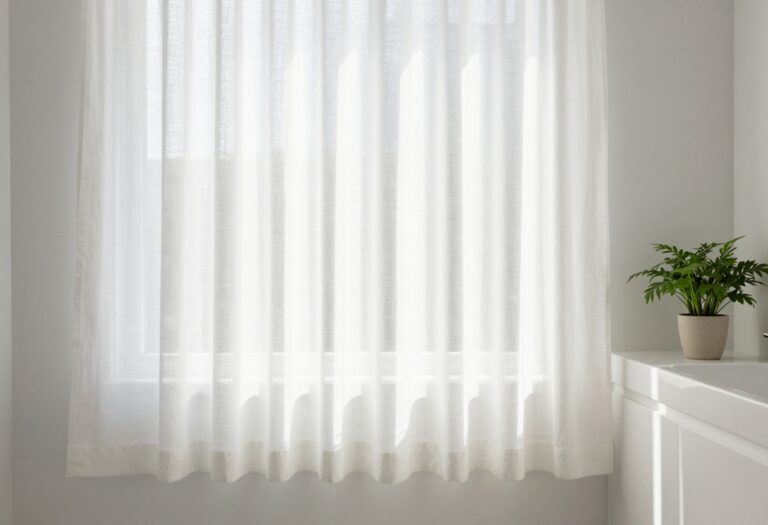
For total light control, install blackout roller shades or cellular shades behind your decorative curtains. This is especially important for daytime viewing. Choose a neutral shade that blends with the wall color so it disappears when not in use.
The curtains stay open or closed depending on the vibe, but the shades handle the darkness. This layered window treatment is a game-changer for any basement living room that doubles as a media space.
Best Shades For The Job
- Cellular shades are my top pick because they also add insulation—helpful in a basement that can run cool. Look for a cordless option for a cleaner look and safety if you have kids or pets. If you prefer a more streamlined silhouette, roller shades work just as well and come in light-blocking fabrics that feel soft to the touch.
- Stick with white, cream, or light gray so they blend into the window frame and don't draw attention.
Curtain Pairing Tips
- Hang your decorative curtains on a rod that extends a few inches past the window frame on each side. This lets the curtains stack completely clear of the glass when open, so the blackout shades can do their job without interference. Choose curtains in a heavier fabric like velvet or linen blend—they add that cozy, layered feel and help absorb sound.
- A warm rust, deep navy, or charcoal curtain pairs beautifully with neutral shades and keeps the room feeling intentional.
Finishing Touch
Add a simple valance or a cornice board at the top to hide the shade's hardware and create a polished, built-in look. This extra step makes the window treatment feel custom and expensive, even on a budget. If you're renting, tension rods and no-drill blackout shades are a renter-friendly alternative that still gives you total darkness when the movie starts.
13. Incorporate a Low Coffee Table with Storage
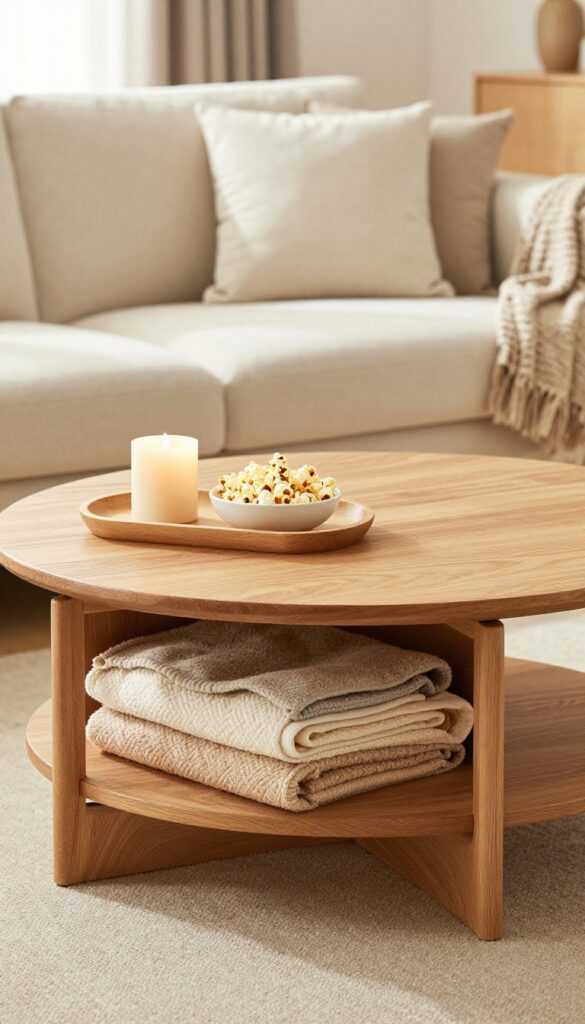
A coffee table does more than hold drinks—it sets the tone for how people gather. In a basement living room built for movie nights, a low table invites everyone to lean in, prop up their feet, and reach for snacks without leaving the couch. The key is finding one that pulls double duty with hidden storage, so clutter stays out of sight and everything you need is within arm's reach.
Go for a table that sits lower than a standard coffee table—around 14 to 16 inches tall—so it stays proportional to deep, cushy sofas and floor cushions. A round or oval shape keeps traffic flowing and softens the room's edges, which is especially helpful in a basement with low ceilings or awkward corners. Look for a lift-top mechanism that reveals a deep compartment for blankets, or choose a design with built-in drawers on the sides for remotes, coasters, and board games.
The surface should be durable enough to handle spills and easy to wipe clean, so materials like oak, walnut, or a matte-lacquer finish work well. To keep the cozy vibe, top it with a wooden tray for candles or a stack of books, and add a small bowl for snacks to complete the setup.
Best Materials For Durability And Warmth
Solid wood in warm tones like acacia or walnut adds natural texture and holds up to daily use. If you prefer a softer look, a lacquered MDF with a wood-grain finish is budget-friendly and still feels warm. Avoid glass tops—they can feel cold and show every fingerprint, which isn't ideal for a relaxed movie room.
Layout Tip: Leave Room To Move
Place the table about 14 to 18 inches from the sofa so people can reach it without stretching. In a basement with a sectional, position the table off-center toward the main seating area, leaving a clear path to the rest of the room. A round table makes navigating tight spaces much easier than a square one.
Storage Strategy: Keep Essentials Close
Use the lift-top compartment for larger items like throw blankets or a laptop. Drawers are perfect for organizing remotes, coasters, and charging cables. For board games, consider a table with a deep lower shelf where you can stack them in decorative bins.
FAQ
What's the best flooring for a basement movie room?
Carpet is the most comfortable and helps with sound absorption, but if you're worried about moisture, go with luxury vinyl plank and layer large area rugs on top. The rugs add warmth and can be replaced if needed.
How do I make a basement with low ceilings feel cozy, not cramped?
Use low-profile furniture like a platform sofa and a coffee table that sits close to the ground. Avoid hanging lights; instead, use wall sconces and floor lamps. Painting the ceiling a slightly lighter shade than the walls can also help it feel higher.
What colors work best for a cozy basement living room?
Warm, deep colors like charcoal, navy, olive green, burgundy, and warm beige create a cocooning effect. Avoid cool grays or stark whites. If you want a lighter feel, use warm off-whites and layer in rich textures.
How can I improve sound quality in my basement theater?
Soft surfaces are your friend. Use thick curtains, area rugs, upholstered furniture, and acoustic panels (which can be decorative). Bookshelves filled with books also help diffuse sound.
Avoid too many hard surfaces like bare walls and tile floors.
Do I need a projector or is a large TV enough?
Both work, but a projector gives a more authentic theater feel and can be paired with a motorized screen. However, a large TV (65 inches or bigger) is simpler and works better in rooms with some ambient light. Choose based on your budget and how often you watch during the day.
Conclusion
A basement living room built for movie nights doesn't need to be complicated. Focus on comfort, warmth, and layers, and you'll create a space that feels like a retreat every time you head downstairs. Start with the seating and lighting, then add the finishing touches that make it personal.
Remember, the goal is to make everyone want to grab a blanket and stay for the next show. With these 13 ideas, you're well on your way to having the coziest spot in the house.