11 Men’s Living Room Ideas for a More Polished Space
A polished living room doesn't happen by accident. It comes from a handful of deliberate choices that build on each other until the space finally feels finished instead of halfway there. Most guys assume they need a full redesign to get that look.
In reality, the difference usually comes down to a neutral base, one strong anchor piece, and lighting that works after dark. Get those right and everything else falls into place.
The eleven ideas below cover the moves that deliver the biggest payoff, from the sofa you commit to and the rug that ties it together to the small details that make a room feel intentional. Some take an afternoon, others a weekend, and none require a contractor.
1. Start with a Neutral Base
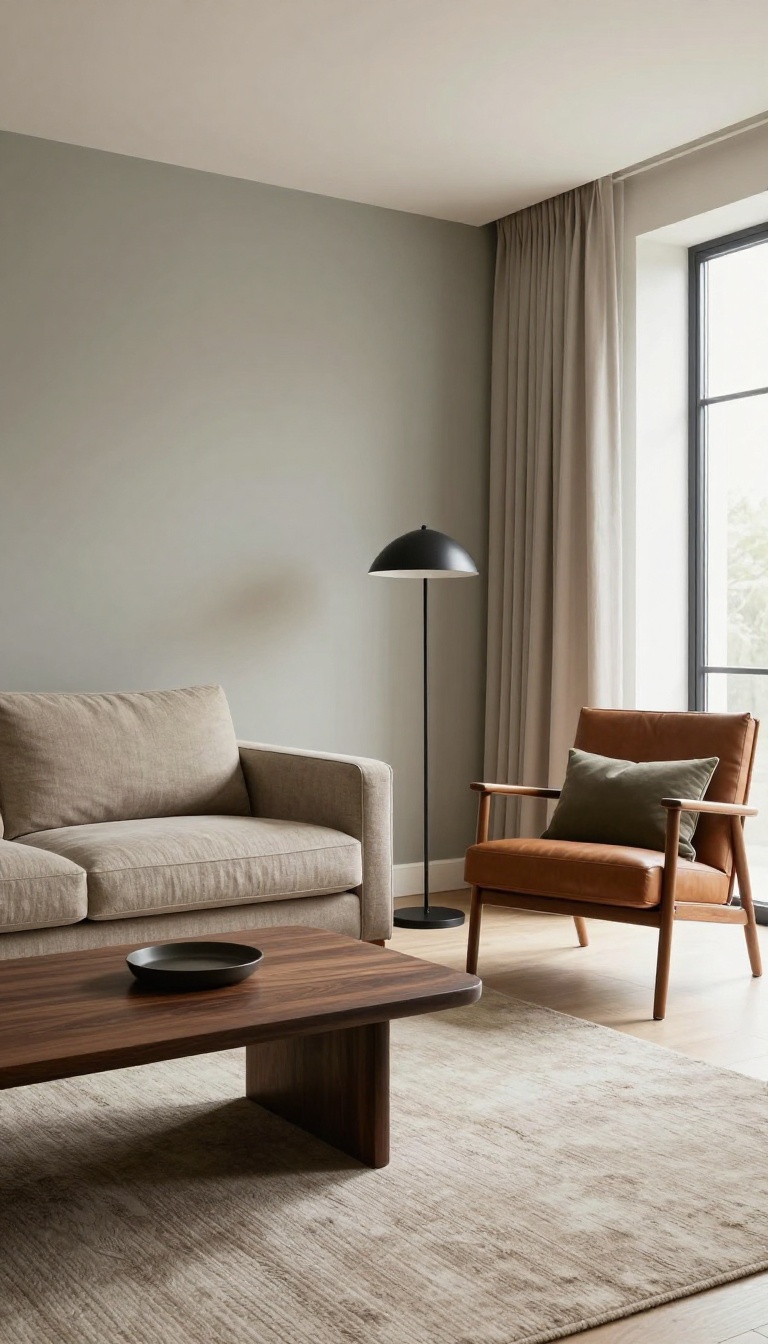
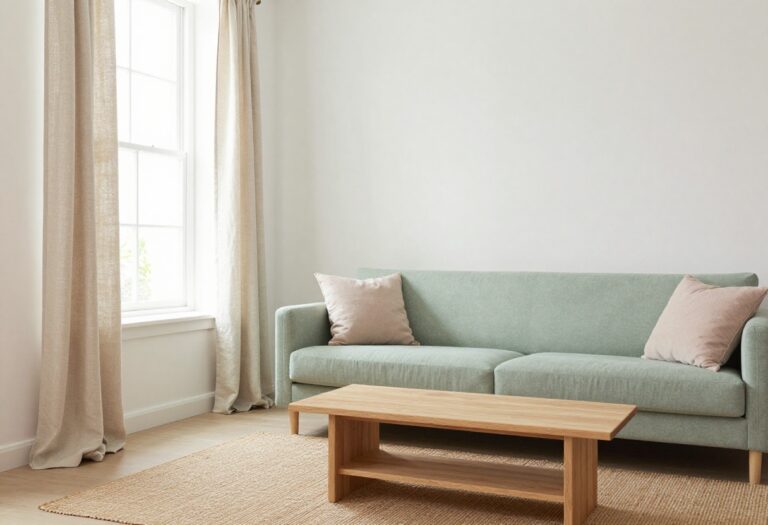
A neutral base is the quiet workhorse of a polished living room. It sets the tone for everything else, from the sofa to the artwork, without fighting for attention. Think of it as the blank canvas that makes every other choice look intentional.
Choosing neutrals for walls and big furniture keeps the room calm and cohesive. It also makes swapping accents easy when you want a seasonal refresh or a new look. And because neutrals never really go out of style, you won't be repainting every couple of years.
Neutrals don't have to mean boring beige. The trick is picking a palette that feels warm and layered, not flat. Start with a wall color that has a little depth, like a soft greige, warm taupe, or even a muted olive.
Then repeat that tone in your larger pieces, like the sofa, rug, and curtains. When those big-ticket items share a similar hue, the room instantly feels more pulled together. You can still add contrast with darker woods, black metal, or a leather chair.
The neutral base just gives those accents a place to shine. And if you get tired of a particular pillow or throw, swapping it out won't throw off the whole room. That's the beauty of a neutral foundation: it's flexible, forgiving, and always looks intentional.
Pick A Wall Color With Depth
Flat builder-beige can make a room feel lifeless. Choose a neutral with a bit of undertone, like a warm gray or a soft sand, to add subtle interest. Test a few swatches on different walls to see how the light hits them throughout the day.
Repeat The Tone In Big Pieces
Your sofa, rug, and curtains should feel like they belong together. They don't have to match exactly, but staying in the same color family creates a cohesive look. This also makes it easier to layer in patterns and textures without things getting chaotic.
Use Contrast To Add Life
A neutral room still needs a little drama. Add contrast with dark wood furniture, black metal accents, or a deep-colored leather chair. These darker elements ground the space and keep it from feeling washed out.
2. Invest in a Statement Sofa
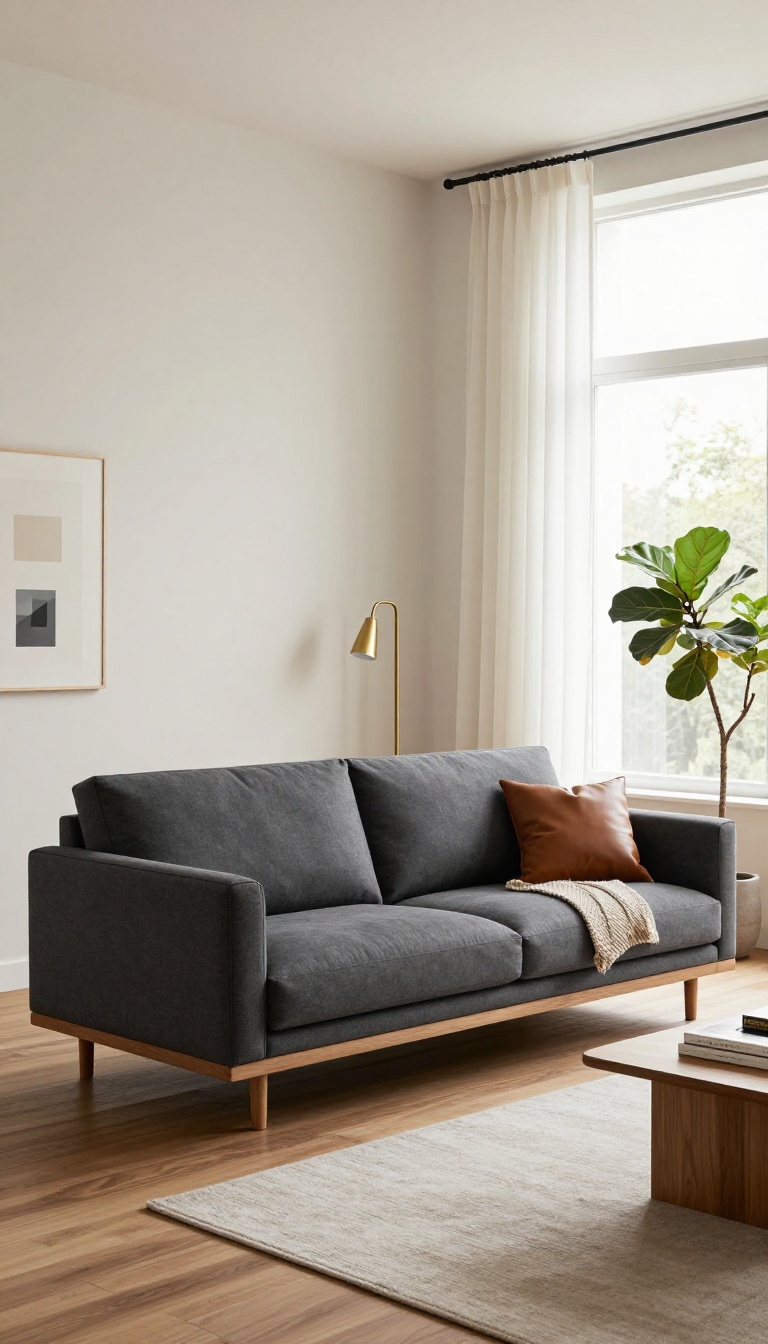
Your sofa is the largest piece of furniture in the room, so it sets the tone whether you plan for it or not. A cheap, sagging couch drags everything down, while a well-made one in a dark or neutral tone instantly makes the space look intentional. This is the one purchase where spending more upfront pays off in both looks and longevity.
A statement sofa doesn't mean loud or flashy. It means a piece with clean lines, solid construction, and a fabric or leather that feels good to sit on and holds up over time. Think of it as the anchor: once it's in place, the rest of the room has something to organize around.
When you're shopping, focus on three things: frame material, cushion fill, and upholstery. A kiln-dried hardwood frame will outlast particleboard by years. High-resilience foam wrapped in down or feathers gives you that sink-in comfort without losing shape.
And leather or performance fabric can handle real life—spills, pets, and movie nights—without looking worn out after a year.
Why Dark Or Neutral Wins
Dark tones like charcoal, navy, or cognac leather hide everyday wear and add visual weight that grounds the room. Neutrals like oatmeal, greige, or taupe keep things light and flexible, so you can swap pillows and throws without rethinking the whole scheme. Both options photograph well and work with almost any accent color you bring in later.
What To Look For In Quality
Run your hand along the frame—if you can feel the grain of the wood, that's a good sign. Check the cushions: they should feel firm but not stiff, and the seams should be tight and straight. A good sofa will have a warranty on the frame, usually ten years or more.
If the salesperson can't tell you what's inside, walk away.
Leather Vs. Performance Fabric
Leather is durable, easy to wipe down, and gets better with age. It's a solid choice if you want a masculine, slightly rugged look. Performance fabric, on the other hand, offers more color and texture options and resists stains without feeling plastic.
Both are practical—pick based on the vibe you want and how much maintenance you're willing to do.
3. Add a Rug to Define the Space
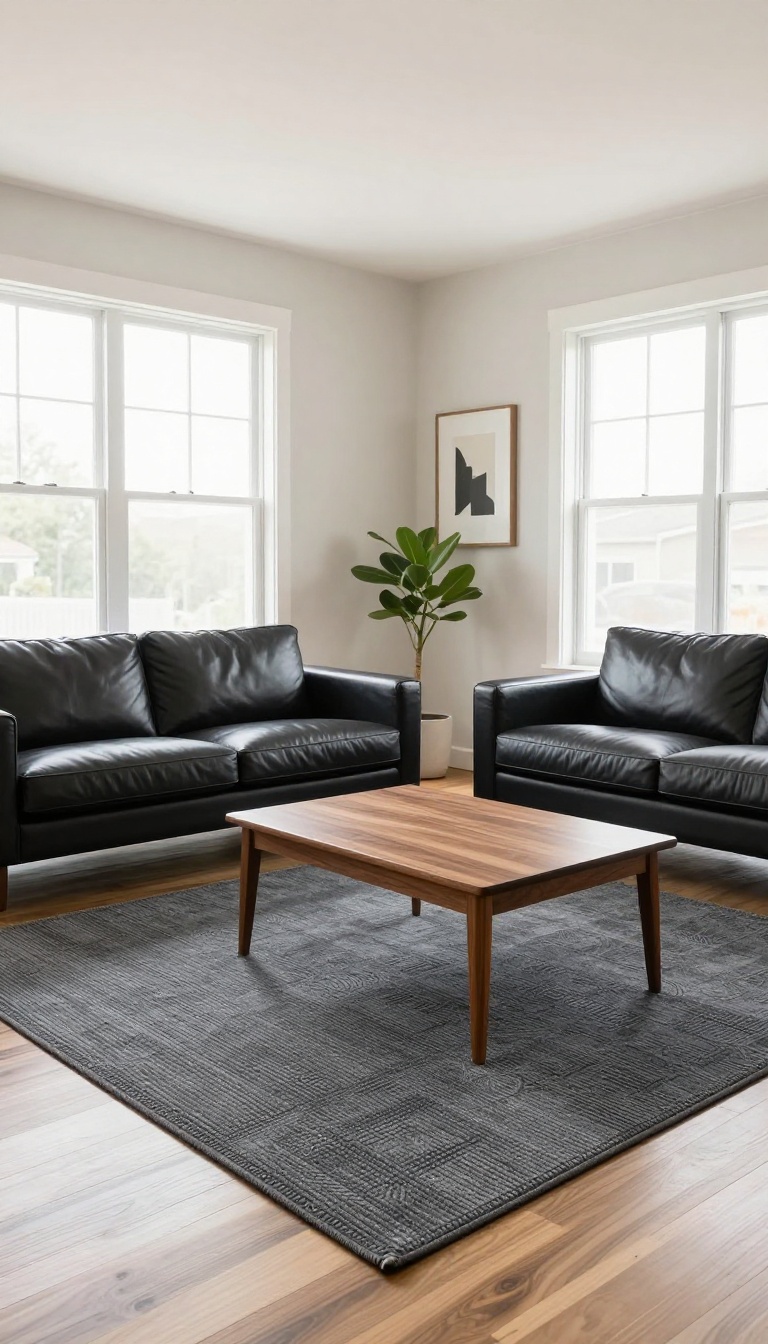
A rug does more than soften your footsteps. It visually pulls your seating area together, separating it from the rest of the room and giving the space a clear purpose. Without one, furniture can feel like it's floating, and the room lacks a sense of completion.
The right rug also adds warmth and texture, which is especially important if you have hard flooring. It can introduce a subtle pattern or color that ties your other pieces together. For a masculine feel, stick with low-pile or flat-weave styles in understated designs.
Size and placement matter as much as style. A rug that's too small makes the room feel disjointed, while the right one anchors everything and makes the space feel intentional.
A rug is one of the most effective ways to define a seating area without adding walls or major furniture. It creates a visual boundary that tells the eye where the conversation zone begins and ends. In an open-plan living room, this is especially useful because it separates the living space from the dining or kitchen area without blocking sightlines.
Beyond definition, a rug adds a layer of comfort and sound absorption. It softens echoes, makes the floor warmer underfoot, and gives the room a more inviting feel. For a polished look, choose a rug that complements your sofa and chairs rather than competing with them.
When selecting a rug, think about material, size, and pattern. Low-pile or flat-weave rugs work well for a masculine aesthetic because they look tailored and are easy to clean. Subtle patterns like geometric or abstract designs add interest without overwhelming the space.
Solid colors in charcoal, navy, or camel are safe bets that tie into almost any color scheme. Placement is key. The rug should be large enough to sit under the front legs of your sofa and chairs, or fully under all furniture if the room allows.
This anchors the seating group and prevents the rug from looking like an afterthought. In a small room, a rug can make the space feel larger by drawing the eye outward. Maintenance is straightforward.
Vacuum regularly and rotate the rug occasionally to even out wear. If you have pets or kids, consider a washable or stain-resistant option. A quality rug pad will keep it from slipping and add extra cushioning.
Choose The Right Size
A rug that's too small is the most common mistake. It makes the furniture look like it's spilling off the edges. For a standard seating area, aim for at least 8×10 feet, or 9×12 if you have a large sofa.
In a smaller room, a 5×8 can work if it sits under the front legs of your main pieces. Measure your space before you buy, and don't be afraid to go bigger than you think you need.
Pick A Masculine Material
Low-pile wool, jute, or flat-weave cotton are ideal for a clean, tailored look. They resist crushing and show less wear than plush styles. Avoid high-pile shag rugs unless you're going for a specific retro vibe.
A flat-weave rug in a subtle stripe or geometric pattern adds texture without feeling busy.
Anchor With Color And Pattern
Use the rug to introduce a grounding color that repeats elsewhere in the room, like a throw pillow or piece of art. If your furniture is neutral, a rug with a subtle pattern can add depth. If your furniture already has pattern, keep the rug solid.
The goal is balance, not competition.
4. Layer Your Lighting
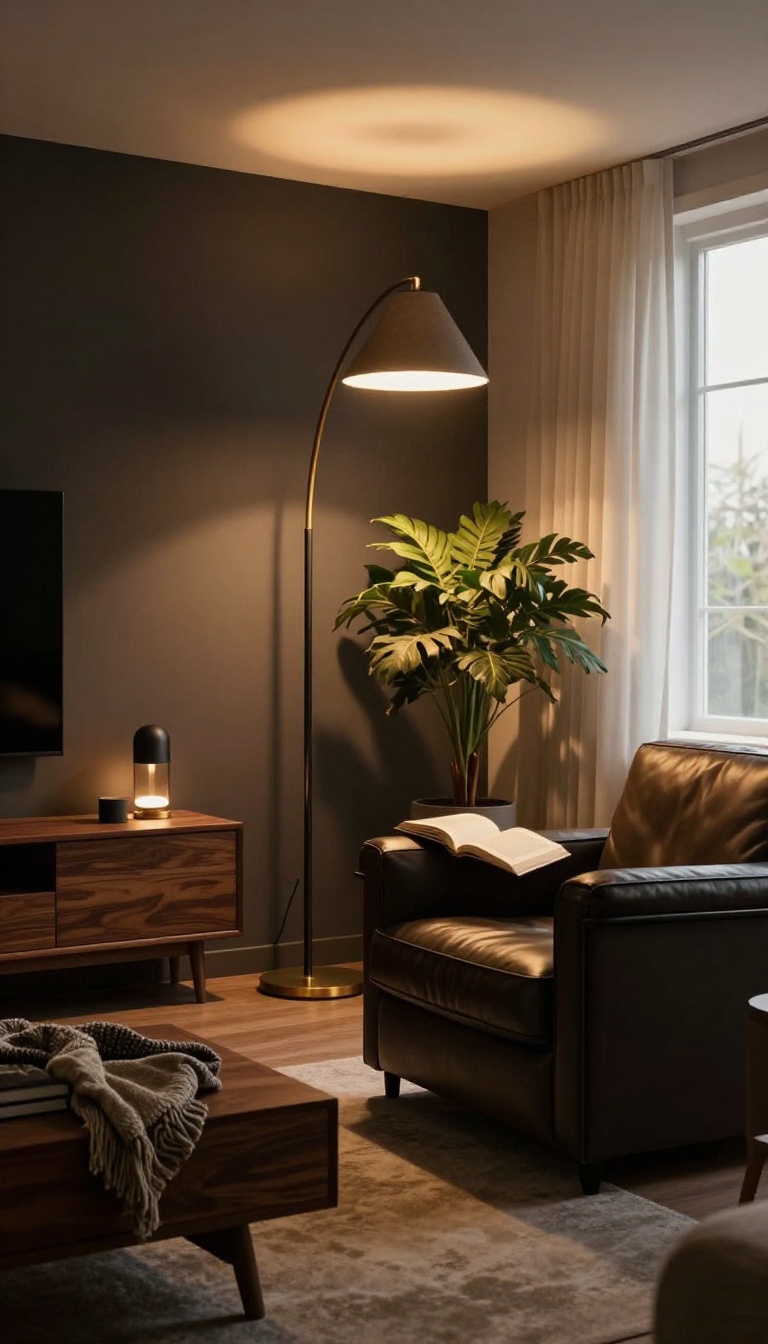
One overhead light in the middle of the ceiling flattens a room and makes everything look the same after dark. Layering fixes that by giving you different pools of light for different moments. You get brightness where you need it, softness where you want it, and a room that changes mood with a single dimmer slide.
Start with ambient light as your base. That's the general glow that keeps the room usable, whether it's a flush mount, a few recessed cans, or a pair of floor lamps aimed at the ceiling. Keep the color temperature consistent across all your bulbs, ideally around 2700K to 3000K, so nothing looks blue or yellow against something else.
Next, add task lighting where you actually do things. A reading lamp beside your chair, a small lamp on a side table, or a picture light over a console. These are the lights you reach for when you need to see, not just fill space.
Finally, sprinkle in accent lighting for depth. A dimmable floor uplight behind a plant, a strip of LED behind the TV, or a low-wattage lamp on a bookshelf. These small sources create shadows and highlights that make the room feel bigger and more considered.
Put everything on dimmers. Even a cheap inline dimmer on a floor lamp makes a difference. If you can, group lights on separate switches so you can run just the accents at night and the full set when you're cleaning or hosting.
Ambient, Task, And Accent
Ambient light covers the room. Task light helps you see what you're doing. Accent light adds drama and depth.
You want all three, not just one. A single ceiling fixture gives you ambient and nothing else, which is why so many living rooms feel flat after sunset.
Dimmers And Warm Bulbs
Dimmers let you dial the room from bright and functional to low and relaxed without changing a single bulb. Pair them with warm white LEDs in the 2700K to 3000K range. Avoid cool white or daylight bulbs in a living room unless you want it to feel like an office.
Sleek Fixture Choices
Skip ornate or overly traditional fixtures. Go for clean lines, matte finishes, and simple shapes. A slim brass floor lamp, a black metal task lamp, or a low-profile flush mount all read as modern without shouting.
The goal is for the light to stand out, not the fixture.
5. Choose the Right Coffee Table
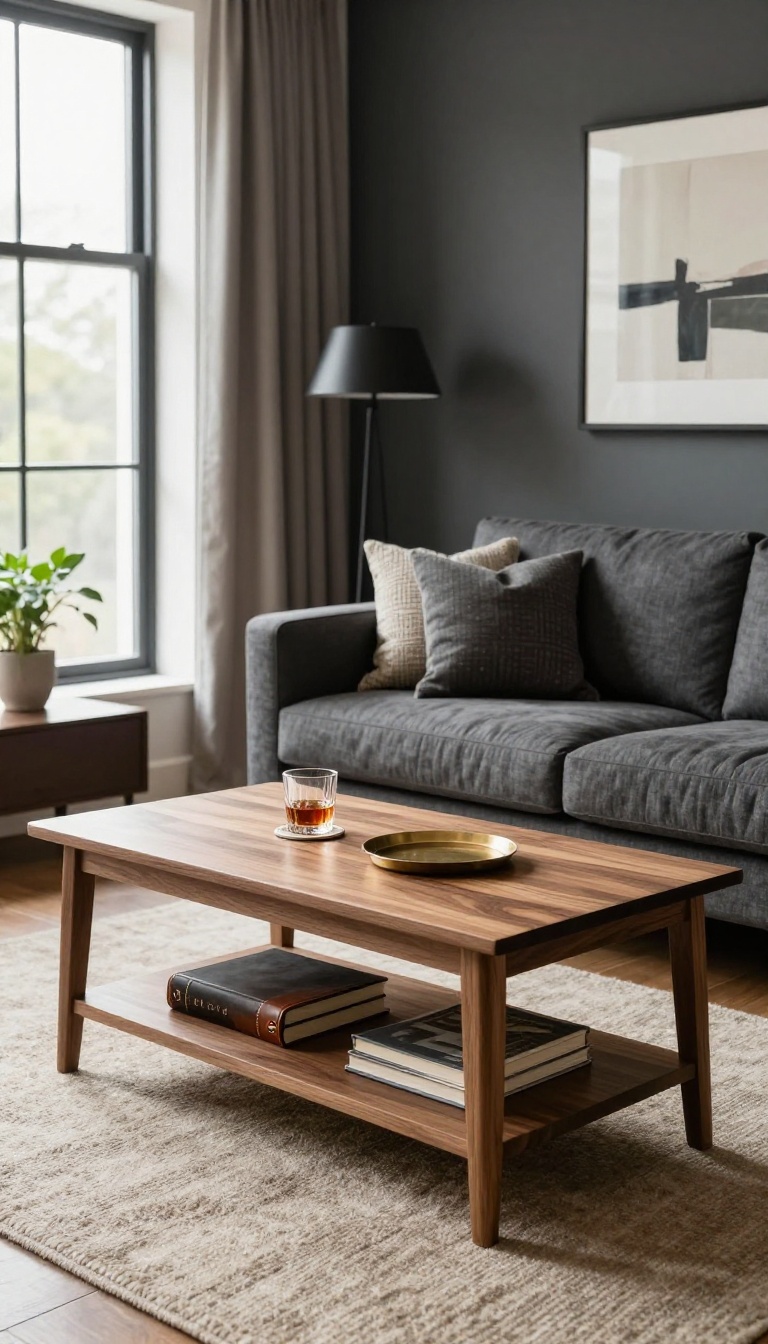
The coffee table sits right in the middle of your seating area, so it gets noticed and used more than almost anything else in the room. It needs to hold a drink, a book, and maybe your feet without looking like an afterthought. Pick one that balances what you need with how you want the space to feel.
A coffee table is a workhorse and a style statement at the same time. It anchors your seating arrangement and gives the room a focal point. Get it wrong and the whole space feels off, even if everything else is solid.
The good news is you don't need to overthink it. Focus on material, shape, and scale, and you'll land on something that works.
Material Matters
Wood brings warmth and works with almost any style, from rustic to modern. Metal adds an industrial edge and tends to be durable and easy to clean. Glass keeps things light and airy, especially in smaller rooms, but it shows every fingerprint and smudge.
Think about how you actually live. If you eat on the couch or put your feet up, a sturdy wood or metal table will hold up better than glass. If you want a more open feel, glass or a thin metal frame can make the room feel less crowded.
Pick A Shape That Fits
Rectangular tables suit long sofas and define the seating area clearly. Round or oval tables soften the room and make it easier to walk around without banging your shins. Square tables work well in compact spaces or with sectional sofas.
Match the shape to your seating. A round table with a curved sofa feels cohesive, while a rectangular one with a straight sofa creates clean lines. There's no wrong answer, just what fits your layout.
Get The Scale Right
A coffee table should be about two-thirds the length of your sofa. Too small and it looks lost; too big and it crowds the room. Leave 14 to 18 inches between the table and the sofa so you can move comfortably.
Height matters too. The table should sit roughly level with your sofa seat, or an inch or two lower. That keeps it usable for drinks and snacks without making you reach.
6. Incorporate Metal Accents
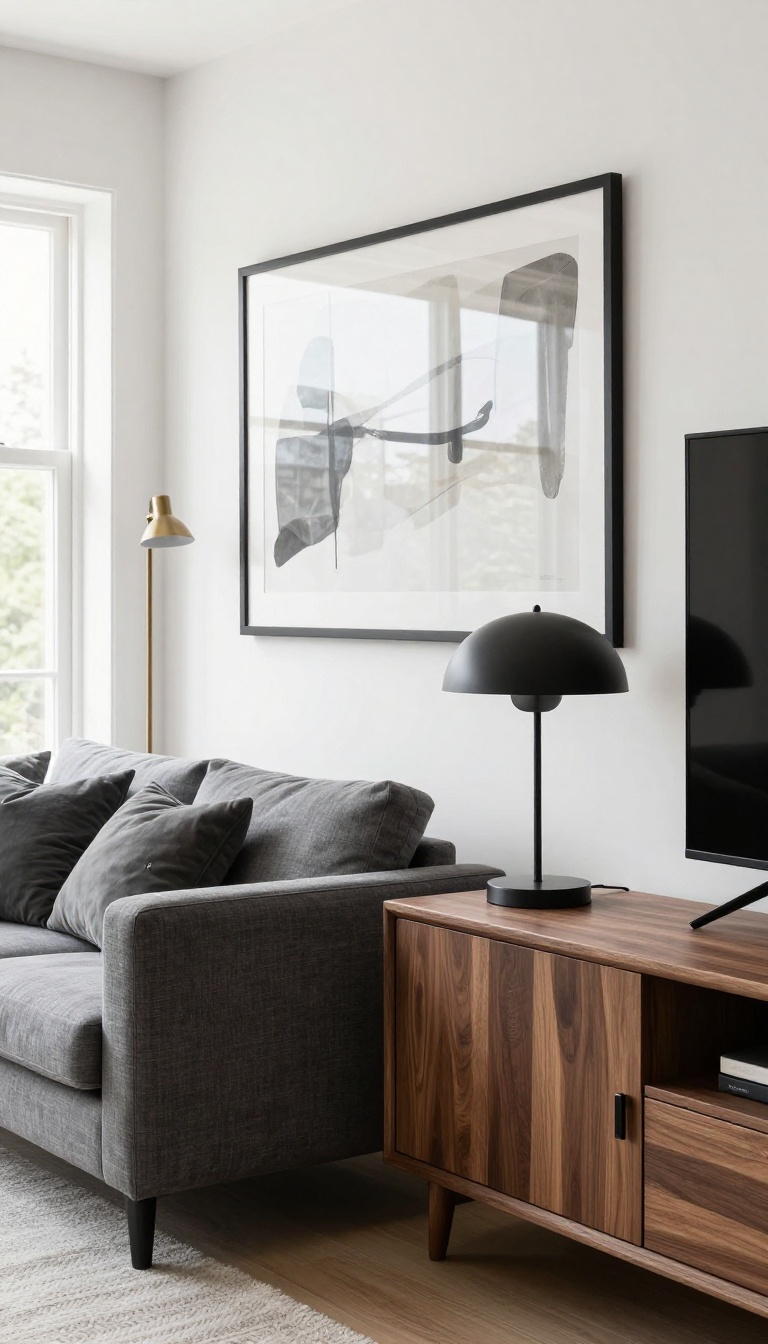
Metal accents fly under the radar, but they do a lot of heavy lifting in a polished room. Think about the frames on your walls, the base of a lamp, or the pulls on a cabinet. Swap those out for black, brass, or brushed steel, and the whole space sharpens up without feeling like you tried too hard.
You don't need to go industrial. A few well-placed metal touches add contrast and a subtle masculine edge that wood and fabric alone can't pull off. The key is picking one finish and repeating it in small doses.
That's what makes it look intentional instead of accidental.
Start With Picture Frames
If your frames are a mix of cheap plastic and random colors, that's an easy fix. Swap them for slim black metal or brushed brass. Black reads modern and graphic, while brass feels warmer and a little vintage.
Pick one and stick with it across the wall. The art stays the same, but the presentation jumps up a level.
Upgrade Your Lighting
Lamps are metal waiting to happen. A matte black task lamp on a side table or a brass floor lamp next to the sofa adds a sculptural element. Look for a finish that matches your frames or hardware.
That repetition is what ties the room together. Avoid shiny chrome unless the rest of your space leans that way.
Don't Forget Hardware
Cabinet pulls, door handles, and even curtain rods are small details that make a big difference. Swapping out builder-grade hardware for matte black or brushed steel takes about twenty minutes and costs very little. It's one of those upgrades that feels custom without the custom price tag.
Keep It Balanced
Metal can overwhelm if you go overboard. Aim for three to five metal moments in the room, not twenty. Let the metal accent the wood, leather, and fabric rather than compete with them.
If you're unsure, start with frames and a lamp, then live with it for a week before adding more.
7. Display Meaningful Art
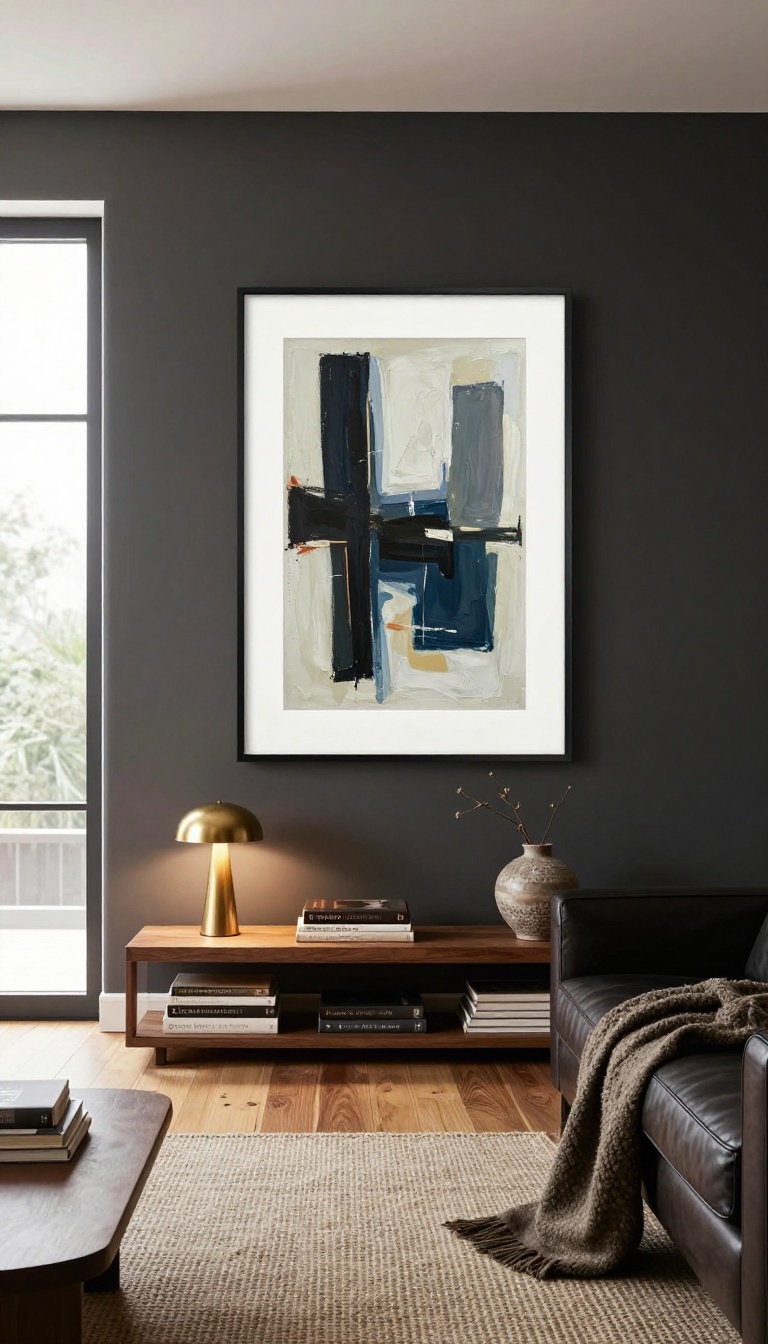
Blank walls make even a well-furnished room feel unfinished. Art gives your living room a focal point and tells anyone who walks in something about who you are. The trick is picking pieces you actually care about and hanging them in a way that looks intentional, not cluttered.
You don't need a gallery wall or a massive budget. A few well-chosen pieces, hung with a little thought, can do more for the room than a dozen random prints ever would. The goal is simple: make it look like you meant it.
Pick Art That Means Something
Start with what you like, not what matches the sofa. Photography from a trip, a vintage concert poster, or an abstract piece that caught your eye all work. The best rooms have art that feels personal, because it sparks conversation and keeps the space from looking like a showroom.
Hang It At The Right Height
The most common mistake is hanging art too high. The center of the piece should sit around 57 to 60 inches from the floor, which puts it at eye level for most people. If you're hanging above furniture, leave 6 to 8 inches between the bottom of the frame and the top of the sofa or console.
Keep The Arrangement Simple
One large piece often looks better than a cluster of small ones. If you do group pieces, treat them as one unit: align edges, keep spacing consistent, and stick to an odd number for a natural look. Symmetry works, but so does a clean horizontal line.
Frame And Light It Well
A cheap frame can drag down good art, and a great frame can elevate a simple print. Stick to black, white, or natural wood for a timeless look. If the art is in a dark corner, add a picture light or a nearby floor lamp to bring it to life after sunset.
8. Use Built-ins for Storage and Style
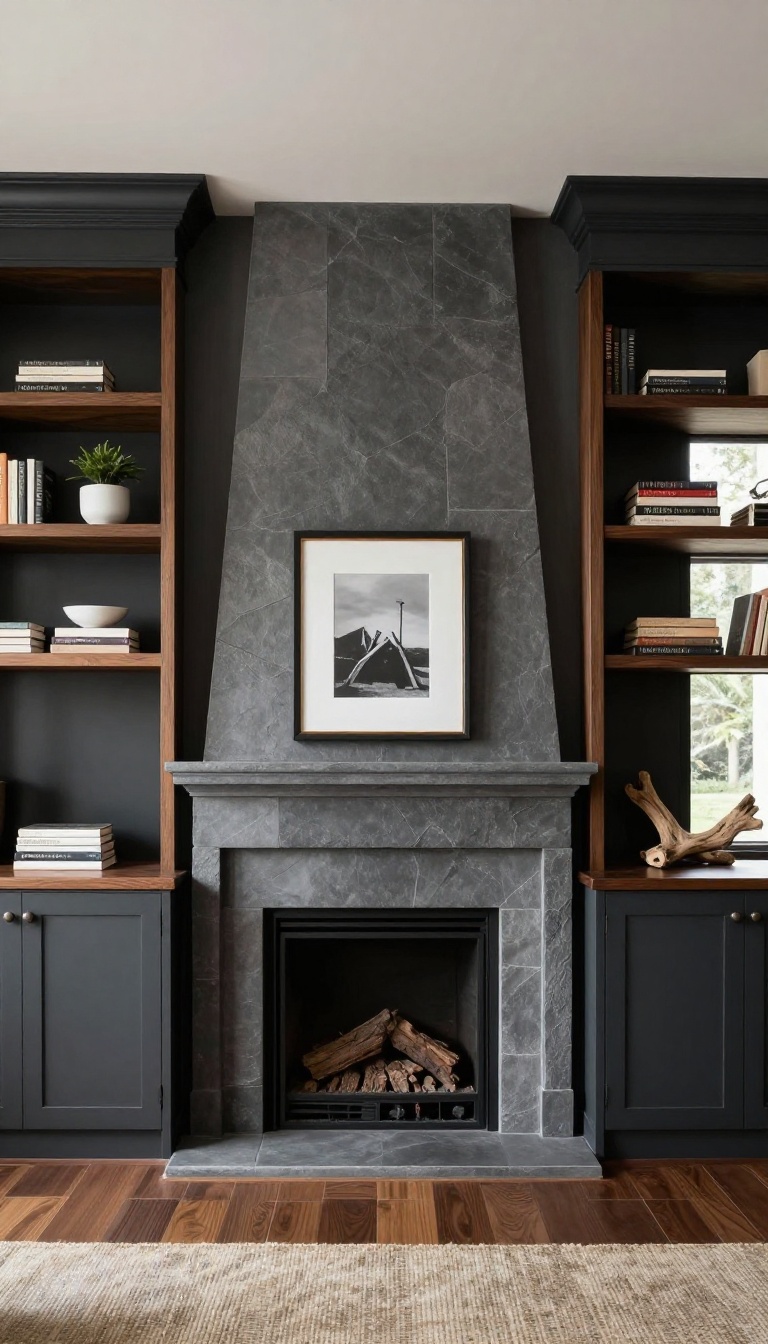
Built-in shelves and cabinets solve two problems at once: they swallow the clutter that makes a room feel messy, and they give you a place to show off the stuff you actually like. A freestanding bookcase can look fine, but it rarely looks intentional. Built-ins, on the other hand, feel like part of the architecture, which instantly raises the polish level of the whole room.
You don't need a custom carpenter to get the look. Plenty of modular systems sit flush against a wall and read as built-ins once they're trimmed out and painted to match. The key is treating the unit as a permanent feature, not a piece of furniture you might move next year.
That shift in mindset changes how you style it and how the room feels.
Plan The Layout Around The Wall
Start by measuring the wall you want to fill. Floor-to-ceiling units make the biggest impact, but a lower cabinet with open shelves above works well under a window or on a shorter wall. If you have a fireplace or TV, flank it with matching towers for a symmetrical look that feels deliberate.
Asymmetrical arrangements can work too, but they're harder to pull off. When in doubt, go symmetrical.
Style The Shelves Like A Pro
The trick to shelves that look good is mixing sizes, shapes, and materials. Group books in small stacks instead of long rows. Lean a few horizontally to break up the vertical lines.
Add a mix of objects: a ceramic bowl, a framed photo, a small plant, a piece of driftwood. Leave some empty space so the eye can rest. The goal is curated, not crowded.
Hide The Ugly Stuff
Built-ins aren't just for display. Use closed cabinets at the bottom to stash remotes, chargers, board games, and anything else you don't want on show. Baskets and bins work well on open shelves too, especially if they're matching.
The less visual noise, the more polished the room looks. A place for everything means everything stays in its place.
Paint Them In
One of the fastest ways to make built-ins look custom is to paint them the same color as the wall. It blurs the line between furniture and architecture, making the room feel larger and more cohesive. If you want contrast, go darker than the wall for a moody, library vibe.
Either way, a satin or semigloss finish is easier to wipe down than flat paint.
9. Add a Bar Cart or Side Table
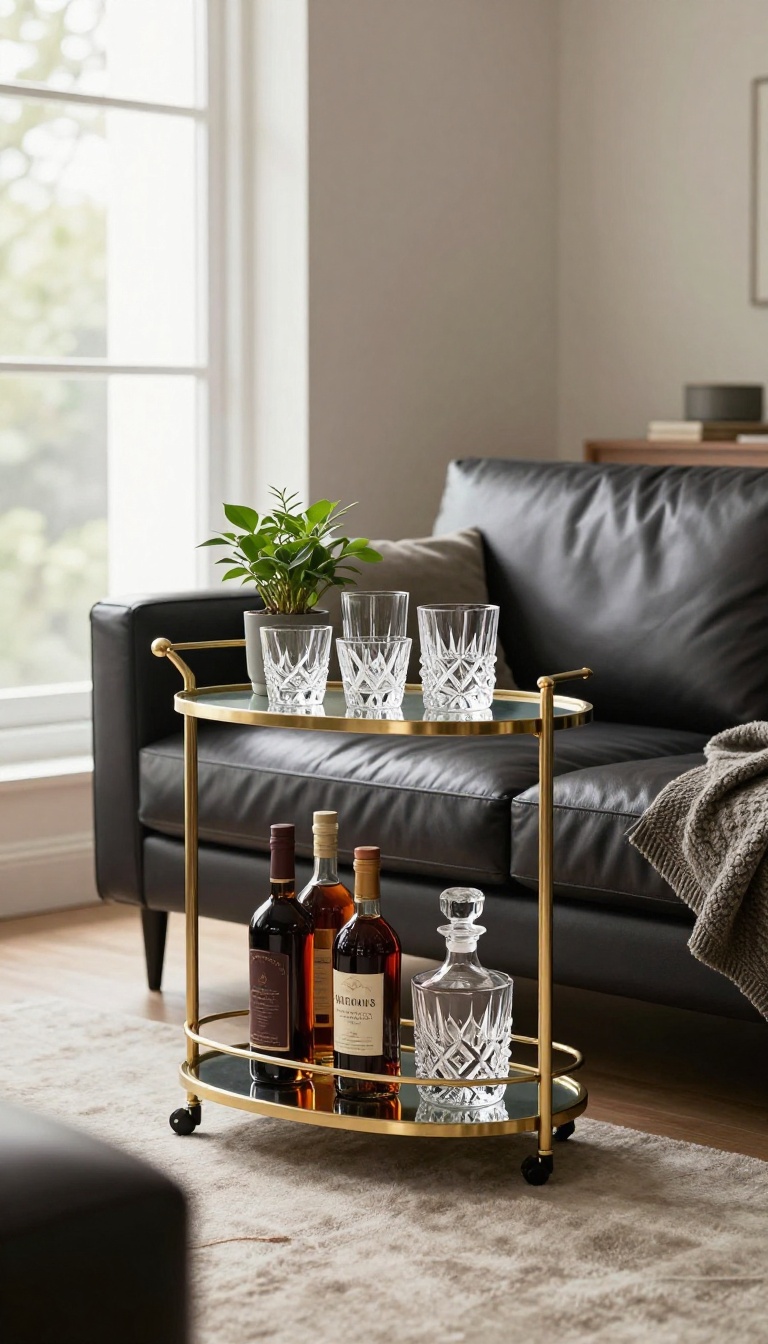
A bar cart or side table might seem like a small addition, but it pulls a lot of weight in a living room. It gives you a dedicated spot for drinks, books, or a plant, which keeps surfaces clear and the room looking intentional. Plus, it adds a layer of polish that feels collected rather than cluttered.
The best part? You don't need a lot of space or money. A slim side table next to the sofa or a compact bar cart in a corner can do the trick.
It's an easy upgrade that makes the room feel more finished and functional.
A bar cart or side table might seem like a small addition, but it pulls a lot of weight in a living room. It gives you a dedicated spot for drinks, books, or a plant, which keeps surfaces clear and the room looking intentional. Plus, it adds a layer of polish that feels collected rather than cluttered.
The best part? You don't need a lot of space or money. A slim side table next to the sofa or a compact bar cart in a corner can do the trick.
It's an easy upgrade that makes the room feel more finished and functional.
Pick The Right Piece For Your Space
A bar cart works best in a corner or against a wall where it won't block traffic. Look for one with two or three tiers so you can store bottles on the bottom and glassware up top. If you have a smaller room, a side table next to your sofa or armchair is a smarter choice.
It takes up less floor space and still gives you a surface for a lamp, a drink, or your phone. Material matters too. Metal and glass carts feel modern and light, while wood ones add warmth.
Choose something that matches the other finishes in the room so it doesn't stick out like an afterthought.
Style It Without Overdoing It
The key to making a bar cart or side table look polished is restraint. You don't need to fill every inch. On a bar cart, group bottles on one tier and add a couple of nice glasses and a small plant or a book on the other.
A tray keeps things from sliding around and makes the arrangement look deliberate. For a side table, a lamp, a coaster, and one decorative object is usually enough. A small stack of books or a single candle can work too.
Just avoid piling on clutter. The goal is to make it look like you curated it, not like you dumped your pockets there.
Keep It Functional And Tidy
A bar cart or side table should be useful, not just pretty. If you use it for drinks, keep a bottle opener and a few napkins handy. If it's next to your sofa, make sure it's within arm's reach so you actually use it.
A small drawer or a lower shelf gives you hidden storage for remotes or chargers. Once a week, take two minutes to straighten it up. Wipe down the surface, toss empty glasses, and fluff any plants.
That little bit of maintenance keeps it looking sharp and prevents it from becoming a catch-all for junk.
10. Bring in Natural Elements
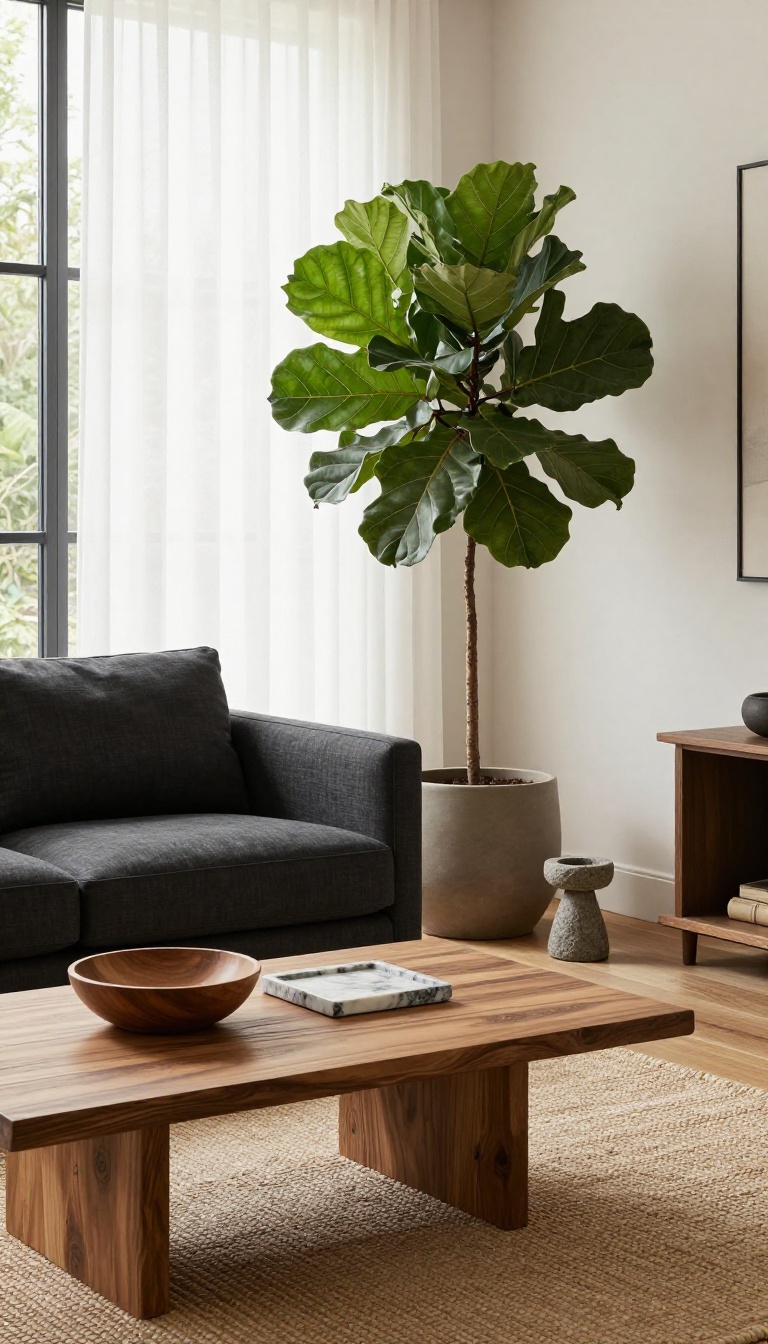
Natural elements add texture and warmth that manufactured materials can't replicate. A single large floor plant or a wooden bowl on the coffee table can soften a room and make it feel more inviting. You don't need to turn your living room into a jungle—just a few strategic pieces will do the trick.
Plants, wood, and stone are the trifecta of natural decor. They break up the flatness of drywall and synthetic fabrics, and they give the eye something organic to rest on. Even in a modern, minimalist space, a touch of nature keeps things from feeling sterile.
Pick A Statement Plant
A large floor plant like a fiddle leaf fig, snake plant, or rubber tree instantly adds height and life. Place it in a corner that feels empty or next to your sofa to anchor the seating area. Choose a pot that matches your style—a simple ceramic or woven basket works well.
Low-maintenance options are best if you don't have a green thumb.
Use Wood For Warmth
Wood brings a natural warmth that pairs well with almost any color scheme. A chunky wooden coffee table, a live-edge shelf, or even a set of wooden coasters can make a difference. If you already have wood floors, add a wooden bowl or tray to tie it together.
Just avoid matching every wood tone—variety looks more collected.
Add Stone Or Natural Textures
Stone and other natural textures add depth and a subtle ruggedness. A marble tray on the ottoman, a stone candle holder, or a woven jute rug can do the job. These materials also reflect light differently, which helps a room feel more dynamic.
Mix them with softer fabrics to keep things balanced.
11. Keep It Tidy with Smart Storage
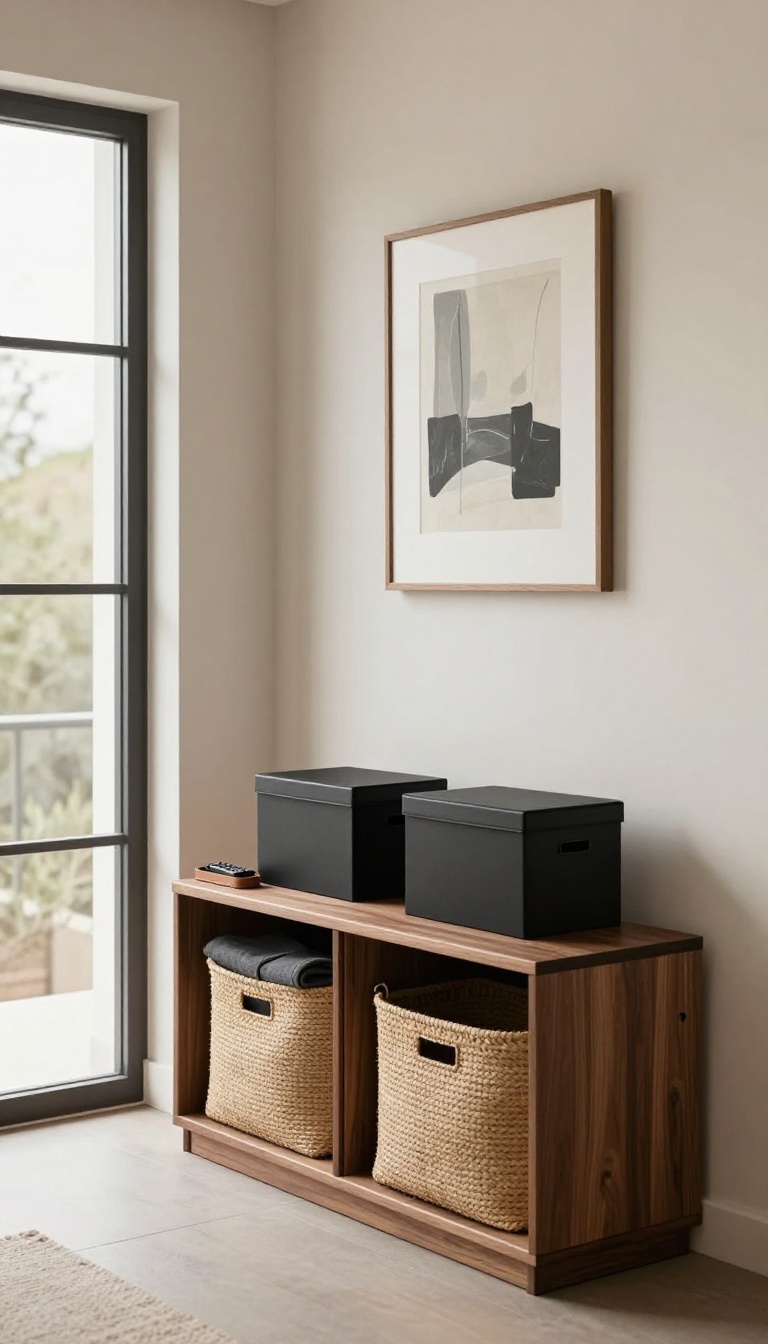
Clutter kills polish faster than bad furniture ever will. A few stray remotes, a pile of mail, and a tangle of cords can make even a well-designed room look like a dorm. Smart storage gives everything a home, so the room stays looking intentional even on a random Tuesday.
You don't need a wall of built-ins to get this right. A few strategic pieces will do the heavy lifting, and they'll actually make the room easier to live in. The goal is simple: if it doesn't belong on display, it needs a designated spot that's easy to reach.
Choose Containers That Earn Their Keep
Baskets, bins, and lidded boxes are the workhorses here. Woven baskets look great and swallow blankets, magazines, or controllers without a second thought. Go for one or two larger baskets instead of a bunch of small ones, since a single big basket reads as decor while five little ones read as clutter.
For shelves, use matching boxes or bins so the eye glides past them. If you can label them discreetly, even better, but keep it subtle.
Make The Media Console Pull Double Duty
A media console with closed storage is one of the best investments for a polished living room. Doors hide cable boxes, game consoles, and the mess of cords that comes with them. Look for one with cable management cutouts in the back, or add your own with a drill and a grommet kit.
Inside, use small bins or dividers to keep remotes and accessories from turning into a junk drawer. If your console is open, add baskets or fabric bins to corral the chaos.
Deal With Paper Before It Piles Up
Mail, magazines, and catalogs are the silent killers of a tidy room. Put a small tray or a dedicated drawer near the entry or by your usual spot on the sofa. Sort it once a week and recycle what you don't need.
For magazines you actually keep, a simple holder on a shelf keeps them contained and looking deliberate. The same goes for books: a few stacked neatly look intentional, a sprawling pile looks like you gave up.
Hide The Cords, Keep The Function
Cords are the enemy of a clean look. Use cable sleeves, clips, or a simple cord box to tame the mess behind your TV and side tables. If you have a lamp on a console, run the cord behind the furniture and secure it with clips.
For charging cables, a small catch-all tray or a dedicated drawer keeps them from snaking across the coffee table. A little planning here goes a long way.
FAQ
What colors work best for a men's living room?
Neutrals like gray, navy, charcoal, and brown are classic choices. They provide a versatile base that you can accent with bolder colors if you want.
How can I make my living room look more expensive?
Focus on quality over quantity. Invest in a few key pieces like a good sofa, a nice rug, and proper lighting. Keep clutter to a minimum and choose timeless designs.
Do I need a rug in my living room?
A rug isn't mandatory, but it helps define the seating area and adds warmth. If you have hardwood floors, a rug can also reduce noise and make the space feel cozier.
What kind of lighting should I use?
Layer your lighting with a mix of overhead, task, and accent lights. Dimmable options give you control over the mood, and warm bulbs create a comfortable atmosphere.
How do I style shelves without making them look cluttered?
Follow the rule of thirds: group items in odd numbers, vary heights, and leave some empty space. Mix books with decorative objects and personal items for balance.
Conclusion
A polished living room rarely comes from one big purchase. It comes from a handful of small, deliberate choices that work together—better lighting, smarter storage, a layout that finally makes sense. Pick the idea that solves your biggest frustration first, then build from there.
Give yourself permission to adjust as you go.
Move the lamp, swap the art, try a different rug. Each tweak teaches you what the room actually needs. Before long, the space will feel less like a project and more like home.