How to Clean Blinds with 11 Fast Dust-Removal Methods
Dusty blinds can make a whole room feel dingy, but you don't need to spend hours scrubbing each slat. These 11 methods use everyday items to knock out dust fast—some in a single swipe.
From microfiber cloths to shower steam, each trick targets a specific blind type or dust situation.
Pick the one that fits your blinds and your schedule, and watch the grime disappear.
1. Microfiber Cloth: The Quickest All-Rounder
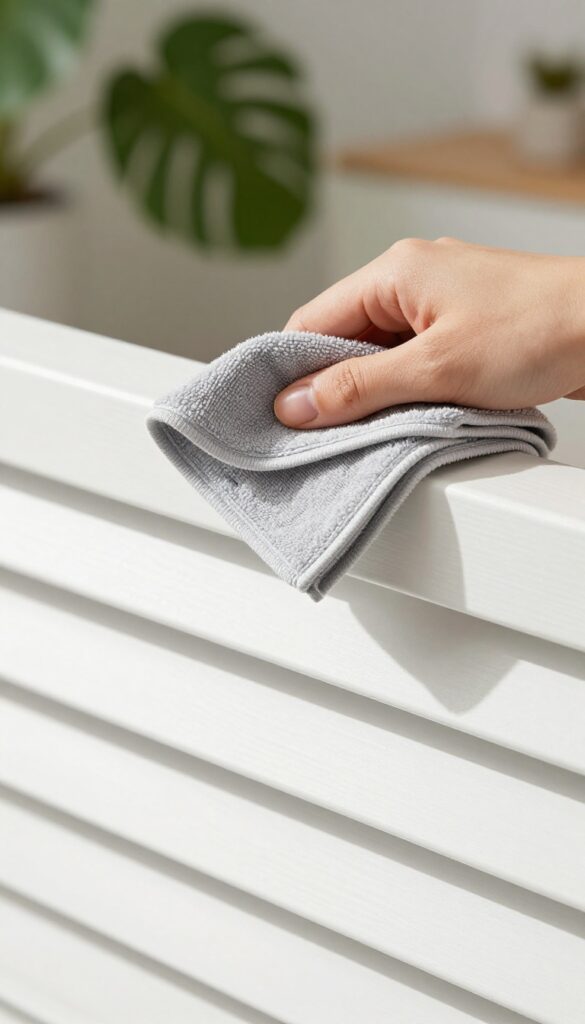
When you need to dust blinds fast and don't want to drag out a bunch of tools, a microfiber cloth is your best friend. The secret is in the fibers—they create static electricity that pulls dust off surfaces instead of just pushing it around. Plus, microfiber is soft enough for delicate materials like faux wood or aluminum, so you won't scratch anything.
Start by closing the blinds flat so the slats form one smooth surface. Take a dry microfiber cloth and wipe each slat from top to bottom, applying light pressure. For horizontal blinds, work your way across, then flip the cloth to a clean side for the next slat.
If your blinds are especially dirty, you can lightly dampen the cloth with water, but make sure it's just barely moist—too much water can warp some materials. This method works on vertical blinds too: just gather the fabric in your hand and slide down each vane. The whole process takes about 5 minutes for a standard window, and you won't need any sprays or chemicals.
Why Microfiber Works So Well
Microfiber is made of split polyester and polyamide fibers that are about 1/100th the thickness of a human hair. These tiny fibers create a large surface area and a positive static charge that attracts negatively charged dust particles. Unlike cotton cloths that just smear dust around, microfiber traps and holds it until you shake or wash the cloth.
Best Practices For Best Results
Use a fresh, clean microfiber cloth each time—old ones lose their static grip. If you're tackling multiple windows, keep a few cloths handy and swap them out as they get dusty. For extra stubborn grime, add a drop of mild dish soap to a damp cloth, but test on an inconspicuous slat first.
Always wipe in one direction (top to bottom) to avoid redepositing dust.
When To Avoid Microfiber
Skip microfiber on real wood blinds that aren't sealed properly—the fibers can snag or leave lint. Also avoid it on very delicate sheer shades where the fabric might pill. For those, a soft duster or compressed air is safer.
2. Vacuum with a Brush Attachment: Zero Dust Redistribution
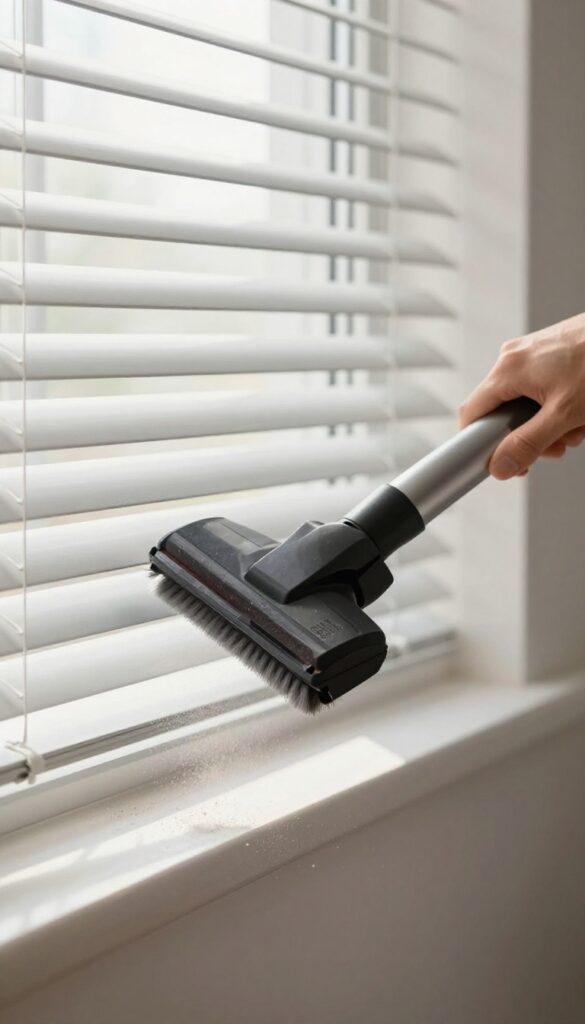
Grab your vacuum and the soft brush attachment—this might be the fastest way to clean blinds without stirring up dust. The brush gently loosens debris while the suction pulls it away, so nothing escapes into the air. It's especially great for fabric or vertical blinds that trap particles deep in the weave.
Why The Brush Attachment Works Best
The soft bristles are designed to lift dust from surfaces without scratching. On blinds, they reach into the crevices between slats and along the cords. A standard crevice tool can't do that—it just blows dust around.
The brush attachment also prevents static buildup that attracts more dust later.
Step-by-step: How To Vacuum Blinds
Close the blinds flat so the slats form a continuous surface. Start at the top and work your way down with smooth, overlapping strokes. For horizontal blinds, vacuum both sides by rotating the slats.
For vertical blinds, go from top to bottom in one pass. Use low suction to avoid bending the slats.
When To Skip This Method
If your blinds are very delicate or have loose parts, the vacuum's suction might pull them off. Also avoid this on heavily soiled blinds—the brush can grind dirt into the fabric. In those cases, spot-clean first or use a different method.
3. The Sock Trick: One-Stroke Wonder
You probably have a lonely sock in your laundry basket right now. Instead of tossing it, turn it into a dusting glove that cleans each slat in one smooth pass. The fabric grabs dust without scratching, and a quick spritz gives it just enough grip to lift grime instead of pushing it around.
The sock trick works because the soft cotton or wool creates friction that traps dust particles. Unlike a dry cloth that just redistributes dust, a slightly damp sock holds onto it. Plus, you can wash the sock and reuse it—no disposable wipes needed.
Why A Sock Works Best
An old sock fits snugly over your hand, giving you full control and fingertip precision. The fabric’s texture grabs dust from both sides of the slat at once when you pinch. Microfiber is great, but a sock is free and already in your drawer.
How To Do It Right
Slip the sock over your hand like a glove. Lightly mist it with water or a dab of furniture polish—too wet and you’ll leave streaks. Pinch each slat between your thumb and fingers, then slide from one end to the other.
Flip the sock inside out when one side gets dirty.
Best Blinds For This Method
This trick shines on horizontal blinds made of metal, faux wood, or vinyl. The gentle pressure won’t bend slats, and the sock won’t leave lint behind. Avoid using it on fabric or paper blinds, as moisture can stain or warp them.
4. Dryer Sheets: Anti-Static Bonus
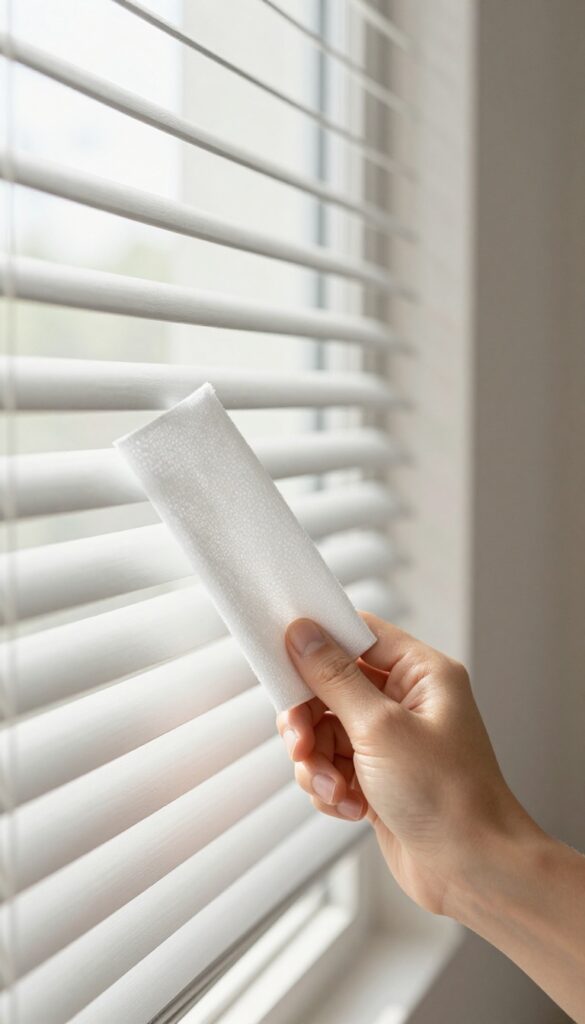
Used dryer sheets are surprisingly handy for dusting blinds. The fabric softener residue clings to dust, lifting it off slats easily, and leaves behind a thin anti-static coating that helps repel future dust. It's a two-for-one cleaning trick that costs nothing extra.
Why It Works
Dryer sheets are designed to reduce static cling in laundry, and that same property works on blinds. The sheet's texture grabs dust particles, while the anti-static agents neutralize the charge that attracts dust. The result: cleaner blinds that stay dust-free longer.
How To Use
Take a used dryer sheet (new ones work too, but used are less greasy) and run it over each slat, top and bottom. For horizontal blinds, work from top to bottom to avoid dropping dust onto already-cleaned slats. No need to spray anything—the sheet's built-in softener does the job.
Best Blind Types
This method works best on vinyl, aluminum, or plastic blinds. Avoid using dryer sheets on wood or faux wood blinds, as the chemicals can damage the finish over time. Stick to microfiber or a gentle cleaner for those.
5. Compressed Air: For Hard-to-Reach Spots
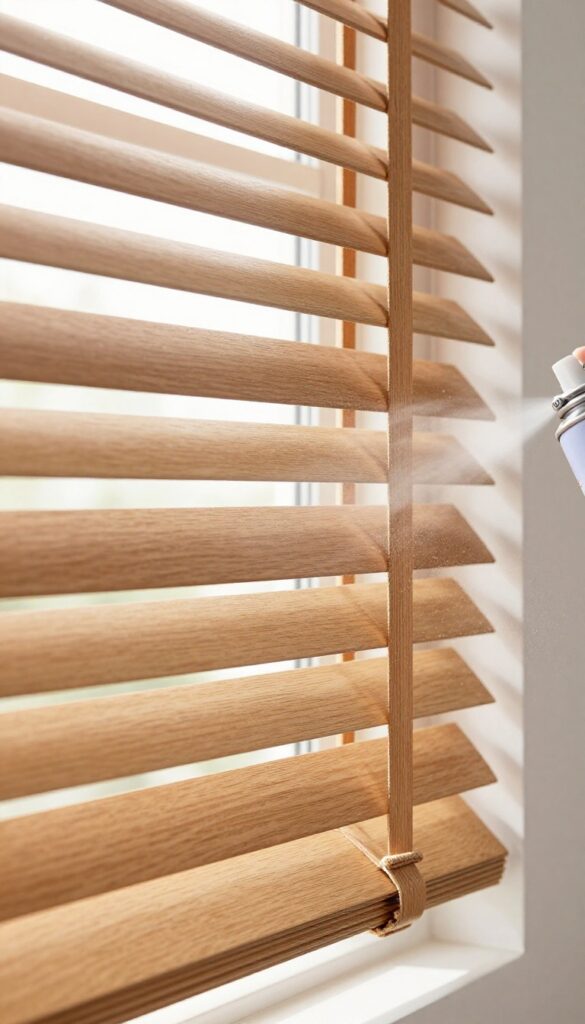
Sometimes dust settles in places your hands—and rags—just can't get to. The tiny gaps between cords, the corners of horizontal blinds, and the little crevices around the headrail are perfect dust magnets. That's where a can of compressed air comes in handy.
Compressed air blasts dust out of tight spots without you having to touch anything. It's the same stuff you use to clean a keyboard, and it works just as well on blinds. The forceful stream dislodges dust from deep within the mechanism and sends it flying into the air—so you'll want to do this before vacuuming or dusting the rest of the room.
For best results, hold the can upright and use short bursts. Tilt the nozzle at different angles to reach every nook. Focus on the cord loops, the tilt wand, and the brackets where the blinds attach to the window frame.
This method is especially useful for mini blinds and vertical blinds with lots of small parts.
Where Compressed Air Shines
Compressed air is ideal for the fiddly bits you usually ignore. The headrail—the top bar that holds the mechanism—collects dust in its slots and seams. A few quick blasts clear it out.
Same goes for the cord lock, the pulley, and the little plastic tassels at the end of the cords. If you have cellular or honeycomb shades, compressed air can also help clean the pleats without crushing them.
How To Use It Without Making A Mess
Work from top to bottom and blow dust away from the window frame—otherwise you'll just push it back onto the blinds. Open the window slightly if you can, so the dust blows outside. If that's not possible, hold a vacuum hose near the area you're blasting to catch the dust as it flies out.
This combo keeps the dust from settling on furniture or the floor.
Safety Tips For Compressed Air
Always follow the instructions on the can. Never shake it, and don't tilt it too far sideways—liquid can come out and leave a residue on your blinds. Keep the can at least a few inches away from the surface to avoid freezing the plastic or paint.
And work in a well-ventilated area; the propellant can be strong if you're using a lot.
6. Lint Roller: Quick Touch-Ups
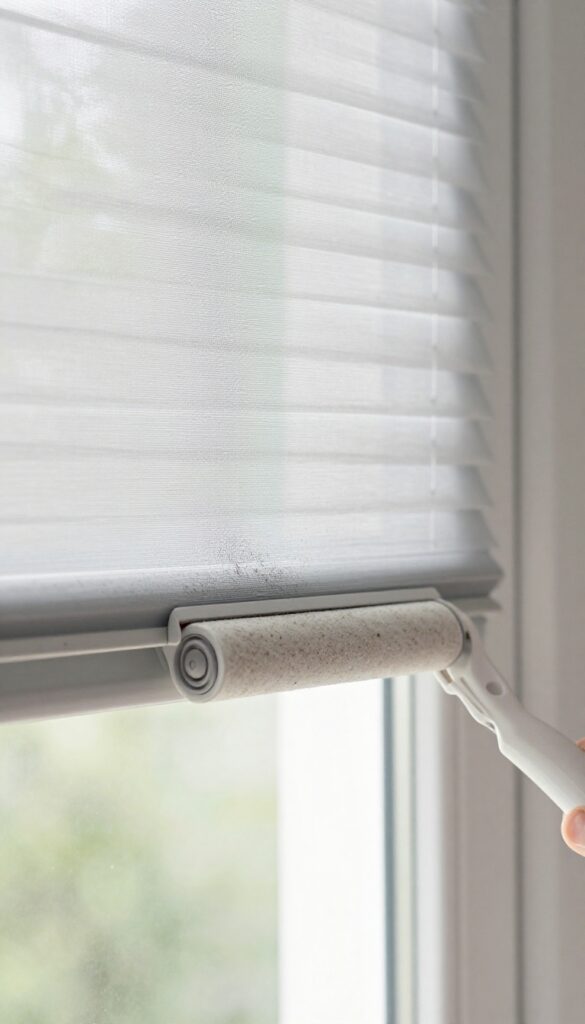
For those moments when you notice a dusty slat and just want it gone without a full production, a lint roller is your secret weapon. It's perfect for spot-cleaning or giving a single blind a quick refresh between deeper cleanings.
Lint rollers aren't just for clothes—they're surprisingly effective at grabbing dust and pet hair from blinds. The adhesive sheets pick up particles without spreading them around, making it a mess-free option for a fast touch-up.
Best For Pet Hair And Surface Dust
If you have pets, you know how fur clings to blinds. A lint roller lifts that hair quickly, especially on horizontal blinds. Just roll it over each slat, and the adhesive grabs everything from dust bunnies to fine particles.
How To Use It Effectively
Start at the top of the blind and work your way down, pressing firmly but not too hard. Use a fresh sheet for each slat to avoid redepositing dust. For vertical blinds, roll from top to bottom in one smooth motion.
When To Choose This Method
This is ideal for a quick fix before guests arrive or when you're short on time. It's also great for mini blinds in tight spaces like kitchens or offices. Keep a lint roller in a drawer for instant dust control.
7. Sponge with a Twist: Damp but Not Wet
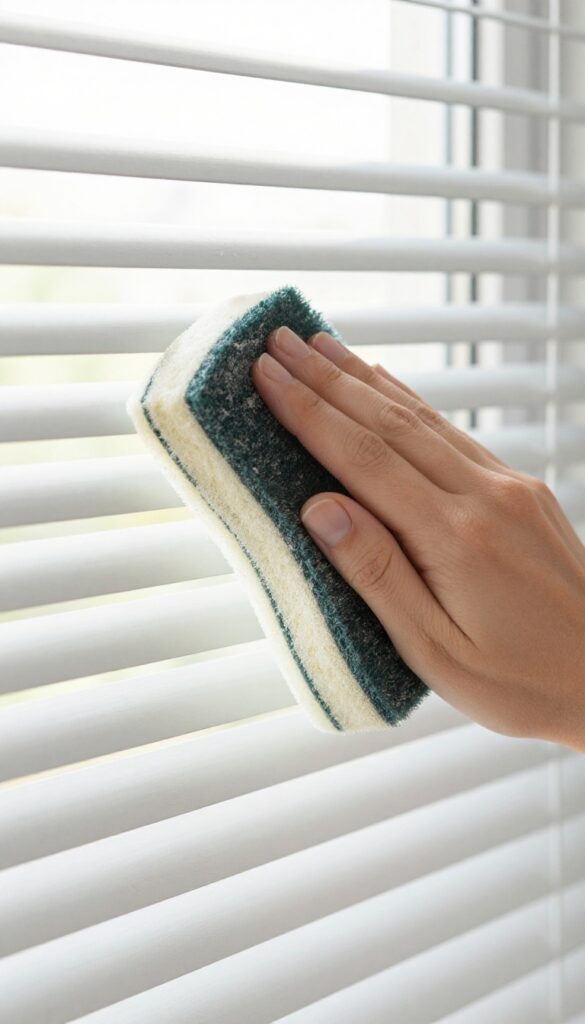
A sponge might seem like an odd choice for dusting, but when you get the moisture level just right, it works wonders. The key is to dampen it and then wring it out thoroughly—you want it barely damp, not dripping. This way, the sponge grabs dust without leaving water marks or damaging the slats.
It's especially effective on plastic or faux wood blinds.
Why Damp Works Better Than Dry
Dry dusting can sometimes just move dust around, especially on static-prone surfaces. A barely damp sponge adds a little weight and tackiness, so dust sticks to it instead of flying into the air. Plus, it picks up grime that dry cloths might leave behind.
How To Get The Moisture Right
Run a clean sponge under water, then squeeze it firmly until no more water drips out. Press it between your palms or against the sink edge to remove excess. The sponge should feel cool and slightly moist, not wet.
Test it on a hidden slat first.
Best Blind Types For This Method
This technique works best on horizontal blinds made of vinyl, aluminum, or faux wood. Avoid using it on real wood blinds, as moisture can warp them. For vertical blinds, use the sponge on the front and back of each vane.
8. Paintbrush or Makeup Brush: Precision Cleaning
When you need to clean delicate blinds without scratching or bending them, a soft brush is your best friend. A wide paintbrush or a large makeup brush lets you dust each slat individually with gentle precision. This method works wonders on wood, faux wood, and other fragile materials that can't handle harsh scrubbing or excess moisture.
The key is using a brush with soft, dense bristles that won't leave scratches. Dip the brush into a small amount of dusting spray or just keep it dry for quick touch-ups. Work from the top slat down, using short strokes to push dust off the edge.
For stubborn spots, lightly dampen the bristles with water or a gentle cleaner.
Why It's Perfect For Wood Blinds
Wood blinds are prone to warping and cracking if they get too wet. A dry brush removes dust without introducing moisture. The soft bristles also prevent scratches on the finish.
This method keeps your wood blinds looking new longer.
Best Brushes To Use
Look for a paintbrush that's at least 2 inches wide with natural or synthetic soft bristles. Alternatively, a large powder makeup brush works great because it's designed to hold and release dust. Avoid stiff brushes or those with metal ferrules that could scratch.
Tips For Maximum Efficiency
Hold the brush at a slight angle so the bristles slide under the slat's edge. Work in one direction to avoid spreading dust back onto clean slats. Clean the brush after each use by tapping it against a trash can or rinsing it with mild soap.
9. The Pantyhose Method: Static and Gentle

If you have an old pair of pantyhose with a run in them, don't toss them—they're about to become your best dusting tool. The nylon fabric creates static electricity as it glides across blind slats, pulling dust right off the surface without any sprays or chemicals. It's especially great for mini blinds and delicate finishes that scratch easily.
Why Pantyhose Work So Well
The secret is static cling. When you rub nylon against the plastic or metal of blinds, it generates a mild static charge that attracts dust like a magnet. Unlike a dry cloth that just pushes dust around, the pantyhose actually lifts and holds it.
Plus, the soft fabric won't scratch or leave lint behind.
How To Set Up Your Dusting Tool
Cut the leg off an old pair of pantyhose and slide it over a ruler, yardstick, or even a paint stirrer. Secure it with a rubber band at the top so it stays tight. The flat edge of the ruler lets you clean both sides of each slat in one pass.
If you need to reach high blinds, just use a longer stick.
Pro Tips For Best Results
Work from the top down so dust falls onto lower slats you haven't cleaned yet. For horizontal blinds, close them flat and slide the pantyhose-covered ruler along each slat. Then tilt them the other way and repeat.
If the pantyhose gets too dusty, just shake it out or swap to a fresh section. No need for any cleaning solution—the static does all the work.
10. DIY Dusting Spray: Homemade and Effective
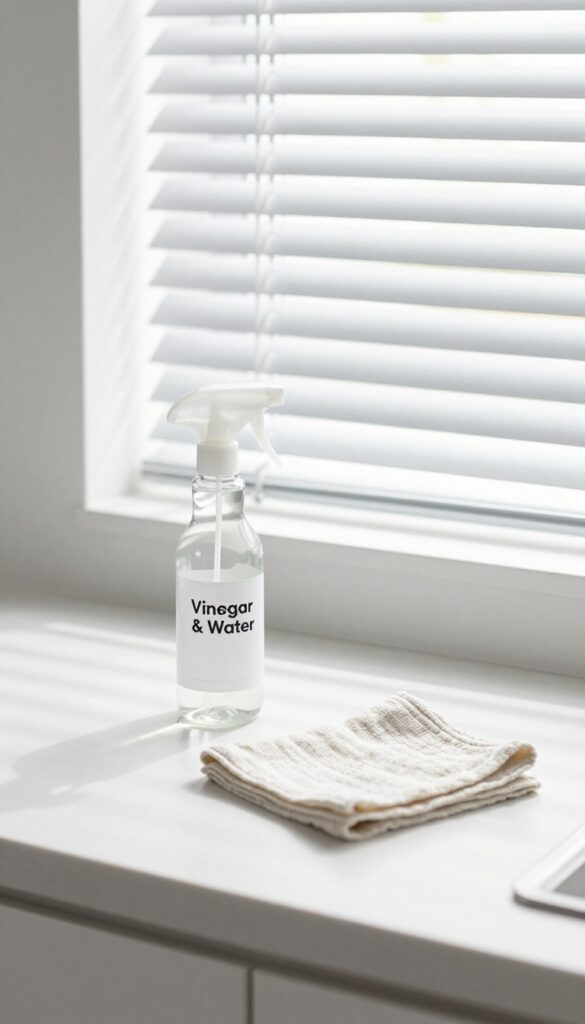
Why spend money on store-bought dusting sprays when you can make one in seconds with ingredients you already have? This simple vinegar-based solution cuts through dust and grime without leaving behind sticky residue or harsh chemicals. It's safe for most blind materials and costs pennies per use.
Mixing your own dusting spray is straightforward: combine equal parts water and white vinegar in a spray bottle. Shake gently, and you're ready. The key is to mist the cloth, not the blinds, to avoid drips and streaks.
A microfiber cloth works best because it traps dust rather than pushing it around. Lightly dampen the cloth with the spray, then wipe each slat from top to bottom. The vinegar evaporates quickly, leaving blinds clean and streak-free.
For extra grease-cutting power on kitchen blinds, add a drop of dish soap to the mixture.
Why Vinegar Works So Well
White vinegar is a natural degreaser and disinfectant. Its mild acidity breaks down the oils and grime that attract dust, so you're not just moving dust around—you're removing the sticky layer that holds it. Plus, vinegar is non-toxic and safe around kids and pets.
How To Apply Without Mess
Always spray the cloth, not the blinds. If you spray directly, moisture can seep into the cords or mechanisms, causing damage or mold. Use a microfiber cloth that's been lightly misted—it should feel damp, not wet.
Wipe each slat in one direction to avoid spreading dust.
Adjusting The Recipe For Different Blinds
For vertical or fabric blinds, skip the vinegar and use plain water to avoid any risk of discoloration. For metal or plastic blinds, the standard 50/50 mix is perfect. If you're dealing with stubborn grime in a kitchen, add a teaspoon of dish soap per cup of water to boost grease-cutting power.
11. Shower Steam: The Passive Clean
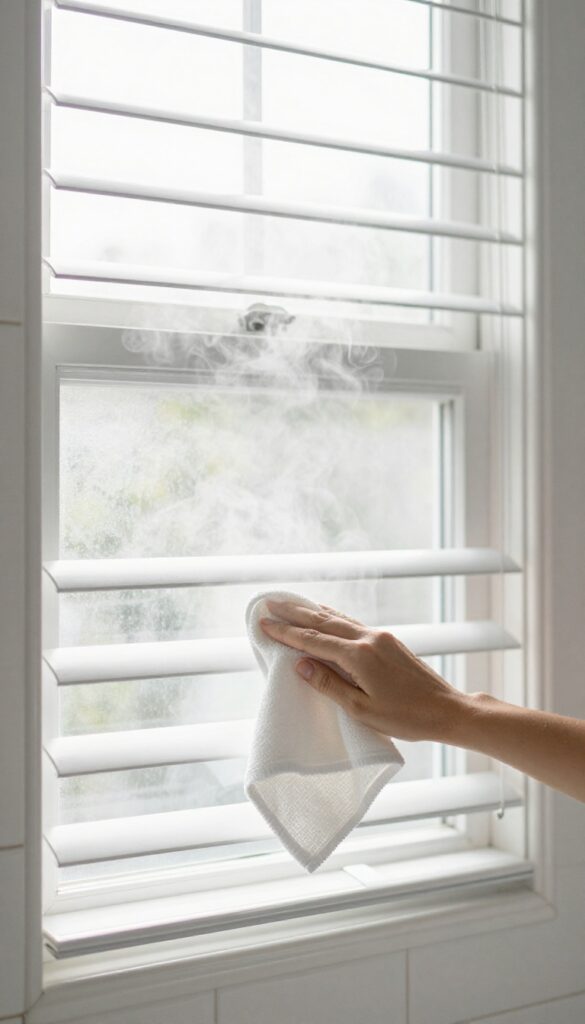
If your blinds live in a bathroom, you’re in luck. The steam from a hot shower can loosen dust and grime without you lifting a finger. Close the blinds before you step in, then wipe them dry when you get out.
It’s a low-effort method that works especially well for vinyl or faux wood blinds that can handle moisture.
This method is almost effortless because the steam does the heavy lifting. The warm, moist air softens dust particles and helps them release from the slats. After a 10-minute shower, just run a dry microfiber cloth over each slat and watch the dust slide off.
It’s perfect for busy mornings or when you want to multitask.
Why Steam Works So Well
Steam loosens the electrostatic bond that holds dust to surfaces. In a closed bathroom, the humidity builds quickly and penetrates every crevice. The result is dust that wipes away easily without scrubbing or chemical sprays.
Best Blind Materials For This Method
Vinyl, faux wood, and aluminum blinds handle steam best. Avoid using steam on real wood blinds—the moisture can warp the slats or damage the finish. If you’re unsure, test a small area first.
Quick After-shower Routine
Right after your shower, grab a clean, dry microfiber cloth. Start at the top slat and work your way down, wiping both sides. The dust should come off easily.
If you notice streaks, a second pass with a slightly damp cloth will finish the job.
When To Skip This Method
Skip the steam if your blinds have heavy grease buildup or if they’re located in a bathroom with poor ventilation. In that case, the extra moisture might lead to mold or mildew. Stick to a dry method or a gentle cleaner instead.
FAQ
How often should I dust my blinds?
Aim for once a week to prevent heavy buildup. In high-traffic areas or homes with pets, twice a week may be better.
Can I use water on all types of blinds?
Water is safe for vinyl, aluminum, and faux wood blinds, but avoid soaking wood blinds. Use a barely damp cloth instead.
What's the fastest way to clean blinds?
The vacuum with a brush attachment is the fastest overall, as it covers multiple slats at once without spreading dust.
How do I clean the cords on blinds?
Wipe cords with a damp microfiber cloth or use a lint roller. For stubborn dirt, dip a cloth in mild soapy water and squeeze out excess.
Can I put blinds in the dishwasher?
Only if the manufacturer says so. Most mini blinds are not dishwasher-safe. Stick to hand cleaning to avoid warping or damage.
Conclusion
Blinds don't have to be a dust magnet. With these 11 fast methods, you can keep them looking spotless using tools you already have around the house. The trick is to pick the technique that matches your blind type and stick with it consistently.
A quick weekly dusting with the right tool prevents buildup and saves you from heavy cleaning later. Try a couple of these methods, and you'll see how easy it is to maintain fresh, dust-free blinds without the hassle.