17 Couch Cleaning Tips for Stains Odor and Daily Freshness
Your couch sees it all—spilled coffee, pet accidents, snack crumbs, and everyday dust. Over time, these little mishaps can leave your favorite seat looking tired and smelling less than fresh.
But you don't need expensive professional services to bring it back to life. With the right techniques and a few household staples, you can tackle stains, neutralize odors, and keep your couch feeling clean every day.
These 17 tips are designed to be practical, easy to follow, and effective on most fabric types. Whether you're dealing with a fresh spill or set-in grime, there's a solution here for you.
1. Blot Spills Immediately to Prevent Stains
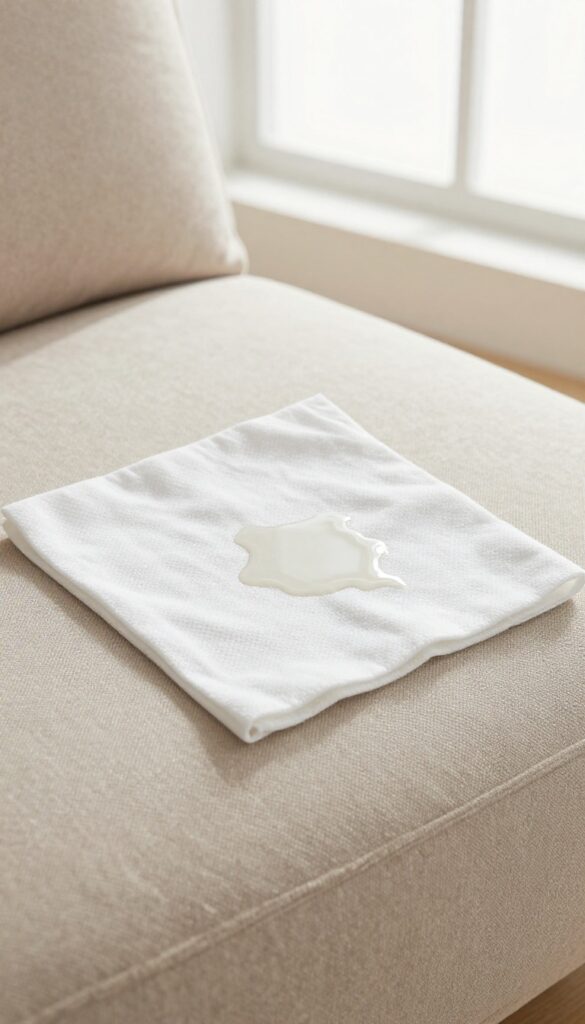
A fresh spill is your best chance to keep your couch stain-free. The moment liquid hits the fabric, grab a clean cloth and start blotting. Press down gently to absorb as much liquid as possible—never rub, because rubbing pushes the stain deeper into the fibers.
Blotting from the outside in keeps the spill from spreading. This one habit can save you from hours of scrubbing later.
Blotting is the single most effective way to stop spills from becoming permanent stains. The key is speed and technique. Use a white or light-colored cloth to avoid transferring dye, and keep dabbing until the cloth comes up dry.
For thicker spills like sauce or mud, scrape off excess first with a spoon or dull knife. Then blot with a damp cloth to lift any residue. If the spill has already started to dry, dampen the cloth slightly with water—but don't soak the cushion.
Always check your couch's cleaning code before using any liquid.
Why Rubbing Makes Stains Worse
Rubbing might feel like the right move, but it actually grinds the liquid into the fabric fibers. This can set the stain permanently and damage the texture of your couch. Blotting, on the other hand, lifts the spill out.
Think of it like a paper towel on a wet counter—you press, you don't scrub.
What To Use For Blotting
A clean, absorbent cloth is best—old t-shirts, microfiber towels, or paper towels work well. Avoid colored cloths that might bleed dye onto your couch. If you're dealing with a greasy spill, sprinkle baking soda or cornstarch on the area first to absorb the oil, then blot after a few minutes.
When To Blot Vs. When To Scrub
Blotting is for fresh, liquid spills. For dried or sticky messes, you might need to gently scrub with a soft brush after applying a cleaning solution. But always start with blotting—it's the safest first step for any spill.
2. Vacuum Your Couch Weekly to Remove Dust and Debris
You might not see it, but your couch is a magnet for dust, pet hair, and tiny crumbs. Every time you sit down, you're pushing these particles deeper into the fabric. A quick weekly vacuuming session can stop that buildup before it becomes a problem.
Grab your vacuum's upholstery attachment—it's gentler than the standard floor head and gets into crevices better. Run it over the entire surface, including the backrest, armrests, and seat cushions. Don't forget to lift the cushions and vacuum underneath, where dirt and debris tend to collect.
For stubborn pet hair, a rubber brush or a damp microfiber cloth can help lift it before you vacuum.
Why Weekly Vacuuming Matters
Dust and dander aren't just unsightly—they can trigger allergies and make your couch feel grimy. Regular vacuuming prevents these particles from settling into the fibers, where they can cause wear and odor over time. It's the single easiest habit to keep your couch looking and smelling fresh.
How To Vacuum Effectively
Start by removing all cushions and pillows. Use the crevice tool to get into seams and corners. Then switch to the upholstery brush and go over the entire couch in overlapping strokes.
Pay extra attention to high-traffic areas like the center seat and armrests. Finish by vacuuming the cushions on both sides before putting them back.
Tools That Make It Easier
A vacuum with a HEPA filter is ideal for trapping allergens. If you have pets, a rubber grooming glove or a squeegee can loosen embedded hair before vacuuming. For delicate fabrics, use a soft brush attachment and avoid aggressive scrubbing.
3. Check the Care Tag Before Using Any Cleaner
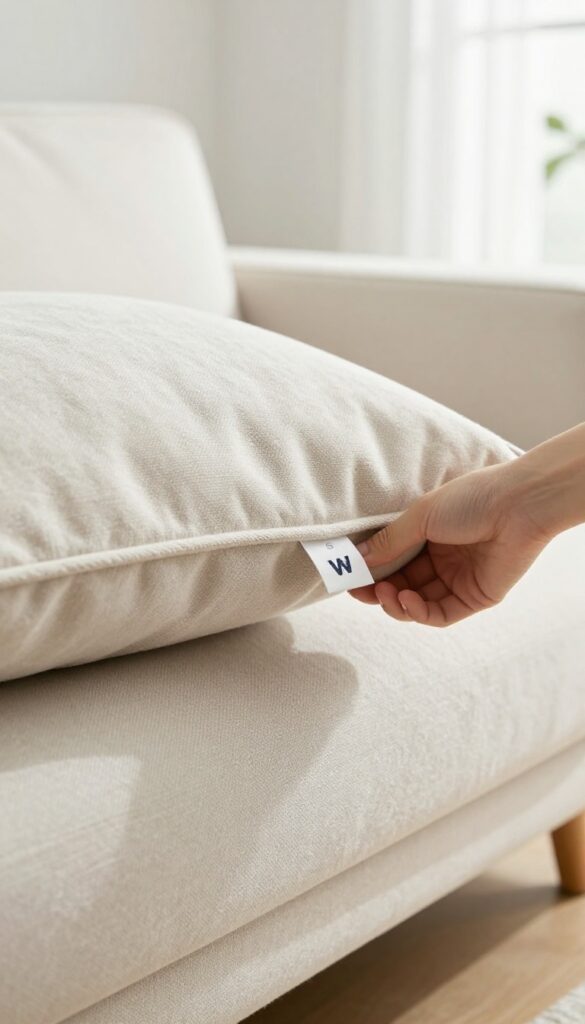
That little tag tucked under your cushion isn't just there for decoration. It tells you exactly how to clean your couch without ruining it. Ignoring it is one of the fastest ways to cause discoloration, shrinkage, or fabric damage.
What The Codes Mean
The care tag uses letters: W means you can use water-based cleaners, S means solvent-based only, WS means either is fine, and X means vacuum only. Stick to the code to avoid voiding your warranty.
Why It Matters
Using the wrong cleaner can strip dyes, leave residue, or even melt synthetic fibers. A quick glance at the tag saves you from a costly mistake.
What If The Tag Is Missing?
If the tag is gone or unreadable, test any cleaner on a hidden spot first. Dab a small amount and wait a few minutes to see if the color or texture changes.
4. Use Baking Soda to Absorb Odors Naturally
Baking soda is a powerhouse when it comes to neutralizing odors without harsh chemicals. It’s cheap, safe for most fabrics, and works wonders on musty smells, pet odors, and even lingering smoke. A simple sprinkle and vacuum routine can refresh your couch in under 30 minutes.
Sprinkle a generous layer of baking soda over the entire couch, focusing on cushions and crevices where odors hide. Let it sit for 15-20 minutes—longer for strong smells. Then vacuum thoroughly using an upholstery attachment to remove every trace.
For extra freshness, add a few drops of essential oil to the baking soda before applying.
Why Baking Soda Works
Baking soda is alkaline, which helps neutralize acidic odor molecules. It doesn’t just mask smells—it chemically absorbs them. This makes it effective for a wide range of odors, from sweat to pet accidents.
Best Practices For Application
Always test on a hidden area first to ensure colorfastness. Use a fine-mesh strainer for even distribution. For stubborn odors, let the baking soda sit overnight.
Vacuum slowly and thoroughly to avoid leaving residue.
Combining With Other Methods
For deep cleaning, follow up with a fabric-safe spray or steam cleaning. Baking soda can also be mixed with white vinegar to create a paste for spot-treating stains before the full application.
5. Treat Grease Stains with Dish Soap and Warm Water
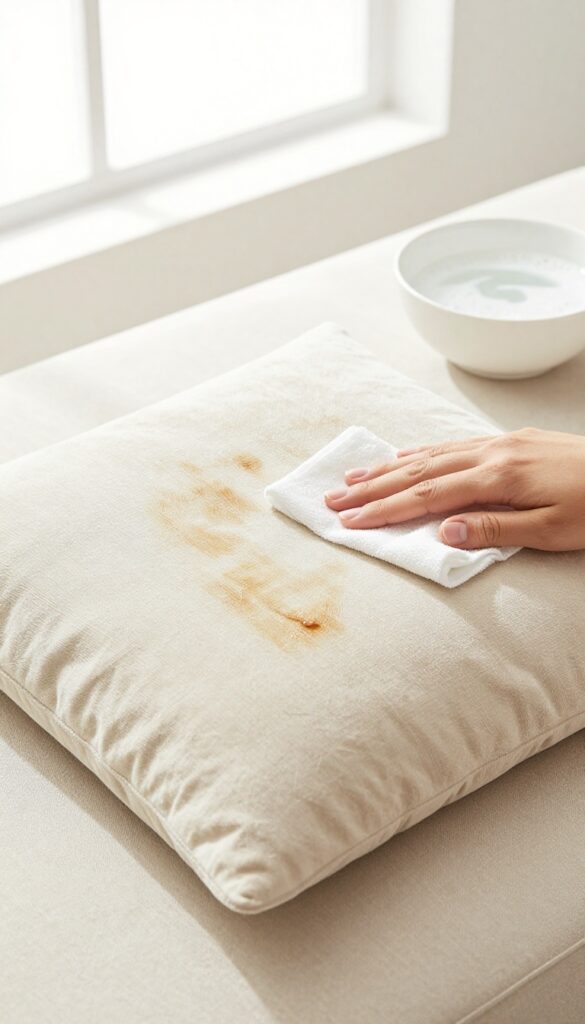
Grease stains from food, body oils, or lotions can be stubborn, but dish soap is your secret weapon. Its degreasing power breaks down oily residues without damaging most fabrics. A quick treatment can lift the stain before it sets.
Mix a few drops of dish soap with warm water, dab the stain gently, and blot with a dry cloth. This works wonders on oily spills from food or body oils.
Why Dish Soap Works
Dish soap is designed to cut through grease on plates, and it does the same on fabric. The surfactants in the soap surround oil molecules, allowing them to be lifted away with water. It's gentle enough for most couch fabrics but tough on stains.
Step-by-step Application
Start by blotting any excess oil with a paper towel. Mix a teaspoon of dish soap with two cups of warm water. Dip a clean white cloth into the solution, wring it out, and dab the stain from the outside in.
Avoid rubbing, which can spread the grease. Blot with a dry cloth to absorb the loosened oil. Repeat until the stain fades.
Drying And Checking
After treatment, let the area air dry completely. Check for any remaining residue. If a ring forms, lightly dampen the entire spot with water and blot dry.
For stubborn stains, a second application may be needed. Always test on a hidden area first.
6. Remove Pet Stains with an Enzymatic Cleaner
Pet accidents happen, and when they do, regular cleaners often just mask the smell. Enzymatic cleaners are different—they use natural enzymes to break down the proteins in urine, vomit, or drool, eliminating both the stain and the odor at the source. This makes them a must-have for any pet owner.
Enzymatic cleaners are specifically designed to target organic stains. Unlike bleach or ammonia, they don't just cover up the smell—they digest the compounds that cause it. This is especially important for pet stains because if the odor lingers, your pet may return to the same spot again.
How Enzymatic Cleaners Work
Enzymes in the cleaner act like tiny biological scissors, cutting apart the proteins and fatty acids in pet waste. This breaks the stain into smaller, water-soluble pieces that can be easily blotted away. The process also neutralizes the ammonia in urine, which is what causes that strong, lasting smell.
Application Tips For Best Results
First, blot up as much of the fresh mess as possible with paper towels. Then, saturate the stain with the enzymatic cleaner—don't just spray lightly. Let it sit for 10-15 minutes to give the enzymes time to work.
After that, blot the area dry with a clean cloth. For old stains, you may need to repeat the process.
Choosing The Right Product
Look for a cleaner labeled "enzymatic" or "bio-enzymatic. " Avoid products with added fragrances, as they can irritate pets and may not be as effective. Some popular options include Nature's Miracle and Rocco & Roxie.
Always test on an inconspicuous area first to ensure it won't discolor your couch fabric.
7. Steam Clean for a Deep Refresh Without Chemicals
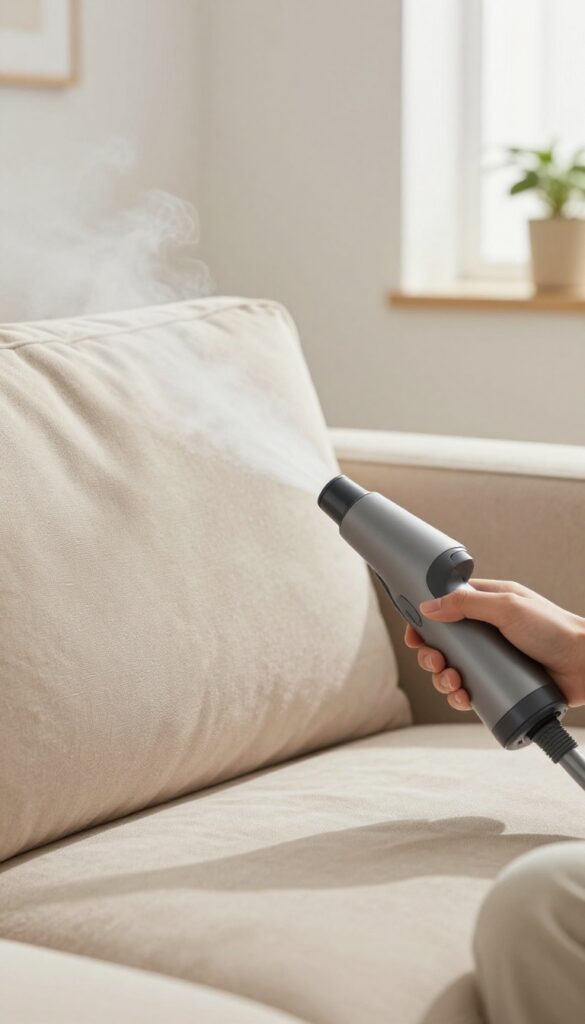
If you want a deep clean without introducing more chemicals into your home, steam cleaning is a fantastic option. A handheld steam cleaner uses high-temperature vapor to sanitize fabrics, kill bacteria, and lift dirt—all without detergents. It's especially effective for high-traffic areas where body oils and dust accumulate, and it can help neutralize odors at the source.
Plus, it's quick-drying, so your couch won't stay wet for long.
Steam cleaning works by heating water to around 200°F, producing steam that penetrates fabric fibers. The heat loosens grime and kills microbes, while the moisture helps lift stains. Because no soap is used, there's no residue left behind that could attract more dirt over time.
For best results, vacuum your couch thoroughly first to remove loose debris. Then, using a handheld steamer with a fabric attachment, work in sections, keeping the nozzle moving to avoid over-wetting. Let the fabric dry completely before using the couch again.
Why Steam Beats Detergents For Odor Removal
Many odors are caused by bacteria that thrive in fabric fibers. Steam's high heat kills these bacteria, eliminating smells at their source rather than just masking them. It's particularly effective for pet odors, smoke smells, and mustiness from humidity.
Best Practices For Steaming Upholstery
Always check your couch's care tag first—some fabrics like velvet or silk may not tolerate steam. Use distilled water to prevent mineral buildup in your steamer, and test on an inconspicuous area. Work slowly, and use a microfiber cloth to blot away any loosened dirt as you go.
When To Skip The Steam Cleaner
Steam isn't ideal for delicate fabrics, leather, or couches with foam cushions that can trap moisture. If your couch has stubborn stains, pre-treat them with a gentle cleaner before steaming. Also, avoid steaming if the fabric is already heavily soiled—vacuum and spot-clean first.
8. Tackle Ink Stains with Rubbing Alcohol
Ink stains on a couch can feel like a disaster—especially if a pen leaks or a kid goes rogue with a marker. But before you panic, grab a bottle of rubbing alcohol from your medicine cabinet. It's surprisingly effective at lifting ink from most fabrics without damaging the fibers.
The key is to act quickly and blot, never rub. Rubbing alcohol breaks down the ink's pigments, allowing them to transfer onto a clean cloth instead of spreading deeper into the cushion. A little patience goes a long way here.
Start by testing the rubbing alcohol on a hidden area of your couch—like the underside of a cushion—to make sure it doesn't discolor the fabric. Once you're in the clear, dampen a cotton ball or a clean white cloth with rubbing alcohol. Gently dab the ink stain, letting the alcohol soak in for a few seconds.
Then blot with a dry section of the cloth, and you'll see the ink start to lift. Repeat until the stain is gone, then let the area air dry. For stubborn spots, you can also try using a clean toothbrush to gently work the alcohol into the fibers before blotting.
Why Rubbing Alcohol Works So Well
Rubbing alcohol is a solvent, meaning it dissolves substances that water alone can't handle. Ink is typically oil-based or contains dyes that bond tightly to fabric. Alcohol breaks those bonds, making it easy to lift the stain away.
Plus, it evaporates quickly, so you're not left with a wet spot that could lead to mold or mildew.
Step-by-step: How To Remove Ink From Fabric
First, blot up any excess ink with a paper towel—don't rub, or you'll push it deeper. Then, dampen a cotton ball with rubbing alcohol and press it onto the stain for about 30 seconds. Blot with a clean cloth until the ink transfers.
If the stain is large, work from the outside in to prevent spreading. Finish by dabbing with a damp cloth to remove any alcohol residue, then let it dry.
What To Do If The Stain Persists
If the ink doesn't come out completely after the first try, don't worry. Repeat the process a few times, using a fresh cotton ball each time. For set-in stains, you can also try mixing a few drops of dish soap with the rubbing alcohol for extra cleaning power.
Just be sure to test again on a hidden spot first. If nothing works, consider using a commercial upholstery cleaner designed for ink—but rubbing alcohol is usually enough.
9. Use a Lint Roller for Quick Pet Hair Removal
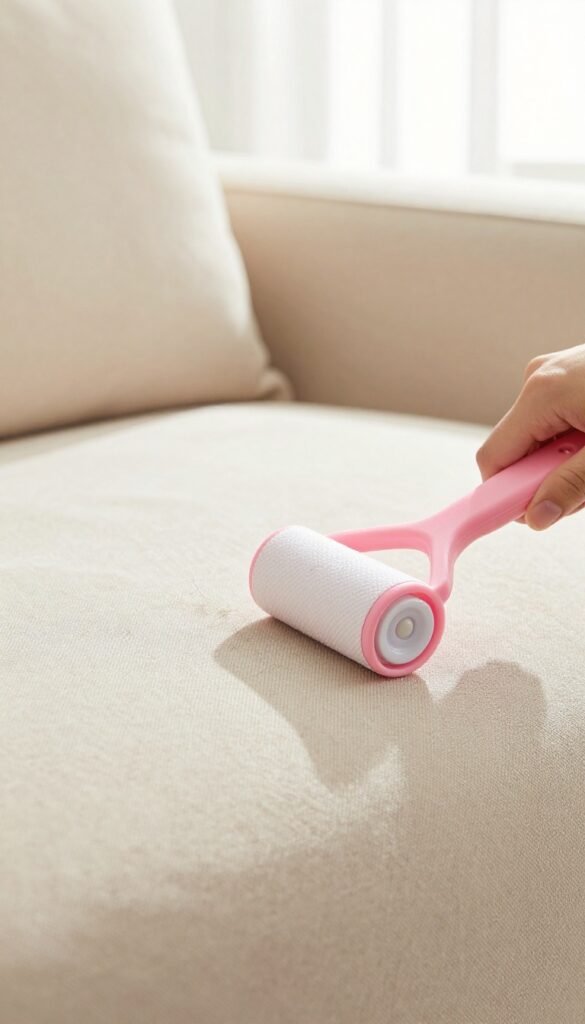
Pet hair has a way of embedding itself into couch fabric, making it look unkempt even after a full vacuum session. A lint roller is the easiest tool for a quick pickup between deep cleans. Keep one stashed in a side table drawer or near the couch so you can grab it the moment you spot fur or dust.
Why A Lint Roller Works So Well
The adhesive sheets grab loose hair and lint that vacuums often miss, especially on textured fabrics like microfiber or velvet. It's also gentle enough for delicate materials. Roll it in one direction to avoid pushing hair deeper into the fibers.
Best Practices For Maximum Pickup
For heavy pet hair, use overlapping strokes and replace the sheet when it loses stickiness. Work in small sections, starting from the top of the cushion down. If you have a high-shedding dog, do a quick lint-roller pass before guests arrive—it takes less than a minute.
When To Use A Lint Roller Vs. A Vacuum
Use the roller for daily touch-ups or spot-cleaning small areas like armrests and back cushions. Save the vacuum for a full couch cleaning once a week. The roller is also handy for removing crumbs, dust, and even loose dirt from shoes.
10. Freshen Cushions with a Fabric Refresher Spray
A quick spritz can do wonders for your couch between deep cleans. A homemade fabric refresher is gentle on fabrics and leaves a light, natural scent. It’s perfect for giving cushions a quick pick-me-up before guests arrive or after a long day.
Mix one cup of water with 10–15 drops of your favorite essential oil in a clean spray bottle. Lavender is calming, lemon is fresh, and tea tree adds antibacterial properties. Shake well before each use.
Lightly mist the cushions from about 12 inches away—don’t soak them. Let them air dry completely before sitting. Test on a hidden area first to ensure no discoloration.
This spray works on most fabric types including microfiber, cotton, and polyester blends. Avoid using oils that might stain, like cinnamon or clove. Store the bottle in a cool, dark place and use within a month for best freshness.
Choosing The Right Essential Oil
Pick oils that complement each other and your home’s vibe. Lavender and chamomile are great for relaxation. Lemon and peppermint energize the room.
For odor neutralization, try tea tree or eucalyptus. Always use high-quality, pure essential oils to avoid synthetic fragrances that can irritate skin or smell artificial.
Application Tips For Best Results
Spray in a sweeping motion to cover evenly. Focus on areas that get the most use—seat cushions and armrests. Avoid over-wetting to prevent mold or mildew.
For stubborn odors, add a tablespoon of vodka or rubbing alcohol to the mix; it helps kill bacteria and evaporates quickly without leaving a smell.
How Often To Refresh
Use this spray once a week or as needed. It’s not a substitute for deep cleaning, but it maintains freshness between washes. If you notice buildup or discoloration, reduce frequency.
Always let cushions dry fully before sitting to prevent dampness.
11. Spot Clean Wine Stains with Salt and Club Soda
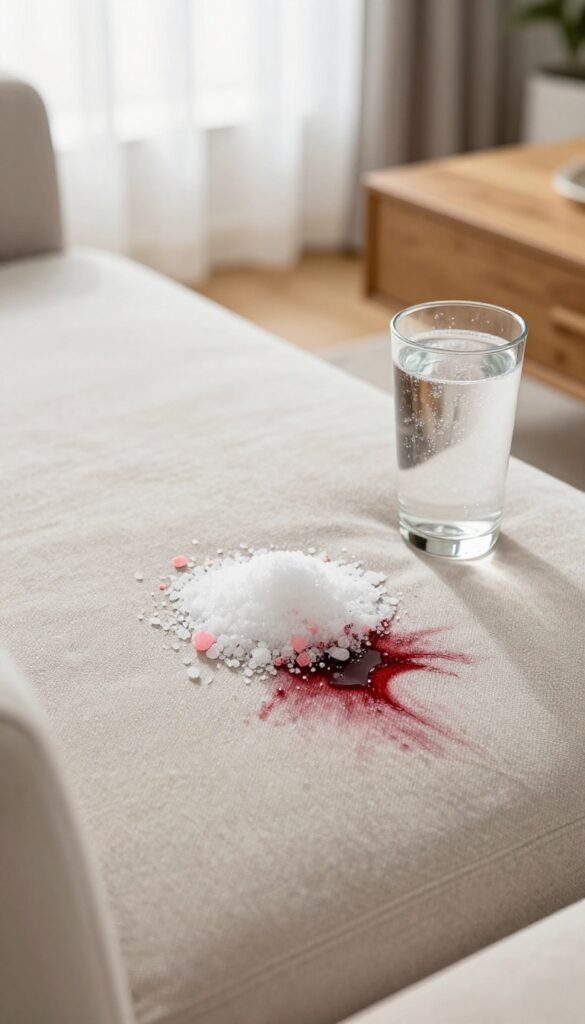
Red wine on a light couch is a heart-stopping moment. But before you panic, reach for two kitchen staples: salt and club soda. This classic combo works wonders on fresh spills, lifting the stain before it sets into the fabric.
The salt absorbs the wine while the carbonation in club soda helps push the stain out of the fibers. It's a simple, chemical-free method that works on most upholstery fabrics. Just act fast—the sooner you treat it, the better the results.
Why Salt First?
Salt is a natural absorbent. When you pour a generous layer over a fresh wine spill, it soaks up the liquid before it can penetrate deep into the cushion. Let it sit for a few minutes—you'll see the salt turn pink as it works.
Club Soda: The Fizz Factor
After blotting up the salt, gently pour a small amount of club soda onto the remaining stain. The bubbles help loosen the wine particles from the fabric. Blot with a clean cloth—don't rub, or you'll spread the stain.
Repeat If Needed
Stubborn stains may require a second round. Just repeat the salt and club soda steps. Once the stain is gone, blot with a dry towel to remove excess moisture, then let the area air dry completely.
12. Deodorize with White Vinegar and Water Solution
White vinegar is a natural deodorizer that neutralizes odors without masking them. A simple spray solution can refresh your couch between deep cleans. The key is using it sparingly—too much moisture can lead to mold or mildew in the cushion fill.
Mix equal parts white vinegar and water in a clean spray bottle. Test the solution on a hidden area first to ensure it doesn't affect the fabric color. Lightly mist the couch, focusing on areas that hold smells like armrests and back cushions.
Let the couch air dry completely. The vinegar smell will vanish as it dries, taking other odors with it.
Why Vinegar Works
Vinegar is acidic, which helps break down alkaline odor molecules like those from urine or sweat. It also has antimicrobial properties that kill odor-causing bacteria. Unlike fabric sprays that add fragrance, vinegar actually removes the source of the smell.
Best Fabrics For This Method
This solution works well on cotton, linen, polyester blends, and microfiber. Avoid using it on silk, velvet, or other delicate fabrics that can water-stain. For leather, use a specialized cleaner instead.
How To Speed Up Drying
Open windows or turn on a fan to circulate air. You can also use a hairdryer on a cool setting, holding it a few inches away from the fabric. Never heat the couch directly, as it can set stains or damage fibers.
13. Protect Fabric with a Upholstery Guard Spray
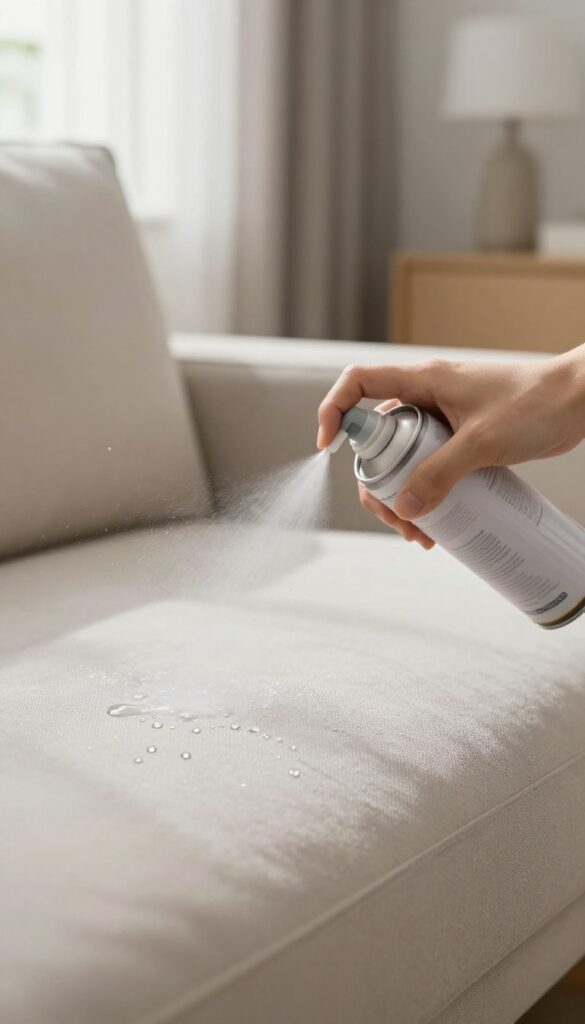
You’ve put in the work to clean your couch, so why not keep it that way longer? An upholstery guard spray adds a protective layer that repels liquids and prevents stains from setting in. Think of it as an invisible shield for your fabric.
Applying a fabric protector like Scotchgard creates a barrier that makes spills bead up instead of soaking in. This gives you precious extra seconds to blot up accidents before they become stains. It also helps repel dust and dirt, so your couch stays fresher between cleanings.
For best results, apply the spray in a well-ventilated area, holding the can about 6 inches from the fabric. Lightly mist in an even, sweeping motion—don’t soak the fabric. Let it dry completely before using the couch.
Reapply after every deep cleaning or at least once a year to maintain protection. Always test on a hidden spot first to ensure compatibility with your fabric type.
How It Works
Upholstery guard sprays contain fluorochemicals that bond to fabric fibers, creating a surface that liquids can’t easily penetrate. When a spill occurs, the liquid beads up and sits on top, giving you time to blot it away without leaving a mark.
Application Tips
Clean your couch thoroughly before applying the guard—dirt or residue can block the spray from bonding. Work in a well-ventilated space, and cover any nearby surfaces you don’t want to get misted. Apply two thin coats, letting the first dry for about 15 minutes before the second.
When To Reapply
The protection isn’t permanent. Over time, wear and tear, cleaning, and sunlight degrade the coating. Reapply after each deep cleaning, and consider a yearly refresh for high-traffic couches.
If you notice liquids starting to soak in again, it’s time for another coat.
14. Use a Soft Brush to Restore Flattened Fabric
After a deep clean or even just a thorough vacuuming, your couch might still look a bit tired. That's because fabric fibers can get flattened down over time from sitting, leaning, and general use. A simple soft-bristle brush can bring them back to life, making your couch look fuller and more inviting without any harsh chemicals.
Brushing isn't just for pet hair—it's a quick way to revive the texture of your couch. Use a brush with soft, natural bristles (like a horsehair brush) to gently sweep across the fabric in one direction. This lifts the fibers, restores the nap, and helps the couch look newer.
It also helps distribute any remaining cleaning residue evenly, so you don't get patchy spots.
Choose The Right Brush
Not all brushes are couch-friendly. A soft-bristle brush is key—think of the kind you'd use on a suede shoe or a delicate garment. Avoid stiff brushes that could snag or damage the fabric.
A wide brush covers more area and makes the job faster.
Brush In One Direction
For a uniform look, always brush in the same direction—usually following the natural grain of the fabric. This aligns the fibers and creates a consistent texture. If your couch has a pattern or pile, brush with it, not against it.
Pair With Vacuuming
For best results, brush after vacuuming. The vacuum removes loose dirt and debris, then the brush lifts the fibers so the next vacuum pass can pick up even more. This two-step routine keeps your couch looking plush and well-maintained.
15. Remove Cushion Covers and Wash Them Separately
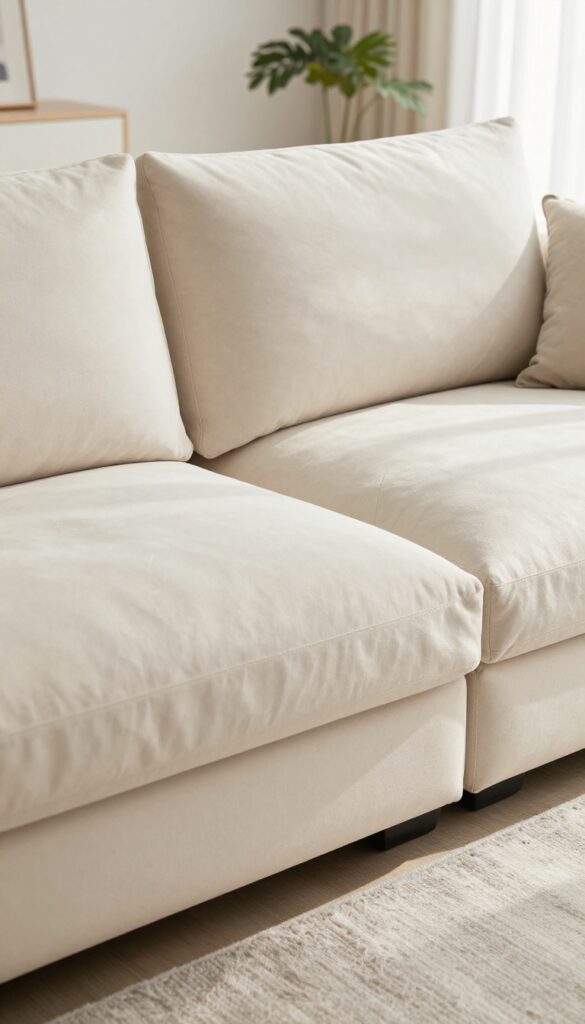
Many couch cushions have removable covers that trap dirt, sweat, and odors over time. Washing them separately is one of the most effective ways to refresh your entire couch without harsh chemicals. It's a simple step that makes a big difference in both appearance and smell.
Before tossing covers in the wash, always check the care tag. Most machine-washable covers do best on a gentle cycle with cold or warm water and a mild detergent. Hot water can cause shrinkage or fading, so stick to cooler temps unless the tag says otherwise.
Once washed, skip the dryer—air drying is safer to prevent shrinking and fabric damage. Lay the covers flat or hang them, and make sure they're completely dry before putting them back on the cushions. This prevents mildew and keeps the fit snug.
Check The Tag First
Not all removable covers are machine-washable. Look for tags that say "machine wash" or "removable cover. " If the tag says "spot clean only" or "dry clean, " don't risk it—follow those instructions instead.
Use The Right Detergent
A mild, bleach-free detergent is best for preserving fabric color and texture. Avoid fabric softeners, which can leave a residue that attracts dirt. A cup of white vinegar in the rinse cycle helps remove odors naturally.
Air Dry Thoroughly
Heat from a dryer can shrink covers or damage elastic edges. Air drying is safer and often recommended. If you must use a dryer, choose the lowest heat setting and remove covers while slightly damp to finish air drying.
This reduces wrinkles and maintains the cover's shape.
16. Sun-Dry Cushions Outdoors for Natural Freshness
Sunlight is one of nature’s best disinfectants. On a bright, dry day, take your couch cushions outside and let them bask in the sun for a few hours. The UV rays help kill bacteria, dust mites, and mold spores that cause musty odors.
Plus, fresh air works wonders to revive tired cushions and leave them smelling clean without any chemicals.
This simple method is especially effective for cushions that have absorbed sweat, pet smells, or just that stale indoor odor. It’s free, easy, and requires no special products. Just make sure the weather is clear and that you bring the cushions back in before evening dew sets in.
Best Times And Conditions
Aim for a sunny day with low humidity. Morning sun is gentle but effective, while midday sun provides stronger UV exposure. Avoid windy days that might blow dust or pollen onto the cushions.
If you live in a humid climate, even a few hours of direct sun can make a big difference.
How To Prepare Cushions
First, vacuum the cushions to remove loose dirt and debris. Check the care label to ensure they are safe for sun exposure—some fabrics may fade in direct sunlight. If possible, remove the cushion covers and wash them separately, then let the foam cores sun-dry on a clean surface.
Post-sun Care
After sun-drying, give the cushions a good shake or a light vacuum to remove any pollen or dust that may have settled. Fluff them by hand to restore shape. If the fabric feels stiff, a quick tumble in the dryer on low heat with a damp towel can soften it.
Your couch will feel and smell noticeably fresher.
17. Schedule a Professional Deep Cleaning Annually
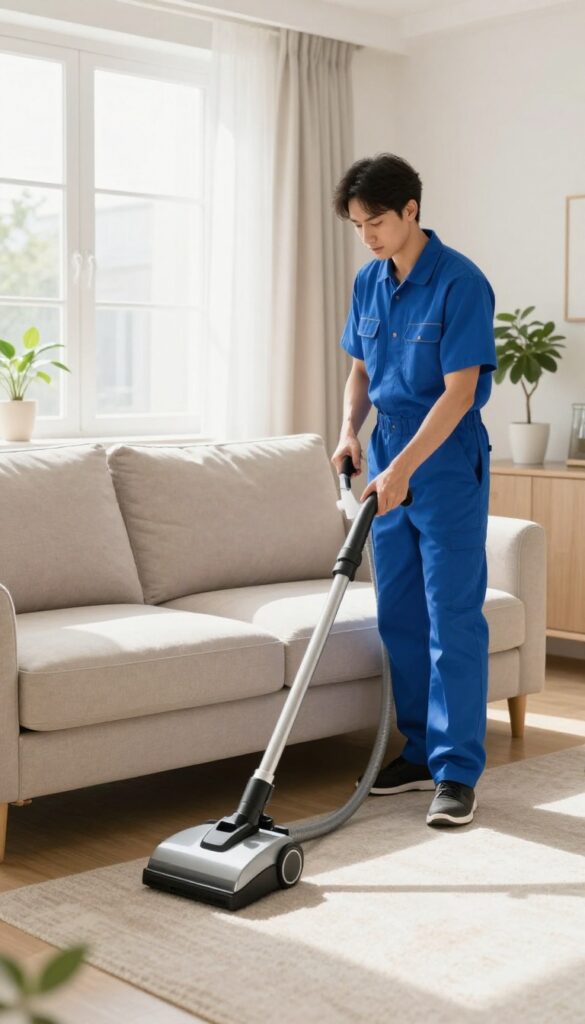
Even the most diligent at-home care can't reach every nook and cranny. Over the months, dust mites, body oils, and deeply embedded dirt accumulate inside your couch's padding and fibers. A professional steam cleaning once a year strips away that hidden grime, leaving your couch genuinely fresh and extending its lifespan.
Think of annual professional cleaning as a reset button for your couch. While your weekly vacuuming and spot treatments handle surface issues, a hot water extraction cleaning reaches deep into the cushions and frame. This process kills dust mites, removes allergens, and flushes out odors that have settled into the fabric.
Many professionals also offer fabric protection treatments afterward, which can make future spills easier to clean. The cost is usually modest compared to replacing a couch, and the results are immediate and noticeable.
What To Expect During A Professional Cleaning
A typical session starts with a thorough vacuuming using a commercial-grade machine, followed by a pre-treatment spray to loosen dirt. Then a hot water extraction machine injects cleaning solution into the fabric and immediately vacuums it out along with the dissolved grime. The couch will be damp for a few hours, so plan to keep pets and kids off it until it dries completely.
How Often Should You Schedule?
For most households, once a year is sufficient. If you have heavy use, pets, or allergy sufferers, consider twice a year. Always check your couch's care tag first—some delicate fabrics like silk or velvet require specialized dry cleaning methods instead of steam.
Choosing The Right Professional
Look for companies that specialize in upholstery cleaning and have good reviews. Ask about their process, cleaning solutions (preferably eco-friendly and non-toxic), and whether they offer a satisfaction guarantee. A reputable cleaner will also test a small hidden area first to ensure colorfastness.
FAQ
How often should I clean my couch?
Vacuum weekly and spot clean spills immediately. Deep clean every 3-6 months, or more often if you have pets or kids.
Can I use bleach on my couch?
No, bleach can discolor and damage most upholstery fabrics. Stick to mild detergents or specialized cleaners.
What does the cleaning code on my couch mean?
W means water-based cleaners, S means solvent-based, WS means either, and X means vacuum only. Always follow the code.
How do I remove old, set-in stains?
Try a mixture of baking soda and water to form a paste, apply it to the stain, let it dry, then vacuum. For tough stains, use an enzymatic cleaner.
Is it safe to use steam cleaners on all couches?
Steam cleaning is safe for most fabric types, but avoid it on silk, velvet, or delicate materials. Check the care tag first.
Conclusion
Your couch doesn't need a complicated routine to stay clean and fresh. By mixing and matching these 17 tips—from quick daily vacuuming to deeper baking soda treatments—you can handle stains, odors, and everyday wear without the hassle. Pick the ones that fit your fabric and lifestyle, and start with the biggest problem area first.
A little consistency goes a long way. Make one or two of these tricks a habit, and your sofa will look better, smell cleaner, and last longer. Your living room will feel more inviting, and you'll enjoy relaxing on a couch that truly feels fresh.