13 Easy Tips on How to Clean Blinds Without Taking Them Down
Dusty blinds can make a whole room feel dull, but the thought of wrestling them off the window often stops us before we start. The truth is, you can get them spotless without a single screwdriver or ladder gymnastics.
Everyday items like socks, dryer sheets, and even a lint roller can do the heavy lifting. These 13 methods range from quick two-minute touch-ups to deeper refreshes, so you can pick what fits your schedule.
No fancy equipment, no disassembly—just clean blinds and a brighter space.
1. Use a Microfiber Cloth and a Little Patience
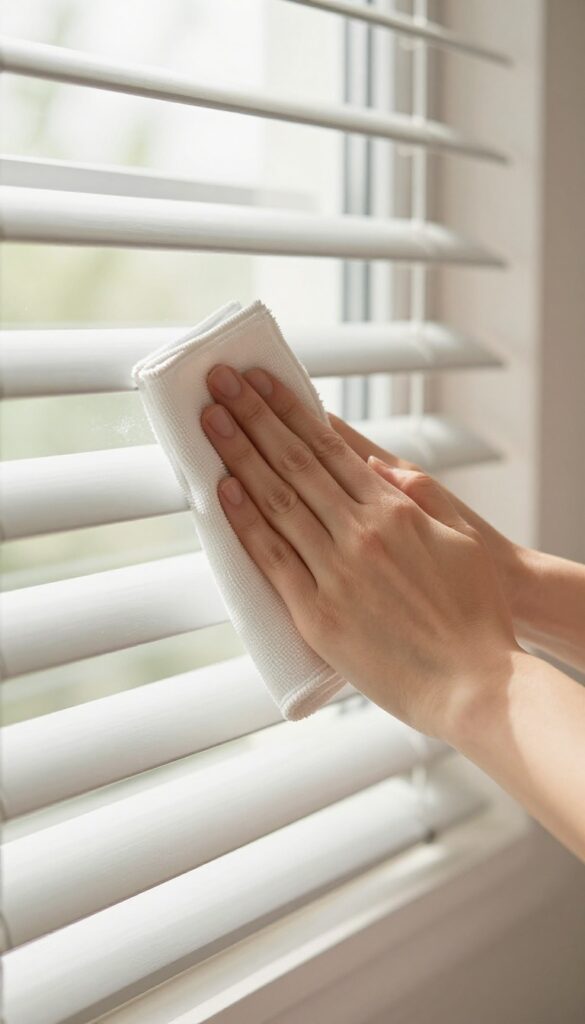
Sometimes the simplest tools work best, and a microfiber cloth is a prime example. It's soft, lint-free, and great at trapping dust without scratching or bending your blinds. You don't need a fancy gadget—just a pair of tongs or a spatula you already own.
This method is gentle, effective, and perfect for a quick weekly wipe-down.
Wrap a microfiber cloth around a pair of tongs or a spatula to create a DIY cleaning tool. Run it along each slat to pick up dust without bending or damaging the blinds. This technique works on both horizontal and vertical blinds, and it's especially handy for reaching those awkward middle sections.
Plus, it's a zero-cost solution that uses items you already have in your kitchen drawer.
Why Microfiber Works So Well
Microfiber is made of ultra-fine synthetic fibers that create a static charge, which attracts and holds dust like a magnet. Unlike cotton cloths, it doesn't just push dust around—it actually traps it. That means you're not just moving the dust from one slat to the next; you're removing it entirely.
And because microfiber is soft, it won't scratch the surface of your blinds, whether they're aluminum, vinyl, or wood.
How To Make Your Diy Tool
Grab a clean microfiber cloth and a pair of kitchen tongs or a spatula. Lay the cloth flat, place the tongs in the center, and fold the cloth over the tips. Secure it with a rubber band if needed.
Then, simply run the tool along each slat, applying light pressure. The tongs give you a firm grip, and the cloth wraps around the slat to catch dust on both sides at once. For vertical blinds, you can use the same tool to wipe from top to bottom.
Tips For Best Results
Start from the top slat and work your way down so dust doesn't fall onto already-cleaned areas. If your blinds are extra dusty, you can lightly dampen the microfiber cloth with water or a vinegar-water solution. Just be sure to wring it out well—too much moisture can cause streaks or damage certain materials.
And always use a fresh cloth or rinse it out frequently to avoid spreading dust around.
2. Try the Sock Method for Quick Dusting
If you’ve ever stared at dusty blinds and wished for a faster fix, the sock method is about to become your new best friend. It’s one of those tricks that sounds almost too simple to work, but it’s surprisingly effective. Plus, it costs nothing extra and takes less than a minute to set up.
Grab a clean, old sock—preferably one without holes—and slide it over your hand like a glove. Give it a light spritz with a dusting spray or just a little water from a spray bottle. Then, run your hand across each slat, letting the fabric grab the dust as you go.
The sock picks up dust quickly, and when you’re done, just toss it in the wash. It’s reusable, so you’ll never need paper towels or fancy dusters again.
Why A Sock Works So Well
The fabric of a sock has a bit of texture, which helps trap dust instead of just pushing it around. Cotton or wool socks are especially good because they create a little static that attracts dust particles. And since you’re using your hand, you can feel the slats and make sure you’re getting every spot, even the edges.
Best Sock Types To Use
Thicker socks, like athletic or hiking socks, work better than thin dress socks because they have more surface area to grab dust. Avoid socks with rough seams or holes that might snag on the blinds. If you only have thin socks, you can double them up for a thicker layer.
How To Make It Even More Effective
For tough grime, add a few drops of mild dish soap to your spray bottle instead of plain water. The soap helps break down sticky residue without damaging the blinds. Just be sure to wipe with a dry part of the sock afterward to avoid streaks.
And if your blinds are extra dusty, you can use one sock for the top side and another for the bottom to keep the grime from spreading.
3. Vacuum with a Brush Attachment
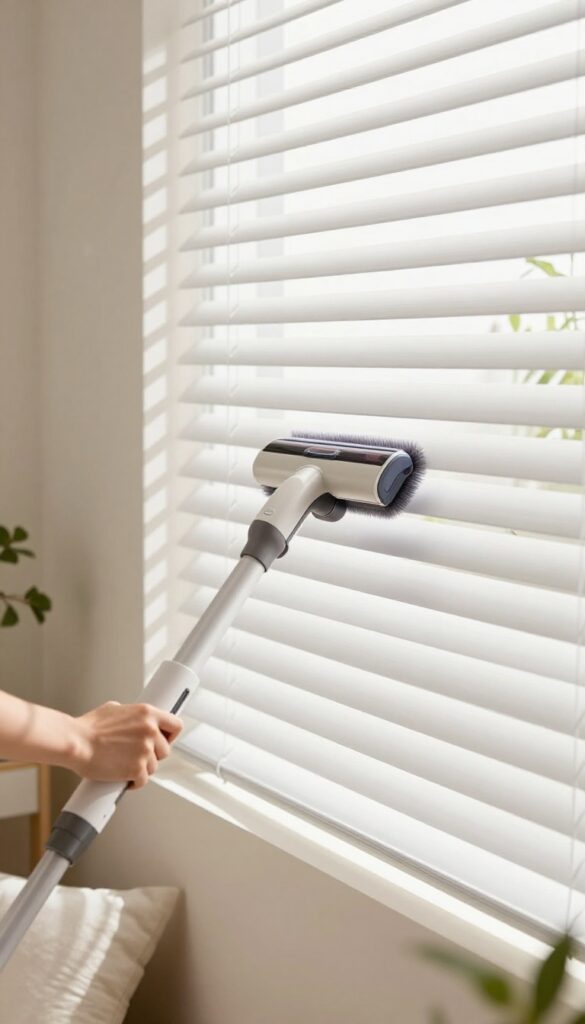
When you need a fast, no-fuss way to tackle dust on blinds, your vacuum cleaner is the unsung hero. With the right attachment, you can glide over slats and collect dust without spreading it around the room. It's a simple technique that works wonders for regular upkeep.
Start by switching your vacuum to a soft brush attachment—the kind meant for upholstery or delicate surfaces. This prevents scratching and helps loosen dust gently. For horizontal blinds, close them flat and run the brush along each slat from top to bottom.
For vertical blinds, work from the top down, letting the suction pull dust away as you go. It's quick, efficient, and perfect for a weekly touch-up.
Why The Brush Attachment Works Best
The soft bristles are gentle enough for all blind materials, including faux wood, aluminum, and fabric. They also create a slight agitation that lifts dust, while the vacuum's suction captures it immediately. This means less dust floating into the air and settling back onto surfaces.
Tips For Different Blind Types
For horizontal blinds, close them so the slats are vertical, then vacuum each side. For vertical blinds, run the brush along the full length, moving side to side. If you have cordless blinds, hold the bottom rail steady to keep them from swinging.
Fabric blinds may need a lower suction setting to avoid pulling the material.
How Often To Vacuum
A quick vacuum once a week keeps dust from building up. If you have pets or live in a dusty area, you might do it every few days. This routine means you'll rarely need a deep clean, saving you time and effort in the long run.
4. Use a Dryer Sheet to Repel Dust
Dryer sheets aren't just for the laundry room. They can be a secret weapon against blind dust, thanks to their anti-static properties. When you wipe a dryer sheet across each slat, it picks up dust and leaves a thin, invisible layer that repels future particles.
This means less frequent cleaning and more time enjoying your view.
The static-resistant coating from dryer sheets is the real magic here. It neutralizes the static charge that attracts dust, so your blinds stay cleaner for longer. Plus, the sheets are soft enough to avoid scratching or damaging the slats, making them safe for most materials like aluminum, vinyl, and even wood.
Why It Works
Dryer sheets contain cationic fabric softeners that reduce static electricity. When you rub a sheet over a dusty surface, it collects dust while transferring a microscopic layer of these compounds. This layer acts as a barrier, preventing dust from easily sticking to the blind's surface.
The result? Your blinds stay cleaner for days or even weeks longer than with a plain dry cloth.
Best Way To Apply
For best results, use a fresh dryer sheet for each blind or a few slats at a time. Gently wrap the sheet around your hand or use it like a wipe, sliding it along each slat from top to bottom. Pay extra attention to the top edges, where dust tends to gather.
If the sheet gets too dirty, switch to a new one to avoid simply smearing dust around.
When To Skip This Method
While dryer sheets are great for most blinds, avoid using them on fabric or delicate materials like silk or linen. The chemicals could leave a residue or cause discoloration. Also, if you have pets, check the scent of the dryer sheet—some fragrances can be off-putting to animals.
In those cases, opt for an unscented or fragrance-free option.
5. Make a Homemade Cleaning Solution
Store-bought cleaners can be pricey and full of chemicals you don't really need. A simple homemade solution works just as well, if not better, and you probably have the ingredients in your kitchen right now. This method is gentle on your blinds but tough on grime, leaving them looking fresh without any harsh fumes.
To make the solution, mix equal parts white vinegar and water in a spray bottle. Vinegar is a natural degreaser and disinfectant, so it cuts through the oily dust that clings to blinds. The water helps dilute the vinegar so it's not too strong, and the smell fades quickly as it dries.
Lightly mist the blinds with the solution—you don't want them soaking wet, just damp enough to wipe. Then, take a soft cloth (microfiber works great) and wipe each slat from top to bottom. The vinegar will break down the grime, and the cloth will pick it up, leaving a streak-free shine.
This method is perfect for a regular cleaning routine or when you notice a buildup that dusting alone can't handle. It's also safe for most blind materials, including vinyl, aluminum, and faux wood, but always spot-test an inconspicuous area first, especially if your blinds have a special coating.
Why Vinegar Works So Well
Vinegar is a mild acid that dissolves grease and grime without scratching surfaces. It's also antibacterial, so it helps sanitize your blinds as you clean. Plus, it's eco-friendly and much cheaper than commercial sprays.
How To Apply Without Over-wetting
Use a spray bottle set to a fine mist, and hold it about 6–8 inches away from the blinds. You want a light, even coat—not a drenching. If you accidentally spray too much, just wipe quickly with a dry cloth to avoid drips.
Wiping Technique For Best Results
Wrap a microfiber cloth around a pair of tongs or a spatula to clean multiple slats at once. Or simply hold the cloth flat and run it along each slat, top and bottom. For vertical blinds, wipe side to side; for horizontal, wipe from the center outward.
This prevents bending and ensures you get both sides clean.
6. Use a Sponge for a Gentle Scrub
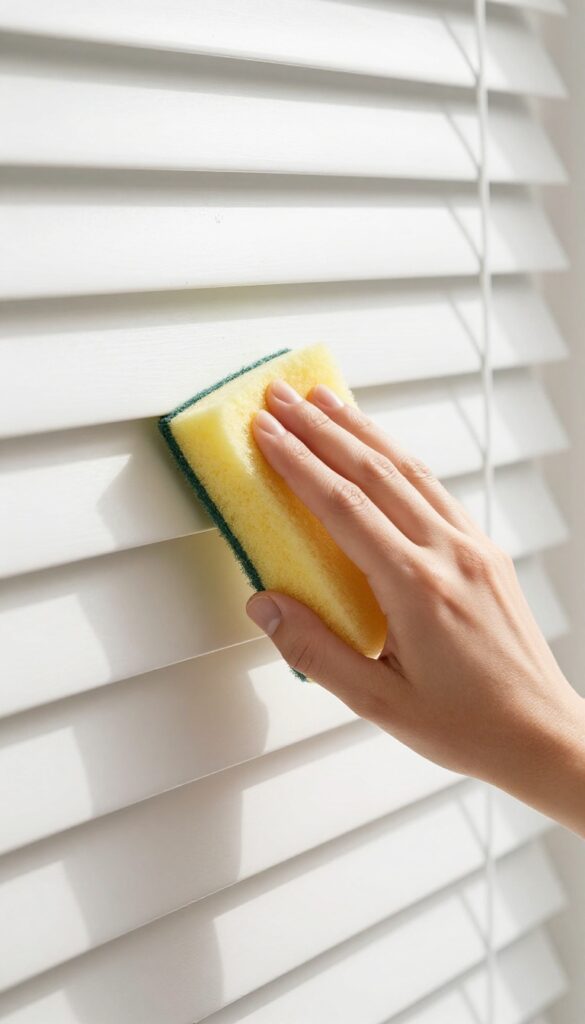
When dust has turned into stubborn grime, a soft sponge can be your best friend. Unlike abrasive scrubbers, a standard kitchen sponge is gentle enough for delicate blinds but tough on stuck-on dirt. This method works especially well on vertical blinds or wide slats where you can really get a grip.
Dampen a clean sponge and wring it out thoroughly—you want it barely moist, not dripping. Run it along the length of each slat, applying light pressure to lift dirt without scratching. For extra grime, add a drop of mild dish soap to the sponge before wiping.
Rinse the sponge frequently to avoid spreading dirt back onto the blinds.
Why A Sponge Works So Well
The porous texture of a sponge traps dust and dirt particles instead of just pushing them around. Unlike cloth, which can leave streaks, a sponge's absorbent surface picks up grime and holds onto it until you rinse it out. Plus, the soft side is safe for most blind materials, including aluminum, vinyl, and faux wood.
Best Blinds For The Sponge Method
This technique shines on horizontal blinds with wide slats, like 2-inch or 3-inch styles. It's also great for vertical blinds that are easy to wrap the sponge around. If your blinds have a textured finish, the sponge's gentle scrubbing action can reach into tiny grooves that cloth might miss.
A Quick Step-by-step Routine
Start by dusting the blinds with a dry cloth or vacuum attachment to remove loose debris. Then, dampen your sponge with warm water and a squeeze of dish soap. Wipe each slat from the center outward, flipping the sponge to a clean side as needed.
Finally, go over the slats with a dry microfiber cloth to buff away any remaining moisture and prevent water spots.
7. Clean Vertical Blinds with a Hanger
Vertical blinds are great for sliding glass doors, but they can be a pain to clean individually. Instead of wiping each slat one by one, grab a wire hanger and a microfiber cloth. This clever trick lets you clean both sides of a slat at once, cutting your cleaning time in half.
This method is perfect for vertical blinds that are close together and hard to reach. It’s also gentle on the slats, so you won’t bend or scratch them. Plus, you probably already have everything you need at home.
What You'll Need
Gather a wire hanger, a microfiber cloth (or an old sock), and a rubber band. Flatten the hanger by pulling it into a straight line, then wrap the cloth around the hook end. Secure it with the rubber band so it stays in place.
The Cleaning Motion
Slide the cloth-covered hook between two vertical slats, then gently move it up and down. The cloth will catch dust on both sides simultaneously. Work your way across the entire blind, moving the hanger to the next gap after each pass.
Extra Tips
For stubborn spots, lightly dampen the cloth with a bit of water or a mild cleaner. If your blinds are very dusty, start with a dry cloth and then follow up with a slightly damp one. You can also use this trick on horizontal blinds by turning the hanger sideways.
8. Use a Lint Roller for Quick Touch-Ups
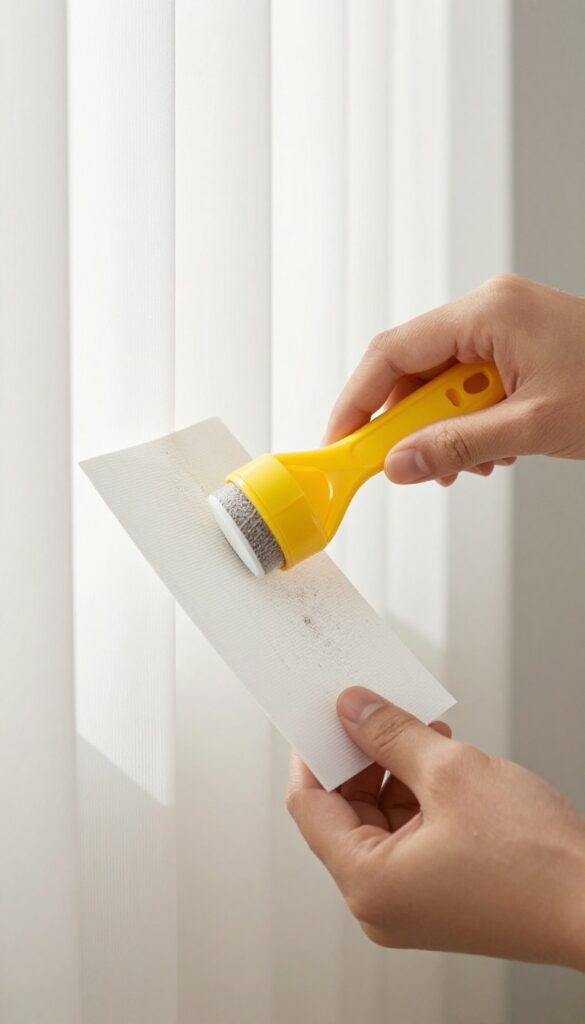
Sometimes all your blinds need is a quick once-over, not a full deep clean. That's where a lint roller comes in handy—it's the ultimate grab-and-go tool for spot cleaning. Keep one near your window or in a drawer, and you can freshen up the slats in under a minute.
It's perfect for catching dust, pet hair, and other tiny bits that settle between cleanings.
A lint roller works best on dry dust and hair. Just roll it over each slat, and the sticky sheets lift away the grime without any spray or wiping. It's especially useful for fabric or faux-wood blinds where dust tends to cling.
For best results, use short, overlapping strokes and replace the sheet when it loses its tackiness. You'll be surprised at how much a quick roll can brighten up a room.
Why It Works So Well
The adhesive surface grabs particles that a cloth might just push around. It's also gentler than a duster, so it won't bend or scratch the slats. Plus, there's no moisture involved, which means no streaks or drying time.
When To Reach For It
Use a lint roller for quick touch-ups between deep cleans, especially if you have pets or live in a dusty area. It's also great for a fast refresh before guests come over or when you notice a few specks but don't want to break out the full cleaning kit.
Pro Tips For Best Results
Start from the top and work your way down so you don't miss any spots. If the roller gets full, peel off the used sheet and continue. For extra-stubborn dust, you can wrap the roller in a slightly damp microfiber cloth, but keep it dry for the best pickup.
9. Try a Fabric Softener Solution for a Fresh Scent
If you love the smell of just-washed laundry, this trick is for you. A simple mix of fabric softener and water can do more than soften clothes—it can refresh your blinds and cut down on dust. The best part?
You probably already have everything you need in your laundry room.
Fabric softener isn't just for the dryer. When diluted with water, it becomes a gentle cleaner that helps repel dust and leaves a light, pleasant fragrance. This method is especially nice for blinds in kitchens or living rooms, where odors can linger.
Plus, it's a budget-friendly alternative to commercial sprays.
Mix The Solution Right
Grab a clean spray bottle and add one capful of liquid fabric softener to about two cups of warm water. Shake gently to combine. Avoid using too much softener—it can leave a residue that attracts more dust.
This ratio is strong enough to clean but light enough to dry clear.
Wipe Down Each Slat
Spray the solution onto a microfiber cloth rather than directly onto the blinds to prevent dripping. Wipe each slat from top to bottom, flipping the cloth as you go. For horizontal blinds, close them one way, clean, then tilt and repeat.
This method works on both wood and faux wood, but always test a small spot first.
Let Them Air Dry
After wiping, open the blinds fully and let them air dry. The fabric softener leaves a thin protective layer that helps repel dust, so your blinds stay cleaner longer. If you notice any streaks, buff them with a dry cloth once they're dry.
The fresh scent usually lasts for a few days.
10. Use a Toothbrush for Crevices and Cords
An old toothbrush is perfect for cleaning the small crevices where slats meet the cord. It reaches spots that cloths and sprays simply can't, digging out grime that builds up over time. Dip it in your cleaning solution and scrub gently to remove hidden dirt without damaging the blinds.
When you're cleaning blinds without taking them down, the areas around the cords and the edges of the slats often get overlooked. A toothbrush is the ideal tool for these tight spots. Its bristles are stiff enough to dislodge dust and grime, but soft enough to avoid scratching the surface.
Plus, it's small enough to maneuver between slats and around the cord system.
Why The Toothbrush Works So Well
The bristles of a toothbrush are designed to reach into small spaces, making them perfect for the gaps where the slats connect to the ladder strings. They can scrub away buildup that a cloth would just push around. And because the brush is compact, you can easily control the pressure and angle, so you won't accidentally bend or damage the slats.
How To Use It Effectively
First, mix a gentle cleaning solution—warm water with a few drops of dish soap works great. Dip the toothbrush in the solution, shake off excess liquid, and gently scrub along the crevices and around the cords. Work in small sections, and wipe away any loosened dirt with a microfiber cloth.
For stubborn spots, let the solution sit for a minute before scrubbing.
Tips For Different Blind Materials
For plastic or aluminum blinds, you can scrub a bit more firmly. For wooden or faux-wood blinds, use a softer toothbrush and lighter pressure to avoid scratching the finish. Always test on a small, hidden area first.
And remember to rinse the toothbrush frequently to avoid spreading dirt back onto the blinds.
11. Steam Clean for a Deep Sanitize
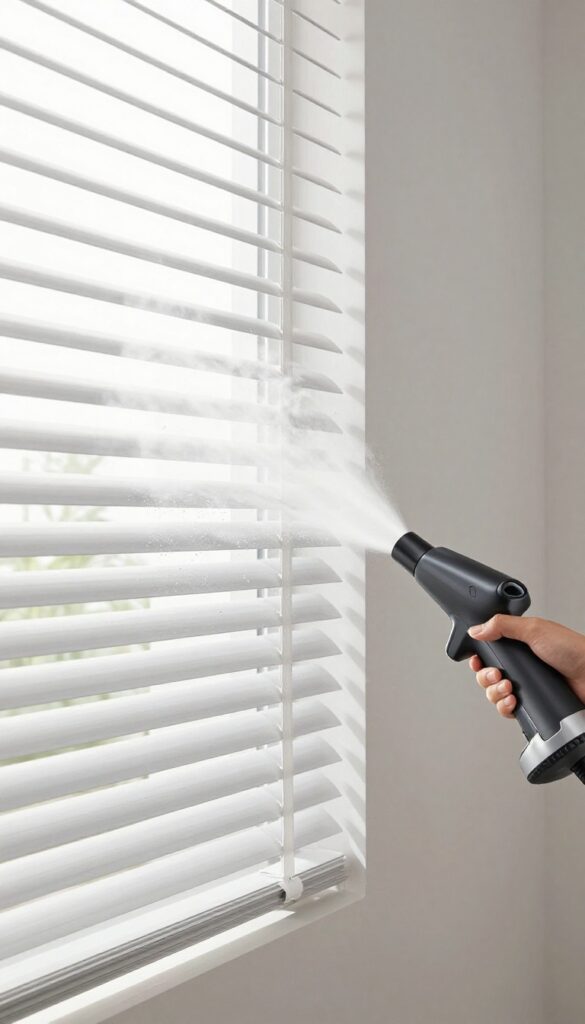
When blinds have been ignored for a while, they can harbor more than just dust—think allergens, bacteria, and sticky residue. A handheld steam cleaner is a game-changer for a deep clean that also sanitizes. The high-temperature steam loosens grime and kills germs without harsh chemicals, making it a great option for homes with kids or pets.
Plus, it's quick: you can do all your blinds in one go without taking them down.
If you own a handheld steam cleaner, this method is a powerful way to refresh your blinds. The steam not only breaks down tough buildup but also disinfects, which is especially handy during allergy season or after someone's been sick. It's a bit more involved than wiping with a cloth, but the results are worth it when you want a truly deep clean.
Prep Your Blinds
Before you start steaming, give the blinds a quick dusting with a microfiber cloth or a vacuum brush attachment. This removes loose dust so the steam can focus on the stuck-on grime. Also, check the manufacturer's instructions—steam is safe for most materials, but it's best to avoid it on delicate fabrics or paper blinds.
Steam Each Slat
Hold the steam cleaner about an inch away from each slat and move it slowly from one end to the other. The steam will lift dirt and kill germs on contact. Work in sections, and don't forget the cords and valance.
For horizontal blinds, angle the steam nozzle to hit both sides of each slat.
Wipe Away The Residue
After steaming, immediately wipe each slat with a dry microfiber cloth. The steam loosens the grime, and the cloth picks it up before it dries back on. This step is key—if you skip it, you might end up with streaks or water spots.
Once you're done, open the blinds and let them air dry completely.
12. Use a Carpet Cleaner Attachment for a Quick Rinse
If you have a carpet cleaner with a handheld attachment, you already own a powerful tool for refreshing blinds. This method works especially well for fabric or vertical blinds that trap odors and stains. It's a bit more involved than dusting, but it's still far easier than taking them down.
Fill the cleaner's reservoir with a mild detergent solution, then test it on a small hidden area first. Work from top to bottom, spraying the solution onto the blinds and immediately extracting it with the suction. The dirty water collects in the tank, leaving your blinds clean and nearly dry.
Prep The Area
Lay down towels or a drop cloth to catch any drips. Close the blinds fully and extend them to their full length. Make sure the carpet cleaner's water tank is filled with warm water and a few drops of gentle dish soap or a specialized upholstery cleaner.
Spray And Extract
Starting at the top, spray a small section of the blinds, then immediately run the extraction nozzle over it. Work in overlapping strokes to pull out dirt and soap residue. Move down the blinds slowly, and empty the dirty water tank as needed.
You'll see the water turn brown—proof it's working.
Let Them Dry
After cleaning, open the blinds slightly to allow air circulation. Use a fan or open a window to speed up drying. Avoid closing them fully until they're completely dry to prevent mildew.
This method leaves blinds smelling fresh and looking vibrant.
13. Finish with a Squeegee for a Streak-Free Shine
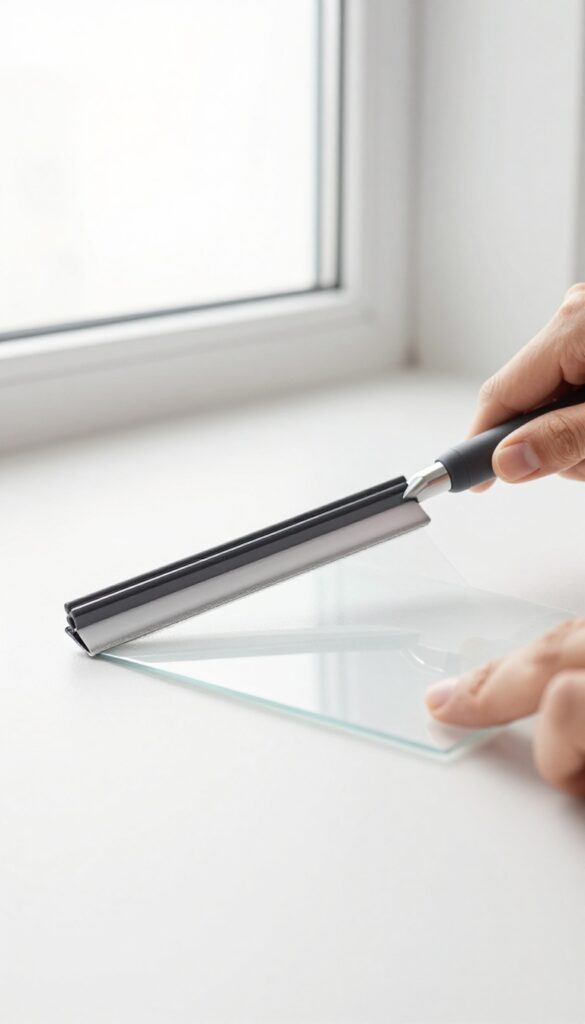
You've wiped, dusted, and maybe even vacuumed your blinds, but streaks can still linger. A small squeegee is the secret to that final, flawless finish. It works wonders on flat slats, pulling away any leftover moisture and leaving a crystal-clear surface.
This quick step takes less than a minute per window and makes your blinds look professionally cleaned.
After cleaning your blinds with a spray or damp cloth, grab a small handheld squeegee. Run it along the length of each slat, top and bottom, to remove excess water and any cleaning residue. The rubber edge glides smoothly, picking up everything in one pass.
This is especially effective on horizontal blinds with flat slats, where streaks are most noticeable. For vertical blinds, use the same technique but work from top to bottom. You'll be amazed at the difference a squeegee makes—your blinds will look polished and spotless, with no dried-on marks.
Why A Squeegee Works Best
A squeegee's rubber blade is designed to leave a streak-free surface, unlike cloths that can leave lint or smears. It also saves time because you don't have to go over the same spot repeatedly. Plus, it's gentle on the slats, so you won't risk scratching or bending them.
How To Use It On Different Blind Types
For horizontal blinds, hold the squeegee at a slight angle and pull it across each slat from one end to the other. For vertical blinds, work from the top down. If your blinds have textured or fabric surfaces, skip the squeegee and stick to a dry cloth, as the rubber might catch or pull.
Quick Maintenance Between Deep Cleans
Keep a small squeegee near your cleaning supplies and give your blinds a quick once-over every couple of weeks. This prevents buildup and keeps them looking great with minimal effort. It's a simple habit that pays off in the long run.
FAQ
How often should I clean my blinds?
It depends on your environment, but a good rule of thumb is to dust them every two weeks and do a deeper clean every few months. If you have pets or live in a dusty area, you may need to clean more often.
Can I use water on all types of blinds?
Most blinds can handle a damp cloth, but avoid soaking wooden or fabric blinds. Always check the manufacturer's instructions. For wood, use a dry or slightly damp cloth and avoid excess moisture.
What is the best homemade cleaner for blinds?
A simple mix of equal parts white vinegar and water works well for most blinds. For extra cleaning power, add a drop of dish soap. Avoid using harsh chemicals that could damage the finish.
How do I clean blinds without leaving streaks?
Use a microfiber cloth and make sure it's not too wet. Wipe in one direction, and follow up with a dry cloth to buff away any moisture. A squeegee can also help achieve a streak-free finish.
Can I clean blinds while they are still hanging?
Absolutely! That's the whole point of these tips. With the right tools and techniques, you can effectively clean blinds without taking them down, saving time and hassle.
Conclusion
Cleaning your blinds doesn't have to be a dreaded chore. With these 13 easy tips, you can keep them looking fresh and dust-free without the hassle of taking them down. From quick daily wipes to deeper monthly cleans, there's a method for every schedule and every type of blind.
Try a few of these tricks and see which ones work best for you. Your windows will thank you, and so will your allergies.