15 Cozy Bedroom Ideas That Make a Small Room Feel Settled
Small bedrooms often feel like an afterthought, but they hold the most potential for transformation. With the right approach, you can turn a cramped space into a cozy sanctuary that feels intentional and calm. The key is to focus on elements that add warmth and function without overwhelming the square footage.
You don't need a full remodel or a huge budget to make a big difference. Simple changes like adjusting your lighting, choosing the right textiles, and rethinking your layout can completely shift the mood.
It's about making the room work for you, not against you. These 15 ideas are practical, budget-friendly, and designed to help you create a bedroom that feels settled and inviting.
1. Layer Your Lighting for Warmth
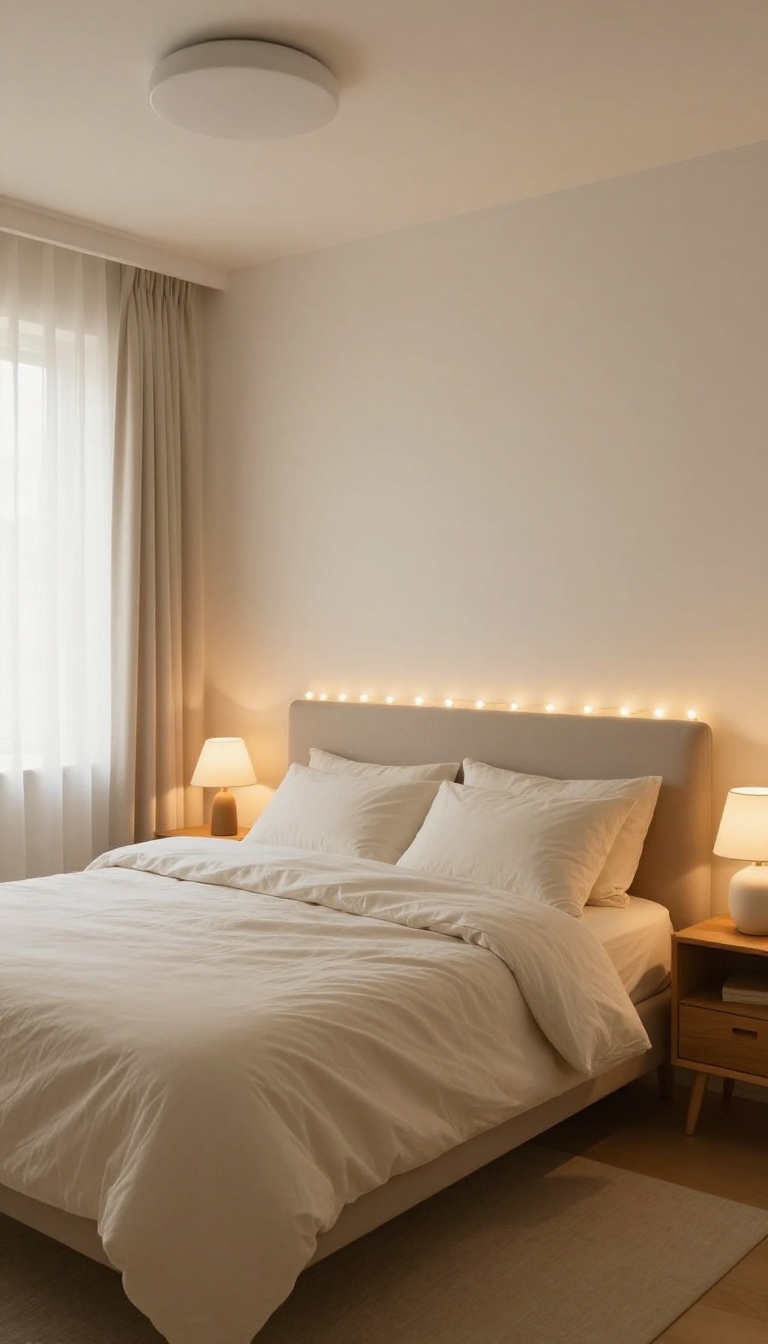
Lighting does more than brighten a room—it shapes how it feels. In a small bedroom, harsh overhead lights can make the space feel stark and cramped, while soft, layered lighting creates depth and a sense of calm. The trick is to combine different types of light that you can adjust throughout the day.
Start by replacing any single ceiling fixture with a dimmable option or adding a smart bulb. Then, introduce a warm bedside lamp for reading and a small accent light, like a string of fairy lights or a candle-style lamp, for that gentle glow. This way, you can dial the mood from bright and functional to soft and cozy in seconds.
Mix Ambient, Task, And Accent Lights
Ambient light is your base—think ceiling lights or floor lamps that fill the room. Task light is for specific activities like reading, so a bedside lamp with a focused beam works well. Accent light adds personality and warmth, such as a tiny spotlight on a plant or a glowing salt lamp.
Having all three lets you adjust the room's energy without changing anything else.
Choose Warm Bulbs And Dimmers
Bulb color temperature matters more than you'd think. Look for bulbs labeled 'warm white' or 'soft white' (around 2700K) to avoid that sterile, blue-ish glare. Adding a dimmer switch or using smart bulbs with dimming capability gives you even more control.
You can keep it bright for mornings and lower it for evenings without losing that cozy feel.
Use Light To Define Zones
In a small room, light can visually separate areas. Place a small lamp on your nightstand to mark the sleeping zone, and add a floor lamp near a reading chair or vanity to create a distinct corner. This trick makes the space feel larger and more intentional, as each area has its own purpose and glow.
2. Choose a Calming Color Palette
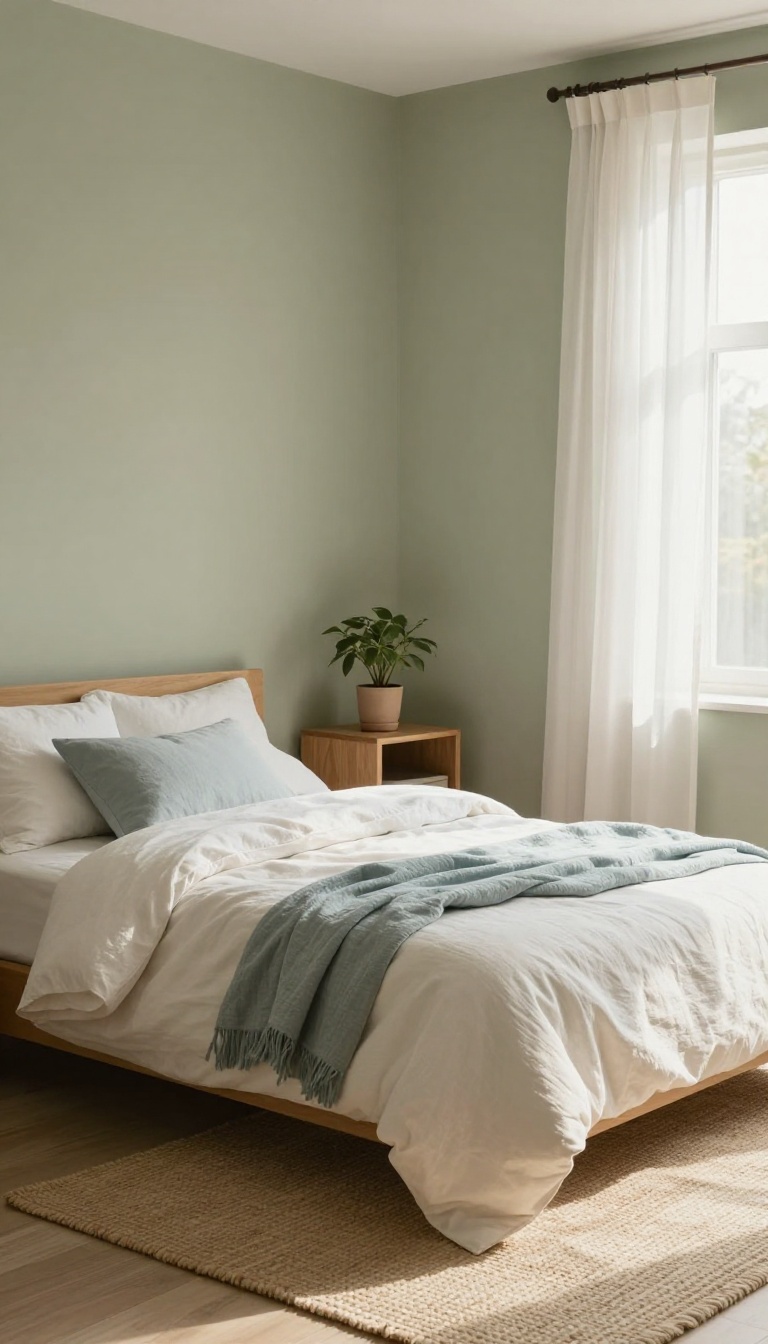
Color sets the entire mood of a room, and in a small bedroom, it can make the difference between feeling cramped and feeling calm. Soft, muted tones like warm whites, sage greens, or dusty blues trick the eye into seeing more space while creating a serene backdrop for rest. The right palette doesn't just look good—it helps you unwind the moment you walk in.
When you're working with limited square footage, the colors you choose can either open up the room or make it feel like the walls are closing in. Light, airy shades reflect natural light and give the illusion of depth, while darker hues can make a space feel cozy but risk making it feel smaller. The trick is to find a balance that feels soothing and spacious at the same time.
Why Muted Tones Work Best
Muted colors have a lower saturation, which means they don't grab your attention aggressively. This makes them perfect for small spaces because they recede visually, making walls seem farther away. Warm whites, for example, add a soft glow without the starkness of pure white, while sage green brings a touch of nature indoors without overwhelming the senses.
How To Test Colors Before Committing
Painting a whole room is a big commitment, so test your top two or three shades first. Grab sample pots and paint large swatches on different walls—colors look different depending on the light throughout the day. Live with them for a few days and notice how they feel in the morning and at night.
You want a color that feels calming at all hours, not just in the afternoon sun.
Pairing Colors With Textures And Materials
Once you've settled on a palette, bring in textures that complement it. Linen curtains in a warm white, a chunky knit throw in dusty blue, or a woven rug with hints of sage can add depth without adding clutter. Mixing materials like wood, cotton, and wool in similar tones creates a layered, cozy look that feels intentional and polished.
3. Add Texture with Throws and Pillows
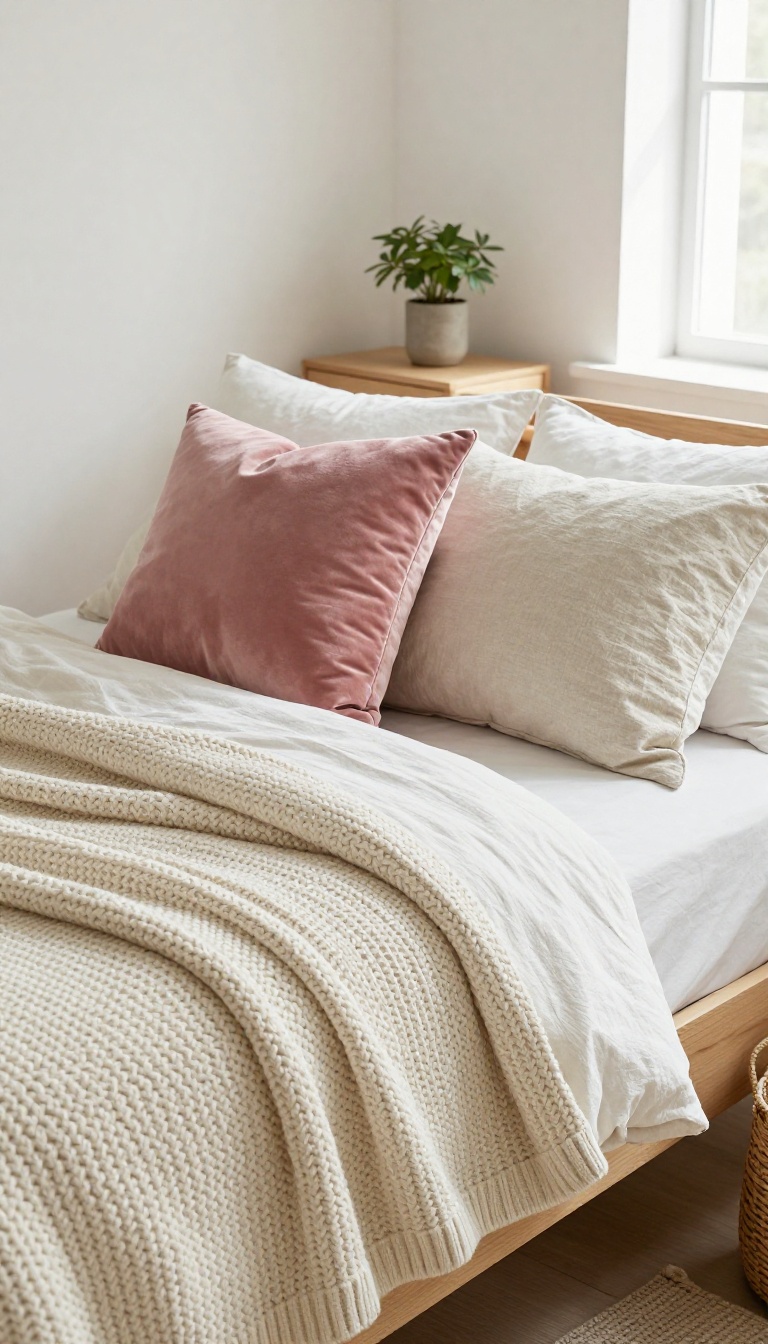
Texture is the secret ingredient that makes a room feel lived-in and warm. In a small bedroom, you can't rely on bulky furniture to add character, but you can absolutely layer soft furnishings to create depth. Throws and pillows are the easiest way to introduce a mix of materials that invite you to touch and relax.
Start by choosing a color palette that complements your existing bedding. Then, mix at least three different textures: a chunky knit throw, a velvet pillow, and a linen sham. This combination adds visual interest without taking up any floor space.
Don't be afraid to play with scale—a large, oversized throw draped over the foot of the bed can become a focal point, while smaller pillows in varied shapes add dimension.
Mix Materials For Depth
Combining materials like wool, velvet, and cotton creates a rich, tactile experience. For example, pair a smooth velvet pillow with a nubby wool throw. The contrast not only looks good but feels good too.
Stick to two or three textures to avoid a cluttered look.
Layer Without Overwhelming
The trick is to layer thoughtfully. Start with your base bedding, then add a thin quilt or coverlet, and finish with a folded throw at the foot. For pillows, use a mix of sizes—two standard, one lumbar, and one accent pillow.
This creates a cozy, inviting bed without making it hard to actually get into.
Use Throws As Functional Decor
A throw isn't just for looks—it can be a practical layer for chilly nights. Drape it over a chair or the end of the bed so it's within reach. Choose a fabric that's easy to wash, like cotton or a cotton-blend, so it stays fresh and inviting.
4. Incorporate a Canopy or Drape
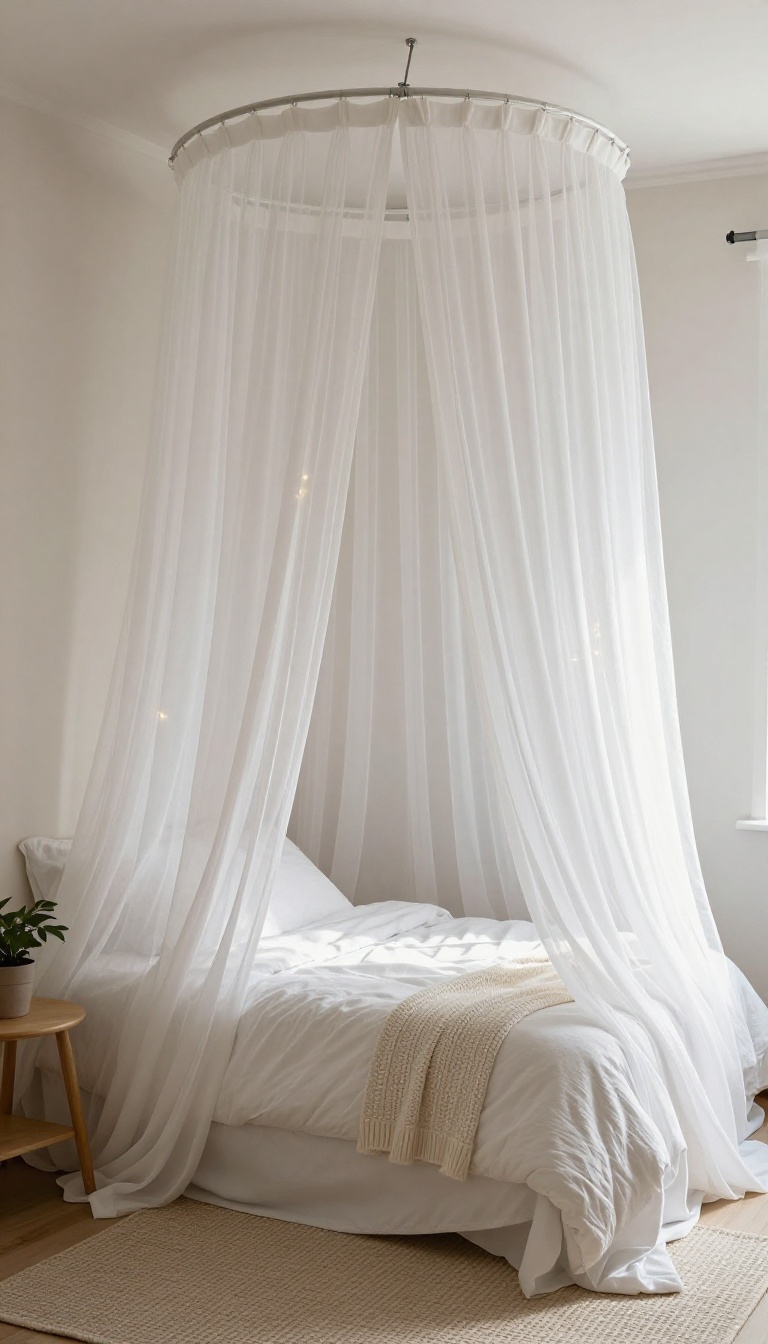
Sometimes a small bedroom just needs a little drama to feel special. A canopy or draped fabric can do exactly that, turning a plain corner into a cozy nook. It’s not about hiding space—it’s about creating a focal point that draws the eye upward and makes the room feel more intimate.
Adding a canopy doesn’t require a four-poster bed. Simple ceiling-mounted rods or even a wall-mounted arm can hold sheer curtains that pool around your bed. The softness of the fabric softens the room’s edges, making it feel more enclosed and private, like a retreat within your own home.
Choose The Right Fabric
Sheer, lightweight fabrics like voile or linen work best in small rooms because they let light through while still creating a sense of enclosure. Avoid heavy velvet or dark materials that can make the space feel smaller. White or light neutral tones keep things airy, while a subtle pattern can add interest without overwhelming.
Installation Ideas For Any Ceiling
If you’re renting or don’t want to drill, use a tension rod inside a window frame or a freestanding canopy frame that doesn’t require mounting. For a more permanent look, consider a ceiling-mounted curtain track that follows the bed’s outline—it’s simple to install and can be adjusted to fit any bed size.
Style It For Maximum Effect
Drape the fabric loosely for a romantic, relaxed feel, or tie it back during the day to open up the space. Add a few fairy lights woven through the fabric for a warm glow in the evening. The goal is to make the canopy feel like a natural part of the room, not a costume.
5. Use Mirrors to Expand the Space
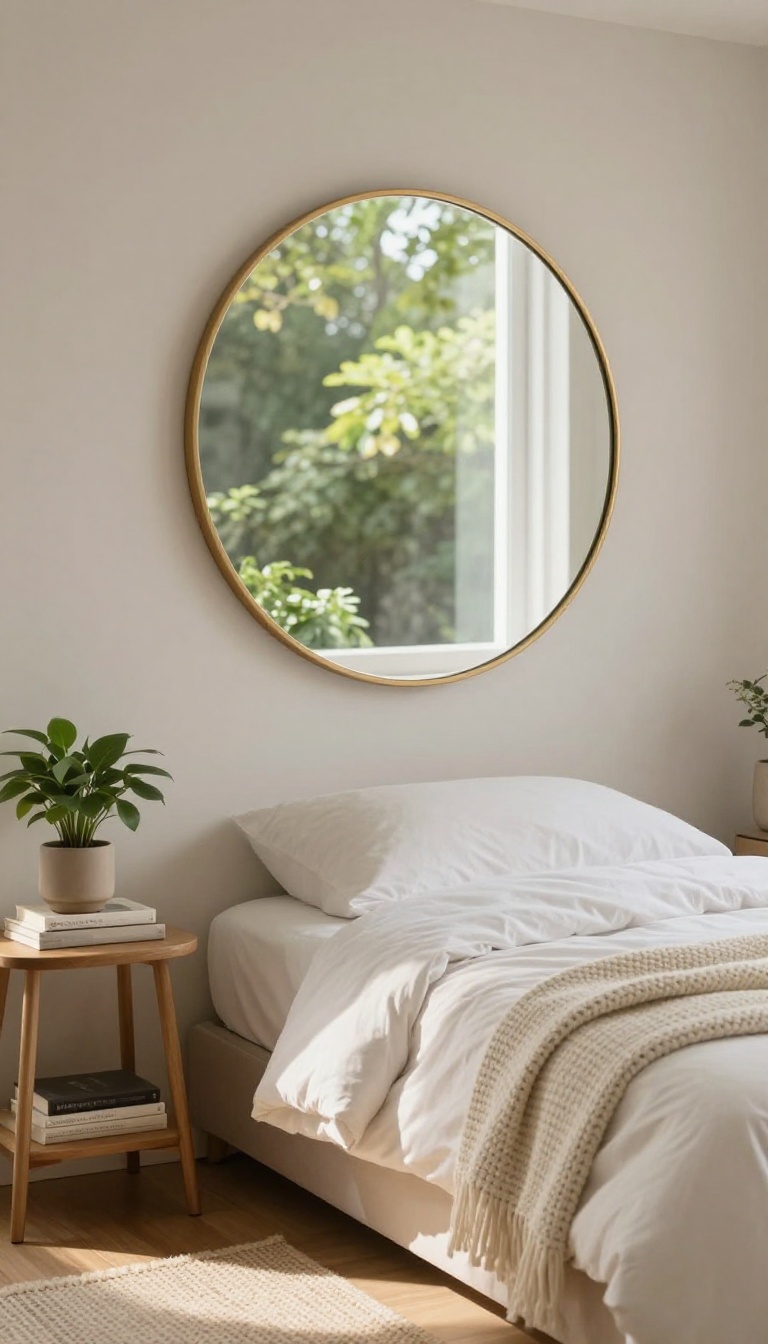
A well-placed mirror can work wonders in a small bedroom. It bounces light around the room, making it feel brighter and more open. Plus, mirrors add a touch of elegance that doesn't take up any floor space.
When you're short on square footage, every visual trick counts. A mirror is one of the easiest ways to trick the eye into seeing more space. By reflecting both natural and artificial light, it creates depth and makes the room feel larger than it actually is.
Position It Across From A Window
Hang a large mirror on the wall opposite your window. This will reflect the outdoor view and flood the room with extra light. If your window is small, this simple move can make a huge difference in how airy the space feels.
Choose The Right Frame
A mirror with a thin or minimal frame works best in a small room. Heavy, ornate frames can weigh down the space visually. Instead, go for a sleek metal or frameless design that blends seamlessly with your decor.
Lean A Floor Mirror In A Corner
If wall space is tight, lean a tall floor mirror against a corner. This adds height and creates an illusion of more floor area. Plus, it's a stylish design element that can double as a full-length mirror for getting ready.
6. Invest in a Low-Profile Bed Frame
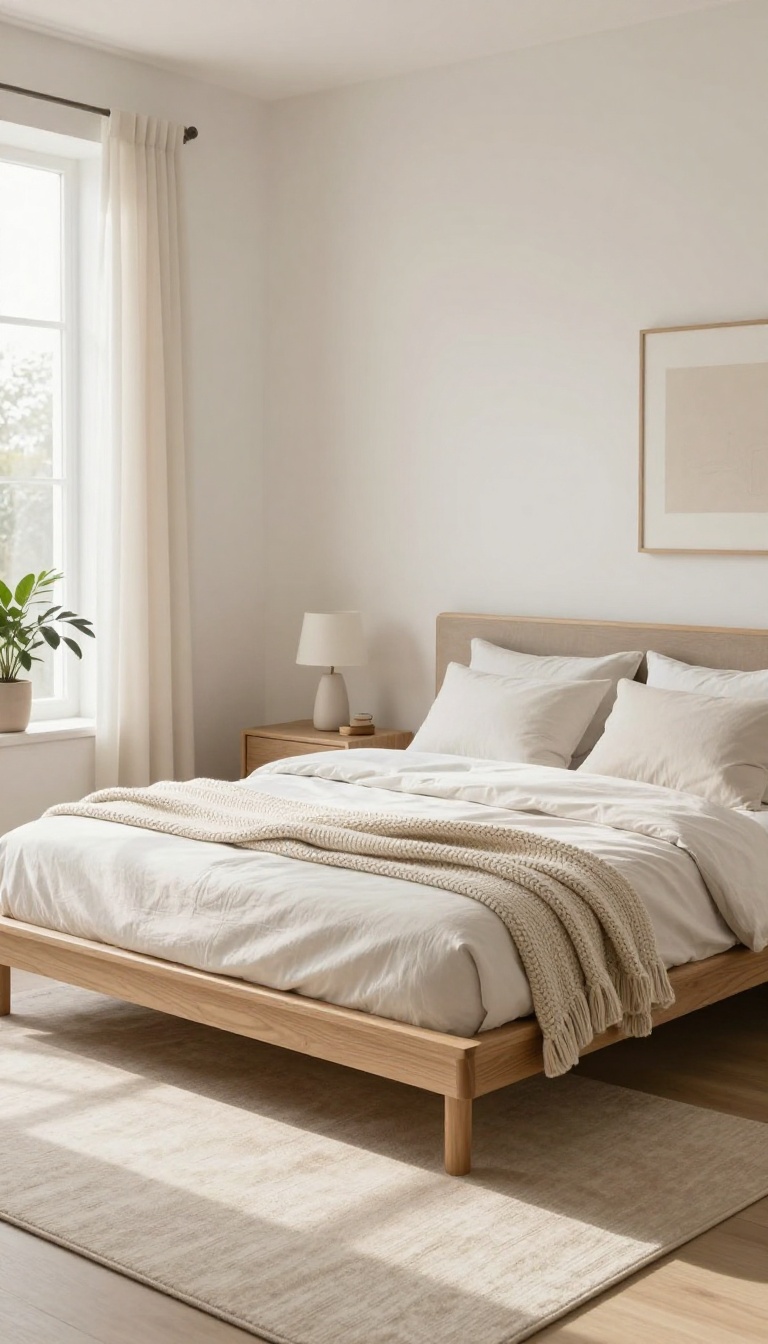
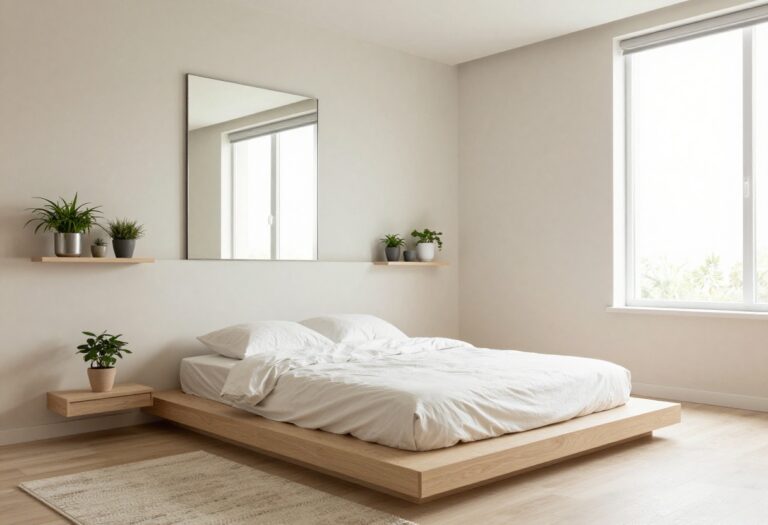
Your bed is the biggest piece of furniture in the room, so its height sets the visual tone. A bulky, tall frame can make a small space feel top-heavy and cramped. Switching to a low-profile bed frame instantly changes the proportions, making the room feel more grounded and open.
A low bed does more than just look modern—it creates a sense of calm and stability. With the mattress closer to the floor, the ceiling seems higher, and the walls feel less crowded. It also makes the room feel more intimate and cozy, like a nest you can sink into at the end of the day.
Why Low Beds Work In Small Rooms
When your bed sits lower, it frees up visual space above it. This draws the eye upward, making the ceiling appear taller. The lower profile also reduces the visual weight of the bed, so the room doesn't feel dominated by one piece of furniture.
Plus, it's easier to reach the floor, which can make the space feel more accessible and relaxed.
Choosing The Right Low-profile Frame
Look for a platform bed with a simple, solid base. Avoid frames with tall headboards or footboards that add height. A minimalist design in wood or upholstered fabric works best.
Make sure the frame is sturdy and the mattress sits at a comfortable height for getting in and out of bed. You want it low enough to feel grounded, but not so low that it's hard to use.
Styling Around A Low Bed
Once your bed is lower, you can layer the space around it. Add a cozy rug that extends beyond the bed, and use low-profile nightstands or floating shelves to keep things within reach. Keep the bedding simple and let the bed frame's clean lines shine.
A low bed also pairs well with floor pillows or a small bench at the foot, adding extra seating without taking up visual space.
7. Maximize Vertical Storage
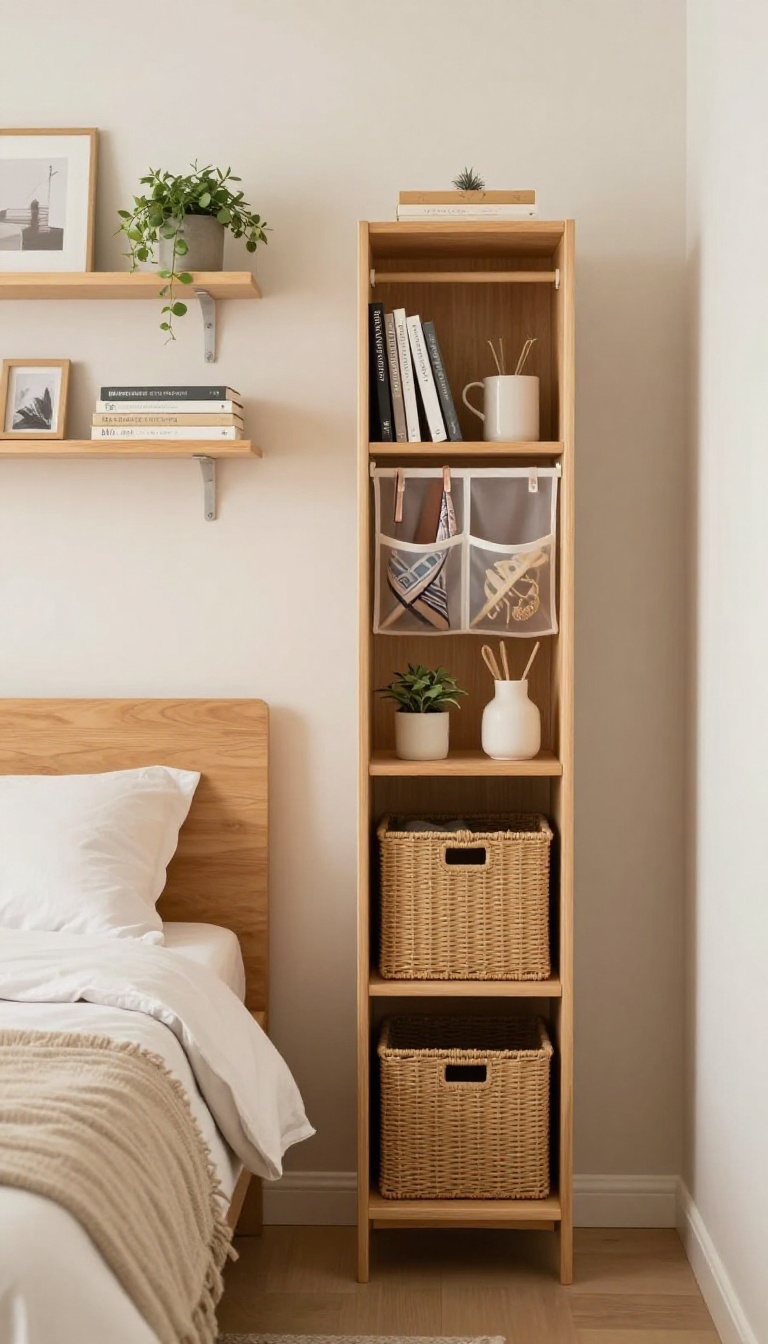
When floor space is tight, the walls become your best friend. Vertical storage not only clears the floor but also draws the eye upward, making the ceiling feel higher and the room more open. It's a simple shift that can make a small bedroom feel far more settled.
Floating shelves and tall bookcases are the workhorses of vertical storage. They keep everyday items within reach while freeing up valuable floor space. By stacking storage upward, you create a sense of order and calm that's essential in a cozy room.
Floating Shelves For Display And Daily Essentials
Install a couple of floating shelves above your bed or beside a window. Use them for books, a small plant, or a few framed photos. Keep the styling simple—less is more when you're working with limited space.
This way, you get storage without the visual weight of a bulky unit.
Tall Bookcases That Blend In
A tall, narrow bookcase can tuck into an awkward corner and provide a surprising amount of storage. Choose one in a light wood or a color that matches your walls so it doesn't dominate the room. Use baskets or bins on the lower shelves to hide clutter, and leave a few open spots for decorative touches.
Over-the-door Organizers For Hidden Storage
Don't overlook the back of your door. An over-the-door organizer with clear pockets can hold accessories, scarves, or even small shoes. It's an invisible way to add storage without taking up any floor or wall space.
Just make sure it doesn't interfere with the door swing.
8. Create a Reading Nook
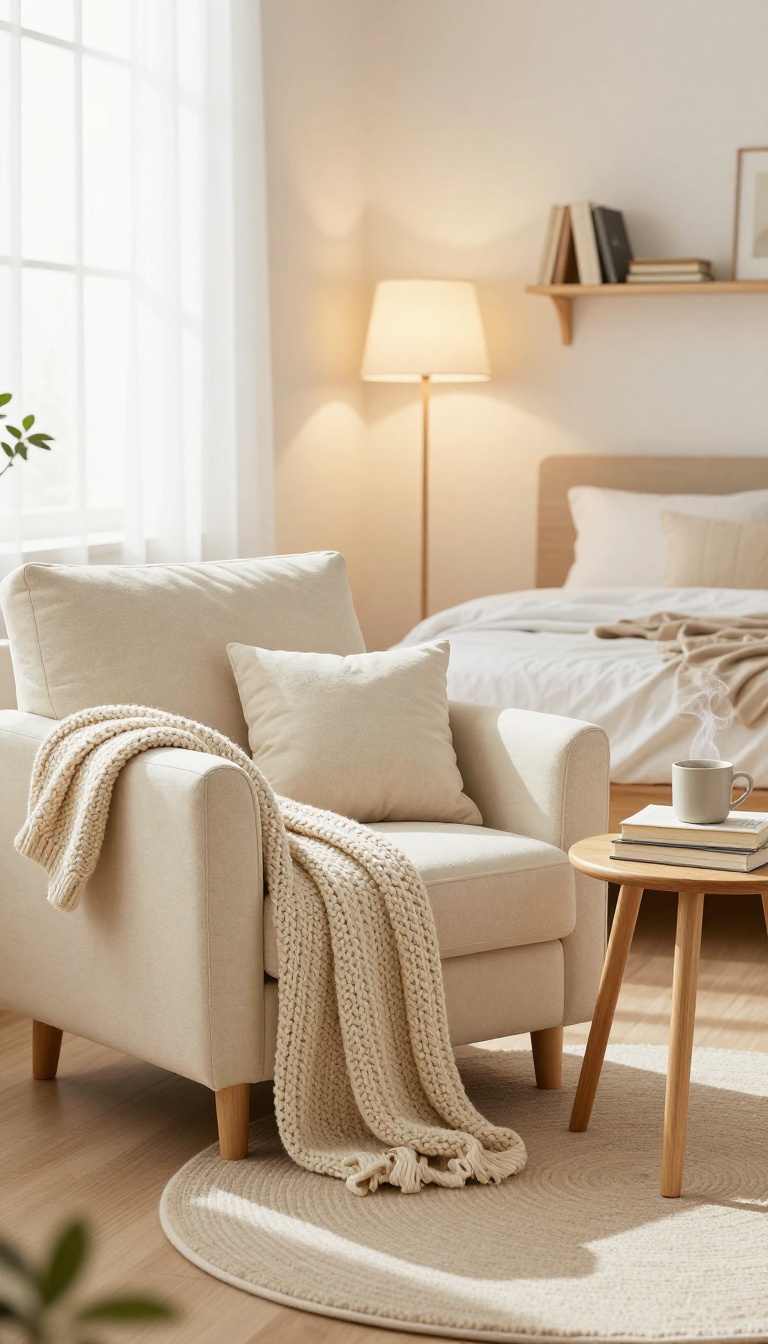
A small bedroom can still offer a quiet escape for reading and reflection. By dedicating a corner to a comfortable chair, a warm light, and a few books, you create a mini retreat that feels personal and calming. It doesn't take much space—just a few square feet can become your favorite spot.
Start by picking a corner that gets natural light during the day, or one that feels cozy even at night. A plush armchair or a small loveseat works well, but even a sturdy floor cushion with a backrest can do the trick. Add a side table or a wall-mounted shelf for your current read and a warm drink.
The key is to make it inviting enough that you'll actually use it.
Pick The Right Spot
Look for an unused corner, perhaps near a window or beside a bookshelf. If the room is really tight, consider swapping a nightstand for a narrow console table that can double as a reading surface. You want the nook to feel separate from the sleeping area, even if it's just a few feet away.
Lighting Sets The Mood
Aim for soft, warm light that doesn't glare on the page. A floor lamp with a fabric shade or a wall-mounted swing arm lamp works perfectly. If you read in the evening, a small clip-on book light can be a lifesaver.
Avoid harsh overhead lights—they kill the cozy vibe.
Make It Comfortable
Layer textures to make the chair or cushion more inviting. Add a chunky knit throw, a soft blanket, and a couple of pillows. A small rug underfoot can define the space and add warmth.
Keep a basket or a shelf nearby for books and a mug, so everything you need is within arm's reach.
Personalize It
Make the nook feel like yours by adding a few personal touches. A framed photo, a small plant, or a meaningful trinket on the shelf can make the space feel special. You could also hang a piece of art that inspires you.
The goal is to create a spot that feels like a mini sanctuary, not just a chair in the corner.
9. Add a Soft Rug for Underfoot Comfort
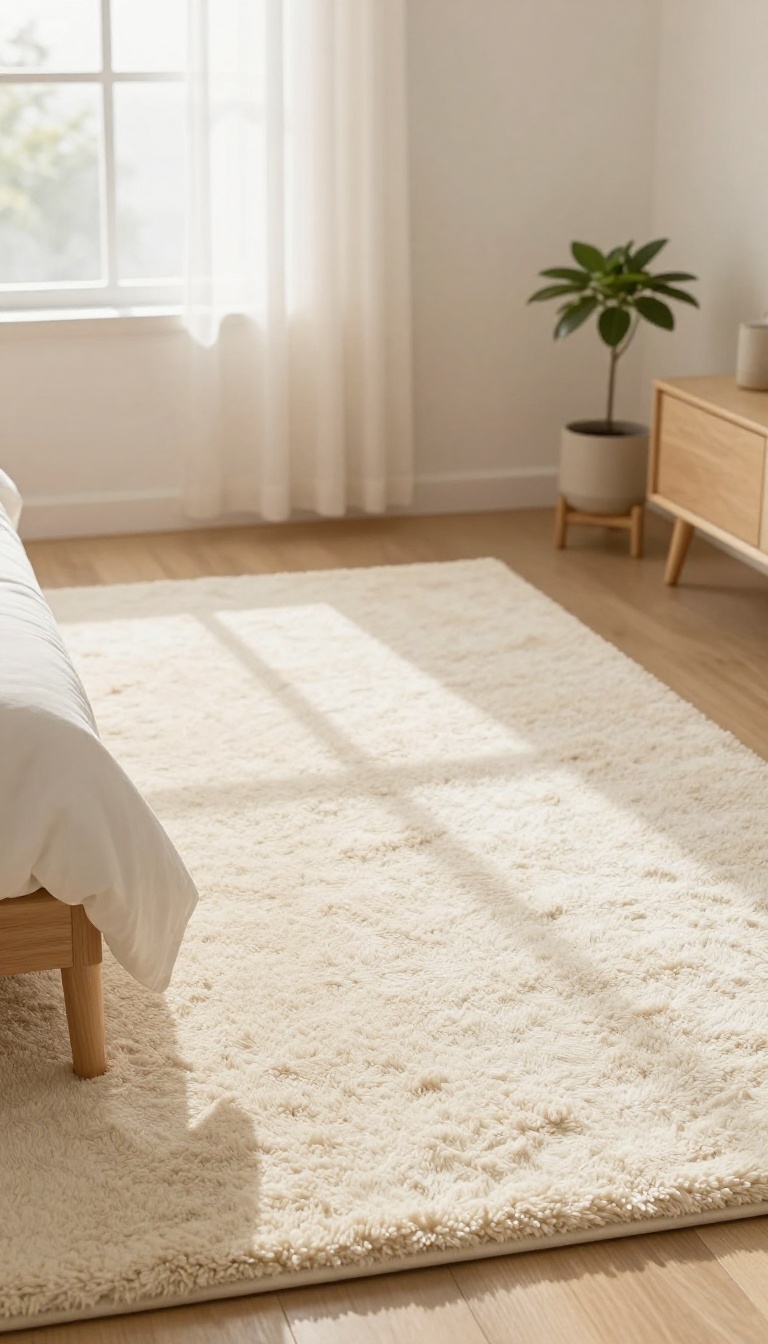
A plush rug can be the quiet hero of a small bedroom. It cushions your first steps in the morning and adds a layer of warmth that makes the space feel more inviting. Beyond comfort, a rug helps anchor the bed, giving the room a clear focal point even when the floor is tight.
In a small bedroom, a rug does more than just protect your feet from cold floors—it visually defines the sleeping area. If you have a studio or a room that doubles as an office, a rug under the bed creates a subtle boundary that says "this is the rest zone. " Plus, the texture and color can tie together your bedding and curtains, making the whole room feel more pulled together.
When picking a rug, size matters more than you might think. A rug that's too small can make the bed look like it's floating, while one that's too large can swallow the room. Aim for a rug that extends at least 18 inches beyond the sides and foot of the bed, or if space is really tight, place two smaller runners on each side of the bed instead.
This gives you the cozy feel without covering every inch of floor.
Choosing The Right Material
The material of your rug affects both comfort and maintenance. Wool is a classic choice—it's soft, durable, and naturally stain-resistant, making it perfect for a bedroom. If you're on a budget, a polypropylene or cotton rug can still feel plush and is often easier to clean.
For a truly luxurious feel underfoot, look for a rug with a high pile or a shag texture, but keep in mind that these can trap dust and require more vacuuming. In a small room, a low-pile or flat-weave rug might be more practical, especially if you have allergies.
Layering Rugs For Extra Warmth
Layering is a clever trick to add depth and warmth without breaking the bank. Start with a large, neutral base rug that covers the main floor area, then place a smaller, patterned rug on top near the bed. This not only adds visual interest but also lets you mix textures—like a jute base with a soft wool top.
In a small bedroom, layering can make the space feel richer and more curated. Just make sure the top rug has a non-slip pad underneath to keep everything stable.
Placement Tips For Small Spaces
Where you place the rug can change how the room feels. If your bed is against a wall, slide a rug under the bed so it peeks out from the foot and sides—this creates a soft landing zone. If you have a narrow room, a long runner along the side of the bed can make the space feel more spacious.
For a studio, place the rug to define the sleeping area, even if it's just a few inches beyond the bed frame. Avoid covering the entire floor, as that can make the room feel closed in.
10. Hang Curtains Higher and Wider
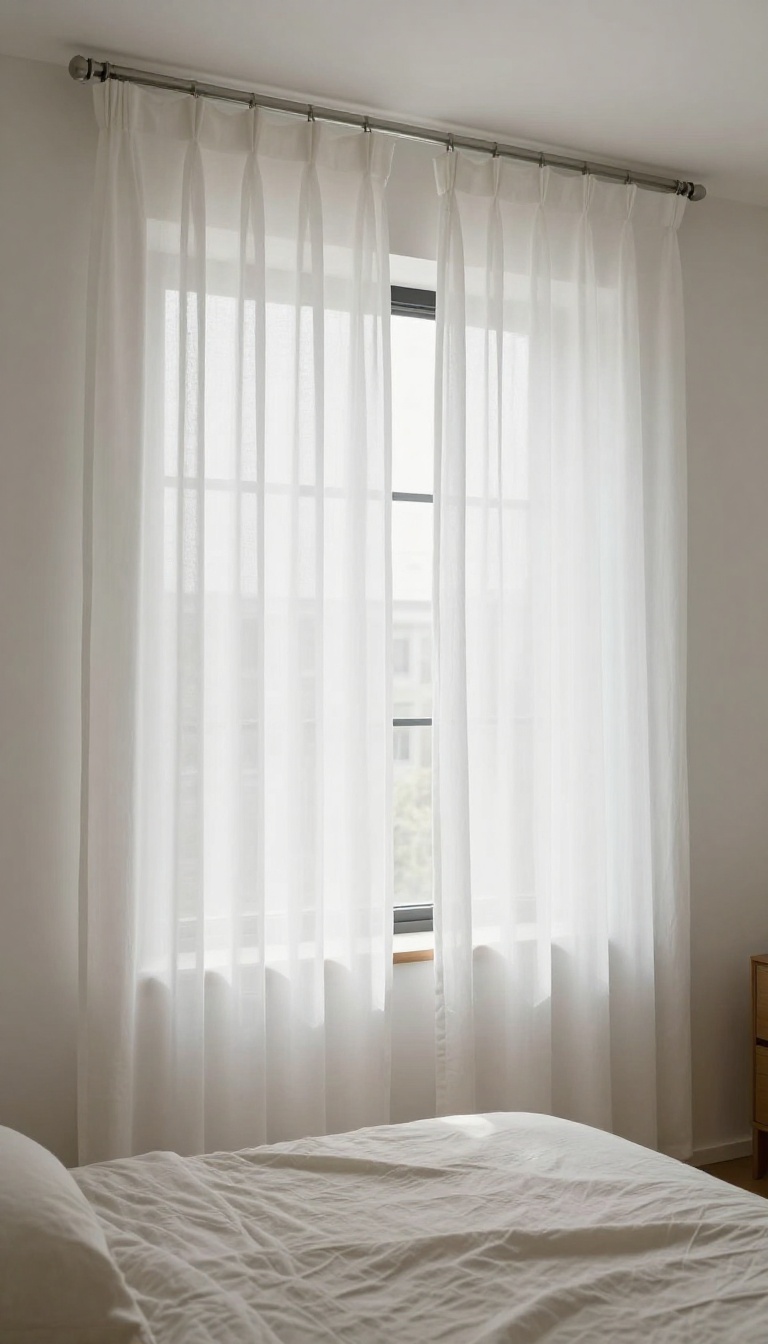
Curtains do more than block light—they shape how your room feels. In a small bedroom, the way you hang them can trick the eye into seeing more space. Mounting your rods close to the ceiling and extending them past the window frame is a simple trick that makes the room look taller and wider.
Start by measuring your window and the wall space around it. Instead of mounting the rod right at the top of the window frame, place it about 2 to 4 inches below the ceiling. Extend the rod at least 6 to 12 inches beyond the window on each side.
This way, when you draw the curtains, they cover only the window, leaving the wall visible on the sides, which makes the window appear larger and the ceiling higher.
Choose The Right Curtain Length
Floor-length curtains are your best bet here. They elongate the room and add a sense of height. Avoid curtains that stop at the sill, as they cut the line of sight and make the ceiling feel lower.
If you already have curtains that are too short, consider adding a contrasting fabric at the bottom or simply replace them with longer ones.
Pick Light And Airy Fabrics
Heavy, dark drapes can swallow light and make a small room feel cramped. Instead, go for sheer or lightweight fabrics in soft, neutral tones. They let in natural light while still giving you privacy.
If you need blackout curtains for better sleep, choose a light-colored lining or a double-rod setup with sheers underneath.
Extend The Rod For A Wider Look
Don't be shy about extending the rod well past the window frame. This trick makes the window feel larger and draws the eye outward, making the whole wall seem broader. When the curtains are open, they should sit mostly over the wall, not the glass.
That way, you let in maximum light and visually widen the room.
11. Incorporate Natural Elements
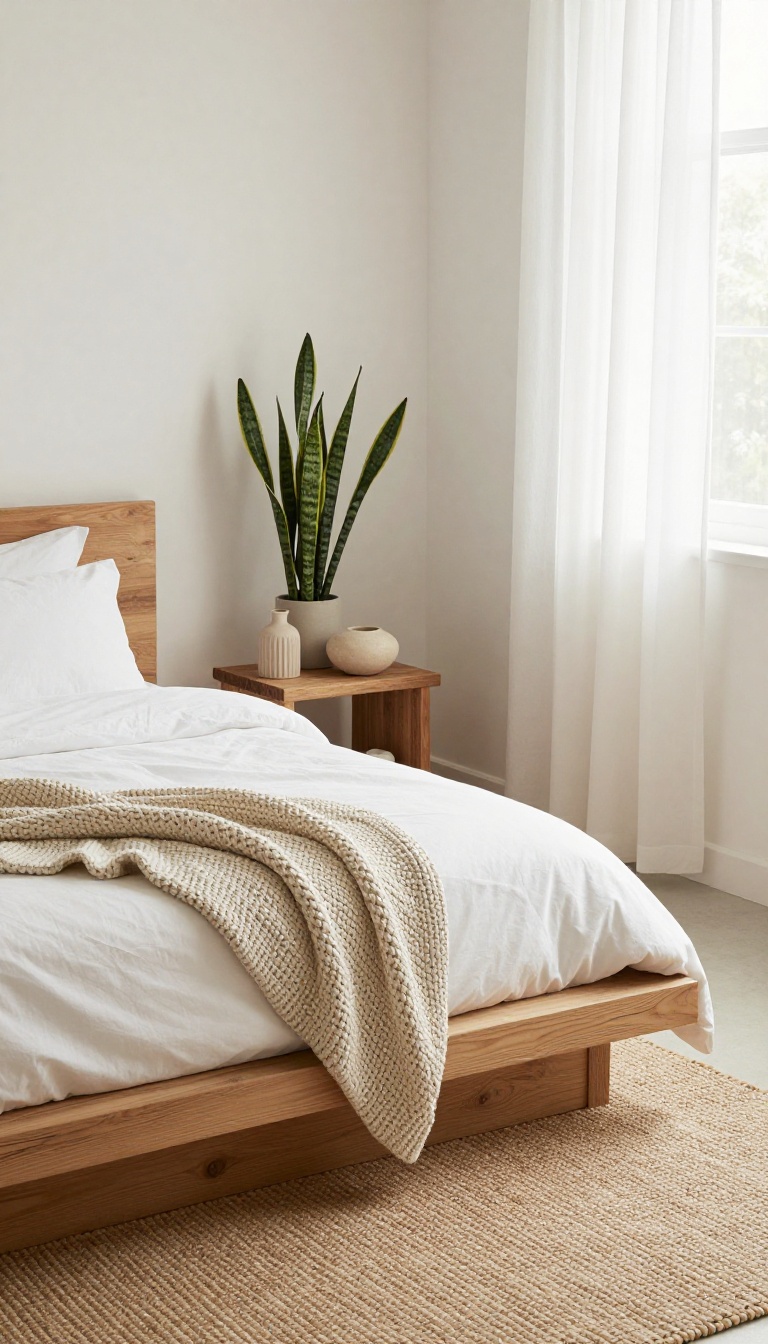
Bringing the outside in can make a small bedroom feel grounded and peaceful. Natural materials like wood, stone, and plants add texture and warmth without taking up much space. They also create a calm, organic vibe that helps you unwind at the end of the day.
Even a tiny room can benefit from a few natural touches. Start with a small potted plant on your nightstand or a windowsill. If you're worried about upkeep, choose low-maintenance options like succulents or snake plants.
Wood accents, such as a floating shelf or a wooden picture frame, add warmth without cluttering the floor. A small stone or ceramic bowl can hold jewelry or trinkets while adding an earthy feel.
Choose Low-maintenance Plants
Not everyone has a green thumb, but that shouldn't stop you from adding greenery. Succulents, snake plants, and pothos thrive with minimal care and don't need much light. Place them on a shelf, nightstand, or hanging planter to save floor space.
They also improve air quality, making your bedroom feel fresher.
Add Wood Accents
Wood brings a natural, cozy feel to any room. A simple wooden bench at the foot of the bed, a set of floating shelves, or even a bamboo tray on your dresser can do the trick. Mixing wood tones adds depth without being overwhelming.
Just keep it to a few pieces so the room doesn't feel cluttered.
Incorporate Stone Or Ceramic Decor
Stone and ceramic pieces add a subtle, grounding texture. A small stone diffuser, a ceramic vase, or a pebble tray under your plant can introduce these elements. They're easy to style and don't take up much room.
Choose neutral tones that blend with your existing palette for a cohesive look.
12. Use Multi-Functional Furniture
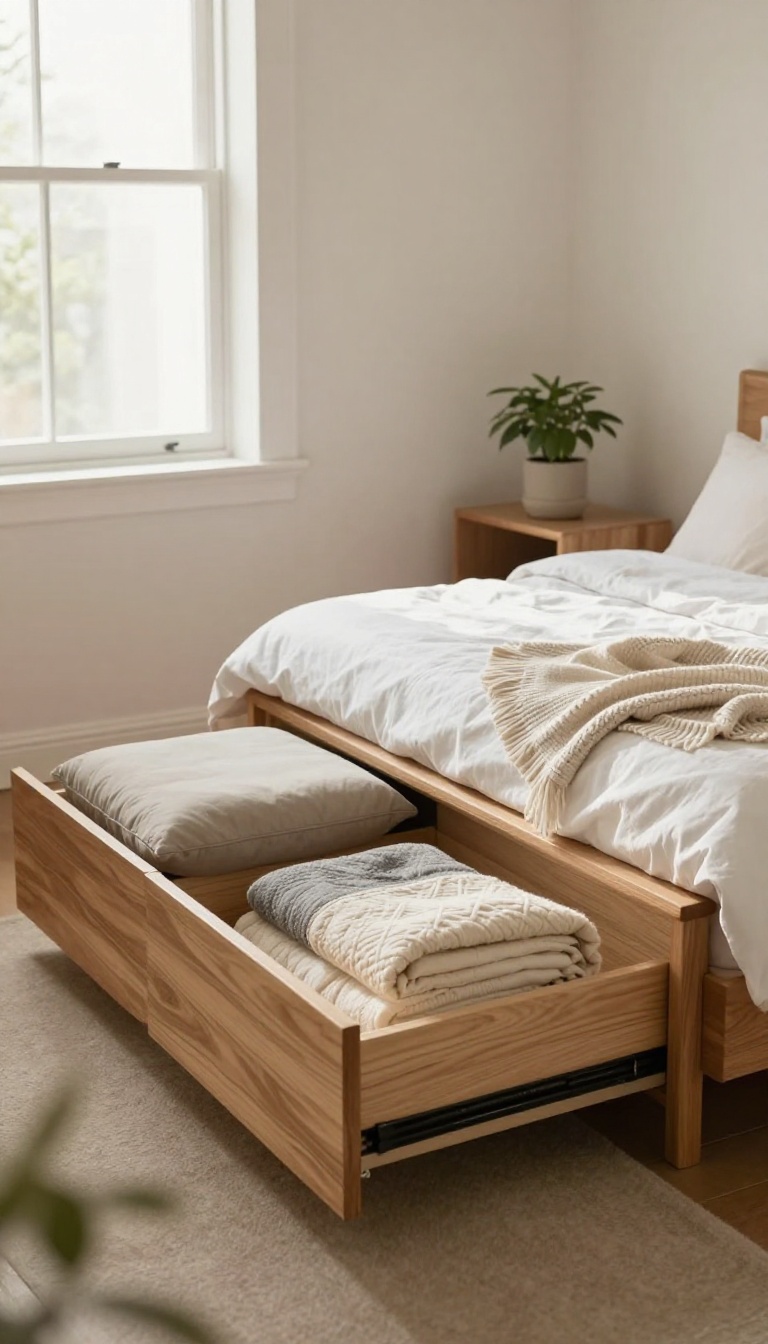
When every square inch counts, furniture that does double duty is a game-changer. Instead of filling your room with single-purpose pieces, choose items that offer storage, seating, or surface space in clever ways. This approach not only saves space but also reduces visual clutter, making your small bedroom feel more open and settled.
Multi-functional furniture is all about working smarter, not harder. A bed with built-in drawers eliminates the need for a bulky dresser, while a storage ottoman can serve as a footrest, extra seating, and a place to stash blankets or out-of-season clothes. These pieces keep your essentials close at hand but out of sight, which is key to maintaining a calm, cozy atmosphere.
Beds With Built-in Storage
Your bed takes up the most floor space, so why not make it work harder? Look for platform beds with drawers underneath or a headboard with shelves. This can replace a nightstand or a dresser, freeing up valuable floor space and making the room feel less crowded.
Plus, having your storage within arm's reach makes bedtime routines feel simpler and more organized.
Ottomans And Benches That Double As Storage
A storage ottoman at the foot of your bed isn't just a place to sit—it's a hidden treasure chest for extra pillows, throws, or even shoes. A bench with a hinged top can serve as a spot to lay out tomorrow's outfit while hiding clutter. These pieces add function without taking up extra room, and they come in styles that blend seamlessly with your decor.
Desks And Vanities With Hidden Compartments
If you need a workspace or a vanity, choose one with built-in drawers, shelves, or a fold-down top. This way, you can tuck away your laptop, makeup, or paperwork when not in use, keeping the surface clear and the room tidy. A compact desk with storage can double as a nightstand, saving space and adding versatility.
13. Add Personal Touches with Art and Photos
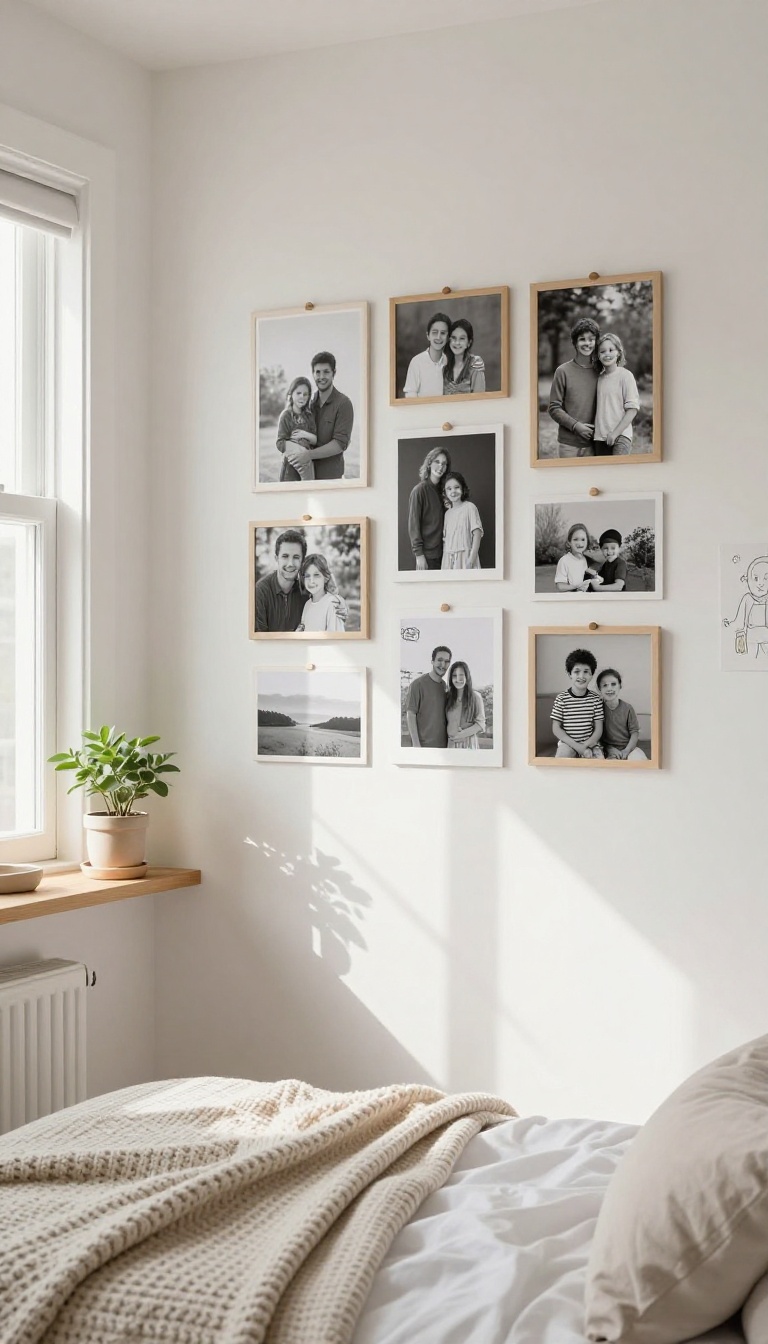
A small bedroom can start to feel like a hotel room if it lacks personality. The fastest way to make it feel like yours is to surround yourself with things that tell your story. Art and photographs do exactly that, turning bare walls into a reflection of your life and memories.
When you display pieces that matter to you, the room instantly feels more settled and less like a temporary stop. You don't need a gallery wall or expensive frames—just a few meaningful items arranged with intention. The goal is to create a space that feels uniquely yours, where every glance brings a smile or a fond memory.
Choose Pieces That Speak To You
Pick artwork or photos that resonate with you personally. It could be a print from your favorite artist, a postcard from a trip, or a family photo. The key is that it holds meaning.
When you look at it, you should feel a connection. That emotional pull makes the room feel lived-in and cozy.
Keep Frames Simple And Consistent
Frames don't have to match perfectly, but keeping them simple helps the pieces stand out without visual clutter. Thin black, white, or natural wood frames work well in small spaces. If you have multiple frames, try to keep a consistent color or style to create a cohesive look.
This keeps the wall from feeling busy.
Create A Small Gallery Wall
You don't need a huge wall for a gallery. A cluster of three to five frames arranged in a neat grid or organic layout can add personality without overwhelming the room. Mix in a small mirror or a decorative object to break up the frames.
This creates visual interest and makes the space feel curated, not cluttered.
Use Shelves For Flexible Displays
If you're not ready to commit to wall art, use floating shelves to display photos and small art pieces. You can easily swap them out whenever you want a change. Lean frames against the wall on the shelf for a casual, relaxed vibe.
Add a small plant or a book to complete the look.
14. Keep Surfaces Minimal
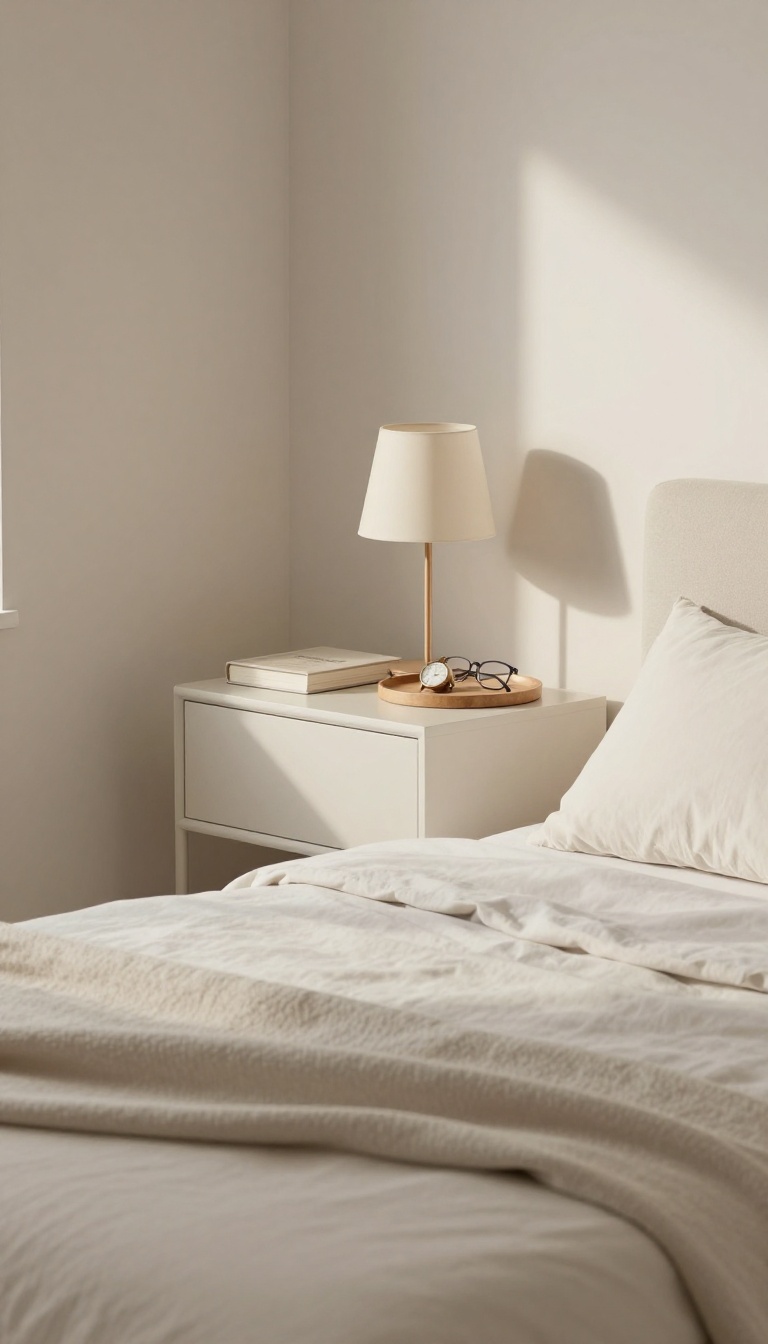
Clutter has a way of creeping into every corner, especially in a small bedroom. When nightstands and dressers are piled with books, chargers, and random odds and ends, the room starts to feel chaotic instead of calm. Clearing those surfaces down to the essentials can instantly make the space feel more open and settled.
A clear surface gives your eyes a place to rest, which is exactly what a cozy bedroom should offer. Start by removing everything that isn't used daily. Keep only a lamp, a book, and maybe a small tray for jewelry or glasses.
If you need extra storage, look for a nightstand with drawers or a small basket underneath to hide the rest.
The One-tray Rule
Designate a single tray or shallow bowl for the few items you want within reach. This could be your watch, a lip balm, or a phone. The tray keeps things together and visually tidy, so you don't have to stare at a jumble of objects.
It also makes cleaning easier—just lift the tray and wipe down the surface.
Hidden Storage Wins
If you're tempted to leave things out because you have nowhere to put them, invest in furniture with built-in storage. A bed frame with drawers underneath or a dresser with a hutch can hold everything from extra pillows to paperwork. When everything has a home, you're less likely to let clutter pile up on visible surfaces.
15. Scent Your Space for Relaxation
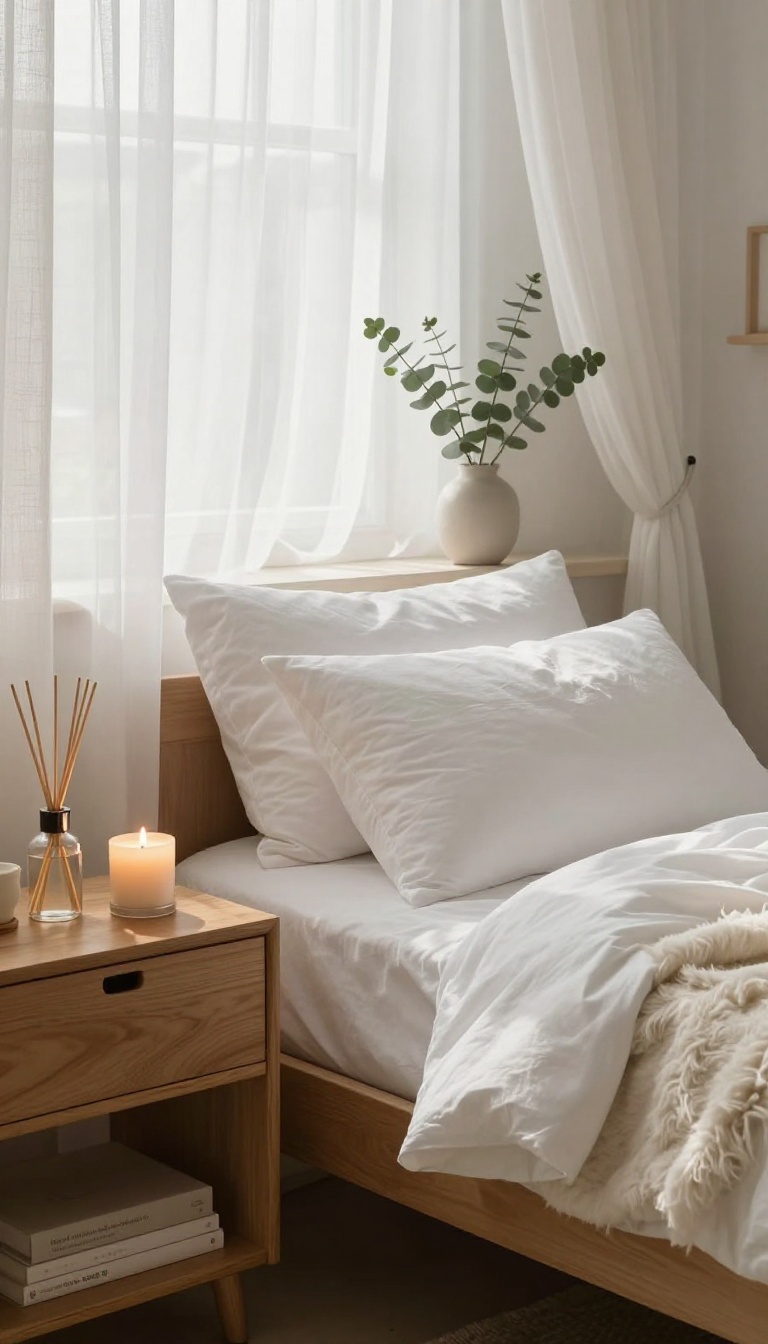
Scent is a powerful, often overlooked tool for making a room feel instantly cozier. The right fragrance can signal to your brain that it's time to unwind, turning your small bedroom into a personal retreat. It’s a simple addition that doesn’t take up any floor space but delivers a big atmospheric payoff.
When you walk into a room that smells like lavender or fresh linen, your shoulders tend to drop. That’s because scent is directly linked to the parts of the brain that handle emotion and memory. In a small bedroom, where every element is close at hand, a calming aroma can make the space feel more intimate and restful.
The goal is to choose scents that promote relaxation and avoid anything too sharp or energizing.
Choose Calming Scents
Lavender is a classic for good reason—it’s been shown to lower heart rate and improve sleep quality. Eucalyptus is another great option if you prefer something cleaner and more spa-like. Chamomile, sandalwood, and vanilla are also cozy choices.
Stay away from citrus or mint, which tend to be more invigorating and can keep you alert.
Pick The Right Delivery Method
A reed diffuser is a set-and-forget option that provides a steady, subtle scent without any flame or heat. If you like a bit of ambiance, a candle with a wooden wick adds a gentle crackle that feels extra cozy. For a more controlled approach, an essential oil diffuser lets you switch up scents easily and can double as a tiny humidifier, which is nice in dry climates.
Placement Matters
Where you put your scent source can make a big difference. Place a diffuser on a nightstand or dresser, but not too close to your head—you want it to gently fill the room, not overwhelm you. Avoid putting candles near curtains or clutter, and always blow them out before you fall asleep.
If you’re using a diffuser, place it at a mid-height level so the mist spreads evenly.
FAQ
What is the best color for a small cozy bedroom?
Soft, muted colors like warm white, light gray, sage green, or dusty blue work best. They make the room feel airy and calm, which is key for a cozy atmosphere.
How can I make my small bedroom look bigger?
Use mirrors to reflect light, hang curtains high and wide, choose a low-profile bed, and keep the floor clear. Light colors and vertical storage also help.
What type of lighting is best for a cozy bedroom?
Layered lighting is ideal. Combine a warm overhead light with task lighting (like a reading lamp) and accent lighting (like string lights or a dimmable sconce) to create a soft, adjustable glow.
How do I add storage to a small bedroom without clutter?
Use multi-functional furniture like beds with drawers, ottomans with storage, and floating shelves. Keep surfaces minimal and use baskets or bins to hide items.
Can I make a small bedroom cozy on a budget?
Absolutely. Simple changes like adding throw pillows, a rug, warm lighting, and plants can make a big difference without spending much. Repurposing items you already have also helps.
Conclusion
Making a small bedroom feel cozy and settled doesn't require a massive overhaul. By focusing on lighting, color, texture, and smart storage, you can transform your space into a retreat that feels both inviting and functional.
Start with a few of these ideas that resonate with you, and build from there. The goal is to create a room that feels like a true reflection of your style and a place where you can truly relax.