11 Double Shower Ideas for Shared Comfort and Better Flow
Sharing a shower doesn't have to mean taking turns or compromising on comfort. With the right layout and fixtures, you can turn a basic rinse into a smooth, side-by-side experience that actually works for two people.
These eleven ideas focus on better water coverage, smarter temperature control, and safer footing—so every shower feels less like a squeeze and more like a daily reset.
Whether you're remodeling from scratch or just upgrading a few pieces, each option brings its own practical twist to shared bathing.
1. Install Dual Shower Heads for Full Coverage
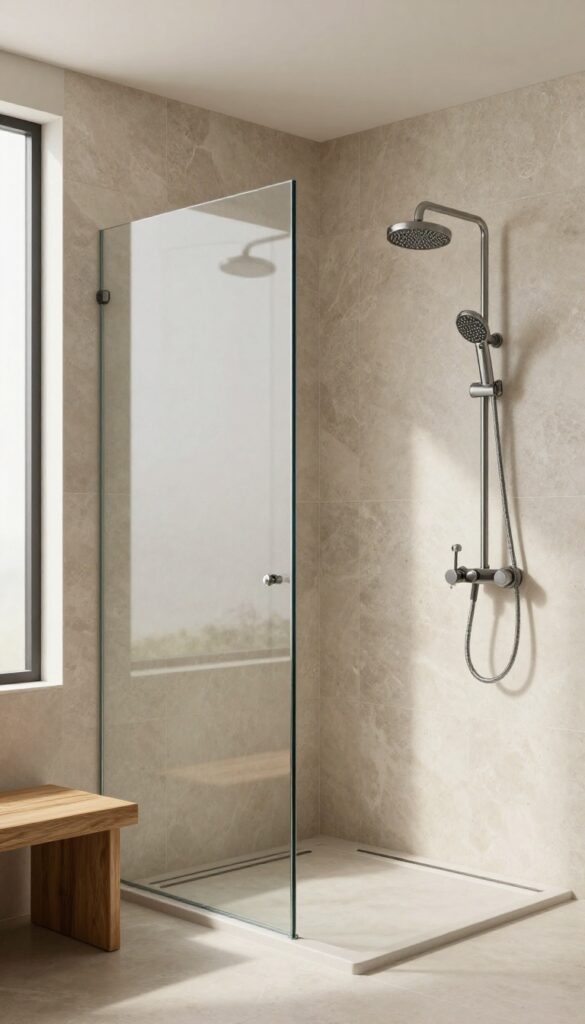
Two separate shower heads let you and your partner rinse off simultaneously without fighting for water. Choose adjustable arms to direct spray exactly where you need it. This setup turns a cramped corner into a personal spa for two.
Dual shower heads are the backbone of a shared shower. They give each person their own stream, so no one gets left in the cold. With the right arms, you can angle the water to hit your shoulders, back, or anywhere else that needs attention.
Pick The Right Configuration
Wall-mounted heads work well for most bathrooms, but ceiling-mounted rain showers add a luxurious feel. For flexibility, opt for handheld heads on sliding bars—each person can adjust height and spray pattern independently.
Adjust For Comfort And Space
Position the heads at opposite ends of the shower to maximize space. If the shower is narrow, use swivel arms to angle the spray outward. This prevents water from hitting your partner in the face and keeps the flow balanced.
Consider Pressure And Flow
Check your water pressure before installing two heads. A pressure-balancing valve helps maintain a steady temperature when both are running. For low-pressure homes, choose high-efficiency heads that still deliver a satisfying spray.
2. Add a Rainfall Shower Head for a Spa-Like Feel
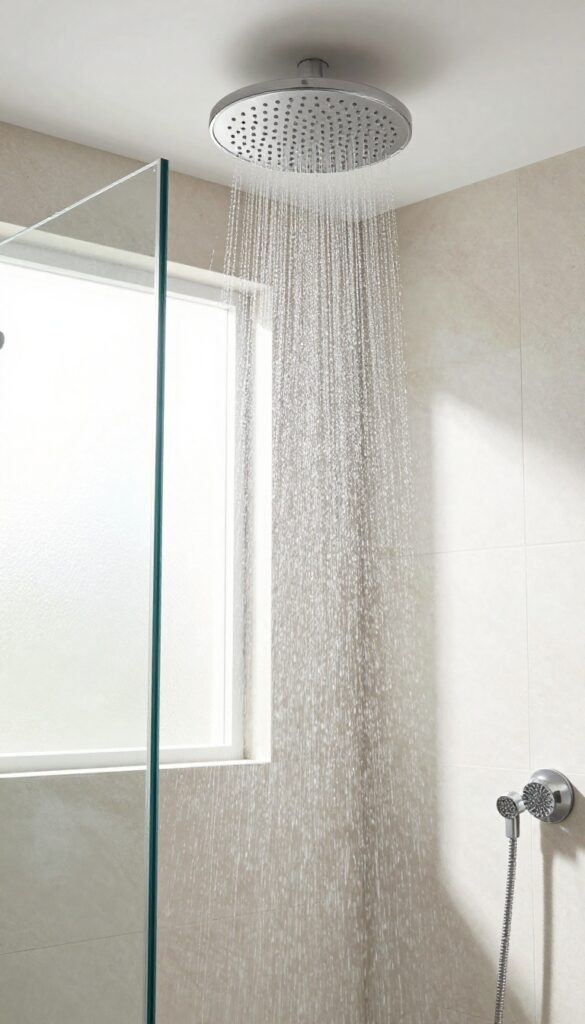
A rainfall shower head changes the entire vibe of a shared shower. Instead of a narrow spray, you get a wide, gentle cascade that covers both of you at once. It feels less like a quick rinse and more like standing under a warm summer downpour.
Pair it with a handheld sprayer and you've got the best of both worlds. The overhead head handles the main event, while the handheld is perfect for rinsing hair or washing off after a workout. It's a simple upgrade that makes a big difference in how a shared shower flows.
A rainfall head is a favorite for couples because it creates a shared experience rather than a solo one. The wide spray means you're both getting wet without jockeying for position. And because the water falls straight down, it's easier to keep the water where you want it—less splashing, more comfort.
One thing to consider is water pressure. Some rainfall heads need a bit more flow to feel their best, so check your home's water pressure before buying. If you're on a well or have low pressure, look for a model with a wider face or one designed for low-flow systems.
You'll also want to think about the mount—ceiling-mounted heads give that true spa feel, but wall-mounted ones are easier to install and work just as well. Another tip: choose a head with a swivel or a ball joint. That way, you can angle it slightly if you want a more concentrated stream for rinsing shampoo, or keep it flat for the full rainfall effect.
It's a small feature that adds a lot of flexibility.
Why Rainfall Heads Work For Two
The main advantage is coverage. A standard shower head sprays a narrow cone, so you're constantly shifting to get wet. A rainfall head, especially one that's 8 inches or larger, spreads the water over a much bigger area.
That means you and your partner can stand side by side without fighting for the spray. It also creates a more relaxing atmosphere—the steady, even flow is soothing and helps you both unwind after a long day.
Pairing With A Handheld For Flexibility
While the rainfall head is great for overall coverage, a handheld sprayer adds precision. Use it to rinse conditioner out of long hair, wash off muddy feet, or clean the shower walls afterward. Many setups come with a diverter that lets you switch between the two, or you can use both at the same time if you have a dual-valve system.
This combo is especially handy if you have different showering routines—one of you can use the handheld while the other enjoys the rainfall.
Installation And Water Pressure Tips
Before you buy, measure your shower ceiling or wall to make sure the head will fit comfortably. Ceiling-mounted heads need to be positioned so they don't hit your head when you're standing under them—usually about 7 feet off the floor. Wall-mounted models are easier to retrofit, but they still need to be high enough to give that overhead effect.
Also, check your water pressure. If it's below 40 psi, look for a rainfall head with a flow restrictor that can be removed, or opt for a model with a wider face that works well at lower pressures.
3. Use a Handheld Shower Head for Flexibility
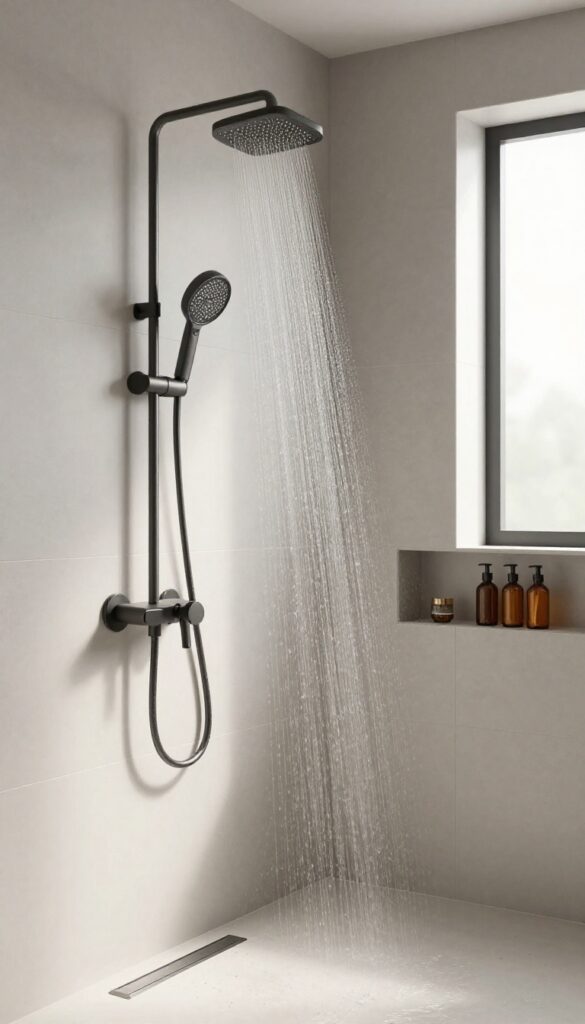
A fixed shower head can feel limiting when you're sharing the space. A handheld unit on a slide bar changes that—it lets you direct water exactly where you need it, whether that's your partner's back or the corner of the shower that never seems to rinse clean. It's a small upgrade that adds a lot of versatility.
You can adjust the height easily, so it works for both of you without any awkward bending or stretching.
A handheld shower head on a slide bar is one of those upgrades you don't realize you need until you have it. It gives you the freedom to rinse off quickly, target specific areas, and even clean the shower itself without getting soaked. For shared showers, it's a practical way to make the space work better for both of you.
Perfect For Rinsing Hard-to-reach Spots
When you're washing your hair or shaving your legs, a fixed head can leave you twisting into awkward positions. A handheld lets you bring the water to you. You can easily rinse shampoo from long hair or wash off soap from your back without missing a spot.
It's also great for partners with different heights. Instead of adjusting the whole shower head, you can just lift the handheld to the perfect angle for each person.
Great For Pets And Cleaning
If you have a dog that hates bath time, a handheld shower head is a lifesaver. You can keep one hand on the pet and the other on the spray, making the whole process faster and less stressful for everyone. It's also handy for cleaning the shower itself.
You can rinse down the walls, corners, and floor without getting drenched. That means less time scrubbing and more time enjoying your shower.
Easy To Install And Budget-friendly
You don't need a full remodel to add a handheld shower head. Most models come with a slide bar that mounts to your existing shower arm, and you can install it in under an hour with basic tools. Prices range from $30 to $150, so there's an option for every budget.
Plus, many handheld heads offer multiple spray settings, from a gentle mist to a powerful massage. That way, you can customize your shower experience without investing in a whole new system.
4. Create a Bench for Seated Comfort
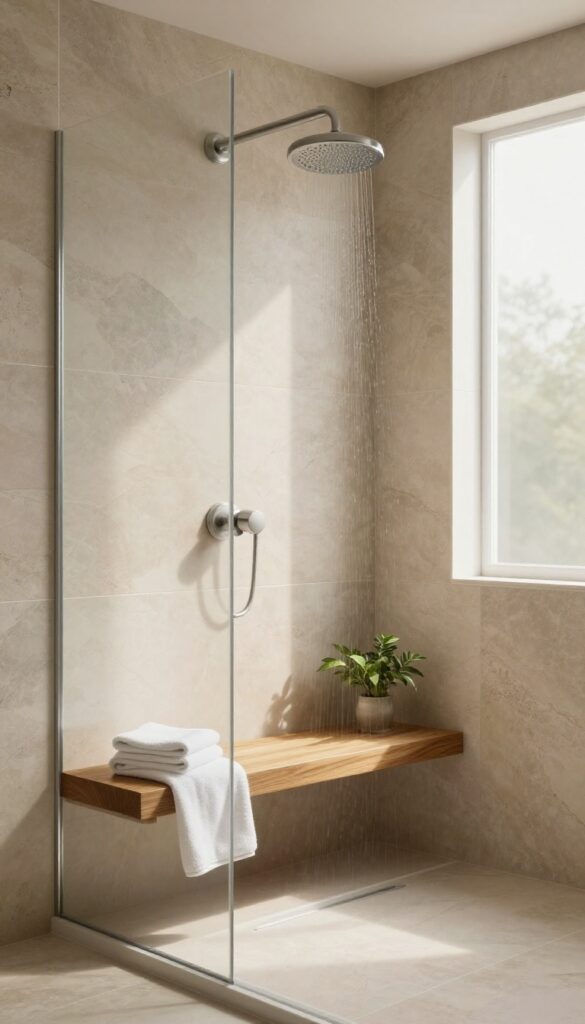
Adding a bench to your double shower isn't just about extra seating—it's a game-changer for comfort and safety. Whether you're shaving your legs, scrubbing your feet, or simply taking a moment to relax under the warm spray, a bench gives you a stable spot to sit. It also makes the shower feel more spacious and luxurious, turning a functional space into a personal retreat.
A bench in a double shower offers a practical solution for tasks that require balance and precision. It reduces the risk of slips and falls, especially when reaching for hard-to-clean areas. Plus, it's a thoughtful addition for anyone with mobility concerns or just a love for leisurely showers.
Built-in Vs. Foldable Options
Built-in benches are permanent fixtures, often made of tile, stone, or waterproof materials. They blend seamlessly into the shower design and can double as a ledge for toiletries. Foldable benches, on the other hand, are perfect for smaller spaces—they fold up against the wall when not in use, keeping the floor clear.
Both have their merits, so consider your space and how you plan to use the bench.
Placement And Safety Tips
Position the bench away from the main water flow to avoid slippery surfaces. If you're installing a built-in bench, make sure it slopes slightly toward the drain to prevent water pooling. For foldable models, choose one with a non-slip surface and secure mounting.
Always check weight capacity and ensure the bench is stable before each use.
Materials That Last
Teak wood is a popular choice for shower benches because it's naturally water-resistant and adds warmth. Stone or ceramic benches are durable and easy to clean, but they can feel cold. If you prefer a modern look, consider a sleek stainless steel or aluminum frame with a teak or plastic seat.
Whatever you choose, make sure it's rated for wet environments.
5. Incorporate Multiple Shower Valves for Temperature Control
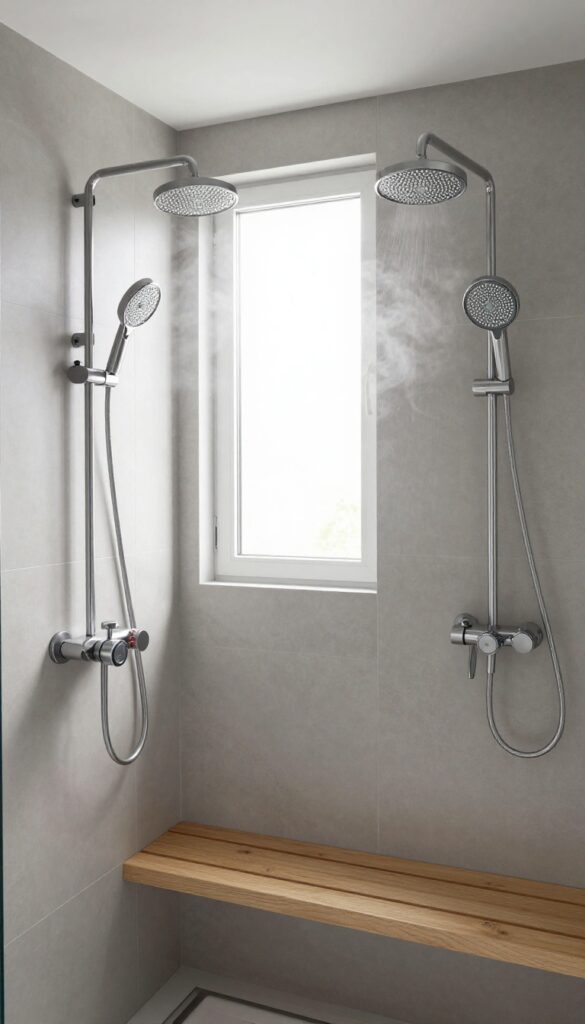
Few things disrupt a shared shower faster than a sudden blast of cold water when someone flushes a toilet or adjusts the pressure. With separate valves, each person can set their own water temperature and pressure, preventing those surprise shifts and making the experience far more pleasant. It's a simple upgrade that turns a shared space into a personalized zone for both of you.
When two people share a shower, the fight over temperature is real. One likes it hot, the other prefers it lukewarm. With a single valve, you're stuck compromising—and often readjusting mid-shower.
Multiple valves solve this by giving each person independent control, so you can both enjoy your ideal settings without stepping on each other's toes.
Why One Valve Just Doesn't Cut It
A standard single-valve shower means one temperature for both people. If one of you turns the knob to adjust pressure, the other feels it instantly. That's not just annoying—it can be dangerous if someone is shaving or rinsing soap out of their eyes.
With separate valves, you eliminate that dependency and make the shower safer and more comfortable.
Where To Place The Valves
Position the valves on opposite walls or at least a few feet apart so each person has easy access without crowding. If your shower is large enough, consider placing one valve near each shower head. That way, you can each tweak your own settings without reaching across the other person or blocking the water flow.
Choosing The Right Valves
Look for pressure-balancing or thermostatic valves. Pressure-balancing valves maintain a steady temperature even when water pressure changes elsewhere in the house. Thermostatic valves go a step further, letting you preset your preferred temperature.
Both options are great for shared showers, but thermostatic valves offer the most consistent experience.
Installation Tips And Considerations
Installing multiple valves requires a bit more plumbing work, so it's best done during a remodel or major bathroom update. Make sure your water heater can handle the extra demand, and consider adding a shut-off valve for each shower head so you can turn off one side without affecting the other. If you're not comfortable with DIY, hire a licensed plumber to ensure everything is up to code.
6. Design a Walk-In Shower with No Door for Easy Access
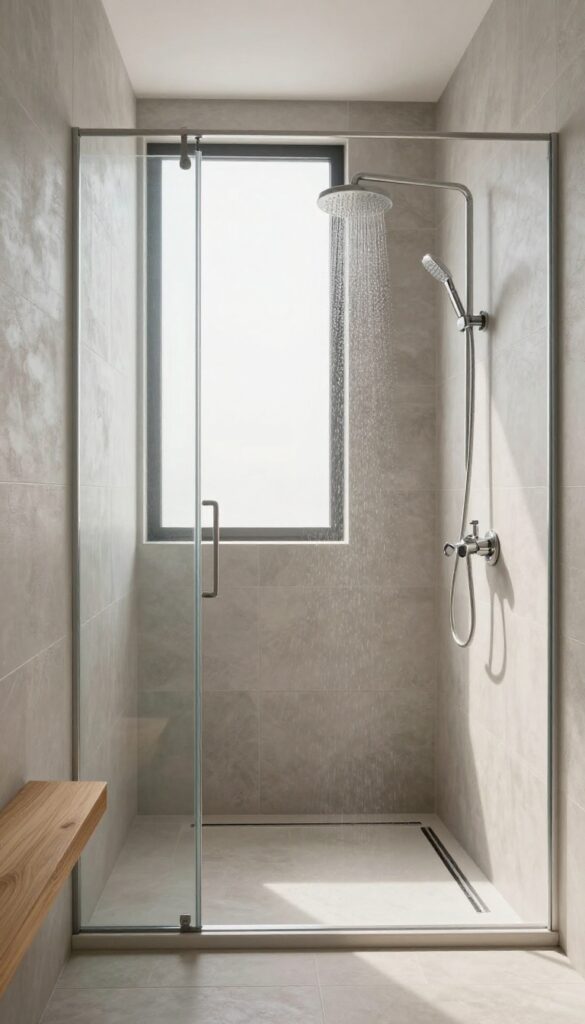
A doorless walk-in design removes the physical barrier of a door or curtain, making the shower feel more open and inviting. This layout is especially practical for shared bathrooms, as it allows both people to enter and exit without squeezing past each other or dealing with a swinging door. It's a sleek, modern look that works well in larger bathrooms, but with careful planning, it can also fit into more compact spaces.
A doorless shower isn't just about aesthetics—it's about creating a seamless transition from the bathroom floor into the wet area. Without a door, you eliminate the risk of bumping into glass or struggling with a curtain that sticks to your skin. This design also opens up the visual space, making the bathroom appear larger and more luxurious.
For shared showers, it means no waiting for someone to step out before you can get in; you can both move freely.
Why Ditch The Door?
Doors and curtains can be a hassle in a shared shower. They take up space when open, create a visual barrier, and often become a maintenance issue with soap scum or mold. A doorless design eliminates these problems, giving you a clean, uninterrupted look.
It also improves accessibility for anyone with mobility concerns, as there's no threshold or track to navigate.
Planning The Layout For Two
The key to a successful doorless shower is proper slope and drainage. You'll need a slight pitch toward the drain to keep water from escaping onto the bathroom floor. Position the shower head on the wall farthest from the opening, and consider adding a second head on an adjacent wall for a true double shower experience.
A linear drain along the opening can also act as a subtle barrier, catching any stray water.
Privacy And Splash Control
One concern with doorless showers is splash-out and privacy. To minimize splashing, use a large-format tile on the walls and floor, which reduces grout lines where water can pool. You can also install a fixed glass panel on one side to block water without enclosing the space.
For privacy, position the shower away from the toilet or sink, or use a frosted glass partition that still allows light through.
Warmth And Comfort Considerations
Without a door, warm air can escape, making the shower feel cooler. To combat this, install a powerful exhaust fan to manage humidity, and consider adding a heat lamp or radiant floor heating to keep the space cozy. A bench inside the shower also helps, as it provides a place to sit and enjoy the warmth without feeling exposed to drafts.
7. Add a Steam Shower Feature for Relaxation
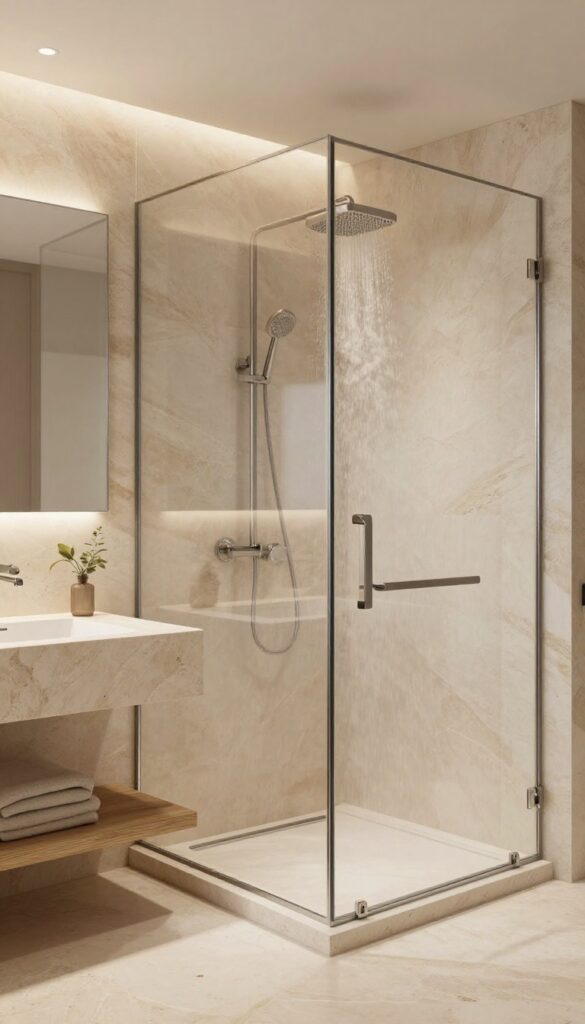
Steam can take a shared shower from functional to indulgent. A steam generator fills the enclosure with warm, soothing vapor, turning your routine into a spa-like ritual. It's a feature that works just as well for one person unwinding alone as it does for two people enjoying a quiet moment together.
Steam showers are more than a luxury—they're a practical way to enhance relaxation and even improve breathing. The gentle heat can ease muscle tension and clear sinuses, making it a welcome addition after a long day or a tough workout. When you're sharing the space, the steam creates a calm, enveloping atmosphere that encourages slower, more mindful bathing.
Why Steam Works In A Double Shower
A double shower with steam doesn't require a massive footprint—many generators fit neatly into a cabinet or closet. The key is having a fully enclosed space with a tight-fitting door to trap the vapor. If you're already planning a glass enclosure, adding steam is a straightforward upgrade that boosts the value of your bathroom and your daily routine.
Choosing The Right Steam Generator
Look for a generator sized to your shower's cubic footage—most manufacturers provide simple charts. Digital controls let you set the temperature and session length, and some models even include aromatherapy ports for adding essential oils. Opt for a unit with automatic drain and self-cleaning cycles to keep maintenance low.
Making It Comfortable For Two
Steam can get intense, so include a built-in bench or a fold-down seat for sitting comfortably. Place the controls near the entrance so one person can adjust the steam without stepping fully inside. Also, consider a separate rainfall head or handheld sprayer so you can rinse off with cooler water before the steam fully takes over.
8. Use Glass Partitions to Keep Water In Without Closing Off Space
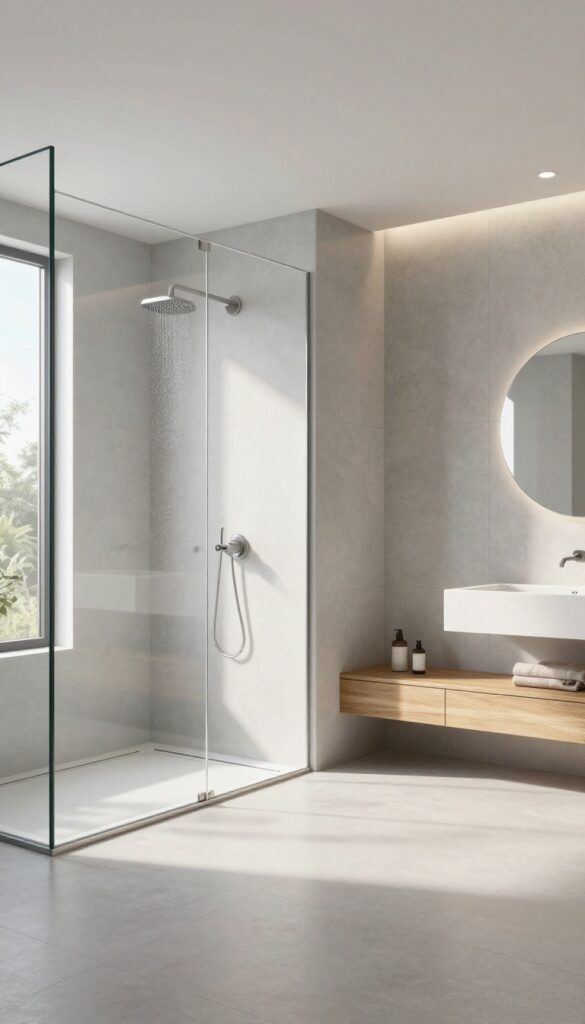
A full enclosure can make a double shower feel cramped, especially when two people are moving around. A partial glass screen or partition offers a sleek middle ground: it keeps water where it belongs while preserving that open, airy vibe. You get the practicality of a contained shower without the visual weight of walls or curtains.
Glass partitions work especially well in larger bathrooms where you want the shower to feel like part of the room, not a separate box. They also let natural light flow through, which can make the whole space feel bigger and more inviting. Whether you opt for a fixed panel, a hinged door, or a sliding screen, the key is positioning it to block splashes where they matter most.
Where To Place The Partition
Think about the showerhead direction and the most likely splash zones. A fixed panel near the wet wall can shield the rest of the bathroom, while a shorter screen on the entry side keeps things open. If you have a bench or niche, place the glass so it doesn't block access or create awkward corners.
Frameless Vs. Framed Glass
Frameless glass gives a seamless, modern look and is easier to clean because there are fewer metal tracks. Framed options are often more budget-friendly and can add a subtle industrial touch. Both work well, but frameless tends to feel more open and airy, which aligns with the goal of this design.
Keep It Safe And Low-maintenance
Tempered glass is a must for safety, and consider a clear or lightly frosted finish to reduce water spots. A quick squeegee after each use keeps it looking spotless. Also, make sure the glass is properly sealed at the bottom to prevent water from sneaking out onto the floor.
9. Install a Shower Tray with a Linear Drain for Better Water Flow
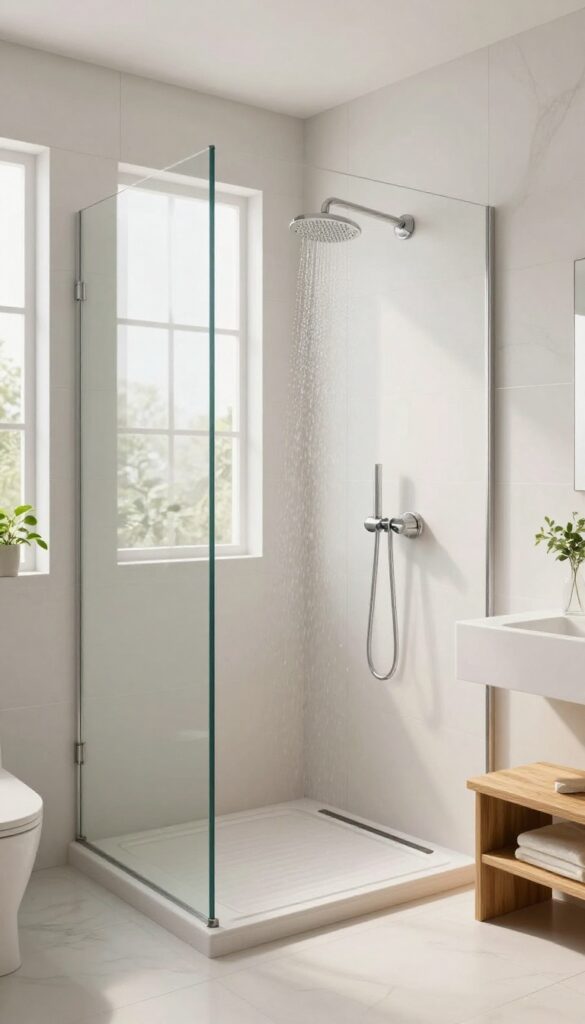
A linear drain might not be the first thing you think of when planning a double shower, but it can make a real difference in how the space feels and functions. Instead of a traditional center drain that can leave water pooling around your feet, a linear drain sits flush along one edge, letting water flow away quickly and evenly. That means less slipping, less standing water, and a cleaner look that pairs well with large-format tiles.
Linear drains are becoming a favorite in modern bathroom design, and for good reason. They offer practical benefits that matter in a shared shower, where two people are moving around and water is splashing from both sides. The key is the placement—usually along the back wall or the entrance—which creates a subtle slope that guides water in one direction.
This not only improves drainage but also opens up more design options for the floor.
Why A Linear Drain Works Better For Two
In a double shower, water tends to spread out more, especially if you have two showerheads or a handheld unit. A traditional drain in the center can leave puddles near the edges, making the floor feel wet and slippery. A linear drain catches water at the perimeter, so it moves away before it has a chance to pool.
That means drier feet and a safer surface for both of you, even when you're both moving around.
Design Perks You’ll Notice Right Away
Beyond function, linear drains give your shower a sleek, minimalist vibe. Since they sit flush with the tile, you can run large-format tiles right up to the drain without needing a bunch of small cuts. That creates a seamless, almost spa-like look that feels more open and less cluttered.
Plus, you can choose from different styles—stainless steel, brushed nickel, or even a tile-insert drain that hides the grate completely.
Installation Tips To Get It Right
If you’re planning a remodel, think about the drain location early, because it affects the slope of the floor. You’ll want the floor to slope gently toward the linear drain, which is usually a single plane rather than the multi-directional slope needed for a center drain. That makes installation a bit easier for your contractor and gives you more flexibility with tile patterns.
Also, consider the drain’s capacity—make sure it can handle the flow from two showerheads at once. A 2-inch drain is a safe bet for most double showers.
10. Choose Non-Slip Flooring for Safety and Comfort
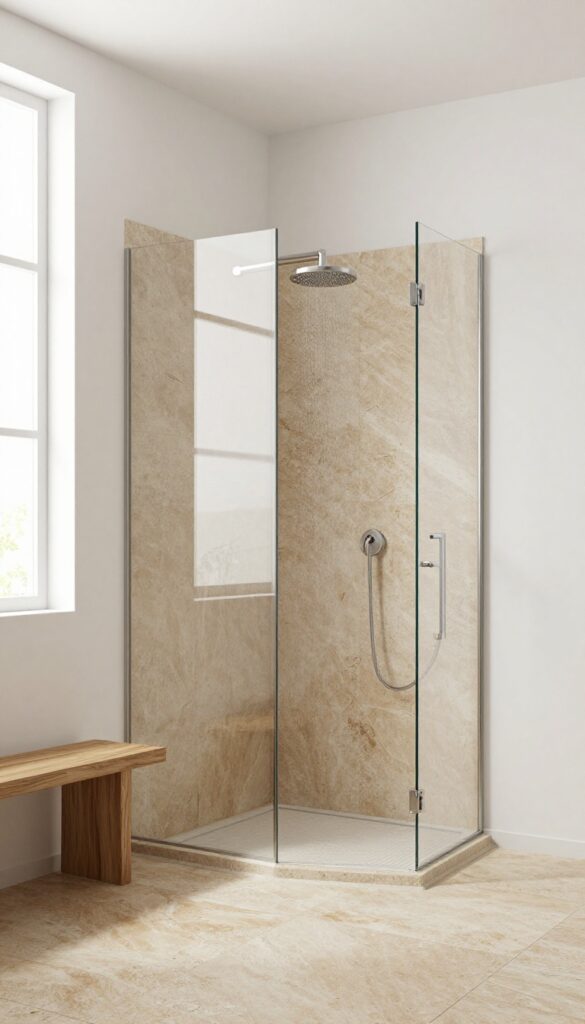
When two people share a shower, the floor takes more abuse—more soap, more water, more movement. Slipping is a real risk, especially with wet feet and quick turns. Non-slip flooring solves that problem without sacrificing style.
Textured tiles or stone flooring provide traction underfoot, reducing slips and falls. It's a practical choice that also adds a natural, earthy aesthetic. You can find options that range from subtle matte finishes to boldly patterned surfaces, so safety doesn't mean boring.
Why Texture Matters More In A Double Shower
In a single shower, you have more room to brace yourself. With two people, the space gets crowded, and you're more likely to step on soapy patches or shift your weight unexpectedly. A textured surface gives your feet something to grip, even when everything is wet.
Best Materials For Non-slip Shower Floors
Porcelain and ceramic tiles with a matte or textured finish are popular because they're durable and easy to clean. Natural stone like slate or travertine offers excellent traction, but it needs sealing to prevent staining. There are also composite materials that mimic stone but come with built-in slip resistance.
Installation Tips For Maximum Grip
Larger tiles mean fewer grout lines, but smaller tiles with more grout lines actually provide better grip. You can also choose a tile with a raised pattern or add a non-slip coating after installation. Make sure the floor slopes slightly toward the drain to avoid standing water, which can make things slick.
11. Add Smart Controls for a Personalized Shower Experience
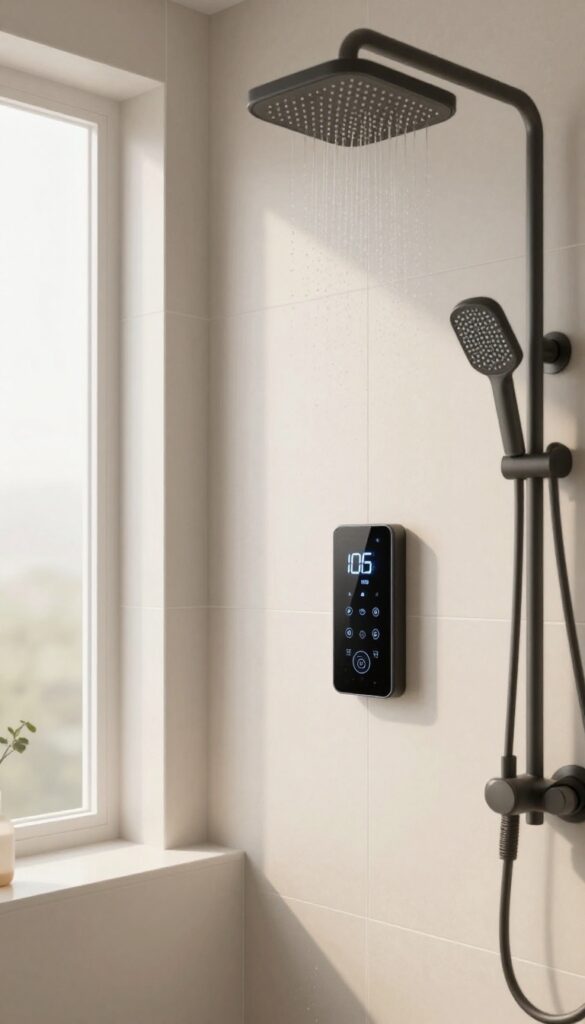
Stepping into a shower that's already at your ideal temperature feels like a small luxury. Smart controls make that possible by letting you preset your preferences, so the water is ready the moment you turn it on. For couples with different routines, this means no more fiddling with handles or waiting for the temperature to stabilize.
Digital shower systems bring a level of convenience that traditional valves just can't match. You can set your preferred temperature and flow rate in advance, and some models even remember individual profiles. That way, each person gets their perfect shower without adjusting anything manually.
Voice control and app integration add another layer of ease, letting you start the shower from bed or while you're still brushing your teeth.
Preset Profiles For Each Person
Many smart systems allow you to save multiple profiles. If you like your shower a bit warmer and your partner prefers a cooler rinse, you can each have your own preset. Just tap your profile on the wall panel or select it from your phone, and the system adjusts the temperature and flow accordingly.
It's a simple feature that eliminates daily guesswork.
Voice And App Control
Voice assistants like Alexa or Google Home can integrate with some smart shower systems. You can say, 'Start my morning shower, ' and the system will begin warming up. App control is also handy for preheating the shower before you step in, especially on cold mornings.
Some apps even track water usage, helping you stay mindful of consumption without sacrificing comfort.
Safety And Consistency
Smart controls often include anti-scald technology that keeps the temperature steady, even if someone flushes a toilet or runs water elsewhere in the house. This is especially important in a shared shower, where sudden temperature shifts can be jarring. With digital precision, you get a consistent, safe experience every time.
FAQ
What is the best double shower head setup for a small bathroom?
For small spaces, consider a single overhead rainfall head paired with a handheld shower head on a slide bar. This gives you flexibility without taking up extra room.
Can I install a double shower system myself?
Some basic upgrades, like swapping out a shower head, are DIY-friendly. However, adding new plumbing or valves usually requires a professional plumber to ensure proper installation and water pressure.
How much does it cost to renovate a shower for double heads?
Costs vary widely depending on the complexity. A simple shower head replacement might cost under $200, while a full remodel with new plumbing and fixtures can range from $2, 000 to $10, 000 or more.
Do double shower heads increase water usage?
Yes, using two shower heads at once will use more water. To save water, look for low-flow models that maintain pressure while reducing consumption.
What is the ideal height for a double shower head?
For overhead rainfall heads, mount them about 7 to 8 feet above the floor. Handheld heads on a slide bar should be adjustable between 3 and 6 feet to accommodate different users.
Conclusion
Sharing a shower doesn’t have to mean compromise. With the right mix of heads, heights, and thoughtful touches, you can turn a cramped morning routine into a smooth, connected experience. Start with the simplest change—like adjusting arm angles—and build from there.
Pick one or two ideas that fit your space and routine. Once you feel the difference in flow and comfort, you’ll never want to go back to solo rinsing.