13 Book Case Ideas Living Room Decor Fans Can Style
Your bookcase doesn't have to be just a storage spot for books. With a little thought, it can become a focal point that adds personality and warmth to your living room.
Whether you're starting from scratch or giving an existing shelf a mini makeover, these ideas are designed to be achievable over a weekend.
Think of it as a fun project that blends style with everyday practicality.
1. Mix Books and Decorative Objects
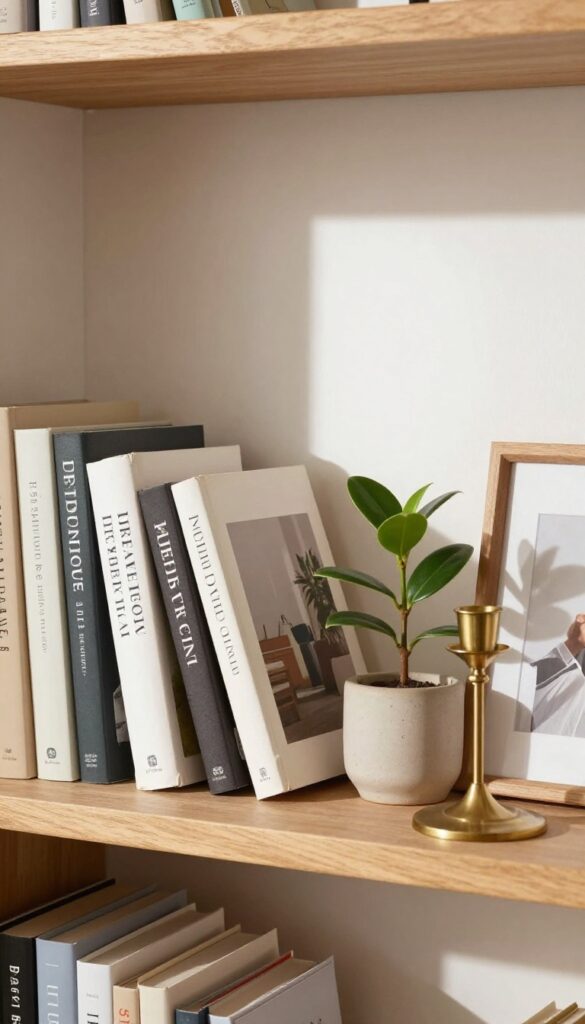
Your bookcase doesn’t have to be all business. By blending your favorite reads with a few carefully chosen decorative pieces, you can turn a simple shelf into a curated display that feels personal and polished. This approach works especially well for a weekend refresh—no shopping spree required.
Just grab what you already own and play with the arrangement until it clicks.
The key is balance. Instead of lining books up like soldiers, lean a few against small vases or stack them horizontally to create platforms for candles or framed photos. This mix of vertical and horizontal lines adds visual rhythm and keeps the eye moving across the shelf.
Stick to a cohesive color palette for your objects so the overall look stays intentional, not cluttered. A few neutral ceramics, a single green plant, and a brass candlestick are enough to make a statement.
Shelf Styling Tip
- Start by removing everything from the shelf. Group books by color or size, then layer in objects one at a time. Place heavier items like large vases at the ends to anchor the display, and use smaller objects like matchbox holders or tiny sculptures as bookends.
- Leave some negative space—empty spots make the arrangement feel breathable and curated.
Budget-Friendly Swap
- If you don’t have decorative objects on hand, repurpose items from other rooms. A pretty coffee mug can hold pens or a small succulent. A stack of coasters can double as a mini pedestal for a candle.
- Even a single piece of fruit in a bowl adds a pop of color and life.
Finishing Touch
Add a small LED strip or puck light under a shelf to highlight your favorite pieces. Warm light makes the books and objects feel cozy and intentional, especially in the evening. Just make sure the light is hidden from view so the focus stays on the display.
2. Use Baskets for Hidden Storage
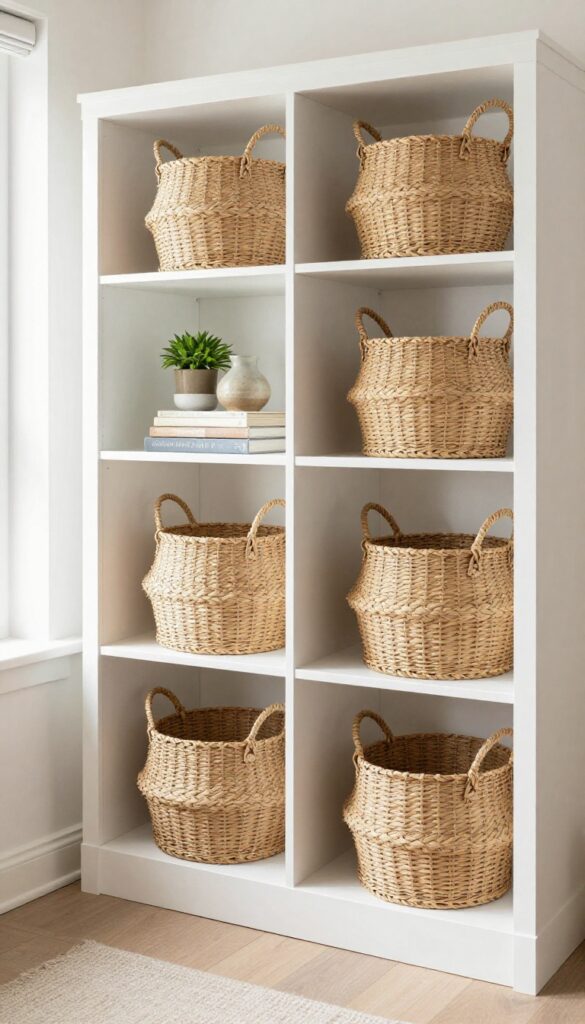
Baskets are the unsung heroes of tidy shelves. They hide the clutter—remotes, chargers, kids' toys—while adding natural texture and warmth. The best part?
They make any shelf look instantly more styled, without you having to perfectly arrange every item. It's a weekend-refresh move that takes five minutes but pays off every day.
Baskets bring a relaxed, collected feel to bookcases. They break up the visual weight of books and decor, and they give you a place to stash things you don't want on display. Choose baskets in natural materials like seagrass, rattan, or woven cotton to keep the look airy and warm.
Mix in a few with handles for easy grabbing, and tuck them on lower shelves where they're most useful. The contrast between solid baskets and open shelves creates a balanced, lived-in look that's both practical and stylish.
Best Materials For Baskets
- Stick with natural fibers for that effortless, organic feel. Seagrass and water hyacinth are durable and add subtle texture. Rattan brings a light, boho touch.
- For a sleeker look, try woven leather or felted wool baskets. Avoid shiny synthetics—they can cheapen the look. Mix two or three materials across shelves for depth without chaos.
Shelf Styling Tip
- Place baskets on lower shelves to anchor the bookcase visually. Use them to store blankets, magazines, or kids' toys. On upper shelves, use smaller baskets for remotes, coasters, or charging cables.
- Keep the baskets in similar tones so they blend in, but vary the sizes for interest. Leave some shelves open to show off a few stacked books or a plant.
Small-space Fix
- In tight living rooms, use baskets to double your storage without adding furniture. A tall bookcase with baskets on the bottom two shelves can hide bulky items like board games or extra pillows. Choose baskets with lids for a cleaner look, and label them if you're storing similar items.
- This keeps the room feeling open while still being super functional.
3. Create a Color-Coordinated Display
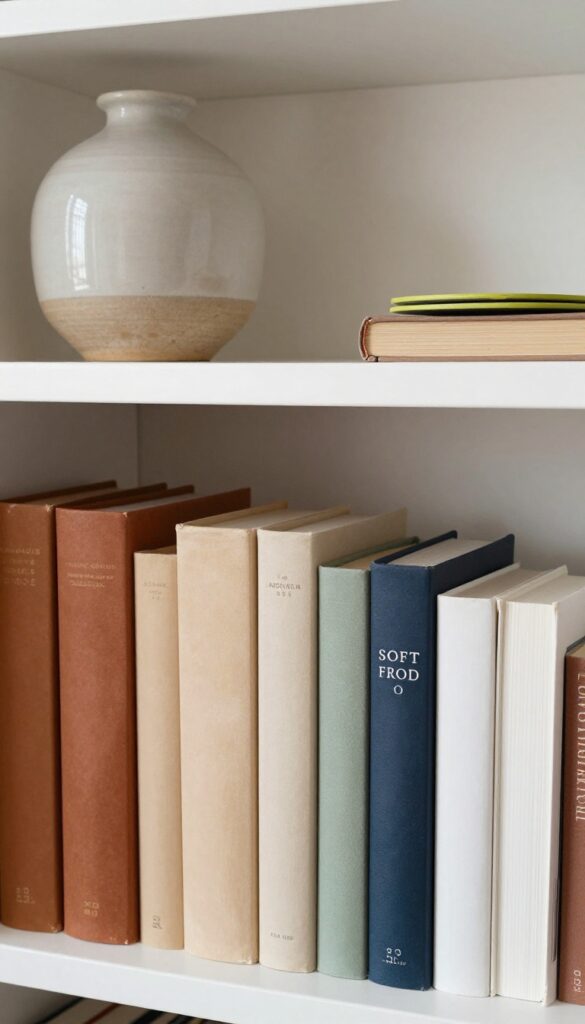
Arranging books by spine color isn't just for Instagram—it's a surprisingly practical way to turn a messy shelf into a focal point. The trick is to treat your books like design elements, grouping them into color blocks that flow from light to dark or rainbow-style. This works especially well on a neutral or monochromatic shelf where the pop of color really stands out.
It's a weekend-friendly project that instantly makes your bookcase look intentional and curated, even if you're just working with what you already own.
Start by pulling all your books off the shelf and sorting them by color. You don't need a perfect rainbow—just group similar hues together: all blues, all whites, all earthy tones. Then arrange them on the shelf in a gradient or block pattern.
For a cleaner look, tuck a few books spine-in so the pages face out, which adds texture and breaks up the color. This method works best on a single shelf or a small bookcase, but you can also do it across an entire wall unit if you have enough books. The visual payoff is huge, and it makes your living room feel more polished without buying anything new.
Best Color Schemes
Stick with a limited palette for a sophisticated look—think warm tones like rust, ochre, and cream, or cool tones like navy, sage, and white. A full rainbow works too, but it reads more playful and eclectic. If your books are mostly neutral, add a few colorful objects like a ceramic vase or a stack of bright coasters to anchor the display.
Shelf Styling Tip
- Don't fill every inch. Leave some books leaning against a bookend or stacked horizontally to break up the vertical lines. Add a small plant or a framed photo on top of a stack to create visual interest.
- The goal is a balanced, airy look that feels curated, not cluttered.
Budget-Friendly Swap
If you don't have enough books to fill a shelf, grab a few from a thrift store based on spine color alone—you can always donate them back later. Or use colorful magazine boxes to corral smaller items and keep the color theme going.
4. Add Greenery for Life
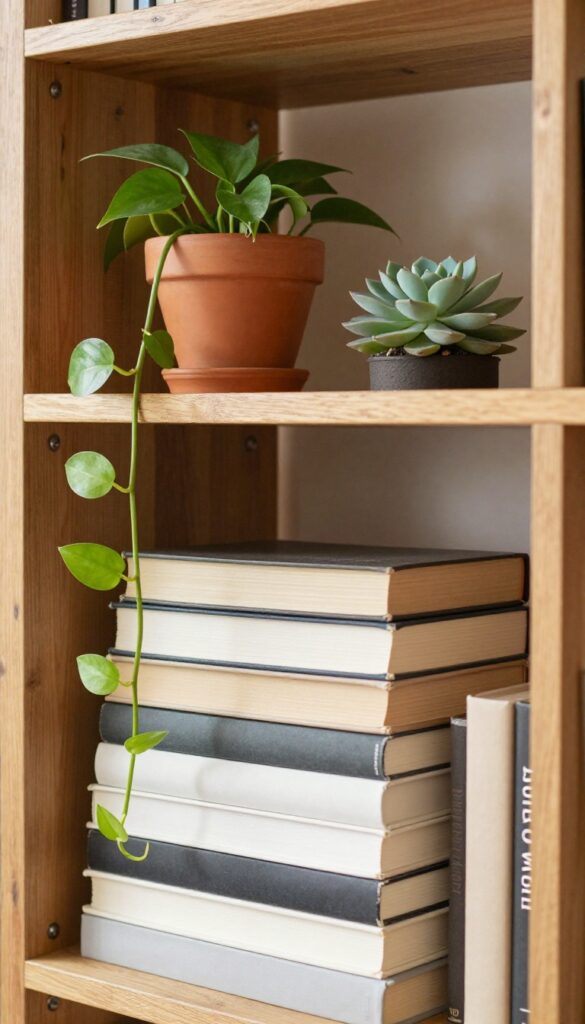
A book case full of books can sometimes feel a bit heavy or static. Dropping in a plant changes that instantly. A small potted succulent or a trailing pothos softens all those hard edges and adds a fresh, organic layer.
It makes the whole shelf feel more alive and less like a library.
Plants bring color, texture, and a sense of calm to a book case. They break up the monotony of stacked books and create visual interest at different heights. Plus, they’re an easy way to introduce a natural element without a major commitment.
A single well-placed plant can make an entire shelf arrangement feel curated and intentional.
Best Plant Choices
Go for low-maintenance options that thrive in indirect light. Pothos, snake plants, ZZ plants, and philodendrons are forgiving and look great. Trailing varieties like string of pearls or ivy add a soft, cascading effect that contrasts nicely with upright books.
Placement Tips
Put plants at different heights—some on stacks of books, others on small stands or in hanging planters. Grouping a couple of small pots together creates a mini vignette. Avoid overcrowding; one or two plants per shelf is plenty to keep the look clean.
Pot Style
Choose pots that complement your book case color and style. Neutral tones like terracotta, white, or matte black work with almost any decor. For a cohesive look, stick to one or two pot materials and repeat them across shelves.
5. Incorporate Art and Prints
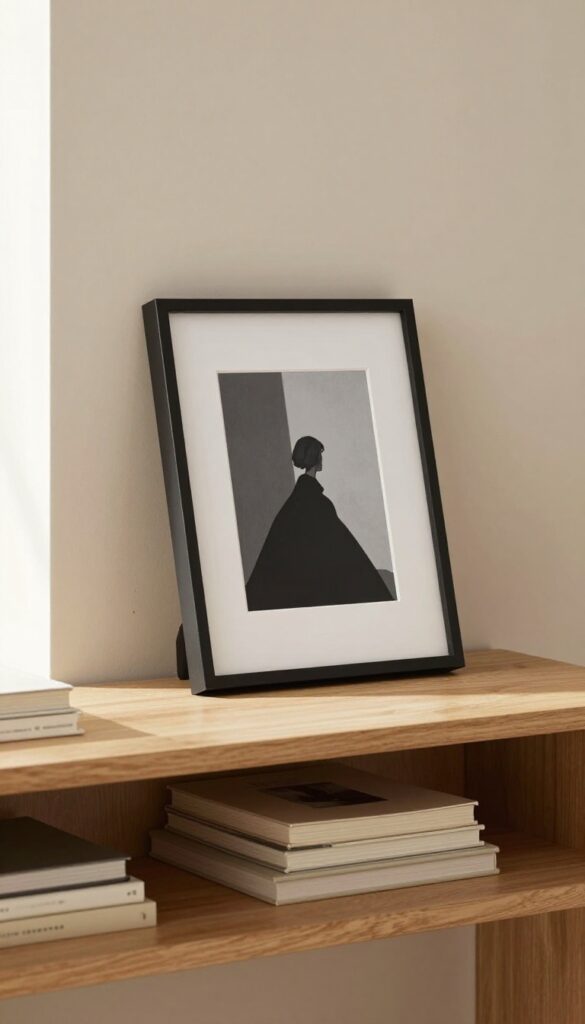
A bookcase doesn't have to be just for books. Leaning a small framed print or canvas against the back of a shelf instantly adds depth and turns your bookcase into a mini gallery. It breaks up the monotony of stacked spines and gives the eye a place to rest.
For a weekend-refresh friendly update, swap out the art seasonally or whenever the mood strikes.
Mixing art into your bookcase is one of the easiest ways to add personality without a big commitment. Start by choosing one or two pieces that share a color palette with your room. Black-and-white photography works with almost any style, while a muted landscape can soften a modern shelf.
Lean the frame against the back of the shelf, slightly tilted, so it feels intentional but not too stiff. Layer a small stack of books in front to anchor it, or let the art stand alone on a mostly empty shelf for maximum impact. This trick works especially well on eye-level shelves where the art can be seen clearly.
For a cohesive look, repeat the same frame style or mat color across different shelves. And because it's just leaning, you can change it out in seconds—perfect for when you find a new print at a flea market or want to rotate in a piece from another room.
Best Colors
Stick with a consistent color story to keep the gallery feel from getting chaotic. Neutrals like cream, charcoal, or soft beige blend seamlessly with most book collections. If you want a pop of color, choose one accent hue—like a muted mustard or dusty blue—and repeat it in the art and nearby decor.
Shelf Styling Tip
- Vary the scale of your art. A single large print on one shelf can be balanced by a cluster of smaller frames on another. Leave some breathing room around each piece so the shelf doesn't feel cluttered.
- Tuck a small plant or ceramic object next to the frame to soften the edges.
Finishing Touch
Use a small LED picture light clipped to the top of the shelf to highlight your art. It adds a warm glow and makes the shelf feel like a curated vignette, especially in the evening. Battery-operated options are easy to install and require no wiring.
6. Play with Symmetry and Asymmetry
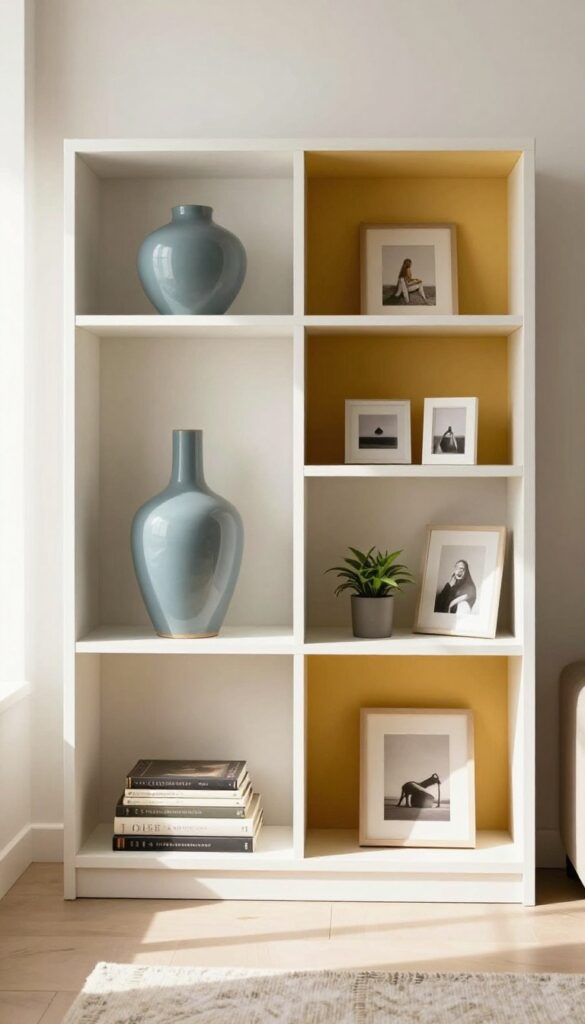
Balance doesn't have to mean matching everything on both sides. A bookcase that mixes symmetrical and asymmetrical elements feels dynamic and intentional, like a curated gallery wall in shelf form. This approach keeps the eye moving and makes your display look thoughtfully styled, not stiff.
It's perfect for a weekend refresh because you can simply shift a few items to create a whole new visual rhythm.
Start with a strong anchor—a large plant or a stack of coffee table books on one side—then balance it with a lighter, airier arrangement on the other. The contrast between heavy and light, tall and short, creates a pleasing tension that feels modern and collected. Think of it as a visual seesaw: a chunky ceramic vase on the left might be offset by a cluster of small framed photos on the right.
The key is to keep the overall weight equal without mirroring exactly.
Best Colors
- Stick to a cohesive palette to prevent the asymmetry from feeling chaotic. Neutral bases like warm white, soft beige, or charcoal gray let your objects shine. Add one or two accent colors—like a dusty blue vase or a mustard yellow book spine—to tie the different sides together.
- This creates a unified look even when the arrangement is unbalanced.
Shelf Styling Tip
- Group items in odd numbers—three, five, or seven—to make asymmetry feel natural. On one shelf, cluster a tall lamp with a small stack of books and a single decorative object. On the next, spread out a few larger pieces with breathing room.
- Vary the heights and depths to keep each shelf interesting without overcrowding.
Finishing Touch
Add a small trailing plant on the lighter side to soften the visual weight. The cascading leaves create movement and draw the eye downward, balancing out a heavier object on the opposite side. A pothos or string of pearls works beautifully and adds life to the display.
7. Use Bookends as Decor
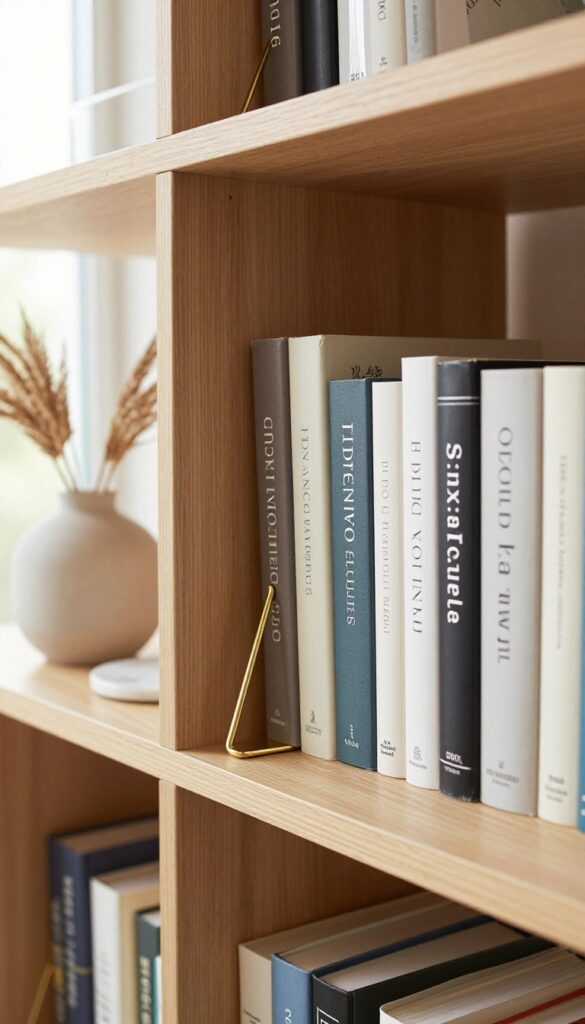
Bookends do more than just keep your books in line. They're a chance to add personality to your shelves without a big commitment. Think of them as tiny sculptures that anchor your collection and break up the visual weight of stacked spines.
Whether you lean toward sleek metal, carved wood, or playful animal shapes, the right pair can turn a practical shelf into a styled vignette.
Bookends are one of those small details that can make a big impact on your bookcase. They stop books from slouching, but they also create a natural stopping point for your eye as it scans the shelf. If you've ever looked at a row of books and felt it was a little flat, adding a pair of bookends can instantly give it structure.
The trick is to choose bookends that feel intentional—something that echoes the style of the room. In a living room that leans modern, try geometric brass or matte black shapes. For a cozier, rustic vibe, look for carved wood or stone bookends.
Even whimsical options like animal figures or abstract art pieces work well if they tie into your existing decor. Don't be afraid to mix materials: a marble bookend paired with a ceramic one can add visual interest. And remember, bookends don't have to sit at the very ends of the shelf.
Placing them in the middle to separate a stack of coffee table books from a row of novels creates a curated, layered look.
Best Materials For Bookends
- The material you choose sets the tone. Metal bookends (brass, iron, or steel) bring an industrial edge and work well in modern or minimalist spaces. Wood bookends add warmth and are perfect for rustic, Scandinavian, or traditional rooms.
- Stone or marble bookends feel substantial and elegant, ideal for a sophisticated living room. For a playful touch, ceramic or resin bookends in bright colors or unique shapes can inject personality without overwhelming the shelf.
Styling Tip: Pair With Objects
- Bookends don't have to stand alone. Place a small plant, a candle, or a framed photo next to them to create a mini display. The bookend acts as a visual anchor, while the object adds life and texture.
- For example, a brass bookend paired with a small succulent and a stack of three books creates a balanced, eye-catching arrangement. Just keep the grouping tight—too many items can look cluttered.
Budget-Friendly Swap
- You don't need to spend a lot to get great bookends. Look for heavy objects you already own, like a pair of matching vases, small sculptures, or even large stones. A couple of thick, identical candles can also work as temporary bookends.
- The key is weight and symmetry—they need to be heavy enough to hold books upright and similar in size to keep the shelf looking balanced.
8. Layer Items in Front of Books
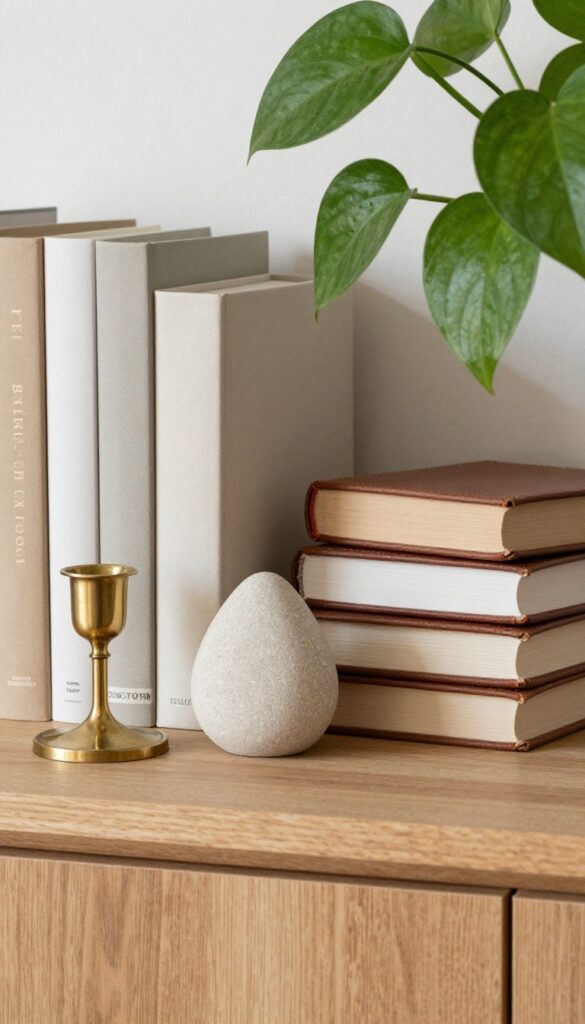
You don't have to hide your book collection behind closed cabinets. Instead, let your bookshelves double as display space by placing decorative objects right in front of the spines. This trick adds depth and personality without requiring you to rearrange your entire library.
It's a simple weekend-refresh move that instantly makes your shelves feel curated.
Start by pulling a few books forward so they sit flush with the shelf edge, then nestle smaller items like a vintage clock, a ceramic bud vase, or a stack of coasters directly in front. The contrast between the vertical lines of the books and the rounded shapes of the objects creates visual interest. Keep the color palette cohesive—if your books are mostly neutral, choose objects in warm wood tones or soft metallics.
This approach works especially well on lower shelves where you want to anchor the eye, or on a single shelf to break up a long row of books.
Best Objects To Use
Think small, solid objects that won't get lost. A brass candlestick, a smooth stone sculpture, or a stack of leather-bound coasters all work beautifully. Avoid anything too tall that will block the book titles entirely—you want a peek of the spines behind.
Shelf Styling Tip
Group objects in odd numbers (one, three, or five) for a more organic look. Place them slightly off-center rather than dead middle. If you're layering on multiple shelves, vary the object sizes and heights so each shelf feels distinct.
Finishing Touch
Add a small plant like a trailing pothos or a mini succulent on top of the books to soften the look. The green adds life and ties the layered arrangement to the rest of the room.
9. Highlight a Single Color Palette
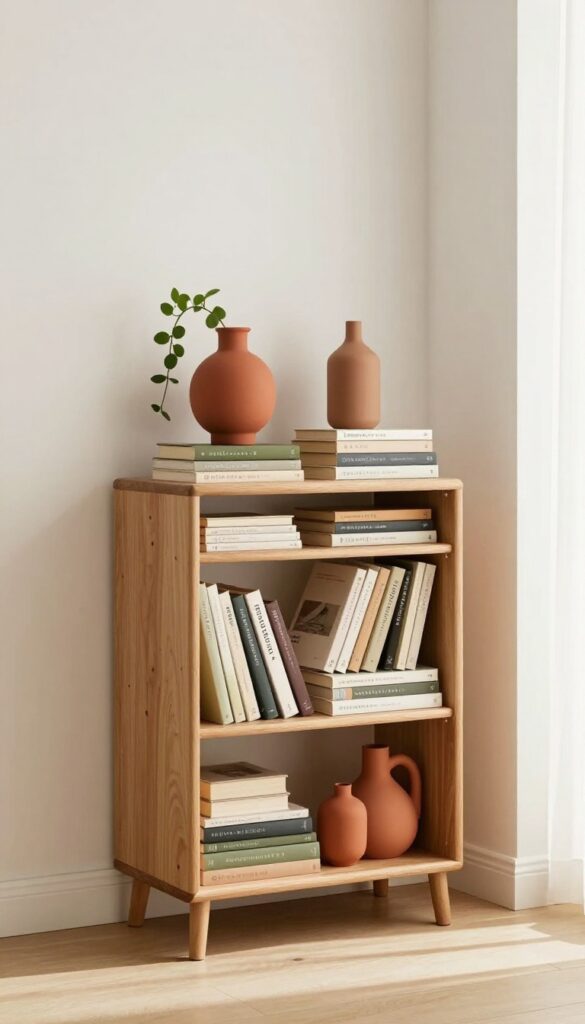
Sometimes the most impactful bookshelf styling is the simplest. By limiting yourself to just two or three complementary colors for everything on the shelf, you create a look that feels curated, calm, and effortlessly sophisticated. It’s a weekend-friendly project that instantly upgrades your living room without requiring a full redesign.
When every item on your bookcase shares a cohesive color story, the eye moves smoothly across the shelves without getting stuck on clutter. This approach works beautifully whether you prefer neutrals, earthy tones, or a bold accent palette. The key is choosing shades that already appear in your room’s decor so the bookcase feels like an intentional extension of the space.
Best Colors To Start With
Begin with a neutral base like white, cream, or light gray for the majority of your books and objects. Then layer in one or two accent colors—think navy and blush, olive and terracotta, or charcoal and mustard. Stick to warm tones or cool tones, not both, to keep the palette harmonious.
Shelf Styling Tip
Group books by color rather than size or topic. Use decorative objects like vases, candle holders, or small sculptures in your chosen accent shades to break up the blocks of color. A trailing plant in a neutral pot adds organic texture without introducing a new hue.
Finishing Touch
- Pull the look together by editing ruthlessly. Remove anything that doesn’t fit the palette—even if you love it. Store those items elsewhere or swap them for something that matches.
- The result is a bookcase that feels like a deliberate art installation rather than a catchall.
10. Add Personal Mementos
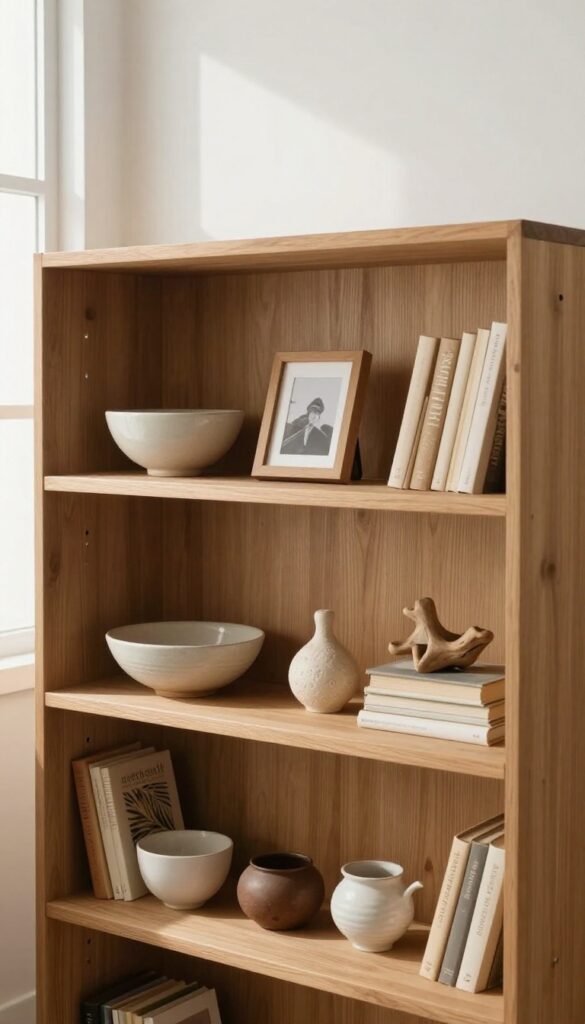
A bookcase filled with travel souvenirs, family heirlooms, or handmade items instantly feels more inviting and one-of-a-kind. These personal touches turn a simple storage piece into a storytelling wall that reflects your life and interests. For a weekend refresh, simply swap out a few generic decor pieces for meaningful objects you already own—no shopping required.
Displaying personal mementos on your bookcase is one of the easiest ways to make it feel curated and special. Start by editing down your collection to a few key pieces that have visual impact or sentimental value. Mix them with books and other decor to create balanced vignettes.
The goal is to avoid clutter while still letting each item shine. A good rule is to group similar items together, like a cluster of small sculptures or a set of framed photos, to create a cohesive look. This approach works in any room but feels especially natural in a living room where you entertain guests.
Best Materials
Natural materials like wood, stone, ceramic, and woven fibers add warmth and texture. A driftwood carving from a beach trip or a ceramic bowl from a local artisan brings organic contrast against the straight lines of a bookcase. Mixing these with metal or glass accents keeps the display from feeling too rustic.
Shelf Styling Tip
Use the rule of thirds: place your tallest memento on one side, a medium-sized object in the middle, and a small item on the other end. Layer a book or two underneath to elevate shorter pieces. This creates a dynamic, balanced look that draws the eye naturally.
Finishing Touch
Add a small, hidden LED strip on the underside of a shelf to spotlight your favorite mementos. Warm light makes ceramics and wood glow, and it adds a cozy evening ambiance to the whole room.
11. Use Lighting to Highlight
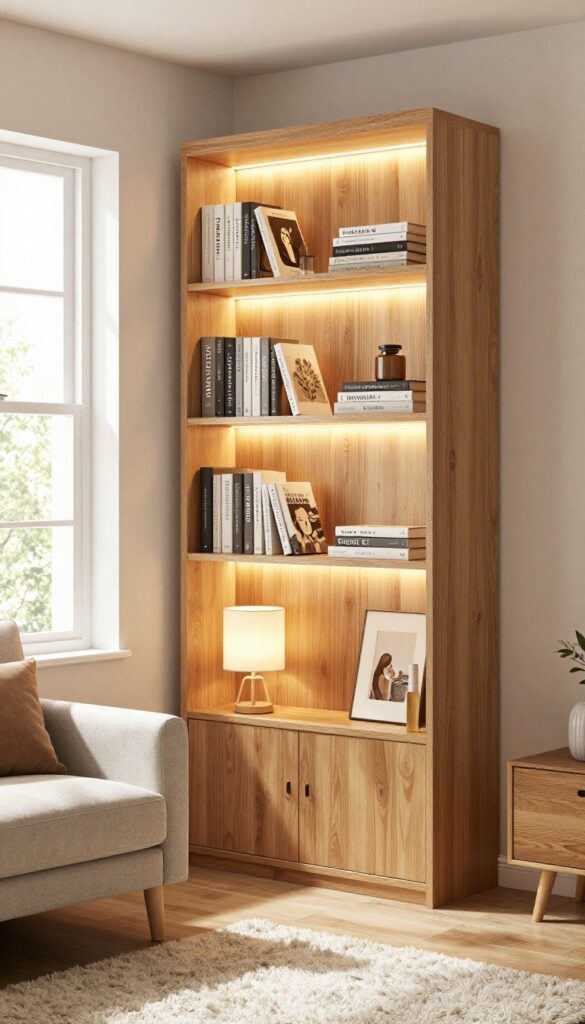
A well-lit bookcase doesn’t just show off your books—it sets the mood for the entire room. Soft, targeted lighting turns an ordinary shelf into a focal point, making your favorite decor pieces pop without overwhelming the space. Whether you’re curling up with a novel or entertaining guests, that warm glow adds an instant layer of coziness.
Lighting is one of the easiest weekend upgrades you can make to your bookcase. It’s budget-friendly, requires no major renovation, and the effect is immediate. By drawing the eye to your curated display, you create depth and interest that feels intentional yet effortless.
Plus, the soft illumination makes the whole room feel more inviting—perfect for those relaxed evenings at home.
Best Placement
For maximum impact, install a slim LED strip along the top edge of each shelf, hidden behind a lip so the light source itself isn’t visible. This creates a gentle wash of light over your items. Alternatively, place a small table lamp on a lower shelf or beside the bookcase to cast a warm, ambient glow from the side.
Lighting Tip
- Choose warm white bulbs (2700K–3000K) for a cozy, residential feel. Cool white can look too clinical. If you’re using a lamp, go for a shade that directs light downward or outward—glass or linen shades work beautifully.
- For LED strips, look for dimmable options so you can adjust the brightness depending on the time of day.
Finishing Touch
- Layer your lighting by adding a small spotlight or picture light above the bookcase if it’s tall. This draws the eye upward and makes the ceiling feel higher. Pair with a floor lamp nearby for a cohesive look.
- The key is to avoid harsh shadows—soft, diffused light is your friend.
12. Rotate Seasonal Decor
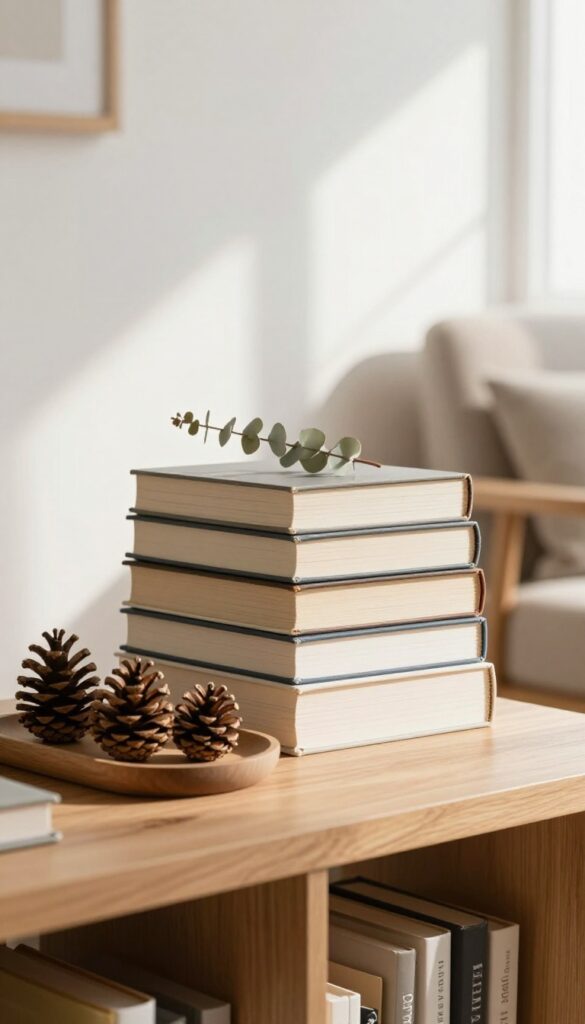
Keeping a bookcase feeling fresh doesn't require a complete redesign. A simple seasonal swap of a few key pieces can make the whole display feel current and intentional. Think of it as a low-effort refresh that aligns with the changing weather outside.
Instead of overhauling your entire shelf styling, focus on swapping out two or three accent items per season. In winter, add pinecones, a small evergreen branch, or a warm-toned ceramic piece. Come summer, replace those with a scallop shell, a piece of driftwood, or a light linen-wrapped box.
This approach keeps the bookcase visually interesting without requiring a big time or money investment. The rest of your styling—books, frames, larger decor—stays put, so the change feels cohesive and grounded.
Best Seasonal Items To Rotate
- Stick with natural, textural pieces that are easy to store. Pinecones, dried eucalyptus, small gourds, seashells, smooth stones, and mini pumpkins all work beautifully. Avoid anything too fragile or bulky.
- Keep each season's items in a labeled bin so swapping takes under five minutes.
Shelf Styling Tip
Place your seasonal swap on a small tray or atop a stack of books to create a focal point. This anchors the change and makes it feel intentional rather than random. For example, a cluster of three pinecones on a wooden coaster in winter, or a single sand dollar leaning against a book in summer.
Storage Tip
Store off-season decor in a clear bin inside a closet or under a bed. Label the bin by season, and include a photo of how the items were arranged on the shelf. This makes restyling next year effortless and ensures you remember exactly what you used.
13. Leave Some Negative Space
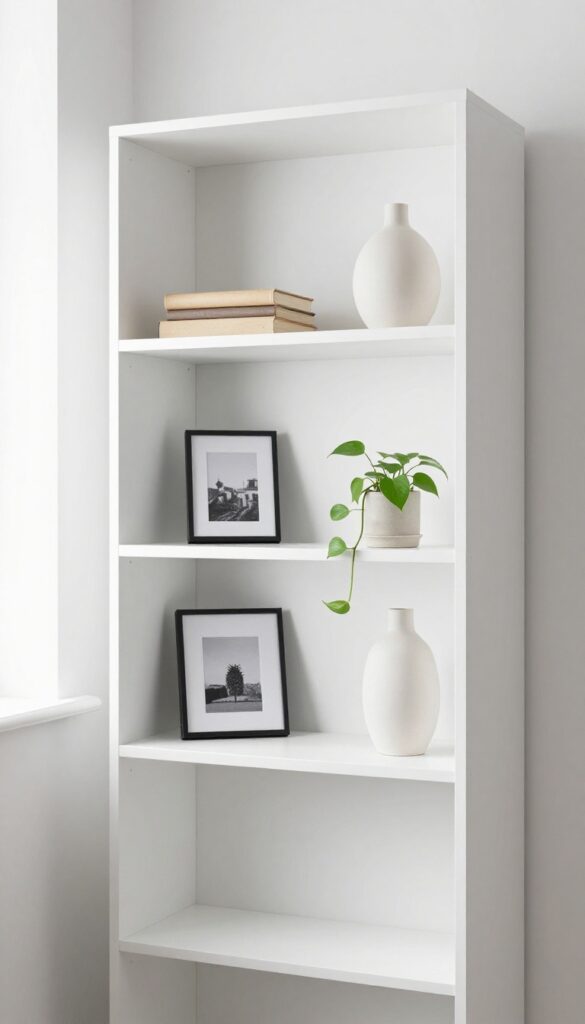
It’s tempting to fill every inch of your bookshelves, but sometimes the most stylish move is to step back and leave a few spots empty. Negative space gives the eye a place to rest, making the items you do display feel more intentional and curated. This approach works especially well if you’re doing a weekend refresh—just edit down what’s on your shelves and let the gaps do the work.
Empty shelves aren’t wasted space—they’re design choices. When you leave a shelf mostly bare with just one or two objects, each piece gets more attention. It also makes your bookcase feel less cluttered and more like a gallery.
Start by removing about a third of what’s currently on display. Group similar items together, then pull a few things off entirely. You’ll be surprised how much cleaner and more polished the whole unit looks.
Where To Start
- Focus on the shelves at eye level first. Those are the ones people see most, so they benefit the most from breathing room. Try placing a single stack of books horizontally with a small plant or ceramic object on top.
- Leave the rest of that shelf empty. On lower shelves, you can be a little more generous with items, but still keep at least one shelf completely clear for visual balance.
Best Items For Solo Display
- Choose pieces with strong silhouettes or interesting textures. A sculptural vase, a framed photo, a stack of leather-bound books, or a single trailing plant all work beautifully on their own. Avoid anything too small or fussy—it will look lost.
- The goal is to let each object feel like a deliberate focal point, not an afterthought.
Finishing Touch
Add a small lamp or a strip of LED lighting to highlight your curated shelves. Soft light draws attention to the items you’ve chosen and makes the empty spaces feel intentional rather than forgotten. It also creates a cozy glow that makes the whole bookcase feel like a designed vignette.
FAQ
How do I style a bookcase without it looking cluttered?
Start by removing everything, then add items back in groups of three. Use a mix of books, decor, and empty space. Stick to a color palette and edit ruthlessly.
What are the best items to put on bookcase shelves besides books?
Vases, candles, small plants, framed photos, baskets, and decorative boxes work well. Choose items that add texture or color without overwhelming the shelf.
How can I make a small bookcase look bigger?
Use light-colored items and leave more negative space. Avoid overcrowding. A mirror behind the bookcase can also create the illusion of depth.
Should I arrange books by color or by size?
Both work, but color creates a more striking visual, while size gives a neat, orderly look. You can also mix both for a balanced effect.
How often should I refresh my bookcase decor?
Every season or whenever you feel like a change. A quick swap of a few items can make the space feel new without much effort.
Conclusion
Styling your bookcase doesn't have to be complicated or expensive. With a few thoughtful touches, you can turn it into a reflection of your personality and a highlight of your living room.
Start with one or two ideas this weekend and see how they transform the space. Remember, the best bookcase is one that feels both stylish and lived-in—so have fun with it.