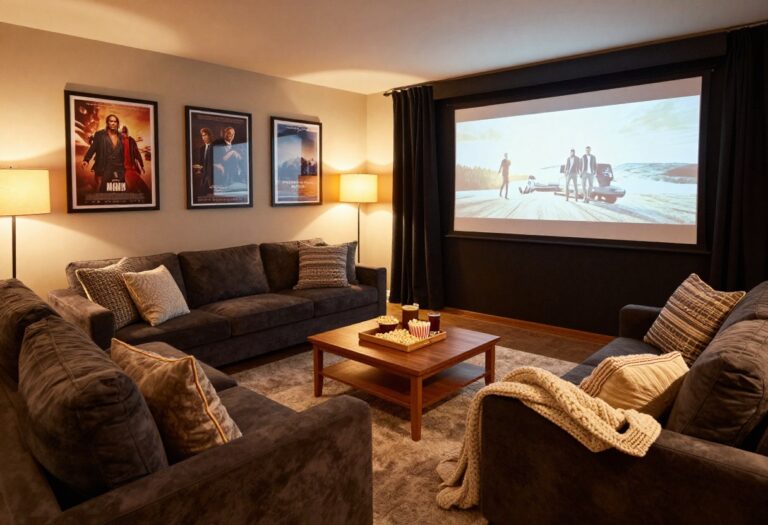
15 Living Room Decorating Ideas That Tie the Room Together
A living room that feels pulled together doesn't have to come with a designer price tag. Sometimes it's the small, thoughtful choices—like the way a lamp casts light or how pillows play off each other—that make the biggest difference. The goal is to create a space that feels intentional, comfortable, and unmistakably yours.
Budget-friendly doesn't mean boring. With a little creativity, you can layer textures, play with color, and arrange furniture in ways that elevate the whole room. The trick is focusing on a few key moves that bring harmony without clutter.
Ready to give your living room a cohesive update? These 15 ideas are practical, warm, and designed to work with what you already have. Let's dive in.
1. Anchor with a Rug That Sets the Tone
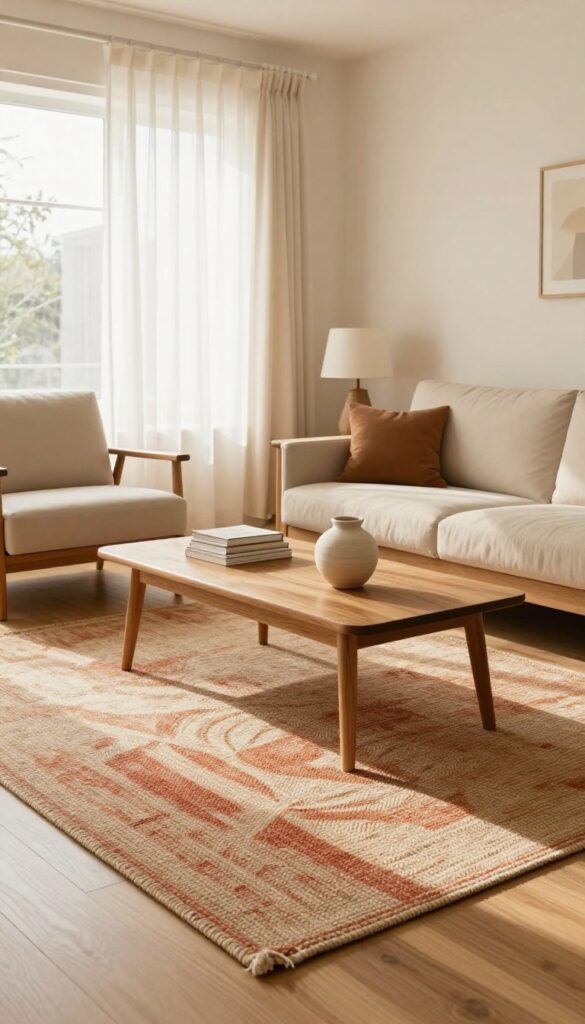
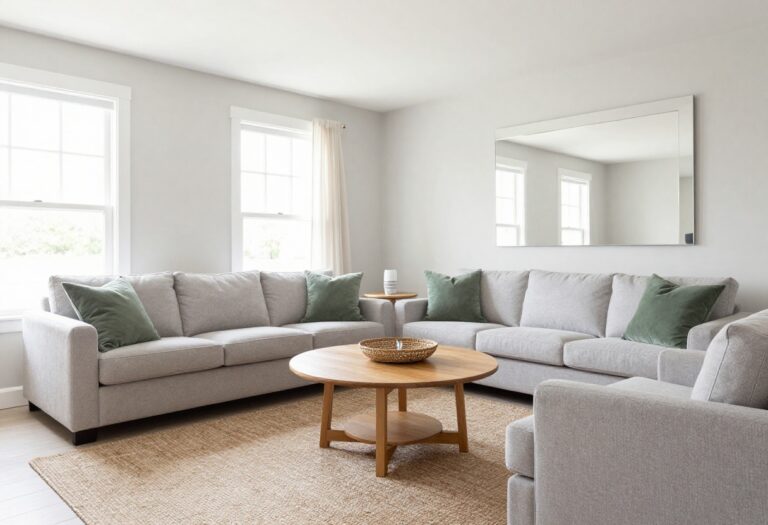
A rug does more than cover the floor—it quietly pulls your whole room together. Think of it as the foundation that defines your seating area and ties your color scheme into one cohesive look. For a warm and cozy vibe on a budget, a wool blend or flatweave rug adds texture and hides everyday wear surprisingly well.
Choosing the right rug can transform your living room from a collection of furniture into a unified space. Start by picking a rug large enough to anchor your seating—ideally, all front legs of your sofa and chairs should rest on it. This creates a defined zone that feels intentional, not accidental.
For a budget-friendly approach, skip expensive silk or hand-knotted options and go for machine-made wool blends or cotton flatweaves. They offer durability and easy cleaning without sacrificing style. A low-pile rug in a warm neutral or muted earth tone works with almost any decor and hides spills and pet hair better than plush carpets.
If you want a pop of pattern, try a geometric or tribal design in soft, faded colors—it adds interest without overwhelming the room.
Best Colors For A Cozy Feel
Stick with warm neutrals like beige, taupe, terracotta, or soft rust. These shades instantly make a room feel inviting and pair well with wood tones and creamy walls. Avoid cool grays or stark whites if your goal is warmth.
Budget-friendly Material Swaps
Instead of wool, try a cotton flatweave or a polypropylene blend. These materials are stain-resistant, easy to vacuum, and cost a fraction of natural fibers. A flatweave also lies flat, making it ideal for high-traffic areas.
Layout Tip For Defined Zones
In an open-plan living room, use the rug to separate the seating area from the rest of the space. Place it so the front legs of your sofa and chairs sit on the rug, but leave enough floor visible around the edges—about 6 to 12 inches—to keep the room feeling open.
2. Layer Lighting for Depth and Mood
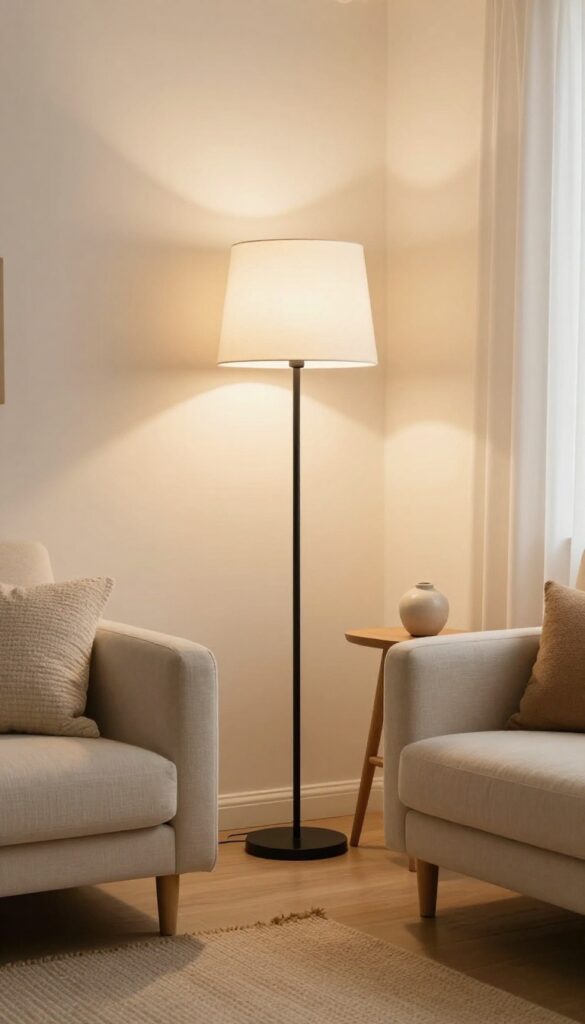
Lighting can make or break a room, and it's one of the easiest ways to add warmth without spending much. By mixing overhead lights, floor lamps, and table lamps, you create a soft, layered glow that feels inviting and polished. The best part?
You can often find affordable lamps at thrift stores and give them a fresh look with a coat of spray paint.
A single overhead light can leave a room feeling flat and harsh, especially in the evening. Instead, think of lighting in layers: ambient (overhead), task (reading lamps), and accent (highlighting a plant or art). Start with a warm-toned ceiling fixture or a simple flush mount.
Then add a floor lamp in a corner to soften shadows, and place a table lamp on a side table or console. Dimmers are a game-changer—they let you adjust the mood from bright and energetic to cozy and dim. For a budget-friendly twist, hunt for lamps at thrift stores or garage sales.
A quick sanding and a coat of matte black, brass, or even a bold color can transform a dated lamp into a custom piece. Grouping three lamps of varying heights on a sideboard or shelf also creates a lovely vignette.
Best Bulb Temperature
Stick with bulbs labeled "soft white" or "warm white" (2700K–3000K) to keep the glow cozy and golden. Avoid daylight or cool white bulbs—they can feel sterile and ruin the warm mood you're going for.
Budget-Friendly Swap
Instead of buying new lamps, refresh thrifted finds with spray paint. A can of paint costs under $10 and can update a lamp base instantly. Look for solid shapes with simple lines—they're easiest to refinish and look modern with a fresh coat.
Placement Tip
Position floor lamps in dark corners or next to seating areas to eliminate harsh shadows. Table lamps work well at eye level on end tables or bookshelves. Aim for three light sources in a standard living room for a balanced, layered effect.
3. Stick to a Cohesive Color Palette
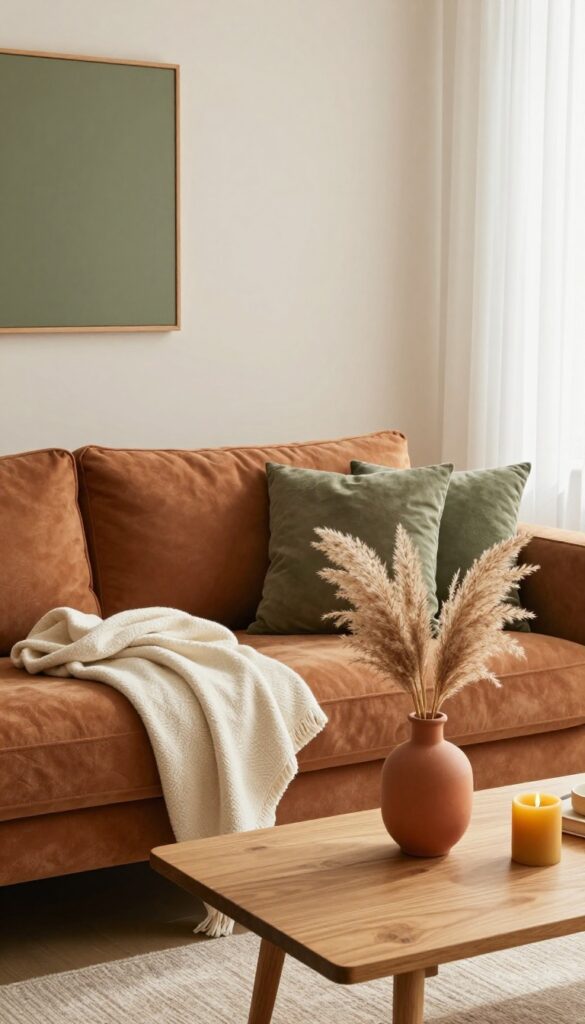
Nothing pulls a room together faster than a well-chosen color palette. By limiting your main colors to three or four that repeat throughout the space, you create a sense of harmony that feels intentional, not chaotic. A neutral base—like warm beige, soft gray, or creamy white—gives you a calm foundation, while one or two accent colors add personality and energy.
This approach keeps the room visually connected without making everything matchy-matchy.
For a warm and cozy feel on a budget, think earthy tones: terracotta, olive green, and mustard yellow against a backdrop of cream or taupe. These colors work together naturally and feel inviting. You don't need to paint the walls or buy all new furniture—just add accent pillows, a throw blanket, or a piece of wall art in those hues.
The key is repetition: if you bring in a terracotta pillow, let that color echo in a vase or a candle holder across the room. This simple trick makes the whole space feel thoughtfully designed.
Best Colors For A Cozy Palette
- Stick with warm neutrals as your base—think beige, warm gray, or off-white. For accents, choose two colors that complement each other, like rust and navy, or sage green and blush pink. These combos feel rich without being overwhelming.
- If you're unsure, look at a paint strip or a fabric swatch and pull your accent colors from there.
Budget-Friendly Swap
- You don't need a full paint job to introduce a new palette. Swap out throw pillows, a rug, or even a few picture frames. Thrift stores and discount home stores are goldmines for affordable accent pieces in seasonal colors.
- A single can of spray paint can transform a thrifted vase or lamp base into a perfect accent piece.
Finishing Touch
Add a small decorative object in each accent color—a ceramic bowl, a stack of books, or a plant pot. Place them on shelves, coffee tables, or side tables so the colors bounce around the room. This creates visual flow and ties everything together without spending much.
4. Mix Textures for Visual Interest
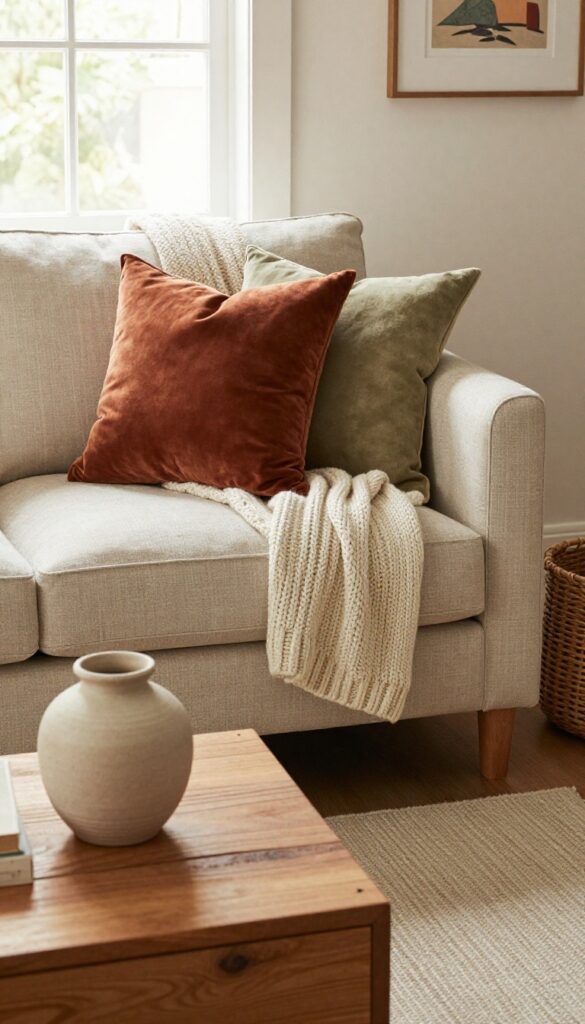
A room that looks flat often misses one thing: texture. When every surface feels the same—all smooth, all matte, all soft—the space loses its sense of depth. Mixing textures is one of the easiest ways to add warmth and make a living room feel layered and lived-in, even on a tight budget.
Think velvet, wood, knit, leather, and linen all in one view. The contrast catches the eye and invites touch, turning a basic setup into something that feels intentional and cozy.
Texture is about pairing opposites for a balanced, inviting look. Start with a neutral sofa—maybe a linen blend or a soft cotton. Then layer in a chunky knit throw and a few velvet pillows in warm tones like rust or olive.
Add a wooden coffee table with visible grain, and maybe a ceramic vase or a woven basket nearby. The mix of smooth, rough, soft, and shiny creates visual rhythm without adding clutter. Best of all, texture updates cost little: swap out a throw, add a sheepskin rug, or bring in a nubby pouf.
These small changes make a big difference in how the room feels.
Best Materials For A Cozy Mix
- Stick with natural and tactile materials: linen, cotton, wool, velvet, leather, wood, rattan, and ceramic. Avoid too much polyester or slick synthetics—they can feel cold. A velvet pillow next to a chunky knit throw is a classic combo.
- Add a wooden tray or a stone coaster to bring in hard texture. The goal is variety, not perfection.
Budget-friendly Texture Swaps
- You don't need to buy new furniture. Swap out a few accessories: a fuzzy throw, a textured cushion cover, a jute rug, or a ceramic lamp base. Thrift stores are great for wooden bowls, woven baskets, and linen curtains.
- Even a simple change like a chunky knit blanket draped over the sofa adds instant depth.
Finishing Touch: Layer A Rug
- A rug is a texture powerhouse. Choose a low-pile wool or a flatweave cotton for the base, then layer a smaller sheepskin or shag rug on top. This adds softness underfoot and breaks up the floor visually.
- Keep the colors neutral so the texture stands out, not the pattern.
5. Create a Focal Point with Art or a Mirror
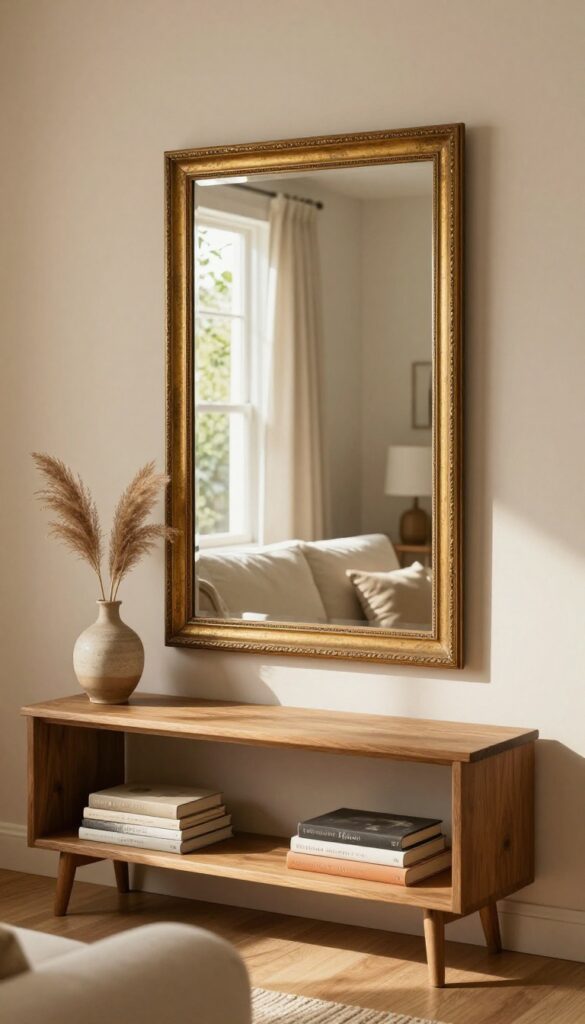
Every living room needs a spot where your eyes naturally land. A large piece of art or an oversized mirror does exactly that—it anchors the space and gives it purpose. Mirrors are especially clever because they bounce light around and make even a small room feel twice as big.
And if you're on a budget, thrifting frames and printing your own art can save serious cash while still looking intentional.
Choose a piece that speaks to the warm and cozy vibe you're going for. Think landscape prints in earthy tones, abstract pieces with soft rust or ochre, or a vintage mirror with a worn gold frame. The key is scale: go bigger than you think you need.
A 4-foot-wide mirror above a sofa or a large canvas over a mantel instantly becomes the room's anchor. Lean it against the wall for a relaxed, collected look instead of hanging it.
Budget-Friendly Swap
- Skip the expensive gallery wall and invest in one oversized piece. Hit up thrift stores for large frames—often just a few dollars—and paint or distress them to match your room. Then print a high-resolution image from a free art site or your own photo on canvas or matte paper.
- Total cost? Under $50.
Mirror Placement Tip
- Place your mirror across from a window to maximize natural light. It'll reflect the outdoors and make the room feel airier. Avoid putting it directly opposite a cluttered wall—you'll just double the visual noise.
- A warm brass or wooden frame adds to the cozy factor.
Styling Around The Focal Point
Once your art or mirror is up, keep the surrounding area simple. A slim console table underneath with a lamp and a small plant is enough. Let the focal point breathe—too many competing elements will dilute the effect.
6. Arrange Furniture for Conversation
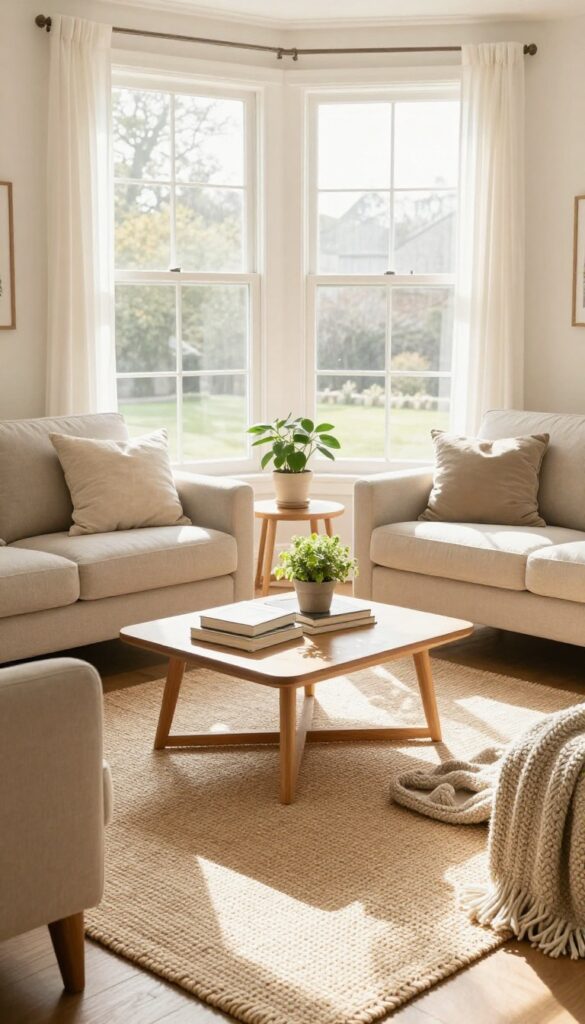
Sometimes the coziest change you can make costs nothing at all. If your living room feels a little off, the problem might not be your furniture—it could be the layout. Pulling pieces closer together and angling them inward creates an instant sense of warmth and connection.
This simple shift turns a scattered arrangement into an inviting space where people naturally want to settle in and talk.
Start by looking at your current setup. Is the sofa pushed against one wall with chairs stranded across the room? Move seating so the front edges are about four to six feet apart—close enough for easy conversation but not so close that knees bump.
Angle armchairs slightly toward the sofa, and if you have a coffee table, make sure it's within reach of every seat. This arrangement works especially well in open-plan rooms where a defined conversation zone can anchor the whole area. On a budget, you don't need to buy anything.
Just slide, pivot, and test different configurations until the room feels balanced and welcoming.
Best Layout For Small Spaces
- In a smaller living room, float the sofa away from the wall if you have even a few extra feet. Place two armless chairs opposite or at a right angle. This creates a compact, intimate grouping without blocking walkways.
- If space is really tight, use a pair of poufs or ottomans instead of full chairs—they're easy to move and double as extra seating or footrests.
Budget-Friendly Swap
- Instead of buying new furniture, rearrange what you already own. Try pulling a side chair from the dining room or a bench from the entryway into the living room for a few days. You might discover a fresh combination that feels completely new.
- The goal is to make every seat feel like part of a circle, not a row.
Cozy Detail
Once the layout is set, add a soft throw blanket draped over the back of the sofa and a couple of pillows in warm tones like rust, cream, or deep green. These small touches soften the edges and make the conversation area feel more like a nest. A low coffee table with a stack of books or a candle completes the inviting vibe.
7. Add Greenery for Life and Freshness
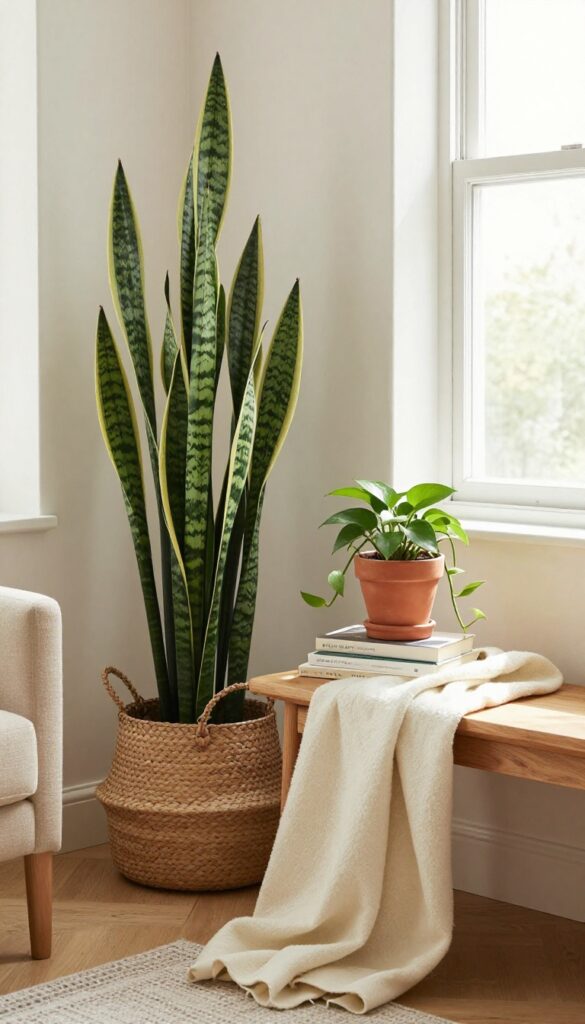
Plants are one of the easiest ways to breathe life into a living room without spending a lot. A few well-placed pots can soften sharp corners, add a pop of organic color, and make the whole space feel more inviting. The best part?
You don't need a green thumb or a big budget to pull it off.
Low-maintenance plants like snake plants, pothos, and ZZ plants thrive on neglect and still look great. They bring a fresh, natural element that balances out furniture and hard surfaces. To keep costs down, hit up discount stores or garage sales for pots—just make sure they have drainage holes.
Group a few together on a side table or console for a mini indoor garden effect.
Best Plants For Low Light
If your living room doesn't get much natural light, stick with snake plants, ZZ plants, or pothos. These guys can handle dim corners and irregular watering. Place them near a north-facing window or even in a darker spot—they'll still look lush and full.
Budget-friendly Pot Swap
Skip expensive planters and check out thrift stores or dollar stores for basic pots. A quick coat of spray paint in a warm terracotta or matte black can make them look high-end. Or use woven baskets—they hide plastic nursery pots and add texture for cheap.
Styling Tip: Layer Heights
Mix tall and short plants to create visual interest. A tall snake plant on the floor next to a low pothos on a shelf draws the eye around the room. Use plant stands or stack books to vary heights without buying new furniture.
8. Use Throw Pillows to Tie Colors Together
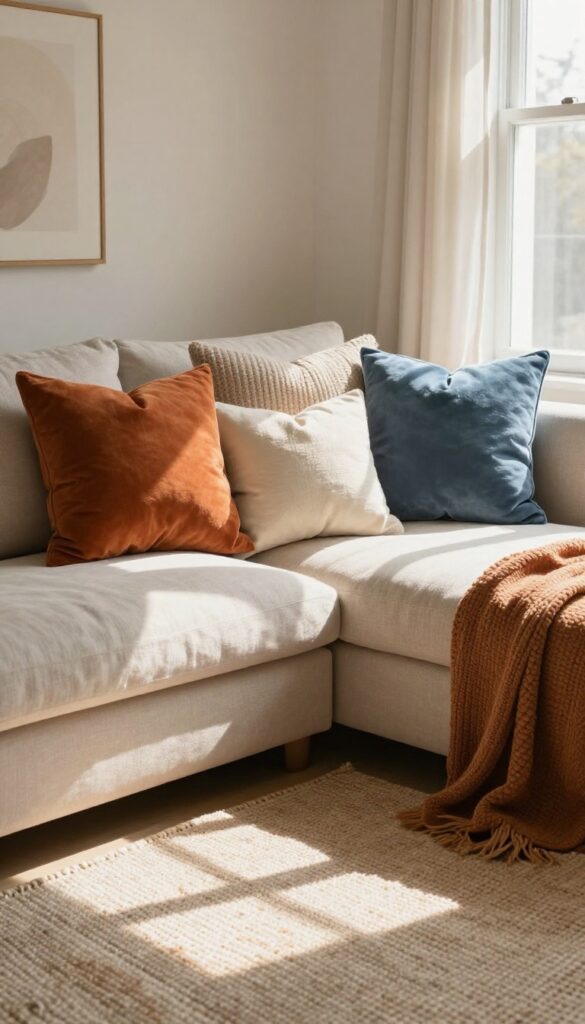
Throw pillows are the easiest way to pull a room together without spending much. They let you echo the accent colors from your rug, curtains, or artwork and create a cohesive look that feels intentional. Because they are small and easy to swap, pillows also give you room to experiment with patterns and textures without a big commitment.
The trick is to choose pillows that repeat the accent colors you already have in the room. If your rug has a rusty orange and a soft blue, pick pillows in those exact shades. Mixing sizes and shapes—square, lumbar, and round—adds a casual, layered feel that looks collected over time.
Rotating covers seasonally is a budget-friendly way to refresh the space: swap in warm terracotta and cream for fall, then light linen and sky blue for spring. This approach keeps your living room feeling connected and cozy without needing a full redesign.
Best Colors To Pull
Look at the strongest accent colors in your rug, throw blanket, or wall art. Choose two or three shades and find pillows in solid, striped, or subtle geometric prints. Avoid matching exactly—vary the scale of the pattern so it feels relaxed, not stiff.
Budget-Friendly Swap
Buy a set of neutral pillow covers in cotton or linen, then add two or three colorful covers that tie into your room’s palette. This gives you a base you can keep year-round and accent pieces you can switch out for under $15 each.
Cozy Detail
For a warm and cozy feel, choose pillows with texture: chunky knits, velvet, or faux fur. Mix one textured pillow with two smooth ones per seating area to add depth without clutter.
9. Incorporate Natural Elements
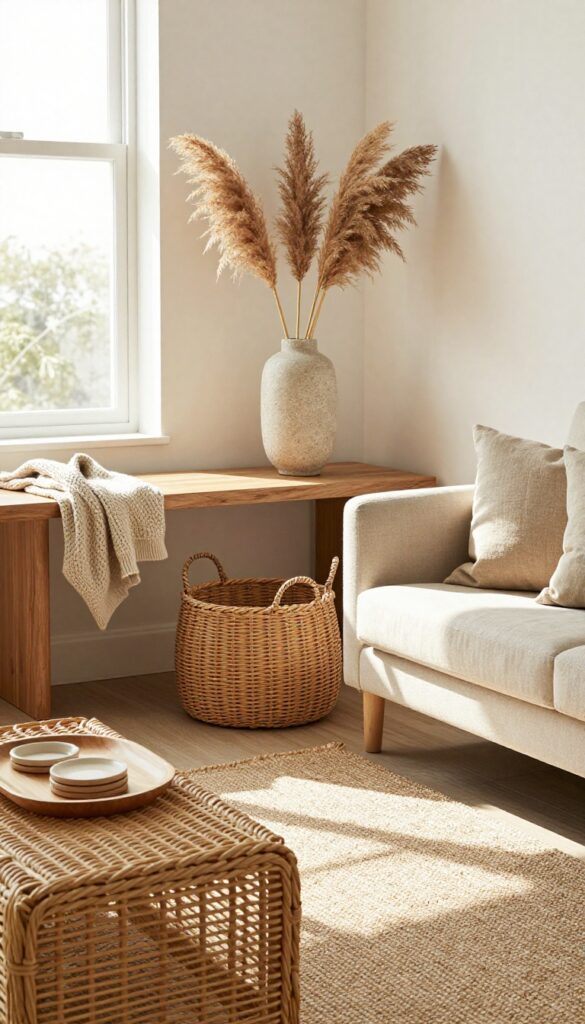
Wood, stone, rattan, and jute bring a grounded, earthy feel that instantly warms up a living room. These materials add texture and visual interest without needing a big budget. Scour thrift stores or online marketplaces for solid wood furniture—a quick sand and stain can transform a tired piece into a statement.
Natural elements also pair beautifully with soft textiles, creating that cozy, lived-in look.
Natural materials are the easiest way to add warmth and texture without spending much. A rattan coffee table, a jute rug, or a set of stone coasters can shift the whole mood of the room. The key is mixing textures: pair a smooth wooden console with a chunky woven basket for storage, or set a sleek stone vase on a rough-hewn wood shelf.
Look for secondhand wooden furniture—often solid wood and well-made—that you can refinish yourself. A little sanding and a coat of stain can save you hundreds and give you a one-of-a-kind piece. For a budget-friendly update, swap plastic or metal planters for woven seagrass or ceramic ones.
Even small touches like a wooden tray on the coffee table or a stone bookend on a shelf make a difference. The goal is to create a space that feels connected to nature, calm, and inviting.
Best Materials To Mix
- Stick with warm-toned woods like oak, walnut, or teak—they read cozier than cool grays. Rattan and bamboo add lightness, while jute and sisal bring organic texture underfoot. Stone accents, like a marble coaster or a slate vase, add a subtle contrast.
- Avoid mixing too many different woods; two or three complementary tones keep the look intentional.
Budget-Friendly Swap
Instead of buying new, check Facebook Marketplace or local thrift shops for solid wood end tables, coffee tables, or shelves. A $20 table can become a $200 look with some sandpaper and a can of stain. Also, swap out plastic storage bins for woven baskets—they cost little but instantly upgrade the room's warmth.
Styling Tip
- Group natural elements in odd numbers for a balanced, collected feel. For example, a rattan tray, a small stone sculpture, and a wooden candle holder on the coffee table. Add a soft throw or linen pillows to soften the hard surfaces.
- The contrast between rough and smooth, hard and soft, is what makes the space feel cozy and layered.
10. Style Your Coffee Table with Purpose
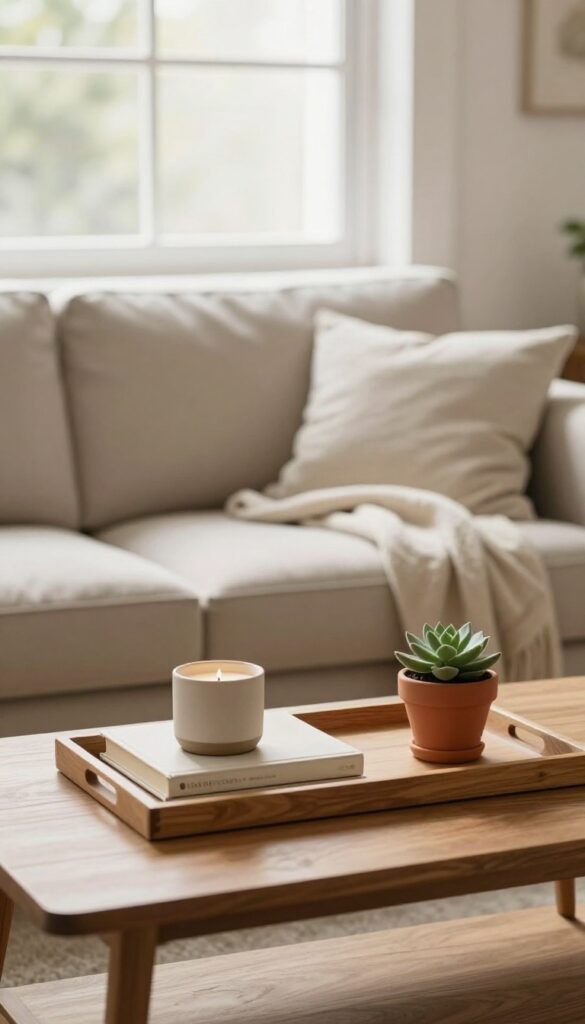
A coffee table can easily become a dumping ground for remotes, coasters, and random mail. But with a little intention, it can turn into a focal point that ties the whole room together. The trick is to group a few meaningful objects—like a stack of books, a candle, and a small plant—on a tray.
Keep the arrangement low and balanced so it doesn't block conversation or feel cluttered. This approach works especially well in warm, cozy living rooms where you want a curated look without spending much money.
Start by choosing a tray that fits your table's size and shape—wooden trays add warmth, while woven ones bring texture. Place it slightly off-center to create visual interest. Then layer a few items: a stack of two or three coffee-table books (choose ones with neutral or warm-toned covers), a small ceramic or glass candle, and a low-maintenance plant like a succulent or a small fern.
Keep the tallest item under 10 inches so the view across the table stays open. This simple setup costs little but makes the whole room feel more intentional.
Best Budget-friendly Swaps
- You don't need expensive decor. Thrift stores often have beautiful wooden trays for under $10. Borrow a book from the library or use a stack of old hardcovers with the dust jackets removed.
- A simple tea light candle in a thrifted holder works just as well as a high-end brand. And a small succulent from the grocery store costs only a few dollars. The key is choosing pieces that feel personal, not pricey.
Cozy Detail: Add A Soft Touch
To make the arrangement feel warmer, tuck a small ceramic or wooden coaster set under the tray, or place a tiny woven trivet beneath the candle. You can also add a single dried flower or a sprig of eucalyptus leaning against the books for a natural, organic feel. These tiny accents cost almost nothing but add layers of texture and warmth.
Layout Tip: Keep It Low And Balanced
- Avoid stacking items too high or spreading them too wide. Aim for a triangular arrangement when viewed from above: the books as the base, the candle as the middle height, and the plant as the tallest point. Leave empty space around the tray so the table still feels functional.
- This keeps the look airy and prevents the coffee table from feeling overcrowded.
11. Add Warmth with Soft Window Treatments
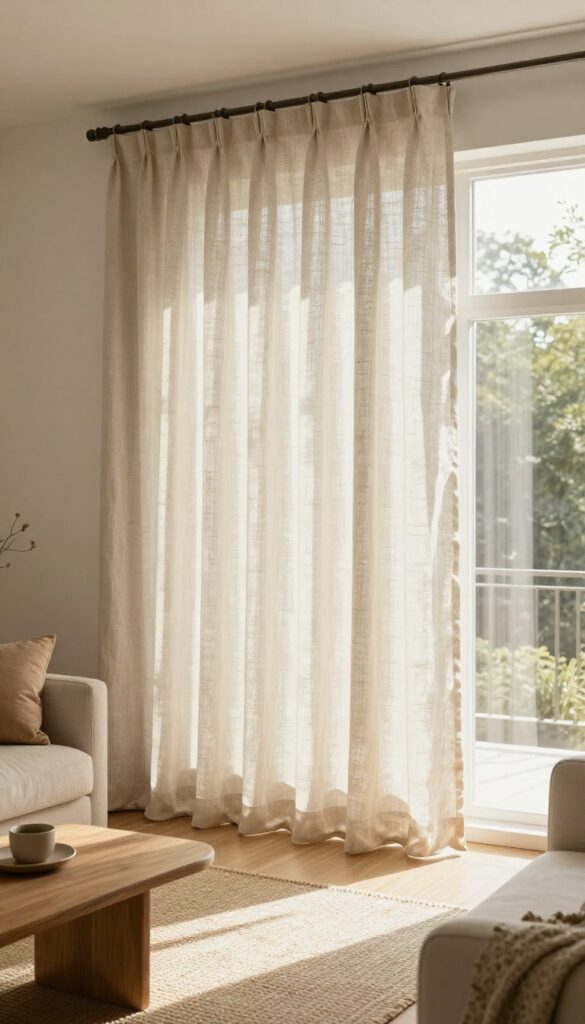
Floor-to-ceiling curtains instantly make a room feel softer and more inviting. They add texture, control light, and create the illusion of taller windows. For a budget-friendly update, swap heavy drapes for lightweight linen or cotton panels that let in gentle light while still offering privacy.
Clip rings make installation a breeze—no sewing or special hardware required.
Window treatments are often an afterthought, but they can completely transform the mood of a living room. Soft fabrics like linen or cotton add warmth and movement, making the space feel lived-in and cozy. Floor-length curtains also make windows appear larger, which is perfect for small or dark rooms.
For a warm and cozy look, choose earthy tones like oatmeal, taupe, or soft sage. If you're on a budget, ready-made panels from home stores are affordable and easy to hang with clip rings—just slide them onto a standard rod. This simple swap takes minutes but changes the whole feel of the room.
Best Colors For A Cozy Vibe
- Stick with warm neutrals like cream, beige, or light terracotta. These tones reflect light gently and pair well with wood furniture and soft textiles. Avoid stark white or cool grays if you're going for warmth—they can feel sterile.
- A subtle pattern, like a thin stripe or small check, adds visual interest without overwhelming the space.
Budget-Friendly Swap
- Skip custom drapes and buy standard-length panels from discount home stores. Clip rings let you hang them without hemming—just fold the top over the ring. For a polished look, choose a rod that extends past the window frame by a few inches on each side.
- This trick makes the window feel wider and lets in more light when the curtains are open.
Finishing Touch
- Layer curtains with a simple sheer panel underneath for extra softness. During the day, pull the heavier panels back to let in light while the sheer layer diffuses it. At night, close both for privacy and a cocooning feel.
- Add a tieback in a contrasting texture, like a leather strap or a tassel, for a designer touch.
12. Create a Cozy Reading Nook
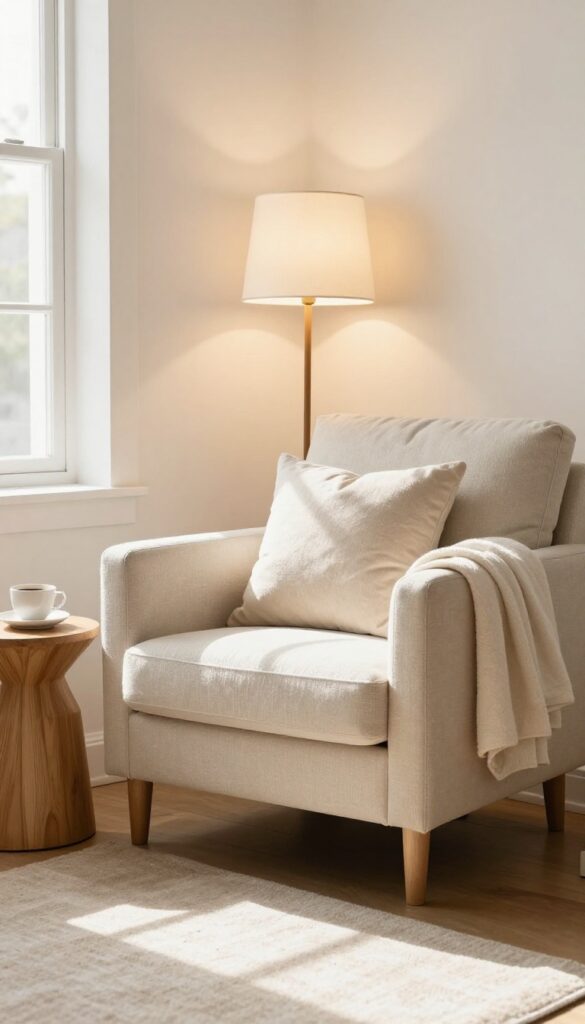
Even the smallest corner can become your favorite spot in the house. A reading nook doesn't need much—just a comfortable chair, good light, and a place to set down your coffee. It's an easy way to carve out a personal retreat without sacrificing floor space or breaking the bank.
Plus, it instantly makes the room feel more intentional and lived-in.
Tuck a comfortable chair and a small side table into an unused corner. Add a floor lamp and a soft throw. This small dedicated spot adds personality and function to the room.
Best Chair Choices On A Budget
- You don't need a pricey armchair. Look for a gently used accent chair at thrift stores or online marketplaces. A cozy upholstered chair with a high back works perfectly, but even a sturdy wooden chair with a cushion can do the trick.
- Focus on comfort and scale—make sure it fits the corner without blocking traffic.
Lighting That Sets The Mood
A floor lamp with a warm bulb creates that soft, inviting glow you want for reading. Position it so the light falls over your shoulder, not directly in your eyes. If you're really pinching pennies, a simple clip-on lamp attached to a shelf or side table works just as well.
Cozy Details That Cost Almost Nothing
- Layer a textured throw blanket over the chair and add a small pillow for extra comfort. A tiny side table can be a stack of books or a wooden crate. Tuck a small rug underneath to define the zone—even a bath mat can work in a pinch.
- These little touches make the nook feel finished and warm.
13. Use Baskets for Stylish Storage

Baskets are the unsung heroes of a cozy, lived-in living room. They pull double duty: hiding the clutter that naturally accumulates while adding warmth and texture. A few well-placed woven baskets under a console table or next to the sofa can hold everything from throw blankets to kids' toys, keeping the space tidy without feeling sterile.
The best part? They're budget-friendly and instantly make a room feel more inviting.
Woven baskets are a simple, affordable way to add storage and texture to your living room. Their natural materials—like seagrass, rattan, or water hyacinth—bring warmth that complements a cozy aesthetic. Place a pair of matching baskets under a console table for a symmetrical look, or use a large, round basket beside the sofa to store extra blankets.
For a collected-over-time vibe, mix different weaves and sizes, but stick to a similar color palette to keep it cohesive. Baskets also work wonders in open shelving: use smaller ones to corral remotes, chargers, or magazines, so everything has a home and the shelves stay visually calm.
Best Materials For A Cozy Feel
- For a warm and cozy look, choose baskets made from natural fibers like seagrass, jute, or rattan. These materials have an earthy texture that softens a room and pairs well with wood tones and soft fabrics. Avoid shiny or synthetic baskets, as they can feel cold and cheap.
- If you want a pop of color, look for baskets with fabric liners in muted tones like cream, olive, or rust.
Where To Place Them
- The most practical spots are under console tables, beside sofas, or in empty corners. Use a tall, narrow basket for storing rolled-up blankets or yoga mats. A low, wide basket works great for kids' toys or magazines.
- In a small living room, try placing baskets on lower shelves of a bookcase to hide odds and ends while keeping the upper shelves decorative.
Budget-Friendly Swap
- Instead of splurging on expensive designer baskets, check discount home stores like HomeGoods, Target, or IKEA. You can often find sets of two or three for under $50. Another trick: buy plain, inexpensive baskets and spray-paint them a warm neutral tone for a custom look.
- Or, line a thrifted basket with a fabric liner to give it a fresh, polished feel.
14. Play with Scale and Proportion
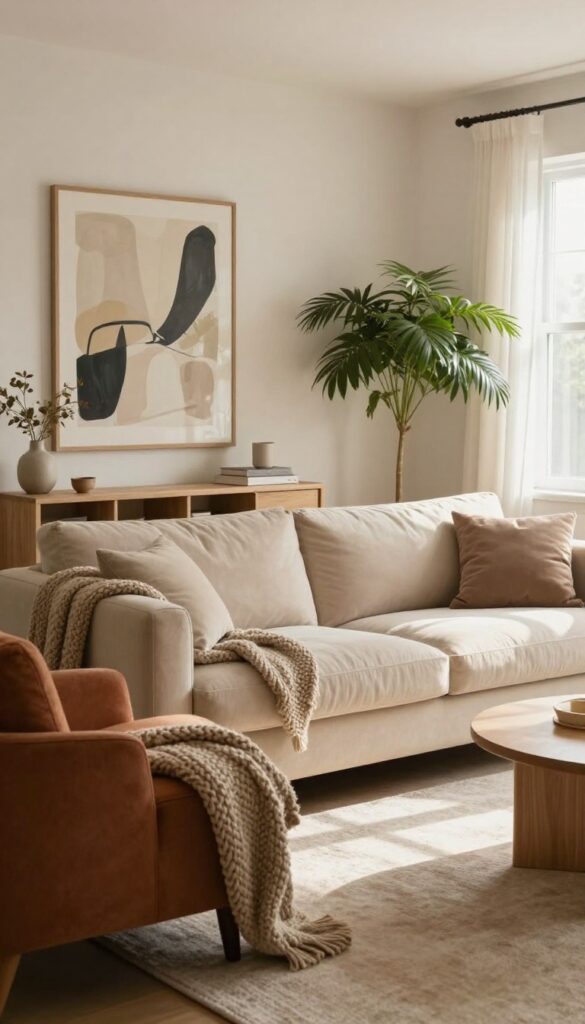
Mixing furniture sizes keeps a room from feeling one-note. A big, cozy sofa gains energy when you pair it with a slim console table or a delicate accent chair. Oversized art above a petite chair creates instant drama without costing much.
This trick adds visual rhythm and makes your space feel thoughtfully layered, not flat.
Balancing large and small pieces is a budget-friendly way to add depth. Start with your biggest item—usually the sofa—then anchor it with something lighter, like a narrow console or a pair of slender floor lamps. On a tight budget, swap a bulky coffee table for a slim metal or glass version.
The contrast makes each piece stand out more. In a warm, cozy room, use a chunky knit throw on a streamlined chair to bridge the scale gap. For a small living room, one oversized piece (like a large floor cushion or a big framed print) can make the space feel intentional rather than cramped.
The key is contrast: mix a heavy sofa with airy legs, or a low profile sofa with a tall plant.
Best Budget-friendly Swaps
- You don't need new furniture to play with scale. Try swapping a bulky coffee table for a slim, open-legged version from a thrift store. Or add a large floor mirror behind a small armchair to visually expand the space.
- Even a big woven basket can act as a statement piece next to a delicate side table.
Layout Tip For Warmth
To keep the room cozy, group your larger pieces together—like a sofa and a chunky ottoman—then place a slim console or a petite chair slightly apart. This creates a conversation zone without feeling cluttered. Add a soft rug under the main grouping to anchor the scale shift.
Finishing Touch
Hang one oversized piece of art above a small accent table or chair. The contrast draws the eye and adds a gallery feel. Choose a warm-toned print or a simple fabric wall hanging to keep the mood inviting.
15. Personalize with Meaningful Objects
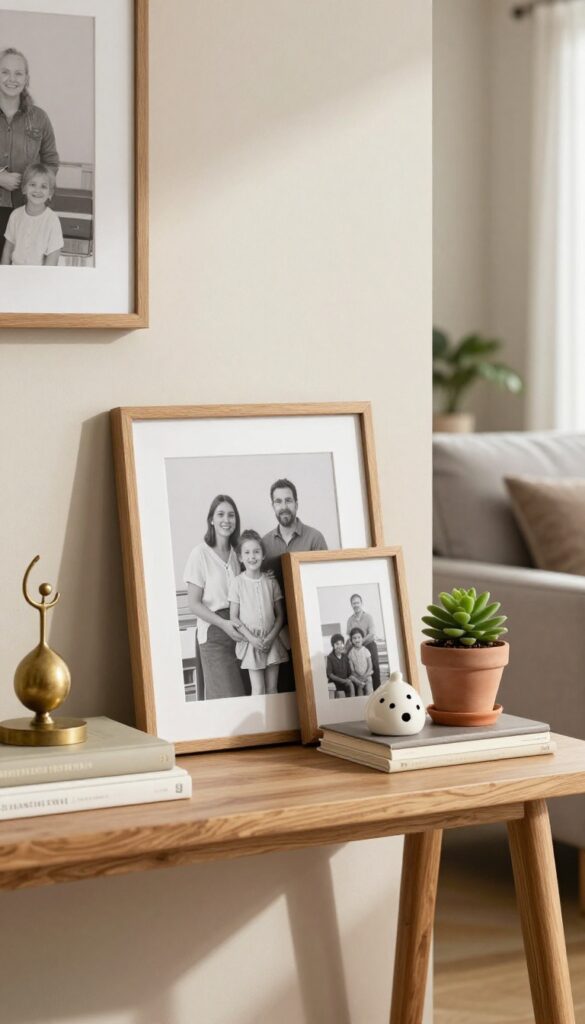
Your living room should feel like your space, not a showroom. Adding personal objects—like souvenirs from travels, family photos, or handmade pieces—brings warmth and character that no store-bought decor can match. Group them intentionally on shelves, a mantel, or a console table to create a curated look that tells your story without feeling cluttered.
The key is to edit your treasures so they complement the room rather than overwhelm it. Stick to a cohesive color palette or material theme—like warm woods and neutral frames—to keep the display visually harmonious. Mix in a few plants or books for texture.
This approach works in any living room, from a cozy apartment to a spacious family home, and it costs nothing if you already own the items.
Best Colors
Stick with a neutral backdrop—soft whites, warm beiges, or light grays—so your personal objects pop. If your souvenirs are colorful, use frames and shelves in wood tones or black to anchor them. For a warmer feel, choose brass or copper accents for frames and small display stands.
Shelf Styling Tip
Group objects in odd numbers (3 or 5) and vary heights by stacking books or using small risers. Place larger items like a vase or sculpture at the back, and layer photos or postcards in front. Leave some breathing room between clusters to avoid a crowded look.
Budget-Friendly Swap
- Instead of buying new decor, shop your own home. Dig out old travel souvenirs, family heirlooms, or kids' artwork. Frame a few favorite photos in matching frames from a thrift store (spray paint them the same color for unity).
- This costs almost nothing and adds instant personality.
FAQ
How can I make my living room look cohesive on a tight budget?
Focus on a few key elements: a unifying color palette, a rug that anchors the space, and layered lighting. Rearrange furniture for better flow and add texture with pillows and throws. Small changes like these create a pulled-together look without spending much.
What colors work best for a warm and cozy living room?
Earthy tones like warm beige, soft terracotta, olive green, and deep navy create a cozy feel. Pair them with creamy whites and wood accents. Stick to a limited palette of three to four colors for a harmonious look.
How do I choose the right size rug for my living room?
Your rug should be large enough that the front legs of your sofa and chairs sit on it. For most rooms, an 8×10 or 9×12 rug works well. A too-small rug can make the space feel disjointed.
What are some easy ways to add texture without buying new furniture?
Add a chunky knit throw, velvet or linen pillows, a jute rug, or a woven basket. Even a ceramic vase or a wooden tray can introduce texture. These small additions make the room feel layered and cozy.
How can I make a small living room feel more cohesive?
Use a light, neutral color palette to keep the space open. Choose a rug that fits the seating area, and use mirrors to reflect light. Keep furniture scaled to the room and avoid clutter.
A consistent color scheme helps everything tie together.
Conclusion
Tying a living room together doesn't require a big budget or a complete overhaul. Small, intentional choices—like layering textures, sticking to a color palette, and arranging furniture for conversation—can transform the space into a warm, cohesive retreat. Start with one or two ideas that feel doable, then build from there.
The best rooms evolve over time, reflecting your personality and making you feel at home. Happy decorating!