11 Living Room Layout Ideas That Make Seating Feel Easier
Arranging living room seating can feel like a puzzle where no piece quite fits. You want a space that invites people to sit and stay, but awkward angles and cramped paths get in the way. The good news is that small shifts in layout can transform how a room feels without a single new purchase.
A thoughtful layout does more than just place furniture—it shapes how people interact. When seats face each other at the right distance, conversation flows naturally. When pathways stay clear, the room breathes easier.
These 11 ideas focus on real homes, not magazine spreads. Each one prioritizes comfort and connection, with a warm, lived-in feel that makes guests want to linger.
1. Float the Sofa Away from the Wall
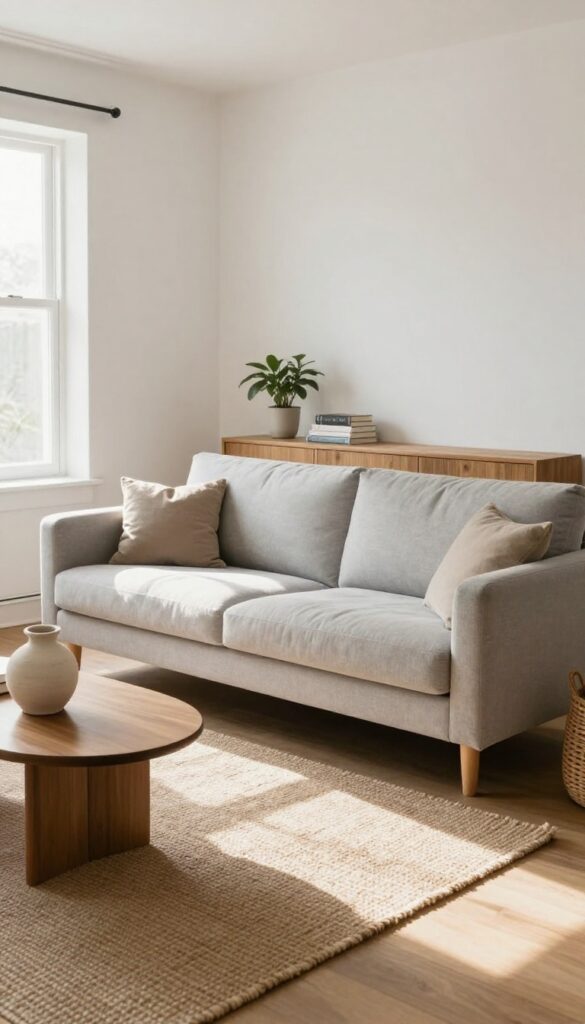
There’s a common instinct to push every piece of furniture against the wall, especially in smaller living rooms. But pulling your sofa just a foot or two forward can completely change how the room feels. It creates a natural walkway behind it, which instantly makes the space feel larger and more intentional.
Plus, that gap becomes prime real estate for a slim console table, where you can set down a drink, stash a stack of books, or plug in a lamp without cluttering side tables.
The trick is finding the right balance. You don’t need a huge room for this to work—even a few inches of breathing room behind the sofa can make a difference. The key is to anchor the floating sofa with a rug that extends far enough to catch the front legs and the coffee table, so the seating area feels grounded.
Then, use the console table behind it as a landing zone for everyday items like a tray for remotes, a small plant, or a couple of framed photos. This setup keeps the room feeling open and airy, while still giving you that cozy, lived-in vibe.
Best Layout Tip
Measure the distance from the back of the sofa to the wall—aim for at least 18 to 24 inches. That’s enough space for a console table and comfortable passage. If your room is tight, even 12 inches works, but skip the table and just leave the gap open for easy cleaning and a sense of flow.
Finishing Touch
Add a pair of table lamps on the console to create a warm glow behind the sofa. This softens the room’s lighting and draws the eye across the space, making the whole layout feel more balanced. Choose lamps with fabric shades in a neutral tone to keep the look clean and inviting.
Small-space Fix
In a narrow living room, float the sofa along the longer wall and place a slim console behind it. Use the console for storage—baskets or bins underneath hide blankets or magazines. This keeps clutter off the floor and makes the room feel more organized without sacrificing style.
2. Create a Symmetrical Two-Sofa Setup
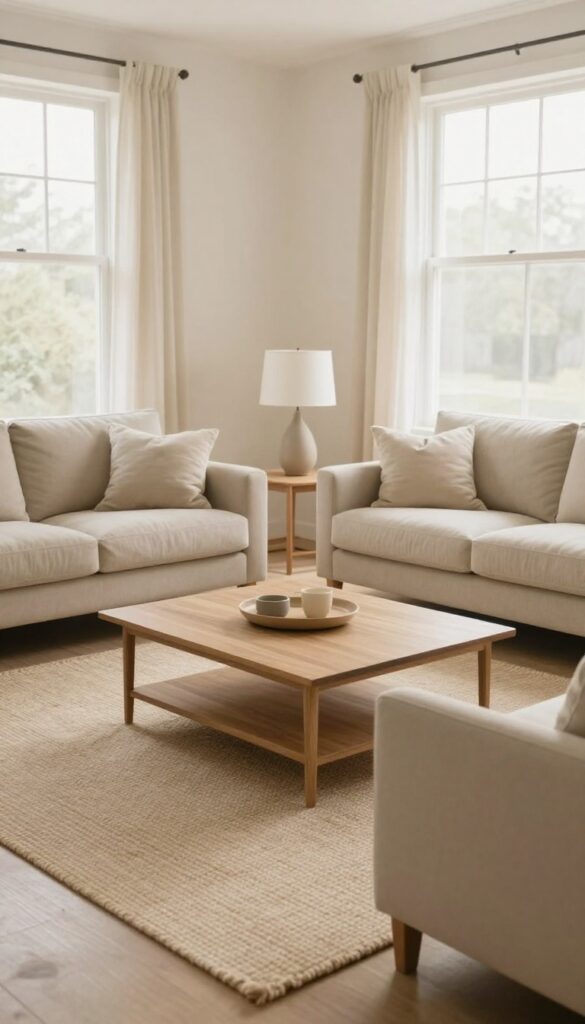
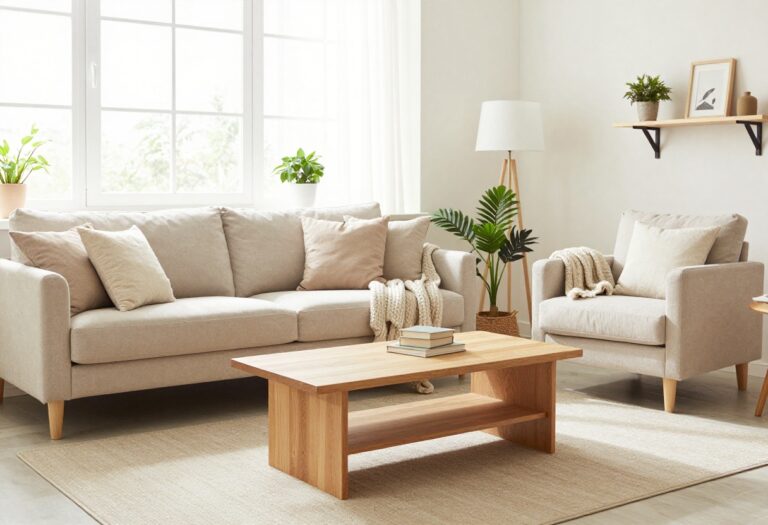
There’s something quietly satisfying about a perfectly symmetrical living room. Two sofas facing each other creates an instant conversation zone that feels both intentional and inviting. The balance brings a sense of calm, while the open space between them keeps the layout from feeling too formal or stiff.
It’s a setup that works especially well in larger rooms, but with the right proportions, it can also fit into a generously sized open-plan area.
Facing two sofas directly across from each other establishes a balanced, conversation-friendly zone. Leave enough space between them for a coffee table, and add matching end tables for symmetry that feels intentional. This layout naturally directs attention inward, making it perfect for hosting guests or enjoying quiet evenings with family.
The key is to keep the sofas similar in scale and style—matching sets work beautifully, but you can also pair two sofas with the same silhouette in different fabrics for a slightly softer look.
Best Colors And Fabrics
Stick with neutral upholstery like warm beige, soft gray, or linen white to let the symmetry shine without visual clutter. If you want a bolder statement, choose a muted jewel tone like sage green or dusty blue for both sofas. Performance fabrics with a slight texture—like twill or basketweave—add visual interest while staying practical for everyday use.
Coffee Table And Rug Pairing
A rectangular coffee table fits naturally between two sofas, leaving about 18 inches of clearance on each side for easy movement. Choose a round or oval table if you want to soften the strong parallel lines. Underfoot, a large area rug should extend beyond both sofas to anchor the seating group and define the zone clearly.
Cozy Detail: Pillows And Throws
Symmetry doesn’t mean sterile. Add throw pillows in complementary colors and textures—one set on each sofa—to maintain balance while introducing softness. A chunky knit throw casually draped over the arm of each sofa adds warmth and makes the arrangement feel lived-in rather than staged.
3. Angle Chairs Toward the Fireplace
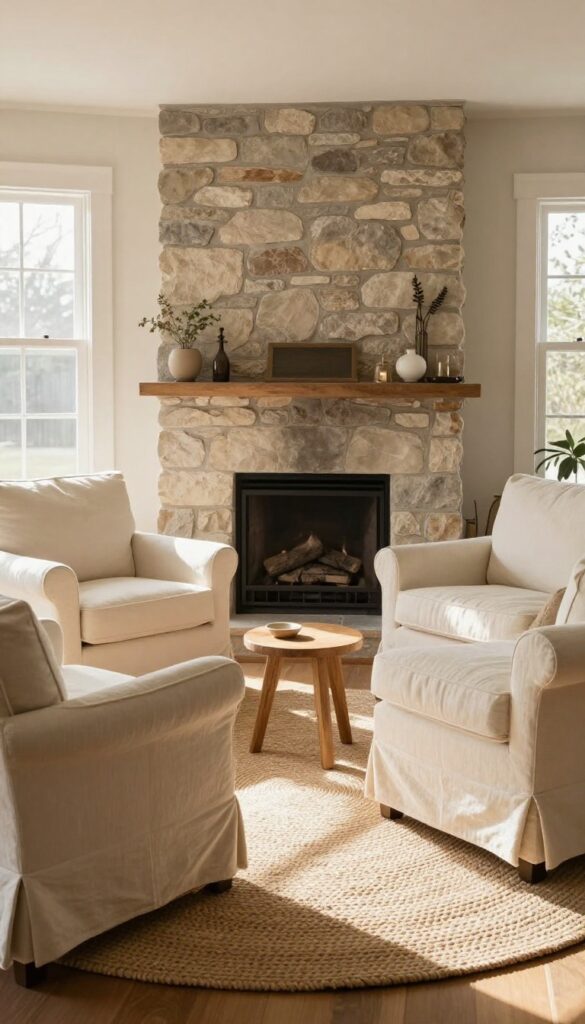
There's something magnetic about a fireplace—even when it's not lit, it draws the eye and anchors the room. Instead of pushing chairs flat against walls, try angling them toward the hearth. This small shift softens the room's geometry and creates a natural conversation cluster.
It feels more inviting, less like a waiting room and more like a place to curl up with a book or a glass of wine.
Angling chairs toward the fireplace does more than just look good. It breaks up the boxy feel of a standard living room layout and encourages a cozy, inward-facing arrangement. The key is to keep the chairs close enough to feel connected but not so close that they block the path.
Leave about 18 inches between the chair and the fireplace for easy access and a sense of breathing room. This layout works especially well in rooms where the fireplace isn't centered—angle the chairs to create a balanced vignette that feels intentional.
Best Chair Styles
Look for chairs with a low back or open arms so they don't block the view of the fireplace. A pair of upholstered armchairs in a soft wool or linen blend feels warm and inviting. If you prefer a more casual look, try a pair of woven rattan chairs—they add texture and keep the space from feeling too heavy.
Rug Pairing Tip
Anchor the seating group with a rug that extends beyond the chairs' front legs. A round rug can soften the angular lines of the chairs and echo the curve of the fireplace. Stick with a natural fiber like jute or a low-pile wool to keep the focus on the hearth.
Finishing Touch
Add a small side table between the chairs for drinks or books. A slim wooden or metal table with a single lamp creates a cozy reading nook within the larger room. Keep the table low—around the same height as the chair arms—to maintain an open, airy feel.
4. Use a Large Ottoman as a Flexible Seat
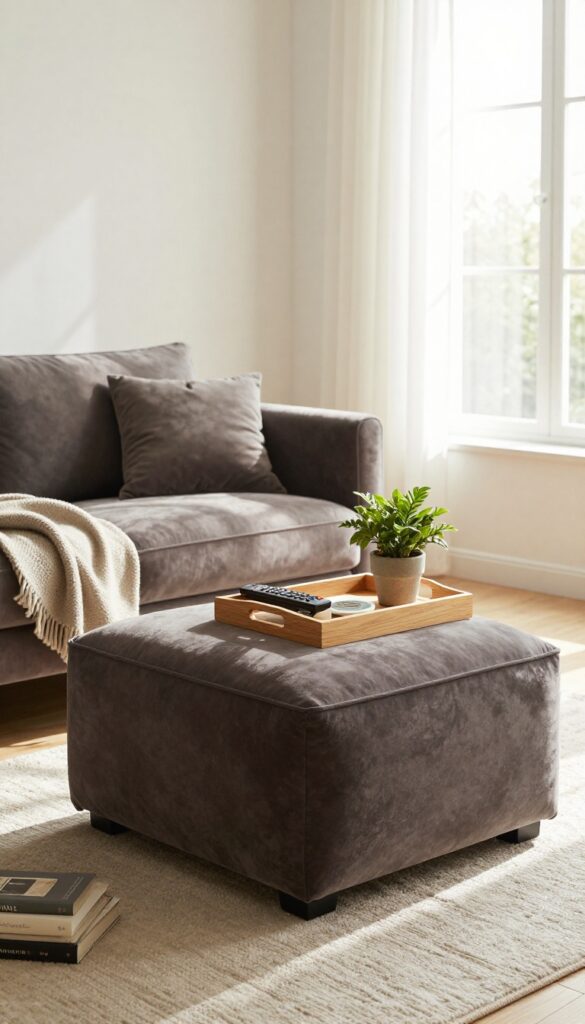
An oversized ottoman is one of those pieces that quietly makes a room more livable. It doesn't scream for attention, but it gives you a spot to plop down, kick your feet up, or set down a drink without hunting for a coaster. Tucked near the sofa, it becomes an informal perch that feels natural and unforced, especially when you have extra guests and don't want to drag in folding chairs.
The best part? When you need floor space for a game night or stretching out, it slides out of the way in seconds.
A large ottoman works best when it's not too precious. Choose one with a sturdy frame and a fabric that can handle spills, like a performance velvet or a textured tweed. Place it close enough to the sofa that someone can sit on it comfortably, but leave a little breathing room so it doesn't feel cramped.
If you want it to double as a coffee table, set a large tray on top to corral remotes, coasters, and a small plant. That way, the surface stays functional without becoming a clutter magnet. In a warm, lived-in living room, an ottoman like this becomes the spot where people naturally gravitate—whether they're sitting, lounging, or just resting a book.
Best Fabrics For Daily Use
- Since this ottoman will see a lot of action, pick a fabric that's forgiving. Performance polyester blends, crypton, or even a tightly woven wool can handle crumbs, pet hair, and the occasional spill. Darker tones like charcoal, navy, or deep olive hide wear better than light beiges, but if you love a pale hue, look for a removable cover that you can toss in the wash.
- Textured fabrics like bouclé or herringbone add visual interest without showing every smudge.
Size And Placement Tips
- Aim for an ottoman that's roughly two-thirds the width of your sofa—big enough to be useful but not so large that it dominates the room. Leave about 12 to 18 inches between the ottoman and the sofa so people can walk around easily. If your living room is on the smaller side, consider an oval or round shape; it takes up less visual real estate and makes the space feel more open.
- For a flexible setup, add casters to the legs so you can roll it wherever you need it.
Styling It As A Coffee Table
- To turn your ottoman into a coffee table, use a sturdy tray that's at least half the size of the top surface. A wooden tray adds warmth, while a metallic one brings a touch of shine. Keep the tray contents simple: a stack of coasters, a small vase with dried flowers, and maybe a candle.
- Avoid piling on too many objects, or the tray will look cluttered. When you need the ottoman for seating, just lift the tray off and set it aside.
5. Divide an Open Plan with a Sofa Back
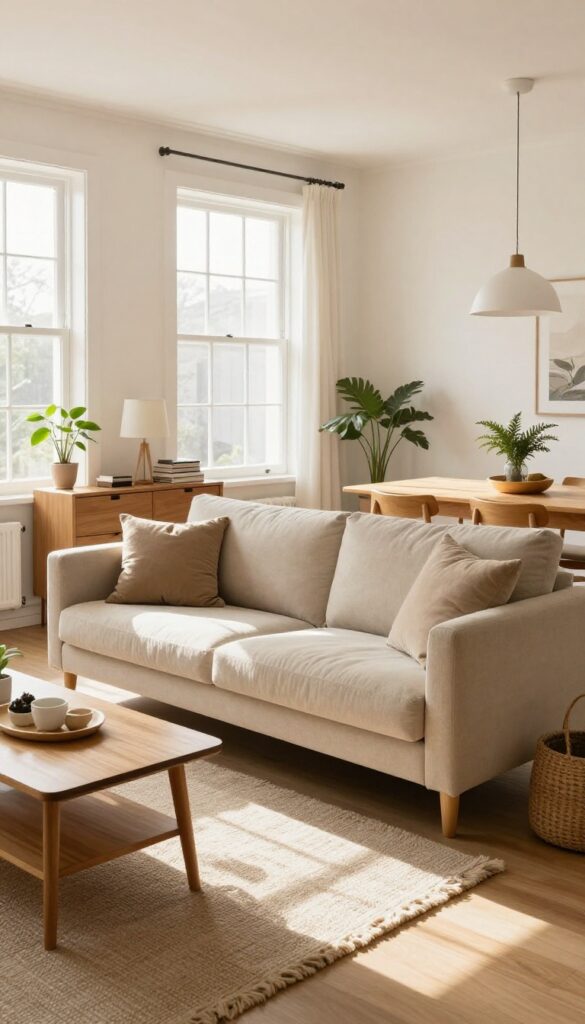
Open-concept layouts are great for flow, but sometimes you crave a little separation—without the cost or permanence of walls. Positioning your sofa with its back to the dining table is a smart, subtle way to carve out a distinct living area. The sofa becomes a natural barrier that defines the conversation zone while keeping the space airy and connected.
It’s a trick that feels both intentional and effortless, especially when you style the back of the sofa to look just as good as the front.
In a busy open-plan room, the sofa often floats in the middle, and that’s exactly where it should be. By turning its back to the dining table, you create a clear living room boundary without blocking sightlines or natural light. The sofa’s back becomes a quiet divider—functional but not aggressive.
This setup works best when the sofa is low-backed or has a finished rear, so it looks polished from every angle. Add a slim console table behind it for extra definition and a place to drop keys or set down a drink.
Best Sofa Styles For This Trick
A sofa with a clean, finished back is key. Look for designs with a solid frame or upholstered back that doesn’t scream “this is the side no one sees.” Low-back sofas work especially well because they keep the visual line low and maintain an open feel. Avoid sofas with bulky, saggy backs or exposed mechanisms—they’ll look messy from the dining side.
Styling The Divide
- Make the back of the sofa intentional. A slim console table in a warm wood or metal finish adds a landing spot for lamps, books, or a tray. Layer in a couple of woven baskets underneath for extra storage—they soften the line and add texture.
- If you have the space, place a tall floor lamp at one end to anchor the living zone and draw the eye upward.
Layout Tip For Small Spaces
In tighter open plans, push the sofa just far enough from the dining table to allow easy traffic flow—about 36 to 48 inches is ideal. This leaves room for chairs to pull out and people to walk behind the sofa without bumping into it. If the room feels cramped, skip the console table and let the sofa back stand alone; a low-profile sofa in a light color will keep things airy.
6. Cluster Seating Around a Round Coffee Table
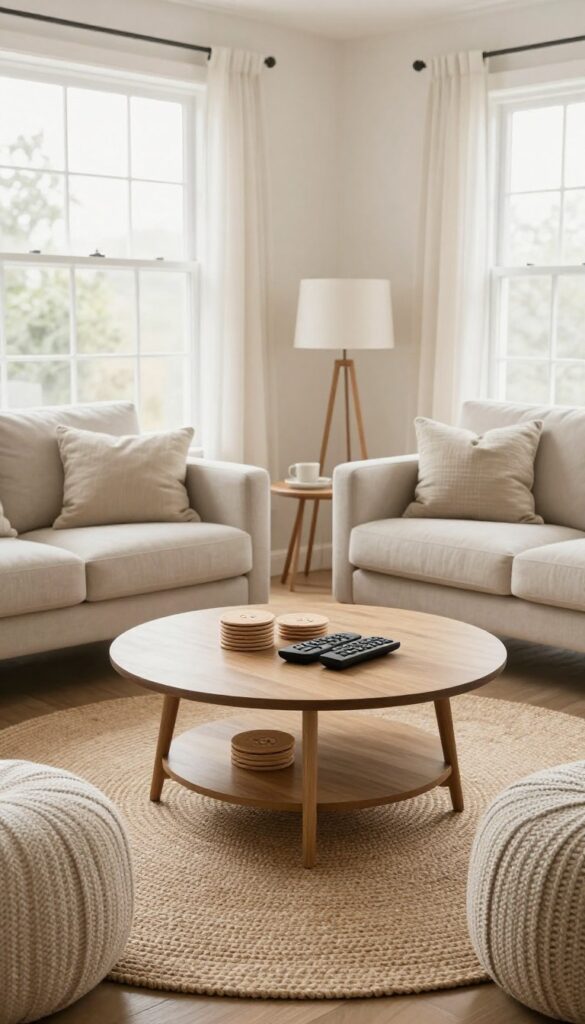
A round coffee table naturally pulls people into a circle, making conversation feel effortless. Instead of lining furniture against walls, try grouping a loveseat and a couple of chairs loosely around the table. Every seat feels equally part of the action, and the lack of sharp corners keeps the flow open—great for smaller rooms or tight spaces.
The key is leaving enough room to walk between pieces. Aim for about 18 inches between the table edge and seating fronts. A round table also softens the geometry of a rectangular room, especially when paired with a round or oval rug underneath.
Stick with a table that has a lower shelf or storage basket to keep remotes and coasters handy without cluttering the surface.
Best Table Size
For a standard seating cluster of four, choose a table 36 to 48 inches in diameter. That gives everyone easy reach to the center without feeling cramped. In a very small living room, a 30-inch table works with two chairs and a slim loveseat.
Seating Mix
Combine different seat heights and styles for a collected look. An armchair, a small settee, and a pouf or two create visual variety while keeping the circle feeling cozy. If space allows, add a floor lamp behind one seat to define the zone.
Rug Pairing
Anchor the cluster with a round or square rug that extends at least 6 inches beyond the furniture legs. A natural fiber rug like jute or sisal adds warmth without competing with the table. For a bolder look, choose a patterned rug that echoes the curve of the table.
7. Tuck a Bench Behind the Sofa
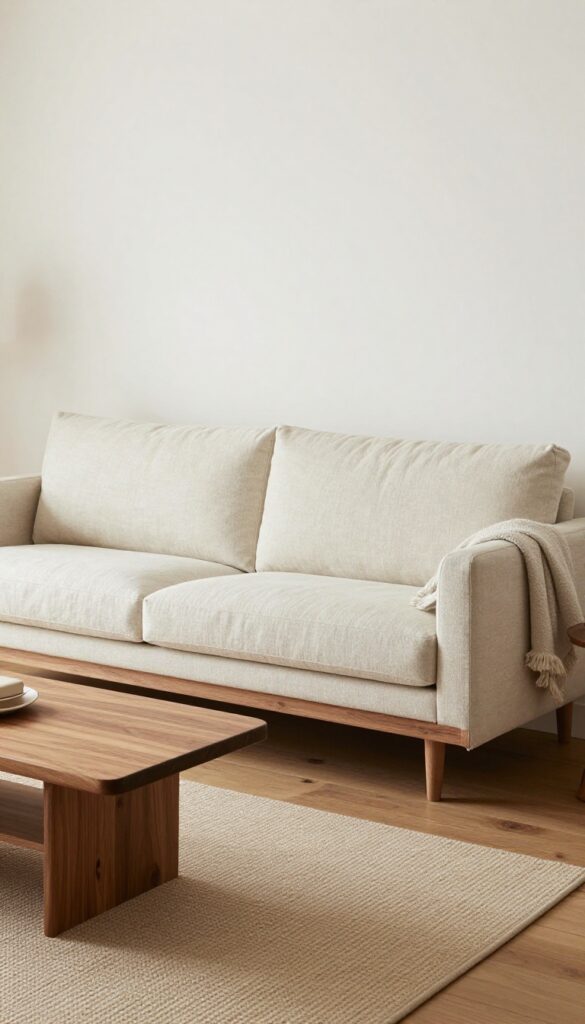
Sometimes the best seating solution is hiding in plain sight. A narrow bench or settee placed directly behind the sofa adds instant extra seats without eating into your floor plan. It's the kind of trick that feels obvious once you see it—perfect for parties, movie nights, or just having a spot to sit while you tie your shoes.
Plus, it keeps the room feeling open and airy, since you're using dead space behind the couch that usually just collects dust.
The key is choosing a bench that's low enough to slide under a console table or sit flush against the sofa back. Look for one with a slim profile—around 12 to 18 inches deep—so it doesn't jut out into the walkway. Upholstered benches add softness and contrast, while wooden ones bring warmth and structure.
Either way, you're turning an awkward gap into a functional zone that makes your living room feel more generous and welcoming.
Best Materials & Colors
- Go for a bench that complements your sofa without matching it exactly. If your couch is a neutral linen, try a bench in a warm wood tone like walnut or oak for contrast. For a leather sofa, a tufted velvet bench in a deep jewel tone—like emerald or navy—adds richness.
- Upholstered benches in performance fabrics (think indoor-outdoor textiles) are smart for high-traffic homes, as they resist stains and wear. Keep legs slim and tapered to maintain that airy feel.
Layout & Styling Tip
- Place the bench about 6 to 10 inches behind the sofa so it's easy to slide in and out. If you have a console table behind the couch, swap it for the bench or push the table to one side. Dress the bench with a couple of lumbar pillows or a folded throw to make it feel intentional.
- Add a small tray on the seat for remotes or coasters when it's not in use—this keeps the surface practical and pretty.
Small-space Fix
- In a narrow living room, a backless bench is your best friend. It takes up minimal visual space and can double as a landing spot for bags or shoes near the entry. If your sofa is against a wall, pull it forward just enough to tuck the bench behind—this creates a subtle room divider without blocking sightlines.
- For extra storage, choose a bench with a lift-up top or built-in cubbies for blankets or books.
8. Create a Reading Nook with a Single Armchair
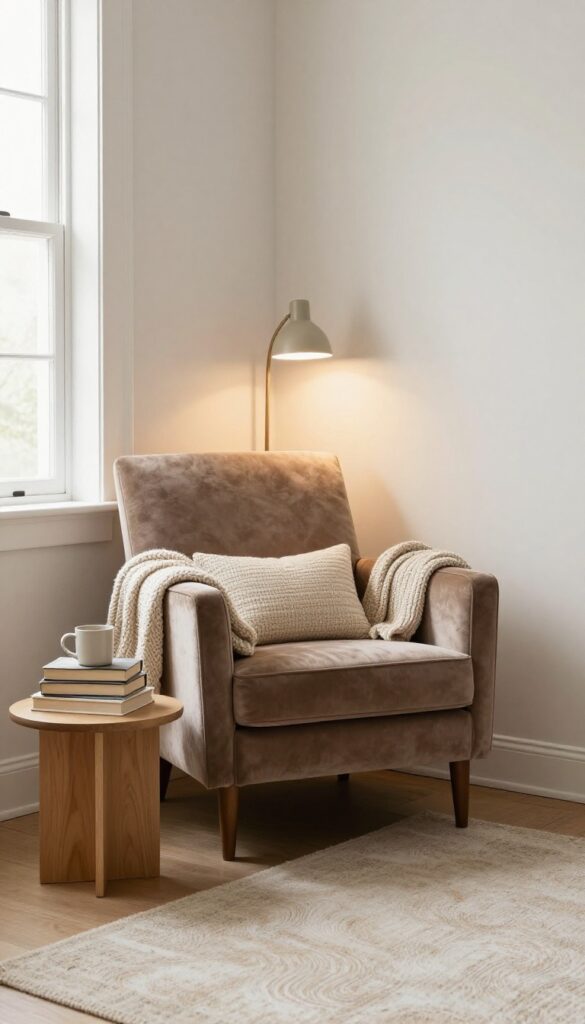
Not every seat in the living room needs to face the TV. A single armchair tucked into a quiet corner becomes an invitation to slow down. By angling it slightly away from the main seating cluster, you create a visual cue that this spot is for curling up with a book, not for joining the conversation.
It’s a small shift that makes the whole room feel more intentional and layered.
Carve out a quiet corner by placing a comfortable armchair with a floor lamp and small side table. Angle it slightly away from the main seating area to signal it's a retreat, not a main seat. This setup works especially well near a window or in an unused alcove.
The key is making the nook feel separate without closing it off—use a small rug or a different wall color to define the zone.
Best Armchair Styles For A Cozy Nook
- Look for a chair with a high back and padded arms—something you can sink into for an hour. A wingback or a slipper chair works beautifully. Avoid anything too stiff or formal; the goal is comfort first.
- If space is tight, choose a chair with a slim profile and no ottoman.
Lighting And Side Table Must-haves
- A floor lamp with a warm bulb is non-negotiable. Place it just behind or beside the chair so the light falls over your shoulder. Add a small side table—round and narrow is best—to hold a mug, a stack of books, or reading glasses.
- A table with a lower shelf gives you extra storage without clutter.
Cozy Detail That Makes It Feel Like A Retreat
- Layer a soft throw over the back of the chair and add a small cushion. Choose textures like chunky knit or velvet to contrast with the chair’s fabric. A tiny plant or a candle on the side table finishes the look.
- The whole nook should feel like a hug, not a display.
9. Use a Loveseat and Two Chairs in an L-Shape
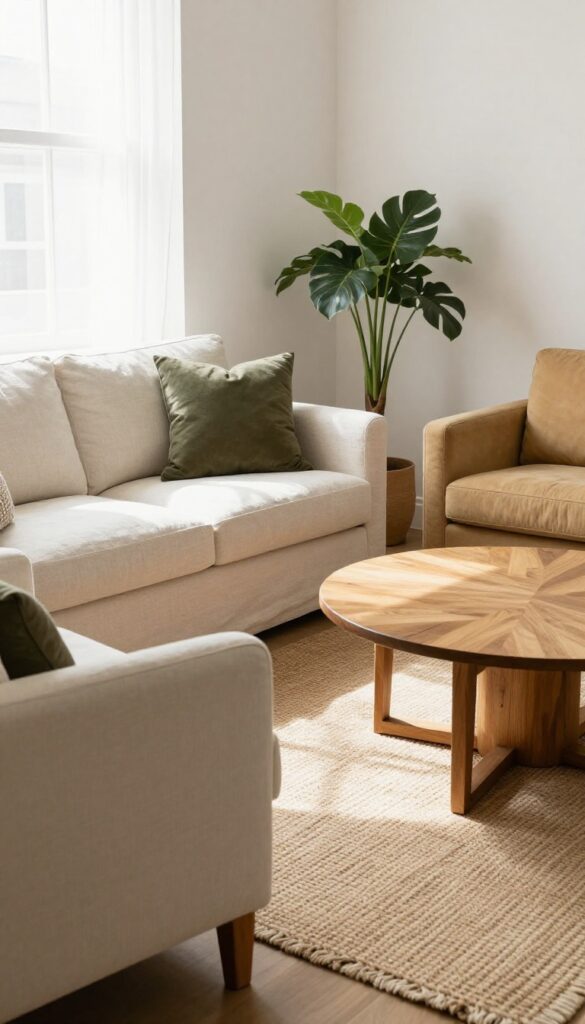
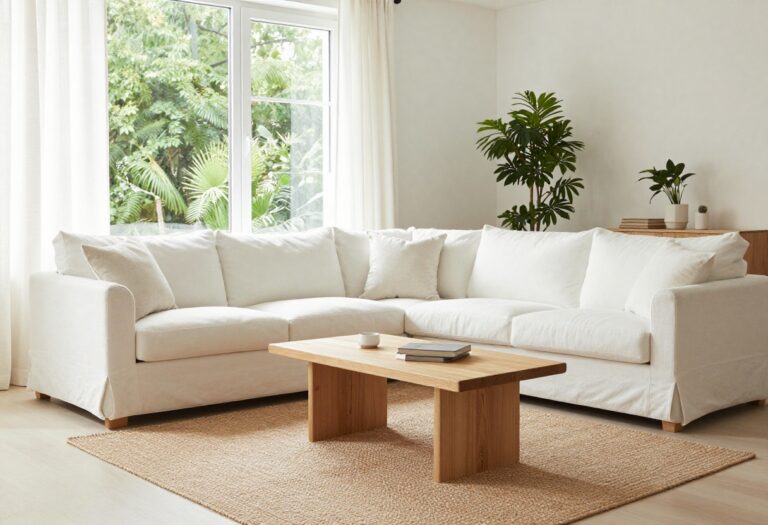
Arranging a loveseat perpendicular to two matching chairs creates an L-shaped seating zone that feels both intentional and inviting. This layout works especially well in corners, where it carves out a cozy enclave perfect for conversation. The open side keeps the room from feeling boxed in, so you get intimacy without sacrificing flow.
An L-shaped seating arrangement with a loveseat and two chairs is a smart way to define a conversation area without needing a massive sectional. The loveseat anchors one side, while the two chairs face it at a right angle, forming a natural U-shape that encourages connection. This setup is ideal for corners or open layouts where you want to create a distinct zone without walls.
Choose chairs with a slightly lower back than the loveseat to keep sightlines open, and pull them close enough that you can easily pass a drink or a book. A round coffee table in the center softens the angles and gives everyone a surface to share.
Best Colors
Stick to a cohesive palette to keep the L-shape feeling unified. A neutral loveseat in linen or wool pairs well with chairs in a complementary tone—think warm beige chairs with a creamy white loveseat, or charcoal chairs with a soft gray loveseat. If you want a pop of color, make it the chairs: a deep olive or dusty blue adds personality without overwhelming the room.
Layout Tip
Position the loveseat against the longest wall and the two chairs on the adjacent wall, leaving a gap of about 18 inches between them for easy movement. Angle the chairs slightly toward the loveseat to create a more intimate feel. If the room is tight, skip the coffee table and use a small side table between the chairs instead.
Cozy Detail
Layer in texture with a chunky knit throw draped over the loveseat and a pair of lumbar pillows on the chairs. A soft rug underfoot ties the whole zone together—choose one that extends at least 6 inches beyond the front legs of all pieces to visually anchor the L-shape.
10. Place a Chaise Lounge Near a Window
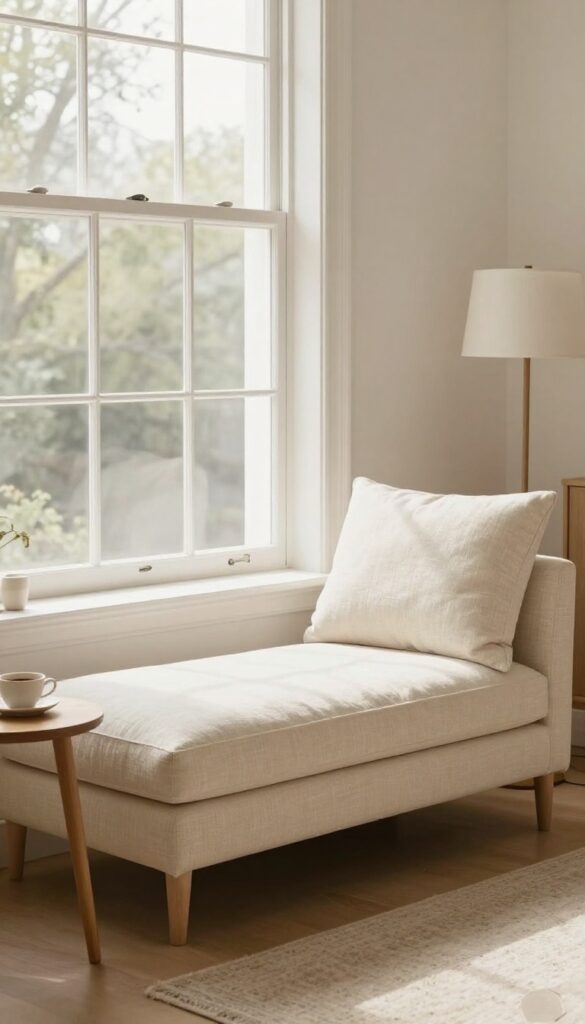
A chaise lounge angled toward a window is one of those small luxuries that makes a living room feel more like a retreat. It carves out a personal nook without closing off the rest of the space, and the natural light makes it an instant magnet for reading, napping, or just staring outside. By keeping it slightly apart from the main sofa and chairs, you avoid blocking traffic while adding a relaxed, resort-like vibe that softens the whole room.
Positioning a chaise lounge near a window works especially well in rooms with an unused corner or an awkward wall. The angled placement draws the eye outward and makes the window feel larger, while the lounge itself becomes a quiet anchor for the seating arrangement. Choose a fabric that complements your main sofa—think a warm linen or a soft bouclé—to keep the look cohesive without matching exactly.
A small side table or a floor lamp within arm's reach turns it into a functional spot for morning coffee or evening reading. The key is to leave enough space around it so the room still flows; a chaise that crowds the walkway defeats the purpose.
Best Fabrics For A Cozy Feel
Since the chaise will likely soak up direct sunlight, opt for fade-resistant materials like cotton-linen blends or performance velvets. Warm neutrals—cream, sand, or a soft taupe—keep the look light and airy, while a subtle texture like a ribbed weave adds visual interest without overwhelming the space. If you want a pop of color, go for a muted earthy tone like terracotta or sage that echoes the outdoors.
Layout Tip: Angle It Just Right
Angle the chaise lounge about 45 degrees toward the window, with the foot end pointing into the room. This opens up the floor space and creates a natural conversation area when paired with a small ottoman or a low stool. Leave at least 18 inches between the lounge and any other furniture to keep the path clear.
Finishing Touch: Add A Throw And A Rug
Drape a chunky knit throw over the back of the chaise and place a small rug underneath to define the zone. A round rug softens the angles and helps the lounge feel grounded, even if it's slightly separated from the main seating. Stick to a neutral or a subtle pattern so the window view remains the star.
11. Mix Floor Cushions for Casual Gatherings
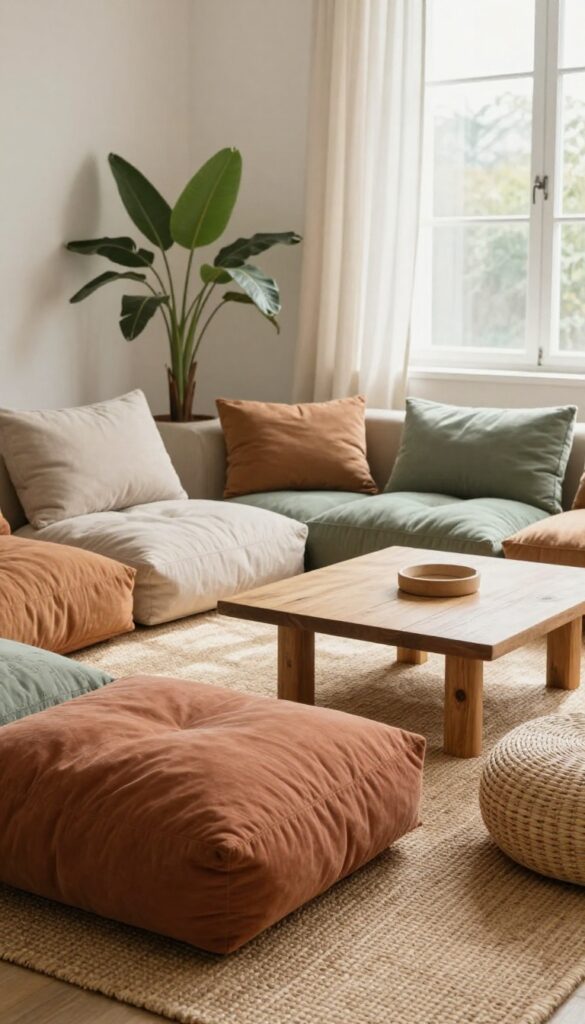
If your living room feels a little too formal for everyday lounging, swapping some upright seating for floor cushions can instantly shift the mood. Large poufs, oversized floor pillows, or even a stack of Moroccan-inspired cushions create a low-profile seating zone that practically begs people to kick off their shoes and stay awhile. This setup works especially well when you have a low coffee table or a large ottoman as the centerpiece—it turns the whole area into one big, comfy landing pad for game nights, movie marathons, or lazy Sunday afternoons.
The best part? You can easily tuck the cushions away when you need the floor space back.
Floor cushions lower the visual weight of your seating, making the room feel more open and less cluttered. They also encourage a more relaxed, communal vibe—everyone sits at the same level, which naturally sparks conversation. For a warm, lived-in look, choose cushions in soft, earthy tones like terracotta, ochre, or sage green, and mix in a few patterned options for texture.
Arrange them in a loose semicircle around the coffee table, leaving enough room for people to lean back without bumping elbows. If you have kids or pets, this is a dream setup: it’s durable, easy to clean (most covers zip off), and low to the ground so little ones can join in safely.
Best Materials
- Look for floor cushions made from natural fibers like cotton, linen, or wool—they breathe well and add a cozy, organic feel. For durability, choose heavy-duty canvas or outdoor-grade fabric if the cushions will see heavy use. Avoid anything too slippery (like silk or polyester satin) because they’ll slide around on hardwood floors.
- A few chunky knit poufs or woven seagrass ottomans can also double as extra seating and footrests.
Layout Tip
Keep the coffee table low—around 16 to 18 inches tall—so it’s easy to reach from the floor. Push the cushions slightly under the table’s edge when not in use to keep the walkway clear. If you have a sofa or chairs in the same room, angle the floor cushions toward the main seating to create a cohesive conversation circle.
Cozy Detail
Layer a soft, washable rug underneath the cushion area to define the zone and add warmth underfoot. Toss in a few lightweight throws that guests can pull over their laps—it makes the whole setup feel extra inviting, especially during cooler months.
FAQ
What is the best living room layout for small spaces?
Floating the sofa away from walls and using a loveseat instead of a full sofa can open up floor space. Opt for furniture with exposed legs to keep sightlines clear.
How much space should I leave between seating pieces?
Aim for 18 to 24 inches between chairs and sofas for comfortable conversation. For coffee tables, leave 12 to 18 inches from the seat edge to the table.
Can I use a dining table as a living room seating area?
Yes, especially in open-plan homes. A dining table with benches can double as a workspace or game table, and benches can be tucked under when not in use.
How do I arrange seating around a TV without making it the focal point?
Place the TV on a low console and arrange seating in a U-shape around it, but also include chairs angled toward a window or fireplace to balance the focus.
What if my living room is long and narrow?
Break the room into two zones: a seating area near one end and a reading nook or desk near the other. Use a sofa perpendicular to the long walls to visually shorten the space.
Conclusion
Finding the right layout doesn't have to be a headache. Start with one idea that speaks to your room's shape and your lifestyle, then tweak from there. Small adjustments—like angling a chair or floating a sofa—can make a world of difference in how your living room feels.
The goal is a space that welcomes people naturally, where every seat feels like the best seat in the house. So go ahead, push that sofa a few inches forward, and see how your room opens up.