17 Wall Unit Ideas for Living Room Storage & Style (Small-Space Friendly)
Wall units are making a serious comeback, and for good reason. They offer a smart way to keep your living room organized without sacrificing an inch of floor space. Whether you're dealing with a cozy apartment or a compact family room, the right wall unit can transform bare walls into functional, stylish focal points.
Think of them as your room's backbone—they can house your TV, books, decor, and even hide away clutter. The trick is choosing a design that feels intentional, not bulky.
From floating shelves to modular systems, there's a wall unit out there that fits your space and your style. In this guide, we'll walk through 17 wall unit ideas that prove storage can be beautiful.
1. Floating Shelves with a Built-In Feel
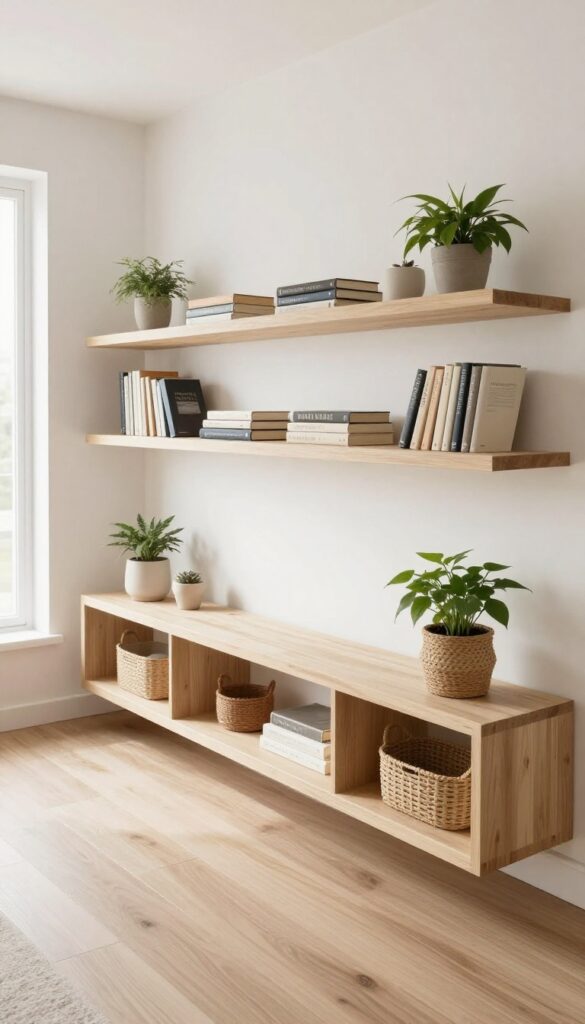
Floating shelves are a classic space-saver, but when you take them floor-to-ceiling, they start to look like a custom built-in. The trick is to install them in a single column or staggered pattern along one wall, using the same finish and spacing for a cohesive look. This setup works especially well in small living rooms where you want storage without the bulk of a freestanding unit.
Plus, it keeps the floor clear, which makes the room feel bigger than it is.
Install floor-to-ceiling floating shelves to create the illusion of a built-in unit without the commitment. Use them for books, plants, and baskets to keep things tidy.
Best Materials
Opt for solid wood or high-quality MDF with a smooth finish. A matte lacquer or natural wood stain gives a seamless, furniture-like look. Avoid glossy finishes that can feel cheap or overly reflective in a small space.
Layout Tip
Stagger the shelf lengths for visual interest—mix long and short shelves, or keep them uniform for a more minimalist vibe. Leave at least 12 inches of vertical space between shelves to accommodate books and decor without feeling cramped.
Shelf Styling Tip
Group items in odd numbers and vary heights with stacked books, small vases, and trailing plants. Use woven baskets on lower shelves to hide clutter like remote controls or charging cables.
2. Modular Cube System for Flexible Storage
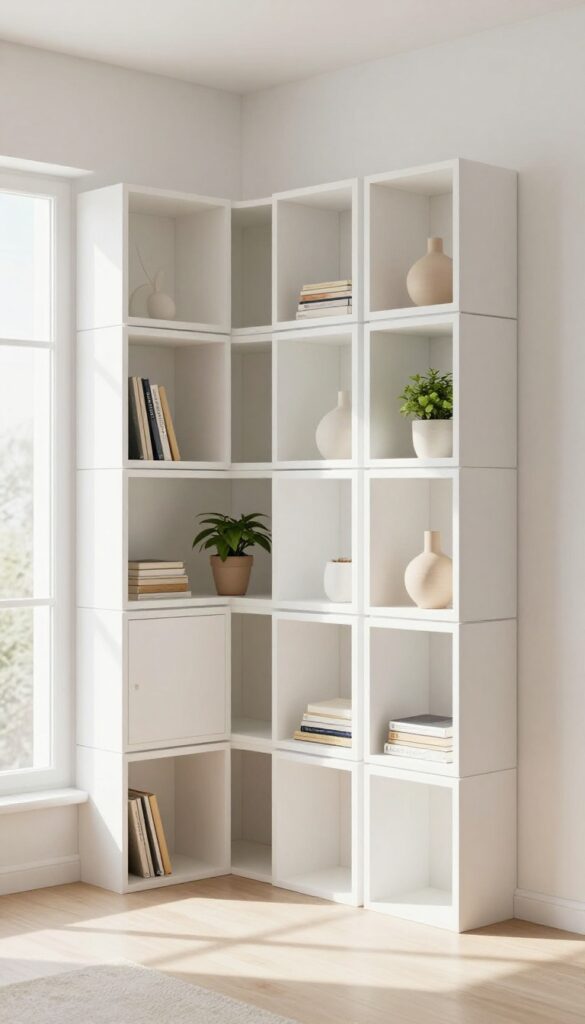
A modular cube system is like a storage puzzle you get to solve yourself. It’s one of those rare pieces that adapts to your life instead of the other way around. You can start with a few cubes and add more as your collection grows, or reconfigure them when you want a fresh look.
For small spaces, this flexibility is a game changer—it lets you fill awkward nooks without committing to a permanent layout.
The beauty of a modular cube system lies in its mix-and-match potential. Open cubes are perfect for displaying your favorite books, plants, or ceramics, while closed cubes hide remote controls, charging cables, or kids’ toys. You can arrange them symmetrically for a clean, modern vibe or stagger them for a more relaxed, collected feel.
Because the cubes are typically lightweight and easy to move, you can swap them between rooms or take them with you when you move. In a living room, try anchoring a low row of cubes under a window and stacking a few vertically on one end to create an asymmetrical focal point.
Best Materials
Look for cubes made from medium-density fiberboard (MDF) with a laminate finish—it’s durable, budget-friendly, and comes in a range of colors. For a warmer, more natural look, go with solid pine or birch plywood. Avoid particleboard if you plan to move the unit often, as it can chip at the edges.
Small-space Fix
In a tight living room, choose a cube system that mounts to the wall. This keeps the floor clear and makes the room feel larger. You can also use a single column of cubes as a room divider without blocking light—just leave some cubes open on both sides to maintain an airy feel.
Shelf Styling Tip
Treat each open cube like a mini vignette. Stick to a three-item rule: one tall object (a vase or lamp), one medium object (a stack of books), and one small object (a candle or figurine). Repeat a color or material across cubes to tie the whole unit together.
3. Low Profile Media Console with Open Shelving
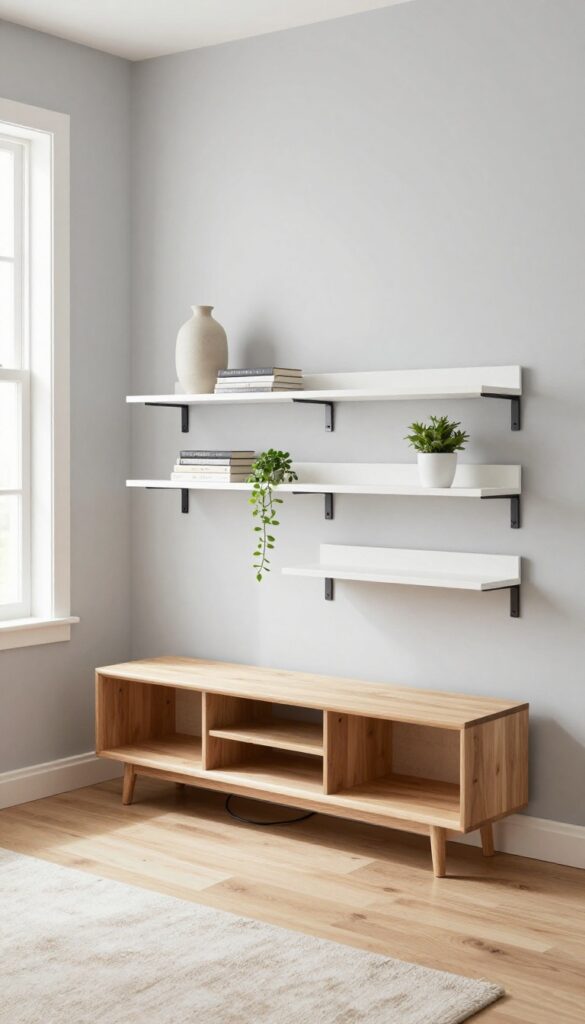
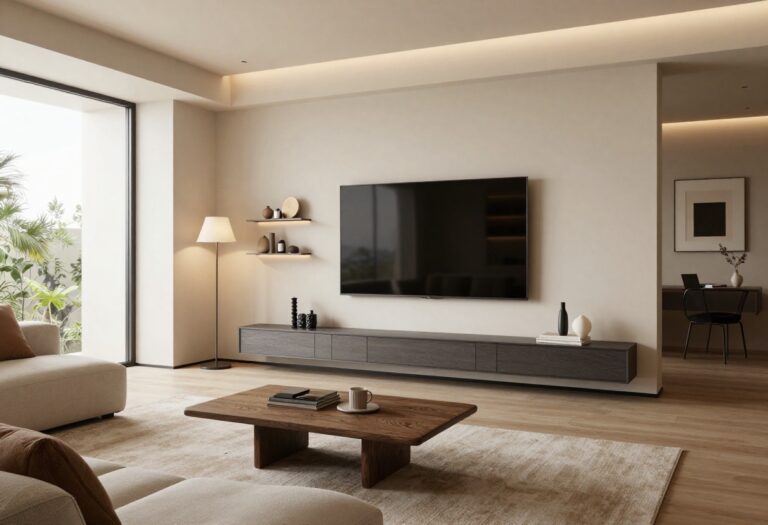
A low media console paired with open shelves above keeps the room feeling open and airy, perfect for small spaces where every inch counts. By storing media components below and styling the shelves with art and small plants, you create a curated look that doesn't sacrifice function. This setup works especially well in narrow living rooms or apartments where you want to avoid bulky furniture that blocks sightlines.
The key to this look is proportion. A console that sits low—around 24 to 30 inches tall—anchors the wall without overwhelming it. Above, floating shelves or a wall-mounted ladder shelf provide display space without eating into floor area.
Choose a console with closed storage for cables and electronics, then let the open shelves show off your personality with books, ceramics, and greenery. The result is a balanced, breathable wall unit that makes your living room feel larger than it is.
Best Materials
Light woods like oak or ash keep the look airy, while a white or pale gray finish reflects light. For a touch of warmth, mix a wood console with black metal shelves. Avoid dark, heavy materials that can make the space feel cramped.
Layout Tip
Keep the console centered under the TV, then arrange shelves slightly asymmetrically—one longer shelf on one side, two smaller ones on the other. This adds visual interest without looking cluttered. Leave at least 6 inches between shelves for easy styling.
Shelf Styling Tip
Group items in odd numbers and vary heights: a tall vase, a stack of books, and a small trailing plant. Leave some empty space to avoid a crowded look. Use baskets or boxes on lower shelves to hide remotes and chargers.
4. Corner Wall Unit to Maximize Dead Space
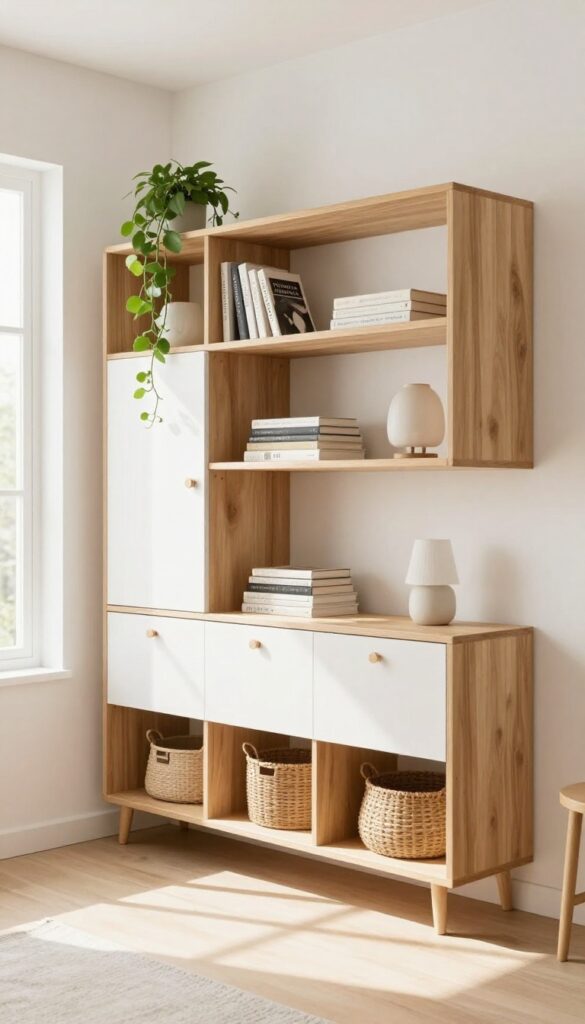
That awkward corner where two walls meet often ends up as a dumping ground for random clutter or a sad, empty spot. But with the right corner wall unit, you can turn that dead zone into one of the most functional areas in your living room. A corner unit hugs the walls and draws the eye upward, making the room feel taller and more intentional.
It’s a smart, space-savvy move that adds storage without eating into your floor plan.
A corner wall unit is a small-space hero because it uses vertical real estate that would otherwise go to waste. Look for designs that combine open shelves for display and closed cabinets for hiding the mess. This way, you can show off your favorite books or decorative objects while tucking away board games, remote controls, and other daily essentials.
The key is to choose a unit that fits the scale of your room—too bulky and it overwhelms, too dainty and it looks lost. A medium-sized unit with a mix of cubbies and drawers strikes the perfect balance. Style it with a few trailing plants, a stack of coffee table books, and a small lamp to create a cozy vignette that feels like a natural part of the room.
Best Layout Tip
Place the corner unit in a spot that doesn’t block traffic flow. If your living room is tight, opt for a floating corner shelf system that mounts directly to the wall, leaving the floor clear. This keeps the space open and airy while still giving you plenty of storage.
Storage Tip
Use baskets or bins on the lower shelves to corral items you don’t want on display. Woven baskets add texture and warmth, while sleek metal bins keep a modern look. Label them if you’re super organized—it makes finding things a breeze.
Finishing Touch
Add a small reading chair or a floor cushion next to the unit to create a mini reading nook. A floor lamp with a warm bulb completes the cozy corner, making it both practical and inviting.
5. Ladder Shelf with Baskets for Casual Storage
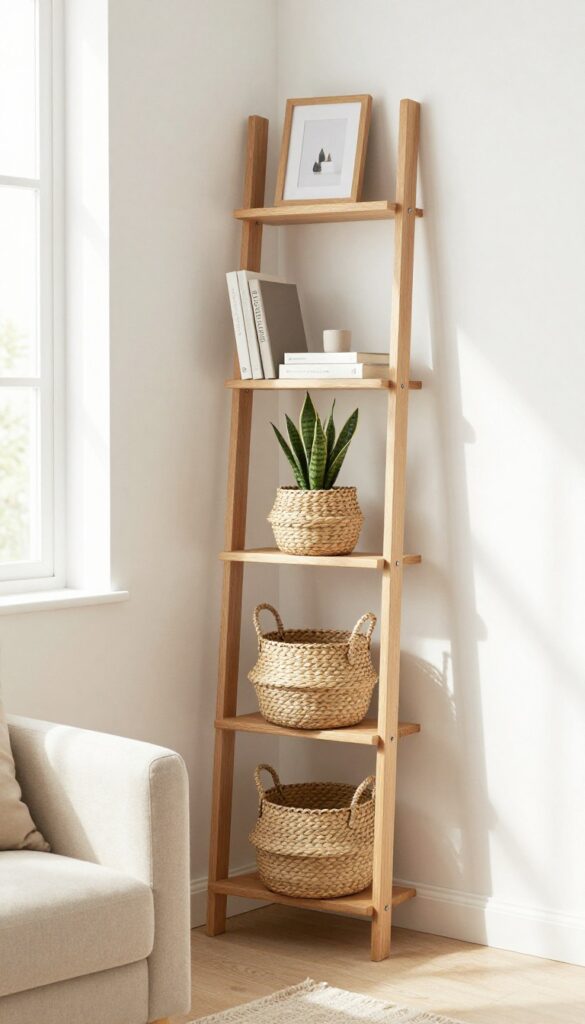
A leaning ladder shelf is the kind of piece that feels like it was always meant to be there. It adds vertical storage without eating into your floor space, making it a natural fit for small living rooms or cozy corners. The angled silhouette keeps the look airy and uncluttered, while woven baskets on the lower rungs hide the everyday clutter—remotes, chargers, small toys—that tends to pile up.
It's stylish without trying too hard, and it works in almost any room.
The beauty of a ladder shelf is how effortlessly it blends into a room. The lean creates a casual, relaxed vibe, and the open design means it never feels bulky. Use the top rungs for a few curated decor pieces—a small plant, a stack of books, a framed photo—and let the baskets do the heavy lifting below.
This setup is especially smart in entryways or living rooms where you need quick grab-and-go storage but don't want a big piece of furniture.
Best Materials & Finishes
- Look for a ladder shelf in natural wood tones like oak or walnut to keep the look warm and grounded. A black metal version adds a more industrial edge and pairs well with neutral or monochrome rooms. For a budget-friendly option, try a bamboo or pine shelf—it's lightweight and easy to move around.
- Avoid glossy finishes that can look too formal; matte or slightly distressed surfaces feel more lived-in.
Storage Tip: Basket Choices
- Woven baskets in seagrass or water hyacinth add texture and a natural feel. Choose baskets with handles for easy pulling, and stick to a consistent size or color family to keep the shelf looking tidy. If you have kids, opt for baskets with lids to hide messes completely.
- For a more polished look, use fabric bins in a neutral linen or cotton—they soften the edges and work well in modern spaces.
Small-space Styling
- Place the ladder shelf against a narrow wall or next to a sofa to maximize unused vertical real estate. Keep the top two rungs mostly empty or with just one statement piece to avoid a cluttered look. Layer a small rug underneath to anchor the shelf and define the zone.
- In a tiny living room, this setup can replace a bulky media console—just add a small TV on a low stand nearby.
6. Custom Built-In Around a Window
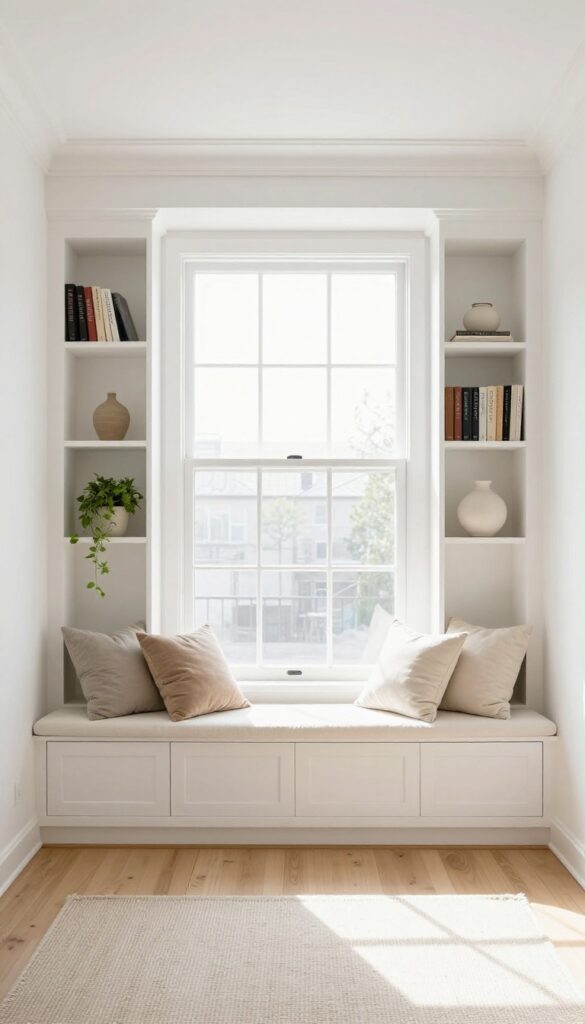
Windows are often the focal point of a room, but they can also be a design challenge—especially in small spaces where every inch counts. A custom built-in that wraps around a window turns that awkward wall into a functional, beautiful feature. Think floor-to-ceiling shelves flanking the window with a cozy bench seat below.
This setup carves out a dedicated reading nook, adds tons of storage, and keeps the natural light flowing. It’s the kind of smart, space-aware solution that makes a small living room feel bigger and more intentional.
Custom built-ins around a window are a dream for small living rooms. They use vertical space efficiently, provide a home for books and decor, and create a charming spot to curl up with a cup of tea. The key is to keep the design clean and not too deep—shallow shelves (12–14 inches) prevent the room from feeling cramped.
Paint the built-ins the same color as the wall to make them blend in, or go for a contrasting hue to make the window pop. Either way, this idea feels custom and polished without eating up floor space.
Layout Tip
Position the bench seat at the same height as a standard chair (around 18 inches) and add a couple of plush cushions. If the window is low, skip the bench and use the lower shelves for baskets or a small stool instead. Leave at least 4 inches of clearance between the shelves and the window trim to avoid blocking light.
Storage Strategy
Use the lower shelves or cabinets for hidden storage—bins, baskets, or even a pull-out drawer for remotes and chargers. Upper shelves are perfect for displaying books, plants, or framed photos. Keep the window sill clear to maintain an open, airy feel.
Cozy Detail
Add a cushion in a soft, washable fabric like linen or cotton velvet. Toss in a couple of throw pillows and a small side table or a floating shelf for a cup of coffee. A floor lamp or wall sconces nearby make the nook usable at any hour.
7. Wall-Mounted Desk and Shelf Combo
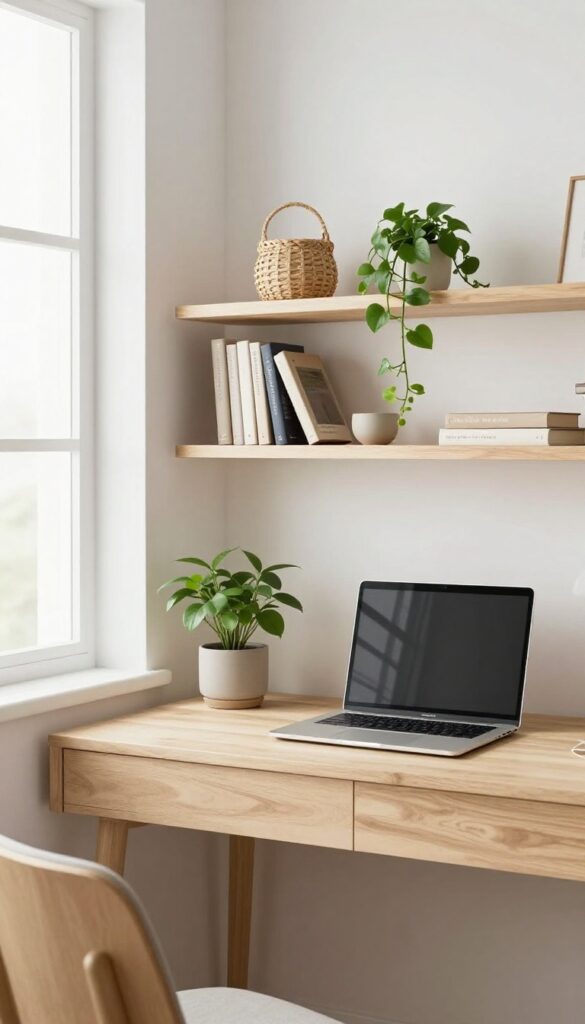
When floor space is tight, the walls become your best ally. A wall-mounted desk paired with floating shelves creates a dedicated work zone without eating into your living area. The key is keeping the desktop clear—store office supplies in decorative boxes on the shelves above, so the workspace feels open and intentional.
This setup works especially well in a corner or under a window, turning an overlooked spot into something productive and polished.
This combo is a small-space superhero. By lifting the desk off the floor, you preserve valuable square footage and make the room feel larger. The shelves above provide storage without adding visual weight, especially if you choose slim, floating designs.
Use the desk for a laptop or writing, and let the shelves hold books, plants, or baskets for odds and ends. The result is a clean, functional nook that blends seamlessly with your living room decor.
Best Materials
- Go for a light wood like birch or oak to keep the space airy. A white or pale gray desk also works well, especially with matching shelves. If you want contrast, a dark walnut desktop against a light wall adds depth without feeling heavy.
- Metal brackets or hidden supports keep the look streamlined.
Small-space Fix
Mount the desk at a height that works for both sitting and standing—around 30 inches is standard. Add a slim, wall-mounted task light to free up the desktop. Use a small stool or chair that tucks completely under the desk when not in use.
Styling The Shelves
Mix closed storage (like woven baskets or small boxes) with open displays (a framed photo, a trailing plant). Keep the tallest items on the ends for a balanced silhouette. Leave some breathing room between objects to avoid a cluttered look.
8. Grid Shelving with a Minimalist Vibe
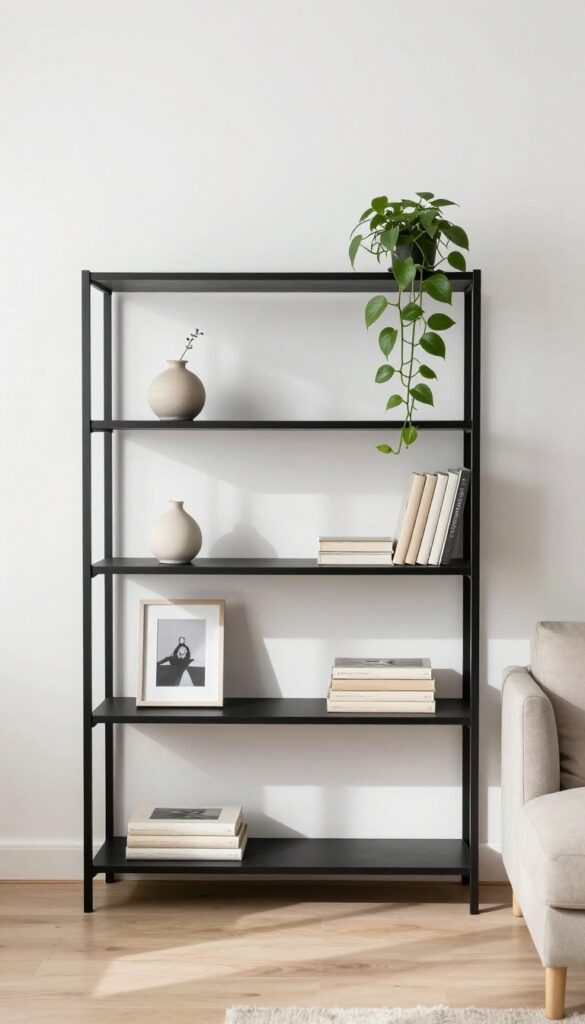
Grid shelving brings a modern, airy feel to any living room without overwhelming the space. The open framework keeps things light and visually uncluttered, making it a perfect fit for small apartments or cozy corners. With just a few curated pieces—like a ceramic vase, a framed photo, or a trailing plant—you can create a display that feels intentional and calm.
The grid also offers clever hooks for hanging small plants or string lights, adding warmth without taking up floor space.
Grid shelving is a smart, space-aware choice for small living rooms. Its open design lets light pass through, making the room feel larger. You can lean it against a wall or mount it securely.
The key is restraint: place only a few objects per shelf, and let the grid itself be part of the decor. Use the top row for lightweight items like small framed art or a clock, and the lower shelves for books or baskets that hide remotes and chargers.
Best Colors
Stick with matte black, white, or natural wood tones to keep the minimalist look intact. Black grids pop against light walls, while white blends in for an almost invisible effect. If you want a subtle contrast, try a warm oak finish that adds texture without shouting.
Styling Tip
- Limit each shelf to two or three objects. Vary heights with a small plant, a stack of books, and a single ceramic piece. Leave negative space—empty sections of the grid are part of the design.
- Use S-hooks to hang a pothos or a set of fairy lights for a cozy evening glow.
Small-space Fix
Choose a grid unit that sits low—around waist height—so it doesn't block the room's sightlines. Place it behind a sofa or along a narrow wall. The open structure keeps the floor visible, which tricks the eye into thinking the space is bigger than it is.
9. Tall Cabinet with Glass Doors for Display
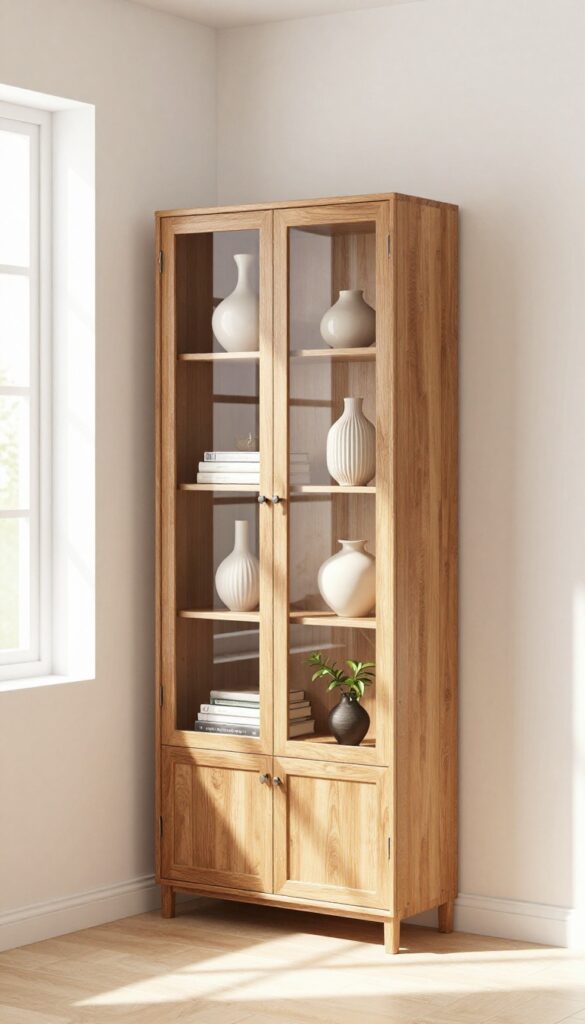
A tall cabinet with glass doors is a clever way to add vertical storage without making the room feel closed in. The transparent panels let you show off your favorite pieces while keeping everything dust-free. In a small living room, this piece pulls double duty: it stores what you need and displays what you love, all in one slim footprint.
Glass-front cabinets have a way of making a room feel more open. The see-through doors create visual depth, so even a tall piece doesn’t feel bulky. Use it to display curated collections, from ceramic vases to stacked books, and tuck less attractive items behind solid lower doors if the cabinet has them.
The key is to edit what goes inside—too many objects can look cluttered, so stick to a cohesive color palette or theme. In a compact living room, this cabinet becomes a vertical anchor that draws the eye upward, making the ceiling feel higher. Place it against a wall that gets natural light, and the glass will reflect the room, adding brightness.
Best Placement For Small Spaces
Slide this cabinet into a narrow wall between windows or next to a doorway. It fits where a wider piece won’t, and the glass doors prevent it from blocking light. If your room has an awkward corner, a tall glass cabinet can fill that gap beautifully while keeping the area airy.
Styling The Shelves
- Treat each shelf like a mini vignette. Group items in odd numbers—three vases or five books—and vary heights. Use a mix of opaque and translucent objects to keep the eye moving.
- Leave a little breathing room between pieces so the display doesn’t feel crowded.
Lighting Tip
Add a small LED strip under the top shelf or inside the cabinet. A warm glow highlights your items and makes the glass doors look even more elegant. It’s an easy upgrade that turns the cabinet into a focal point, especially in the evening.
10. Mix of Open and Closed Storage in One Unit
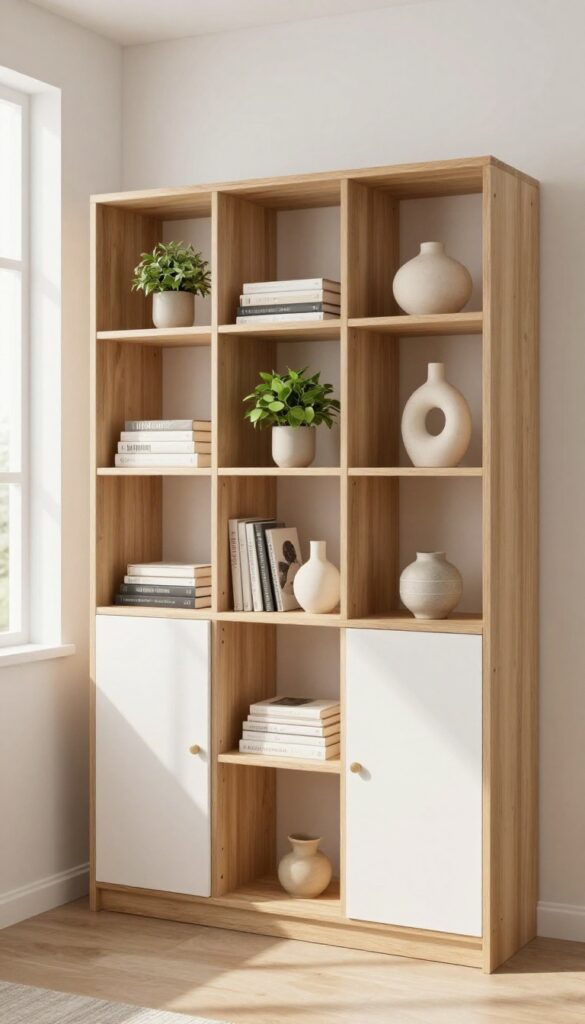
A wall unit that blends open shelves with closed cabinets is the ultimate small-space solution. It gives you a spot to show off your favorite books or ceramics while hiding clutter like remote controls, cables, and paperwork behind doors. The visual rhythm of alternating open and closed sections keeps the wall from feeling too heavy or too busy, which is exactly what a compact room needs.
This approach works beautifully in a living room where you want both personality and practicality. The open shelves let you style with intention—think a stack of coffee table books, a small plant, and a sculptural vase—while the cabinets below or beside them keep the mess out of sight. In a small apartment, this kind of unit can replace a bulky entertainment center and a separate bookcase, freeing up floor space without sacrificing storage.
Look for a unit with a mix of deep cabinets for larger items and shallow shelves for display. If you can, choose one with adjustable shelving so you can customize the heights for your TV, soundbar, or tall decor pieces.
Best Colors For A Small Space
Stick with light, neutral tones like white, pale gray, or light wood to keep the unit from visually shrinking the room. A white unit with open shelves painted the same color as the wall creates a seamless look that makes the space feel larger. If you want contrast, try a two-tone approach: white cabinets with natural oak shelves for warmth without heaviness.
Layout Tip: Balance The Grid
Arrange the open and closed sections in a balanced grid rather than clustering all open shelves on one side. For example, place cabinets at the bottom with open shelves above, or alternate one open cubby with one closed door across the unit. This symmetry keeps the eye moving smoothly and prevents the wall from feeling lopsided.
Shelf Styling Tip
- On the open shelves, group items in odd numbers and vary heights. Use a small stack of books as a riser for a framed photo, then add a trailing plant next to it. Leave about 30% of each shelf empty to avoid a cluttered look.
- Keep the closed cabinets for items you don't need daily, like extra blankets or board games.
11. Slim Wall Unit with a Fold-Down Desk
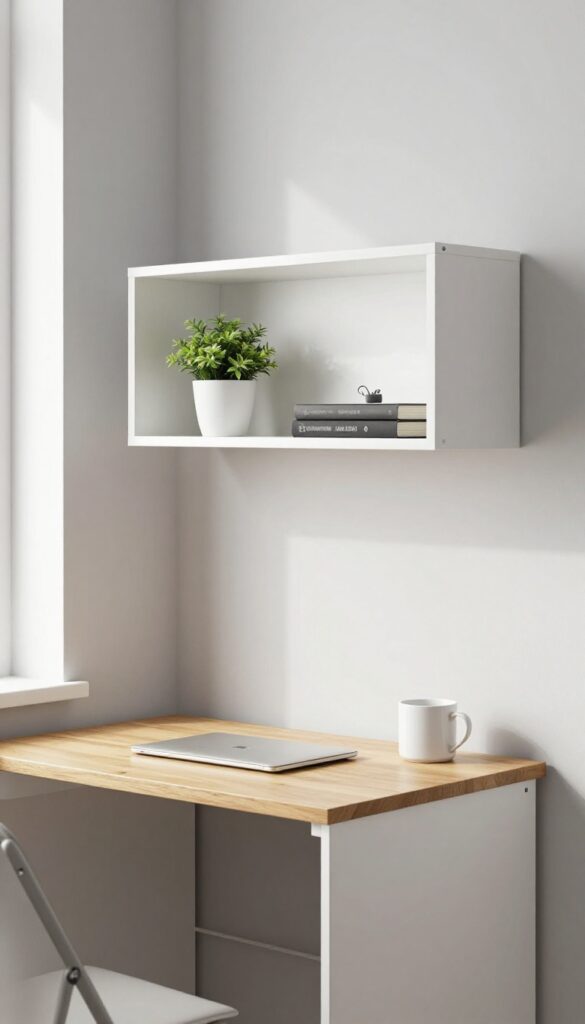
When your living room doubles as a workspace, you need furniture that adapts. A slim wall unit with a fold-down desk gives you a dedicated spot to answer emails or pay bills, then disappears when you want to unwind. It’s the kind of smart, space-saving piece that makes a small room feel bigger and more functional.
This wall unit hugs the wall without protruding too far, so it won’t eat into your floor space. The fold-down desk is mounted on sturdy hinges and locks into place when open. When closed, it looks like a sleek cabinet front, keeping clutter out of sight.
Choose a unit with a few open shelves above for books or decor, and closed storage below for office supplies. The result is a clean, organized look that works in studios, apartments, or any room where every inch counts.
Best Colors
Stick with light neutrals like white, pale gray, or natural wood to keep the unit feeling airy. A white unit with a warm wood desktop adds contrast without overwhelming the room. If you want a bolder look, try a matte black or navy finish—just balance it with light walls and plenty of natural light.
Small-space Fix
Mount the unit at a height that works for both sitting and standing—around 28 to 30 inches from the floor. Pair it with a slim, foldable chair that can tuck away when not in use. Add a small task light on a shelf above to keep the desktop clear.
Shelf Styling Tip
Keep the open shelves minimal to avoid visual clutter. Stack a couple of coffee table books vertically, add a small plant, and use a sleek tray for keys or mail. Leave enough empty space so the unit doesn’t feel packed.
12. Asymmetric Shelving for Visual Interest
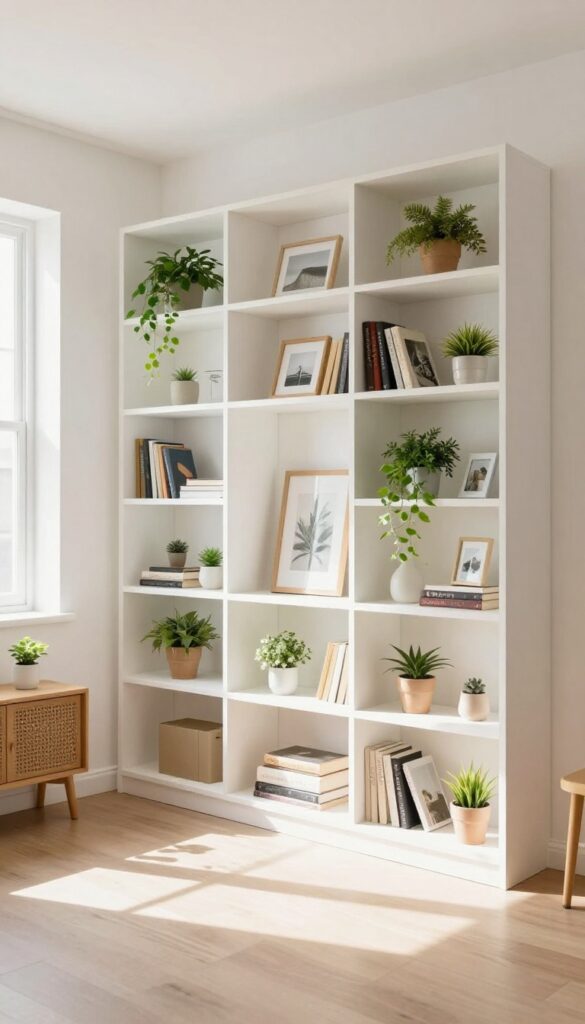
Symmetry has its place, but sometimes a room needs a little visual shake-up. Asymmetric shelving breaks the predictable grid and turns a wall unit into a dynamic focal point. By mixing shelf heights, depths, and placements, you create a custom look that feels curated rather than store-bought.
This approach is especially smart in small spaces, where rigid furniture can feel boxy and overwhelming. Instead, an asymmetrical layout draws the eye upward and around, making the room feel taller and more open.
Asymmetric shelving is all about intentional imbalance. Instead of lining up shelves in a perfect row, you stagger them at different heights and lengths. Some shelves might be deep enough for a stack of books, while others are shallow for small plants or framed photos.
This variety adds texture and depth to your wall, turning storage into a design statement. The key is to keep the overall shape balanced—think of it as a visual seesaw where one tall shelf is offset by a cluster of smaller ones. This works beautifully in living rooms where you want to display a mix of items without everything feeling uniform.
Plus, the irregular layout naturally hides clutter because your eye is drawn to the shapes, not the stuff.
Small-space Fix
- In a compact living room, an asymmetric wall unit can double as a room divider without blocking light. Mount shelves at varying heights to create a see-through partition that separates the seating area from a dining nook. Keep the shelves shallow—around 8 inches deep—so they don't eat up floor space.
- Use a mix of closed cubbies and open ledges to store both decorative objects and everyday essentials like remote controls or coasters.
Best Materials
- For a modern, airy feel, pair light wood shelves with black metal brackets. The contrast adds visual weight to the asymmetry without making the unit feel heavy. If your style leans warmer, go for natural oak or walnut with brass accents.
- The key is to keep the material palette simple so the shelf arrangement remains the star. Avoid bulky, dark wood that can make a small room feel cramped.
Shelf Styling Tip
- When styling asymmetric shelves, group items in odd numbers and vary their heights. Place a tall vase on a higher shelf, then balance it with a stack of books and a small succulent on a lower one. Repeat colors or materials across different shelves to create a subtle visual rhythm.
- Don't overfill—leave some negative space so the asymmetry doesn't look chaotic.
13. Wall Unit with Integrated Lighting
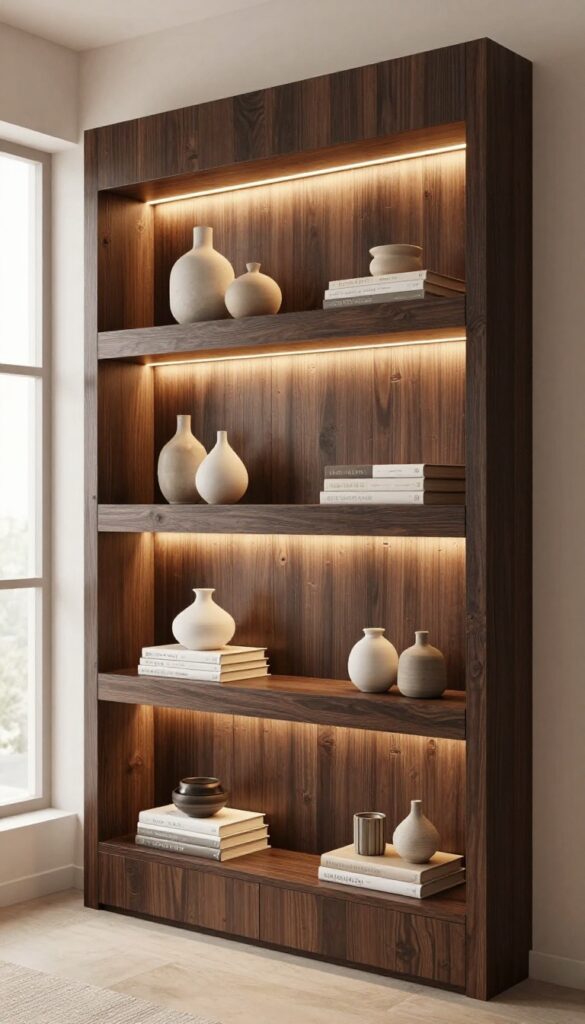
Good lighting can turn a basic wall unit into a room’s centerpiece. By adding LED strip lights or puck lights inside shelves and cabinets, you create depth and warmth that makes your decor pop. This trick works especially well in small spaces because it draws the eye upward and makes the whole unit feel lighter.
Integrated lighting isn’t just about visibility—it’s about setting a mood. Soft, warm lights behind books or collectibles add a cozy glow that makes the room feel inviting. For a small living room, this can make a compact wall unit feel expansive and intentional.
The key is to place lights strategically: under shelves to highlight display items, inside glass-front cabinets to show off glassware, or along the top edge to cast a soft wash on the wall. Use warm white LEDs (2700K–3000K) for a relaxed vibe, or cool white for a modern, crisp look. Dimmable options let you adjust brightness throughout the day.
This idea pairs beautifully with neutral or dark wall units—the contrast makes the light stand out.
Best Colors
Dark wood or matte black wall units make integrated lighting really shine, as the light pops against the dark surface. White or light wood units work too, but use warmer lights to keep the look cozy. Avoid cool blue LEDs with white units—they can feel sterile.
Layout Tip
Place lights on the top shelf to wash the wall above, and on the bottom of each shelf to illuminate items below. For a floating effect, install lights along the bottom edge of the unit so it appears to hover above the floor.
Small-space Fix
In a tiny living room, use a narrow wall unit with integrated lighting to create a focal point without taking up floor space. The light draws attention upward, making the ceiling feel higher and the room more open.
14. Rustic Wood Shelves with Metal Brackets
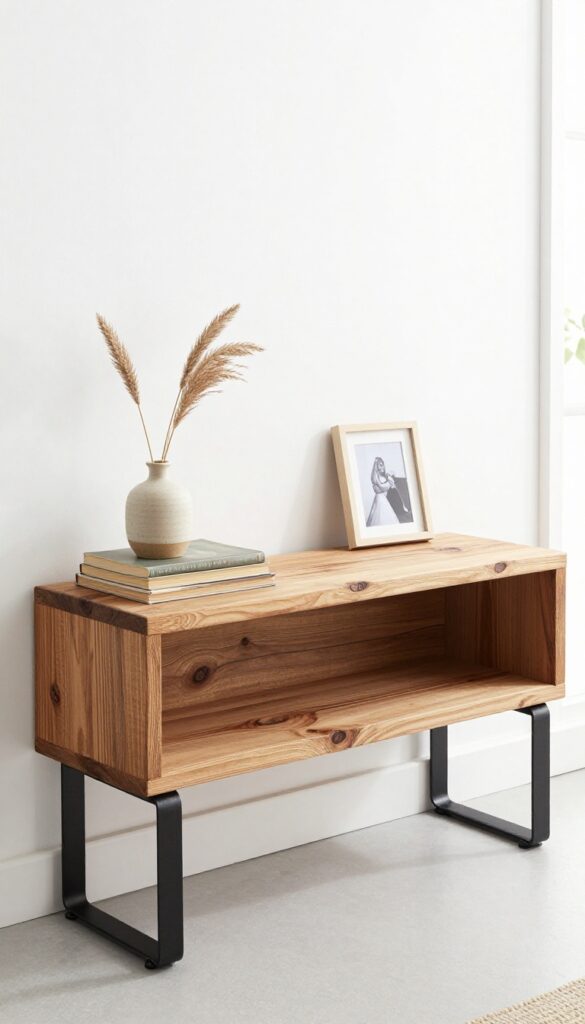
There's something about the combination of raw wood and black metal that feels both grounded and effortlessly cool. Thick, live-edge or reclaimed wood planks paired with sturdy iron brackets bring a warm, industrial edge to any room. In a small living room, these shelves become more than storage—they’re a design statement that draws the eye upward, making the space feel taller and more intentional.
Rustic wood shelves with metal brackets offer a perfect blend of warmth and industrial edge. The thick, natural wood brings texture and a sense of history, while the black metal brackets add a clean, structural contrast. This combination works beautifully in farmhouse, boho, or modern rustic spaces, and it's especially effective in small living rooms where vertical storage is key.
The shelves can hold books, plants, ceramics, or baskets, and the open design keeps the room feeling airy rather than cluttered. To maximize the look, choose wood with visible grain and knots, and opt for brackets with a matte black finish for a cohesive, grounded feel.
Best Materials
- Go for solid wood like oak, walnut, or reclaimed pine for durability and character. The thicker the shelf (at least 1.5 inches), the more substantial it looks. Pair with wrought iron or powder-coated steel brackets in matte black.
- Avoid glossy finishes—they clash with the rustic vibe.
Small-space Layout Tip
- Install the shelves in a staggered arrangement rather than in a straight line. This creates visual interest and allows you to vary the height of items. In a narrow living room, place one shelf higher near the ceiling to draw the eye up, and a lower one for everyday access.
- Keep the spacing between shelves between 12 and 18 inches so you can fit both tall books and short decor.
Shelf Styling Tip
- Balance heavy and light items. Stack a few leather-bound books on one end, then add a trailing pothos plant and a small ceramic vase. Mix in a woven basket for texture.
- Leave some negative space—about 30% of each shelf should be empty to avoid a cluttered look. Stick to a neutral palette with natural wood tones, black, and greenery for a cohesive feel.
15. Mirrored Back Shelves to Open Up the Room

Mirrored backs on shelves are a clever trick that instantly adds depth and brightness. By reflecting light and views, they make a small living room feel larger and airier. Perfect for dark corners or narrow spaces, these shelves combine storage with an illusion of space.
Install shelves with mirrored backs to reflect light and make the room feel larger. This trick works especially well in dark corners or narrow living rooms. The mirrored surface bounces both natural and artificial light around, brightening the area and creating a sense of openness.
Pair them with a few carefully chosen decor pieces to avoid a cluttered look, and let the reflection do the heavy lifting.
Best Placement
Place mirrored shelves opposite a window or light source to maximize reflection. In a narrow living room, install them on the longer wall to visually widen the space. Avoid overcrowding—leave some empty spots so the mirror can shine.
Styling Tips
Keep decor minimal: a single vase, a small plant, or a candle. Metallic accents like brass or gold catch the light nicely. Use clear glass objects to maintain an airy feel and prevent visual weight.
Small-space Fix
Floating mirrored shelves save floor space and work well above a sofa or console. For extra impact, choose a shelf with a thin frame to emphasize the mirror. This setup is ideal for apartments where every inch counts.
16. Wall Unit with a Hidden TV Compartment
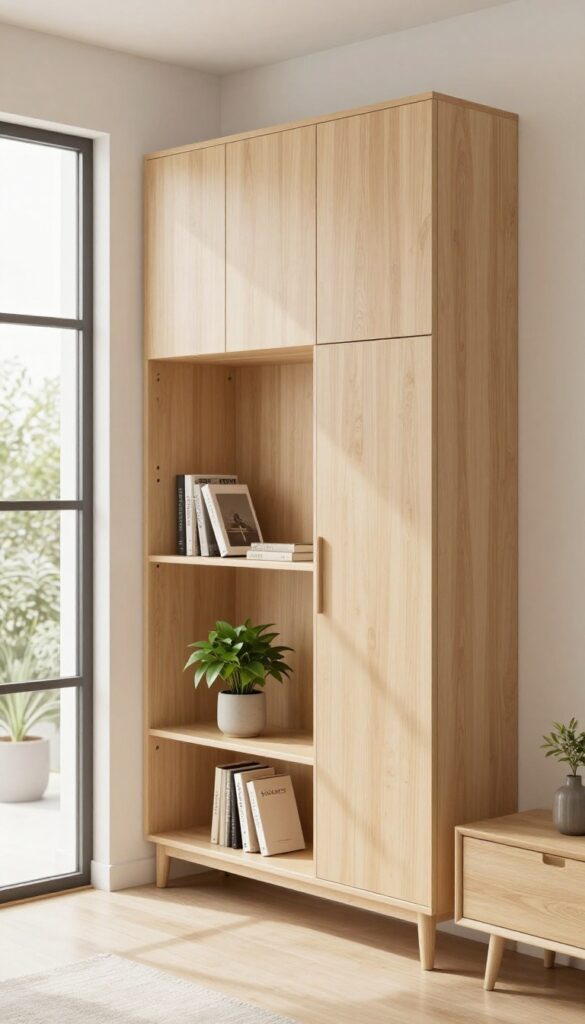
A wall unit that tucks the TV away when it's not on? That's the kind of smart design that makes a small living room feel bigger and more intentional. Instead of a big black screen dominating the space, you get a clean, furniture-forward look that lets your decor breathe.
This is especially great for apartments where the living area pulls double duty—you want the room to feel like a place to relax, not just a media hub.
The trick is choosing a unit with a cabinet or panel that slides or swings shut over the TV. When it's closed, the wall unit looks like a stylish piece of cabinetry—maybe with open shelves for books and plants, or closed storage for everyday clutter. When movie time rolls around, just open it up.
It's a simple idea that makes a huge difference in how the room feels day to day.
Best Colors
Stick with light neutrals like white, warm gray, or soft beige to keep the unit from feeling bulky. If you want contrast, go for a two-tone look: a light cabinet body with a darker interior behind the TV. That way the screen doesn't feel like a black hole when it's exposed.
Small-space Fix
In a tight room, choose a wall unit that's shallower than standard—around 12 to 14 inches deep. That's enough to hold the TV and a few shelves without eating into the floor space. Also, look for units with integrated cable management so you don't have a nest of wires showing when the cabinet is open.
Finishing Touch
Add a slim LED strip behind the TV inside the compartment. When the cabinet is open, the soft glow reduces eye strain and makes the TV area feel like a cozy little nook. When it's closed, the light can still peek through any gaps, adding a warm ambiance to the room.
17. Color-Blocked Wall Unit for a Bold Statement
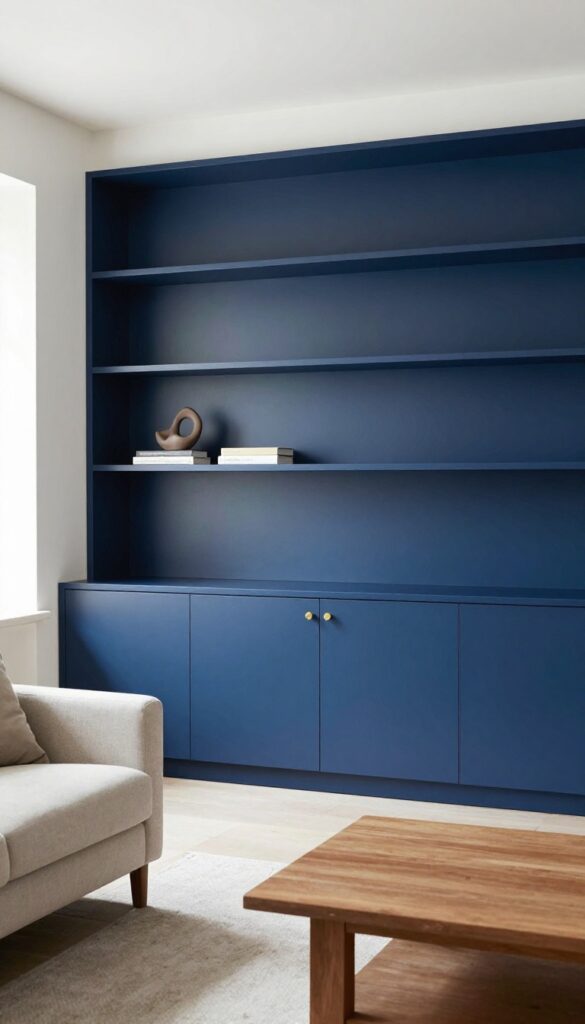
A wall unit doesn't have to blend into the background. Painting it in a striking, contrasting color transforms it into a deliberate design feature that anchors the room. Deep navy or emerald green adds instant depth and personality, especially against neutral walls.
This approach works beautifully in small spaces because the bold color draws the eye upward and outward, making the unit feel like intentional architecture rather than just storage.
For a small living room, a color-blocked wall unit is a smart way to add drama without taking up extra floor space. The key is choosing a hue that contrasts with your wall color—think rich jewel tones against soft whites or warm grays. This creates a visual anchor that organizes the room and gives it a curated feel.
Pair it with metallic accents or natural wood to keep the look grounded. The unit itself can be a simple modular system or a built-in; either way, the color does the heavy lifting.
Best Colors
Stick with deep, saturated shades like navy, emerald, charcoal, or burgundy. These colors add sophistication without overwhelming a small room. For a softer statement, try muted terracotta or olive green.
Small-space Fix
Choose a wall unit with open shelving on top and closed cabinets below. The open shelves keep the area airy, while the closed storage hides clutter. Paint the entire unit the same bold color to create a seamless, custom look.
Finishing Touch
Add brass or black hardware for contrast. A few brass knobs or pulls can elevate the unit from simple to sophisticated. Keep the styling minimal—a few sculptural objects or books in neutral tones let the color shine.
FAQ
What is the best wall unit for a very small living room?
Floating shelves or a low-profile media console with open shelving work best. They keep the room feeling open while providing storage without taking up floor space.
How do I style a wall unit without it looking cluttered?
Follow the rule of thirds: fill one-third with decor, leave one-third empty, and use one-third for functional storage. Stick to a cohesive color palette and vary heights.
Can I install a wall unit myself?
Yes, many modular and floating shelf systems are DIY-friendly. Just make sure to use proper anchors for your wall type and follow the instructions carefully.
What colors work best for a small living room wall unit?
Light colors like white, beige, or light wood keep the room airy. If you want a bold color, use it on a single unit or as an accent to avoid overwhelming the space.
How do I choose between open and closed storage?
Consider your lifestyle. Open storage is great for displaying items you love, while closed storage hides clutter. A mix of both offers the best of both worlds.
Conclusion
Wall units are a game-changer for small living rooms, offering both storage and style without eating up precious square footage. Whether you prefer floating shelves or a modular system, there's an option that fits your space and personality.
Remember, the key is to choose a design that feels intentional and uncluttered. With these 17 ideas, you can turn your living room into a functional, beautiful space that you'll love spending time in.